1. Introduction
In China, rural settlements constitute the fundamental units of agricultural civilization and national governance. With nearly 500,000 administrative villages and a permanent rural population of 477 million, rural space plays a pivotal role in the nation’s development process. Increasing attention has been directed at rural issues at the national level, with a series of policies introduced to strengthen the protection and utilization of rural settlements. However, the rapid advancement of urbanization has altered the traditional spatial forms of rural settlements through land use adjustments, land requisition, and real estate development. Furthermore, multiple compounded disturbances, including natural disasters, land degradation, population loss, and functional hollowing of rural spaces, have exacerbated these transformations.
Located in the southern part of Shaanxi Province, the southern Shaanxi region is a typical mountainous and hilly area characterized by complex topography and diverse ecological environments. Under these dynamic conditions, traditional villages in southern Shaanxi have developed spatial organizational patterns with distinctive local characteristics in response to natural and social transformations. These villages exhibit rich morphological diversity, possess significant historical and cultural value, and serve as representative cases. At the same time, they face growing demands for adaptive conservation and sustainable development.
Resilience in rural settlements has long been a key focus in the study of rural system sustainability. In recent years, many scholars have examined rural settlements in disaster-prone regions, investigating their recovery capacities in the face of catastrophic events such as droughts, floods, and landslides [
1,
2,
3,
4,
5,
6,
7]. Beyond single-disaster contexts, other studies have constructed multidimensional rural resilience assessment frameworks for systematic analysis [
8,
9]. Among these, the morphological resilience of rural settlements directly affects their intrinsic adaptability to external disturbances [
10,
11], shaping the foundational patterns for their future development. Consequently, resilience research from the perspective of rural spatial morphology has gradually emerged as a new research frontier [
12,
13]. Nevertheless, current studies on rural resilience often exhibit high redundancy and insufficient interdisciplinary integration, relying primarily on conventional socio-economic perspectives with limited attention to spatial heterogeneity or the interplay among disturbance factors. Although some studies at the urban scale have adopted a bionic perspective, their strategies have typically been derived from micro-level, isolated biological behaviors, resulting in fragmented findings that lack a holistic framework and practical applicability [
14,
15,
16,
17,
18].
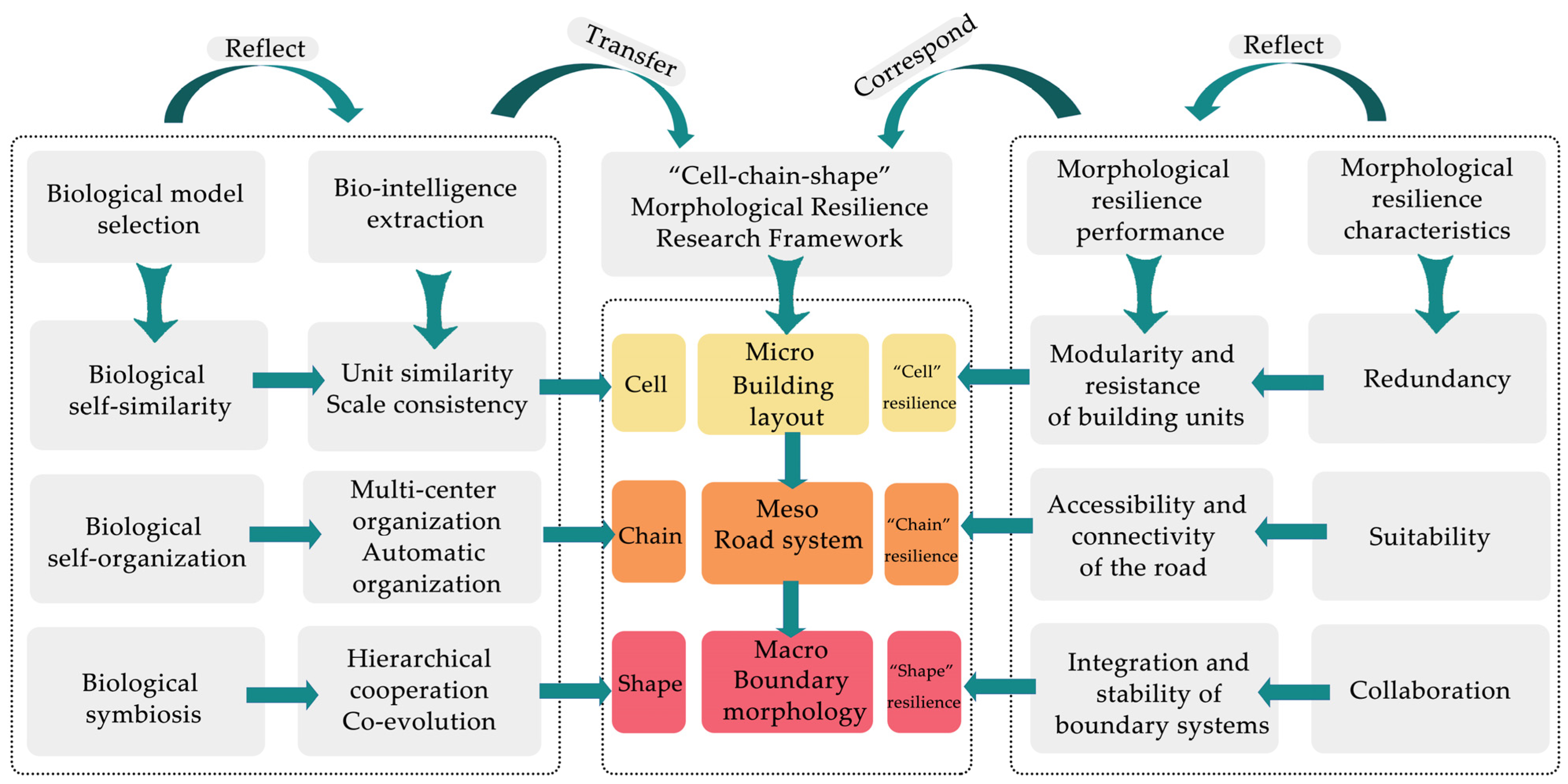
In fact, biological organisms and ecosystems, through long evolutionary processes, have demonstrated adaptive recovery, self-regulation, and cooperative mechanisms in response to environmental changes and disturbances. Such forms of biological wisdom share strong affinities with rural resilience research, particularly regarding the enhancement of adaptability and sustainability in rural settlements. Against this background, the present study introduces an innovative perspective by extracting morphological resilience insights from three biological models—biological self-similarity, biological self-organization, and biological symbiosis. Based on these insights, it systematically proposes the “cell–chain–form” framework, offering a comprehensive and objective analysis of the manifestations of morphological resilience in rural settlements. Furthermore, this study explores disturbance factors affecting resilience performance in a context-specific manner and develops targeted strategies for resilience enhancement, thereby providing effective support for the sustainable development of rural settlements in southern Shaanxi.
3. Data and Methods
3.1. Data Sources and Preprocessing
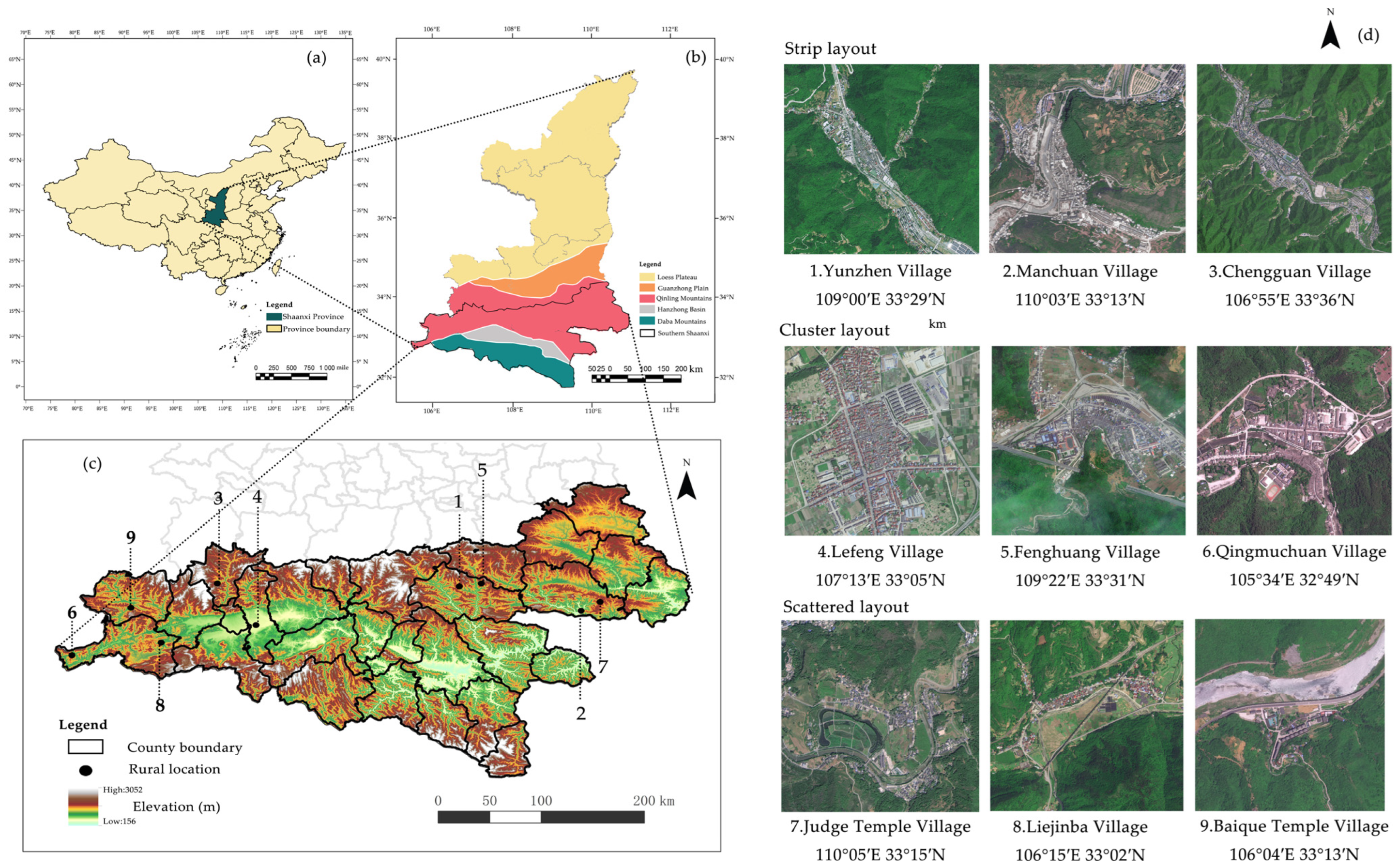
This study focuses on the southern Shaanxi region, which is located in the southern part of Shaanxi Province, China. It belongs to a climatic zone characterized by hot summers and cold winters, bordered by the Qinling Mountains in the north and the Bashan Mountains in the south. Situated at the junction of multiple provinces, it is also a convergence zone of diverse cultures. According to latitudinal divisions, the southern Shaanxi region can be categorized into three geographical units: basin type, low-mountain type, and high-mountain type. The diverse geographical conditions and cultural integration have shaped the unique village morphologies of southern Shaanxi. These morphologies emerged in the absence of strict construction and planning, formed entirely through spontaneous adaptation to the environment. This reflects the adaptive wisdom of villages situated in complex environments characterized by the high coupling of natural ecology and human society. At the same time, however, natural conditions such as frequent heavy rainfall and mountainous terrain make many villages prone to disasters such as mudslides and floods. Inconvenient transportation and economic underdevelopment have also led to problems, including population loss, environmental degradation, and the difficulty of sustaining traditional appearances and spatial patterns. The resilience and sustainable development capacity of rural settlements, therefore, urgently need improvement.
Accordingly, from the four perspectives of evolutionary adaptability, morphological stability, cultural prominence, and recognized importance, this study selects nine traditional villages in southern Shaanxi, which are representative in terms of socio-historical attributes and morphological value, to conduct a study on morphological resilience.
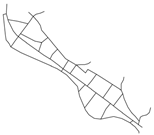
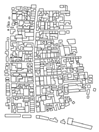
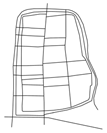
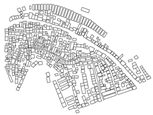
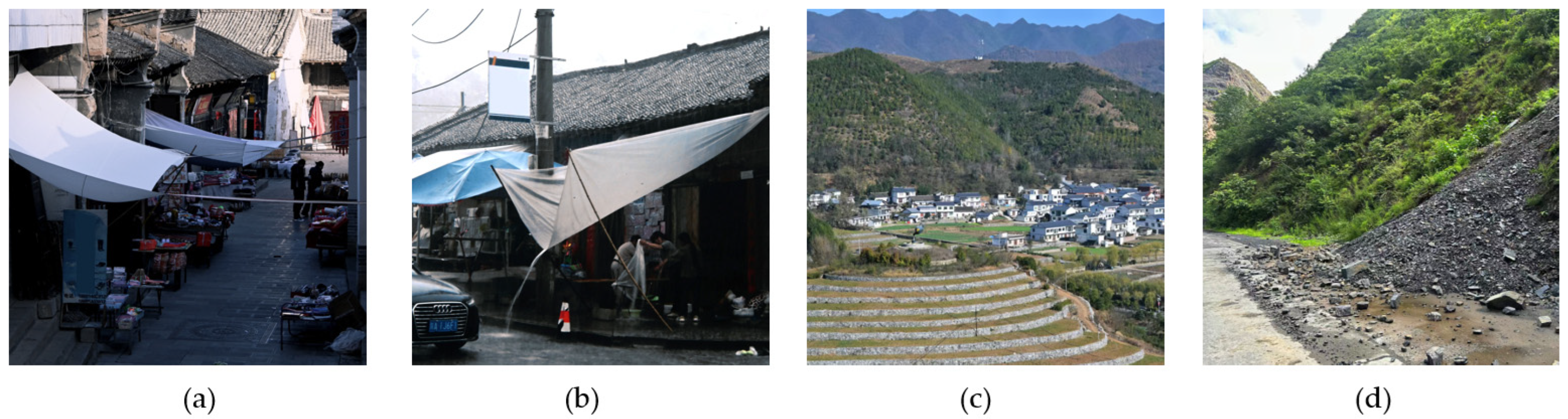
Figure 2 shows the spatial distribution and basic morphologies of the nine sample villages. According to their spatial layouts, they can be divided into three categories: linear type, including Yunzhen Village, Manchuan Village, and Chengguan Village; clustered type, including Lefeng Village, Fenghuang Village, and Qingmuchuan Village; and dispersed type, including Judge Temple Village, Liejinba Village, and Baique Temple Village. The basic information is presented in
Table 1. The disaster situation is shown in
Figure 3.
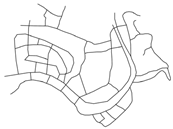
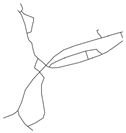
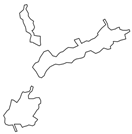
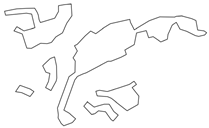
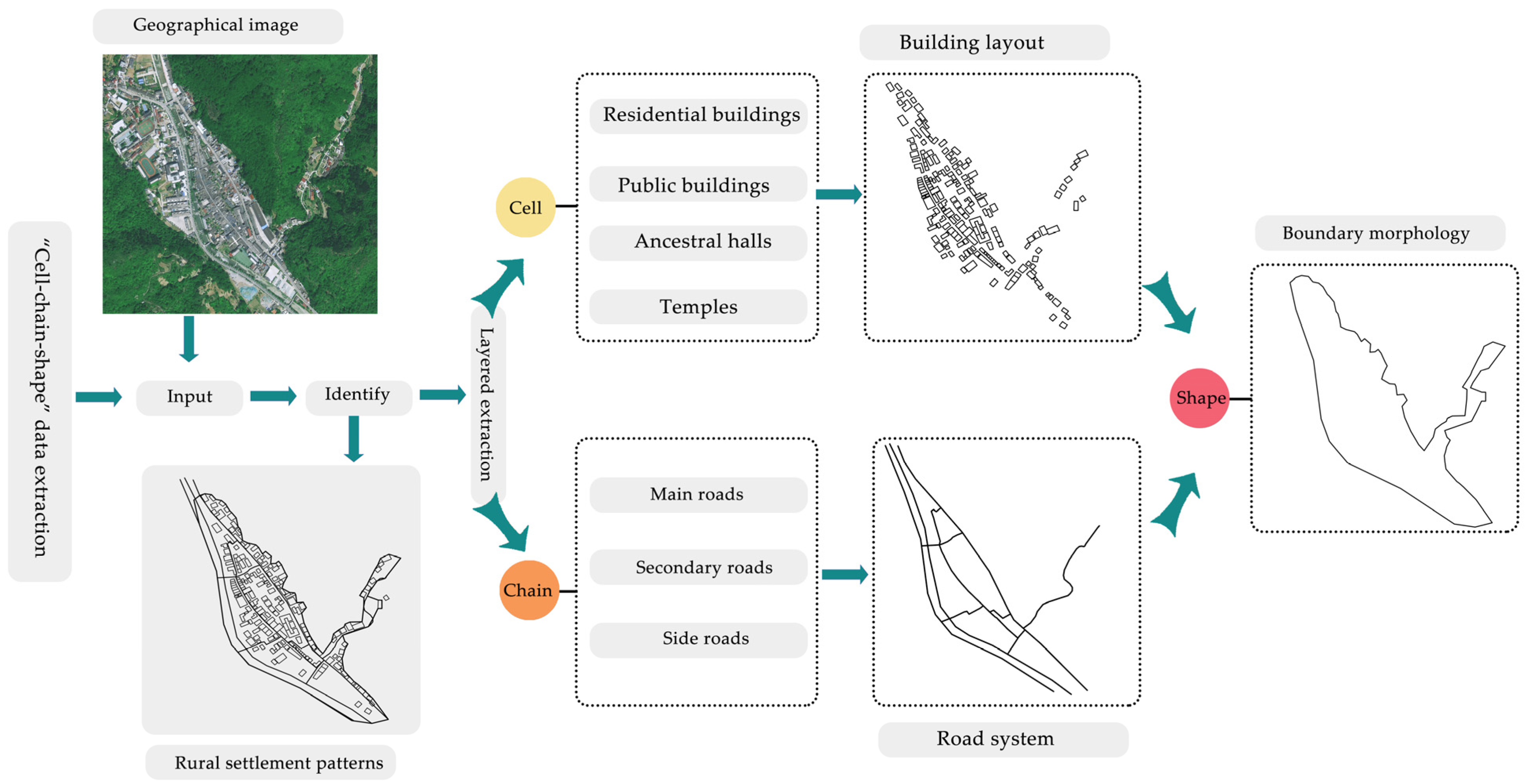
The acquisition of vector data on buildings, roads, and boundaries within rural settlements in this study was sourced from Gscloud and Bigemap. Multiple field investigations were conducted between 2024 and 2025 to supplement and correct ambiguous areas. All vector data were strictly preprocessed and cleaned using AutoCAD 2024 and ArcGIS Pro software. Following the “cell–chain–form” research framework shown in
Figure 4, data on buildings, roads, and boundaries of the nine villages were extracted to ensure the accuracy of subsequent calculations [
31,
32]. In addition, data on policy issuance frequency, disaster-affected population, number of rural industries, frequency of cultural activities, economic income levels, and rural population structure were obtained from local government statistics and online sources. The impact of policy, disasters, social, cultural, and economic factors on the resilience and adaptability of rural settlements was further investigated through a combination of survey questionnaires and interviews with villagers. A total of 450 questionnaires were distributed across 9 rural settlements, yielding 393 valid responses. Additionally, 47 individuals, including both villagers and government officials, were interviewed during the fieldwork.
3.2. Dual System
The morphological resilience of rural settlements is simultaneously influenced by both morphological background and the surrounding environment. Therefore, this study proposes a static–dynamic dual evaluation system. The “cell–chain–form” framework is employed to construct the morphological baseline, while five categories of factors—policy, ecology, society, culture, and economy—are used to represent exogenous disturbances, thereby overcoming the limitations of single-path evaluations.
3.2.1. Static—Morphological Resilience Evaluation System
As shown in
Table 2, The construction of the rural settlement morphological resilience evaluation system is based on the “cell–chain–form” research framework, evaluating the performance of morphological resilience from three aspects: building layout, road system, and boundary morphology, with a focus on redundancy, adaptability, and synergy, respectively. The selection of indicators is required to reflect the biological wisdom and resilience mechanisms contained in the framework, while also ensuring orientation, scientific rigor, and operability.
Based on this, at the “cell” resilience level, building connectivity is chosen to determine whether the spatial structure of the settlement is “loose” or “compact”. Building aggregation is used to measure the density of buildings in space, where higher aggregation promotes efficient resource utilization. The planar fractal dimension of buildings directly reflects the complexity of building morphology and represents the redundancy characteristic of morphological resilience. At the “chain” resilience level, traffic density is used to assess accessibility and the connective capacity of spatial structures. Traffic connectivity represents the cohesion and organizational ability of the road network; in the event of a disaster, a highly connected network facilitates more efficient evacuation. The fractal dimension of roads indicates the complexity and adaptability of the road system, with higher values representing greater diversity and flexibility, enabling multiple path choices under varying conditions. At the “form” resilience level, boundary concavity–convexity indicates the complexity of settlement boundary morphology, where higher concavity–convexity implies adaptability in spatial layouts to cope with more complex environmental changes. The boundary shape index evaluates the regularity of settlement boundary contours, where higher values indicate more variable spatial organization and greater flexibility in expansion. The boundary fractal dimension represents the spatial advance–retreat relationship between settlement boundaries and the natural environment, reflecting the capacity of rural settlements to integrate with and adjust to natural surroundings.
3.2.2. Dynamic—Morphological Resilience Disturbance System
In practice, the maintenance and enhancement of rural settlement morphological resilience are not only influenced by internal structures but are also more significantly affected by external disturbances. Exploring the mechanisms through which external disturbance factors impact morphological resilience is crucial for improving resilience and proposing effective strategies. Therefore, building upon the static evaluation system, this study further develops a dynamic disturbance system, which focuses on five key disturbance factors—policy, ecology, society, culture, and economy—and selects indicators in combination with the feedback mechanisms of morphological resilience within the “cell–chain–form” structure. Specific indicators are shown in
Table 3.
Policy disturbances are usually manifested in the implementation of environmental remediation, development, and related policies, which may lead to spatial reconstruction or functional transformation of rural settlements, thereby affecting their morphological resilience. Ecological disturbances are mainly reflected in the occurrence of natural disasters, which interfere with morphological resilience by directly impacting the physical structures and social functions of settlements, while a sound ecological foundation provides natural conditions and external protection for settlement development. Social disturbances are reflected in changes in rural social structure and population, which may alter the labor force composition, influence the provision of social services and infrastructure, and indirectly affect morphological resilience. Cultural disturbances are expressed in shifts in cultural and social values, where the preservation of cultural activities and traditional practices strengthens social cohesion and recovery capacity among villagers, enhances the developmental potential of rural systems, and influences the performance of rural resilience. Economic disturbances mainly focus on the economic foundation of villages, including factors such as industrial structure, sources of funding, and income levels. The overall level of macroeconomic development in rural areas, to some extent, determines the ability of rural systems to withstand external risks, while also shaping distinctive cultural landscapes that enhance the carrying capacity and sustainable development potential of rural settlements.
3.3. Research Methods
3.3.1. GIS Spatial Statistical Analysis
This study employs ArcGIS Pro spatial analysis tools to compute the resilience indicators of rural settlement morphology, offering a fast, reusable, and verifiable technical approach for calculating resilience indicators in complex terrains. This method not only provides explanatory mechanisms but also generates spatial outputs, making it an exceptionally scientific and efficient tool [
33]. This study utilizes modified vector data of rural settlement buildings, roads, and boundaries to perform calculations.
Table 4 illustrates the GIS analysis methods and the principal formulas used for calculating each indicator, such as connectivity, calculated through proximity count and proximity distance, and the fractal dimension index, which is measured using the box-counting method and multi-scale buffering technique [
34,
35]. The specific vector data used and the indicator calculation results are presented in
Appendix A Table A1 and
Table A2.
3.3.2. Entropy-TOPSIS Method
Based on the quantitative results calculated through GIS, the Entropy-TOPSIS method was employed to determine the weights of indicators in the rural settlement morphological resilience evaluation system. As a data-driven and objective weighting approach, this method is particularly suitable for processing quantitative data under the static evaluation framework of this study. By normalizing positive and negative indicators, and calculating the proportion of each indicator, the comprehensive weights at the criteria level were obtained [
36]. To further verify the stability of the results, the TOPSIS method was applied for ranking comparison, ensuring that the resilience rankings of villages remained generally consistent, thereby guaranteeing that the entropy method possessed good discriminative capacity and stability. The combined validation approach enables the calculation of indicator weights in the quantitative evaluation framework of morphological resilience to be more accurate and objective. The specific weight results are shown in
Table 5.
where
denotes the information redundancy of indicator
j;
represents the objective weight of indicator
j;
indicates the set of indicators contained in the
k criterion level; and
refers to the corresponding total weight.
3.3.3. Analytic Hierarchy Process (AHP)
When evaluating the importance of disturbances at both the factor and sub-factor levels within the rural settlement morphological resilience disturbance system, this study adopts the Analytic Hierarchy Process (AHP). AHP is a well-established multi-criteria decision-making method, suitable for assessing complex factors influencing rural settlement resilience disturbances and determining their standard weights through pairwise comparison. Five experts in the relevant field were invited to score each factor through pairwise comparisons, applying the 1–9 scale method of AHP to assess the relative importance of indicators within the same level and to clarify the degree of importance among them [
12]. Based on expert scoring, a pairwise comparison matrix was constructed for the five categories of disturbance factors, and the geometric mean method was employed to synthesize the results. The weight vector was then calculated using the eigenvalue method, followed by a consistency test of the matrix, with the main formulas given as follows and the specific weight results are shown in
Table 6.
where
is the maximum eigenvalue of matrix
A;
is the random consistency index, which depends on the matrix dimension n; if
< 0.10, the judgment matrix is considered to have acceptable consistency; otherwise, the scoring should be adjusted.
3.3.4. Questionnaire Survey and Scale Analysis
To further explore the differential impacts of disturbance factors on the morphological resilience of rural settlements across different dimensions, this study employed a structured questionnaire survey method [
37]. Unlike the purely quantitative analysis methods that rely solely on data from a single village sample, this research gathers a broader range of individual perspectives, utilizing a holistic and practical approach for field investigation. The first part of the questionnaire aimed to collect basic demographic information about the respondents, including their identity, gender, age, education level, and years of residence in the local area. Additionally, the sample included not only local villagers but also local government staff and researchers, ensuring the diversity and representativeness of the sample. The second part of the questionnaire primarily measured the actual disturbance effects of five disturbance factors on the resilience of building layout, road systems, and boundary morphology across three dimensions, using a five-point Likert scale [
37].
To ensure the reliability and validity of the data, this study utilized SPSS statistical software to conduct reliability and validity tests for the scale items. Reliability was assessed using Cronbach’s Alpha coefficient [
38], with values greater than 0.8 indicating excellent reliability. Validity was examined through Exploratory Factor Analysis (EFA) to verify the structural validity of the questionnaire [
38]. KMO value greater than 0.7 indicated that the data were suitable for factor analysis. The results of these tests, as shown in
Table 7 and
Table 8, demonstrated good reliability and validity, providing a solid data foundation for the subsequent analysis.
4. Results
4.1. Morphological Resilience Performance
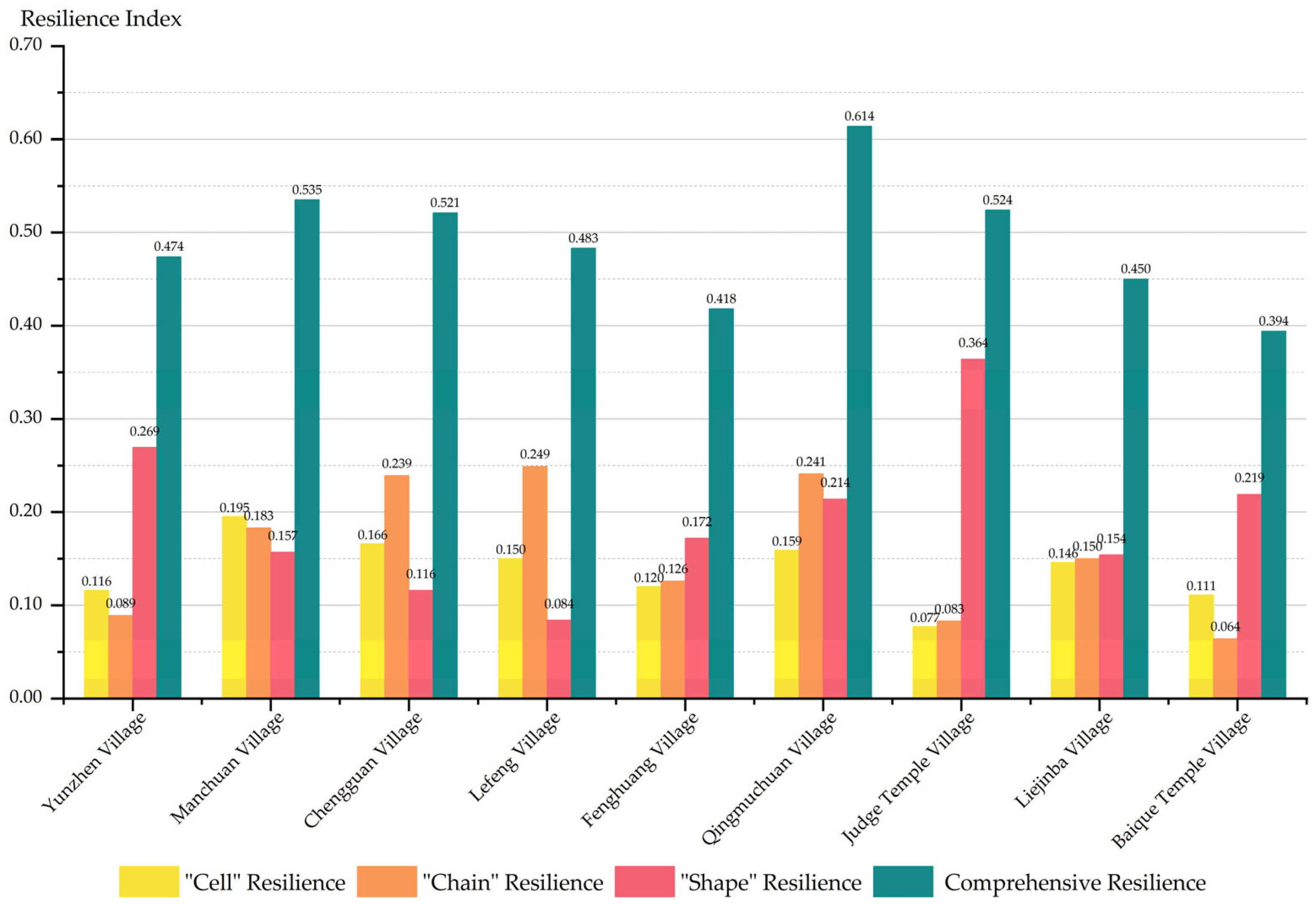
Figure 5 illustrates the performance of nine rural settlements in terms of “cell” resilience, “chain” resilience, “form” resilience, and overall resilience. With respect to overall resilience, Qingmuchuan Village performed the best, as it demonstrated relatively balanced resilience across all three dimensions, each above the average level, without any significant weaknesses. In contrast, Baique Temple Village exhibited the weakest performance, particularly in the dimension of “chain” resilience, which was markedly lower than that of other villages. The main reason is that the internal road system of the village is simple and homogeneous, resulting in poor accessibility.
In terms of “cell” resilience, the top three rural settlements were Manchuan Village, Chengguan Village, and Qingmuchuan Village. The primary reason is that the building fractal values of these three villages were 0.99, 0.76, and 0.57, respectively, significantly higher than those of other settlements. This indicates that their building layouts exhibit a high degree of structural organization and certain complexity, reflecting stronger redundancy resilience characteristics and a more prominent embodiment of bio-inspired self-similarity.
In terms of “chain” resilience, the top three rural settlements were Lefeng Village, Qingmuchuan Village, and Chengguan Village. Their road density values were 0.99, 0.97, and 0.91, respectively, while their road fractal values were 0.99, 0.81, and 0.52. These results indicate that the settlements have greater internal traffic convenience and higher efficiency in pedestrian evacuation. Furthermore, the road networks demonstrate complex and diverse organizational patterns that adapt to the terrain, exhibiting a high degree of integration with the surrounding environment. This reflects good self-organization and a distinct expression of bio-inspired organizational intelligence.
In terms of “form” resilience, the top three rural settlements were Judge Temple Village, Yunzhen Village, and Baique Temple Village. Among them, Judge Temple Village stood out most prominently, as its boundary morphology showed significantly higher concavity–convexity and fractal dimension than other villages. Its building clusters interpenetrated with the natural environment in multiple directions, demonstrating a high level of adaptability consistent with symbiotic mechanisms in biological systems.
4.2. Morphological Resilience Disturbance Results
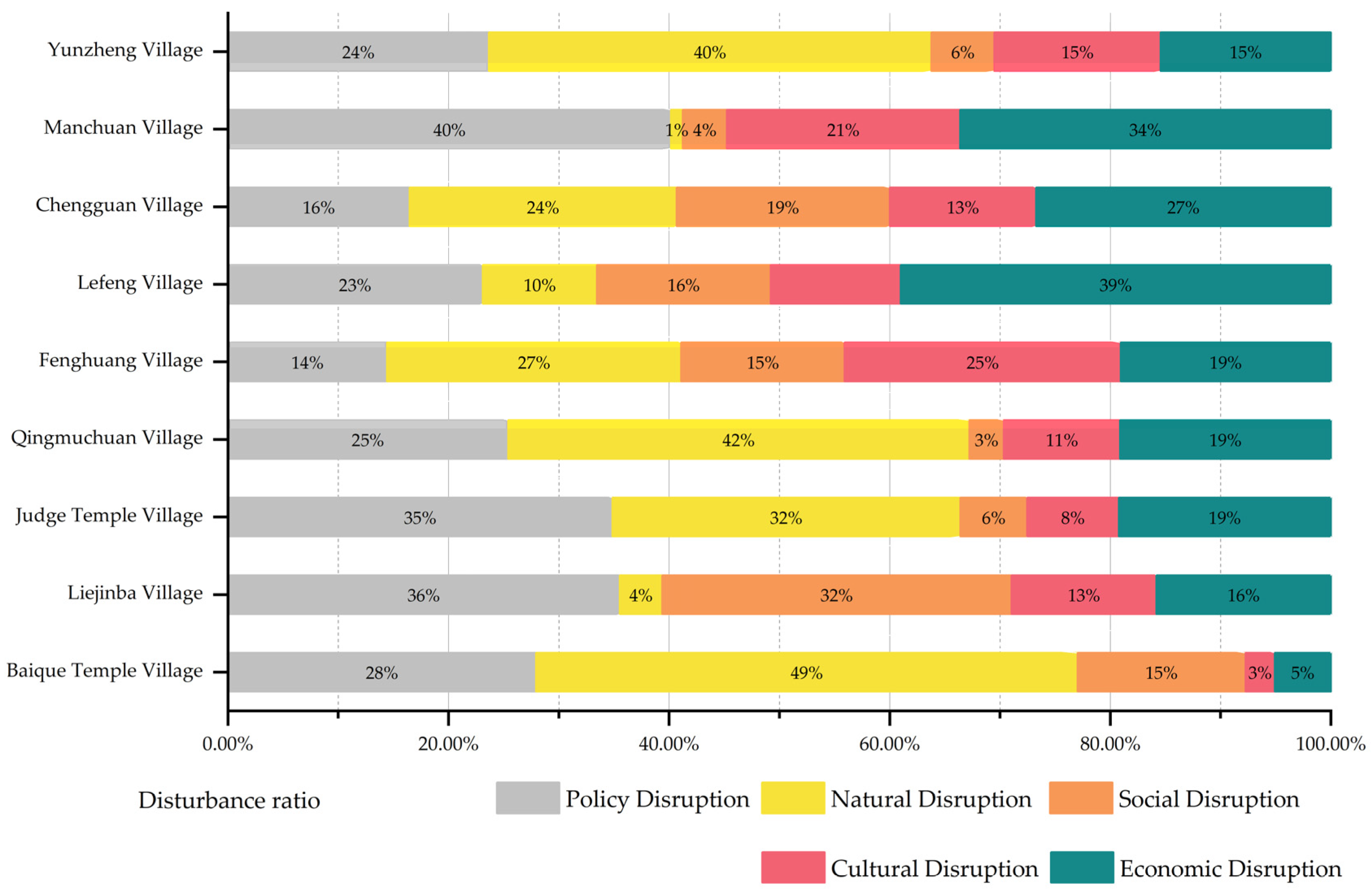
Through the application of the Analytic Hierarchy Process (AHP) and weighted processing of disturbance data, a preliminary disturbance analysis of five major factors—policy, natural, social, cultural, and economic—was conducted for nine rural settlements. As shown in
Figure 6, policy disturbances and natural disturbances were identified as the strongest influencing factors on morphological resilience, while social and cultural disturbances exerted weaker impacts, and economic disturbance fell at a moderate level. At the same time, the disturbance patterns of the five factors varied significantly across the nine sample villages.
For Manchuan Village, Judge Temple Village, and Leijinba Village, morphological resilience disturbances were mainly driven by policy factors, with an average disturbance effect of 37%. Field investigations revealed that these villages have achieved remarkable progress in historical area governance and tourism development. Their settlement landscapes and spatial patterns have been restored and improved, while continuous efforts have been made in industrial belt construction, residential environment remediation, and the appropriate development of rural settlements.
For Yunzhen Village, Fenghuang Village, Qingmuchuan Village, and Baique Temple Village, natural disturbances were the most significant, with an average disturbance effect of 39%. These settlements have faced substantial external natural pressures, experiencing frequent and large-scale flood disasters in recent years. For instance, after severe rainstorms, Yunzhen Village repeatedly repaired roads and optimized drainage facilities, yet natural disturbance remained prominent compared with other factors. Qingmuchuan Village, located near the Jinxi River, a tributary of the Jialing River, often experiences heavy summer rainfall exceeding 60 mm per hour, which easily causes river backflow, leading to inundation of low-lying roads and houses. Baique Temple Village suffered from mudslides and landslides in 2019, 2021, and 2024, which destroyed roads, collapsed houses, and forced relocations, continually reshaping its settlement pattern.
For Manchuan Village and Lefeng Village, economic disturbance was identified as the dominant factor, with an average disturbance effect of 33%. Both villages possess clear resource advantages and have adopted a development model that integrates characteristic agriculture with tourism, driving economic growth and maintaining the stability of human–land relationships, thereby enhancing resilience capacity. Lefeng Village, situated at a higher elevation, has preserved its spatial structure for over 400 years and is designated as a national tourist attraction. With multiple educational bases, it actively develops tourism and commerce through trade, cuisine, and folk culture, generating substantial economic income that contributes to risk resistance and rural development.
4.3. Results of Key Disturbance Assessment on Morphological Resilience
According to the descriptive statistics of the collected questionnaires, the gender distribution of the respondents was 47.1% male and 52.9% female, maintaining a balanced proportion. This indicates that potential gender bias was minimized to a great extent in the selection of the survey participants, enhancing the reliability of the results. Additionally, the respondents were all stakeholders of the rural settlements being studied, including 75.3% local villagers, 18.4% local government staff, and 6.3% researchers. A majority of the respondents (69%) were aged 45 years and older, and 62% had lived and worked in the village for more than 10 years, reflecting their deep and long-term understanding of the rural environment.
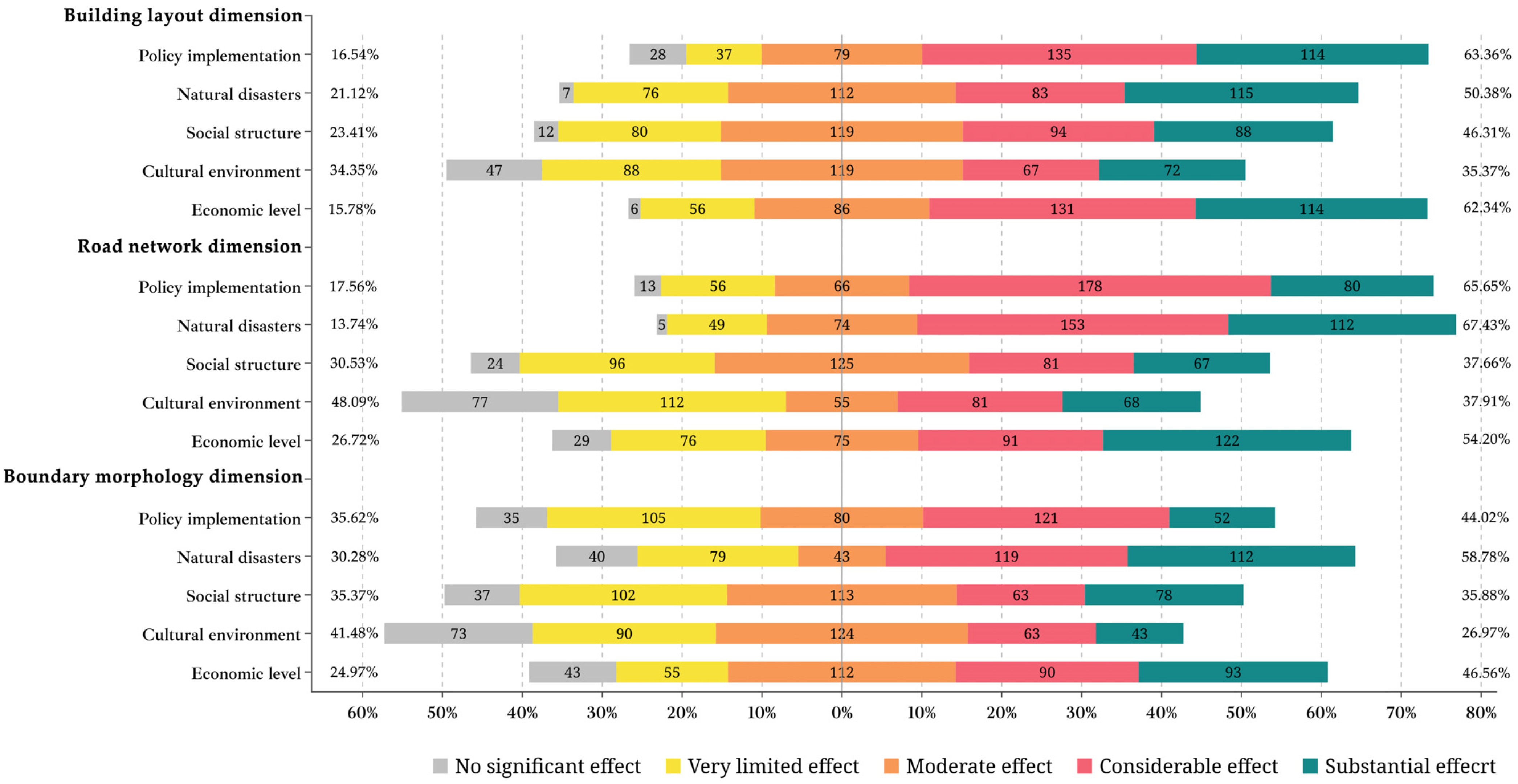
The results shown in
Figure 7 were obtained through the integrated analysis of the 393 valid questionnaires after cleaning. In the building layout dimension, policy disturbances and economic disturbances were identified as the most significant factors, with over 62.34% of respondents indicating that these factors had a considerable or substantial impact on the disaster resilience and recovery of buildings. In the road network dimension, policy disturbances and natural disturbances emerged as the dominant factors, while the effects of social structure and cultural environment disturbances were considered relatively low. In the boundary morphology dimension, except for natural disturbances, the impact of other factors was lower, with cultural disturbances showing the most noticeable decline—41.48% of respondents felt their influence was insignificant. Overall, policy disturbances and natural disturbances had the most prominent effects on the morphological resilience of rural settlements across all dimensions, demonstrating a high sensitivity to institutional provisions and disaster occurrences. Economic disturbances exhibited considerable variation in their impact across dimensions, while social and cultural disturbances had limited direct effects on resilience and can be considered as auxiliary factors in resilience-building strategies.
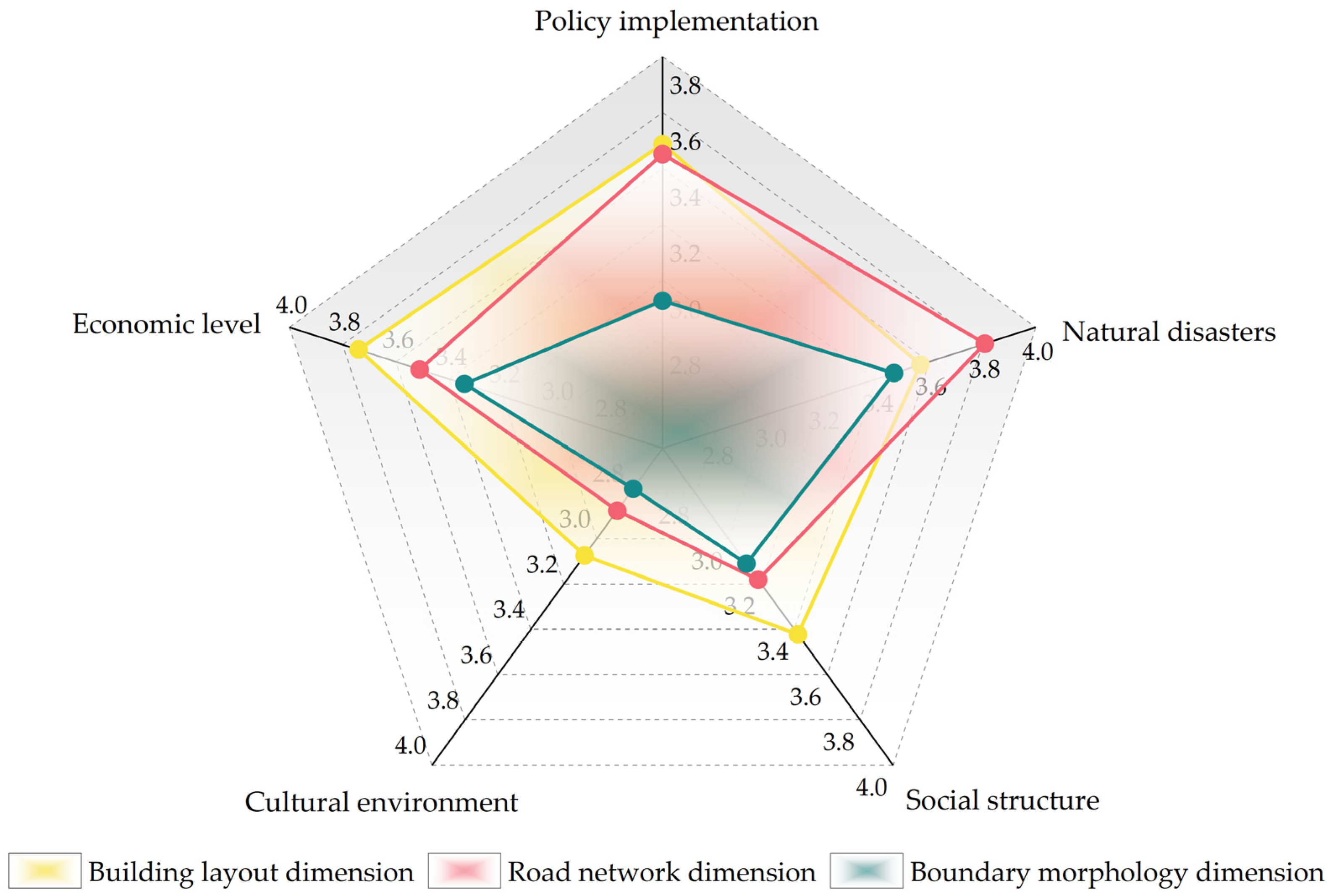
By calculating the average scores of the scale questionnaire, the radar chart of each dimension shown in
Figure 8 was obtained. It is clear from the chart that in the smaller-scale physical dimensions, such as building and road resilience, the effects of disturbances are more pronounced, especially with policy disturbances and natural disturbances having scores close to 3.8, indicating their direct influence on the resilience of smaller-scale physical forms. In contrast, the boundary morphology dimension, which represents a larger scale, demonstrated more stable resilience, yet it also suggests that improving the future resilience of boundary morphology may require more long-term consideration and development.
4.4. Classification Results of Rural Settlement Samples
This study employed the natural breaks method in GIS to classify the performance of rural settlement morphological resilience and the combined effects of disturbances, thereby deriving a preliminary categorization of high, medium, and low resilience levels. This method is a commonly used numerical classification approach, which relies on dynamic programming algorithms in ArcGIS Pro software for automated optimization, and is frequently applied in resilience performance studies [
39,
40,
41,
42]. The results are shown in
Table 9, among the nine sample rural settlements, Qingmuchuan Village, Manchuan Village, Judge Temple Village, and Chengguan Village were classified as high-resilience settlements, with values ranging from 0.521 to 0.615; Yunzhen Village, Liejinba Village, and Lefeng Village were classified as medium-resilience settlements, with values ranging from 0.419 to 0.520; while Fenghuang Village and Baique Temple Village were classified as low-resilience settlements, with values ranging from 0.000 to 0.418.
In addition, this study applied the K-means clustering method to classify the morphological resilience performance of sample villages. As an unsupervised grouping approach, K-means aims to maximize homogeneity within clusters and is commonly employed in resilience studies for grouping multi-indicator composite indices [
43,
44,
45]. The initial cluster centers were automatically determined by SPSS software, resulting in three clusters, which accounted for 44.44%, 22.22%, and 33.33% of the total samples, respectively. Overall, the distribution of the three clusters was relatively balanced, indicating satisfactory clustering performance. Based on the preliminary classification characteristics, as shown in
Table 10 the nine rural settlements were further categorized into three types: “cell-limited,” “chain-constrained,” and “form-influenced.” The characteristics of settlements in each cluster can provide a basis for developing more targeted rural planning and intervention strategies, thereby enhancing resilience and improving the capacity for sustainable development of rural settlements.
5. Discussion
5.1. Performance Characteristics
According to the calculated results of the sample rural settlements, “cell” resilience is directly influenced by the complexity and redundancy of building layouts. Settlements with good “cell” resilience often exhibit a certain degree of structural organization and spatial complexity, enabling them to better adapt to environmental changes and maintain stability in the face of natural disasters. In contrast, low-resilience settlements typically have relatively uniform building layouts with little redundancy, meaning that when unexpected events occur, some basic infrastructure or buildings may fail to function promptly, making the settlements more vulnerable to external shocks. For example, the scattered, point-like building layout of Judge Temple Village weakens the internal coordination of the settlement and hinders effective disaster avoidance.
Road network density and accessibility are critical factors affecting “chain” resilience. Settlements with high road density and more complex traffic systems can provide multiple evacuation routes in emergencies, reduce congestion and delays, and accelerate post-disaster recovery, thereby improving the capacity to cope with emergencies and evacuation demands. For instance, Lefeng Village, with its grid road system, enables multipath evacuation in times of disaster. By contrast, low-resilience settlements, characterized by simple and poorly organized road systems, show weaker adaptability in emergency response.
“Form” resilience reflects the degree of adaptation between settlements and their natural environment. High levels of permeability and integration with the natural environment allow certain settlements to demonstrate stronger resilience when facing climate change or natural disasters. For example, Judge Temple Village and Yunzhen Village both feature settlement boundaries that interpenetrate with the surrounding environment, taking into account natural terrain, climate, and wind direction, thereby enabling them to mitigate losses and recover more quickly when disasters occur. In contrast, low-resilience settlements generally show poor adaptation to the natural environment. Their overall layouts are less integrated with the surrounding landscape, with little consideration given to topographic variation, climatic characteristics, or environmental protection. Such settlements often display disorganized and fragmented boundaries, undermining sustainability in long-term development.
5.2. Disturbance Effects
Through a dual approach combining sample disturbance calculations and field questionnaire surveys, it was found that “cell” resilience is significantly influenced by policy and economic disturbances, indicating that the morphological resilience at the building layout level is not only dependent on institutional adjustments but also directly affected by the level of economic development. On the one hand, policy disturbances enhance resilience at the building scale through measures such as renovation, maintenance, and community governance. On the other hand, economic disturbances impact construction quality and infrastructure investment, further altering the adaptability and disaster resistance of buildings. Moreover, natural disasters also have a significant impact on building resilience, particularly in the form of direct damage to individual building units during catastrophic events. These disturbances demonstrate a notable cumulative effect at the “cell” resilience level, with complex and intertwined interactions that reflect the multifaceted nature of disturbances in actual rural settlements.
For “chain” resilience, natural disturbances are the most prominent, with the pressure from natural disasters primarily affecting road networks and road nodes, thereby influencing traffic efficiency and recovery speed. In rural settlements, road segments located near water or slopes are particularly vulnerable during heavy rains, landslides, or debris flows, leading to “failure” and the disruption of the entire road network. Simultaneously, low road network density and poor accessibility further increase recovery costs during extreme disaster events. At the same time, policy disturbances also play a substantial role, as planning adjustments can effectively reinforce and maintain road nodes. Therefore, when formulating strategies, it is crucial to focus on the dual constraints of both natural and policy disturbances.
For “form” resilience, the impact of natural disturbances is most significant, which is somewhat similar to the pattern seen in road network resilience. Natural disasters often cause large-scale destruction, directly affecting the stability and integrity of rural boundary morphology, leading to noticeable changes in these larger areas following a disaster. In contrast, policy and economic disturbances primarily influence boundary morphology through planning controls and land use structure optimization, reflecting strong adjustment and investment effects. For example, regulatory control indices and investment in infrastructure can rapidly adjust characteristics such as building density, scale, appearance, and system functionality in rural settlements, absorbing the damage caused by natural disturbances through executable technical measures and infrastructure construction.
5.3. Policy Guidance
For “cell-limited” rural settlements, the core issue is the independent, fragmented, and scattered layout of settlement patches, which leads to spatial fragmentation within the rural area. This fragmentation hinders the rapid self-organization of various elements to cope with external crises, thereby lowering the overall resilience. To address these issues, a bionic “self-similarity” perspective can be applied, focusing on the settlement’s existing morphology by introducing modular units and layout integration. This approach allows for localized improvements to form a unified paradigm. Additionally, attention should be given to the significant role of future policy and economic disturbances in the “cell” resilience performance. Strengthening institutional implementation and maintenance efforts, along with making rapid reinforcement and repair investments on a small scale, is essential for improving resilience.
For “chain”-restricted rural settlements, the core issue lies in the thinness of the road network hierarchy, insufficient redundancy, and the vulnerability of key nodes, which result in node failures and road interruptions during external disturbances such as heavy rainfall and geological risks. These disruptions prevent the continuous flow of goods and information, thereby slowing emergency response and recovery. In this context, borrowing from the bionic “self-organization” perspective, the focus should be on reinforcing the existing channel patterns, constructing redundant loops, and establishing alternative routes. Considering the dominant role of natural disturbances in “chain” resilience, it is important to integrate environmental and disaster early warning systems, establish disaster response rules and hierarchies, and improve the routes for emergency bypasses and disaster relief points, forming a multi-center “self-learning” road network.
For “form”-influenced rural settlements, the core problem is the rigid integration of land use boundaries with the surrounding environment, where evacuation and flood discharge functions are obstructed at interfaces, causing risks to accumulate at the boundaries during disturbances. To address this, a bionic “symbiosis” perspective should be applied, with boundary reconfiguration as the main focus. This should involve integrating the settlement’s buildings and road layout while considering the external environmental features, constructing boundary ecological lines that form gradient boundaries for risk avoidance and buffering transitions. At the same time, the impact of natural disturbances on “form” resilience should be closely monitored, with proactive prevention and adjustments. Strengthening planning control and investment implementation, while facilitating the effective integration of economic and institutional measures, will provide a stronger foundation for enhancing morphological resilience.
Furthermore, given the strong heterogeneity of rural settlements, this study primarily focuses on typical villages in the southern Shaanxi region of China to propose corresponding strategic recommendations. The applicability and flexibility of these strategies are particularly crucial, as they must be tailored to the specific conditions of different regions.
5.4. Future Implications
This study proposed the “cell–chain–form” research framework based on three biological models: biological self-similarity, biological self-organization, and biological symbiosis. Future research may further explore how these bionic concepts can be applied in the morphological design of rural settlements. Moreover, bionics is not limited to the simulation of physical structures but can also be extended to the inheritance and innovation of rural culture. In subsequent studies, how to draw on biological wisdom to optimize rural social structures, collective behaviors, and resource-sharing mechanisms can also become an important direction.
6. Conclusions
By introducing a bionic perspective, this study proposed the “cell–chain–form” framework to analyze the morphological resilience of rural settlements. Incorporating biological models of self-similarity, self-organization, and symbiosis, it examined in depth the adaptability and recovery capacity of rural settlements in southern Shaanxi under real environmental conditions. Through quantitative analysis, this study revealed differences in morphological resilience under varying building layouts, transportation networks, and morphological boundaries. Specifically, high-resilience settlements were generally characterized by complex building patterns and well-developed road networks, while low-resilience settlements exhibited simple, disordered layouts and weak environmental adaptability. Furthermore, the findings demonstrated that morphological resilience varied significantly under different natural, policy, social, economic, and cultural disturbances, with policy and natural factors exerting particularly strong influences in the mountainous areas of southern Shaanxi.
Based on these empirical findings, this study distilled the biological wisdom inherent in self-similarity, self-organization, and symbiosis, and proposed three differentiated strategies: for “cell-constrained” settlements, optimizing building similarity layouts to enhance redundancy; for “chain-constrained” settlements, strengthening transportation infrastructure to improve network connectivity and organizational diversity; and for “form-influenced” settlements, promoting integration and symbiosis between overall settlement layouts and the natural environment to enhance adaptability. These strategies can effectively strengthen the resilience, adaptability, and sustainability of rural settlements in the face of multiple disturbances.
Overall, through the innovative application of a bionic framework, this study developed a more systematic and comprehensive method for evaluating rural settlement resilience and provided both theoretical support and practical guidance for sustainable rural development. This approach not only broadens the scope of resilience research on rural settlements but also offers strong support for formulating locally oriented sustainable development strategies.