Article

The Impact of Industrial Land Misallocation on Sustainable Urban Development: Mechanisms and Spatial Spillover Effects

1
School of Political Science and Public Administration, Wuhan University, Wuhan 430072, China
2
China Institute of Development Strategy and Planning, Wuhan University, Wuhan 430072, China
*
Author to whom correspondence should be addressed.
Land 2025, 14(10), 1976; https://doi.org/10.3390/land14101976
Submission received: 22 August 2025 / Revised: 26 September 2025 / Accepted: 28 September 2025 / Published: 30 September 2025
(This article belongs to the Section Land Use, Impact Assessment and Sustainability)

Abstract

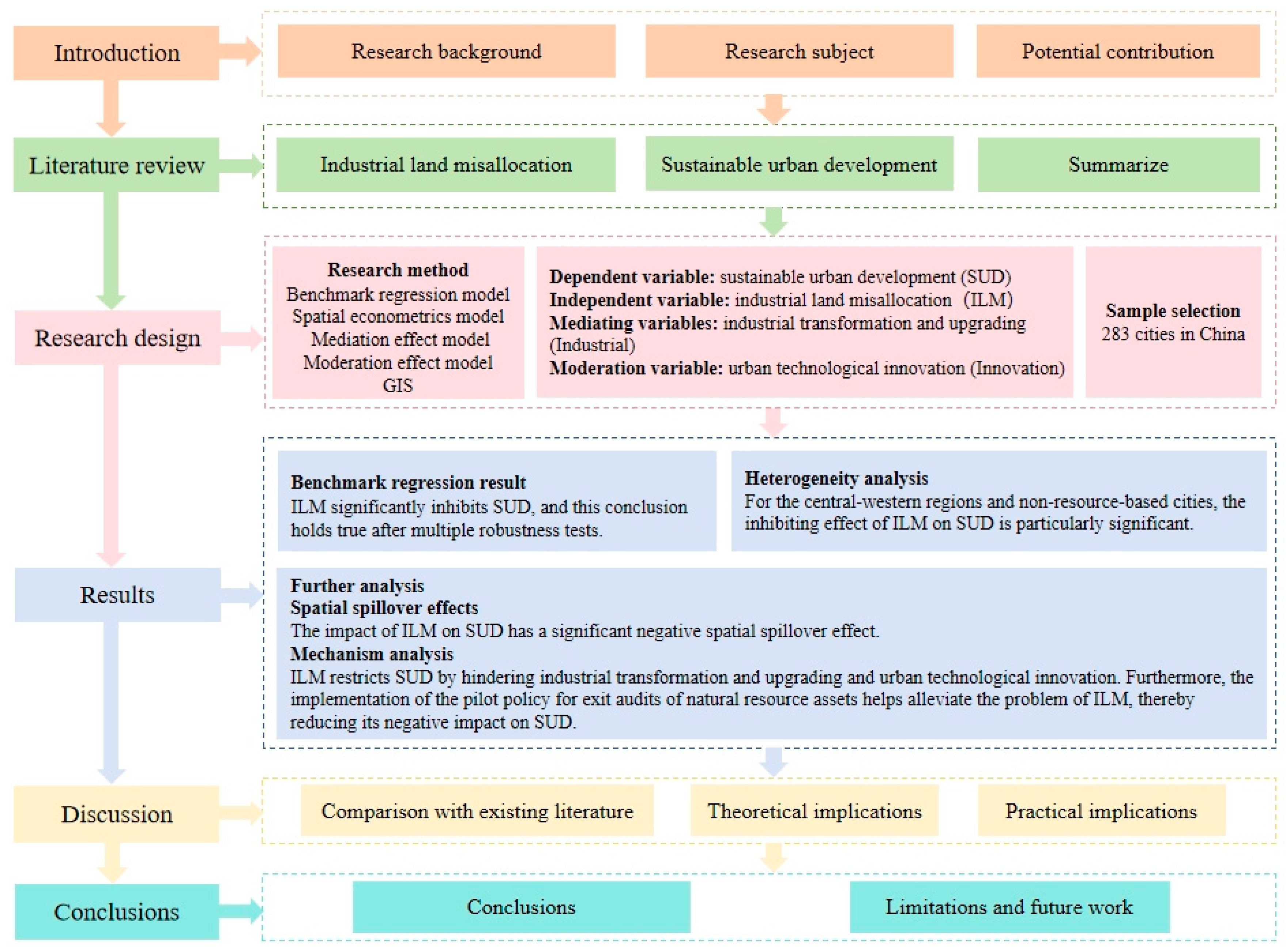
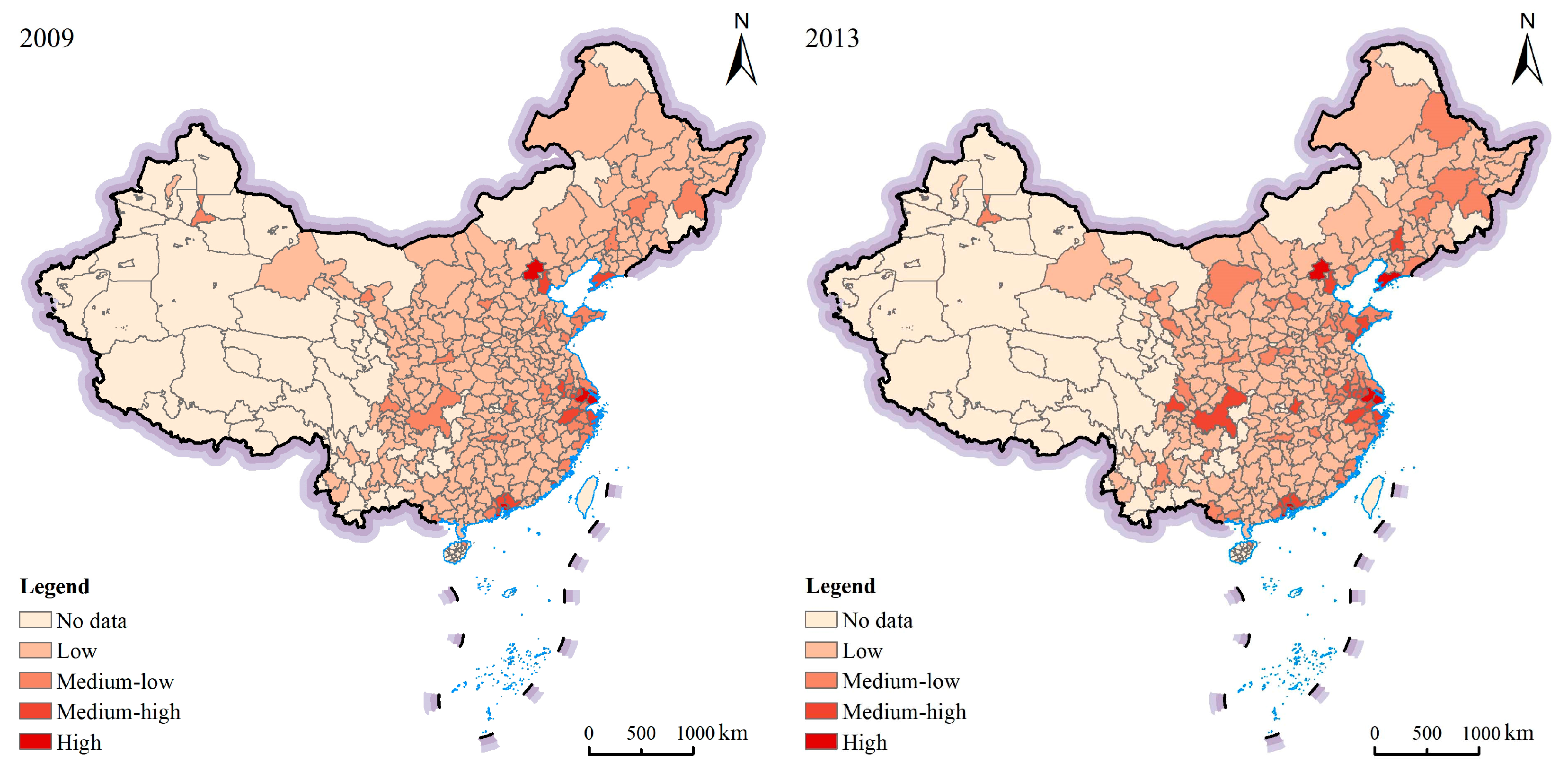
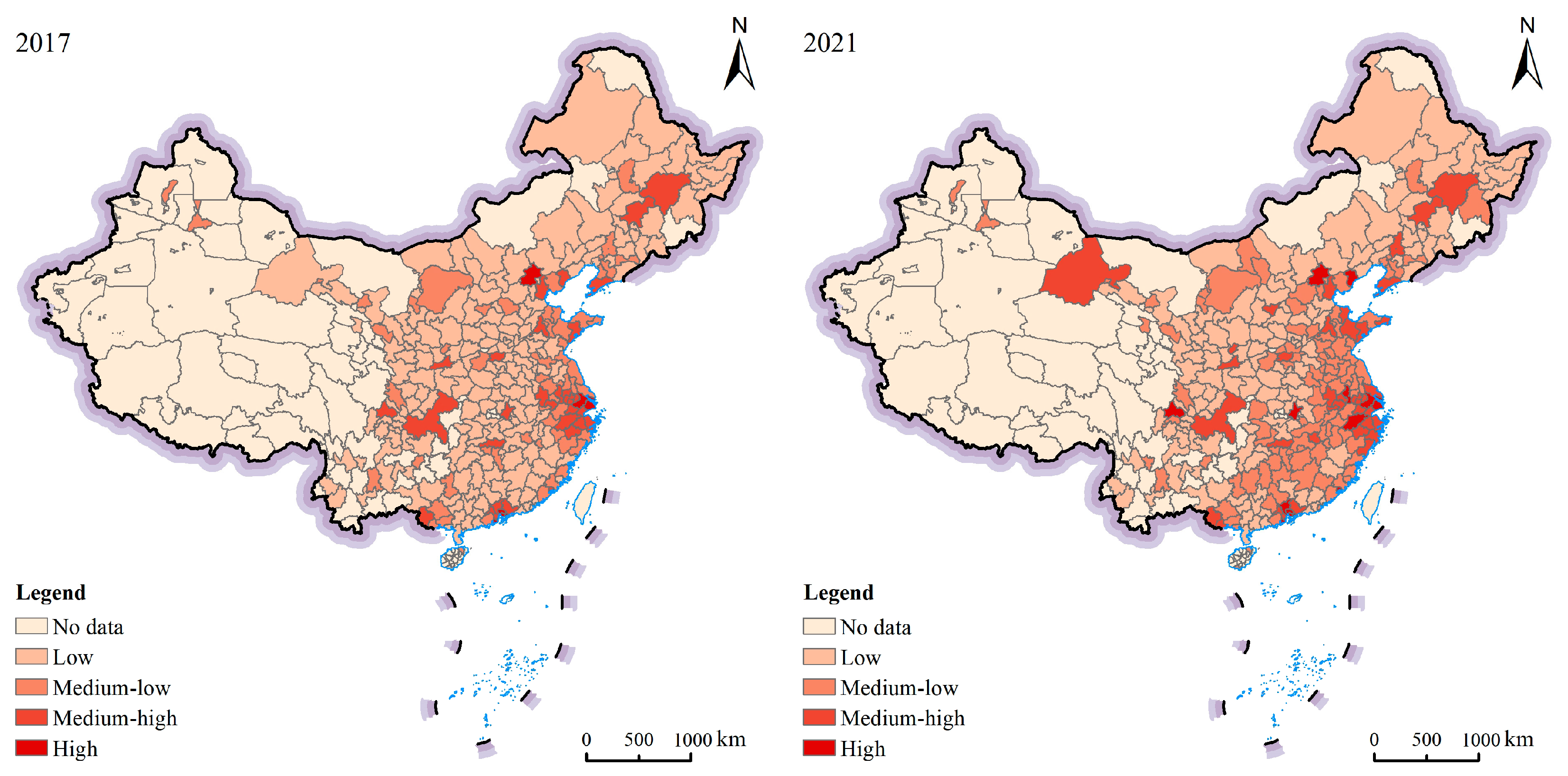
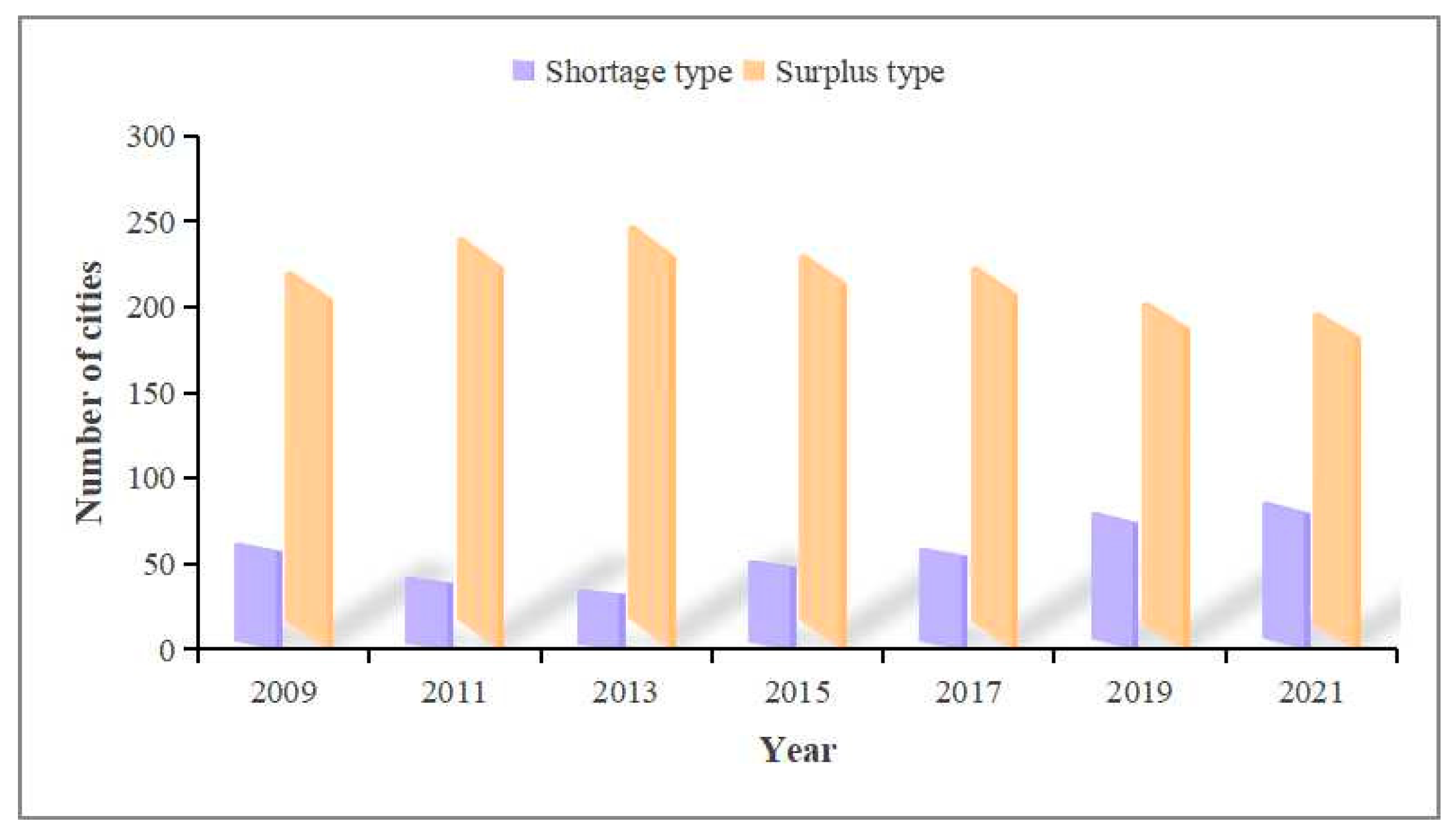
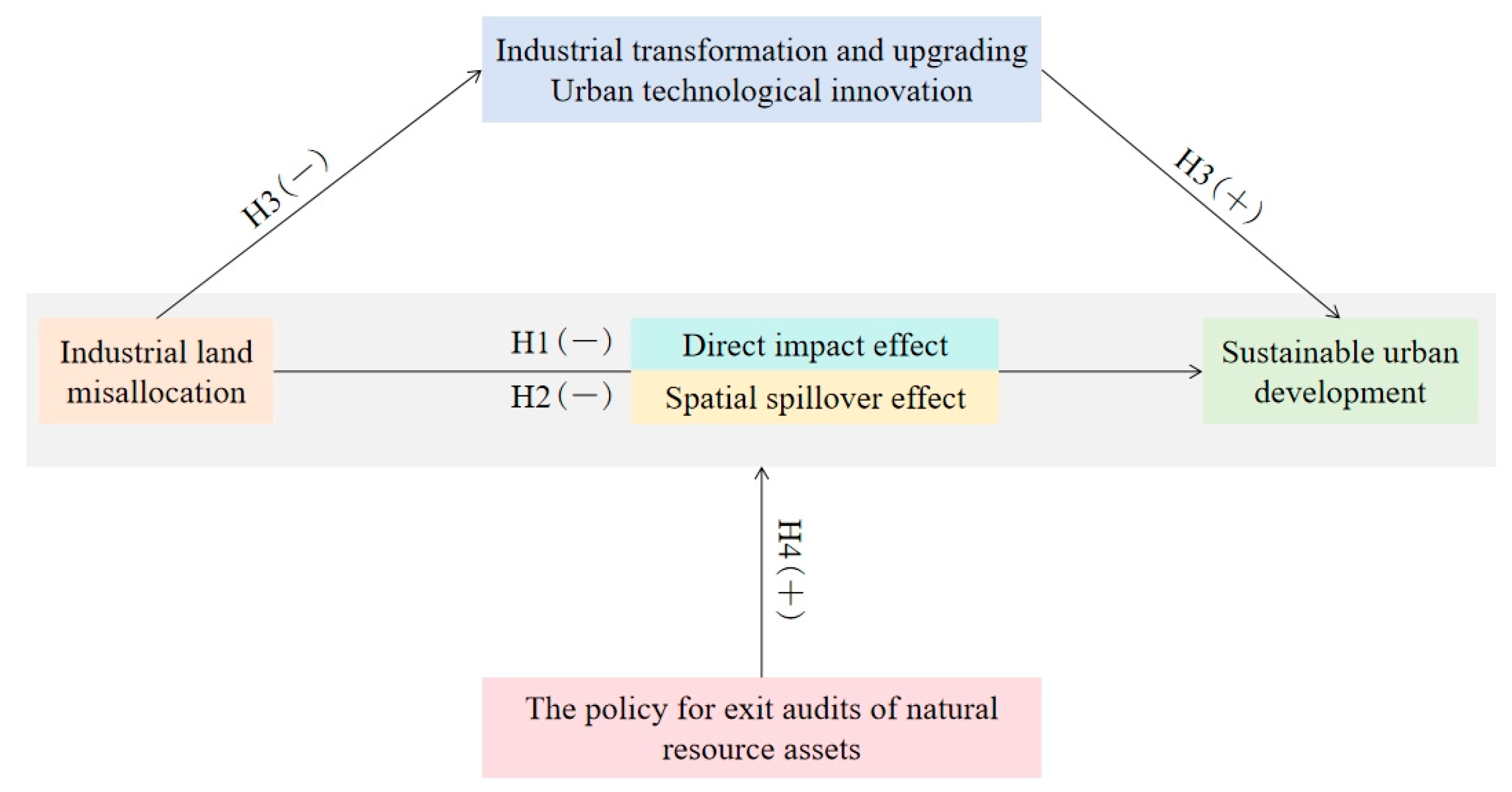
Exploring the impact of industrial land misallocation (ILM) on sustainable urban development (SUD) helps provide strong empirical support for SUD from the perspective of land factor allocation. Based on panel data from 283 cities between 2009 and 2021, this paper systematically analyzes the impact mechanism and spatial spillover effects of ILM on SUD from the perspective of factor misallocation. The results show that most Chinese cities face a surplus-type misallocation of industrial land, and resource allocation urgently needs optimization. During the study period, the overall level of SUD increased and exhibited a spatial gradient distribution characterized by high levels in the east and low levels in the west. ILM significantly inhibited the improvement of SUD, with the negative impact being particularly pronounced in central-western regions and non-resource-based cities. ILM also showed a significant negative spatial spillover effect. Mechanism analysis found that ILM mainly negatively affected SUD by hindering industrial transformation and upgrading as well as the progress of urban technological innovation. Further research found that the implementation of the policy for exit audits of natural resource assets alleviated the problem of ILM to a certain extent and weakened its adverse effects on SUD. Therefore, deepening efforts to correct ILM is a key measure to break resource allocation barriers and promote SUD.
Keywords: industrial land misallocation; sustainable urban development; spatial spillover effects; mechanisms; regional heterogeneity industrial land misallocation; sustainable urban development; spatial spillover effects; mechanisms; regional heterogeneity