Article

Impact of Land Use Change on the Spatiotemporal Evolution of Ecosystem Services in Tropical Islands: A Case Study of Hainan Island, China


College of International Tourism and Public Administration, Hainan University, Haikou 570228, China
*
Author to whom correspondence should be addressed.
Land 2024, 13(8), 1244; https://doi.org/10.3390/land13081244
Submission received: 25 June 2024 / Revised: 5 August 2024 / Accepted: 7 August 2024 / Published: 8 August 2024
(This article belongs to the Section Land Use, Impact Assessment and Sustainability)

Abstract

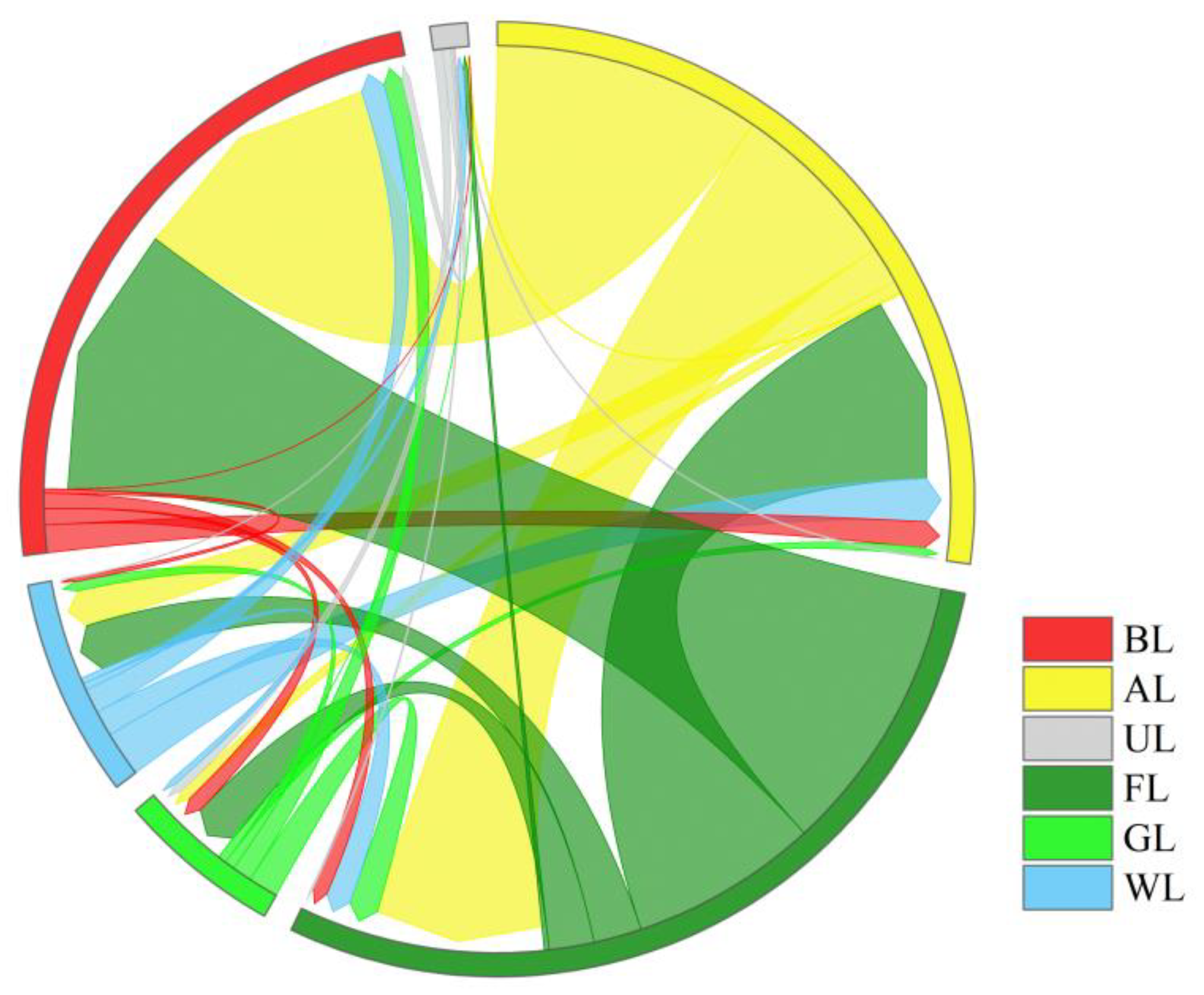
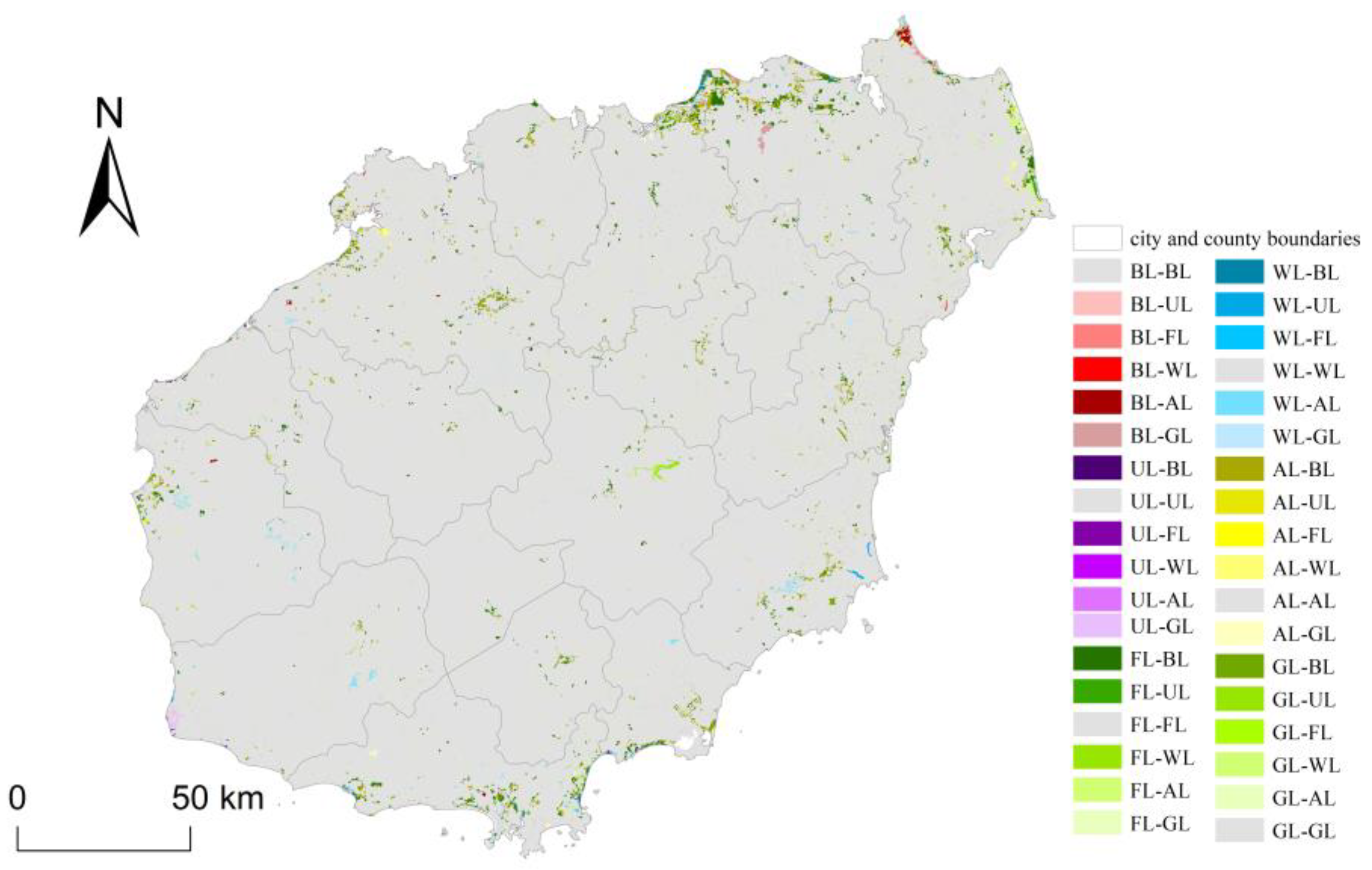
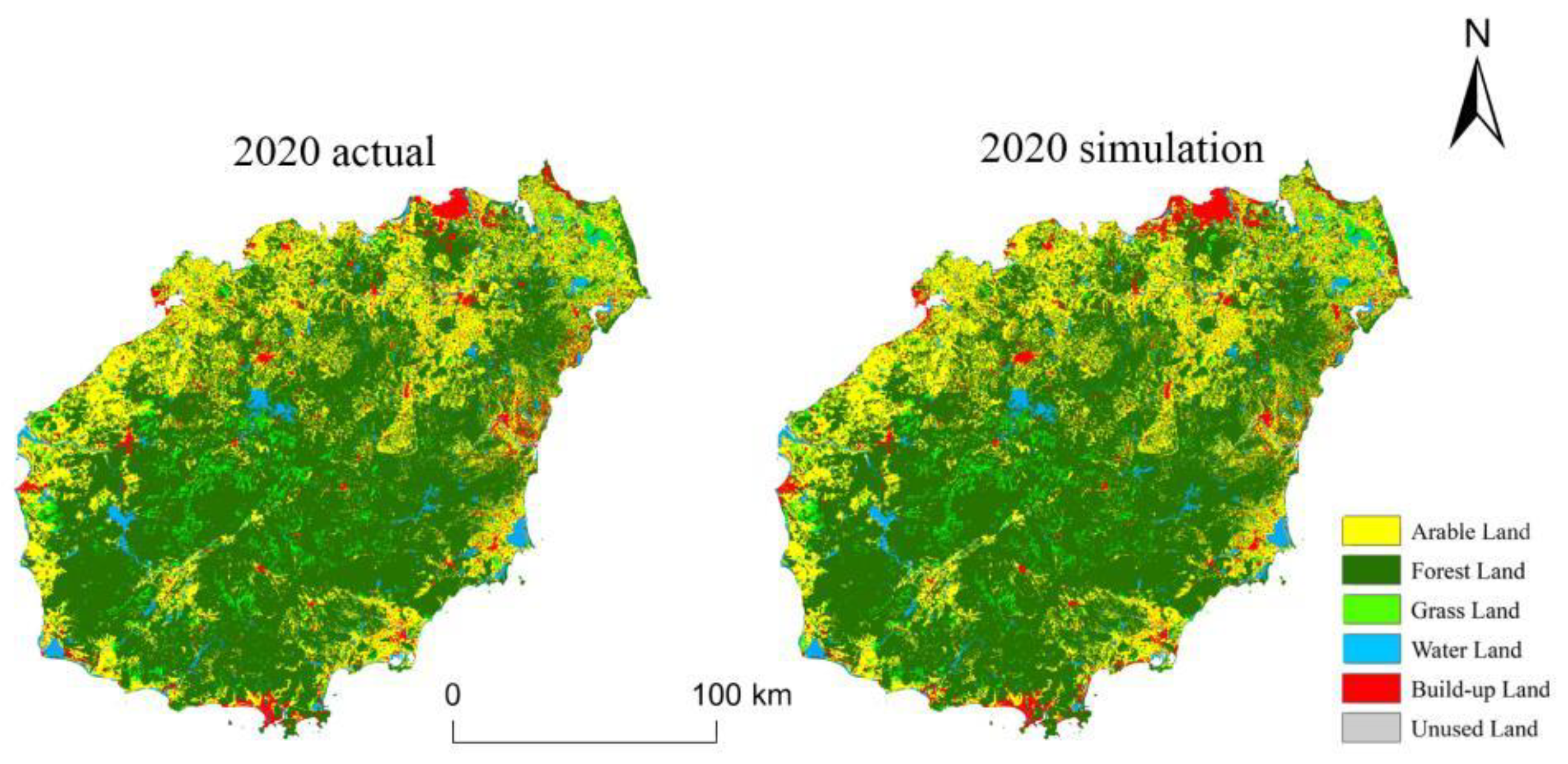
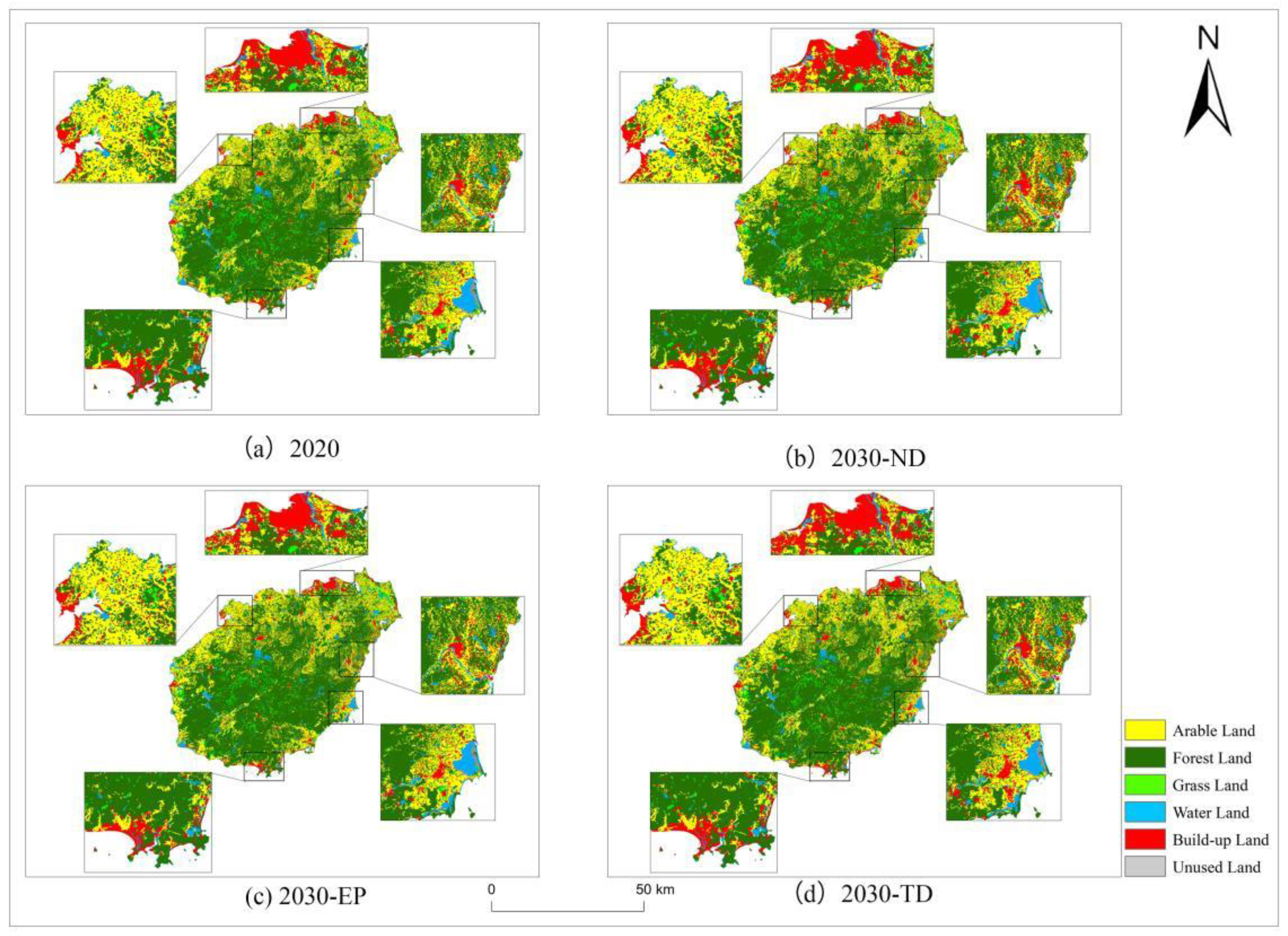
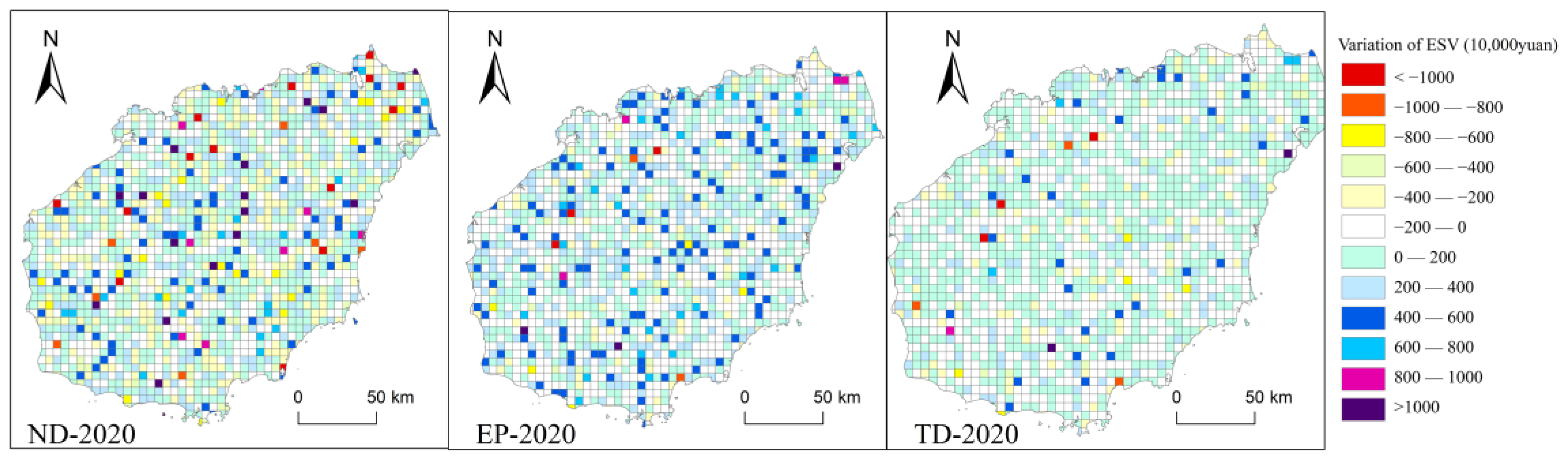
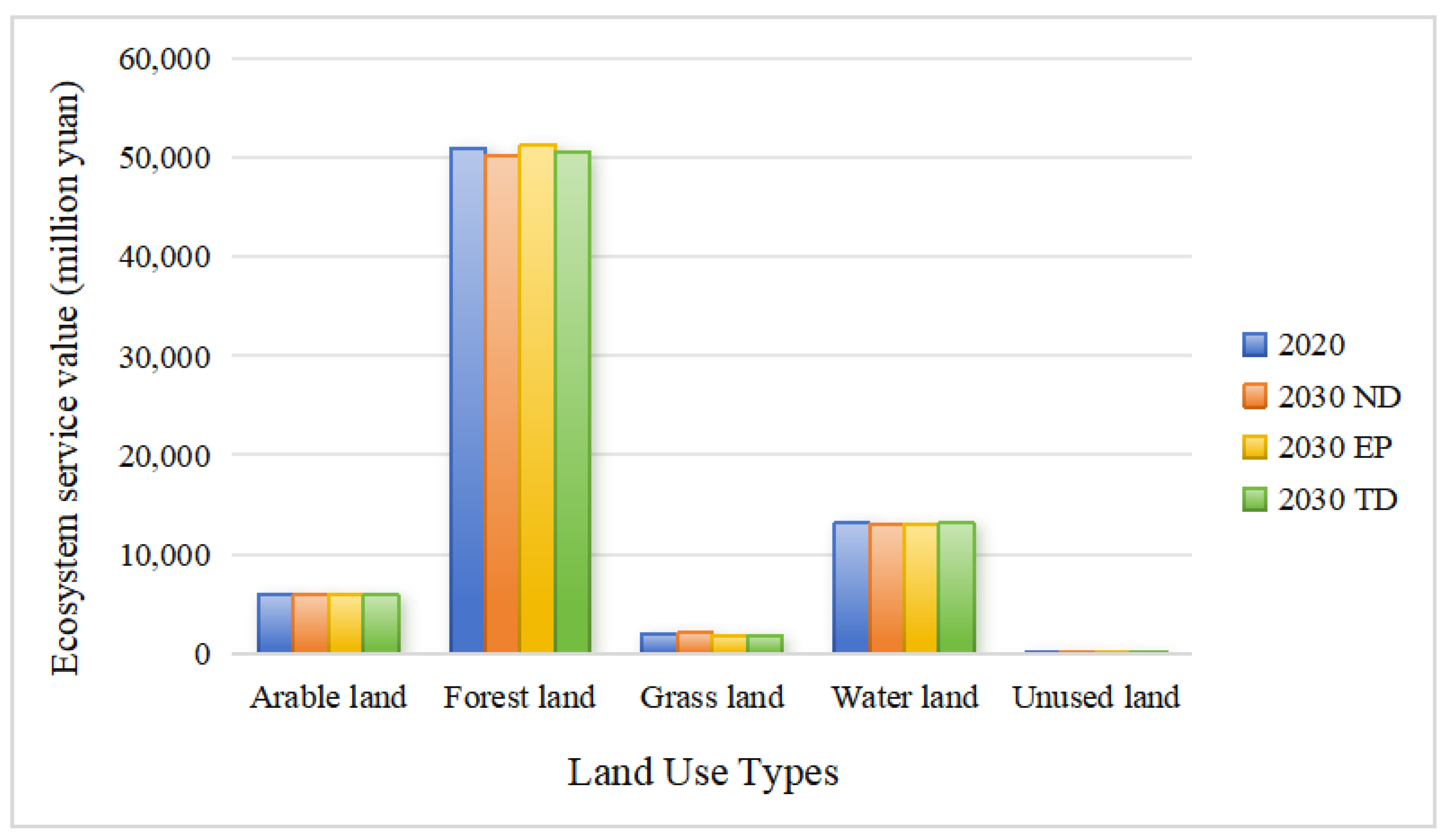
Land use change drives the ecosystem service value (ESV) to some extent. Investigating the impact of land use distribution patterns under different scenarios on ESV is crucial for optimizing land spatial utilization in tropical island regions. This study employs a combination of multi-objective programming (MOP) and the patch-generating land use simulation (PLUS) model to simulate and predict the spatial distribution of land use in Hainan Island for the year 2030 under three scenarios: natural development, ecological protection priority, and tourism development priority. The ESV for these scenarios is then assessed to provide insights into the sustainable economic, social, and ecological development of tropical island regions. The results indicate the following: (1) Between 2010 and 2020, forest land was the dominant land use type in Hainan Island, accounting for 63% of the total area, followed by arable land. Land use changes were characterized mainly by increases in built-up land and grass land, which increased by 497.13 km2 and 18.87 km2, respectively, with decreases in other types. The largest area of land conversion was from forest land, which was predominantly converted to built-up land and arable land, measuring 259.97 km2 and 174.49 km2, respectively. (2) The PLUS model was used to simulate land use changes in Hainan Island, achieving a Kappa coefficient of 0.88 and an overall accuracy of 0.94, indicating a high consistency between the simulation results and actual data. (3) The ecological protection priority scenario yielded the highest ecosystem service values (CNY 72.052 billion), while the values under other scenarios decreased compared to 2020. The natural development scenario saw a decrease of CNY 1.821 billion, and the tourism development priority scenario saw a decrease of CNY 0.595 billion. Spatially, the ecological protection priority scenario also showed the greatest increase in areas with high ecosystem service values, particularly due to an increase in forest land area, which contributed to an overall increase in the ecosystem service values of the study area. This study offers a scientific foundation and a decision-making reference for selecting priority scenarios for tourism development on Hainan Island, aimed at supporting its future sustainable development. It emphasizes the protection of forest resources, the promotion of greening initiatives, and the achievement of a balance between ecological preservation and tourism activities.
Keywords: multi-scenario simulation; land use change; ecosystem service value; PLUS model; spatiotemporal change multi-scenario simulation; land use change; ecosystem service value; PLUS model; spatiotemporal change