Article

A Study of the Mechanisms of Government Embedment and Organizational Environment Related to Supervisory Effectiveness in the Collective Governance of Rural Residential Land

School of Management, Sichuan Agricultural University, Chengdu 611130, China
*
Author to whom correspondence should be addressed.
Land 2024, 13(11), 1760; https://doi.org/10.3390/land13111760
Submission received: 20 September 2024 / Revised: 8 October 2024 / Accepted: 10 October 2024 / Published: 26 October 2024

Abstract

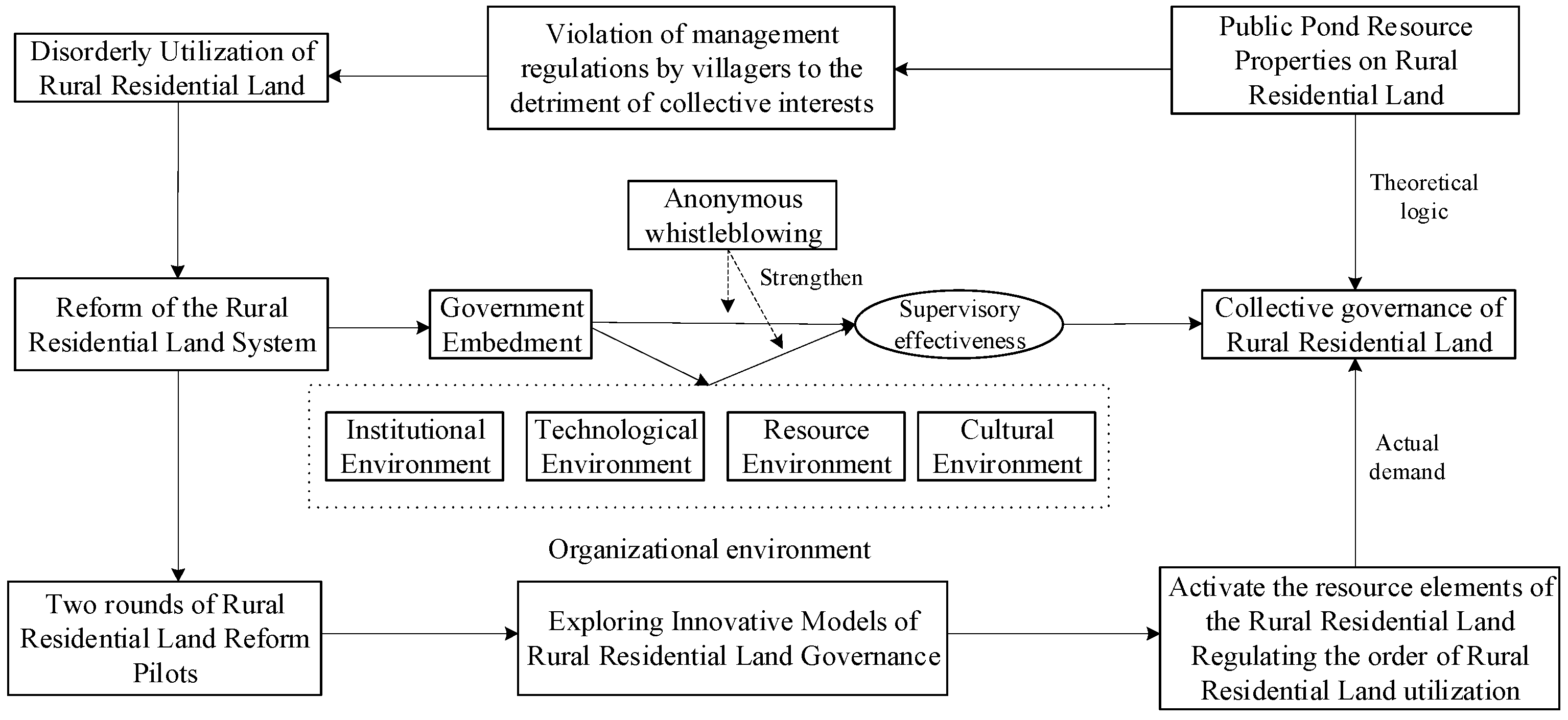
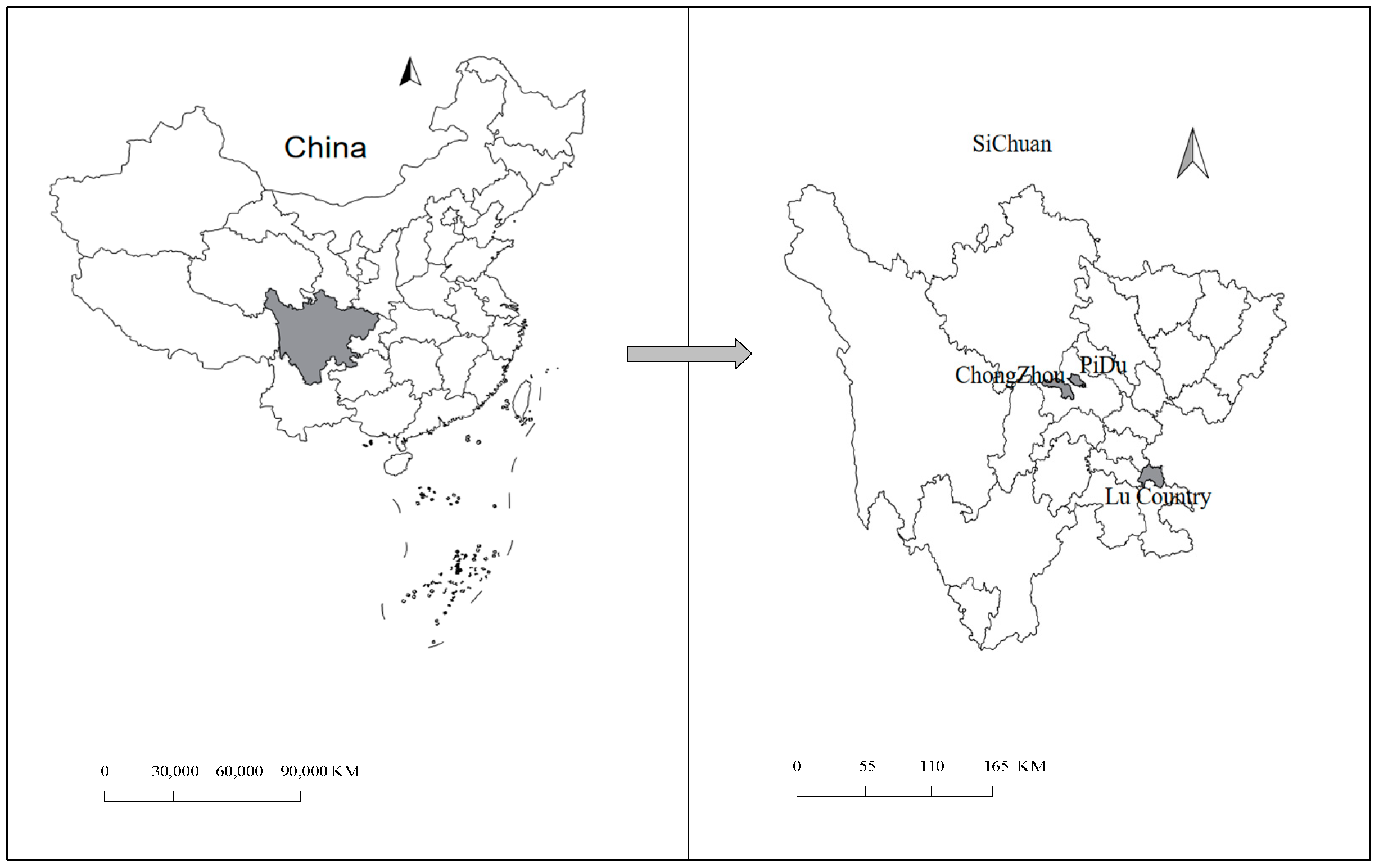
Rural Residential Land is a kind of public pond resource, and the implementation of the collective governance of Rural Residential Land is a response to the dilemma of utilizing the land. This paper takes the attribute of using Rural Residential Land as a public pond resource as an entry point, draws on Autonomous Governance Theory, and utilizes the OLS model and the mediated effect model to explore the influence of Government Embedment on supervisory effectiveness in the collective governance of Rural Residential Land, based on the fieldwork data of 450 farming households in three districts (cities and counties) in Sichuan Province. This study shows that Government Embedment, the Technological Environment and the Cultural Environment can significantly enhance supervisory effectiveness in the collective governance of Rural Residential Land, while the Resource Environment has a negative effect on it. The Resource Environment has a masking effect on the influence of Government Embedment on supervisory effectiveness in the collective governance of Rural Residential Land, while the Technological Environment and the Cultural Environment play a part in the mediating effect. The anonymous whistleblowing mechanism positively moderates the influence of the Technological and Cultural Environments on supervisory effectiveness. Additionally, there is obvious locational heterogeneity in the influence of Government Embedment and the Organizational Environment on supervisory effectiveness. Therefore, a coordinated supervision and sanctioning mechanism should be constructed in towns and villages to promote the integration and complementarity of formal and informal systems; a sound mechanism for anonymous reporting of illegal and irregular use of Rural Residential Land should be established; and the effective implementation of the collective governance of Rural Residential Land should be promoted in accordance with the differences in the location of the villages.
Keywords: rural residential land; collective governance; government embedment; organizational environment; supervisory effectiveness rural residential land; collective governance; government embedment; organizational environment; supervisory effectiveness