Article

Spatiotemporal Variation in Ecosystem Health and Its Driving Factors in Guizhou Province

1
School of Public Administration, Guizhou University, Guiyang 550025, China
2
ASEAN Research Institute, Guizhou University, Guiyang 550025, China
*
Author to whom correspondence should be addressed.
Land 2023, 12(7), 1439; https://doi.org/10.3390/land12071439
Submission received: 22 May 2023 / Revised: 9 July 2023 / Accepted: 13 July 2023 / Published: 19 July 2023
(This article belongs to the Special Issue Celebrating the 130th Anniversary of Wuhan University on Land Science)

Abstract

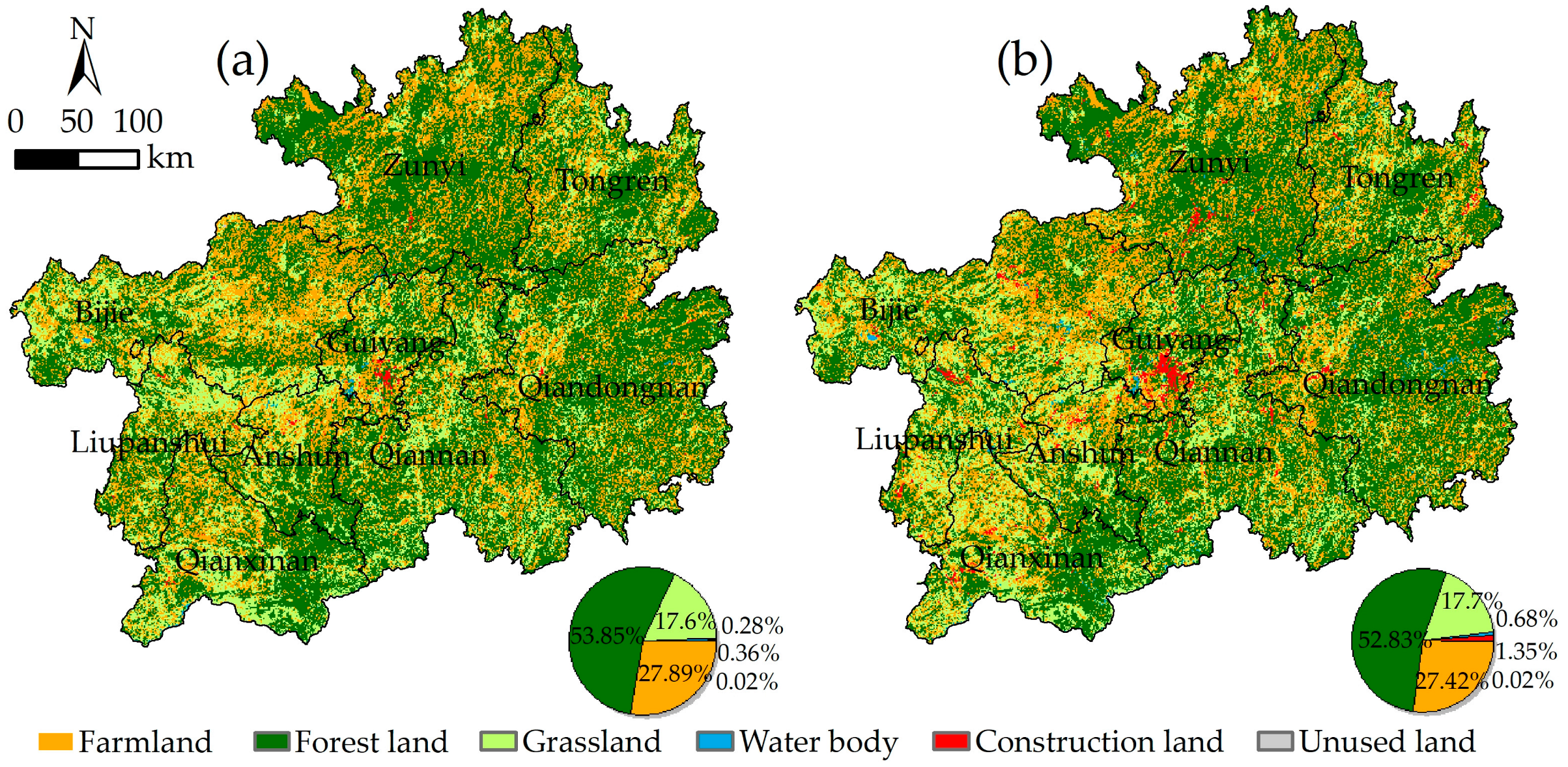
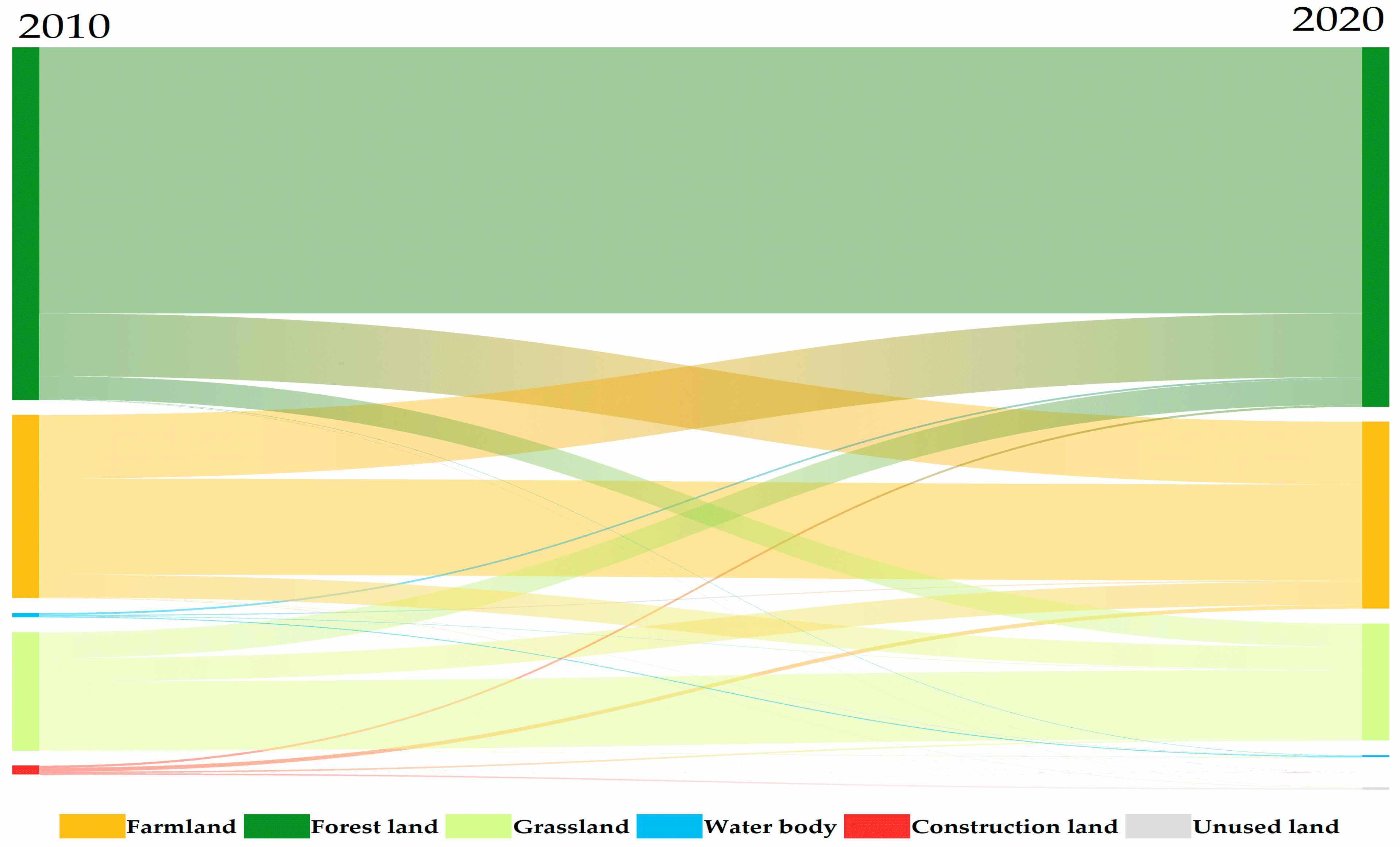
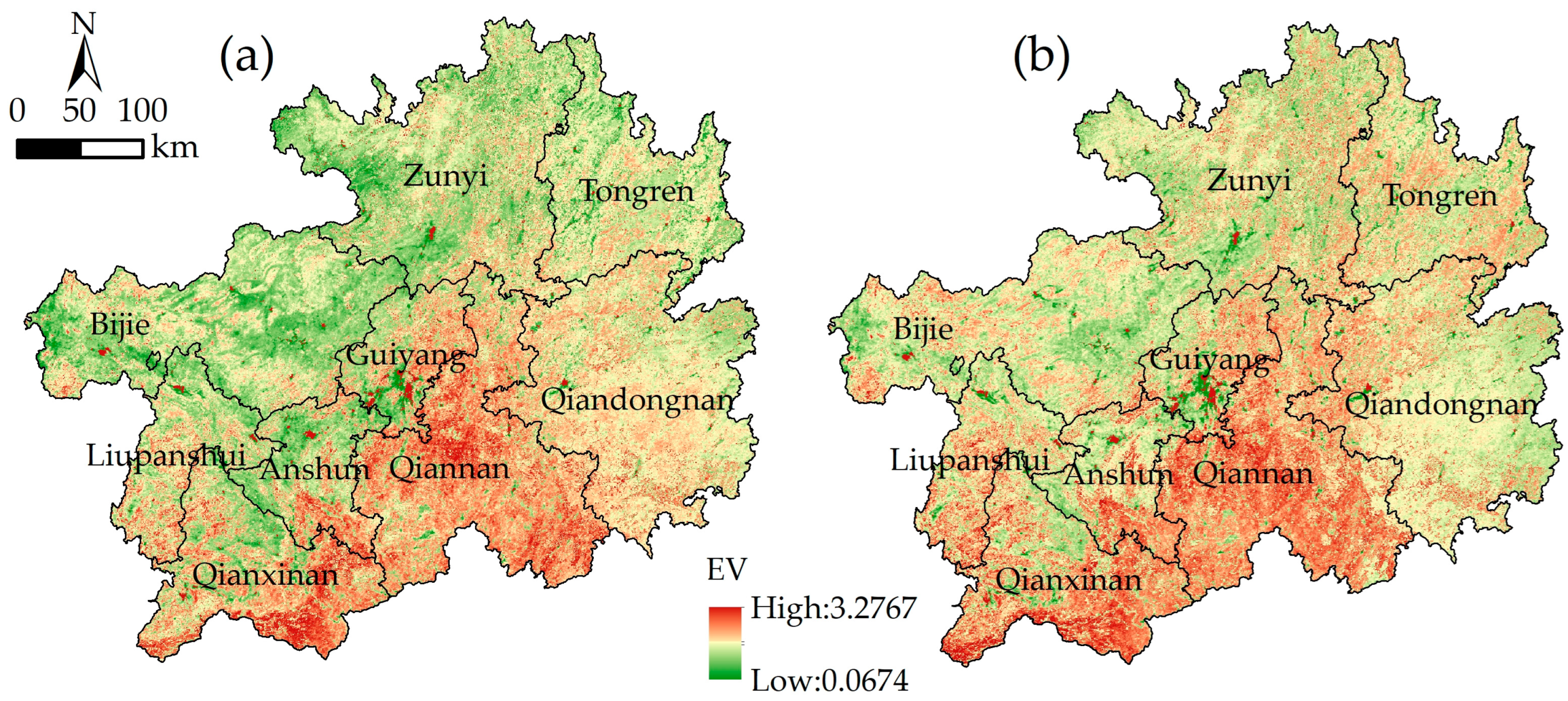
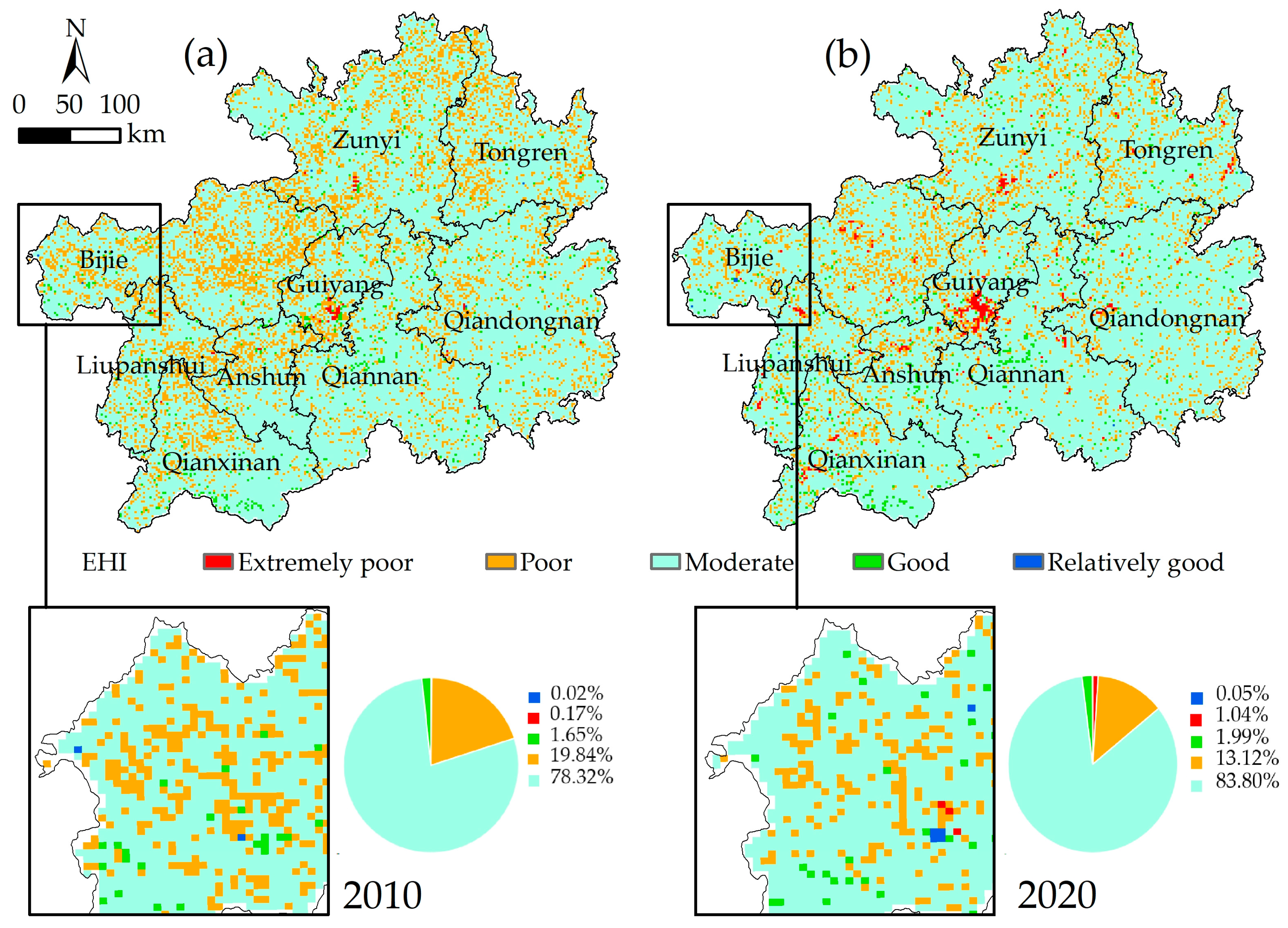
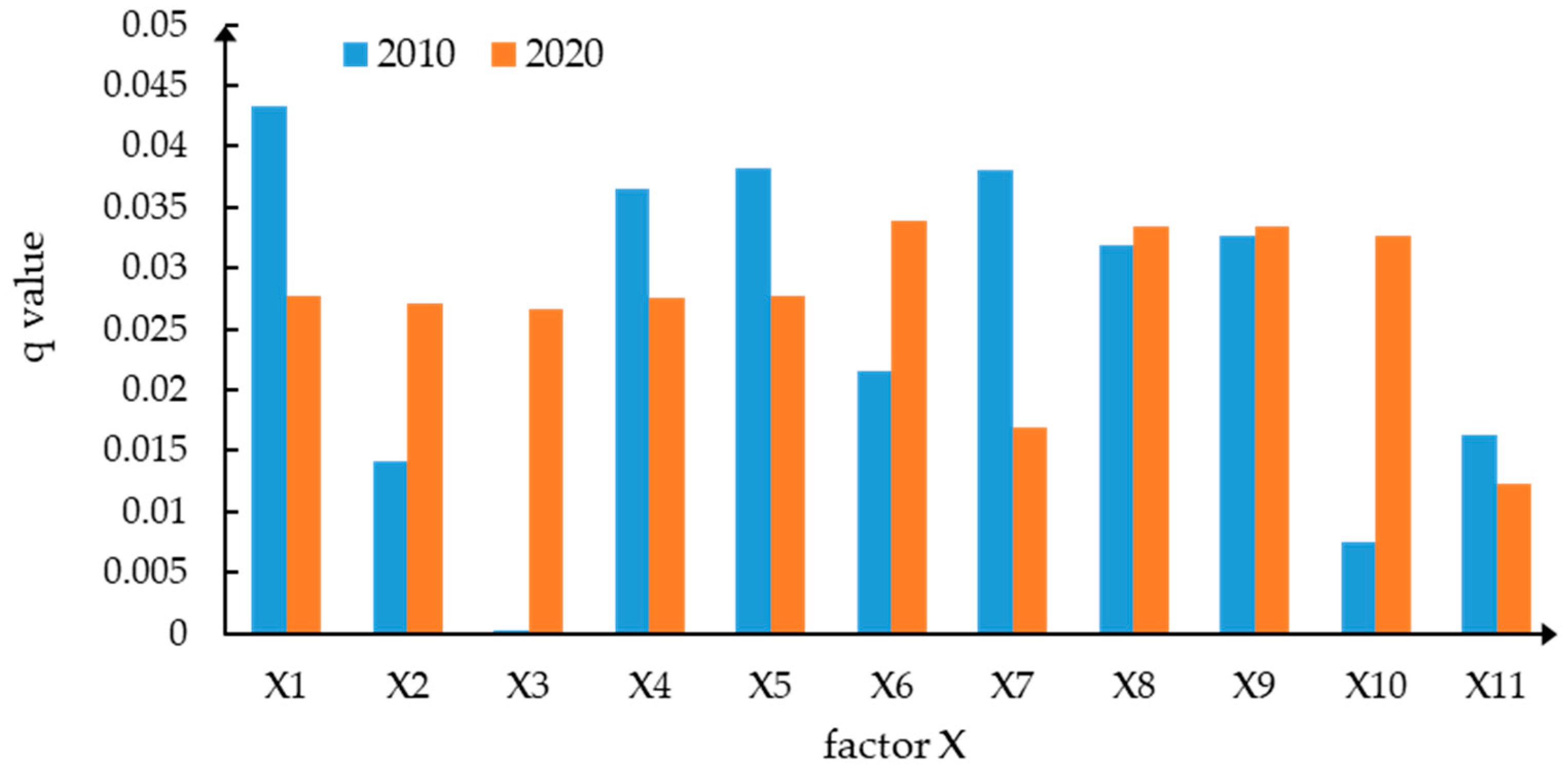
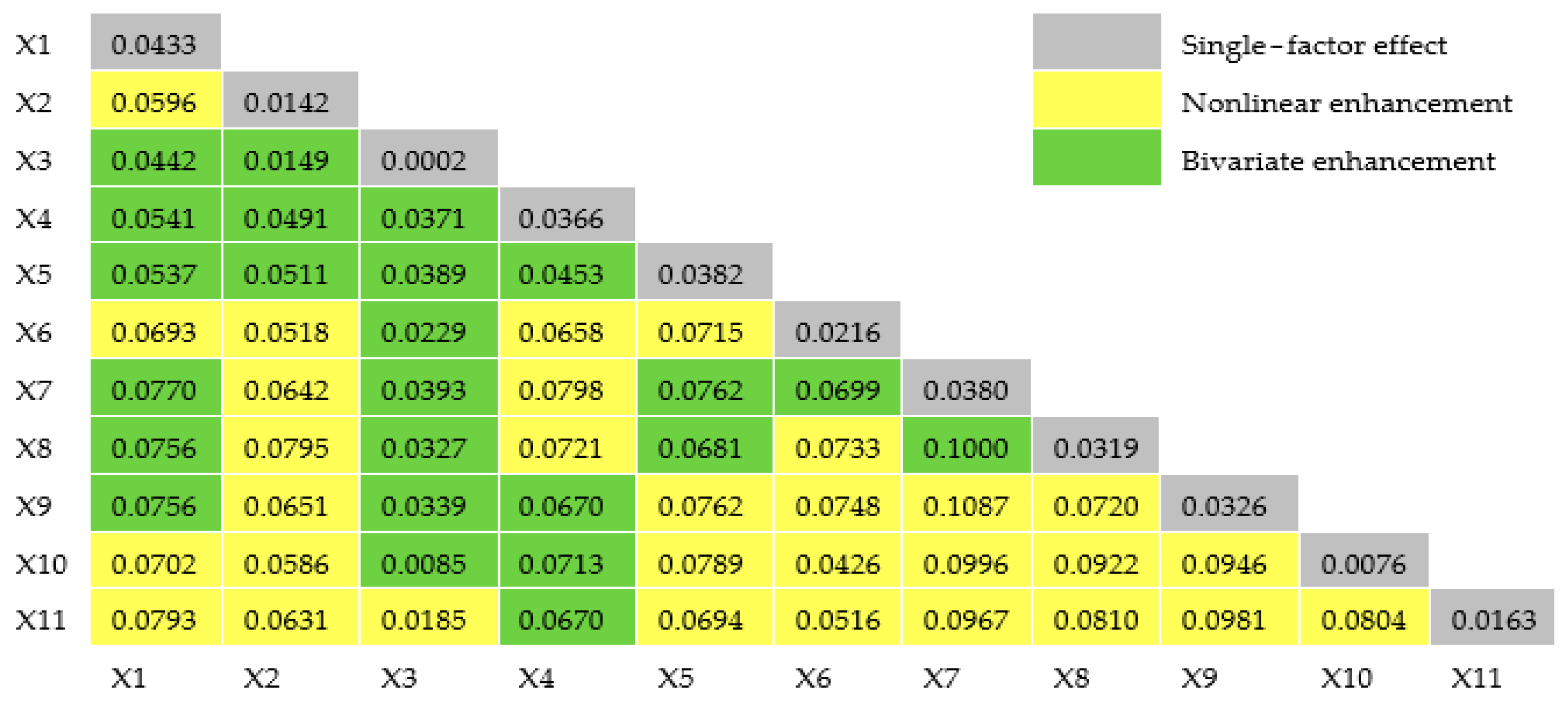
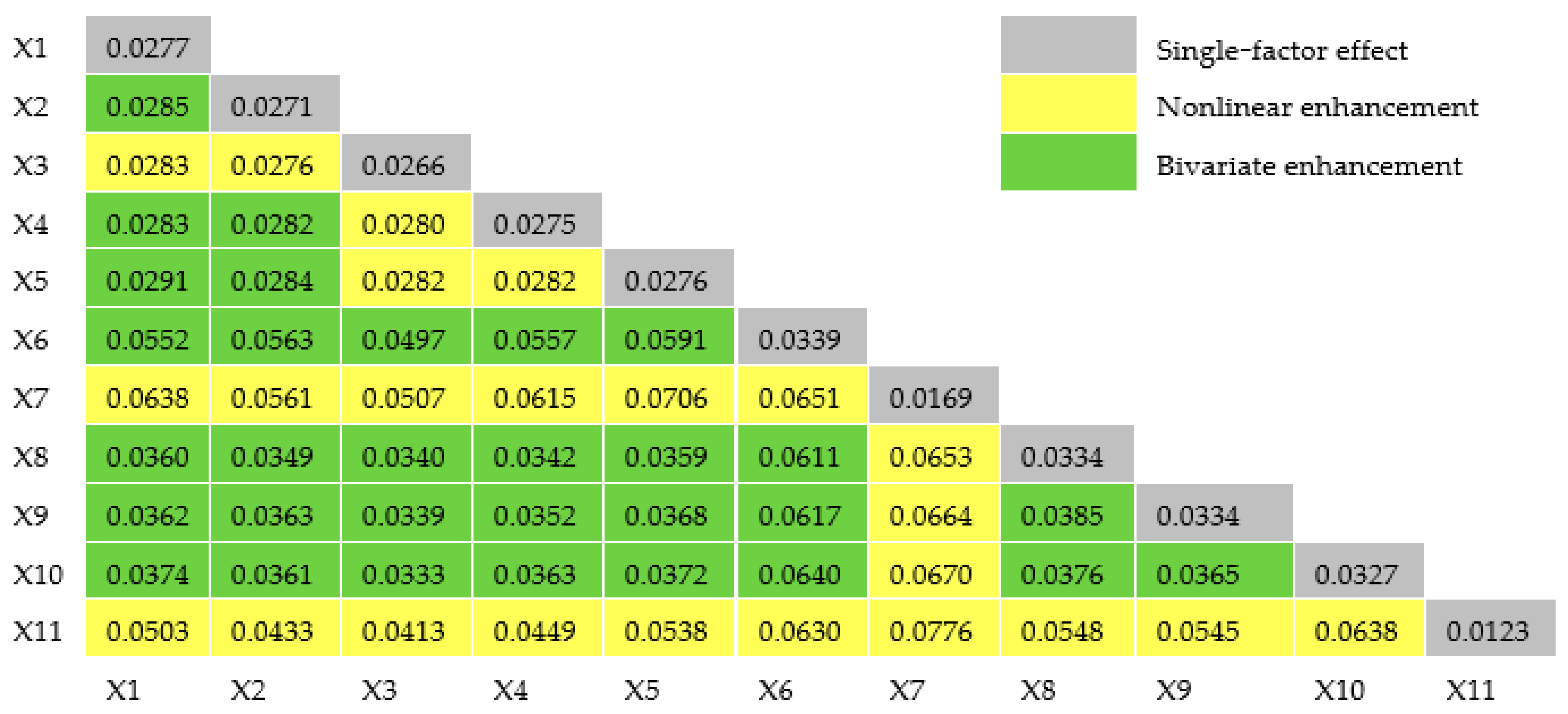
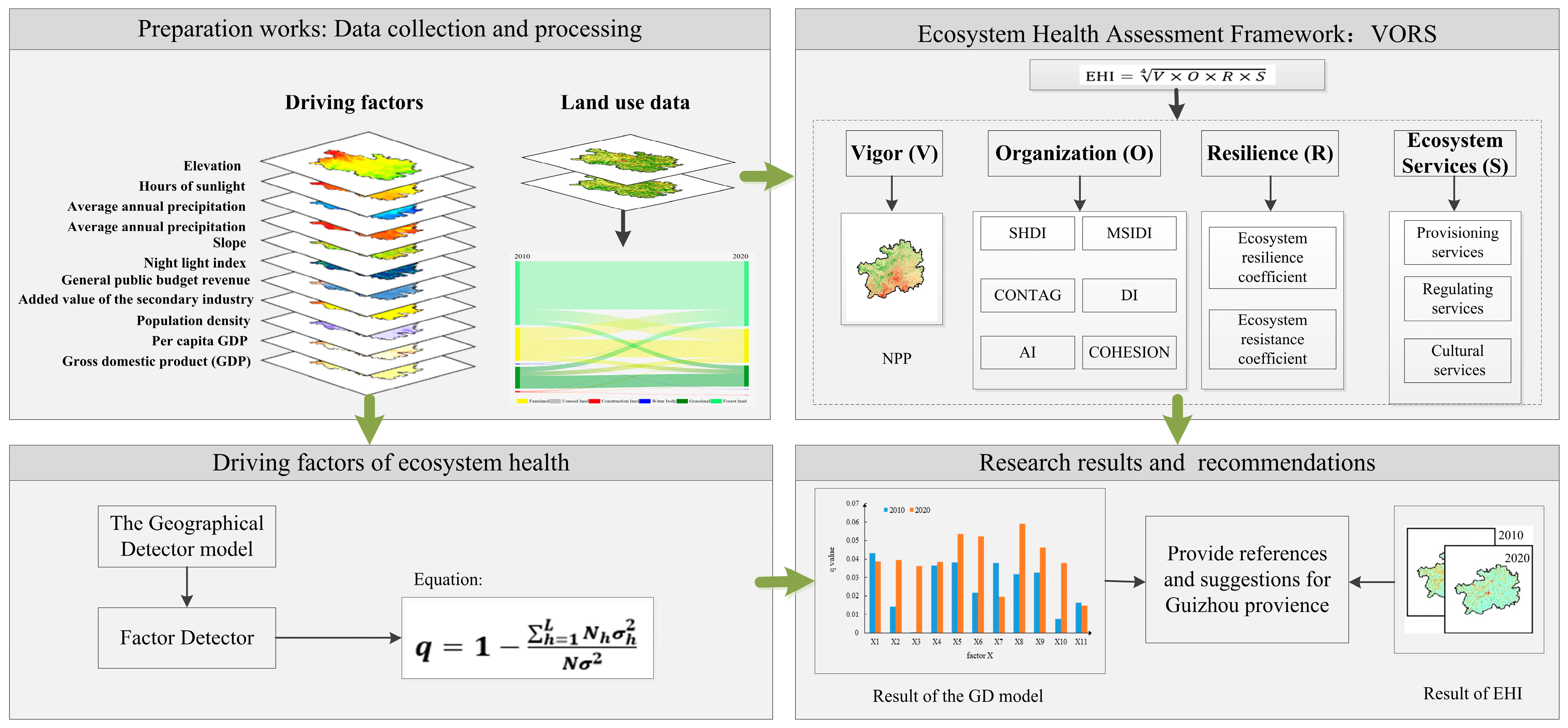
Healthy ecosystems are crucial for sustainable regional development. The lack of spatial distribution patterns and driving factors of ecosystem health limited ecosystem management and urban planning. Understanding the spatiotemporal variation characteristics of ecosystem health and its driving factors can contribute to ecosystem management. Based on the “vigor–organization–resilience” (VOR) framework, this paper focuses on increasing ESs and forming an improved “vigor–organization–resilience–ecosystem services (VORS)” framework to evaluate the ecosystem health of Guizhou Province in 2010 and 2020. At the same time, we used the geographic detector model to investigate the driving factors of ecosystem health in the region. The results revealed the following: (1) The areas of forest land accounted for more than 52%. Simultaneously, farmland and forest land decreased, while construction land increased from 2010 to 2020. Construction land was mainly converted from forest land, grassland and farmland. (2) The level of ecosystem health in Guizhou Province spatially increased from northwest to southeast, with the central part exhibiting the lowest health level. The ecosystem health index (EHI) was mainly moderate, accounting for 78.32% and 83.80% in 2010 and 2020, respectively. (3) Among the 11 selected driving factors, the gross domestic product (GDP), general public budget revenue, annual average temperature, average annual precipitation, and night light index significantly affected ecosystem health. Our research refines ecosystem health research and the results will contribute to effective and precise decision-making in ecosystem management and the implementation of land use policies.
Keywords: ecosystem health; Guizhou Province; VORS; geographical detector model; driving factors ecosystem health; Guizhou Province; VORS; geographical detector model; driving factors