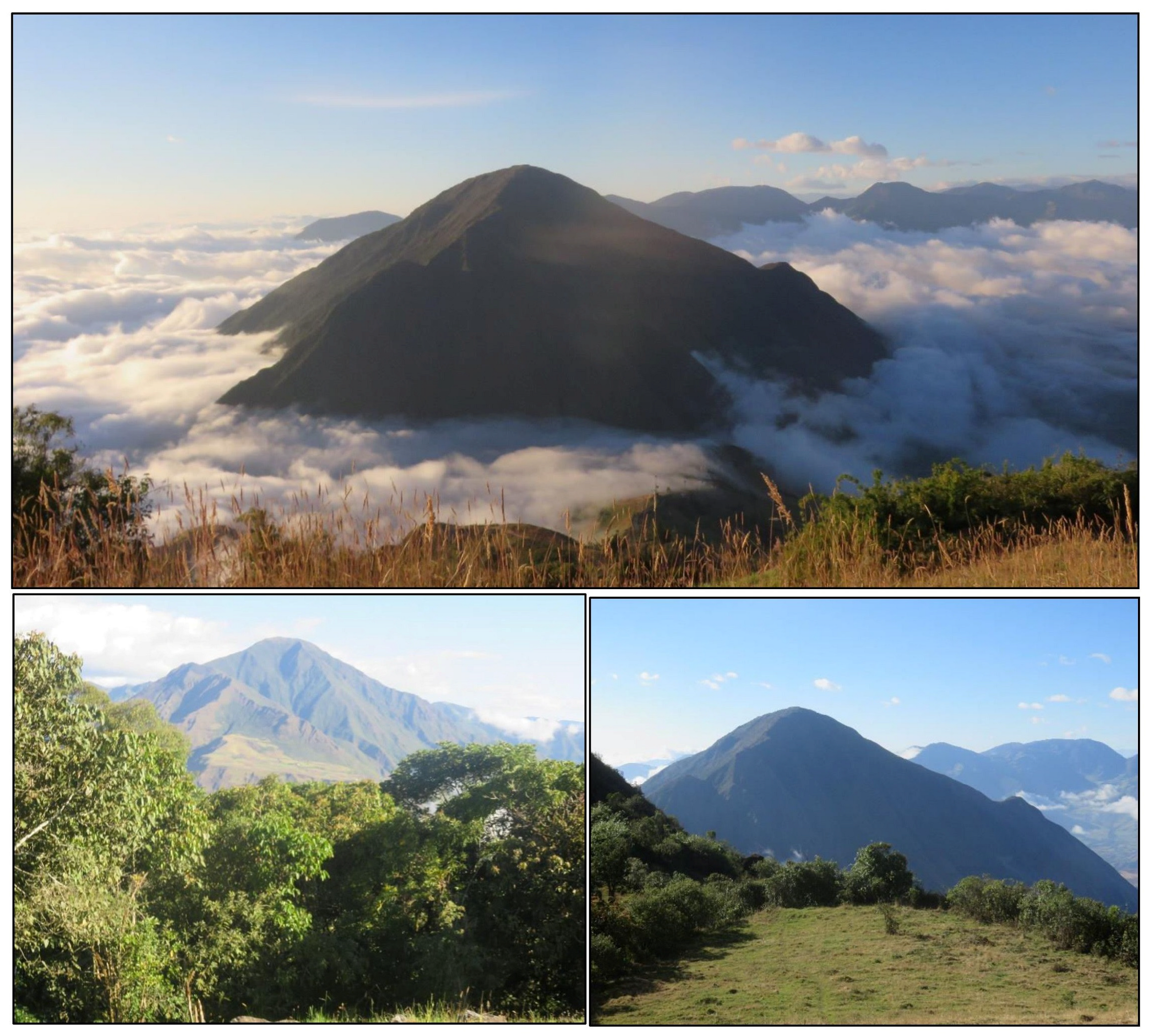
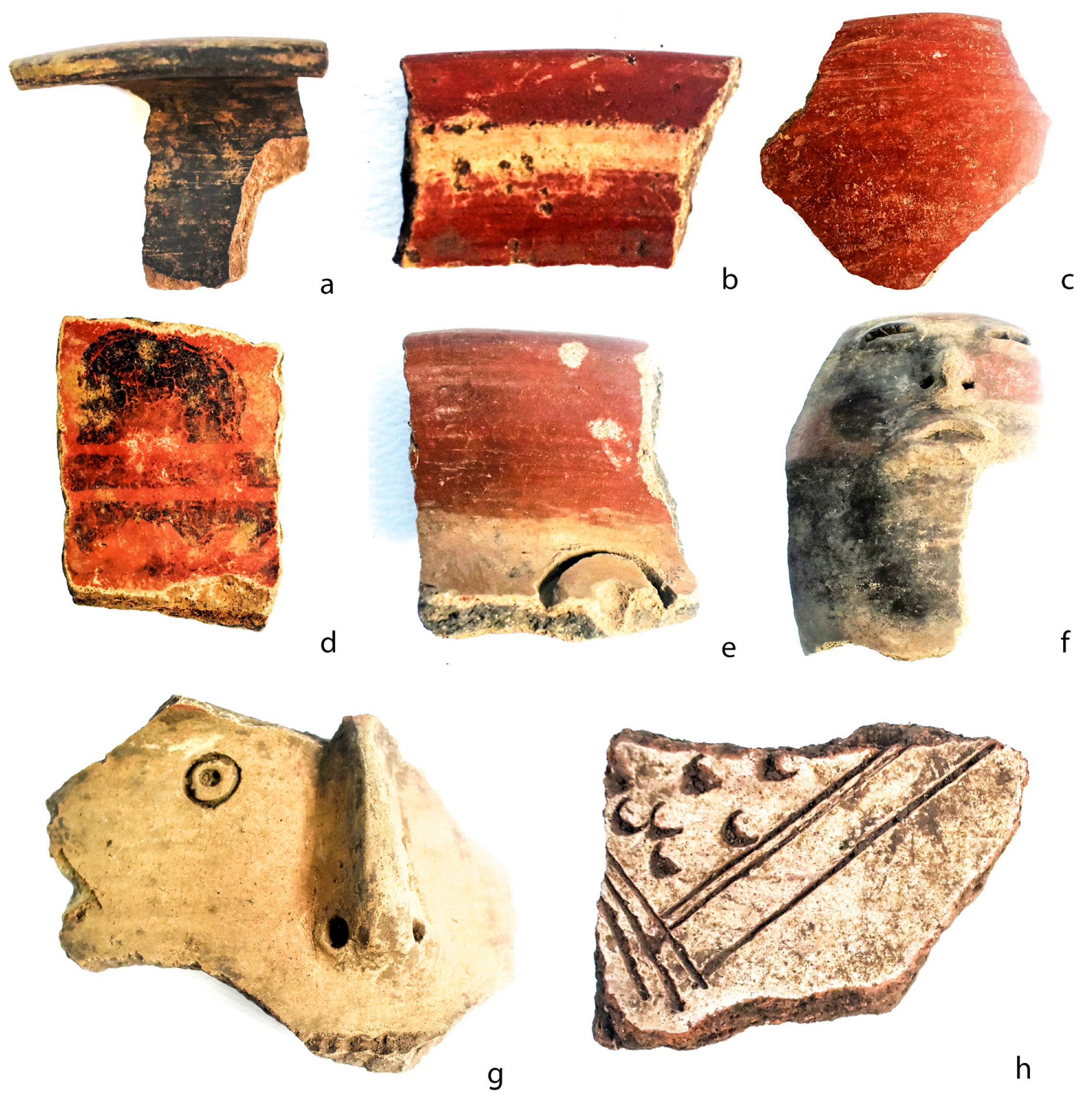
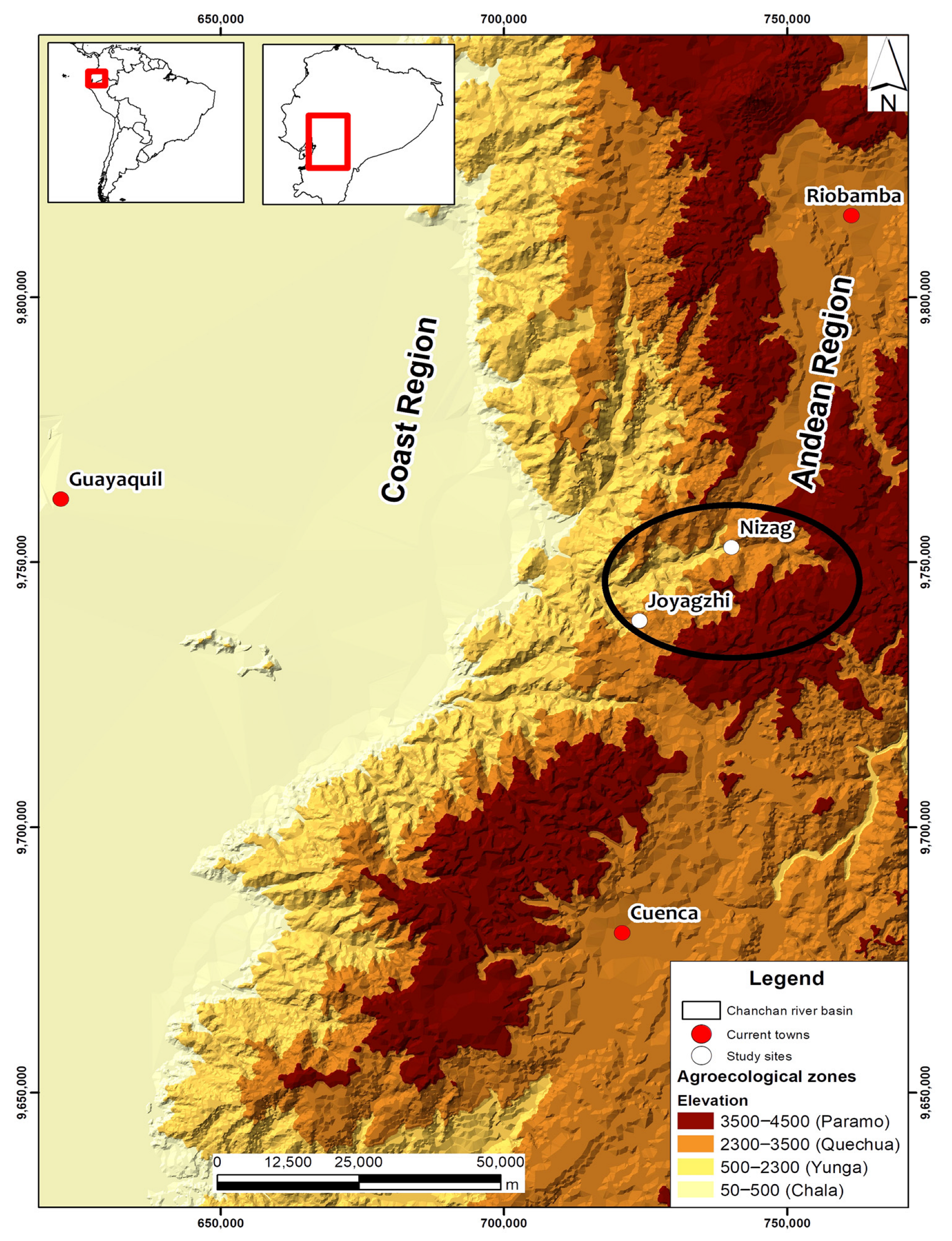
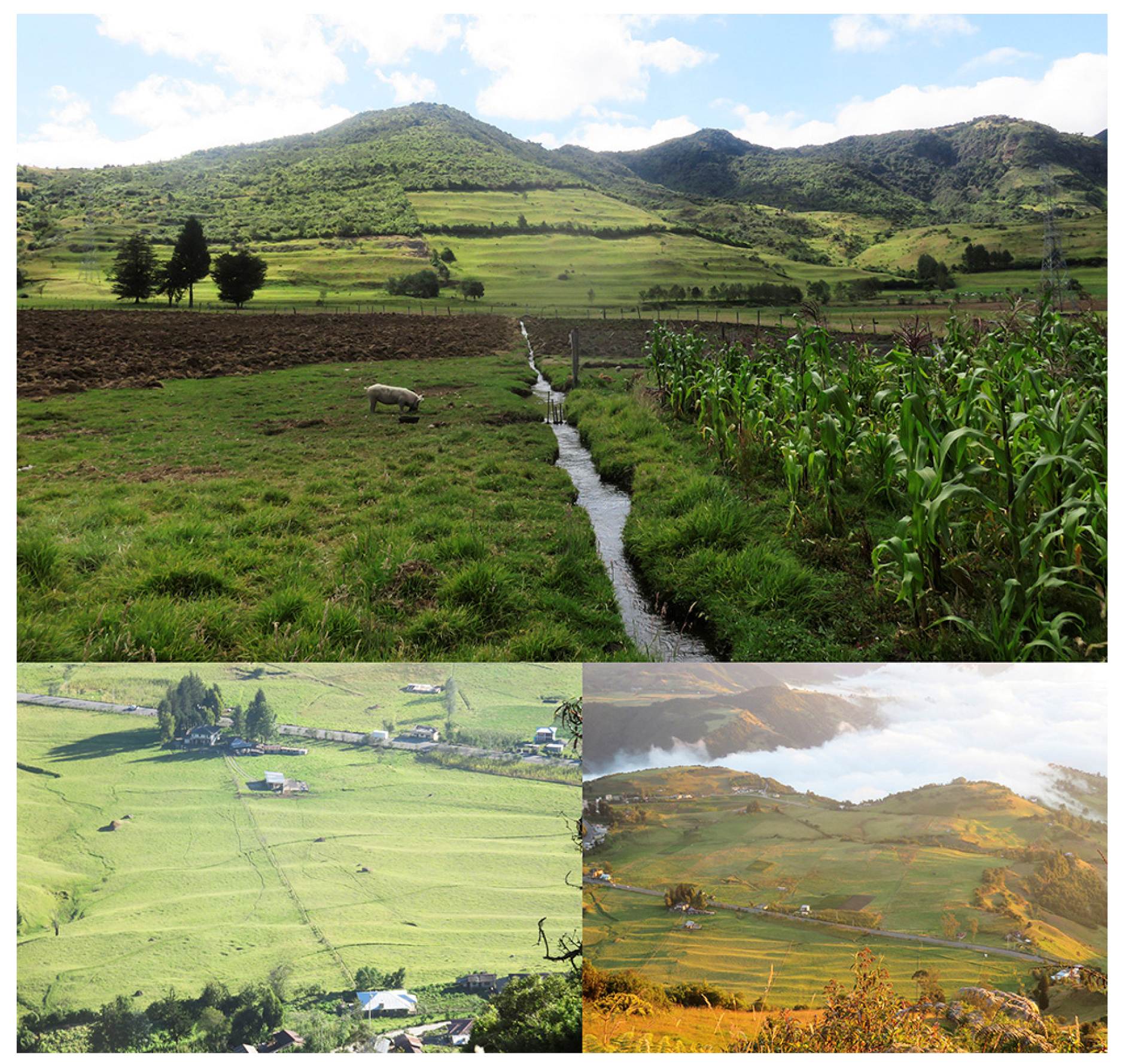
The Archeological Landscape of the Chanchán Basin and Its Agroecological Legacies for the Conservation of Montane Forests in the Western Foothills of the Ecuadorian Andes
 , ,
, , Abstract
Share and Cite
Aguirre Merino, C.P.; Piqué Huerta, R.; Parra Ordoñez, L.N.; Guamán Cazho, V.A.; Valdez Bustamante, W.O. The Archeological Landscape of the Chanchán Basin and Its Agroecological Legacies for the Conservation of Montane Forests in the Western Foothills of the Ecuadorian Andes. Land 2023, 12, 192. https://doi.org/10.3390/land12010192
Aguirre Merino CP, Piqué Huerta R, Parra Ordoñez LN, Guamán Cazho VA, Valdez Bustamante WO. The Archeological Landscape of the Chanchán Basin and Its Agroecological Legacies for the Conservation of Montane Forests in the Western Foothills of the Ecuadorian Andes. Land. 2023; 12(1):192. https://doi.org/10.3390/land12010192
Chicago/Turabian StyleAguirre Merino, Christiam Paúl, Raquel Piqué Huerta, Lady Nathaly Parra Ordoñez, Verónica Alexandra Guamán Cazho, and Walter Oswaldo Valdez Bustamante. 2023. "The Archeological Landscape of the Chanchán Basin and Its Agroecological Legacies for the Conservation of Montane Forests in the Western Foothills of the Ecuadorian Andes" Land 12, no. 1: 192. https://doi.org/10.3390/land12010192
APA StyleAguirre Merino, C. P., Piqué Huerta, R., Parra Ordoñez, L. N., Guamán Cazho, V. A., & Valdez Bustamante, W. O. (2023). The Archeological Landscape of the Chanchán Basin and Its Agroecological Legacies for the Conservation of Montane Forests in the Western Foothills of the Ecuadorian Andes. Land, 12(1), 192. https://doi.org/10.3390/land12010192