Article

Decoupling Effect, Influencing Factors and Planning Strategy of Urban Water Use in Small Cities: Evidence from Guangxi

1
Territorial Spatial Planning Institute, Hualan Design & Consulting Group, Nanning 530001, China
2
School of Natural Resources and Surveying, Nanning Normal University, Nanning 530001, China
*
Author to whom correspondence should be addressed.
Water 2026, 18(9), 1055; https://doi.org/10.3390/w18091055
Submission received: 4 February 2026 / Revised: 12 April 2026 / Accepted: 25 April 2026 / Published: 29 April 2026

Abstract

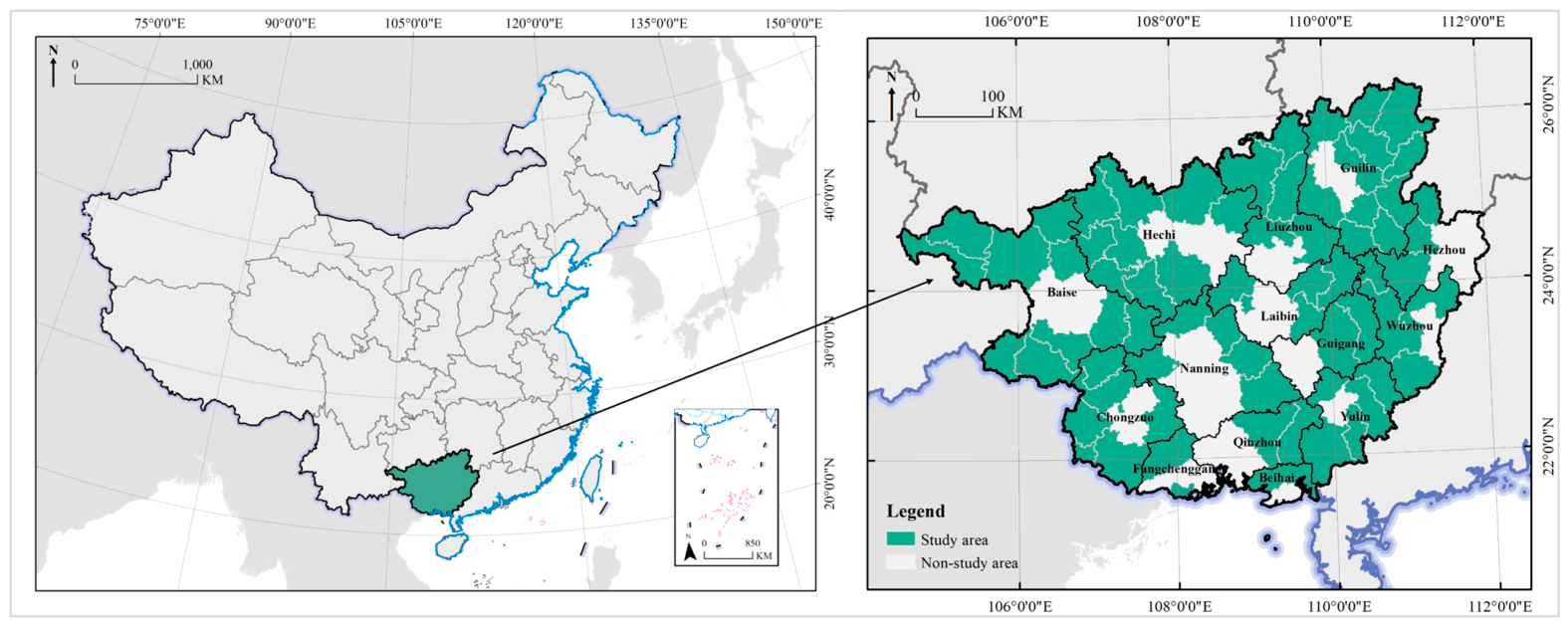
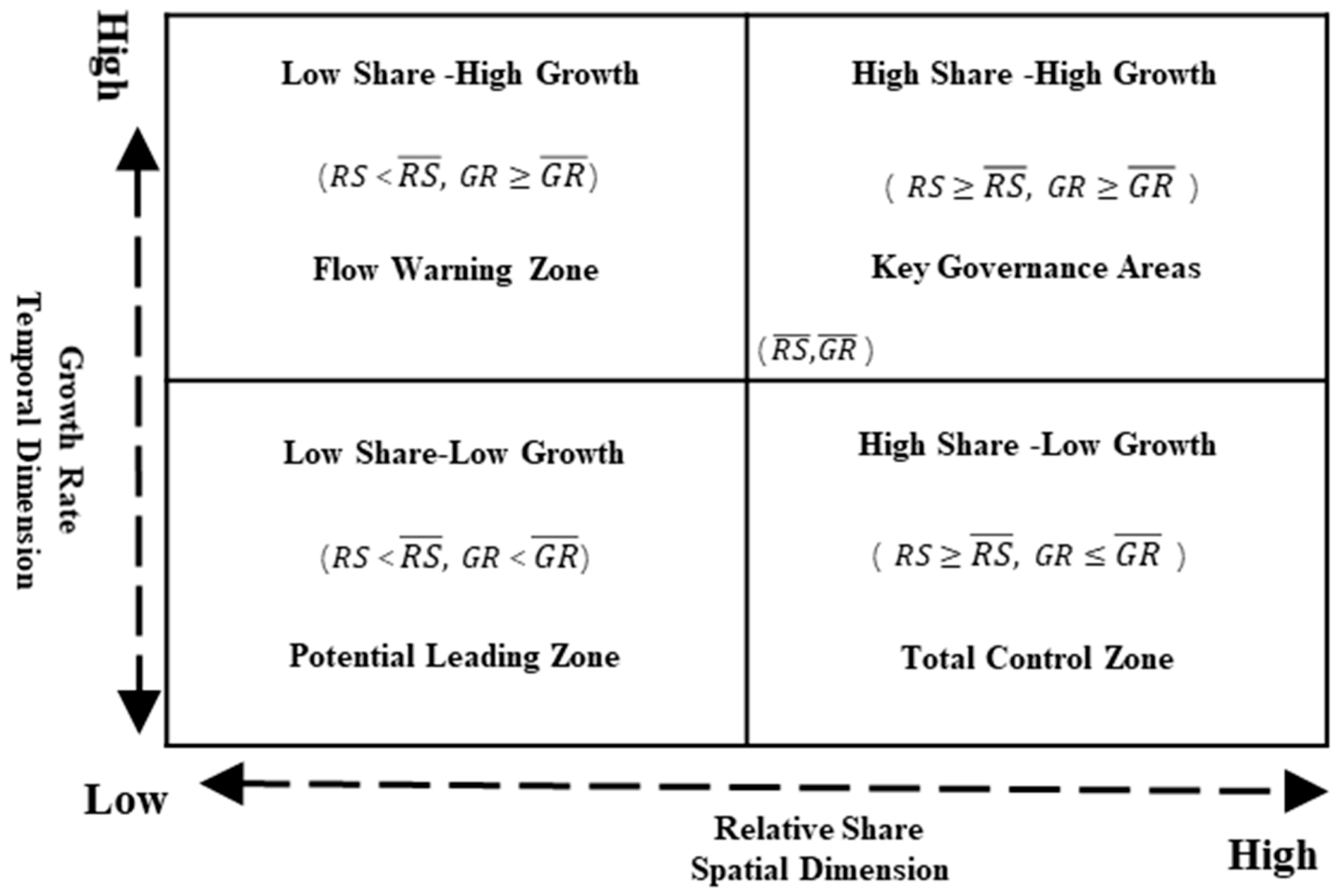
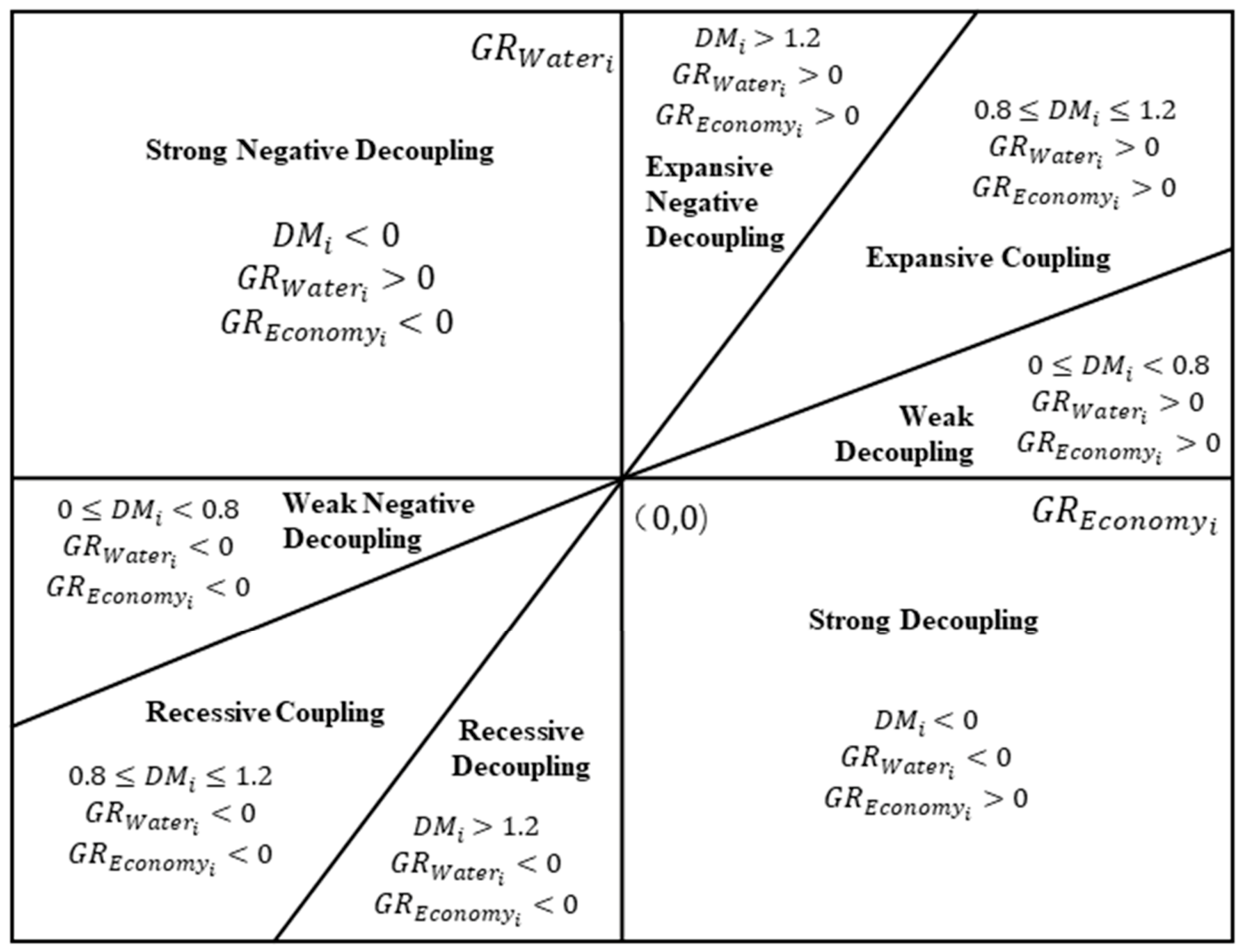
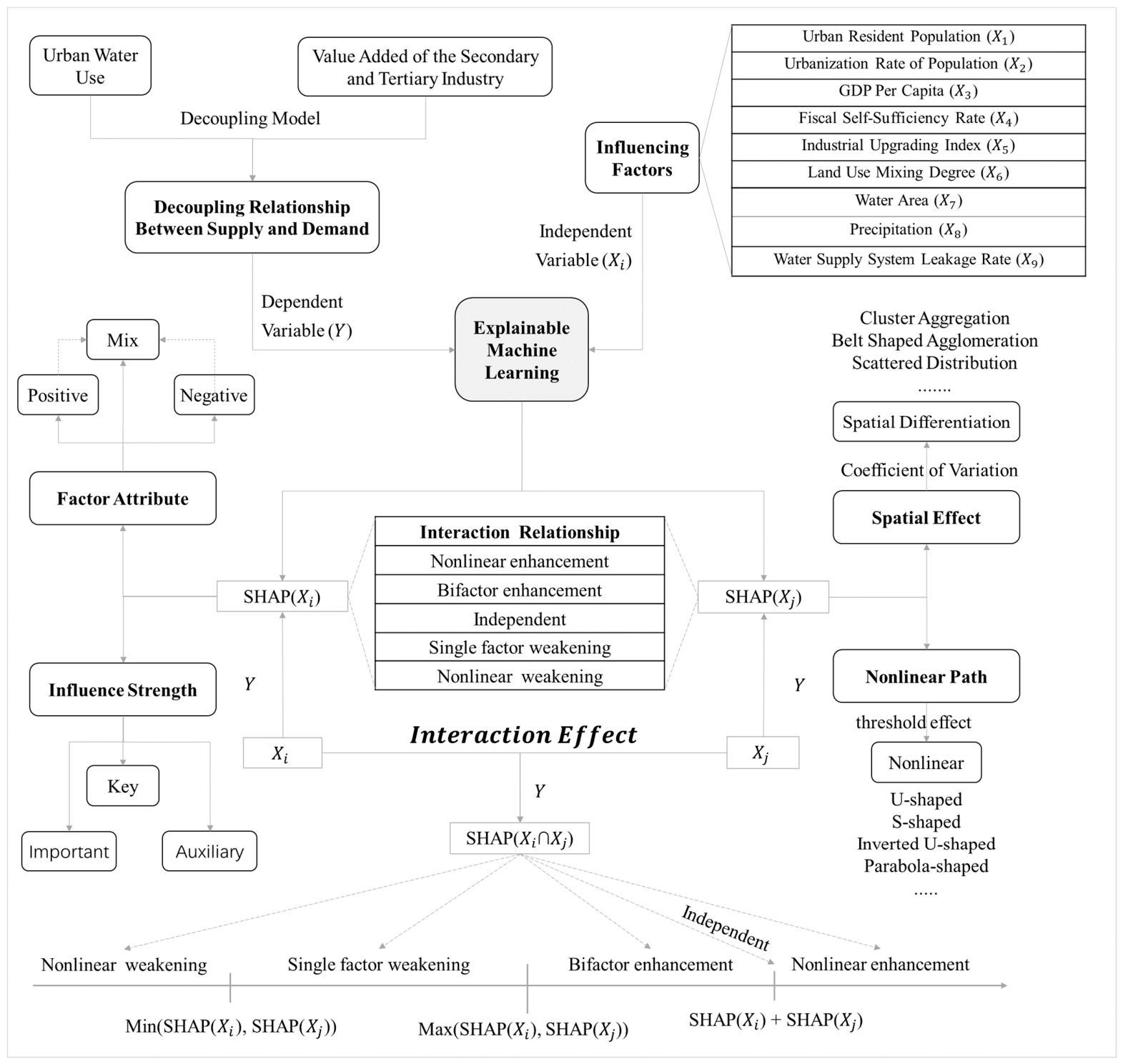
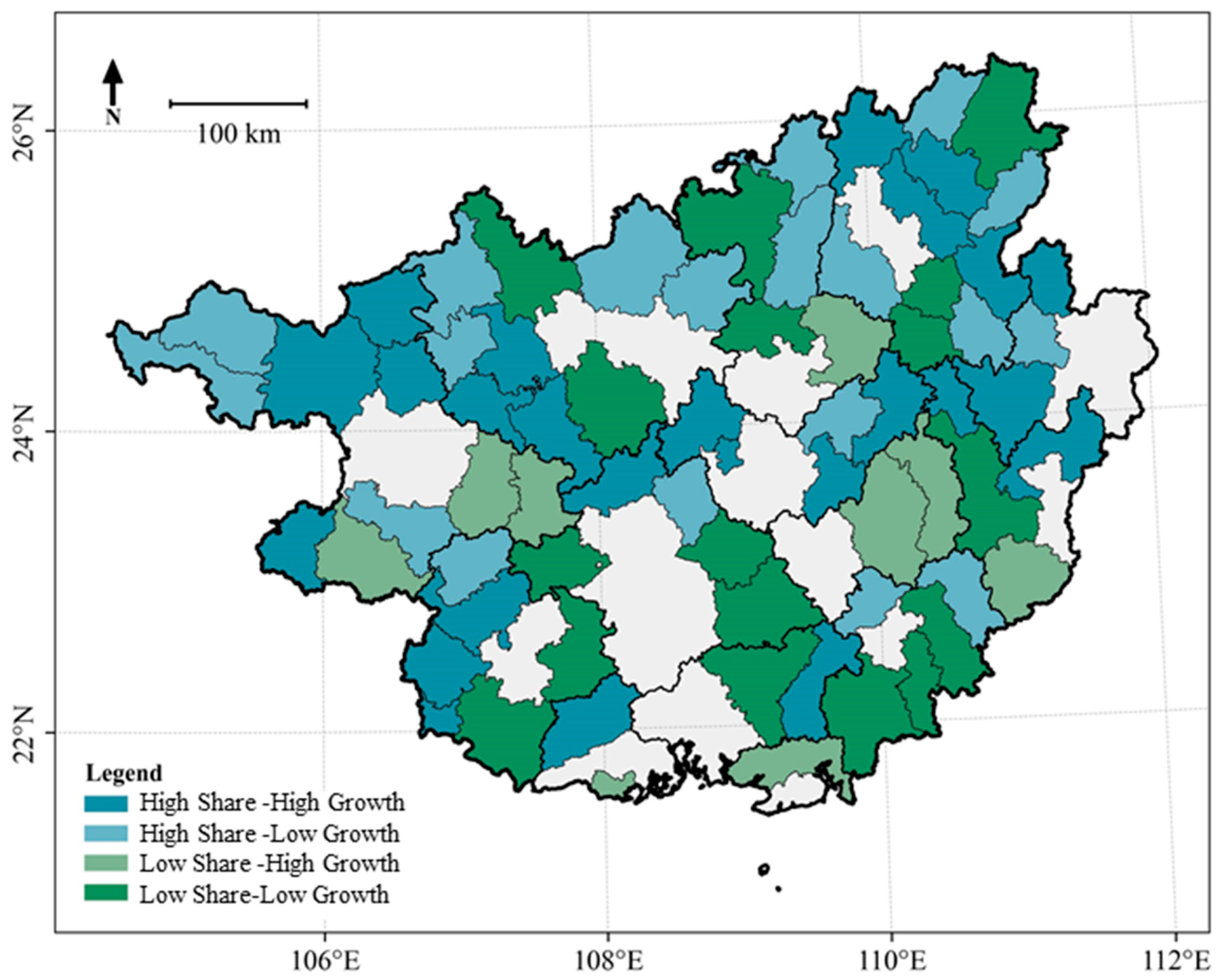
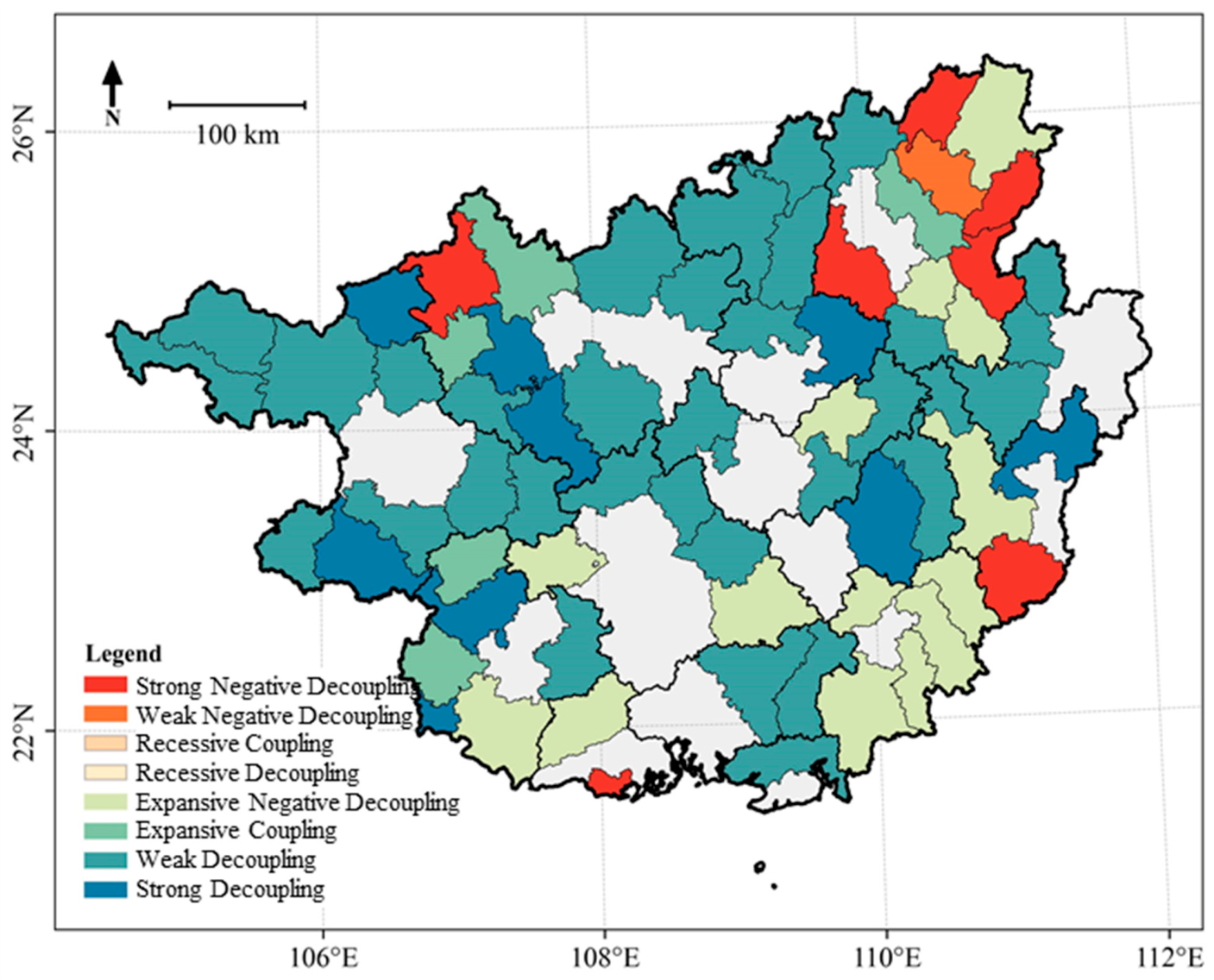
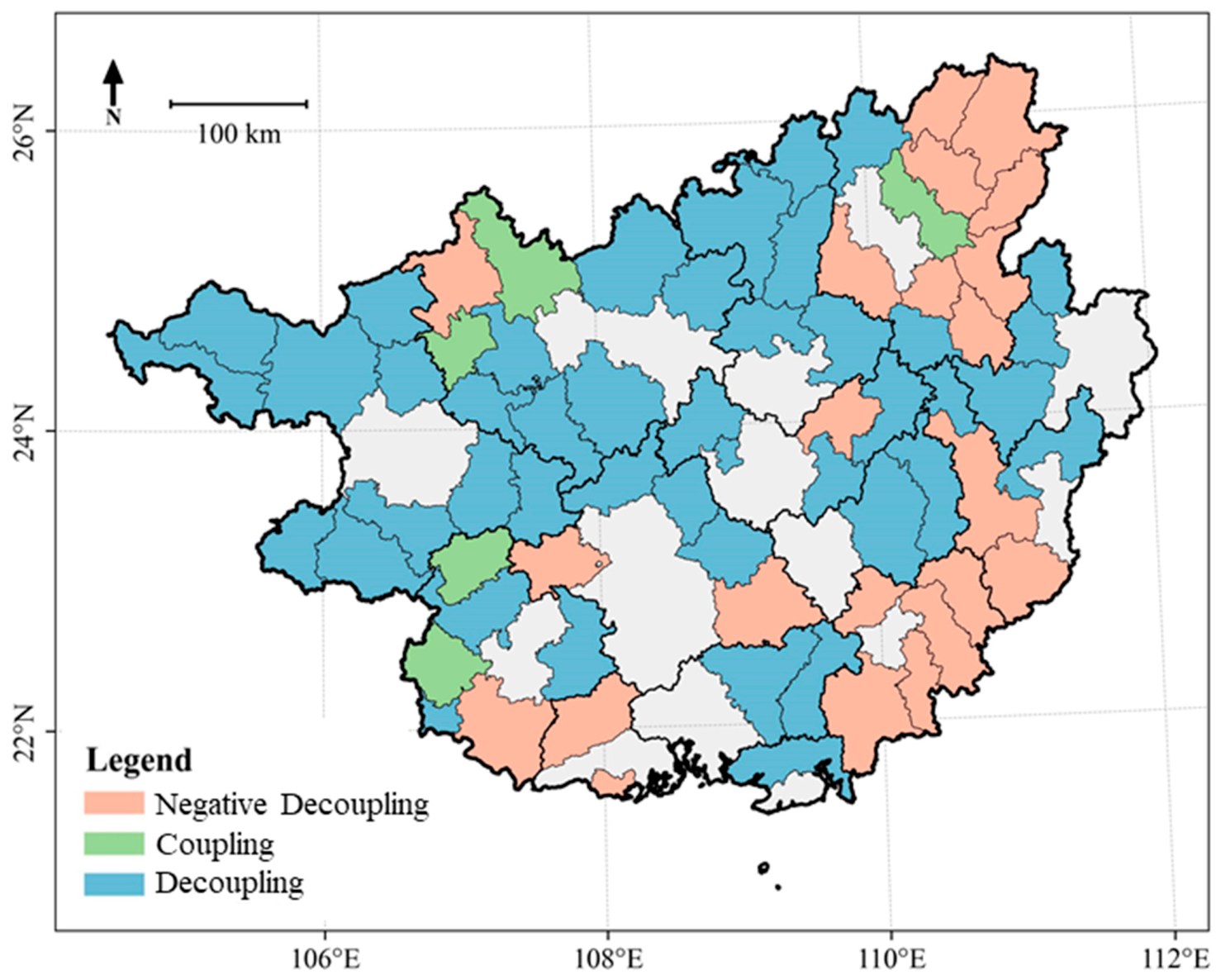
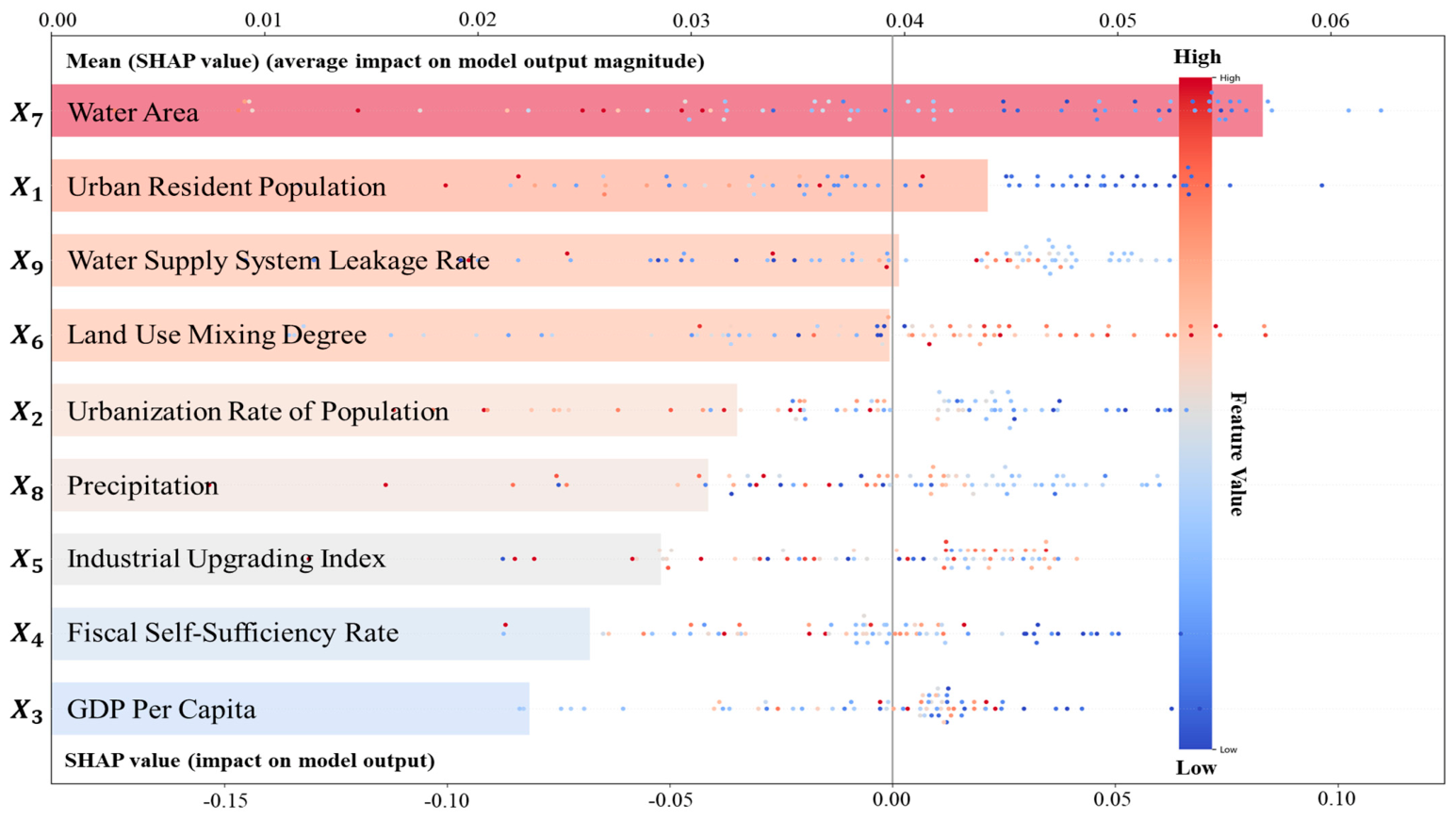
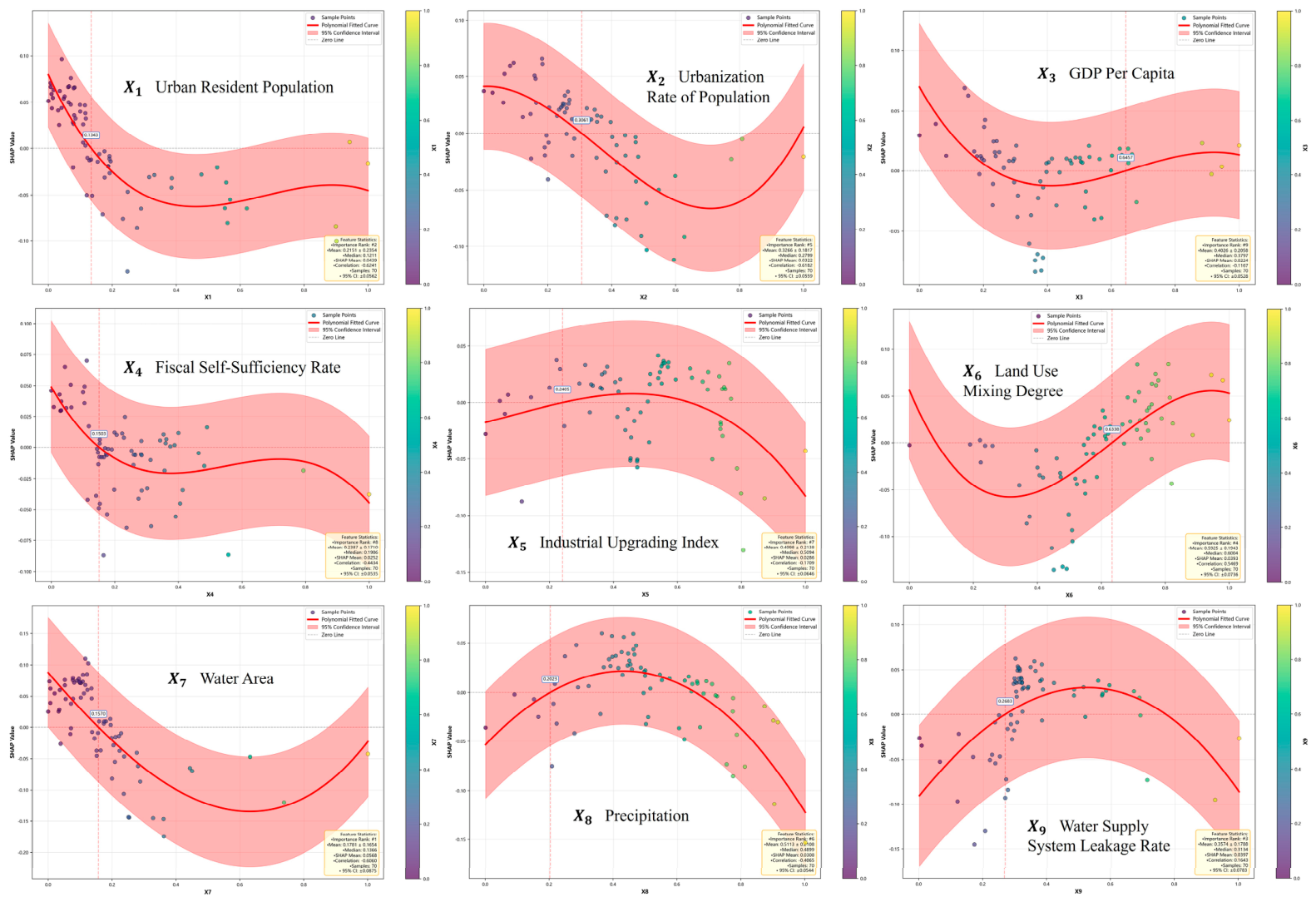
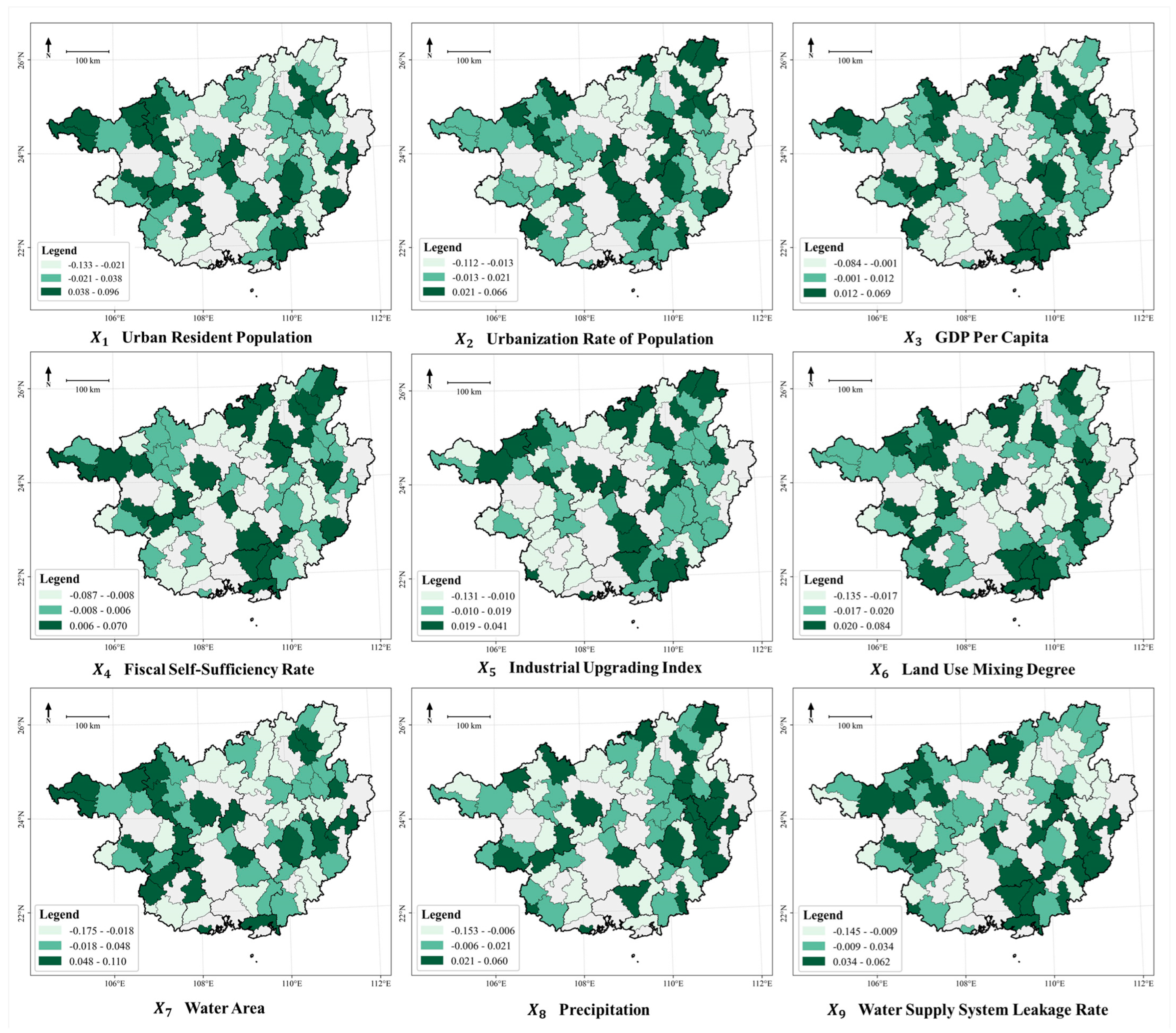
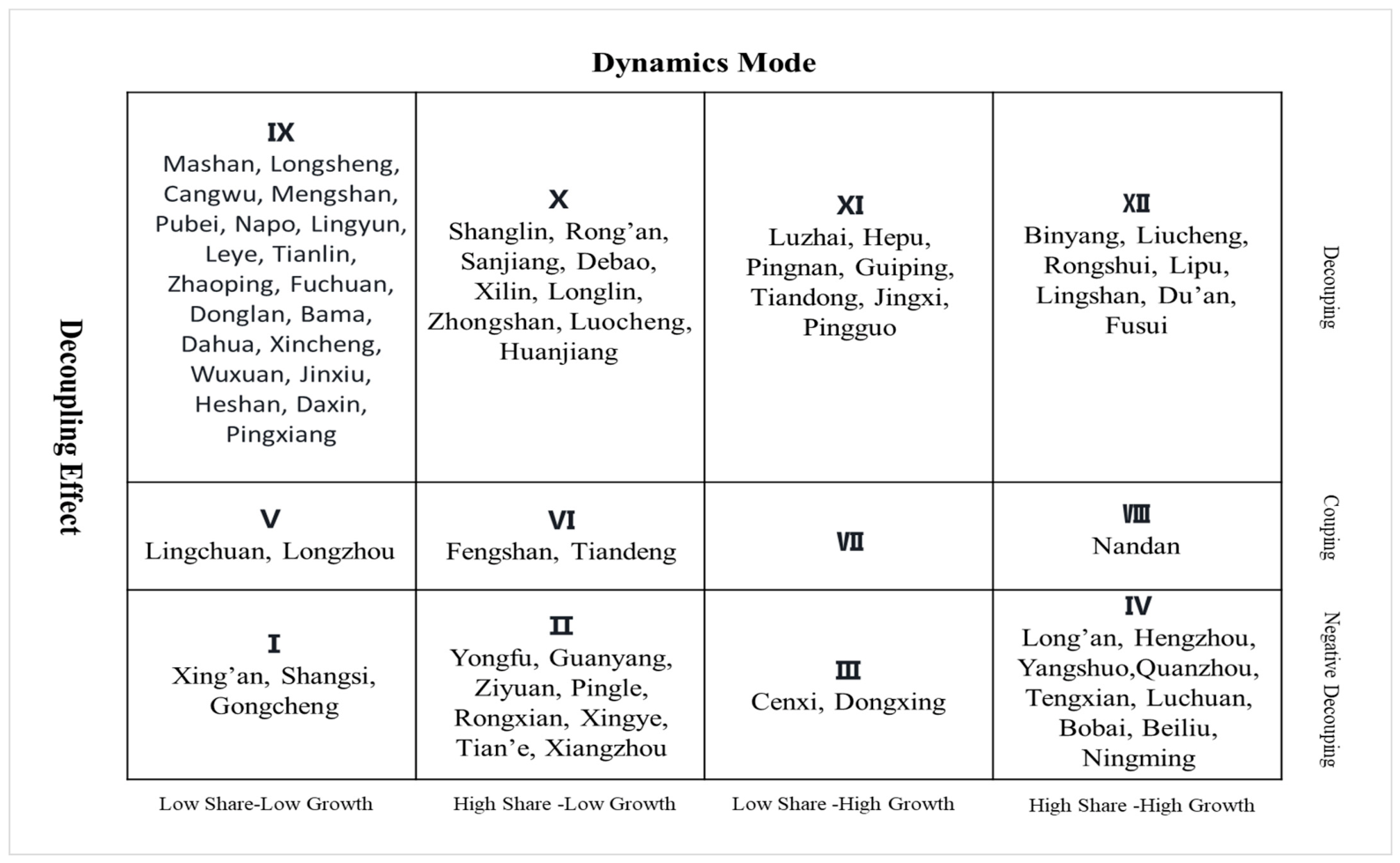
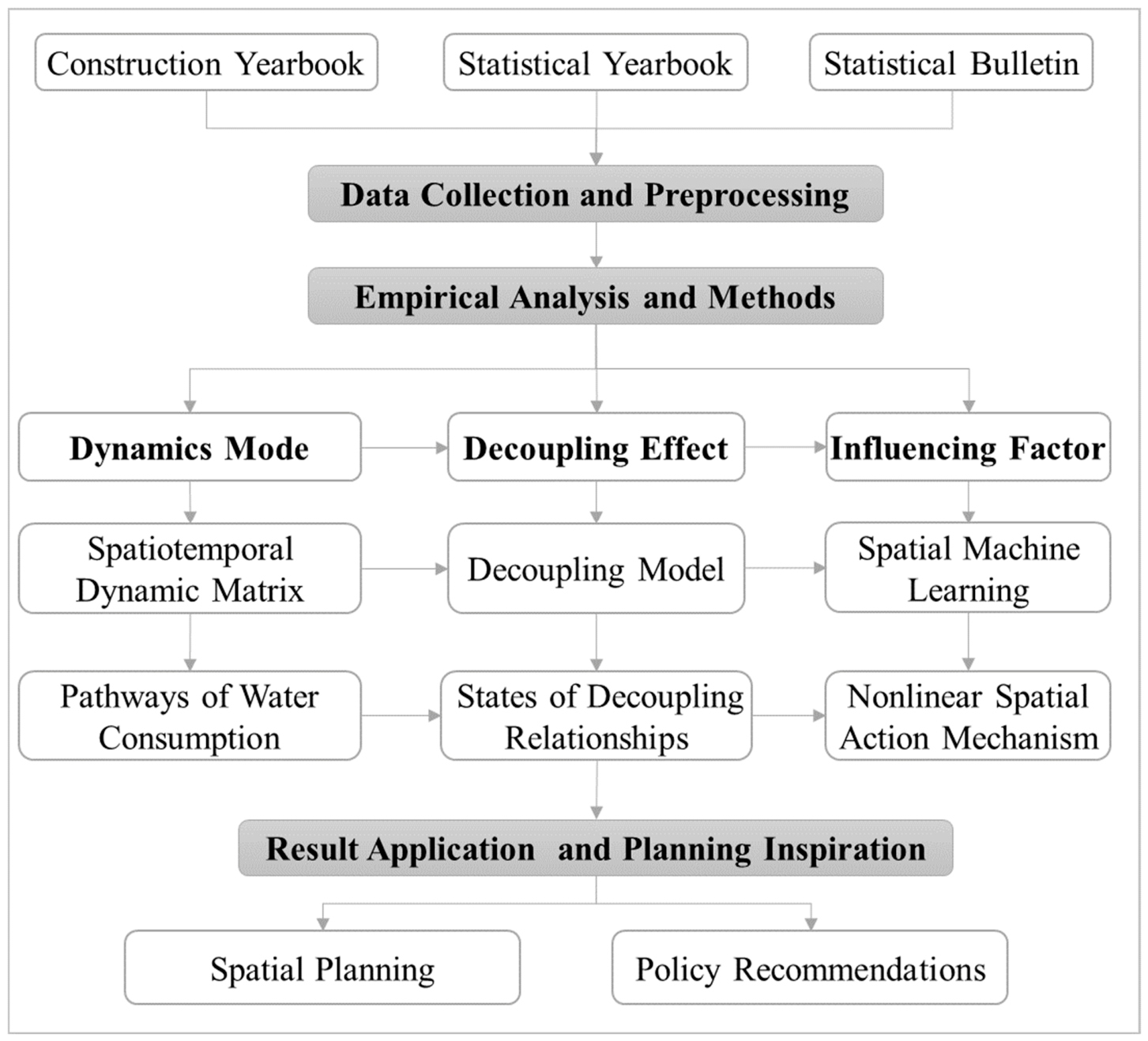
Water resources serve as a rigid constraint for urban sustainable development, yet existing studies still lack sufficient understanding of the decoupling effect and its nonlinear mechanism in urban water resource utilization. This study comprehensively employs the spatiotemporal dynamic matrix, decoupling model, and explainable machine learning methods to conduct an empirical analysis of 70 small cities in Guangxi, China. Findings: (1) From the integrated perspective of stock and flow, the dynamic patterns of water use are diversified. (2) The decoupling status is generally positive, with over 60% of counties decoupling, primarily characterized by weak decoupling. However, over 30% of counties are still in an unhealthy negative decoupling state, indicating that the problem of extensive use of water resources is still prominent. (3) Water resource endowment, population, urbanization, water supply facilities, and land use complexity are key factors affecting decoupling relationships. The effects of these factors exhibit nonlinear patterns such as L, N, U, inverted U, and parabolic patterns, accompanied by pronounced threshold effects and spatial heterogeneity. (4) By integrating the analysis results of the dynamics mode and decoupling effect, this study constructs a 4 × 3 systematic decision-making toolkit. It proposes differentiated and adaptive planning strategies for 12 zoning categories, providing a scientific basis and decision-making references for refined water resource governance in similar areas worldwide. The innovation of this study lies in establishing a nonlinear analytical framework that spans the entire process of “identification—diagnosis—attribution—planning”, advancing the research paradigm in this field from linear to nonlinear approaches.
Keywords: water consumption; decoupling relationship; driving mechanism; explainable machine learning; spatial planning; China water consumption; decoupling relationship; driving mechanism; explainable machine learning; spatial planning; China