


Highlights
What are the main findings?
- Pozzolan (Middle Atlas) shows higher porosity (70–72%) and specific surface area (13.77 m2·g−1) than gravel.
- Adsorption of MB and MO follows PSO kinetics; Langmuir model best fits MB adsorption on pozzolan.
- Pozzolan MSL filter (3–6 mm) achieves 86% COD, 82% BOD5, 89% N − NH4+ and 66% TP removal.
- Grain size controls oxygenation and total nitrogen removal; coarser pozzolan limits denitrification.
- XRD, FTIR, SEM, and XRF analyses reveal an amorphous reactive surface in pozzolan compared to crystalline gravel.
- Middle Atlas pozzolan is a cost-effective, locally available medium for decentralized MSL systems.
- Material porosity and specific surface area are key selection criteria for MSL filter media design.
- Particle size optimization can improve the aerobic–anoxic balance for nitrogen transformation.
- This interdisciplinary approach supports evidence-based selection of materials for rural wastewater reuse.
Abstract
Two natural materials, pozzolan from Aguelmous (Middle Atlas, Morocco) and local gravel (3–6 mm), were selected and compared as permeable layers in a multi-soil layering (MSL) system treating domestic wastewater. This comparison was motivated by the need to evaluate a widely used conventional material in Morocco (gravel) against a highly porous volcanic pozzolan expected to improve pollutant removal due to its superior structural and physicochemical properties. The study combined physicochemical characterization, adsorption experiments using methylene blue (MB) and methyl orange (MO), and pilot-scale multi-soil layering (MSL) system tests under vertical-flow conditions. Pozzolan exhibited a highly porous structure with a specific surface area of 13.77 m2· and a total porosity of 70.12%, compared with 1.92 m2· and 45.49% for gravel, respectively. These properties resulted in higher adsorption performance, with MB removal efficiencies of 66.60% for pozzolan versus 45.35% for gravel at 16.5 mg· and MO removal efficiencies of 69.12% versus 58.55% at 10 mg·. Correspondingly, pozzolan showed higher adsorption capacities for MB (9.976 mg·g−1) and MO (1.534 mg·g−1) than gravel (0.829 and 0.750 mg·g−1, respectively). In pilot-scale operation, pozzolan-based filters achieved higher removal efficiencies for BOD5 (82.01%), COD (86.14%), ammoniacal nitrogen (89.48%), and total phosphorus (66.30%) compared with gravel (75.56%, 78.24%, 61.56%, and 50.42%, respectively). The enhanced ammoniacal nitrogen removal in filter F2 (6–15 mm) is attributed to favorable aerobic conditions within the system, which likely promoted nitrification due to improved oxygen availability. However, the absence of sufficient anoxic zones limited denitrification, leading to nitrate () accumulation. Overall, the results indicate that natural pozzolan is a highly suitable permeable material for enhanced pollutant removal, making it a promising alternative to conventional gravel in decentralized MSL wastewater treatment systems.
Keywords:
adsorption; methylene blue; methyl orange; multi-soil layering; pozzolan; treatment; wastewater 1. Introduction
Wastewater contamination represents a major environmental and public health issue, particularly in arid and semi-arid regions such as Morocco, where water scarcity intensifies pressure on limited water resources. Rapid urbanization and agricultural activities have significantly increased wastewater generation, reaching 0.706 billion m3 in 2017 and expected to exceed 1.026 billion m3 by 2040 [1]. Untreated or insufficiently treated domestic wastewater generally contains high concentrations of organic matter, suspended solids, nutrients, and ammoniacal nitrogen, which can severely affect aquatic ecosystems and public health.
These pollutants have significant environmental impacts. Excess organic matter and nutrients contribute to eutrophication, oxygen depletion, and degradation of aquatic ecosystems, while high ammoniacal nitrogen and phosphorus concentrations accelerate water quality imbalance and ecological deterioration [2,3]. Therefore, the reduction of conventional pollution indicators such as biochemical oxygen demand (BOD5), chemical oxygen demand (COD), ammoniacal nitrogen, suspended solids, and total phosphorus is essential to ensure environmental protection and safe wastewater reuse. In addition, industrial wastewater may contain synthetic dyes such as methylene blue and methyl orange, which are frequently detected in textile and dyeing effluents. These compounds are of environmental concern due to their persistence, toxicity, and ability to alter aquatic ecosystem functioning. Methylene blue is a cationic dye that can induce oxidative stress and cellular damage in aquatic organisms [4,5], while methyl orange is an azo dye that may degrade into aromatic amines, some of which are potentially carcinogenic [6,7]. Both dyes reduce light penetration in water bodies, inhibit photosynthetic activity, and contribute to long-term ecological imbalance. Their removal, together with conventional pollutants, is therefore essential to ensure environmental protection and safe wastewater reuse.
To address these challenges, several wastewater treatment technologies have been developed, including activated sludge systems and physicochemical processes. However, these conventional systems are often energy-intensive, costly, and difficult to implement in decentralized rural. In this context, multi-soil layering (MSL) systems have emerged as a low-cost and sustainable alternative for decentralized wastewater treatment [8,9,10,11,12]. These systems combine physical filtration, adsorption, and biological degradation within a structured porous medium, enabling efficient pollutant removal under low-energy operating conditions.
The performance of MSL systems strongly depends on the characteristics of the permeable materials used as filtration media and microbial support. Various materials such as zeolite, perlite, gravel, and pozzolan have been investigated in different regions [4,8,9,10,11,12,13,14,15]. Among these materials, pozzolan has attracted increasing interest due to its porous structure, high specific surface area, and aluminosilicate-rich composition, which favor adsorption processes and microbial attachment. Gravel, although widely used, generally exhibits lower surface reactivity and less favorable physicochemical properties for pollutant retention.
In this context, the present study investigates two locally available materials: natural pozzolan from the Middle Atlas region (Aguelmous, Morocco) and local gravel. The hypothesis of this work is that the highly porous and reactive structure of pozzolan can improve pollutant removal efficiency in MSL systems compared with conventional gravel through enhanced adsorption capacity, improved oxygen transfer, and favorable conditions for microbial activity.
To better understand the adsorption behavior and surface reactivity of these materials, methylene blue and methyl orange were selected as model organic micropollutants representing cationic and anionic species, respectively. These compounds are widely used as probe molecules in adsorption studies because they enable controlled evaluation of key parameters such as pH, contact time, adsorption kinetics, and equilibrium isotherms [7,13,14,15]. Their opposite charges make it possible to investigate surface charge properties of the filter media and identify dominant interaction mechanisms such as electrostatic attraction, hydrogen bonding, and π–π interactions. The insights obtained from these model compounds are used to interpret the behavior of real wastewater pollutants, particularly ammoniacal nitrogen (), nitrate (), organic matter (COD, ), and nutrient species (TN and TP), within permeable layered filtration systems. These dyes therefore act as surrogate tracers for understanding pollutant retention processes in mineral-based media. In addition, they are hazardous pollutants due to their toxicity and persistence, reinforcing the importance of their removal in wastewater treatment.
Despite growing interest in MSL systems, the relationship between the physicochemical properties of local filtration materials and their treatment performance remains insufficiently understood, particularly under arid and semi-arid conditions. Furthermore, the Middle Atlas pozzolan has not yet been comprehensively characterized using combined structural and adsorption approaches coupled with pilot-scale MSL performance evaluation.
Therefore, the main objective of this study is to establish a relationship between the physicochemical characteristics of pozzolan and gravel and their performance in MSL systems treating domestic wastewater. Specifically, this work aims to: (i) characterize the structural and surface properties of both materials using XRD, SEM, FTIR, and XRF analyses; (ii) evaluate their adsorption behavior toward methylene blue and methyl orange through kinetic, isotherm, pH, and contact time studies; and (iii) assess their efficiency in pilot-scale MSL systems operated under high hydraulic loading conditions.
To the best of our knowledge, this study provides one of the first comprehensive structure–performance investigations of Middle Atlas pozzolan integrated into MSL systems for domestic wastewater treatment under arid conditions.
2. Materials and Methods
To explore the potential of these natural minerals, comprehensive characterization is necessary to predict their performance in various applications, particularly in wastewater treatment. The characterization methods used in this study are described below.
2.1. Natural Minerals
2.1.1. Harvesting Area
Pozzolan particles were collected from a quarry in Aguelmous, a town in the Middle Atlas Mountains, 32 km north of Khénifra, Morocco (see Figure 1).
Figure 1.
Administrative map showing regional, provincial, and communal divisions of the Aguelmous area (Middle Atlas, Morocco), including the location of the pozzolan quarry.
The gravels were sourced from a quarry in Kenitra northwestern Morocco, located on the Atlantic coast between Rabat and Tangier.
2.1.2. Material Composition
Three types of natural minerals were used (see Figure 2): (Figure 2a) pozzolan (Pz) with a particle size of 3 to 6 mm, (Figure 2b) pozzolan (PZ) with a particle size of 7 to 9 mm, and (Figure 2c) gravel (Gr) with a particle size of 3 to 6 mm. All samples were used without any pre-treatment.
Figure 2.
(a) Pozzolan with particle diameter of 3–6 mm; (b) Pozzolan with particle diameter of 7–9 mm; (c) Local gravel with particle diameter of 3–6 mm used as filter media.
Methylene blue (MB) was chosen as a model for a medium-sized cationic organic micropollutants [13,15], while methyl orange is an anionic dye belonging to the group of azo dyes [7,14] (See Table 1).
Table 1.
Physicochemical characteristics of the two model dyes used in adsorption studies.
Precise amounts of dye were dissolved in distilled water to prepare stock solutions at concentrations of 33 mg· for MB and 10 mg· for MO. Working solutions were prepared by appropriately diluting the stock solutions before each test. All solutions were stored at 4 °C, protected from light, to prevent degradation.
2.2. Physicochemical Characterization of Materials
2.2.1. Organic Matter (OM) and Mineral Matter (MM) Content
The samples were calcined at temperature of 550 °C for 4 h, as mentioned in the literature [16,17].
The content of organic matter (OM) was calculated using Equation (1):
OM (%) = 100 − MM
2.2.2. Humidity Rate
The amount of water was calculated based on the NF EN ISO 665 standard [16], which represents the mass loss after drying at 105 °C until a constant mass is reached.
2.3. Geotechnical Parameter
2.3.1. Material Porosity
Open, Water-Accessible Porosity
The porosity of the materials was determined by gravimetric analysis using the water saturation method [18]. A 100 g sample, pre-washed with distilled water and dried at 105 °C for 24 h, was immersed in water for 24 h to ensure complete pore saturation. After saturation, the samples were removed from the water, surface moisture was gently removed using absorbent paper, and the saturated mass was measured. The porosity percentage was then calculated from the difference between the oven-dried mass and the saturated immersed mass relative to the total sample volume and water density using Equation (2).
where P is the porosity (%), is the mass of the oven-dried sample (g), is the mass of the saturated sample immersed in water after 24 h (g), δw is the density of water (), and Vt is the total volume of the sample (cm3).
Total Gas-Accessible Porosity
The open porosity of the samples was assessed using a hydrometer-bottle-type porosimeter (PHI-X, Mecanum; New Science, Casablanca, Morocco). This method is based on the isothermal pressure/mass technique. The total mass of the material is measured under different pressures of an inert gas, thereby allowing the fluid to penetrate only the open and interconnected pores. This allows for accurate determination of the open porosity.
2.3.2. Determination of the Specific Surface Area
The specific surface area of the gravel was determined using the methylene blue method. This method utilizes the Langmuir model to determine the maximum adsorption capacity of methylene blue. The specific surface area of the material was determined by Equation (3) [19,20]:
where : specific surface area (), : maximum adsorption capacity () (Langmuir model), s: area occupied by a MB molecule (175 Å2), and : Avogadro’s number.
2.4. Microstructural Characterization
Scanning electron microscopy (SEM) was used to investigate the morphological and structural characteristics of the samples [21,22], The elemental composition was determined by X-ray fluorescence (XRF) spectrometry [22], loss on ignition (LOI) was assessed by thermal treatment at high temperature [23], providing information on the organic matter content and thermal stability of the samples, X-ray diffraction (XRD) was used to characterize the crystalline structure, and functional surface groups were identified by Fourier transform infrared spectroscopy (FTIR) [21,22].
2.5. Determination of the Soil Type
Many techniques were used in this work to define the nature of the soil. The determination of the particle distribution was carried out according to standard NF P 94-056 for particle size analysis [24].
The plasticity indices (PI) were calculated from measurements carried out in accordance with standards NF P 94-051 [25] and NF P 94-052-2, related to the plastic limit (wP) and liquid limit (wL). The fine fraction was also evaluated using the methylene blue test, to determine clay activity [25]. In addition, the specific surface area of the oil was determined by the BET method [26].
2.6. Study of the Adsorption of MB and MO
2.6.1. Variable Optimization
Adsorption tests were performed by mixing 0.25 g of the adsorbent material with 20 mL of an aqueous dye solution. Three initial concentrations were tested for each dye: 4.12 mg·L−1 (C1), 8.25 mg·L−1 (C2), and 16.50 mg·L−1 (C3) for methylene blue (MB), and 5.00 mg·L−1 (C1), 8.25 mg·L−1 (C2), and 10 mg·L−1 (C3) for methyl orange (MO). The influence of pH was studied over a range of 2 to 11, while the effect of contact time was evaluated over a range of 1 to 120 min. After each treatment, the adsorbent-adsorbate mixture was centrifuged at 9000 rpm for 5 min using a high-speed centrifuge. The absorbance of the recovered solutions was measured using a JENWAY UV-Visible spectrophotometer, using the wavelength corresponding to the maximum absorbance of each dye. The final dye concentration was determined using the previously established calibration curve. The final dye concentration was determined from the previously established calibration curve, and the adsorption capacity at a given time (Qt) was calculated using Equation (4).
where and Ct (mg·L−1) represent the initial concentration and the concentration at time t, respectively. V (L) is the volume of the solution, and m (g) is the mass of the adsorbent.
2.6.2. Adsorption Isotherm Studies
The adsorption isotherms were established by preparing solutions with varying concentration of MB and MO, while maintaining the pH, adsorbent mass (0.25 g), and solution volume (20 mL).
The experiments were performed in batch mode at room temperature with enough contact time to reach equilibrium. The residual concentration was determined by UV-Visible spectroscopy after centrifugation was used to separate the phases.
Using Equation (4), we were able to calculate the amount adsorbed at equilibrium ().
2.6.3. Study of Adsorption Kinetics
The adsorbent mass (0.25 g), solution volume (20 mL), pH, and initial dye concentration were kept constant during kinetic studies. At room temperature, the mixture was stirred and samples were taken at contact times that ranged from 1 to 120 min. After centrifugation, the dye concentration was measured using UV-Visible spectrophotometry. The amount adsorbed at each time t () was determined using the Equation (4).
2.6.4. Linear Regression Analysis and Error Functions
The linear regression technique described by Nafisur et al. [27] was used to establish all isothermal and kinetic parameters in this study. The kinetic and isothermal models that best describe the interactions at the interface and the nature of the adsorption process were determined using error functions. Specific equations were employed to measure statistical error functions such as the sum of squared errors (SSE) (Equation (5)), the Spearman correlation coefficient () (Equation (6)), the chi-square test () (Equation (7)), as well as the variance ∆q [28] (Equation (8)).
Simulated and experimental adsorption capacities (mg·) are represented by the terms and , while n represents the total number of data points used. These parameters were provided by OriginPro 2026 (version 10.3.0.197, 64-bit SR1, OriginLab Corporation, Northampton, MA, USA).
2.7. Description of the Experimental Pilots
Three experimental filters that were installed in Saada municipality in Marrakech (Morocco) were tested on the field conditions. The coordinates are 31°37′43.49″ N and 8°7′29.72″ W.
This area has an arid climate, characterized by average minimum temperatures of around 5 °C in winter and maximum temperatures exceeding 38 °C in summer. Annual rainfall is relatively low (≈200 mm/year), which contributes to a significant water deficit in the region.
Three circular filters with a capacity of 120 L, an average diameter of 46 cm, and a height of 80 cm are present in the experimental setup. The filters are identical and consist of alternating layers of permeable materials and layers of soil mixture (SMLs), which are prepared from a mixture of 70% local soil, 10% charcoal, 10% commercial iron, and 10% fibers from Phoenix dactylifera residues (Phoenix dactylifera), ranging in size from 1 to 3 cm (see Figure 3).
Figure 3.
Materials used in multilayer filters: (a) soil; (b) iron nail; (c) charcoal; (d) Phoenix dactylifera waste.
The variable in the three filters is the nature and granulometry of the permeable layer (Figure 4). The MSL systems were composed of alternating mixed-soil blocks and permeable layers, with an internal permeable layer thickness of 5 cm and a permeable layer diameter of 46 cm. The mixed soil consisted of 70% soil supplemented with 10% charcoal, 10% plant fibers, and 10% iron debris. Two of the filters were filled with gravel and pozzolan within the same particle size range (3–6 mm) to evaluate the comparative effectiveness of these two locally available materials in domestic wastewater treatment (F1 and F3). The third filter (F2) was filled with coarser pozzolan particles (6–15 mm) in order to assess the influence of granulometry on hydraulic behavior and treatment efficiency (Figure 4a,b).
Figure 4.
(a) Installation of the experimental pilot systems; (b) internal structure of the multilayer filter (MSL) pilot showing the stratified arrangement of filter media; F.T: feed tank.
To avoid confusion regarding the granulometric fractions used in this study, it should be noted that different pozzolan particle sizes were used depending on the experimental objective. For the laboratory adsorption experiments involving methylene blue and methyl orange, pozzolan fractions of 3–6 mm and 7–9 mm were used to investigate adsorption kinetics, isotherms, and the effects of pH and contact time. In contrast, the pilot-scale MSL systems treating domestic wastewater were operated using pozzolan fractions of 3–6 mm and 6–15 mm.
After the assembly of the MSL pilots, including the placement of the permeable filter media (pozzolan or gravel) and the mixed-soil blocks, the systems were thoroughly rinsed with clean water to remove dust and fine particles potentially present in the different materials before the start of the experiments. No chemical or thermal pre-treatment was applied to the materials used.
The filters were continuously supplied with domestic urban wastewater collected from the wastewater treatment plant of the Saada municipality. Wastewater was pumped from the outlet of the settling tank into a feed tank (F.T) to ensure homogeneous flow distribution to the three filters. The systems operated continuously under a hydraulic loading rate of 400 L·m−2·day−1 throughout the experimental period, corresponding to an average flow rate of approximately 66.4 L·day−1 per filter based on the effective surface area. Influent and effluent samples were collected at the inlet and outlet of each pilot unit to monitor physicochemical treatment performance. The continuous feeding mode was selected to maintain stable hydraulic conditions, avoid shock loading effects, and simulate realistic field operating conditions for decentralized wastewater treatment systems.
2.8. Sampling
Samples intended for physicochemical analysis were collected in polyethylene bottles. All samples were stored at 4 °C and transported to the EMDD (Energy Materials Sustainable Development) laboratory at the Higher School of Technology in the city of Salé for analysis. Samples are collected fortnightly over a period of 6 months.
2.9. Physicochemical Characterization of Water
The pH, temperature, electrical conductivity, and dissolved oxygen were measured in situ using an AQUAMETER multiparameter probe.
Turbidity was measured using a HACH TL2300 turbidimeter, COD was determined according to the standard method by oxidizing the organic matter at 150 °C with an excess of potassium dichromate in an acidic medium in the presence of silver sulfate (APHA, 2005) [29], was determined using the spectroscopic method in a temperature-controlled chamber at 20 °C (AFNOR, T90-103), and the measurement of ammonium ions was done with Nessler’s reagent using a colorimetric method.
This reagent, in the presence of ammonium, forms a yellow to brown complex whose intensity can be measured at 425 nm (AFNOR, T 90-015).
Nitrate was measured using sodium salicylate, which forms a yellow complex in an acidic medium, the intensity of which is measured at 410 nm (AFNOR, T 90-045). Orthophosphates are determined using the colorimetric method, whereby a phosphomolybdate complex is formed in an acidic medium. This complex is then reduced by ascorbic acid to produce a blue complex, the intensity of which is measured by spectrophotometry at 700 nm (AFNOR T 90-023).
3. Results and Discussions
Although batch adsorption experiments using methylene blue (MB) and methyl orange (MO) do not fully reproduce the complexity of real municipal wastewater, they were used as model organic pollutants to assess the intrinsic adsorption behavior of the filter materials. These dyes were selected because of their contrasting ionic nature (cationic MB and anionic MO), which allows evaluation of electrostatic interactions, surface reactivity, and accessibility of active sites. In the context of multi-soil layering (MSL) systems, pollutant removal is governed by coupled mechanisms including adsorption, biofilm development, nitrification–denitrification, and physical filtration. Therefore, adsorption tests do not aim to simulate real wastewater composition, but rather to provide fundamental insight into the surface properties and initial pollutant retention capacity of the materials, which are key factors influencing overall MSL performance.
3.1. Chemical Composition
Table 2 shows that the three samples are mainly of mineral substances, with a similar composition of 99%. Consequently, their organic matter content is less than 1%. The moisture content of the substrates is influenced by relative humidity as well as by other parameters such as porosity [30]. The pozzolan has a higher moisture content (1.8%) than the quarry gravel (0.61%), which could result in a layer of water taking longer to percolate [31].
Table 2.
Physicochemical and geotechnical properties of filter materials.
As shown in Table 2, the porosity of the PZ is higher than that of Pz, which is in turn higher than that of Gr. More specifically, Pz has an open water-accessible porosity of 14.50%, PZ has a porosity of 8.53%, and Gr has a porosity of only 4.32%. However, the estimated total gas-accessible porosity is 72.57% for PZ, 70.12% for Pz, and 45.49% for Gr, Pz has a larger specific surface area than PZ and Gr, with values of 13.77, 3.05 and 1.92 m2/g respectively.
3.2. Microstructural Characterization
3.2.1. Chemical Analysis by X-Ray Fluorescence
The chemical composition of the studied pozzolan and gravel was evaluated using X-ray fluorescence analysis. The results are presented in Table 3 (a and b).
Table 3.
(a) Chemical composition (% by mass) of pozzolan (Pz-PZ) and gravel (Gr) determined by X-ray fluorescence (XRF) analysis—Major oxides. (b) Chemical composition (% by mass) of pozzolan (Pz-PZ) and gravel (Gr) determined by XRF—Trace elements.
Gravel contains less silica (SiO2) than pozzolan, at 10.16% and 43.81%, respectively. Conversely, gravel contains more calcium oxide (CaO) than pozzolan, at 39.47% and 7.98%, respectively. Furthermore, pozzolan contains higher amounts of alumina (Al2O3) and iron (III) oxide (Fe2O3) than gravel: 14.94% and 14.34% versus 3.95% and 1.53%, respectively. Hybrid nanomaterials based on alumina and iron (III) oxide have demonstrated effective adsorption of nitrates and fluorides [32,33]. The presence of iron oxides in pozzolan could facilitate phosphate precipitation.
3.2.2. Loss on Ignition (LOI)
The loss on ignition (LOI) analysis (Table 4) indicates that the mass loss for gravel is higher at 38.85% compared to pozzolan at 5.889%, which may be due to the degradation of calcite and the release of between 650 °C and 900 °C [34]. The X-ray fluorescence chemical analysis confirms the presence silica in pozzolan and calcite in gravel.
Table 4.
Loss on ignition (LOI, % by mass) of pozzolan (Pz) and gravel (Gr).
3.2.3. Fourier Transform Infrared (FTIR) Absorption Spectroscopy
Figure 5 displays the spectra of natural pozzolan and aggregate (Gr). The presence of peaks at 3687 cm−1 and 3624 cm−1 indicates stretching of the OH group [35], while the band at 3433 cm−1 corresponds to stretching of the Si–OH group [36]. The two bands at 2980 cm−1 and 2870 cm−1 correspond to the asymmetric and symmetric stretching of the CH group of the organic matter present in the samples [35,37]. The peak at 2520 cm−1 is attributed to the calcium carbonate [38]. The peak at 1800 cm−1 reveals the presence of the CO group [38]. The band at 1648 cm−1 is attributed to the stretching vibration of the O–H group [35]. A broad band between 1410 and 1470 cm−1 corresponds to carbonate and calcium oxalate [37,38]. The peak at 1038 cm−1 is due to the stretching of the Si–O group [37] in the amorphous silicate phase [39]. This peak is also attributed to Si–O–Si stretching and Si–O–Al (Mg) and (Al, Mg) ≡ O–H stretching in quartz, silica, and clay minerals [40]. The presence of carbonate is confirmed by the band at 878 cm−1 [38]. The Si–O group’s vibration contributes for the band observed about 800 cm−1 [37,38]. The stretching of the Si–O–Al group and the in-plane bending vibration of carbonate are represented by the band at 712 cm−1 [41]. The elongation vibration of the Fe–O group is shown by the peak at 535 cm−1 [42]. Finally, the presence of the Si–O–Si group is shown by the band at 478 cm−1 [35,38]. Comparison of the FTIR spectra of pozzolan and gravel reveals that the band at 1038 cm−1, which corresponds to the asymmetric stretching vibration of Si–O bonds, is significantly more pronounced in pozzolan. This increased intensity is generally associated with the glassy silicate structure of volcanic pozzolan.
Figure 5.
Fourier transform infrared (FTIR) spectroscopy analysis of the studied samples (natural pozzolan (Pz, PZ), and gravel (Gr)). Characteristic absorption bands are indicated, revealing surface functional groups relevant to adsorption mechanisms.
Conversely, the bands located at 800 cm−1, 712 cm−1, and 1465 cm−1, which are associated with carbonate compounds, exhibit greater intensity in gravel. This result validates our observations from the chemical analysis by X-ray fluorescence and loss on ignition.
3.2.4. X-Ray Diffraction Analysis (XRD)
The results of the X-ray diffraction analysis are shown in Figure 6. X-ray diffraction (XRD) analysis of the studied samples (see Figure 6) reveals the presence of several crystalline phases. The peak located at 2θ ≈ 19.80° is attributed to kaolinite [43], while those observed at 2θ ≈ 20.8°, 26.6°, 39.3°, 45.7°, 50.1°, 59.9° correspond to quartz [40,44,45]. The intense peak at 2θ ≈ 29.86° accompanied by a secondary reflection at 39.38° clearly reveals the presence of either calcite (CaCO3) [40,44,46] or magnesia [44], and the peak located at 2θ ≈ 42.40° suggests the presence of silicate calcite [40], whereas the peaks detected around 33.14°, 34.98°, 35.64°, 40.24°, and 54.82° are related to hematite (Fe2O3) [47], and the peak at 44.46° may also be due to metallic iron α-Fe [48]. Additionally, signals appear at 2θ ≈ 27.99° and 35.64°, which are characteristic of anorthite [49]. Finally, the peak detected at around 27.88° is due to albite [40]. The crystallite size was estimated using the Scherrer equation (9) [50], applied to the main diffraction peaks. The peaks at 2θ = 20.80° and 26.60°, which are attributed to quartz, were identified in the Gr sample and have full widths at half maximum (FWHM) of 0.18° and 0.13°, respectively. In contrast, the peak observed at 2θ = 29.86°, which corresponds to calcite, was identified in the Pz sample and has an FWHM of 0.19°.
where DP is the crystallite size in nm, k is a constant (0.94), β is the full width at half maximum in radians, θ is the diffraction angle, and λ is the wavelength of the X-rays (0.15418 nm).
Figure 6.
X-ray diffraction (XRD) spectra of natural pozzolan (Pz, PZ) and gravel (Gr).
The estimated crystalline sizes for Gr, as determined from the quartz peaks, are 44.54 nm (2θ = 20.80°) and 63.53 nm (2θ = 26.60°). For Pz, the calcite crystallite size is 44.46 nm (2θ = 29.86°). These results are consistent with the sharp quartz peaks identified in Gr, which reflect relatively large crystallites and a well-ordered crystalline structure. This regular arrangement gives the gravel a moderate specific surface area and limited reactivity toward micropollutants. In contrast, the calcite peak observed in Pz corresponds to a well-defined crystalline phase, confirming the presence of Calcium carbonate () within the material.
This microstructure, typical of volcanic materials (pozzolan), is characterized by the coexistence of crystalline phases (such as calcite) and an amorphous aluminosilicate glassy matrix (silica). The latter is mainly responsible for the higher porosity and enhanced surface reactivity of pozzolan. It promotes the development of active sites capable of retaining or interacting with organic and inorganic micropollutants.
3.2.5. Scanning Electron Microscopy
Scanning electron microscopy (SEM) analysis of the pozzolan and gravel samples is presented in Figure 7. The micrographs were processed using ImageJ software (ImageJ 1.54g, National Institutes of Health, Bethesda, MD, USA), following established protocols in the literature [51], allowing for a precise comparison of their morphological characteristics.
Figure 7.
Scanning electron microscopy (SEM) image analysis. Top row (left to right): (a) SEM image of a PN sample, (b) original image after thresholding, (c) after dilation, and (d) final image after erosion (PN). Below row (left to right): (e) SEM image of gravel (Gr), (f) original image after thresholding, (g) after dilation, and (h) final image after erosion (Gr). Pores are shown in black, while the material (PN or Gr) is shown in white.
The scanning electron microscope analysis of the two samples studied is shown in Figure 7a,e. Scanning electron microscopy analysis revealed that the pozzolan had a very rough surface with numerous asperities, as well as a highly porous, irregular, and heavily fractured structure, with well-defined micrometric cavities of size (>110 μm). This texture suggests a high specific surface area, which is favorable for the adsorption of pollutants, particularly phosphates and heavy metals, as well as the retention of fine particles (see Figure 8). Its highly irregular, rough surface morphology and micrometric pore network provide physical characteristics, extensive contact area and mechanical retention capacity, that are consistent with the structural requirements for effective filter media in MSL permeable layers, as described by Sbahi et al. [12] and Latrach et al. [52]. Furthermore, observation reveals a sheet-like or lamellar structure around the large central cavities and in areas where overlapping fine, flat edges are piled irregularly. This structure is typical of amorphous or partially crystalline silicates-rich materials, and suggests the possible presence of feldspars (Albite or anorthite), which can be found in certain volcanic pozzolans [53]. This sheet-like structure increases the specific surface area, promotes ionic interactions [54] (adsorption of phosphates, heavy metals, and ammonium ions), and facilitates the water diffusion into the material’s inner layers.
Figure 8.
Schematic representation of the internal transfer of micropollutants within the pore structure of filter materials, illustrating the role of macropores, mesopores, and micropores in adsorption at active sites.
Conversely, gravel has a massive, minimally fractured structure, a relatively smooth surface and few visible pores. This results in limited reactive or bonding zones and thus a reduced adsorption capacity.
To complement the qualitative observations from the SEM images (Figure 7), a quantitative analysis of pore characteristics was performed using ImageJ software, The results confirm morphological differences between pozzolan (PN) and gravel (GR), with PN exhibiting a higher number of small, irregular pores, while GR displays fewer but larger, more circular pores. Pore size distribution indicates that most PN pores fall within the 1–3 µm range (Figure 9), whereas GR pores are spread across broader size classes. Shape descriptors, such as circularity. Feret diameters and aspect ratios further highlight these structural distinctions. These quantitative parameters allow for a more precise correlation between surface morphology and functional properties: PN, with its fine, irregular porosity, is particularly favorable for adsorption and particle retention, and presents structural characteristics high contact area, rugosity, pore size in the 1–3 µm range [12,55], whereas GR, with its larger, more regular pores, is better suited for drainage and fluid flow. This approach aligns with previous studies on photocatalyst design and nanoparticle synthesis, where quantitative morphological characterization helped clarify structure–property relationships and optimize material performance.
Figure 9.
Pore distribution in PN and Gr. Pore frequency for different pore size ranges over a unit area of 138 µm × 104 µm. Parentheses () indicate inclusive values, while brackets [] indicate exclusive values.
Ultimately, multi-technique analysis revealed notable differences in the physicochemical structure of pozzolan and gravel. These results clearly illustrate the crystalline, organized structure of gravel and the glassy, amorphous nature of pozzolan. In fact, due to its disordered structure, large specific surface area and high density of silanol groups, pozzolan provides reactive sites and exhibits superior reactivity to gravel [56].
3.3. Soil Type
The soil under study is very fine, with 64% of particles measuring less than 0.08 mm, a minimal gravel fraction (>2 mm = 1%), a liquid limit of 41%, and a plasticity index of 15%. This indicates that it is a low-plasticity silty soil with a clayey tendency [57,58]. A methylene blue value of 2 mL confirms the silty nature of the soil [58], and shows a low risk of swelling (PI < 18) [59]. The specific surface area, as determined by the BET method, is 60.09 m2·. These characteristics endow the soil with several properties relevant to wastewater treatment: the high specific surface area ensures the adsorption of colloidal matter, nutrients, and certain metal ions, while the moderate plasticity enables the production of bricks that do not disintegrate rapidly. The soil’s low natural permeability has been enhanced by the incorporation of lignocellulosic fibers (Phoenix dactylifera fiber), which increases porosity and facilitates drainage while maintaining adsorption capacity. These combined characteristics make this material a suitable for use in filtration and stabilization applications in wastewater treatment systems.
3.4. Mechanical, Physicochemical, and Biological Treatment Mechanisms
The multi-soil layering system utilizes a combination of physicochemical and biological processes. The amorphous and irregular surface structure of the pozzolan provides for a high surface area to mass ratio which causes pollutants (both organics and inorganics) to be adsorbed easily, while its silico-aluminous body allows for electrostatic interactions with nutrients like phosphorus, as well as facilitating of chemical complexation [55,60]. On the other hand, the porous architecture of the material, characterized by interconnected micrometric cavities and a high specific surface area, provides the physical substrate required for biofilm development, as documented in MSL systems [11,12]. The physicochemical properties of the material (porosity, surface area, rugosity) are therefore expected to influence treatment efficiency through both direct adsorption mechanisms and by conditioning the structural environment of the permeable layer, as documented across MSL applications [52,61] (see Figure 10).
Figure 10.
Schematic representation of the mechanical, physicochemical, and biological treatment mechanisms operating within the multilayer filter (MSL) system.
3.5. Adsorption of MB and MO
3.5.1. Effect of the Initial Concentration and Time
The change in the amount of MB and MO dyes adsorbed on the three samples over time, as well as the impact of the initial concentrations, is presented in Figure 11.
Figure 11.
Adsorption of methylene blue (MB) and methyl orange (MO) on the three adsorbent materials as a function of contact time and initial dye concentration. (a1) MB adsorption on Pz; (a2) MB adsorption on PZ; (a3) MB adsorption on Gr. (b1) MO adsorption on Pz; (b2) MO adsorption on PZ; (b3) MO adsorption on Gr.
Analysis of Figure 11 shows that the adsorption of the two dyes over time is characterized by two stages. For MB, there is a rapid phase during the first ten minutes, and for MO, during the first five minutes. This corresponds to diffusion of the dye on the external surface of the material. This is followed by a slower phase related to intraparticle diffusion [62]. This behavior is typical of a two-phase adsorption mechanism. Methylene blue (MB) reaches equilibrium after 60 min at all three concentrations. In contrast, equilibrium is reached quickly after only five minutes for MO.
Thus, the optimal adsorption conditions for both dyes were an initial concentration of 16.5 mg· for MB and 10 mg· for MO, with an optimal contact time of 60 min for MB and 5 min for MO. These conditions ensure maximum adsorption while taking into account the gradual saturation of the active sites.
3.5.2. Effect of pH
The study of the influence of pH on the adsorption of MB and MO on the three materials is shown in Figure 12.
Figure 12.
Influence of initial pH on the adsorption efficiency of (a) methylene blue (MB) and (b) methyl orange (MO) on the three filter materials (Pz, PZ, and Gr).
The experiments were carried out by adjusting the pH of the medium using hydrochloric acid or sodium hydroxide solution. This made it possible to demonstrate the significant impact of pH on dye adsorption.
Methylene blue (MB), a cationic dye, shows a slight decrease in the amount adsorbed on Pz and PZ materials as the pH increases up to approximately 7 (see Figure 12a), at which point minimum adsorption is observed. This behavior can be explained by the gradual modification of the pozzolan surface: in acidic conditions (pH < 7), the surface is protonated and carries weak positive charges (≡Si–OH2+) [63], which promote electrostatic interactions with the negative sites of the dye or the slightly positive or neutral surface sites. Beyond this pH, MB adsorption increases slightly due to the rise in the number of available negative sites, which enhances the electrostatic attraction between the deprotonated surface of Pz or PZ and the cationic dye.
On the local gravel (Figure 12b), which is silico-carbonate in nature and slightly porous, the adsorption of MB gradually increases with pH. This behavior reflects a mechanism dominated by electrostatic interactions and low competition from H+ ions in an acidic medium, with limited physical interactions on the mineral surfaces.
Methyl orange (MO), an anionic dye, exhibits an opposite trend. Adsorption is maximal in acidic conditions (pH ≈ 2.6), decreases up to pH ≈ 5, and then increases slightly thereafter up to pH ≈ 11. In an acidic medium, the highly protonated surface of the pozzolan (≡Si–OH2+) promotes attractive electrostatic interactions with the dye’s anions. As the pH rises, deprotonation of the surface sites [63] (≡Si–OH → ≡Si–O−) causes electrostatic repulsion with the negative charges of the dye, thereby reducing adsorption. In basic conditions, a slight increase is observed, attributed to hydrogen bonding between the azo groups (–N=N–) and the hydroxyls, as well as π–π interactions (Figure 13) between the aromatic rings of the dye and the silicate surfaces [63]. The local gravel exhibits similar behavior but with a smaller amplitude, due to its low surface reactivity and low porosity.
Figure 13.
Schematic representation of possible physicochemical mechanisms governing micropollutant adsorption onto filter materials, including electrostatic interactions, π–π stacking and hydrogen bonding.
3.5.3. Adsorption Isotherm
Adsorption equilibrium modeling was performed using the Langmuir, Freundlich, Temkin and Jovanovic isotherms [64,65] to determine the amount of dye in the liquid phase (Ce) and that adsorbed on the material (Qe) (see Figure 14). The Langmuir isotherm model assumes that the active adsorbent sites are identical and can form a complex with a single solute molecule (monolayer adsorption), and that there are no interactions between the adsorbed molecules [66]. The Freundlich adsorption isotherm applies to multilayer adsorption, which involves interactions between the adsorbed molecules [66]. The Temkin model is based on the assumption that the adsorbent surface is energetically homogeneous. The Jovanovic model is based on the same assumptions as the Langmuir model (monolayer adsorption on active sites), but incorporates lateral interactions between the adsorbed molecules [64,65]. The linear equations used in this study were adopted as proposed in the literature, notably by Rahman and al., to enable direct fitting of the experimental data [67]. Fitting experimental data to the Langmuir, Freundlich, Temkin, and Jovanovic isotherm models enabled identification of the model that best represented the adsorption process for each dye studied. The results presented in Table 5a show that, for methylene blue (MB), the highest correlation coefficients (R2), ranging from 0.976 to 0.979, along with low error values (SSE, SAE), were obtained with the Langmuir model for the Pz and PZ materials.
Figure 14.
Linear isotherm models fitted to adsorption data: (a1,a2) Langmuir model for MB and MO; (b1,b2) Freundlich model; (c1,c2) Temkin model; (d1,d2) Jovanovic model. Results are shown for Pz, PZ, and Gr, respectively.
Table 5.
(a) Isotherm parameters and error functions for methylene blue (MB) and methyl orange (MO) adsorption on pozzolan (Pz, 3–6 mm; PZ, 7–9 mm) and gravel (Gr, 3–6 mm). Langmuir: qm, maximum adsorption capacity (mg·g−1); , Langmuir constant (L·mg−1); Rl, dimensionless separation factor; Freundlich: , Freundlich constant; n, heterogeneity factor; Temkin: , Temkin constant related to heat of adsorption; , Temkin equilibrium constant; Jovanovic: qm, maximum capacity; , Jovanovic constant, Error functions: R2, coefficient of determination; χ2, chi-square; SSE, sum of squared errors; rs, Spearman correlation coefficient, Ads, adsorbent; −, not applicable. Experimental conditions: adsorbent dose = 0.25 g/20 mL; pH = 6.4 for MB and 4.1 for MO; T = 298 K; contact time = 120 min. (b) Kinetic parameters and error functions for methylene blue (MB) and methyl orange (MO) adsorption on pozzolan (Pz, 3–6 mm; PZ, 7–9 mm) and gravel (Gr, 3–6 mm); PFO, pseudo-first-order model (, rate constant, min−1; qe, equilibrium capacity, mg·g−1); PSO, pseudo-second-order model (, rate constant, g·mg−1·min−1); Elovich model (α, initial adsorption rate, mg·g−1·min−1; β, desorption constant, g·mg−1); intraparticle diffusion model (, intraparticle diffusion rate constant, mg·g−1·min−0·5; C, intercept related to boundary layer thickness); error functions: R2, coefficient of determination; χ2, chi-square; SSE, sum of squared errors; rs, Spearman correlation coefficient; Ads, adsorbent. The experimental of methylene blue (MB) and methyl orange (MO) adsorbed onto Pz, PZ, and Gr at 298 K are respectively 0.916, 0.553 and 0.499 and 0.554, 0.611 and 0.470, respectively, Experimental conditions: adsorbent dose = 0.25 g/20 mL; pH = 6.4 for MB and 4.1 for MO; T = 298 K; contact time = 120 min.
This indicates that the adsorption of MB on these materials follows a Langmuir-type isotherm, suggesting the formation of a monolayer of adsorbate on a homogeneous surface with a limited number of energetically equivalent active sites. This behavior reflects a chemisorption-type interaction between the cationic dye and the surface groups of the pozzolan.
Conversely, sedimentary gravel (Gr) exhibits a better fit with the Freundlich model, with higher correlation coefficients (R2 and rs) than those obtained with the Langmuir model (see Table 5a). This result indicates heterogeneous adsorption, where the active sites have different adsorption energies. According to the Freundlich model, the predominant adsorption process is physisorption, which is dominated by electrostatic interactions and van der Waals forces between the dye molecules and the mineral surface.
Regarding methyl orange (MO), the Freundlich model also provides the best fit, with correlation coefficients exceeding 0.98 for all adsorbents. This result indicates heterogeneous, multilayer adsorption, governed by electrostatic interactions between the dye anions and the positively charged surfaces in acidic conditions.
The experimental data were fitted to the Langmuir, Freundlich, Temkin, and Jovanovic isotherm models to evaluate their applicability for the adsorption of methylene blue and methyl orange on the materials Pz, PZ, and Gr. The correlation coefficients (R2) for all models were very close to 1, indicating good overall agreement between the experimental data and the theoretical models. However, R2 values alone are insufficient to fully assess the quality of the fit. Therefore, as suggested in the literature, additional statistical parameters and error functions were considered [68], and the SSE and χ2 error functions were used for a more thorough evaluation.
The SSE (sum of squared errors) shows the total absolute difference between experimental and calculated values. The chi-square (χ2) statistic quantifies the normalized difference between experimental and calculated values, facilitating model comparison. In this study, although the Temkin and Jovanovic models occasionally exhibited slightly lower error values, some of their associated parameters remained physically unrealistic. In contrast, the Freundlich model displayed low SSE and χ2 values, with parameters consistent with physical reality, making it the most accurate model. These results indicate that the adsorption of methylene blue and methyl orange onto the Pz, PZ, and Gr materials exhibits slight heterogeneity and a multilayered structure [68,69], consistent with a non-uniform distribution of active sites and chemisorption-type interactions [69].
Finally, the analysis of the RL separation parameters from the Langmuir model shows that RL < 1, confirming that the adsorption is favorable. This trend is supported by the values of the 1/n values from the Freundlich model, which are between 0 and 1. These values also indicate favorable and effective adsorption, particularly at low dye concentrations.
Thus, the comparative analysis confirms that the Langmuir model best describes the adsorption of methylene blue on pozzolan, while the Freundlich model is most suitable for local gravel and methyl orange, consistent with the respective cationic and anionic nature of the dyes and the heterogeneous morphology of the studied materials.
3.5.4. Adsorption Kinetics
Thermodynamic equilibrium between the amount of dye in the liquid phase and the amount fixed on the solid surface comprises three stages: diffusion through the surrounding film diffusion within its pores, and adsorption and desorption reaction. This equilibrium has been studied using four models: the pseudo-first-order kinetic model, the pseudo-second-order kinetic model, the Elovich model, and the intraparticle diffusion model [64] (see Figure 15).
Figure 15.
Kinetic model fitting for adsorption of MB and MO on Pz, PZ, and Gr: (a1,a2) pseudo-first-order; (b1,b2) pseudo-second-order; (c1,c2) Elovich model; (d1,d2) Weber–Morris intraparticle diffusion model.
The kinetic model equations used in this study were adopted as proposed in the literature, notably by Rahman et al., to enable direct fitting to the experimental data [67].
Analysis of the kinetic parameters presented in Table 5b shows that the adsorption of methylene blue (MB) and methyl orange (MO) onto the Pz, PZ, and Gr materials primarily follows the pseudo-second-order (PSO) model, as indicated by the high correlation coefficients (R2 > 0.99) and the low values of the squared error values (SSE). The qe values calculated using the PSO model are close to the experimental values, confirming that the process rate is primarily governed by chemical adsorption involving two types of complementary binding sites, This is consistent with the reference study [70]: site S1 (horizontal binding), associated with weak physical interactions, and site S2 (vertical binding), which is characterized by stronger chemical interactions (see Figure 16). Conversely, the pseudo-first-order (PFO) model exhibits lower correlation coefficients and notable discrepancies between the experimental and theoretical values, indicating that this model is inadequate for describing the observed phenomenon. Furthermore, the Elovich model fits certain experimental conditions well, indicating the presence of surface heterogeneity, particularly for natural materials such as pozzolan. These results confirm that the adsorption kinetics is dominated by chemisorption, which is consistent with previous studies on the removal of cationic and anionic dyes by heterogeneous mineral adsorbents.
Figure 16.
Multiparameter comparison of water quality treated by the three filter systems (F1, F2, F3); (a) Turbidity removal; (b) COD removal; (c) BOD5 removal; (d) N– removal; (e) TN removal; (f) N– mass concentration (mg·g−1); (g) P– removal; and (h) TP removal.
Studying intraparticle diffusion using the Weber–Morris model provides a better understanding of the mass transfer mechanisms involved in the adsorption of methylene blue (MB) and methyl orange (MO) onto the adsorbents Pz, PZ, and Gr adsorbents. The versus curves show that the relationship is not strictly linear and does not pass through the origin. This indicates that intraparticle diffusion is not the only rate-limiting step in the process [71]. The diffusion values differ depending on the materials and dyes used, reflecting variable penetration rates within the micropores. Furthermore, the presence of a positive intercept term () suggests the existence of an initial rapid step corresponding to surface adsorption, followed by a gradual diffusion of the dye molecules into the pores of the solid. This multi-step behavior is typical of heterogeneous systems, in which the porous texture and the distribution of active sites play a determining role in the overall kinetics of the process. Therefore, adsorption onto these materials is the result of both rapid surface diffusion and intraparticle diffusion, which controls the slow phase of the process.
Adsorption studies using methylene blue and methyl orange demonstrate that pozzolan surpasses gravel in efficacy for both cationic and anionic dyes, primarily attributable to its elevated porosity and reactive surface. This finding is consistent with results reported for other functionalized natural adsorbents. For instance, modified biochars exhibit a strong relationship between specific surface area, porosity, and adsorption efficiency, with methylene blue removal reaching up to 95% [72]. In the same way, g-C3N4/LDH composites are very effective at breaking down methylene blue (about 99%), which is due to the way the different parts of the composite work together and the way they make reactive species when exposed to visible light [73]. These comparisons show that porosity and the number of active sites are important factors in how dyes are adsorbed and broken down. This gives us a good way to compare the performance of pozzolan to that of other functional porous materials.
3.6. Physicochemical Performances
3.6.1. Physicochemical Parameter of Raw Wastewater
The physicochemical characteristics of raw wastewater are presented in Table 6.
Table 6.
Physicochemical parameters of raw wastewater (RWW) collected at the outlet of the primary settling tank, Saada Municipality Wastewater Treatment Plant, Marrakech, Morocco, Biweekly sampling over 6 months (n = 12).
The data presented in Table 6 indicate that the raw domestic wastewater is highly polluted. The high content of organic matter, as evidenced by a chemical oxygen demand (COD) of 590.25 mg· and a biological oxygen demand (BOD5) of 109.91 mg·, combined with an ammoniacal nitrogen (N–NH4+) concentration of 52.66 mg·, indicates a substantial organic and inorganic load. Furthermore, electrical conductivity of 2214.08 µS· indicates substantial mineralization and ionic load, while the high turbidity of 305 NTU reveals significant number of suspended solids and colloidal particles.
3.6.2. In Situ Results
The results of the physicochemical parameters of raw and treated wastewater are presented in Table 7.
Table 7.
Mean ± SD of physicochemical parameters of raw wastewater (RWW) and effluents from the three MSL filters (F1: pozzolan Pz 3–6 mm; F2: pozzolan PZ 6–15 mm; F3: gravel Gr 3–6 mm), hydraulic loading rate: 400 L·m−2·d−1; biweekly sampling over 6 months (n = 12).
The temperatures of the water treated by the three filters generally remained similar for the two types of pozzolan, while the temperature observed with the gravel was slightly lower. These variations are primarily due to the climatic and experimental conditions. The slight decrease in temperature measured at the filter outlets can be attributed to the relatively low thermal conductivity of the filtering material, which limits heat exchange between the flowing water and the external environment. Moreover, all values obtained remain in compliance with Moroccan standards for irrigation [74].
The pH values of water treated by the three filters are also comparable, showing a slight increase compared to the pH of the raw water. This increase is due to the nature of the filtering materials and the binding of calcium and magnesium to their surfaces, which lead to the alkalinization of the treated water [75]. Furthermore, the measured pH remains in compliance with Moroccan standards for irrigation [74].
Analysis of dissolved oxygen indicates that the raw wastewater is heavily polluted organically and reflects high anaerobic bacterial activity upstream of the filtration system. Clear improvements were observed in all three filters, with DO values of 4.71 mg· and 5.07 mg· for the Pz and Gr filters of the same diameter, respectively.
The increase in dissolved oxygen in the pozzolan filter is probably due to its porous structure, which promotes aeration and oxygen diffusion [76]. This reflects a reduction in organic load and improved oxygenation in the filter media. The Pz filter shows the highest DO value, 5.35 mg·, probably due to its particle size and higher porosity, promoting a more efficient oxygen transfer. At this stage, however, we can already question the impact of this oxygenation on the alternation of aerobic and anaerobic conditions in the filter, and consequently on denitrification.
The electrical conductivity of water filtered through pozzolan (Pz) is lower than that of water treated with gravel (Gr). This difference can be explained by the higher specific surface area of the Pz and its richness in characteristic groups, which give it an increased capacity to retain cations [52]. Furthermore, the electrical conductivity values obtained remain below the limits set out in the Moroccan standard for water intended for irrigation [74].
3.6.3. Reduction of Organic Matter and Nutrients
The summary of the results is presented in the form of comparative histograms illustrated by Figure 16.
In general, multi-soil layering is highly effective at reducing turbidity. In our case (see Figure 16a), we can observe that the Pz and Gr have efficiencies of 97.53% and 96.69%, respectively. The slight increase in efficiency for the Pz is certainly due to its porous structure containing cavities and micropores of various sizes, as well as interstices which we have already observed under scanning electron microscopy [77]. This structure is favorable for the retention of suspended particles through mechanical trapping. In addition, the interconnected porous network may enhance sedimentation and filtration of fine suspended solids within the permeable layer, thereby improving turbidity reduction. Although the PZ has a similar composition to Pz, its particle size distribution negatively affects the efficiency, which is significantly lower at 92.24%. The larger void spaces associated with coarse particles may facilitate the passage of suspended matter through the filter media, reducing particle retention efficiency. These results demonstrate that a complex porous microstructure and surface irregularities are key factors in improving turbidity removal efficiency, particularly when combined with a fine particle size distribution.
The COD removal efficiencies of the three filters indicate good filtration and biodegradation performance, with average values of 86.14%, 75.63%, and 78.24% for Pz, PZ, and Gr, respectively. The fine-grained (3–6 mm) pozzolan filter outperforms gravel of the same size in terms of COD removal. This performance is due to the difference in specific surface area, which is 13.77 m2· for Pz and 3.05 m2· for Gr. COD reduction mainly relies on microbial action and the adsorption of dissolved organic substances in the mixed soil layers, and the specific surface area of the permeable layers, as well as the surface properties of the permeable media. The enhanced performance of pozzolan can also be attributed to improved oxygen diffusion within its highly porous structure, which promotes aerobic degradation of organic matter by heterotrophic bacteria. We believe that the internal structure of the Middle Atlas pozzolan, as revealed by SEM and characterized by high porosity, is more significant than its external size. This is consistent with the hypothesis that the high internal porosity and rough surface of Middle Atlas pozzolan provide a structurally favorable environment for biological activity, as has been reported for analogous porous volcanic media in MSL systems [12,52,61]. This dual role of pozzolan, combining adsorption and enhanced biodegradation, explains the higher COD removal compared with gravel. In contrast, the compact structure and smooth surface texture of gravel are known to offer reduced attachment surfaces, which may limit the establishment of active microbial communities, as described by Sbahi et al. [12].
However, the pozzolan filter (6–15 mm), shows performance close to that of gravel under the same operating conditions despite having a lower specific surface area (1.92 m2·g−1). This suggests that, at larger particle size, increased void space enhances hydraulic conductivity and oxygen transfer, partially compensating for the lower surface area and maintaining sufficient biodegradation activity. Therefore, in addition to particle size, the nature of the material is a determining factor in COD reduction.
It should be noted that in this study, the observed removal rate reached 86.14% despite the application of a hydraulic load of 400 L· and an initial COD of 590 mg· in the raw water. Latrach et al. [52] reported a comparable performance at 86%, but with a lower hydraulic load of 250 L· and an influent COD of 504 mg·. Lamzouri et al. [78] obtained a slightly lower efficiency of 84%, also which hydraulic load of 250 L·. Thus, despite an increase in organic load and flow rate, the multi-soil layering maintained similar efficiency, confirming the performance of the installed filter. This result emphasizes that the quality of the filter media is a key factor in COD reduction.
The higher BOD5 removal observed for PZ (87.45%) compared to Pz (82.01%) and Gr (75.56%) can be attributed to the influence of particle size on oxygen transfer efficiency. Coarser particles favor better aeration of the permeable layer and more regular hydraulic flow, both of which are physicochemical conditions known to support aerobic biodegradation in fixed-bed systems [11,12]. These conditions are favorable for the degradation of biodegradable organic matter, which directly contributes to BOD5 reduction in the MSL systems. The rough surface texture and porous internal architecture of pozzolan also favor mechanical retention of fine biodegradable particles and provide extended contact surfaces, which are expected to enhance the overall treatment capacity of the medium, consistent with results reported for pozzolan-based MSL filters [52]. In addition, the porous structure may improve water retention and contact time within the medium, thereby facilitating oxidation and treatment processes. In contrast, the lower performance observed for gravel highlights its limited retention capacity and reduced surface reactivity compared to pozzolan.
Multi-soil layering pozzolan perform significantly better than gravel filters in the removal of ammoniacal nitrogen, with values of 89.48%, 83.16% and 61.55% for Pz, PZ, and Gr, respectively. Ammonium ions are eliminated in multi-soil layering via two mechanisms: nitrification, and adsorption onto the filter media [79]. Both processes occur within the permeable layer. The siliceous nature of the pozzolan from the Middle Atlas, with 43.81% SiO2 combined with 14.94% alumina and 14.34% iron oxide, as revealed by X-ray fluorescence, ensures a high cation exchange capacity. This is advantageous for the adsorption of ammonium ions, in contrast to gravel, which is rich in CaO (39.47%). The higher ammoniacal nitrogen removal observed in pozzolan-based filters may therefore result from the combined effect of ammonium adsorption and favorable conditions for nitrification processes within the permeable layer. The porous internal structure, surface roughness, and oxygenation conditions of the pozzolan permeable layer collectively constitute physicochemical conditions recognized as favorable for nitrification in fixed-bed filtration systems [76,79]. Improved oxygen transfer within the porous medium is particularly important because nitrification is an aerobic process requiring sufficient dissolved oxygen availability. In particular, the rough surface texture reduces hydraulic shear stress at the material surface, which is known to limit the washout of slow-growing nitrifying microorganisms a critical factor in achieving stable ammonium oxidation in MSL systems, as highlighted by Hu et al. [79] and Song et al. [76]. Particle size has a moderate influence on efficiency, likely due to the increased specific surface area. Consequently, the nature of the material is more decisive than the particle size for ammonium removal.
The ammoniacal nitrogen removal observed in this study (89.48%) is higher than that reported by Latrach et al. [52] (84%). These results also confirm the significant role of adsorption on porous pozzolan, which has a high density of reactive groups. Furthermore, using lignocellulosic fibers, such as Phoenix dactylifera fiber, with diameters ranging from 1 to 3 cm could improve the hydraulic conductivity of the soil mixture used [80]. This improvement facilitates better water infiltration and increases the interaction surface area between the solid matrix and the liquid phase, thereby creating physicochemical conditions favorable for nitrification and ammonium transformation processes. These properties therefore contribute to enhancing the efficiency of ammonium removal in the multi-soil layering used in the water treatment process.
In fact, the connection between the structure of the material and how well it works in filtration systems that use porous materials is widely recognized as a key factor, In this study, the pozzolan’s high porosity (70.12–72.57%) and relatively high specific surface area (13.77 m2.) lead to a big increase in the number of active sites that can be used to adsorb pollutants. This step of adsorption is very important because it gathers contaminants at the solid–liquid interface, which makes it easier for them to break down later, Moreover, the interconnected porous architecture enhances mass transfer phenomena at the solid–liquid interface, thereby increasing the residence time of pollutants in contact with reactive surfaces. In addition, improved oxygen diffusion within the porous medium may favor aerobic treatment processes involved in ammoniacal nitrogen removal. This structural configuration is recognized in the MSL literature as conducive to supporting the biological transformation of contaminants, particularly under conditions where adequate oxygenation is maintained [11,12,76].
These observations are consistent with recent advances in the field of functional porous materials, where structural properties notably porosity and specific surface area are recognized as governing factors in adsorption systems. Recent studies have shown that engineering materials at the micro- and nanoscale enables optimization of reactive site distribution, mass transfer, and active site accessibility, leading to overall improvement in treatment performance [81,82]. Additionally, in biological wastewater treatment systems, these properties are recognized as favorable for biological treatment processes in fixed-bed systems, thereby contributing to improved pollutant removal efficiency [83].
Hence, the pozzolan used in this study can be measured as a functional porous material, whose inherent features play a crucial role in the joined adsorption and biodegradation mechanisms within the MSL system.
Total nitrogen follows the same trend with good yields for pozzolan (78.24%) for Pz; (64.24%) for PZ and poor yields for Gr (51.28%). However, the reduction of nitrogen in an integrated filter largely depends on whether the conditions are aerobic or anaerobic. The PZ filter shows a higher nitrate () concentration at the outlet than at the inlet (Figure 16f). Therefore, denitrification does not occur in this filter, unlike in the Pz filter, which shows a nitrate removal efficiency of 93.88%. Denitrification in an integrated filter occurs in the soil mixing bricks (at the bottom of the filter) through the action of denitrifying bacteria under anaerobic conditions, provided that a carbon source is available. This is a limiting factor (BOD5/COD) and an additional source is required in our case. This is the Phoenix dactylifera fiber, which has a carbon content of 26.46% as analyzed by X-ray fluorescence. This result highlights the impact of particle size on denitrification mechanisms in permeable layers. Fine particles limit the diffusion of oxygen to the bottom of the filter and ensures flow resistance, thus allowing a longer retention time. Therefore, a fine particle size promotes a favorable nitrification/denitrification balance in a multi-soil layering system.
In this context, the aerobic–anaerobic distribution within the filter is strongly governed by the porosity and granulometry of the permeable layer, which control oxygen transfer pathways, hydraulic conductivity, and the formation of potential anoxic microzones. Thus, particle size does not only influence hydraulic retention but also indirectly regulates redox conditions required for simultaneous nitrification and denitrification processes.
Consistent with the preceding observations on the absence of denitrification in the MSL filter using pozzolan (6–15 mm), pore size distribution and interconnectivity play a crucial role in species transport and pollutant–material interactions. Recent studies on composite porous materials demonstrate that internal structure and phase boundaries directly influence the transport of reactive species, thereby affecting overall treatment performance. For instance, in a NiFe LDH@ZIF-67 composite, the integrated structure delivers higher adsorption performance compared to the individual components, underlining the prominence of internal structuring for boosting pollutant–material interactions [84].
Similarly, in a CuO/boron carbon nitride/MXene heterojunction, the great effectiveness detected in photocatalytic degradation is credited to inner boundaries that encourage charge carrier separation and movement, stressing that boundary formation and internal linkage impact the dynamics of reactive species and overall system performance [85]. These observations offer an additional theoretical framework to elucidate why the high permeability of pozzolan promotes oxygenation and restricts the creation of strictly anaerobic zones in the MSL filter, indirectly stimulating microbial metabolic pathways and nitrogen transformation.
The concentrations of total nitrogen and nitric nitrogen were 33.38 mg· and 0.02 mg·, respectively. The MSL system enabled the removal of TN (Figure 16e) and (Figure 16f), achieving average removal rates of 78.24% for TN and 93.24% for , respectively. Our TN result is lower than that observed by Latrach et al. [52], who reported a 90% reduction. This may be attributed to the high levels of pollutant load and the high hydraulic load rate. Conversely, the reduction of in our system is higher than that measured by Niu et al. [86], which may indicate that the porous structure of the support provided favorable conditions for nitrification processes in the system. Furthermore, the use of Phoenix dactylifera fiber could promote hydraulic conductivity and stimulate the activity of denitrifying bacteria that convert nitrate ( into gaseous nitrogen (N2). Similarly, lignocellulosic fibers can also serve as a source of bioavailable organic carbon, which is essential for the heterotrophic metabolism of denitrifying organisms [86].
In multi-soil layering, phosphorus removals are primarily achieved through chemical precipitation and adsorption processes, particularly on substances with high concentrations of Fe3+, Al3+, or Ca2+ [87,88], X-ray fluorescence (XRF) analysis revealed that pozzolan has high levels of iron (Fe2O3: 14.34%) and aluminum oxide (Al2O3: 14.94%) oxides, in contrast to gravel, which has considerably lower concentrations of these oxides (1.527% and 3.953%, respectively). The CaCO3 contained in the pozzolan, whose presence is confirmed by XRF examination (CaO ≈ 15.2%), can also increase phosphorus elimination through additional precipitation mechanisms. This mechanism is consistent with recent research on phosphorus removal technologies and adsorption mechanisms on composite materials, where material configuration and the presence of reactive cations besides porous structure promote phosphate immobilization [88,89,90]. However, results from X-ray diffraction (XRD) analysis reveal that these oxides were present in well-structured crystalline phases, notably in the form of hematite and augite. This crystalline structure limits their dissolution capacity and, consequently, their chemical availability for effective interaction with phosphate ions [80]. Therefore, despite being recognized for its remarkable qualities in physical filtration, biomass support, and adsorption capacity, pozzolan’s performance in terms of chemical phosphorus precipitation remains limited. This limitation is attributable to the relatively low reactivity of the crystalline forms of iron oxides, aluminum oxides, and CaO [55] it contains compared to amorphous forms such as ferrihydrite, which are much more reactive [90], Nevertheless, the results obtained indicate a higher total phosphorus removal capacity for pozzolan (66.30%) than for gravel (59.07%) under identical operational conditions. This increase, although slight, can be attributed to the physical capture of a portion of particulate phosphorus, which is usually associated with suspended matter [91] and is more easily retained in fine-grained materials. It seems pertinent to take into consideration exploiting materials on the basis of iron oxide and amorphous calcium carbonate. Hence, the use of amorphous iron-based materials is recommended to enhance phosphorus removal, mainly through more active adsorption and precipitation processes. In this regard, increasing the proportion of iron debris in the soil mix deserves to be considered.
3.6.4. Physicochemical Properties and Nutrient Removal Performance: A Qualitative Mechanistic Interpretation
Given the small number of materials tested (n = 3), Table 8 presents the physicochemical characteristics of the three filtering materials along with their average removal efficiencies measured in the MSL pilot system.
Table 8.
Physicochemical properties of filtering materials (Pz, PZ, Gr) and their nutrient removal efficiencies in the MSL pilot system.
Specific surface area and organic matter removal.
Filter F1 (Pz, 3–6 mm), characterized by the highest specific surface area (13.77 m2·), achieves the best removal efficiencies for COD (86.14%) and turbidity (97.53%). In contrast, filter F3 (Gr, 3–6 mm), whose specific surface area is approximately 7.2 times lower (1.92 m2·), attains a limited COD removal of 78.24%, representing a difference of 7.9 percentage points under identical hydraulic and granulometric conditions. Filter F2 (PZ, 6–15 mm), associated with a coarser grain size, exhibits the lowest COD performance (75.63%), suggesting a reduced available reactive contact surface per unit volume, despite a slightly higher total porosity than F1 (72.57% vs. 70.12%).
These results indicate that, for organic matter removal, the reactive contact surface is a more determining factor than overall porosity. This observation is consistent with adsorption mechanisms described in fixed-bed filtration systems, where the presence of surface functional groups (≡Si–OH, Fe/Al hydroxides) promotes the retention of organic compounds, particularly in colloidal form [92,93]. Furthermore, these surfaces can also act as support sites for the development of microbial communities involved in the biological oxidation of organic matter.
Porosity, oxygenation, and transformation of ammoniacal nitrogen.
Ammonium () removal follows the order F1 (89.48%) > F2 (83.16%) > F3 (61.55%). The substantial difference between F1 and F3 (27.9 percentage points), despite identical grain size, highlights the influence of intrinsic material properties, particularly internal porosity. Pozzolan exhibits a markedly higher total porosity (70.12%) than gravel (45.49%).
A more developed porosity enhances gas exchange and helps maintain oxidizing conditions within the filter medium, which are known to be essential for the transformation of ammoniacal nitrogen in treatment systems [94,95]. Thus, the lower performance observed for gravel can be attributed to a reduced oxygen transfer capacity and a limited internal surface area.
Iron and aluminum oxides and phosphorus removal.
Total phosphorus removal follows the order F1 (66.30%) > F2 (59.07%) > F3 (50.42%). This trend is directly related to the metal oxide contents. Pozzolan (F1) contains approximately 29.28% iron and aluminum oxides (Fe2O3 and Al2O3), whereas gravel (F3) contains only 5.48%, corresponding to an approximately 5.3-fold difference between the two materials.
This contrast explains the observed differences, as iron and aluminum oxides are known for their ability to bind phosphates through specific adsorption via ligand exchange mechanisms [96]. The 15.9 percentage point difference in favor of F1 can therefore be mainly attributed to a higher density of reactive sites.
Although gravel has a high calcium oxide content (39.47%), which could promote phosphorus precipitation in the form of calcium phosphates, the results show that this mechanism remains secondary under near-neutral pH conditions (7.45–7.61). This is consistent with studies indicating that adsorption onto iron and aluminum oxides is dominant at pH values below 8 [97].
Grain size, and total nitrogen removal.
Total nitrogen removal shows significant variations (F1 = 78.24%, F2 = 64.24%, F3 = 51.28%). The comparison between F1 and F2, which are made of the same material but have different grain sizes, highlights a 14 percentage point advantage for the finer fraction.
This result can be explained by the effect of grain size on the system hydrodynamics: finer particles increase the tortuosity of the medium and extend the contact time between the effluent and the reactive surfaces [98].
The observed difference between F1 and F3, despite identical grain size, further confirms that the physicochemical properties of the materials play a determining role, independently of grain size.
Orthophosphate removal and saturation of reactive sites.
Phosphate (PO43−-P) removal efficiencies are relatively similar across the three materials (51.65%, 55.37%, and 48.03%), showing limited variability. This convergence suggests a limitation related to the progressive saturation of adsorption sites over the experimental period, rather than pronounced intrinsic differences between the materials.
It is also possible that a fraction of the iron and aluminum oxides present in the material is structured in more stable crystalline forms, influenced by the local physicochemical conditions of the medium.
3.6.5. Statistical Analysis
The data were analyzed using RStudio version 2026.01.2 Build 418 (“Apple Blossom”) (Posit Software, PBC, Boston, MA, USA), running on Windows (Quarto 1.8.25), an integrated development environment for the open-source R programming language [92,99].
The performance of the three filters (F1, F2, and F3) was evaluated over a six-month period using physicochemical measurements of the water (turbidity, COD, BOD5, , N-, P-PO43−, TN, TP, pH, and temperature). Descriptive data show that the treatments significantly reduce turbidity, COD, BOD5, ammoniacal nitrogen (N-NH4+), total nitrogen (TN), and total phosphorus (TP), while pH and temperature remain generally stable, as confirmed by the 95% confidence intervals (Table 9).
Table 9.
Descriptive statistics (mean ± SD; 95% confidence interval: [lower CL–upper CL]) of physicochemical parameters of raw wastewater (RWW) and effluents from the three MSL filters (F1, F2, F3), Biweekly sampling over 6 months (n = 12 per filter).
Multiple statistical comparison tests were applied to evaluate significant differences between the filters, The associated p-values allow identification of statistically significant differences (p < 0.05).
Specifically, statistical comparisons between filters were conducted using multiple contrast tests, enabling the determination of significant differences between F1, F2, and F3 for each parameter (See Table 10). The results indicate that F1 is overall the most efficient filter, with significantly higher removal efficiencies for COD, , TN, and TP (p < 0.0001), while F2 and F3 show variable performance depending on the parameter: F2 performs better for BOD5 but is less effective for nitrates (), and F3 is more stable but generally less efficient. For phosphates (PO43−), the differences between filters are small and not significant, indicating a limitation in treatment for this parameter (See Table 10).
Table 10.
Multiple pairwise comparison results between MSL filters (F1: Pozzolan Pz 3–6 mm; F2: Pozzolan PZ 6–15 mm; F3: Gravel Gr 3–6 mm) for each physicochemical parameter. Post hoc contrast test performed using RStudio (R Core Team). Significant differences indicated at p < 0.05.
Figure 17 shows the distribution of filter performances using standardized Z-scores, allowing a global comparison of the studied parameters regardless of their units. Raw wastewater (Raw) is characterized by a high dispersion of values, reflecting significant variability and heterogeneity of physicochemical parameters. After treatment, a notable reduction in this variability is observed for all three filters. Filter F1 exhibits moderate dispersion with a relatively centered distribution, indicating a good balance between efficiency and stability. In contrast, filter F2 shows greater variability, marked by extreme values, suggesting less homogeneous performance. Filter F3 displays a tighter distribution, reflecting better homogeneity of results, although its overall performance remains lower than that of F1. These observations indicate that filter F1 offers the best compromise between performance and stability, whereas F2 is more unstable and F3 is more consistent but less efficient.
Figure 17.
Distribution of filter performance in the form of standardized Z-scores.
Figure 18 illustrates the temporal evolution of removal efficiencies for the various physicochemical parameters across the three studied filters. Overall, the efficiencies remain relatively stable over time, with limited variation depending on the parameter. Turbidity shows very high removal rates for all filters, with a slight advantage for F1. For COD and total nitrogen (TN), F1 demonstrates superior and consistent performance, followed by F3 and then F2. However, F2 stands out with better BOD5 removal. Regarding ammoniacal nitrogen (NH4+-N), F1 exhibits high and stable removal efficiencies, while F3 shows lower performance, suggesting limited nitrification. Nitrate () removal is also more effective with F1, whereas F2 shows low efficiencies, indicating possible accumulation. Phosphate (PO43−) removal remains moderate and more variable over time for all filters. Overall, F1 is distinguished by high and relatively consistent performance, reflecting good temporal stability of its efficiency.
Figure 18.
Temporal evolution of the removal efficiencies (%) of physicochemical parameters for the three filters (F1, F2, and F3).
Figure 19 illustrates the distribution of removal efficiencies (%) for each physicochemical parameter according to the filter used. Unlike the global analysis based on Z-scores, this representation allows a detailed assessment of the specific performance of each filter. The results show that filter F1 exhibits the best overall performance, particularly for COD, ammoniacal nitrogen (), total nitrogen (TN), and total phosphorus (TP), with high and relatively stable removal rates. Filter F2 stands out with better efficiency for BOD5 but presents negative removal efficiencies for nitrate () removal, suggesting potential accumulation of this parameter. Filter F3 displays intermediate performance for most parameters. Additionally, turbidity removal efficiencies are high for all filters, while differences observed for phosphate (PO43−) remain relatively small. These results confirm the overall superiority of F1, while highlighting specific behaviors of each filter depending on the parameter studied.
Figure 19.
Distribution of removal efficiencies (%) for each parameter according to the filter used.
These statistical approaches, including means, standard deviations, confidence intervals, multiple comparison tests, and temporal stability analysis, address recent recommendations on optimizing adsorption processes [98]. They provide a robust interpretation of filter performance, going beyond the simple presentation of means and accounting for variability, the significance of differences, and temporal stability. The analyses robustly demonstrate that the physicochemical characteristics of the materials (porosity, specific surface area, particle size distribution, composition) are directly correlated with the observed adsorption efficiencies, and confirm the combined role of physicochemical properties in the effectiveness of the nested systems. The potential contribution of biological processes, including microbial-driven degradation, is consistent with the established MSL literature [6,7,86] and will require direct microbiological characterization in future work.
3.7. Comparative Study of the Treatment Performance of Filtration Systems
Table 11 presents a comparison of pollutant removal efficiencies between the MSL system using different filtering media (Middle Atlas pozzolan and gravel, this study) and several wastewater treatment technologies reported in the literature, including constructed wetlands, biofilters, sand filtration, and infiltration–percolation systems.
Table 11.
Comparative performance analysis with decentralized wastewater treatment technologies.
Table 11 benchmarks the MSL–Pozzolan Moyen Atlas system against widely reported decentralized treatment technologies. The results confirm the competitive and, in several respects, superior performance of the proposed system under real domestic wastewater conditions.
Against constructed wetland variants (FWS, HSSF, VSSF) [93], the MSL–pozzolan system achieved N-NH4+ removal of 89.48%, markedly exceeding those reported for Free Water Surface wetlands (39–53%). Horizontal Subsurface Flow systems (30–39%), and Vertical Subsurface Flow configurations (73%). Total nitrogen removal (78.24%) similarly outperformed all three wetland types (41–58%, 33–43%, and 43%, respectively). These differences are particularly significant given that constructed wetlands typically require hydraulic loading rates of 33–141 L·· two to twelve times lower than the 400 L·· applied in this study and occupy substantially larger land footprints. The capacity of the MSL–pozzolan system to achieve superior nitrogen removal at higher hydraulic loads is attributable to the synergistic effect of pozzolan porosity (70.12%), which sustains simultaneous aerobic nitrification and anoxic denitrification microhabitats within the permeable layer, as documented for comparable MSL configurations [11,12].
Against infiltration–percolation on sand [100]. COD removal in the MSL–pozzolan system (86.14%) is comparable to infiltration–percolation values (71–90%), while removal (89.48%) lies within the upper range reported for sand-based systems (81–94%). Critically, however, infiltration–percolation achieves these performances at a hydraulic loading rate of approximately 270 L·· and requires pre-treatment of the influent in most documented configurations [100]. The MSL–pozzolan system operates at 400 L·· on raw domestic wastewater without pre-treatment, demonstrating a higher treatment intensity per unit area and greater operational simplicity.
Against MSL–Zeolite systems (Japan/Taiwan) [101]. This comparison warrants particular interpretive caution: the MSL–zeolite results (COD: 54.6–76.9%; : 77.9–99.7%; PT: 97.8–99.1%) were obtained using synthetic wastewater under controlled laboratory conditions, which are not representative of the complexity and variability of real domestic effluents. Synthetic wastewater typically contains lower organic loads, simpler molecular compositions, and no suspended solids, which structurally overestimates removal efficiencies compared to field conditions [102]. Under the real wastewater conditions applied in the present study the MSL–pozzolan system achieved COD removal (86.14%) consistently above the upper bound of the MSL–zeolite range (76.9%), and removal (89.48%) within the competitive range of zeolite-based systems, despite the additional treatment challenge posed by genuine domestic effluent. Furthermore, total phosphorus removal in the MSL–pozzolan system (66.30%) is lower than that of MSL–Zeolite (97.8–99.1%), a difference that is expected given zeolite’s higher cation exchange capacity; however, this comparison is confounded by the use of synthetic influent in [101], which typically contains orthophosphate at fixed, low concentrations that do not reflect the competitive adsorption dynamics present in real wastewater matrixes.
Taken together, the MSL–pozzolan Middle Atlas system demonstrates treatment efficiencies that are comparable to or exceed those of established decentralized technologies, while operating at higher hydraulic loading rates, on unmodified domestic wastewater, and using a locally abundant, low-cost natural material. The direct comparison with MSL–zeolite [101] is methodologically limited by the use of synthetic influent in the reference study, which systematically favors performance metrics and precludes a fully equivalent benchmarking. These results collectively support the suitability of Middle Atlas pozzolan as a high-performance, cost-effective, and field-applicable filter medium for decentralized wastewater treatment in semi-arid regions.
4. Conclusions
The study conducted on nested filters based on pozzolan (Pz and PZ) and gravel (Gr) provides new insights into the combined influence of the nature and particle size of filter materials on wastewater treatment efficiency. The results showed that pozzolan, due to its porous structure, rough surface, and silico-aluminous composition, delivers superior performance in reducing BOD5, COD, ammonium, total nitrogen, nitrates, phosphorus, and turbidity compared to gravel. The pozzolan-based 3–6 mm fraction MSL systems achieved removal efficiencies of 82.01% for BOD5, 86.14% for COD, 89.48% for ammoniacal nitrogen, 78.24% for total nitrogen, 93.24% for nitrate, 66.30% for total phosphorus, and 97.53% for turbidity. Optimal adsorption conditions for dyes 16.5 mg· for methylene blue and 10 mg· for methyl orange, with contact times of 60 min and 5 min, respectively) confirm its high capacity to retain organic pollutants. Physicochemical parameters (pH, temperature, dissolved oxygen, conductivity) remained within Moroccan irrigation standards, highlighting the suitability of these materials for safe and effective wastewater treatment and supporting the potential of natural pozzolan as an efficient alternative to conventional gravel in decentralized MSL systems.
This study uniquely demonstrates how the physicochemical properties of the permeable layer materials, namely porosity, specific surface area, and surface texture govern both adsorption capacity and the structural conditions of the filter environment, which in turn determine nitrogen removal efficiency through particle size-dependent oxygenation and retention time effects.
Future perspectives to enhance filter performance and robustness include optimizing particle size distributions and material compositions to improve the balance between aeration, hydraulic flow, and adsorption capacity. The integration of materials enriched with amorphous iron or alumina could further increase phosphorus removal via adsorption and chemical precipitation. Filter efficiency should also be evaluated for other types of wastewaters, such as agro-industrial effluents or leachates, to assess process transferability under different climatic and hydrological conditions. Future microbiological characterization of the filter media would provide direct experimental evidence for the biological mechanisms inferred from the physicochemical performance data reported here, and is planned as a continuation of this work. In addition, long-term operation under continuous hydraulic loading should be investigated to evaluate potential clogging phenomena, hydraulic stability, and maintenance requirements of the MSL systems. Finally, techno-economic and environmental sustainability studies will be necessary to confirm the feasibility of large-scale deployment, while ensuring a balance between performance, cost, and environmental impact. Therefore, future work will consider scaling up the system, optimizing the cost and performance of filters based on local natural minerals, and assessing their durability as well as the long-term stability of adsorption.
Author Contributions
L.M. contributed to conceptualization, formal analysis, investigation, methodology, project administration, and writing—original draft preparation. H.A. contributed to visualization and methodology. M.B. contributed to validation, resources, methodology, supervision, and writing—review and editing. L.S. contributed to resources, supervision, and methodology. J.R. contributed to visualization and resources. W.M. contributed to visualization and resources. A.A. contributed to visualization and resources. All authors have read and agreed to the published version of the manuscript.
Funding
This research received no external funding.
Data Availability Statement
All data generated or analyzed during this study are included in this published article.
Acknowledgments
The authors are grateful to The Moroccan Center of Analysis and Characterization (CAC), affiliated to Cadi Ayyad University, and the National Center of Scientific and Technical Research (CNRST), Morocco, for characterizing the samples used.
Conflicts of Interest
The authors declare no conflicts of interest.
References
- Lemfarrak, A.; Benzakour, A.; Ouhssine, M.; Benlemlih, N. Advancing treated wastewater reuse in Morocco as a pathway to sustainable water management: A review. Ecol. Eng. Environ. Technol. 2025, 26, 247–267. [Google Scholar] [CrossRef] [Scilit] [PubMed]
- Preisner, M.; Neverova-Dziopak, E.; Kowalewski, Z. Mitigation of eutrophication caused by wastewater discharge: A simulation-based approach. AMBIO 2021, 50, 413–424. [Google Scholar] [PubMed]
- Preisner, M. Surface water pollution by untreated municipal wastewater discharge due to a sewer failure. Environ. Process. 2020, 7, 767–780. [Google Scholar] [CrossRef] [Scilit]
- Adeoye, J.B.; Lau, S.Y.; Tan, Y.H.; Tan, Y.Y.; Chiong, T.; Mubarak, N.M.; Anbuchezhiyan, G.; Khalid, M.; Ng, J.T.W. A comprehensive review on adsorption technologies for methylene blue elimination: Efficiency, mechanisms, and future perspectives. Discov. Appl. Sci. 2025, 7, 1285. [Google Scholar] [CrossRef] [Scilit]
- Rafatullah, M.; Sulaiman, O.; Hashim, R.; Ahmad, A. Adsorption of methylene blue on low-cost adsorbents: A review. J. Hazard. Mater. 2010, 177, 70–80. [Google Scholar] [CrossRef] [Scilit] [PubMed]
- Arif, M. Catalytic reduction/degradation of methyl orange by metal nanoparticle containing systems: A critical review. RSC Adv. 2025, 15, 27668–27684. [Google Scholar] [CrossRef] [Scilit] [PubMed]
- Iwuozor, K.; Ighalo, J.; Emenike, E.; Ogunfowora, L.; Igwegbe, C. Adsorption of methyl orange: A review on adsorbent performance. Curr. Res. Green Sustain. Chem. 2021, 4, 100179. [Google Scholar] [CrossRef] [Scilit]
- Chen, X.; Luo, A.C.; Sato, K.; Wakatsuki, T.; Masunaga, T. An introduction of a multi-soil-layering system: A novel green technology for wastewater treatment in rural areas. Water Environ. J. 2009, 23, 255–262. [Google Scholar] [CrossRef] [Scilit]
- Kammoun, A.; Ouazzani, N.; El Fels, A.E.A.; Hejjaj, A.; Mandi, L. Enhancing pollutant removal efficiency in urban domestic wastewater treatment through the hybrid multi-soil-layering (MSL) system: A case study in Morocco. Water Sci. Technol. 2024, 89, 2685–2702. [Google Scholar] [PubMed]
- Luanmanee, S.; Attanandana, T.; Masunaga, T.; Wakatsuki, T. Treatment of domestic wastewater with a Multi-Soil-Layering (MSL) system in a temperate and a tropical climate. In Proceedings of the International Conference on Wetland Systems for Water Pollution Control, Arusha, Tanzania, 16–19 September 2002; pp. 1–8. [Google Scholar]
- Ma, T.-F.; Wu, J.; Feng, L.; Chen, X.-P.; He, J. Progress in Multi-Soil-Layering Systems for Wastewater Treatment. Sustainability 2024, 16, 3330. [Google Scholar] [CrossRef] [Scilit]
- Sbahi, S.; Mandi, L.; Masunaga, T.; Ouazzani, N.; Hejjaj, A. Multi-soil-layering, the emerging technology for wastewater treatment: Review, bibliometric analysis, and future directions. Water 2022, 14, 3653. [Google Scholar] [CrossRef] [Scilit]
- Abdallah, M.; Hijazi, A.; Hamieh, M.; Alameh, M.; Toufaily, J.; Rammal, H. Étude de l’adsorption du Bleu de Méthylène sur un biomatériau à base de l’eucalyptus selon la taille des particules Treatment of industrial wastewater using a natural and biodegradable adsorbent based on Eucalyptus. J. Mater. Environ. Sci. 2016, 7, 4036–4048. [Google Scholar]
- Elbariji, S.; Elamine, M.; Eljazouli, H.; Kabli, H.; Lacherai, A.; Albourine, A. Treatment and valorisation of the wood by-products. Application to the elimination of the industrial stains. C. R. Chim. 2006, 9, 1314–1321. [Google Scholar] [CrossRef] [Scilit]
- Saïd, E.T. Suivi et Étude du Phénomène de Colmatage dans le Procédé D’infiltration-Percolation et Adsorption d’un Colorant Synthétique sur Différents Types de Sables. Ph.D. Thesis, Faculté des Sciences, Université Ibn Zohr, Agadir, Morocco, 2015. [Google Scholar]
- Ajouguim, S.; Abdelouahdi, K.; Waqif, M.; Stefanidou, M.; Saâdi, L. Modifications of Alfa fibers by alkali and hydrothermal treatment. Cellulose 2019, 26, 1503–1516. [Google Scholar]
- Moussaoui, L.; Bamaarouf, M.; Saadi, L.; Jalal, R.; Waqif, M.; Eloutar, I.; Safaadi, L.; Abid, A. Valorization of Agar extraction residues from the red algae Gelidium sesquipedale as biosorbents for organic and inorganic pollutants. Res. Sq. 2025. preprint. [Google Scholar] [CrossRef] [Scilit] [PubMed]
- Muda, M.M.; Legese, A.M.; Urgessa, G.; Boja, T. Strength, porosity and permeability properties of porous concrete made from recycled concrete aggregates. Constr. Mater. 2023, 3, 81–92. [Google Scholar] [CrossRef] [Scilit]
- Diop, A.; Faye, M.; Diedhiou, D.; Diop, P.L.D.; Diop, C.M. Valorisation des coques de graines de neem, Azadirachta indica A. Juss, comme bioadsorbant: Application à l’élimination d’un colorant (bleu de méthylène). Afr. Sci. 2022, 20, 100–120. [Google Scholar]
- Kifuani, K.M.; Mayeko, A.K.K.; Vesituluta, P.N.; Lopaka, B.I.; Bakambo, G.E.; Mavinga, B.M.; Lunguya, J.M. Adsorption d’un colorant basique, Bleu de Méthylčne, en solution aqueuse, sur un bioadsorbant issu de déchets agricoles de Cucumeropsis mannii Naudin. Int. J. Biol. Chem. Sci. 2018, 12, 558–575. [Google Scholar]
- Bentahar, Y. Caractérisation Physico-Chimique des Argiles Marocaines: Application à L’adsorption de L’arsenic et des Colorants cationiques en Solution Aqueuse. Ph.D. Thesis, Université Abdelmalek Essaâdi, Tétouan, Morocco, 2016. [Google Scholar]
- Dietrich, E. Synthèse et Études Physico-Chimiques de Verres Bioactifs Denses et Poreux. Applications en tant que Biomatériaux en Sites Osseux. Ph.D. Thesis, Université Rennes, Rennes, France, 2008. [Google Scholar]
- Qlihaa, A.; Dhimni, S.; Melrhaka, F.; Hajjaji, N.; Srhiri, A. Caractérisation physico-chimique d’une argile Marocaine [Physico-chemical characterization of a morrocan clay]. J. Mater. Environ. Sci. 2016, 7, 1741–1750. [Google Scholar]
- Bettahar, A.; Arab, A.; Benghalia, Y.; Chlef, A. Renforcement d’un Sable-Limoneux par les Déchets de Briques: Effets de Diamètre. Alger. Equip. 2025, 73, 1–7. [Google Scholar]
- Ibnoussina, M.; Dimad, A.; El Amrani, A.; Witam, O.; Nocairi, M.; Sadki, D.; Bouyaj, A. Caractérisation des matériaux du sol dans la plaine du Haouz (Maroc), pour la construction en terre crue Soil material characterization in the plain of Haouz (Morocco), to build earthen. J. Mater. Environ. Sci. 2016, 7, 3623–3633. [Google Scholar]
- Irewale, A.T.; Elemike, E.E.; Shaik, A.M.; Dimkpa, C.O.; Oguzie, E.E. Theoretical and experimental insights into BET surface area and pore analysis of water hyacinth biochar: Prospects for efficient bio-nanofertilizer development. MRS Adv. 2025, 10, 1029–1035. [Google Scholar] [CrossRef] [Scilit]
- Rahman, N.; Nasir, M.; Alothman, A.A.; Al-Enizi, A.M.; Ubaidullah, M.; Shaikh, S.F. Synthesis of 2-mercaptopropionic acid/hydrous zirconium oxide composite and its application for removal of Pb (II) from water samples: Central composite design for optimization. J. King Saud Univ. Sci. 2021, 33, 101280. [Google Scholar] [CrossRef] [Scilit]
- Rahman, N.; Haseen, U. Equilibrium modeling, kinetic, and thermodynamic studies on adsorption of Pb (II) by a hybrid inorganic–organic material: Polyacrylamide zirconium (IV) iodate. Ind. Eng. Chem. Res. 2014, 53, 8198–8207. [Google Scholar] [CrossRef] [Scilit]
- Shmeis, R.M.A. Chapter One—Water Chemistry and Microbiology. In Fundamentals of Quorum Sensing, Analytical Methods and Applications in Membrane Bioreactors; Elsevier: Amsterdam, The Netherlands, 2018; Volume 81, pp. 1–56. [Google Scholar]
- Zhang, Q.; Wang, H.; Wang, Z.; Xie, H.; Chen, T.; Guan, S. Experimental study of water vapor adsorption on bare soil and gravel surfaces in an Arid region of Ningxia, China. Water 2024, 16, 984. [Google Scholar] [CrossRef] [Scilit]
- Achak, M.; Ouazzani, N.; Mandi, L. Élimination des polluants organiques des effluents de l’industrie oléicole par combinaison d’un filtre à sable et un lit planté. J. Water Sci. 2011, 24, 35–51. [Google Scholar]
- Biswas, K.; Saha, S.K.; Ghosh, U.C. Adsorption of fluoride from aqueous solution by a synthetic iron (III)—Aluminum (III) mixed oxide. Ind. Eng. Chem. Res. 2007, 46, 5346–5356. [Google Scholar]
- Khatamian, M.; Derakhshan, S.K.; Nami, S.H.; Fazli-Shokouhi, S. Nitrate removal study of synthesized nano γ-alumina and magnetite-alumina nanocomposite adsorbents prepared by various methods and precursors. Sci. Rep. 2024, 14, 7673. [Google Scholar] [PubMed]
- Anyszka, R.; Bieliński, D.M.; Pędzich, Z.; Parys, G.; Rybiński, P.; Zarzecka-Napierała, M.; Imiela, M.; Gozdek, T.; Siciński, M.; Okraska, M.; et al. Effect of mineral filler additives on flammability, processing and use of silicone-based ceramifiable composites. Polym. Bull. 2018, 75, 1731–1751. [Google Scholar]
- Dehmous, M.H. Confort Thermique des Habitations à Panneaux de Façade en Béton Préfabriqué Comportant des Matériaux à Changement de Phase dans le Contexte d’un Climat de Type Méditérranéen. Ph.D. Thesis, Université de Pau et des Pays de l’Adour, Pau, France, Université Mohamed Khider, Biskra, Algeria, 2021. [Google Scholar]
- Benouali, D.; Belkandouci, M.M.; Kherici, S.J. Utilisation de la Diatomite Pour L’etalonnage d’un Capteur Infrarouge de Turbidite de l’eau. Commun. Sci. Technol. 2016, 14, 90–102. [Google Scholar]
- Saikia, B.; Parthasarathy, G.; Sarmah, N.; Baruah, G. Fourier-transform infrared spectroscopic characterization of naturally occurring glassy fulgurites. Bull. Mater. Sci. 2008, 31, 155–158. [Google Scholar] [CrossRef] [Scilit]
- Lahsini, A.; Bentama, J.; Addaou, A.; Rafiq, M. Caractérisation physico-chimique et étude du frittage d’une argile destinée à l’élaboration de membranes de filtration tangentielle. J. Chim. Phys. 1998, 95, 1001–1019. [Google Scholar] [CrossRef] [Scilit]
- Ellerbrock, R.; Stein, M.; Schaller, J. Comparing amorphous silica, short-range-ordered silicates and silicic acid species by FTIR. Sci. Rep. 2022, 12, 11708. [Google Scholar] [PubMed]
- Lorna, C. Multi-analytical Approach (FTIR, XRF, XRD, GC-MS) Characterization of Source Rocks from the Anza Basin, Kenya. Mediterr. J. Chem. 2023, 13, 145–155. [Google Scholar]
- Kalkreuth, J.; Ullrich, A.; Garbev, K.; Merz, D.; Stemmermann, P.; Stapf, D. Accelerated carbonation of hardened cement paste: Quantification of calcium carbonate via ATR infrared spectroscopy. J. Am. Ceram. Soc. 2024, 107, 2627–2640. [Google Scholar]
- Sparavigna, A.C. Raman Spectroscopy of the Iron Oxides in the Form of Minerals, Particles and Nanoparticles. ChemRxiv 2023. [Google Scholar] [CrossRef] [Scilit]
- Sachan, A.; Penumadu, D. Identification of microfabric of kaolinite clay mineral using X-ray diffraction technique. Geotech. Geol. Eng. 2007, 25, 603–616. [Google Scholar] [CrossRef] [Scilit]
- Bouyahayaoui, A. Mechanical and chemical characterisation of pozzolan of middele atlas in Morocco. Int. J. Geomate 2018, 14, 126–134. [Google Scholar] [CrossRef] [Scilit]
- Gougazeh, M. Beneficiation and upgrading of low-grade feldspar ore in Medina, Saudi Arabia. J. Ecol. Eng. 2022, 23, 271–277. [Google Scholar] [CrossRef] [Scilit]
- Lin, J.-N.; Chi, C.-Y.; Lin, Y.-Y.; Kuan, C.-Y.; Chang, C.-T.; Lin, L.-Z.; Yang, I.-H.; Lin, F.-H. Cerium-doped calcium carbonate microparticles combined with low-intensity ultrasound for efficient sonodynamic therapy in body sculpting. J. Biol. Eng. 2025, 19, 39. [Google Scholar] [PubMed]
- Ilmi, M.M.; Nurdini, N.; Maryanti, E.; Setiawan, P.; Ismunandar, I. X-ray diffraction peak profile for determination of microstructural properties of hematite (Fe2O3). J. Res. Dev. Nanotechnol. 2021, 1, 11–17. [Google Scholar]
- Omar, H.D. To investigation the structure and morphology of iron metallic by difference techniques. J. Nanotechnol. Adv. Mater. 2015, 3, 57–61. [Google Scholar]
- Kara, A.; Stevens, R. Interactions between an ABS type leadless glaze and a biscuit fired bone china body during glost firing. Part I: Preparation of experimental phases. J. Eur. Ceram. Soc. 2002, 22, 1095–1102. [Google Scholar] [CrossRef] [Scilit]
- Azmi, S.N.H.; Al-Jassasi, B.M.H.; Al-Sawafi, H.M.S.; Al-Shukaili, S.H.G.; Rahman, N.; Nasir, M. Optimization for synthesis of silver nanoparticles through response surface methodology using leaf extract of Boswellia sacra and its application in antimicrobial activity. Environ. Monit. Assess. 2021, 193, 497. [Google Scholar] [CrossRef] [Scilit] [PubMed]
- Hojat, N.; Gentile, P.; Ferreira, A.M.; Šiller, L. Automatic pore size measurements from scanning electron microscopy images of porous scaffolds. J. Porous Mater. 2023, 30, 93–101. [Google Scholar]
- Latrach, L.; Ouazzani, N.; Hejjaj, A.; Mahi, M.; Masunag, T.; Mandi, L. Multi-soil-layering technology: New solution for sanitation linking hygiene to food security in developing countries. Appl. J. Environ. Eng. Sci. 2018, 4, 2429–2437. [Google Scholar]
- Hazarika, A.; Huang, L.; Erlingsson, S.; de Weerdt, K.; Löfgren, I.; Iftikhar, S.; Babaahmadi, A. Characterization, activation and reactivity—A case study of Nordic volcanic materials for application as Supplementary Cementitious Materials. Case Stud. Constr. Mater. 2025, 22, e04096. [Google Scholar]
- Li, L.; Soyhan, I.; Warszawik, E.; van Rijn, P. Layered double hydroxides: Recent progress and promising perspectives toward biomedical applications. Adv. Sci. 2024, 11, 2306035. [Google Scholar] [CrossRef] [Scilit]
- Acevedo-Macias, A.; Rangel-Mendez, J.R.; Chazaro-Ruiz, L.F.; Avalos-Borja, M.; Alfaro-De la Torre, M.C.; Nieto-Delgado, C. Tailoring CaCO3 microstructure to improve trace phosphate removal from water. J. Water Process. Eng. 2023, 56, 104400. [Google Scholar] [CrossRef] [Scilit]
- Zhuravlev, L.T. The surface chemistry of amorphous silica. Zhuravlev model. Colloids Surf. A Physicochem. Eng. Asp. 2000, 173, 1–38. [Google Scholar] [CrossRef] [Scilit]
- Rahmani, A.; Hazzab, A.; Aimer, H. Caractérisation Géotechnique des Dépots Lœssiques (cas de la Région de Ghardaia) Geotechnical Characterization of Loss Deposits. In Proceedings of the International Seminar on the Apport of the Simulation in Technological innovation, Valencia, Spain, 24–28 November 2019. [Google Scholar]
- Rahmani, A.; Hazzab, A.; Aimer, H. Identification et Classification Geotechnique du Loess de Ghardaia (Sud Algerien). 2018. Available online: https://dspace.univ-ouargla.dz/jspui/bitstream/123456789/19250/1/E080108.pdf (accessed on 16 February 2026).
- Yukselen, Y.; Kaya, A. Suitability of the methylene blue test for surface area, cation exchange capacity and swell potential determination of clayey soils. Eng. Geol. 2008, 102, 38–45. [Google Scholar] [CrossRef] [Scilit]
- Ndé-Tchoupé, A.I.; Makota, S.; Nassi, A.; Hu, R.; Noubactep, C. The Suitability of Pozzolan as Admixing Aggregate for Fe0-Based Filters. Water 2018, 10, 417. [Google Scholar] [CrossRef] [Scilit]
- Aba, R.; Mugani, R.; Hejjaj, A.; Brugerolle de Fraissinette, N.; Oudra, B.; Ouazzani, N.; Campos, A.; Vasconcelos, V.; Carvalho, P.; Mandi, L. First Report on Cyanotoxin (MC-LR) Removal from Surface Water by Multi-Soil-Layering (MSL) Eco-Technology: Preliminary Results. Water 2021, 13, 1403. [Google Scholar] [CrossRef] [Scilit]
- Moughaoui, F. Etude de l’adsorption du bleu de méthylène par la bagasse de la canne à sucre Marocaine Adsorption study of methylene blue dye using Moroccan sugarcane bagasse. Water Sci. Technol. 2016, 1, 109–115. [Google Scholar]
- Lowe, B.M.; Skylaris, C.-K.; Green, N.G. Acid-base dissociation mechanisms and energetics at the silica–water interface: An activationless process. J. Colloid Interface Sci. 2015, 451, 231–244. [Google Scholar] [PubMed]
- Ainane, T. Valorisation de la Biomasse Algale du Maroc: Potentialités Pharmacologiques et Applications Environnementales, cas des Algues Brunes Cystoseira tamariscifolia et Bifurcaria bifurcata. Ph.D. Thesis, Faculté des Sciences Ben M’sik Université Hassan II Casablanca, Casablanca, Morocco, 2011. [Google Scholar]
- Chilev, C.; Dicko, M.; Langlois, P.; Lamari, F. Modelling of Single-Gas Adsorption Isotherms. Metals 2022, 12, 1698. [Google Scholar] [CrossRef] [Scilit]
- Benguella, B.; Yacouta-Nour, A. Elimination des colorants acides en solution aqueuse par la bentonite et le kaolin. Comptes Rendus Chim. 2009, 12, 762–771. [Google Scholar] [CrossRef] [Scilit]
- Rahman, N.; Raheem, A. Graphene oxide/Mg-Zn-Al layered double hydroxide for efficient removal of doxycycline from water: Taguchi approach for optimization. J. Mol. Liq. 2022, 354, 118899. [Google Scholar]
- Al-Ghouti, M.A.; Da’ana, D.A. Guidelines for the use and interpretation of adsorption isotherm models: A review. J. Hazard. Mater. 2020, 393, 122383. [Google Scholar] [CrossRef] [Scilit] [PubMed]
- Foo, K.Y.; Hameed, B.H. Insights into the modeling of adsorption isotherm systems. Chem. Eng. J. 2010, 156, 2–10. [Google Scholar] [CrossRef] [Scilit]
- Raheem, A.; Rahman, N.; Khan, S. Monolayer adsorption of ciprofloxacin on magnetic inulin/Mg–Zn–Al layered double hydroxide: Advanced interpretation of the adsorption process. Langmuir 2024, 40, 12939–12953. [Google Scholar] [PubMed]
- Rahman, N.; Ahmad, I. Insights into the statistical physics modeling and fractal like kinetic approach for the adsorption of As (III) on coordination polymer gel based on zirconium (IV) and 2-thiobarbituric acid. J. Hazard. Mater. 2023, 457, 131783. [Google Scholar] [CrossRef] [Scilit] [PubMed]
- Liu, X.-J.; Li, M.-F.; Singh, S.K. Manganese-modified lignin biochar as adsorbent for removal of methylene blue. J. Mater. Res. Technol. 2021, 12, 1434–1445. [Google Scholar] [CrossRef] [Scilit]
- Salehi, G.; Bagherzadeh, M.; Abazari, R.; Hajilo, M.; Taherinia, D. Visible Light-Driven Photocatalytic Degradation of Methylene Blue Dye Using a Highly Efficient Mg–Al LDH@g-C3N4@Ag3PO4 Nanocomposite. ACS Omega 2024, 9, 4581–4593. [Google Scholar] [CrossRef] [Scilit] [PubMed]
- Saidi, A.; Elamrani, B.; Amraoui, F. Mise en place d’un filtre planté pour le traitement des eaux usées d’un Hammam et leur réutilisation dans l’irrigation d’une ferme solidaire dans le périurbain Casablancais. J. Mater. Environ. Sci. 2014, 5, 2184–2190. [Google Scholar]
- Modaresahmadi, K.; Khodadoust, A.P.; Wescott, J. Adsorption of fluoride from water using Al–Mg–Ca ternary metal oxide-coated sand. Water Supply 2023, 23, 4699–4713. [Google Scholar]
- Song, J.; Yu, N.; Zhao, C.; Lv, Y.; Yang, J. Efficiency, Microbial Communities, and Nitrogen Metabolism in Denitrification Biological Filter: Insights into Varied Pore Ceramsite Media. Microorganisms 2025, 13, 1187. [Google Scholar] [CrossRef] [Scilit] [PubMed]
- Overah, L.C. Environment. Adsorption isotherms and kinetics studies of a cationic and anionic dye removal from aqueous solution onto Raphia farinifera biomass. Niger. J. Sci. Environ. 2021, 19, 25–38. [Google Scholar]
- Khaoula, L.; Mustapha, M.; Tsugiyuki, M.; Said, O.; Houssine, B.E.; Laila, M. Wastewater treatment plant performance inside multi-soil-layering system. Am. J. Appl. Sci. 2017, 14, 53–59. [Google Scholar] [CrossRef] [Scilit]
- Hu, Q.; Bao, A.; Niu, Z.; Zhao, W.; Fang, H. Study on Operation Effect of Two-Stage MSL System for Rural Decentralized Sewage Treatment. Water 2024, 16, 3204. [Google Scholar] [CrossRef] [Scilit]
- Wang, T.; Wang, Y. Mechanical and microstructural changes in expansive soils treated with lime and lignin fiber from paper industry. Appl. Sci. 2024, 14, 3393. [Google Scholar] [CrossRef] [Scilit]
- Khan, M.A.; Mutahir, S.; Shaheen, I.; Qunhui, Y.; Bououdina, M.; Humayun, M. Recent advances over the doped g-C3N4 in photocatalysis: A review. Coord. Chem. Rev. 2025, 522, 216227. [Google Scholar]
- Mutahir, S.; Khurram, A.; Humayun, M.; Khan, M.A. Layered double hydroxide (LDH)/doped graphitic carbon nitride heterostructures: Design, fabrication, and applications. Coord. Chem. Rev. 2026, 549, 217360. [Google Scholar]
- Saini, S.; Tewari, S.; Dwivedi, J.; Sharma, V. Biofilm-mediated wastewater treatment: A comprehensive review. Mater. Adv. 2023, 4, 1415–1443. [Google Scholar] [CrossRef] [Scilit]
- Mutahir, S.; Khurram, A.; Khan, M.A.; Huma, Z.E.; Qunhui, Y.; Alzahrani, E. Hierarchical NiFe-LDH@ ZIF-67 with optimized pore chemistry for multi-pollutant adsorption: Integrating DFT and machine learning for industrial water remediation. J. Ind. Eng. Chem. 2025, 154, 806–821. [Google Scholar]
- Mutahir, S.; Khan, M.A.; Liu, W.; Butt, R.; Humayun, M.; Meng, L.; Shaheen, I. Engineering a dual Z-scheme copper oxide/boron carbon nitride/MXene heterojunction with tailored band alignment for high-efficiency photocatalytic degradation of refractory organic pollutants. J. Colloid Interface Sci. 2025, 691, 137442. [Google Scholar] [PubMed]
- Niu, S.; Gao, S.; Zhang, K.; Li, Z.; Wang, G.; Li, H.; Xia, Y.; Tian, J.; Yu, E.; Xie, J.; et al. Effects of hydraulic retention time and influent nitrate concentration on solid-phase denitrification system using wheat husk as carbon source. PeerJ 2023, 11, e15756. [Google Scholar] [CrossRef] [Scilit] [PubMed]
- Gubernat, S.; Masłoń, A.; Czarnota, J.; Koszelnik, P. Reactive materials in the removal of phosphorus compounds from wastewater—A review. Materials 2020, 13, 3377. [Google Scholar] [CrossRef] [Scilit] [PubMed]
- Zheng, Y.; Wan, Y.; Zhang, Y.; Huang, J.; Yang, Y.; Tsang, D.C.; Wang, H.; Chen, H.; Gao, B. Recovery of phosphorus from wastewater: A review based on current phosphorous removal technologies. Crit. Rev. Environ. Sci. Technol. 2023, 53, 1148–1172. [Google Scholar]
- Khurram, A.; Jabbar, A.; Khan, M.A.; Liu, W.; Mutahir, S.; Munir, A.; Al-Saeedi, S.I. 7pH-responsive MIL-101 (Fe)/NiFe-LDH composite membranes for high-flux removal of cationic and anionic dyes in wastewater treatment. Desalination 2025, 617, 119438. [Google Scholar]
- Ruttenberg, K.; Sulak, D.J. Sorption and desorption of dissolved organic phosphorus onto iron (oxyhydr) oxides in seawater. Geochim. Cosmochim. Acta 2011, 75, 4095–4112. [Google Scholar] [CrossRef] [Scilit]
- Bunce, J.T.; Ndam, E.; Ofiteru, I.D.; Moore, A.; Graham, D.W. A review of phosphorus removal technologies and their applicability to small-scale domestic wastewater treatment systems. Front. Environ. Sci. 2018, 6, 8. [Google Scholar] [CrossRef] [Scilit]
- da Silva, H.A.; Moura, A.S. Teaching Introductory Statistical Classes in Medical Schools Using RStudio and R Statistical Language: Evaluating Technology Acceptance and Change in Attitude Toward Statistics. J. Stat. Educ. 2020, 28, 212–219. [Google Scholar] [CrossRef] [Scilit]
- Vymazal, J. Constructed wetlands for wastewater treatment. Water 2010, 2, 530–549. [Google Scholar] [CrossRef] [Scilit]
- Gikas, G.; Tsihrintzis, V. Municipal Wastewater Treatment Using Constructed Wetlands. 2014. Available online: https://www.researchgate.net/publication/321833916_Municipal_wastewater_treatment_using_constructed_wetlands (accessed on 26 March 2026).
- Kadlec, R.H.; Wallace, S. Treatment Wetlands; CRC Press: Boca Raton, FL, USA, 2008. [Google Scholar]
- Brix, H.; Arias, C.; del Bubba, M. Media selection for sustainable phosphorus removal in subsurface flow constructed wetlands. Water Sci. Technol. 2001, 44, 47–54. [Google Scholar] [CrossRef] [Scilit] [PubMed]
- Garcia, J.; Rousseau, D.P.; Morato, J.; Lesage, E.; Matamoros, V.; Bayona, J.M. Contaminant removal processes in subsurface-flow constructed wetlands: A review. Crit. Rev. Environ. Sci. Technol. 2010, 40, 561–661. [Google Scholar] [CrossRef] [Scilit]
- Bourget, G. Statistical analysis of wastewater treatment plant data. SN Appl. Sci. 2023, 5, 130. [Google Scholar] [CrossRef] [Scilit]
- Slaven, M. Transparency in case studies: Methodological appendices. Qual. Multi-Method Res. 2021, 19, 28. [Google Scholar]
- Bali, M.; Gueddari, M.; Boukchina, R. Treatment of secondary wastewater effluents by infiltration percolation. Desalination 2010, 258, 1–4. [Google Scholar] [CrossRef] [Scilit]
- Ho, C.-C.; Wang, P.-H. Efficiency of a multi-soil-layering system on wastewater treatment using environment-friendly filter materials. Int. J. Environ. Res. Public Health 2015, 12, 3362–3380. [Google Scholar]
- Uman, A.E.; Bair, R.A.; Yeh, D.H. Direct membrane filtration of wastewater: A comparison between real and synthetic Wastewater. Water 2024, 16, 405. [Google Scholar] [CrossRef] [Scilit]
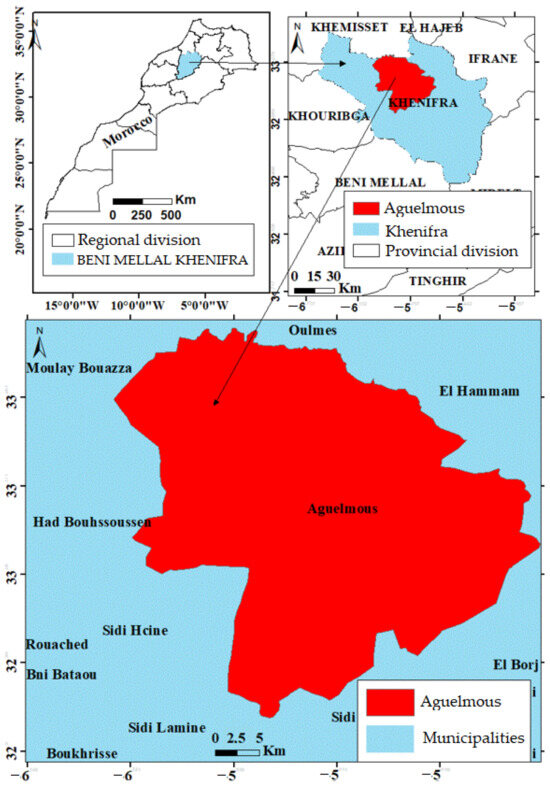
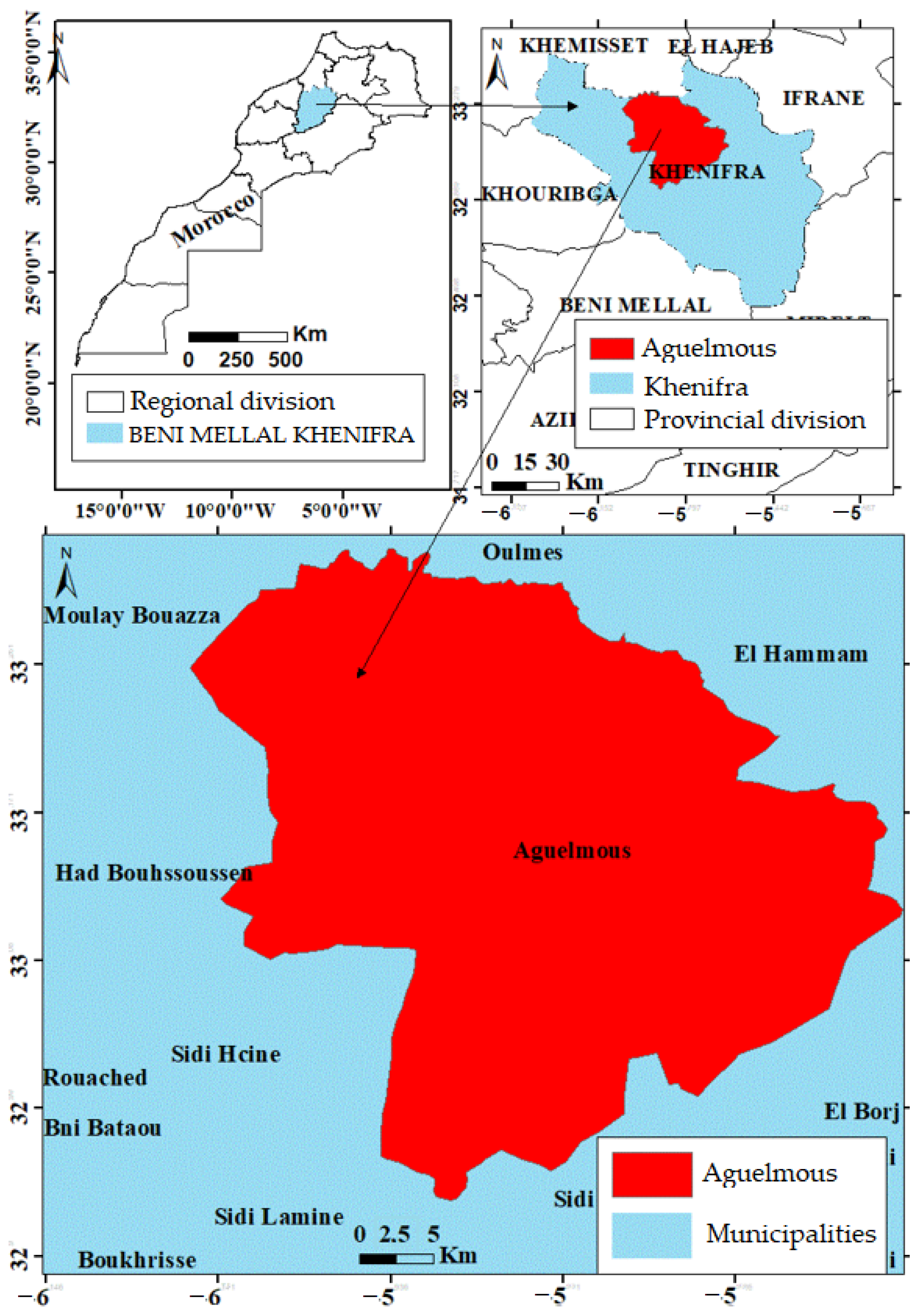
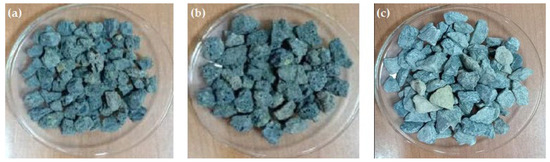
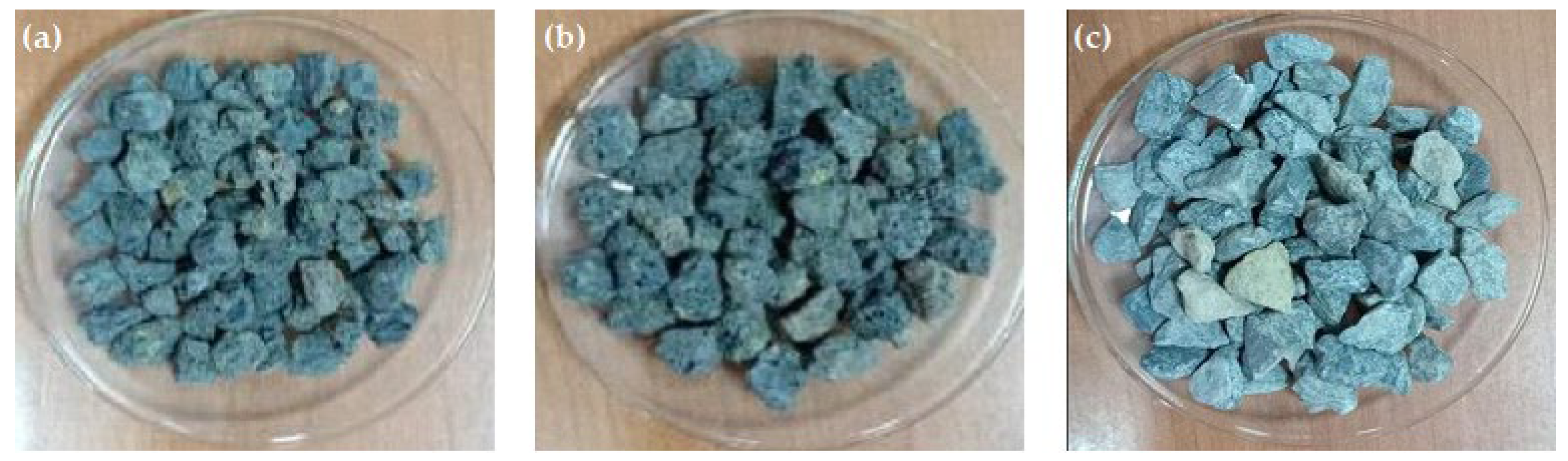
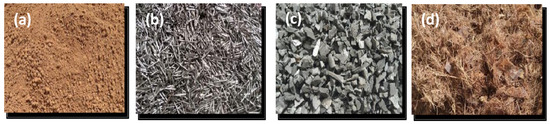
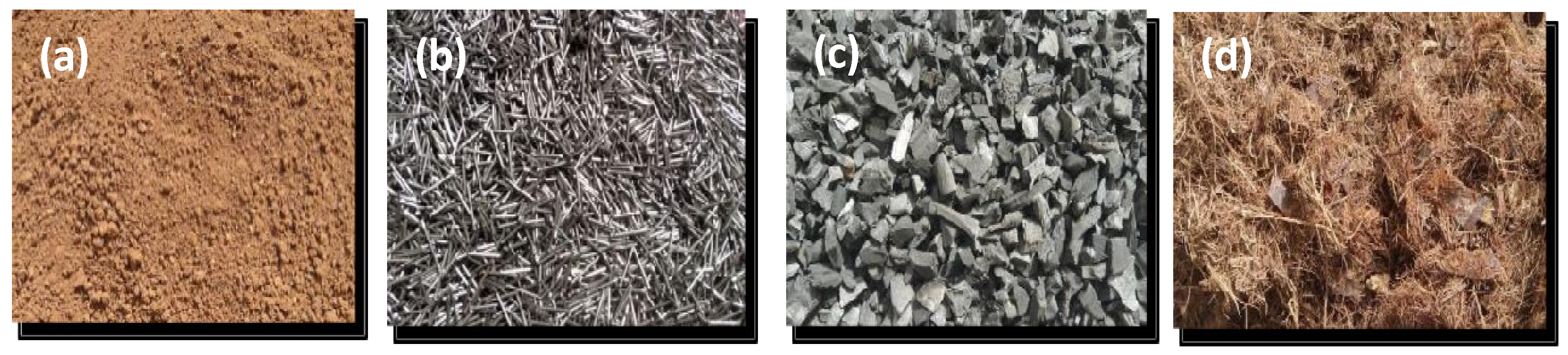
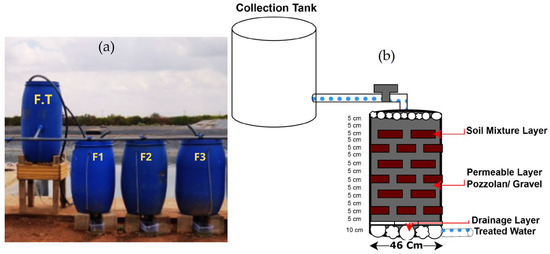
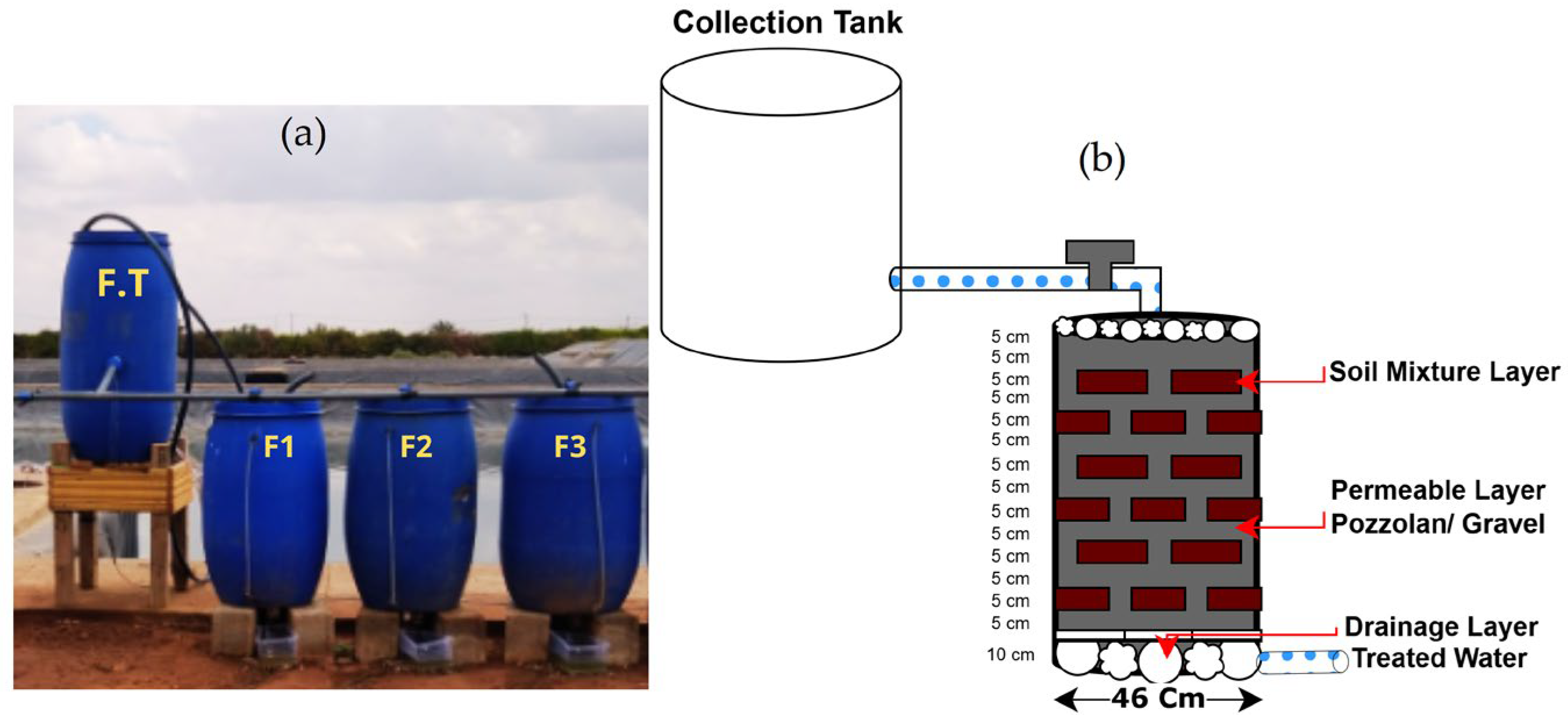
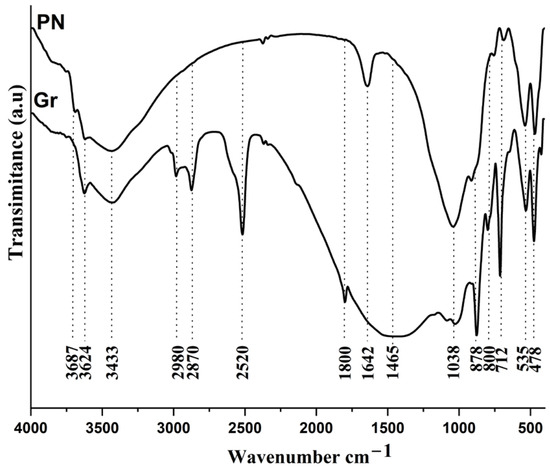
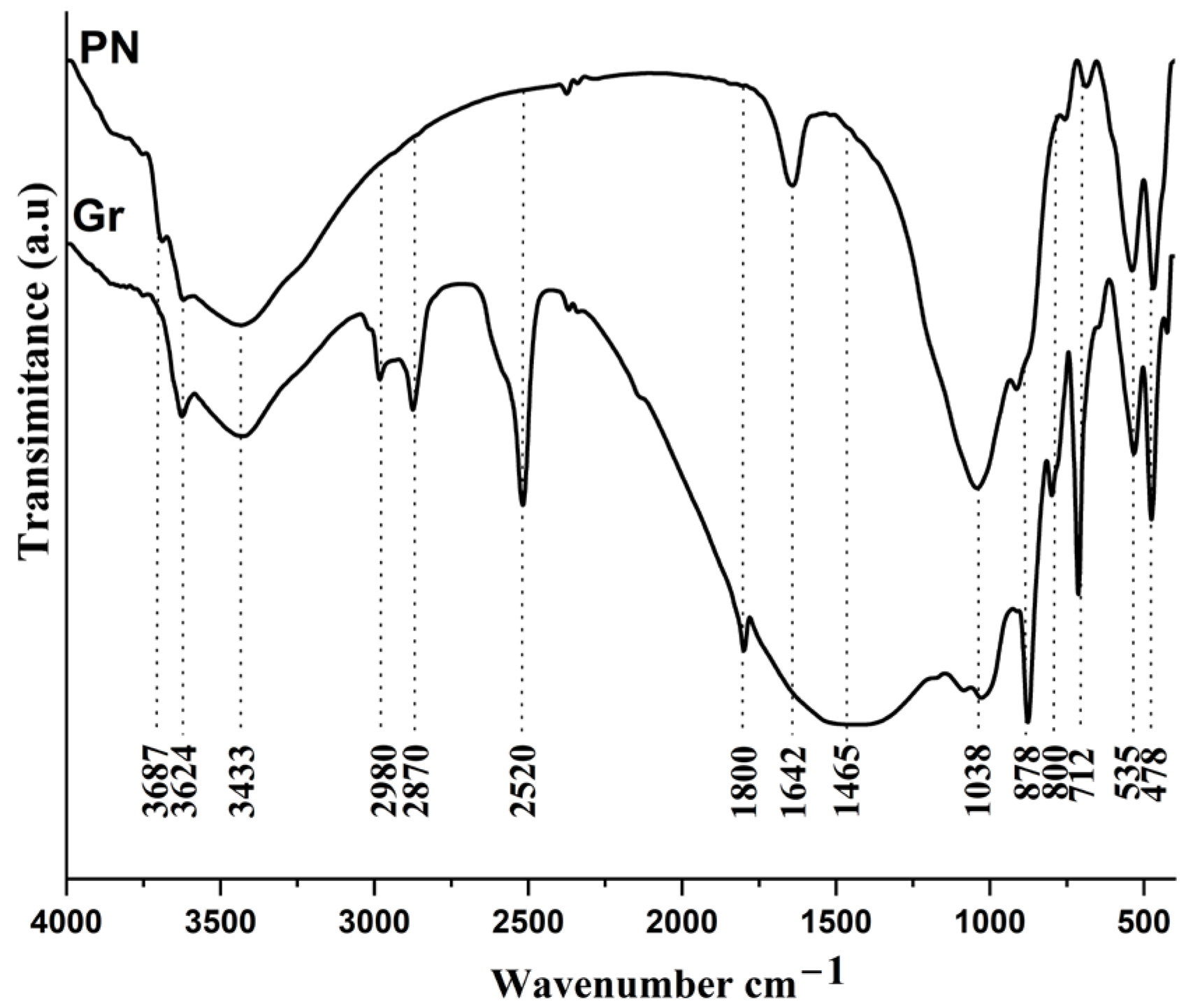
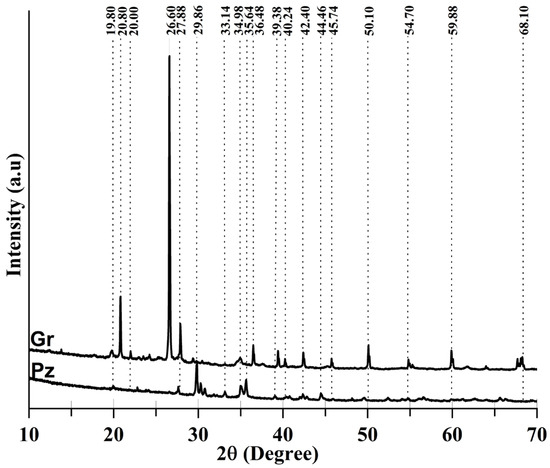
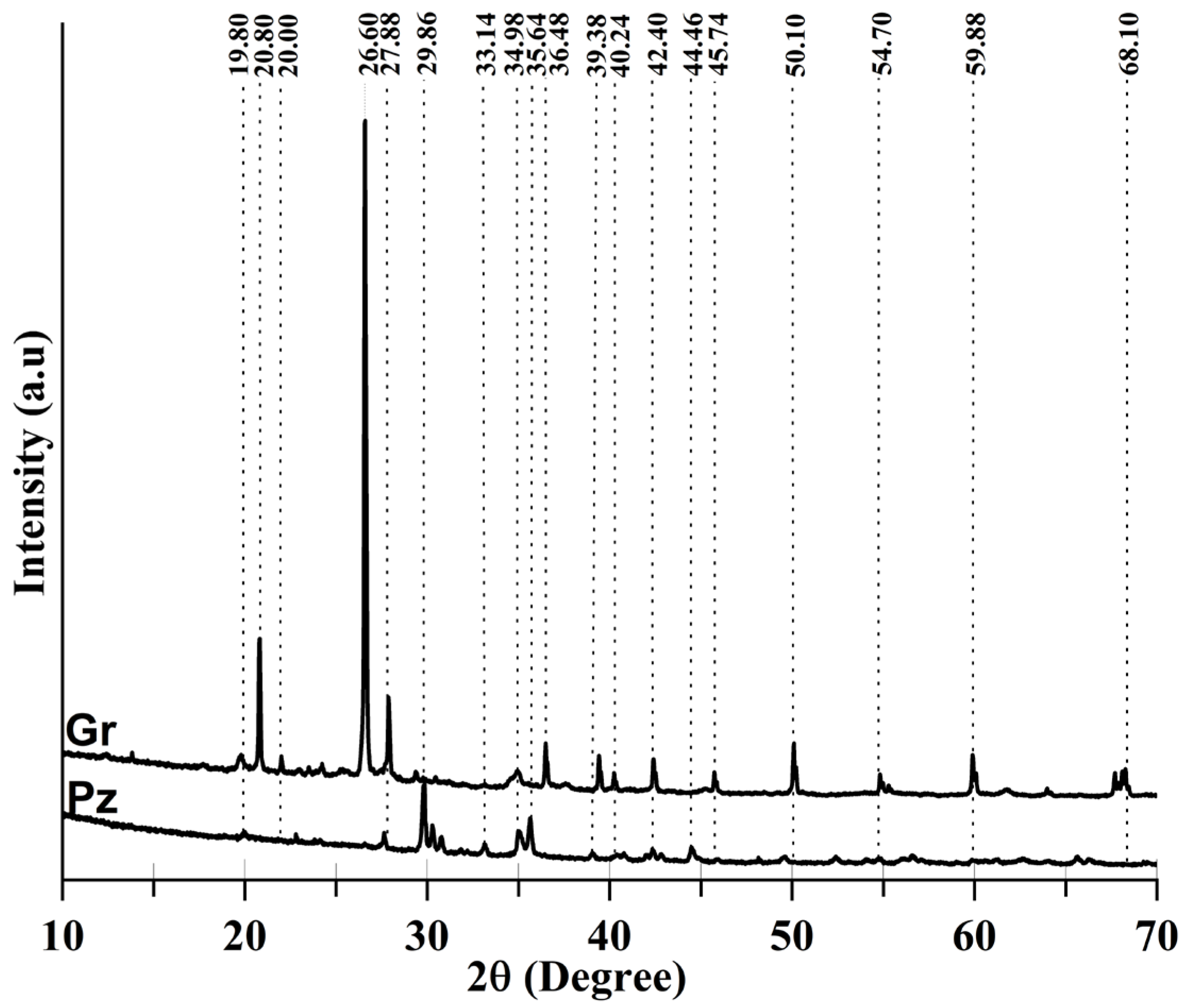
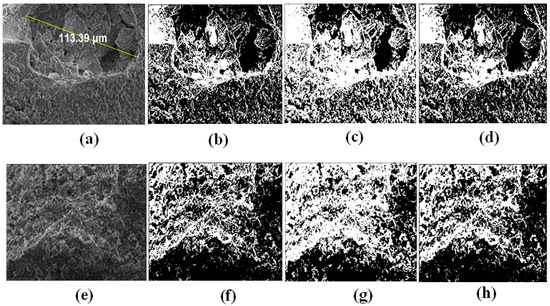
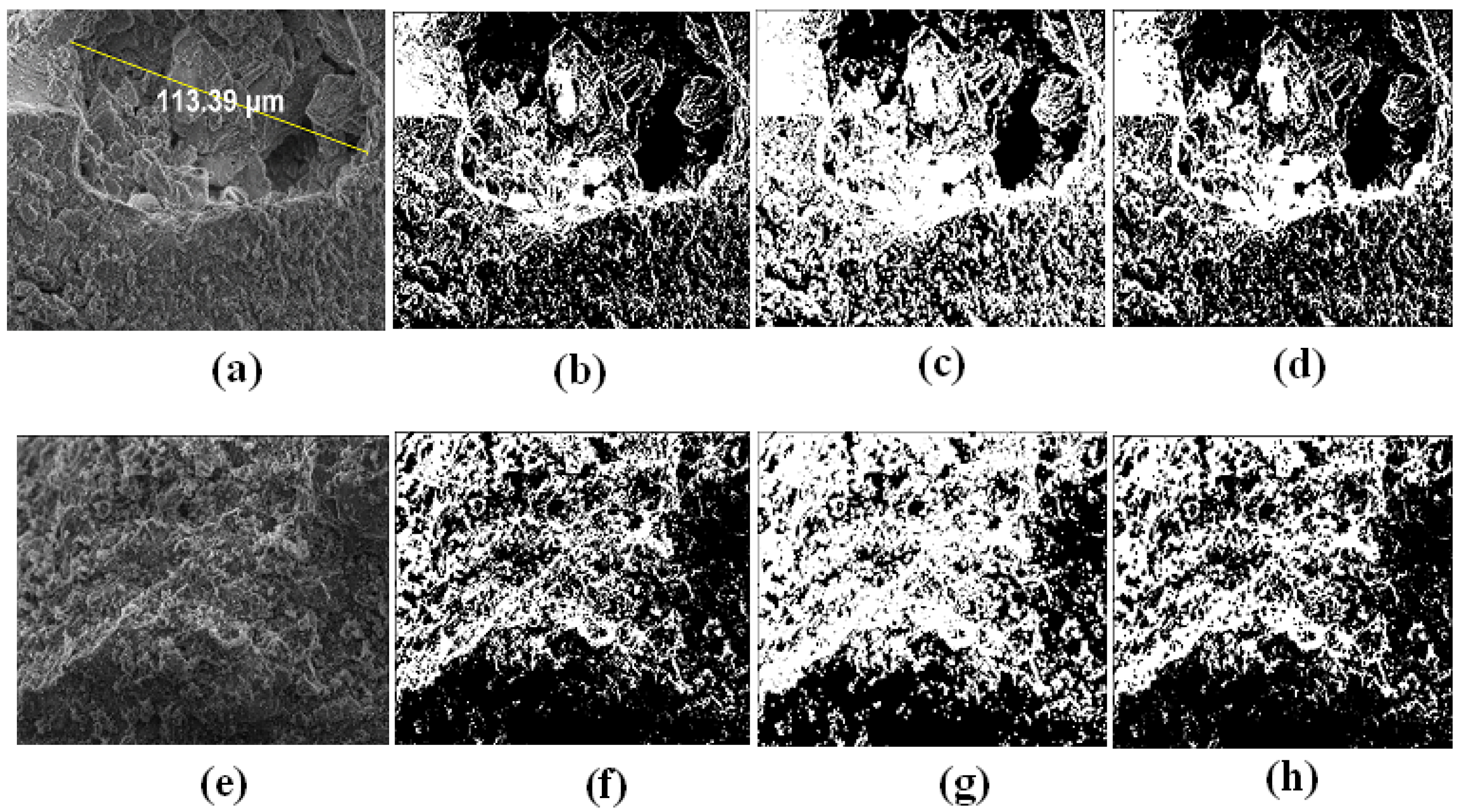
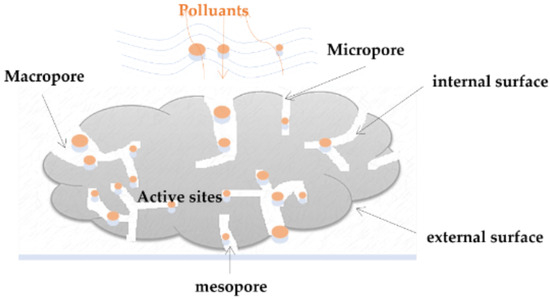
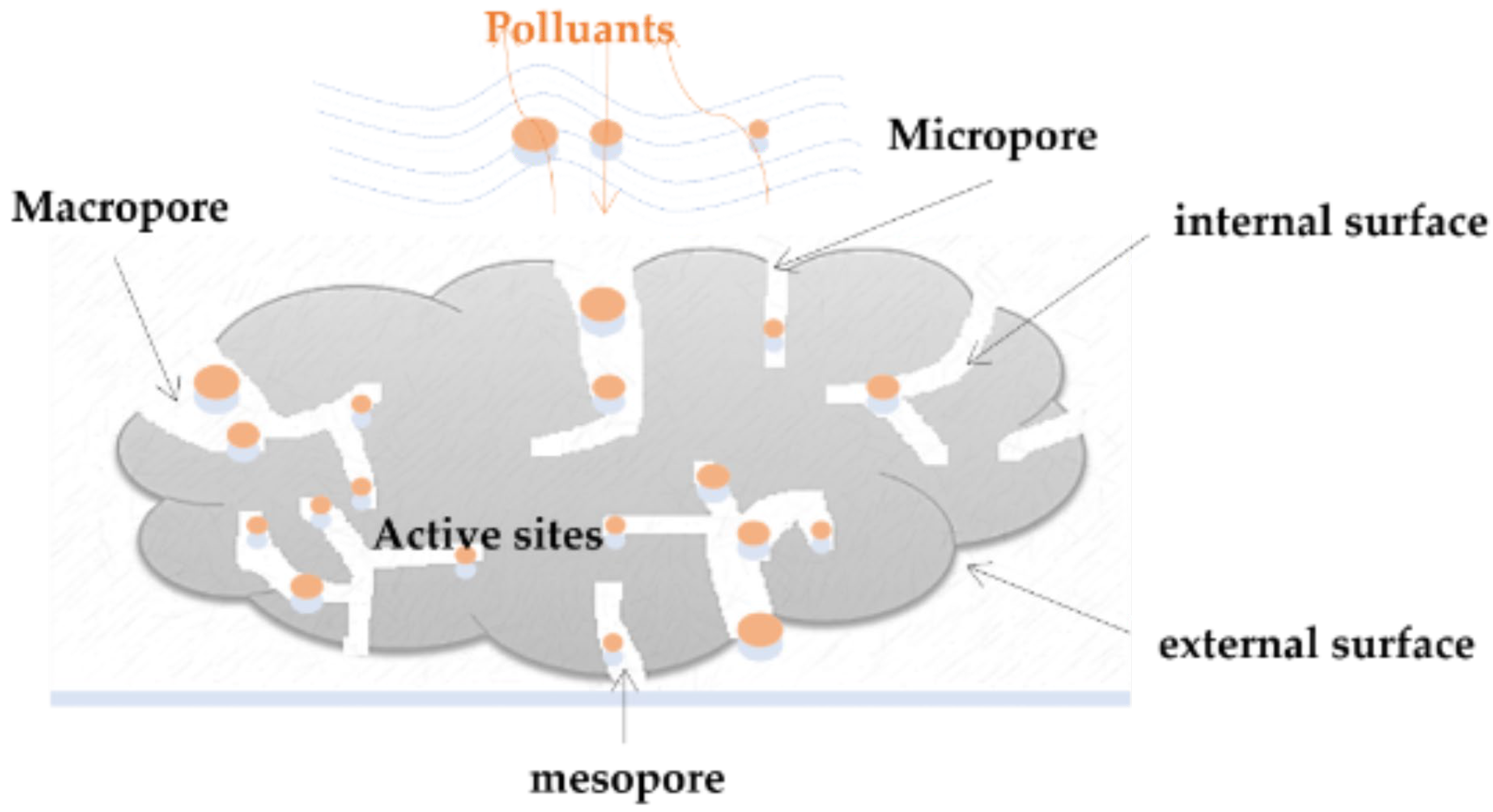
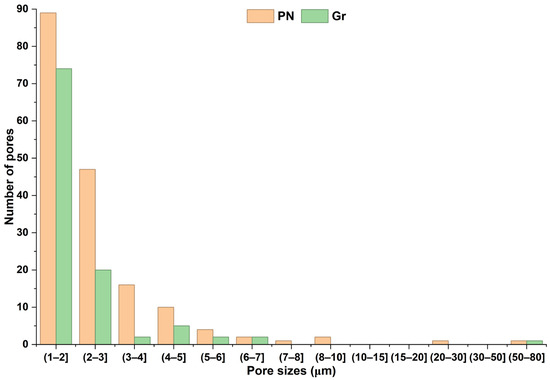
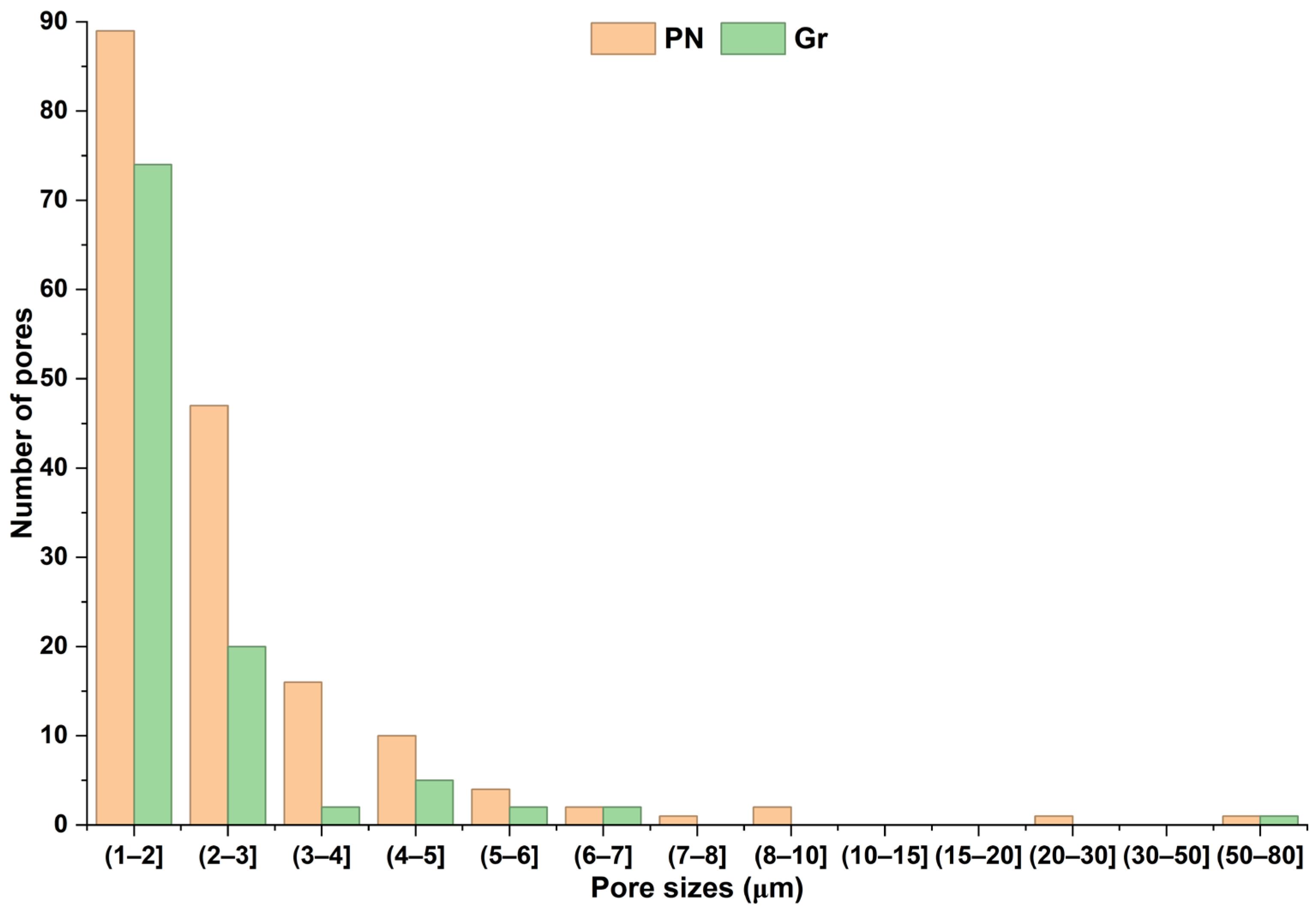
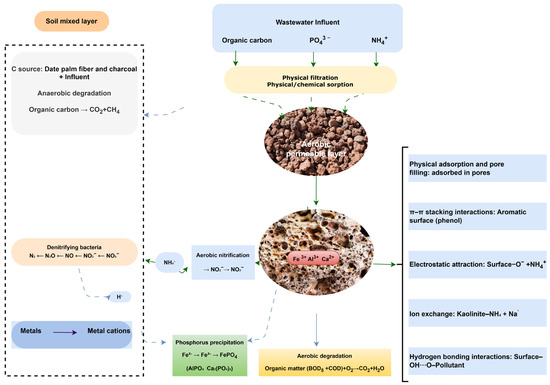
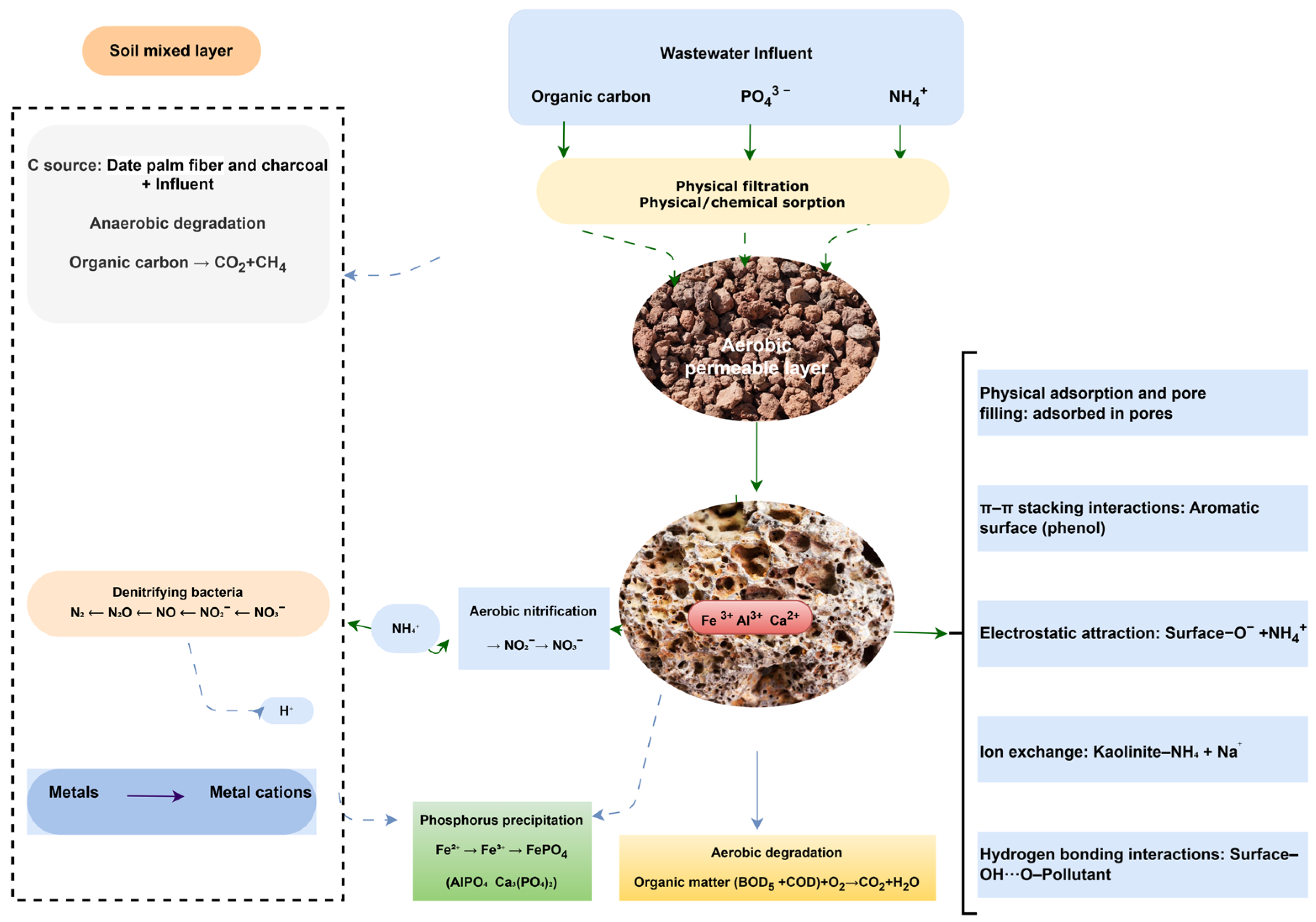
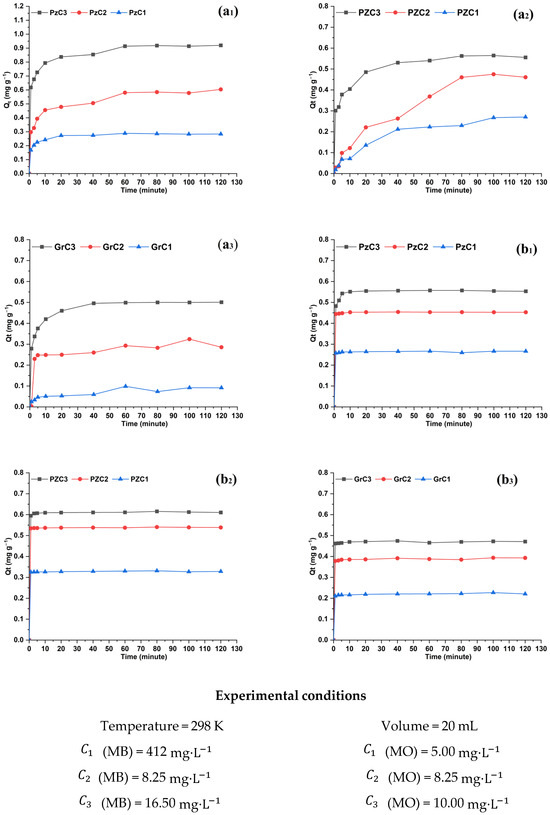
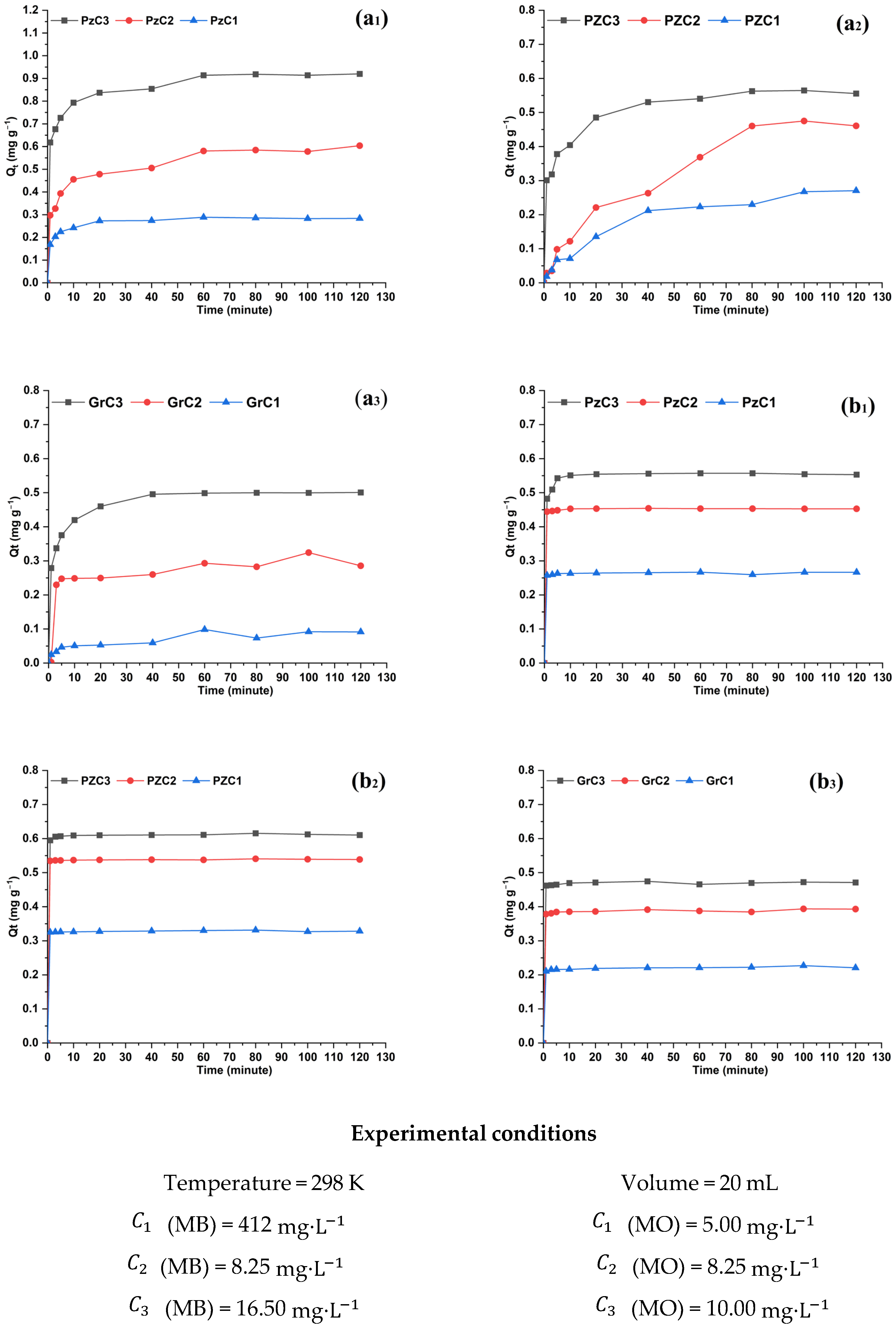
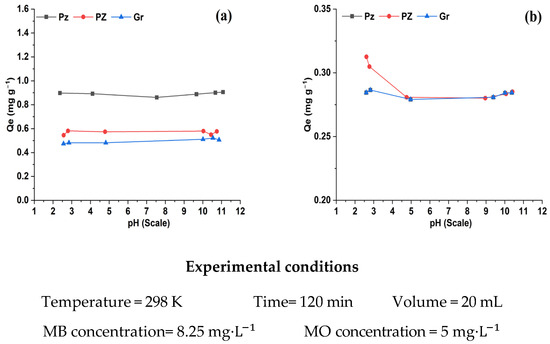
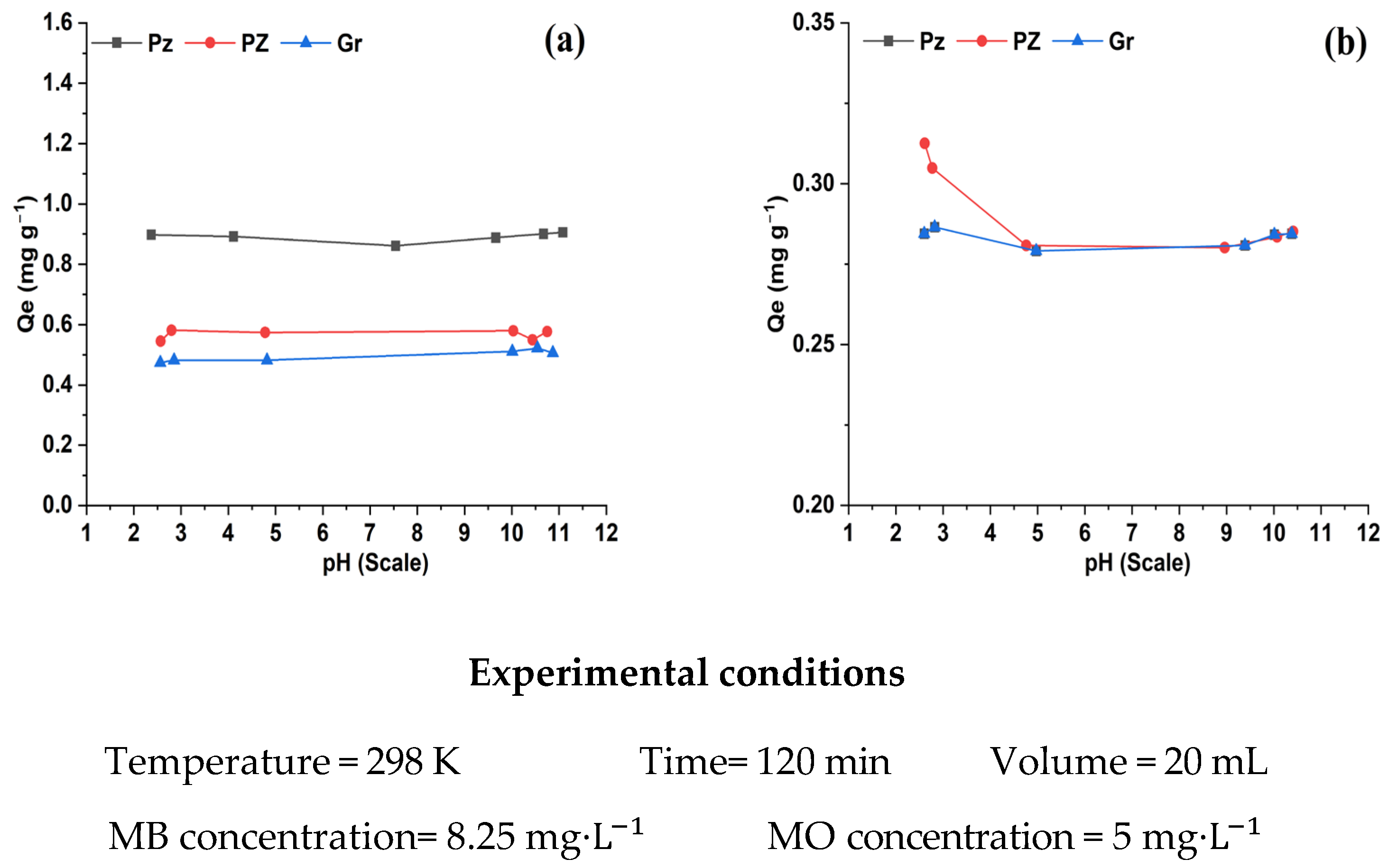
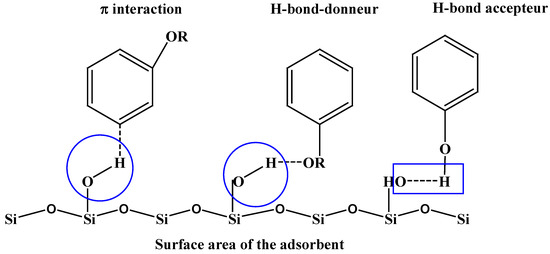
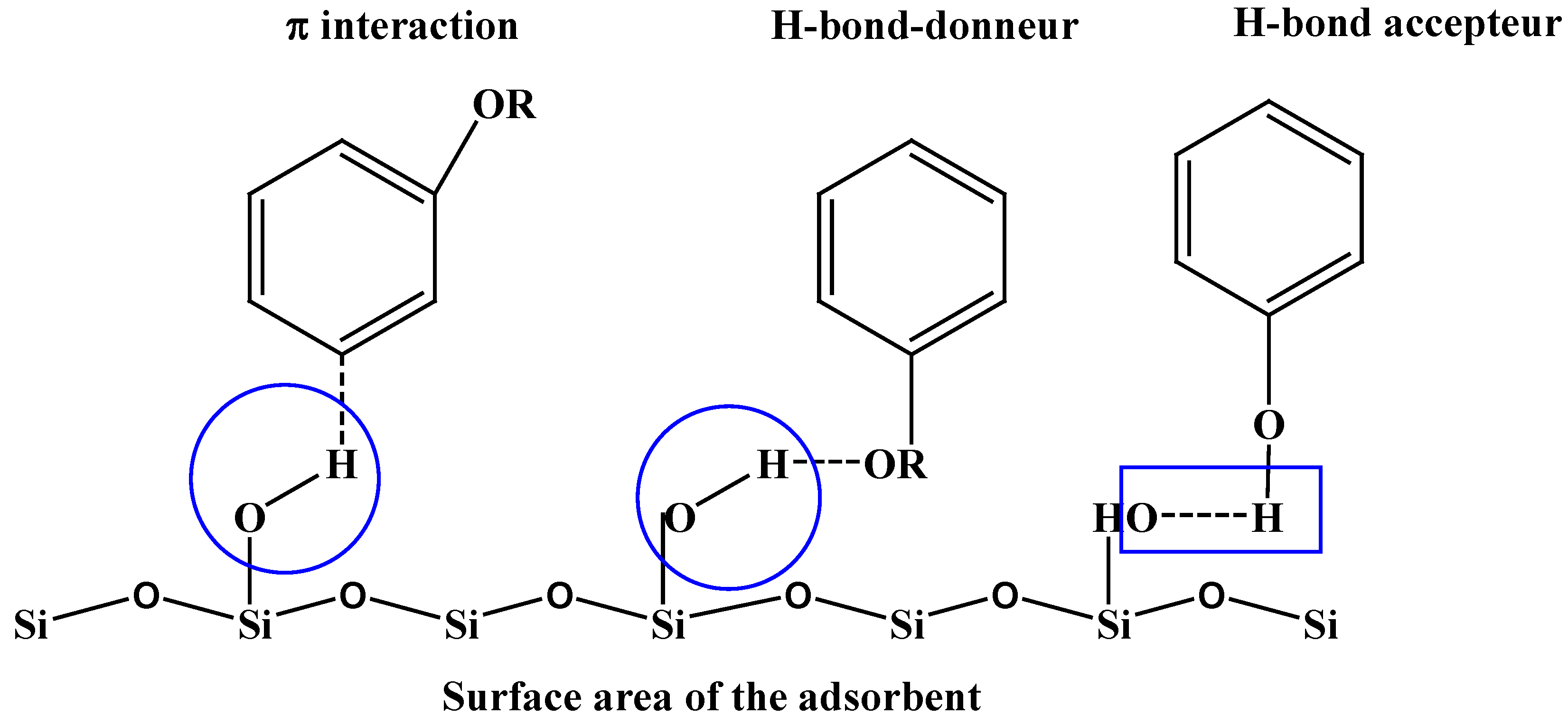
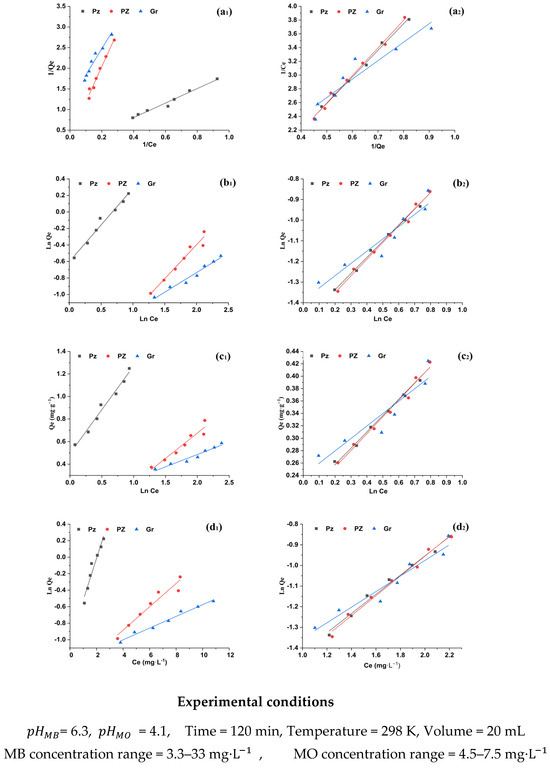
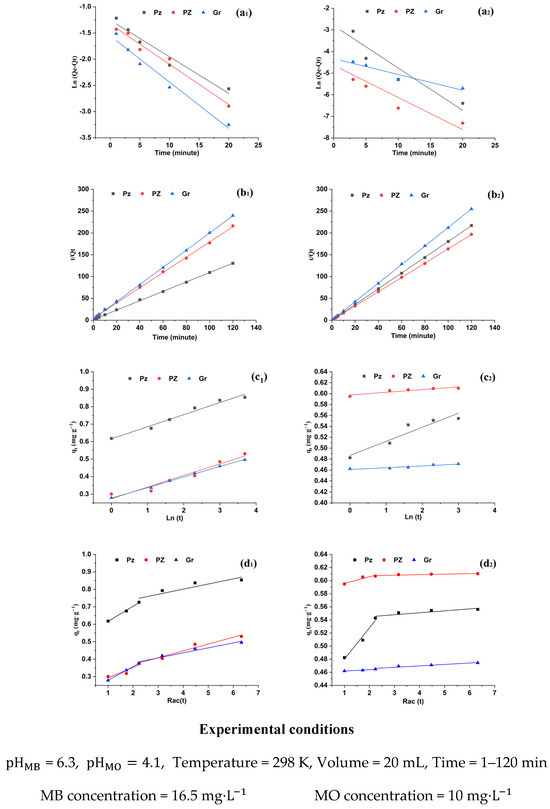
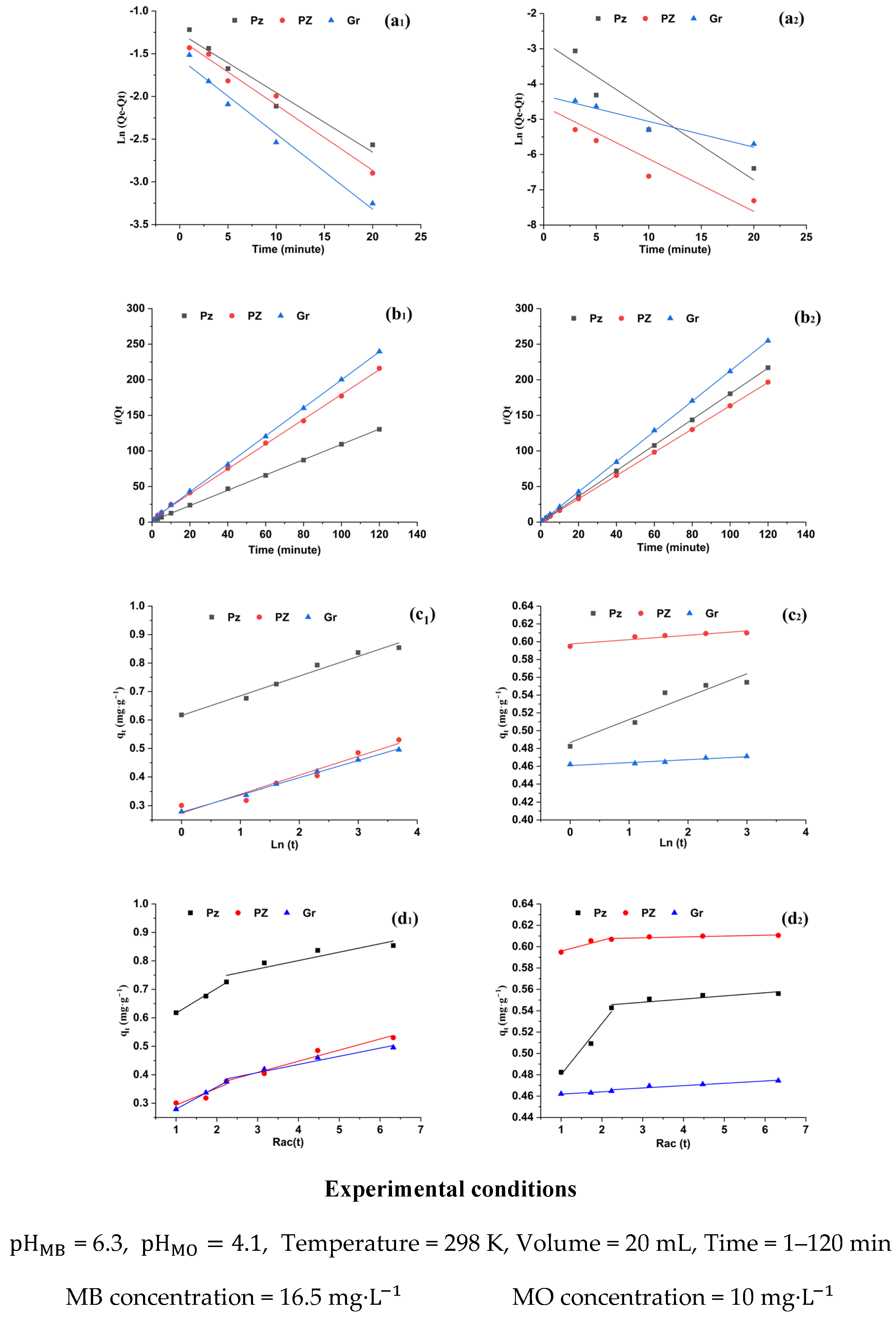
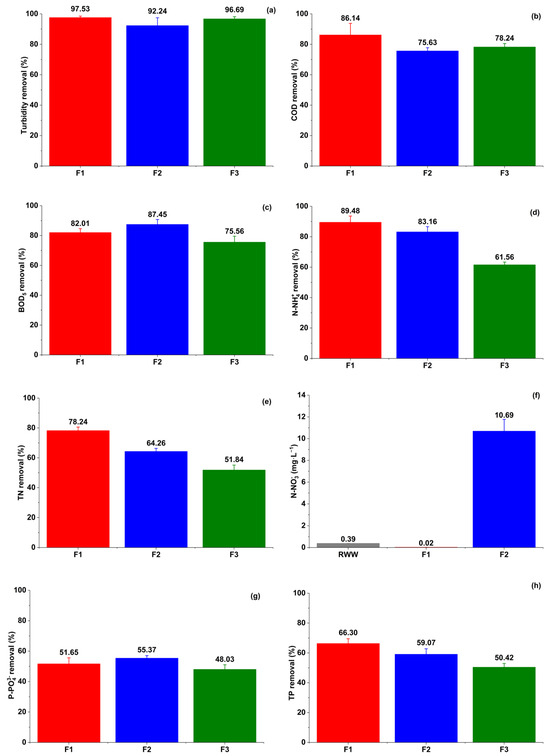
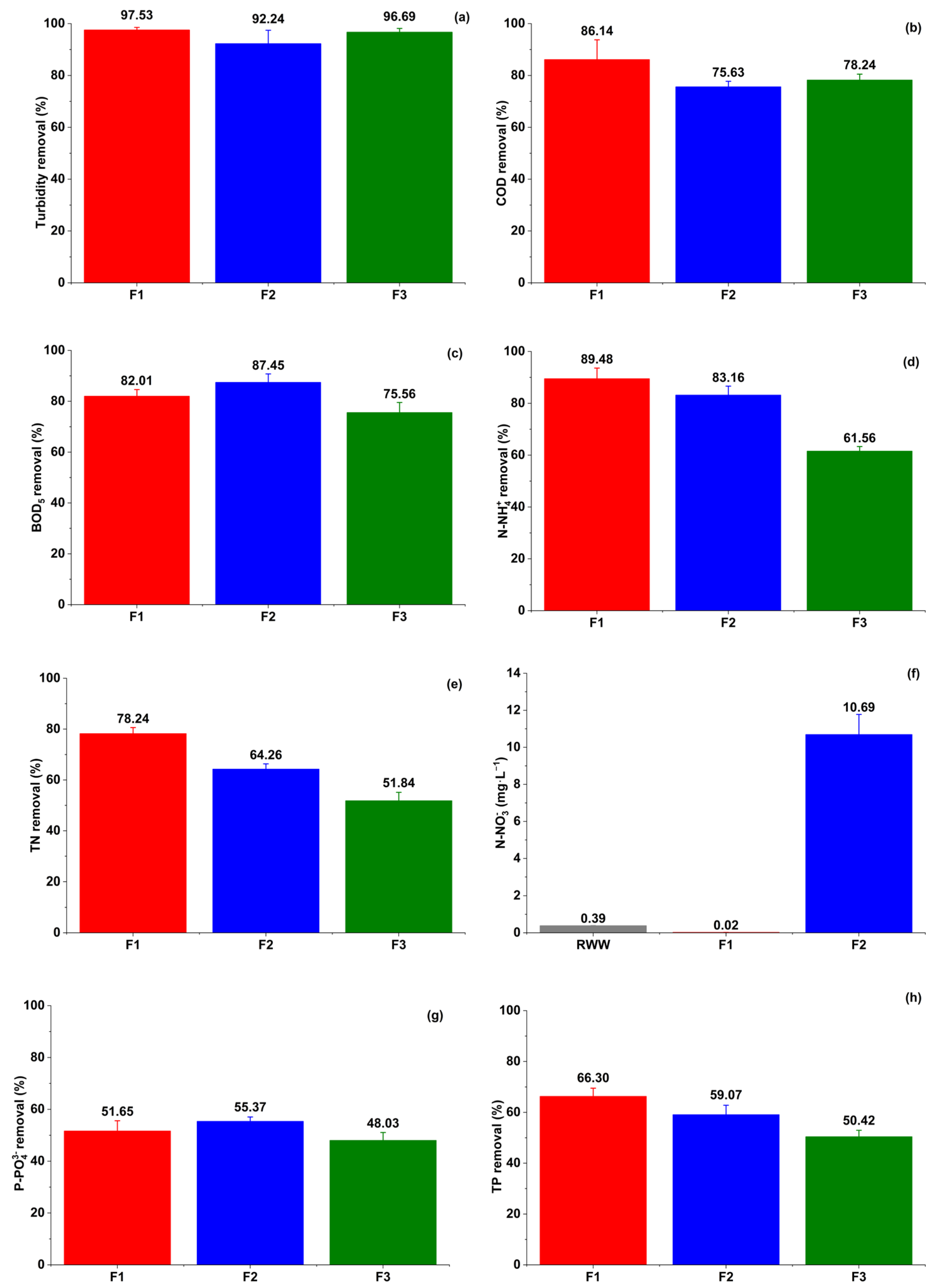
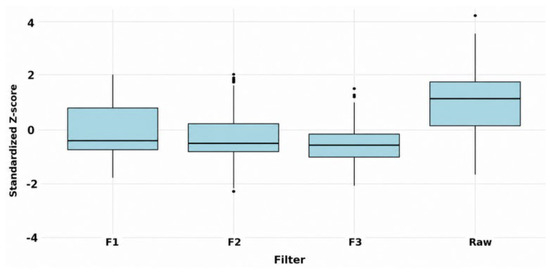
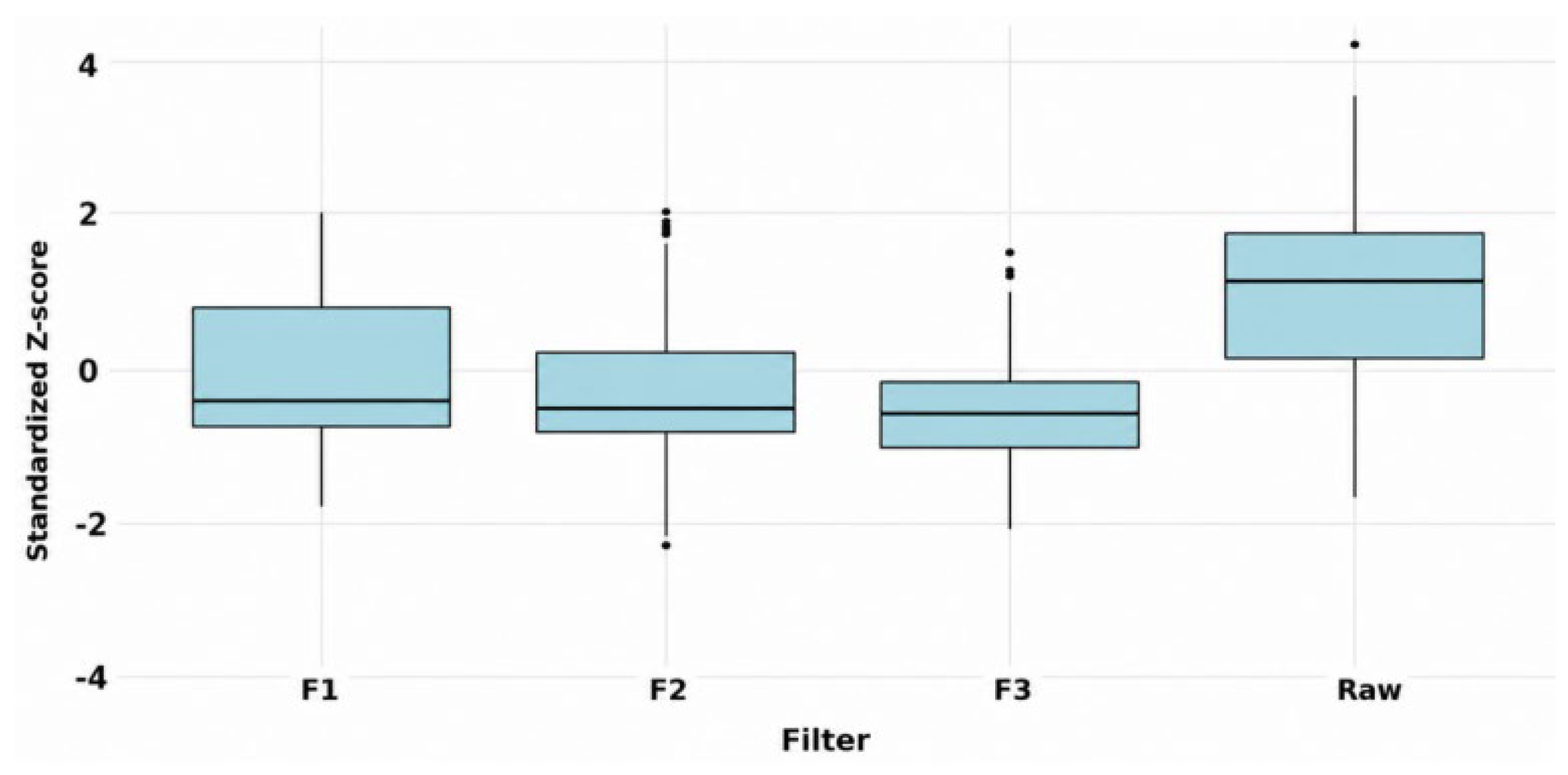
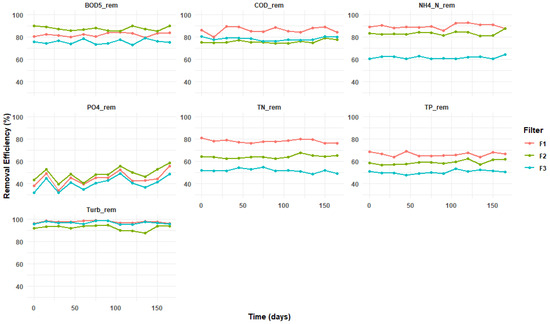
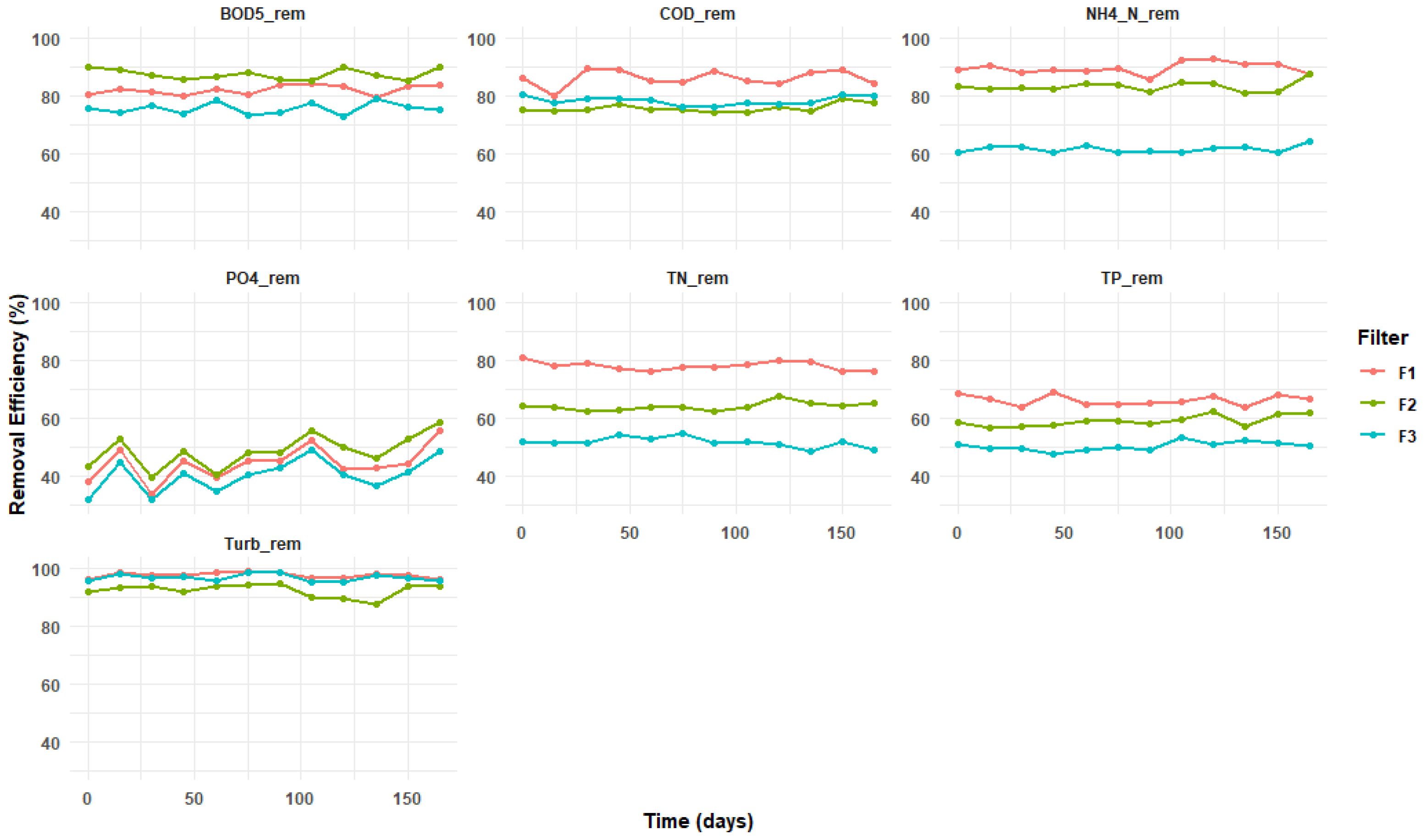
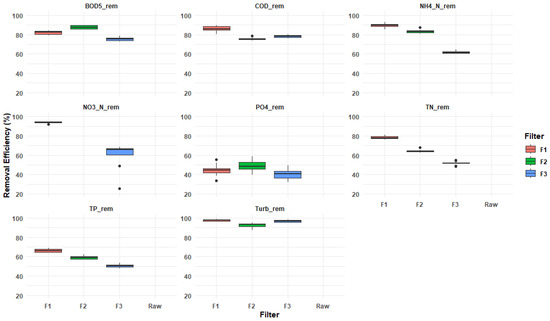
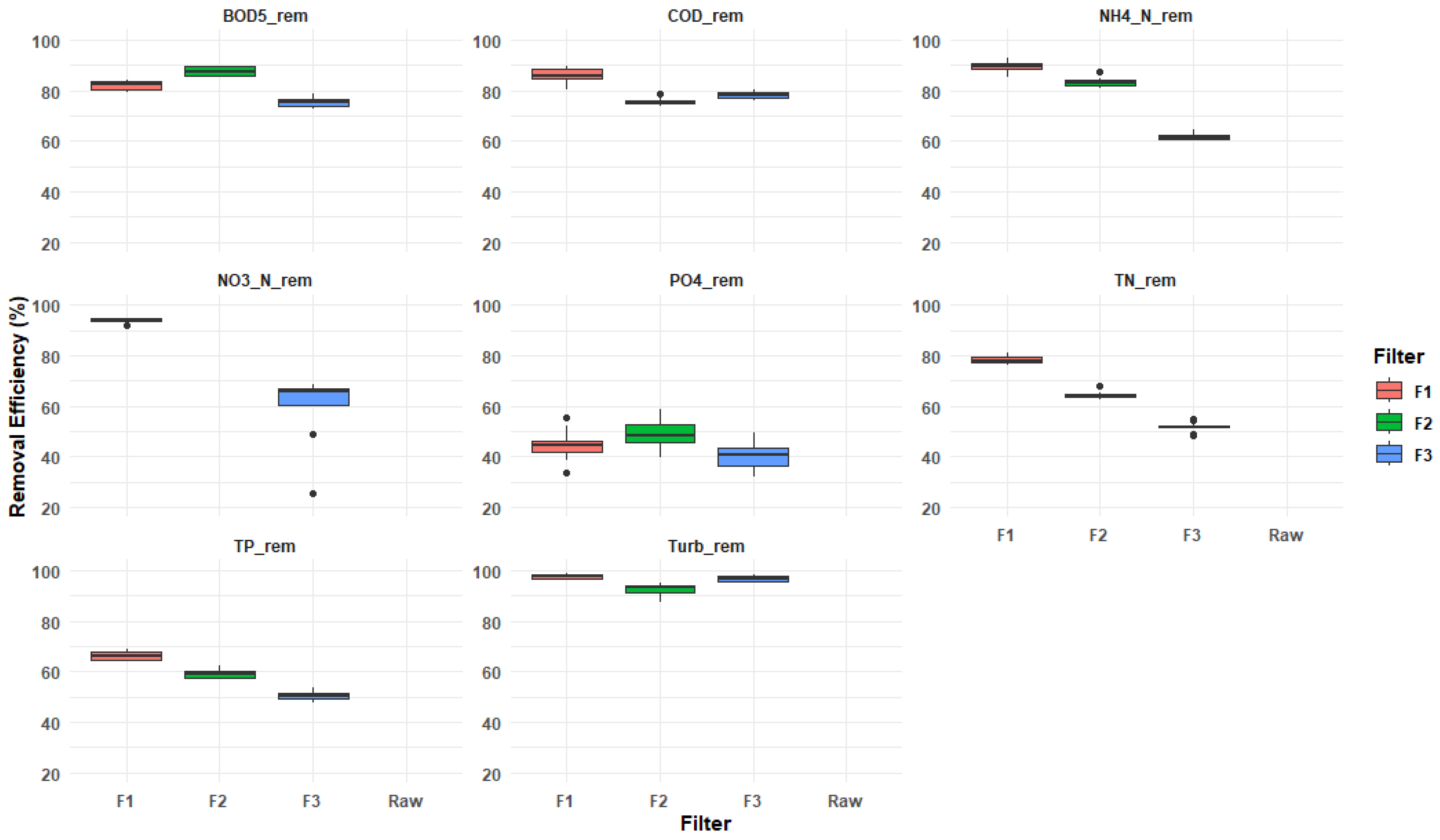

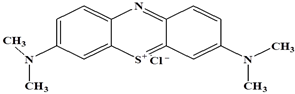
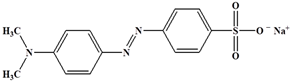
Disclaimer/Publisher’s Note: The statements, opinions and data contained in all publications are solely those of the individual author(s) and contributor(s) and not of MDPI and/or the editor(s). MDPI and/or the editor(s) disclaim responsibility for any injury to people or property resulting from any ideas, methods, instructions or products referred to in the content. |
© 2026 by the authors. Licensee MDPI, Basel, Switzerland. This article is an open access article distributed under the terms and conditions of the Creative Commons Attribution (CC BY) license.