Article

Metagenomic Insights into Taxonomic Structure, Function of Microbial Community and Antibiotic Resistance Genes in the Whole Baihe Basin


Sichuan Natural Resources Academy, Chengdu 610015, China
*
Author to whom correspondence should be addressed.
Water 2026, 18(12), 1524; https://doi.org/10.3390/w18121524 (registering DOI)
Submission received: 12 April 2026 / Revised: 11 June 2026 / Accepted: 17 June 2026 / Published: 20 June 2026
(This article belongs to the Section Biodiversity and Functionality of Aquatic Ecosystems)

Abstract

Plateau waters in Northern Sichuan, China, act as critical headwaters of the Yellow River. Microbial communities in water bodies and soil matrices within this region are increasingly pressured by intensive animal rearing; yet few studies have characterized microbial shifts across entire riverine niches. In this study, we employed next-generation sequencing based metagenomics to investigate microbial features, community structure and diversity, metabolic potentials, and antibiotic resistance genes (ARGs) in the Baihe River, a tributary in the source region of the Yellow River. Sampling locations covered the main stem and three tributaries of the Baihe River, spanning from its source, through upstream and downstream segments, to the convergence site with the main stem of the Yellow River. Results revealed that Pseudomonadota and Bacteroidota were the most abundant phyla. The relative abundance of most taxa at multiple taxonomic levels exhibited an increasing trend along the river continuum driven by rising total nitrogen (TN) and total phosphorus (TP) concentrations; however, a notable exception occurred at BH1 (the Baihe source), where the abundance of numerous taxa was markedly higher than in downstream samples. We detected abundant ARGs predominantly associated with antibiotic resistance. Furthermore, prevalent viruses affiliated with the phyla Uroviricota and Nucleocytoviricota, together with pathogenic bacteria, were identified as etiological agents of diverse infectious diseases. This study provides novel perspectives for managing aquatic contamination in plateau river ecosystems by linking environmental variables, microbial succession, and resistome distribution.

1. Introduction

The Baihe River, a tributary of the Yellow River, is a typical alpine river that flows through plateau meadows at an average elevation of more than 3300 m. The fertile grasslands within the Baihe River Basin support intensive animal husbandry, primarily yak and sheep breeding [1]. However, pollutants derived from livestock farming and other anthropogenic activities have severely degraded aquatic environmental quality [2,3]. Microbial community structure and functional potential are critical indicators for assessing the ecological status of river ecosystems [2,4]. Under varying environmental pressures, microbial profiles in riverine systems undergo distinct shifts and develop adaptive functional traits [5,6].
In plateau pastoral areas, contaminants can provide nutrients for microorganisms, alter microbial diversity, and promote the transmission of antimicrobial resistance [7,8]. Meanwhile, pathogenic microorganisms carried by pollutants can enter water bodies [9,10]. These processes can compromise the ecological health of rivers [11,12,13]. Additionally, microbial communities mediate key biogeochemical cycles, including those of carbon, nitrogen, phosphorus, and sulfur, catalyzing organic matter metabolism and contaminant degradation [8,14,15].
Indiscriminate antibiotic use in human health care and livestock production has been widely reported in plateau regions and may promote the proliferation and dissemination of antibiotic resistance genes (ARGs) [2,16,17]. The release and spread of antibiotics and ARGs have been documented across diverse environments [18,19,20]. Bacteria can acquire ARGs via horizontal gene transfer (HGT), thereby enhancing antibiotic resistance and complicating clinical treatment and environmental remediation [18,21].
High-throughput sequencing-based metagenomics is a powerful tool for characterizing the taxonomic profiles of unculturable microbiota and delineating the functional traits of planktonic and microbial communities [22,23]. It is also a preferred approach for deciphering biogeochemical cycling pathways and identifying ARGs [24,25].
Previous studies have characterized microbial communities in plateau waters and soils affected by animal rearing [2,13], but few have explored microbial dynamics across entire riverine niches. In this study, we used next-generation metagenomic sequencing to analyze microbial characteristics, community structure and diversity in the Baihe River, with sampling sites covering the river source, upstream reaches, and downstream reaches, and the converging site with the main stem of the Yellow River. We further explored the metabolic potential and ARG profiles of the microbial communities. This study describes the spatial dynamics of the microbiome across the entire Baihe River Basin under a pollution gradient, providing new insights into aquatic contamination control in plateau river ecosystems.

2. Materials and Methods

2.1. Study Area and Sample Collection

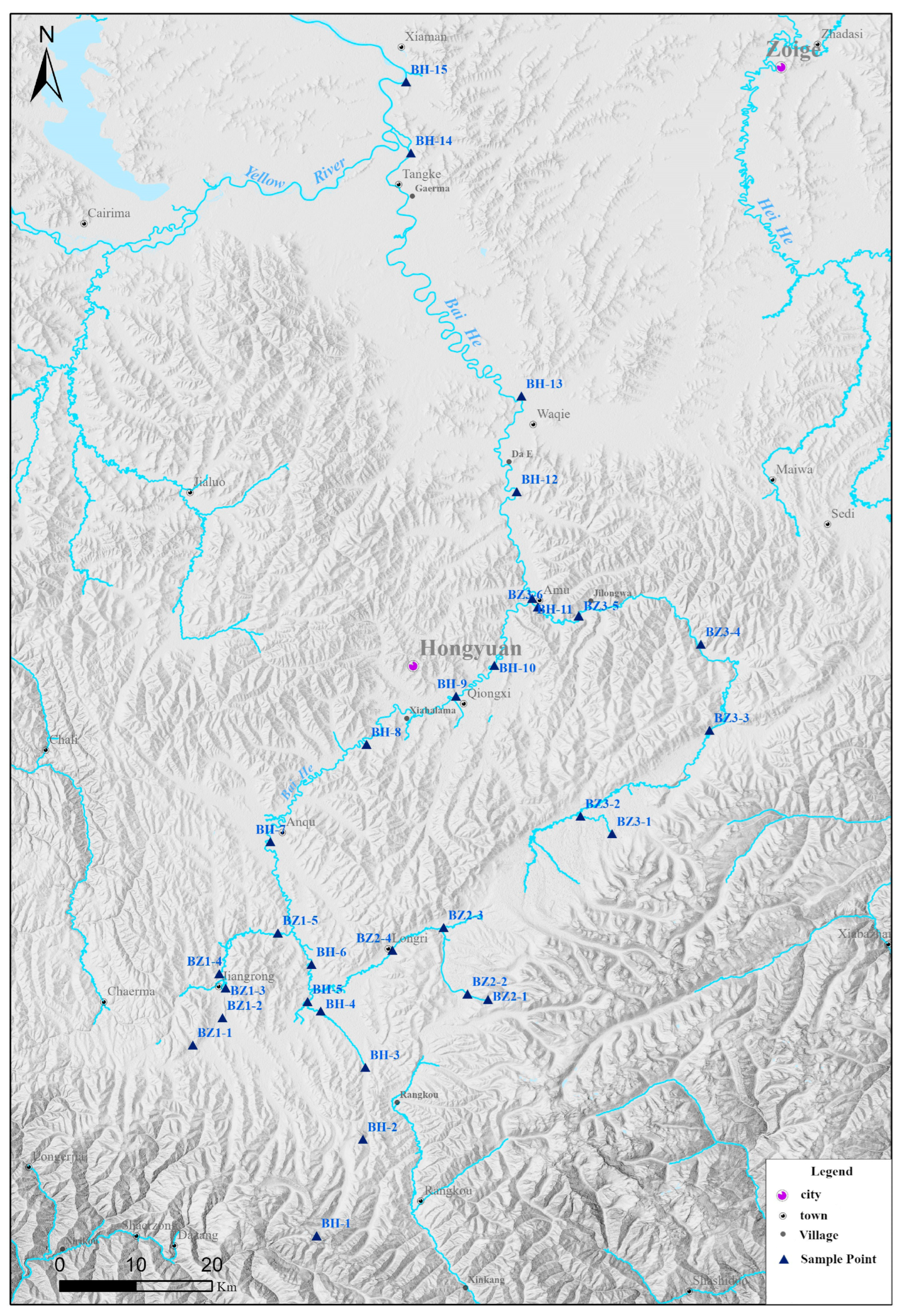
The Baihe River flows through the continental plateau of Hongyuan County and is considered to originate from the north slope of Chazhenliangzi. Following a two-year field survey, we traced the river to its headwaters, locating the origin at the peak of Dagze Mountain (32°10′10″ N; 102°22′14″ E). We also investigated three tributaries of the Baihe River. In total, 30 water samples were collected along the main stem (BH) and three tributaries (BZ1, BZ2, and BZ3) from the source to the catchment area with the mainstream of the Yellow River (Figure 1, Table S1). Discrete sampling was implemented according to the procedure of Yan et al. [26]. At each location, three mixed samples were collected; the water samples were first pre-filtered through a 0.2 mm mesh sieve and then filtered and collected on 40 μm membranes (Thermo Fisher Scientific Inc., Beijing, China), which were stored in liquid nitrogen until DNA extraction.

2.2. Physicochemical Properties Analysis

During water sample collection, a YSI-85 multiparameter water quality analyzer (Yellow Springs Instrument Company, Yellow Springs, OH, USA) was employed to measure water temperature (Tm), dissolved oxygen (DO) and pH values. Meanwhile, physicochemical parameters, including total nitrogen (TN), total phosphorus (TP) and ammonia nitrogen (NH3-N) were quantified in accordance with the environmental quality standards for surface water (GB 3838-2002) issued by the Ministry of Ecology and Environment of China [27].

2.3. DNA Isolation, Library Construction, and Sequencing

Library construction and sequencing were implemented according to the procedure of Tringe et al. (2005) and Zhu et al. (2019) [28,29]. Total DNA was extracted with the DNAzol reagent (Thermo Fisher Scientific Inc., Shanghai, China) according to the instructions. Purified DNA was qualified with a Qubit 2.0 Fluorometer (Thermo Fisher Scientific, Waltham, MA, USA). Then, libraries (350 bp insert size) were constructed based on the Illumina standard protocol. Library quality and fragment size were verified using the Qubit 2.0 and Agilent 2100 Bioanalyzer (Agilent Technologies, Waldbronn, Germany), respectively. Then, pooled libraries were sequenced on the platform of Illumina PE150 (Illumina, San Diego, CA, USA). Readfq (https://github.com/cjfields/readfq, accessed on 18 May 2025) was used to filter the metagenomic raw data, and MEGAHIT v1.2.9 was utilized to assemble the clean reads under the parameters: -presets meta-large (-end-to-end, -sensitive, -i 200, -x 400) [30].

2.4. Gene Prediction and Abundance Analysis

Open read frames (ORFs) were predicted from scaffolds (≥500 bp) using MetaGeneMark v3.38 with default settings (https://exon.gatech.edu/heuristic_gmhmmp.cgi, accessed on 1 July 2025). Predicted ORFs were clustered and filtered using CD-HIT v4.8.1 with the sets: -c 0.95, -g 0, -as 0.9, -g 1, and -d 0 [31]. Clean reads were mapped to non-redundant gene sets using Bowtie2 v2.4.5 to quantify read counts with the settings: -end-to-end, -sensitive, -i 200, -x 400 [32].

2.5. Species Annotation

DIAMOND v2.1.9 was used to align Unigenes against the NCBI NR database with E value ≤ 10−10 [33]. Taxonomic assignments were conducted using MEGAN4 v4.70.4 under the set with E value ≤ 10−10 [34], yielding annotations at the phylum, class, order, family, genus, and species levels. Krona analysis was performed as described by Ondov et al. [35]. Between-group differences were assessed using Metastats (https://metastats.cbcb.umd.edu/, accessed on 19 June 2025) and LEfSe analysis (LDA Score threshold = 4) (http://huttenhower.sph.harvard.edu/galaxy/, accessed on 18 October 2025) [36,37].

2.6. Functional Analysis of Metagenomes

Functional annotations of Unigenes were performed by alignment against the KEGG [38], eggNOG [39], and CAZy databases [40], respectively. The best blast hits were picked up, then metabolic pathway comparative analysis was carried out.

2.7. Resistance Gene Annotations

Resistance Gene Identifier (Parameters: default, E value < 10−30) was used to align unigenes to the Comprehensive Antibiotic Resistance Database (v2.0.15.153) (https://card.mcmaster.ca/, accessed on 12 December 2025) [41,42]. Gene abundance was calculated using ARGs-OAP v3.2 (https://smile.hku.hk/SARGs, accessed on 13 July 2025). Then, gene comparisons between groups, gene distribution, and resistance mechanism analysis were subsequently conducted.

2.8. Statistics Analysis

The core-pan gene rarefaction curves were generated to evaluate sample sufficiency and diversity. Venn diagrams, species abundance heatmaps, sorting, and differential analyses were performed in R software v3.0.3 with specific R packages (https://github.com/genomicsclass/labs, accessed on 18 June 2023). Alpha diversity was calculated by QIIME (https://mirrors.tuna.tsinghua.edu.cn/anaconda/cloud/qiime2, accessed on 8 October 2025). Sample dissimilarity was assessed using the Bray_Curtis metric. LEfSe (http://huttenhower.sph.harvard.edu/galaxy/, accessed on 18 October 2025) was applied to identify significantly discriminative taxa among groups [37]. After all monitoring data were standardized, Canonical Correspondence Analysis (CCA) was performed to elucidate the relationship between relative abundance of dominant microbial phyla and physiochemical parameters using the online software (https://magic-plus.novogene.com/#/tool/detail/RDACCA, accessed on 18 December 2025).

3. Results

3.1. Types of Pollution and Physicochemical Index Analysis

As a primary tributary of the upper Yellow River, the Baihe River mainly maintains Class I–II water quality affected by anthropogenic non-point pollution, with no large-scale industrial contamination. Four categories of anthropogenic non-point pollution occur in the Baihe River Basin, including grazing livestock manure, township domestic waste, tourism pollution, and land disturbance. Livestock manure pollution serves as the primary pollutant source, accounting for over 80% of total pollution loads (Table S2) [43]. The input pollutant loads in upstream reaches, midstream reaches, and downstream reaches were quantified in terms of Total Nitrogen (TN) and Total Phosphorus (TP) [44]. Along the river flow direction, BH and three tributaries (BZ1, BZ2, BZ3) transit from pristine pastoral headwaters to areas co-effected by animal husbandry and human settlement, leading to a gradually increasing pollution gradient downstream (Table S2). Spatially, the midstream reaches produce the largest load share (TN and TP).
Physicochemical data of all water samples revealed that sampling sites in the upper reaches of the Baihe River featured weakly alkaline pH values, whereas samples collected from the middle and down reaches exhibited neutral to weakly acidic conditions. The coefficient of variation for TN, TP, and current velocity (CV) exceeded 0.3, while dissolved oxygen (DO) and pH remained relatively stable across the entire watershed. TN and TP increased significantly along the river flow direction. Notably, the TN and TP levels at site BH1 and other downstream loci of the Baihe River were markedly higher than those measured (Table S3).

3.2. Metagenomic Sequencing and Assembly Analysis

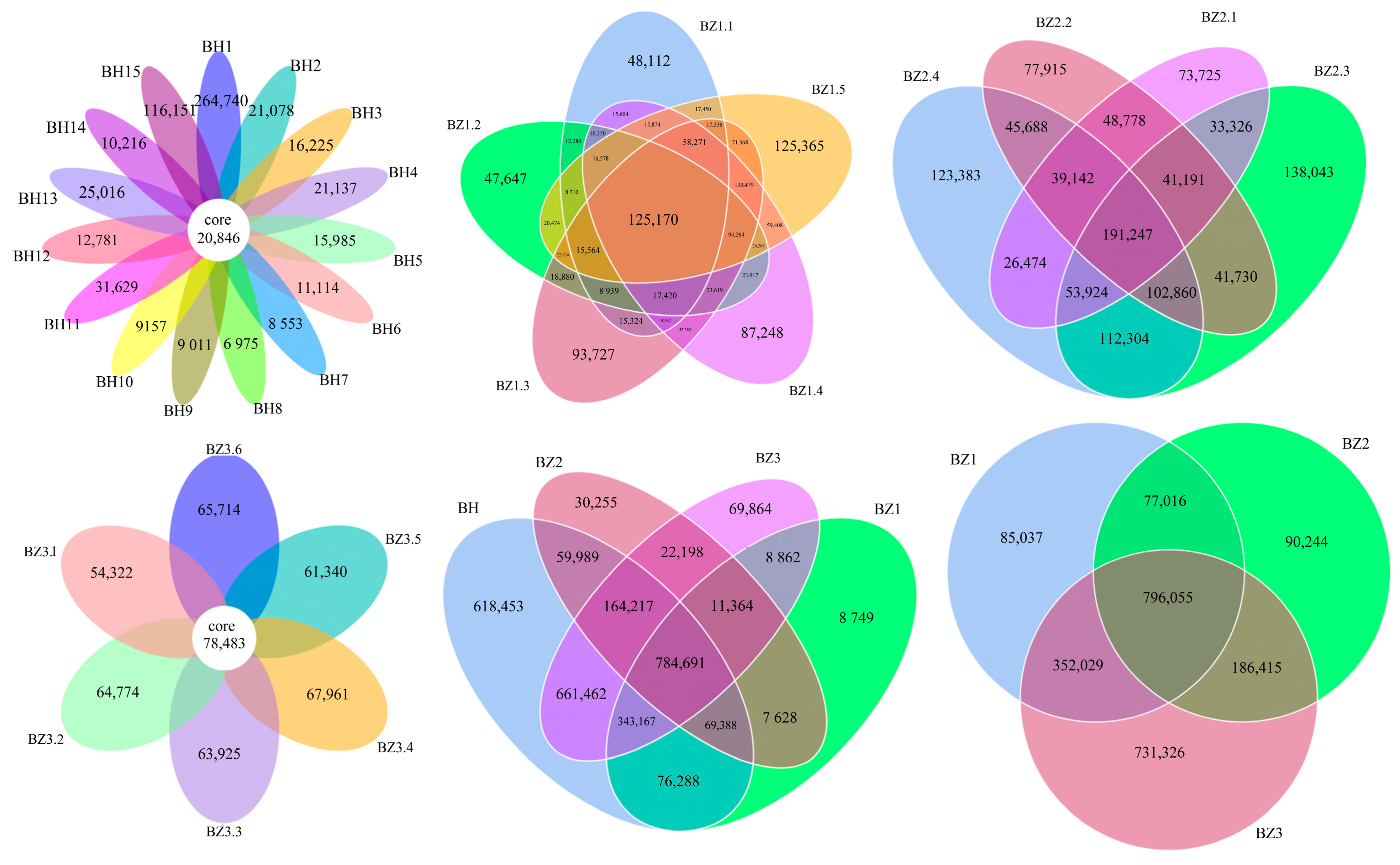
In total, 330 Gb of clean metagenomic data and 4,294,322 clean reads were generated from 30 samples (Table S4), with an average clean read length of 870 bp (Table S5). Core-pan gene rarefaction curves confirmed an adequate sample size and high microbial diversity (Figure S1). A total of 3,323,339 ORFs were predicted (Table S6), and 784,691 core genes were identified across the four groups (Figure 2). We obtained 26,206 OTUs, including 25,440 (BH), 18,928 (BZ1), 18,248 (BZ2), and 22,006 (BZ3) OTUs per group (Table S7). Approximately 95% of OTUs were classified into 10 phyla, 15 classes, 31 orders, 58 families, and 86 genera (Figure 2, Table S8).

3.3. Taxonomic Composition at Different Levels

The results showed that the kingdom Bacteria was the dominant taxon in the Baihe River Basin, accounting for over 86% of the total relative abundance, while Kingdoms Eukaryota and Archaea contributed the lowest proportions. The abundance of all taxa exhibited a significant upward trend along the upstream-to-downstream gradient of the river (Table S9). Among the four sampling groups, BZ3 had the highest relative abundance of bacteria and the most stable community structure. BZ2 showed the highest proportions of Archaea and Eukaryota, accompanied by higher community diversity. Group BH had a significantly higher relative abundance of viruses than other groups, as well as the largest degree of dispersion in microbial abundance.
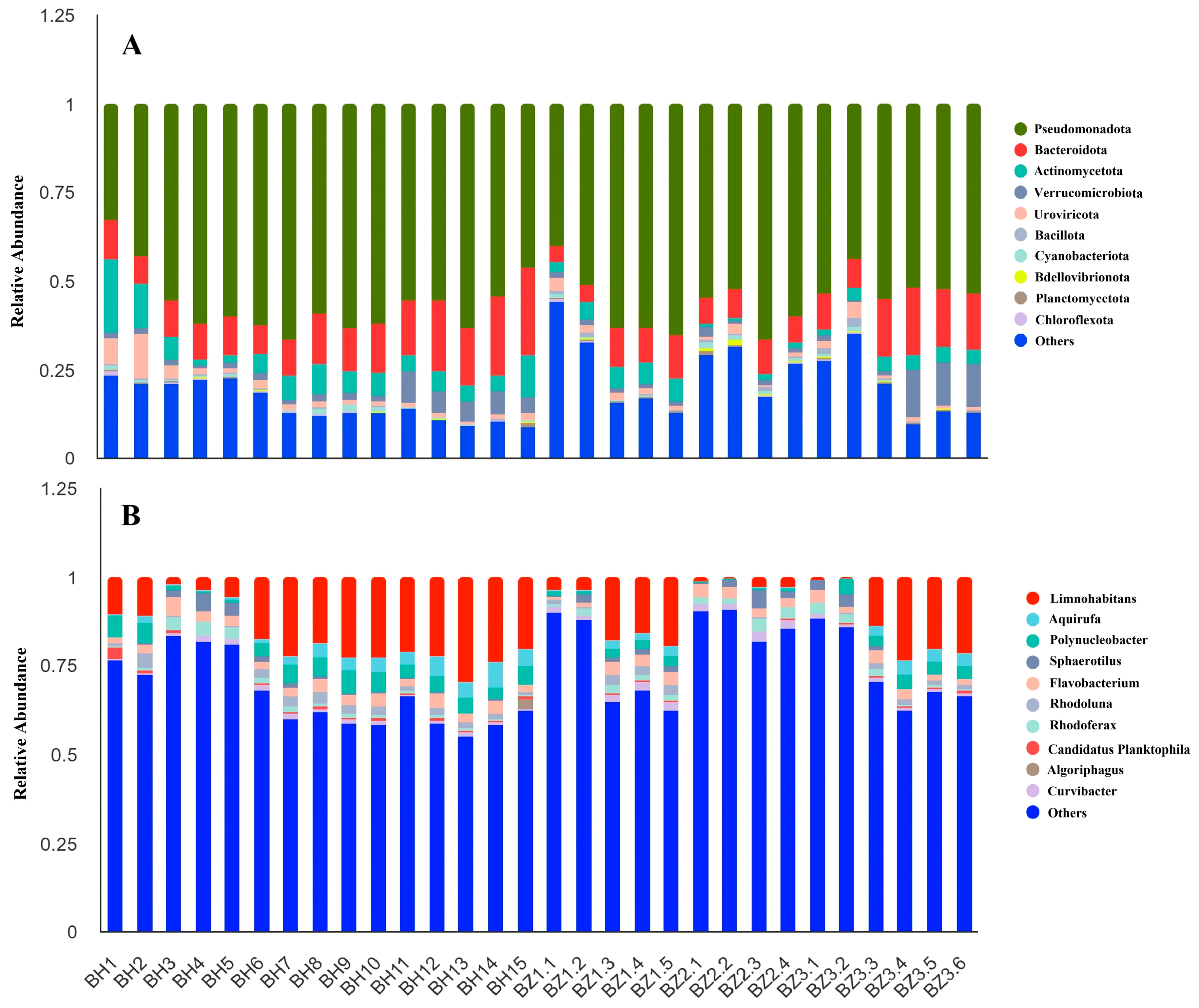
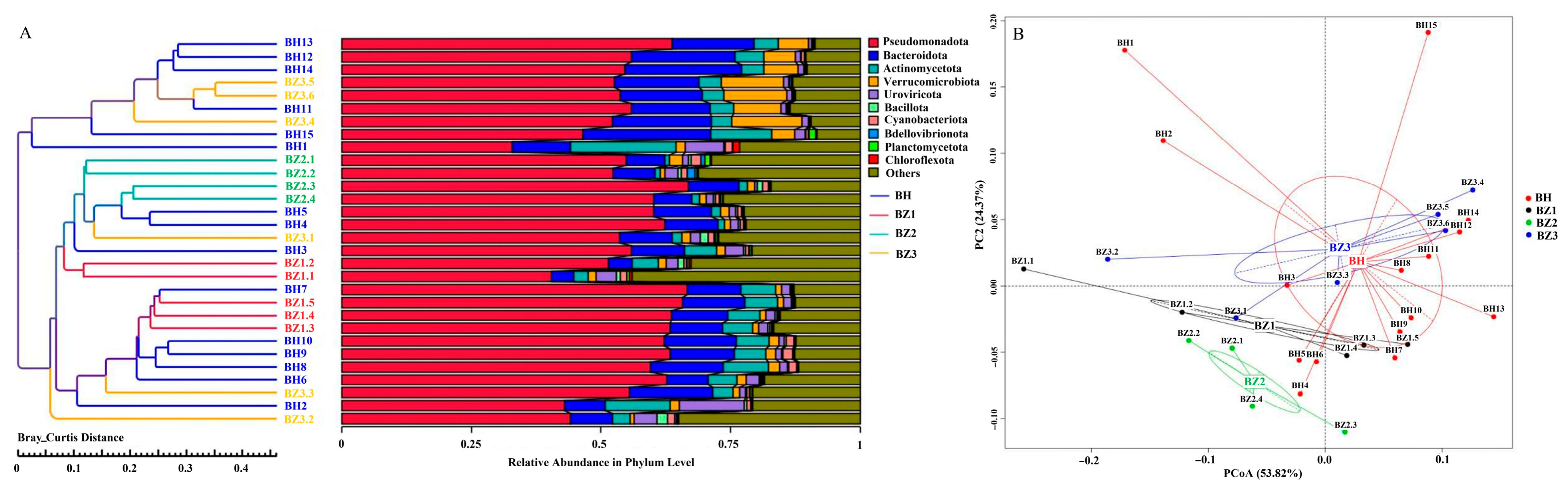
At the phylum level, Pseudomonadota (56%) and Bacteroidota (18.6%) were dominant (Figure 3A, Table S8). Above the class level, Betaproteobacteria (47.2%) and Alphaproteobacteria (10.7%) were the most abundant within Pseudomonadota (Table S8). Potential pathogenic bacteria were detected, including some species in the genera Aeromonas, Serratia, Acinetobacter and Pseudomonas (Figure 3B, Table S10). Two viral phyla, Uroviricota and Nucleocytoviricota, ranked among the top ten taxa (Table S8).

3.4. Significant and Dominant Taxa in Different Groups

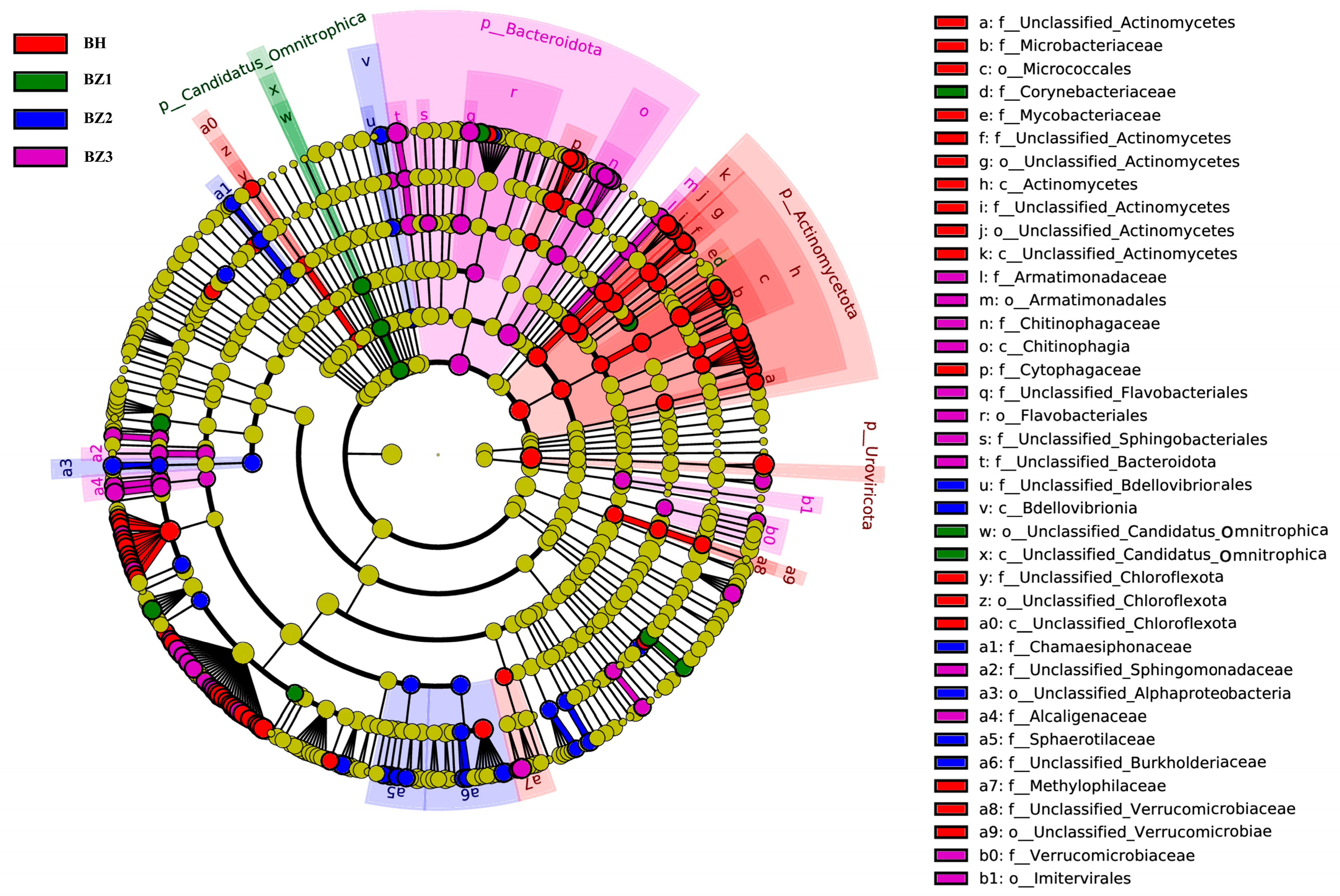
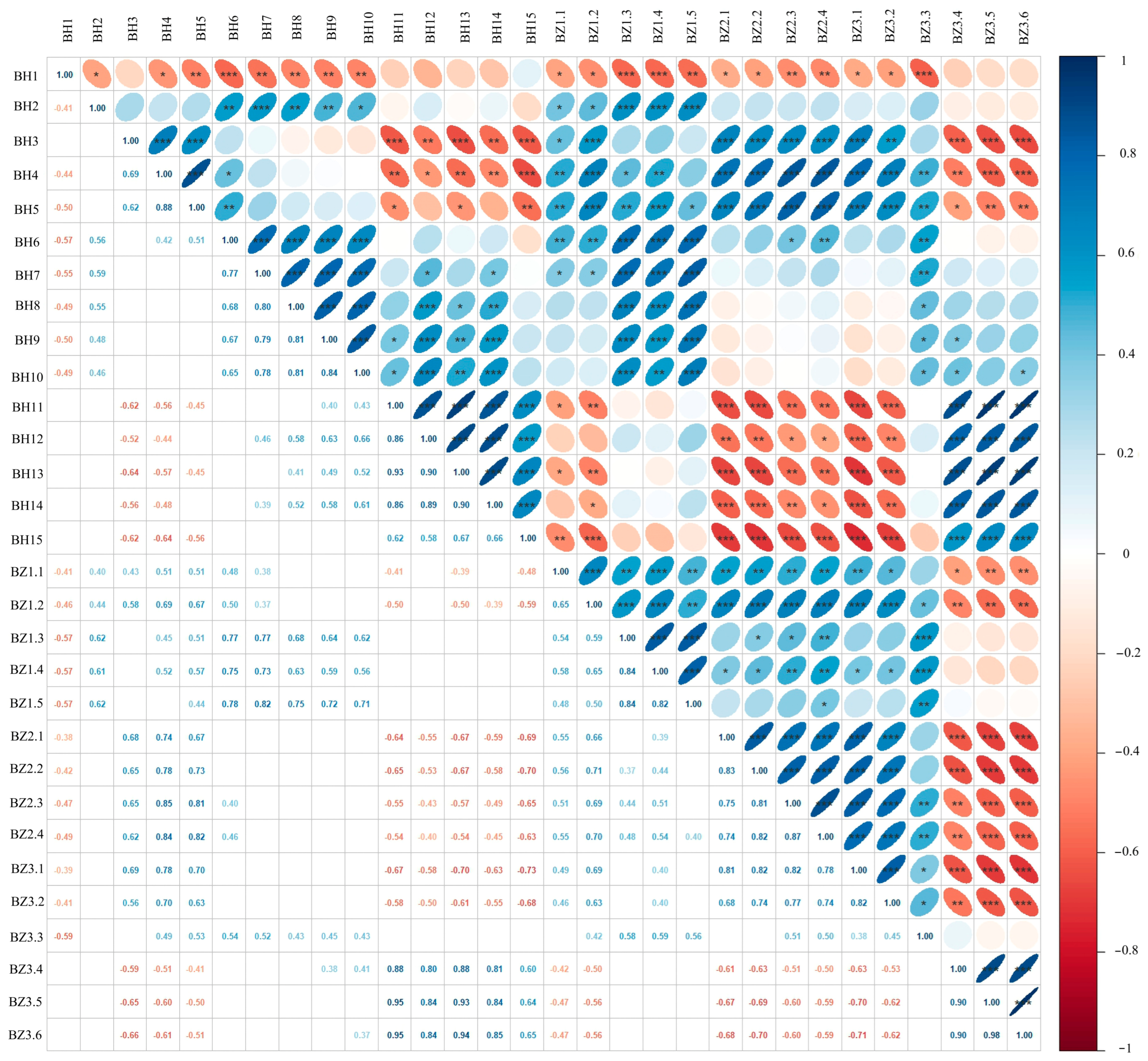
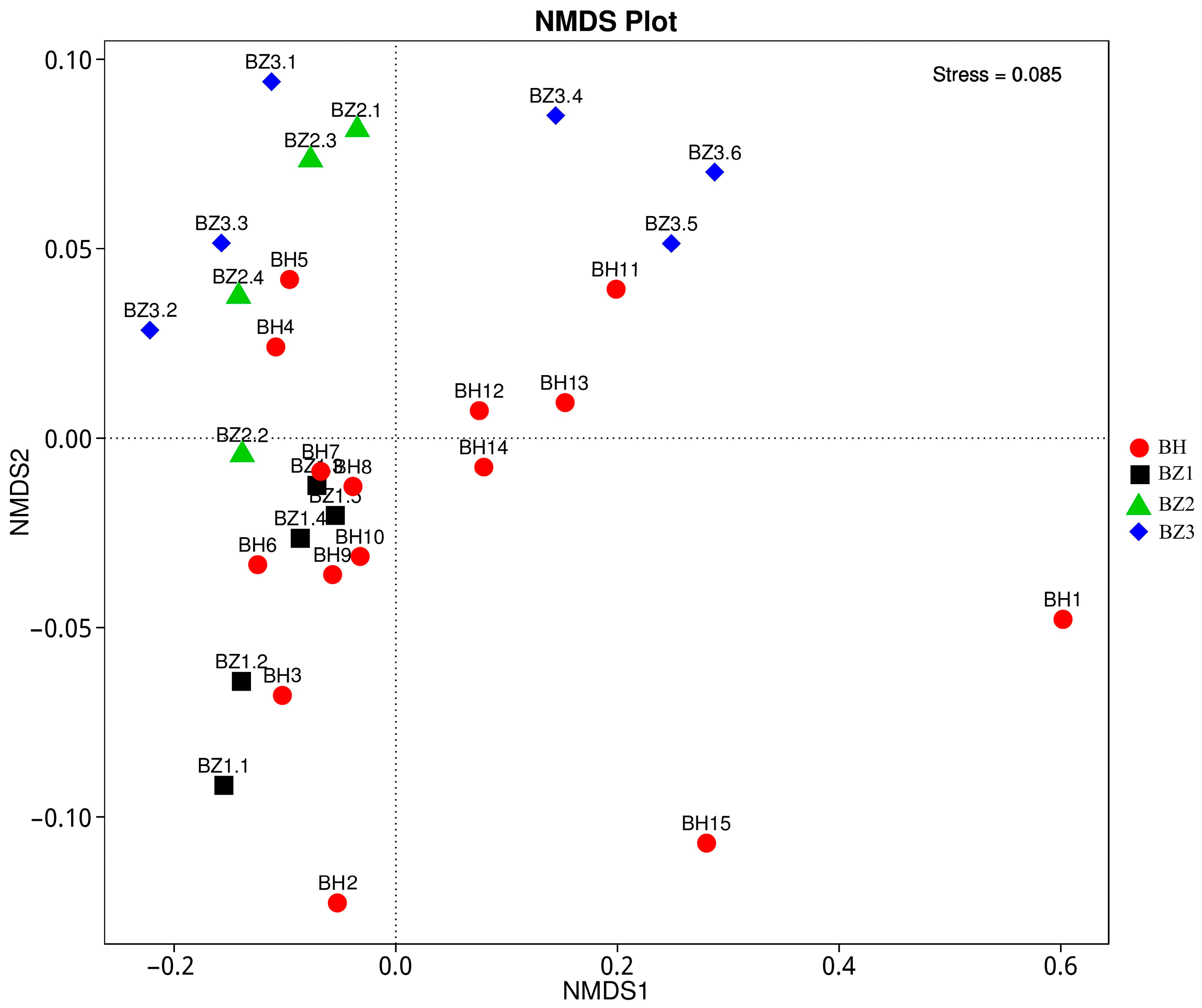
LEfSe analysis revealed obvious divergence in microbial communities. At the phylum level, Actinomycetota and Uroviricota were significantly enriched in BH, Candidatus Omnitrophica in BZ1, and Bacteroidota in BZ3. At the class level, Actinomycetes and Chloroflexota (BH), Candidatus Omnitrophica (BZ1), Bdellovibrionia (BZ2), and Chitinophagia (BZ3) were dominant (Figure 4). UPGMA clustering (Figure 5A) and PCoA analysis (Figure 5B) revealed distinct microbial diversity patterns across four groups. Upstream sites formed one cluster, while downstream sites grouped together. BH1 (Baidu source) formed a separate branch. The heatmap of sample correlation coefficients based on gene counts confirmed the result (Figure 6). PCoA showed that two principal component axes explained 78.19% of the total variation, corroborating spatial heterogeneity. Additionally, NMDS analysis yielded consistent results (Figure 7).

3.5. Taxonomical Profiles Along the Baihe River

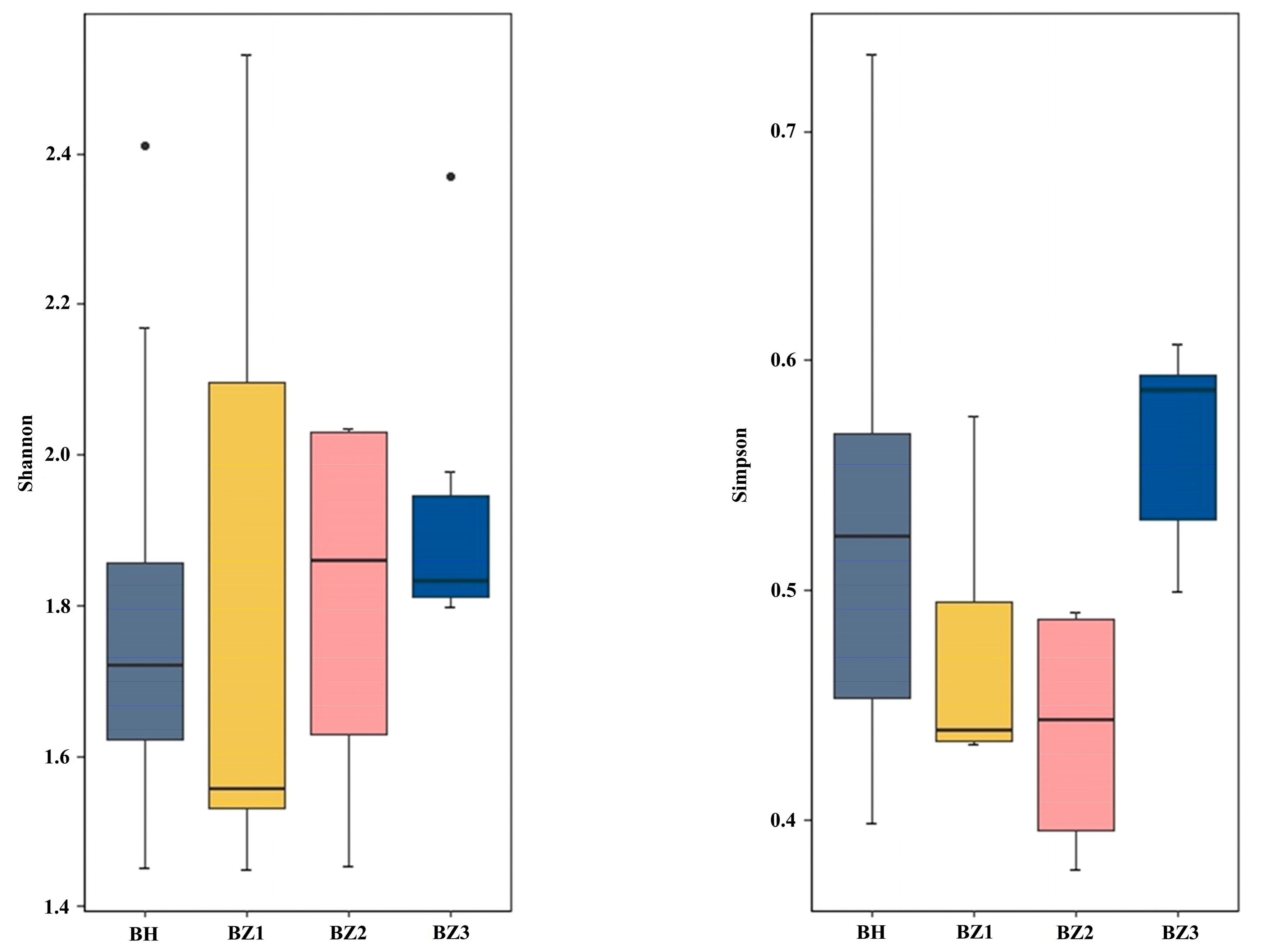
The alpha diversity was significantly higher in the BH and BZ3 groups than in BZ1 and BZ2 (Figure 8). ANOSIM analysis confirmed that microbial community differences among the four sampling groups were significantly greater than those within each group (Figure S2). The abundance of most taxa at different levels increased downstream (Tables S8 and S10). An exception was in BH1, where the abundance of Actinomycetes, Megaviricetes, and Acidimicrobiia (class level), Candidatus Nanopelagicaceae, Cyclobacteriaceae, and Mycobacteriaceae (family level), Limnohabitans, Polynucleobacter, and Methylotenera (genus level), were drastically higher than those in downstream samples (Figure 3, Tables S8 and S10).

3.6. CCA

The two canonical axes collectively explained over 92% of the total variation, nearly comprehensively reflecting the overall features and spatial discrepancies of aquatic environments across the study area. TN, current velocity (CV) and water temperature served as the three dominant environmental drivers. Bacteroidota clustered along the positive directions of the TN, NH3-N and TP vectors and favored high-nutrient environments; its abundance rose with increasing contamination, rendering the phylum a key indicator of nitrogen pollution (Figure S3).

3.7. Functional Annotation of Genes

A total of 205,190 genes were assigned into six CAZy functional classes. At level 1, genes associated with “glycosyl transferases”, “glycoside hydrolase”, and “carbohydrate-binding modules” were more abundant (Table S11). In addition, 2,887,683 genes were categorized into 25 classes using eggNOG annotation (Table S12). Among the 36,742 OGs at level 2, the most abundant were linked to “protein conserved in bacteria” (37,613), “transcriptional regulator” (28,106), “histidine kinase” (21,713), and genes involved in “ATPase activity” (21,581).
KEGG annotation assigned 3,154,143 genes across the four groups (Table S13). At level 1, “metabolism” (16.7%) was dominant, followed by “genetic information processing” (5.2%) and “environmental information processing” (4.4%). At level 2, under the “metabolism” category, dominant genes were responsible for amino acid metabolism (150,299), carbohydrate metabolism (148,257), and energy metabolism (109,654). In addition, 37,509 genes were associated with “xenobiotics biodegradation and metabolism” supporting contaminant removal. At level 3, 438 pathways were annotated, in which genes for ABC transporters (3.49%), quorum sensing (2.72%), and two-component systems (2.71%) were highly abundant, highlighting their roles in membrane transport and signal transduction. In total, 107,952 genes were linked to “human diseases”, including abundant antimicrobial drug resistance genes: antimicrobial (19,313), infectious disease: bacterial (16,916), cancer: overview (15,090), and cardiovascular disease (14,369). At level 3, genes associated with Legionellosis (7251), Tuberculosis (6243), Salmonella infection (4758), Human papillomavirus infection (1303), and Measles (899) were detected.

3.8. Antibiotic Resistance Profiles

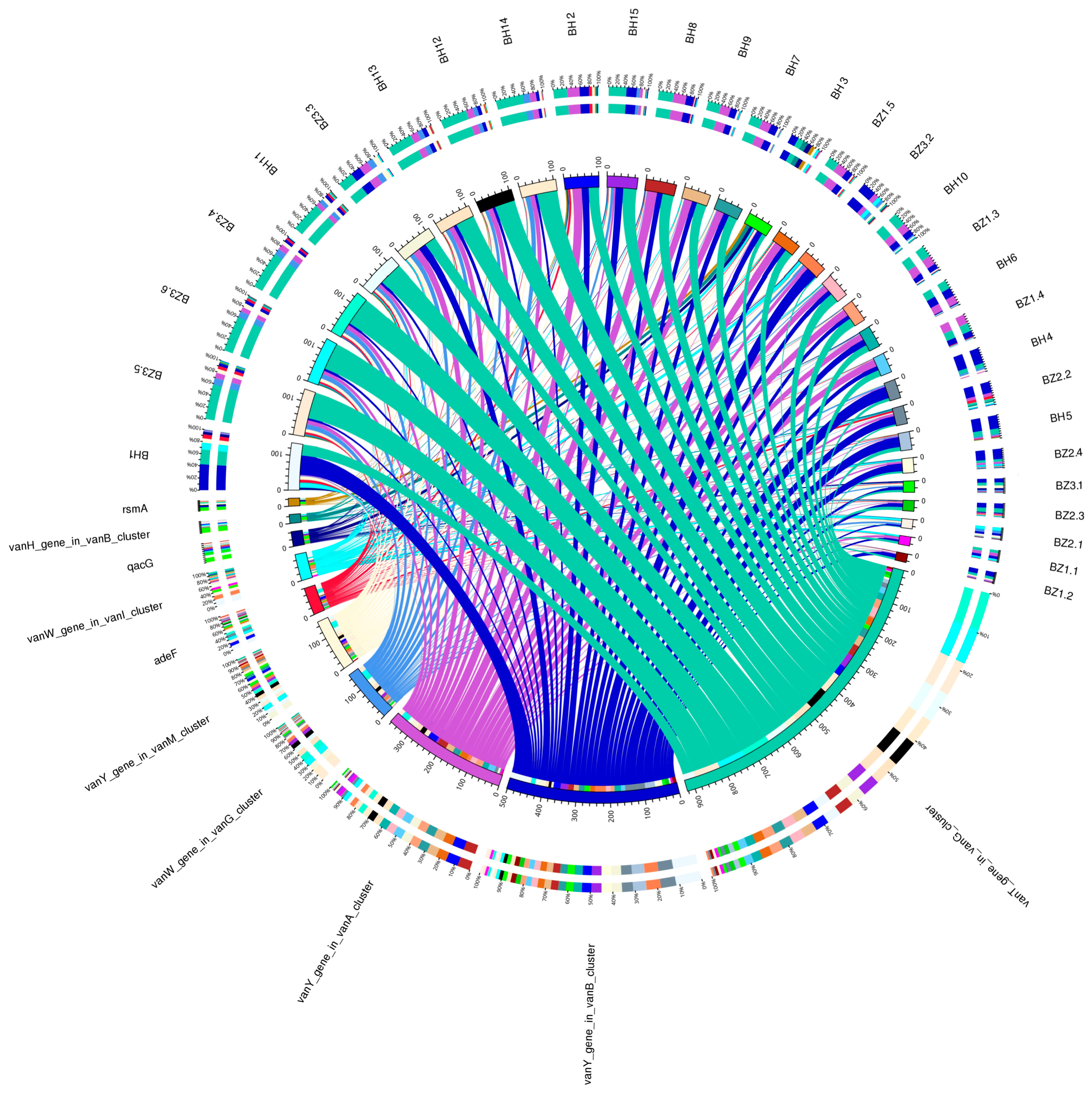
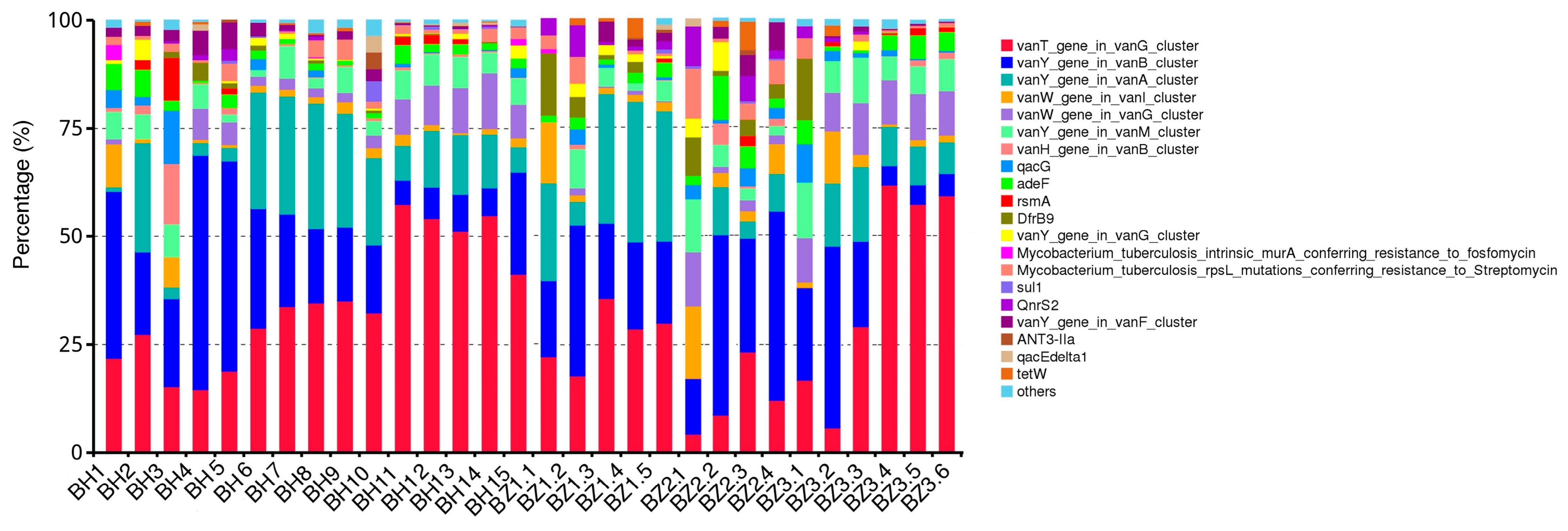
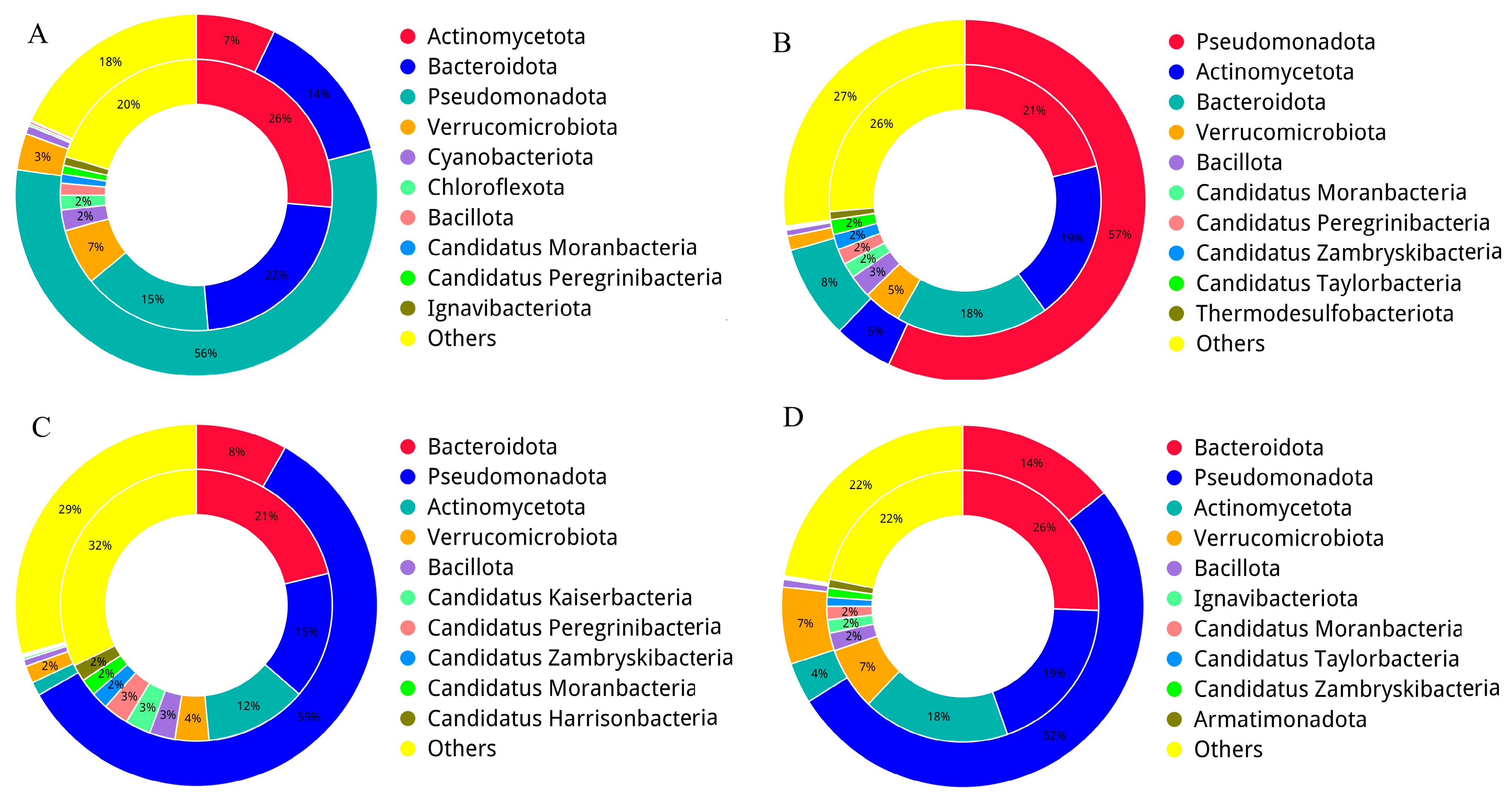
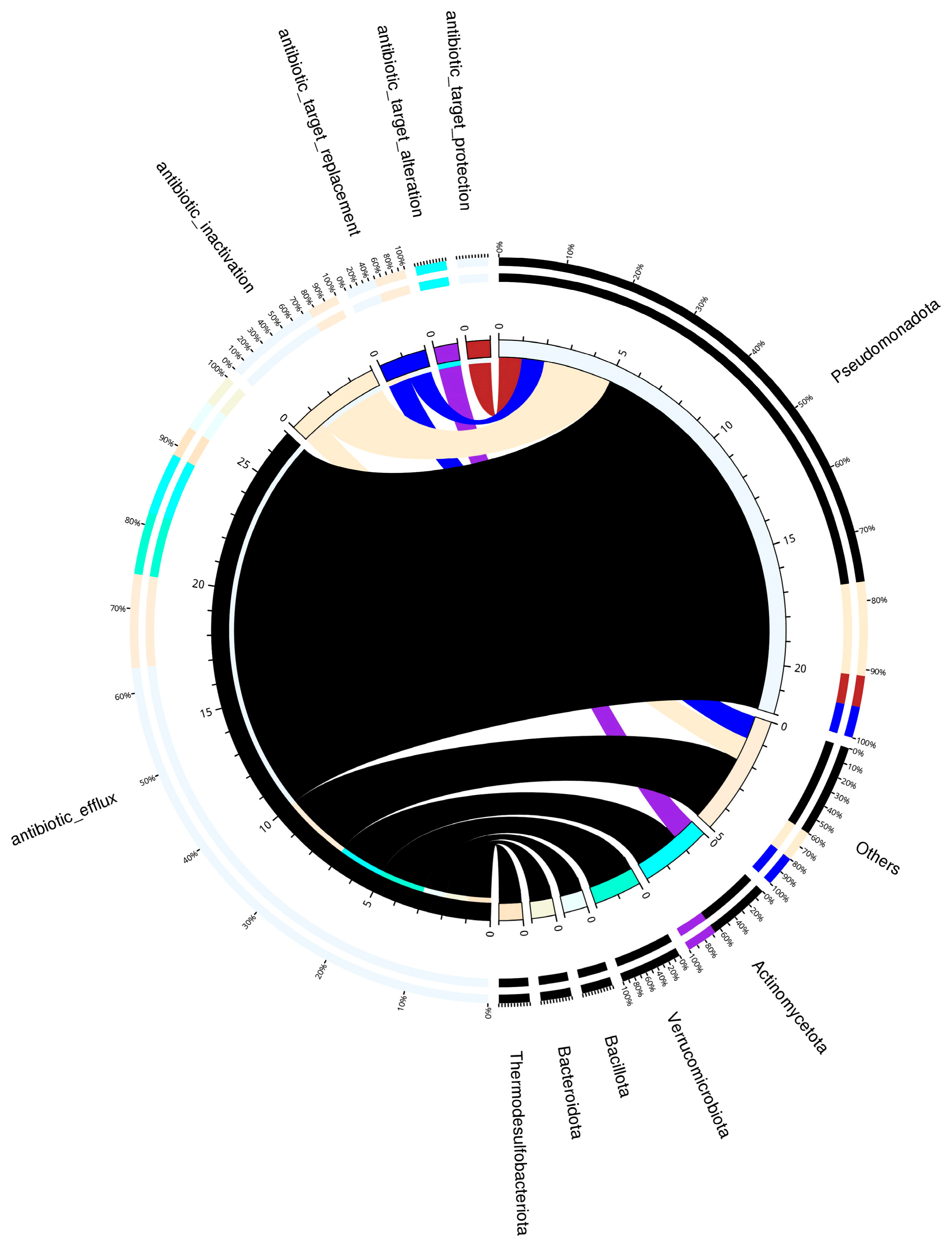
We identified 25 Antibiotic Resistance Ontology (ARO) categories across four metagenomic groups via the CARD database (v3.2.6). Most ARGs confer resistance through antibiotic target alteration, including six van gene clusters (vanA, vanB, vanF, vanG, vanI, and vanM) that confer resistance to antibiotics, such as glycopeptides and tetracycline (Figure 9, Table S14). Additionally, qacG and qacEdelta1 confer resistance to disinfectants and preservatives, whereas dfrB9 is linked to antiviral phage resistance. Dual-circle plots revealed robust correlations between microbial communities and resistance mechanisms (Figure 10). The predominant resistance mechanism was antibiotic efflux, which was significantly correlated with Pseudomonadota (Figure 11 and Figure 12). Antibiotic inactivation represented another frequent mechanism within Pseudomonadota. Actinomycetota and Verrucomicrobiota were associated with multiple resistance mechanisms, indicating diverse adaptive strategies of native microbes under antibiotic pressure in alpine waters. Taxonomic analysis showed that ARGs were primarily hosted by Actinomycetota, Pseudomonadota, and Bacteroidota (Figure 11). In the BH group, these three phyla contributed 26%, 22%, and 15% of total ARG abundance, respectively, even though they made up only 7%, 14%, and 56% of the overall microbial community (Figure 10). The result highlights a marked mismatch between microbial relative abundance and their ARG contribution.

4. Discussion

4.1. General Characteristics of Baihe Microbial Communities

The Baihe River, a critical headwater tributary of the Yellow River, harbors unique microbial communities adapted to high-altitude, low-temperature, and oligotrophic environments [22,45,46]. Nevertheless, intensified livestock breeding and widespread anthropogenic disturbances along the river continuum have substantially disrupted the stability of indigenous microbial communities, driving marked alternations in microbial community assembly, metabolic functions, and antibiotic resistance gene (ARG) profiles. In this study, spatial heterogeneity in microbial characteristics and ARG distribution was primarily governed by pollution gradients (TN and TP). Consistent with previous metagenomic surveys of alpine freshwater ecosystems on the Qinghai–Tibet Plateau, our sequencing results confirmed Pseudomonadota and Bacteroidota as the dominant phyla across the basin, supporting the reliability of taxonomic annotation based on metagenomic data. This result is consistent with the common community characteristics of unpolluted-to-moderately polluted plateau rivers [24]. Unlike a simple intersite comparison, this study interpreted community variation in relation to three core factors: longitudinal spatial variation, water physicochemical properties, and the pollution gradient.

4.2. Spatial Differentiation of Microbial Communities Driven by Environmental Physicochemical Variables

In freshwater ecosystems, Pseudomonadota and Bacteroidota are widely recognized as dominant bacterial phyla because of their strong environmental adaptability, rapid nutrient utilization, and versatile metabolic plasticity [22,45,46]. CCA quantification further indicated that TN, water temperature, and current velocity were the three main environmental variables shaping the spatial differentiation of microbial communities, which may explain the gradual increase in the abundance of dominant phyla along the stream nutrient-enrichment gradient. The BH mainstream showed significantly high viral abundance, likely because long-term cumulative nitrogen inputs from livestock selectively enriched Uroviricota, consistent with the positive correlation between TN and viral abundance. The uniquely high abundance observed at BH1 is consistent with the alternating lentic-lotic distribution pattern reported in previous studies [47,48,49].
Alpha diversity analysis and ANOSIM test among the four groups (Figure 7) reflected the regulatory effect of pollution on community richness: elevated nutrient availability increased microbial diversity, whereas low-pollution, oligotrophic conditions maintained relatively lower diversity. This finding is in line with previous reports that moderate pollutant enrichment supplies exogenous nutrients for microbial proliferation and reshapes community niche structure [22,50]. The consistency of dominant microbial taxa across all sampling groups indicates the stability of core indigenous communities in this alpine river, whereas significant variations in relative abundance and differentially abundant taxa demonstrate the deterministic effect of pollution stress on microbial community restructuring. The enriched taxa of Actinomycetota and Uroviricota in the BH mainstream suggests that pollution enhances microbial niche differentiation and selects for pollution-tolerant taxa [51,52]. Collectively, these results suggest that microbial communities in the Baihe River have developed targeted adaptive strategies under a long-term pollution gradient with community composition transitioning from dominance by oligotrophic indigenous taxa to co-dominance by pollutant-adapted endogenous and exogenous microbes.

4.3. Ecological Functions of Dominant Microbial Taxa and Adaptive Metabolic Response

Functionally, the core microbial taxa in this region play indispensable roles in sustaining riverine nutrient cycling and environmental self-purification processes. Pseudomonadota dominates key biogeochemical processes, including carbon and nitrogen cycling, and mediates the degradation of exogenous pollutants, thereby serving as a primary functional group involved in aquatic environmental remediation [53,54]. Bacteroidota specializes in the hydrolysis and decomposition of complex organic macromolecules through diverse enzymatic reactions, whereas Actinomycetota acts as a pivotal decomposer of organic detritus in plateau aquatic systems. Together, these phyla support material cycling and energy flow within the river ecosystem [55,56]. In addition to bacterial communities, viral taxa, including Uroviricota and Nucleocytoviricota, were widely distributed throughout the basin. Bacteriophages regulate prokaryotic community structure by infecting host bacteria, modulate microbial population dynamics through replication, and facilitate horizontal gene transfer among microorganisms. Consequently, they serve as important yet often overlooked drivers of microbial community evolution and adaptive variation in polluted aquatic environments [57]. The enrichment of Caudovirales phages in the BH group further suggests that pollutant inputs can selectively shape riverine viral communities, a characteristic ecological feature of polluted alpine freshwater ecosystems [58,59].
The metagenomic functional profiling results were similar with findings reported in previous metagenomic studies of plateau rivers. Core metabolic pathways, including amino acid metabolism, carbohydrate metabolism, and energy metabolism, were enriched across all groups, reflecting the fundamental metabolic strategies employed by microbial communities to adapt to diverse alpine aquatic environments [24,60]. Notably, functional systems associated with environmental adaptation and stress resistance, such as membrane transport and two-component signal transduction pathways, were significantly enriched. The high abundance of ABC transporters underscores their central role in mediating the transmembrane transport of carbohydrates, lipids, and inorganic compounds. Moreover, these transporters contribute to microbial stress responses and enhance resistance to exogenous contaminants under antibiotic and pollutant pressures [61,62]. As key functional phyla, Pseudomonadota, Bacteroidota, and Actinomycetota mediate a substantial proportion of nutrient-cycling and stress-response processes within the basin, thereby providing a functional foundation for microbial survival and reproduction in polluted environments [63,64]. Additionally, the widespread enrichment of pathways associated with human diseases and the increased abundance of pathogenic taxa indicate that pollution not only alters microbial ecological functions but also poses potential public health risks within the plateau river ecosystem.

4.4. Distribution Characteristics and Ecological Risk of ARGs

Consistent with patterns observed in most polluted freshwater ecosystems, antibiotic efflux mediated by Pseudomonadota represented the dominant resistance mechanism in this study, whereas antibiotic inactivation served as a secondary strategy [18]. Actinomycetota and Verrucomicrobiota, which harbor diverse resistance mechanisms, exhibited stronger environmental adaptability under antibiotic pressure, reflecting functional differentiation among microbial taxa in response to pollution stress. Notably, we identified a marked mismatch between microbial relative abundance and ARG contribution in the BH group: Actinomycetota, Pseudomonadota, and Bacteroidota carried disproportionately high numbers of ARGs despite their low relative abundances. These results suggest that low-abundance, pollution-tolerant microbes act as key ARG hosts in mixed-pollution river sections and that long-term pollution pressure drives the selective enrichment and horizontal dissemination of resistance genes within specific microbial communities, consistent with previous resistome studies on manure pollution in plateau regions [16,65]. The widespread occurrence of van gene clusters, disinfectant resistance genes (qacG, qacEdelta1), and phage resistance genes further indicates that plateau river ecosystems are under combined stress from antibiotics, disinfectants, and biological invasion. Such combined selective pressures accelerate the prevalence and spread of environmental resistomes [16,17].
An notable spatial exception was observed at the source site, BH1, where microbial diversity, taxon abundance, and ARG enrichment were significantly higher than those in the downstream lotic reaches. This unique pattern can be reasonably explained by hydrodynamic differences: the source area is dominated by stagnant lentic water bodies that lack hydraulic dilution and flushing effects. Long-term water stagnation may promote the accumulation of exogenous pollutants, microorganisms, and ARGs, thereby creating a stable enrichment environment for microbial communities and resistance genes [24,47]. In contrast, downstream lotic waters continuously dilutes microbial biomass and ARG abundance, resulting in lower microbial and ARG enrichment than that observed in the source pond. This finding complements the known spatial distribution patterns of microorganisms and ARGs in alpine river systems with alternating lentic–lotic hydrodynamic conditions and aligns with previous observations in riverine microbial ecology [66,67].

5. Conclusions

The study systematically revealed the spatial differentiation patterns and driving mechanisms underlying microbial community structure, metabolic function, and ARG distribution across the entire Baihe River Basin under gradient pollution based on three core variables, including longitudinal spatial change, water physicochemical properties, and pollution intensity. Also, the study clarifies the adaptive response strategies of indigenous microbes to long-term pollution stress and highlights the potential ecological and public health risks facing plateau headwater river ecosystems. These findings fill the research gap regarding whole-basin microbial and resistome profiling in alpine pastoral river systems and provide targeted theoretical support for aquatic pollution control and ecological restoration in the Yellow River source region. Nevertheless, this study only characterizes the spatial distribution of microbial communities and ARGs, lacking temporal dynamic monitoring. Future research should integrate seasonal sampling and macro-environmental monitoring to further elucidate the coupling mechanisms linking environmental pollution, microbial succession, and resistome diffusion in plateau river ecosystems.

Supplementary Materials

The following supporting information can be downloaded at: https://www.mdpi.com/article/10.3390/w18121524/s1, Table S1. Water sampling site details; Table S2. Pollutant types and loads quantified by TN and TP in the upstream, midstream, and downstream of the Baihe River; Table S3. Physicochemical parameters of each sample; Table S4. Metagenomic sequencing data statistics; Table S5. Statistics of the assembled scaftigs of each sample; Table S6. ORFs catalogue statistics; Table S7. The number and taxonomy of OTUs in the samples information; Table S8. Taxonomic profiles of Top 10 OTUs in samples at Phylum, Class, Order, Family, Genus and Species levels; Table S9. Absolute abundance of Unigenes across different Kingdoms; Table S10. Taxonomic profiles of Top 200 OTUs in samples at Genus level; Table S11. Gene functional class based on CAZy; Table S12. Gene functional class based on eggNOG; Table S13. Gene functional class based on KEGG at three levels; Table S14. Top 20 ARGs percentage (%) in each sample based on relative abundance; Figure S1. Core-pan gene dilution curve; Figure S2. Analysis of similarities (ANOSIM) between four groups based on species abundance; Figure S3. Canonical correspondence analysis (CCA) biplot showing the relationships between microbial taxa, environmental parameters, and sampling sites across the Baihe River.

Author Contributions

Conceptualization, S.L.; methodology, S.L.; software, S.L. and Y.W.; data analysis, S.L.; field survey and sampling, S.L., K.X. and H.X.; manuscript writing, S.L.; visualization, S.L., Y.W. and Q.C.; funding acquisition, Y.C. and Y.Z. All authors have read and agreed to the published version of the manuscript.

Funding

This work was supported by the Sichuan Natural Science Foundation (No: 2023NSFSC0015).

Data Availability Statement

The raw data have been deposited in repositories at NCBI under the project of PRJNA1449758 (accessible SRA number: SRX32888332-SRX32888361).

Conflicts of Interest

The authors declare no conflicts of interest.

Abbreviations

The following abbreviations are used in this manuscript:
ARGAntibiotic resistance gene
BHBaihe
BZ1, 2, 3three tributaries of the Baihe River

References

  1. Shang, Z.; Tan, Z.; Kong, Q.; Shang, P.; Wang, H.; Zhaxi, W.; Zhaxi, C.; Liu, S. Characterization of fungal microbial diversity in Tibetan sheep, Tibetan gazelle and Tibetan antelope in the Qiangtang region of Tibet. Mycoscience 2022, 63, 156–164. [Google Scholar] [CrossRef] [PubMed]
  2. Xu, C.; Lu, S.; Cidan, Y.; Wang, H.Z.; Sun, G.M.; Muhammad, U.S.; Farid, S.A. Microbiome analysis reveals alteration in water microbial communities due to livestock activities. Environ. Sci. Pollut. Res. 2024, 31, 47298–47314. [Google Scholar] [CrossRef] [PubMed]
  3. Tan, B.; Yin, Y. Environmental sustainability analysis and nutritional strategies of animal production in China. Annu. Rev. Anim. Biosci. 2017, 5, 171–184. [Google Scholar] [CrossRef] [PubMed]
  4. Ibekwe, A.M.; Ma, J.; Murinda, S.E. Bacterial community composition and structure in an urban river impacted by different pollutant sources. Sci. Total Environ. 2016, 566, 1176–1185. [Google Scholar] [CrossRef] [PubMed]
  5. Campbell, B.J.; Kirchman, D.L. Bacterial diversity, community structure and potential growth rates along an estuarine salinity gradient. ISME J. 2013, 7, 210–220. [Google Scholar] [PubMed]
  6. Rocca, J.D.; Simonin, M.; Blaszczak, J.R.; Ernakovich, J.G.; Gibbons, S.M.; Midani, F.S.; Washburne, A.D. The microbiome stress project: Toward a global meta-analysis of environmental stressors and their effects on microbial communities. Front. Microbiol. 2019, 9, 3272. [Google Scholar] [CrossRef] [PubMed]
  7. Parwin, N.; Dixit, S.; Das, S.; Sahoo, R.K.; Subudhi, E. Metagenomic analysis of microbiome spatial dynamics in urban river confluence affected by city wastewater. Genom. Inform. 2025, 23, 7. [Google Scholar] [CrossRef] [PubMed]
  8. Alegría Gómez, J.; Castañón-González, J.H.; González-Terreros, J.A.; Velázquez-Ríos, E.; Ruíz-Valdiviezo, I.O.; Ruíz-Valdiviezo, V. Changes in the abundance and diversity of bacterial and archaeal communities at different depths in a eutrophic freshwater lake in southwestern Mexico. Environ. Sci. Pollut. Res. 2023, 30, 98362–98376. [Google Scholar] [CrossRef] [PubMed]
  9. Yadav, R.; Rajput, V.; Dharne, M. Metagenomic analysis of a mega-city rivernetwork reveals microbial compositional heterogeneity among urban and peri-urban river stretch. Sci. Total Environ. 2021, 783, 146960. [Google Scholar] [CrossRef] [PubMed]
  10. Chen, H.; Bai, X.; Li, Y.; Jing, L.; Chen, R.; Teng, Y. Characterization and source tracking of antibiotic resistomes in the sediments of a peri-urban river. Sci. Total Environ. 2019, 679, 88–96. [Google Scholar] [CrossRef] [PubMed]
  11. Gallardo, B.; Clavero, M.; Sánchez, M.I.; Vilà, M. Global ecological impacts of invasive species in aquatic ecosystems. Glob. Change Biol. 2016, 22, 151–163. [Google Scholar]
  12. Guo, B.; Liu, C.; Gibson, C.; Frigon, D. Wastewater microbial community structure and functional traits change over short timescales. Sci. Total Environ. 2019, 662, 779–785. [Google Scholar] [CrossRef] [PubMed]
  13. Shang, Z.; Wang, Y.; An, M.; Chen, X.; Kulyar, M.F.; Tan, Z.; Liu, S.; Li, K. The successional trajectory of bacterial and fungal communities in soil are fabricated by yaks’ excrement contamination in plateau, China. Front. Microbiol. 2022, 13, 1016852. [Google Scholar] [CrossRef] [PubMed]
  14. Roth, V.N.; Lange, M.; Simon, C.; Hertkorn, N.; Bucher, S.; Goodall, T.; Griffiths, R.I.; Mellado-Vázquez, P.G.; Mommer, L.; Oram, N.J.; et al. Persistence of dissolved organic matter explained by molecular changes during its passage through soil. Nat. Geosci. 2019, 12, 755–761. [Google Scholar] [CrossRef]
  15. Lehmann, J.; Kleber, M. The contentious nature of soil organic matter. Nature 2015, 528, 60–68. [Google Scholar] [CrossRef] [PubMed]
  16. Tian, M.; He, X.; Feng, Y.; Wang, W.; Chen, H.; Gong, M.; Liu, D.; Clarke, J.L.; van Eerde, A. Pollution by antibiotics and antimicrobial resistance in livestock and poultry manure in China, and countermeasures. Antibiotics 2021, 10, 539. [Google Scholar] [CrossRef] [PubMed]
  17. Abbas, R.; Nawaz, Z.; Siddique, A.B.; Aslam, R.; Rafique, A.; Zahoor, M.A.; Qamar, M.U.; Zishan, M.; Jalees, M.M.; Qasim, M.; et al. Molecular detection of biofilm production among multidrug resistant isolates of Pseudomonas aeruginosa from meat samples. Pak. Vet. J. 2022, 42, 505–510. [Google Scholar]
  18. Fan, Y.F.; Li, Z.P.; Li, B.S.; Ke, B.X.; Zhao, W.X.; Lu, P.; Li, Z.; Zhang, T.; Lu, X.; Kan, B. Metagenomic profiles of planktonic bacteria and resistome along a salinity gradient in the Pearl River Estuary, South China. Sci. Total Environ. 2023, 889, 164265. [Google Scholar] [CrossRef] [PubMed]
  19. Chen, Y.; Su, J.Q.; Zhang, J.; Li, P.; Chen, H.; Zhang, B.; Gin, K.Y.-H.; He, Y. High-throughput profiling of antibiotic resistance gene dynamic in a drinking water river-reservoir system. Water Res. 2019, 149, 179–189. [Google Scholar] [CrossRef] [PubMed]
  20. Qiao, M.; Ying, G.G.; Singer, A.C.; Zhu, Y.G. Review of antibiotic resistance in China and its environment. Environ. Int. 2018, 110, 160–172. [Google Scholar] [CrossRef] [PubMed]
  21. Zainab, S.M.; Junaid, M.; Xu, N.; Malik, R.N. Antibiotics and antibiotic resistant genes (ARGs) in groundwater: A global review on dissemination, sources, interactions, environmental and human health risks. Water Res. 2020, 187, 116455. [Google Scholar] [CrossRef] [PubMed]
  22. Parida, P.K.; Behera, B.K.; Dehury, B.; Rout, A.K.; Sarkar, D.J.; Rai, A.; Das, B.K.; Mohapatra, T. Community structure and function of microbiomes in polluted stretches of river Yamuna in New Delhi, India, using shotgun metagenomics. Environ. Sci. Pollut. Res. 2022, 29, 71311–71325. [Google Scholar] [CrossRef] [PubMed]
  23. Rathour, R.; Gupta, J.; Mishra, A.; Rajeev, A.C.; Dupont, C.L.; Thakur, I.S. A comparative metagenomic study reveals microbial diversity and their role in the biogeochemical cycling of Pangong Lake. Sci. Total Environ. 2020, 731, 139074. [Google Scholar] [CrossRef] [PubMed]
  24. Fang, J.H.; Yang, R.R.; Cao, Q.Q.; Dong, J.Y.; Li, C.C.; Quan, Q.; Huang, M.S.; Liu, J. Differences of the microbial community structures and predicted metabolic potentials in the lake, river, and wetland sediments in Dongping Lake Basin. Environ. Sci. Pollut. Res. 2020, 27, 19661–19677. [Google Scholar] [CrossRef] [PubMed]
  25. Yang, Y.W.; Cai, S.C.; Mo, C.H.; Dong, J.J.; Chen, S.; Wen, Z.G. Profiles of antibiotic resistome risk in diverse water environments. Commun. Earth Environ. 2025, 6, 158. [Google Scholar] [CrossRef]
  26. Yan, Z.; Yang, H.; Dong, H.; Ma, B.; Sun, H.; Pan, T.; Jiang, R.; Zhou, R.; Shen, J.; Liu, J.; et al. Occurrence and ecological risk assessment of organic micropollutants in the lower reaches of the Yangtze River, China: A case study of water diversion. Environ. Pollut. 2018, 239, 223–232. [Google Scholar] [CrossRef] [PubMed]
  27. GB3838-2002; Environmental Quality Standards for Surface Water. Ministry of Ecology and Environment of China: Beijing, China, 2002.
  28. Tringe, S.G.; Rubin, E.M. Metagenomics: DNA sequencing of environmental samples. Nat. Rev. Genet. 2005, 6, 805–814. [Google Scholar] [CrossRef] [PubMed]
  29. Zhu, C.M.; Zhang, J.Y.; Nawaz, M.Z.; Mahboob, S.; AI-Ghanim, K.A.; Ahmad Khan, I.; Lu, Z.; Chen, T. Seasonal succession and spatial distribution of bacterial community structure in a eutrophic freshwater Lake, Lake Taihu. Sci. Total Environ. 2019, 669, 29–40. [Google Scholar] [CrossRef] [PubMed]
  30. Li, D.H.; Liu, C.M.; Luo, R.B.; Sadakane, K.; Lam, T. MEGAHIT: An ultra-fast single-node solution for large and complex metagenomics assembly via succint de Bruijn graph. Bioinformatics 2015, 31, 1674–1676. [Google Scholar] [CrossRef] [PubMed]
  31. Fu, L.; Niu, B.; Zhu, Z.; Wu, S.; Li, W. CD-HIT: Accelerated for clustering the next-generation sequencing data. Bioinformatics 2012, 28, 3150–3152. [Google Scholar] [CrossRef] [PubMed]
  32. Langmead, B.; Salzberg, S. Fast gapped-read alignment with Bowtie 2. Nat. Methods 2012, 9, 357–359. [Google Scholar] [CrossRef] [PubMed]
  33. Buchfink, B.; Xie, C.; Huson, D. Fast and sensitive protein alignment using DIAMOND. Nat. Methods 2015, 12, 59–60. [Google Scholar] [PubMed]
  34. Huson, D.H.; Mitra, S.; Ruscheweyh, H.J.; Weber, N.; Schuster, S.C. Integrative analysis of environmental sequences using MEGAN4. Genome Res. 2011, 21, 1552–1560. [Google Scholar] [CrossRef] [PubMed]
  35. Ondov, B.D.; Bergman, N.H.; Phillippy, A.M. Interactive metagenomic visualization in a web browser. BMC Bioinform. 2011, 12, 385. [Google Scholar] [CrossRef] [PubMed]
  36. Klipper-Aurbach, Y.; Wasserman, M.; Braunspiegel-Weintrob, N.; Borstein, D.; Peleg, S.; Assa, S.; Karp, M.; Benjamini, Y.; Hochberg, Y.; Laron, Z. Mathematical formulae for the prediction of the residual beta cell function during the first two years of disease in children and adolescents with insulin-dependent diabetes mellitus. Med. Hypotheses 1995, 45, 486–490. [Google Scholar] [CrossRef] [PubMed]
  37. Segata, N.; Izard, J.; Waldron, L.; Gevers, D.; Miropolsky, L.; Garrett, W.; Huttenhower, C. Metagenomic biomarker discovery and explanation. Genome Biol. 2011, 12, R60. [Google Scholar] [CrossRef] [PubMed]
  38. Kanehisa, M.; Furumichi, M.; Tanabe, M.; Sato, Y.; Morishima, K. KEGG: New perspectives on genomes, pathways, diseases and drugs. Nucleic Acids Res. 2017, 45, 353. [Google Scholar]
  39. Huerta-Cepas, J.; Szklarczyk, D.; Forslund, K.; Cook, H.; Heller, D.; Walter, M.C.; Rattei, T.; Mende, D.R.; Sunagawa, S.; Kuhn, M.; et al. eggNOG 4.5: A hierarchical orthology framework with improved functional annotations for eukaryotic, prokaryotic and viral sequences. Nucleic Acids Res. 2016, 44, 286–293. [Google Scholar]
  40. Cantarel, B.L.; Coutinho, P.M.; Rancurel, C.; Bernard, T.; Lombard, V.; Henrissat, B. The Carbohydrate-Active EnZymes database (CAZy): An expert resource for Glycogenomics. Nucleic Acids Res. 2009, 37, 233–238. [Google Scholar] [CrossRef] [PubMed]
  41. McArthur, A.G.; Waglechner, N.; Nizam, F. The comprehensive antibiotic resistance database. Antimicrob. Agents Chemother. 2013, 57, 3348–3357. [Google Scholar] [CrossRef] [PubMed]
  42. Martínez, J.L.; Coque, T.M.; Baquero, F. What is a resistance gene? Ranking risk in resistomes. Nat. Rev. Microbiol. 2015, 13, 116–123. [Google Scholar] [PubMed]
  43. Hongyuan Center for Party History Research and Local Chronicles, Hongyuan County Peole’s Government. In Hongyuan Yearbook; Beijing Kaiming Press: Beijing, China, 2025. (In Chinese)
  44. Bureau of Ecology and Environment of Aba. Technical Specification for Non-Point Source Pollution Accounting in Alpine Wetlands of Northwest Sichuan (DB5132/T); Aba Administration for Market Regulation: Maerkang, China, 2025. (In Chinese) [Google Scholar]
  45. Ghai, R.; Rodŕíguez-Valera, F.; McMahon, K.D.; Toyama, D.; Rinke, R.; de Oliveira, T.C.S.; Garcia, J.W.; de Miranda, F.P.; Henrique-Silva, F. Metagenomics of the water column in the pristine upper course of the Amazon river. PLoS ONE 2011, 6, e23785. [Google Scholar] [CrossRef] [PubMed]
  46. Mittal, P.; Dhakan, D.B.; Kumar, S.; Sharma, V.K. Metagenome of a polluted river reveals a reservoir of metabolic and antibiotic resistance genes. Environ. Microbiome 2019, 14, 5. [Google Scholar] [CrossRef] [PubMed]
  47. Marsh, G.A.; Fairbridge, R.W. Lentic and lotic ecosystems. In Environmental Geology; Encyclopedia of Earth Science; Springer: Dordrecht, The Netherlands, 1999. [Google Scholar]
  48. Cesoniene, L.; Dapkiene, M.; Sileikiene, D. The impact of livestock farming activity on the quality of surface water. Environ. Sci. Pollut. Res. Int. 2019, 26, 32678–32686. [Google Scholar] [PubMed]
  49. Hu, L.; Xue, J.; Wu, H. Composition and distribution of bacteria, pathogens, and antibiotic resistance genes at Shanghai Port, China. Water 2024, 16, 2569. [Google Scholar] [CrossRef]
  50. Kumar, D.; Malik, D.S.; Kumar, N.; Gupta, N.; Gupta, V. Spatial changes in water and heavy metal contamination in water and sediment of river Ganga in the river belt Haridwar to Kanpur. Environ. Geochem. Health 2020, 42, 2059–2079. [Google Scholar] [PubMed]
  51. Xie, G.J.; Zhang, Y.Q.; Gong, Y.; Luo, W.L.; Tang, X.M. Extreme trophic tales: Deciphering bacterial diversity and potential functions in oligotrophic and hypereutrophic lakes. BMC Microbiol. 2024, 24, 348. [Google Scholar] [CrossRef] [PubMed]
  52. Eiler, A.; Bertilsson, S. Flavobacteria blooms in four eutrophic lakes: Linking population dynamics of freshwater bacterioplankton to resource availability. Appl. Environ. Microbiol. 2007, 73, 3511–3518. [Google Scholar] [CrossRef] [PubMed]
  53. Tsagaraki, T.M.; Pree, B.; Leiknes, Ø.; Larsen, A.; Bratbak, G.; Øvreås, L.; Egge, J.K.; Spanek, R.; Paulsen, M.L.; Olsen, Y. Bacterial community composition responds to changes in copepod abundance and alters ecosystem function in an Arctic mesocosm study. ISME J. 2018, 12, 2694–2705. [Google Scholar] [CrossRef] [PubMed]
  54. Turner, T.; Tonge, D.; Glanville, H.C.; Wheeler, R.; Oliver, I.W. Microbial genome (Illumina miseq) sequencing of drinking water treatment residuals to evaluate compatibility with environmental applications. Environ. Monit. Assess. 2023, 195, 1027. [Google Scholar] [CrossRef] [PubMed]
  55. Larsbrink, J.; McKee, L.S. Bacteroidetes bacteria in the soil: Glycan acquisition, enzyme secretion, and gliding motility. Adv. Appl. Microbiol. 2020, 110, 63–98. [Google Scholar] [CrossRef] [PubMed]
  56. Kopecky, J.; Kyselkova, M.; Omelka, M.; Cermak, L.; Novotna, J.; Grundmann, G.L.; Moenne-Loccoz, Y.; Sagova-Mareckova, M. Actinobacterial community dominated by a distinct clade in acidic soil of a waterlogged deciduous forest. FEMS Microbiol. Ecol. 2011, 78, 386–394. [Google Scholar] [CrossRef] [PubMed]
  57. Elbreki, M.; Ross, R.P.; Hill, C.; O’Mahony, J.; McAuliffe, O.; Coffey, A. Bacteriophages and their derivatives as biotherapeutic agents in disease prevention and treatment. J. Viruses 2014, 2014, 1–20. [Google Scholar] [CrossRef]
  58. Kim, Y.; Van Bonn, W.; Aw, T.G.; Rose, J.B. Aquarium viromes: Viromes of human-managed aquatic systems. Front. Microbiol. 2017, 8, 1231. [Google Scholar] [CrossRef] [PubMed]
  59. Parmar, K.; Dafale, N.; Pal, R.; Tikariha, H.; Purohit, H. An insight into phage diversity at environmental habitats using comparative metagenomics approach. Curr. Microbiol. 2018, 75, 132–141. [Google Scholar] [PubMed]
  60. Wu, H.; Li, Y.; Zhang, W.; Wang, C.; Wang, P.; Niu, L.; Du, D.; Gao, Y. Bacterial community composition and function shift with the aggravation of water quality in a heavily polluted river. J. Environ. Manag. 2019, 237, 433–441. [Google Scholar] [CrossRef] [PubMed]
  61. ter Beek, J.; Guskov, A.; Slotboom, D.J. Structural diversity of ABC transporters. J. Gen. Physiol. 2014, 143, 419–435. [Google Scholar] [CrossRef] [PubMed]
  62. Giuliani, S.E.; Frank, A.M.; Corgliano, D.M.; Seifert, C.; Hauser, L.; Collart, F.R. Environment sensing and response mediated by ABC transporters. BMC Genom. 2011, 12, S8. [Google Scholar] [CrossRef] [PubMed]
  63. Hu, Y.; Sampata, A.M.; Ruiz-Mercado, G.J.; Zavala, V.M. Logistics network management of livestock waste for spatiotemporal control of nutrient pollution in water bodies. ACS Sustain. Chem. Eng. 2019, 7, 18359–18374. [Google Scholar] [CrossRef] [PubMed]
  64. Koo, H.; Mojib, N.; Hakim, J.A.; Hawes, I.; Tanabe, Y.; Andersen, D.T.; Bej, A.K. Microbial communities and their predicted metabolic functions in growth laminae of a unique large conical mat from Lake Untersee, East Antarctica. Front. Microbiol. 2017, 8, 1347. [Google Scholar] [CrossRef] [PubMed]
  65. Chen, B.; Yang, Y.; Liang, X.; Yu, K.; Zhang, T.; Li, X. Metagenomic profiles of antibiotic resistance genes (ARGs) between human impacted estuary and deep ocean sediments. Environ. Sci. Technol. 2013, 47, 12753–12760. [Google Scholar] [CrossRef] [PubMed]
  66. Farouk, F.; Azzazy, H.M.; Niessen, W.M. Challenges in the determination of aminoglycoside antibiotics, a review. Anal. Chim. Acta 2015, 890, 21–43. [Google Scholar] [CrossRef] [PubMed]
  67. Harakeh, S.; Yassine, H.; El-Fadel, M. Antimicrobial-resistance of Streptococcus pneumoniae isolated from the lebanese environment. Mar. Environ. Res. 2006, 62, 181–193. [Google Scholar] [CrossRef] [PubMed]
Figure 1. Map showing the locations of sampling sites in Baihe and three branches. Gray areas represent alpine meadows, while blue areas denote the Baihe River and its tributaries. The figure were plotted via ArcGIS Pro 3.5. BH, BZ1, BZ2, and BZ3 represent the main stream of the Baihe River and its three tributaries, respectively. This notation is consistent throughout all figures and tables in this paper.
Water 18 01524 g001
Figure 2. Venn diagrams of gene numbers in all samples and among four groups (BH, BZ1, BZ2, and BZ3). The colors stand for different groups, and the numbers in overlapping regions indicate shared OTUs.
Water 18 01524 g002
Figure 3. Relative abundance of water microorganisms at the phylum (A) and genus (B) levels.
Water 18 01524 g003
Figure 4. Taxonomic cladogram of differential species in different grades by LEfSe analysis. Significant differential taxa nodes are colored; the branch areas are shaded according to the highest-ranked group for that taxon.
Water 18 01524 g004
Figure 5. Upweighted pair-groups method with arithmetic averages (UPGMA), branches with different colors represent four groups of the Baihe River (A) and principal coordinate analysis (PCoA) (B) of the microbial community at the phylum level based on the Bray–Curtis similarity in samples of four groups.
Water 18 01524 g005
Figure 6. Heat map of correlation coefficient between samples based on gene numbers. Different colors represent the values of the Spearman correlation coefficient according to the color legend on the right. The darker color represents the greater coefficient between samples. The right deviation of the ellipse indicates a positive correlation, while the left deviation is negative. The flatter ellipse represents the greater values. Statistical significance is indicated by asterisks: * represents p < 0.05, ** represents p < 0.01, and *** represents p < 0.001.
Water 18 01524 g006
Figure 7. Nonmetric multidimensional scaling (NMDS) plot based on Bray–Curtis dissimilarity. Differences were tested by Analysis of Similarities (ANOSIM).
Water 18 01524 g007
Figure 8. Comparisons of microbial α-diversity between four groups.
Water 18 01524 g008
Figure 9. Top 20 Antibiotic Resistance Genes (ARGs) percentage in each sample based on relative abundance.
Water 18 01524 g009
Figure 10. Two circles of taxa with Card abundance (inner circle) and species abundance (outer ring) in four groups. (A): BH; (B): BZ1; (C): BZ2; (D): BZ3.
Water 18 01524 g010
Figure 11. Circular map of resistance mechanism and species. The left side in the inner circle is the sum of the ARG numbers containing such resistance mechanisms in these species, and the right side represents the sum of ARGs containing different resistance mechanisms in the species. The outer ring shows the proportion of ARGs in the resistance mechanism of each species, and the right side shows the proportion of ARGs in total.
Water 18 01524 g011
Figure 12. Circular visualization of the ARG abundance in all locations. In the inner circle, the left side represents the sum of ARG relative abundance, and the right side is the sum of the relative abundance of ARGs in each sample. The left side in the outer ring is the percentage content of each sample in ARGs, and the right side is the relative percentage content of ARGs in each sample.
Water 18 01524 g012
Disclaimer/Publisher’s Note: The statements, opinions and data contained in all publications are solely those of the individual author(s) and contributor(s) and not of MDPI and/or the editor(s). MDPI and/or the editor(s) disclaim responsibility for any injury to people or property resulting from any ideas, methods, instructions or products referred to in the content.