1. Introduction
Hydrotherapy and balneotherapy, based on the therapeutic use of natural mineral waters, thermal waters, and medicinal muds, have been practiced since antiquity and continue to represent important complementary approaches in rehabilitation medicine and chronic disease management. Among natural therapeutic resources, peloids occupy a distinct position due to their complex physicochemical composition and the combined interaction between mineral, organic, microbiological, and structural components. Sapropelic muds, in particular, are formed through prolonged geological and biochemical processes involving the accumulation and transformation of organic matter in aquatic environments under specific environmental conditions [
1,
2]. Their therapeutic use has historically been associated with rheumatic, musculoskeletal, dermatological, and rehabilitation-related disorders [
1,
2,
3].
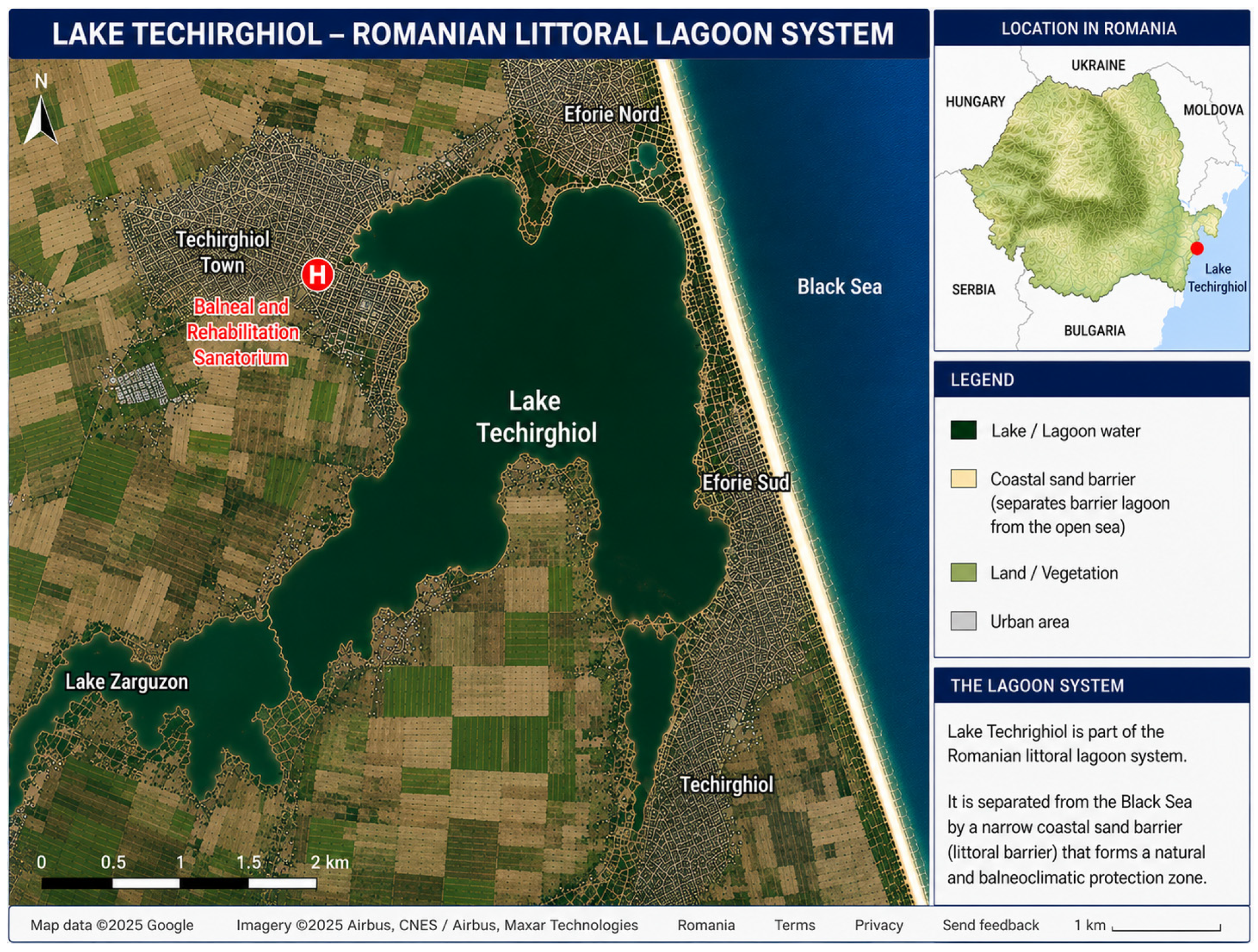
Techirghiol Lake, situated on the Romanian Black Sea coast, represents one of the most important natural therapeutic ecosystems in Eastern Europe. The lake belongs to the Romanian littoral lagoon system and is separated from the Black Sea by a narrow coastal sand barrier formed through long-term marine and sedimentary processes [
4] (
Figure 1).
From a hydrogeological perspective, Techirghiol Lake is a hypersaline lagoon of marine origin formed through the gradual isolation of a former marine gulf during the Holocene period. The present physicochemical characteristics of the lake are the result of intense evaporation, reduced freshwater inflow, accumulation of mineral salts, and limited hydrological exchange with surrounding aquatic systems. These conditions contributed to the development of highly saline waters and extensive sapropelic mud deposits with distinctive physicochemical properties [
4,
5].
The geological evolution of the lake, together with its unique hydrological characteristics, created a favorable environment for the continuous formation and preservation of sapropelic sediments. The lake receives limited freshwater contributions from small local watercourses and subterranean springs originating from Sarmatian limestones, while the lake surface remains situated below sea level. Water depth varies considerably between shallow peripheral areas and deeper central sectors, influencing sedimentation dynamics and organic matter accumulation. The marine origin of the lake has been demonstrated by the presence of marine mollusk remains, including shells of Mytilus edulis, which persisted from periods when the basin maintained direct connections with the Black Sea [
4,
6].
The ecosystem of Techirghiol Lake is characterized by hypersaline conditions, with salinity levels reaching approximately 65 g/L, creating an extreme environment that supports a highly specialized biological community. The invertebrate fauna is dominated by the crustacean Artemia salina, while algae such as Cladophora crystallina constitute important photosynthetic components of the ecosystem. Following the completion of their life cycle, these organisms undergo bacterial decomposition, and the resulting organic material contributes substantially to sapropelic mud formation. The interaction between saline water, fine mineral sediments, organic matter, microbiological activity, and climatic factors over prolonged geological periods led to the formation of a complex mineral–organic peloid system. In saline environments, periods of bottom stagnation may generate reduced oxygen conditions that favor the preservation of humic substances and enhance the organic content of the sediments [
4,
7,
8,
9,
10].
The therapeutic use of Techirghiol mud has been documented since the nineteenth century [
11,
12]. The earliest reported therapeutic application dates back to 1854, while the transition from empirical use to organized medical practice occurred in 1899 with the establishment of the first sanatorium and the introduction of standardized therapeutic procedures [
13,
14]. Since then, the sapropelic mud of Techirghiol Lake has become one of the best-known therapeutic peloids in Romanian balneology and medical hydrology, attracting continuous scientific and clinical interest [
15,
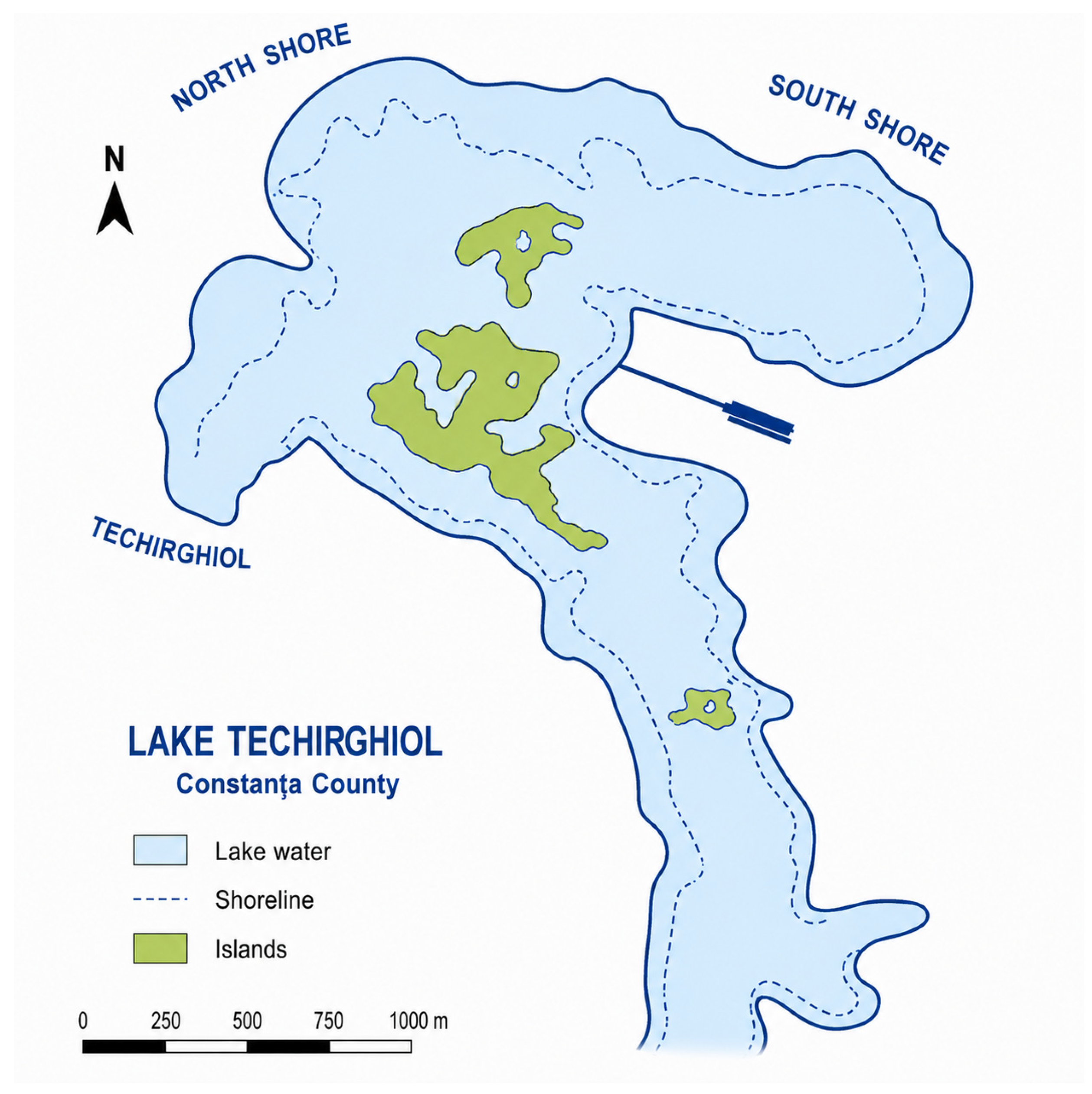
16]. Its characteristic black color, high plasticity, and unctuous consistency distinguish it from other natural mud deposits used in balneotherapy (
Figure 2).
Despite more than a century of therapeutic use and numerous historical investigations, comprehensive physicochemical characterization of Techirghiol sapropelic mud using modern analytical methods remains incomplete. Earlier studies provided important preliminary information regarding the general composition of the mud; however, many of these investigations were limited by the analytical capabilities available at the time, particularly with respect to detailed mineral characterization and trace element determination. Furthermore, the complex relationship between the mineral fraction and the organic component of the mud has not been fully characterized using contemporary standardized physicochemical techniques.
Recent scientific interest in natural therapeutic resources has focused predominantly on mineral and thermal waters, emphasizing hydrogeochemical properties and mineral composition [
17,
18,
19]. Emerging evidence suggests that balneotherapy and integrative rehabilitation approaches may have broader applications in chronic disease management beyond traditional musculoskeletal indications, including selected urogynecological and cardiovascular conditions, particularly in elderly patients and populations requiring long-term rehabilitation support [
20,
21]. Comparatively fewer studies have investigated sapropelic muds, despite their substantially greater structural and compositional complexity. Unlike aqueous systems, peloids represent heterogeneous matrices in which mineral particles, organic compounds, saline water, and biologically derived substances coexist within a dynamic sedimentary structure [
21].
Previous investigations into Romanian hypersaline lakes and therapeutic muds have provided important mineralogical and geochemical information regarding sediment composition and saline environments [
4,
6]. However, these studies focused predominantly on mineralogical and environmental aspects and did not include an integrated characterization of the organic fraction, sulfur compounds, granulometric profile, and physicochemical properties under conditions relevant to balneological use.
Therefore, the present study aimed to provide a comprehensive physicochemical characterization of Techirghiol sapropelic mud as an individual therapeutic resource, integrating mineral composition, organic constituents, sulfur profile, granulometric distribution, and indicators of peloid maturation using standardized analytical methods. By combining these complementary analytical components within a single framework, the study contributes updated compositional data relevant to the scientific characterization of Techirghiol mud used in balneotherapy.
2. Materials and Methods
2.1. Sample Collection
Mud samples were collected from the central therapeutic area of Techirghiol Lake, specifically from three established mud islands historically used for balneological applications (
Figure 2). The selected area is characterized by homogeneous sapropelic sediment with a black coloration, fine granular structure, unctuous consistency, and characteristic sulfurous odor, without visible extraneous material.
Sampling was performed using a dredge bucket mounted on a specialized extraction barge, according to the standard procedures routinely employed for therapeutic mud harvesting. Following extraction, mud samples were collected directly from the therapeutic area of Techirghiol Lake and analyzed as freshly harvested sediment used for external therapeutic applications on the lakeside beach. Following collection, samples were transported immediately to the laboratory in sterile inert containers and processed for physicochemical analysis without prolonged storage or thermal conditioning procedures.
All samples were homogenized prior to analysis and processed according to standardized laboratory protocols for physicochemical and compositional characterization.
The analyzed samples consisted of freshly harvested sapropelic mud used for direct external application on the lakeside beach immediately after extraction, without prior thermal conditioning or prolonged storage.
For chemical characterization, analytical methods commonly applied in vegetal and soil material analysis were employed, based on procedures described in the Romanian Pharmacopoeia, 10th edition, with adaptations appropriate for the complex mineral–organic composition of sapropelic mud. Additional analytical procedures specific to soil and sediment characterization were also applied.
2.2. Physicochemical Characterization
The physicochemical characterization of the sapropelic mud included determination of pH, density, dry substance content, moisture, granulometric distribution, exchangeable bases, volatile substances, and total mineral content.
The pH of the whole mud was determined potentiometrically using a CRISON M15.1 pH meter (Crison Instruments S.A., Alella, Barcelona, Spain). Density (volumetric mass, ρ20) was determined by the pycnometric method and expressed as kg/m3 at 20 °C. Moisture and dry substance content were measured using a SARTORIUS MA35 thermobalance (Sartorius AG, Göttingen, Germany), with dry substance calculated as the difference between total mass and water content after drying.
Granulometric distribution of the dried and homogenized mud was determined instrumentally using an ANALYSETTE 3 particle size analyzer (FRITSCH GmbH—Milling and Sizing, Idar-Oberstein, Germany) through standardized sieving procedures. Exchangeable bases were determined using the Kappen method with the Cirita modification, based on ion exchange with dilute hydrochloric acid followed by titration with sodium hydroxide solution.
Volatile substances were determined by thermal decomposition at 550 °C in a L1003/720 muffle furnace, while total mineral content was determined after calcination at 900 °C using the same instrument. All determinations were performed in triplicate, and results are presented as mean values ± standard deviation.
2.3. Organic Fraction Analysis
The organic fraction of the sapropelic mud was characterized through the determination of humic substances, total organic nitrogen, cellulose, lipids, bituminous compounds, and pectic substances.
Humic substances were determined using a modified Schollenberger titrimetric method based on oxidation with potassium dichromate in sulfuric acid medium followed by back-titration of the excess oxidizing agent. Total organic nitrogen was determined by the Kjeldahl method after sulfuric acid mineralization in the presence of selenium catalyst and subsequent distillation using a Parnas–Wagner apparatus.
Cellulose content was determined colorimetrically using ortho-toluidine reagent in acetic acid solution. The lipid fraction was extracted by Soxhlet extraction using petroleum ether, following acidification of the samples with sulfuric acid. Bituminous substances were extracted using a benzene–alcohol solvent mixture, while pectic substances were extracted under mildly acidic conditions and quantified gravimetrically after alcohol precipitation.
All analyses were performed on homogenized dried samples using standardized laboratory procedures commonly applied in soil, sediment, and organic material characterization. Determinations were performed in triplicate, and results are expressed as mean values ± standard deviation.
2.4. Major Mineral and Trace Element Analysis
For mineral and trace element determination, dried mud samples were subjected to acid digestion using a mixture of concentrated nitric acid and hydrochloric acid (3:1, v/v). Digestion was performed under controlled temperature conditions until complete dissolution of the mineral and organic matrix was achieved. The resulting solutions were filtered and diluted with ultrapure water prior to instrumental analysis.
Major mineral elements, including calcium, magnesium, sodium, potassium, iron, and manganese, were determined by flame atomic absorption spectrophotometry (FAAS) using an air–acetylene flame. Trace elements, including copper, zinc, cadmium, lead, and nickel, were quantified using graphite furnace atomic absorption spectrophotometry (GFAAS) with background correction. Element-specific hollow cathode lamps and matrix-matched calibration standards prepared in dilute acid media were used according to standard analytical procedures.
Method detection limits (LOD) and limits of quantification (LOQ) for trace element determination were established experimentally and are presented in
Table 1.
Quality control procedures included analysis of blanks, duplicate samples, and certified reference material NIST SRM 1646a Estuarine Sediment (National Institute of Standards and Technology, Gaithersburg, MD, USA). Recovery values ranged between 95% and 105% for all analyzed elements, confirming the accuracy and reproducibility of the analytical methods.
Calibration curves demonstrated excellent linearity for all analyzed elements (R
2 > 0.998). Analytical quality parameters including calibration ranges, recovery values, and analytical precision are summarized in
Table 2.
Silicate content was determined gravimetrically following acid treatment of calcined ash residue with hydrochloric acid, filtration, drying, and high-temperature calcination of the insoluble fraction.
All determinations were performed in triplicate, and results are expressed as mean values ± standard deviation.
2.5. Sulfur Compound Analysis
Total hydrogen sulfide content was determined from integral wet mud samples using the zinc acetate precipitation method followed by iodometric titration. In this procedure, hydrogen sulfide was quantitatively precipitated as zinc sulfide and subsequently determined by oxidation–reduction titration using standardized sodium thiosulfate solution.
Bound hydrogen sulfide, mainly associated with metal sulfide complexes, was determined from dried mud samples following acid treatment and sulfide liberation. Free hydrogen sulfide was calculated as the difference between total and bound hydrogen sulfide concentrations.
All analyses were performed using standardized analytical procedures commonly employed in sulfurous mineral water and peloid characterization. Determinations were carried out in triplicate, and results are expressed as mean values ± standard deviation.
2.6. Statistical Analysis
All analytical data were statistically evaluated using SPSS Statistics version 26 software package (IBM Corp., Armonk, NY, USA). Descriptive statistics, including arithmetic mean, standard deviation, range, and coefficient of variation, were calculated for all measured physicochemical and chemical parameters in order to characterize data distribution and variability. Results are expressed as mean ± standard deviation unless otherwise stated in the text or tables.
2.7. Use of Generative Artificial Intelligence
Generative artificial intelligence tools, including ChatGPT 5.5 by OpenAI, were used exclusively for language refinement, grammatical editing, and improvement of the scientific writing style. In addition, Scite was used to assist in the literature exploration and citation verification. All scientific content, analytical methods, data interpretation, and conclusions were developed, verified, and approved by the authors.
3. Results
3.1. Macroscopic and Organoleptic Characteristics
Fresh sapropelic mud from Techirghiol Lake presented a characteristic black coloration with a slight glossy appearance and a homogeneous fine-grained structure. The mud exhibited a soft and unctuous consistency with homogeneous spreading during manual application. A characteristic sulfurous odor was present, consistent with the sulfur-containing compounds identified in the chemical analysis. No visible foreign materials, coarse mineral fragments, or plant debris were observed. The overall macroscopic appearance was consistent with the characteristics of mature sapropelic peloids formed under hypersaline sedimentary conditions.
3.2. Baseline Physicochemical Characteristics of Fresh Techirghiol Mud
The sapropelic mud from Techirghiol Lake exhibited physicochemical properties characteristic of highly hydrated mature peloids. The pH was alkaline (8.2 ± 0.1), while the density at 20 °C was 1283 ± 5 kg/m
3, reflecting the combined contribution of water, dissolved ions, and solid mineral–organic components (
Table 3). The dry substance content was 28.73 ± 0.42%, corresponding to a water content of approximately 71%, indicating a highly hydrated system.
The cation exchange capacity, expressed as exchangeable bases, was 47.6 ± 1.2 mEq/100 g, consistent with the presence of clay minerals and humic substances within the mud matrix.
Granulometric analysis demonstrated a predominantly fine particle distribution. A total of 87.98% of particles were within the 0.04–0.09 mm range, while 9.86% belonged to the colloidal fraction (<0.04 mm). Only 2.14% of particles exceeded 0.10 mm, indicating a highly homogeneous and dispersed structure.
The predominance of fine particles is consistent with the homogeneous consistency and fine dispersion characteristic of sapropelic muds. The physicochemical profile observed in the analyzed samples supports the classification of Techirghiol mud as a mature hypersaline peloid with complex mineral–organic composition (
Table 3).
3.3. General Chemical Composition
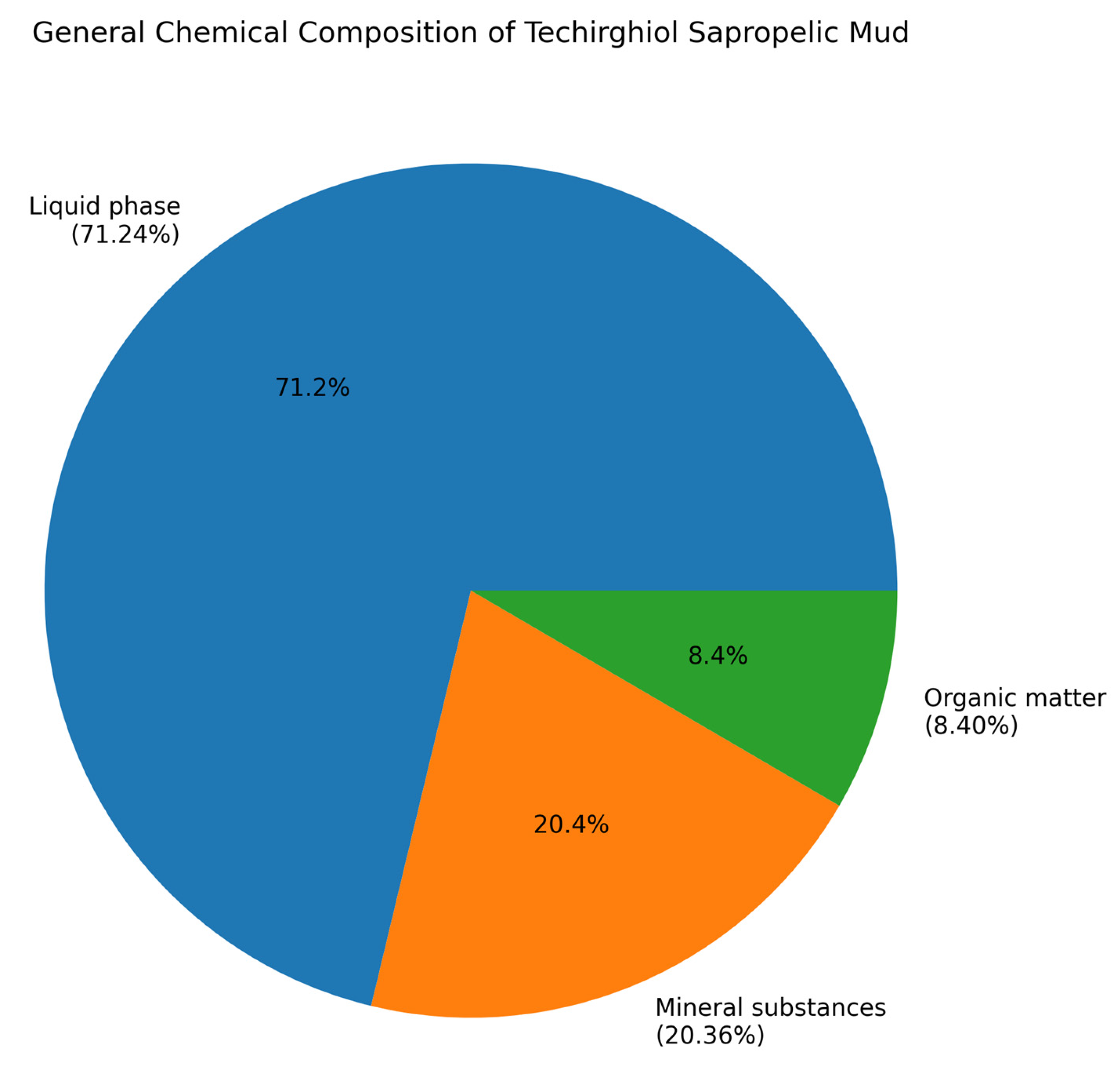
Techirghiol sapropelic mud represents a heterogeneous multiphase system composed of liquid, solid, and gaseous fractions. The liquid phase accounted for 71.24% of the total mass and consisted predominantly of ions from the dissolution of mineral salts responsible for the hypersaline character of the system. The solid phase comprised mineral substances (20.36%) and organic matter (8.40%), as determined by thermal decomposition and ash analysis. The gaseous fraction, although quantitatively minor, included sulfur-containing compounds and carbon dioxide.
The high water content (>70%) classifies the mud as a highly hydrated peloid. This hydration state is associated with the presence of interstitial, capillary, and structurally bound water within the mineral–organic matrix, contributing to the homogeneous consistency of the system.
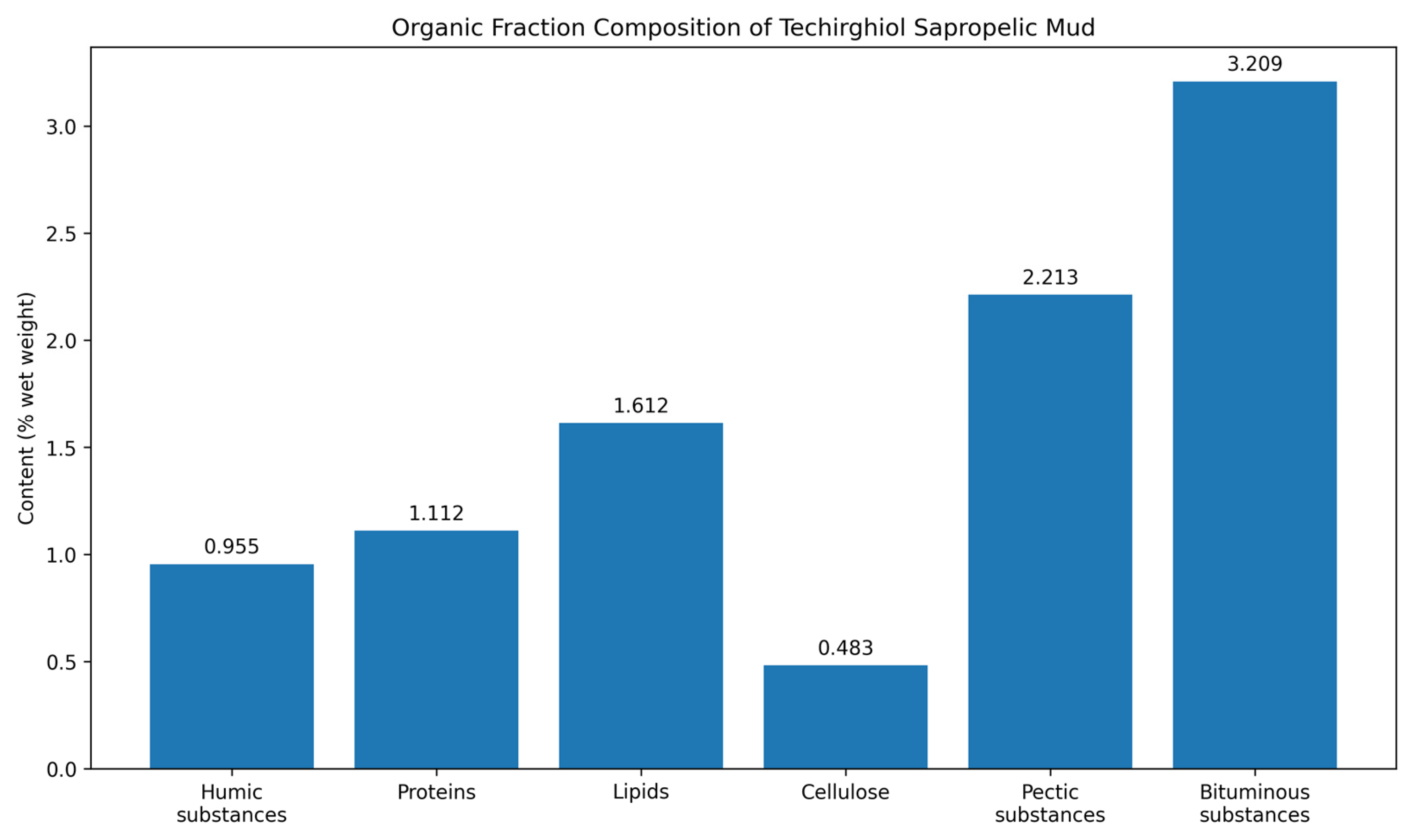
The analyzed samples contained a substantial organic fraction composed of chemically distinct constituents (
Figure 3). Humic substances accounted for 0.955 ± 0.021%, while protein substances represented 1.112 ± 0.018%. The lipid fraction, extracted with petroleum ether, was 1.612 ± 0.025% and consisted of fats, fatty acids, and wax-like compounds. Cellulose content was 0.483 ± 0.015%, whereas pectic substances accounted for 2.213 ± 0.032%. The largest proportion of the organic fraction was represented by bituminous substances (3.209 ± 0.045%) (
Table 3).
Organic carbon and total nitrogen contents were 1.313% and 0.129%, respectively, resulting in a C/N ratio of 10.18. This value is consistent with partial transformation and humification of the original biological material contributing to sapropel formation (
Table 3).
3.4. Organic Fraction Composition
The organic fraction of Techirghiol sapropelic mud consisted of a heterogeneous mixture of humic substances, proteins, lipids, cellulose-derived compounds, pectic substances, and bituminous materials. The total organic fraction accounted for approximately 8.40% of the mud composition (
Figure 4).
Humic substances represented 0.955 ± 0.021% of the wet weight and constituted the principal polyelectrolytic organic fraction resulting from microbial degradation and transformation of biological material. Protein substances were quantified at 1.112 ± 0.018%, indicating the persistence of partially decomposed organic residues within the sediment matrix (
Table 3).
The lipid fraction, extracted with petroleum ether, accounted for 1.612 ± 0.025% and included fats, fatty acids, and wax-like compounds. Cellulose content was 0.483 ± 0.015%, reflecting the contribution of residual plant-derived material, while pectic substances represented 2.213 ± 0.032% of the total composition. The highest proportion within the organic fraction was represented by bituminous substances (3.209 ± 0.045%), corresponding to complex lipophilic organic compounds formed during advanced sedimentary transformation processes (
Table 3).
The diversity and distribution of the identified organic constituents indicate a mature mineral–organic system characterized by partial humification and prolonged biochemical transformation under hypersaline sedimentary conditions. Organic carbon and total nitrogen contents were 1.313% and 0.129%, respectively, resulting in a C/N ratio of 10.18, consistent with an intermediate degree of organic matter transformation (
Table 3).
3.5. Mineral and Trace Element Composition
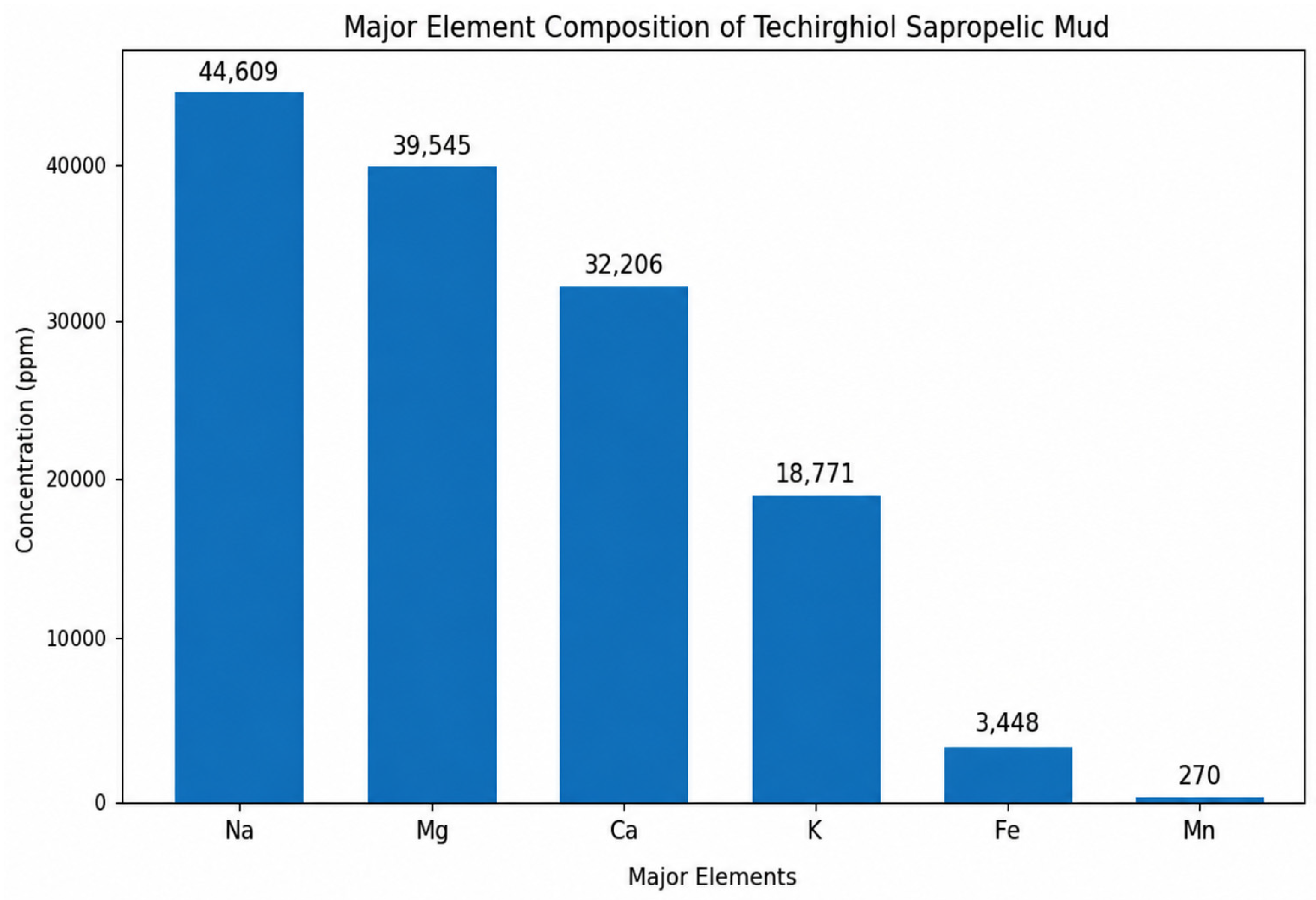
Atomic absorption spectrophotometric analysis demonstrated a complex mineral composition dominated by major cations characteristic of hypersaline sedimentary systems. Sodium was the predominant element, with a concentration of 44.61 g/kg dry weight, reflecting the pronounced saline character of the mud. Magnesium and calcium were also present in high concentrations, reaching 39.54 g/kg dry weight and 32.21 g/kg dry weight, respectively, while potassium concentration reached 18.77 g/kg dry weight (
Figure 5).
The relatively high concentrations of magnesium and calcium should be interpreted as total matrix-associated concentrations determined after acid digestion of dried mud samples, rather than as dissolved ion concentrations in the liquid phase alone. These elements may be associated with carbonates, sulfates, silicate and clay mineral fractions, as well as adsorbed or exchangeable cation pools within the sapropelic mud matrix.
Iron concentration reached 3.45 g/kg dry weight, predominantly associated with sulfide-containing mineral phases, whereas manganese was 270.02 mg/kg dry weight. These elements contribute substantially to the mineral fraction of the peloid and are consistent with the geochemical characteristics of hypersaline sapropelic environments (
Table 3).
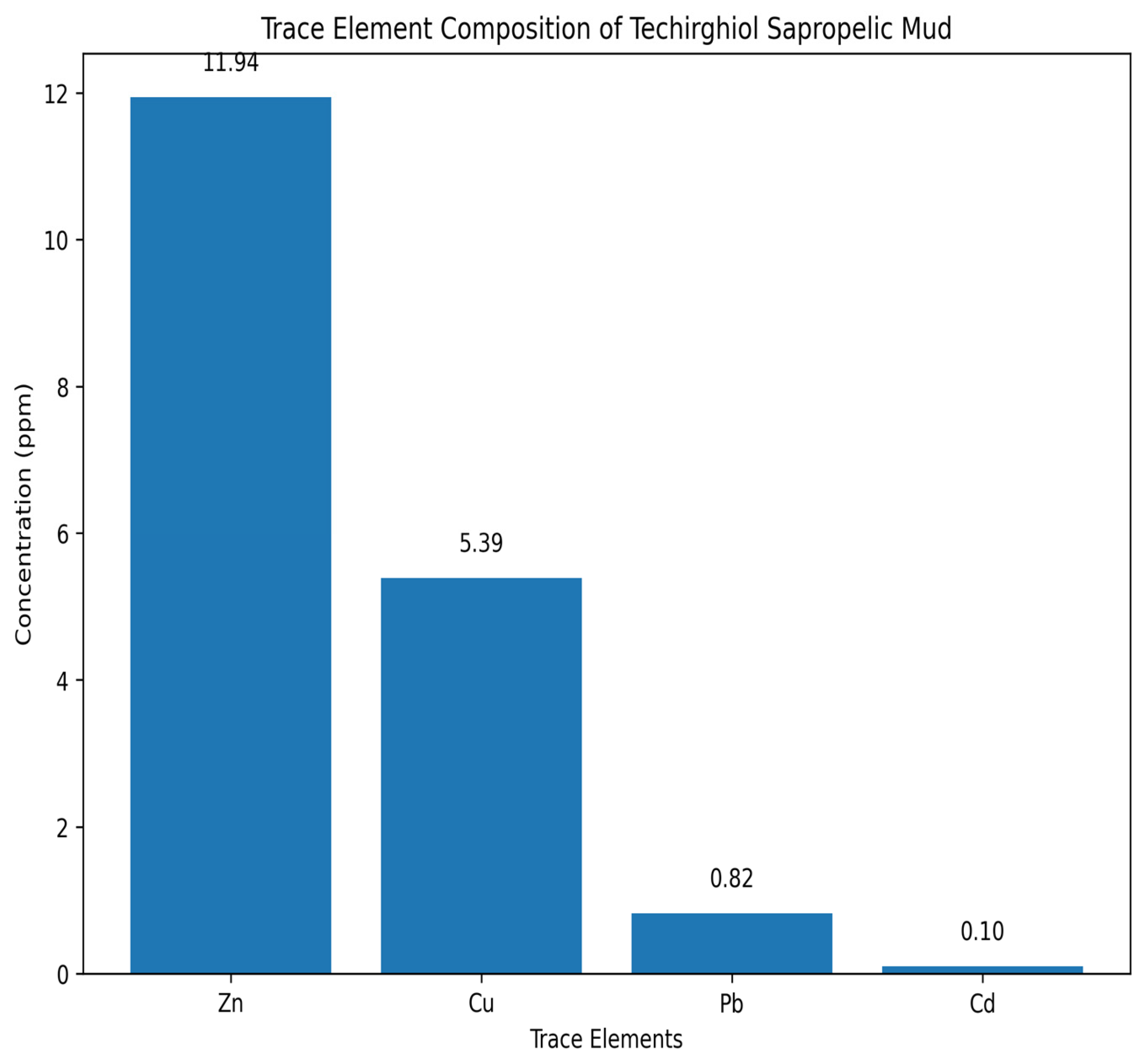
Trace elements were identified at lower concentrations, including zinc and copper (
Figure 6). Potentially toxic elements such as lead and cadmium were detected only at low concentrations, while arsenic and mercury remained below the analytical detection limits.
Silicate content, determined as acid-insoluble residue, accounted for 13.82% of the total composition, indicating a substantial contribution of clay minerals and aluminosilicate components to the solid fraction of the mud (
Table 3).
Overall, the mineral profile reflects a heterogeneous ionic and silicate-rich system formed under prolonged hypersaline sedimentary and biogeochemical conditions.
3.6. Sulfur Compound Composition
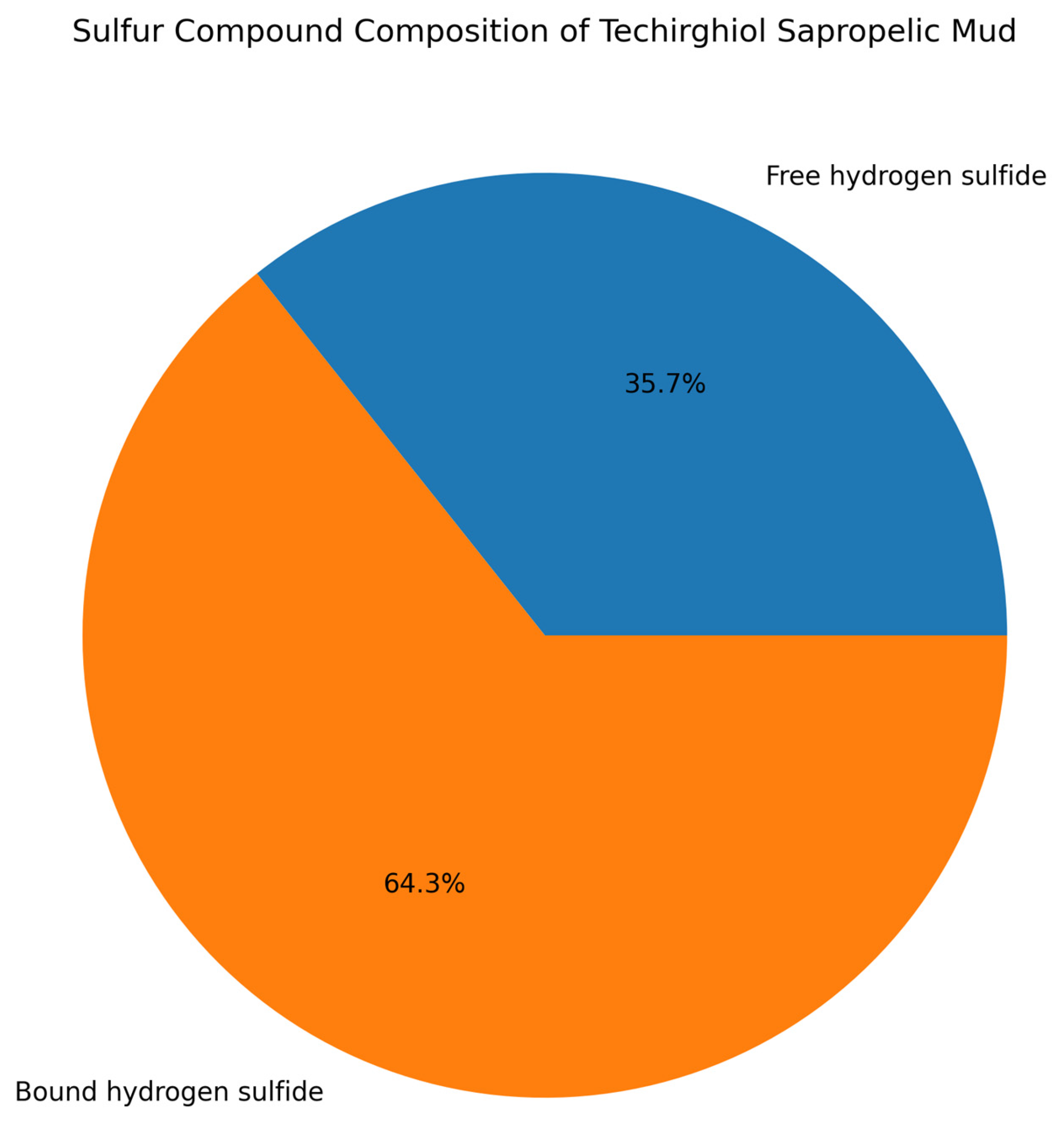
Total hydrogen sulfide concentration in the analyzed sapropelic mud samples was 0.1257 ± 0.003% (
w/
w), consistent with the characteristics of sulfur-containing peloids. Free hydrogen sulfide accounted for 0.0449% (35.7% of total hydrogen sulfide content), whereas bound forms represented 0.0808% (64.3%), resulting in a bound-to-free sulfide ratio of approximately 1.8 (
Figure 7).
The predominance of bound sulfur forms indicates the presence of stable sulfide-associated mineral phases within the mud matrix, primarily linked to metal sulfides responsible for the characteristic dark coloration of the peloid. The free hydrogen sulfide fraction remained associated predominantly with the liquid phase of the system.
The distribution between free and bound sulfur compounds reflects the complex geochemical environment of the sediment and the prolonged biochemical transformation processes involved in sapropel formation. The identified sulfur fractions contribute significantly to the overall chemical profile of Techirghiol sapropelic mud.
4. Discussion
4.1. Physicochemical Profile and Classification of Techirghiol Mud
The present study demonstrates that the sapropelic mud from Techirghiol Lake is characterized by a complex physicochemical composition typical of mature hypersaline peloids. The analyzed samples exhibited alkaline pH values, high water content, elevated mineral fraction, fine granulometric distribution, and a heterogeneous organic component, reflecting the combined influence of geological, biological, and sedimentary processes involved in sapropel formation [
4,
6,
22].
The high hydration state of the mud, with water content exceeding 70%, indicates a highly hydrated matrix composed of interstitial, capillary, and structurally bound water. This characteristic contributes to the homogeneous consistency and structural stability of the peloid. Granulometric analysis demonstrated a predominance of fine and colloidal particles, supporting the classification of the mud as a highly dispersed sedimentary system with stable structural properties [
6,
13].
The mineral composition was dominated by sodium, magnesium, calcium, and potassium, consistent with the hypersaline character of Techirghiol Lake and its marine sedimentary origin. The substantial silicate fraction indicates an important contribution of clay minerals and aluminosilicate compounds to the solid matrix of the peloid. In addition, the presence of iron and manganese reflects prolonged sedimentary and biogeochemical transformation processes within the lake environment [
6,
13,
23].
The organic fraction consisted of humic substances, proteins, lipids, cellulose-derived compounds, pectic substances, and bituminous materials. The coexistence of hydrophilic and lipophilic organic components indicates an advanced but incomplete humification process characteristic of sapropelic sediments formed under hypersaline conditions. The measured carbon-to-nitrogen ratio further supports the presence of partially transformed biological material originating from prolonged microbial and algal degradation processes [
5,
6,
13].
The sulfur content, including both free and bound hydrogen sulfide fractions, represents another characteristic feature of Techirghiol mud. The predominance of bound sulfur forms suggests the presence of stable sulfur-associated mineral phases within the peloid matrix and is consistent with the classification of the mud as a mature sulfurous sapropelic peloid [
13,
23].
Overall, the physicochemical profile identified in the present study supports the classification of Techirghiol mud as a complex mineral–organic sedimentary system formed under hypersaline environmental conditions and used as a natural therapeutic resource in balneotherapy [
5,
6,
13,
23].
4.2. Mineral and Organic Composition as a Complex Peloid System
The results obtained in the present study highlight the heterogeneous nature of Techirghiol sapropelic mud, characterized by the coexistence of mineral, organic, liquid, and gaseous components within a single sedimentary matrix. This multiphase organization distinguishes sapropelic peloids from aqueous balneological resources and reflects the prolonged interaction between saline water, mineral sediments, biological material, and microbiological activity within the hypersaline environment of Techirghiol Lake [
6,
22,
23,
24,
25].
The mineral fraction was dominated by sodium, magnesium, calcium, and potassium, reflecting the marine origin and hypersaline geochemical conditions of the lake. The predominance of sodium and magnesium is consistent with evaporative concentration processes characteristic of saline lagoon systems. The significant silicate content additionally indicates an important contribution of clay minerals and aluminosilicate particles to the structural composition of the peloid.
Trace elements such as iron, manganese, zinc, and copper were identified in lower concentrations, reflecting long-term sedimentary accumulation and biogeochemical cycling processes. The low concentrations of potentially toxic elements, including lead and cadmium, together with the absence of detectable arsenic and mercury, indicate a relatively stable geochemical profile of the analyzed samples.
The organic fraction represents a defining characteristic of sapropelic muds and differentiates them from purely mineral therapeutic resources. The identified humic substances, proteins, lipids, pectic substances, cellulose-derived compounds, and bituminous materials originate primarily from the degradation and transformation of biological material within the lake ecosystem. The predominance of bituminous substances and the presence of humic compounds indicate advanced sedimentary transformation processes occurring over prolonged periods under reduced oxygen conditions [
6,
25].
The measured carbon-to-nitrogen ratio is consistent with partial humification of organic matter and suggests the persistence of both transformed and partially preserved biological components within the sediment matrix. This intermediate stage of organic transformation reflects the continuous contribution of microbiological and algal degradation processes to sapropel formation.
The coexistence of mineral salts, clay particles, sulfur compounds, and structurally diverse organic constituents supports the characterization of Techirghiol mud as a complex mineral–organic peloid system formed through prolonged physicochemical and biogeochemical evolution in a hypersaline lagoon environment [
7,
26].
4.3. Granulometry, Hydration, and Functional Properties
Granulometric distribution and hydration state represent important physicochemical characteristics influencing the structural behavior of sapropelic muds. The analyzed samples of Techirghiol mud showed a predominance of fine particles, with most particles distributed within the 0.04–0.09 mm range and an additional colloidal fraction below 0.04 mm. The reduced proportion of coarse particles indicates a highly homogeneous and dispersed sedimentary system.
The predominance of fine and colloidal particles contributes to the homogeneous consistency and fine dispersion of the mud. These structural properties are closely related to the elevated water content of the peloid, which exceeded 70% in the analyzed samples. The coexistence of interstitial, capillary, and structurally bound water within the mineral–organic matrix contributes to the maintenance of a stable hydrated structure [
27,
28].
The substantial hydration state observed in Techirghiol mud is consistent with the physicochemical characteristics commonly described for mature sapropelic peloids formed under hypersaline conditions [
4,
6,
28]. Water retained within the matrix contributes to the homogeneity and dispersion of mineral and organic constituents.
The significant proportion of fine particles and colloidal material also reflects the prolonged sedimentation and transformation processes occurring within the lake ecosystem. Fine mineral particles, clay components, and humified organic material collectively contribute to the formation of a compact mineral–organic matrix with stable structural properties.
Together, granulometric composition and hydration characteristics support the classification of Techirghiol mud as a highly hydrated mature peloid with physicochemical properties typical of sapropelic sediments formed in hypersaline lagoon environments [
25].
4.4. Sulfur Compounds and Peloid Maturation
Sulfur compounds represent an important characteristic component of Techirghiol sapropelic mud and contribute significantly to its classification as a sulfurous peloid. The presence of both free and bound hydrogen sulfide fractions reflects the complex geochemical and microbiological processes involved in sediment maturation under hypersaline conditions [
4,
25,
28].
The predominance of bound hydrogen sulfide over the free fraction suggests the formation of relatively stable sulfur-associated mineral phases within the sediment matrix, particularly metal sulfides associated with iron-containing compounds. These sulfur-containing phases are closely related to the characteristic dark coloration of the mud and reflect prolonged reducing conditions within the sedimentary environment.
The coexistence of free and bound sulfur fractions indicates ongoing equilibrium between dissolved sulfur compounds present in the liquid phase and sulfur compounds incorporated into the mineral matrix. This distribution is consistent with advanced sedimentary transformation processes occurring under conditions of limited oxygen availability and intense microbiological activity.
The sulfur profile identified in the analyzed samples is characteristic of mature sapropelic peloids formed in hypersaline lagoon systems. The preservation of sulfur compounds within the sediment matrix reflects long-term biochemical transformation and stabilization processes associated with sapropel formation.
Overall, the sulfur composition of Techirghiol mud supports its classification as a mature sulfurous sapropelic peloid and highlights the contribution of sulfur-associated geochemical processes to the overall physicochemical characteristics of the system [
4,
25,
28].
4.5. Relevance for Balneotherapy
The physicochemical characteristics identified in the present study support the relevance of Techirghiol sapropelic mud as a therapeutic peloid used in balneotherapy and rehabilitation medicine. The elevated water content together with the relatively high density of the mud contribute to its thermal retention capacity, an important property for external balneological applications involving heated mud packs and baths. The coexistence of interstitial, capillary, and structurally bound water within the mineral–organic matrix favors gradual heat transfer and prolonged maintenance of temperature during application [
4,
6,
25,
28].
Granulometric analysis demonstrated a predominance of fine and colloidal particles, contributing to the homogeneous consistency and spreadability of the peloid during external application. These characteristics facilitate homogeneous application and uniform distribution during therapeutic procedures [
13,
24,
25]. In addition, the substantial silicate and clay-associated fraction contributes to the structural stability of the mineral–organic matrix.
The measured cation exchange capacity reflects the presence of clay minerals and humic substances capable of reversible ionic interactions within the peloid matrix. Such properties may influence the mobility and availability of mineral ions at the interface between the mud and the skin surface during external application [
28]. The predominance of sodium, magnesium, calcium, and potassium further contributes to the complex ionic composition characteristic of hypersaline therapeutic peloids.
The sulfur profile of the analyzed samples also represents an important physicochemical characteristic relevant to balneological use. The coexistence of free and bound hydrogen sulfide fractions suggests the presence of both readily available sulfur compounds and more stable sulfur-associated mineral phases within the sediment matrix. The free hydrogen sulfide fraction, associated predominantly with the liquid phase of the peloid, may contribute to local physicochemical interactions occurring during external application, while the bound fraction reflects the maturity and stability of the sulfurous sedimentary system [
25,
28].
Overall, the combination of thermal, mineral, organic, and sulfur-associated properties supports the characterization of Techirghiol mud as a complex sapropelic peloid suitable for balneological applications.
4.6. Study Limitations and Future Perspectives
Despite the comprehensive physicochemical characterization performed in the present study, several limitations should be acknowledged. First, the investigation focused primarily on the physicochemical, mineral, organic, and sulfur composition of the mud and did not include microbiological, molecular, or advanced structural analyses of the sediment matrix. Second, the study was based on samples collected from a defined therapeutic area of Techirghiol Lake and therefore may not fully reflect potential spatial or seasonal variations within the entire lake ecosystem.
In addition, although the study evaluated the physicochemical characteristics of the mud under conditions relevant to balneological use, it did not investigate direct biological or clinical effects associated with therapeutic application. Consequently, the present findings should be interpreted primarily as a physicochemical characterization of the peloid rather than as evidence of clinical efficacy.
Future research should include detailed microbiological and molecular characterization of the organic fraction, investigation of seasonal and environmental variability, and advanced mineralogical analyses using contemporary imaging and spectroscopic techniques. Additional studies focusing on the stability of the mineral–organic matrix during storage and therapeutic preparation procedures may further improve the standardization of balneological applications.
Furthermore, controlled clinical investigations correlating physicochemical properties with therapeutic outcomes would contribute to a better understanding of the relationship between peloid composition and balneological use.
5. Conclusions
The present study provides a physicochemical characterization of the sapropelic mud from Techirghiol Lake and confirms its classification as a mature hypersaline sulfurous peloid. The analyzed samples exhibited a complex mineral–organic composition characterized by high hydration, elevated mineral content, fine granulometric distribution, diverse organic constituents, and the presence of sulfur compounds.
The mineral fraction was dominated by sodium, magnesium, calcium, and potassium, reflecting the hypersaline and marine-associated origin of the lake environment, while the organic fraction consisted of humic substances, proteins, lipids, cellulose-derived compounds, pectic substances, and bituminous materials resulting from prolonged sedimentary and biochemical transformation processes. The measured carbon-to-nitrogen ratio and sulfur profile were consistent with advanced but incomplete humification processes characteristic of sapropelic sediments.
The predominance of fine particles, high water content, and stable mineral–organic matrix contribute to the characteristic physicochemical properties of Techirghiol mud, including its homogeneous consistency and stable mineral–organic structure. In addition, the low concentrations of potentially toxic trace elements support the favorable geochemical profile of the analyzed samples.
Overall, the results contribute to the scientific characterization of one of the most important natural therapeutic resources from the Romanian Black Sea region and provide a physicochemical basis for its long-standing use in balneotherapy. Future studies integrating advanced mineralogical, microbiological, and clinical investigations may further improve the understanding of the relationship between peloid composition and balneological applications.




 ,
,