Skip Content
You are currently on the new version of our website. Access the old version .
WaterWater
  • Review
  • Open Access

26 April 2025

Distribution Characteristics and Driving Mechanisms of Organic Matter in Sediment of Lakes in China: A Review

,
,
,
and
1
National and Local Joint Engineering Research Center of Ecological Treatment Technology for Urban Water Pollution, Wenzhou University, Wenzhou 325000, China
2
Zhejiang Provincial Key Laboratory for Water Environment and Marine Biological Resources Protection, Wenzhou University, Wenzhou 325000, China
3
College of Life and Environmental Science, Wenzhou University, Wenzhou 325000, China
4
College of Water Conservancy and Hydropower Engineering, Hohai University, Nanjing 210098, China
This article belongs to the Special Issue Sustainable Water Treatment Systems: Green Infrastructure and Bioremediation

Abstract

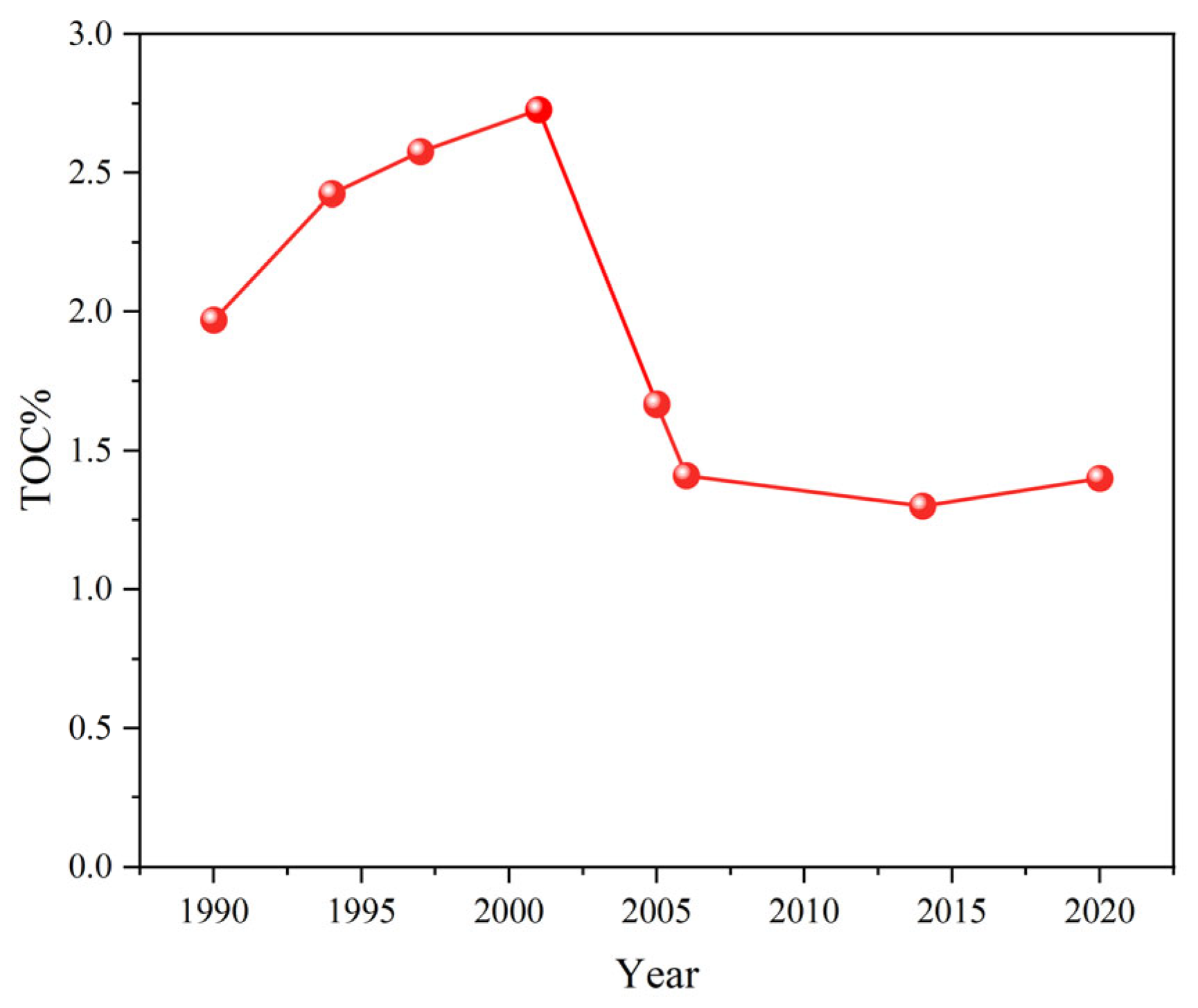
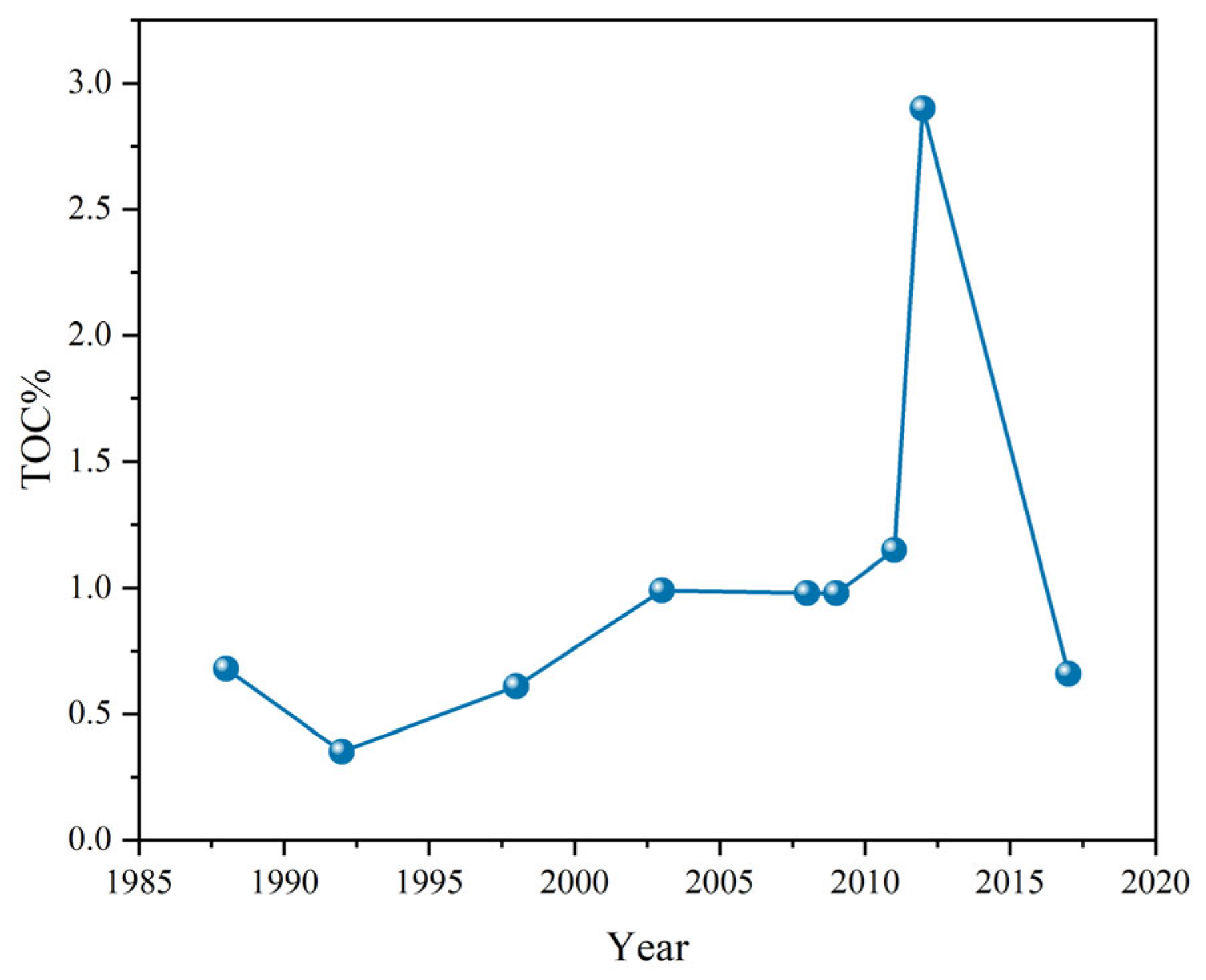
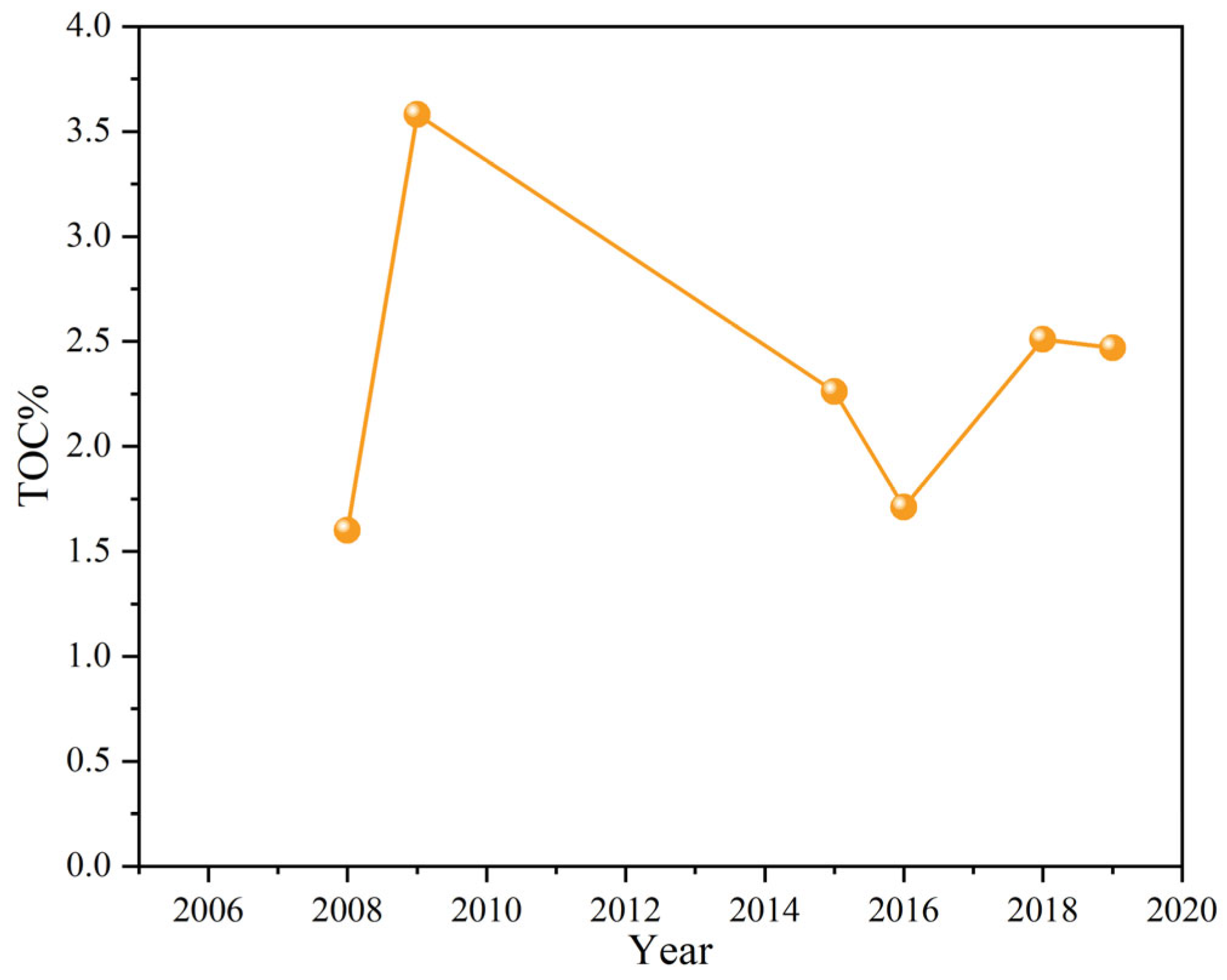
Sediment is a core part of lake ecosystems, and its organic matter (OM) content is a key indicator of lake ecological health and regional carbon cycling. OM provides nutrients for phytoplankton and algae in water, thereby influencing the degree of lake eutrophication. However, excessively high OM content may trigger water eutrophication, alter sediment’s physical and chemical properties, and ultimately threaten the stability and health of ecosystems. This study innovatively selected Poyang Lake, Taihu Lake, Qinghai Lake, and Hulun Lake from China’s four major geographical regions to systematically investigate sediments’ OM content, sources, and distribution characteristics at different times. The results showed that the organic matter content of sediments in lakes from different regions varied significantly and was influenced by multiple factors, such as watershed characteristics, eutrophication levels, human activities, and climate change. Poyang Lake and Taihu Lake, characterized by high levels of agricultural activities and urbanization within their basins, exhibit significant fluctuations in organic matter content, with total organic carbon (TOC) levels ranging from 0.35% to 2.9% and 0.7% to 2.4%, respectively. In contrast, Qinghai Lake and Hulun Lake, influenced by natural conditions and ecological policies, show relatively stable TOC levels, ranging from 1.3% to 2.75% and 1.25% to 3.58%, respectively. By analyzing sediments’ OM content and combining methods such as organic carbon, nitrogen isotopes, and organic C/N ratios, it is possible to effectively assess the ecological health of lakes, provide critical data support for pollution control, and play a significant role in carbon cycle management.

1. Introduction

A large number of lakes exists in China. These lakes are diverse in type, widely distributed, and have different geological origins and evolutionary processes. The ecological environments of lakes in different regions also vary significantly. There are 2693 lakes in China with an area of 1.0 km2 or larger, covering 814,714.6 km2, accounting for 0.9% of the total land area of China. Therefore, lakes are important to China’s water resources and ecosystems, significantly influencing the environment, economy, human production, and daily life [1].
Sediment, an essential part of lake ecosystems, is the central hub of nutrient cycling in lakes and a dynamic interface where physical, chemical, and biological materials exchange between water and soil. Among these, organic matter, the primary carbon source in sediment, is a key indicator of lake productivity, ecological health, and pollution levels [2]. OM in lake sediments provides nutrients for phytoplankton and algae, promoting their growth and reproduction. However, excessive OM content can lead to water eutrophication and algal blooms, threatening ecosystem health [3]. For the ecological environment at the bottom of lakes, OM content influences the composition and properties of sediments, such as the composition and ecological functions of microbial communities and the types and properties of clay minerals in sediments [4]. TOC in sediments is an important part of OM in sediments. It is a fundamental parameter for describing the amount of OM in lakes. Therefore, analyzing the properties and spatial distribution characteristics of OM in lake sediments is of great significance for understanding the environmental effects of OM in lake sediments.
This study investigated the accumulation of OM in lake sediments across different geographical regions of China, which is important for lake management and environmental restoration. In particular, understanding the spatial distribution and sources of OM is crucial for lake ecosystem management and pollution control. Excess OM from agricultural runoff and industrial activities can lead to water quality degradation and biodiversity loss. This study provides valuable data for policymakers to design more effective strategies for reducing nutrient loads and restoring lakes. For example, targeted dredging and ecological restoration can remove excess OM, improve water quality, reduce harmful algal blooms, and restore aquatic biodiversity. In China, many lakes suffering from organic overloading, such as Taihu Lake, are undergoing new large-scale dredging projects to remove polluted sediments accumulated with excessive nutrients and OM. By integrating the data from this study with ongoing dredging plans, the long-term effectiveness of these measures in reducing OM levels and restoring ecological balance can be assessed. Additionally, this study can guide the optimization of dredging techniques by providing insights into sediment characteristics and OM sources, thereby enhancing the ecological benefits of such interventions.

2. Overview of the Area of Investigation of Lake Sediments

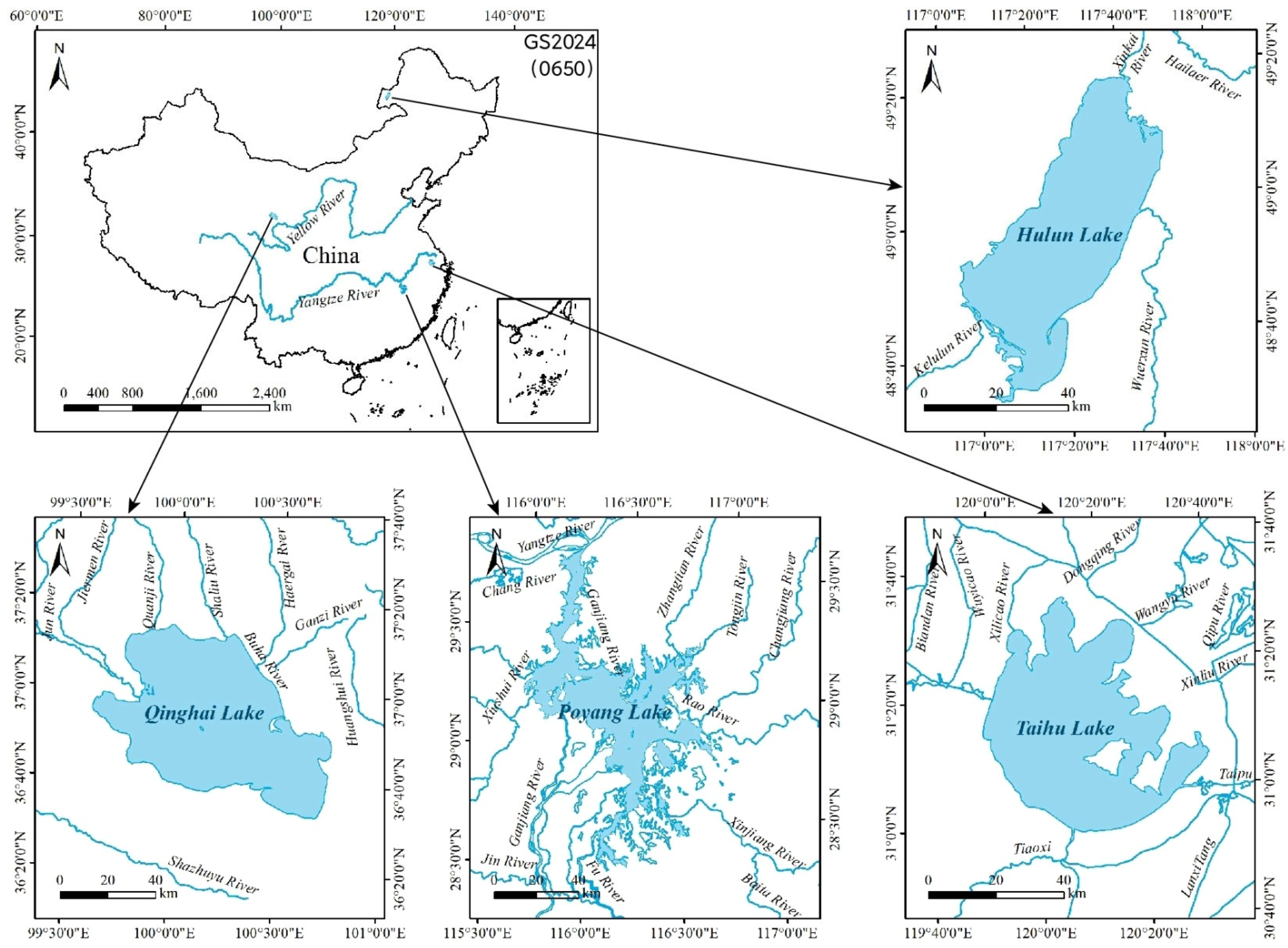
Four major geographical regions in China, namely, the northern region, the southern region, the northwestern region, and the Qinghai–Tibetan region, were used in the present study, basing on zoning according to the characteristics of comprehensive geographical location, natural geography, and human geography. Four typical lakes (Figure 1) were selected as the research objects based on the following principles: First, the selected lakes should cover different climatic zones and topographic features to reflect the regional heterogeneity, e.g., Taihu Lake (South) represents shallow eutrophication lakes under a subtropical monsoon climate, Qinghai Lake (Qinghai–Tibet) reflects the low-disturbance characteristics of high alpine and deep-water lakes, and Hulun Lake (Northwest) reflects the unique environment of grassland lakes. Second, lakes with significant ecological problems or anthropogenic disturbances are prioritized, such as Poyang Lake due to prominent agricultural surface pollution in the basin and Taihu Lake due to long-term cyanobacterial outbreaks, in order to reveal the dynamic relationship between pollution and protection. In addition, the selection of research objects should be supported by long-term monitoring data, e.g., Taihu Lake and Lake Qinghai both have more than 20 years of sediment historical sequences and isotope traceability studies, to ensure the reliability and scientific validity of the analyses. Finally, the ecological service function and socio-economic value of the lakes should be taken into account, e.g., Hulun Lake (Northwest China) is the core area of grassland animal husbandry, to comprehensively assess the environmental and social impacts of OM accumulation. With the above criteria, this study selected Poyang Lake, Tai Lake, Qinghai Lake, and Hulun Lake as representative lakes, aiming to investigate and reveal the differences in the spatial distribution of OM in lake sediments, their sources, and their influencing factors.
Figure 1. Location maps of typical lakes (Poyang Lake, Taihu Lake, Qinghai Lake, Hulun Lake). This map is drawn based on the standard map (GS (2024) 0650) from the standard map service website of the Ministry of Natural Resources of China.
The southern region of China refers to the southern part of the monsoon zone in eastern China, south of the Qinling–Huai River line, with the Tibetan Plateau in the west and the East and South China Seas in the east and south, covering an area of about 2,518,000 square kilometers, or about 26.2 percent of the country’s total land area. The rivers in this region do not freeze in winter, the crops do not fail in winter, and the population in this region accounts for about 55% of the total population of the country, which is a relatively developed economic region in China, and also an area with a high density of lakes and population. Among them, Poyang Lake (115°50′ E~116°44′ E, 28°25′ N~29°45′ N) is located on the south bank of the middle and lower reaches of the Yangtze River and the northcentral part of Jiangxi Province, and it is the largest freshwater lake in China at present [5]. It receives water from five major water systems, namely, Gan River, Fu River, Xin River, Rao River, and Xiushui River, as well as Boyang River, Dong River, and Xijiang River, and injects water into the Yangtze River from the mouth of the lake, which is an overwatered, inverted, and seasonal lake, which provides good conditions for the development of the ecosystem of the lakeshore and the grassland wetland. It forms a unique natural geographic landscape of “high water lake phase and low water river phase”. During the flood season, the five rivers flood into the lake and then the lake water into the surrounding beach, the lake area expands, and the water flow is relatively gentle; winter and spring seasons, the lake falls through, the lake beach is exposed, the lake surface shrinks, and the water flow is rapid. Therefore, there is a great difference between the lake surface area in abundant and dry water, which is 1290 km2 in dry and 3900 km2 in abundant water [6]. Poyang Lake has a humid monsoon climate in the central subtropical zone, with a mild climate, abundant rainfall, abundant light, a long frost-free period, and four distinct seasons.
In addition, Taihu Lake is also strongly represented as the third largest freshwater lake in China [7]. Taihu Lake basin (119°08′ E–121°55′ E, 30°05′ N–32°08′ N) is located in China’s eastern Yangtze River Basin estuarine section to the south and the Qiantang River, Hangzhou Bay, in the middle of the total area of about 36,800 square kilometers. Basin boundaries in the west are according to the Tianmu Mountain, South Maoshan, and other mountainous areas, north of the Yangtze River estuary, east of the East China Sea, and south of Hangzhou Bay. The geomorphological characteristics of the terrain around the high, low in the middle, the overall presentation of the dish-shaped layout, the majority of alluvial plains, accounting for 4/6 of the total area of the Taihu Lake Basin; the waters accounted for about 1/6, and other mainly for the hills and mountains. The Taihu Lake basin belongs to the subtropical monsoon climate zone. The average annual temperature is about 16 °C, gradually increasing from north to south due to the influence of the monsoon wind strength and the weakness of the factors; the precipitation of the inter-annual difference is very large, and the distribution of perennial precipitation is uneven [8]. The Taihu Lake basin is located in one of China’s most prosperous economic development areas. The rapid development of agriculture and township industries has resulted in the discharge of large quantities of pollutants, and the fertilizers, pesticides, and sewage produced by agricultural production and daily life have also put great pressure on the environmental safety of Taihu Lake.
The northern region of China refers to the northern part of the monsoon zone in eastern China, mainly the area north of the Qinling–Huaihe River line, east of the Daxinganling and Wushengling Mountains, and east of the Bohai Sea and the Yellow Sea, with an area of about 2,131,000 square kilometers, or about 22.2 percent of the total land area of the country. The region has a temperate continental monsoon climate and a warm temperate continental monsoon climate, and many rivers in the region freeze in the winter. The region’s population is about 40% of the country’s total population, densely populated, well connected, and agriculturally developed. In the northern region, most of the lakes are located in the plains; among them, Baiyangdian is located in Hebei Province, China—it is the first largest inland lake in Hebei, with a total area of 366 square kilometers. Baiyangdian [9] gathered the water of nine rivers originating from the foothills of the Taihang Mountains in the upper reaches of the river, forming a group of 146 large and small lakes connected by more than 3700 ditches and rivers, and 36 villages are distributed among the islands in the group of lakes and along the shores of the lake. Chaohu Lake is located in Anhui Province in northern China [10]. It is one of the five largest freshwater lakes in China. Chaohu Lake is a shallow lake with a surface area of 780 square kilometers, an average depth of about 3.0 m, and a catchment area of 12,938 km2. The catchment area belongs to the subtropical-to-warm–temperate transitional monsoon climate. Over the past decades, the lake has suffered severe eutrophication due to the increasing lake basin and anthropogenic nutrient inputs.
China’s northwestern region is deeply inland, located north of the Kunlun-Altunshan-Qilian Mountains and the Great Wall, and west of the Daxing’anling and Wushengling Mountains, and the region covers a vast area, accounting for about 24.3 percent of the country’s total land area. The region’s eastern part is an undulating plateau, while the western part shows a surface pattern of intermittent distribution of mountains and basins. The district is about 4% of the country’s total population, making it a sparsely populated region. In this region, first and foremost is Hulun Lake, the fifth largest freshwater lake in China. The Hulun Lake basin (115.5° E–122.5° E, 46.9° N–50.3° N), located in the northeast of the Inner Mongolia Autonomous Region of China, is the largest inland lake in Inner Mongolia, with a vast area of water, known as the “Pearl of the Steppe” [11]. Hulun Lake is an irregularly inclined rectangular shape, long in the northeast-to-southwest direction and short in the southwest-to-southeast direction, with a length of 93 km, an average width of 32 km, and a circumference of 447 km, and with a water storage capacity of up to 13.85 billion cubic meters [12]. The Hulun Lake area has a temperate continental steppe climate, with cold winters, high wind speeds, and low precipitation in spring, warm and cool summers, and dramatic temperature changes in fall. Hulun Lake has been known as the “mother lake” of the Hulunbeier Grassland. The Hulunbeier Grassland and the Daxinganling Forest together constructed an important ecological barrier in northern China. The area plays an irreplaceable and important role in maintaining regional biodiversity, protecting the ecological security of northern China and even North China, and promoting sustainable economic and social development [13,14].
China’s Qinghai–Tibet region is located on the southwestern border of China, west of the Hengduan Mountains, north of the Himalayas, south of the Kunlun Mountains and the Arjinshan and Qilian Mountains, with a total area of about 2.6 million square kilometers, accounting for about 27 percent of the country. The region has a special highland climate, with year-round snow on the high mountains, glaciers, permafrost, and seasonal permafrost, which are also widely distributed. The region’s population is less than 1% of the country’s total population; the total area of lakes accounted for about half of the national lake area, and the most representative of the nature of the lake is Qinghai Lake. As China’s largest inland saltwater lake, Qinghai Lake is known as the sapphire of the Tibetan Plateau [15]. The basin (97°50′ E–101°20′ E, 36°15′ N–38°20′ N) is located in the northeastern part of the Qinghai–Tibetan Plateau, and the whole basin is a transition area controlled by both monsoon–humid and inland arid zones [16]. The altitude ranges from 3169 to 5268 m, and the terrain of the basin climbs gradually from southeast to northwest, surrounded by high mountains, forming a closed-plateau inland basin surrounded by mountains [17]. There are eight sub-basins in the basin, of which the Buha River basin is the largest, accounting for about 1/2 of the total area of the Qinghai Lake basin. Buha River and Shaliu River are the two largest rivers in the Qinghai Lake basin, and the runoff of the two rivers accounts for 64% of the total runoff [16]. The vegetation types in the basin include scrub vegetation, grassland vegetation, alpine rhyolite vegetation, meadow and swamp vegetation, cultivated vegetation, and sandy vegetation [18]. The Qinghai Lake basin has an arid climate, strong winds, large temperature differences between day and night, a short vegetation growing season, abundant light, strong solar radiation, windy and sandstorms in spring, and cool summers and cold winters [19]. The natural environment and ecosystem of Qinghai Lake are closely related to climate change, and the regional response is very significant.

4. Sources of OM in Lake Sediments

4.1. OM Concepts and Groupings

Lake sediments contain a large amount of living and non-living OM. There are three forms of non-living organic matter, namely, particulate organic matter (POM), colloidal organic matter, and dissolved organic matter (DOM), of which DOM is the most active part of the OM component of the sediment. In lakes, the content of non-living OM usually exceeds that of living OM by a factor of ten to several hundred. Non-living OM has always played an important role in the structure and function of water ecosystems. The main component of OM is carbon; we usually use carbon value to express the OM content.
Dissolved OM includes two types of components: One is produced in the body of water with easily decomposed components, including sugars, proteins, peptides, chlorinated acids, fatty acids, and other low molecular compounds; the carbon and nitrogen ratio of these substances is about 12:1. The other is mainly foreign humus and other difficult-to-decompose stable components of the carbon and nitrogen ratio as high as 45–50, so that the water is brown. The former has a large turnover rate and low instantaneous concentration, and it is the main contributor to the material cycle and energy flow; the latter has a low turnover rate and a high present amount, and the amount entering the lake is equal to the slow decomposition of microorganisms.

4.2. OM Source Classification

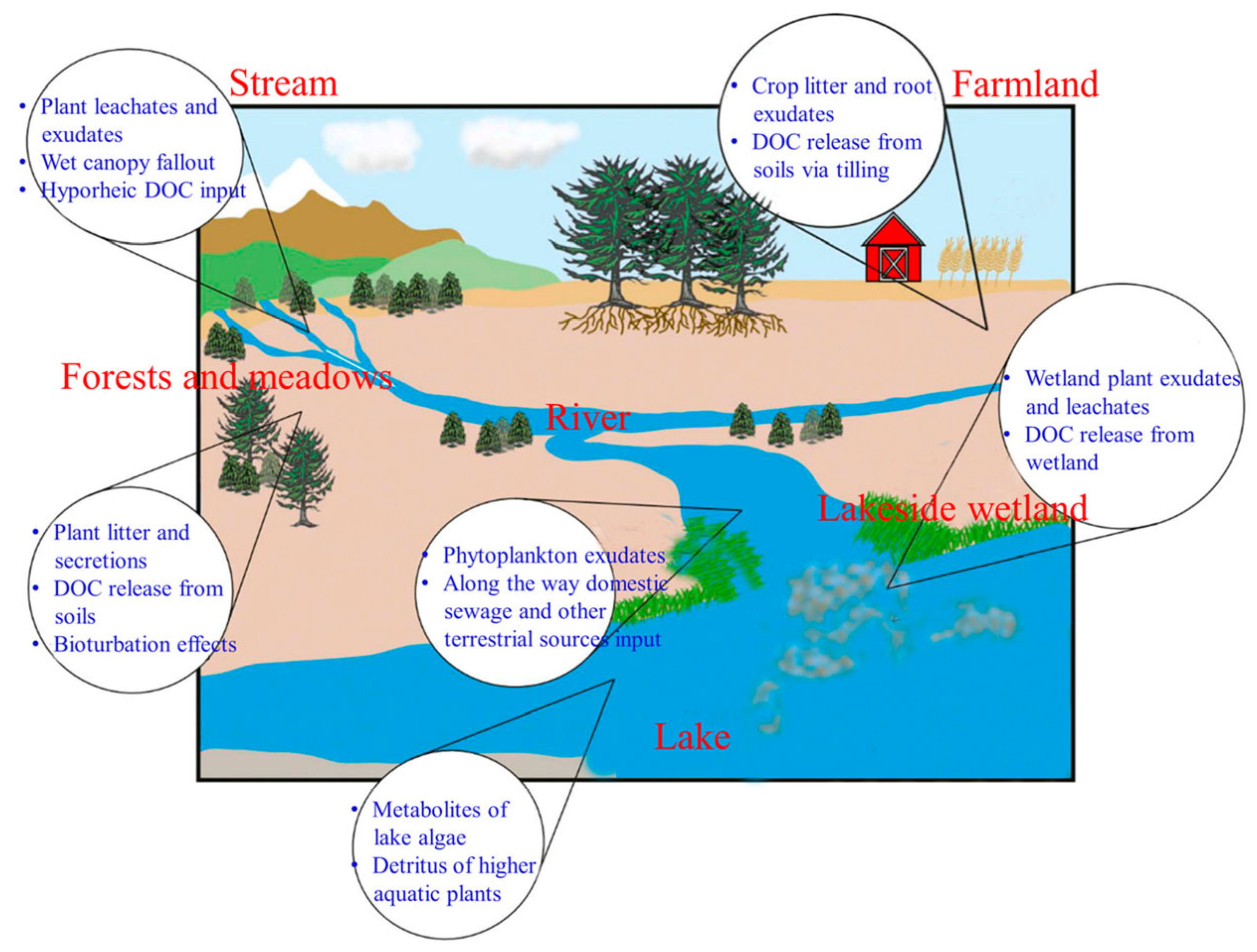
The sources of OM in lake sediments are more complex, and the interactions and influences between different types of sources together determine the formation and distribution of OM in lake sediments [72]. Overall, the sources of OM [73] in lake sediments can be divided into four major segments (Figure 6). One of them is plant residues. Various factors, such as lake hydrology, climate, and nutrients, influence the content of plant residues in lake sediments. For example, lake depth, eutrophication status, and watershed coverage affect the quality and quantity of plant debris in lake sediments. In addition, vegetation type, growing season, etc., also affect the composition and proportion of OM from plant sources. The second is animal remains. The death and excreta of algae, zooplankton ben, these animals, etc., in lake sediments are also important sources of OM. The amount and nature of their release are closely related to the characteristics of lake water bodies, the ecological environment, and animal species.
Figure 6. Potential sources of OM. Reproduced with permission from [74]. Copyright 2023, MDPI.
For example, the structure and life cycle of algal communities have an important influence on their mortality rates and, thus, on changes in algal-sourced OM in lake sediments. The third is microbial metabolism. The type and content of OM released from microbial metabolic activities in lake sediments are influenced by environmental factors, microbial community structure, metabolic pathways, and morphology. For example, environmental conditions such as oxygen supply status, pH value, and substrate temperature will affect microbial activity and metabolic pathways, impacting the composition and content of microbial-sourced OM in the lake substrate. Final is anthropogenic sources. Anthropogenic sources mean that the OM in lake sediments mainly comes from pollutants and wastes caused by human activities. These pollutants and wastes mainly come from chemical fertilizers, pesticides, industrial wastewater, municipal sewage, landfills, etc., which significantly impact lake ecosystems and human health.

4.3. OM Source Analysis

OM in lake sediments can preserve important historical information, such as the succession of lake plant species, the level of primary productivity, the evolution of the water body nutrient status, and the natural factors controlling the water quality evolution. This information provides a crucial basis for lake development, utilization, and maintenance. Therefore, identifying the sources of sediment OM has been a central focus of sediment OM research. Currently, the primary methods for studying sediment OM sources include measuring organic carbon and nitrogen content, organic C/N ratios, lignin, and lipid molecular markers. Combining stable carbon and nitrogen isotopes with organic C/N ratios is an essential tool for tracing the migration and transformation of sediment OM within systems and analyzing its sources [75]. A compilation of data where elemental or isotopic composition was used to determine contributions of different sources of lake sediments OM is presented in Table 1.
Table 1. Examples of the relative contributions of different source materials to lake sediments OM in China, determined using stable C and N isotopic signatures and C/N ratios.
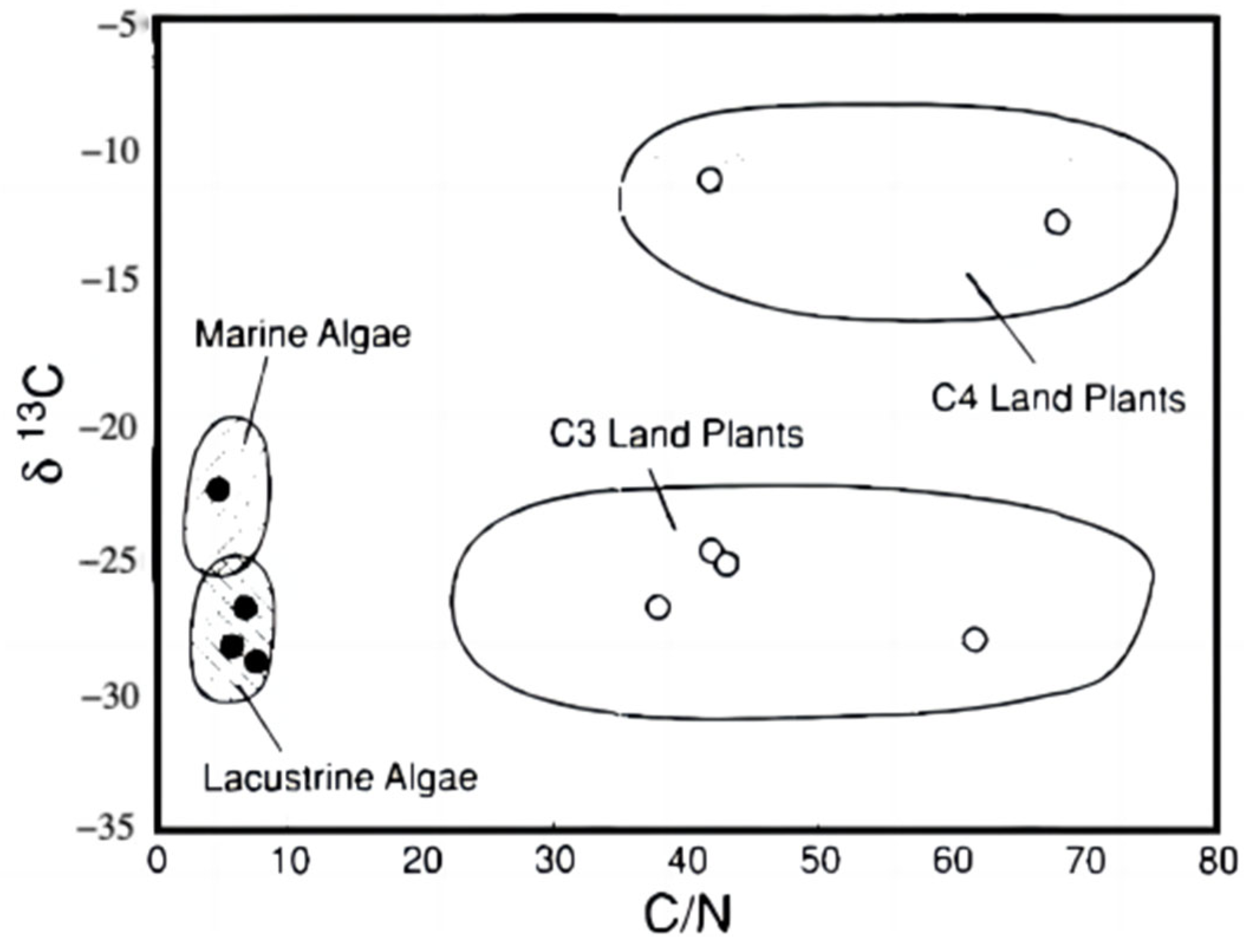
Organic carbon isotopes provide more direct evidence for photosynthesis, carbon assimilation, and the isotopic [82] compositional characteristics of carbon sources in plants. Terrestrial plants grow by fixing atmospheric CO2 through photosynthesis in order to synthesize their material composition and can be classified according to their photosynthesis mechanism as C3 plants, C4 plants, and CAM plants. C3 plants include the vast majority of trees, shrubs, and grasses growing in cold and wet environments, etc.; C4 plants are grasses growing in drier and hotter environments; and Sedums are mainly succulent plants such as cacti, etc., whose stomata can close on their own in dry and hot weather. The variability of the photosynthesis mechanism in different types of plants leads to differences in carbon isotope fractionation, causing significant differences in the δ13C signals of OM. According to previous studies, the range of δ13C values generally varied from −37‰ to −24‰ for C3-type plants, from −19‰ to −9‰ for C4-type plants, and from −30‰ to −10‰ for CAM plants. For lakes dominated by autochthonous OM, aquatic plants can be divided into floating plants and submerged plants, with floating plants having a closer range of δ13C content than terrestrial C3 plants and submerged plants having higher carbon isotope values than phytoplankton. Since organic nitrogen occurs preferentially in plant proteins and nucleic acids, the protoxin content of lower plants, such as lake algae and macroalgae (~24%), is much higher than the protoxin content of Salicaceae (~6%). Therefore, the C/N ratio of the former is usually small, between 4 and 10, whereas that of terrestrial plants is usually >20 and can be even as high as 45–50, and thus, by the size of the OM C/N of the sediments, the source of OM can be roughly judged whether it is autochthonous or externally imported from the lake. According to Meyers’ study [83], OM can be classified into four types based on the organic carbon content and C/N ratio: marine algae, lake algae, C3 plants, and C4 plants (Figure 7).
Figure 7. The δ13C value and C/N ratio of major source plants in lake sediment OM. Reproduced with permission from [83]. Copyright 1994, Elsevier.

5. Factors Affecting OM Content in Lake Sediments

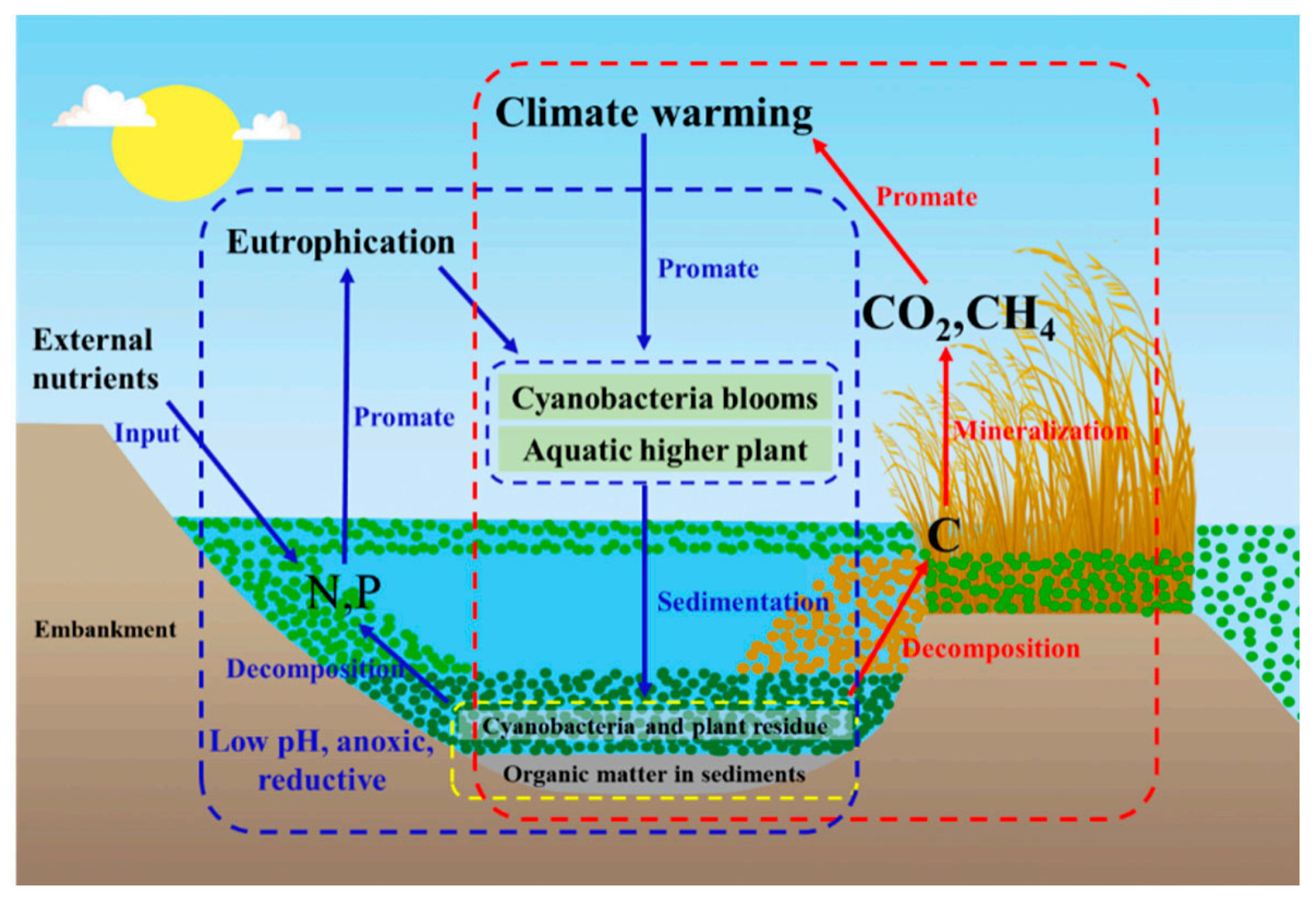
The degree of eutrophication of water bodies is one of the important factors affecting the content of OM in lake sediments (Figure 8). The higher the degree of eutrophication of the water body, the higher the number of algae and other phytoplankton in the lake, and the OM produced by the decomposition of this phytoplankton after their deaths will be deposited at the bottom of the lake, leading to an increase in the OM content in the lake substrate [84]. Lake water depth and hydrodynamic conditions also affect the OM content in the lake substrate [85]. Lakes with shallow water depths have poorer hydrodynamic conditions, and the OM in the substrate is not easily stirred up, oxidized, and decomposed. Thus, the OM content is higher. On the contrary, lakes with deeper water depths have better hydrodynamic conditions, and the OM in the sediments is easily oxidized and decomposed. Thus, the OM content is lower. The land use around the lake also affects the OM content in the lake sediments. Human activities such as agriculture and urbanization around lakes can lead to many pollutants entering lakes, such as pesticides, fertilizers, domestic sewage, industrial wastewater, etc. These pollutants usually contain much OM, which can significantly increase lake sediments’ OM content. Changes in climate and precipitation will also affect the growth of vegetation and the hydrological environment around the lake, affecting the OM content in the lake sediment. The geological conditions of lakes also affect the OM content of lake sediments. The OM content of lake sediments varies in different geological conditions, e.g., the OM content of lake sediments is usually higher in sandstone and mudstone areas.
Figure 8. OM transport and transformation pathways in eutrophic lakes (blue arrows represent cycles affecting eutrophication, red arrows represent cycles affecting climate warming). Reproduced with permission from [74]. Copyright 2023, MDPI.
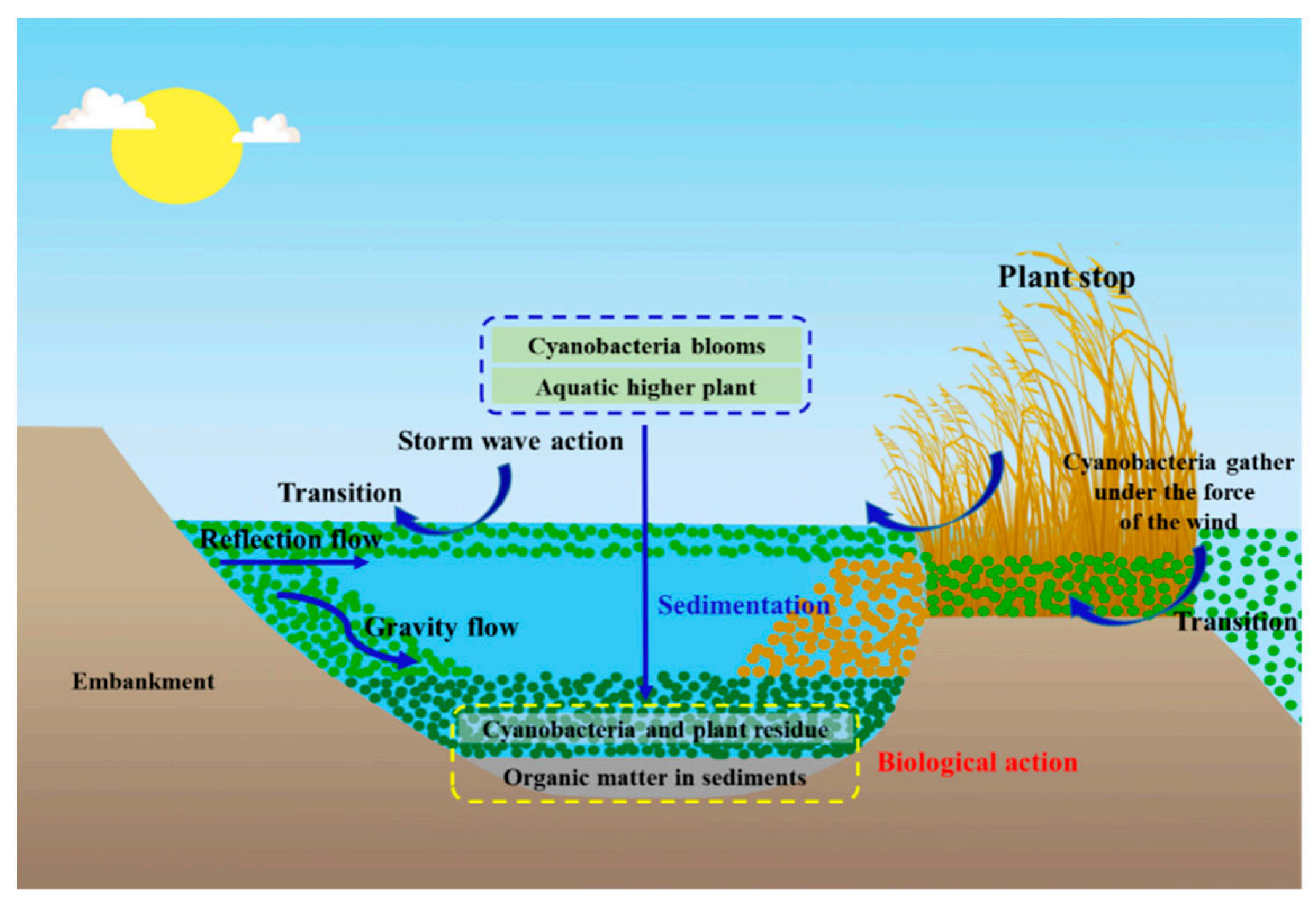
In addition, the OM content in lake sediments is closely related to water quality conditions [86]. When the water quality, which includes total phosphorus (TP), total nitrogen (TN), biochemical oxygen demand (BOD5), the permanganate index (CODMn), and chlorophyll-a (CHl-a), of a lake is good, the OM content in the lake is relatively low. This is because when the water is clear and rich in oxygen, aerobic microorganisms quickly decompose OM, reducing its accumulation. In addition, good water quality is also conducive to the growth of aquatic plants, which can absorb nutrients in the water and reduce the accumulation of OM. On the contrary, when the water quality of a lake is poor, the OM content in the lake will increase. This is because when water turbidity is high and oxygen levels are low, the rate of microbial decomposition of OM slows down, leading to the accumulation of OM in the water (Figure 9). In addition, poor water quality can lead to the death and decay of aquatic plants, increasing the amount of OM in lakes.
Figure 9. Schematic diagram of algal accumulation pathways. Reproduced with permission from [74]. Copyright 2023, MDPI.
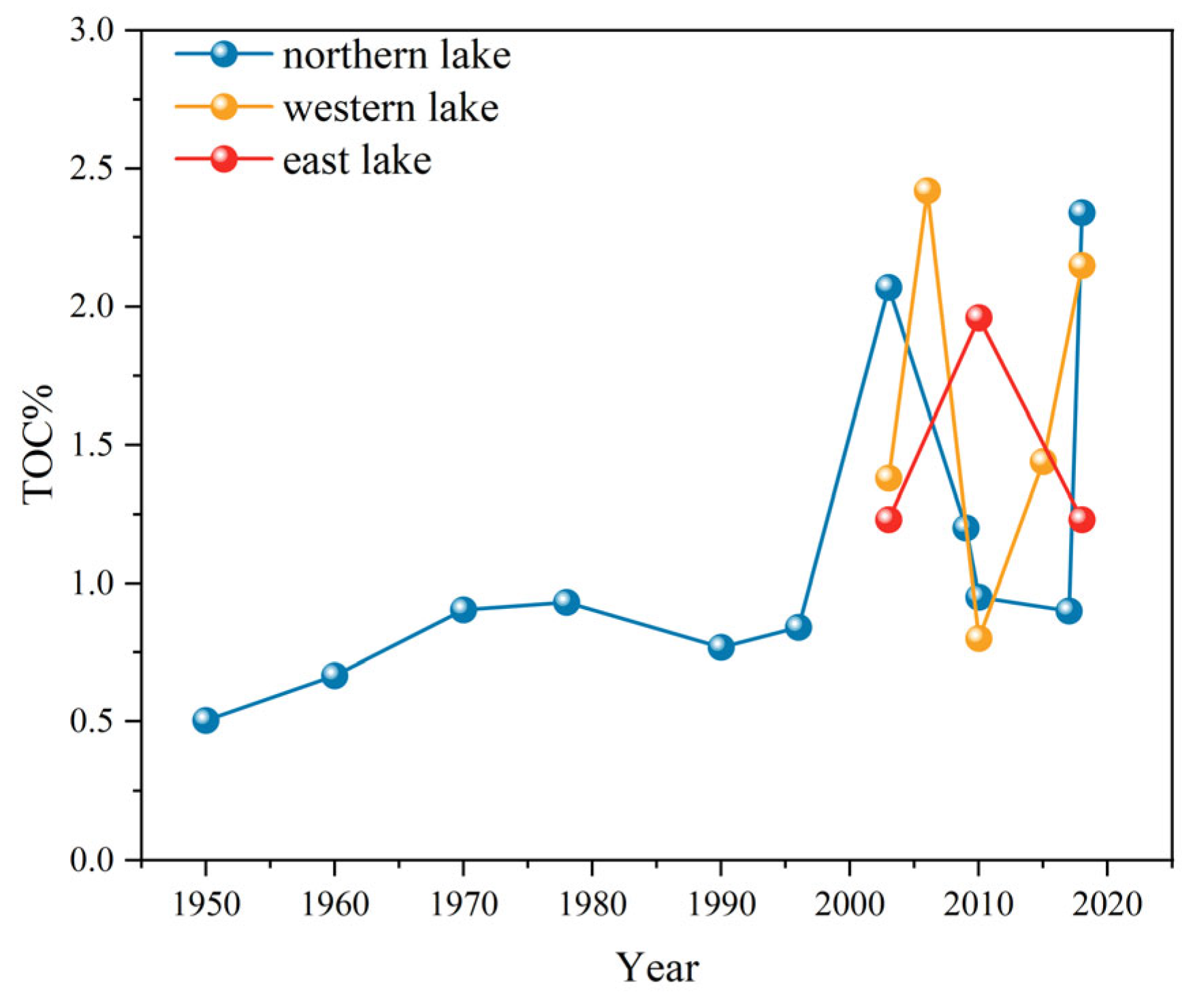
Dredging projects, as the core measure for controlling internal pollution in current lake sediment management in China, exhibit significant dual effects on OM dynamics in sediments. On the one hand, they rapidly reduce internal organic loads by directly removing eutrophic sediments, thereby improving water quality. Taking Taihu Lake as an example, the ecological dredging projects implemented since 2008 have shown a decreasing trend in nutrient content in sediments in some lake areas [46]. By removing large amounts of organic-rich sediment, ecological dredging projects have significantly reduced nutrient levels in surface sediments, improved water quality in the short term, increased water transparency, reduced chlorophyll concentrations, and effectively suppressed excessive algal growth [53]. On the other hand, mechanical disturbance during dredging may cause fine particles (<74 μm) of sediment to resuspend, releasing adsorbed organic pollutants (such as polycyclic aromatic hydrocarbons), thereby posing risks of secondary pollution. In recent years, total organic carbon levels have shown a noticeable upward trend in the North Lake and West Lake areas of Taihu Lake. Similar issues have been observed in managing the Caohai area of Dianchi Lake. Although the dredging project implemented in 1998 removed some bottom sediments, the water quality did not achieve the expected improvement [80]. During dredging, pollutants may be continuously released from bottom sediments into the water body, leading to adequate replenishment and maintenance of pollutant concentrations at high levels, weakening the effectiveness of external remediation measures [52].

6. Conclusions and Outlook

This study systematically investigated typical lakes in China’s four major geographical regions (Northern, Southern, Northwestern, and Qinghai–Tibet), including Poyang Lake, Taihu Lake, Qinghai Lake, and Hulun Lake, revealing spatial heterogeneity in bottom sediment OM content across different regions. The study found that Poyang Lake and Taihu Lake, characterized by humid climates, high levels of eutrophication, and intensive human activities, have poorer water quality but lower average TOC values than Qinghai Lake and Hulun Lake. Poyang Lake and Taihu Lake are located in developed regions where human activities have significant impacts. However, government-implemented ecological restoration projects and environmental protection policies have partially altered the lakes’ ecological environments, influencing OM accumulation in sediments. Qinghai Lake and Hulun Lake, on the other hand, have low temperatures and weak water dynamics, leading to slow OM decomposition and long-term accumulation. OM sources are primarily endogenous (algae, aquatic plants) and terrestrial (agricultural runoff, human pollution). Terrestrial inputs significantly influence Poyang Lake, Taihu Lake, and Hulun Lake, while Qinghai Lake is primarily self-sourced.
Future research should focus on the impact of climate change (such as temperature or water temperature changes predicted by the CMIP6 model) on OM in lake sediments. According to a relevant study [87], global climate change-induced water temperature increases may significantly alter lakes’ physical, chemical, and biological characteristics. For example, OM decomposition in shallow lake sediments may accelerate, releasing more greenhouse gases. In contrast, enhanced water temperature stratification in high-altitude, deep lakes may inhibit the mineralization of bottom OM [88]. Additionally, regional ecological policies and the unique characteristics of the lakes should be considered to optimize management measures such as dredging further, thereby enhancing the precision of lake ecological protection and carbon cycle management. Furthermore, since this study concludes based on only a few lakes, future research should expand the sample size and coverage to more comprehensively reflect the current status and trends of OM in lake sediments across China.

Author Contributions

Conceptualization, C.Z. and F.R.; methodology, C.Z. and F.R.; software, C.Z. and F.R.; validation, S.L.; formal analysis, C.Z. and F.R.; investigation, C.Z. and F.R.; resources, C.Z. and F.R.; data curation, C.Z. and F.R.; writing—original draft preparation, C.Z. and F.R.; writing—review and editing, L.W. and C.F.; visualization, S.L.; supervision, L.W. and C.F.; project administration, C.Z. and F.R.; funding acquisition, L.W. and C.F. All authors have read and agreed to the published version of the manuscript.

Funding

This work was supported by the National Key R&D Program of China (No. 2022YFE0105000).

Data Availability Statement

The data presented in this study are available on request from the corresponding author. The data are not publicly available due to funder restrictions.

Acknowledgments

The authors express their sincere gratitude for the work of the editor and the anonymous reviewers.

Conflicts of Interest

The authors declare no conflicts of interest.

References

  1. Qu, Q. China’s Five Great Lakes. Educ. Geogr. 2002, 6, 18. [Google Scholar]
  2. Wang, M.; Chen, H.; Yu, Z.; Wu, J.; Zhu, Q.; Peng, C.; Wang, Y.; Qin, B. Carbon accumulation and sequestration of lakes in China during the Holocene. Glob. Chang. Biol. 2015, 21, 4436–4448. [Google Scholar] [CrossRef] [PubMed]
  3. Bao, Y.; Huang, T.; Ning, C.; Sun, T.; Tao, P.; Wang, J.; Sun, Q. Changes of DOM and its correlation with internal nutrient release during cyanobacterial growth and decline in Lake Chaohu, China. J. Environ. Sci. 2023, 124, 769–781. [Google Scholar] [CrossRef]
  4. Zhang, R.; Wu, F.; Liu, C.; Fu, P.; Li, W.; Wang, L.; Liao, H.; Guo, J. Characteristics of organic phosphorus fractions in different trophic sediments of lakes from the middle and lower reaches of Yangtze River region and Southwestern Plateau, China. Environ. Pollut. 2008, 152, 366–372. [Google Scholar] [CrossRef]
  5. Wu, Y.; Lai, G. The basic characteristics and recent trends of ecological environment in Poyang Lake. Gansu Sci. Technol. 2009, 25, 47–49. [Google Scholar]
  6. Liu, X.; Ye, J. Wetlands of Jiangxi; China Forestry Publishing House: Beijing, China, 2000. [Google Scholar]
  7. Zhang, L.; Wang, S.; Jiao, L.; Li, Y.; Yang, J.; Zhang, R.; Feng, S.; Wang, J. Effects of organic matter content and composition on ammonium adsorption in lake sediments. Environ. Sci. Pollut. Res. 2016, 23, 6179–6187. [Google Scholar] [CrossRef]
  8. Yang, J. Simulation of Non-Point Source Pollution in TaihuLake Basin Based on SWAT Model and Analysis of Its Impact Factors. Master’s Thesis, Jiangsu Ocean University, Lianyungang, China, 2022. [Google Scholar]
  9. Wang, Y.; Ji, Z.; Li, X.; Long, Z.; Pei, Y. Comprehensive analysis of the migration and transformation of nutrients between sediment and overlying water in complex habitat systems. Sci. Total Environ. 2022, 852, 158433. [Google Scholar] [CrossRef]
  10. Zan, F.; Huo, S.; Xi, B.; Zhu, C.; Liao, H.; Zhang, J.; Yeager, K.M. A 100-year sedimentary record of natural and anthropogenic impacts on a shallow eutrophic lake, Lake Chaohu, China. J. Environ. Monit. 2012, 14, 804. [Google Scholar] [CrossRef]
  11. Sun, R.; Wang, H.; Zhang, Y.; Yin, F. Dynamically Monitoring of Hulun Lake Based on Multi-source Remote Sensing Data. Geospat. Inf. 2019, 17, 83–85. [Google Scholar]
  12. Zhang, H.; Yao, B.; Wang, S.; Huang, Y. Understanding the changes of optically active substances (OACs) in Hulun Lake in the past 35 years and its indication to the degradation of aquatic ecology. J. Clean. Prod. 2022, 377, 134286. [Google Scholar] [CrossRef]
  13. Zhao, H.; Li, C.; Zhao, H.; Tian, H.; Song, Q.; Kou, Z. The Climate Change and Its Effect on the Water Environment in the Hulun Lake Wetland. J. Glaciol. Geocryol. 2007, 29, 7. [Google Scholar]
  14. Yu, G.; Wang, W.; Ma, Y.; Ma, J. The influence of Lunbeier wetland on grassland ecological environment. Inn. Mong. Water Resour. 2006, 2, 49–50. [Google Scholar]
  15. Feng, Z.; Li, X. Qinghai Lake for Nearly 20 Years the Change and Evolution of Waters of Lake. J. Palaeogeogr. 2006, 8, 1–5. [Google Scholar]
  16. Wang, Z.; Cao, S.; Cao, G. Analysis on the drive of temperature and precipitation changes to vegetation phenology of the Qinghai Lake basin in the past 15 years. Res. Soil Water Conserv. 2022, 29, 249–255. [Google Scholar]
  17. Pan, H.; Gu, H.; Shi, J.; Wei, C. Study on changes of vegetation fraction and its driving factors in Qinghai Lake basin based on RS and GIS. Resour. Dev. Mark. 2016, 32, 827–831. [Google Scholar]
  18. Li, Y.; Li, X.; Cui, B.; Peng, H.; Yin, W. Trend of stream flow in Lake Qinghai Basin during the past 50 years(1956–2007)—Take Buha River and Shaliu River for examples. J. Lake Sci. 2010, 22, 757–766. [Google Scholar]
  19. Yu, W.; Qu, F.; Zhang, H.; Tao, B. The analysis on the productive potential and sustainable utilization of grassland resources in Qinghai Lake Region. Chin. J. Grassl. 2007, 29, 78–83. [Google Scholar]
  20. Jiangxi Academy of Environmental Protection Sciences. Water Quality Prediction and Planning of Poyang Lake; Jiangxi Academy of Environmental Protection Sciences: Nanchang, China, 1988; Volume 16, p. 7. [Google Scholar]
  21. State Environmental Protection Administration. Study on Eutrophication of Poyang Lake; State Environmental Protection Administration: Beijing, China, 1993; pp. 69–79.
  22. Japan International Cooperation Agency. Investigation on Water Quality Protection Countermeasure Plan of Poyang Lake in China; Japan International Cooperation Agency: Tokyo, Japan, 1993; p. 34. [Google Scholar]
  23. Jiangxi Academy of Sciences. Water Quality Monitoring of Poyang Lake; Jiangxi Academy of Sciences: Nanchang, China, 1999; p. 23. [Google Scholar]
  24. Tan, G.; Long, X.; Xing, J. Research Report on the Impact of Five Major Water Systems in Jiangxi Province on the Ecological Environment of Poyang Lake; Jiangxi Academy of Sciences: Nanchang, China, 2008; p. 79. [Google Scholar]
  25. Harbin Institute of Technology. Poyang Lake Ecosystem Service Function Investigation and Service Function Loss Assessment Research Work Report; Harbin Institute of Technology: Harbin, China, 2008; pp. 2–3. [Google Scholar]
  26. Wang, S.; Ni, D.; Jiao, L.; Jin, X.; Feng, M.; Liu, Z.; Zhang, W. Space-time Variety of Organic Matter and Nutrition Salt in Sediments from Poyang Lake. J. Environ. Eng. Technol. 2012, 2, 23–28. [Google Scholar]
  27. Wang, M.; Li, J.; Hu, K.; Zhang, D.; Lai, J. Compositions and sources of stable organic carbon and nitrogen isotopes in surface sediments of Poyang Lake. Zhongguo Huanjing Kexue/China Environ. Sci. 2014, 34, 1019–1025. [Google Scholar]
  28. Yang, M.; Zhang, H.; Zou, C.; Wei, L.; Chang, F. Characteristics of n-alkanes in Modern Sediments of Poyang Lake and Its Biological Origins. J. Fujian Norm. Univ. 2014, 30, 111–118. [Google Scholar]
  29. Zhang, Y. Study on the Influence of Dry-Wet Cycle on the Migration of PAHs in Lake Water-Fluctuating Zone. Ph.D. Thesis, China University of Geosciences, Wuhan, China, 2021. [Google Scholar]
  30. Guo, H.; Jiang, L. Trend analysis of flood peak/dry season flowrate in Poyang Lake Basin. J. Nat. Disasters 2008, 17, 75–80. [Google Scholar]
  31. Hu, Q. Study of Source of Particulate Organic Matter in Migratory Bird Habitat in Poyang Lake. Master’s Thesis, East China University of Technology, Fuzhou, China, 2018. [Google Scholar]
  32. Zhang, Z.; Huang, L. Influence of quarrying in Poyang Lake on the ecological environment. Jiangxi Hydraul. Sci. Technol. 2008, 34, 740. [Google Scholar]
  33. Fang, X.; Chen, Z.; Lin, L.; Geng, B.R. Genotoxicity of emamectin benzoate on Rana zhenhaiensis tadpoles. Ningde Teach. Coll. 2010, 22, 373–376. [Google Scholar]
  34. Tice, R.R.; Agurell, E.; Anderson, D.; Burlinson, B.; Hartmann, A.; Kobayashi, H.; Miyamae, Y.; Rojas, E.; Ryu, J.C.; Sasaki, Y.F. Single cell gel/comet assay: Guidelines for in vitro and in vivo genetic toxicology testing. Environ. Mol. Mutagen. 2000, 35, 206–221. [Google Scholar] [CrossRef]
  35. Wang, H.; Wang, C.; Wu, W.; Mo, Z.; Wang, Z. Persistent organic pollutants in water and surface sediments of Taihu Lake in China and risk assessment. ChemosPhere 2003, 50, 557–562. [Google Scholar] [CrossRef]
  36. Chen, H. Restoration Project of The Ecosystem In Tai Lake. Resour. Environ. Yangtza Basin 2001, 10, 173–178. [Google Scholar]
  37. Hu, M.; Liu, H.; Ren, L. Lake eutrophi-cation situation and countermeasures. China Environ. Manag. 1998, 6, 13–15. [Google Scholar]
  38. Chen, J.; Wan, G.; Zhang, F.; Zhao, D.; Huang, R. Environment records of lake sediment under different time scales-case study of grain size. Sci. China Ser. D Earth Sci. 2003, 33, 563–568. [Google Scholar]
  39. Ni, Z.; Li, Y.; Wang, S.; Jin, X.; Chu, Z. The sources of organic carbon and nitrogen in sediment of Taihu Lake. Acta Ecol. Sin. 2011, 31, 4661–4670. [Google Scholar]
  40. Wang, F. Temporal and spatial variations of physico-chemical characteristicsin sediments of Taihu Lake, China. Master’s Thesis, Jinan University, Guangzhou, China, 2011. [Google Scholar]
  41. Wu, X. Water Environmental Charactersand Sediment Oganic Matter Source Identification of Lake Taihu. Master’s Thesis, Nanjing University, Nanjing, China, 2015. [Google Scholar]
  42. Fang, J.; Qi, C.; Zhang, X.; Han, R.; Huang, H.; Wang, Z.; Wang, G. Spatial Distribution and Pollution Evaluation of Carbon, Nitrogen, and Phosphorus in Sediments of Zhushan Bay at Taihu Lake. Huan Jing Ke Xue 2019, 40, 5367–5374. [Google Scholar] [PubMed]
  43. Sun, T.; Yu, K.; Zhao, Z.; Zhang, M.; Wang, Y. Occurrence characteristics and environmental significance of nutrients over the past 100 years in the northern Taihu Basin, China. J. Soils Sediments 2023, 23, 2600–2612. [Google Scholar] [CrossRef]
  44. Jin, X.; Gao, J.; Zhao, G. Impacts of 20-year socio-economic development on the trend of aquatic environment of the Taihu lake. Resour. Environ. Yangtze Basin 2006, 15, 298–302. [Google Scholar]
  45. Mao, X.; Wu, H.; Xu, F. Analysis of pollution characteristics of main nutrients in Taihu Lake sediment. Water Resources Protection 2020, 36, 100–104. [Google Scholar]
  46. Zhu, G. Eutrophic status and causing factors for a large, shallow and subtropical Lake Taihu, China. J. Lake Sci. 2008, 20, 21–26. [Google Scholar]
  47. Diao, W. Nutrition Evaluation on Surface Layer Sediment of Typical Estuarine Aquatic-terrestrial Ecotone in West Taihu Lake. Environ. Sci. Technol. 2006, 29, 4–6. [Google Scholar]
  48. Xuan, Y. Distribution Characteristics of Sediment Nutrients in the Typical Accumulation Area of Algae Blooms in Taihu Lake. Master’s Thesis, Nanjing Normal University, Nanjing, China, 2016. [Google Scholar]
  49. Li, Y.; Wang, G.; Wang, J.; Jia, Z.; Zhou, Y.; Wang, C.; Li, Y.; Zhou, S. Determination of influencing factors on historical concentration variations of PAHs in West Taihu Lake, China. Environ. Pollut. 2019, 249, 573–580. [Google Scholar] [CrossRef]
  50. Lei, P.; Zhang, H.; Shan, B. Vertical records of sedimentary PAHs and their freely dissolved fractions in porewater profiles from the northern bays of Taihu lake, Eastern China. RSC Adv. 2016, 6, 98835–98844. [Google Scholar] [CrossRef]
  51. Fang, H.; Li, X.; Huang, L.; Zhao, T.; Han, X.; Gao, Q. Ceramization of contaminated sediment backfill technology and its effects of sediment remediation. Water·Resour. Prot. 2019, 35, 1–6. [Google Scholar]
  52. Liu, H. Environmental protection dredging in treatment of lake pollution internal cause. Port Waterw. Eng. 2000, 11, 21–27. [Google Scholar]
  53. Chen, H.; Fang, L.; Zhang, Y.; Jiang, Y. Research and Discussion on Ecological Dredging of Sediment in Taihu Lake; Chinese Hydraulic Engineering Society: Beijing, China, 2014; pp. 57–59. [Google Scholar]
  54. Yu, Y.; Yang, B.; Dong, M.; Zhu, J. Study of sediment contaminants release based on different dredging cutter structures. Water Resour. Prot. 2017, 33, 74–78. [Google Scholar]
  55. Zhang, Y.; Su, Y.; Liu, Z.; Yu, J.; Jin, M. Lipid biomarker evidence for determining the origin and distribution of organic matter in surface sediments of Lake Taihu, Eastern China. Ecol. Indic. 2017, 77, 397–408. [Google Scholar] [CrossRef]
  56. Zhang, Y.; Su, Y.; Liu, Z.; Kong, L.; Yu, J.; Jin, M. Aliphatic hydrocarbon biomarkers as indicators of organic matter source and composition in surface sediments from shallow lakes along the lower Yangtze River, Eastern China. Org. Geochem. 2018, 122, 29–40. [Google Scholar] [CrossRef]
  57. Wang, P.; Lu, S.; Wang, D.; Xu, M.; Gan, S.; Jin, X. Nitrogen, Phosphorous and Organic Matter Spatial Distribution Characteristics and Their Pollution Status Evaluation of Sediments Nutrients in Lakeside Zones of Taihu Lake. China Environ. Sci. 2012, 32, 703–709. [Google Scholar]
  58. Qin, H.; Jiao, F. The Discussion on Distribution of Water Quality in East Tai Lake after Pulling Down the Enclosure. Environ. Sci. Manag. 2011, 36, 51–55. [Google Scholar]
  59. Yang, Z.; Shi, W.; Chen, L.; Chen, Y.; Zhou, Z. Ecological environment succession and countermeasure of East Taihu Lake. China Environ. Sci. 2003, 23, 64–68. [Google Scholar]
  60. Xu, D.; Lei, Z.; Han, B. Effect of macrophytes on distribution on mineral elements esturay area of the East Lake Taihu. Ecol. Environ. 2009, 18, 1644–1648. [Google Scholar]
  61. Sha, Z.; Wang, Q.; Wang, J.; Du, J.; Hu, J.; Ma, Y.; Kong, F.; Wang, Z. Regional environmental change and human activity over the past hundred years recorded in the sedimentary record of Lake Qinghai, China. Environ. Sci. Pollut. Res. 2017, 24, 9662–9674. [Google Scholar] [CrossRef]
  62. Li, S.; Yu, B.; Dong, H. Study On Organic Matters In The Sediments From The Bottom Of The Qinghai Lake, China. Pet. Geol. Exp. 2006, 28, 375–379. [Google Scholar]
  63. Zhang, X.; Wang, Y.; Wang, Z.; Zhao, M.; Fang, Y.; Ding, S.; Xiao, W.; Yu, C.; Wang, X.; Xu, Y. Heterogenous distribution and burial flux of black carbon in Chinese lakes and its global implication. Sci. Total Environ. 2024, 906, 167687. [Google Scholar] [CrossRef] [PubMed]
  64. Long, J.; Tong, C.; Wang, T.; Wu, F.; Liu, M. Distribution characteristics and influencing factors of microplastics in intertidal zone sediments of the Yangtze Estuary. Chin. J. Ecol. 2021, 40, 2860–2871. [Google Scholar]
  65. Li, W.; Cao, S.; Cao, G.; Zhao, H.; Chen, L.; Hou, Y. Spatiotemporal Patterns of Vegetation Net Primary Productivity and Their Drivers in Qinghai Lake Basin from 2000 to 2020. Res. Soil Water Conserv. 2024, 31, 327–336. [Google Scholar]
  66. Li, X.; Ma, Y.; Xu, J.; Wang, J.; Zhang, D. Impact of land use and land cover change on environmental degradation in Lake Qinghai Watershed, northeast Qinghai-Tibet Plateau. Land Degrad. Dev. 2009, 20, 69–83. [Google Scholar] [CrossRef]
  67. Hao, X. A green fervor sweeps the Qinghai-Tibetan Plateau. Science 2008, 321, 633–635. [Google Scholar]
  68. Zhang, X. Distribution of Nutrient Elements and Environmental Pollution Assessment in Sediment of Hulun Lake, Inner Mongolia. J. Agro-Environ. Sci. 2010, 29, 339–343. [Google Scholar]
  69. Huo, S.; Zan, F.; Xi, B.; Li, Q.; Zhang, J. Phosphorus fractionation in different trophic sediments of lakes from different regions, China. J. Environ. Monit. 2011, 13, 1088–1095. [Google Scholar] [CrossRef]
  70. Liang, L.; Li, C.; Zhang, H. Vertical Distribution and Ecological Risk Assessment of Nutrients in Sediments of Hulun Lake. Water Resour. Power 2019, 37, 50–53. [Google Scholar]
  71. Wang, W.; Chen, J.; Jiang, X.; Li, H.; Wang, S. Release Effect of Surface Sediment Organic Matters in Lake Hulun. Res. Environ. Sci. 2021, 34, 812–823. [Google Scholar]
  72. Guan, Y.; Zang, S.; Xiao, H. The vertical variation of nutrients in a sediment core of delong lake reveals the anthropogenic effect. Ecotoxicology 2014, 23, 480–485. [Google Scholar] [CrossRef]
  73. Jiang, Q.; Hou, X.; Huang, C.; Li, S.; Ma, X.; Yang, H.; Wu, W.; Chen, Z.; Huang, T. The influence of nutrients on the composition and quantity of buried organic carbon in a eutrophic plateau lake, Southwest China. Sci. Total Environ. 2022, 836, 155726. [Google Scholar] [CrossRef]
  74. Xu, X.; Wu, C.; Xie, D.; Ma, J. Sources, Migration, Transformation, And Environmental Effects of Organic Carbon in Eutrophic Lakes: A Critical Review. Int. J. Environ. Res. Public Health 2023, 20, 860. [Google Scholar] [CrossRef]
  75. Fang, J.; Wu, F.; Xiong, Y.; Li, F.; Du, X.; An, D.; Wang, L. Source characterization of sedimentary organic matter using molecular and stable carbon isotopic composition of n-alkanes and fatty acids in sediment core from Lake Dianchi, China. Sci. Total Environ. 2014, 473–474, 410–421. [Google Scholar] [CrossRef] [PubMed]
  76. Zhang, L. Spatial Characteristics and Sources of Organic Matter in Top Sediment Layers of Lakes Datun and Changqiao. Master’s Thesis, Yunnan Normal University, Kunming, China, 2019. [Google Scholar]
  77. Ji, W.; Guo, N.; Xu, J.; Yu, H.; Niu, Y. Carbon and Nitrogen Isotope Characterization and Source Analysis of Sediments from Shallow Lakes in the Middle of Yangtze River. J. Hydroecology 2018, 39, 8–15. [Google Scholar]
  78. Li, J. TOC, CN Ratio and δ13 Corg Characteristics of Lake Surface Sediment in Northern Tibetan Plateau and its Environmental Significance. Master’s Thesis, Lanzhou University, Lanzhou, China, 2014. [Google Scholar]
  79. Cheng, Q. Sources and Characterization of Organic Carbon and Nitrogen in Plateau Lake Sediments: Taking Dianchi Lake as Example. Ph. D. Thesis, East China Normal University, Shanghai, China, 2014. [Google Scholar]
  80. Wang, J.; Wu, F.; Li, W.; Wang, L.; Guo, J.; Fu, P.; Zhang, R. Seasonal variation and vertical characteristics of the δ15N of particulate organic matterin Lake Hongfeng and Lake Baihua, Guizhou Province. J. Lake Sci. 2008, 20, 571–578. [Google Scholar]
  81. Liu, P. Organic Carbon and Nitrogen Isotopic Characteristics of Tengchong Qinghai Lake Sediments During Last 1700 a and Paleo Environmental Reconstruction. Master’s Thesis, Yunnan Normal University, Kunming, China, 2018. [Google Scholar]
  82. Zhang, R.; Wang, L.; Chen, J. Sources and selective preservation of organic matter in the karst watershed: Evidence from sediment records in a plateau deep lake, Southwestern China. Environ. Sci. Pollut. Res. 2021, 28, 4762–4777. [Google Scholar] [CrossRef]
  83. Meyers, P. Preservation of Elemental and Isotopic Source Identification of Sedimentary Organic Matter. Chem. Geol. 1994, 114, 289–302. [Google Scholar] [CrossRef]
  84. Wang, J.; Li, Y.; Wang, P.; Niu, L.; Zhang, W.; Wang, C. Response of bacterial community compositions to different sources of pollutants in sediments of a tributary of Taihu Lake, China. Environ. Sci. Pollut. Res. 2016, 23, 13886–13894. [Google Scholar] [CrossRef]
  85. Zhang, Y.; Hu, Y.; Peng, Z.; Hu, W.; Zhu, J. Research on application of a new bottom trap technology to catch particles rich in nutrients in a large shallow lake. J. Environ. Manag. 2021, 300, 113798. [Google Scholar] [CrossRef]
  86. Wang, W.; Li, W.; Yan, Y.; Liu, B.; Wang, T.; Mao, S.; Song, N.; Dou, H.; Ao, W.; Zou, C. Correction to: Organic Matter Pollution During the Spring Thaw in Hulun Lake Basin: Contribution of Multiform Human Activities. Bull. Environ. Contam. Toxicol. 2020, 105, 307–316. [Google Scholar] [CrossRef]
  87. Li, X.; Ma, Y.; Wang, J.; Zhang, D. Response of Lake Sediment Organic Matter to Climate Change in the Past Century: A Case Study of Qinghai Lake. J. Lake Sci. 2022, 34, 1234–1245. [Google Scholar]
  88. Fan, J.; Xiao, J.; Wen, R.; Zhang, S.; Wang, X.; Cui, L.; Yamagata, H. Organic geochemical investigations of the Dali Lake sediments in northern China: Implications for environment and climate changes of the last deglaciation in the East Asian summer monsoon margin. J. Asian Earth Sci. 2017, 140, 135–146. [Google Scholar] [CrossRef]
Disclaimer/Publisher’s Note: The statements, opinions and data contained in all publications are solely those of the individual author(s) and contributor(s) and not of MDPI and/or the editor(s). MDPI and/or the editor(s) disclaim responsibility for any injury to people or property resulting from any ideas, methods, instructions or products referred to in the content.

Article Metrics

Citations

Article Access Statistics

Multiple requests from the same IP address are counted as one view.