


Abstract
The integration of Reverse Osmosis (RO) desalination with Renewable Energy (RE) sources offers a sustainable approach to freshwater production, particularly in remote and off-grid regions. However, the variable and intermittent output of RE power can cause operational instability that affects membrane performance and system reliability. This study experimentally evaluated a flat sheet seawater RO membrane under variable conditions emulating a Photovoltaic (PV)-powered system over three days. Three scenarios were examined: (i) steady full-load operation representing PV with battery storage, (ii) variable operation representing sunny-day PV output, and (iii) highly variable operation representing cloudy-day PV output. A Variable Frequency Drive (VFD) regulated by an Arduino microcontroller adjusted high-pressure pump operation in real time to replicate power fluctuations without energy storage. Each scenario operated for eight hours per day and was tested with and without end-of-day rinsing. Under the highly variable cloudy-day scenario without rinsing, water permeability decreased by 37%, salt rejection decreased by 18%, and membrane resistance increased by 37%, indicating compaction and fouling effects. Fourier Transform Infrared Spectroscopy with Attenuated Total Reflectance (FTIR-ATR) confirmed structural changes in membranes exposed to fluctuating conditions. These results highlight the need for improved operational strategies to protect membrane longevity in RE-powered desalination systems.
1. Introduction
Water scarcity has emerged as a defining challenge of the 21st century. As the global population continues to grow, and with it the demand for agriculture, energy and industry, freshwater consumption is expected to increase by up to 30% by 2050 [1]. At the same time, more than five billion people are projected to live in areas experiencing water stress, particularly affecting arid and semi-arid zones such as North Africa, the Middle East, and island communities [2,3]. Climate change adds further complexity to this issue, decreasing rainfall, accelerating groundwater depletion, and amplifying evaporation rates [4]. In remote and coastal regions, the problem is twofold: not only is freshwater scarce, but access to reliable energy sources is often limited, becoming a critical concern for sustainable development [5]. In response to this issue, seawater desalination offers a technically viable and increasingly cost-effective solution particularly in arid and coastal regions. Currently more than 22,000 desalination plants are in operation worldwide, with the Middle East remaining the dominant region accounting for approximately 50% of global desalination capacity with Saudi Arabia alone producing around 22% of the world’s total desalinated water [6,7,8]. Among desalination technologies Reverse Osmosis (RO) represents nearly 70% of installed desalination capacity compared to thermal methods such as Multi-Stage Flash (MSF) and Multi-Effect Distillation (MED) [9,10,11]. However, the majority of RO systems still rely on electricity generated from fossil fuels, leading to carbon emissions that may reach as high as 3.2 kg CO2/m3 of water produced [12]. Comparative assessments further show that membrane-based desalination technologies such as RO generally have a much lower carbon footprint than thermal processes, whose emissions can reach 70–100 kg CO2/m3 of desalinated water under fossil-powered operation. Even so, the carbon footprint of seawater RO (SWRO) typically lies in the range of 1.8–6 kg CO2/m3 of product water and may rise substantially in regions that remain heavily dependent on fossil-based electricity [13,14]. Nevertheless, when powered by renewable energy sources such as photovoltaic (PV) energy, the carbon footprint of RO can be reduced dramatically, reaching values as low as 0.1–0.3 kg CO2/m3 of fresh water produced [14,15].
Integrating renewable energy (RE) technologies with desalination systems therefore offers an environmentally friendly alternative [16,17]. Solar-thermal desalination processes such as MSF, MED, and membrane distillation can operate effectively using solar-derived heat and may benefit from inherent thermal energy storage. However, these systems typically exhibit much higher specific energy consumption (SEC) and capital cost than RO, particularly at small and decentralized scales [14,18,19,20]. In contrast, PV-driven RO provides higher energy efficiency, lower carbon emissions, and modular deployment potential, making it one of the most practical solar-powered desalination options especially for remote and off-grid applications, where it offers both reliable water production and energy independence with minimal environmental impact [9,21]. Additionally, battery energy storage systems have traditionally been employed with these with PV-RO configurations to mitigate RE intermittency and stabilize the energy input to RO desalination units. However, batteries introduce economic and environmental concerns: high capital costs, limited lifespan, recycling challenges, and increased water production cost [22,23,24]. For this reason, recent research has emphasized battery-less configurations, where RO units operate dynamically by directly following the instantaneous availability of renewable power, offering a lower-cost and lower-complexity alternative to battery-buffered PV-RO systems and a far more energy-efficient option than solar-thermal desalination [14,25,26,27,28]. Experimental studies have shown that such configurations can reduce SEC, particularly during partial-load operation of the RO desalination unit [29,30]. Moreover, new strategies have been developed recently that enable RO systems to adjust their operation based on the available RE sources such as solar or wind energy, without the use of batteries or backup infrastructures [31,32]. Nevertheless, the absence of energy storage from hybrid RO systems causes operational stress on membranes due to uncontrolled transients during irradiance fluctuations. The mechanical and hydraulic stresses imposed by frequent start-ups, shutdowns, and abrupt power variations have raised concerns about the long-term integrity of membrane elements, particularly in battery-less RO configurations [33,34,35,36,37,38].
The performance of RO membranes under intermittent and variable operating conditions has received increasing attention in recent years, particularly in the context of RE powered desalinations systems. One of the first experimental investigations to explore the effects of intermittent operation was conducted by Freire-Gormaly and Bilton [39], who observed an 87% decline in water permeability after just six days of 8-h daily cycling in a solar-powered Brackish Water RO (BWRO) unit. Notably, this decline occurred despite the application of antiscalants and rinsing, suggesting potential irreversible membrane compaction or fouling mechanisms. Long-term studies in BWRO systems have further supported the feasibility of intermittent operation under controlled conditions. Ruiz-García and Nuez [36] reported over 14 years of intermittent daily operation (9 h/day) in a full-scale BWRO plant, which maintained stable performance, albeit with a 20% increase in specific energy consumption. In a similar context, Ansari et al. [40] demonstrated that increasing feed pressure in a BWRO pilot plant operating at a fixed temperature significantly reduced permeate salinity, though at the potential cost of membrane stress under unsteady conditions.
Beyond intermittency, a number of studies have examined the impact of variable operating conditions such as pressure, flowrate, salinity, and temperature on RO performance. Aladwani et al. [41] performed a sensitivity analysis using a spiral wound SWRO model and found that small fluctuations in operating conditions can result in nonlinear declines in salt rejection and energy efficiency. Dimitriou et al. [37] developed a dynamic model to investigate spiral wound RO membranes under variable conditions, concluding that sudden increases in applied pressure can lead to substantial drops in water flux due to physical membrane compaction. This form of compaction was shown to reduce membrane permeability and overall operational efficiency. Experimental efforts by Sitterley et al. [42] and Ding et al. [43] further confirm that frequent transients in hydraulic pressure can alter the internal morphology of membrane selective layers, contributing to irreversible decline in water flux and energy efficiency.
In the context of SWRO, recent investigations have focused on systems powered by variable renewable sources such as photovoltaics and wave energy. Das et al. [44] and Sitterley et al. [42] studied the behavior of SWRO membranes under pressure and flow variations typical of wave-driven systems. Both studies reported moderate decreases of 7–18%, in water permeability while maintaining salt rejection above 99%, indicating that membrane selectivity remains intact, though energy efficiency may decline. Carta et al. [45] similarly investigated wind-powered SWRO units operating under frequent start–stop scenarios and found that such cycles introduced significant mechanical stress on the membranes, potentially accelerating performance degradation. Despite these insights, very few experimental studies have simultaneously examined SWRO membranes under the dual conditions of intermittent and variable operation, especially in realistic PV-powered configurations. Dimitriou et al. [38] explored this scenario in a small-scale SWRO setup using variable pressure, flow, and temperature conditions. Their two-hour test showed a substantial performance decline, particularly under abrupt pressure fluctuations at low feedwater temperatures. However, the limited test duration and the use of spiral wound membranes restricted the diagnostic resolution and scope of their findings.
To date, to the best knowledge of the authors, no comprehensive study has evaluated the behavior of flat-sheet SWRO membranes under battery-less RE operation that simultaneously involves both intermittent daily cycling and realistic short-term variability in hydraulic conditions. The novelty of this work lies in experimentally isolating and analyzing the early-stage mechanistic response of a SWRO membrane under emulated PV-driven profiles, while directly comparing rinsed and non-rinsed operation. Flat-sheet membranes provide a controlled platform for high-resolution monitoring of key performance indicators such as water permeability, salt rejection, net driving pressure and membrane resistance. However, they have rarely been used to investigate the combined effects of intermittent and variable operation. By linking operational behavior to changes observed in FTIR/ATR spectra, this study distinguishes between reversible compaction and more persistent surface-deposition mechanisms. These insights clarify how the PVRO desalination systems behave without battery buffering and offer practical guidance for improving the resilience of off-grid desalination technologies. The objectives for this study are to:
- Experimentally evaluate the performance of a flat sheet SWRO membrane emulating real-world, battery-less RE conditions that involve both intermittent operation (8-h daily cycles) and variable input dynamics (sunny and cloudy day profiles).
- Investigate the influence of abrupt and unregulated fluctuations in feed pressure and flowrate on key membrane performance indicators such as net driving pressure, water permeability, membrane resistance and salt rejection.
- Assess the effectiveness of daily rinsing as a mitigation strategy by comparing membrane performance over three consecutive days with and without rinsing, providing insights into membrane compaction, and surface deposition, under operational conditions that emulate real PVRO desalination systems.
- Perform Fourier Transform Infrared Spectroscopy with Attenuated Total Reflectance (FTIR/ATR) analysis to investigate potential compaction or surface deposition of the membrane material after exposure to the different operational scenarios.
2. Experimental Setup
2.1. Lab Scale Filtration System
A bench-scale crossflow filtration unit was employed to assess the performance of flat sheet membranes under intermittent and variable conditions. This unit was specifically designed to replicate the flow dynamics of larger, commercially available membrane elements, such as industrial spiral-wound membranes. It is equipped with the necessary components to emulate real-world seawater desalination processes while enabling precise control over key parameters, including pressure, flow rate, and electrical conductivity. The filtration system includes a mixing tank, a pre-treatment system, a high-pressure feed water pump, and a crossflow cell housing the flat sheet membrane. A detailed description of the individual cell components is provided below. The schematic diagram of the desalination setup is shown in Figure 1.
Figure 1.
Schematic diagram of the bench-scale desalination system.
2.1.1. Feed Water Tank
The NaCl solution, which was prepared by de-chlorinated tap water, was stored in a polyethylene tank with a capacity of 50 L. The feed water tank was insulated with thermal material to maintain the water temperature stable. The electrical conductivity of the feed water was adjusted at 50 mS/cm. The filtration unit operated in a closed-loop water system to minimize the need for continuous solution preparation.
2.1.2. Pretreatment System
Effective pretreatment of feed water is essential for the efficiency and longevity of conventional reverse osmosis systems. Accordingly, the filtration unit is equipped with a pretreatment system consisting of three filters. The first filter is a cellulose carbon filter, used for de-chlorinating tap water before it enters the feed water tank. This filter was employed only during the initial preparation of the solution to ensure that the feed water in the tank remains free of chlorine throughout the experimental investigation. The second filter is a 25-micron mesh filter, positioned before the high-pressure pump, to remove particles larger than 25 microns. The third filter is a cellulose 5-micron filter, which provides final filtration of the feed water before it reaches the membrane.
2.1.3. High Pressure Motor Pump Assembly
The high-pressure pump is a positive displacement pump, Model G21XDSGSNEMG (Wanner Engineering, Inc., Minneapolis, MN, USA), which provides the necessary pressure required by the flat sheet membrane to overcome the high osmotic pressure of the feed water. Specifically, this pump is a seal-less diaphragm pump with a low flow rate, ensuring that the crossflow rate into the membrane cell remains low (0.5–2.5 L/min). Excessive crossflow within the cell can cause membrane delamination, leading to the separation of the RO membrane layers from the substrate [46]. The high-pressure motor pump assembly is connected to a Variable Frequency Drive (VFD), which allows for precise control of the motor speed. The technical specifications for both the high-pressure motor pump assembly and the VFD are provided in Table 1.
Table 1.
High pressure motor pump assembly and VFD specifications.
2.1.4. Membrane Cell
The filtration unit’s membrane cell is a commercial stainless steel CF016SS membrane element cell, sourced from Sterlitech Corporation (Kent, WA, USA) [47]. This membrane cell houses the flat sheet membrane for the RO process. The cell assembly includes tightening screws, a cell top, a sintered metal support, O-rings, and a cell bottom. The technical specifications of the membrane cell are provided in Table 2.
Table 2.
CF016SS features and technical characteristics.
2.1.5. Flat Sheet Membrane
The experimental procedure was conducted using a commercial seawater RO flat sheet membrane capable of separating the feed water stream into two output streams: product water and brine. The membrane size is optimized to fit the CF016SS membrane cell (20.6 cm2). To better replicate the flow conditions of spiral-wound RO modules, a commercial feed spacer was placed on the feed side of the flat-sheet cell [48]. Flat-sheet setups are widely used in RO research to study membrane-level mechanisms under controlled conditions, and the insights obtained are directly relevant for understanding the behavior of membranes in spiral-wound configurations [39]. The technical characteristics of the RO membrane are presented in Table 3.
Table 3.
Flat sheet membrane specifications.
2.1.6. Pressure Regulator
To achieve and control the desired operating pressure, a pressure regulator was installed on the concentrate (brine) outlet line. This regulator allowed real-time monitoring and manual adjustment of system pressure by controlling the concentrate outlet, thus providing backpressure regulation and maintaining stable operating conditions across the membrane.
2.2. Filtration System Instrumentation
The lab-scale system was instrumented with continuous data collection and monitoring. In particular, the filtration unit is equipped with the following sensors and transducers:
- Two analog pressure transmitters, A-10 (WIKA, Alexander Wiegand SE & Co., Klingenberg, Germany), to measure the feed (membrane inlet) and brine (membrane outlet) water pressures across the membrane cell.
- Three inline conductivity sensors, GLMU 200, MP (Greisinger GmbH, Münzbach, Austria), to measure the electrical conductivity of the feed and brine streams (range: 0–200 mS/cm) and the permeate stream (range: 0–2000 µS/cm).
- A precision electronic scale, PCB 1000-2 (KERN & SOHN GmbH, Balingen-Frommern, Germany), for accurate permeate flux measurement.
- A digital flowmeter, FHKK–PVDF (Greisinger GmbH, Münzbach, Austria), to measure brine flow rates within the range of 0.03–5 L/min.
- Three type-T thermocouples to monitor the temperature of the feed, brine, and permeate streams.
- An energy analyzer Fetmo D4, (Electrex s.r.l., Reggio Emilia, Italy), to record the electrical power consumption of the filtration unit.
- An immersion cooler and temperature controller installed in the feed-water tank to maintain a stable feed-water temperature of 25 °C
These sensors and transducers were connected to a data acquisition and control system LOGO! with LOGO! TDE interface, (Siemens AG, Munich, Germany), which monitored, displayed, and recorded all relevant operational parameters of the filtration system. The overall RO filtration unit and its associated instrumentation are illustrated in Figure 2.
Figure 2.
The lab-scale RO filtration system installed at the Agricultural University of Athens.
2.3. FTIR/ATR Spectrometer for Membrane Surface Characterization
The RO membrane surface was examined using FTIR/ATR spectroscopic analysis, screening for changes consistent with reversible compaction and for surface deposition on the polyamide layer. The measurements were performed using an INVENIO FTIR spectrometer, (Bruker Co., Billerica, MA, USA), equipped with a diamond crystal ATR module which is installed at the Farm Structures Laboratory of Agricultural University of Athens. Spectra were recorded in the range of 4000 to 400 cm−1, with a resolution of 4 cm−1, and 32 scans per sample to ensure adequate signal-to-noise ratio. Prior to each analysis, the ATR crystal was thoroughly cleaned with ethanol to avoid contamination.
2.4. Enhancing the Control of the System
As previously described, the rotational speed of the high-pressure motor pump assembly was controlled via a VFD connected to an Arduino microcontroller. The Arduino was programmed to operate the filtration unit under multiple predefined scenarios (see Section 3.1), enabling precise modulation of pump speed and consequently, feed pressure and flow rate. This setup facilitated a realistic emulation of variable and intermittent operating conditions, representative of PV-powered RO desalination systems.
Specifically, the SV022iC5-1F VFD module which drives the 3-phase pump of the filtration unit allows speed regulation by adjusting its output frequency (ranging from 0 Hz to 50 Hz). This can be achieved through three methods: (a) manual control via the onboard rotary potentiometer; (b) by supplying a variable current to a designated input; (c) by providing a small variable voltage signal between 0 and 10 V. The third method was adopted in this experimental work due to its simplicity, versatility, and ease of real-time monitoring via a voltmeter. When the voltage signal is generated by a microcontroller, full control over the pump speed, and hence the feed water pressure and flow rate, can be achieved.
However, most entry-level microcontrollers, including the Arduino Uno used in this study, lack an integrated Digital to Analog Converter (DAC) for direct analog signal output. To overcome this limitation, a low-cost analog output circuit was implemented using a resistor–capacitor Low-Pass Filter (LPF) connected to a Pulse Width Modulation (PWM) pin of the Arduino Uno (Arduino, Turin, Italy). The microcontroller generated PWM signals with duty cycles ranging from 0% to 100%, corresponding to digital values from 0 to 255, which the LPF smoothed into a continuous DC signal ranging from 0 V to 5 V. This signal was subsequently amplified by a factor of two using a simple non-inverting amplifier circuit based on an operational amplifier (OpAmp) and two resistors, producing a final output compatible with the VFD’s 0–10 V input requirement (Figure 3a).
Figure 3.
Details of the enhanced control method according to which the Arduino microcontroller modifies the speed of the high-pressure motor pump: (a) Wiring diagram of the adaptation circuit making the microcontroller to generate 0−10 V analog output; (b) Βlock schematic representation and prototyping of the overall pump control mechanism.
It should be noted that to ensure reliable signal generation, the Arduino Uno should be powered by an external 12 V supply or by a step-up voltage converter. The interoperation of the pump control system modules, including both the block diagram and the prototyping implementation of the enhanced control method is presented in Figure 3b.
3. Methodology and Calculations
3.1. Methodology of Experimental Investigation
This section provides a comprehensive overview of the experimental approach and the rationale for selecting the methods and techniques employed. The primary objective of this study was to evaluate the performance of a SWRO flat sheet membrane under intermittent and variable operating conditions, specifically with non-stable feed flow rates and pressures. The flat sheet membrane was selected due to its suitability for precise laboratory characterization, offering several advantages including easy control of hydrodynamic conditions, direct and accurate measurement of flux and rejection, cleaner assessment of surface deposition, and straightforward membrane handling and replacement. These features enable detailed investigations of membrane performance under controlled and reproducible conditions. The intermittent and variable operation of the flat sheet membrane was executed using a CF016SS filtration unit across 3 distinct scenarios:
- (a)
- Scenario #1: Full load operation emulating power production from a PV system with batteries.
- (b)
- Scenario #2: Variable operation emulating power production from a PV system on sunny days.
- (c)
- Scenario #3: Variable operation emulating power production from a PV system on cloudy days.
Each scenario was tested over a 3-day period, with the RO unit operating for 8 h and resting for 16 h each day. The three-day operating period was selected as it reliably captures the early membrane response to intermittent and variable PV-driven operation, where the initial performance changes typically occur [43,49]. Although the feedwater consisted only of a saline solution without organic foulants, rinsing was applied to minimize salt deposition and potential scaling during non-operational periods, as stagnant brine can crystallize on the membrane surface and spacer mesh even in the absence of colloids or biofoulants [39]. Thus, each scenario was tested both with and without membrane rinsing at the end of each day’s operation. The rinse procedure involved using deionized (DI) water for 5 min at a flow rate of approximately 1.5 times the nominal feed rate and at a pressure of less than 2 bar, effectively flushing residual brine from the membrane feed channels before shutdown.
During the experimental investigation, key membrane variables including inlet and outlet pressure, permeate, brine and feed flow rate, permeate, brine and feed electrical conductivity, temperatures at each stream (permeate, brine and feed) as well as the power consumption of the unit, were measured with an interval of 10 s for each scenario and day of operation.
3.2. Membrane Preparation and Performance Evaluation
At the beginning of each operating scenario, a pristine flat-sheet membrane of the same type was employed to ensure consistency and reproducibility. According to the membrane manufacturer, a pre-conditioning step was recommended before conducting any separation experiments. Membrane pre-conditioning is typically performed at a pressure equal to or higher than the test pressure, using DI water as the feed. During this process, the membrane pores become wet, and the membrane structure may undergo compaction or swelling [50]. Thus, prior to each scenario, DI water was filtered through the membrane at a pressure of 55 bar and a temperature of 25 °C until the permeate flux stabilized. Once a steady flux was achieved, the DI water was replaced with the feed solution and the experimental run commenced. To avoid the need for continuous solution preparation during each operational scenario, a second feed water tank filled with DI water was used solely for the pre-conditioning procedure. After the completion of each operating scenario, the same procedure was repeated using the used membrane (post-operation evaluation), in order to assess potential alterations in membrane performance due to the experimental operation.
In both the pre-conditioning and post-operation evaluation steps, the pure water permeability (PWP) was calculated to evaluate the membrane’s intrinsic ability to transmit water under standardized conditions. PWP is a critical indicator of membrane health and cleanliness, as it reflects the membrane’s hydraulic performance independent of solute concentration or scaling. The PWP was determined using DI water at a pressure of 55 bar and a temperature of 25 °C. By comparing the PWP values before and after each experimental run, changes in membrane transport characteristics were quantified, allowing for the evaluation of surface deposition or compaction effects that might have been induced during each scenario.
3.3. Membrane Autopsy via FTIR/ATR Analysis
FTIR/ATR analysis was conducted as part of the membrane autopsy to evaluate changes in the hydration state and apparent sampling of the polyamide selective layer and to screen for potential chemical modification (i.e., carbonyl formation near ~1730 cm−1), as well as for general surface deposition (such as inorganic scaling) following the completion of the experimental procedure. For each flat sheet RO membrane, three spectral measurements were collected from predefined and consistent locations to ensure comparability across operating scenarios. Specifically, samples were taken from the center, left, and right regions of the feed side of each membrane coupon (as depicted in Figure 4), in order to representatively capture potential spatial variability in surface chemistry.
Figure 4.
Locations of FTIR/ATR samples on CF016 flat sheet RO membrane coupon.
In addition, a new, pre-conditioned (virgin) flat sheet membrane was analyzed and used as a reference spectrum to distinguish operationally induced spectral changes from the native polymeric structure. All spectra were acquired over 400–4000 cm−1 with particular attention to the ~3300 cm−1 (O–H/N–H hydrogen-bonded stretching) and ~1650 cm−1 (amide I) regions. Given that the feed water was dechlorinated tap water spiked with NaCl, FTIR/ATR was used to assess compaction and general deposition rather than to speciate foulants, Complementary techniques would be required for definitive foulant identification.
3.4. Generating Operational Scenarios Emulating the PV Power Supply Conditions
To realistically emulate the operational dynamics of RE-driven filtration unit, the enhanced Arduino-based control system described in Section 2.4 required appropriate input data. The objective was to replicate the variability of PV power by dynamically adjusting the motor pump speed in response to real-world solar radiation fluctuations, thus mimicking both sunny and cloudy days (i.e., Scenario #2 and #3, respectively).
For this purpose, actual solar irradiance data from selected representative days—both clear and overcast—were used. The solar irradiance data was obtained from a PV monitoring station installed at the Farm Machine Systems Lab of the Agricultural University of Athens and presented in Figure 5. These datasets were processed using Python (version 3.10.0b4) scripts to normalize and convert them into variability scenarios stored on a host computer. These scenarios were then uploaded to the Arduino microcontroller via a serial USB connection, in the form of a lookup table.
Figure 5.
Solar irradiance data recorded by a PV monitor station on: (a) 27 July 2024 (sunny day); (b) 28 July 2024 (cloudy day).
During each test run, the Arduino read these values sequentially and generated PWM signals corresponding to the current irradiance level, with digital values ranging from 0 to 255. These PWM signals were used to control the VFD module, which in turn supplied alternating current at frequencies up to 50 Hz to the high-pressure motor pump. Each solar irradiance data point was held constant for a 15-min interval, resulting in fewer than 300 samples being needed to simulate three full days of PV-powered operation—approximately 100 values per day in a repetitive pattern.
A schematic overview of the scenario generation process is provided in Figure 6. Experimental validation confirmed a strong linear correlation (as expected) with an R-squared coefficient of 0.9997 between the normalized solar irradiance data and the output frequency of the VFD, as illustrated in Figure 7.
Figure 6.
The block diagram explaining the overall variable power scenario generation process.
Figure 7.
The strong linear relationship between the normalized solar radiation feeding the Arduino microcontroller and the frequency output of the VFD module.
3.5. Calculations
In order to evaluate the performance of a flat sheet SWRO membrane under intermittent and variable operating conditions, several factors must be considered. According to the membrane manufacturer’s specifications, the primary performance indicators for an RO desalination unit are water permeability, membrane resistance and salt rejection. These parameters are known to be influenced by various operating factors, such as membrane inlet pressure, feed water temperature and the salt concentration of the feed water [37]. All these factors were taken into account in order to assess the membrane’s performance under operating conditions characterized by intermittent and variable feed pressure and flow rate.
The acquired data were utilized to calculate the key performance parameters. Specifically, measurements from the pressure transmitters were used to compute the Transmembrane Pressure (TMP). Data from the conductivity and temperature transducers in each water stream were employed to calculate the osmotic pressure . These calculations were subsequently used to determine the Net Driving Pressure (NDP), which represents the difference between the applied pressure and the osmotic pressure acting on both sides of the semi-permeable membrane. Furthermore, permeate water flux and water permeability coefficient were determined using flow meter readings from the permeate stream, along with the calculated NDP and Temperature Factor Coefficient (TFC). The analysis of salt rejection was conducted based on conductivity data from feed and permeate streams. A comprehensive analysis of these parameters is provided in Equations (1)–(10) of Dimitriou et al. [38].
Additionally, another parameter which plays a significant role in membrane performance evaluation is membrane hydraulic resistance . The Membrane Hydraulic Resistance (HR) quantifies the resistance a membrane offers to water flow, and it is a crucial parameter for diagnosing physical compaction or chemical degradation of the membrane. HR is the inverse of water permeability and is calculated using Equation (1).
where,
Rm is the membrane HR (bar/m3·s2); and
Aw is the water permeability coefficient (m/s·bar).
4. Results and Discussion
4.1. General Overview and Inlet Parameters
A detailed analysis of the performance of the SWRO flat sheet membrane is presented in this section. The experimental study was designed to evaluate the membrane’s response to variations in inlet pressure and feed flow rate, which occur due to the intermittent and variable nature of RE power. As previously mentioned, a feed spacer was placed on the feed side of the membrane cell to simulate a commercial spiral-wound RO membrane module. The entire experimental investigation was repeated twice (with and without membrane rinsing) for each of the three operational scenarios. Table 4 presents the complete data for the selected inlet parameters of seawater and the flat sheet membrane applied during the experimental process. Τo ensure controlled comparison across scenarios, each operational day was based on a single, repeated irradiance profile; however, exploring stochastic day-to-day variability, such as potentially modeled through parametric traffic-type descriptions, could be a valuable direction for future studies [51].
Table 4.
Inlet parameters of seawater in three water temperatures.
4.2. Effect of Operational Conditions on Net Driving Pressure
NDP is a key parameter for evaluating membrane performance in RO systems, as it reflects the effective pressure required to drive water through the membrane. Figure 8 presents the variation in NDP over a 3-day operation period under different operational scenarios. Specifically, Figure 8a corresponds to continuous full-load operation (Scenario #1), Figure 8b to a sunny day (Scenario #2), and Figure 8c to a cloudy day (Scenario #3), each evaluated with and without a rinse cycle at the end of each day’s operation. The trends in NDP closely align with the solar irradiation profiles shown in Figure 5. In full-load operation (Figure 8a), the NDP ranges between 16 and 19 bar and remains stable throughout the 3-day period, regardless of whether a rinse cycle is applied. Conversely, in sunny conditions (Figure 8b), a decline in NDP is observed on the second and third days for both operational modes. Specifically, NDP decreases by approximately 6% with rinsing and by 35% without rinsing by the end of the third day. This reduction reflects a lower TMP (slightly reduced concentrate-side back pressure), not a change in membrane permeability [46]. By contrast, in cloudy conditions (Figure 8c), a notable increase in NDP is recorded over the same period. With rinsing, NDP increases from 13 bar to 20 bar by the third day, while in the absence of rinsing, it rises from 13.83 bar to 21.26 bar, representing a 50% and 53% increase, respectively. This behavior in cloudy conditions (Scenario #3) is indicative of surface deposition or physical compaction, which progressively reduces membrane permeability by forming deposits at the membrane surface and in the support layer. As scaling or compaction increases, higher pressure is required to sustain a consistent permeate flux, leading to an increase in NDP even under constant operating conditions [52]. Beyond these trends, NDP also provides important mechanistic insight. Under variable PV-driven operation, NDP responds rapidly to changes in HR and boundary-layer conditions, making it a sensitive early indicator of membrane stress. Similar behavior has been reported in short-term studies of intermittent RO operation, where NDP instability precedes measurable losses in permeability or selectivity [39,42]. The increasing NDP in cloudy conditions therefore reflects not only the operational variability but also the onset of physical mechanisms, such as compaction or performance deterioration due to surface deposition, that are known to develop rapidly under fluctuating pressure conditions. This mechanistic interpretation aligns with the trends observed later in water permeability, membrane resistance, and FTIR/ATR spectra (see Section 4.3, Section 4.4 and Section 4.7, respectively).
Figure 8.
Net Driving Pressure variation over 3-day operation for each scenario under rinse and no rinse conditions: (a) Full-load operation; (b) Sunny conditions; (c) Cloudy conditions.
4.3. Comparison of the Effect of Operating Conditions on Water Permeability
One of the primary performance indicators of a RO membrane is water permeability [53]. Figure 9 presents the average water permeability for all operational scenarios over three consecutive days alongside standard deviation bars. These bars illustrate the variability inherent to each operating scenario under intermittent and variable conditions. As seen in Figure 9, full-load operation demonstrates high and stable water permeability values across all three days with negligible deviation between the rinsing and non-rinsing conditions. Particularly, values under the rinse condition range from 4.4 × 10⁻⁷ to 4.3 × 10⁻⁷ m/s·bar, and from 4.4 × 10⁻⁷ to 4.0 × 10⁻⁷ m/s·bar without rinsing. In sunny conditions, water permeability remains slightly lower than under full-load operation, but relatively consistent across all three days, with a negligible decline observed on Day 3 for both cases. Conversely, cloudy conditions exhibit the greatest loss in water permeability. When rinsing was applied, values declined moderately from 5.6 × 10⁻⁷ to 4.4 × 10⁻⁷ m/s·bar, whereas without rinsing, the decline was steeper, from 7.0 × 10⁻⁷ to 4.4 × 10⁻⁷ m/s·bar. Additionally, as seen in Figure 9, the standard deviation bars in cloudy conditions are significantly larger compared to the other cases due to the natural variability of solar irradiance, indicating unstable operating conditions. This operational instability likely contributes to the observed decline in water permeability, which can be attributed to abrupt fluctuations in the applied pressure that typically occur during cloudy days [38]. Such abrupt pressure changes are known to cause transient compaction of the membrane and disrupt the boundary layer dynamics, ultimately reducing water permeability [49].
Figure 9.
Comparative bar graphs of the water permeability across three days for all operating scenarios.
The behavior of water permeability values in Figure 9 suggests that increased variability in the system’s energy supply, particularly under cloudy conditions (Scenario #3), leads to operating instabilities that promote scaling or compaction and reduce membrane efficiency as confirmed by FTIR/ATR spectroscopic analysis which is presented in Section 4.7. This trend is further supported by the NDP evolution shown in Figure 8c, where a progressive increase in NDP is observed over the same period. The simultaneous increase in NDP and decrease in water permeability confirms the occurrence of surface deposition or physical compaction, as more pressure is required to maintain water flux through an increasingly resistant membrane interface [49,52,54,55]. It is also noteworthy that in cloudy conditions with rinsing, water permeability partially recovered between Day 2 and Day 3, suggesting that at least part of the decline was associated with reversible physical compaction rather than scaling [56]. In contrast, the monotonic decline observed under the non-rinsed condition indicates cumulative, irreversible effects, consistent with prior reports of scaling-induced permeability loss [57]. This distinction is further elaborated in Section 4.4, where hydraulic resistance trends are analyzed in greater detail.
These observations in Figure 9 also highlight that water permeability is a sensitive early indicator of membrane response under intermittent and variable operation. Since water permeability responds rapidly to structural compaction and boundary-layer effects, it often changes before other performance metrics, as also noted in short-term RO studies [49].
4.4. Comparison of the Effect of Operational Conditions on Membrane Resistance
Complementary to water permeability, the membrane HR is a key indicator of membrane performance degradation in RO membranes [58]. Figure 10 presents the average membrane resistance values recorded over three consecutive operating days for all operational scenarios, under both rinse and no rinse conditions, along with standard deviation bars that represent the variability of the measured resistance under each scenario. As shown, full-load operation (Scenario #1) and sunny conditions (Scenario #2) exhibit relatively stable HR values, ranging from 2.3 × 10⁶ to 2.8 × 10⁶ m−3·s2·bar across all days, with negligible variation between rinsed and non-rinsed conditions. These results suggest that in steady or mildly variable operating environments, surface deposition or compaction is limited, and the application of rinse cycles has minimal short-term impact.
Figure 10.
Comparative bar graphs of membrane resistance across three days for all operational scenarios.
In contrast, a different behavior is observed in Figure 10 for cloudy conditions (Scenario #3). The standard deviation bars in this scenario are noticeably larger for both rinse and no-rinse conditions compared to the other cases, reflecting increased variability in membrane resistance due to unstable operation driven by variable solar irradiance. Under the no-rinse conditions, HR progressively increases over the three-day period, representing a 37% increase on Day 3 compared to Day 1. However, in the rinsed condition, HR peaks sharply at 4.7 × 10⁶ m−3·s2·bar on Day 2, but returns to its initial value by Day 3, indicating that the rinsing intervention effectively mitigated resistance buildup. This recovery may be attributed to membrane relaxation after physical compaction, aided by the effect of rinsing [59,60], suggesting that the primary mechanism is reversible physical compaction [56,61,62]. Meanwhile, the sharp increase in HR under the no-rinse condition indicates superimposed irreversible mechanisms, namely persistent compaction [63], likely caused by unstable pressure fluctuations during cloudy-day PV operation [49,62]. This is also reflected in the drop in water permeability shown in Figure 9 and the high NDP values reported in Figure 8c. Overall, the data strongly suggest that variable PV operation without daily rinsing creates conditions that promote surface deposition or compaction, which can lead to long-term deterioration of membrane performance.
These observations also show that HR is a robust indicator of membrane behavior under intermittent operation, as it reflects structural changes independently of short-term pressure variations and helps distinguish reversible from irreversible effects [43].
4.5. Comparison of the Effect of Operational Conditions on Salt Rejection
Salt rejection is one of the most critical indicators of membrane selectivity and desalination performance. Figure 11 presents the average salt rejection values for each scenario over a three-day operating period, both with and without a rinse cycle, along with standard deviation bars indicating the variability observed over the repeated operating cycles. As seen in Figure 11, full-load operation maintains exceptionally high salt rejection (>98.7%) across all three days regardless of rinsing, with minimal variation. The application of a rinse cycle slightly improves performance, reaching 99.5% on Day 3. This indicates that under stable conditions, membrane selectivity is well preserved, and membrane compaction or scaling is minimal.
Figure 11.
Comparative bar graphs of salt rejection across three days for all operational scenarios.
In contrast, the operation under sunny conditions (Scenario #2) shows a noticeable drop in salt rejection over the three-day period, especially in the absence of a rinse cycle (see Figure 11). Without rinsing, salt rejection decreases from 98.0% to 91.7%, while with rinsing, values remain relatively high and stable (99.0–98.9%). This decline in salt rejection, under the no-rinse condition, occurs while the water permeability and the HR remain essentially unchanged (see Figure 9 and Figure 10), indicating that neither scaling nor mechanical compaction is the primary cause. Instead, the reduction in NDP on Day 3, arising from a lower TMP due to slightly reduced concentrate-side back-pressure, reduces the separation driving force and leads to higher permeate salinity even though the membrane’s hydraulic properties are the same [46]. However, the stable salt rejection in the rinsed configuration highlights how the rinse cycle helps maintain performance in scenarios with mildly variable operating conditions.
Finally, cloudy conditions (Scenario #3) exhibit the most severe deterioration in salt rejection performance. In the absence of rinsing, salt rejection declines from 95.1% to 78.4% over three days, while the rinsed membrane retains much of its selectivity, maintaining values around 96.8% by Day 3. As shown in Figure 11, standard deviation bars are also significantly larger in this scenario, especially under the no-rinse condition, indicating greater measurement variability caused by unstable operating conditions. The high variability, particularly in no rinsed case, suggests substantial operational instability, which likely accelerates surface deposition, compaction and salt passage. These results align with the behavior observed in water permeability and membrane resistance (Figure 9 and Figure 10), further confirming that variable operation under cloudy conditions, when not followed by an effective rinse protocol, can severely impair both water transport and ion rejection. Experimental findings indicate that the use of advanced control systems, buffering techniques, and energy storage solutions can mitigate operating pressure fluctuations in RO systems such as those caused by variations in solar energy during cloudy conditions [64].
4.6. Comparison of the Effect of Operational Conditions on Pure Water Permeability
As mentioned above, PWP is a sensitive indicator of the membrane’s intrinsic condition and integrity, commonly used to evaluate the extent of surface deposition or compaction after operational periods [65,66]. Figure 12 presents the PWP values measured before and after the three-day operational period for each experimental scenario, including both rinse and no rinse conditions. The data provides a comparative view of the membrane’s hydraulic performance prior to and following exposure to operating stresses. In particular, in Scenario #1, where the system operated under stable full-load conditions with battery buffering, the PWP values remained virtually unchanged. The recorded decrease was minimal, with a reduction of only 0.5% for the rinsed configuration and 1.1% for the non-rinsed. This result confirms that consistent energy supply and pressure stability limit scaling and compaction effects over short operational periods. In Scenario #2, which was powered directly by PV without buffering during sunny days, a slightly higher decline was observed. PWP decreased by 1.2% with rinsing and 1.5% without, which is within measurement variability and temperature/viscosity effects for pure water and therefore does not indicate scaling or mechanical compaction. Conversely, the most substantial decline in membrane performance was observed in Scenario #3, representing highly variable conditions due to cloudy-day PV power input. Here, the PWP dropped by 4.0% for the rinse case and by 6.6% without rinsing, indicating the presence of more persistent and potentially irreversible scaling mechanisms. These results support our previous findings based on salt rejection (Figure 11) and membrane HR (Figure 10), highlighting the detrimental effect of variable operation, particularly when rinse cycles are not applied.
Figure 12.
Comparative bar graphs of pure water permeability before and after each operational scenario.
In addition to the performance metrics discussed above, PWP offers a more direct indication of intrinsic membrane changes, as it is evaluated independently of the fluctuating pressures present during operation. As a result, PWP provides a clearer distinction between reversible compaction and more persistent performance deterioration, complementing the trends observed in water permeability and HR.
4.7. Comparison of FTIR/ATR Spectroscopic Analysis of RO Membranes
The FTIR/ATR spectroscopic analysis revealed significant differences among the operational scenarios, particularly in the spectral regions around 3300 cm−1 and 1650 cm−1. The ~3300 cm−1 band reflects O–H/N–H hydrogen-bonded stretching associated with the hydration of the active layer, while ~1650 cm−1 corresponds to the amide I band of the polyamide selective layer and is used here as a qualitative indicator of the PA layer’s apparent sampling and hydration state [67,68]. Figure 13a presents the FTIR/ATR spectra of all flat sheet RO membranes across all operating scenarios (including the reference membrane) covering the 400–4000 cm−1 range while Figure 13b,c present magnified views of the two key spectral regions ~3300 cm−1 and ~1650 cm−1, respectively. The results confirmed the previous findings based on water permeability (Figure 9), salt rejection (Figure 11) and membrane HR (Figure 10), highlighting detrimental effect of variable operation, particularly when rinse cycles are not applied. In particular, the rinsed membranes under full load operation (Scenario #1) and sunny conditions (Scenario #2) exhibited spectral profiles closely aligned with the reference membrane, suggesting limited surface deposition (~3300 cm−1) and preservation of the polyamide layer (~1650 cm−1). This confirms the beneficial effect of rinsing under stable or mildly variable conditions (sunny days).
Figure 13.
FTIR/ATR spectra analysis of flat sheet RO membranes across all operating scenarios in the spectra regions: (a) 400–4000 cm−1; (b) 3300 cm−1; (c) 1650 cm−1.
In contrast, sunny conditions without rinse and cloudy conditions (with and without rinse) showed more pronounced spectral deviations. All three membranes exhibited the lowest absorbance at 3300 cm−1, compared to the reference and the rinsed membranes from Scenarios #1 and #2, suggesting surface modification potentially related to surface deposition, compaction, or chemical stress [69]. Similarly, the 1650 cm−1 band was also diminished in these cases, indicating that compaction of the polyamide layer occurred under both non-rinsed and high-variable conditions, with no independent FTIR evidence of chemical degradation (i.e., no new ~1730 cm−1 carbonyl band) [70]. Taken together with the water permeability and HR results (Section 4.3 and Section 4.4), the FTIR/ATR findings reinforce the distinction between reversible and irreversible mechanisms. Specifically, under sunny conditions without rinsing, the spectral deviations are modest and consistent with reversible interfacial effects (compaction), in line with essentially unchanged permeability and HR and a salt rejection decrease driven primarily by lower NDP. In cloudy conditions (Scenario #3) with rinsing, only moderate spectral deviations were observed, consistent with the partial recovery of HR and suggesting reversible compaction dominated, where compaction did not induce permanent chemical changes to the polyamide selective layer [43]. Conversely, persistent spectral alterations in the non-rinsed membranes point toward cumulative surface scaling and stronger compaction, leading to irreversible performance loss [71].
Thus, the results of the spectroscopic analysis support the interpretation that rinsing alone may not be sufficient to protect the membrane under extreme pressure fluctuations, as in Scenario #3. However, under stable or mildly variable conditions, rinsing clearly contributes to maintaining both surface cleanliness (reduced scaling) and structural stability. Complementary analysis using Scanning Electron Microscopy (SEM) to examine surface morphology and deposit layer structure, along with Adenosine Triphosphate (ATP)-based assays to assess microbial activity, can provide additional morphological and biological evidence that supports and enriches the interpretation of the FTIR/ATR findings.
While this study focused on a three-day experimental evaluation using a flat-sheet membrane, this time frame is appropriate for capturing the early response of the membrane to intermittent and variable PV-driven operation. The initial stages of RO membrane behavior, such as compaction effects, changes in hydraulic performance, and the onset of surface interactions, are known to develop shortly after operation begins, meaning that extended multi-day testing is not required to observe these short-term mechanisms [42,43,49,56]. Therefore, the results obtained in this study offer a clear mechanistic indication of how the membrane structure reacts during the first cycles of variable operation.
Nevertheless, longer-term studies are essential for assessing cumulative fouling, progressive structural degradation, and the overall impact on membrane lifespan. Future work should therefore extend this analysis to multi-day or pilot-scale operation of spiral-wound modules to validate the long-term implications and practical applicability of the mechanisms identified in this study.
5. Conclusions
This study examined the performance of a flat sheet SWRO membrane under different operational scenarios powered by PV energy, with and without battery storage and rinse protocols. The analysis focused on key membrane performance indicators, including water permeability, salt rejection, membrane HR, NDP, and PWP before and after operation. In addition, FTIR/ATR spectroscopic analysis was employed to assess changes in surface chemistry and structural integrity of the membrane under each condition.
The results demonstrated that continuous full-load operation (Scenario #1), supported by battery storage, ensured stable membrane performance across all parameters. In this scenario, water permeability, salt rejection, and PWP values remained virtually unchanged, while membrane HR exhibited minimal variation, confirming the benefit of stable operating conditions over short periods. These findings were further supported by FTIR/ATR analysis, which showed that the membrane spectra, particularly in the 3300 cm−1 and 1650 cm−1 regions, remained nearly identical to the reference, indicating minimal scaling and no observable chemical or structural degradation.
In contrast, Scenario #2, representing PV operation on sunny days without batteries, showed moderate variability. Salt rejection decreased slightly in the absence of rinsing, while water permeability and membrane HR remained essentially unchanged. While rinsing mitigated the salt rejection decline, the system exhibited early signs of performance drift on the third day, driven primarily by a lower NDP rather than by increased hydraulic resistance. FTIR/ATR spectra support this interpretation: the non-rinsed membrane showed a modest reduction near 1650 cm−1 and moderately elevated signals around 3300 cm−1, suggestive of transient hydration and light surface deposition rather than irreversible scaling. In comparison, the rinsed membrane presented spectra closer to the reference, highlighting the preventive role of rinsing under moderately variable conditions.
The most critical findings were associated with Scenario #3, characterized by highly variable operation due to cloudy weather. In the absence of rinsing, this scenario led to significant deterioration across all performance metrics. In particular, water permeability declined sharply from 7.0 × 10⁻⁷ to 4.4 × 10⁻⁷ m/s·bar, membrane HR increased steadily across all three days, and salt rejection declined by 18% dropping from 95.1% to78.4% by Day 3. Moreover, the concurrent increase in NDP and decrease in permeability suggested the occurrence of surface deposition and/or physical compaction under abrupt pressure fluctuations. These trends were further supported by PWP measurements, which showed a 6.6% decrease under cloudy-condition operation without rinse, compared to only 1.1% under full-load operation without rinse. FTIR/ATR analysis reinforced these findings. Both rinsed and non-rinsed membranes in cloudy-day conditions exhibited the lowest absorbance in the 3300 cm−1 and 1650 cm−1 regions, indicating the combined effects of surface scaling and compaction, with no independent FTIR evidence of chemical degradation. Notably, even the rinsed membrane showed clear signs of structural stress, confirming that rinsing alone may not be sufficient to protect the membrane under extreme and highly variable operational conditions.
In conclusion, the results highlight the importance of operational stability and post-operation rinsing in preserving RO membrane performance under PV-driven desalination systems. While rinse cycles may offer limited benefits under stable conditions, they play a critical role in mitigating scaling under variable energy input, particularly when battery buffering is not available. The comparison of performance parameters and FTIR/ATR spectra further revealed that rinsing promoted predominantly reversible physical compaction, whereas the absence of rinsing led to cumulative and irreversible scaling and compaction. However, FTIR/ATR analysis showed that under highly unstable conditions, rinsing alone may not be sufficient to prevent related surface changes and structural degradation, reinforcing the need for more robust operational strategies. These findings provide valuable insights into the design and control of RO desalination systems operating with intermittent and variable RE sources.
Future research should build upon the current findings by addressing several inherent constraints of the experimental framework. The short three-day duration of the study, although sufficient to capture immediate performance responses to intermittent PV-driven operation, limits the ability to observe gradual or cumulative degradation phenomena. Therefore, extending the operational period over longer time scales will be crucial for assessing long-term membrane durability. Additionally, the use of a single, repeated daily irradiance profile, reduces the representativeness of the operational variability typically encountered in real PV-powered desalination systems. Future work should also incorporate experimental campaigns conducted across different days and under a broader range of environmental conditions, potentially supported by stochastic irradiance-generation methods, such as parametric traffic-type descriptions, to better capture realistic day-to-day variability.
Furthermore, while FTIR/ATR spectroscopy provided valuable insights into structural and chemical modifications of the membrane, it offers only part of the picture. Integrating complementary characterization techniques, such as SEM for surface morphology or ATP-based analyses for quantifying biological activity, would enable a more comprehensive understanding of potential fouling and degradation pathways, particularly under extended operation.
Finally, future studies should explore advanced control strategies to mitigate the abrupt pressure fluctuations observed during transient irradiance conditions. Approaches such as dynamic pressure regulation, hydraulic buffering, or sustainable energy storage could help stabilize RO operation during cloudy-day scenarios, protect membrane integrity, and ultimately contribute to the development of more resilient and energy-efficient PVRO desalination systems.
Author Contributions
Conceptualization, E.D. and D.L.; methodology, E.D. and D.L.; investigation, E.D. and D.L.; data curation, E.D.; writing—original draft preparation, E.D. and D.L.; writing—review and editing, E.D., D.L., K.G.A. and G.P.; supervision, K.G.A. and G.P. All authors have read and agreed to the published version of the manuscript.
Funding
This research received no external funding.
Data Availability Statement
The original contributions presented in this study are included in the article; further inquiries can be directed to the corresponding author.
Acknowledgments
The experimental equipment was funded by Eugenides Foundation, and it is installed at the Farm Machine Systems Lab of the Agricultural University of Athens.
Conflicts of Interest
The authors declare no conflicts of interest.
Abbreviations
The following abbreviations are used in this manuscript:
| ATR | Attenuated Total Reflectance |
| BWRO | Brackish Water Reverse Osmosis |
| FTIR | Fourier Transform Infrared Spectroscopy |
| HR | Hydraulic Resistance |
| PV | Photovoltaic |
| PWM | Pulse Width Modification |
| RE | Renewable Energy |
| RO | Reverse Osmosis |
| SWRO | Seawater Reverse Osmosis |
| VFD | Variable Frequency Drive |
References
- United Nations Summary Progress Update 2021: SDG 6—Water and Sanitation for Al. Available online: https://www.unwater.org/publications/summary-progress-update-2021-sdg-6-water-and-sanitation-all (accessed on 24 April 2025).
- UNESCO World Water Assessment Programme. The United Nations World Water Development Report 2023: Partnerships and Cooperation for Water; UNESCO: Paris, France, 2023. [Google Scholar]
- Mekonnen, M.M.; Hoekstra, A.Y. Four Billion People Facing Severe Water Scarcity. Sci. Adv. 2016, 2, e1500323. [Google Scholar] [CrossRef] [Scilit]
- Climate Change 2023 Synthesis Report, A Report of the Intergovernmental Panel on Climate Change; IPCC: Geneva, Switzerland, 2023. [CrossRef] [Scilit]
- ESCWA Water Development Report 10-The Water Action Decade (2018–2028): Midterm Review in the Arab Region–Algeria. Available online: https://reliefweb.int/report/algeria/escwa-water-development-report-10-water-action-decade-2018-2028-midterm-review-arab-region (accessed on 25 April 2025).
- Desalination-European Commission. Available online: https://blue-economy-observatory.ec.europa.eu/eu-blue-economy-sectors/desalination_en (accessed on 25 April 2025).
- De Roo, A.; Trichakis, I.; Bisselink, B.; Gelati, E.; Pistocchi, A.; Gawlik, B. The Water-Energy-Food-Ecosystem Nexus in the Mediterranean: Current Issues and Future Challenges. Front. Clim. 2021, 3, 782553. [Google Scholar] [CrossRef] [Scilit]
- Eyl-Mazzega, M.-A. The Geopolitics of Seawater Desalination in Association with; Ifri: Paris, France, 2022; ISBN 9791037306616. [Google Scholar]
- Elsaid, K.; Sayed, E.T.; Abdelkareem, M.A.; Mahmoud, M.S.; Ramadan, M.; Olabi, A.G. Environmental Impact of Emerging Desalination Technologies: A Preliminary Evaluation. J. Environ. Chem. Eng. 2020, 8, 104099. [Google Scholar] [CrossRef] [Scilit]
- Ahmed, F.E.; Khalil, A.; Hilal, N. Emerging Desalination Technologies: Current Status, Challenges and Future Trends. Desalination 2021, 517, 115183. [Google Scholar] [CrossRef] [Scilit]
- Which Methods Are Used Most for Desalination?|Fluence. Available online: https://www.fluencecorp.com/common-methods-used-for-desalination/ (accessed on 25 April 2025).
- Zhang, M.; Yu, S.; Shi, C.; Wang, H.; Chang, N. Carbon Footprint Analysis and Carbon Neutrality Potential of Desalination by Reverse Osmosis for Different Applications Basd on Life Cycle Assessment Method. Sci. Rep. 2025, 15, 40842. [Google Scholar] [CrossRef] [Scilit]
- Do Thi, H.T.; Tóth, A.J. Investigation of Carbon Footprints of Three Desalination Technologies: Reverse Osmosis (RO), Multi-Stage Flash Distillation (MSF) and Multi-Effect Distillation (MED). Period. Polytech. Chem. Eng. 2023, 67, 41–48. [Google Scholar] [CrossRef] [Scilit]
- Panagopoulos, A. Assessing the Energy Footprint of Desalination Technologies and Minimal/Zero Liquid Discharge (MLD/ZLD) Systems for Sustainable Water Protection via Renewable Energy Integration. Energies 2025, 18, 962. [Google Scholar] [CrossRef] [Scilit]
- EWEC Forecasts Halving CO2 Emissions from Water and Electricity Production by 2025|Emirates Water and Electricity Company (EWEC). Available online: https://www.mediaoffice.abudhabi/en/energy/ewec-forecasts-halving-co2-emissions-from-water-and-electricity-production-by-2025/ (accessed on 25 April 2025).
- Kyriakarakos, G.; Papadakis, G. Is Small Scale Desalination Coupled with Renewable Energy a Cost-Effective Solution? Appl. Sci. 2021, 11, 5419. [Google Scholar] [CrossRef] [Scilit]
- Mito, M.T.; Ma, X.; Albuflasa, H.; Davies, P.A. Reverse Osmosis (RO) Membrane Desalination Driven by Wind and Solar Photovoltaic (PV) Energy: State of the Art and Challenges for Large-Scale Implementation. Renew. Sustain. Energy Rev. 2019, 112, 669–685. [Google Scholar] [CrossRef] [Scilit]
- Zheng, Y.; Cáceres González, R.A.; Hatzell, M.C.; Hatzell, K.B. Challenges and Roadmap for Solar-Thermal Desalination. ACS EST Eng. 2023, 3, 1055–1082. [Google Scholar] [CrossRef] [Scilit]
- Al-Hamzawi, H.A.H.; Sailawi, A.S.A. Al Optimized Multi-Generation System for Sustainable Desalination and Power Production Using Solar-Driven Multi-Effect Distillation (MED) in Basra, Iraq. Energy Sustain. Dev. 2025, 85, 101684. [Google Scholar] [CrossRef] [Scilit]
- El-Agouz, S.A.; Zayed, M.E.; Abo Ghazala, A.M.; Elbar, A.R.A.; Shahin, M.; Zakaria, M.Y.; Ismaeil, K.K. Solar Thermal Feed Preheating Techniques Integrated with Membrane Distillation for Seawater Desalination Applications: Recent Advances, Retrofitting Performance Improvement Strategies, and Future Perspectives. Process Saf. Environ. Prot. 2022, 164, 595–612. [Google Scholar] [CrossRef] [Scilit]
- Abolli, S.; Ghordouei Milan, E.; Bashardoust, P.; Alimohammadi, M. What Is the Carbon Footprint of Reverse Osmosis in Water Treatment Plants? A Systematic Review Protocol. Environ. Evid. 2023, 12, 23. [Google Scholar] [CrossRef] [Scilit]
- Sultana, I.; Chen, Y.; Huang, S.; Rahman, M.M. Recycled Value-Added Circular Energy Materials for New Battery Application: Recycling Strategies, Challenges, and Sustainability-a Comprehensive Review. J. Environ. Chem. Eng. 2022, 10, 108728. [Google Scholar] [CrossRef] [Scilit]
- Santos, C.; La Mantia, F. Insights into Desalination Battery Concepts: Current Challenges and Future Perspectives. Chem. Commun. 2023, 59, 6437–6452. [Google Scholar] [CrossRef] [Scilit]
- Yang, D.; Lv, Y.; Ji, M.; Zhao, F. Evaluation and Economic Analysis of Battery Energy Storage in Smart Grids with Wind–Photovoltaic. Int. J. Low-Carbon Technol. 2024, 19, 18–23. [Google Scholar] [CrossRef] [Scilit]
- Segura, L.; Nuez, I.; Gómez, A. Direct Integration of a Renewable Energy into a Reverse Osmosis Process. In Proceedings of the European Wind Energy Conference and Exhibition 2006, EWEC 2006, Athens, Greece, 27 February–2 March 2006; Volume 3, pp. 2240–2246. [Google Scholar]
- Mito, M.T.; Ma, X.; Albuflasa, H.; Davies, P.A. Variable Operation of a Renewable Energy-Driven Reverse Osmosis System Using Model Predictive Control and Variable Recovery: Towards Large-Scale Implementation. Desalination 2022, 532, 115715. [Google Scholar] [CrossRef] [Scilit]
- Laissaoui, M.; Palenzuela, P.; Sharaf Eldean, M.A.; Nehari, D.; Alarcón-Padilla, D.-C. Techno-Economic Analysis of a Stand-Alone Solar Desalination Plant at Variable Load Conditions. Appl. Therm. Eng. 2018, 133, 659–670. [Google Scholar] [CrossRef] [Scilit]
- Ntavou, E.; Kosmadakis, G.; Manolakos, D.; Papadakis, G.; Papantonis, D. Experimental Evaluation of a Multi-Skid Reverse Osmosis Unit Operating at Fluctuating Power Input. Desalination 2016, 398, 77–86. [Google Scholar] [CrossRef] [Scilit]
- Dimitriou, E.; Mohamed, E.S.; Kyriakarakos, G.; Papadakis, G. Experimental Investigation of the Performance of a Reverse Osmosis Desalination Unit under Full- and Part-Load Operation. Desalination Water Treat. 2015, 53, 3170–3178. [Google Scholar] [CrossRef] [Scilit]
- Dimitriou, E.; Mohamed, E.S.; Karavas, C.; Papadakis, G. Experimental Comparison of the Performance of Two Reverse Osmosis Desalination Units Equipped with Different Energy Recovery Devices. Desalination Water Treat. 2015, 55, 3019–3026. [Google Scholar] [CrossRef] [Scilit]
- Mito, M.T.; Ma, X.; Albuflasa, H.; Davies, P.A. Modular Operation of Renewable Energy-Driven Reverse Osmosis Using Neural Networks for Wind Speed Prediction and Scheduling. Desalination 2023, 567, 116950. [Google Scholar] [CrossRef] [Scilit]
- Dimitriou, E.; Loukatos, D.; Tampakakis, E.; Arvanitis, K.G.; Papadakis, G. An Experimental Investigation of an Open-Source and Low-Cost Control System for Renewable-Energy-Powered Reverse Osmosis Desalination. Electronics 2024, 13, 813. [Google Scholar] [CrossRef] [Scilit]
- Freire-Gormaly, M.; Bilton, A. An Experimental System for Characterization of Membrane Fouling of Solar Photovoltaic Reverse Osmosis Systems Under Intermittent Operation. Desalination Water Treat. 2017, 73, 54–63. [Google Scholar] [CrossRef] [Scilit]
- Freire-Gormaly, M. Experimental Characterization of Membrane Fouling Under Intermittent Operation and Its Application to the Optimization of Solar Photovoltaic Powered Reverse Osmosis Drinking Water Treatment Systems; University of Toronto: Toronto, ON, USA, 2018. [Google Scholar]
- Richards, B.S.; Capão, D.P.S.; Früh, W.G.; Schäfer, A.I. Renewable Energy Powered Membrane Technology: Impact of Solar Irradiance Fluctuations on Performance of a Brackish Water Reverse Osmosis System. Sep. Purif. Technol. 2015, 156, 379–390. [Google Scholar] [CrossRef] [Scilit]
- Ruiz-García, A.; Nuez, I. Long-Term Intermittent Operation of a Full-Scale BWRO Desalination Plant. Desalination 2020, 489, 114526. [Google Scholar] [CrossRef] [Scilit]
- Dimitriou, E.; Boutikos, P.; Mohamed, E.S.; Koziel, S.; Papadakis, G. Theoretical Performance Prediction of a Reverse Osmosis Desalination Membrane Element under Variable Operating Conditions. Desalination 2017, 419, 70–78. [Google Scholar] [CrossRef] [Scilit]
- Dimitriou, E.; Camacho-Espino, J.; Anastasiou, A.; Papadakis, G. Experimental Investigation of the Performance of a Seawater Reverse Osmosis Desalination System Operating under Variable Feed Flowrate Pressure and Temperature Conditions. J. Environ. Chem. Eng. 2025, 13, 115778. [Google Scholar] [CrossRef] [Scilit]
- Freire-Gormaly, M.; Bilton, A.M. Experimental Quantification of the Effect of Intermittent Operation on Membrane Performance of Solar Powered Reverse Osmosis Desalination Systems. Desalination 2018, 435, 188–197. [Google Scholar] [CrossRef] [Scilit]
- Ansari, M.; Al-Obaidi, M.A.; Hadadian, Z.; Moradi, M.; Haghighi, A.; Mujtaba, I.M. Performance Evaluation of a Brackish Water Reverse Osmosis Pilot-Plant Desalination Process Under Different Operating Conditions: Experimental Study. Clean. Eng. Technol. 2021, 4, 100134. [Google Scholar] [CrossRef] [Scilit]
- Aladwani, S.H.; Al-Obaidi, M.A.; Mujtaba, I.M. Performance of Reverse Osmosis Based Desalination Process Using Spiral Wound Membrane: Sensitivity Study of Operating Parameters under Variable Seawater Conditions. Clean. Eng. Technol. 2021, 5, 100284. [Google Scholar] [CrossRef] [Scilit]
- Sitterley, K.A.; Cath, T.J.; Jenne, D.S.; Yu, Y.H.; Cath, T.Y. Performance of Reverse Osmosis Membrane with Large Feed Pressure Fluctuations from a Wave-Driven Desalination System. Desalination 2022, 527, 115546. [Google Scholar] [CrossRef] [Scilit]
- Ding, W.; Ma, K.; Childress, A.E. Compaction of Pressure-Driven Water Treatment Membranes: Real-Time Quantification and Analysis. Environ. Sci. Technol. 2024, 58, 18404–18413. [Google Scholar] [CrossRef] [Scilit]
- Das, T.K.; Folley, M.; Lamont-Kane, P.; Frost, C. Performance of a SWRO Membrane under Variable Flow Conditions Arising from Wave Powered Desalination. Desalination 2024, 571, 117069. [Google Scholar] [CrossRef] [Scilit]
- Carta, J.A.; Cabrera, P.; Melián-Martel, N.; Arenas-Urrea, S. Experimental Investigation of the Effect of Intermittent Operation on Membranes in Wind-Powered SWRO Plants, Focusing on Frequent Start-Stop Scenarios. Energy Convers. Manag. X 2025, 25, 100848. [Google Scholar] [CrossRef] [Scilit]
- Dupont. FilmTecTM Reverse Osmosis Membranes Technical Manual. Dupont Filmtec 2023. Available online: https://www.dupont.com/content/dam/water/amer/us/en/water/public/documents/en/RO-NF-FilmTec-Manual-45-D01504-en.pdf (accessed on 24 April 2025).
- Sterlitech Corporation. Crossflow Filtration Handbook; Starlitech Co.: Kent, WA, USA, 2018; Available online: https://www.sterlitech.com/media/wysiwyg/Manual2018/Manual_CF016SS_CF.pdf?srsltid=AfmBOoqnfcFFYij5U8lKDfBzSDHDUEIcatSymoeZEN0LOurpuX996oWL (accessed on 24 April 2025).
- Jankhah, S. Hydrodynamic Conditions in Bench-Scale Membrane Flow-Cells Used to Mimic Conditions Present in Full-Scale Spiral-Wound Elements. Membr. Technol. 2017, 2017, 7–13. [Google Scholar] [CrossRef] [Scilit]
- Davenport, D.M.; Ritt, C.L.; Verbeke, R.; Dickmann, M.; Egger, W.; Vankelecom, I.F.J.; Elimelech, M. Thin Film Composite Membrane Compaction in High-Pressure Reverse Osmosis. J. Memb. Sci. 2020, 610, 118268. [Google Scholar] [CrossRef] [Scilit]
- SterliTECH Tip: Membrane Pre-Conditioning. Available online: https://www.sterlitech.com/blog/post/tech-tips-may-2016-membrane-pre-conditioning (accessed on 26 April 2025).
- Loukatos, D.; Sarakis, L.; Kontovasilis, K.; Skianis, C.; Kormentzas, G. Tools and Practices for Measurement-Based Network Performance Evaluation. In Proceedings of the 2007 IEEE 18th International Symposium on Personal, Indoor and Mobile Radio Communications, Athens, Greece, 3–7 September 2007; IEEE: New York, NY, USA, 2007; pp. 1–5. [Google Scholar]
- Penña, N.; Gallego, S.; del Vigo, F.; Chesters, S.P. Evaluating Impact of Fouling on Reverse Osmosis Membranes Performance. Desalination Water Treat. 2013, 51, 958–968. [Google Scholar] [CrossRef] [Scilit]
- Mamah, S.C.; Goh, P.S.; Ismail, A.F.; Suzaimi, N.D.; Ahmad, N.A.; Lee, W.J. Flux Enhancement in Reverse Osmosis Membranes Induced by Synergistic Effect of Incorporated Palygorskite/Chitin Hybrid Nanomaterial. J. Environ. Chem. Eng. 2021, 9, 105432. [Google Scholar] [CrossRef] [Scilit]
- Maddah, H.A. Simulating Fouling Impact on the Permeate Flux in High-Pressure Membranes. Int. J. Adv. Appl. Sci. 2021, 8, 1–8. [Google Scholar] [CrossRef] [Scilit]
- Abuwatfa, W.H.; AlSawaftah, N.; Darwish, N.; Pitt, W.G.; Husseini, G.A. A Review on Membrane Fouling Prediction Using Artificial Neural Networks (ANNs). Membranes 2023, 13, 685. [Google Scholar] [CrossRef] [Scilit]
- Freire-Gormaly, M.; Bilton, A.M. Impact of Intermittent Operation on Reverse Osmosis Membrane Fouling for Brackish Groundwater Desalination Systems. J. Membr. Sci. 2019, 583, 220–230. [Google Scholar] [CrossRef] [Scilit]
- Ahmed, M.A.; Amin, S.; Mohamed, A.A. Fouling in Reverse Osmosis Membranes: Monitoring, Characterization, Mitigation Strategies and Future Directions. Heliyon 2023, 9, e14908. [Google Scholar] [CrossRef] [Scilit]
- Ruiz-García, A.; Al-Obaidi, M.A.; Nuez, I.; Mujtaba, I.M. Impact of SWMM Fouling and Position on the Performance of SWRO Systems in Operating Conditions of Minimum SEC. Membranes 2023, 13, 676. [Google Scholar] [CrossRef] [Scilit]
- Sarker, N.R.; Cherukupally, P.; Sodhi, R.; Bilton, A. End-of-the-Day Rinsing for Improved Maintainability of Intermittently Operated Small-Scale Photovoltaic-Powered Reverse Osmosis Systems. Desalination 2025, 599, 118439. [Google Scholar] [CrossRef] [Scilit]
- Wu, J.; He, J.; Quezada-Renteria, J.A.; Le, J.; Au, K.; Guo, K.; Xiao, M.; Wang, X.; Dlamini, D.; Fan, H.; et al. Polyamide Reverse Osmosis Membrane Compaction and Relaxation: Mechanisms and Implications for Desalination Performance. J. Memb. Sci. 2024, 706, 122893. [Google Scholar] [CrossRef] [Scilit]
- Werber, J.R.; Osuji, C.O.; Elimelech, M. Materials for Next-Generation Desalination and Water Purification Membranes. Nat. Rev. Mater. 2016, 1, 16018. [Google Scholar] [CrossRef] [Scilit]
- Hoek, E.M.V.; Allred, J.; Knoell, T.; Jeong, B.H. Modeling the Effects of Fouling on Full-Scale Reverse Osmosis Processes. J. Memb. Sci. 2008, 314, 33–49. [Google Scholar] [CrossRef] [Scilit]
- Jiang, S.; Li, Y.; Ladewig, B.P. A Review of Reverse Osmosis Membrane Fouling and Control Strategies. Sci. Total Environ. 2017, 595, 567–583. [Google Scholar] [CrossRef] [Scilit]
- Karavas, C.S.; Arvanitis, K.G.; Kyriakarakos, G.; Piromalis, D.D.; Papadakis, G. A Novel Autonomous PV Powered Desalination System Based on a DC Microgrid Concept Incorporating Short-Term Energy Storage. Sol. Energy 2018, 159, 947–961. [Google Scholar] [CrossRef] [Scilit]
- Ardakani, R. Enhancing Water Purification Performance Through Reverse Osmosis at the Genaveh Combined Cycle Power Plant: A Study on Salt Rejection and Permeate Flow Rate Optimization. Iran. J. Chem. Chem. Eng. 2024, 43, 4067–4078. [Google Scholar] [CrossRef]
- Patel, C.G.; Joshi, M.; Swaminathan, J. Membrane Compaction in Batch Reverse Osmosis Operation and Its Impact on Specific Energy Consumption. Desalination 2024, 592, 118132. [Google Scholar] [CrossRef] [Scilit]
- Tang, B.; Wu, P.; Siesler, H.W. In Situ Study of Diffusion and Interaction of Water and Mono- or Divalent Anions in a Positively Charged Membrane Using Two-Dimensional Correlation FT-IR/Attenuated Total Reflection Spectroscopy. J. Phys. Chem. B 2008, 112, 2880–2887. [Google Scholar] [CrossRef] [Scilit]
- Rahman, M.M.; Al-Sulaimi, S.; Farooque, A.M. Characterization of New and Fouled SWRO Membranes by ATR/FTIR Spectroscopy. Appl. Water Sci. 2018, 8, 183. [Google Scholar] [CrossRef] [Scilit]
- Donose, B.C.; Sukumar, S.; Pidou, M.; Poussade, Y.; Keller, J.; Gernjak, W. Effect of PH on the Ageing of Reverse Osmosis Membranes upon Exposure to Hypochlorite. Desalination 2013, 309, 97–105. [Google Scholar] [CrossRef] [Scilit]
- Mohamed, M.A.; Jaafar, J.; Ismail, A.F.; Othman, M.H.D.; Rahman, M.A. Fourier Transform Infrared (FTIR) Spectroscopy. In Membrane Characterization; Elsevier B.V.: New York, NY, USA, 2017; pp. 3–29. [Google Scholar] [CrossRef] [Scilit]
- Al-Abri, M.; Al-Ghafri, B.; Bora, T.; Dobretsov, S.; Dutta, J.; Castelletto, S.; Rosa, L.; Boretti, A. Chlorination Disadvantages and Alternative Routes for Biofouling Control in Reverse Osmosis Desalination. npj Clean Water 2019, 2, 1–16. [Google Scholar] [CrossRef] [Scilit]
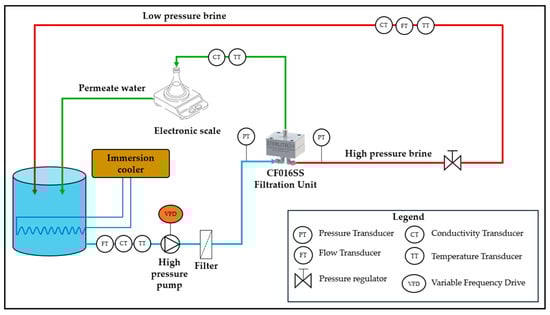
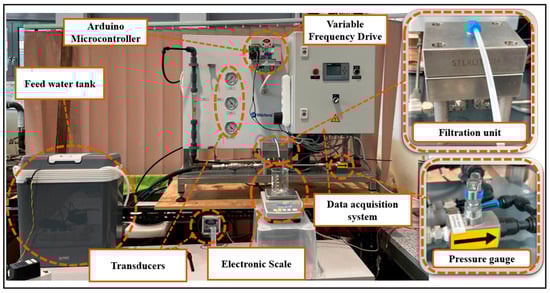
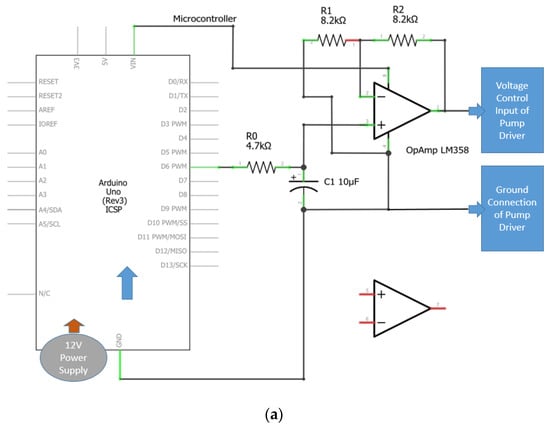
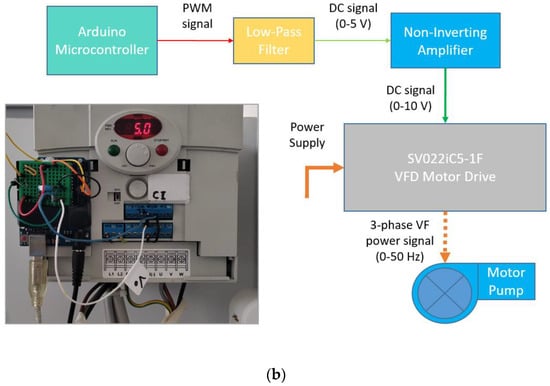
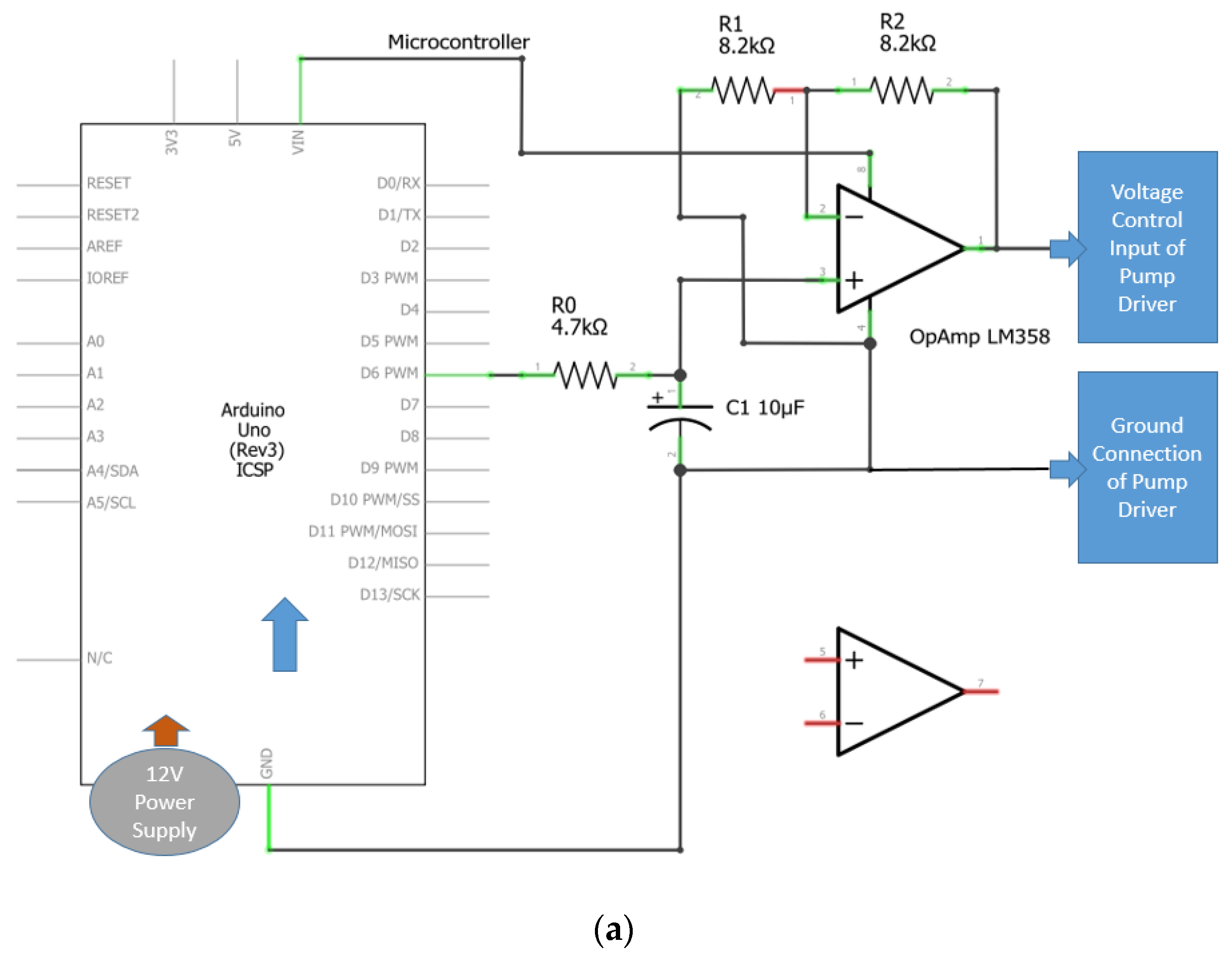
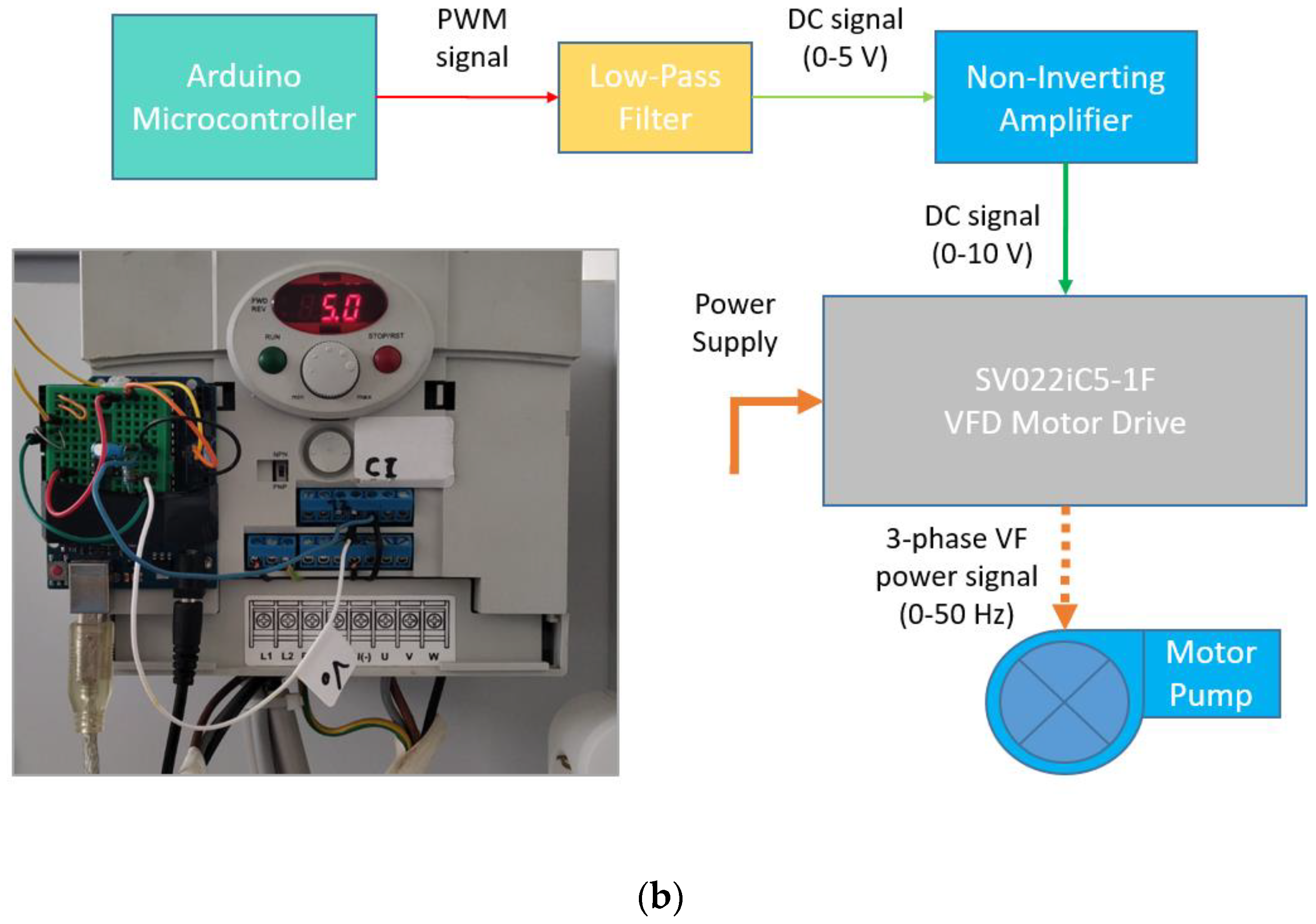
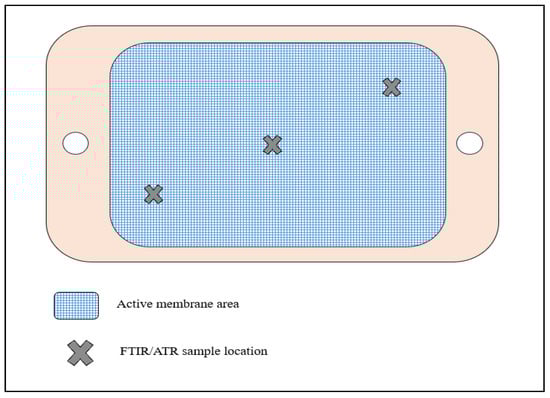
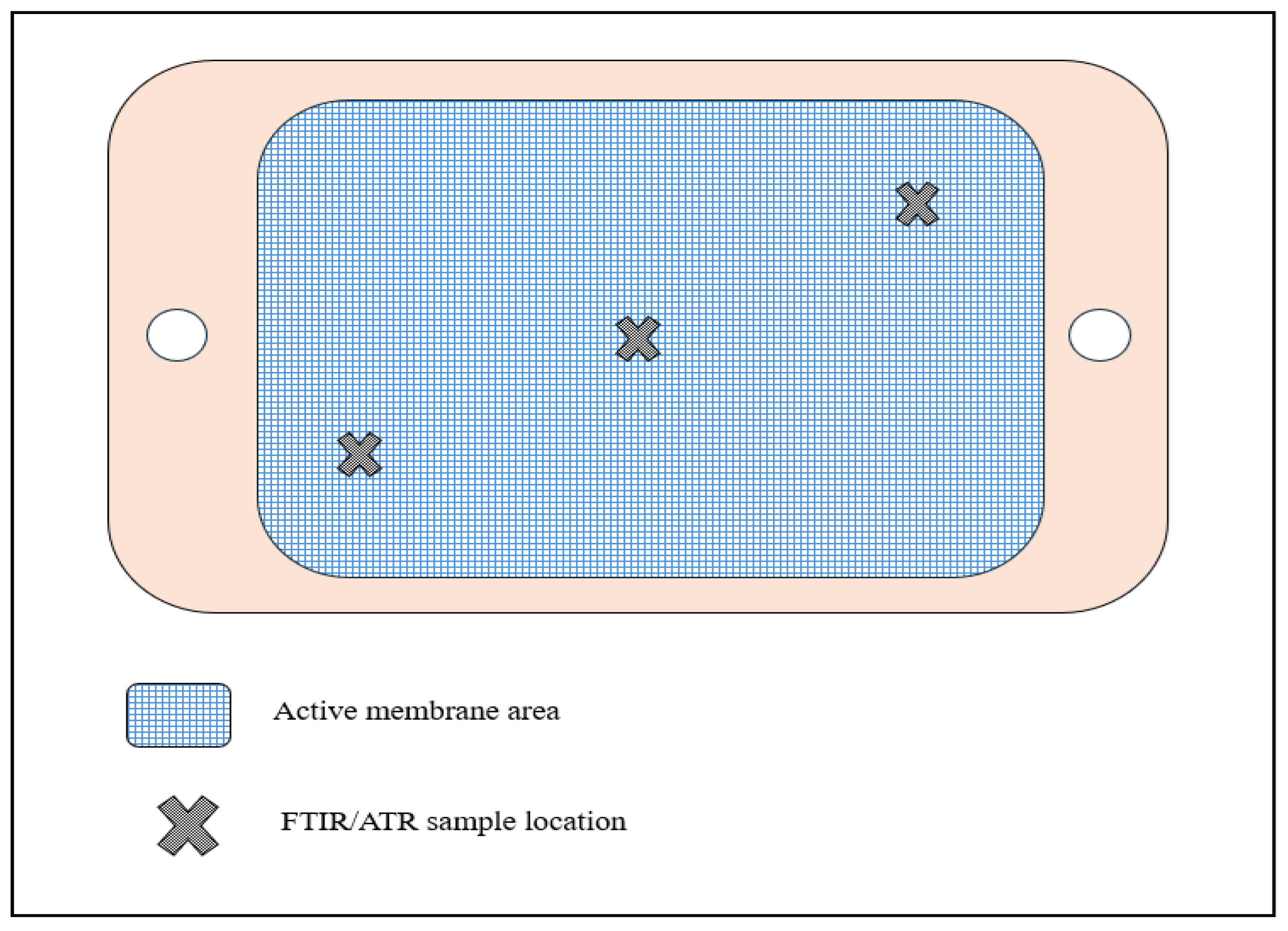
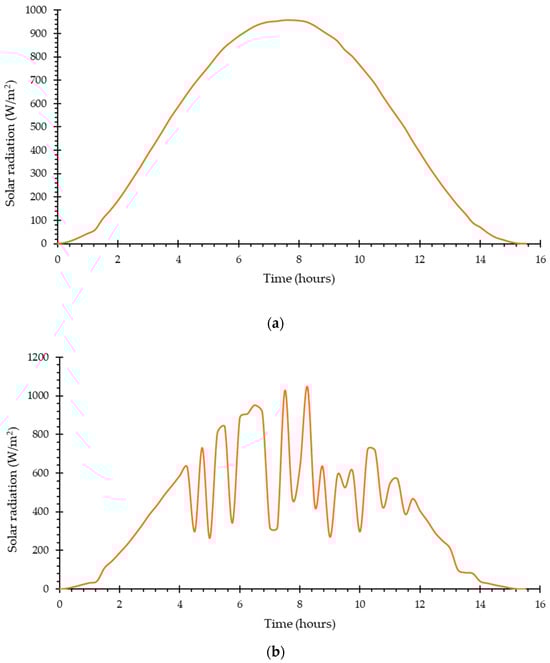
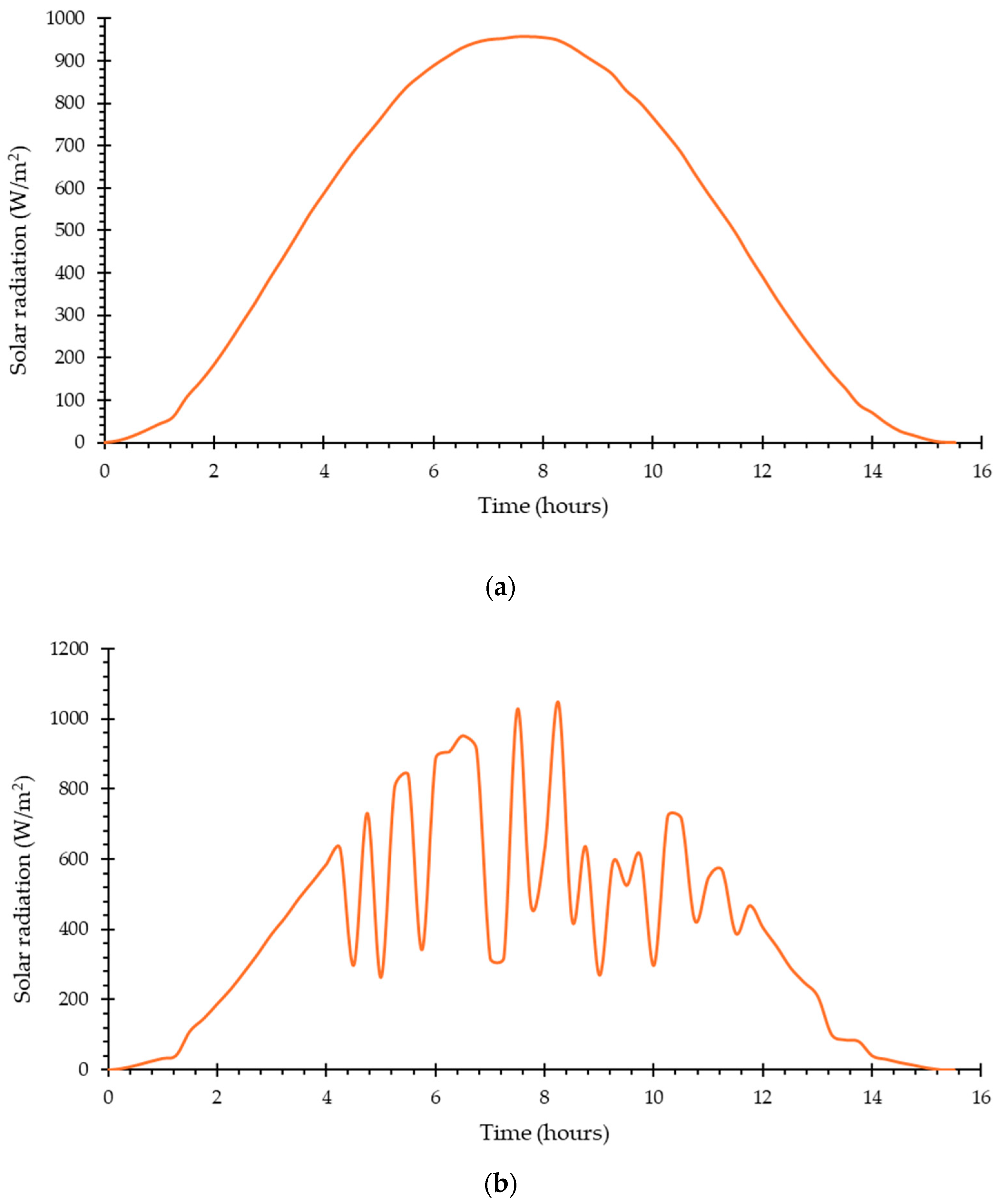
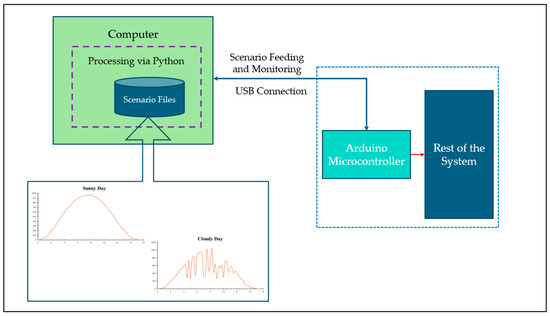
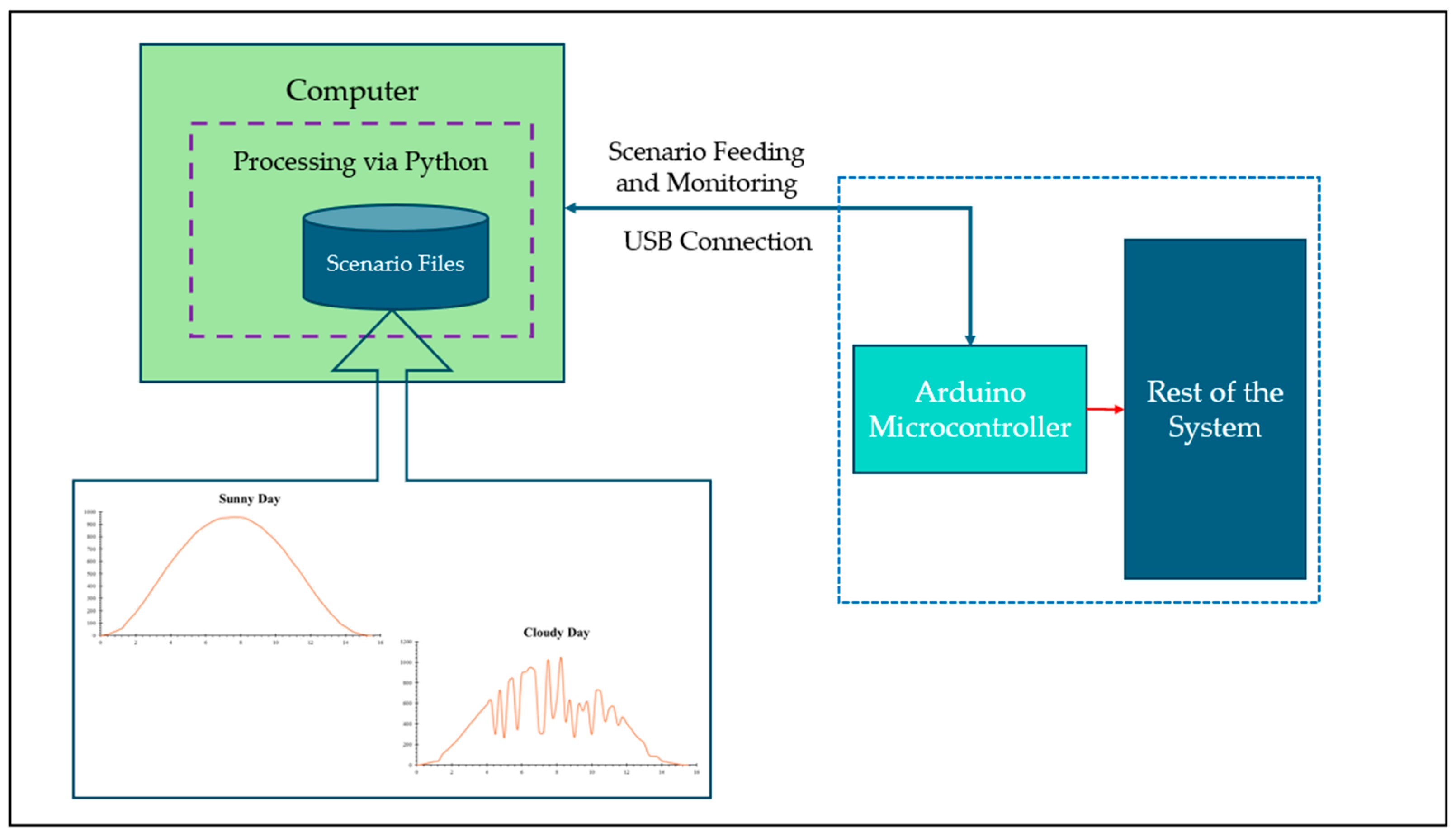
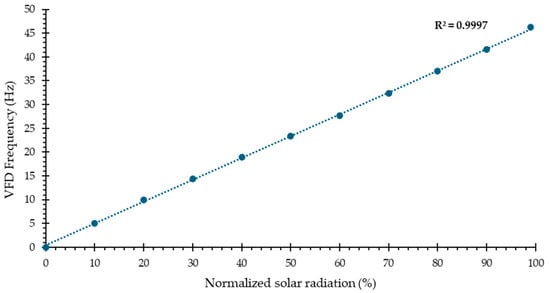
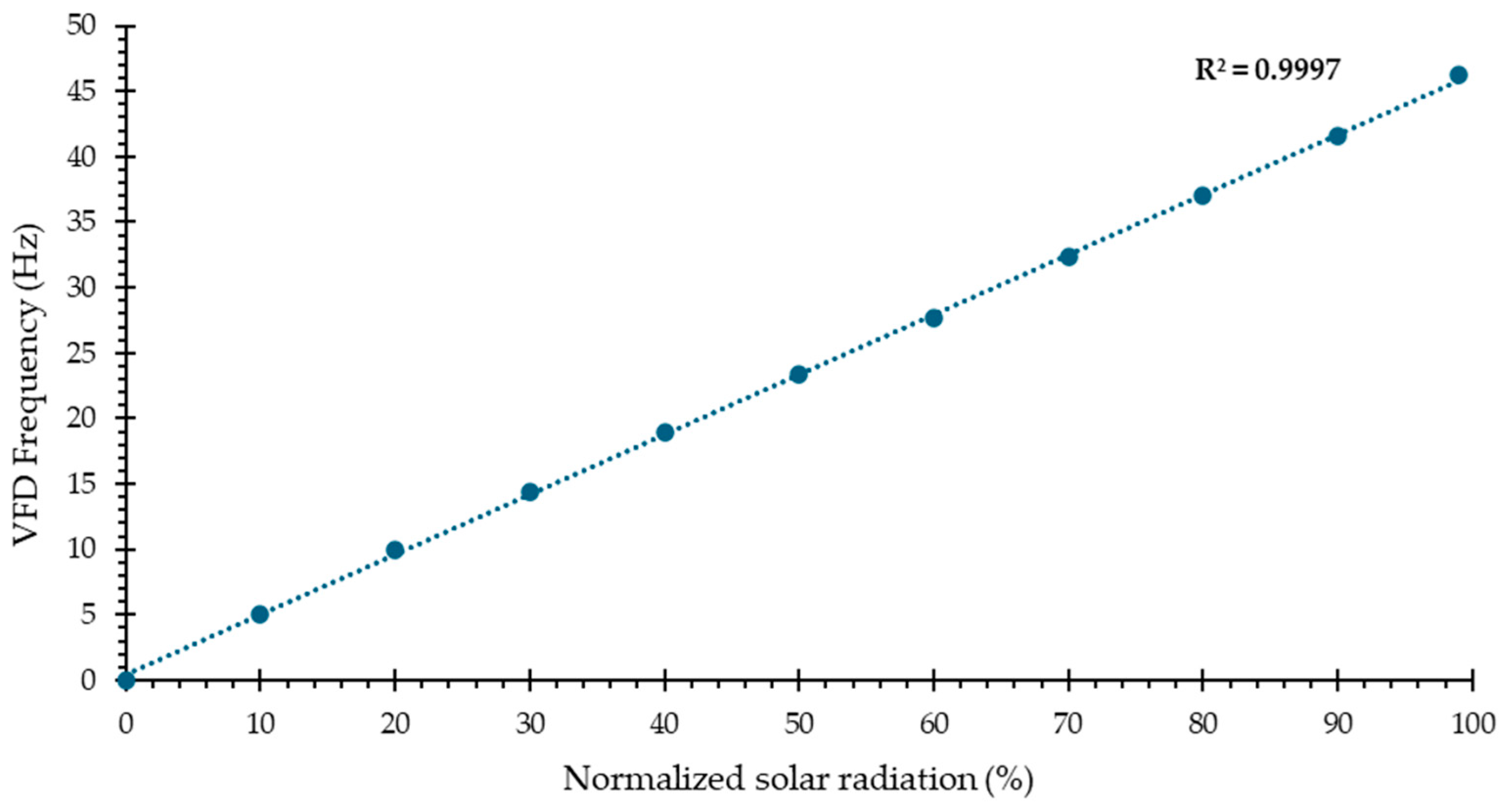
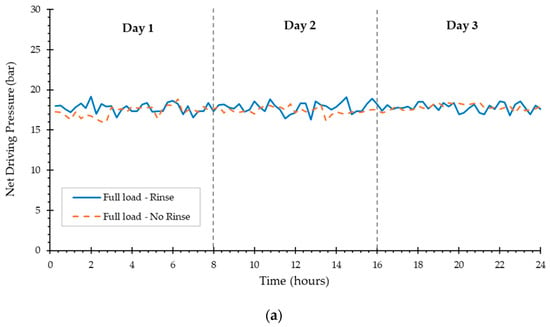
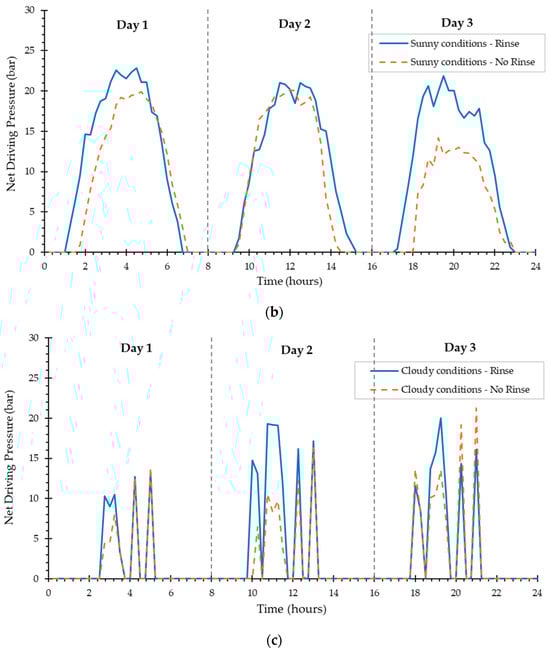
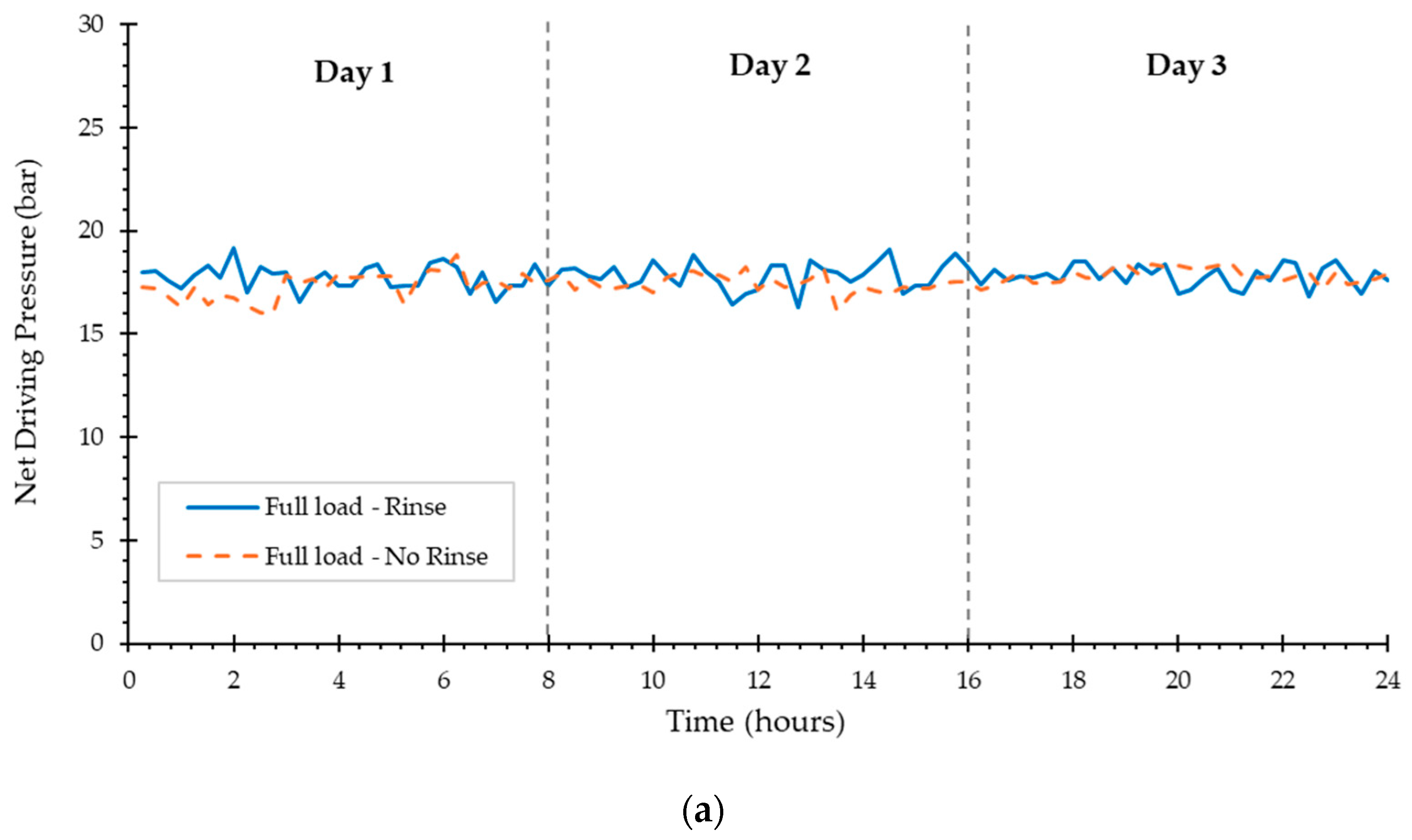
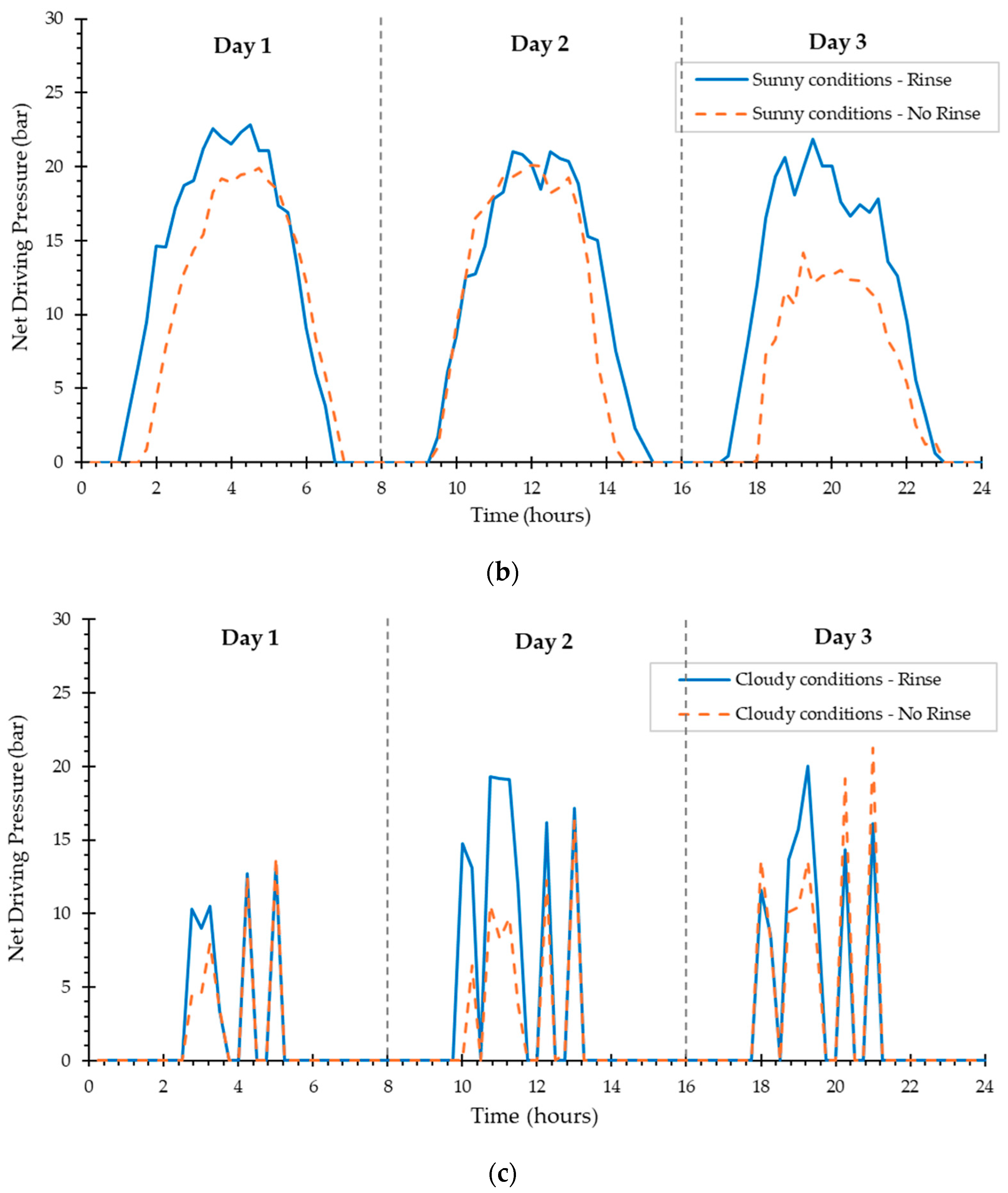
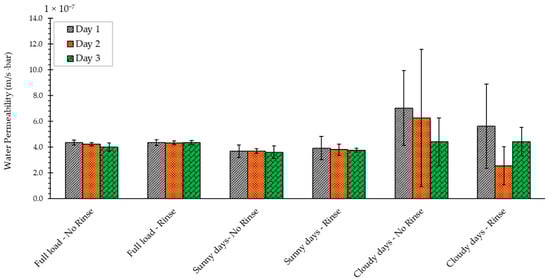
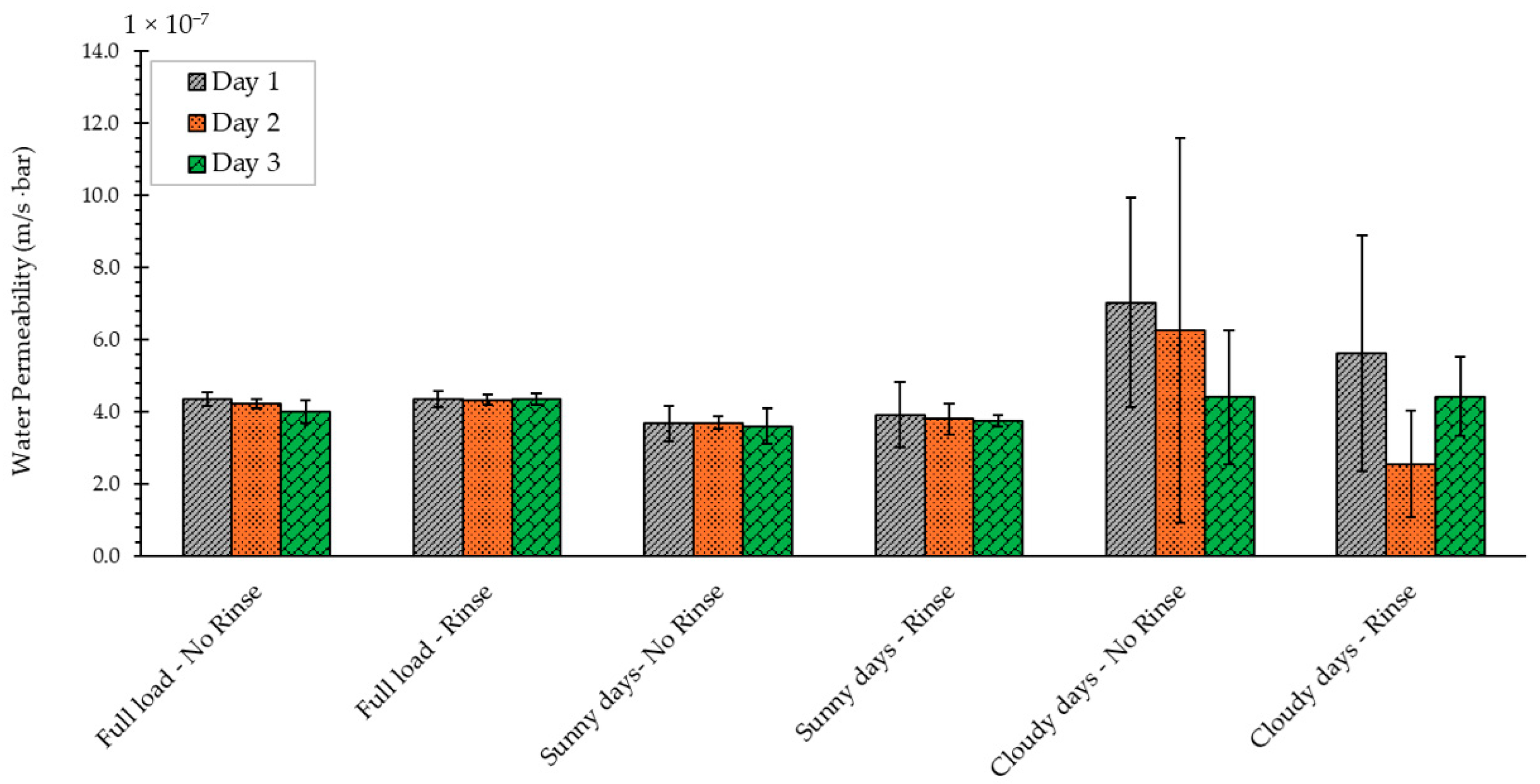
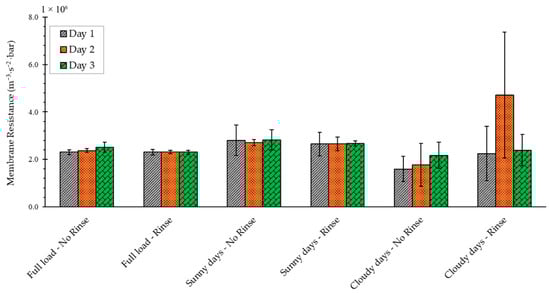
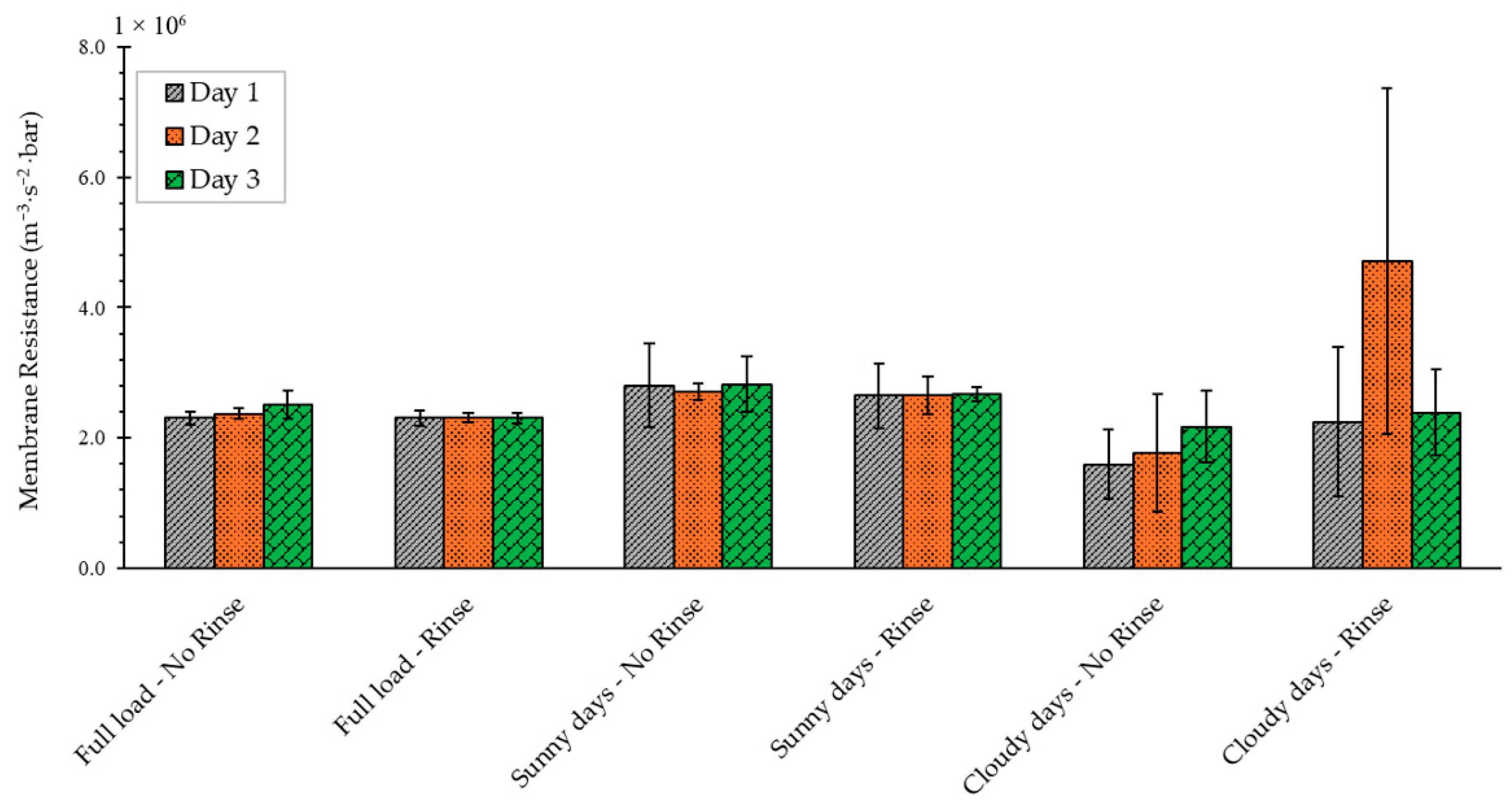
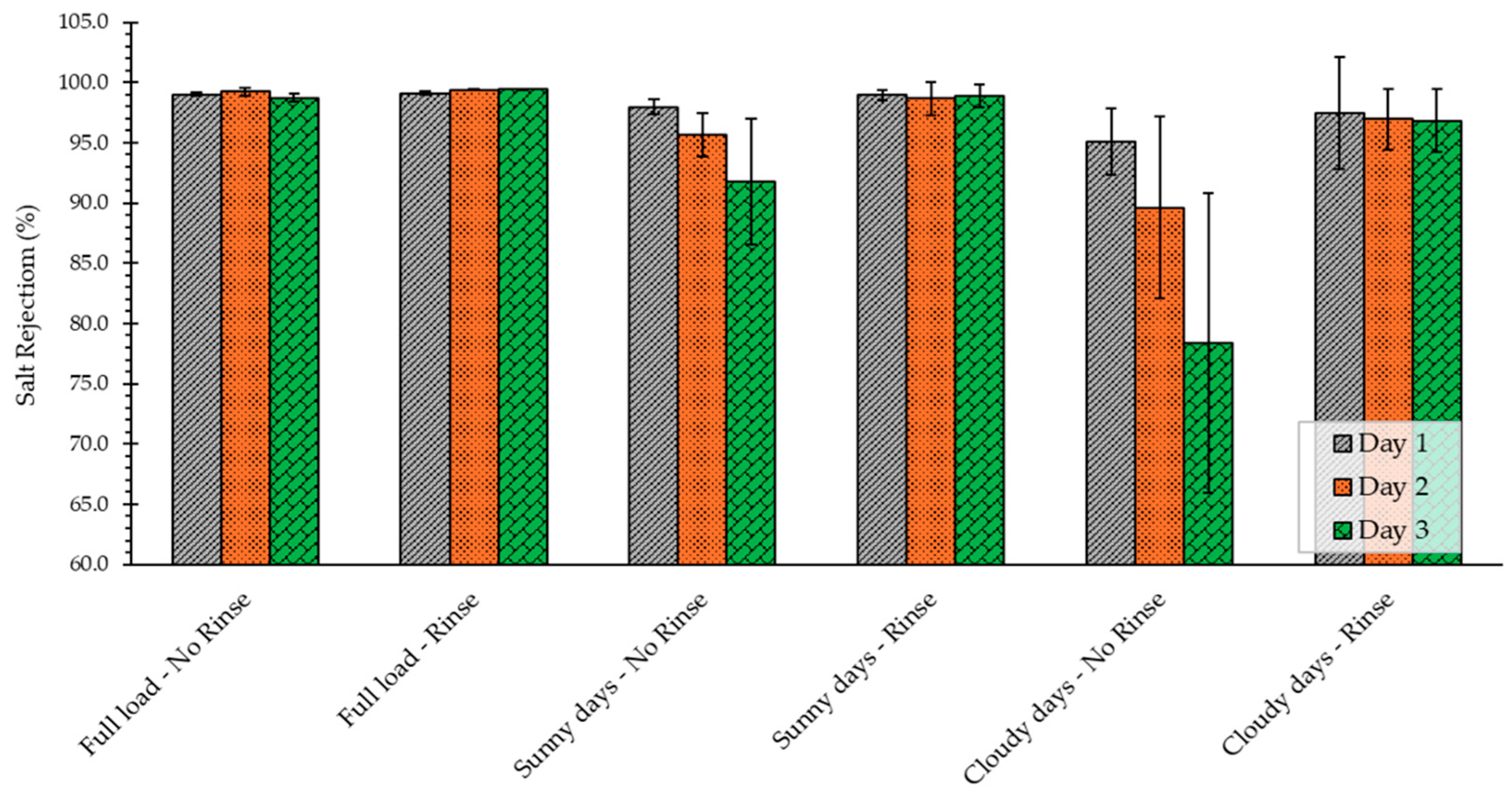
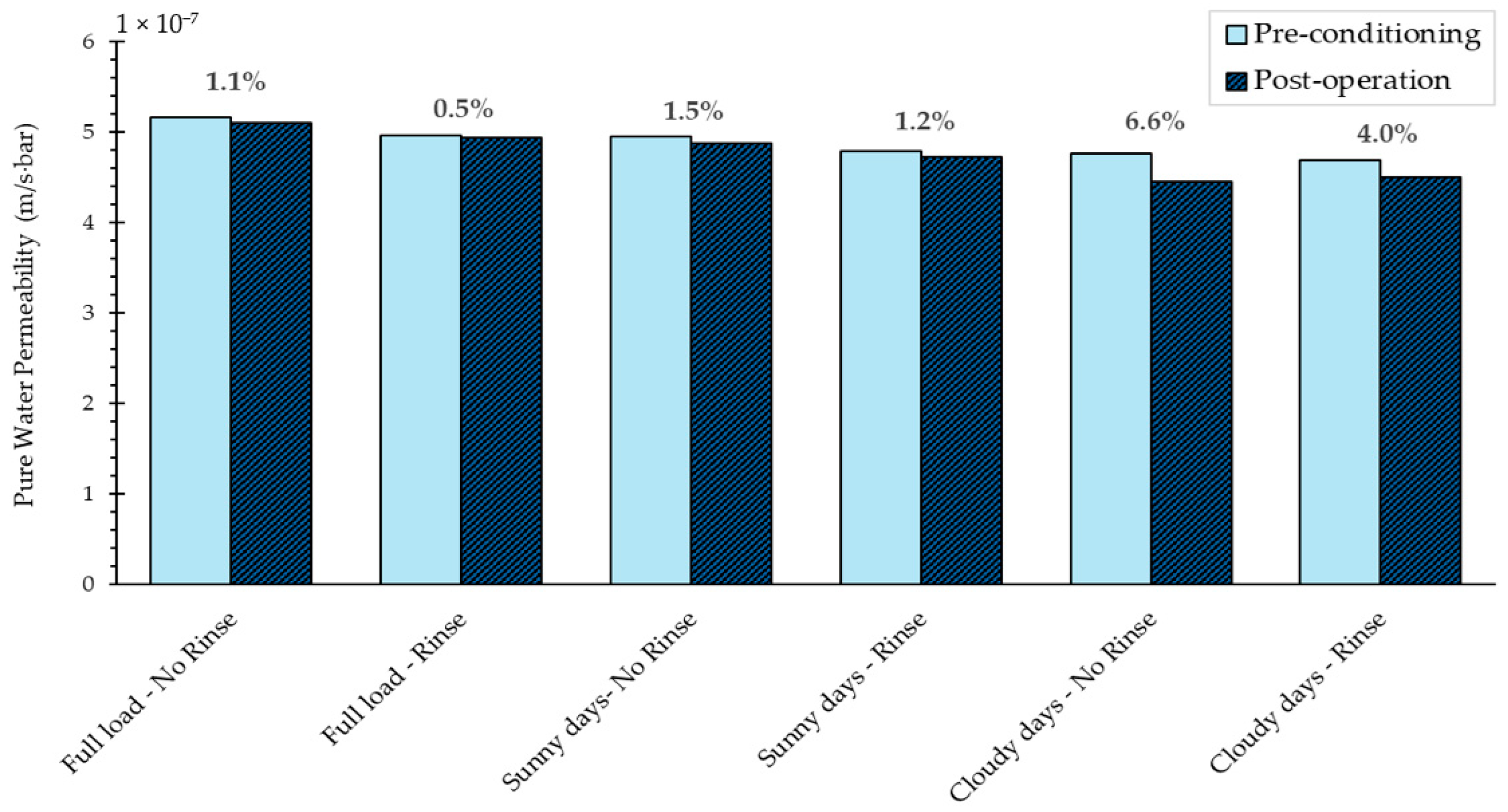
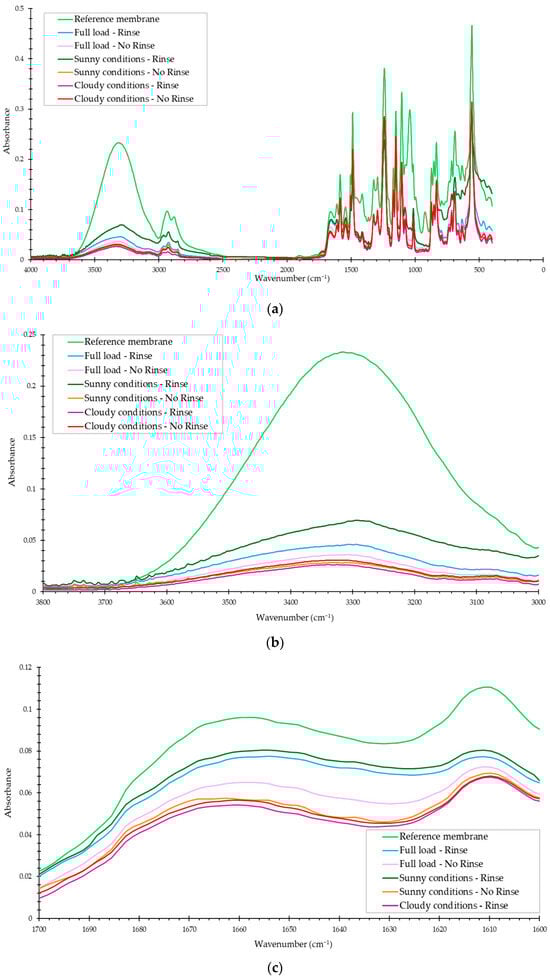
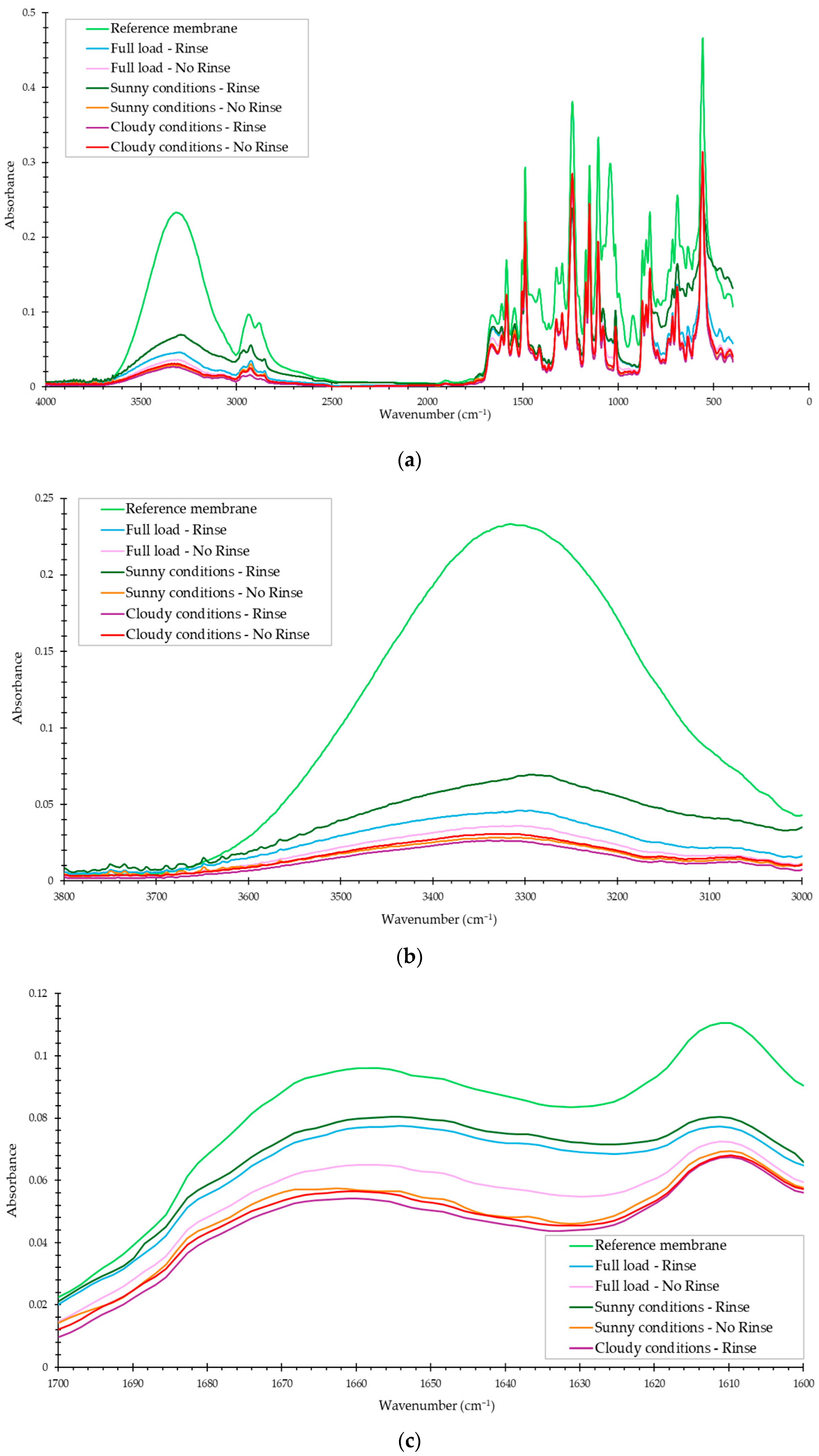

Disclaimer/Publisher’s Note: The statements, opinions and data contained in all publications are solely those of the individual author(s) and contributor(s) and not of MDPI and/or the editor(s). MDPI and/or the editor(s) disclaim responsibility for any injury to people or property resulting from any ideas, methods, instructions or products referred to in the content. |
© 2025 by the authors. Licensee MDPI, Basel, Switzerland. This article is an open access article distributed under the terms and conditions of the Creative Commons Attribution (CC BY) license (https://creativecommons.org/licenses/by/4.0/).