Article

The Importance of Enterococci in the Monitoring of Fecal Pollution in River Water in Forests and Urban Areas


by
Anna Gotkowska-Płachta
* and
Iwona Gołaś
Department of Water Protection Engineering and Environmental Microbiology, Faculty of Geoengineering, University of Warmia and Mazury in Olsztyn, Prawocheńskiego 1, 10-720 Olsztyn, Poland
*
Author to whom correspondence should be addressed.
Water 2023, 15(21), 3708; https://doi.org/10.3390/w15213708
Submission received: 28 September 2023 / Revised: 17 October 2023 / Accepted: 20 October 2023 / Published: 24 October 2023
(This article belongs to the Special Issue Lake Eutrophication: Causes, Monitoring and Restoration)

Abstract

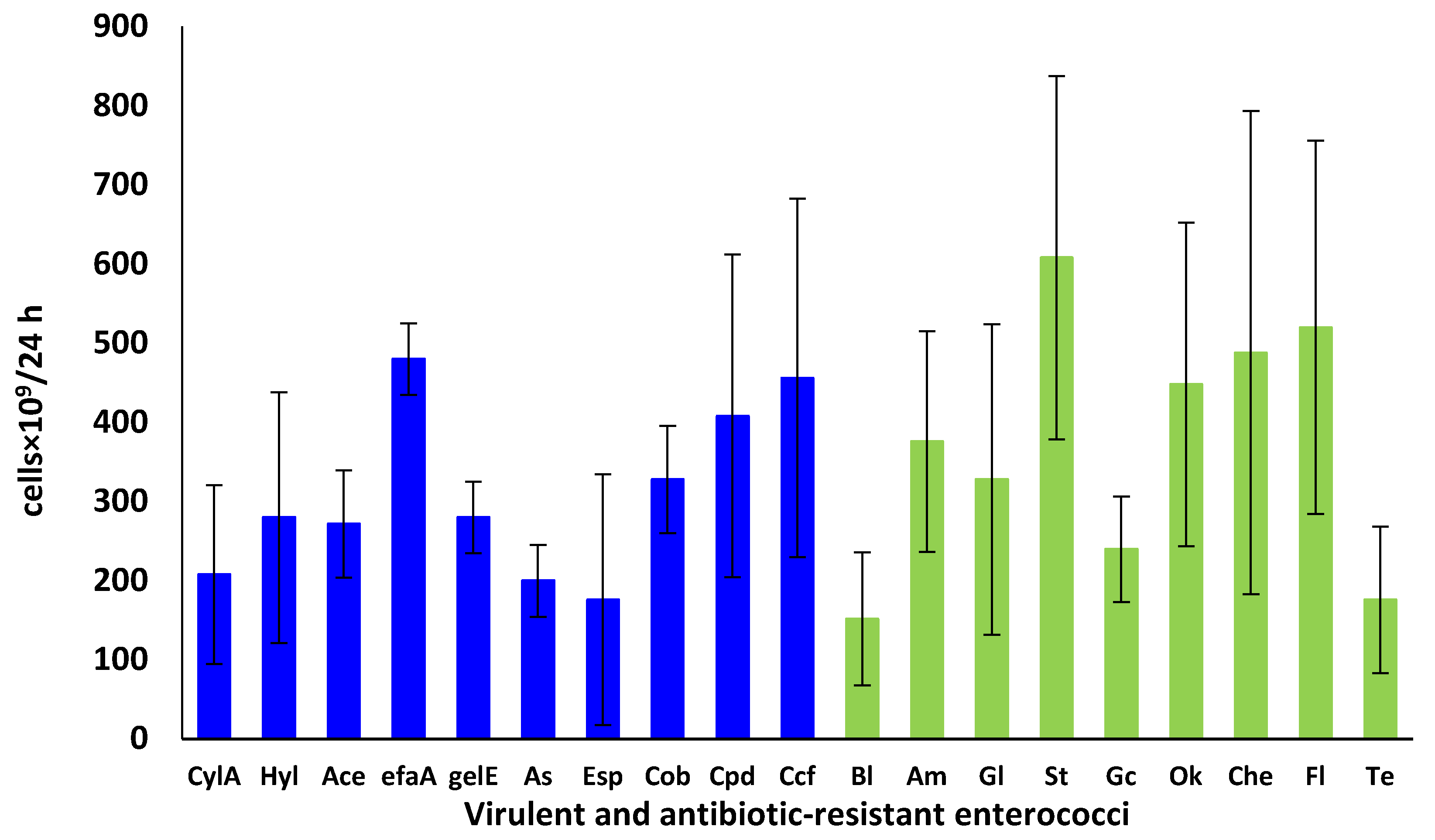
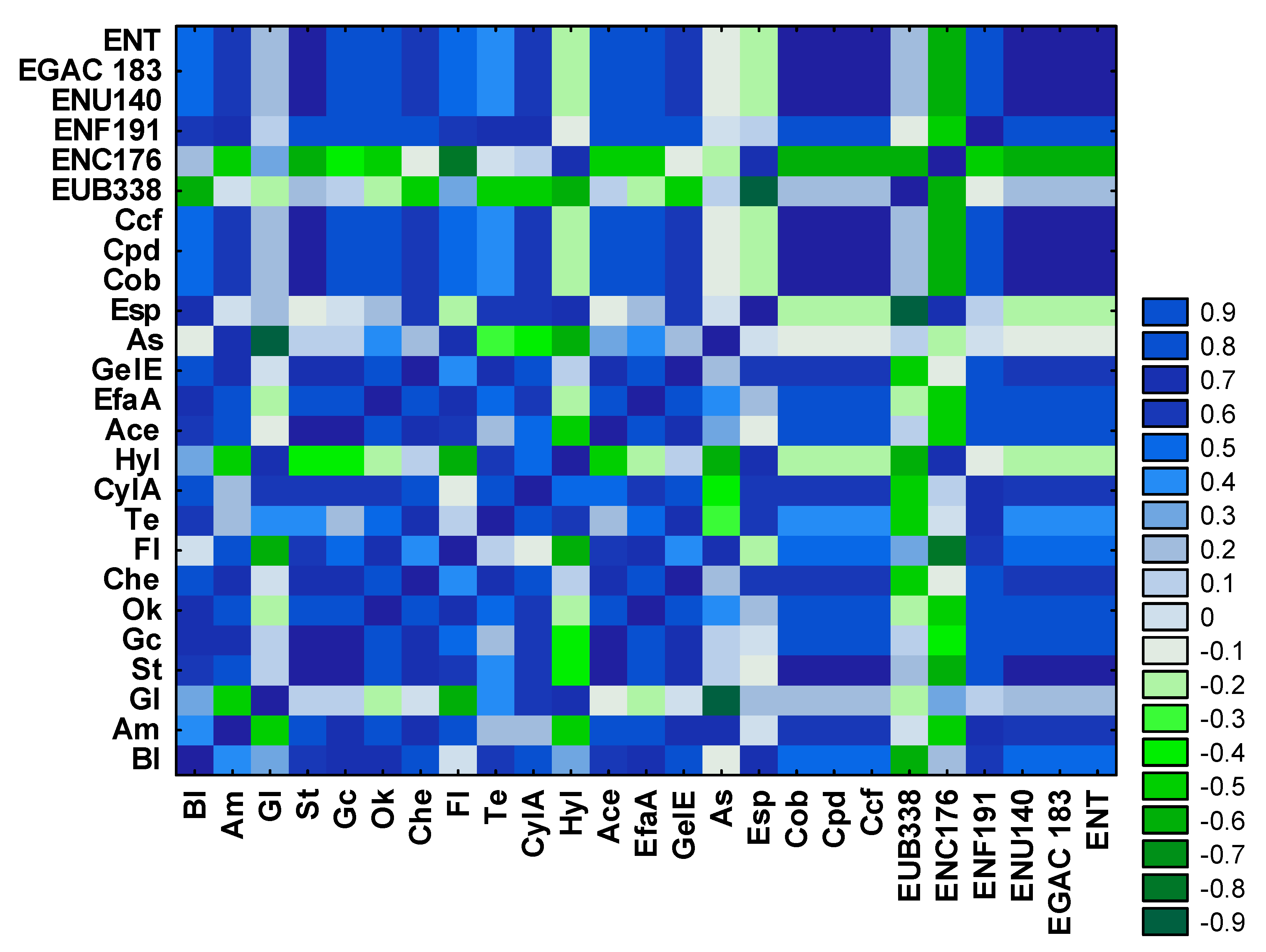
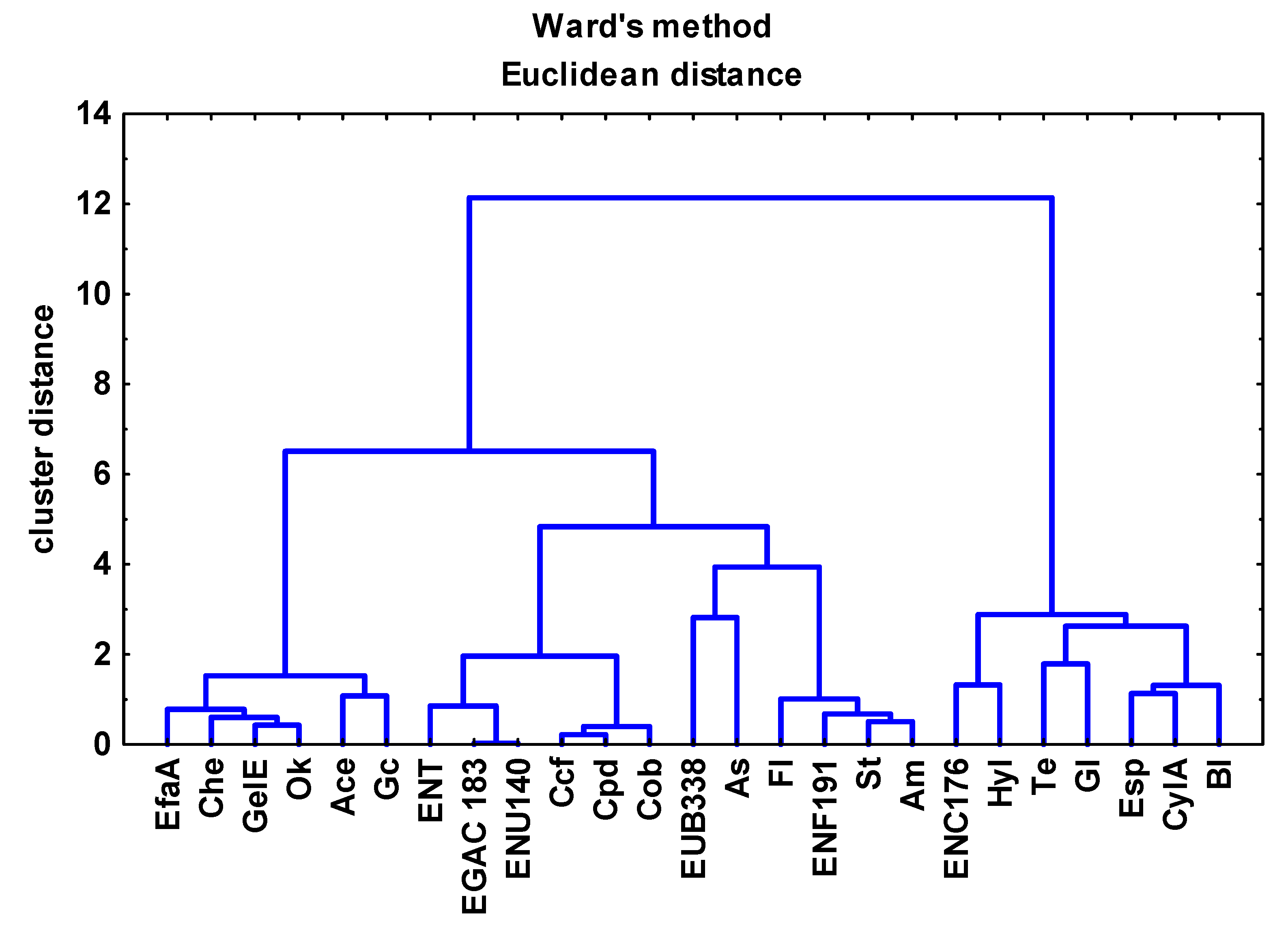
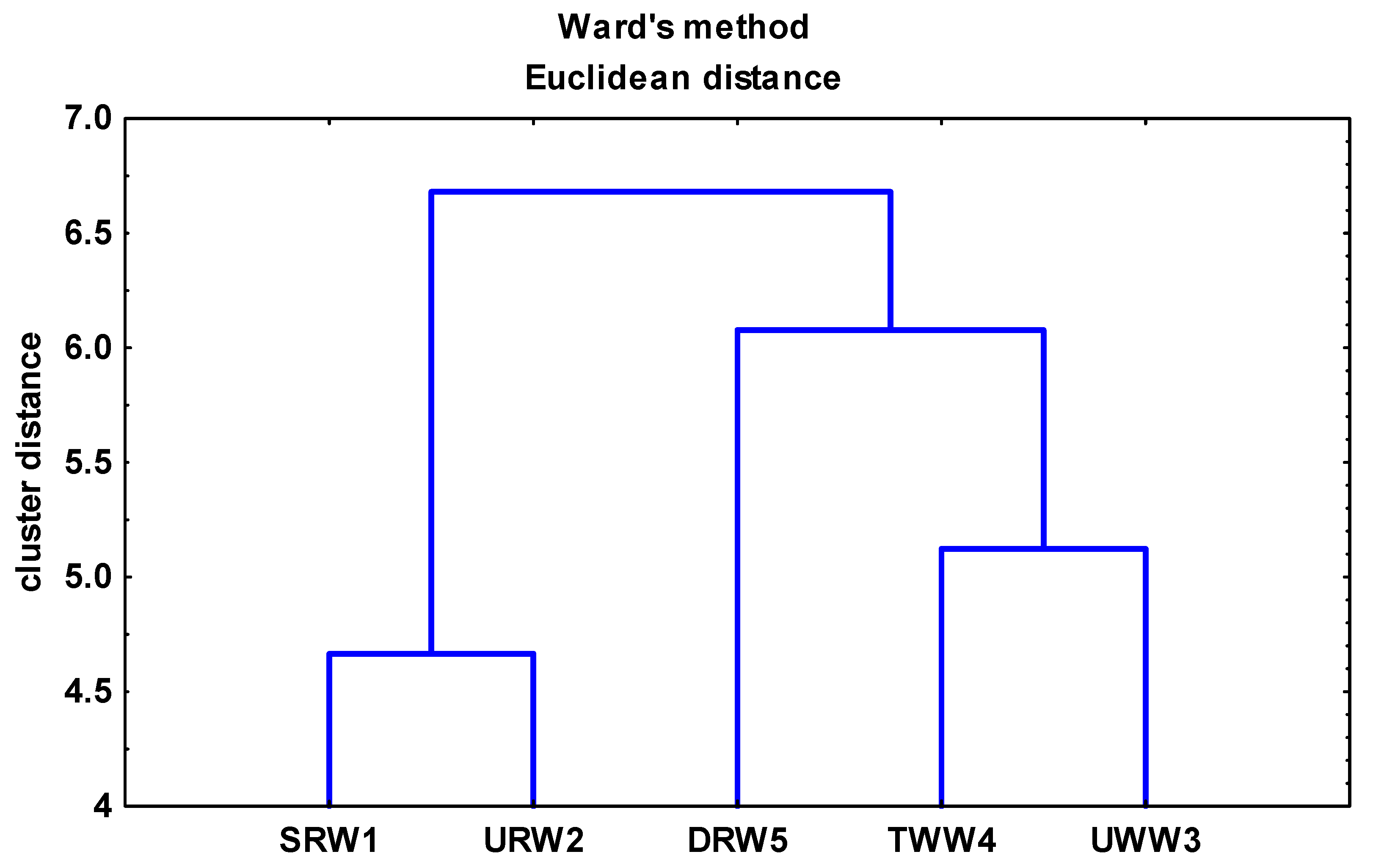
The aim of this study was to determine the spatial distribution of enterococci as indicators of fecal pollution in river water in forest reserves and urban areas. The biodiversity, multidrug resistance, and virulence of enterococci were monitored using conventional and molecular methods, including fluorescence in situ hybridization (FISH). Enterococcal (ENT) counts determined via the FISH method were several thousand times higher than those determined by the culture-based method. This observation points to the abundance of viable but non-culturable (VBNC) bacteria that are often more toxic. Water from the river source was characterized by the lowest number of multidrug-resistant and virulent enterococcal strains. The abundance of the analyzed bacteria was highest (more than 50% of the strains) in the area where treated wastewater was evacuated to the river. Statistical analysis confirmed the presence of relationships between these environments. Pathogenic enterococci, which are not effectively eliminated during wastewater treatment, spread in the river continuum, thus posing a health threat to humans and animals. A combination of conventional and molecular techniques for the identification of bacteria supports a rapid and reliable assessment of pollution sources in the examined environment and the implementation of protective measures.
Keywords: river; fecal pollution; enterococci; pathogenicity; forests reserves; urban areas; fluorescence in situ hybridization (FISH) river; fecal pollution; enterococci; pathogenicity; forests reserves; urban areas; fluorescence in situ hybridization (FISH)