Article

Experimental Study on Gully Erosion Characteristics of Mountain Torrent Debris Flow in a Strong Earthquake Area


1
College of Water Resource and Hydropower, Sichuan University, Chengdu 610065, China
2
Yalong River Hydropower Development Company, Ltd., Chengdu 610000, China
3
State Key Laboratory of Hydraulics and Mountain River Engineering, Sichuan University, Chengdu 610065, China
*
Author to whom correspondence should be addressed.
Water 2023, 15(2), 283; https://doi.org/10.3390/w15020283
Submission received: 20 November 2022 / Revised: 30 December 2022 / Accepted: 5 January 2023 / Published: 9 January 2023
(This article belongs to the Special Issue Flash Floods: Forecasting, Monitoring and Mitigation Strategies)

Abstract

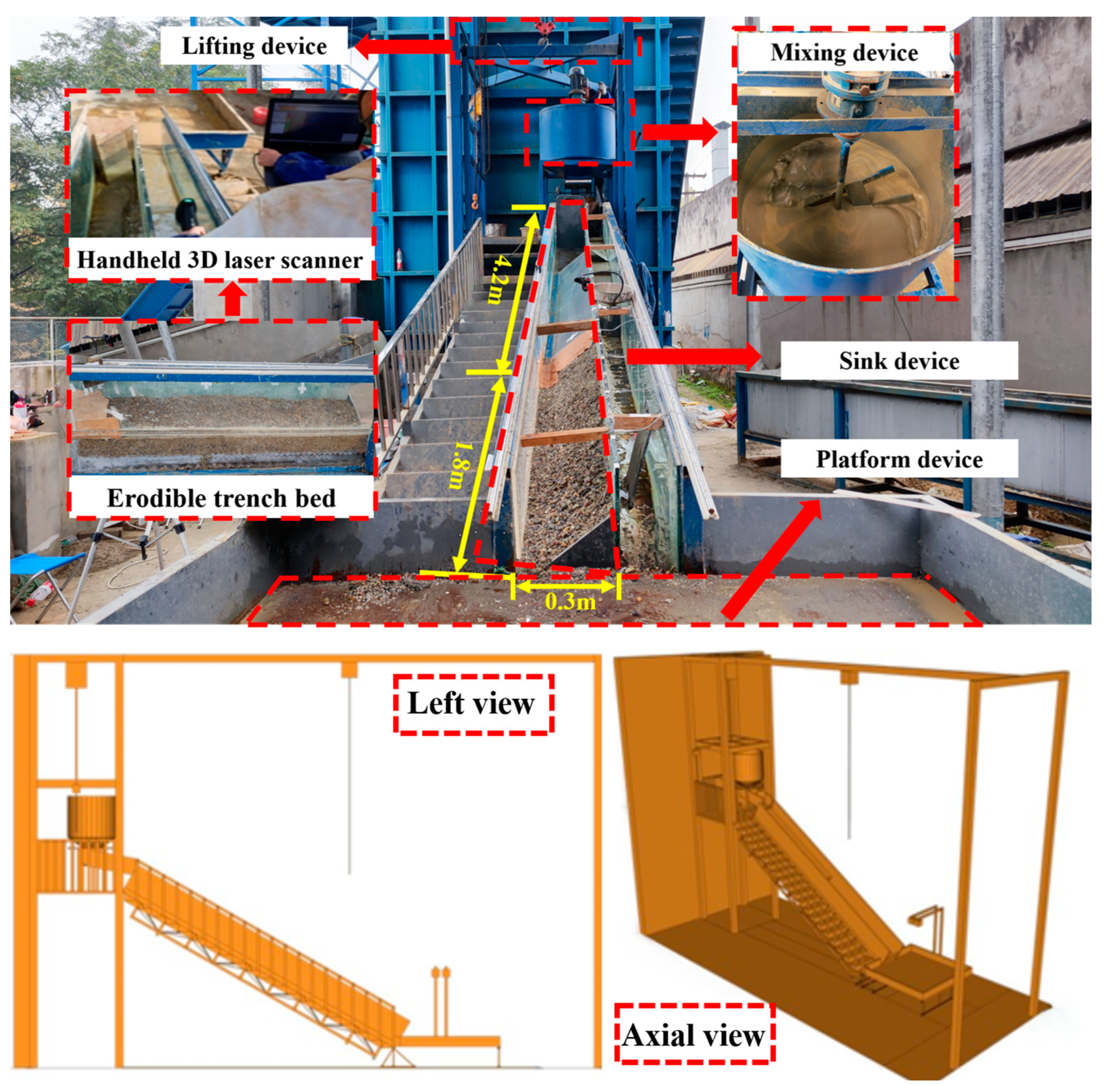
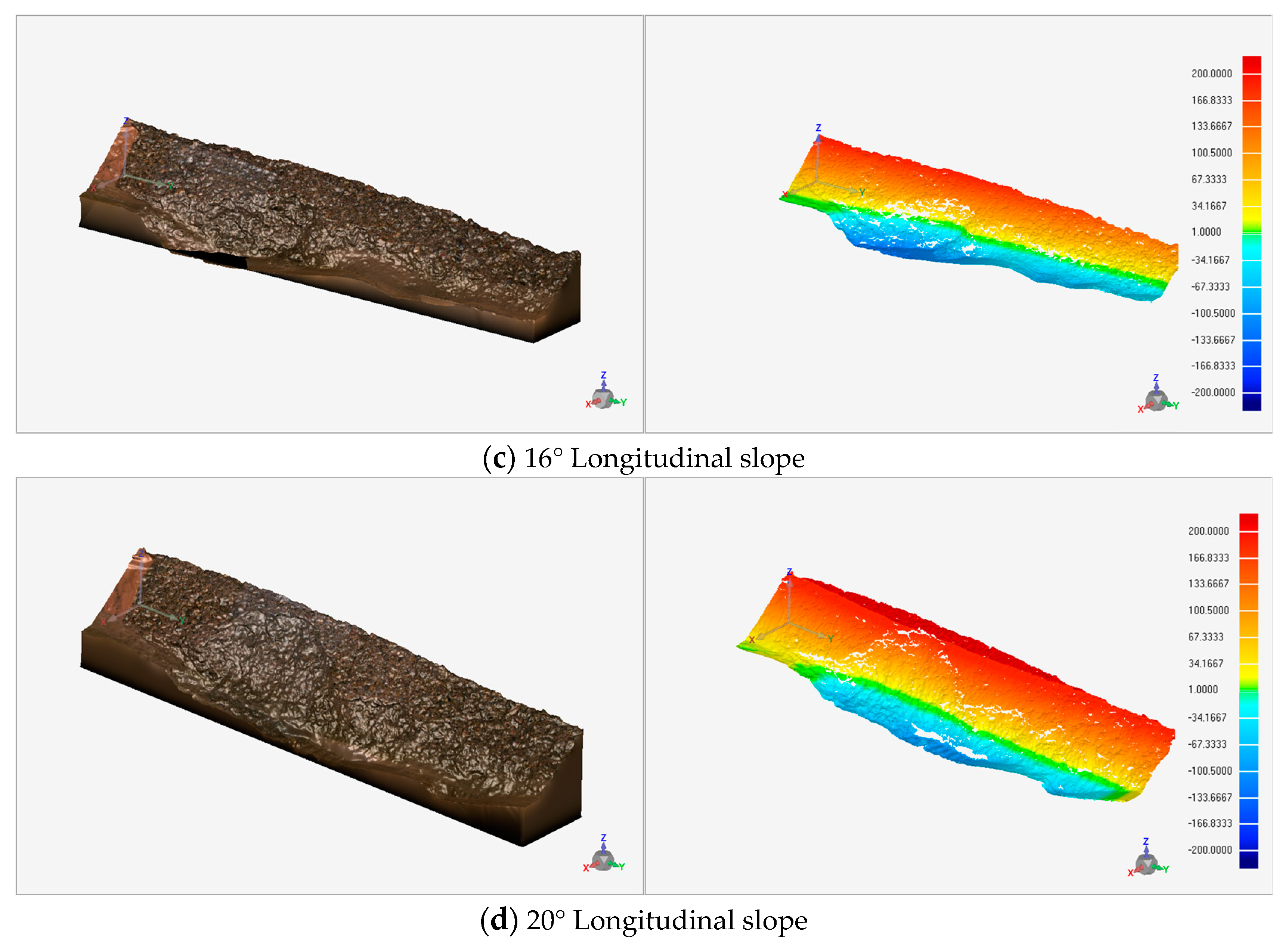
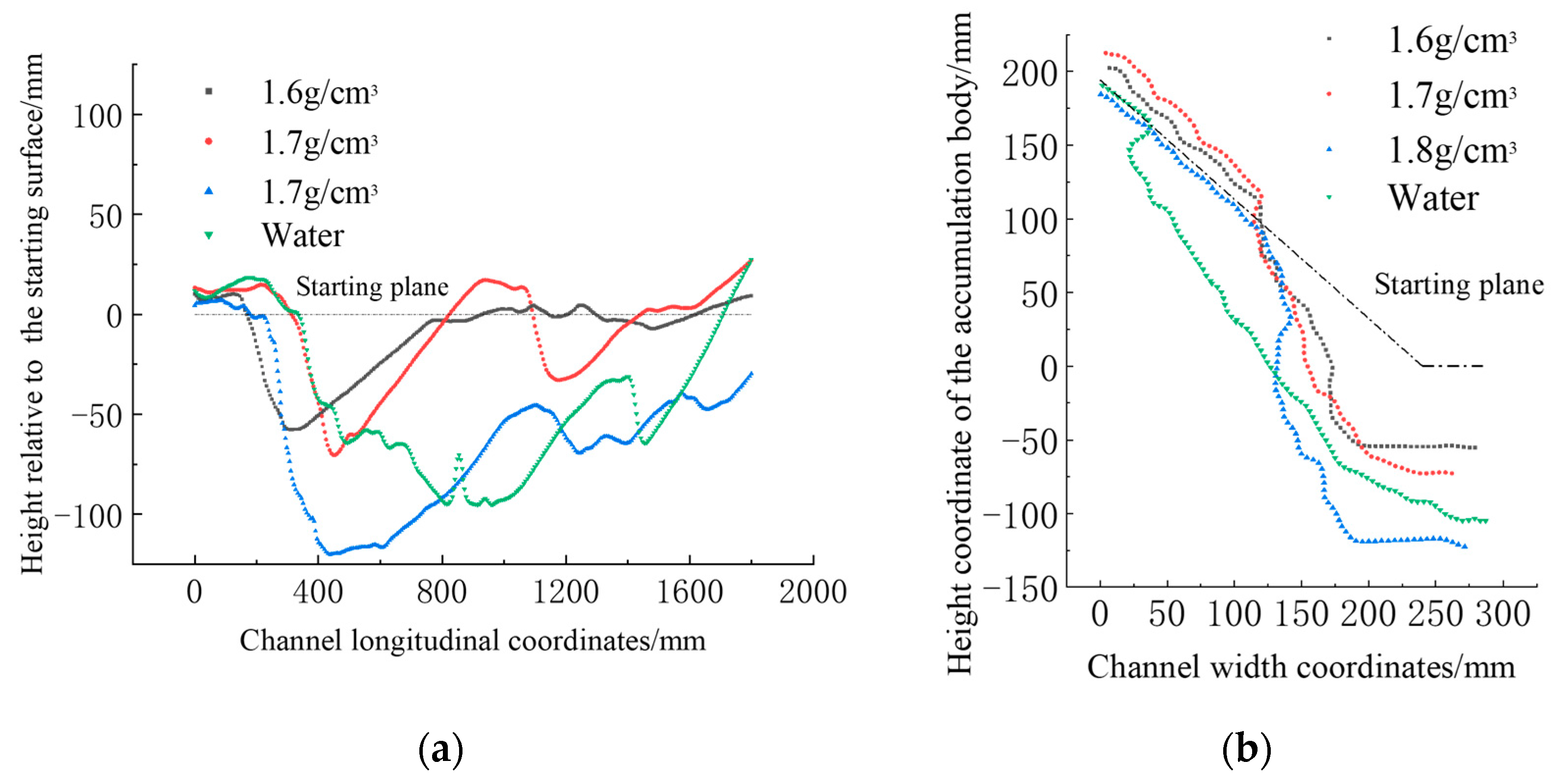
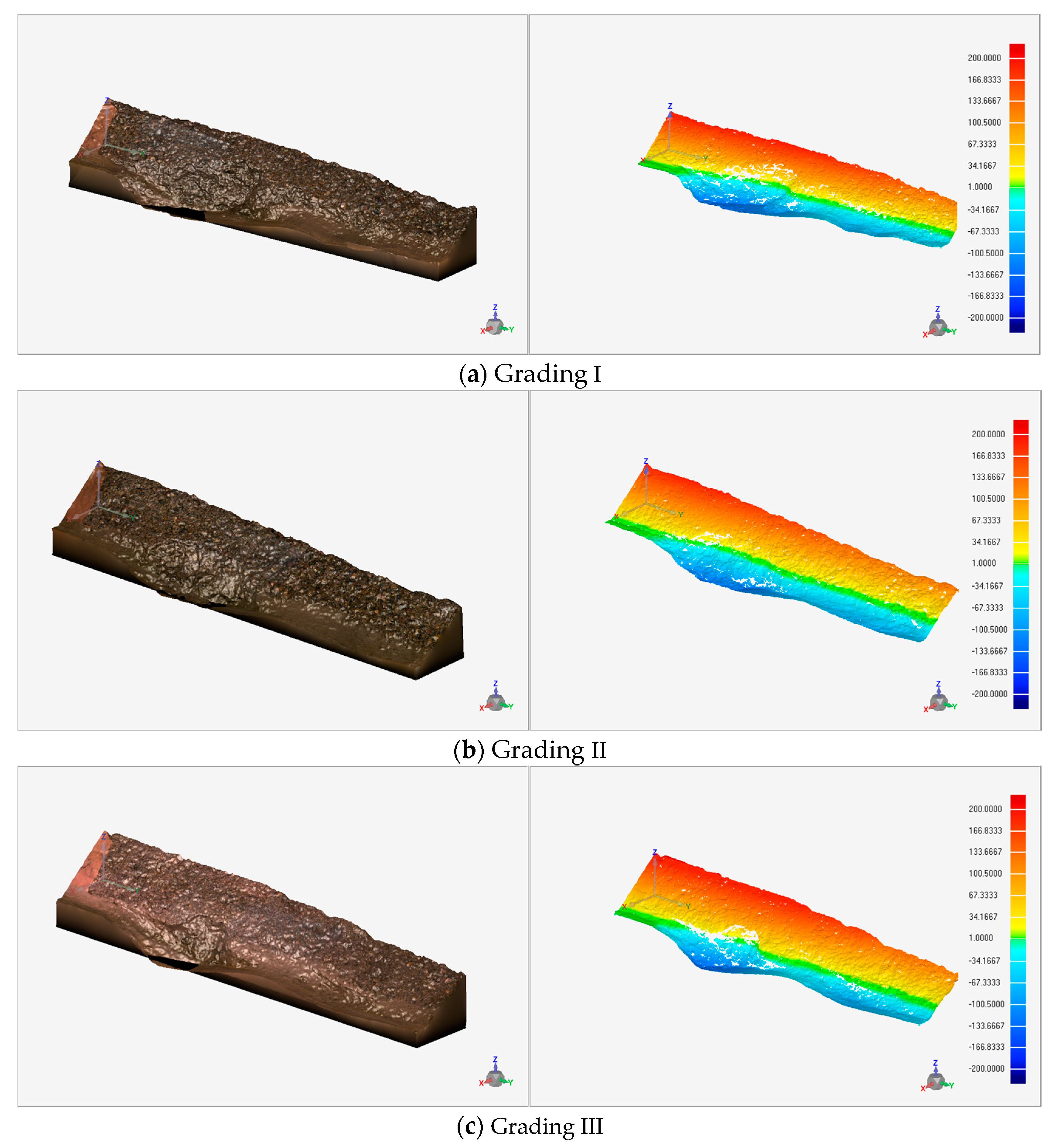
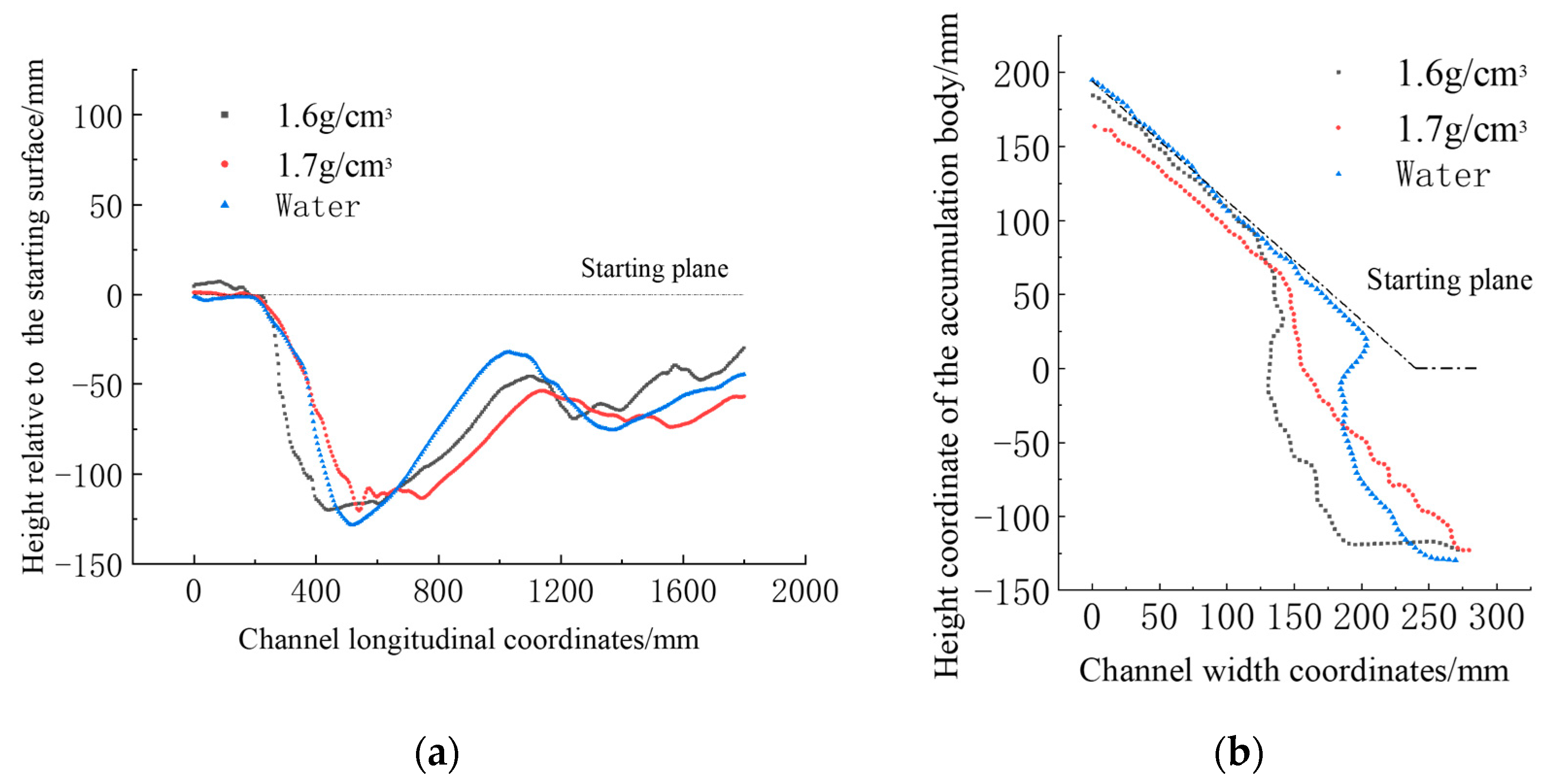
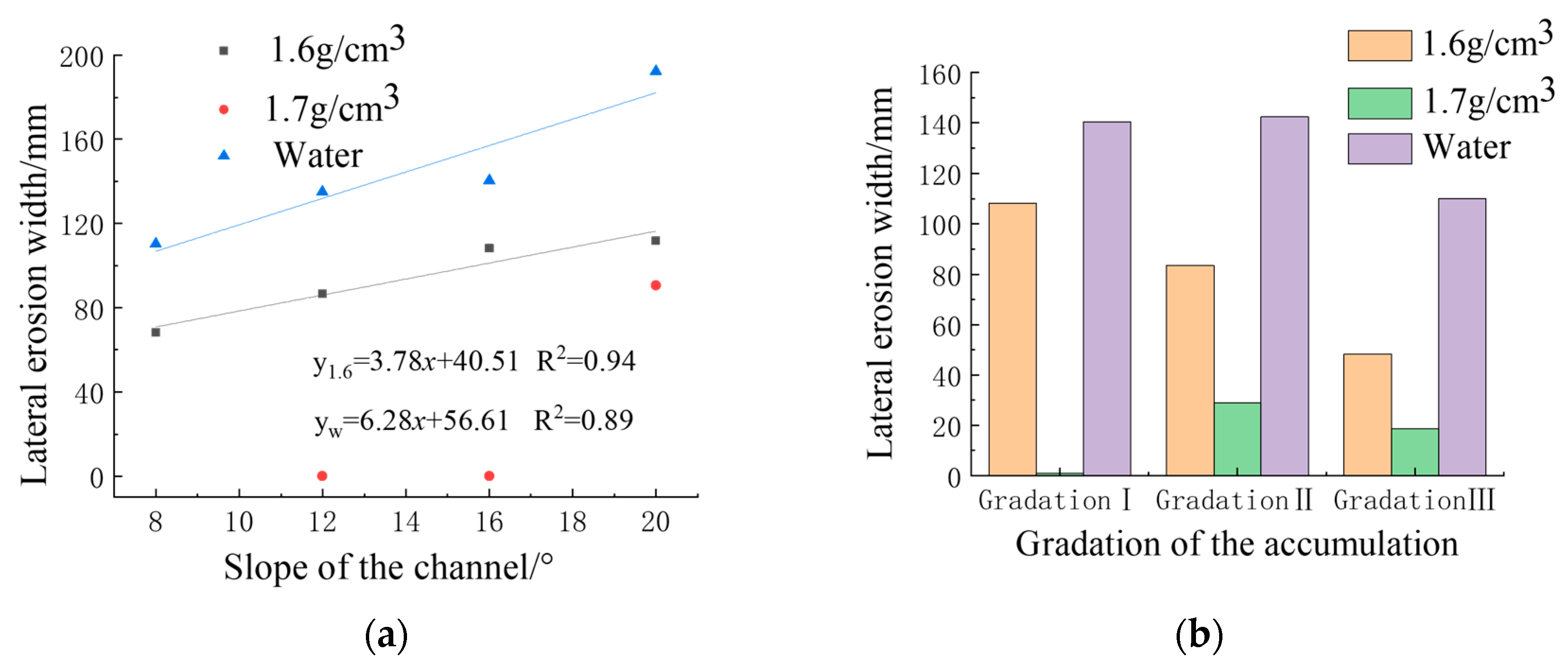
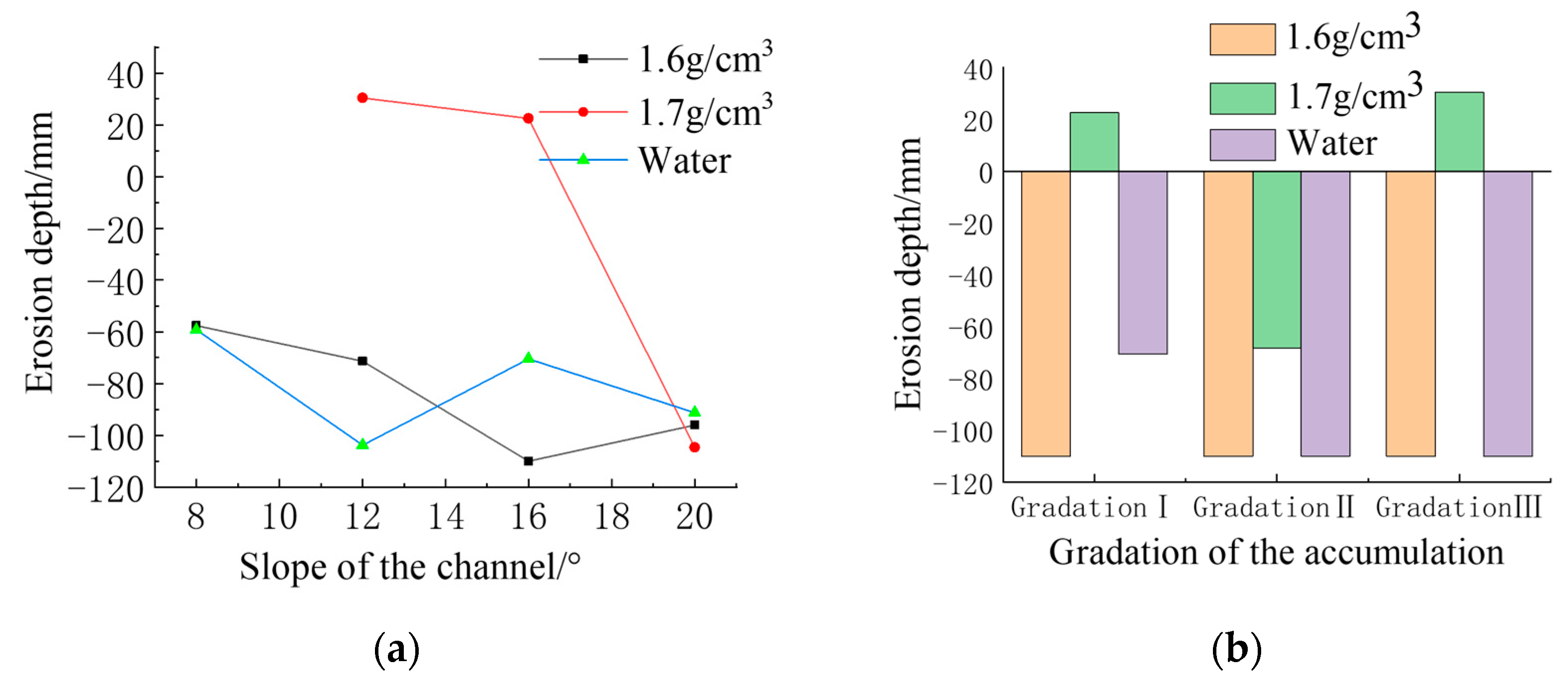
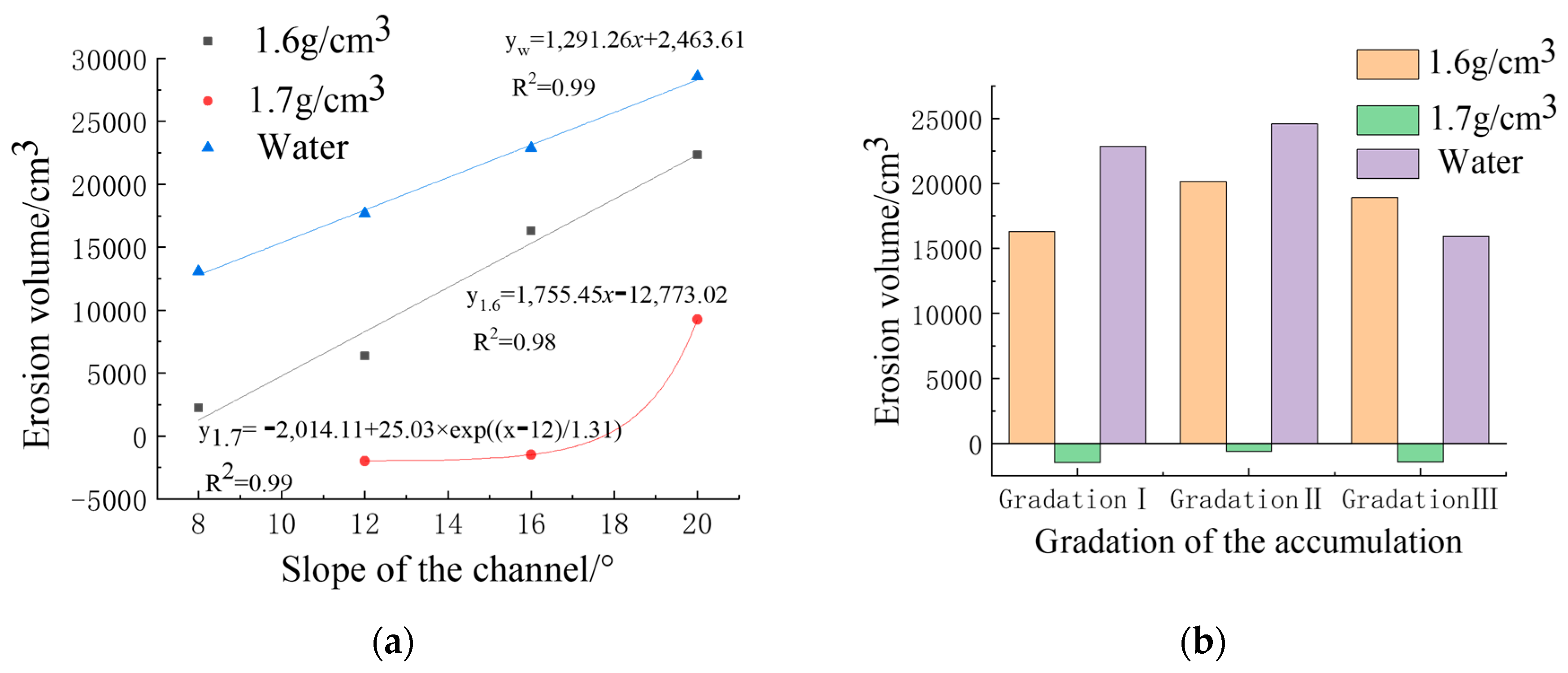
In recent years, as the frequency of debris flow outbreak in strong earthquake areas has increased and the scale has been expanding, in order to explore the erosion characteristics of debris flow, a lateral erosion flume model experimental device has been designed, and 18 groups of incomplete orthogonal experiments have been carried out, with a unit weight of debris flow of 1.6~2.0 g/cm3, a content of fine particles in the accumulation of 0~28.82%, and a longitudinal slope gradient of the gully of 8°~20° as variables. The results show that the erosion width, erosion depth, and erosion volume decrease with the increase in fluid bulk density and increase with the increase in gully slope. When the longitudinal slope of the gully was 16°, the sediment with 11.40% fine particles had the strongest erosion effect, indicating that more or less fine particles are not conducive to the occurrence of lateral erosion of the gully. Finally, through multi-factor variance analysis, it was found that the order of the three factors on the gully lateral erosion degree from strong to weak is: debris flow unit weight, gully slope, and accumulation grading. The analysis results further showed that the unit weight of debris flow has the greatest impact on the erosion degree of the side slope, which is consistent with the experimental results. The research results have important reference significance for revealing the mechanism of lateral erosion and improving the level of debris flow disaster prevention in strong earthquake areas.
Keywords: debris flow; lateral erosion; strong earthquake area; model experiment; erosion pattern debris flow; lateral erosion; strong earthquake area; model experiment; erosion pattern