Article

Evaluation and Optimization of Hydrological Connectivity Based on Graph Theory: A Case Study in Dongliao River Basin, China

1
State Environmental Protection Key Laboratory of Wetland Ecology and Vegetation Restoration, School of Environment, Northeast Normal University, Changchun 130024, China
2
School of Environment, Northeast Normal University, Changchun 130024, China
3
Key Laboratory of Vegetation Ecology, Ministry of Education, Changchun 130024, China
*
Authors to whom correspondence should be addressed.
Water 2022, 14(23), 3958; https://doi.org/10.3390/w14233958
Submission received: 10 October 2022 / Revised: 1 December 2022 / Accepted: 2 December 2022 / Published: 5 December 2022
(This article belongs to the Section Hydrology)

Abstract

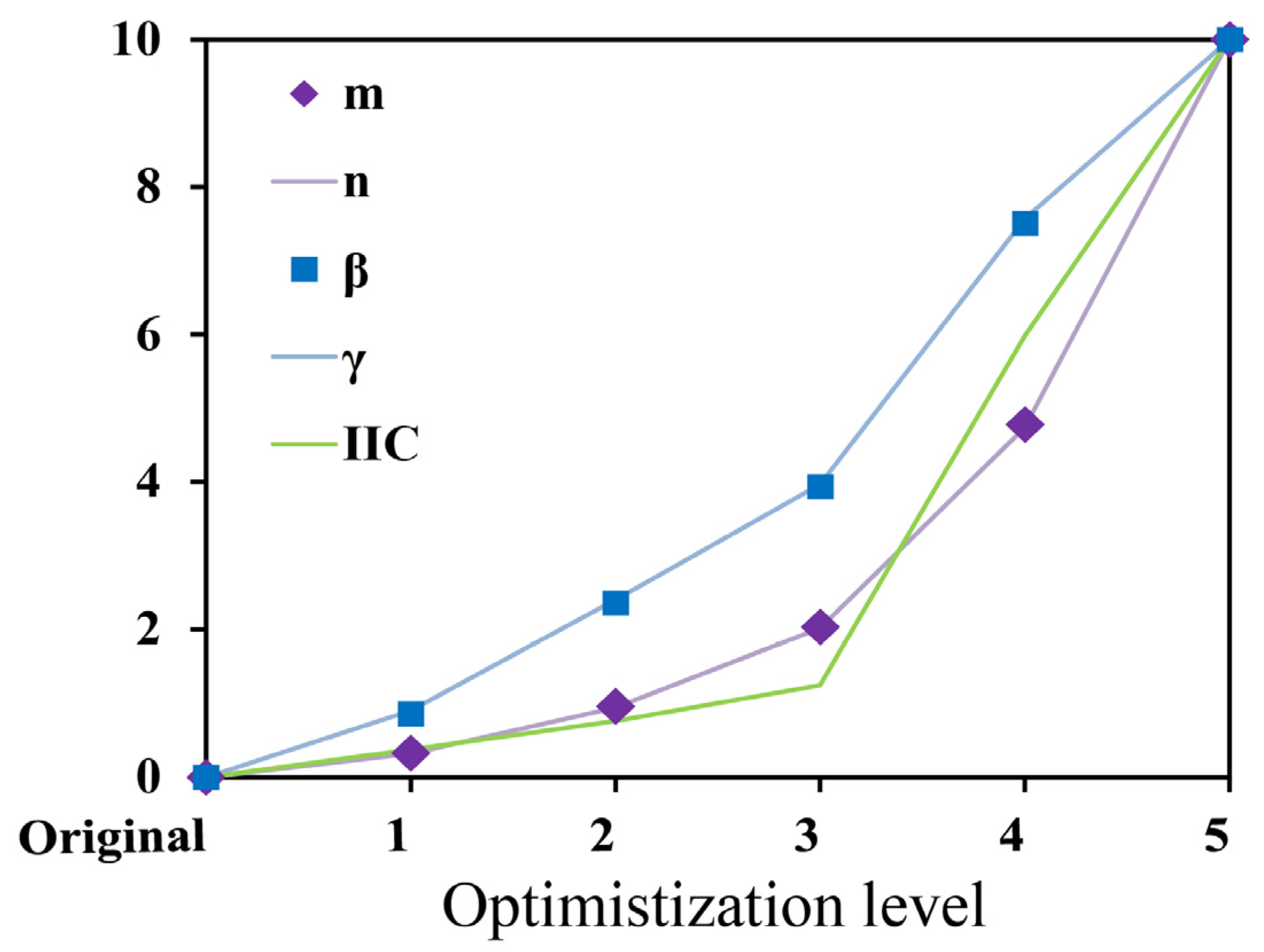
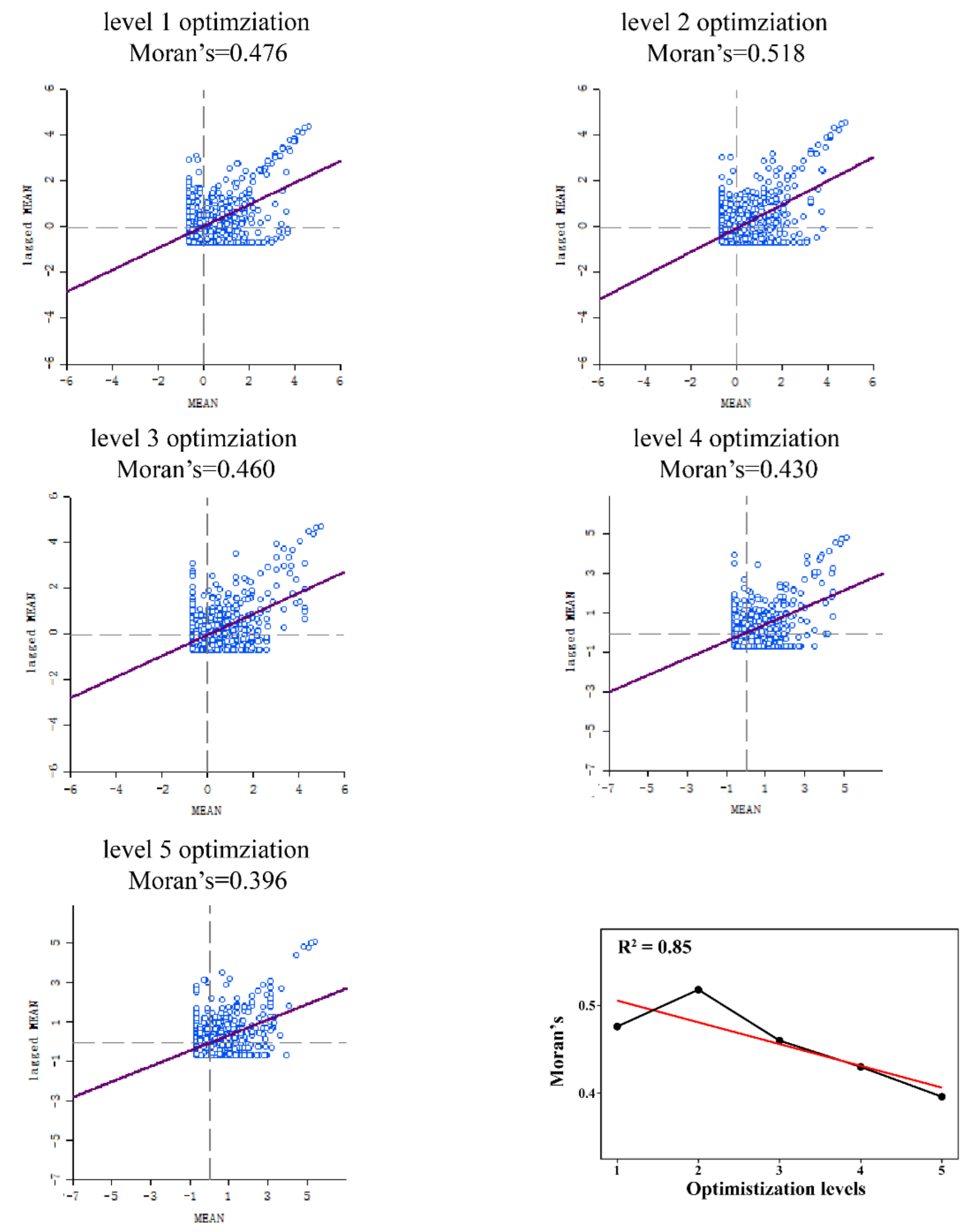
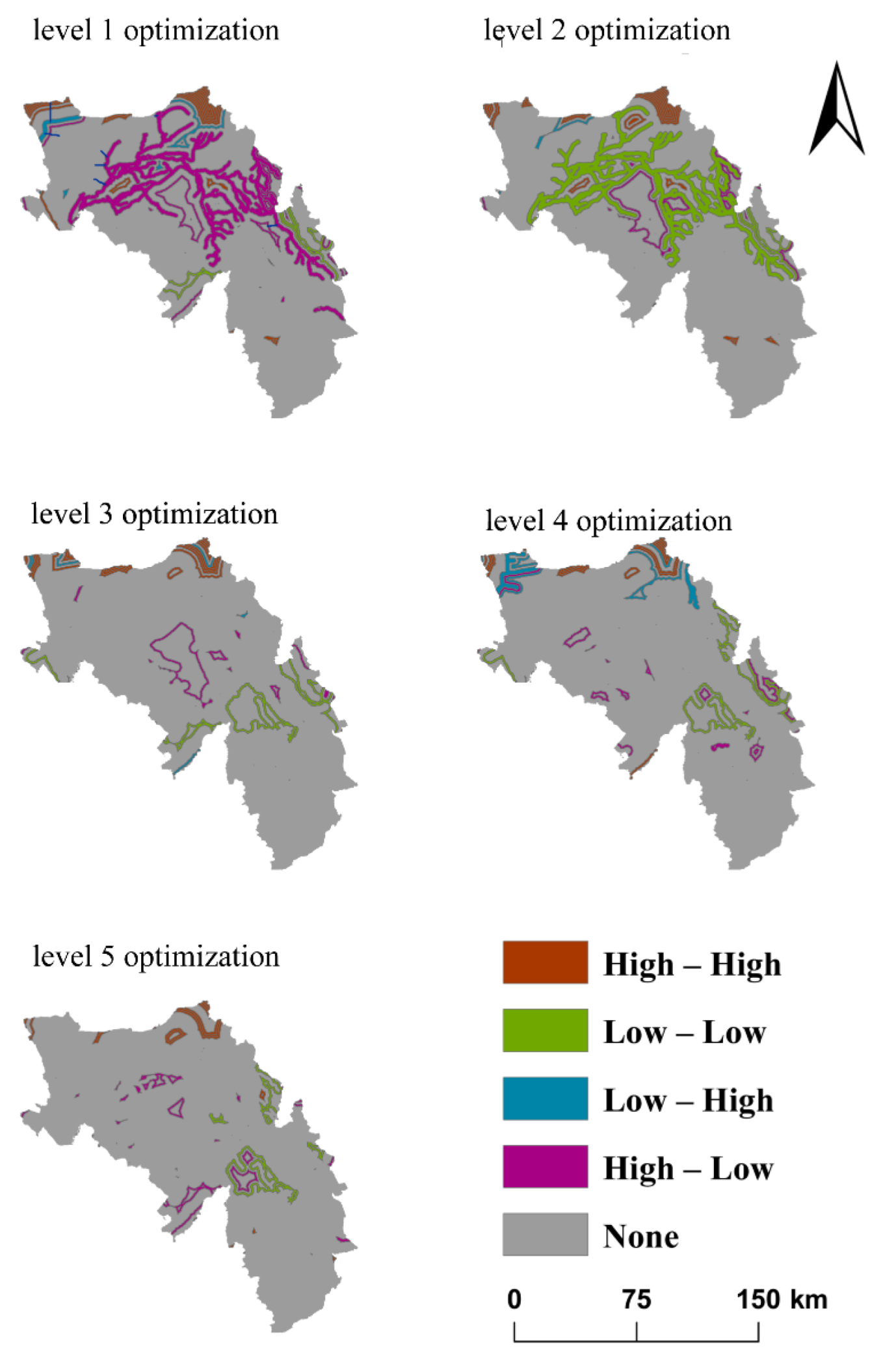
Hydrological connectivity affects the material cycling and energy transfer of ecosystems and is an important indicator for assessing the function of aquatic ecosystems. Therefore, clarification of hydrologic connectivity and its optimization methods is essential for basin water resources management and other problems; however, most of the current research is focused on intermittently flooded areas, especially in terms of optimization, and on hydrological regulation within mature water structures, while research on hydrological connectivity in dry, low rainfall plain areas remains scarce. Based on the graph and binary water cycle theories, this study assessed and hierarchically optimized the structural hydrological connectivity of the Dongliao River Basin (DRB), integrating artificial and natural connectivity, and explored the hydrological connectivity optimization method in the arid plain region at the basin scale to increase connectivity pathways. The spatial analysis and evaluation of hydrological connectivity was also carried out based on the results of the hierarchical optimization, and provided three scenarios for the construction of hydrological connectivity projects in the basin. The hierarchical optimization yielded a total of 230 new water connectivity paths, and the overall hydrological connectivity increased from 5.07 to 7.64. Our results suggest a large spatial correlation in hydrological flow obstruction in the DRB. The center of gravity of circulation obstruction shifted to the south after optimization for different levels of connectivity. With the increase in the optimization level of hydrological connectivity, the national Moran index rose and then fell. The magnitude of the increase in hydrological connectivity effects varied at different optimization levels, and there were sudden points’ increase points. From an application point of view, Scenario 1 is necessary and the most cost effective is Scenario 2, which provides a scientific basis for guiding the construction of future ecological projects in the DRB.
Keywords: hydrological connectivity; basin water; graph theory; minimum cumulative resistance (MCR); spatial analysis; hydrological connectivity project hydrological connectivity; basin water; graph theory; minimum cumulative resistance (MCR); spatial analysis; hydrological connectivity project