Article

Removal of Iron(II) from Effluents of Steel Mills Using Chemically Modified Pteris vittata Plant Leaves Utilizing the Idea of Phytoremediation

1
Department of Chemistry, Islamia College University, Peshawar 25000, Pakistan
2
Department of Chemistry, University of Malakand, Dir Lower 18800, Pakistan
3
Department of Pharmacy, Shaheed Benazir Bhutto University, Dir Upper 18000, Pakistan
4
Department of Zoology, Jinnah College for Women, University of Peshawar, Peshawar 23000, Pakistan
5
Institute of Chemistry, Faculty of Science, University of Tartu, 14 Ravila St., 50411 Tartu, Estonia
*
Authors to whom correspondence should be addressed.
Water 2022, 14(13), 2004; https://doi.org/10.3390/w14132004
Submission received: 28 May 2022 / Revised: 18 June 2022 / Accepted: 22 June 2022 / Published: 23 June 2022
(This article belongs to the Section Wastewater Treatment and Reuse)

Abstract

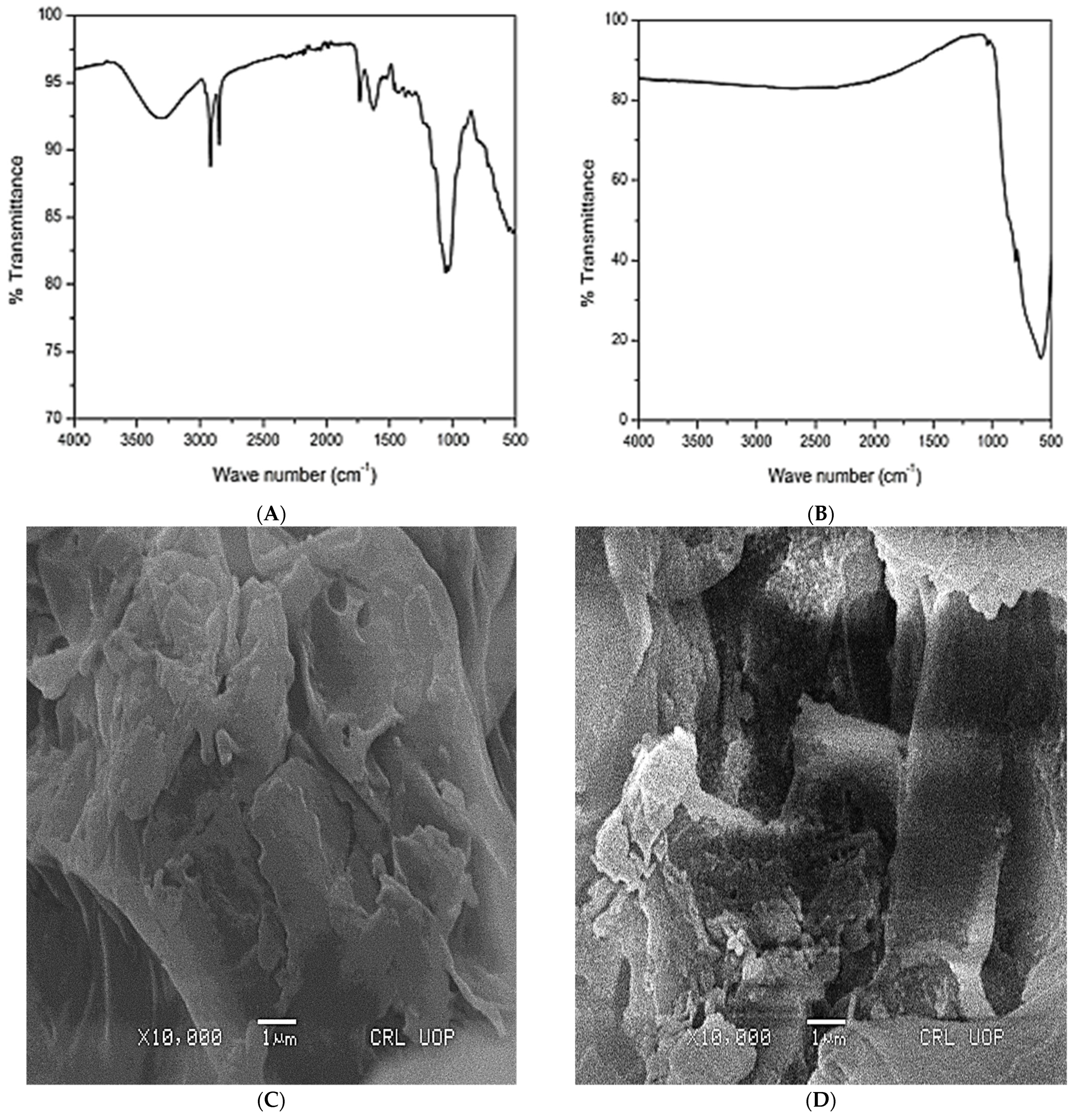
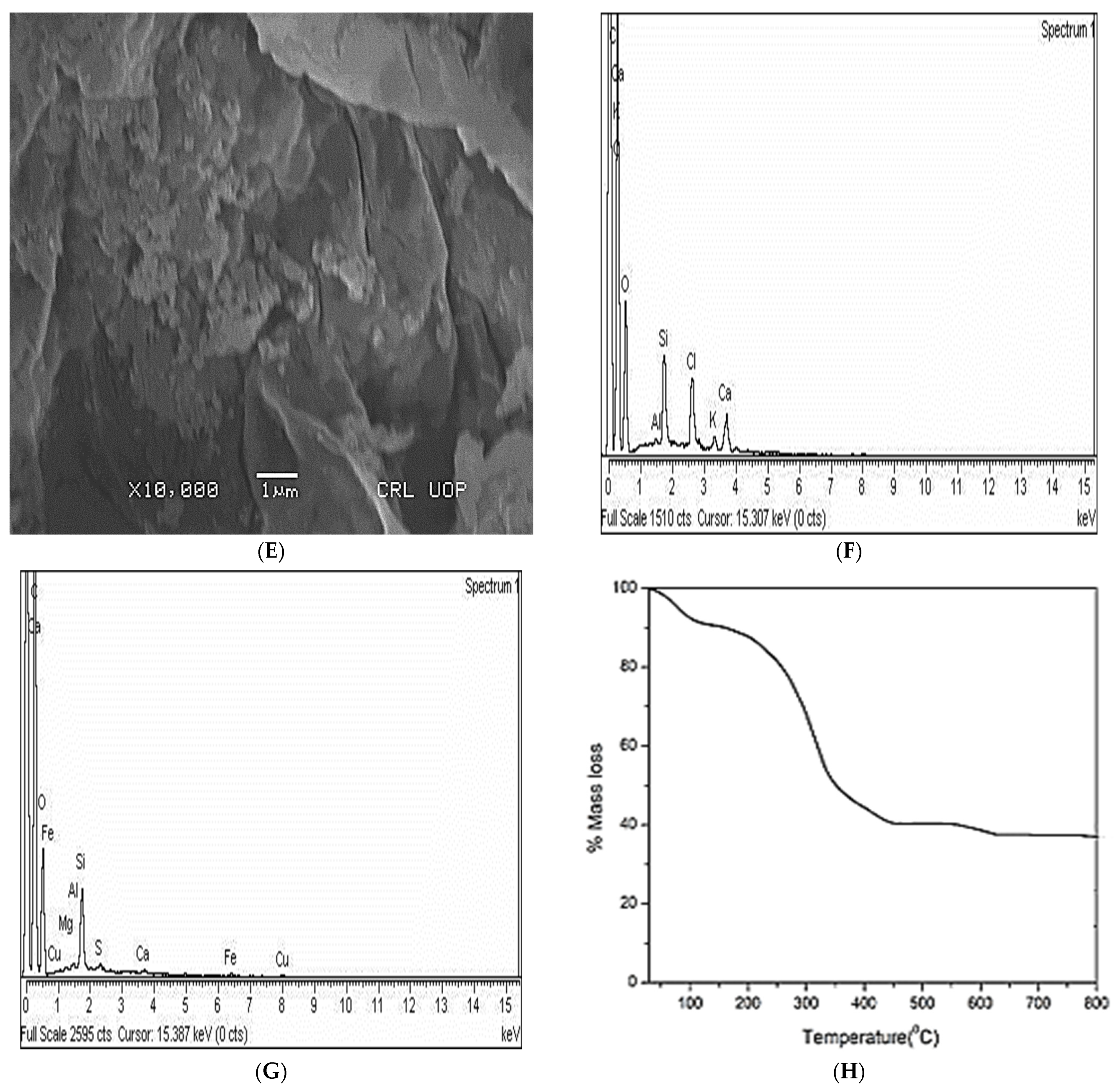
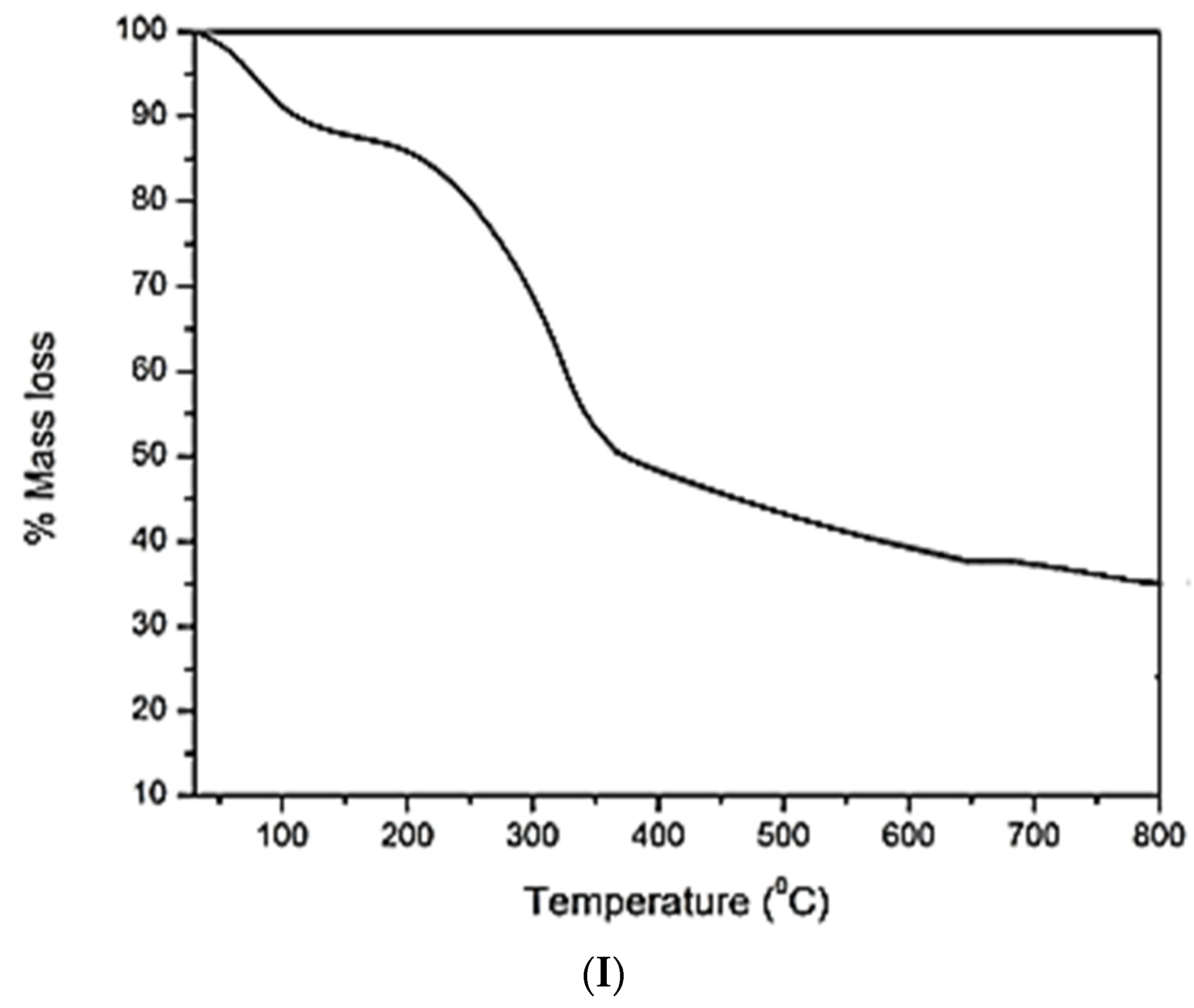
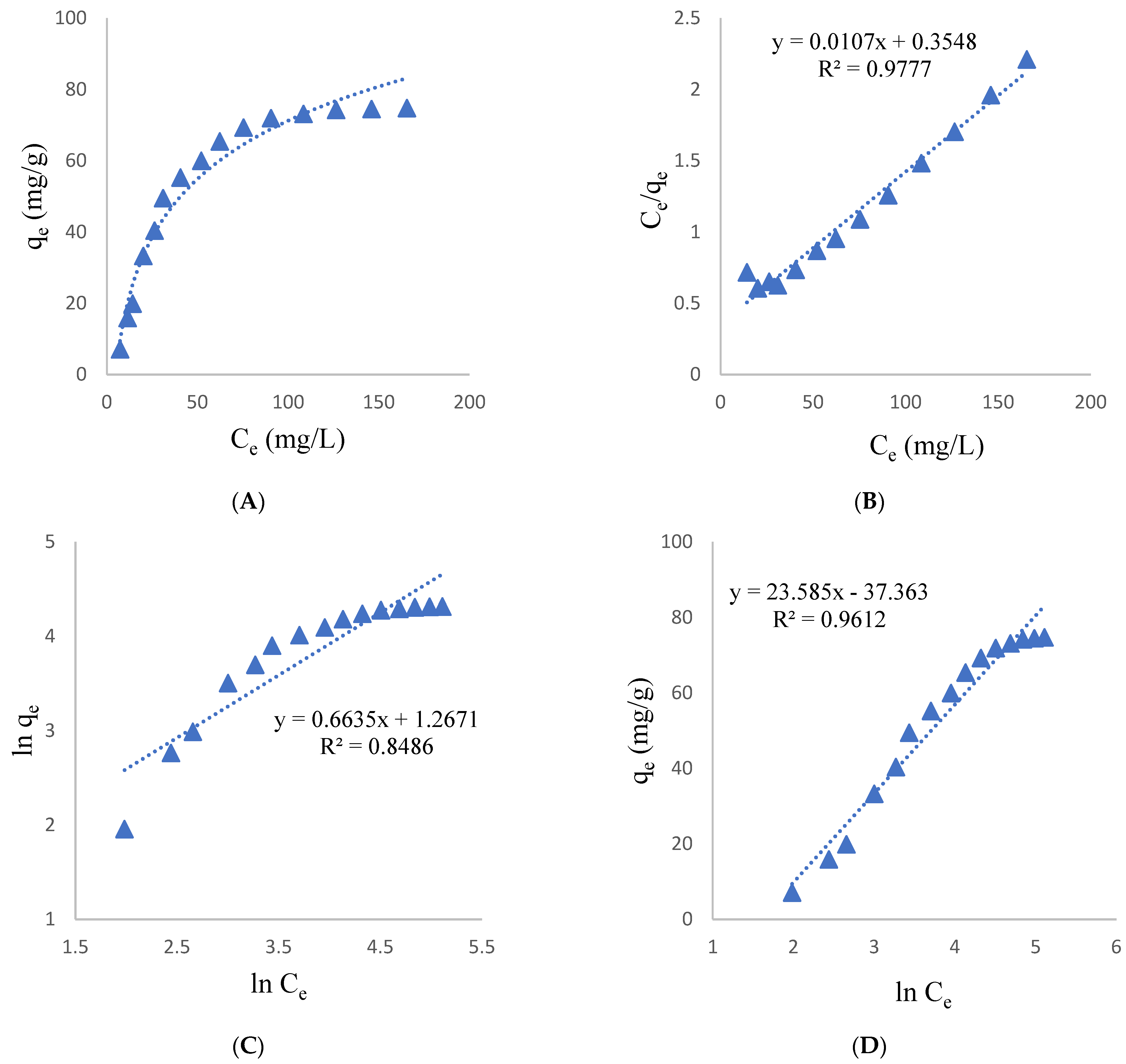
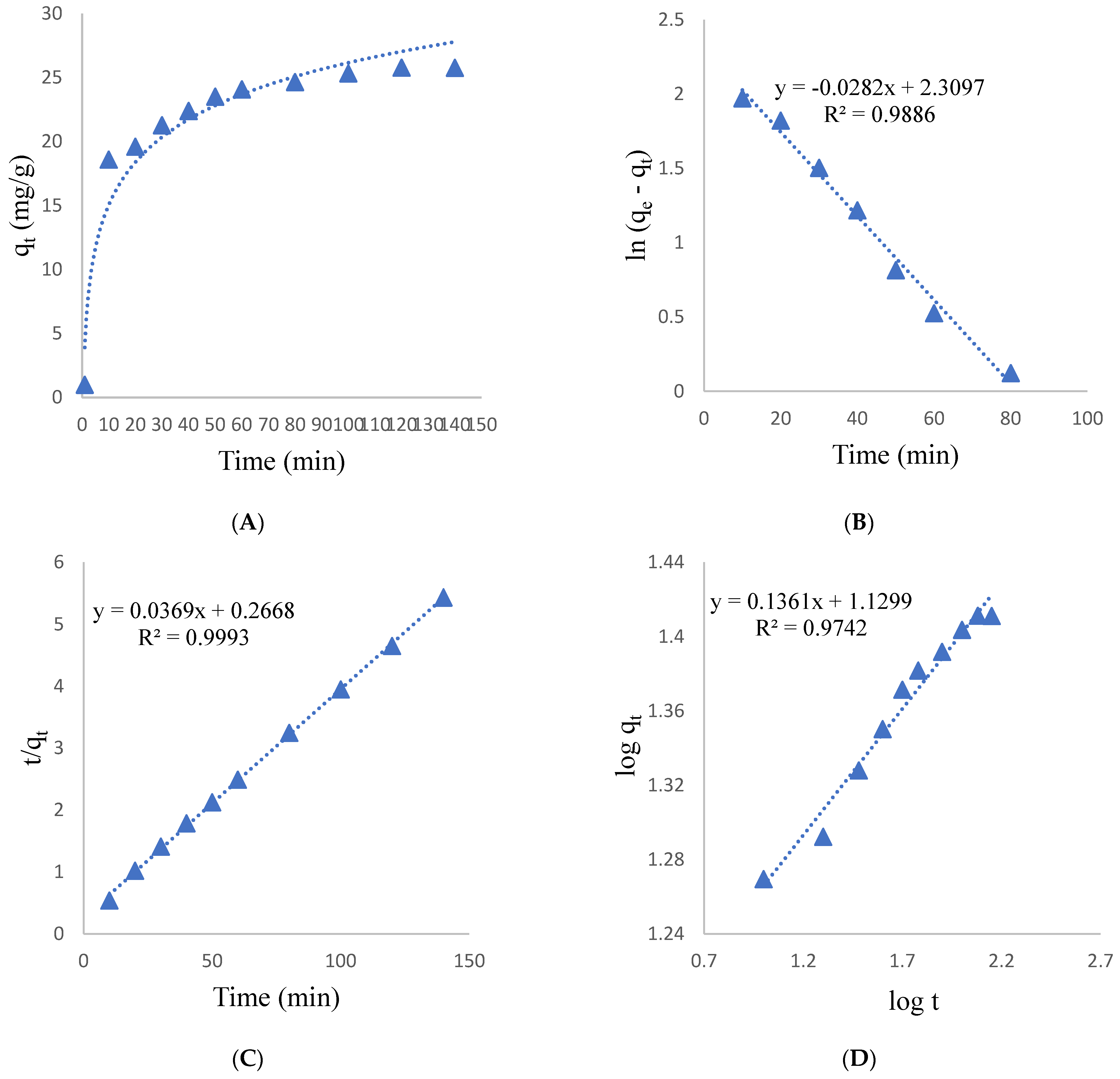
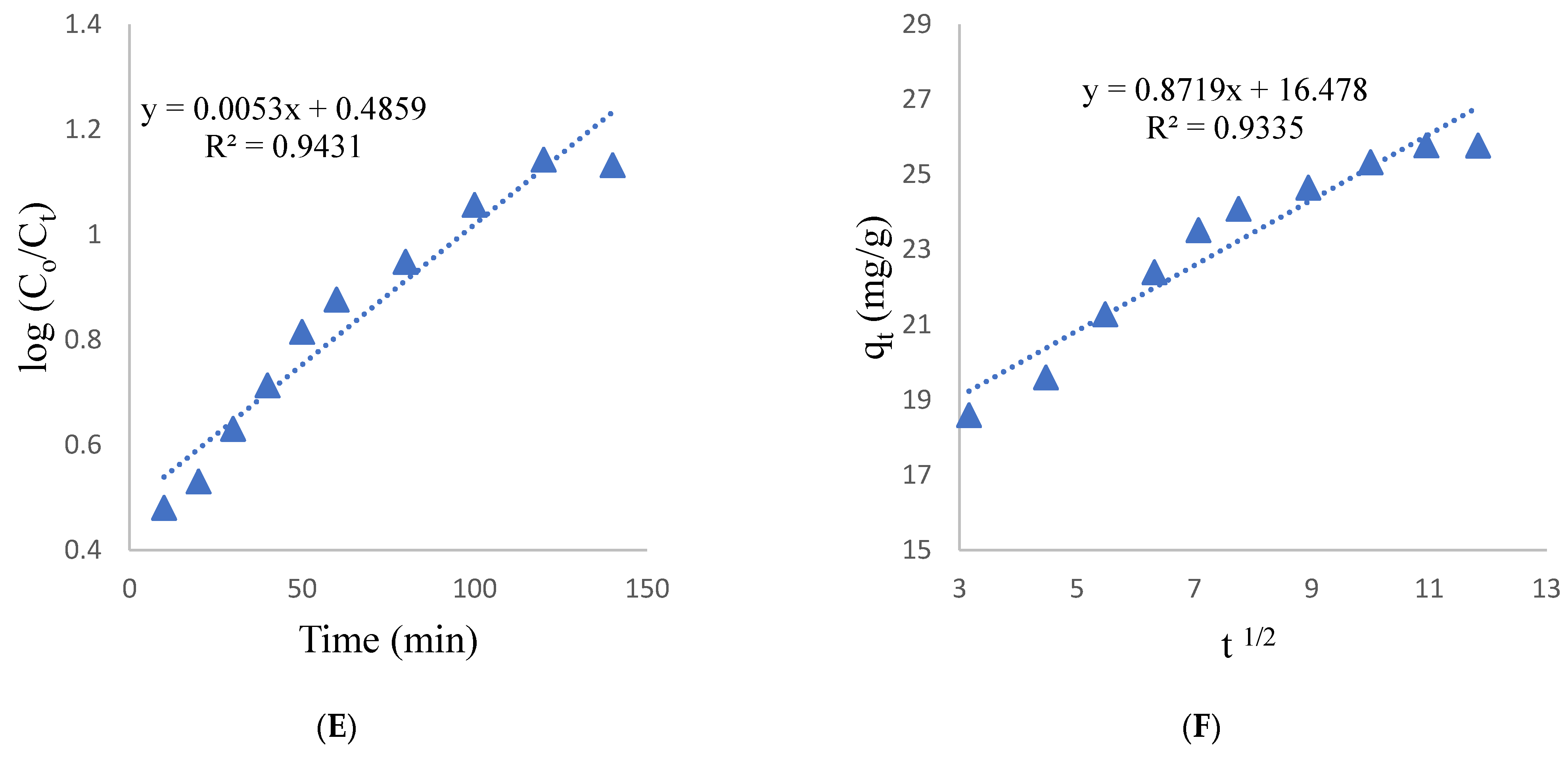
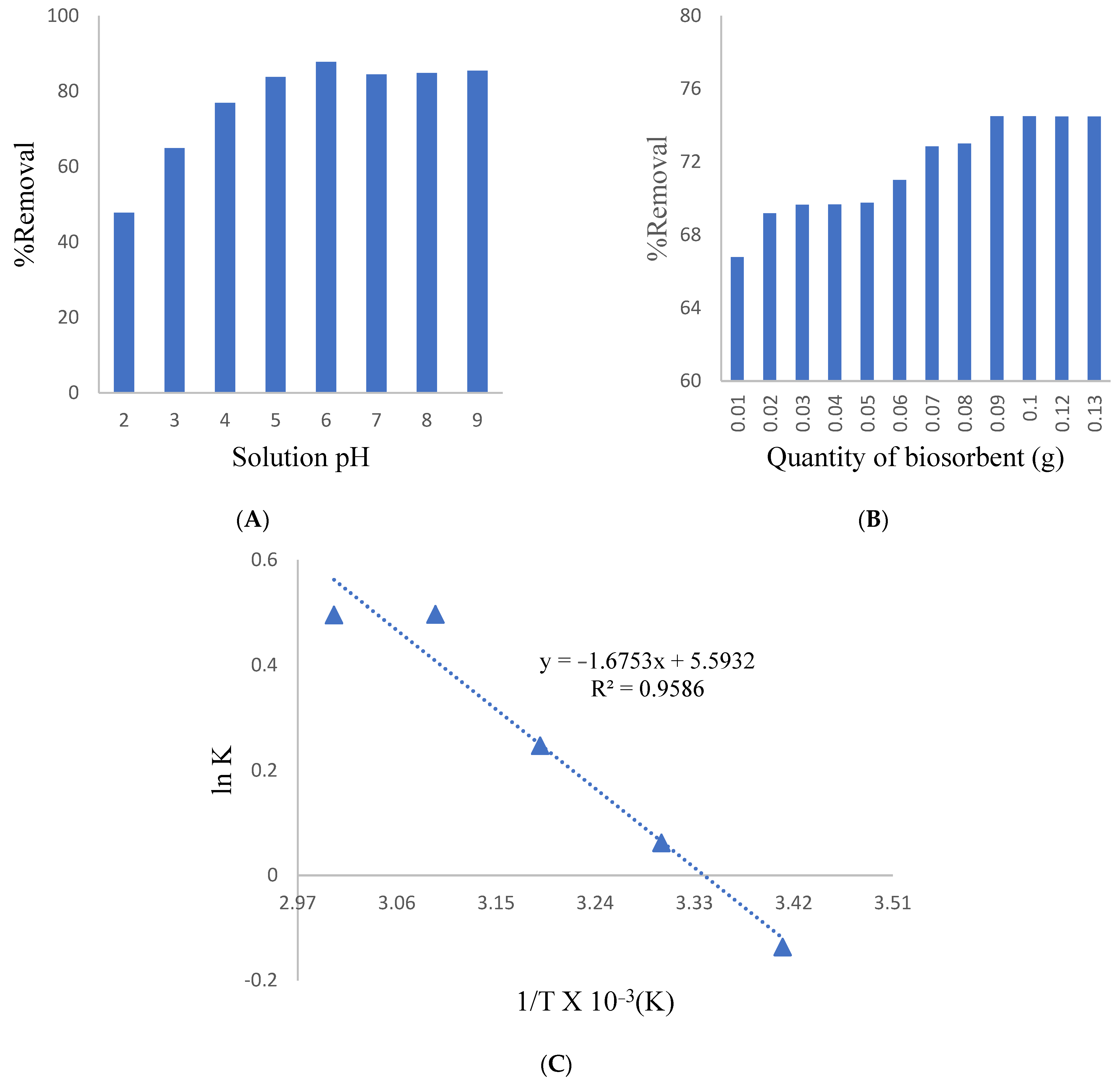
Dargai District Malakand, Pakistan, is a tax-free zone that attracts many industrialists to install their plants in this area. Along with other industries, a number of steel mills are polluting the natural environment of this locality. This study aimed to evaluate heavy metals levels in steel mills effluents and fabricate an efficient adsorbent from the leaves of plants growing on the banks of the drainage lines of the industries and having high phytoremediation capabilities, through chemical modifications. Initially, the effluents were analyzed for heavy metal concentrations, then the leaves of a plant (Pteris vittata) with better phytoremediation capability were chemically modified. The leaves of Pteris vittata were crushed into a fine powder, followed by chemical modification with HNO3, then washed with distilled water, neutralized with NaOH and finally activated through calcium chloride to enhance its biosorption ability, abbreviated as CMPVL. Fourier transform infrared spectroscopy (FTIR), scanning electron microscopy (SEM), surface area analyzer, energy dispersive X-ray spectroscopy (EDX), and thermal gravimetric analysis (TGA) were used to characterize the CMPVL. The modified leaves in the powdered form were then used for the reclamation of Fe(II) present in the effluents of the mentioned industries. Batch biosorption tests were performed under varied physicochemical conditions of pH (2–9), contact time (10–140 min), temperature (293–333 K), biosorbent dose (0.01–0.13 g), and initial metal concentration (20–300 mg L−1) to optimize the removal of the selected metal. Langmuir, Jovanovic, Freundlich, Temkin, and Harkins–Jura isotherm models were used to assess the equilibrium data. With a high R2 value of 0.977, the Langmuir model offered an excellent match to the equilibrium data. The pseudo-first order, pseudo-second order, power function, intraparticle diffusion, and Natarajan–Khalaf models were applied to experimental kinetics data. With R2 values of 0.999, the pseudo-second order model well fitted the obtained data. The Van’t Hoff equation was used to calculate ΔH°, ΔS° and ΔG° of Fe(II) sorption on CMPVL. The ∆H° and ∆G° were negative, whereas ΔS° was positive, suggesting that the biosorption process was exothermic, favorable, and spontaneous. The selected plant leaves were found to be efficient in the reclamation of iron from the industrial effluents (as the plant has a high natural capability for remediating the selected metal ion) after chemical modification and may be used as an alternative to activated carbon as being a low-cost material and a high phytoremediator of iron metal. Such natural phenomena of phytoremediation should be utilized in obtaining efficient adsorbents for other metals as well.
Keywords: iron; adsorption; phytoremediation; industrial effluents iron; adsorption; phytoremediation; industrial effluents