Article

Treatment of Bilge Water by Fenton Oxidation Followed by Granular Activated Carbon Adsorption
1
Department of Environmental Engineering, Faculty of Engineering, Terzioğlu Campus, Çanakkale Onsekiz Mart University, Çanakkale 17020, Turkey
2
Department of Environmental Engineering, Faculty of Engineering, Avcilar Campus, Istanbul University-Cerrahpasa, Istanbul 34320, Turkey
*
Author to whom correspondence should be addressed.
Water 2021, 13(19), 2792; https://doi.org/10.3390/w13192792
Submission received: 1 September 2021 / Revised: 25 September 2021 / Accepted: 3 October 2021 / Published: 8 October 2021
(This article belongs to the Section Wastewater Treatment and Reuse)

Abstract

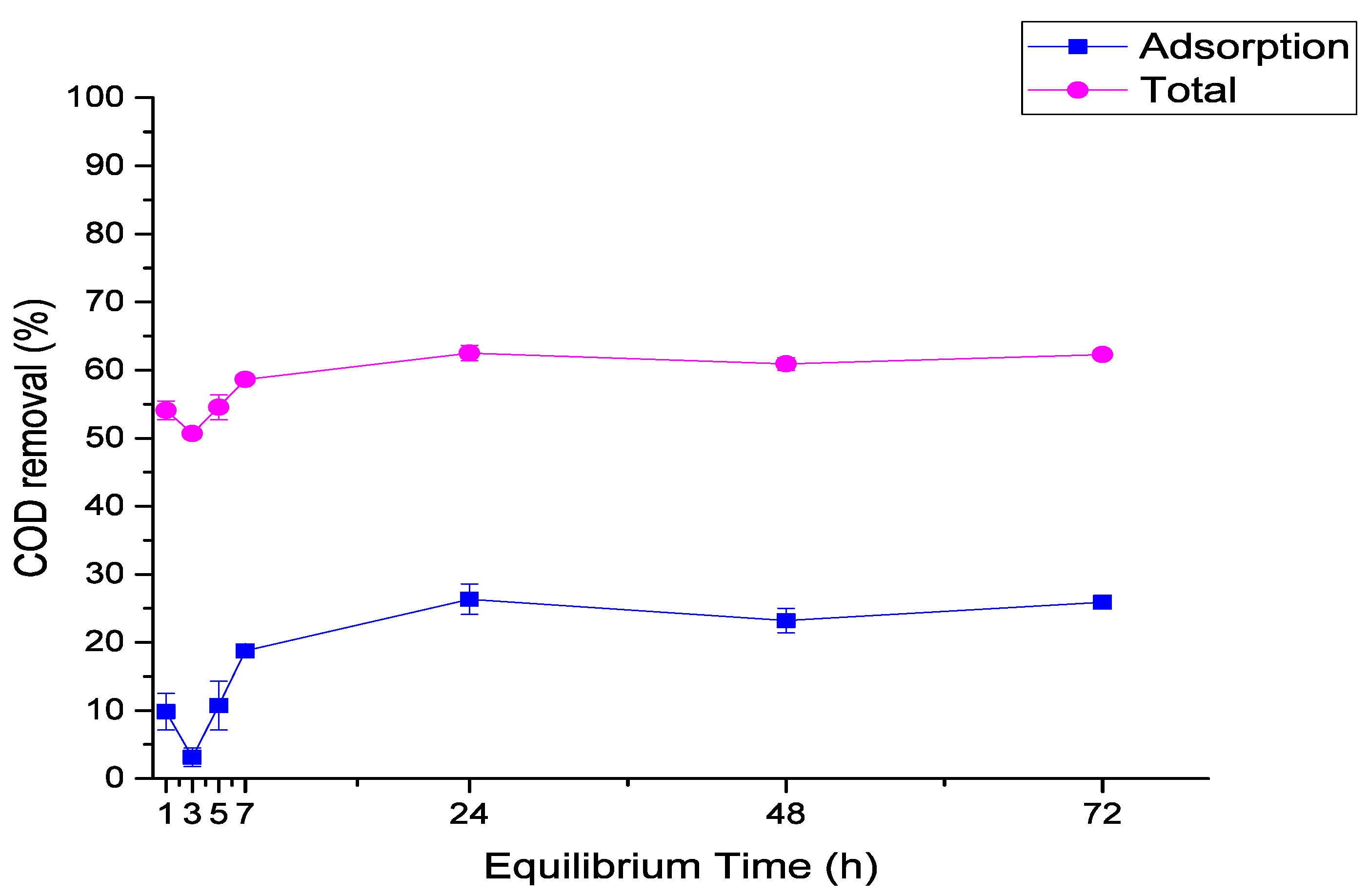
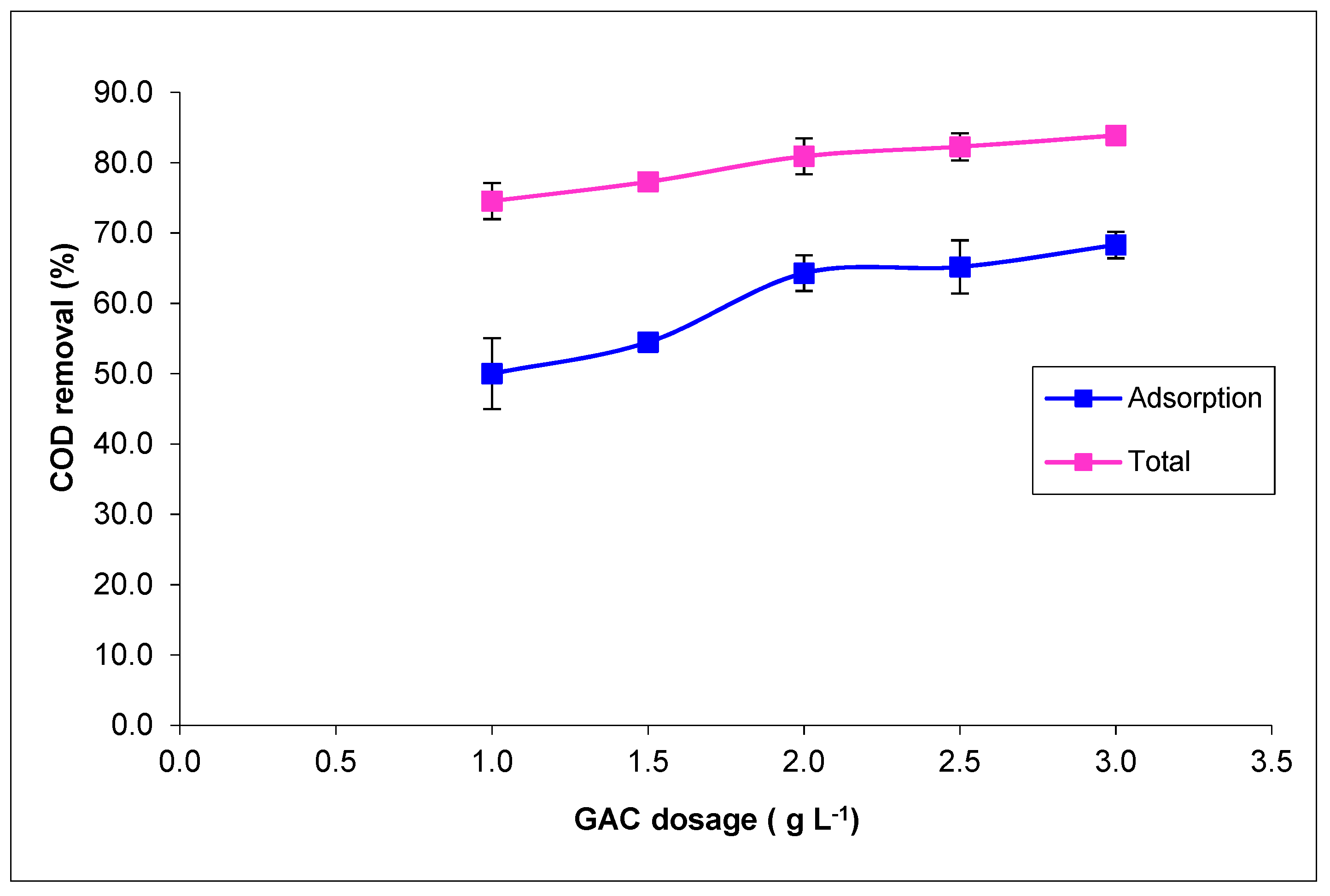
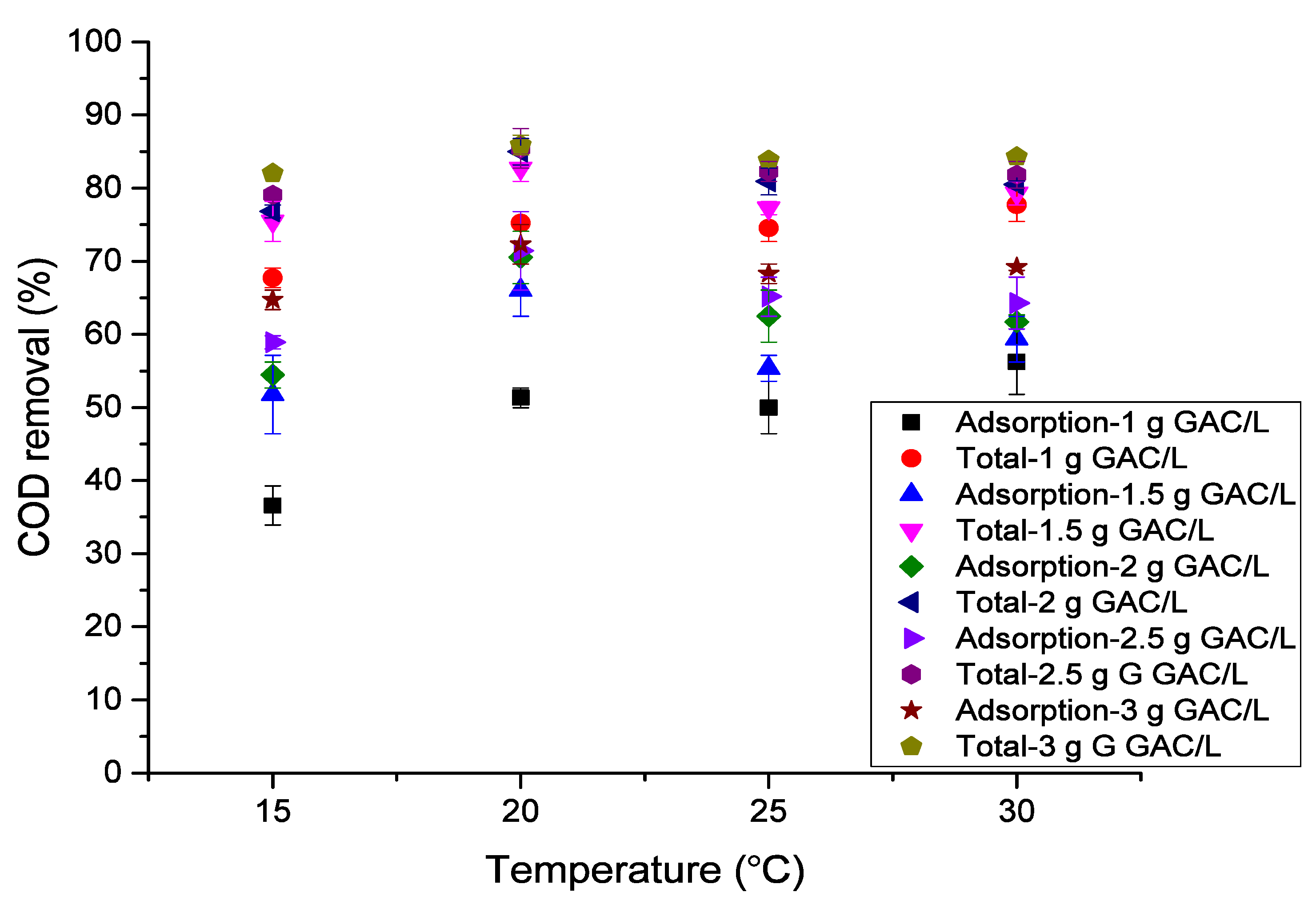
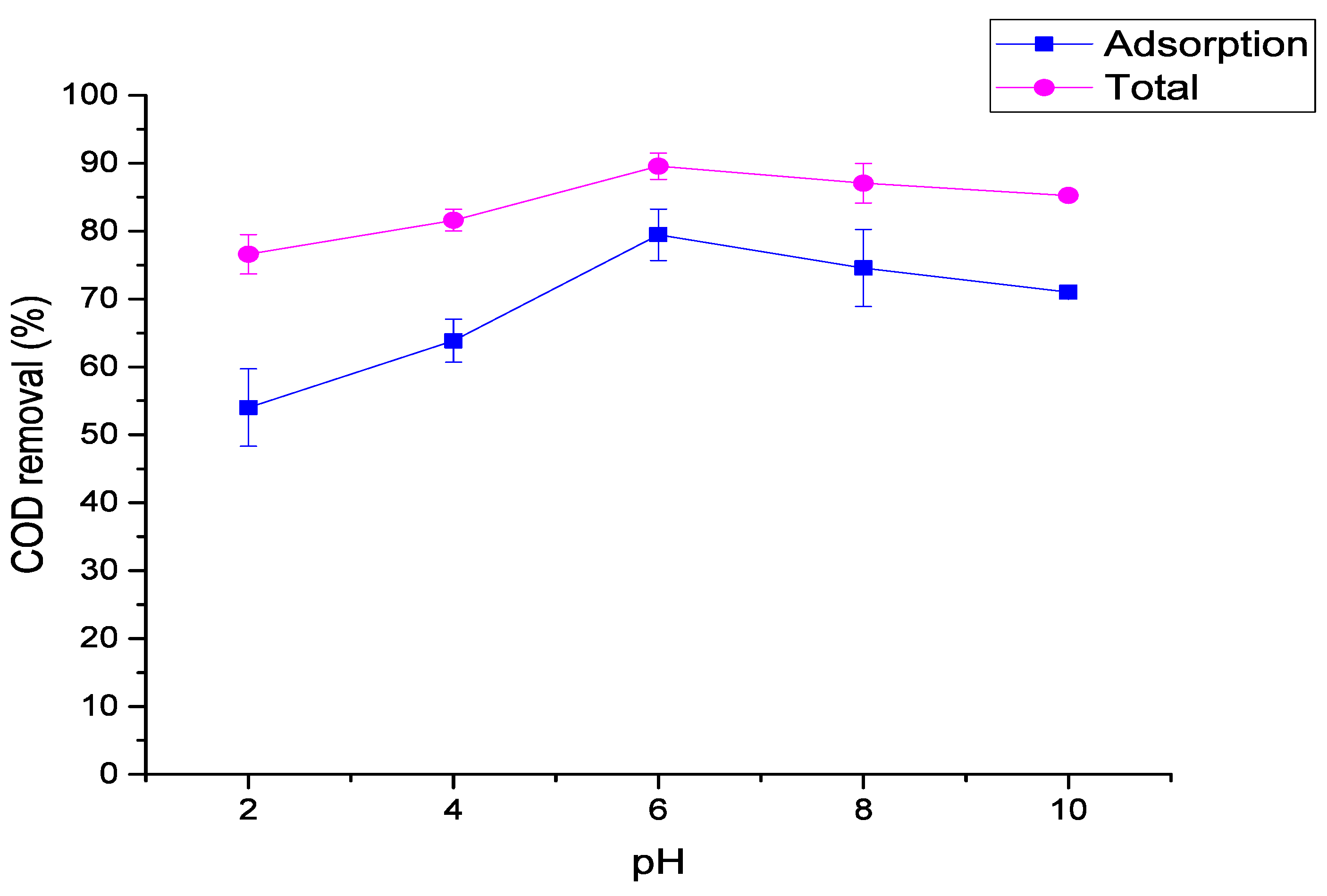
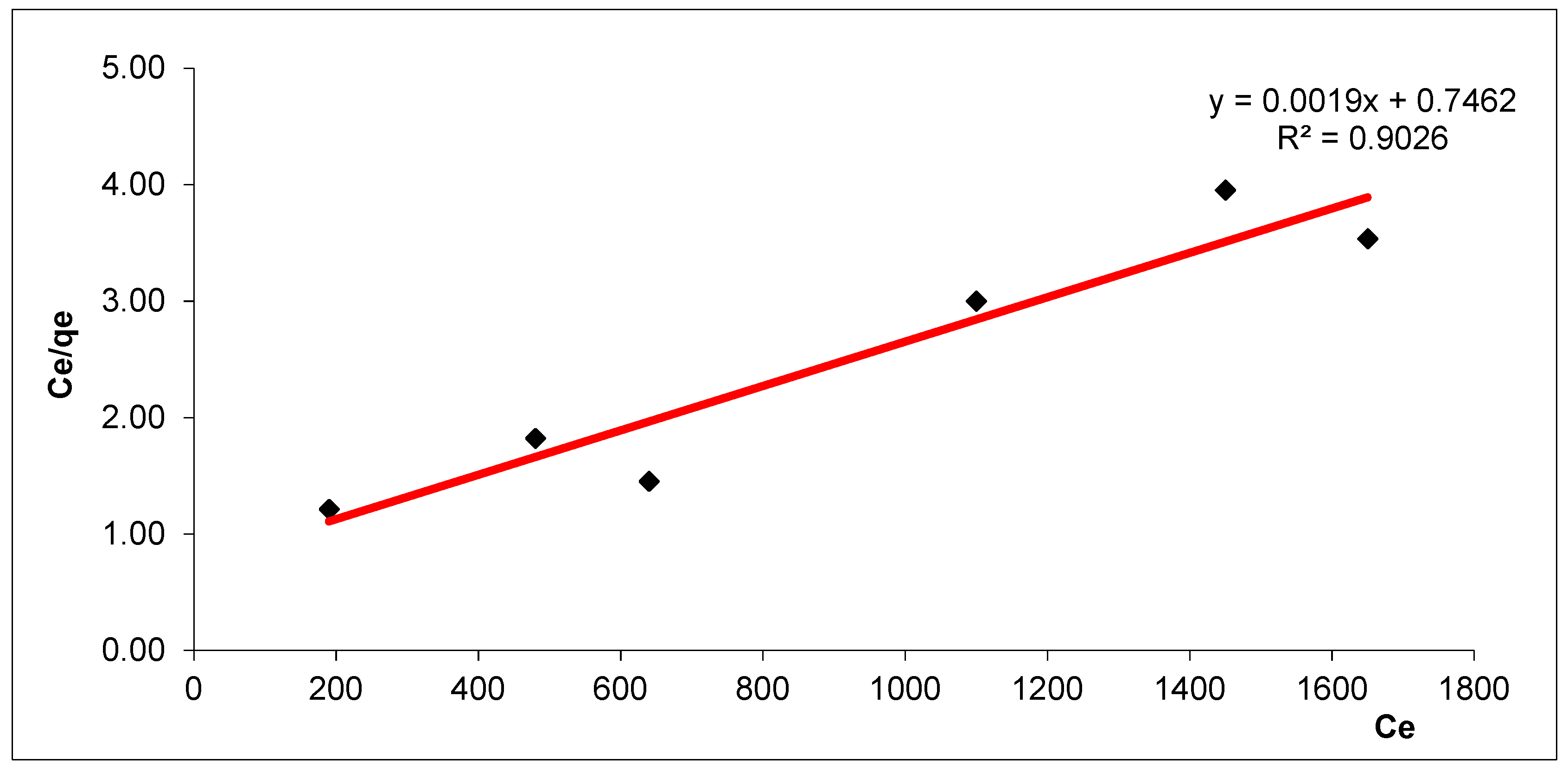
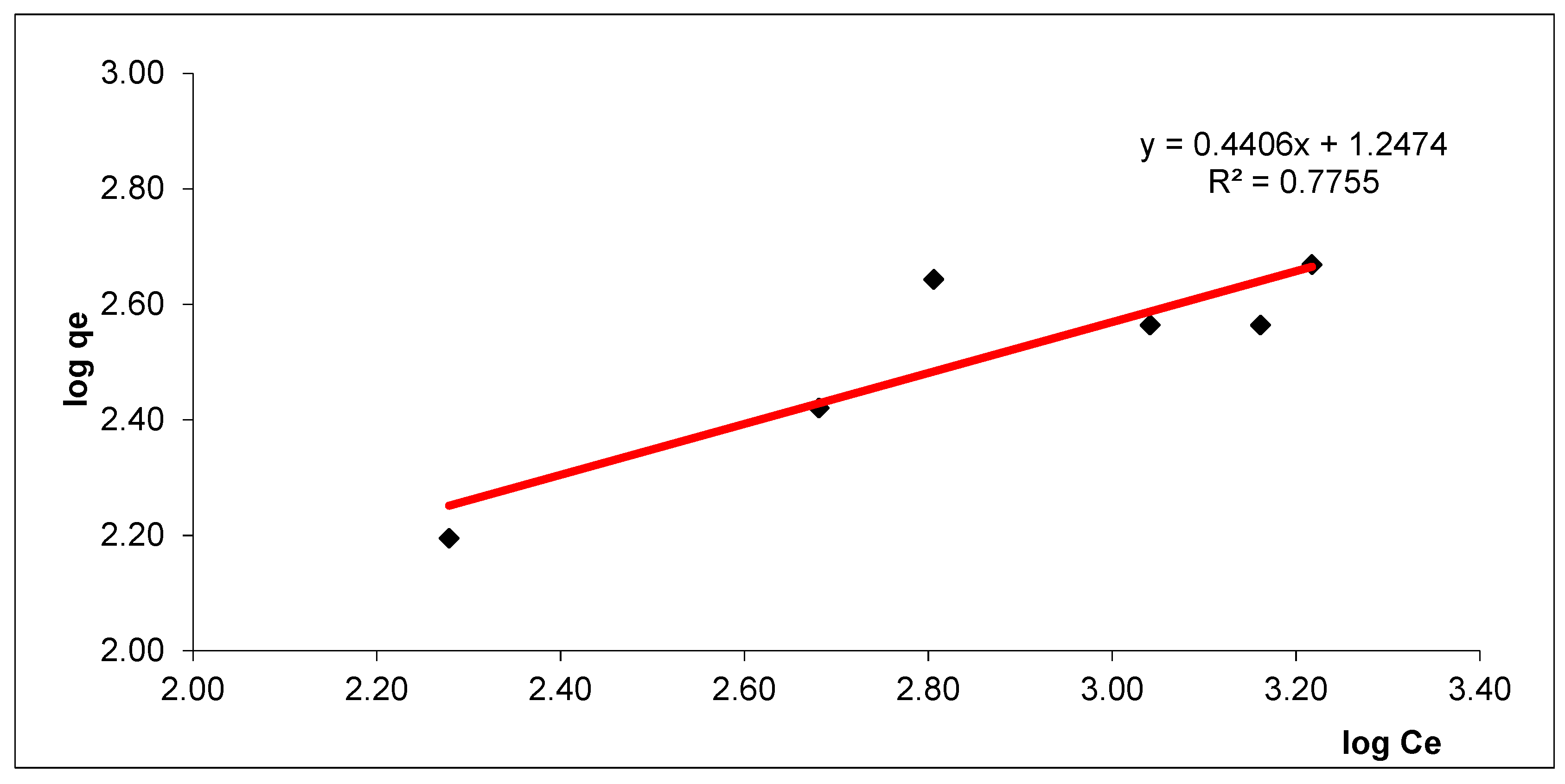
Due to its high oil content, the discharge of bilge water from ships is one of the most important pollutants in marine ecosystem. In this research, we investigated the treatment of bilge water for Haydarpasa Waste Collection Plant by Fenton oxidation followed by granular activated carbon (GAC) adsorption. We applied the following optimum operational conditions for Fenton oxidation: [Fe2+]: 6 mM; [H2O2]: 30 mM; and the ratio of [Fe2+]/[H2O2]: 1/5. Adsorption was performed in the effluent sample of Fenton oxidation. The effects of different adsorption periods, adsorbent concentrations, temperature, and pH were examined. Additionally, Freundlich and Langmuir isotherm models were applied. We obtained the following optimum operational conditions: 24 h, 2 g of GAC L−1, 20 °C, and pH = 6. We observed an 89.5 ± 1.9% of Chemical Oxygen Demand (COD) removal efficiency under these conditions. Data generated from the experiments fit both isotherm models well, though we preferred the Langmuir isotherm model to the Freundlich isotherm model because the former’s regression coefficient (0.90) was larger than that reported for the Freundlich isotherm model (0.78). The potential to treat bilge water by Fenton oxidation followed by granular activated carbon is promising for the Haydarpasa Waste Collection Plant.
Keywords: marine pollution; bilge water; COD removal; advanced oxidation; adsorption marine pollution; bilge water; COD removal; advanced oxidation; adsorption