Article

Dune Systems’ Characterization and Evolution in the Andalusia Mediterranean Coast (Spain)


1
Department of Earth Sciences, Faculty of Marine and Environmental Sciences, University of Cádiz, Polígono Río San Pedro s/n, 11510 Puerto Real, Spain
2
Department of Engineering, University of Palermo, Viale delle Scienze, Bd. 8, 90128 Palermo, Italy
*
Author to whom correspondence should be addressed.
Water 2020, 12(8), 2094; https://doi.org/10.3390/w12082094
Submission received: 26 May 2020 / Revised: 16 July 2020 / Accepted: 21 July 2020 / Published: 23 July 2020
(This article belongs to the Special Issue Coastal Dynamic and Evolution)

Abstract

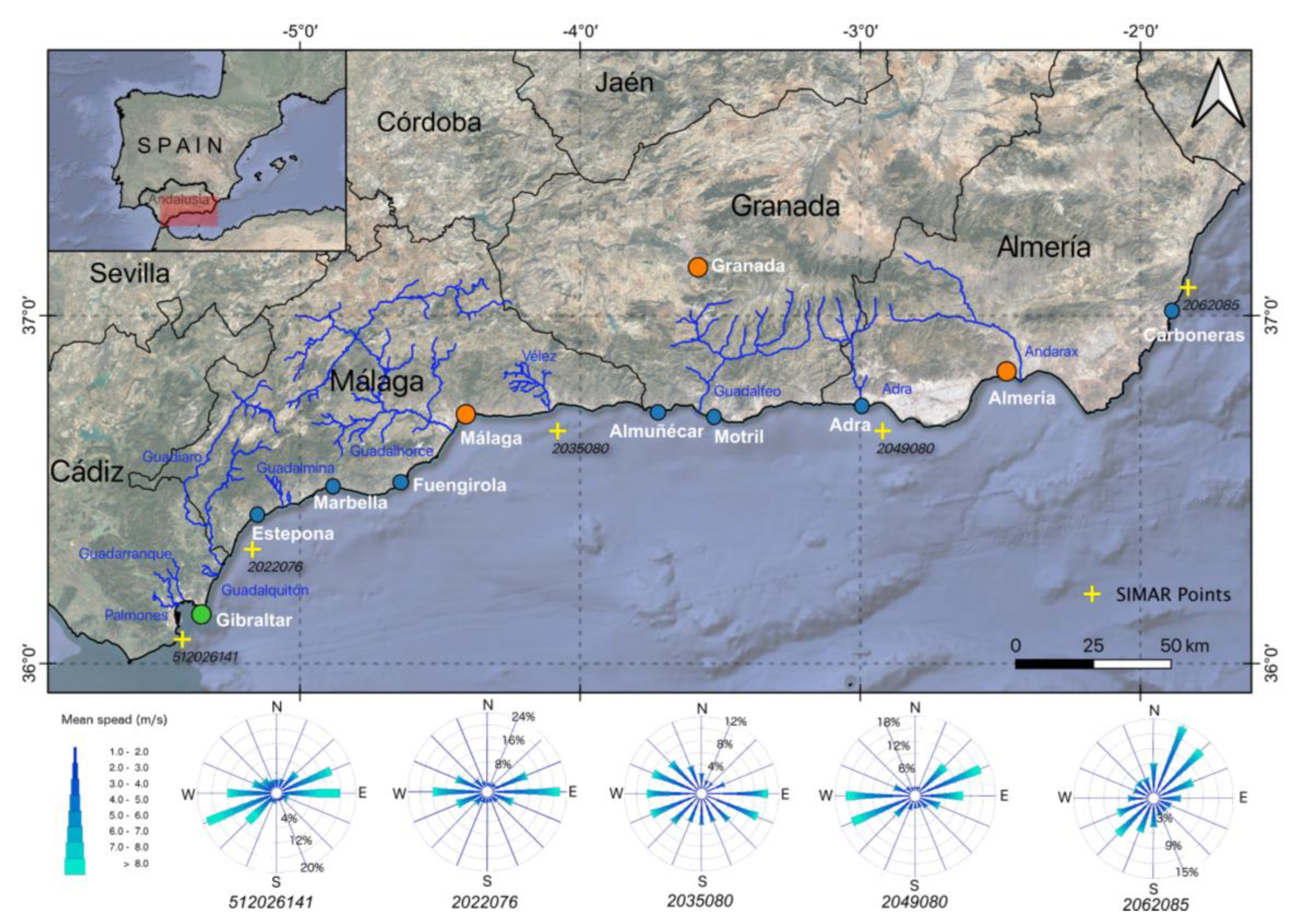
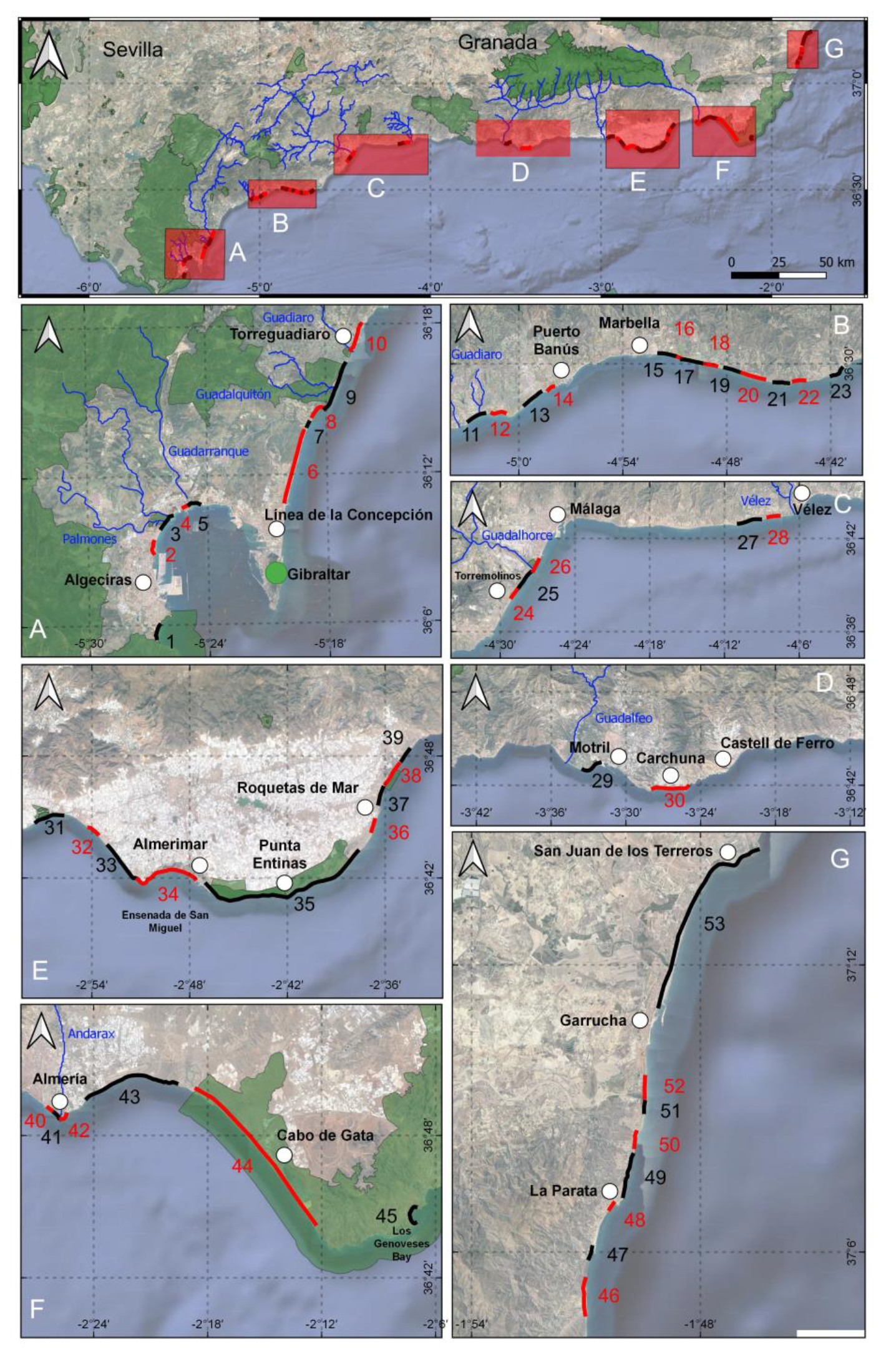
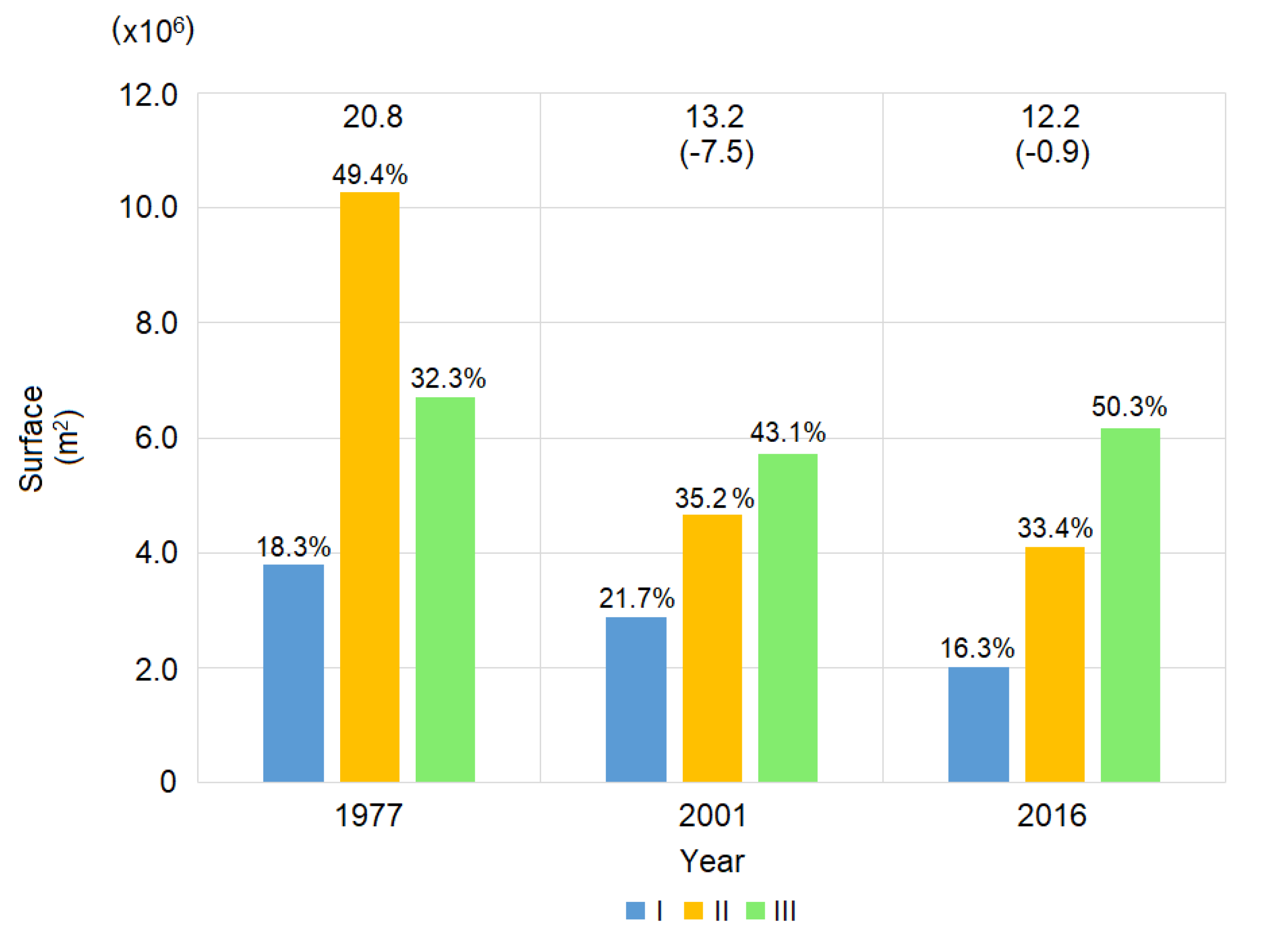
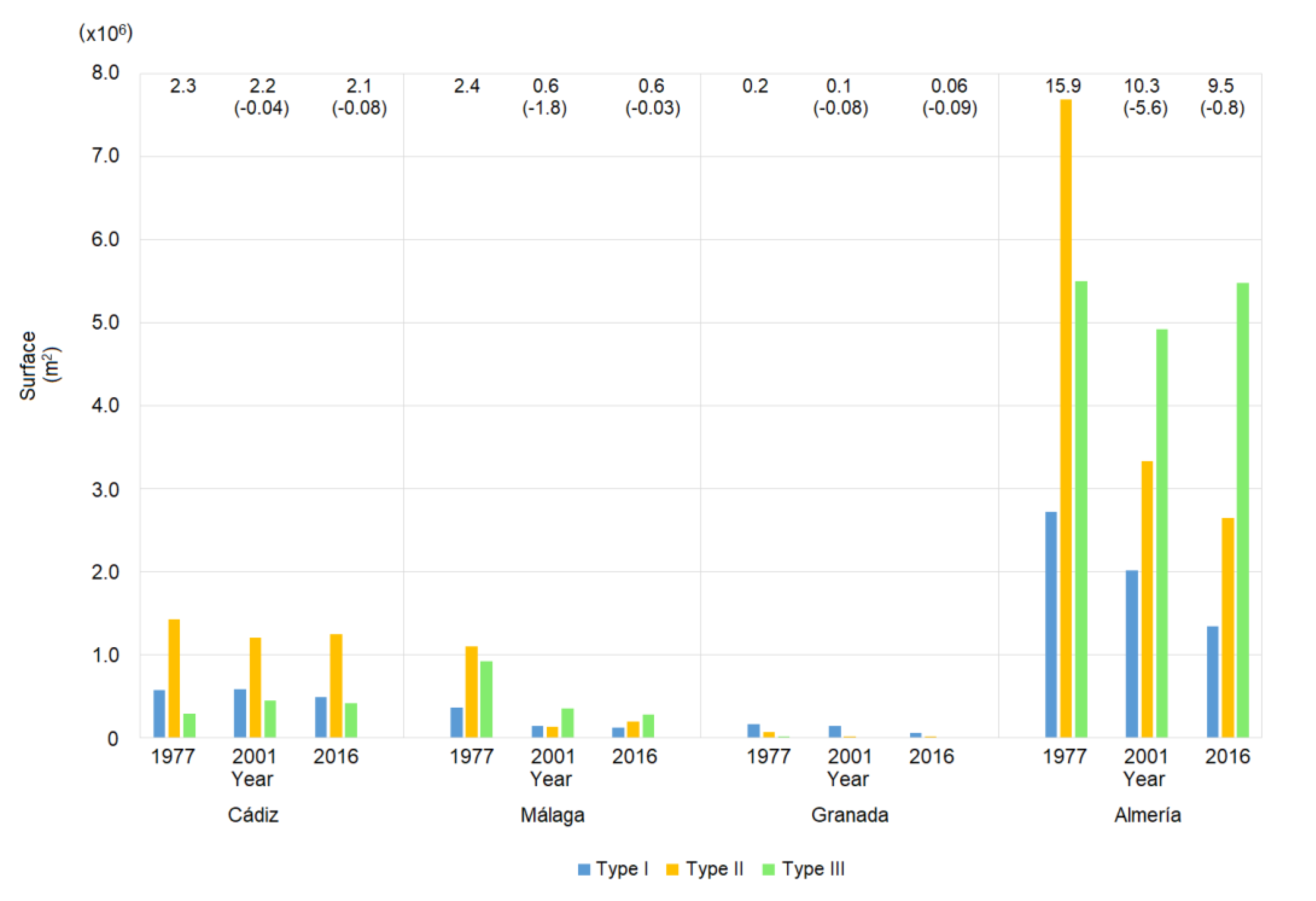
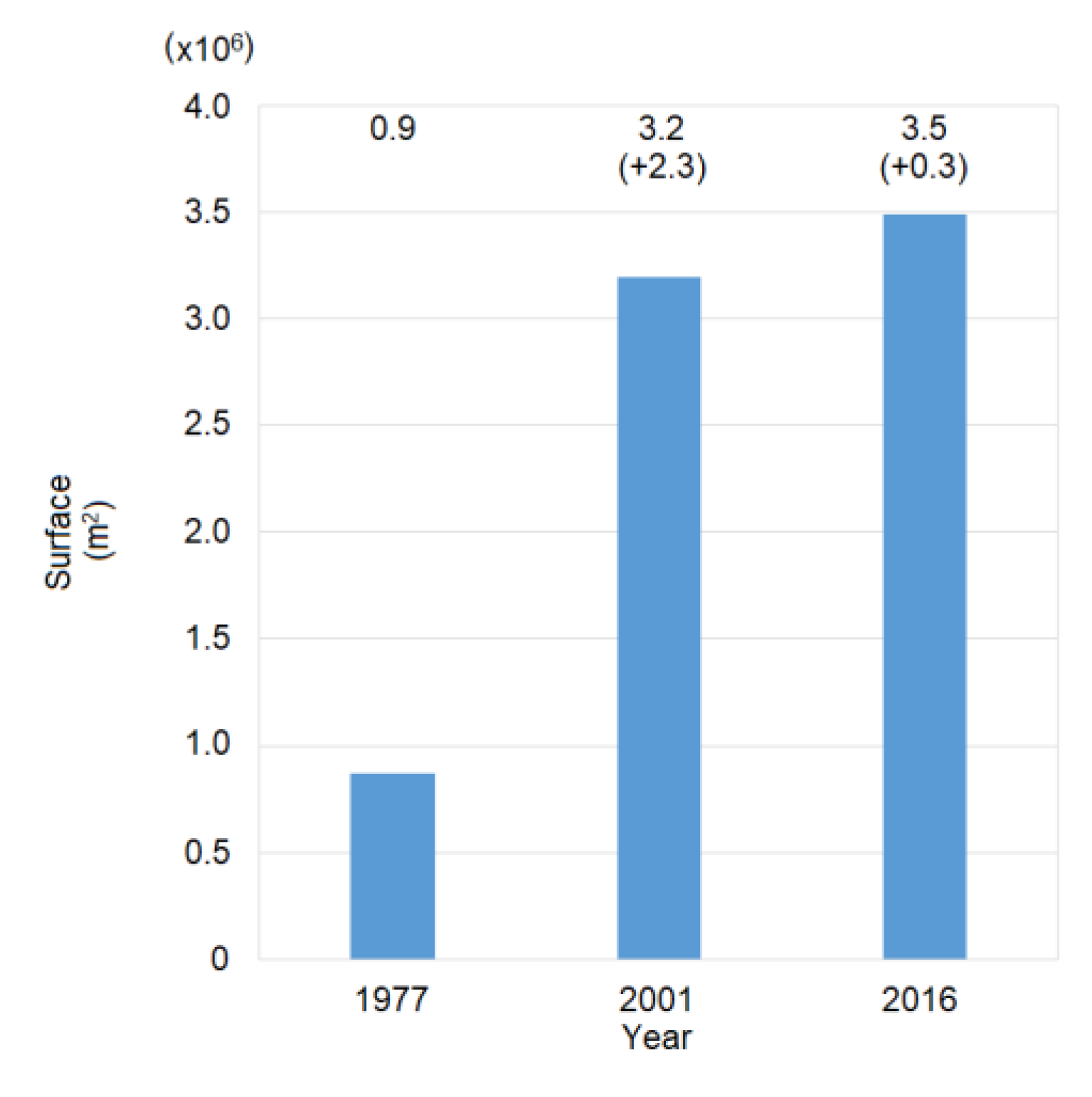
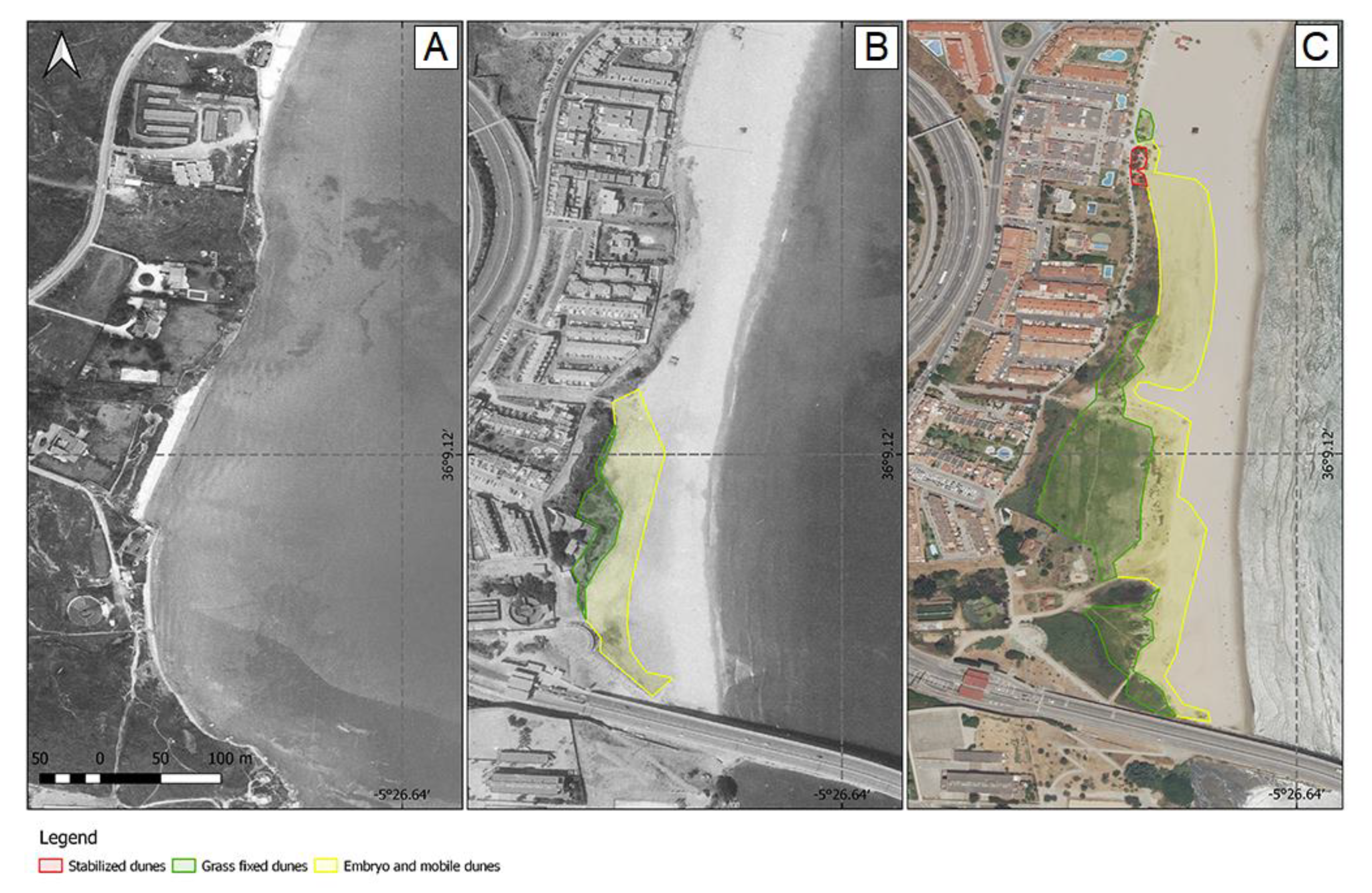
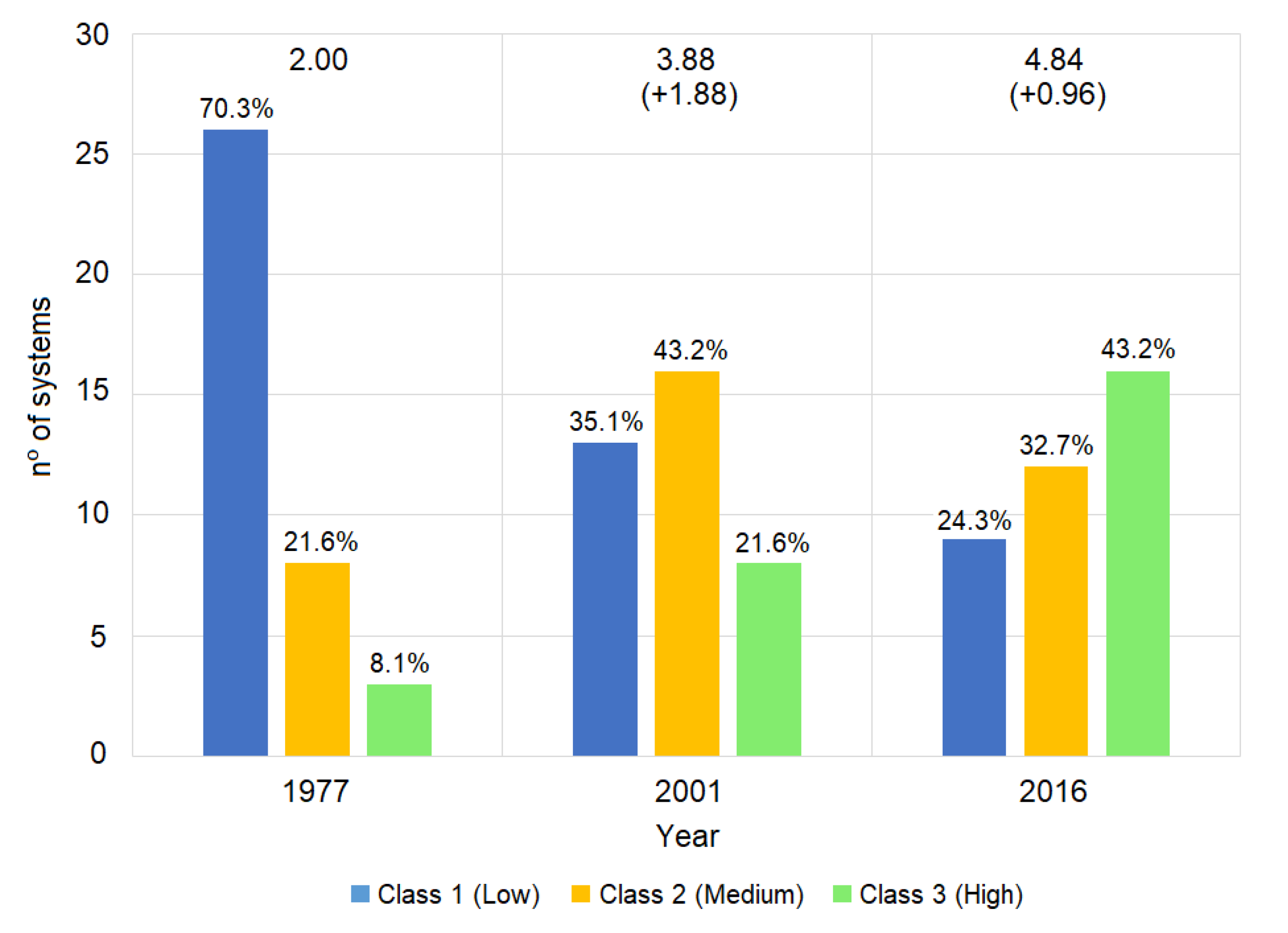
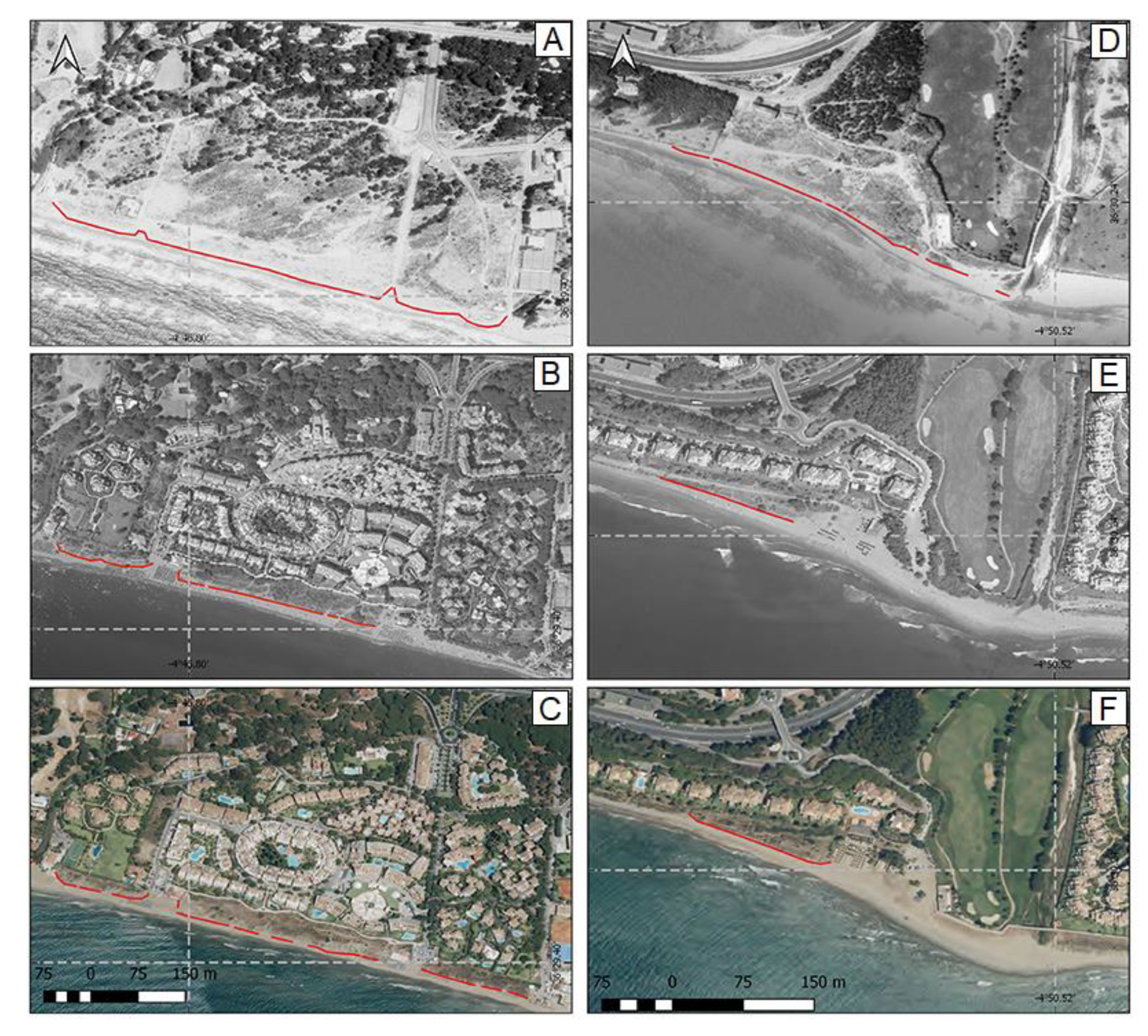
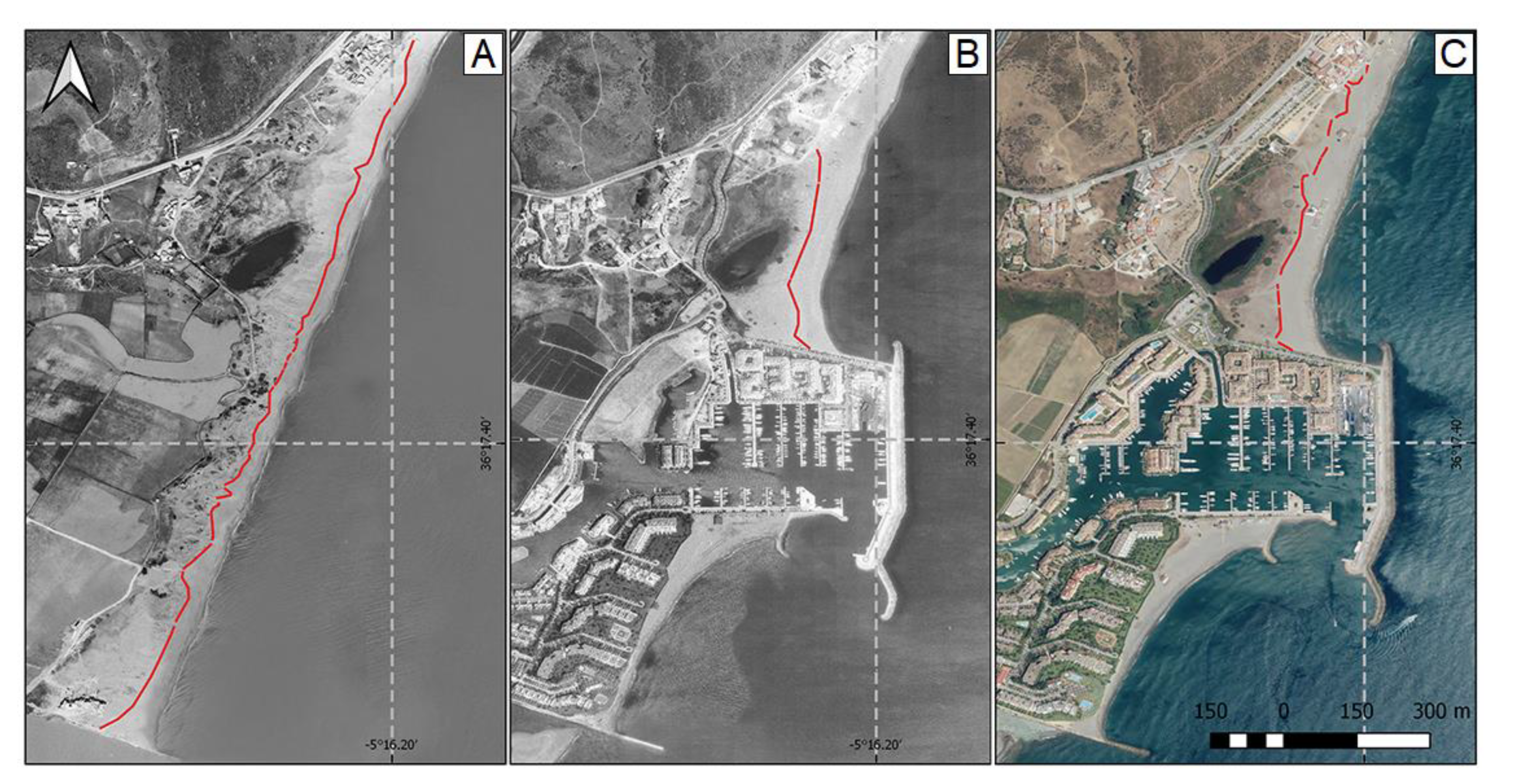
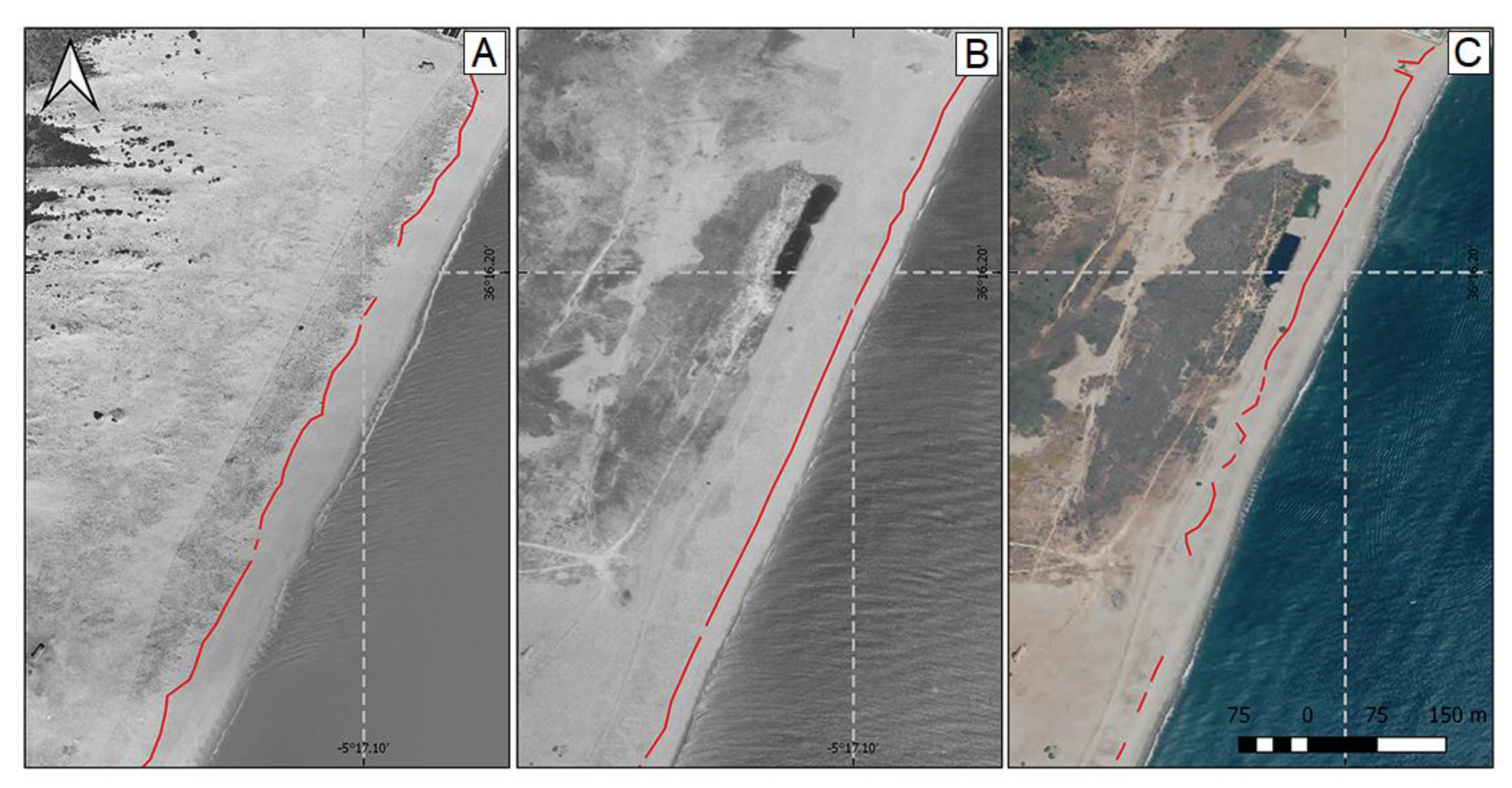
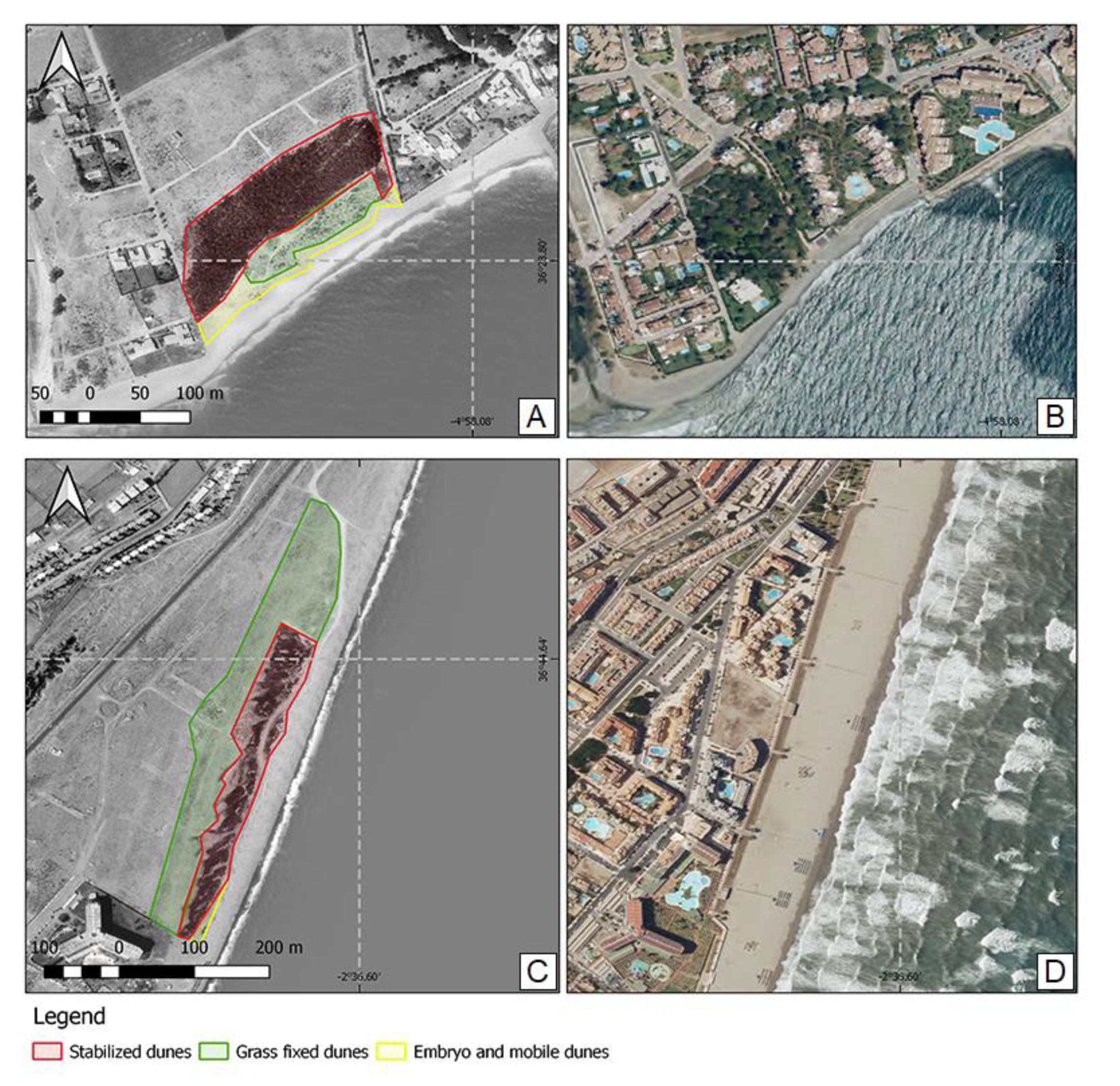
This paper deals with the characterization and evolution of dune systems along the Mediterranean coast of Andalusia, in the South of Spain, a first step to assess their relevant value in coastal flood protection and in the determination of sound management strategies to protect such valuable ecological systems. Different dune types were mapped as well as dune toe position and fragmentation, which favors dune sensitivity to storms’ impacts, and human occupation and evolution from 1977 to 2001 and from 2001 to 2016. Within a GIS (Geographic Information System) project, 53 dune systems were mapped that summed a total length of ca. 106 km in 1977, differentiating three dune environments: (i) Embryo and mobile dunes (Type I), (ii) grass-fixed dunes (Type II) and (iii) stabilized dunes (Type III). A general decrease in dunes’ surfaces was recorded in the 1977–2001 period (−7.5 × 10⁶ m2), especially in Málaga and Almería provinces, and linked to dunes’ fragmentation and the increase of anthropic occupation (+2.3 × 10⁶ m2). During the 2001–2016 period, smaller changes in the level of fragmentation and in dunes’ surfaces were observed. An increase of dunes’ surfaces was only observed on stable or accreting beaches, both in natural and anthropic areas (usually updrift of ports).
Keywords: dune characterization; anthropic occupation; fragmentation index; dune surface dune characterization; anthropic occupation; fragmentation index; dune surface