Article

Influence of Microclimate on Human Thermal and Visual Comfort in Urban Semi-Underground Spaces

School of Art and Design, Beijing Institute of Fashion Technology, Beijing 100029, China
*
Author to whom correspondence should be addressed.
These authors contributed equally to this work.
Atmosphere 2026, 17(1), 29; https://doi.org/10.3390/atmos17010029 (registering DOI)
Submission received: 18 November 2025 / Revised: 17 December 2025 / Accepted: 19 December 2025 / Published: 25 December 2025
(This article belongs to the Section Biometeorology and Bioclimatology)

Abstract

Semi-underground spaces are integral to urban infrastructure yet their impact on human comfort, particularly in cold regions, remains inadequately investigated. The purpose of this study is to evaluate the comprehensive environmental quality of semi-underground spaces and its impact on human comfort in the cold-climate context of China. Representative transportation and workspace types, including underpasses, libraries, laboratories, and photography studios, were examined during winter and summer. An integrated methodology comprising field measurements, questionnaires, and numerical simulations was employed to analyze thermal, visual, and air quality conditions. Results reveal compounded environmental challenges: elevated temperature-humidity levels and equipment heat gains cause thermal discomfort; CO2 and TVOC accumulation deteriorates air quality; and lighting is often insufficient or imbalanced. Furthermore, distinct functional spaces require tailored management strategies, such as balanced ventilation for transit areas and intelligent thermal control for laboratories. These findings provide a theoretical foundation and practical guidance for the performance-oriented design and optimization of semi-underground spaces in high-density urban environments.

1. Introduction

Underground and semi-underground spaces are recognized as critical components of urban spatial organization, playing a key role in supporting functions such as transportation, office work, culture, and scientific research amid increasingly scarce urban land resources [1,2,3]. According to ISO 23386:2020, semi-underground spaces are defined as structures primarily located below ground that achieve multidimensional connectivity with the surface through design elements like sunken courtyards or skylights, thereby blending underground compactness with ground-level openness [4]. However, unlike typical above-ground buildings, these spaces are constrained by their unique geographical location and architectural structure. They are commonly plagued by compounded environmental issues, including poor ventilation, imbalanced temperature and humidity, and insufficient natural lighting. These problems severely compromise human thermal and visual comfort, exerting negative impacts on the physical and mental health as well as work efficiency of users [3]. Therefore, systematic identification of the environmental characteristics of semi-underground spaces and scientific evaluation of their comprehensive comfort performance are of great practical significance for optimizing spatial design and enhancing spatial quality [5].
To address these environmental challenges, extensive research has been conducted on climate-responsive design and microclimate regulation, particularly in cold regions. For instance, regarding thermal and air quality environments, Zhen et al. [6] and Yang et al. [7,8,9] systematically explored the thermal-acoustic environment and cold-proofing technologies for subway stations in severe cold regions of China, establishing a baseline for thermal comfort in underground transit hubs. Similarly, Liu et al. [10] surveyed indoor air quality in cold rural areas, highlighting the correlation between heating lifestyles and pollutant accumulation. In terms of simulation and modeling, Conceição et al. [11] conducted modeling of indoor air quality and thermal comfort, proposing ventilation strategies that utilize underground spaces for cooling. These studies collectively demonstrate that the thermal environment of underground spaces is highly sensitive to external climate conditions and requires specific regulatory strategies distinct from above-ground structures.
Parallel to thermal studies, the optimization of the light environment and spatial morphology has also received significant attention. Visual comfort and energy saving in tunnel and underground lighting were systematically reviewed by Song et al. [3], while ElBatran et al. [12] and Ali et al. [13] applied parametric approaches to optimize daylighting in office and religious buildings. Furthermore, the relationship between spatial form and microclimate has been investigated; for example, Chen et al. [1] and Nie et al. [2] examined how the morphological elements of open entrances and underground atriums influence physical environmental parameters such as temperature and wind speed. Recent advancements have further integrated these factors into multi-objective optimization frameworks. Yuan et al. [5] and Li et al. [14] proposed methods to balance daylighting and thermal comfort in subway stations and residential areas, respectively, while McBroom et al. [15] and Ilieș et al. [16] utilized sensor data to evaluate urban cooling rates and museum microclimates.
However, despite these foundational contributions, critical research gaps remain that prevent a holistic understanding of semi-underground environments: (1) Lack of multi-physical coupling: most existing studies have focused on single-factor analyses—either thermal comfort [6,7] or visual comfort [3,12]—in isolation. There is a lack of comprehensive evaluations that consider the coupled effects of thermal, humid, and visual environments, particularly how these factors interact to influence human perception in semi-enclosed spaces [13,17,18]. (2) Insufficient focus on semi-underground typologies in cold climates: previous research has predominantly focused on deep underground spaces (like subway tunnels) or typical above-ground buildings. Semi-underground spaces, which possess unique “transition” characteristics (partial natural light, distinct ventilation paths), have been under-investigated, especially in the context of China’s cold climate zones where the conflict between insulation and ventilation is acute [5,12]. (3) Neglect of functional diversity: current standards often apply uniform criteria, ignoring the distinct functional requirements of different semi-underground typologies. For instance, transportation spaces (transient occupancy) face challenges of high summer humidity and thermal stress, whereas workspaces (long-term occupancy) suffer from equipment heat loads and visual fatigue due to constant artificial lighting [19,20,21]. A comparative analysis of how different functions dictate environmental needs in these specific spaces is missing.
To address this research gap, a case study was conducted in Beijing, a city characterized by a temperate continental humid climate. We targeted five functionally distinct semi-underground spaces, ranging from transient transportation nodes (underpasses) to stationary workspaces (libraries, laboratories, studios). By employing an integrated methodology of field measurements, questionnaires, and numerical simulations, this research aims to examine the influence of temperature, humidity, thermal loads, and illumination conditions on human subjective perceptions across both summer and winter seasons. The findings are expected to provide theoretical insights and practical guidance for the scientific design, environmental regulation, and performance optimization of such spaces.

2. Research Site

2.1. Climatic Conditions

Beijing experiences a typical temperate monsoon climate, with mountains to the north and west, plains in the southeast, and a river system running through the city. According to the Chinese standard Civil Building Thermal Design Code, Beijing is classified as a cold region in a semi-humid to semi-arid zone, characterized by distinct seasonal variations in precipitation and temperature. Consequently, the area exhibits the following climatic features: a relatively long, moderately cold winter, short and variable spring and autumn seasons, hot summers, uneven precipitation distribution, abundant sunshine, notable temperature differences between day and night, and considerable potential for solar energy utilization.

2.2. Site Information

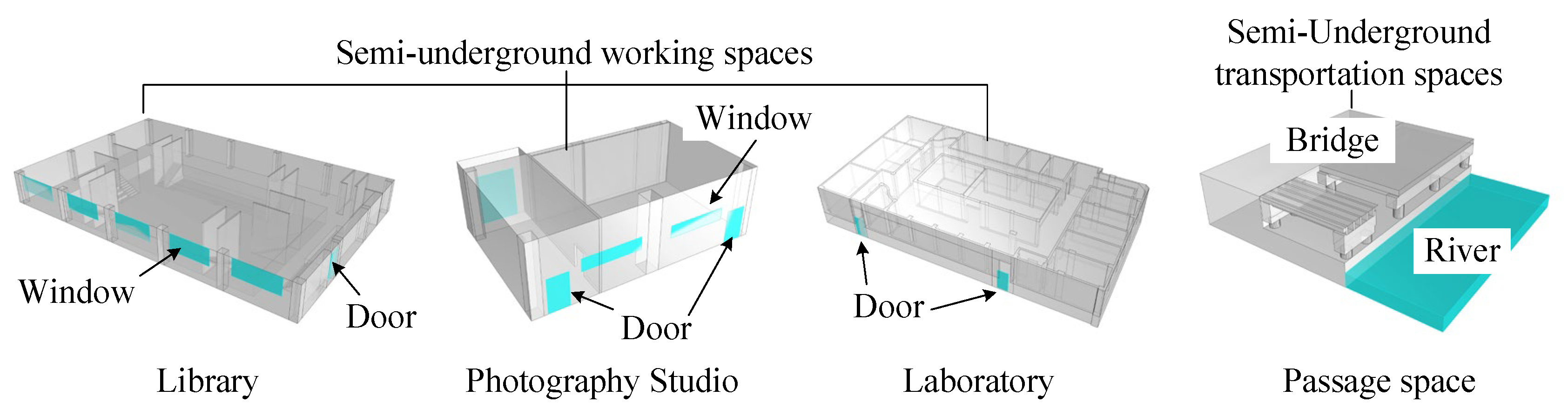
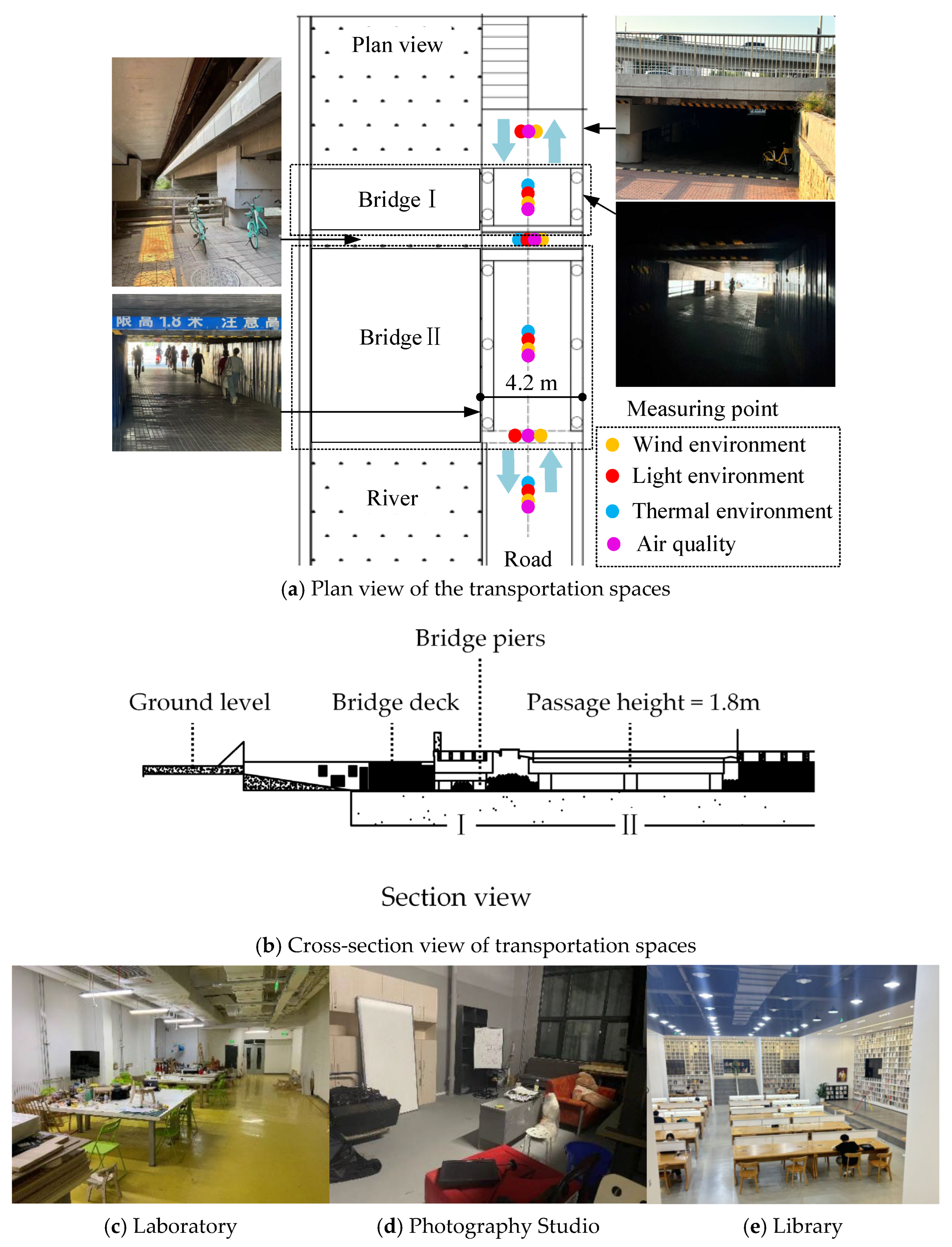
Field investigations were carried out in various semi-underground environments, covering both transportation and workspace typologies. The selected transportation spaces included subway stations and under-bridge areas, while workspace types comprised laboratories, photography studios, and libraries. Detailed descriptions of the investigated sites are provided below: (i) Semi-underground transportation spaces. Two semi-enclosed under-bridge spaces were investigated. These sites are situated near a subway station and experience high volumes of vehicular and pedestrian traffic. The spatial configuration and layout of environmental monitoring points are illustrated in Figure 1a,b. (ii) Semi-underground working spaces. A materials laboratory, photography studio, and library located in university building basements were selected as representative workspaces, as depicted in Figure 1c, Figure 1d and Figure 1e, respectively. Although connected to above-ground spaces via access passages, these environments remain relatively isolated from external climatic conditions while still presenting potential environmental challenges.

3. Research Methods

3.1. Methodology

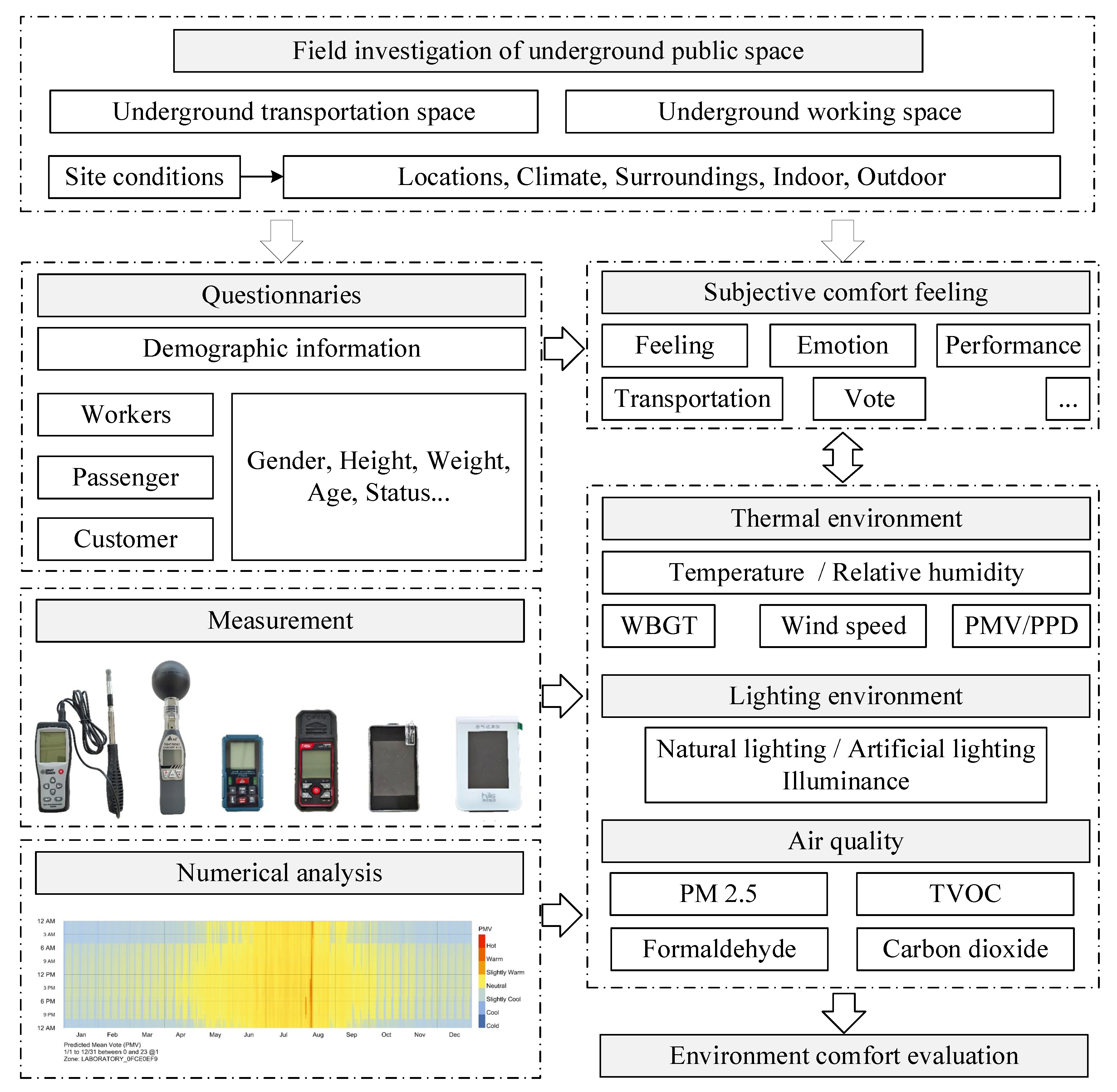
To further investigate potential environmental issues in urban semi-underground spaces and clarify their impacts on urban microclimate and human comfort, the research framework of this study is presented, as shown in Figure 2. For assessing variations in environmental impacts of semi-underground spaces, questionnaire surveys, on-site measurements, numerical simulations, and comfort calculations are employed as methodologies in this study. The research content involves exploring and summarizing the variation characteristics of light environment, thermal environment, and air quality indicators in semi-underground spaces with different functional attributes, as well as their influence patterns on environmental comfort.

3.2. Environment Measurements

3.2.1. Measurement Contents

Environmental measurements were primarily focused on the light environment, thermal environment, and air quality, with on-site environmental data collected using testing instruments. For the light environment, the measured parameter was illuminance. For the thermal environment, the measured parameters included temperature and humidity. For the air quality, the measured parameters included concentrations of carbon dioxide (CO2) and formaldehyde (HCHO).

3.2.2. Measurement Devices

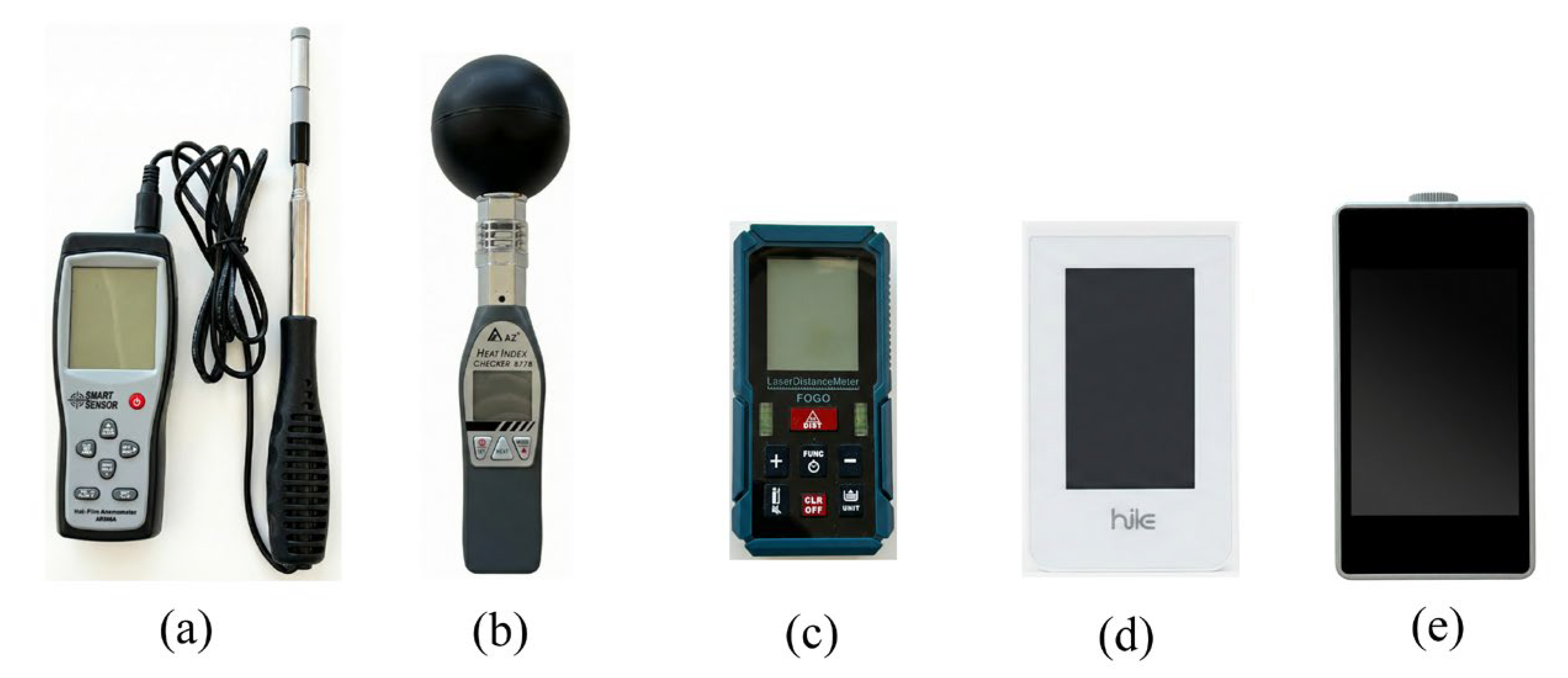
For environmental parameter measurements, the following instruments were employed, with standardized operating procedures strictly followed to ensure data reliability: (i) Air velocity and temperature-heat index: the meters were powered on, and their probes were positioned to record real-time readings, as shown in Figure 3a,b. (ii) Spatial geometry: distances were acquired using a handheld laser rangefinder by aligning its laser with the target surface, as shown in Figure 3c. (iii) Air quality: the intelligent air quality monitor was activated and configured to automatically detect and display parameters including temperature, relative humidity, carbon dioxide, formaldehyde, and PM2.5 concentrations, as shown in Figure 3d. (iv) Light environment: the digital illuminance meter was powered on, placed at standardized heights under the light source, and operated to measure illuminance and spectral characteristics, as shown in Figure 3e.
To ensure data reliability, measurements were taken at a height of 1.5 m above ground, with each point sustained for at least 10 min to obtain stable readings [22,23]; the Air quality detector was stabilized for over 30 min prior to use. The collected data were aggregated for analysis. The specifications of the instruments used are detailed in Table 1.

3.3. Questionnaire Survey

In addition to on-site environmental measurements, the field investigation incorporated questionnaire surveys and on-site interviews to comprehensively assess user experience and comfort perceptions across different semi-underground spaces. The survey targeted occupants who had either adapted to the specific environment or were frequent users with long-term exposure.
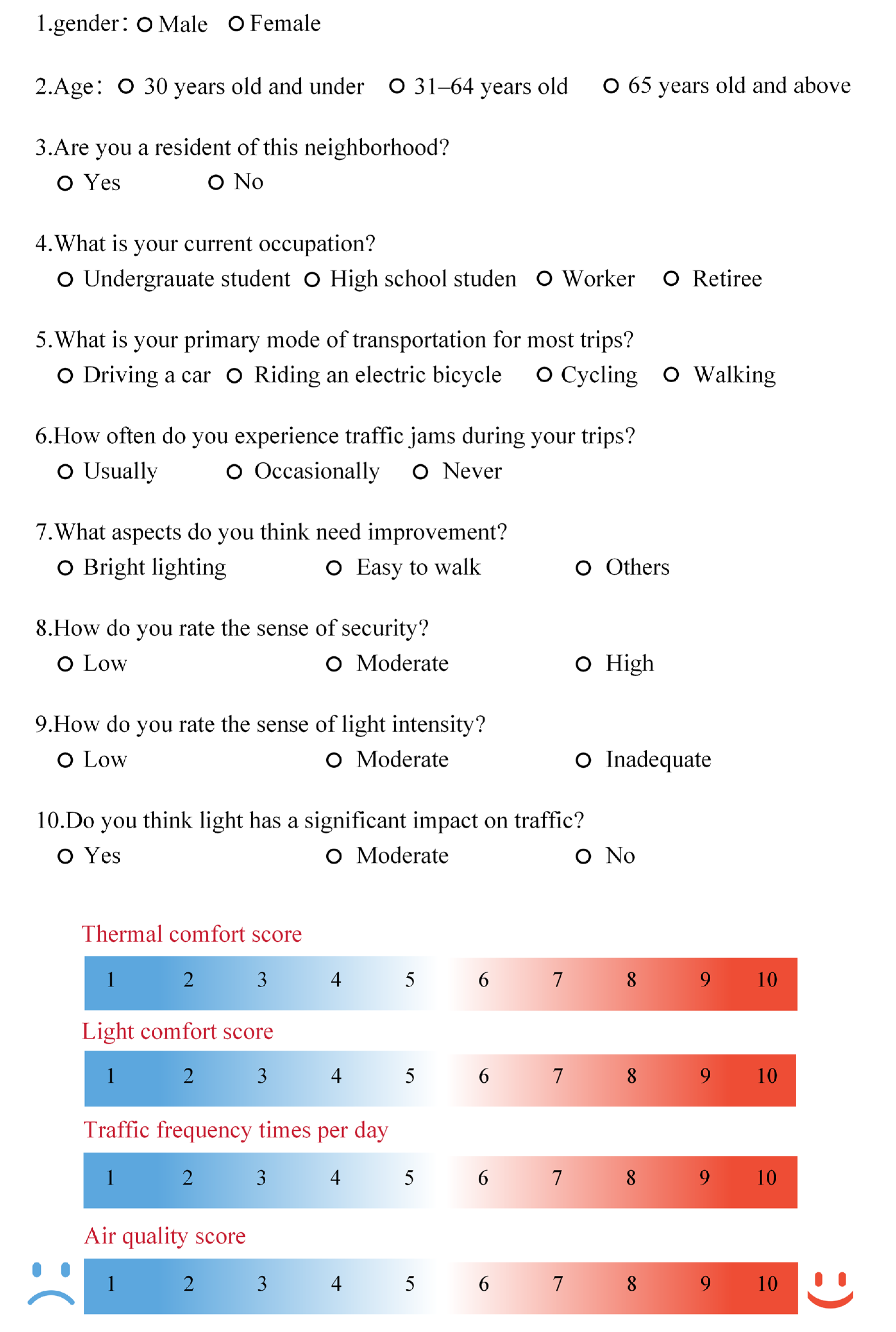
(i) For the two semi-underground transportation spaces: Contrary to random sampling of transient pedestrians, the survey focused on local residents, commuters, and maintenance staff who traverse these underpasses at least twice daily and are thus familiar with the environmental variations. Participants were required to have stayed in or passed through the environment for at least 10 min prior to the survey to ensure thermal and visual adaptation. The questionnaire and interview items covered critical safety and comfort aspects: adequacy of interior illumination, potential glare from lighting or portal positioning, thermal sensation, humidity perception and the perceived impact of these environmental factors on traffic fluency and safety. The detailed questionnaire template is presented in Appendix A Figure A1.
(ii) For the three semi-underground workspaces: The investigation targeted students and staff with fixed workstations, who spend more than 4 h per day in these environments. This ensures their feedback reflects a steady-state response to the indoor microclimate. Feedback was collected regarding: the sufficiency of natural and artificial lighting, thermal and humidity comfort during different operational states, perceived ventilation efficiency and whether environmental stressors interfered with their specific work tasks, such as precision work in laboratories.

3.4. Thermal Comfort Model

In this study, the Predicted Mean Vote (PMV) model was employed to assess thermal comfort, strictly following the guidelines provided in the current ASHRAE Standard 55-2023 [22]. This standard establishes criteria for the design and evaluation of thermally acceptable environments. The PMV was calculated using Fanger’s heat balance equation, which incorporates six measurable environmental and personal parameters: air temperature, mean radiant temperature, air speed, relative humidity, clothing insulation, and metabolic rate. The resulting PMV values were interpreted using the ASHRAE 7-point thermal sensation scale, as summarized in Table 2.

3.5. Software Simulations

Furthermore, this study employed the Rhino-Grasshopper-Ladybug Tools platform (Rhinoceros v8.12, Grasshopper v1.0.0008, and Ladybug Tools v1.9.0) to conduct simulation analyses of the physical environments across several sites. Rhinoceros software (v8.12) enables the rapid construction, editing, and rendering of complex 3D architectural models. Its compatibility with various plug-ins and file formats facilitates integration and collaboration with other software, making it widely adopted across multiple disciplines. As plug-ins within Rhino, Grasshopper and Ladybug Tools were utilized to analyze site-specific physical conditions. To be specific, the computational workflow integrated multiple engines: Honeybee was employed to call EnergyPlus for thermal environment simulations (temperature and humidity) and Radiance for daylighting performance analysis. Meanwhile, Ladybug components were utilized to process the CSWD weather data and calculate thermal comfort indices (PMV/PPD) based on the simulated environmental parameters. These tools allow for the import of external environmental data and employ various components to perform physical simulations, visualize results, and generate intuitive analytical outcomes.
Specifically, the 3D geometric models were constructed based on actual field measurements, as shown in Figure 4. The boundary conditions were defined in accordance with the Design Standard for Energy Efficiency of Public Buildings (GB 50189-2015) [24]. The simulation utilized the CSWD (Chinese Standard Weather Data) EPW weather file for Beijing. Key thermal parameters for the building envelope were set as follows: external wall U-value of 0.45 W/(m2·K), roof U-value of 0.35 W/(m2·K), and window U-value of 2.0 W/(m2·K). Internal heat gains from occupants and equipment were dynamically scheduled based on the observed operational hours (08:00–22:00) to reflect realistic thermal loads. Furthermore, to accurately evaluate the passive thermal performance, the HVAC system was set to ‘Ideal Air Loads’ mode, which simulates an ideal heating and cooling system to maintain setpoint temperatures.

4. Results Analysis

4.1. Questionnaire Results

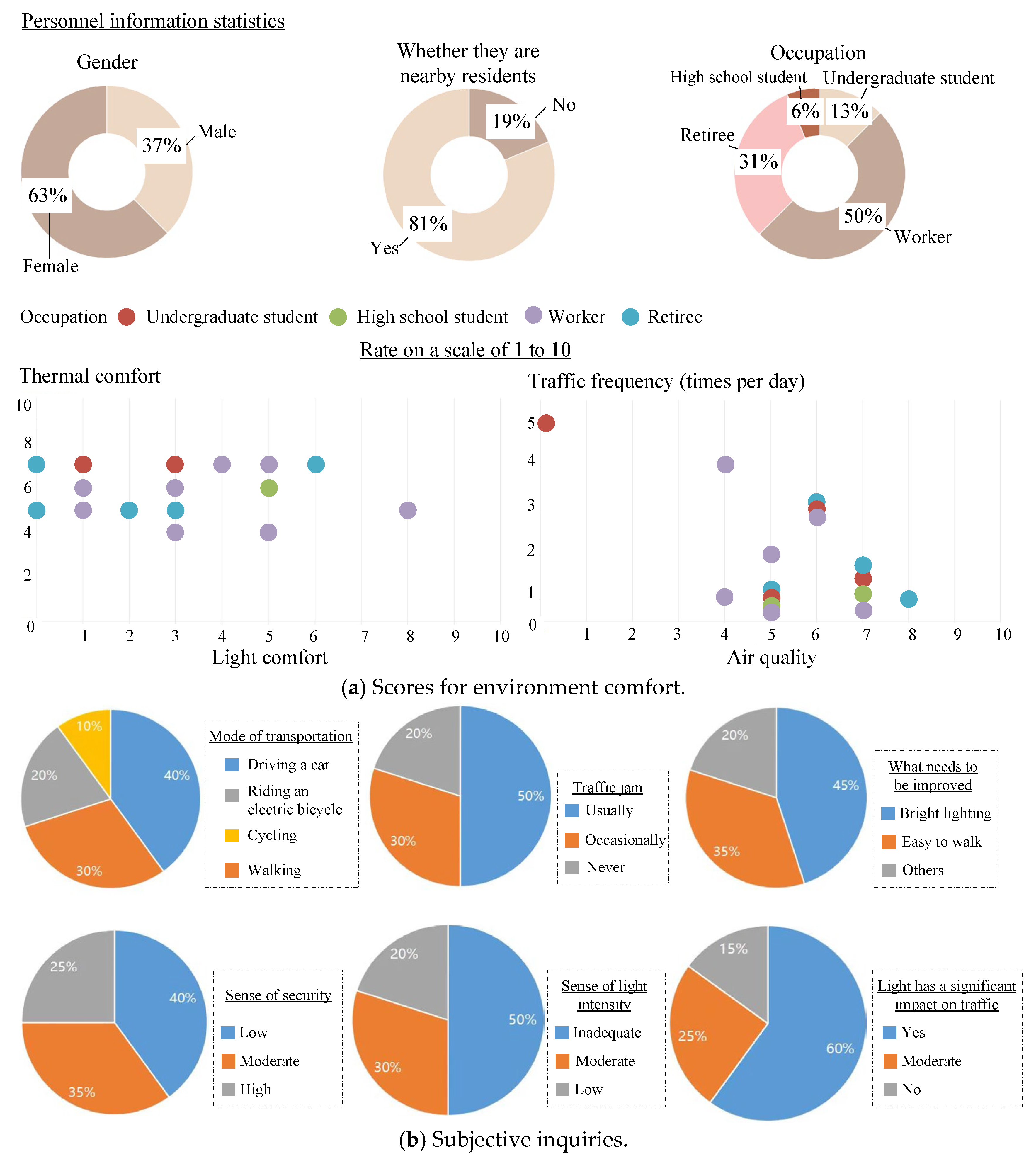
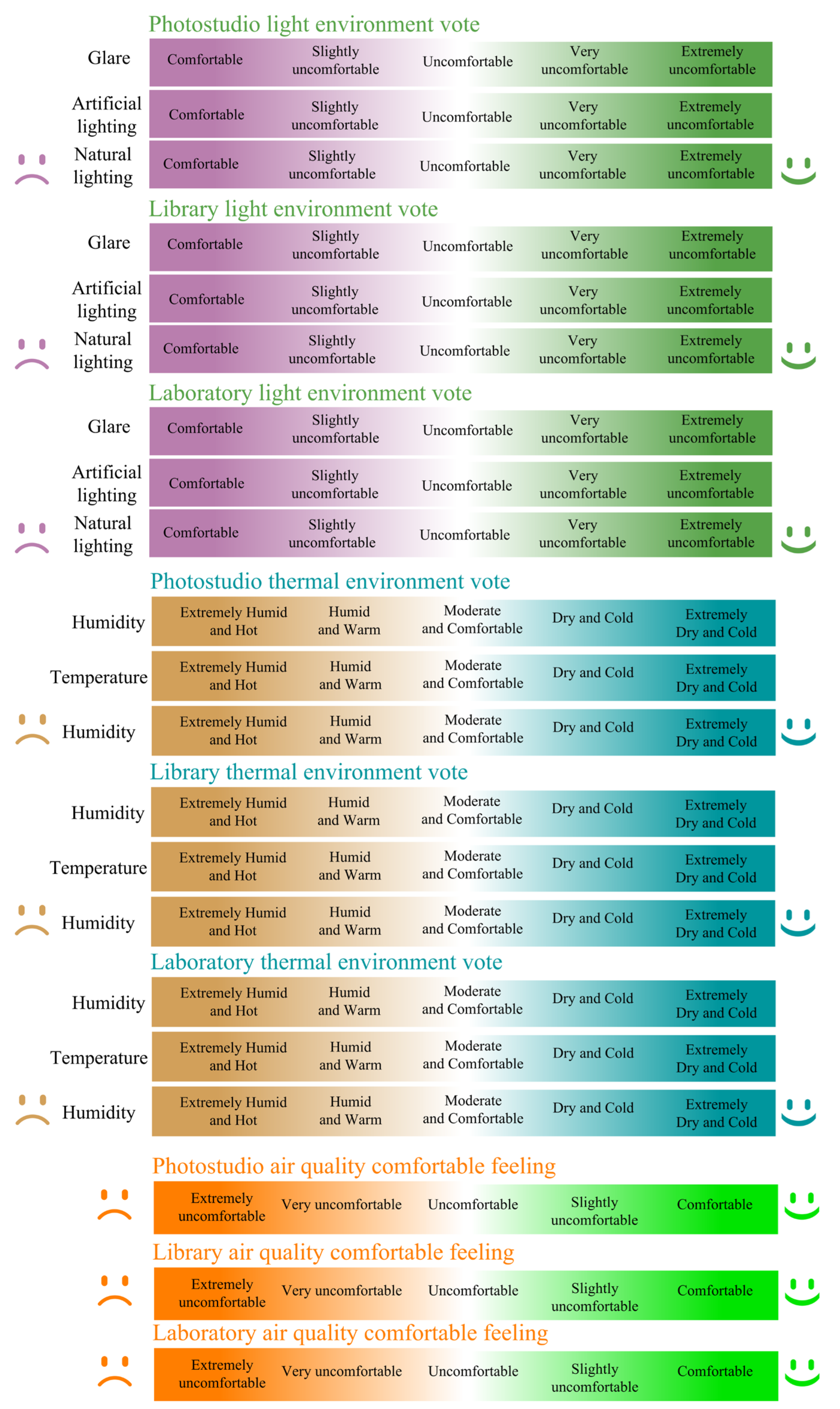
The survey results regarding the semi-underground transportation space environment are presented in Figure 5. A total of 320 individuals, including local residents, students, employees, and retirees, were surveyed. Evaluations were conducted using a 10-point scale across four dimensions: daylighting, artificial lighting, thermal comfort, and air quality, as summarized in Figure 5a. In addition, on-site interviews were carried out to collect real-time subjective feedback from participants, with the results illustrated in Figure 5b.
The findings indicate generally poor perceived experience among respondents in the under-bridge spaces. Daylight comfort received notably low ratings, with 75% of scores falling between 1 and 5 points. Thermal comfort was rated slightly higher, concentrated around 6 points. Although approximately 75% of respondents rated air quality between 5 and 7 points, the overall comfort level in these spaces remained low. Between 45% and 50% of participants reported issues such as insufficient natural light, inadequate illumination, and poor ventilation leading to accumulation of vehicle emissions. These conditions were noted to negatively impact normal traffic needs and travel experience. About 50% of respondents considered traffic incidents to be frequent, attributing them to the low-lying topography, overhead bridge obstruction, limited internal lighting, and water accumulation during rainfall, collectively resulting in a dim and humid environment. Additionally, the enclosed structure of the under-bridge space was found to prolong traffic noise through echo effects, with roughly 56% of respondents reporting a low sense of safety in these environments.
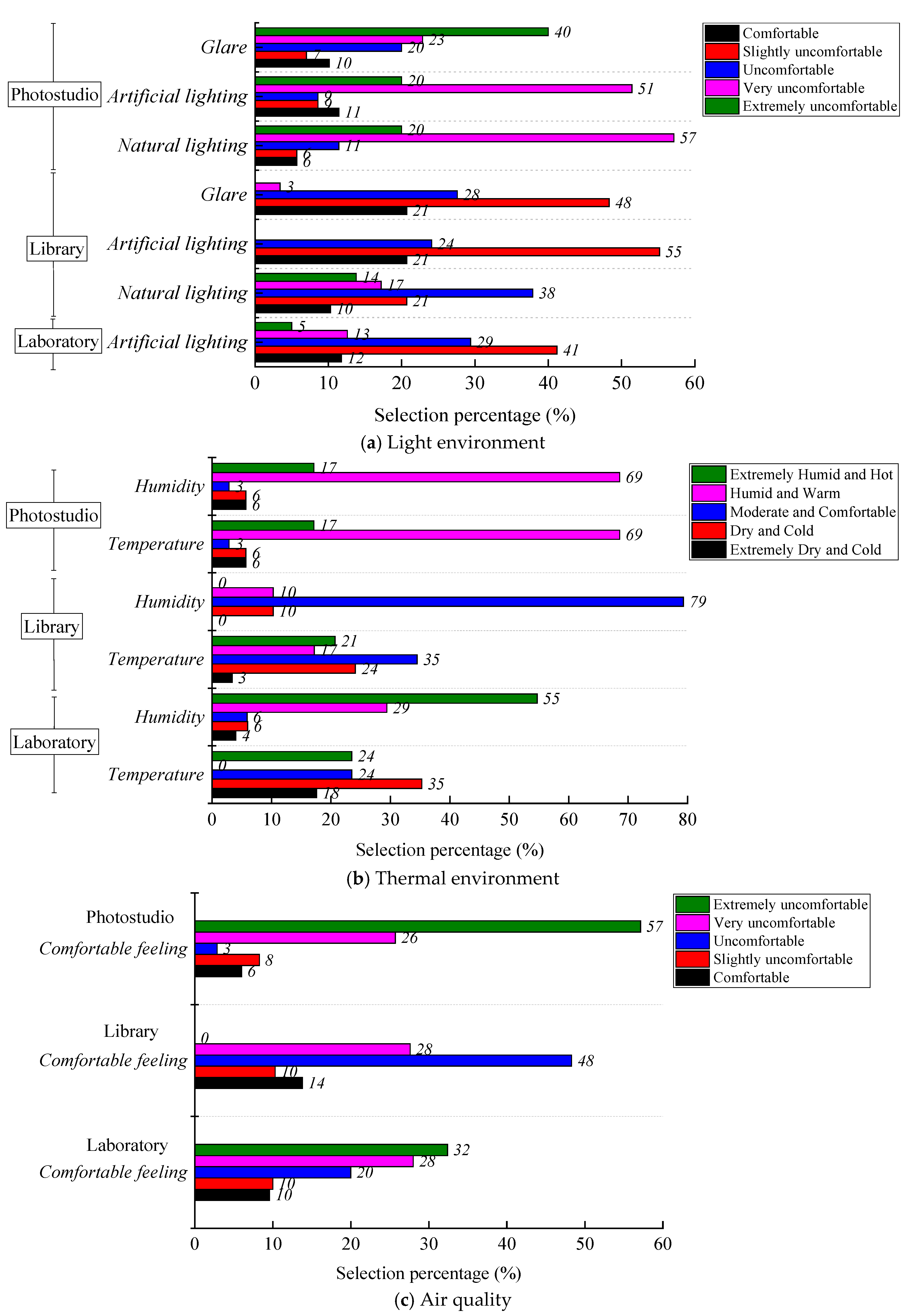
The survey results for the semi-underground workspace environment are presented in Figure 6. Figure 6a summarizes the findings regarding the lighting environment. Respondents reported relatively poor comfort in workspaces with high lighting demands, which primarily relied on artificial lighting due to a lack of natural light. Approximately 57% of participants considered the photography studio “very uncomfortable,” rating it lower than both the laboratory and the library. In terms of natural lighting, satisfaction levels were lower than those for artificial illumination, based on feedback from the studio and library surveys. This indicates a stronger preference for natural light over artificial lighting in semi-underground environments. According to China’s “Standard for Daylighting Design of Buildings” (GB 50033-2013) [25], which specifies required daylight factors for various types of rooms and functional spaces, the lighting conditions in the semi-underground workspaces examined did not meet the national standard.
Indoor temperature, humidity, and air quality in semi-underground workspaces were also identified as concerns. As shown in Figure 6b, even with climate control equipment such as air conditioning, occupants consistently reported feelings of humidity and stuffiness. About 69% of respondents described the photography studio as “humid and warm,” while approximately 55% rated the laboratory as “extremely humid and warm.” Inadequate ventilation not only compromises indoor air quality, as indicated in Figure 6c, but may also exacerbate temperature and humidity issues, further impairing user experience. The photography studio demonstrated the poorest ventilation performance, with about 57% of respondents evaluating it as “extremely uncomfortable.” Relevant international and national standards, such as China’s “Standards for indoor air quality” (GB/T 18883-2022) [26], establish health-based requirements for indoor air—criteria that are not met in the semi-underground workspaces studied.

4.2. Simulation Results

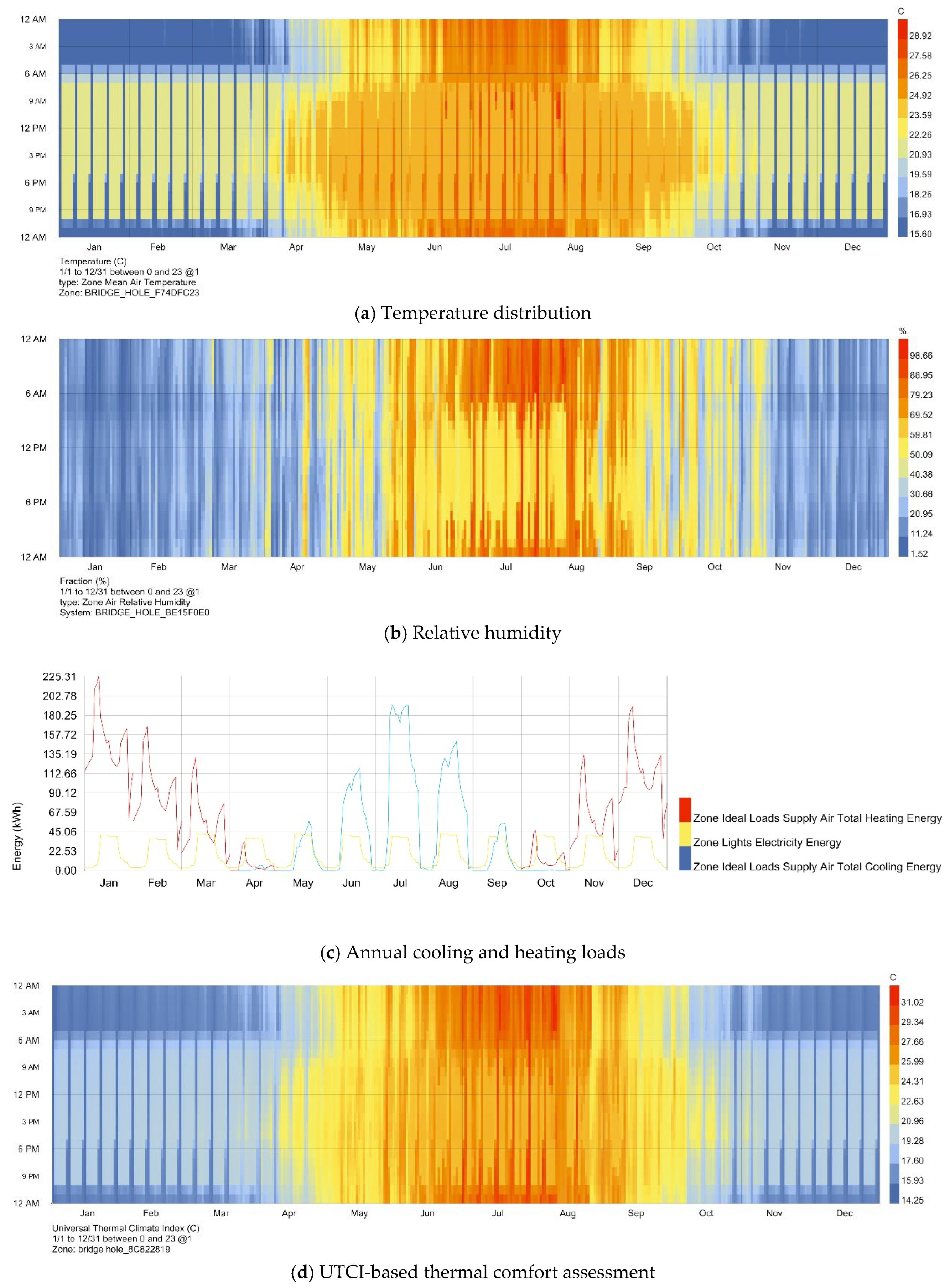
Based on feedback from measured and survey results, the comfort of semi-underground transportation and work environments was simulated and predicted. For semi-underground transportation spaces represented by the underpass as shown in Figure 7a, high temperatures are concentrated from May to September annually, with the maximum temperature reaching 38.92 °C. This environment is significantly influenced by natural climate, exhibiting an annual day and night temperature difference of approximately 5 °C. However, unlike the relatively uniform temperature distribution, the humidity in the underpass semi-underground environment varies substantially throughout the year: humidity is low in winter, which is below 30.66%, while in summer, from July to August, morning and evening humidity can reach 96.66%, as shown in Figure 7b. The temperature in semi-underground transportation spaces generally deviates from the human neutral temperature range, which is 22 °C to 28 °C. In summer, the measured Universal Thermal Climate Index (UTCI) values in the underpass exceed 24.31 °C, reaching 31.02 °C around noon. This indicates entry into the moderate heat stress range, where physiological regulatory activities for heat dissipation in the human body become more intense, including increased heart rate and sweating. Meanwhile, the high humidity in this environment during summer inhibits sweat evaporation, leading to elevated perceived temperature and exacerbated stuffiness.
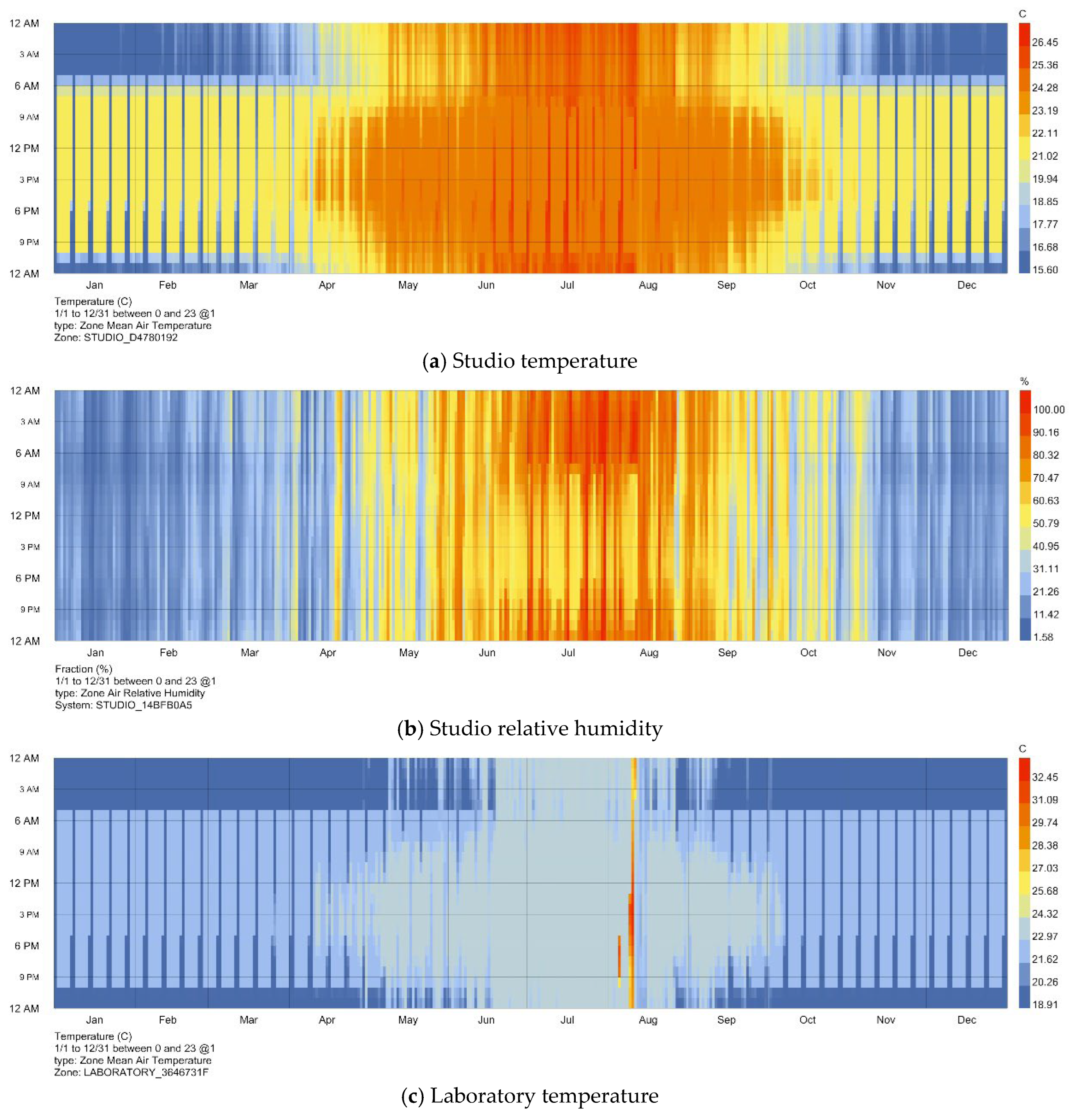
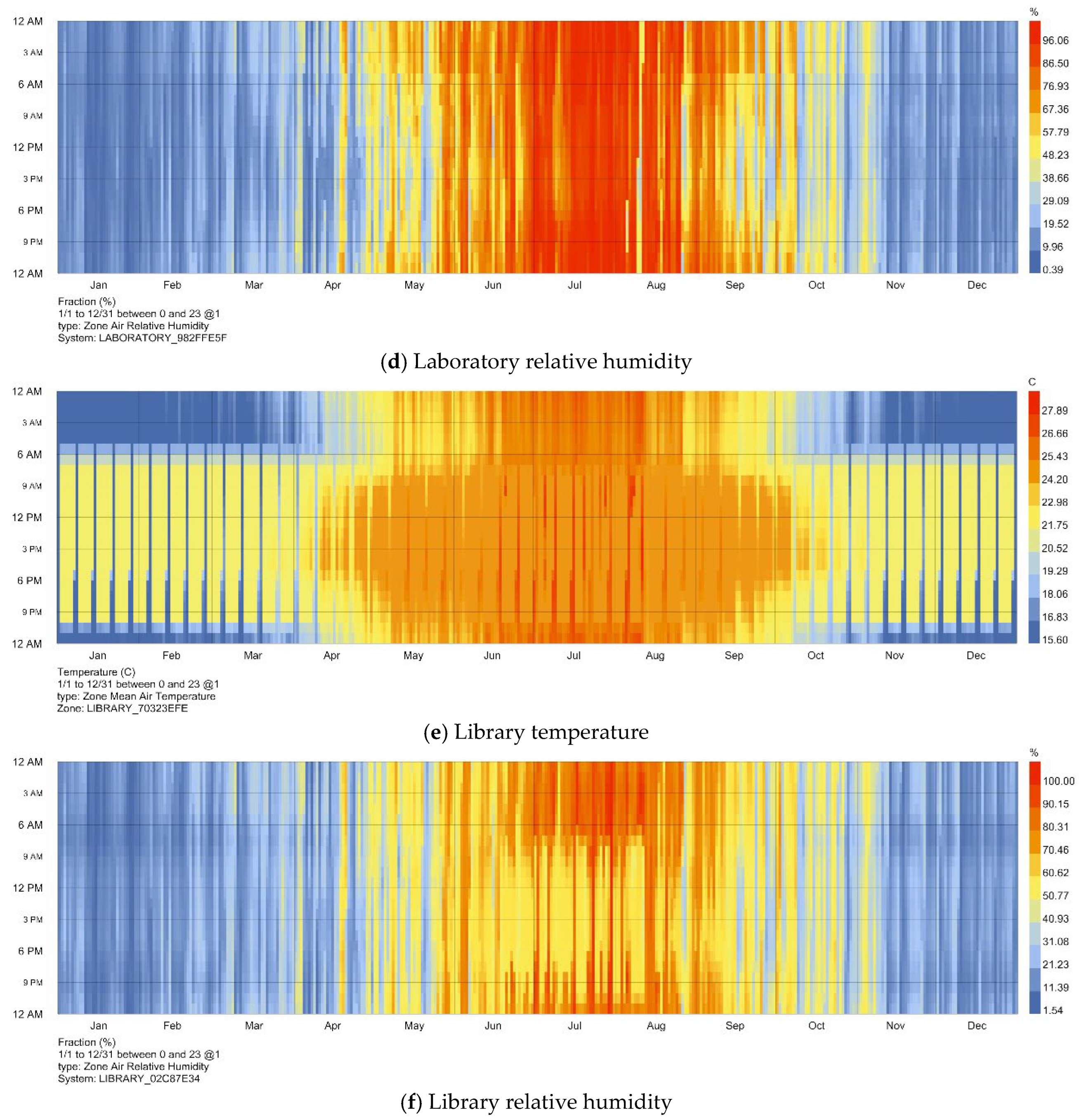
In the semi-underground workspace illustrated in Figure 8, temperature and humidity distributions were controlled through artificial means, including air conditioning and heating systems. During operational hours, temperatures were generally maintained between 20 °C and 25 °C, which lies within the human thermoneutral zone, thereby enhancing thermal comfort relative to semi-underground transit areas. Owing to the high illumination demands of the studio, the use of lighting equipment, such as flashlights, constant lights, and spotlights, resulted in localized temperature increases. The minimum annual temperature recorded during work hours was approximately 21.02 °C, while during spring and autumn, temperatures could reach 26.45 °C. To mitigate localized overheating from the operation of heavy machinery, which could adversely affect equipment longevity, the laboratory environment was regulated via air conditioning and heating systems, ensuring that annual temperatures remained below 24.32 °C. As a result, the annual cooling and heating load exceeded 800 kW, with the peak load not surpassing 313.15 kW.
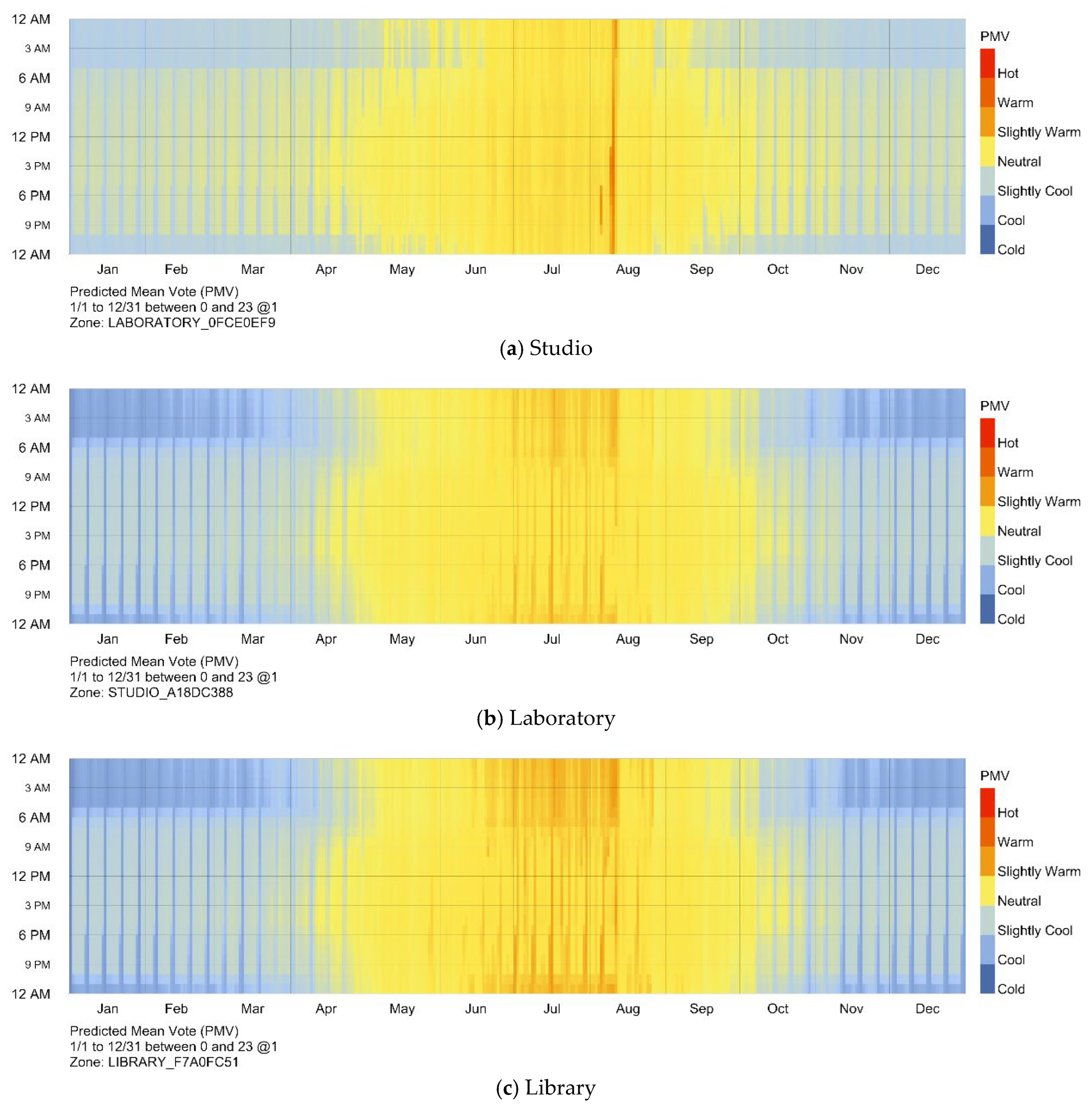
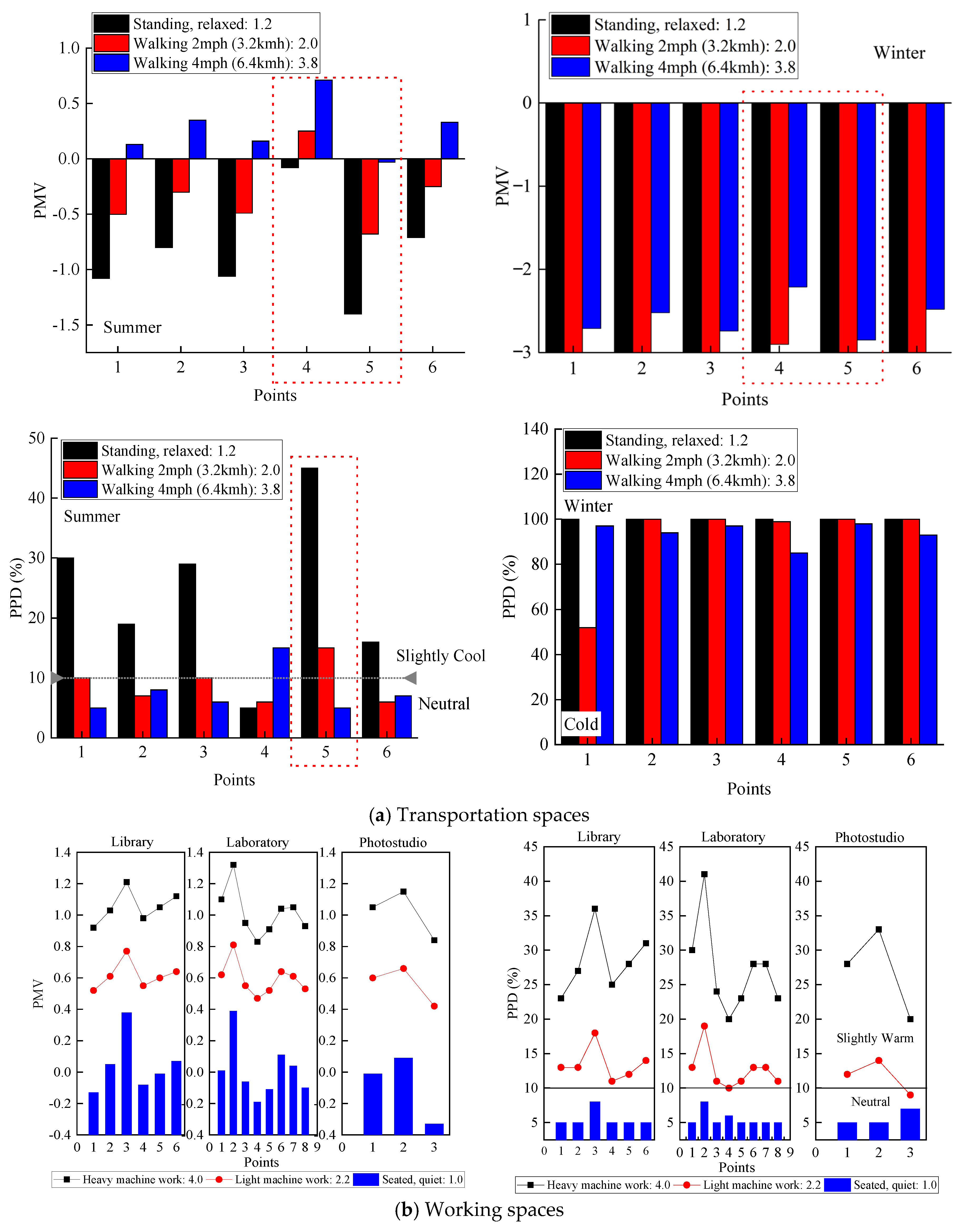
Based on relevant factors such as air temperature and relative humidity, the PMV values for semi-underground working environments, including the studio, library, and laboratory, were calculated and are presented in Figure 9. According to ISO 7730 [27], the ideal indoor PMV should be maintained between −0.5 and +0.5, indicating a general perception of “neutral” thermal sensation and thus an optimal state of thermal comfort. In contrast to the laboratory, where PMV values overall were close to the neutral comfort level, the thermal comfort in the studio and library remained more influenced by natural climate conditions. During summer, occupants tended to feel slightly warm, with PMV values approaching +1, whereas in winter, PMV values tended toward −1, corresponding to a slightly cool sensation.

4.3. Measurement Results

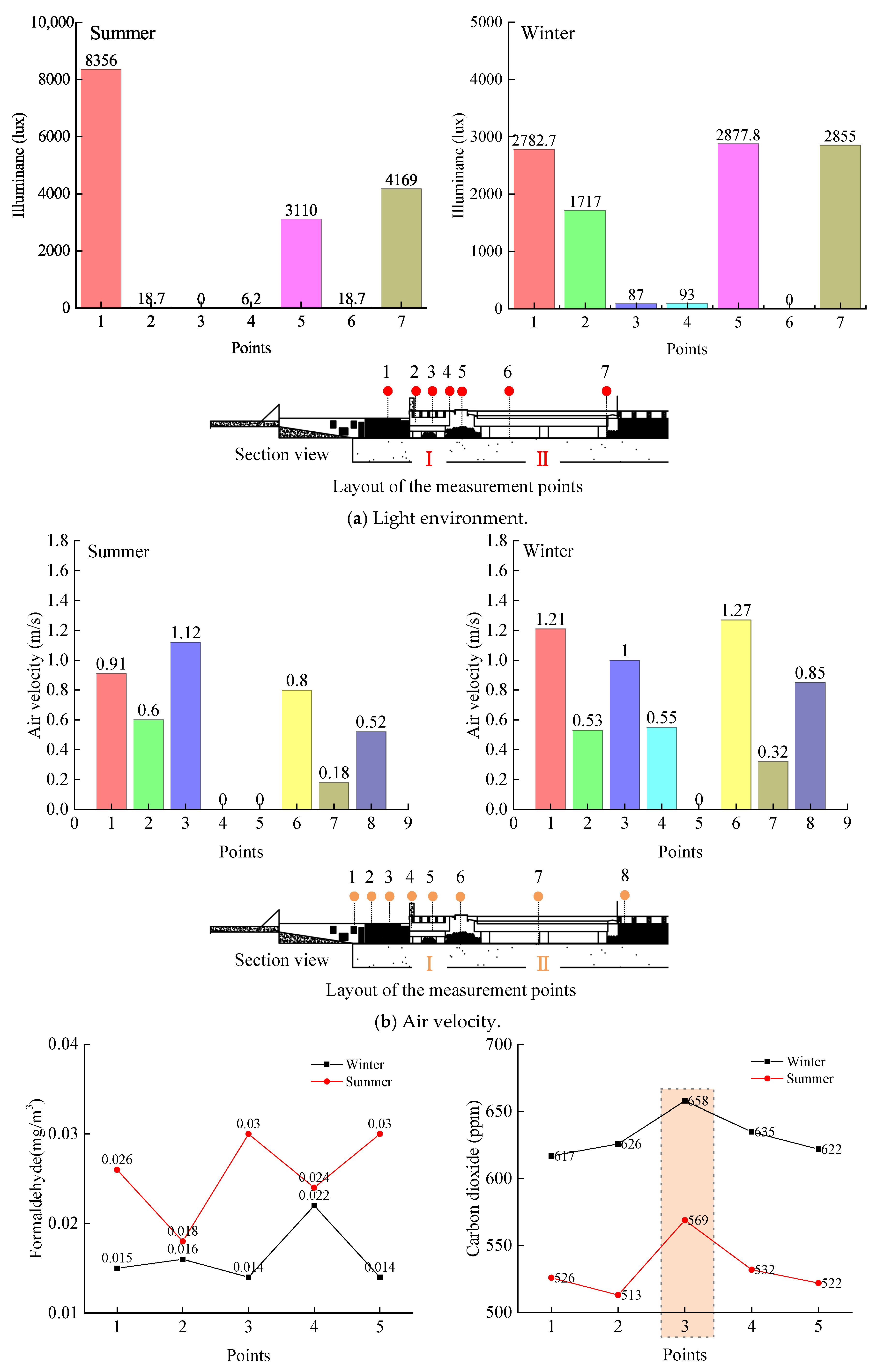
Field measurements of the lighting environment in the semi-enclosed under-bridge space are shown in Figure 10a. As observed, illuminance changes abruptly at the tunnel entrances (Point 1 and Point 2). Due to the higher solar altitude angle in summer than in winter in Beijing, the difference in illumination between the interior and exterior of the bridge is more pronounced in summer compared to that in winter at the same time of day. Furthermore, the interior of the transportation space suffers from insufficient natural lighting, remaining relatively dim even during daytime, with illuminance levels as low as 0 lux. The sharp contrast in brightness between inside and outside, combined with shading from the bridge deck and surrounding structures, creates an oppressive atmosphere and poses visual challenges. These findings are consistent with questionnaire survey responses and indicate potential safety hazards for both pedestrians and drivers.
Air velocity measurement results are presented in Figure 10b, revealing significant spatial heterogeneity in the airflow distribution. In Zone I, air velocity decreases sharply at the bridge entrance (Points 3 and 4), which can be attributed to airflow obstruction caused by surrounding buildings and terrain. In contrast, Zone II exhibits markedly different ventilation conditions. Although air velocity also varies considerably at the entrance and exit (Points 6 and 7), this area benefits from a relatively larger spatial volume, resulting in significantly better ventilation than that in Zone I.
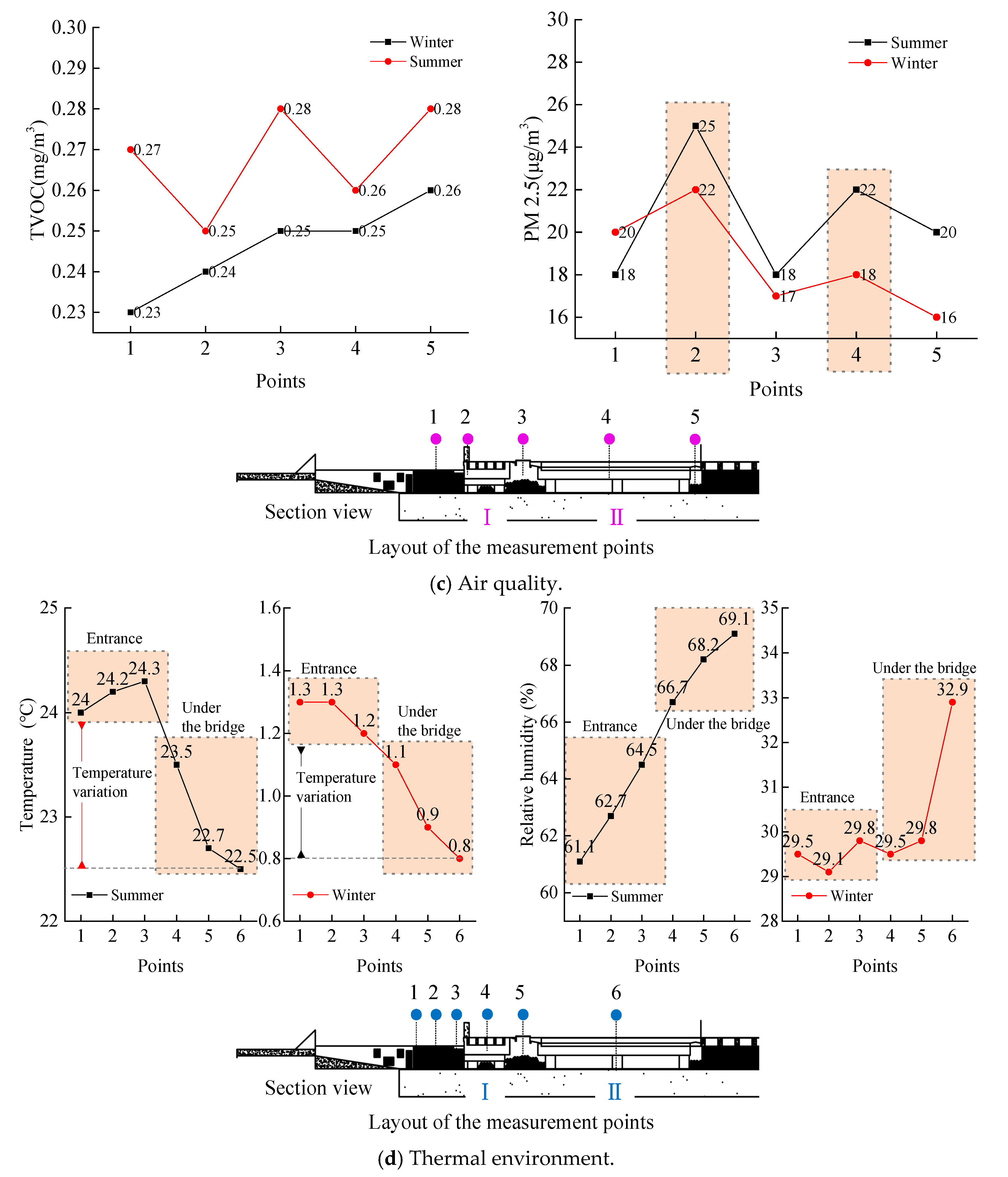
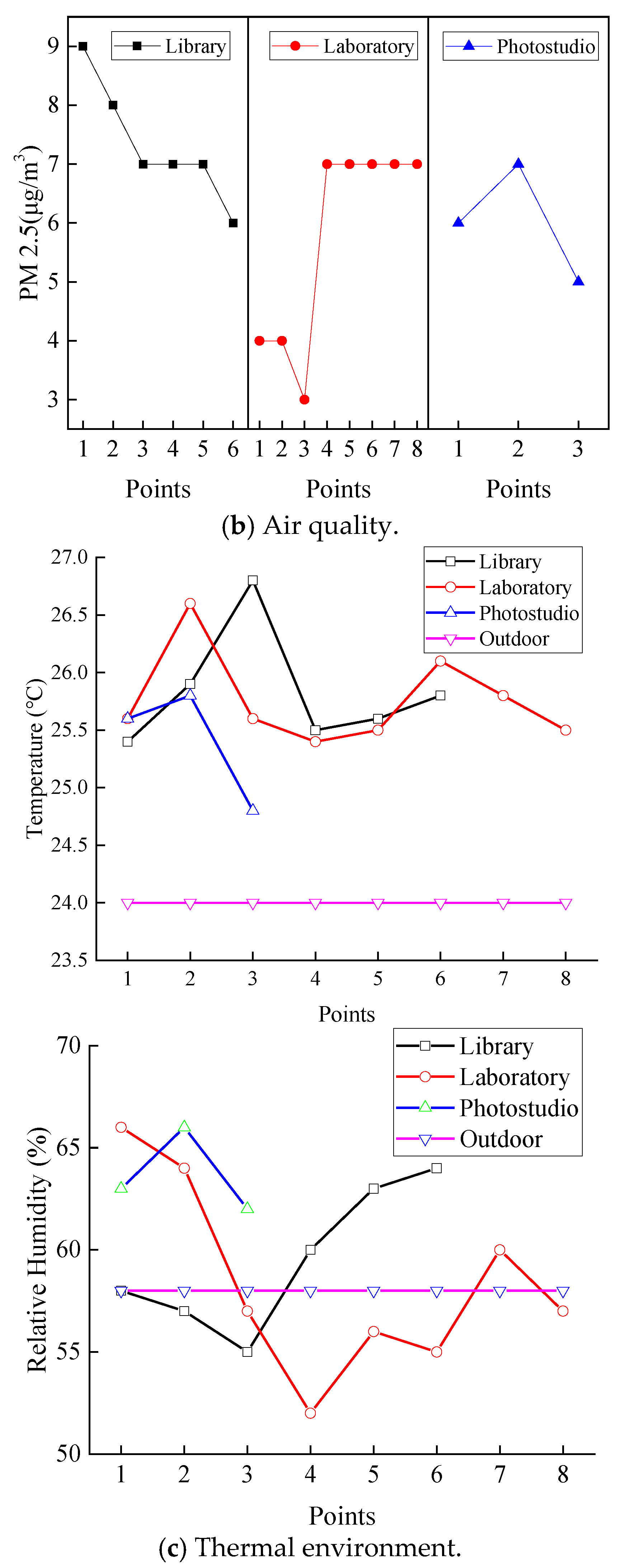
Air quality testing results exhibit dynamic variations influenced by multiple factors, including geographical location, meteorological conditions, pollution sources, and time, as illustrated in Figure 10c. (i) For formaldehyde, with reference to the World Health Organization (WHO) guidelines [28], the recommended exposure limit is 0.1 mg/m3, which is widely regarded as a broadly applicable safety threshold to prevent acute health effects such as eye, nose, and throat irritation. The one-hour average concentrations measured in winter and summer ranged between 0.014 and 0.03 mg/m3, remaining within safe limits. (ii) Regarding carbon dioxide (CO2), the WHO recommends that indoor CO2 concentrations should not exceed 1000 ppm [28], as prolonged exposure at or above this level may cause discomfort. The U.S. Environmental Protection Agency (EPA) further stipulates that outdoor CO2 levels should be maintained below a specific threshold, such as 350 ppm [29]. In this study, the measured one-hour average CO2 concentrations in winter and summer varied between 513 and 658 ppm. Additionally, due to vehicle emissions and the downward dispersion of CO2 in the open area above Zones Ⅰ and Ⅱ of the under-bridge space, elevated CO2 levels were recorded at Point 3 in both seasons. (iii) Total volatile organic compounds (TVOC) represent a group of diverse organic chemicals, including formaldehyde, benzene, and toluene. According to the Chinese national standards, the permissible limit for TVOC is 0.6 mg/m3 [26]. The on-site measured TVOC concentrations fluctuated between 0.23 and 0.28 mg/m3. (iv) For PM2.5, the WHO recommends that concentrations should not exceed 25 μg/m3. As shown in Figure 10c, the PM2.5 levels in the under-bridge area ranged from 22 to 25 μg/m3. Owing to the relatively enclosed nature of the under-bridge space, the PM2.5 concentrations were slightly higher than those in the external environment (Points 2 and 4).
The on-site thermal environment measurement results are presented in Figure 10d. In terms of temperature, within the enclosed space beneath the bridge, the temperature exhibited a gradual decrease as solar radiation weakened. From Point 1 to Point 6, the temperature dropped by 1.5 °C in summer and 0.5 °C in winter. Regarding relative humidity, its variation was assessed in relation to this temperature gradient. The relative humidity showed an increasing trend inversely correlated with the temperature drop. For instance, in summer, as the temperature decreased from Point 1 to Point 6, the relative humidity increased by 8%. This significant rise is attributed to the combined effects of the reduced saturation vapor pressure caused by lower internal temperatures and the continuous moisture accumulation from the adjacent river evaporation. In winter, under lower temperature conditions, the increase over the same points was only 3.4%.
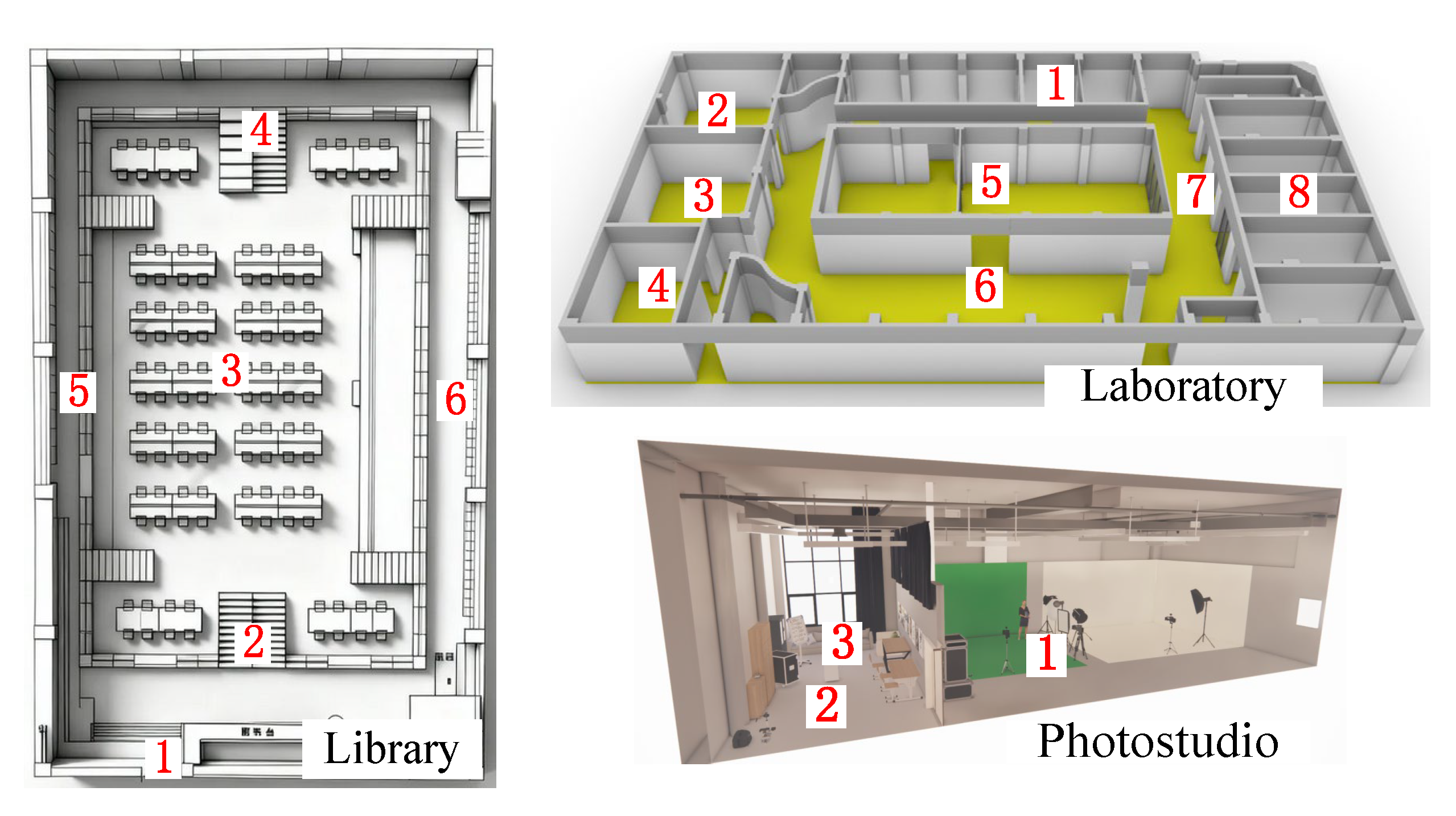
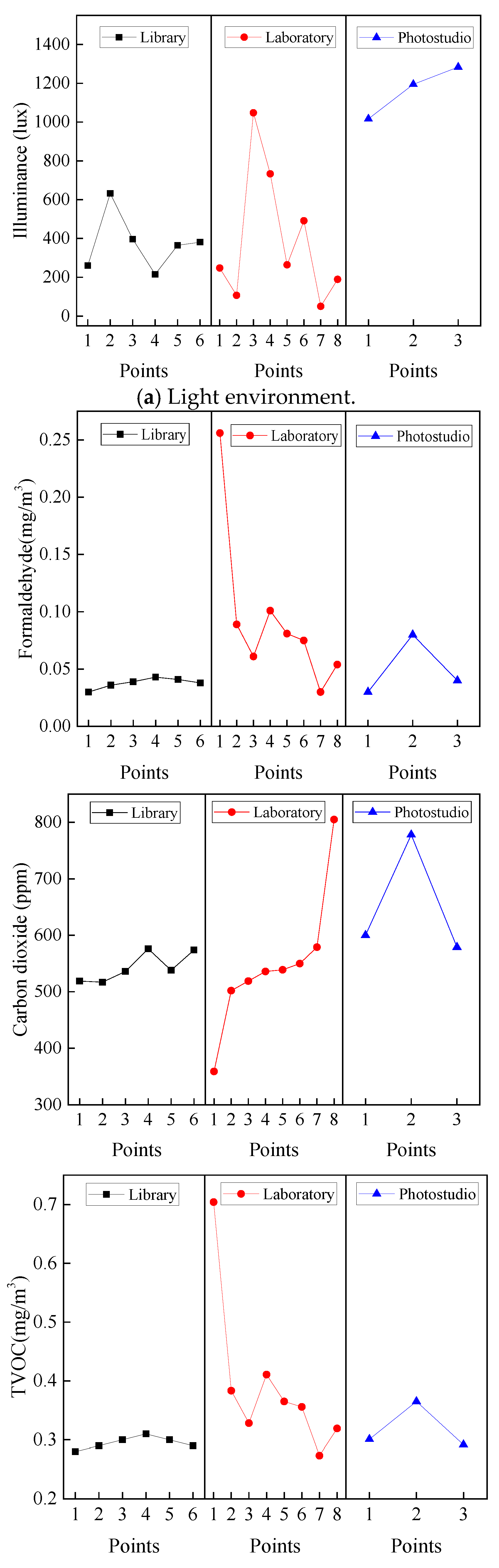
The location of the underground workspace is shown in Figure 11. Its lighting environment differs from that of transportation spaces, being less influenced by natural light. Illuminance levels must meet the requirements of specific functional areas, leading to an uneven distribution of light across different zones. Measurement results of the lighting environment are presented in Figure 12a. The lighting conditions in the library generally fall within the comfortable range for the human eye. At the front desk near the entrance (Point 2), located at the transition between natural and artificial lighting, illuminance is concentrated and thus increased.
In contrast, significant variations in illuminance were observed in the laboratory. Due to the lack of direct natural light and suboptimal arrangement of luminaires, two locations (Points 2 and 7 near the entrances) exhibited illuminance levels below 200 lx. Meanwhile, in the laboratory (Point 3), peak illuminance exceeding 1000 lx was recorded at different spots within the same workspace. To meet the high-precision requirements of machining, localized enhanced lighting is installed in certain areas. Additionally, the simultaneous use of multiple equipment with integrated operational lighting further elevates illuminance in these zones, exceeding the comfortable range for human vision. In the studio, illuminance levels were generally high, often surpassing 1000 lx. Prolonged exposure to such bright environments may cause persistent pupil contraction, whereas dim conditions can lead to reduced retinal cell function. Based on on-site measurements and analysis, the laboratory exhibited the most drastic illuminance fluctuations, the poorest visual comfort, and the highest potential risk to human visual health.
Air quality varies at different locations within the same workspace, leading to varying impacts on human health. Figure 12b presents measured concentrations of formaldehyde, CO2, TVOC, and PM2.5 in the library, laboratory, and studio over specific periods. Although air quality in all three underground working environments generally fell within acceptable health limits, the laboratory exhibited localized contamination. In particular, at Point 1 (the electro-engraving lab), elevated formaldehyde levels of up to 0.25 mg/m3 were detected, which exceeding the safety standard, due to the storage of materials such as manufactured boards, adhesives, and paints, which are known sources of formaldehyde release. Additionally, TVOC concentrations at this location reached 0.7 mg/m3, significantly higher than in other areas. Prolonged exposure under such conditions may cause noticeable discomfort, including symptoms such as dizziness, headache, drowsiness, fatigue, and chest tightness, ultimately impairing both work efficiency and physical health.
Temperature and humidity also exhibited considerable spatial variation. However, due to the limited influence of external natural conditions, the thermal inertia provided by surrounding soil, high inherent moisture content, and insufficient air exchange in enclosed conditions, both temperature and humidity in underground and semi-underground environments were consistently slightly higher than outdoors, as shown in Figure 12c.

4.4. Thermal Comfort Evaluation

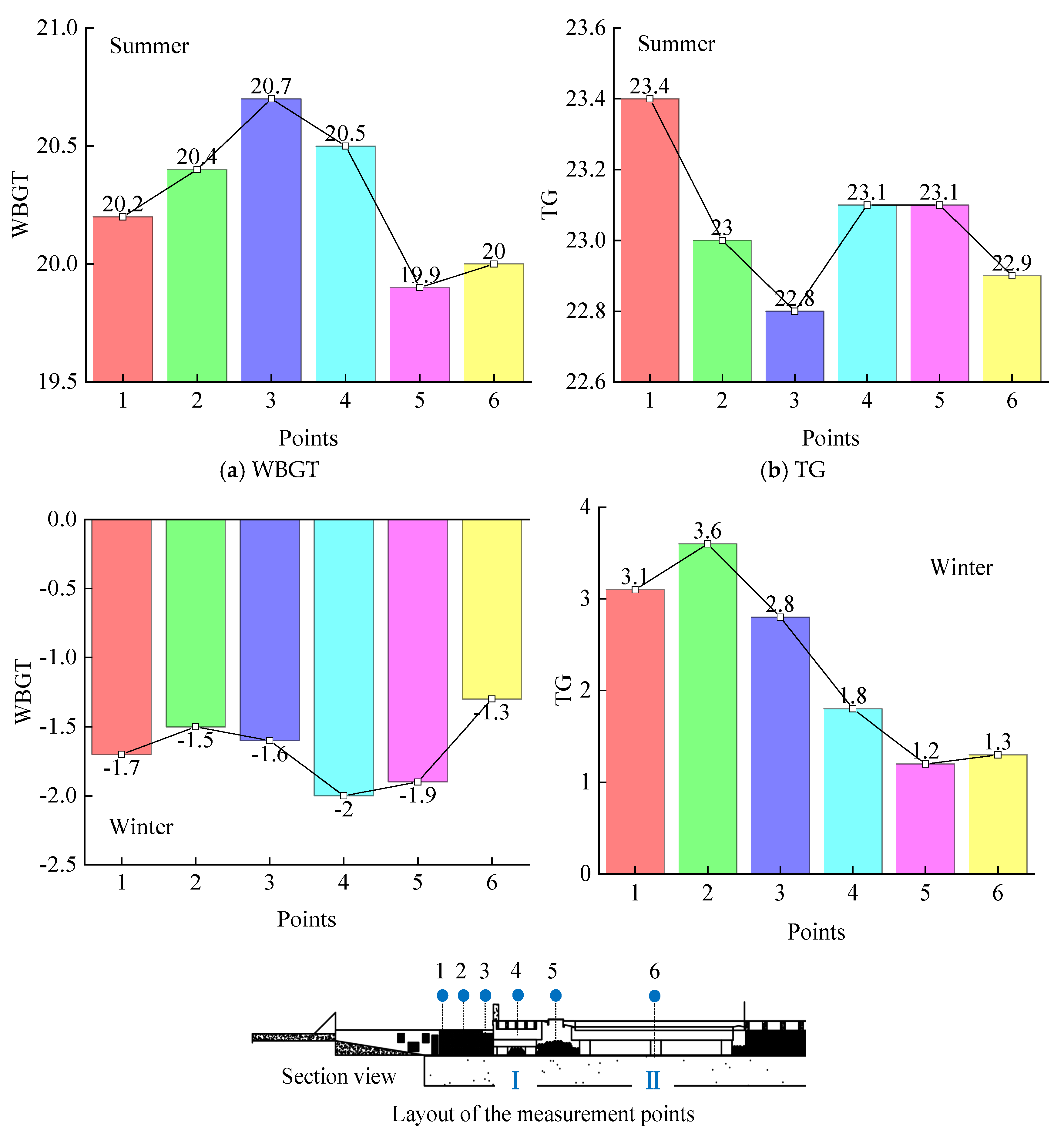
The Wet-Bulb Globe Temperature (WBGT) index is a metric used to assess the level of heat stress on the human body in hot environments. It integrates multiple environmental factors, including air temperature, humidity, air velocity, and radiant heat. The calculated and measured WBGT values are presented in Figure 13a, which indicates that during summer, the WBGT inside the under-bridge area is slightly lower than that in the external environment. According to standards established by various national guidelines, a WBGT ranging between 18 °C and 22 °C is considered suitable for most individuals performing general work activities.
In addition, variations in the black globe temperature measured at the same locations are shown in Figure 13b. The external black globe temperature remains slightly higher than the internal values. It should also be noted that semi-enclosed outdoor architectural spaces, such as the under-bridge area, can develop specific microclimates, which influenced by factors such as obstructed airflow and variations in solar altitude, which may alter the relationship between black globe temperature and dry-bulb temperature.
The Predicted Mean Vote (PMV) and Predicted Percentage of Dissatisfied (PPD) are key indicators for assessing thermal comfort, providing a quantitative reflection of the thermal perception and satisfaction level of a target population under specific environmental conditions. These metrics offer a valuable reference for evaluating thermal comfort in semi-underground transportation and workspace environments. The air velocity was assigned using real-time measurement data for each specific point, ranging from 0 to 1.27 m/s, as shown in Figure 10b; in summer, basic clothing included trousers, a short-sleeve shirt, socks, shoes, and underwear, with a clothing insulation level of 0.5 clo indoors and 0.57 clo outdoors; in winter, the clothing insulation was set at 1.0 clo.
As shown in Figure 14a, the calculated PMV values in the semi-underground transportation space were predominantly below zero throughout the year, indicating that the environment was generally perceived as “slightly cool to cold,” failing to meet acceptable thermal comfort standards. Particularly in winter, the PMV value in the under-bridge space dropped significantly below the lower limit of −3 (Cold) under stationary conditions, indicating an environment of extreme cold stress that far exceeds the threshold of ±1.2. This reflects an extremely cold environment, posing risks of short-term discomfort and potential long-term health effects. The corresponding PPD values, derived from the PMV results, further support this observation. The colder the environment, the higher the level of dissatisfaction. During winter, PPD values largely exceeded 75%, with some measurement points even approaching 100%. This extreme dissatisfaction rate is consistent with the field measurements shown in Figure 10d, where the air temperature dropped to near freezing (range 0.8–1.3 °C) due to the absence of heating systems. Unlike the summer conditions presented in the WBGT analysis, as shown in Figure 13, the winter environment imposes severe cold stress, resulting in model predictions of total thermal dissatisfaction.

5. Discussion

To ensure the scientific rigor of the findings, a validation analysis was first conducted by cross-referencing the simulation outputs with field measurement data. Regarding the meteorological boundary conditions, the real-time weather data collected during the survey showed minimal deviation from the CSWD (Chinese Standard Weather Data) file used in the simulation, providing a comparable climatic baseline. Crucially, the thermal comfort indices derived from both methods demonstrated a high degree of consistency. For instance, in semi-underground workspaces, the simulated PMV results (Figure 9) predicted a winter comfort range between −1 and 0 (Neutral to Slightly Cool). This aligns precisely with the measured PMV results calculated from field data (Figure 14b), which similarly indicated a distribution concentrated around −1. This cross-validation confirms that the Ladybug/EnergyPlus model accurately captures the thermodynamic behavior of the spaces. While discrepancies in absolute numerical values exist due to the use of historical average weather data for simulation versus the stochastic nature of real-time measurements, the consistency in variation trends and spatial distribution patterns confirms the validity of the model for evaluating environmental performance strategies.
Building on this validation, the study reveals that semi-underground spaces in cold regions face compounded environmental challenges driven by their specific functional typologies. For semi-underground transportation nodes, the primary challenge lies in the drastic environmental transition at entrances. Our findings confirm a “black hole effect” where illuminance drops abruptly, compromising visual safety, which mirrors observations by Kang et al. (2022) on unoptimized luminance transitions in tunnels [30]. Thermally, these spaces serve as open systems vulnerable to external climate extremes. In summer, PMV values frequently exceeded 0.8, indicating thermal stress consistent with findings by Sui et al. (2023) in subway transition zones [31]. Furthermore, the semi-enclosed geometry hinders effective pollutant dispersion, leading to localized accumulation of CO2 from vehicle exhaust [32].
In contrast, semi-underground workspaces suffer from issues related to excessive enclosure and insufficient ventilation. The detection of elevated TVOC and formaldehyde levels, particularly in laboratories (reaching 0.7 mg/m3), highlights the risks of insufficient air exchange rates in spaces storing chemical materials. This aligns with Zhao et al. (2022), who identified ventilation dead zones as a primary cause of pollutant accumulation in enclosed cabins [33]. Moreover, functional conflicts exacerbate thermal discomfort; for example, heat dissipation from high-load equipment in laboratories creates localized overheating, necessitating cooling even in transition seasons [34]. Visually, the heavy reliance on artificial lighting in libraries and studios, necessitated by the lack of daylight penetration, risks disrupting circadian rhythms and causing visual fatigue [35].
While this study provides a comprehensive diagnostic assessment, certain limitations should be noted. The survey analysis primarily relied on descriptive statistics (percentages and distributions) to identify environmental “pain points.” Inferential statistics (e.g., ANOVA or non-parametric tests) were not applied, which limits the ability to statistically validate the significance of differences between varying occupant groups. Additionally, the simulation model relied on fixed schedules for internal heat gains, whereas actual usage exhibits dynamic variability. Future research will aim to expand the sample size to include multi-functional typologies and employ rigorous hypothesis testing to verify these observed trends. Additionally, regarding instrumentation, the anemometer used in this study was directional. Although the probe was oriented to align with the airflow during measurements, future studies should employ omnidirectional turbulence probes compliant with EN ISO 7730 and ASHRAE 55 standards to more precisely capture multi-directional airflow dynamics in complex semi-underground environments. Establishing long-term monitoring databases to assess the impact of extreme climate events remains a critical direction for developing resilient underground urban infrastructure.

6. Conclusions

Based on field measurements of lighting, thermal, and air quality parameters, questionnaire surveys, Ladybug Tools simulations, and PMV thermal comfort analysis, this study systematically investigated the environmental conditions in multiple semi-underground spaces in Beijing, including transportation and working environments. The research reveals current environmental comfort conditions and identifies existing problems, exploring the variation patterns of lighting, thermal, and air quality parameters in different types of semi-underground spaces and their impacts on occupant comfort. The main conclusions are as follows:
(i) In the semi-underground transportation spaces, approximately 56% of respondents rated lighting comfort between 3 and 6 on the evaluation scale. Summer relative humidity reached 96.66%, while winter levels dropped below 30.66%. Significant diurnal temperature variations were observed, with differences up to 5 °C. CO2 levels were locally elevated due to vehicle emissions. Although TVOC and PM2.5 concentrations generally remained within acceptable limits (0.23–0.28 mg/m3 and 22–25 μg/m3, respectively), slight accumulation trends were observed due to the semi-enclosed structure. Air velocity exhibited pronounced spatial heterogeneity influenced by surrounding obstructions, dropping sharply at entrances. These conditions resulted in poor illumination raising visual safety concerns, high humidity promoting mold growth, low humidity causing dryness-related discomfort, inadequate ventilation leading to pollutant accumulation, and prolonged traffic noise echoes reducing perceived safety.
(ii) In semi-underground working environments, survey results indicated that 57% of studio users reported extreme discomfort with the lighting conditions, while 55% of laboratory users described the environment as excessively hot and humid. Satisfaction with natural lighting ranged from 6% to 10%, lower than the 11% to 21% satisfaction rate with artificial lighting. Temperature and humidity levels were generally higher indoors than outdoors. Imbalanced lighting conditions compromised precision in photography and laboratory work, high temperatures and humidity reduced learning and work efficiency while threatening equipment stability, and insufficient natural light aggravated visual fatigue. Regarding air quality, specific challenges were identified in the laboratory, where TVOC concentrations reached 0.7 mg/m3, exceeding the standard limit due to material storage and insufficient air exchange.
(iii) Semi-underground spaces are generally characterized by excessive humidity, inadequate lighting, and poor ventilation, which collectively degrade thermal comfort. PMV values indicate that transportation spaces tend to be cool in summer, while workplaces remain warm. A significant gap exists between the overall environmental quality and functional requirements, underscoring the need for targeted optimization strategies based on specific spatial functions.

Author Contributions

Conceptualization, Z.Y.; Methodology, Z.Y.; Software, H.Y., S.Z. and T.L.; Validation, T.L. and H.Y.; Investigation, H.Y., S.Z. and T.L.; Resources, Z.Y.; Data curation, H.Y. and S.Z. and T.L.; Writing—original draft, Z.Y. and H.Y.; Writing—review & editing, T.L. and Z.Y.; Supervision, Z.Y.; Project administration, Z.Y. and T.L.; Funding acquisition, Z.Y. All authors have read and agreed to the published version of the manuscript.

Funding

This work was supported by the National Social Science Foundation of China (Grant No. 25BKX005); Youth Foundation for Humanities and Social Sciences of the Ministry of Education of China (Grant No. 24YJCZH392); the Fundamental Research Funds for the Municipal Universities of Beijing (Grant No. JBKY2025A-35).

Institutional Review Board Statement

Our study did not require further ethics committee approval as it did not involve animal or human clinical trials and was not unethical. In accordance with the ethical principles outlined in the Declaration of Helsinki, all participants provided informed consent before participating in the study. The anonymity and confidentiality of the participants were guaranteed, and participation was completely voluntary.

Informed Consent Statement

Not applicable.

Data Availability Statement

No new data were created or analyzed in this study.

Conflicts of Interest

The authors declare no conflicts of interest.

Nomenclature

PMVpredicted mean vote
PPDpredicted percentage of dissatisfied
TVOCtotal volatile organic compounds
CO2carbon dioxide
PM2.5particulate matter with diameter ≤ 2.5 µm
WBGTwet-bulb globe temperature
UTCIuniversal thermal climate index
CSWDChinese standard weather data
WHOworld health organization
EPAU.S. environmental protection agency
ASHRAEAmerican society of heating, refrigerating and air-conditioning engineers

Appendix A

Figure A1. The questionnaire on environmental comfort and user perception in semi-underground spaces.
Atmosphere 17 00029 g0a1aAtmosphere 17 00029 g0a1b

References

  1. Chen, P.; Nie, L.; Kang, J.; Liu, H. Research on the Influence of Open Underground Space Entrance Forms on the Microclimate: A Case Study in Xuzhou, China. Buildings 2024, 14, 554. [Google Scholar] [CrossRef]
  2. Nie, L.; Ji, X.; Liu, H.; Fang, H.; Liu, X.; Yang, M. Optimization of Thermal and Light in Underground Atrium Commercial Spaces: A Case Study in Xuzhou, China. Int. J. Low-Carbon Technol. 2023, 18, 1227–1250. [Google Scholar] [CrossRef]
  3. Song, Y.; Zhu, H.; Shen, Y.; Feng, S. Green Tunnel Lighting Environment: A Systematic Review on Energy Saving, Visual Comfort and Low Carbon. Tunn. Undergr. Space Technol. 2024, 144, 105535. [Google Scholar] [CrossRef]
  4. ISO 23386:2020; Building Information Modelling and Other Digital Processes Used in Construction—Methodology to Describe, Author and Maintain Properties in Interconnected Data Dictionaries. International Organization for Standardization: Geneva, Switzerland, 2020.
  5. Yuan, J.; Yu, Q.; Yao, S.; Ma, X.; Sun, Z. Multi-Objective Optimization for the Daylighting and Thermal Comfort Performance of Elevated Subway Station Buildings in Cold Climate Zone of China. J. Build. Eng. 2023, 78, 107771. [Google Scholar] [CrossRef]
  6. Zhen, M.; Yuan, X.; Gao, L.; Xia, W.; Nan, K.; Zhang, M. Outdoor Thermal Comfort of Urban Plaza Space under Thermoacoustic Interactions –Taking Datang Everbright City as an Example. Build. Environ. 2025, 267, 112327. [Google Scholar] [CrossRef]
  7. Yang, B.; Yang, C.; Ni, L.; Wang, Y.; Yao, Y. Investigation on Thermal Environment of Subway Stations in Severe Cold Region of China: A Case Study in Harbin. Build. Environ. 2022, 212, 108761. [Google Scholar] [CrossRef]
  8. Yang, B.; Sun, Y.; Yao, Y.; Ni, L. Field Measurement and Analysis of Subway Tunnel Thermal Environment in Severe Cold Region. Build. Environ. 2023, 243, 110629. [Google Scholar] [CrossRef]
  9. Yang, B.; Yang, C.; Ni, L.; Wang, Y.; Yao, Y. Field Experiment on Influence of Cold Protection Technologies on Thermal Environment of Subway Station in Severe Cold Region. Build. Environ. 2022, 216, 109055. [Google Scholar] [CrossRef]
  10. Liu, L.; Gao, J.; Luo, Z.; Liu, J.; Wang, L.; Yuan, Y. Field Investigation of Indoor Air Quality and Its Association with Heating Lifestyles among Older People in Severe Cold Rural China. J. Build. Eng. 2024, 95, 110086. [Google Scholar] [CrossRef]
  11. Conceição, E.; Gomes, J.; Conceição, M.I.; Conceição, M.; Lúcio, M.M.; Awbi, H. Modelling of Indoor Air Quality and Thermal Comfort in Passive Buildings Subjected to External Warm Climate Conditions. Atmosphere 2024, 15, 1282. [Google Scholar] [CrossRef]
  12. ElBatran, R.M.; Ismaeel, W.S.E. Applying a Parametric Design Approach for Optimizing Daylighting and Visual Comfort in Office Buildings. Ain Shams Eng. J. 2021, 12, 3275–3284. [Google Scholar] [CrossRef]
  13. Abubakr Ali, L.; Ali Mustafa, F. Evaluating the Impact of Mosque Morphology on Worshipers’ Visual Comfort: Simulation Analysis for Daylighting Performance. Ain Shams Eng. J. 2024, 15, 102412. [Google Scholar] [CrossRef]
  14. Li, Z.; Zou, Y.; Xia, H.; Jin, C. Multi-Objective Optimization Design of Residential Area Based on Microenvironment Simulation. J. Clean. Prod. 2023, 425, 138922. [Google Scholar] [CrossRef]
  15. McBroom, B.D.; Rahn, D.A.; Brunsell, N.A. Urban Fraction Influence on Local Nocturnal Cooling Rates from Low-Cost Sensors in Dallas-Fort Worth. Urban Clim. 2024, 53, 101823. [Google Scholar] [CrossRef]
  16. Ilieș, D.C.; Marcu, F.; Caciora, T.; Indrie, L.; Ilieș, A.; Albu, A.; Costea, M.; Burtă, L.; Baias, Ș.; Ilieș, M.; et al. Investigations of Museum Indoor Microclimate and Air Quality. Case Study from Romania. Atmosphere 2021, 12, 286. [Google Scholar] [CrossRef]
  17. Liu, Y.; Chen, D.; Wang, J.; Dai, M. Energy-Saving and Ecological Renovation of Existing Urban Buildings in Severe Cold Areas: A Case Study. Sustainability 2023, 15, 12985. [Google Scholar] [CrossRef]
  18. Alwetaishi, M. Energy Performance in Residential Buildings: Evaluation of the Potential of Building Design and Environmental Parameter. Ain Shams Eng. J. 2022, 13, 101708. [Google Scholar] [CrossRef]
  19. Castilla, N.; Llinares, C.; Bravo, J.M.; Blanca, V. Subjective Assessment of University Classroom Environment. Build. Environ. 2017, 122, 72–81. [Google Scholar] [CrossRef]
  20. Brink, H.W.; Loomans, M.G.L.C.; Mobach, M.P.; Kort, H.S.M. A Systematic Approach to Quantify the Influence of Indoor Environmental Parameters on Students’ Perceptions, Responses, and Short-term Academic Performance. Indoor Air 2022, 32, e13116. [Google Scholar] [CrossRef]
  21. Xue, J.; Fan, Y.; Dong, Z.; Hu, X.; Yue, J. Improving Visual Comfort and Health through the Design of a Local Shading Device. Int. J. Environ. Res. Public Health 2022, 19, 4406. [Google Scholar] [CrossRef]
  22. ASHRAE Standard 55-2023; Thermal Environmental Conditions for Human Occupancy. American Society of Heating, Refrigerating and Air-Conditioning Engineers: Atlanta, GA, USA, 2023.
  23. GB 50157-2013; Code for Design of Metro (GB 50157-2013). Ministry of Housing and Urban-Rural Development of the People’s Republic of China: Beijing, China; China Architecture & Building Press: Beijing, China, 2013.
  24. GB 50189-2015; Design Standard for Energy Efficiency of Public Buildings. Ministry of Housing and Urban-Rural Development of the People’s Republic of China: Beijing, China; China Architecture & Building Press: Beijing, China, 2015.
  25. GB 50033-2013; Standard for Daylighting Design of Buildings. Ministry of Housing and Urban-Rural Development of the People’s Republic of China: Beijing, China; Architecture & Building Press: Beijing, China, 2012.
  26. GB/T 18883-2022; Standards for Indoor Air Quality. State Administration for Market Regulation & Standardization Administration of the P.R.C.: Beijing, China; Standards Press of China: Beijing, China, 2022.
  27. ISO 7730:2005; Ergonomics of the Thermal Environment—Analytical Determination and Interpretation of Thermal Comfort Using Calculation of the PMV and PPD Indices and Local Thermal Comfort Criteria. International Organization for Standardization: Geneva, Switzerland, 2005.
  28. World Health Organization. WHO Global Air Quality Guidelines: Particulate Matter (PM2.5 and PM10), Ozone, Nitrogen Dioxide, Sulfur Dioxide and Carbon Monoxide. Available online: https://www.who.int/publications/i/item/9789240034228 (accessed on 18 March 2025).
  29. U.S. Environmental Protection Agency. Building Air Quality: A Guide for Building Owners and Facility Managers; U.S. Environmental Protection Agency: Washington, DC, USA, 1991. [Google Scholar]
  30. Kang, C.; Du, Z.; Lin, G.; Zhang, C.; Huang, Z.; Wu, K. Luminance Stepped Decreasing Ratio of the Tunnel Entrance Enhanced Lighting Based on Visual Performance. Appl. Opt. 2022, 61, 6553–6560. [Google Scholar] [CrossRef] [PubMed]
  31. Sui, X.; Chen, S.; Han, B.; Yu, S. Evaluation of the Thermal Environment of Xi’an Subway Stations in Summer and Determination of the Indoor Air Design Temperature for Air-Conditioning. Sustainability 2023, 15, 6111. [Google Scholar] [CrossRef]
  32. Yang, H.; Wang, H.; Wu, Y. Analysis of Dynamic Characteristics of CO2 Concentration in Subway Cars. E3S Web Conf. 2022, 356, 02019. [Google Scholar] [CrossRef]
  33. Zhao, L.; Zhou, H.; Jin, Y.; Li, Z. Experimental and Numerical Investigation of TVOC Concentrations and Ventilation Dilution in Enclosed Train Cabin. Build. Simul. 2022, 15, 831–844. [Google Scholar] [CrossRef]
  34. Yang, B.; Yao, H.; Wang, F. A Review of Ventilation and Environmental Control of Underground Spaces. Energies 2022, 15, 409. [Google Scholar] [CrossRef]
  35. Nang, E.E.K.; Abuduxike, G.; Posadzki, P.; Divakar, U.; Visvalingam, N.; Nazeha, N.; Dunleavy, G.; Christopoulos, G.I.; Soh, C.-K.; Jarbrink, K.; et al. Review of the Potential Health Effects of Light and Environmental Exposures in Underground Workplaces. Tunn. Undergr. Space Technol. 2019, 84, 201–209. [Google Scholar] [CrossRef]
Figure 1. Site conditions and spatial layout of the studied semi-underground spaces.
Atmosphere 17 00029 g001
Figure 2. Research framework.
Atmosphere 17 00029 g002
Figure 3. Measurement instrument: (a) Air flow meter; (b) Temperature and humidity; (c) Laser rangefinder; (d) Air quality; (e) Light environment.
Atmosphere 17 00029 g003
Figure 4. The 3D simulation geometry and mesh model of the representative semi-underground space constructed in Rhino.
Atmosphere 17 00029 g004
Figure 5. The statistical analysis of subjective survey results in semi-underground transportation spaces.
Atmosphere 17 00029 g005
Figure 6. The statistical analysis of subjective survey results in semi-underground workspaces.
Atmosphere 17 00029 g006
Figure 7. Annual environmental simulation of the semi-underground transportation space.
Atmosphere 17 00029 g007
Figure 8. Annual simulation results of temperature and humidity in the semi-underground workspace.
Atmosphere 17 00029 g008aAtmosphere 17 00029 g008b
Figure 9. Simulated predicted mean vote in the semi-underground workspace.
Atmosphere 17 00029 g009
Figure 10. Field measurement results of environmental parameters in the semi-underground transportation space: (a) Light environment; (b) Air velocity; (c) Air quality; (d) Thermal environment.
Atmosphere 17 00029 g010aAtmosphere 17 00029 g010b
Figure 11. Monitoring points in semi-underground workspaces.
Atmosphere 17 00029 g011
Figure 12. Field measurement results of environmental parameters in the semi-underground workspaces: (a) Light environment; (b) Air quality concentrations; (c) Thermal environment.
Atmosphere 17 00029 g012aAtmosphere 17 00029 g012b
Figure 13. Field measurement results of environmental parameters in the semi-underground transportation space: (a) WBGT; (b) TG.
Atmosphere 17 00029 g013
Figure 14. PMV results.
Atmosphere 17 00029 g014
Table 1. Experimental equipment parameters.
InstrumentMeasurement ContentMeasurement RangeAccuracyPictures
SIMAA Thermosensitive anemometer—air flow meter AR866AAir velocity0.3–30 m/s±0.5 m/sFigure 3a
Wind temperature0–45 °C/
Air volume0–999,900 m3/min/
AZ instrument temperature—heat index meter AZ8778Air temperature0–50 °C±0.6 °CFigure 3b
Humidity0–100% RH±3% RH
Globe temperature
(Black globe diameter: 75 mm)
0–80 °C±1 °C
WBGT index0–50 °C±0.6 °C
FOGO handheld laser rangefinderDistance0.2–120 m±2 mmFigure 3c
Hiciv air detector B6ACO20–9999 ppm±40 ppmFigure 3d
PM2.50–999 μg/m3±15%
PM100–999 μg/m3±15%
Formaldehyde0–9.999 mg/m3±0.03 mg/m3
TVOC0.22–9.99 mg/m3±0.03 mg/m3
Dual-color cloud spectrum intelligent spectral illuminometer HP320Illuminance0.1~200K lx±4%Figure 3e
1. SIMAA Thermosensitive anemometer (AR866A): Wanchuang Electronic Products Co., Ltd., Dongguan, China; 2. AZ instrument temperature—heat index meter (AZ8778): AZ Instrument Corp., Dongguan, China; 3. FOGO handheld laser rangefinder: Jixiang Communication Technology Co., Ltd., Yongkang, China; 4. Hiciv air detector (B6A): Hike Intelligence Technology Co., Ltd., Beijing, China; 5. Dual-color cloud spectrum intelligent spectral illuminometer (HP320): Hangzhou Shuangse Intelligent Testing Instrument Co., Ltd., Hangzhou, China.
Table 2. Fanger’ s method scale.
Thermal SensationHotWarmSlightly WarmNeutralSlightly CoolCoolCold
PMV+3+2+10−1−2−3
Disclaimer/Publisher’s Note: The statements, opinions and data contained in all publications are solely those of the individual author(s) and contributor(s) and not of MDPI and/or the editor(s). MDPI and/or the editor(s) disclaim responsibility for any injury to people or property resulting from any ideas, methods, instructions or products referred to in the content.