Article

Identification and Expression Analysis of the Cyclin-Dependent Kinase Inhibitor ICK/KRP Gene Family in Pepper


1
College of Horticulture, Hunan Agricultural University, Changsha 410128, China
2
Vegetable Research Institute, Hunan Academy of Agricultural Sciences, Changsha 410125, China
*
Author to whom correspondence should be addressed.
Genes 2026, 17(7), 733; https://doi.org/10.3390/genes17070733 (registering DOI)
Submission received: 28 April 2026 / Revised: 14 June 2026 / Accepted: 23 June 2026 / Published: 25 June 2026
(This article belongs to the Special Issue Abiotic Stress in Plant: Molecular Genetics and Genomics)

Abstract

Background: Cell division plays a crucial role in plant growth and development. Cyclin-dependent kinase inhibitors (ICK/KRP) negatively regulate the cell cycle, thereby affecting cell elongation and organ development. This study aimed to systematically identify and characterize the ICK/KRP gene family in pepper, and to explore their roles in growth, development, and stress responses. Methods: Bioinformatics approaches were used for genome-wide identification, chromosomal localization, collinearity analysis, sequence characterization, promoter element prediction, and tissue-specific expression profiling of pepper ICK genes. Phylogenetic analysis was performed with homologs from Arabidopsis, tomato, maize, and rice. Quantitative real-time PCR and virus-induced gene silencing (VIGS) were applied to validate gene expression patterns and gene function, respectively. Subcellular localization assays were also conducted. Results: A total of six ICK genes were identified in pepper. They were classified into three subfamilies and distributed on different chromosomes, with one pair showing evidence of duplication. All ICK/KRPs contain the conserved Motif 1 (amino acid sequence: KIPTTREIEEFFATAEKQQQRRFIEKYNFDPVNEKPL) and were predicted to localize to the nucleus. Promoter analysis revealed cis-acting elements associated with plant development, stress responses, and hormone signaling. Expression pattern analysis indicated tissue-specific divergence and significant induction/repression under temperature stress. qRT-PCR results were consistent with transcriptome data, and expression differences were observed in materials with different stigma lengths. Subcellular localization confirmed that Caz03g38750.1 and Caz12g03790.1 proteins localize to both the nucleus and plasma membrane. Silencing of CazICK1 significantly repressed stigma elongation and altered stigma morphogenesis. Conclusions: The six pepper ICK/KRP genes display distinct diversity in distribution, structure and expression, and function in plant growth, development and stress adaptation. This work not only lays a solid basis for exploring the cell cycle regulatory network of pepper and contributes to relevant theoretical research, but it also identifies key gene resources for improving stigma traits. It has great potential for application in molecular breeding to promote high yield and efficient hybrid seed production in pepper.

1. Introduction

Plant meristems serve as the fundamental source for shaping the spatial architecture of plants throughout the entire process of plant morphogenesis. Organ development is directly dependent on the frequency of cell division, the regulation of the cell cycle, and the quantity and size of cells. To control the cell cycle and cell division, plants must regulate the activity of Cyclin-Dependent Kinases (CDKs) during development; this is coordinated with nutritional status, hormonal signals and environmental cues. Cyclin-Dependent Kinase Inhibitors (CKIs) are a protein family that inhibits CDK activity; they modulate the progression of the cell cycle and the rhythm of organ development by binding to CDKs or CDK–Cyclin complexes.
In mammals, CKIs are divided into two families: the KIP/CIP family and the INK4 family. The KIP/CIP family includes p27Kip1, p21Cip1 and p57Kip2, which contain a C-terminal CDK inhibitory domain and can reduce the activity of cyclinD-CDK4/6 and cyclinD-CDK2 complexes. By contrast, the INK4 family specifically inhibits the cyclinD-CDK4/6 complex, thereby affecting the cell cycle and leading to diseases such as cancer. For instance, knockout of the p27Kip1 gene in this family results in infertility, deafness and other disorders in mice. In plants, two CKI families have been identified so far. The first family is homologous to the mammalian KIP/CIP inhibitor p27Kip1, which is named ICK (also referred to as KRPs, Kip-Related Proteins) in Arabidopsis. Revised nomenclature designates them as the ICK/KRP family. Except for the conserved C-terminal domain, ICK/KRPs are substantially different from mammalian and yeast CKIs [1]. The second family is formed by the combination of SIAMESE (SIM) from Arabidopsis and EL2 from rice, which is collectively termed the SIM/EL2 family. SIM/EL2 proteins are small peptides (approximately 14 kDa in molecular weight), and their C-terminal regions share the conserved EIEDFF sequence with ICK/KRP proteins.
Biological functions of ICK/KRP, including the overexpression of ICK/KRP genes, lead to various developmental abnormalities in plants, such as aberrant plant architecture, serrated leaves, polyembryony, and cell enlargement. Cao et al. (2018) [2] generated mutants of seven ICK/KRP family genes and observed that the ovules of these mutants produced an excessive number of megaspore mother cells, resulting in polyembryony and twin seedlings. The overexpression of the ICK4 gene was able to complement the phenotypes of the seven mutants, indicating that these seven genes exhibit functional redundancy, which ensures the formation of a single embryo and normal plant reproduction [2]. Barrôco et al. (2006) [3] overexpressed the KRP1 gene in rice. Phenotypic analysis revealed that the leaves of the overexpressing plants exhibited slight shortening and reduced leaf area. Further observations showed that the number of cells on the leaf surface decreased significantly, while the cell volume increased accordingly. This study also found that overexpression of KRP1 significantly affected rice grain filling, leading to a reduction in the number of plump seeds and a decline in yield. Meanwhile, it was confirmed that this gene plays a key role in the transition from mitosis to the endocycle in rice [3]. Ajadi et al. (2019) [4]. found that KRP1 and KRP2 are mainly expressed in developing rice seeds, and their expression is significantly induced by exogenous abscisic acid (ABA) and brassinosteroids. The constructed KRP1 overexpression line (OxKRP1), KRP2 single knockout mutant (crkrp2), and KRP1/KRP2 double knockout mutant (crkrp1/krp2) all exhibited phenotypes of reduced seed length and width, as well as decreased grain weight. In addition, the seed germination rate and final germination percentage of the three types of plants were reduced, and the early seedling growth process was significantly delayed. The study further pointed out that such phenotypic abnormalities arise from the inhibition of cell proliferation and expansion during grain filling and germination after the homeostasis of KRP1 or KRP2 is disrupted. Furthermore, it was verified that KRP1 can interact with two cyclin-dependent kinases, CDKC2 and CDKF3, suggesting that it regulates the growth and development of rice seeds and seedlings by modulating the mitotic cell cycle [4]. Ruan et al. (2020) [5] cloned the gene TGW2, which corresponds to the quantitative trait locus qTGW2 controlling rice grain width and weight. Through yeast two-hybrid and bimolecular fluorescence complementation assays, it was confirmed that the TGW2 protein can interact with the cell cycle regulator KRP1. Moreover, TGW2 negatively regulates rice grain width and weight by affecting cell proliferation and expansion in rice glumes [5]. ICK/KRP genes are also involved in plant stress responses. As a plant cyclin-dependent kinase inhibitor, the expression of ICK1 is significantly induced by abscisic acid (ABA). After ABA induces ICK1 expression, the activity of Cdc2-like histone H1 kinase in Arabidopsis decreases, which reveals the molecular mechanism by which ABA inhibits plant cell division through regulating ICK1 [6]. Low-temperature stress significantly upregulates the expression level of tomato SlKRP2, while drought stress significantly upregulates the expression of tomato SlKRP3; the silencing of SlKRP5 increases the sensitivity of tomato to drought stress [7]. In soybean, polyethylene glycol (PEG) stress upregulates the expression levels of GmKRP1a, GmKRP2a, and GmKRP4 in roots. After salt stress treatment, the expression of multiple GmKRP genes, including GmKRP1a, GmKRP2a, GmKRP2b, GmKRP4, and GmKRP5, is upregulated in both leaves and roots [8]. In eggplant, with the exception of SmKRP3, salt and drought stresses reduce the expression levels of other KRP family genes. Salt stress significantly induces the expression of SmKRP3. Subcellular localization assays confirmed that all eggplant KRPs are localized in the nucleus. Meanwhile, virus-induced gene silencing (VIGS) experiments showed that silencing of SmKRP3 significantly increases the sensitivity of eggplant to salt stress, and the transcription levels of salt stress defense-related genes and the activities of stress-resistant enzymes decrease [9].
At present, research on ICK/KRP remains limited in the Solanaceae family. In particular, studies on the ICK/KRP genes for pepper—a vital vegetable crop in China—are almost completely lacking. Therefore, in this study, bioinformatics approaches were employed to perform genome-wide identification of ICK/KRP gene family members in pepper. We further analyzed the physicochemical properties of their encoded proteins, gene structures, and evolutionary relationships, as well as gene expression patterns during plant development and under stress treatments. This work is expected to lay a solid foundation for subsequent investigations into the biological functions of ICK/KRP genes.

2. Results

2.1. Identification and Physicochemical Property Analysis of the ICK/KRP Gene Family in Pepper

A total of six ICK/KRP genes were identified from the genome of pepper ‘zhangshugang’ using bioinformatics methods: Caz02g27290.1, Caz03g38750.1, Caz04g19670.1, Caz08g21920.1, Caz09g12900.1 and Caz12g03790.1. The lengths of their protein sequences ranged from 196 to 232 amino acids. The molecular weight, grand average of hydropathicity (GRAVY), isoelectric point (pI), instability index and aliphatic index of these proteins were 21,761.67–26256.5, −1.03–0.605, 4.32–9.05, 40.02–72.06 and 52.73–69.4, respectively (Table 1). Subcellular localization prediction revealed that all these ICK/KRPs were localized in the nucleus, which was consistent with the subcellular localization of five genes in the arabidopsis KRP gene family (Table 2).

2.2. Phylogenetic Analysis of ICK/KRP Genes in Pepper, Tomato, Rice, Maize and Arabidopsis

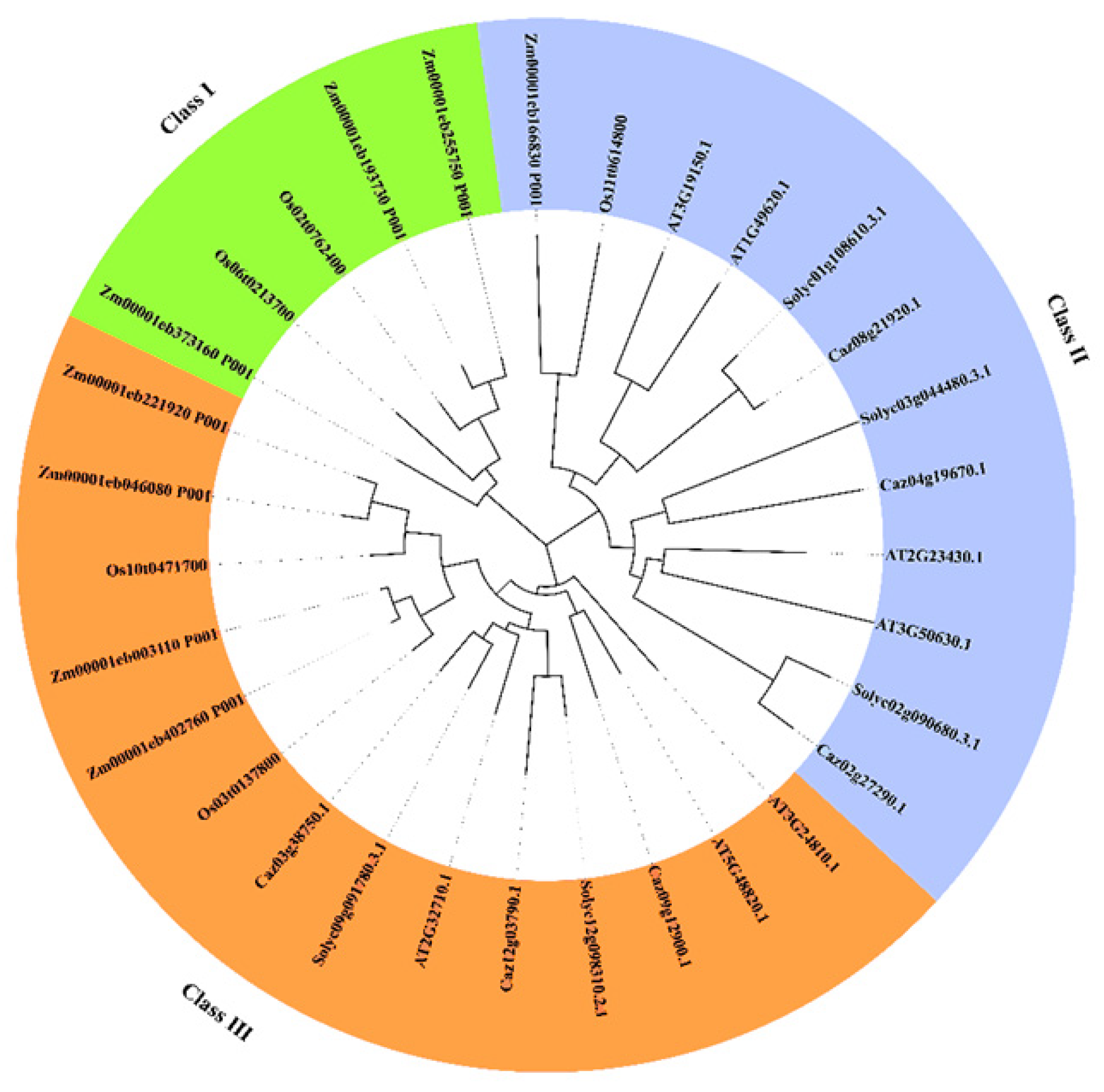
To analyze the phylogenetic relationships between pepper KRPs and their homologous genes from other plant species, we constructed a phylogenetic tree of KRPs using MEGA 7.0 software with the KRP gene family members of arabidopsis, tomato, maize and rice. We found that the KRP genes from these five plant species were divided into three subclasses, namely subclass I, subclass II and subclass III (Figure 1). Subclass I was predominantly composed of the KRP genes from rice and maize, which indicated that there was a differentiation of the KRP gene family between monocotyledons and dicotyledons. In subclass II, Caz08g21920.1 and Caz02g27290.1 were clustered into the same clade, suggesting that Caz08g21920.1 may share similar sequences and functions with Caz02g27290.1. In subclass III, four KRP genes (Caz03g38750.1, Caz04g19670.1, Caz09g12900.1 and Caz12g03790.1) exhibited highly similar sequences.

2.3. Chromosomal Localization and Collinearity Analysis of ICK/KRP Family Members

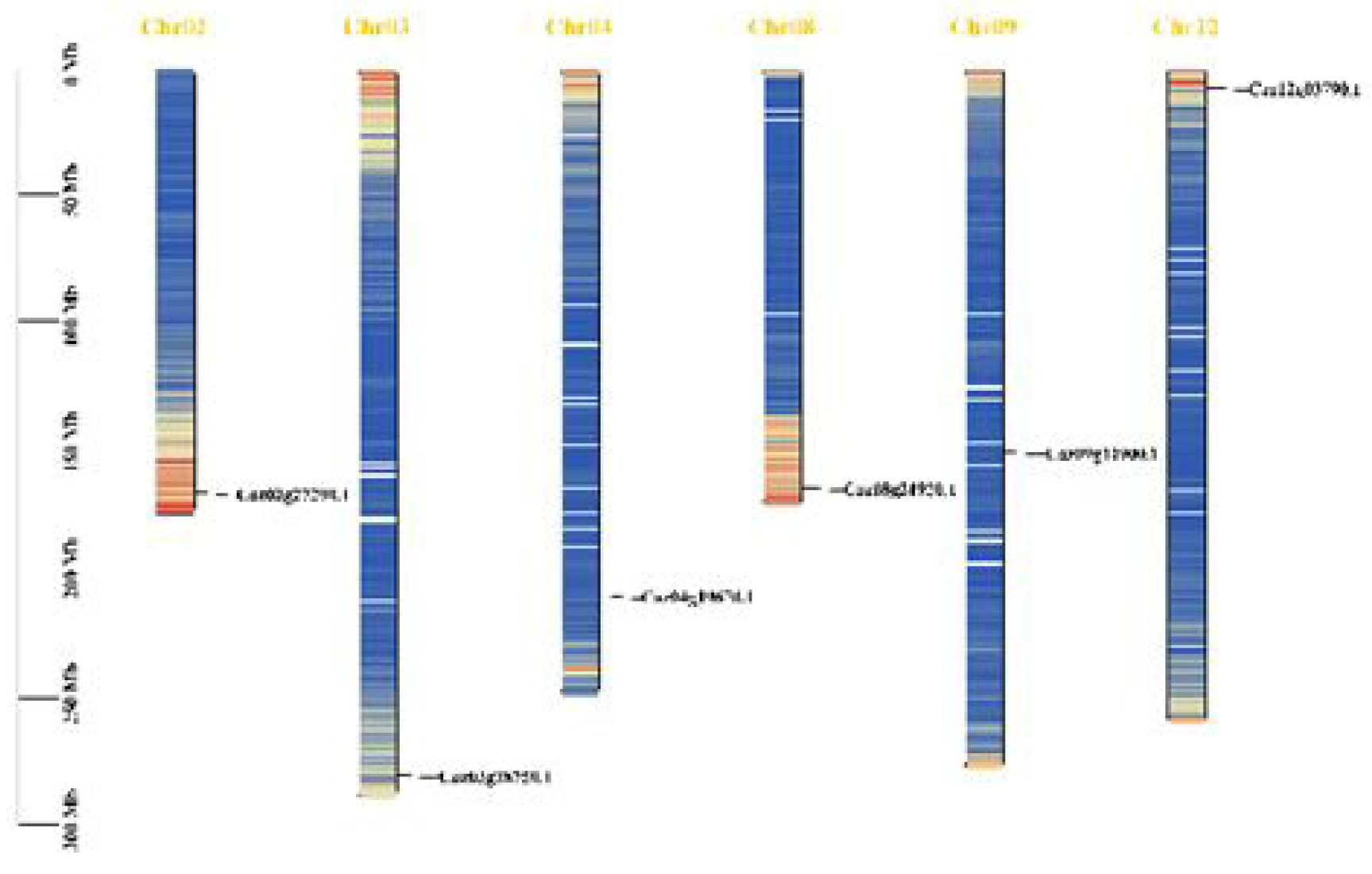
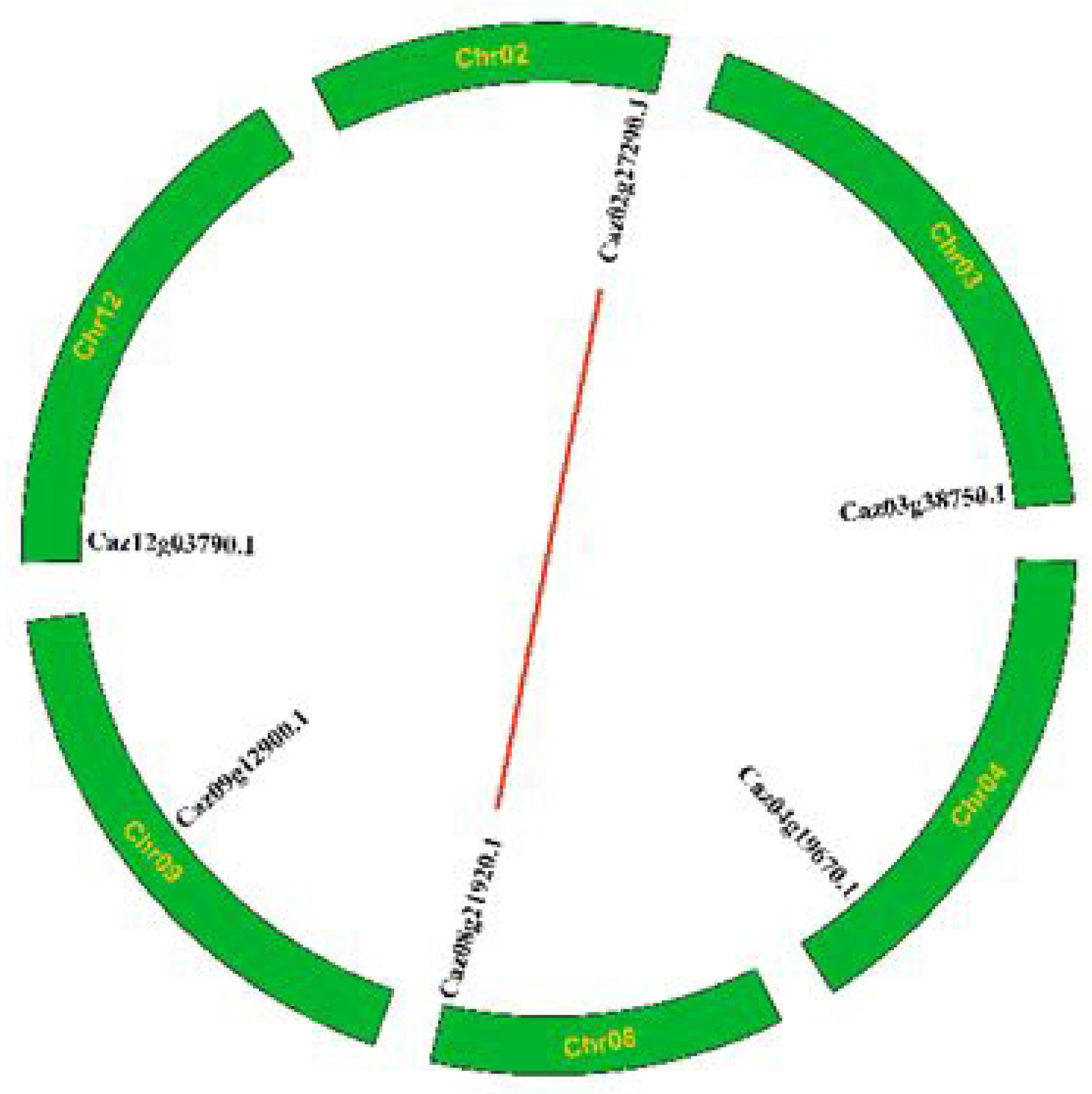
The chromosomal locations of SmKRPs were analyzed. The results showed that the six KRP genes were distributed on six different chromosomes, namely chromosomes 2, 3, 4, 8, 9 and 12 (Figure 2). We identified a collinear relationship between Caz08g21920.1 and Caz02g27290.1 (Figure 3), which was consistent with the results of the phylogenetic tree, indicating that a segment duplication event had occurred between Caz08g21920.1 and Caz02g27290.1.

2.4. Analysis of Gene Structure and Conserved Motifs of ICK/KRP Family Members

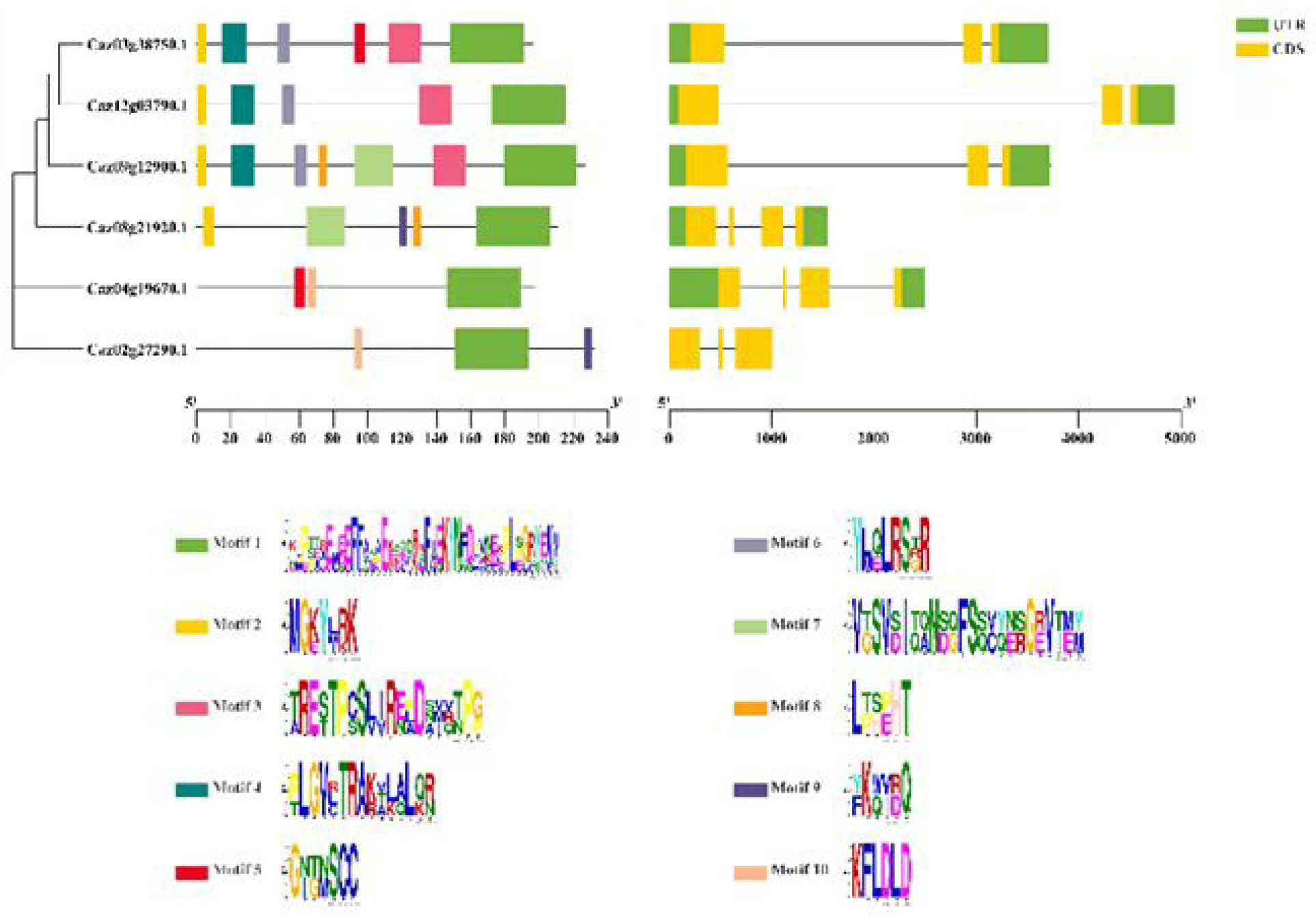
The phylogenetic relationships among Krüppel-like repressor protein (KRP) family members were analyzed. Caz03g38750.1, Caz09g12900.1 and Caz12g03790.1 exhibited relatively high sequence similarity with each other (Figure 4), and all of them contained two introns and three exons. A total of 10 conserved motifs (motif 1–10) were identified via the Multiple Em for Motif Elicitation (MEME) web server with amino acid sequence search (Table 3). The amino acid sequence lengths of these conserved motifs ranged from 6 to 37 amino acids (aa). Among them, Motif 1 represented the CDI domain, which was present in all six genes as a conserved domain of the KRP family.

2.5. Analysis of Cis-Acting Elements in ICK/KRP Family Members

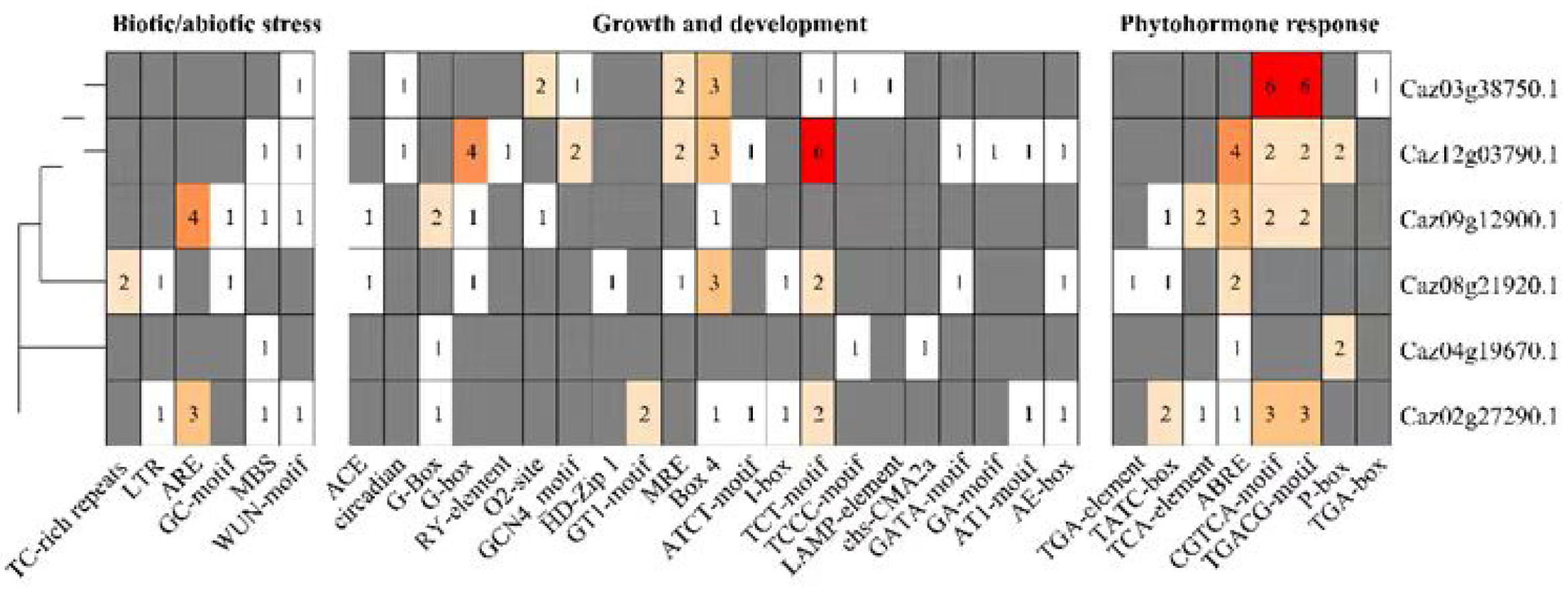
Cis-acting elements are one of the key factors regulating gene expression, thereby affecting the development and stress responses of organisms. The cis-acting elements in the promoters of the ICK gene family were analyzed. A total of 81 cis-acting elements associated with biotic/abiotic stress, growth and development, and phytohormone responsiveness were identified in the promoter regions of these six KRP genes (Figure 5). Among the biotic/abiotic stress-responsive elements, there were TC-rich repeats involved in defense and stress responses, MBS (MYB binding site) involved in drought induction, LTR elements associated with low-temperature responsiveness, and the GC-motif (an enhancer) involved in hypoxia-specific induction. Each of these genes contained no fewer than one stress-responsive element, indicating that the expression of these genes is affected by environmental factors. Growth and development-related elements included ACE, G-Box and MRE elements involved in light responsiveness, HD-Zip 1 elements responsible for regulating palisade mesophyll cell differentiation, and the RY element associated with seed-specific regulation. Elements related to growth and development accounted for 54.5% of the total cis-acting elements, suggesting that these genes play important roles in developmental processes of pepper, such as cell differentiation and seed development. Phytohormone-responsive elements consisted of the TATC-box involved in gibberellin responsiveness, the TCA element associated with salicylic acid responsiveness, ABRE, involved in abscisic acid responsiveness, the CGTCA-motif and TGACG-motif as cis-regulatory elements for MeJA responsiveness, P-box as a gibberellin-responsive element, and TGA-box as an auxin-responsive element. These results indicated that phytohormones exert a considerable regulatory effect on the ICK gene family. In particular, the Caz03g38750.1 gene contained 12 MeJA-responsive elements, implying that jasmonic acid may strongly regulate the expression of this gene.

2.6. Analysis of Expression Patterns of the Pepper ICK/KRP Family in Different Tissues and Under Heat Stress Treatment

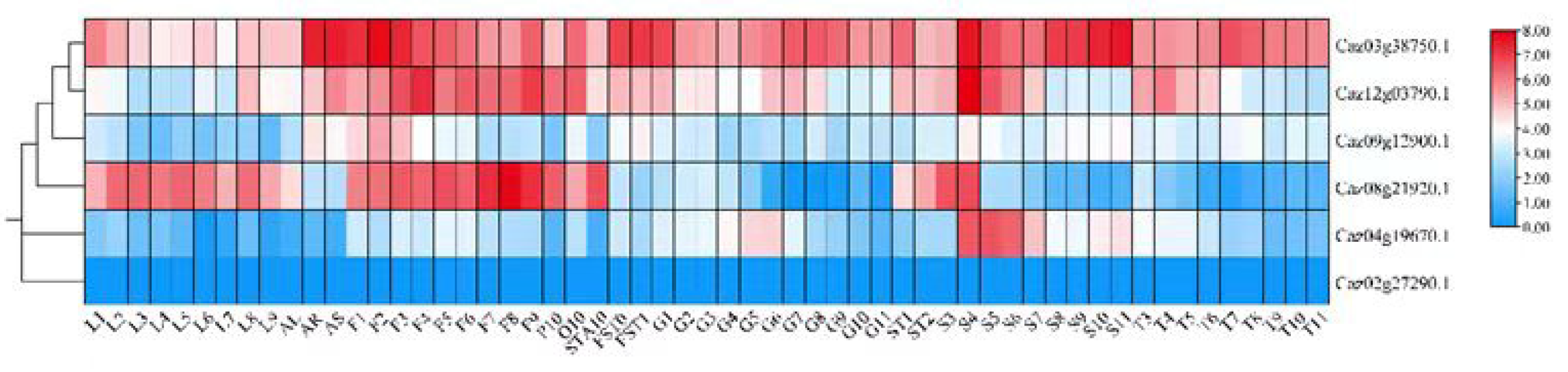
To explore the expression profiles of ICK/KRP genes during pepper development, pepper transcriptome data were downloaded from the Pepper Hub database, and the transcriptome data of leaves, flowers, and fruits at different developmental stages were extracted for the construction of clustered heatmaps via TBtools v1.126 software. The results revealed that the expression levels of pepper ICK/KRP genes exhibited significant differences in different tissues and at different developmental stages (Figure 6). Caz03g38750.1 was expressed in all tested tissues, while Caz02g27290.1 showed low expression levels across all tissues. Caz08g21920.1 was expressed in leaves and flowers, as well as seeds at the third and fourth developmental stages.
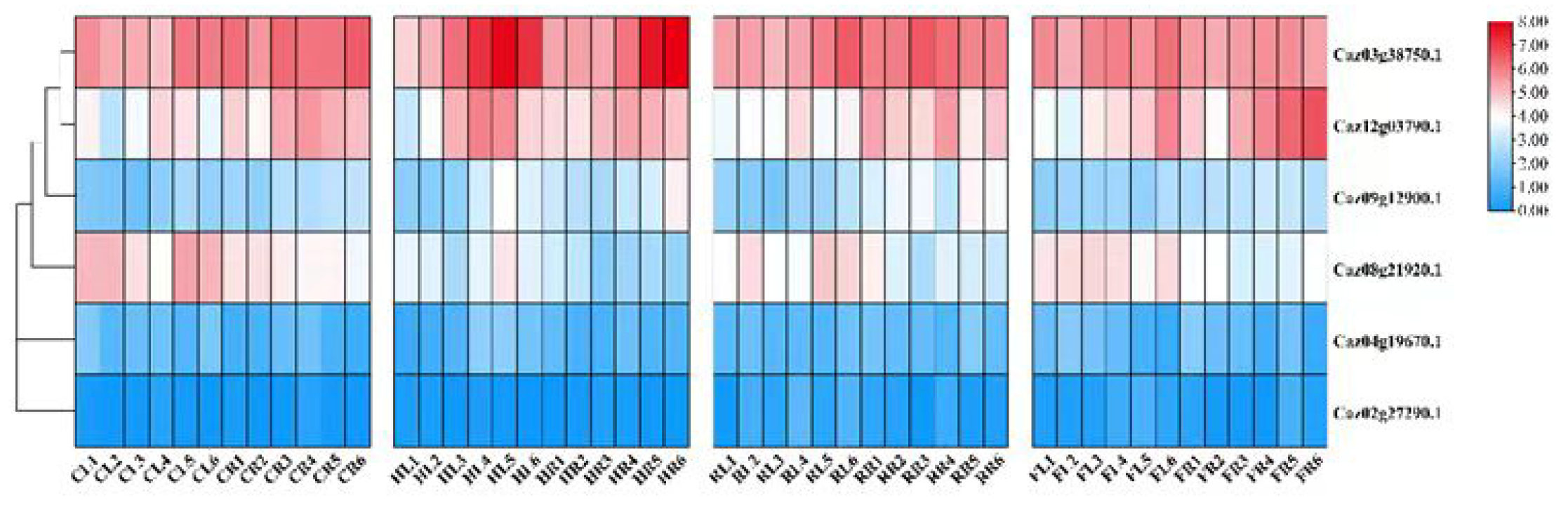
The expression analysis of pepper ICK/KRP genes under heat stress (Figure 7) showed that the expression levels of Caz04g19670.1 and Caz02g27290.1 were extremely low or completely absent under heat stress. The expression of Caz03g38750.1 was upregulated in the 4th, 5th and 6th stages after heat treatment, and its expression was also upregulated in roots at the 5th and 6th stages. The expression of Caz08g21920.1 was downregulated in both leaves and roots after heat treatment. Caz12g03790.1 was upregulated in roots under cold stress treatment, and Caz08g21920.1 was downregulated under ROS treatment. These results indicate that different ICK/KRP genes exhibited distinct responses to heat stress and adopted different expression patterns to adapt to heat stress responses.

2.7. Analysis of the Relative Expression Levels of Pepper ICK/KRP Genes

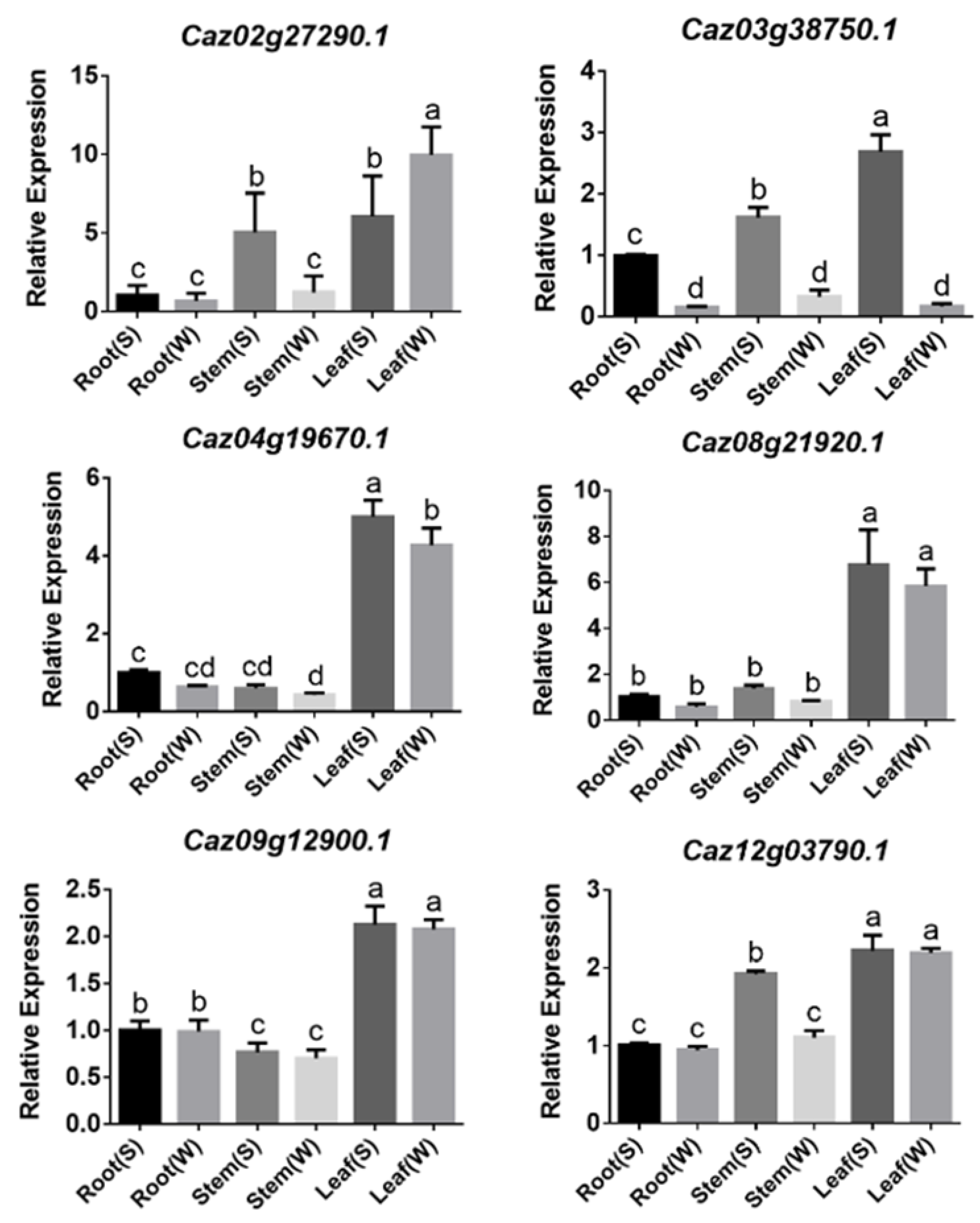
RT-qPCR expression analysis was performed on six ICK family member genes in the roots, stems, and leaves of long-stigma pepper SJ10 (S) and short-stigma pepper W1F2 (W) (Figure 8). The results showed that all genes exhibited significant tissue-specific expression patterns, with leaves serving as the primary expression tissue and their relative expression levels markedly higher than those in roots and stems. The expression levels of all genes were relatively low in root tissues, and most genes showed no significant differences between the two varieties. For Caz02g27290.1, the highest expression was detected in leaves, followed by stems, and the lowest in roots. In terms of varietal differences, the expression level in the stems of SJ10 was significantly higher than that of W1F2, while in leaves, the expression in W1F2 was remarkably higher than in SJ10, with no significant difference observed in roots between the two varieties.
The expression of Caz03g38750.1 in all tested tissues of SJ10 was significantly higher than that in W1F2, with the most prominent difference in leaves; this gene maintained an extremely low expression level in the roots, stems and leaves of W1F2. Leaves were the dominant expression tissue for Caz04g19670.1, with low expression levels in roots and stems and no significant varietal differences. In leaves, the expression level of SJ10 was significantly higher than that of W1F2. Caz08g21920.1 and Caz09g12900.1 shared similar expression profiles, both showing high leaf-specific expression and extremely low expression in roots and stems, with no significant differences between varieties. There was no statistical difference in the expression levels of leaves between the two cultivars. Caz12g03790.1 showed the highest expression in leaves, followed by stems and roots. Varietal differences were only found in stem tissues, where SJ10 presented significantly higher expression than W1F2, whereas no distinct differences existed in leaves and roots. Caz03g38750.1 and Caz04g19670.1 were specifically and highly expressed in the leaves of SJ10, which may be involved in the regulation of the long-stigma trait. Caz02g27290.1 was highly expressed in the leaves of W1F2 and may be related to the specific physiological regulation of W1F2. In contrast, Caz08g21920.1 and Caz09g12900.1 are core functional genes for pepper leaf development, with weak correlation to stigma traits.
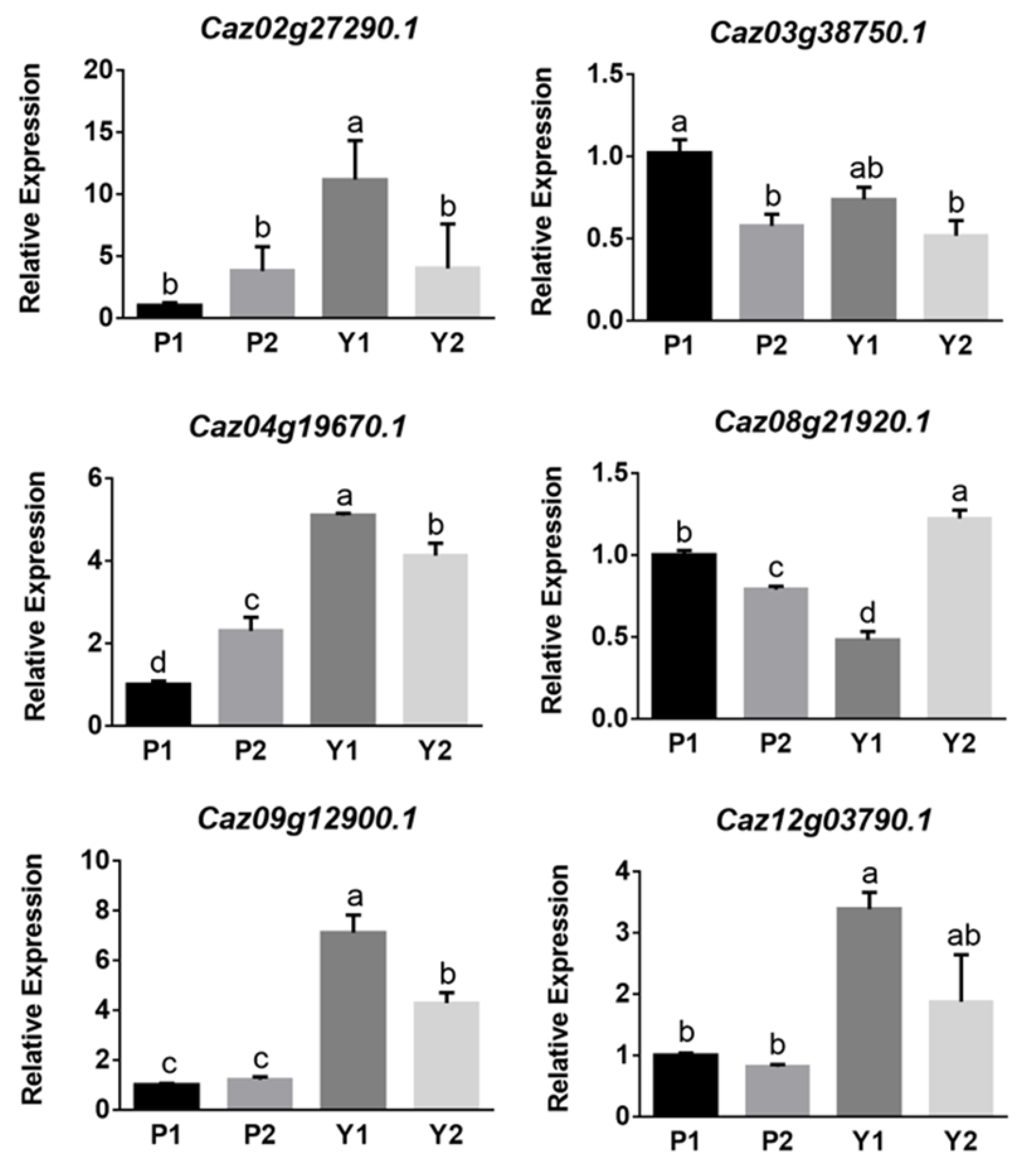
The ICK protein can affect cell cycle progression by inhibiting the activity of the CDK–cyclin complex, thereby indirectly influencing cell elongation. To investigate whether ICK affects the length of the pollen tube, stigma RNA was separately extracted from two pepper varieties at two developmental stages, including long-stigma peppers at one day before flowering (P1) and after pollination (P2), as well as short-stigma peppers at one day before flowering (Y1) and after pollination (Y2). RT-qPCR validation and expression analysis of ICK gene family members were performed on pepper stigmas before and after pollination (Figure 9). The results showed that all ICK genes were expressed in pepper stigmas, and the same gene exhibited significant expression differences in different developmental stages and different pepper materials. At one day before flowering, the expression levels of Caz02g27290.1, Caz04g19670.1 and Caz09g12900.1 in short-stigma materials were higher than those in long-stigma materials, and their expression levels remained higher in short-stigma materials across different stages. After pollination, the expression levels of Caz02g27290.1, Caz04g19670.1, Caz09g12900.1, Caz08g21920.1 and Caz12g03790.1 in short-stigma materials were all higher than those in long-stigma materials. In contrast, the expression level of Caz03g38750.1 in long-stigma materials was higher than that in short-stigma materials both before and after pollination, while the expression pattern of Caz12g03790.1 showed the opposite trend. These findings suggest that the above genes may jointly regulate the development of stigma length in pepper.

2.8. Subcellular Localization Analysis of ICK/KRP Genes in Pepper

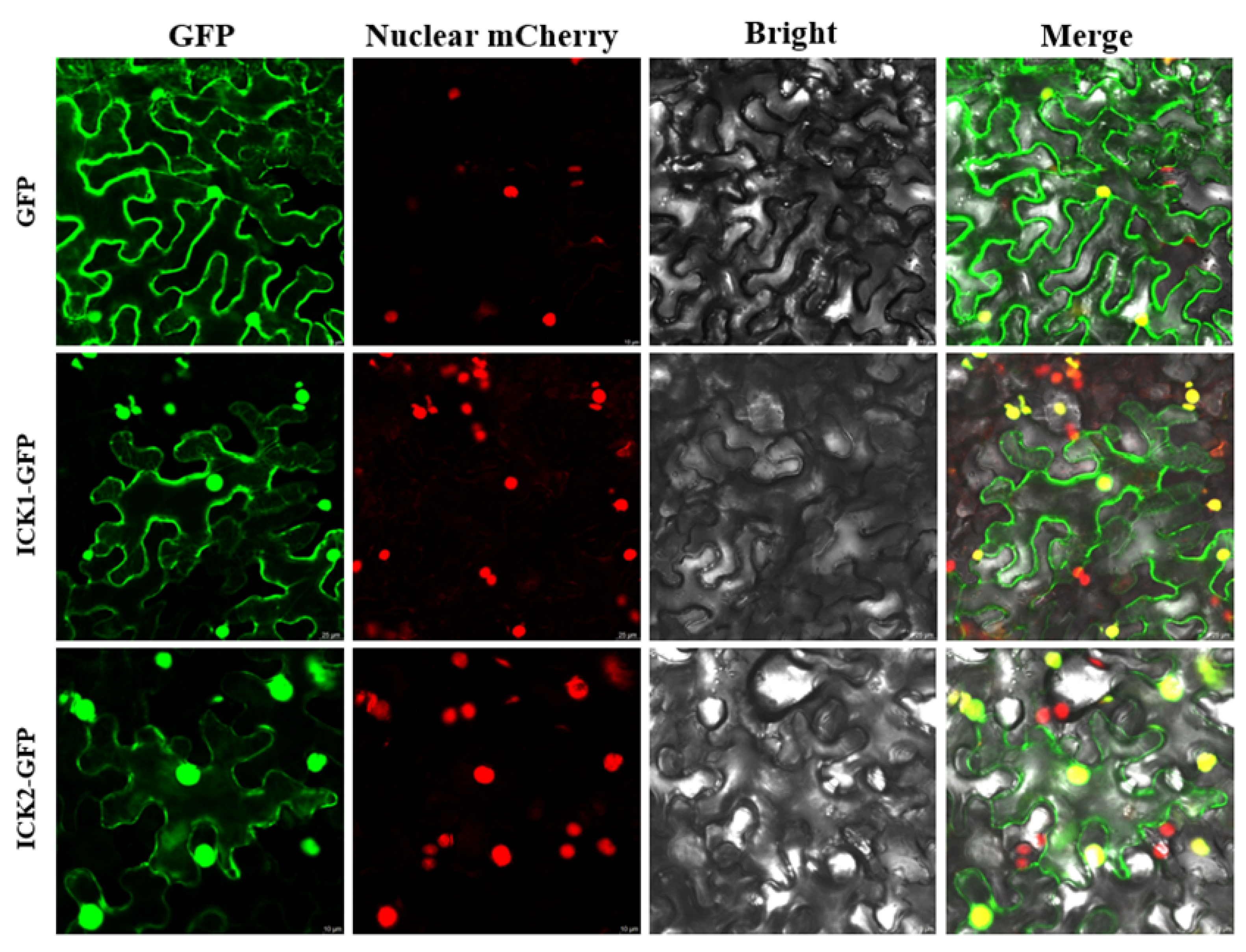
Based on the results of RT-qPCR, candidate genes were screened for subcellular localization (Figure 10). Transient transformation was performed via Agrobacterium-mediated tobacco infiltration, and the localization of fluorescent proteins was observed under a confocal laser scanning microscope. The results demonstrated that the expression products were localized in the nucleus and cell membrane.

2.9. Phenotypic Changes in Pepper Stigma Mediated by VIGS-Induced Silencing of ICK1

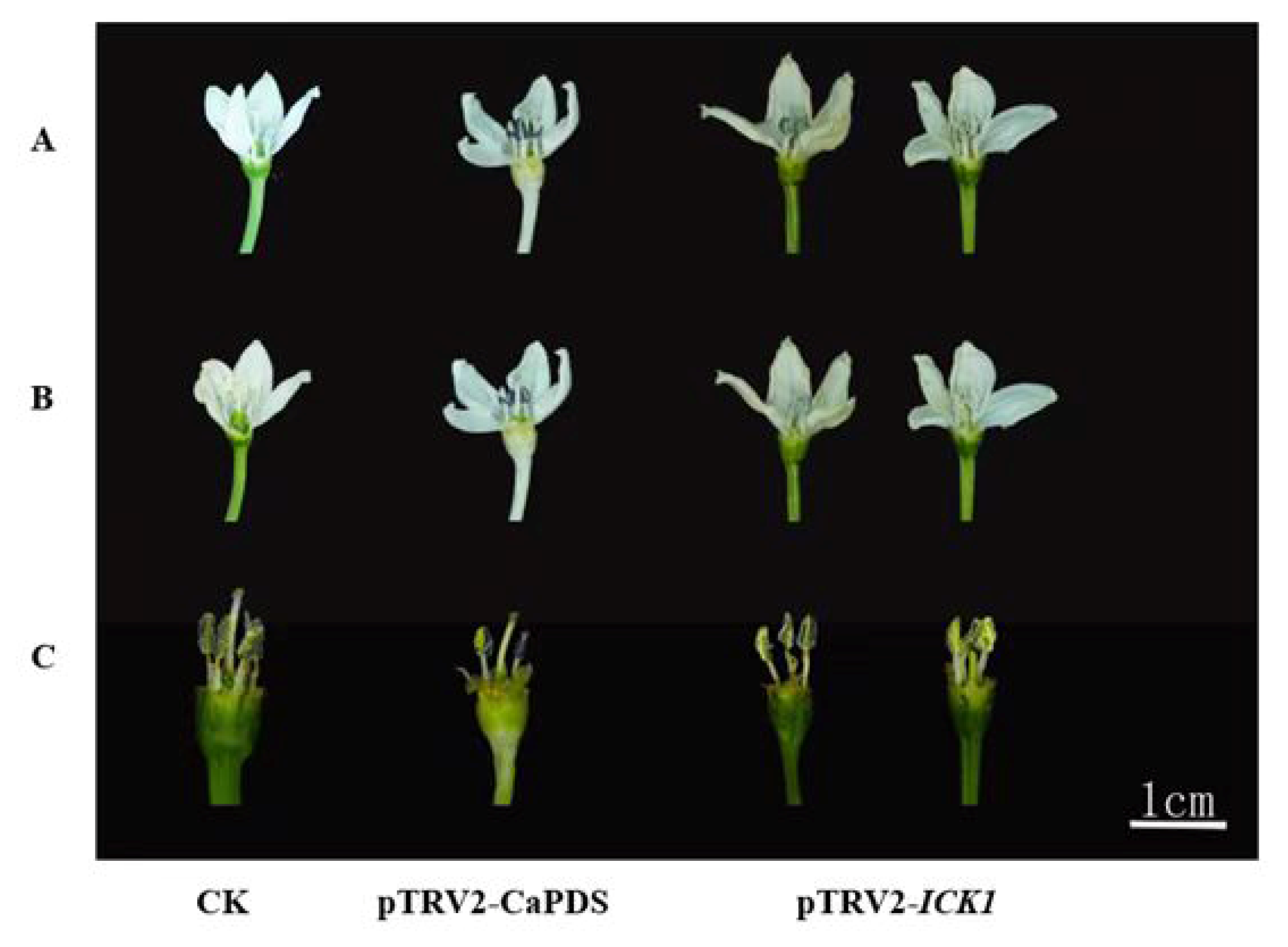
To explore the effects of ICK1 silencing on stigma development in pepper, we performed virus-induced gene silencing (VIGS) of ICK1 in pepper cultivar ‘SJ10’. Untreated plants (CK) and pTRV2-CaPDS-silenced plants were used as controls, and we conducted systematic morphological observation and quantitative measurement of floral organs and stigma length (Figure 11). The results showed that compared with CK and pTRV2-CaPDS control groups, no obvious changes were observed in the petal morphology of ICK1-silenced plants (pTRV2-ICK1), whereas pistil development was markedly impaired.
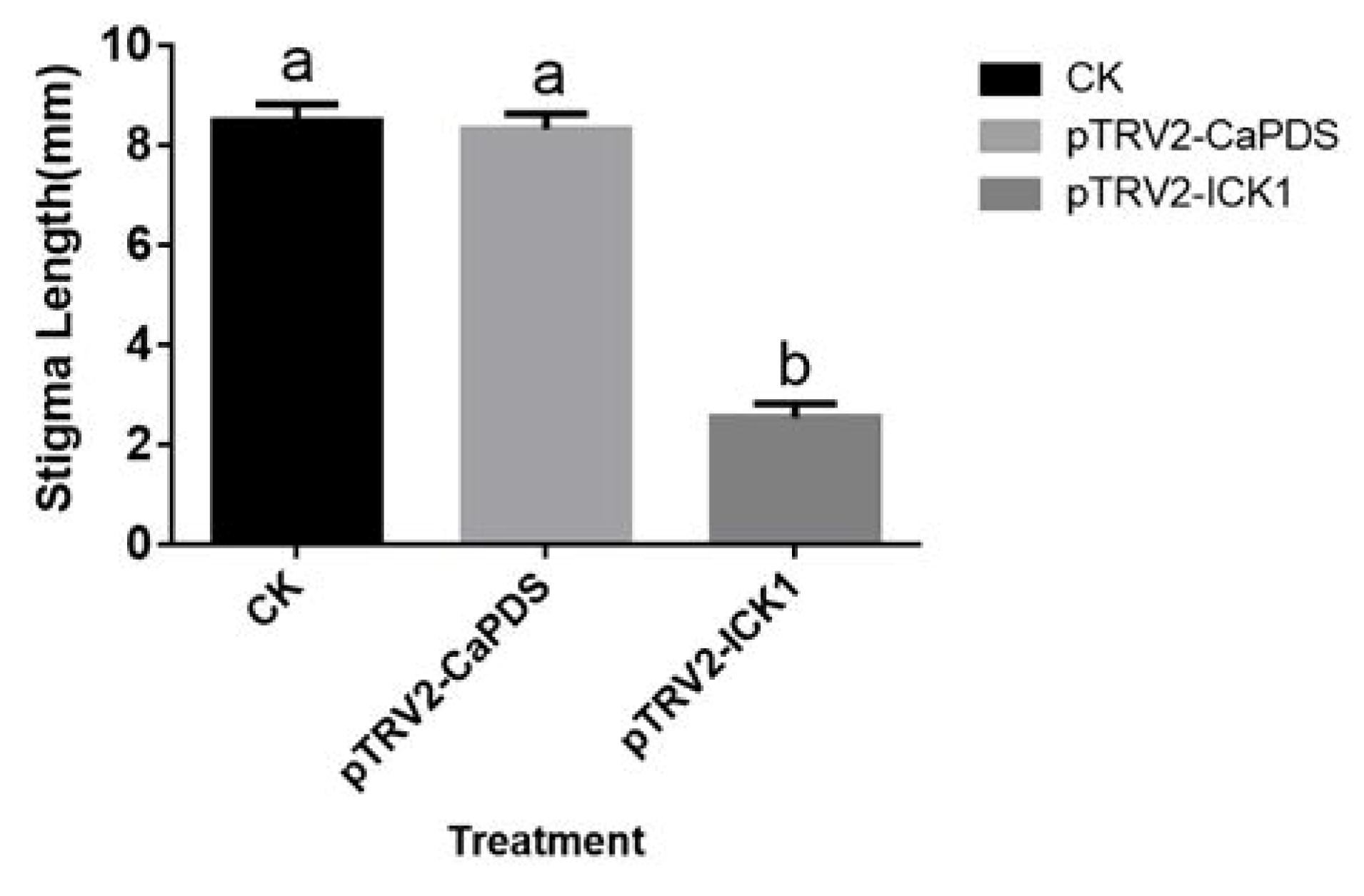
Quantitative analysis revealed that the stigma length was (8.47 ± 0.35) mm in the CK group and (8.32 ± 0.31) mm in the pTRV2-CaPDS positive control group, with no significant difference between the two groups (p > 0.05). By contrast, the stigma length of pTRV2-ICK1 plants was only (2.54 ± 0.28) mm (Figure 12), which was extremely significantly lower than that of the two control groups (p < 0.001). The observation of pistil and stamen structures after petal removal (Figure 11C) indicated that stigmas of CK and pTRV2-CaPDS controls were obviously higher than anthers, showing a typical long-stigma phenotype. However, stigmas of pTRV2-ICK1 plants were dramatically shortened, with stigma positions close to or lower than anthers, presenting a typical short-stigma phenotype.
Collectively, these results demonstrate that silencing of ICK1 specifically represses stigma elongation and alters the relative position between stigmas and anthers in pepper.

3. Discussion

Cell differentiation and expansion occur throughout the whole process of plant growth and development, regulating processes such as flowering and fruiting, seed development and reproduction, and playing critical roles in responding to environmental changes including heat and cold stress [10]. As inhibitors of CDK protein activity, ICK/KRPs exert an essential regulatory role in modulating the cell cycle [2]. To date, ICK/KRP genes have been identified in many plant species, such as arabidopsis, tomato and soybean. A total of seven ICK/KRP genes have been identified in arabidopsis, and functional studies of this gene family have been conducted using RNA interference (RNAi) assays and T-DNA mutants. The results have revealed that there are no significant phenotypic differences between lower-order mutants and wild-type plants, whereas higher-order mutants exhibited altered leaf width and petal and seed size, which have been characterized in this model plant [11]. In crops, rice KRP mutants displayed phenotypic traits including reduced seed size and dwarf plants, suggesting that ICK/KRPs possess a certain degree of functional conservation in the regulation of plant development [12]. During plant growth under stress conditions, both biotic and abiotic stresses can inhibit cell cycle progression and exert adverse effects on plant growth. Since plants are sessile organisms, they have evolved a mechanism to adjust the cell cycle process in response to environmental signals. Studies on tomato have demonstrated that low-temperature stress significantly upregulated the expression level of tomato SlKRP2, and drought stress markedly induced the expression of tomato SlKRP3; the silencing of SlKRP5 increased the sensitivity of tomato to drought stress [7]. In soybean, polyethylene glycol (PEG) stress upregulated the expression levels of GmKRP1a, GmKRP2a and GmKRP4, and the expression levels of GmKRP1a, GmKRP2a, GmKRP2b, GmKRP4 and GmKRP5 were elevated under salt stress treatment [8]. Five KRP genes have been identified in eggplant, and the expression of SmKRP3 was significantly increased under salt stress. Subcellular localization assays revealed that all eggplant KRPs were localized in the nucleus. The silencing of SmKRP3 enhanced the sensitivity of eggplant to salt stress, accompanied by a significant reduction in the expression of salt stress marker genes SmGSTU10, SmNCED1, SmDHN1 and SmDHNX1 [9].
A total of six ICK/KRP genes were identified in the whole genome of pepper, representing a relatively small gene number. The number of ICK/KRP gene family members varies slightly among different plant species, and these genes can essentially be divided into three categories, which is consistent with previous studies [13]. From the perspective of monocot and dicot classification, clade A genes are unique to rice (a monocot plant), implying that this category of genes may have played important roles in the evolutionary process. The six ICK/KRP family genes were distributed on different chromosomes. Collinearity analysis revealed that Caz02g27290.1 and Caz08g21920.1 are homologous duplicated genes. However, expression analyses across different tissues and stress conditions demonstrated that these two genes exert divergent functions in plant development and stress responses, showing differentiated expression patterns. Promoter cis-acting element analysis showed that Caz02g27290.1 contained 17 cis-acting elements while Caz08g21920.1 harbored 14 cis-acting elements, with the main difference lying in the MeJA-responsive elements (CGTCA-motif and TGACG-motif). We analyzed the expression patterns of six genes from the pepper ICK/KRP family in different tissues of the long-stigma line SJ10 and the short-stigma line W1F2. The results showed that these genes exhibited clear tissue-specific expression and significant differences between the two genotypes. Most ICK genes were expressed at significantly higher levels in leaves compared to roots and stems, and their expression levels in the leaves of the long-stigma line SJ10 were significantly higher than those in the short-stigma line W1F2. This is highly consistent with the functional characteristics of ICK genes as negative regulators of the cell cycle. Based on transcriptome data and quantitative expression validation, Caz03g38750.1 exhibited a higher expression level in long-stigma materials before and after pollination, whereas Caz12g03790.1 showed the opposite expression pattern, with higher expression in short-stigma materials. These results suggest that the two genes may cooperatively regulate the development of stigma length in pepper.
Stigma length in pepper affects the rates of self-pollination and cross-pollination in plants, as well as the reproductive population structure of the pepper. Pepper plants with short stigmas are prone to self-pollination, whereas those with long stigmas can easily capture exogenous pollen and thus enhance the cross-pollination rate [14]. At present, molecular regulatory studies on stigma exsertion in solanaceous crops have mostly focused on tomato and rice, while relevant research in pepper remains relatively scarce. Wu et al. [15] successfully cloned the HD-ZIP IV transcription factor, which can directly regulate the expression of Style 2.1, a key determinant transcription factor of style length in tomato. Studies have revealed that the HD-ZIP IV transcription factor is highly expressed in the apical region of the style, and it regulates the endoreduplication process of stylar cells through a concentration-dependent dosage effect, thereby mediating the polar elongation and growth of the style. Shang et al. [16] found that the SE3.1 and Style 2.1 genes mediate the morphological evolution of tomato stigmas through a two-step regulatory model via synergistic effects: the mutation of Style 2.1 changes stigmas from exserted to flush, and the mutation of SE3.1 further causes stigma retraction. This regulatory pattern drives the transition of tomato from cross-pollination to self-pollination. Zhu et al. [17] screened GS3, GW8 and GS9 as key candidate genes for stigma exsertion in rice using expression analysis and other techniques, and confirmed that the expression trends of these three genes were consistent with the developmental trends of rice stigmas. Subsequently, single, double and triple mutants of these three genes were generated using the CRISPR/Cas9 gene editing technology. Experimental results showed that the stigma exsertion rate of the triple mutant plants increased to more than 50%, with no adverse effects on the normal growth and agronomic traits of rice. The rice TGW2 protein can interact with the cell cycle regulatory protein KRP1, and this interaction negatively regulates grain width and grain weight in rice. After introducing the superior allelic variant tgw2 into target rice varieties, the grain yield was increased by 12.3% [5]. The results of subcellular localization in this experiment indicated that the encoded proteins of ICK1 (Caz03g38750.1) and ICK2 (Caz12g03790.1) were dual-localized in the nucleus and plasma membrane of pepper style cells. As core cell cycle regulators, the proteins execute the function of inhibiting cell proliferation in the nucleus; meanwhile, they participate in the perception and transduction of growth and polarity signals on the plasma membrane. The combination of these two subcellular locations enables the two genes to link signal response and cell cycle control, laying a structural foundation for their dual regulation of intracellular cell cycle signaling and transmembrane developmental signal transduction. We also found that two genes of the ICK/KRP family exhibited differential expression in materials with long and short styles, which respond to style length variation and function as key upstream regulatory factors mediating stigma developmental differences in pepper. This study silenced the ICK1 gene in pepper using VIGS technology and found that the stigma length of silenced plants was significantly reduced, indicating that ICK1 specifically participates in the regulation of stigma elongation in pepper. As core negative regulatory factors of the plant cell cycle, ICK/KRP family proteins execute precise cascade regulation on cell cycle progression: they specifically bind to and inhibit the kinase activity of CDK–Cyclin complexes, block the G1/S and G2/M phase transition of the cell cycle, restrain excessive cell proliferation, and control the division rate and proliferation amplitude of style cells. Stigma elongation depends on the ordered division and polar expansion of style cells. Normal stigma development requires a dynamic balance between cell division and cell polar expansion. The moderate inhibitory effect of ICK1 on the cell cycle can terminate redundant cell division in the late stage of style development, avoid disordered cell proliferation, and create favorable spatial and physiological conditions for subsequent longitudinal polar expansion of cells. The high expression of ICK1 in the style/leaves of the long-stigma line SJ10 and the inhibition of stigma elongation after silencing are highly consistent with the functional characteristics of ICK genes in regulating the cell cycle. It is speculated that ICK1 may maintain cell cycle homeostasis by finely regulating the division rate and expansion process of style cells, thereby ensuring normal stigma elongation. Specifically, the high basal expression of ICK1 in long-stigma materials can precisely modulate CDK–Cyclin complex activity, maintain orderly and moderate cell division, and promote the transformation of style cells from a proliferation state to an elongation state, thus driving continuous stigma elongation. When the expression of this gene is silenced, the inhibitory effect on CDK–Cyclin complexes is weakened, resulting in abnormal activation of cell cycle progression, disordered proliferation of style cells, and failure of normal polar expansion and longitudinal growth. When the expression of this gene is silenced, the regulation of the cell cycle in style cells is disrupted, leading to insufficient cell division and expansion and ultimately resulting in shortened stigma length. These results provide direct functional evidence for the involvement of the ICK1 gene in the regulation of pepper stigma development, offering an important candidate gene for analyzing the molecular mechanism of stigma length regulation and improving pollination efficiency in pepper. This study further clarifies the complete regulatory pathway of ICK1-mediated cell cycle balancing and stigma elongation, revealing a new molecular mechanism: ICK1 controls pepper stigma morphological development via targeting the CDK–Cyclin cell cycle core complex, which enriches the molecular regulatory network of plant reproductive organ development.
Stigma exsertion is a quantitative trait, and the genes controlling stigma exsertion vary among different pepper materials. This trait is also affected by external environmental factors. The stigma exsertion rate is an important index for hybrid seed production, and a high stigma exsertion rate is a key trait to improve the outcrossing seed setting rate. Breeding male sterile lines with stigma exsertion can greatly simplify the process of hybrid seed production, and increasing the proportion of long-stigma flowers can reduce flower and fruit abscission caused by short-stigma flowers. Regulating the stigma exsertion trait through cultivation measures can significantly improve pepper yield and quality, enhance the efficiency of insect pollination, and accelerate the breeding process of new pepper varieties with superior quality, high yield and strong adaptability.

4. Materials and Methods

4.1. Identification of the ICK/KRP Gene Family in Pepper

The genome of Zhangshugang pepper (https://ted.bti.cornell.edu/cgi-bin/pepper/search (accessed on 10 January 2026)) was used as the reference genome, from which the protein sequence file and GFF annotation file were downloaded. Based on the conserved-domain profile (PF02234, associated with FAD-binding) corresponding to the conserved domain of the ICK/KRP family, the corresponding Hidden Markov Model (HMM) file was downloaded from the Pfam database (Pfam Consortium, European Bioinformatics Institute (EBI), Hinxton, UK; http://pfam-legacy.xfam.org, accessed on 10 January 2026). The HMMER v3.3.2 software (Eddy Lab, Harvard University, Cambridge, MA, USA) was employed in the local PowerShell environment to perform homologous sequence screening against the protein sequences of the pepper genome, thereby identifying the members of the chili pepper ICK/KRP gene family.

4.2. Analysis of Physicochemical Properties of the ICK/KRP Gene Family in Pepper

The physical and biochemical characteristics of the target proteins were analyzed using the ExPASy ProtParam (web 2024 version) online tool (Swiss Institute of Bioinformatics, Lausanne, Switzerland; https://web.expasy.org/protparam/, accessed on 10 January 2026) [18]; and the physicochemical properties of the pepper ICK/KRP gene members, including the number of amino acids, molecular weight, hydrophilicity, isoelectric point, instability index and aliphatic index, were obtained. Subcellular localization prediction was performed using the Plant-mPLoc 2.0 online platform (Center for Bioinformatics, Shanghai Jiao Tong University, Shanghai, China; http://www.csbio.sjtu.edu.cn/bioinf/plant-multi/, accessed on 10 January 2026) [19].

4.3. Procedures for Phylogenetic Tree Construction of ICK/KRP Proteins from Pepper, Tomato, Rice, Maize and Arabidopsis

Multiple sequence alignment of the ICK proteins from pepper, tomato, rice, maize, and arabidopsis was performed using the ClustalW 2.1 software (Conway Institute of Biomolecular and Biomedical Research, University College Dublin, Dublin, Ireland). A phylogenetic tree was constructed with the MEGA 7.0 software by adopting the neighbor-joining method, with the number of bootstrap replicates set to 1000, and other parameters kept as default values.

4.4. Chromosomal Localization of the ICK/KRP Gene Family in Pepper

The PhenoGram v2.0 tool (Center for Computational Biology, Johns Hopkins University, Baltimore, MD, USA) was employed for chromosomal localization analysis and mapping of the KRP gene family [20]. Meanwhile, the gene localization visualization module of the GTF/GFF function in TBtools software was used to analyze the chromosomal distribution characteristics of ICK/KRP genes [21]. Additionally, the integrated Multiple Collinearity Scan toolkit (MCScanX) was utilized to analyze and visualize the collinearity relationships of ICK/KRP genes [22].

4.5. Gene Structure and Conserved Motif Analysis of the ICK/KRP Gene Family in Pepper

Genomic sequences, CDS sequences, protein sequences, and exon/intron structural information of all candidate KRP genes were extracted from genomic data. Subsequently, the TBtools software was used to draw and visualize the schematic diagrams of gene structures [23]. The Simple MEME Wrapper module in the TBtools-II software package (Version 2.083) was adopted for motif type analysis [23], and the Gene Structure View module was utilized to achieve integrated visualization of motif types and gene structures.

4.6. Cis-Acting Element Analysis of the ICK/KRP Gene Family in Pepper

The Basic module for gene structure visualization in TBtools software was used to verify the structural characteristics of ICK/KRP genes again. Meanwhile, the PlantCARE database (http://bioinformatics.psb.ugent.be/webtools/plantcare/html/) was employed to search and identify the cis-acting elements in the promoter regions of ICK/KRP genes [24].

4.7. Expression Pattern Analysis of the ICK/KRP Gene Family in Pepper

The raw transcriptome data of different pepper tissues were retrieved from the NCBI database (PRJNA193077), while the transcriptome data of pepper under hormone and abiotic stress treatments were obtained from the PepperHub specialized bioinformatics platform (College of Horticulture & Forestry Sciences, Huazhong Agricultural University, Wuhan, China; https://www.pepperhub.in/?srsltid=AfmBOoojkc9E7JVH8Iy7yIfmKNxqUYZ5bO5SXPQaZRhIGakd9t4ULNMm, accessed on 10 January 2026). After acquiring the above transcriptome data, the HeatMap module in the TBtools-II v2.083 software package (Chen Lab, South China Agricultural University, Guangzhou, China) [23] was utilized to perform standardization and cluster analysis on the expression levels of ICK/KRP family genes in different tissues, under hormone treatments and abiotic stress conditions, and to generate visualized heatmaps. This was conducted to systematically clarify the tissue-specific expression patterns and stress-responsive expression characteristics of this gene family.

4.8. Plant Materials Selection and Quantitative Real-Time PCR

Floral organs of pepper materials with long and short stigmas were sampled before and after pollination, following the sampling protocol described by Liu et al. [25]. Meanwhile, stigma tissues were collected 1 day before flowering and 1 day after pollination (see the attached figure for specific sampling sites). All samples were quickly ground in liquid nitrogen, and total RNA was extracted using the Vazyme Polysaccharide and Polyphenol-rich Plant Total RNA Extraction Kit (Cat. No.: RC401, Vazyme Biotech Co., Ltd., Nanjing, China). cDNA was synthesized via reverse transcription with the Vazyme One Step RT-qPCR Kit (Cat. No.: Q221, Vazyme Biotech Co., Ltd., Nanjing, China). Primers for the pepper ICK gene family were designed using the Primer-Blast tool in the NCBI database [26] (Table 4), with the primer length set at 20–23 bp, Tm value ranging from 57 to 61 °C, and amplified fragment length at approximately 82–120 bp. The pepper Actin gene was used as the reference gene. The reaction system and procedures were configured according to the instructions of the AceQ Universal SYBR qPCR Master Mix Kit (Cat. No.: Q511, Vazyme Biotech Co., Ltd., Nanjing, China) for quantitative real-time PCR experiments, with three biological replicates set for each sample. To ensure data reproducibility, each biological replicate was further equipped with three independent technical replicates. The 2−ΔΔCT method [27] was adopted to calculate the relative expression levels of each ICK family member. All data were presented as mean ± standard deviation (SD). Independent sample t-tests were performed for statistical significance analysis, and a p-value less than 0.05 was considered statistically significant, while p < 0.01 indicated an extremely significant difference, so as to systematically analyze the expression patterns of this gene family in different floral development stages and stigma tissues of pepper.

4.9. Subcellular Localization

Based on the results of real-time fluorescence quantitative PCR, candidate genes were selected for subcellular localization analysis. The fusion expression vector of the target gene and GFP was constructed, and Agrobacterium-mediated transient transformation was performed on tobacco leaves. The fluorescence signals were observed under a confocal laser scanning microscope to determine the protein localization.

4.10. VIGS Analysis

Using tobacco rattle virus (TRV)-mediated virus-induced gene silencing (VIGS), specific fragments of ICK1 and the reporter gene CaPDS from pepper (Capsicum annuum) were cloned into the pTRV2 vector. The resulting constructs, together with pTRV1, were transformed into Agrobacterium tumefaciens strain GV3101. Agrobacterium cultures carrying pTRV1 and each pTRV2-derived vector were mixed at a 1:1 ratio (OD600 = 0.8–1.0) and infiltrated into the cotyledons of 2–4 leaf-stage pepper seedlings using a needleless syringe. Wild-type plants (CK) served as the blank control, and plants inoculated with pTRV2-CaPDS were used as the positive control. After 3–4 weeks of cultivation post-inoculation, flower organ phenotypes were observed. The VIGS experiment was performed with three independent biological replicates. Each treatment group and control group contained no fewer than 15 uniformly growing pepper individuals for phenotypic observation and stigma length measurement. All phenotypic data were expressed as mean ± SD. An independent samples t-test was used to compare the phenotypic differences between ICK1-silenced plants and control plants, with p < 0.05 defined as a significant difference.

Supplementary Materials

The following supporting information can be downloaded at: https://www.mdpi.com/article/10.3390/genes17070733/s1; Figure S1: Quantitative analysis of stigma length in pepper under different treatments. CK: wild-type control; pTRV2-CaPDS, positive control; pTRV2-ICK1, ICK1-silenced plants. Bars represent the mean values, and error bars indicate standard deviation (SD). Different lowercase letters indicate significant differences among groups at p < 0.05.

Author Contributions

Methodology, T.L. and Q.C.; software, T.L.; validation, T.L. and Z.W.; formal analysis, Q.C.; investigation, Z.W. and S.L.; resources, W.C. and Z.Z.; data curation, S.L.; writing—original draft preparation, T.L.; writing—review and editing, Q.C.; visualization, T.L.; supervision, Y.L.; project administration, S.Y.; funding acquisition, S.Y. All authors have read and agreed to the published version of the manuscript.

Funding

This research was funded by the National Natural Science Foundation of China (NSFC), Beijing, China, grant number 32302548.

Institutional Review Board Statement

Not applicable.

Informed Consent Statement

Not applicable.

Data Availability Statement

The datasets generated and analyzed during the current study are available from the corresponding author upon reasonable request.

Conflicts of Interest

The authors declare that there are no conflicts of interest whatsoever. The relevant funders also hold no competing financial interests or other potential conflicts of interest related to this research work.

References

  1. Wang, H.; Zhou, Y.; Bird, D.A.; Fowke, L.C. Functions, regulation and cellular localization of plant cyclin-dependent kinase inhibitors. J. Microsc. 2008, 231, 234–246. [Google Scholar] [CrossRef] [PubMed]
  2. Cao, L.; Wang, S.; Venglat, P.; Zhao, L.; Cheng, Y.; Ye, S.; Qin, Y.; Datla, R.; Zhou, Y.; Wang, H. Arabidopsis ICK/KRP cyclin-dependent kinase inhibitors function to ensure the formation of one megaspore mother cell and one functional megaspore per ovule. PLoS Genet. 2018, 14, e1007230. [Google Scholar] [PubMed]
  3. Barrôco, R.M.; Peres, A.; Droual, A.M.; De Veylder, L.; Nguyen, L.S.L.; De Wolf, J.; Mironov, V.; Peerbolte, R.; Beemster, G.T.; Inzé, D.; et al. The cyclin-dependent kinase inhibitor Orysa; KRP1 plays an important role in seed development of rice (Oryza sativa L.). Plant Physiol. 2006, 142, 1053–1064. [Google Scholar] [PubMed]
  4. Ajadi, A.A.; Tong, X.; Wang, H.; Zhao, J.; Tang, L.; Li, Z.; Liu, X.; Shu, Y.; Li, S.; Wang, S.; et al. Cyclin-dependent kinase inhibitors KRP1 and KRP2 are involved in grain filling and seed germination in rice (Oryza sativa L.). Int. J. Mol. Sci. 2019, 21, 245. [Google Scholar] [CrossRef] [PubMed]
  5. Ruan, B.; Shang, L.; Zhang, B.; Hu, J.; Wang, Y.; Lin, H.; Zhang, A.; Liu, C.; Peng, Y.; Zhu, L.; et al. Natural variation in the promoter of TGW2 determines grain width and weight in rice (Oryza sativa L.). New Phytol. 2020, 227, 629–640. [Google Scholar] [PubMed]
  6. Wang, H.; Qi, Q.; Schorr, P.; Cutler, A.J.; Crosby, W.L.; Fowke, L.C. ICK1, a cyclin-dependent protein kinase inhibitor from Arabidopsis thaliana interacts with both Cdc2a and CycD3, and its expression is induced by abscisic acid. Plant J. 1998, 15, 501–510. [Google Scholar] [PubMed]
  7. Liu, G.; Guan, Z.; Ma, M.; Wang, H.; Liu, X.; Song, S.; Dai, N.; Ma, F.; Bao, Z. Genome-wide identification and molecular characterization of SlKRP family members in tomato and their expression profiles in response to abiotic stress. Veg. Res. 2023, 3, 27. [Google Scholar]
  8. Guo, B.; Chen, L.; Dong, L.; Yang, C.; Zhang, J.; Geng, X.; Zhou, L.; Song, L. Characterization of the soybean KRP gene family reveals a key role for GmKRP2a in root development. Front. Plant Sci. 2023, 14, 1096467. [Google Scholar] [CrossRef] [PubMed]
  9. Shen, L.; Yang, S.; Xia, X.; Nie, W.; Yang, X. Genome-wide identification of Kip-related protein (KRP) gene family members in eggplant and the function of SmKRP3 under salt stress. Veg. Res. 2024, 4, e013. [Google Scholar]
  10. Gray, S.B.; Brady, S.M. Plant developmental responses to climate change. Dev. Biol. 2016, 419, 64–77. [Google Scholar] [CrossRef] [PubMed]
  11. Cheng, Y.; Cao, L.; Wang, S.; Li, Y.; Shi, X.; Liu, H.; Li, L.; Zhang, Z.; Fowke, L.C.; Wang, H.; et al. Downregulation of multiple CDK inhibitor ICK/KRP genes upregulates the E2F pathway and increases cell proliferation, and organ and seed sizes in Arabidopsis. Plant J. 2013, 75, 642–655. [Google Scholar] [PubMed]
  12. Banerjee, G.; Jonwal, S.; Rengasamy, B.; Pal, U.; Singh, D.; Mohit, M.; Sinha, A.K. KRP3 Stability Controls rice (Oryza sativa L.) Plant Architecture and Productivity via MPK3-Mediated Phosphorylation. Plant Biotechnol. J. 2025, 24, 1204–1222. [Google Scholar] [PubMed]
  13. Acosta, J.A.T.; Fowke, L.C.; Wang, H. Analyses of phylogeny, evolution, conserved sequences and genome-wide expression of the ICK/KRP family of plant CDK inhibitors. Ann. Bot. 2011, 107, 1141–1157. [Google Scholar] [CrossRef]
  14. Zou, X.; Zhang, Z.; Chen, W.; Dai, X.; Ma, Y.; Li, X. Genetic Analyses of Fruit Characters in Pepper (Capsicum annuum L.). Acta Bot. Boreali-Occident. Sin. 2007, 27, 497–501. [Google Scholar]
  15. Wu, M.; Bian, X.; Huang, B.; Du, Y.; Hu, S.; Wang, Y.; Shen, J.; Wu, S. HD-Zip proteins modify floral structures for self-pollination in tomato. Science 2024, 384, 124–130. [Google Scholar] [PubMed]
  16. Shang, L.; Song, J.; Yu, H.; Wang, X.; Yu, C.; Wang, Y.; Li, F.; Lu, Y.; Wang, T.; Ouyang, B.; et al. A mutation in a C2H2-type zinc finger transcription factor contributed to the transition toward self-pollination in cultivated tomato. Plant Cell 2021, 33, 3293–3308. [Google Scholar] [CrossRef] [PubMed]
  17. Zhu, X.; Gou, Y.; Heng, Y.; Ding, W.; Li, Y.; Zhou, D.; Li, X.; Liang, C.; Wu, C.; Wang, H.; et al. Targeted manipulation of grain shape genes effectively improves outcrossing rate and hybrid seed production in rice (Oryza sativa L.). Plant Biotechnol. J. 2023, 21, 381–390. [Google Scholar] [PubMed]
  18. Gasteiger, E.; Gattiker, A.; Hoogland, C.; Ivanyi, I.; Appel, R.D.; Bairoch, A. ExPASy: The proteomics server for in-depth protein knowledge and analysis. Nucleic Acids Res. 2003, 31, 3784–3788. [Google Scholar] [CrossRef] [PubMed]
  19. Chou, K.C.; Shen, H.B. Plant-mPLoc: A top-down strategy to augment the power for predicting plant protein subcellular localization. PLoS ONE 2010, 5, e11335. [Google Scholar] [PubMed]
  20. Wolfe, D.; Dudek, S.; Ritchie, M.D.; A Pendergrass, S. Visualizing genomic information across chromosomes with PhenoGram. BioData Min. 2013, 6, 18. [Google Scholar] [CrossRef] [PubMed]
  21. Chen, C.J.; Chen, H.; Zhang, Y.; Thomas, H.R.; Frank, M.H.; He, Y.H.; Xia, R. TBtools: An integrative toolkit developed for interactive analyses of big biological data. Mol. Plant 2020, 13, 1194–1202. [Google Scholar] [CrossRef] [PubMed]
  22. Wang, Y.; Tang, H.; DeBarry, J.D.; Tan, X.; Li, J.; Wang, X.; Lee, T.-H.; Jin, H.; Marler, B.; Guo, H.; et al. MCScanX: A toolkit for detection and evolutionary analysis of gene synteny and collinearity. Nucleic Acids Res. 2012, 40, e49. [Google Scholar] [CrossRef] [PubMed]
  23. Chen, C.; Wu, Y.; Li, J.; Wang, X.; Zeng, Z.; Xu, J.; Liu, Y.; Feng, J.; Chen, H.; He, Y.; et al. TBtools-II: A “one for all, all for one” bioinformatics platform for biological big-data mining. Mol. Plant 2023, 16, 1733–1742. [Google Scholar] [CrossRef] [PubMed]
  24. Lescot, M.; Déhais, P.; Thijs, G.; Marchal, K.; Moreau, Y.; Van de Peer, Y.; Rouzé, P.; Rombauts, S. PlantCARE, a database of plant cis-acting regulatory elements and a portal to tools for in silico analysis of promoter sequences. Nucleic Acids Res. 2002, 30, 325–327. [Google Scholar] [CrossRef] [PubMed]
  25. Liu, K.; Yuan, C.; Li, H.; Lin, W.; Yang, Y.; Shen, C.; Zheng, X. Genome-wide identification and characterization of auxin response factor (ARF) family genes related to flower and fruit development in papaya (Carica papaya L.). BMC Genom. 2015, 16, 901. [Google Scholar] [CrossRef]
  26. Ye, J.; Coulouris, G.; Zaretskaya, I.; Cutcutache, I.; Rozen, S.; Madden, T.L. Primer-BLAST: A tool to design target-specific primers for polymerase chain reaction. BMC Bioinform. 2012, 13, 134. [Google Scholar]
  27. Livak, K.J.; Schmittgen, T.D. Analysis of relative gene expression data using real-time quantitative PCR and the 2− ΔΔCT method. Methods 2001, 25, 402–408. [Google Scholar] [CrossRef] [PubMed]
Figure 1. The phylogenetic tree of the ICK/KRP gene family in pepper, arabidopsis, tomato, maize, and rice.
Genes 17 00733 g001
Figure 2. Chromosomal distribution of members of the ICK/KRP gene family in pepper.
Genes 17 00733 g002
Figure 3. Chromosomal circos plot of pepper ICK/KRP gene family members.
Genes 17 00733 g003
Figure 4. Gene structure and conserved motifs of members of the ICK/KRP gene family in pepper.
Genes 17 00733 g004
Figure 5. The heatmap of cis-acting element functional enrichment for the pepper ICK/KRP gene family. The color gradient from white to dark red represents the increasing enrichment level of cis-elements; each column corresponds to a specific cis-regulatory element, and each row represents an individual pepper ICK/KRP gene.
Genes 17 00733 g005
Figure 6. Heatmap of expression levels of the pepper ICK/KRP gene family in different tissues. L: leaf; F: flower; G: fruit; ST: seed and placenta; S: seed; T: placenta; P10: petal; O10: ovary; STA10: stamen.
Genes 17 00733 g006
Figure 7. Heatmap of ICK/KRP family gene expression levels in leaves and roots under different stresses. CL: control leaves; CR: control roots; HL: leaves under heat stress; HR: roots under heat stress; RL: leaves treated with ROS; FL: leaves under cold stress; RR: roots treated with ROS; FR: roots under cold stress.
Genes 17 00733 g007
Figure 8. The relative expression level of ICK/KRP genes in pepper tissues and organs. RT-qPCR analysis was performed to examine the relative expression levels of six ICK/KRP family genes in the roots, stems, and leaves of the long-stigma pepper line SJ10 (S) and the short-stigma pepper line W1F2 (W). Different lowercase letters above the bars indicate significant differences between groups.
Genes 17 00733 g008
Figure 9. Relative expression levels of ICK/KRP genes in pepper. P1: Long-stigma pepper, 1 day before flowering; P2: long-stigma pepper after pollination; Y1: short-stigma pepper, 1 day before flowering; Y2: short-stigma pepper after pollination. Different lowercase letters (a, b, c, d) above bars indicate statistically significant differences (p < 0.05).
Genes 17 00733 g009
Figure 10. Subcellular localization of ICK1 (Caz03g38750.1) and ICK2 (Caz12g03790.1) in N. benthamiana leaves. The nucleus was indicated by mCherry fused with ICK1 and ICK2. Scale bar = 25 μm. Green fluorescence represents the signal of ICK-GFP fusion protein; red fluorescence indicates mCherry nuclear marker; the merged channel shows the co-localization of two fluorescent signals. The original high-resolution SEM image is provided in the Supplementary Materials.
Genes 17 00733 g010
Figure 11. Phenotypes of pepper stigma after silencing ICK1 (Caz03g38750.1) genes. (A): Front view of intact flowers; (B): partial stamens removed; (C): petals removed, showing the morphology of stigmas and stamens. CK: Untreated wild-type control; pTRV2-CaPDS: VIGS positive control; pTRV2-ICK1: ICK1-silenced pepper plants. Scale bar: 1 cm.
Genes 17 00733 g011
Figure 12. Quantitative analysis of stigma length in pepper under different treatments. CK: wild-type control; pTRV2-CaPDS, positive control; pTRV2-ICK1, ICK1-silenced plants. Bars represent the mean values, and error bars indicate standard deviation (SD). Different lowercase letters indicate significant differences among groups at p < 0.05. The quantitative analysis of stigma length is provided in Supplementary Figure S1.
Genes 17 00733 g012
Table 1. Physical and chemical properties of the six ICK/KRP genes in pepper.
Accession NumberAmino Acids (aa)Molecular Weight Grand Average of HydropathicityTheoretical pIInstability IndexAliphatic IndexSubcellular Localization
Caz02g27290.123226,256.5−0.6085.8455.4769.4Nucleus.
Caz03g38750.119621,761.67−0.8269.0540.0263.72Nucleus.
Caz04g19670.119722,373.77−0.9174.3272.0654.92Nucleus.
Caz08g21920.121123,603.02−0.874.7747.653.65Nucleus.
Caz09g12900.122724,984.67−0.6056.5359.1765.73Nucleus.
Caz12g03790.122024,565.48−1.038.6755.8952.73Nucleus.
Table 2. Chromosomal localization of five core members of the ICK/KRP gene family in arabidopsis.
Gene NameAliasTAIR Gene IDChromosomal LocalizationPhysical Location (bp)Strand OrientationReferences
AtKRP1ICK1AT2G2343029,234,521–9,236,285+Wang et al., 1998 (The Plant Journal)
AtKRP2ICK2AT3G50640318,542,103–18,544,012De Veylder et al., 2001 (Plant Cell)
AtKRP3ICK3AT5G48820521,301,457–21,303,201+Jakoby et al., 2006 (BMC Genomics)
AtKRP4ICK4AT2G30960211,987,654–11,989,328Zhou et al., 2018 (PLOS Genetics)
AtKRP5ICK5AT1G49620119,753,841–19,755,603+Barrôco et al., 2006 (Plant Physiology)
Table 3. Protein motifs of members of the ICK/KRP gene family in pepper.
Motif IDMotif SequenceLength (aa)
Motif 1KIPTTREIEEFFATAEKQQQRRFIEKYNFDPVNEKPL37
Motif 2MGKYLRK7
Motif 3TRESTPCSLIREPDSVVTPG20
Motif 4PLGVRTRAKVLALQR15
Motif 5GNTNSCC7
Motif 6YLQLRSTR8
Motif 7VTSVSITQNSQFSSVYNSGRVTMY24
Motif 8LTSPHT6
Motif 9YKWVRQ6
Motif 10KFLDLD6
Table 4. Oligonucleotide sequences for primers used in qRT-PCR.
Gene NameForward PrimerReverse Primer
ActinATTGGGATGGAAGCTGCGGGCCAGGGAACATGGTGGAGCC
Caz02g27290.1TGAATTTGCCTGTGGTAACAGATTTGTCGCACCCACTTGTAGC
Caz03g38750.1GGAGAGCACACCTTGCAGTTCTTGCCTTGAGTTCCCCTCA
Caz04g19670.1CCAGCGACAACGCAAAAGAGAATCCCGGCTGGTTCATTCG
Caz08g21920.1AGTTTCCACCAGAAGCGGAGGTCCCTCTAATGGCGCATCC
Caz09g12900.1ACTCAAGCGCAACAGCTCAATCTCCATAAAAAGGCGCTGC
Caz12g03790.1GGTCCAGAAGAGAAGCAGCACCCATTCATAGCGTCCAGGG
Disclaimer/Publisher’s Note: The statements, opinions and data contained in all publications are solely those of the individual author(s) and contributor(s) and not of MDPI and/or the editor(s). MDPI and/or the editor(s) disclaim responsibility for any injury to people or property resulting from any ideas, methods, instructions or products referred to in the content.