Review

Epigenetic Modulation of Exercise Adaptation: The Role of Dietary Supplementation in Athletic Performance


by
Agata Leońska-Duniec
1,
Paulina Małkowska
2 and
Marek Sawczuk
3,*
1
Faculty of Physical Education, Gdansk University of Physical Education and Sport, 80-336 Gdansk, Poland
2
Department of Physiology in Health Sciences, Faculty of Health Sciences, Pomeranian Medical University, 71-210 Szczecin, Poland
3
Institute of Physical Culture Sciences, University of Szczecin, 71-065 Szczecin, Poland
*
Author to whom correspondence should be addressed.
Genes 2026, 17(6), 618; https://doi.org/10.3390/genes17060618 (registering DOI)
Submission received: 16 April 2026 / Revised: 10 May 2026 / Accepted: 25 May 2026 / Published: 29 May 2026
(This article belongs to the Special Issue Feature Papers: Molecular Genetics and Genomics 2026)

Abstract

In high-performance sport, even small improvements in adaptation and recovery may influence competitive outcomes, increasing interest in molecular mechanisms that regulate training responses. Epigenetic processes represent a dynamic interface between exercise, nutrition, and long-term athletic adaptation. This narrative review summarizes current data on how dietary supplementation may modulate exercise-induced epigenetic remodeling and influence performance and recovery, focusing on mechanisms such as DNA methylation, histone modifications, and non-coding RNAs, as well as key nutrient groups with potential epigenetic activity, including polyphenols, omega-3 fatty acids, methyl donors, and selected vitamins. Evidence identified through targeted literature searches across major scientific databases indicates that several bioactive compounds can affect epigenetic pathways relevant to exercise adaptation. These mechanisms appear to modulate processes central to performance and recovery, including inflammation control, mitochondrial function, metabolic regulation, and tissue repair. Available evidence from multi-nutrient and combined exercise–nutrition interventions suggests potentially complementary effects on epigenetic regulation; however, human evidence remains limited and mechanistic interpretations should be considered preliminary. Overall, epigenetically informed supplementation offers a promising yet still developing approach and should be considered an adjunct to evidence-based training programs, balanced nutrition, and adequate recovery rather than a standalone performance-enhancing strategy.

1. Introduction

The pursuit of peak athletic performance has long been a quest for the perfect training regimen, the optimal diet, and the most effective recovery strategies. While traditional sports science focused on genetic potential and metabolic fuel, a new, more nuanced frontier has emerged: sports epigenetics. Epigenetics, literally meaning “above the gene”, refers to heritable changes in gene expression that occur without altering the underlying DNA sequence [1,2]. The concept of epigenetics was introduced by Conrad Waddington in 1939 together with the ‘epigenetic landscape’ framework describing how environmental and developmental factors shape phenotype expression without altering the DNA sequence. The three primary mechanisms of epigenetic control are DNA methylation, histone modification, and the action of non-coding RNAs (ncRNAs), particularly microRNAs (miRNAs) [3]. Beyond its classical role in developmental biology, epigenetics has become a critical framework in exercise physiology, offering mechanistic insight into how training stimuli are translated into long-term phenotypic adaptations. Unlike static genetic variants, epigenetic marks are dynamic, tissue-specific, and highly responsive to environmental inputs. This makes them uniquely suited to explain the variability in training outcomes observed among individuals exposed to similar exercise stimuli.
To provide a coherent conceptual bridge, it is important to first note that epigenetic regulation represents only one dimension of how individuals respond to dietary and environmental factors. While nutrigenetics examines how genetic variations influence the response to nutrients, nutriepigenetics investigates how dietary components can actively modify the epigenome. Thus, nutrigenetics, nutriepigenetics, and exercise epigenetics form a continuum, collectively explaining how inherited variants, environmentally induced chromatin changes, and nutrient-driven molecular regulation interact to shape training outcomes. In the context of sports science, this field offers a novel framework for understanding how specific supplements may fine-tune the molecular pathways involved in training adaptation and recovery [3,4]. One of the most promising applications of nutritional genomics lies in the field of sports performance. Genetic factors are estimated to account for roughly 50–80% of interindividual variation in lean body mass, with impacts detected on both ‘training-naive’ muscle mass and its growth response, highlighting the crucial role of genetics in determining physical performance and body composition [5].
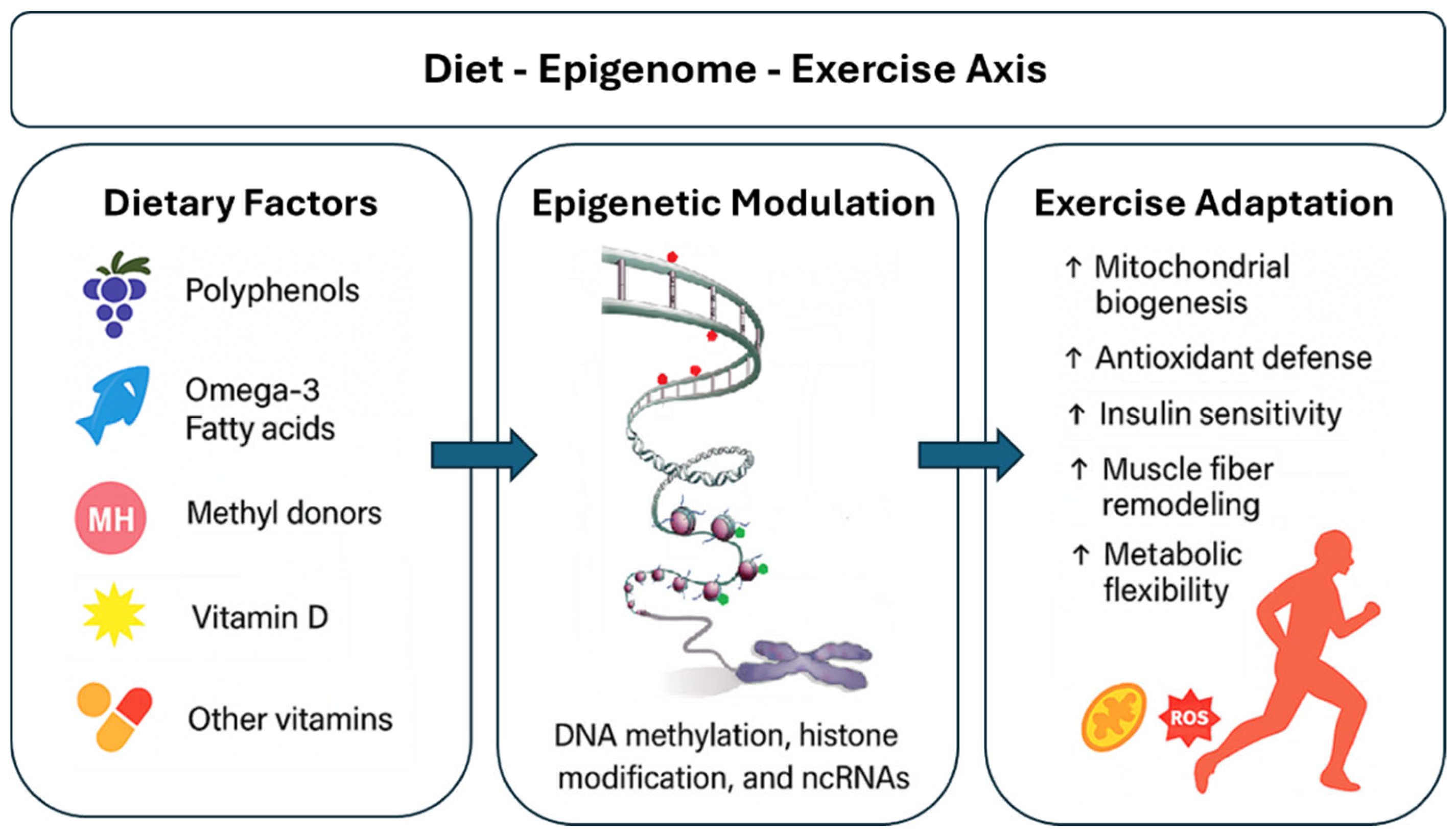
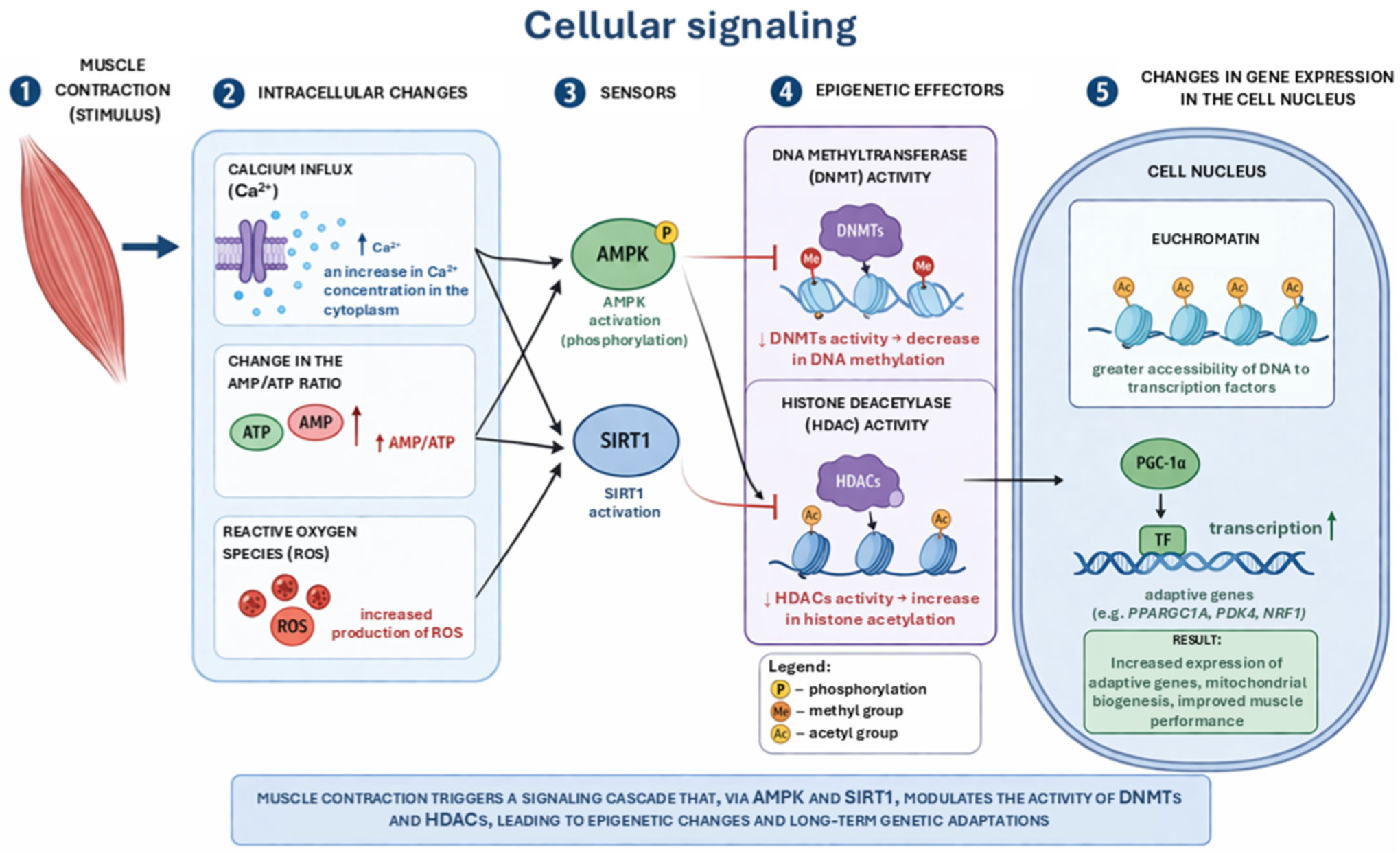
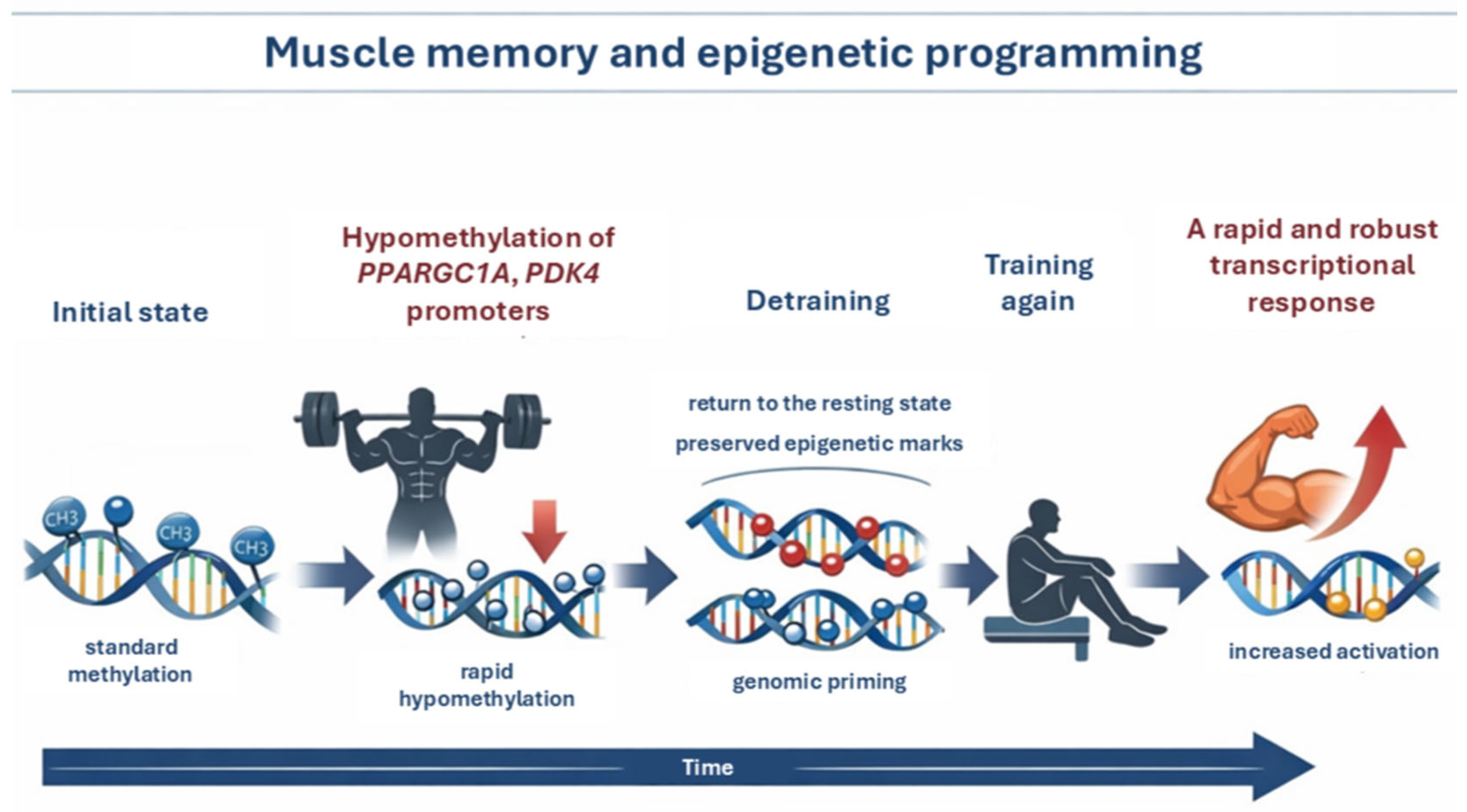
Exercise is a powerful environmental stimulus that acts as a potent epigenetic sculptor. It induces rapid and profound epigenetic remodeling in key tissues such as skeletal muscle, driving adaptation by altering the expression of genes related to mitochondrial biogenesis, muscle fiber type, and inflammation [6]. Because skeletal muscle is one of the most plastic tissues in the human body, it is particularly sensitive to epigenetic remodeling. Mechanical tension, metabolic stress, and endocrine signaling associated with exercise rapidly activate intracellular pathways that converge on chromatin-modifying enzymes. As a result, even acute exercise can induce measurable epigenetic shifts, which may accumulate over repeated sessions to support long-term phenotypic remodeling [7]. A single bout of exercise has been shown to trigger transient hypomethylation (a reduction in methylation levels) in the promoters of key metabolic genes such as PPARGC1A which encodes the peroxisome proliferator-activated receptor gamma coactivator 1-alpha (PGC-1α), resulting in increased transcriptional activity [8]. These epigenetic changes support enhanced mitochondrial biogenesis, improved glucose metabolism, and better oxidative capacity. Over longer-term interventions, such as endurance or combined training programs lasting several weeks or months, broader methylation changes occur across entire metabolic and signaling pathways, including those involved in insulin sensitivity, calcium signaling, and mitochondrial function [9,10]. Mechanistically, exercise-induced epigenetic remodeling is believed to arise from intracellular events linked to muscle contraction, such as calcium flux, altered AMP/ATP ratios, and the generation of reactive oxygen species, which affect the activity of methyltransferases and demethylases as well as the availability of methyl donors like S-adenosylmethionine (SAM). These biochemical shifts transiently reshape the epigenetic landscape, thereby modulating gene accessibility and transcriptional output [11]. Furthermore, growing evidence suggests that these epigenetic changes contribute to the so-called “muscle memory” phenomenon. Prior training can leave persistent epigenetic marks that enable a faster or more efficient adaptive response upon retraining [9,11]. In summary, exercise acts as an epigenetic architect, reprogramming skeletal muscle and other metabolic tissues through DNA methylation dynamics and related mechanisms (Figure 1).
These modifications fine-tune the expression of genes that govern mitochondrial biogenesis, inflammation, and energy metabolism, thereby forming a molecular bridge between physical activity and long-term health adaptation. Given the increasing interest in personalized training responses and precision nutrition, an up-to-date synthesis of how dietary compounds interact with exercise-induced epigenetic pathways is urgently needed. Despite rapid growth in the field, the current literature remains fragmented, with most studies focusing either on exercise epigenetics or nutritional epigenomics in isolation. This review addresses this gap by integrating these domains and highlighting nutriepigenetic strategies with potential practical relevance for athletes. Therefore, this review aims to explore novel research demonstrating that specific, targeted dietary supplements, often referred to as “nutriepigenetic” compounds, modulate exercise-induced epigenetic processes. By understanding this interplay, we can better appreciate the potential for these supplements to enhance and personalize the adaptive response to training.
The influence of environmental stimuli on epigenetic regulation extends beyond exercise alone and includes broader forms of environmental enrichment. Recent evidence suggests that enriched environmental conditions can modulate DNA methylation, histone modifications, and microRNA expression under stress-related conditions, supporting the concept that external lifestyle-related stimuli substantially contribute to epigenetic plasticity and adaptive responses [12]. Exercise may therefore be interpreted as one component of a wider environmental–epigenetic interaction network influencing physiological adaptation.

2. Exercise-Induced Epigenetic Regulation

The remarkable ability of skeletal muscle to adapt to training, a phenomenon often referred to as “muscle memory,” is fundamentally driven by epigenetic mechanisms. Exercise initiates complex signaling cascades that rapidly remodel the epigenetic landscape, ensuring that specific genes are activated at appropriate times to promote repair, growth, and metabolic efficiency [13]. Recent findings suggest that regular training is associated with a “younger” skeletal muscle methylome and coordinated transcriptomic shifts, reinforcing the notion that endurance and resistance exercise can slow epigenetic aging in muscle tissue [14].
Before delving into specific molecular pathways, it is important to clarify why the key genes discussed in this section matter for athletes. The products of genes such as PPARGC1A, PDK4 (pyruvate dehydrogenase kinase 4, PDK4), MEF2A (myocyte enhancer factor 2A, MEFA2), or PPARD (peroxisome proliferator-activated receptor δ, PPAR δ) regulate mitochondrial biogenesis, fuel selection, oxidative capacity, and contraction-induced remodeling, core determinants of endurance, metabolic flexibility, and recovery. Their epigenetic regulation therefore directly shapes athletic performance by controlling the efficiency of energy production, substrate utilization, and training adaptation.
A central component of this adaptive process is the regulation of mitochondrial biogenesis, governed by a complex transcriptional network. A key regulator within this network is PGC-1α, which is often described as the “master regulator” of mitochondrial biogenesis. Exercise-induced hypomethylation at the PPARGC1A promoter represents a pivotal mechanism enhancing mitochondrial remodeling, and similar epigenetic shifts occur in other metabolic genes [15]. Downstream targets of PGC-1α, including NRF1 (nuclear respiratory factor 1) and TFAM (mitochondrial transcription factor A) genes, are likewise epigenetically modulated to ensure coordinated mitochondrial proliferation and energy production. Direct human biopsy studies demonstrate that a single bout of exercise can remodel promoter methylation in key metabolic genes such as PPARGC1A, PDK4, and PPARD with acute hypomethylation closely paralleling increased transcriptional activity. The PDK4 gene encodes an enzyme that inhibits the pyruvate dehydrogenase complex, shifting substrate utilization from carbohydrate oxidation toward lipid metabolism, which is a key adaptation during endurance exercise. Epigenetic studies show that exercise-induced hypomethylation of the PDK4 promoter enhances its transcription, promoting metabolic flexibility and improved mitochondrial substrate selection [8]. Similarly, PPARδ is a nuclear receptor involved in fatty acid oxidation, muscle fiber-type switching, and mitochondrial function. Its expression increases after endurance exercise, accompanied by changes in DNA methylation and histone acetylation patterns that favor oxidative metabolism and resistance to fatigue [16].
In addition to PPARGC1A, several other genes are epigenetically modified in response to exercise, helping coordinate energy metabolism. The glucose transporter type 4 (SLC2A4; GLUT4) gene, which mediates insulin-dependent glucose uptake, exhibits reduced promoter methylation and enhanced expression after both acute and chronic exercise, leading to improved insulin sensitivity [10]. Likewise, carnitine palmitoyltransferase 1B (CPT1B), a rate-limiting enzyme in mitochondrial fatty acid transport, shows increased transcription following endurance training, reflecting enhanced oxidative capacity mediated by PPARδ activation [16,17]. Exercise also induces demethylation of MEF2A, which encodes a transcription factor involved in muscle fiber-type specification and glucose metabolism [10], as well as activation of NFE2L2 which encodes a nuclear factor erythroid 2-related factor 2 (NRF2), which regulates antioxidant and mitochondrial gene expression. Moreover, contraction-induced stimuli can trigger locus-specific 5hmC modifications in exercise-responsive genes, adding a regulatory layer to rapid transcriptional activation [18].
Together, these gene-specific epigenetic responses form a coordinated molecular network that optimizes mitochondrial function, substrate utilization, and antioxidant defense in exercising muscle. In parallel, exercise also modulates central metabolic sensors that integrate cellular energy status with the epigenetic machinery. AMP-activated protein kinase (AMPK) acts as a primary energy sensor, activated by a decline in the ATP/AMP ratio during exercise. This activation leads to the phosphorylation of multiple targets, including PGC-1α, and indirectly affects the activity of epigenetic enzymes. Similarly, sirtuin 1 (SIRT1), a NAD+-dependent histone deacetylase, responds to elevated NAD+ availability and promotes transcription of adaptive genes such as PPARGC1A (Figure 2) [19]. A recent meta-analysis supports the consistent upregulation of SIRT1 following structured exercise interventions, aligning molecular changes with improved metabolic and functional adaptations [20].
Beyond energy metabolism, exercise-induced epigenetic reprogramming also governs muscle remodeling and growth. Training activates genes that regulate myogenesis, extracellular matrix organization, and hypertrophic signaling pathways. For instance, myogenic differentiation 1 (MYOD1) and myogenin (MYOG), which are master regulators of satellite cell activation and differentiation, show altered histone acetylation and methylation states following resistance exercise, reflecting enhanced chromatin accessibility at promoter regions [11]. Likewise, MEF2A, which controls both muscle fiber-type specification and structural remodeling, undergoes promoter demethylation after endurance exercise, promoting transcriptional activation [10]. Long-term training can also leave persistent epigenetic marks on genes involved in muscle growth and protein synthesis, such as IGF1 (insulin-like growth factor 1, IGF-1), MSTN (myostatin), and FNDC5 (fibronectin type III domain-containing 5), supporting the concept of an epigenetic “memory” of previous training [11].
Exercise also reshapes inflammatory and stress response pathways through epigenetic regulation, balancing pro- and anti-inflammatory signaling to promote tissue resilience. Moderate increases in reactive oxygen species (ROS) and cytokine release during exercise trigger transcriptional activation of protective genes rather than causing damage. For instance, NFE2L2, which encodes a master regulator of antioxidant defense, is epigenetically upregulated through histone acetylation and promoter demethylation, leading to enhanced expression of downstream targets such as HMOX1 (heme oxygenase-1, HMOX1) and SOD2 (superoxide dismutase 2, SOD2) [21]. In parallel, transient methylation changes have been reported in pro-inflammatory cytokine genes, including IL6 (interleukin-6, IL-6) and TNF (tumor necrosis factor α, TNF-α), following acute exercise, reflecting the tightly controlled inflammatory signaling that facilitates recovery and adaptation [22]. These processes are further influenced by SIRT1 and AMPK activity, which suppress chronic inflammation by deacetylating nuclear factor kappa B (NF-κB) and enhancing antioxidant gene expression [19].
In addition to these epigenetic regulators, the methylenetetrahydrofolate reductase (MTHFR) gene (MTHFR) supports the maintenance of the methylation capacity required for exercise-induced epigenetic remodeling. MTHFR is a key enzyme in one-carbon metabolism, providing methyl groups necessary for DNA and histone methylation. Common polymorphisms, such as rs1801133, can reduce enzyme activity, altering methylation potential and affecting adaptive responses to training. Adequate folate and vitamin B12 availability is therefore essential to sustain optimal MTHFR activity, ensuring efficient epigenetic regulation of genes involved in energy metabolism, recovery, and muscle plasticity [23]. This genetic–epigenetic interplay suggests that an athlete’s MTHFR genotype may dictate their specific requirement for methyl donor supplementation to maintain the epigenetic flexibility needed for optimal training adaptation.
Beyond MTHFR, genetic variability in pathways related to antioxidant defense, inflammation, mitochondrial biogenesis, and nutrient metabolism may also influence exercise-induced epigenetic remodeling. Polymorphisms in genes such as PPARGC1A, VDR, SOD2, TNF, or fatty acid desaturase genes may partly determine individual responsiveness to nutritional interventions and adaptive training outcomes. These interactions further support the emerging concept of precision nutriepigenomics in sport.
Despite the rapid expansion of studies on exercise epigenetics and nutriepigenomics, no recent synthesis has focused specifically on how nutritional factors interact with exercise-induced epigenetic remodeling in athletes. Existing reviews typically address either molecular epigenetic mechanisms or sports nutrition in isolation. This creates a clear gap in the literature, which the present review aims to fill by integrating mechanistic, nutritional, and applied perspectives relevant to precision training.
This integrated framework also provides the necessary context for understanding downstream phenomena such as epigenetic muscle memory and the potential of nutritional compounds to modulate long-term training adaptations. Persistent DNA hypomethylation of key myogenic and metabolic genes creates a state of ‘genomic priming,’ allowing the muscle to respond more robustly to future training stimuli even after long periods of detraining. Crucially, this window of epigenetic susceptibility defines a strategic opportunity where targeted dietary interventions, discussed in the following section, can act to further stabilize or enhance these molecular blueprints of adaptation (Figure 3).

3. Dietary Supplements as Epigenetic Modulators in Exercise Adaptation

Recent studies indicate that nutritional compounds with bioactive properties are increasingly recognized as modulators of epigenetic pathways. While epigenetics describes how training stimuli remodel gene regulation, nutrigenetics explains why individuals differ in these responses. Nutritional bioactives add a third dimension by modulating these same regulatory pathways. Integrating these perspectives is essential to understand how molecular mechanisms, genetic variability, and nutrient-derived signals jointly shape training outcomes. Among the major supplement classes with potential epigenetic effects are polyphenols, omega-3 fatty acids, methyl donors, and selected vitamins. However, the strength of evidence varies substantially across compounds: while some supplements have well-characterized epigenetic mechanisms, others rely on preliminary findings or indirect mechanistic inference. The concept of “epigenetic nutrition” has therefore attracted increasing interest as a theoretical bridge between molecular biology and applied sports science [24]. The most relevant dietary supplements and their primary epigenetic mechanisms are summarized in Table 1, illustrating how these compounds may act not only as nutritional aids but also as molecular signals that influence long-term physiological adaptation to exercise. However, it should be emphasized that much of the current evidence supporting nutriepigenetic interventions originates from in vitro studies, animal models, or short-term human protocols. Therefore, functional implications for athletes should be interpreted cautiously, and categorical statements about performance benefits have been replaced with more nuanced formulations. Longitudinal randomized controlled trials conducted specifically in elite athletic populations remain limited, making it difficult to determine the long-term functional relevance of many reported epigenetic modifications.

3.1. Polyphenols

Polyphenols are an extensive and chemically diverse family of plant secondary metabolites, all built around one or more phenolic rings and present in many staple foods such as fruits, vegetables, tea, cocoa, and coffee. They are usually grouped into flavonoids (flavanols, flavan-3-ols/catechins, anthocyanins, isoflavones, etc.) and non-flavonoids (phenolic acids, stilbenes, tannins, and others). Across these subclasses, polyphenols show broad biological activities; they scavenge reactive oxygen species, modulate antioxidant enzymes, and influence inflammatory signaling pathways, which underpin reported antioxidant, anti-inflammatory, antimicrobial, and cytoprotective effects in humans [70].
In sports contexts, interest in polyphenols stems from their ability to influence redox and inflammatory pathways and to modulate signaling networks linked to mitochondrial biogenesis, glucose and lipid metabolism, sometimes via epigenetic mechanisms affecting gene expression in muscle and other tissues [70,71]. Recent evidence shows that polyphenols can directly modulate epigenetic regulators, including DNMTs, histone modification enzymes, and non-coding RNAs, influencing chromatin accessibility and transcriptional programs relevant to metabolic adaptation. For example, EGCG has been shown to impact histone acetylation and methylation patterns, confirming the potential of dietary polyphenols to reshape the epigenome [72].
Physical exercise itself is a potent epigenetic modulator. Both acute and chronic bouts of exercise induce changes in DNA methylation, histone acetylation, and non-coding RNA expression in skeletal muscle, contributing to the transcriptional reprogramming underlying improvements in mitochondrial function, oxidative capacity, and glucose regulation. These exercise-induced epigenetic modifications have been demonstrated in humans, with studies documenting dynamic methylation changes in genes involved in energy metabolism and muscle adaptation [73,74]. Such findings highlight that training exerts direct effects on the epigenome that support long-term phenotypic adaptations.
Current “precision” or nutrigenomic approaches propose tailoring polyphenol type and dose to an individual’s genetic and epigenetic background and their capacity to manage exercise-induced oxidative stress, rather than applying uniform antioxidant strategies [70]. Because both nutritional polyphenols and physical exercise influence overlapping epigenetic targets there is growing interest in the potential synergy between supplementation and training. Polyphenols such as EGCG or curcumin may modulate DNMT activity or influence SIRT-dependent deacetylation, indicating a potential—but still insufficiently confirmed—interaction with potentially amplifying exercise-induced transcriptional responses [75,76].
Several studies have investigated the interaction between exercise and resveratrol on molecular pathways associated with mitochondrial adaptation and metabolic regulation. Resveratrol supplementation may prolong SIRT1- and AMPK-related signaling induced by exercise, although evidence for consistent functional benefits in athletes remains limited [20]. While some studies suggest that resveratrol may modulate SIRT1- and AMPK-related pathways in response to exercise, most findings derive from animal models or small human trials, and the functional relevance for athletes remains uncertain. Although direct evidence in humans on combined resveratrol supplementation and exercise-induced epigenetic remodeling is sparse, the known SIRT1-mediated deacetylation of histones and metabolic regulators suggests that resveratrol may amplify the epigenetic aspects of exercise adaptation. Experimental and clinical findings demonstrating exercise-induced hypomethylation and increased histone acetylation at promoters of metabolic genes support this shared mechanistic basis [73]. However, these hypotheses require clearer validation in well-controlled trials.
Furthermore, recent human trials indicate that dietary polyphenols can influence global and locus-specific DNA methylation markers, including those associated with biological aging trajectories. A randomized controlled study showed that polyphenol-rich dietary interventions modulate DNA methylation-based aging biomarkers, providing evidence that supplementation alone can affect systemic epigenetic programming [77].

3.2. Omega-3 Fatty Acids

Omega-3 fatty acids, particularly EPA and DHA from marine sources (fatty fish, fish oil, algal oil), are of growing interest in sports because of their effects on muscle, inflammation, and cell membrane function. In athletes, the omega-3 index (EPA+DHA as a % of erythrocyte fatty acids) is often low, typically around 3–5%, with less than 1% of athletes reaching the ≥8% level associated with cardioprotection, suggesting that many have room for improvement through diet or supplementation [78,79]. Human studies have shown that increasing dietary n-3 PUFA can modify DNA methylation in blood cells, particularly in genes related to immune and inflammatory pathways [80]. These epigenetic effects are currently considered context-dependent and vary between tissues, study designs, and baseline nutritional status.
From a sports perspective, several trials and reviews indicate that EPA+DHA supplementation can attenuate some aspects of exercise-induced muscle damage and soreness, likely via anti-inflammatory effects and altered membrane properties. Studies in resistance and eccentric exercise models report that weeks of EPA+DHA supplementation can reduce loss of strength, limitation of range of motion, and delayed onset muscle soreness after damaging exercise bouts; however, the overall evidence remains inconsistent and effect sizes are generally small and variable across protocols and populations [81,82]. Recent systematic and narrative reviews conclude that omega-3 supplementation may have a supportive role primarily as a recovery aid, supporting muscle regeneration, limiting chronic inflammation, and possibly preserving muscle mass during high training loads or disuse, rather than as a consistently demonstrated ergogenic intervention for acute performance enhancement [83,84,85]. However, these conclusions are largely based on short-term interventions, and long-term training adaptations have not been sufficiently studied.
Human nutriepigenetic studies have demonstrated that n-3 PUFA supplementation can alter methylation patterns in genes involved in immune regulation, inflammation, lipid metabolism, and mitochondrial pathways. For example, a randomized clinical trial reported fish oil supplementation to be associated with measurable, locus-specific DNA methylation changes in inflammatory and metabolic genes in peripheral blood [80]. Other studies suggest that EPA and DHA incorporation into cell membranes may influence the activity of epigenetic enzymes, including DNA methyltransferases and histone-modifying proteins, thereby modulating transcriptional responses to metabolic stress and inflammation [81]. Nevertheless, direct causal links between these molecular changes and functional performance outcomes in athletes remain unclear.
The interaction between exercise and omega-3 fatty acids also has epigenetic implications. Aerobic exercise induces acute hypomethylation in skeletal muscle metabolic genes and modifies methylation in circulating immune cells [73]. When combined with n-3 PUFA supplementation, these changes have been reported in some studies to be more pronounced, with endurance exercise combined with omega-3 supplementation associated with more favorable DNA methylation patterns in pathways related to inflammation and immune function compared to exercise alone [86]. This suggests that omega-3-induced anti-inflammatory effects may potentially complement exercise-triggered metabolic signaling; however, their magnitude, reproducibility, and long-term physiological relevance in athletic populations remain insufficiently established.
The combination of aerobic exercise and n-3 PUFA supplementation has been shown to induce more pronounced and favorable DNA methylation changes in peripheral blood cells than exercise alone. This suggests that the anti-inflammatory epigenetic effects of omega-3s complement the acute metabolic signaling of exercise, creating a more robust adaptive environment for recovery and tissue repair [87]. However, current evidence does not yet allow firm conclusions regarding clinical or performance-relevant outcomes of these epigenetic modifications.

3.3. Methyl Donors

Methyl donors are the next group of nutrients that feed one-carbon metabolism, generating S-adenosylmethionine (SAM), the universal methyl donor for DNA, RNA, and histone methylation. Key components include folate, choline, betaine, methionine, as well as B2, B6, and B12 vitamins, which act as cofactors in this network. By altering SAM and S-adenosylhomocysteine (SAH) levels, these nutrients can modulate DNA methyltransferase activity and thereby influence global and gene-specific DNA methylation [88,89]. This regulatory effect is well established at the biochemical level, whereas its magnitude in specific physiological contexts, such as exercise adaptation, appears to be variable.
Human data show that higher dietary methyl donor scores are associated with a more favorable metabolic profile and lower odds of metabolically unhealthy obesity. In contrast, specific methyl donor patterns have been linked to differences in body composition and cardiometabolic risk [90]. Other studies report that variation in methyl donor intake can modify DNA methylation of genes involved in growth, lipid metabolism, and obesity risk, such as IGF2, LEP, and other metabolic regulators [91,92]. However, these associations are primarily observational and do not establish causality between dietary intake and long-term epigenetic remodeling.
Emerging human and mechanistic research also shows that methyl donors interact with pathways relevant for exercise responses. Physical activity itself increases the turnover of one-carbon metabolites, elevates demand for folate-dependent nucleotide synthesis, and alters homocysteine metabolism, suggesting that athletes may have unique methyl donor requirements compared to sedentary individuals [93,94]. Moreover, exercise has been shown to acutely reduce circulating folate and B12 levels, indicating that intense or prolonged training may transiently lower methylation capacity [95]. These findings suggest a potential interaction between training load and methyl donor availability, although the functional consequences remain insufficiently defined. One-carbon metabolism and methyl donor status are also increasingly discussed as modifiable determinants of the magnitude and persistence of training-induced epigenetic remodeling in skeletal muscle and other tissues, although direct intervention data in athletes are still limited [96]. Recent experimental studies demonstrate that altering methyl donor intake can influence exercise-responsive loci. For example, folate or choline deficiency has been associated with altered DNA methylation responses to endurance-type exercise in metabolic and mitochondrial genes, whereas adequate methyl donor availability appears to support more stable exercise-responsive methylation patterns in genes involved in mitochondrial biogenesis and metabolic adaptation, including PPARGC1A, NRF1, and TFAM [13,97]. Importantly, these findings are derived mainly from animal and limited human studies, which restricts their direct translation to athletic populations.
In practical terms, this suggests that maintaining adequate, but not excessive, intakes of methyl donors may in the future be considered within precision nutrition frameworks aimed at supporting exercise-induced epigenetic responses. However, this remains a theoretical application rather than an evidence-based recommendation. Given that excessive intake of certain methyl donors, particularly folic acid or methionine, may be associated with adverse metabolic or cardiovascular effects, future guidelines will need to balance sufficiency with safety and consider inter-individual variability related to genetics, baseline nutritional status, and training load [98]. At present, there is insufficient evidence to define athlete-specific methyl donor intake recommendations based on epigenetic outcomes.

3.4. Vitamins

Other vitamins also interact with training adaptations and, indirectly, with epigenetic regulation. Vitamin D is the most intensively studied in athletes. Cross-sectional data indicate that a large proportion of athletes, especially in indoor and winter sports, have insufficient 25(OH)D levels, which is associated with reduced muscle strength, impaired power, and a higher risk of illness and injury [99,100,101]. However, these associations are influenced by multiple confounding factors, including training load, sun exposure, and overall nutritional status. Mechanistic and interventional studies indicate that vitamin D, via the specific receptor (VDR), modulates myoblast proliferation and differentiation, fiber size, mitochondrial function, and the expression of genes involved in muscle anabolism, oxidative stress defense, and recovery after damage [102,103]. Because VDR signaling involves chromatin remodeling and transcriptional regulation of extensive gene networks, vitamin D is increasingly recognized as an epigenetically active micronutrient capable of shaping training-induced gene expression, particularly in skeletal muscle and immune cells [100,104]. Nevertheless, the extent to which these molecular effects translate into meaningful performance adaptations in athletes remains incompletely understood.
Recent large-scale trials, such as the DO-HEALTH study, indicate that combining vitamin D supplementation with omega-3 fatty acids and structured exercise can produce additive effects on slowing biological aging, as measured by DNA methylation clocks, suggesting a multi-nutrient strategy can synergistically support epigenetic health [86,105]. However, the clinical relevance of these changes for athletic performance or recovery has not yet been established.
In contrast, high-dose supplementation with the classical antioxidant vitamins C and E has raised concerns in sports. While some trials show that short-term (3–7-day) high-dose vitamin C and E may reduce markers of acute muscle damage and hemolysis following very strenuous efforts or competition [106]. Several studies and reviews report that chronic these vitamins supplementation during training may attenuate exercise-induced increases in mitochondrial proteins, anabolic signaling, and hypertrophy, particularly in younger or resistance-trained individuals [107,108,109,110]. The likely explanation is that supraphysiological antioxidant intake dampens redox-sensitive signaling pathways (e.g., PGC-1α-mediated mitochondrial biogenesis, mTOR-related hypertrophic signaling) that help drive training adaptation. Because many of these pathways converge on transcription factors and chromatin-modifying enzymes, excessive antioxidant vitamin use is increasingly seen as potentially counterproductive from an epigenetic adaptation standpoint, whereas obtaining vitamins C and E from a diet rich in fruits, vegetables, and nuts is considered safer and sufficient for most athletes [107,111]. Importantly, these findings are not fully consistent across studies, and individual responses may vary depending on training status and dietary background.
Supplementation targeting epigenetic pathways should be integrated into broader strategies like training periodization, recovery, and overall dietary quality. While polyphenols, omega-3s, methyl donors, and vitamins each influence gene regulation through different biochemical mechanisms, their combined effects are hypothesized to interact at the level of shared signaling and transcriptional networks. However, current evidence supporting meaningful synergistic epigenetic effects in athletes remains limited and largely indirect. At present, such interactions should be considered speculative and context-dependent rather than established physiological principles. These effects may vary according to genetic background, training intensity, and baseline nutrient status, highlighting the need for individualized nutritional approaches rather than generalized supplementation protocols.

4. Integrated Nutrient–Exercise Epigenetic Crosstalk

The interaction between nutrients and exercise is best understood as a coordinated regulatory system rather than a collection of isolated molecular pathways. Exercise provides a strong physiological stimulus, while nutrients shape the cellular context in which this stimulus is interpreted. The epigenome integrates these signals, translating metabolic and environmental cues into changes in gene expression that support adaptation. In this framework, nutrients do not act as primary drivers of adaptation, but rather as modulators of the magnitude, direction, and temporal dynamics of exercise-induced molecular responses, including those mediated by DNA methylation, histone modifications, and non-coding RNAs [112].

4.1. Shared Metabolic–Epigenetic Nodes Linking Nutrients and Exercise

Endurance and resistance exercise acutely modify flux through one-carbon metabolism by altering methyl group turnover, homocysteine cycling, and methionine availability. These shifts influence the synthesis of SAM, the universal methyl donor required for DNA and histone methylation. A large body of evidence demonstrates that physical activity modulates DNA methylation patterns in skeletal muscle and blood cells, often in pathways relevant to energy metabolism and mitochondrial function [13]. Nutrients such as folate, vitamins B6/B12, choline, betaine, and methionine regulate the SAM:SAH ratio [113], meaning that suboptimal intake may reduce the methylation responsiveness to training stimuli.
Training acutely increases intramuscular acetyl-CoA levels, modulates mitochondrial NAD+ turnover, and elevates the activity of redox-sensitive transcriptional regulators. These shifts directly influence the activity of HATs (histone acetyltransferase) and sirtuin deacetylases. Evidence shows that acute and chronic exercise remodel histone acetylation states through NAD+-dependent sirtuin activation [114]. Nutrients such as vitamin D, omega-3 fatty acids, polyphenols, and creatine can alter mitochondrial redox state or acetyl-CoA flux, thereby intersecting with exercise-induced changes in chromatin accessibility. For example, vitamin D regulates chromatin remodeling through VDR–coactivator complexes and influences DNA methylation enzymes [115], omega-3 fatty acids modulate inflammatory gene methylation and enhance mitochondrial function [116], polyphenols may influence NAD+-dependent SIRT1 activity, promoting mitochondrial biogenesis and antioxidant signaling [117]. This metabolic convergence provides a plausible route through which supplementation modulates the kinetics of mitochondrial biogenesis, inflammatory resolution, or myogenesis.

4.2. Synergistic or Competing Effects of Supplementation and Training Stimuli

The interaction between nutritional supplementation and exercise produces a spectrum of synergistic, neutral, or competing epigenetic effects that extend beyond classical pathways of chromatin remodeling described earlier. These interactions arise because dietary compounds and physical training simultaneously influence hormonal signaling, mitochondrial stress responses, circadian regulation, and immunometabolic pathways, all of which converge on the epigenome [118].
A key level of interaction involves exercise-induced hormonal and cytokine responses (e.g., cortisol, catecholamines, IGF-1, IL-6), which can be modulated in sensitivity rather than directly overridden by nutritional factors [119]. Supplements that modulate endocrine activity, such as vitamin D, creatine, and omega-3 fatty acids, can alter the transcriptional sensitivity of target tissues to these hormones. For example, vitamin D enhances VDR binding to glucocorticoid-responsive elements [115], potentially shaping how exercise-induced cortisol surges influence chromatin accessibility. Similarly, creatine availability affects IGF-1-mediated anabolic signaling, which is partly governed by histone modifications and transcription factor recruitment in muscle fibers [120].
Nutrient–exercise interactions also manifest at the level of mitochondrial stress adaptation, which is intimately linked to epigenetic regulation via metabolites such as α-ketoglutarate, fumarate, and succinate—cofactors or inhibitors of dioxygenases regulating DNA and histone demethylation. Intense exercise transiently increases these intermediates, and supplementation with compounds like polyphenols or omega-3 fatty acids may modify their turnover or mitochondrial redox state, thereby indirectly influencing TET and JmjC enzyme activity [121]. This represents a context in which metabolic and epigenetic remodeling occur in parallel, although the degree of functional synergy in humans remains uncertain. An additional, but often overlooked, regulatory axis is circadian timing, which influences epigenetic enzyme activity and transcriptional responsiveness [122]. Training performed at different times of day modulates the expression of clock-controlled genes such as BMAL1, PER2, and CRY1, many of which regulate chromatin modifiers. Nutrients including caffeine, polyphenols, and vitamin D have chronobiological effects, shifting or stabilizing circadian epigenetic rhythms [123]. When combined with exercise timing, supplementation may modulate circadian alignment of molecular responses; however, evidence in athletic populations remains limited.
Interactions also occur within immunometabolic pathways, as exercise acutely activates immune cells and induces inflammation-driven chromatin remodeling. Supplements such as omega-3 fatty acids, probiotics, and curcumin can redirect immune cell metabolism toward less inflammatory phenotypes, influencing histone acetylation and DNA methylation in circulating monocytes and lymphocytes during recovery [124]. These effects may contribute to a more regulated inflammatory resolution phase, although excessive suppression of inflammation could potentially interfere with adaptive remodeling processes.
Finally, nutrient–exercise crosstalk extends to the regulation of transcription factor networks that orchestrate adaptation. Compounds such as polyphenols, caffeine, or nitrate can modify the activation thresholds of key transcription factors (PGC-1α, NF-κB, FOXO3, and HIF-1α) whose downstream genomic effects depend on chromatin accessibility shaped by exercise [125,126]. These effects are likely dose- and context-dependent, and their translation into meaningful performance outcomes remains incompletely characterized.

4.3. The Role of Non-Coding RNAs in Nutrient–Exercise–Epigenetic Integration

Non-coding RNAs (ncRNAs), including microRNAs (miRNAs), long non-coding RNAs (lncRNAs), and emerging circular RNAs (circRNAs), represent a regulatory interface through which metabolic signals from both nutrients and exercise are translated into durable epigenetic and transcriptional outcomes. Their importance stems from the fact that ncRNAs function not only as downstream markers of cellular stress or adaptation, but also as active orchestrators of chromatin remodeling, transcriptional coordination, and post-transcriptional regulation in skeletal muscle and immune tissues [15].
Exercise induces pronounced and time-dependent shifts in the expression of muscle-enriched miRNAs (myomiRs), including miR-1, miR-133a, and miR-206, which regulate satellite cell activation, mitochondrial biogenesis, angiogenesis, and hypertrophic responses. These dynamics have been consistently demonstrated in human and rodent training studies [127]. Importantly, exercise-regulated miRNAs are also secreted into the circulation via extracellular vesicles, where they can influence gene expression in distant metabolic tissues, illustrating a systemic ncRNA-mediated mode of exercise communication [128].
Nutritional compounds further shape this ncRNA landscape. Vitamin D regulates miRNA expression profiles involved in immune regulation and stress responses, including inflammation-linked miRs such as miR-146a, miR-150, and miR-155 in adipocytes and macrophages, suggesting a mechanism by which vitamin D modulates gene regulatory networks via miRNA dynamics rather than solely via direct chromatin binding [129,130,131]. Dietary omega-3 polyunsaturated fatty acids modulate the expression of inflammation-associated microRNAs and influence metabolic pathways linked to mitochondrial and lipid metabolism [132]. Polyphenols modulate the expression of microRNAs implicated in oxidative stress and metabolic regulation, impacting inflammatory and metabolic pathways linked to metabolic flexibility [133]. Conversely, methyl donors (folate, choline, betaine, B-vitamins) can modulate miRNA expression patterns indirectly via effects on DNA methylation and epigenetic regulation mechanisms linked to one-carbon metabolism [134].
Beyond miRNAs, long non-coding RNAs act as scaffolds, guides, or decoys for chromatin-modifying complexes and other regulatory proteins, thereby influencing transcriptional programs in skeletal muscle following physical training. Endurance and resistance exercise training have been shown to differentially regulate the expression of multiple lncRNAs in skeletal muscle, with potential roles in pathways related to mitochondrial adaptation, fiber-type specification, and mechanosensitive signaling [135]. Nutrient status may additionally influence these processes through nuclear receptor signaling (e.g., VDR, PPARs), although evidence linking this directly to training adaptation remains limited.
Circular RNAs (circRNAs), defined by their covalently closed, exonuclease-resistant structures with high stability, are increasingly recognized as regulators of gene expression and metabolic processes in skeletal muscle. These molecules can act as miRNA sponges, transcriptional modulators, or scaffolds for protein complexes, and emerging evidence indicates that exercise interventions modulate non-coding RNA expression, including specific circRNAs, with potential roles in mitochondrial function, metabolic regulation, and adaptive responses to endurance versus resistance training stimuli [136]. Although research integrating circRNAs with sports supplementation is still emerging, their molecular properties suggest they may function as persistent mediators of nutrient–exercise interactions.
Collectively, nutrient–exercise interactions represent a multilayered regulatory system in which metabolic, hormonal, and RNA-mediated mechanisms converge on epigenetic regulation. While this framework helps explain how supplementation may influence adaptation, it is important to emphasize that most evidence remains experimental or indirect. From the perspective of sports nutrition, epigenetic regulation currently serves more as an explanatory framework than a fully actionable intervention tool.
At present, the most substantiated role of supplementation (polyphenols, omega-3 fatty acids, methyl donors, and selected vitamins) is to modulate the physiological context of training rather than to directly reprogram epigenetic outcomes in a predictable manner. Further research is required before these mechanisms can be translated into evidence-based recommendations for athletes.

5. Practical Applications and Ethical Considerations

The practical application of epigenetic modulation through dietary supplementation in sports represents an innovative intersection of molecular nutrition, performance physiology, and personalized medicine. Epigenetic regulation is a dynamic process responsive to physiological stimuli, and physical exercise itself constitutes one of the strongest modulators of epigenetic marks in skeletal muscle and other tissues, driving adaptations relevant to energy metabolism, mitochondrial biogenesis, and structural remodeling [137]. These interventions are designed to fine-tune, rather than replace, the body’s natural adaptive mechanisms by influencing epigenetic marks. Regular physical exercise itself is one of the strongest epigenetic stimuli, but targeted supplementation may augment specific pathways of adaptation. In this context, targeted nutritional strategies are best viewed as tools to bias or support distinct cascades, such as mitochondrial biogenesis, inflammation resolution, or hypertrophic signaling [137].
From an applied standpoint, supplementation should be individualized and periodized according to the athlete’s training cycle, baseline nutrient status, and, where available, relevant genetic or epigenetic information. The field of sport nutrigenomics emphasizes that inter-individual differences in genes related to nutrient metabolism, inflammation, and antioxidant defense can influence both performance outcomes and responses to dietary strategies [138]. In practice, this means that the same supplement (for example, omega-3 fatty acids or vitamin D) may have minimal additional effect in a well-nourished athlete, but a measurable molecular and functional impact in an athlete with a clear deficiency or suboptimal status [85,139,140].
Effective implementation of epigenetically informed supplementation in sport requires systematic monitoring of relevant biomarkers rather than empirical dosing. Biomarker assessment, such as serum 25(OH)D for vitamin D status, an erythrocyte omega-3 index for n-3 PUFA, and selected markers of inflammation or one-carbon metabolism (e.g., homocysteine, folate, vitamin B12), helps to identify athletes who are likely to benefit most from supplementation, tailor doses and timing to the individual, and avoid chronic over-supplementation with little added benefit. This biomarker-guided approach is consistent with broader efforts to link nutrition, exercise, and biological aging using epigenetic clocks, as seen in recent trials combining vitamin D, omega-3, and structured exercise in older adults to assess effects on epigenetic age [86]. Additionally, the optimal dose for epigenetic effects often exceeds standard dietary recommendations, and the duration of supplementation must be sufficient to stabilize epigenetic modifications, which may require sustained intake over weeks or months. The timing of supplement intake relative to training can influence adaptive responses. For instance, post-exercise ingestion of anti-inflammatory bioactives such as omega-3 fatty acids or polyphenols may favorably modulate post-exercise inflammatory and epigenetic signaling, whereas continuous provision of methyl donors supports maintenance of methylation capacity in tissues undergoing repeated rounds of transcriptional regulation and repair.
It is important to acknowledge that most of the current evidence on diet–epigenome interactions comes from clinical or general populations rather than from elite sport. While these studies are not conducted in high-performance athletes, they illustrate the methodological framework for integrating molecular markers into personalized interventions. Reviews of nutriepigenetics and sport nutrigenomics emphasize that, although mechanistic and early clinical data are promising, robust randomized controlled trials directly linking specific epigenetic changes to meaningful performance or recovery outcomes in athletes are still scarce [137]. Furthermore, many available studies assess surrogate molecular endpoints rather than direct sport-specific performance outcomes, which limits the immediate translation of mechanistic findings into evidence-based athletic practice. In addition, the available literature is characterized by substantial heterogeneity in study design, supplementation protocols, participant training status, epigenetic endpoints, and intervention duration, which complicates direct comparisons between studies and limits the generalizability of findings. As a result, the practical application of epigenetically targeted supplementation should be conservative and context-dependent. These strategies are best used as adjuncts layered onto well-structured training, adequate energy availability, high-quality diet, and sufficient sleep, rather than as stand-alone performance enhancers.
The ethical landscape surrounding epigenetic supplementation in sport is nuanced. While the consumption of nutrients for health and performance is well established, the deliberate manipulation of gene expression, even though natural dietary compounds, raises questions about fairness, long-term safety, and the potential erosion of sporting integrity [141,142]. If such interventions provide molecular advantages that persist beyond the supplementation period, they may blur the line between permissible enhancement and genetic modification. Informed consent and athlete education are essential ethical safeguards. Practitioners must clearly communicate the experimental nature of epigenetic interventions and avoid overstating benefits or minimizing uncertainties [143,144]. Athletes should be empowered to make informed decisions about supplement use, supported by transparent data and independent scientific oversight. Furthermore, equity of access remains a pressing concern. Advanced nutriepigenetic formulations or personalized interventions may be costly, creating disparities in access and potentially widening the performance gap between elite and resource-limited athletes. Ensuring fair distribution and open access to knowledge is a matter of both sporting justice and global health ethics [145,146].
Ultimately, the responsible integration of epigenetic nutrition in sports must balance innovation with integrity. Interventions should prioritize athlete well-being, fairness, and transparency, aligning with the ethical principles outlined by international sporting bodies. Enhancement should never compromise safety or equity, and ongoing interdisciplinary research will be essential to clarify not only the scientific efficacy but also the moral legitimacy of epigenetic supplementation in human performance [141,145].

6. Future Directions

The next decade is likely to gradually expand our understanding of how epigenetic information is used in sport, shifting the concept of an “epigenetic edge” from theoretical frameworks toward more cautiously interpreted applied research contexts. Large-scale epigenome-wide association studies (EWAS) in athletes are expected to play an important exploratory role, although their practical translation remains limited. By scanning hundreds of thousands of CpG sites across the genome, EWAS can identify methylation patterns associated with specific training phenotypes (e.g., endurance vs. strength specialists), exercise responsiveness, and susceptibility to overuse injury or illness. Early work already shows that elite endurance- and strength-trained athletes display distinct DNA methylation profiles in exercise-responsive genes compared with untrained controls, and that methylation at key regulatory loci correlates with physiological traits such as VO2peak [147]. Recent EWAS-scale analyses in elite soccer players further demonstrate that blood DNA methylation signatures can discriminate between athletes with higher versus lower non-contact injury risk, and link epigenetic age acceleration to widespread hypomethylation patterns [148]. Such approaches foreshadow potential future biomarker development for monitoring training adaptation, although clinical or practical implementation in sport is still premature.
A parallel avenue will be the refinement of epigenetic clocks and age-related biomarkers in high-performance sport. Epigenetic age estimators based on DNA methylation already reveal that elite athletes can differ from the general population in biological age, and that training load and injury history may leave detectable marks on methylation-derived age acceleration. Longitudinal studies that repeatedly measure epigenetic clocks over seasons, alongside performance metrics and injury surveillance, could in the long term potentially support their use for monitoring cumulative stress, recovery sufficiency, and long-term health trajectories in professional sport [149,150]. However, their current utility in day-to-day training decision-making remains unproven.
Advances in sequencing technology will further deepen mechanistic insight. Long-read sequencing and, especially, single-cell and single-nucleus approaches are already transforming our understanding of exercise adaptation at the level of individual cell types within muscle and other tissues. Single-cell RNA sequencing in human skeletal muscle has shown that acute and chronic exercise remodel the composition and transcriptional state of multiple cell populations, including myofibers, satellite cells, endothelial cells, and fibro-adipogenic progenitors [151]. Integrated single-cell multiome studies that combine transcriptomics with chromatin accessibility in the same nucleus now map how endurance exercise rewires gene regulatory circuits in specific muscle cell types. Extending these designs to single-cell methylomics will allow precise localization of DNA methylation changes to distinct fiber types or stem cell niches [152,153] although direct evidence linking such cell-specific epigenetic differences to athletic performance outcomes is still lacking.
Beyond individual technologies, future research will increasingly move toward multi-omics integration. Flagship projects such as the MoTrPAC endurance-training consortium have demonstrated how combining transcriptomics, proteomics, metabolomics, and epigenomic readouts across multiple tissues can generate a whole-organism map of training adaptations [154]. In sports science, emerging concepts such as “enduromics” and “resistomics” explicitly frame endurance- and resistance-training responses as multi-layered biological processes. However, these frameworks remain primarily research-oriented and require further validation before influencing applied sport practice. Importantly, when multi-omic approaches include nutritional and supplementation-related data, they may eventually help to better contextualize individual variability in response to training and diet, although such predictive applications remain speculative [152,155,156].
For epigenetic nutrition specifically, the most promising future direction lies in its integration into precision nutrition frameworks. Sport nutrigenomics already highlights how genetic variability in nutrient metabolism, inflammatory pathways, and antioxidant defenses modulates responses to diet and supplements; adding longitudinal epigenetic measures will help determine whether particular dietary patterns or compounds induce durable, beneficial shifts in gene regulation [138,156]. In this context, supplements with proposed epigenetic activity remain the most immediately relevant and practically investigated interface between nutrition and exercise-induced epigenetic adaptation.
An important challenge for future research will be the standardization of study design, training protocols, supplementation strategies, and epigenetic outcome measures. The heterogeneity of current methodologies complicates comparisons across studies and limits the development of clear practical recommendations for athletes.
Taken together, these developments suggest that the “epigenetic edge” in sport will increasingly be defined not by single nutrients or isolated biomarkers, but by integrated, multi-layered models of adaptation that combine EWAS data, single-cell and multi-omic technologies, and nutrigenomic profiling within a rigorous, ethically grounded framework. At present, however, most proposed nutriepigenetic applications remain mechanistically interesting but insufficiently validated for implementation in athletic practice, particularly in relation to supplementation strategies.

Author Contributions

Conceptualization, A.L.-D. and M.S.; methodology, A.L.-D. and P.M.; validation, A.L.-D. and M.S.; formal analysis, A.L.-D., P.M. and M.S.; investigation, A.L.-D., P.M. and M.S.; data curation, A.L.-D. and, P.M.; writing—original draft preparation, A.L.-D. and P.M.; writing—review and editing, A.L.-D. and M.S.; visualization, A.L.-D. and, P.M.; supervision, A.L.-D. and P.M.; project administration, M.S.; funding acquisition, M.S. All authors have read and agreed to the published version of the manuscript.

Funding

This research received no external funding.

Institutional Review Board Statement

Not applicable.

Informed Consent Statement

Not applicable.

Data Availability Statement

No new data were created or analyzed in this study.

Conflicts of Interest

The authors declare no conflicts of interest.

Abbreviations

The following abbreviations are used in this manuscript:
DNAdeoxyribonucleic acid
RNAribonucleic acid
ncRNAnon-coding RNAs
miRNAmicro-RNA
PPARGC1Aperoxisome proliferator-activated receptor gamma coactivator 1-alpha gene
PGC-1αperoxisome proliferator-activated receptor gamma coactivator 1-alpha
AMPadenosine monophosphate
ATPadenosine triphosphate
SAMS-adenosylmethionine
NADnicotinamide adenine dinucleotide
NRF1nuclear respiratory factor 1 gene
TFAMmitochondrial transcription factor A gene
PDK4pyruvate dehydrogenase kinase 4 gene
PDK4pyruvate dehydrogenase kinase 4
PPARDperoxisome proliferator-activated receptor δ gene
PPARδperoxisome proliferator-activated receptor delta
SLC2A4; GLUT4glucose transporter type 4 gene
CPT1Bcarnitine palmitoyltransferase 1B
MEF2Amyocyte enhancer factor 2A gene
MEF2Amyocyte enhancer factor 2A
NFE2L2nuclear factor erythroid 2-related factor 2 gene
NRF2nuclear factor erythroid 2-related factor 2
5hmC5-hydroxymethylcytosine
AMPKAMP-activated protein kinase
SIRT1sirtuin 1
MYOD1myogenic differentiation 1
MYOGmyogenin
DNMTsmethyltransferases
HDACshistone deacetylases
ROSreactive oxygen species
IGF1insulin-like growth factor 1 gene
IGF1insulin-like growth factor 1
MSTNmyostatin
FNDC5fibronectin type III do-main-containing 5
HMOX1heme oxygenase-1
SOD2superoxide dismutase 2
IL6interleukin-6 gene
IL-6interleukin-6
TNFtumor necrosis factor α gene
TNF-αtumor necrosis factor α
NF-κBnuclear factor kappa B
MTHFRmethylenetetrahydrofolate reductase gene
MTHFRmethylenetetrahydrofolate reductase
EGCGepigallocatechin gallate
EPAeicosapentaenoic acid
DHAdocosahexaenoic acid
VO2maxmaximal oxygen uptake
n-3 PUFAomega-3 polyunsaturated fatty acids
SAHS-adenosylhomocysteine
IGF2insulin-like growth factor 2 gene
LEPleptin gene
25(OH)D25-hydroxyvitamin D
VDRvitamin D receptor
DO-HEALTH studyVitamin D3–Omega-3–Home Exercise–Healthy Ageing and Longevity Trial
mTORmechanistic target of rapamycin
HAThistone acetyltransferase
TETten-eleven translocation enzyme
JmjCJumonji C domain-containing enzyme
BMAL1brain and muscle ARNT-like 1 gene
PER2period circadian regulator 2 gene
CRY1cryptochrome circadian regulator 1 gene
FOXO3forkhead box O3
HIF-1αhypoxia-inducible factor 1-alpha
lncRNAslong non-coding RNAs
circRNAscircular RNAs
myomiRsmuscle-enriched miRNAs
EWASepigenome-wide association studies
CpGcytosine-phosphate-guanine
VO2peakpeak oxygen uptake
MoTrPACMolecular Transducers of Physical Activity Consortium

References

  1. Allis, C.D.; Jenuwein, T. The Molecular Hallmarks of Epigenetic Control. Nat. Rev. Genet. 2016, 17, 487–500. [Google Scholar] [CrossRef] [PubMed]
  2. Li, Y. Modern Epigenetics Methods in Biological Research. Methods 2021, 187, 104–113. [Google Scholar] [CrossRef]
  3. Zhang, L.; Lu, Q.; Chang, C. Epigenetics in Health and Disease. Adv. Exp. Med. Biol. 2020, 1253, 3–55. [Google Scholar] [CrossRef]
  4. Fenech, M.; El-Sohemy, A.; Cahill, L.; Ferguson, L.R.; French, T.-A.C.; Tai, E.S.; Milner, J.; Koh, W.-P.; Xie, L.; Zucker, M.; et al. Nutrigenetics and Nutrigenomics: Viewpoints on the Current Status and Applications in Nutrition Research and Practice. J. Nutr. Nutr. 2011, 4, 69–89. [Google Scholar] [CrossRef]
  5. Puthucheary, Z.; Skipworth, J.R.A.; Rawal, J.; Loosemore, M.; Van Someren, K.; Montgomery, H.E. Genetic Influences in Sport and Physical Performance. Sports Med. 2011, 41, 845–859. [Google Scholar] [CrossRef] [PubMed]
  6. Barrón-Cabrera, E.; Ramos-Lopez, O.; González-Becerra, K.; Riezu-Boj, J.I.; Milagro, F.I.; Martínez-López, E.; Martínez, J.A. Epigenetic Modifications as Outcomes of Exercise Interventions Related to Specific Metabolic Alterations: A Systematic Review. Lifestyle Genom. 2019, 12, 25–44. [Google Scholar] [CrossRef] [PubMed]
  7. Frontera, W.R.; Ochala, J. Skeletal Muscle: A Brief Review of Structure and Function. Calcif. Tissue Int. 2015, 96, 183–195. [Google Scholar] [CrossRef]
  8. Barrès, R.; Yan, J.; Egan, B.; Treebak, J.T.; Rasmussen, M.; Fritz, T.; Caidahl, K.; Krook, A.; O’Gorman, D.J.; Zierath, J.R. Acute Exercise Remodels Promoter Methylation in Human Skeletal Muscle. Cell Metab. 2012, 15, 405–411. [Google Scholar] [CrossRef]
  9. Lindholm, M.E.; Giacomello, S.; Werne Solnestam, B.; Fischer, H.; Huss, M.; Kjellqvist, S.; Sundberg, C.J. The Impact of Endurance Training on Human Skeletal Muscle Memory, Global Isoform Expression and Novel Transcripts. PLoS Genet. 2016, 12, e1006294. [Google Scholar] [CrossRef]
  10. Nitert, M.D.; Dayeh, T.; Volkov, P.; Elgzyri, T.; Hall, E.; Nilsson, E.; Yang, B.T.; Lang, S.; Parikh, H.; Wessman, Y.; et al. Impact of an Exercise Intervention on DNA Methylation in Skeletal Muscle from First-Degree Relatives of Patients with Type 2 Diabetes. Diabetes 2012, 61, 3322–3332. [Google Scholar] [CrossRef]
  11. Seaborne, R.A.; Strauss, J.; Cocks, M.; Shepherd, S.; O’Brien, T.D.; van Someren, K.A.; Bell, P.G.; Murgatroyd, C.; Morton, J.P.; Stewart, C.E.; et al. Human Skeletal Muscle Possesses an Epigenetic Memory of Hypertrophy. Sci. Rep. 2018, 8, 1898. [Google Scholar] [CrossRef]
  12. de Sousa Fernandes, M.S.; Costa, M.R.; Badicu, G.; Yagin, F.H.; Santos, G.C.J.; da Costa, J.M.; de Souza, R.F.; Lagranha, C.J.; Ardigò, L.P.; Souto, F.O. Can Environmental Enrichment Modulate Epigenetic Processes in the Central Nervous System Under Adverse Environmental Conditions? A Systematic Review. Cell Mol. Neurobiol. 2024, 44, 69. [Google Scholar] [CrossRef]
  13. Voisin, S.; Eynon, N.; Yan, X.; Bishop, D.J. Exercise Training and DNA Methylation in Humans. Acta Physiol. 2015, 213, 39–59. [Google Scholar] [CrossRef]
  14. Voisin, S.; Seale, K.; Jacques, M.; Landen, S.; Harvey, N.R.; Haupt, L.M.; Griffiths, L.R.; Ashton, K.J.; Coffey, V.G.; Thompson, J.-L.M.; et al. Exercise Is Associated with Younger Methylome and Transcriptome Profiles in Human Skeletal Muscle. Aging Cell 2024, 23, e13859. [Google Scholar] [CrossRef] [PubMed]
  15. Plaza-Diaz, J.; Izquierdo, D.; Torres-Martos, Á.; Baig, A.T.; Aguilera, C.M.; Ruiz-Ojeda, F.J. Impact of Physical Activity and Exercise on the Epigenome in Skeletal Muscle and Effects on Systemic Metabolism. Biomedicines 2022, 10, 126. [Google Scholar] [CrossRef] [PubMed]
  16. Gan, Z.; Burkart-Hartman, E.M.; Han, D.-H.; Finck, B.; Leone, T.C.; Smith, E.Y.; Ayala, J.E.; Holloszy, J.; Kelly, D.P. The Nuclear Receptor PPARβ/δ Programs Muscle Glucose Metabolism in Cooperation with AMPK and MEF2. Genes Dev. 2011, 25, 2619–2630. [Google Scholar] [CrossRef] [PubMed]
  17. Quinn, L.S.; Anderson, B.G.; Conner, J.D.; Wolden-Hanson, T. IL-15 Overexpression Promotes Endurance, Oxidative Energy Metabolism, and Muscle PPARδ, SIRT1, PGC-1α, and PGC-1β Expression in Male Mice. Endocrinology 2013, 154, 232–245. [Google Scholar] [CrossRef]
  18. Pattamaprapanont, P.; Garde, C.; Fabre, O.; Barrès, R. Muscle Contraction Induces Acute Hydroxymethylation of the Exercise-Responsive Gene Nr4a3. Front. Endocrinol. 2016, 7, 165. [Google Scholar] [CrossRef]
  19. Radak, Z.; Suzuki, K.; Posa, A.; Petrovszky, Z.; Koltai, E.; Boldogh, I. The Systemic Role of SIRT1 in Exercise Mediated Adaptation. Redox Biol. 2020, 35, 101467. [Google Scholar] [CrossRef]
  20. Juan, C.G.; Matchett, K.B.; Davison, G.W. A Systematic Review and Meta-Analysis of the SIRT1 Response to Exercise. Sci. Rep. 2023, 13, 14752. [Google Scholar] [CrossRef]
  21. Done, A.J.; Gage, M.J.; Nieto, N.C.; Traustadóttir, T. Exercise-Induced Nrf2-Signaling Is Impaired in Aging. Free Radic. Biol. Med. 2016, 96, 130–138. [Google Scholar] [CrossRef]
  22. Denham, J.; Marques, F.Z.; Bruns, E.L.; O’Brien, B.J.; Charchar, F.J. Epigenetic Changes in Leukocytes after 8 Weeks of Resistance Exercise Training. Eur. J. Appl. Physiol. 2016, 116, 1245–1253. [Google Scholar] [CrossRef]
  23. Castro, R.; Rivera, I.; Blom, H.J.; Jakobs, C.; Tavares de Almeida, I. Homocysteine Metabolism, Hyperhomocysteinaemia and Vascular Disease: An Overview. J. Inherit. Metab. Dis. 2006, 29, 3–20. [Google Scholar] [CrossRef] [PubMed]
  24. Carlberg, C.; Velleuer, E. Nutrition and Epigenetic Programming. Curr. Opin. Clin. Nutr. Metab. Care 2023, 26, 259–265. [Google Scholar] [CrossRef] [PubMed]
  25. Lagouge, M.; Argmann, C.; Gerhart-Hines, Z.; Meziane, H.; Lerin, C.; Daussin, F.; Messadeq, N.; Milne, J.; Lambert, P.; Elliott, P.; et al. Resveratrol Improves Mitochondrial Function and Protects against Metabolic Disease by Activating SIRT1 and PGC-1α. Cell 2006, 127, 1109–1122. [Google Scholar] [CrossRef]
  26. Huang, C.-C.; Lee, M.-C.; Ho, C.-S.; Hsu, Y.-J.; Ho, C.-C.; Kan, N.-W. Protective and Recovery Effects of Resveratrol Supplementation on Exercise Performance and Muscle Damage Following Acute Plyometric Exercise. Nutrients 2021, 13, 3217. [Google Scholar] [CrossRef]
  27. Hodaei, H.; Adibian, M.; Nikpayam, O.; Hedayati, M.; Sohrab, G. The Effect of Curcumin Supplementation on Anthropometric Indices, Insulin Resistance and Oxidative Stress in Patients with Type 2 Diabetes: A Randomized, Double-Blind Clinical Trial. Diabetol. Metab. Syndr. 2019, 11, 41. [Google Scholar] [CrossRef]
  28. Takahashi, M.; Suzuki, K.; Kim, H.K.; Otsuka, Y.; Imaizumi, A.; Miyashita, M.; Sakamoto, S. Effects of Curcumin Supplementation on Exercise-Induced Oxidative Stress in Humans. Int. J. Sports Med. 2014, 35, 469–475. [Google Scholar] [CrossRef] [PubMed]
  29. Basham, S.A.; Waldman, H.S.; Krings, B.M.; Lamberth, J.; Smith, J.W.; McAllister, M.J. Effect of Curcumin Supplementation on Exercise-Induced Oxidative Stress, Inflammation, Muscle Damage, and Muscle Soreness. J. Diet. Suppl. 2020, 17, 401–414. [Google Scholar] [CrossRef]
  30. Mallard, A.R.; Briskey, D.; Richards BExSSc, A.; Rao, A. Curcumin Improves Delayed Onset Muscle Soreness and Postexercise Lactate Accumulation. J. Diet. Suppl. 2021, 18, 531–542. [Google Scholar] [CrossRef]
  31. Bazzucchi, I.; Patrizio, F.; Ceci, R.; Duranti, G.; Sabatini, S.; Sgrò, P.; Di Luigi, L.; Sacchetti, M. Quercetin Supplementation Improves Neuromuscular Function Recovery from Muscle Damage. Nutrients 2020, 12, 2850. [Google Scholar] [CrossRef]
  32. Patrizio, F.; Ditroilo, M.; Felici, F.; Duranti, G.; De Vito, G.; Sabatini, S.; Sacchetti, M.; Bazzucchi, I. The Acute Effect of Quercetin on Muscle Performance Following a Single Resistance Training Session. Eur. J. Appl. Physiol. 2018, 118, 1021–1031. [Google Scholar] [CrossRef]
  33. Nieman, D.C.; Williams, A.S.; Shanely, R.A.; Jin, F.; McAnulty, S.R.; Triplett, N.T.; Austin, M.D.; Henson, D.A. Quercetin’s Influence on Exercise Performance and Muscle Mitochondrial Biogenesis. Med. Sci. Sports Exerc. 2010, 42, 338–345. [Google Scholar] [CrossRef]
  34. Baynham, R.; Veldhuijzen van Zanten, J.J.C.S.; Johns, P.W.; Pham, Q.S.; Rendeiro, C. Cocoa Flavanols Improve Vascular Responses to Acute Mental Stress in Young Healthy Adults. Nutrients 2021, 13, 1103. [Google Scholar] [CrossRef]
  35. Sansone, R.; Rodriguez-Mateos, A.; Heuel, J.; Falk, D.; Schuler, D.; Wagstaff, R.; Kuhnle, G.G.C.; Spencer, J.P.E.; Schroeter, H.; Merx, M.W.; et al. Cocoa Flavanol Intake Improves Endothelial Function and Framingham Risk Score in Healthy Men and Women: A Randomised, Controlled, Double-Masked Trial: The Flaviola Health Study. Br. J. Nutr. 2015, 114, 1246–1255. [Google Scholar] [CrossRef]
  36. Rudenga, K.; Small, D. Amygdala Response to Sucrose Consumption Is Inversely Related to Artificial Sweetener Use. Appetite 2012, 58, 504–507. [Google Scholar] [CrossRef] [PubMed]
  37. Geist, M.J.P.; Egerer, G.; Burhenne, J.; Riedel, K.-D.; Weiss, J.; Mikus, G. Steady-State Pharmacokinetics and Metabolism of Voriconazole in Patients. J. Antimicrob. Chemother. 2013, 68, 2592–2599. [Google Scholar] [CrossRef]
  38. Machado, Á.S.; da Silva, W.; Souza, M.A.; Carpes, F.P. Green Tea Extract Preserves Neuromuscular Activation and Muscle Damage Markers in Athletes Under Cumulative Fatigue. Front. Physiol. 2018, 9, 1137. [Google Scholar] [CrossRef]
  39. Richards, J.C.; Lonac, M.C.; Johnson, T.K.; Schweder, M.M.; Bell, C. Epigallocatechin-3-Gallate Increases Maximal Oxygen Uptake in Adult Humans. Med. Sci. Sports Exerc. 2010, 42, 739–744. [Google Scholar] [CrossRef] [PubMed]
  40. Igawa, T.; Hara, T.; Ishizaka, M.; Sawaya, Y.; Ito, A.; Yakabi, A.; Kubo, A. Changes in Muscle Strength and Endurance of Professional Cyclists Due to PycnoRacerTM. J. Phys. Ther. Sci. 2021, 33, 339–344. [Google Scholar] [CrossRef] [PubMed]
  41. Hara, T.; Igawa, T.; Ishizaka, M.; Sawaya, Y.; Ito, A.; Yakabi, A.; Kubo, A. Effects of Pycnogenol-Containing Supplement on Professional Cycling Performance: A Single-Group Pretest-Posttest Pilot Study. J. Phys. Fit. Sports Med. 2021, 10, 219–224. [Google Scholar] [CrossRef]
  42. Bowtell, J.L.; Sumners, D.P.; Dyer, A.; Fox, P.; Mileva, K.N. Montmorency Cherry Juice Reduces Muscle Damage Caused by Intensive Strength Exercise. Med. Sci. Sports Exerc. 2011, 43, 1544–1551. [Google Scholar] [CrossRef]
  43. Bell, P.G.; Stevenson, E.; Davison, G.W.; Howatson, G. The Effects of Montmorency Tart Cherry Concentrate Supplementation on Recovery Following Prolonged, Intermittent Exercise. Nutrients 2016, 8, 441. [Google Scholar] [CrossRef] [PubMed]
  44. Brown, M.A.; Stevenson, E.J.; Howatson, G. Montmorency Tart Cherry (Prunus cerasus L.) Supplementation Accelerates Recovery from Exercise-Induced Muscle Damage in Females. Eur. J. Sport. Sci. 2019, 19, 95–102. [Google Scholar] [CrossRef] [PubMed]
  45. Oh, J.-K.; Shin, Y.-O.; Yoon, J.-H.; Kim, S.H.; Shin, H.-C.; Hwang, H.J. Effect of Supplementation with Ecklonia Cava Polyphenol on Endurance Performance of College Students. Int. J. Sport. Nutr. Exerc. Metab. 2010, 20, 72–79. [Google Scholar] [CrossRef] [PubMed]
  46. Shin, H.-C.; Kim, S.H.; Park, Y.; Lee, B.H.; Hwang, H.J. Effects of 12-Week Oral Supplementation of Ecklonia Cava Polyphenols on Anthropometric and Blood Lipid Parameters in Overweight Korean Individuals: A Double-Blind Randomized Clinical Trial. Phytother. Res. 2012, 26, 363–368. [Google Scholar] [CrossRef]
  47. Kim, H.K. Ecklonia Cava Inhibits Glucose Absorption and Stimulates Insulin Secretion in Streptozotocin-Induced Diabetic Mice. Evid. Based Complement. Altern. Med. 2012, 2012, 439294. [Google Scholar] [CrossRef]
  48. Heileson, J.L.; Harris, D.R.; Tomek, S.; Ritz, P.P.; Rockwell, M.S.; Barringer, N.D.; Forsse, J.S.; Funderburk, L.K. Long-Chain Omega-3 Fatty Acid Supplementation and Exercise-Induced Muscle Damage: EPA or DHA? Med. Sci. Sports Exerc. 2024, 56, 476–485. [Google Scholar] [CrossRef]
  49. Bloomer, R.J.; Larson, D.E.; Fisher-Wellman, K.H.; Galpin, A.J.; Schilling, B.K. Effect of Eicosapentaenoic and Docosahexaenoic Acid on Resting and Exercise-Induced Inflammatory and Oxidative Stress Biomarkers: A Randomized, Placebo Controlled, Cross-over Study. Lipids Health Dis. 2009, 8, 36. [Google Scholar] [CrossRef]
  50. Corder, K.E.; Newsham, K.R.; McDaniel, J.L.; Ezekiel, U.R.; Weiss, E.P. Effects of Short-Term Docosahexaenoic Acid Supplementation on Markers of Inflammation after Eccentric Strength Exercise in Women. J. Sports Sci. Med. 2016, 15, 176–183. [Google Scholar]
  51. Michels, K.B.; Binder, A.M. Impact of Folic Acid Supplementation on the Epigenetic Profile in Healthy Unfortified Individuals-A Randomized Intervention Trial. Epigenetics 2024, 19, 2293410. [Google Scholar] [CrossRef]
  52. Kok, D.E.G.; Dhonukshe-Rutten, R.A.M.; Lute, C.; Heil, S.G.; Uitterlinden, A.G.; van der Velde, N.; van Meurs, J.B.J.; van Schoor, N.M.; Hooiveld, G.J.E.J.; de Groot, L.C.P.G.M.; et al. The Effects of Long-Term Daily Folic Acid and Vitamin B12 Supplementation on Genome-Wide DNA Methylation in Elderly Subjects. Clin. Epigenet. 2015, 7, 121. [Google Scholar] [CrossRef]
  53. Pizzolo, F.; Blom, H.J.; Choi, S.W.; Girelli, D.; Guarini, P.; Martinelli, N.; Stanzial, A.M.; Corrocher, R.; Olivieri, O.; Friso, S. Folic Acid Effects on S-Adenosylmethionine, s-Adenosylhomocysteine, and DNA Methylation in Patients with Intermediate Hyperhomocysteinemia. J. Am. Coll. Nutr. 2011, 30, 11–18. [Google Scholar] [CrossRef]
  54. Cholewa, J.M.; Wyszczelska-Rokiel, M.; Glowacki, R.; Jakubowski, H.; Matthews, T.; Wood, R.; Craig, S.A.; Paolone, V. Effects of Betaine on Body Composition, Performance, and Homocysteine Thiolactone. J. Int. Soc. Sports Nutr. 2013, 10, 39. [Google Scholar] [CrossRef]
  55. Trepanowski, J.F.; Farney, T.M.; McCarthy, C.G.; Schilling, B.K.; Craig, S.A.; Bloomer, R.J. The Effects of Chronic Betaine Supplementation on Exercise Performance, Skeletal Muscle Oxygen Saturation and Associated Biochemical Parameters in Resistance Trained Men. J. Strength Cond. Res. 2011, 25, 3461–3471. [Google Scholar] [CrossRef]
  56. Yang, M.-T.; Lin, H.-W.; Chuang, C.-Y.; Wang, Y.-C.; Huang, B.-H.; Chan, K.-H. Effects of 6-Week Betaine Supplementation on Muscular Performance in Male Collegiate Athletes. Biology 2022, 11, 1140. [Google Scholar] [CrossRef]
  57. Lee, C.W.; Lee, T.V.; Galvan, E.; Chen, V.C.W.; Bui, S.; Crouse, S.F.; Fluckey, J.D.; Smith, S.B.; Riechman, S.E. The Effect of Choline and Resistance Training on Strength and Lean Mass in Older Adults. Nutrients 2023, 15, 3874. [Google Scholar] [CrossRef]
  58. Warber, J.P.; Patton, J.F.; Tharion, W.J.; Zeisel, S.H.; Mello, R.P.; Kemnitz, C.P.; Lieberman, H.R. The Effects of Choline Supplementation on Physical Performance. Int. J. Sport Nutr. Exerc. Metab. 2000, 10, 170–181. [Google Scholar] [CrossRef]
  59. Dietary Reference Intakes. Available online: https://www.nationalacademies.org/projects/HMD-FNB-18-P-120/publication/11537 (accessed on 9 April 2026).
  60. Costeira, R.; Evangelista, L.; Wilson, R.; Yan, X.; Hellbach, F.; Sinke, L.; Christiansen, C.; Villicaña, S.; Masachs, O.M.; Tsai, P.-C.; et al. Metabolomic Biomarkers of Habitual B Vitamin Intakes Unveil Novel Differentially Methylated Positions in the Human Epigenome. Clin. Epigenet. 2023, 15, 166. [Google Scholar] [CrossRef]
  61. Lyon, P.; Strippoli, V.; Fang, B.; Cimmino, L. B Vitamins and One-Carbon Metabolism: Implications in Human Health and Disease. Nutrients 2020, 12, 2867. [Google Scholar] [CrossRef]
  62. Miousse, I.R.; Pathak, R.; Garg, S.; Skinner, C.M.; Melnyk, S.; Pavliv, O.; Hendrickson, H.; Landes, R.D.; Lumen, A.; Tackett, A.J.; et al. Short-Term Dietary Methionine Supplementation Affects One-Carbon Metabolism and DNA Methylation in the Mouse Gut and Leads to Altered Microbiome Profiles, Barrier Function, Gene Expression and Histomorphology. Genes Nutr. 2017, 12, 22. [Google Scholar] [CrossRef]
  63. Olsen, T.; Sollie, O.; Nurk, E.; Turner, C.; Jernerén, F.; Ivy, J.L.; Vinknes, K.J.; Clauss, M.; Refsum, H.; Jensen, J. Exhaustive Exercise and Post-Exercise Protein Plus Carbohydrate Supplementation Affect Plasma and Urine Concentrations of Sulfur Amino Acids, the Ratio of Methionine to Homocysteine and Glutathione in Elite Male Cyclists. Front. Physiol. 2020, 11, 609335. [Google Scholar] [CrossRef]
  64. Chen, L.; Dong, Y.; Bhagatwala, J.; Raed, A.; Huang, Y.; Zhu, H. Effects of Vitamin D3 Supplementation on Epigenetic Aging in Overweight and Obese African Americans with Suboptimal Vitamin D Status: A Randomized Clinical Trial. J. Gerontol. A Biol. Sci. Med. Sci. 2019, 74, 91–98. [Google Scholar] [CrossRef]
  65. Vetter, V.M.; Sommerer, Y.; Kalies, C.H.; Spira, D.; Bertram, L.; Demuth, I. Vitamin D Supplementation Is Associated with Slower Epigenetic Aging. Geroscience 2022, 44, 1847–1859. [Google Scholar] [CrossRef]
  66. Carswell, A.T.; Oliver, S.J.; Wentz, L.M.; Kashi, D.S.; Roberts, R.; Tang, J.C.Y.; Izard, R.M.; Jackson, S.; Allan, D.; Rhodes, L.E.; et al. Influence of Vitamin D Supplementation by Sunlight or Oral D3 on Exercise Performance. Med. Sci. Sports Exerc. 2018, 50, 2555–2564. [Google Scholar] [CrossRef]
  67. Kim, J. Effect of High-Dose Vitamin C and E Supplementation on Muscle Recovery and Training Adaptation: A Mini Review. Phys. Act. Nutr. 2023, 27, 8–12. [Google Scholar] [CrossRef]
  68. Cumming, K.T.; Raastad, T.; Holden, G.; Bastani, N.E.; Schneeberger, D.; Paronetto, M.P.; Mercatelli, N.; Ostgaard, H.N.; Ugelstad, I.; Caporossi, D.; et al. Effects of Vitamin C and E Supplementation on Endogenous Antioxidant Systems and Heat Shock Proteins in Response to Endurance Training. Physiol. Rep. 2014, 2, e12142. [Google Scholar] [CrossRef]
  69. Rogers, D.R.; Lawlor, D.J.; Moeller, J.L. Vitamin C Supplementation and Athletic Performance: A Review. Curr. Sports Med. Rep. 2023, 22, 255–259. [Google Scholar] [CrossRef]
  70. Sorrenti, V.; Fortinguerra, S.; Caudullo, G.; Buriani, A. Deciphering the Role of Polyphenols in Sports Performance: From Nutritional Genomics to the Gut Microbiota toward Phytonutritional Epigenomics. Nutrients 2020, 12, 1265. [Google Scholar] [CrossRef]
  71. Perlmutter, A.; Bland, J.S.; Chandra, A.; Malani, S.S.; Smith, R.; Mendez, T.L.; Dwaraka, V.B. The Impact of a Polyphenol-Rich Supplement on Epigenetic and Cellular Markers of Immune Age: A Pilot Clinical Study. Front. Nutr. 2024, 11, 1474597. [Google Scholar] [CrossRef]
  72. Ciesielski, O.; Biesiekierska, M.; Balcerczyk, A. Epigallocatechin-3-Gallate (EGCG) Alters Histone Acetylation and Methylation and Impacts Chromatin Architecture Profile in Human Endothelial Cells. Molecules 2020, 25, 2326. [Google Scholar] [CrossRef]
  73. Garcia, L.A.; Zapata-Bustos, R.; Day, S.E.; Campos, B.; Hamzaoui, Y.; Wu, L.; Leon, A.D.; Krentzel, J.; Coletta, R.L.; De Filippis, E.; et al. Can Exercise Training Alter Human Skeletal Muscle DNA Methylation? Metabolites 2022, 12, 222. [Google Scholar] [CrossRef]
  74. Zheng, X.; Liu, X.; Guo, Y.; Lv, Y.; Lin, C.; Wang, D.; Wang, S.; Liu, Y.; Hu, X. Physical Exercise and Epigenetic Modifications in Skeletal Muscle, Brain, and Heart. Epigenet. Chromatin 2025, 18, 12. [Google Scholar] [CrossRef]
  75. Fang, M.Z.; Wang, Y.; Ai, N.; Hou, Z.; Sun, Y.; Lu, H.; Welsh, W.; Yang, C.S. Tea Polyphenol (-)-Epigallocatechin-3-Gallate Inhibits DNA Methyltransferase and Reactivates Methylation-Silenced Genes in Cancer Cell Lines. Cancer Res. 2003, 63, 7563–7570. [Google Scholar]
  76. Jiao, H.; Wang, X.; Zhang, D.; Zhou, S.; Gao, F. Curcumin and Neuroplasticity: Epigenetic Mechanisms Underlying Cognitive Enhancement in Aging and Neurodegenerative Disorders. Front. Aging Neurosci. 2025, 17, 1592280. [Google Scholar] [CrossRef] [PubMed]
  77. Bradley, R.; Fitzgerald, K.; Hodges, R.; Villanueva, J.L. Dietary Polyphenol Assessment for Aging Research. Aging 2025, 17, 1080–1081. [Google Scholar] [CrossRef]
  78. Medoro, A.; Buonsenso, A.; Centorbi, M.; Calcagno, G.; Scapagnini, G.; Fiorilli, G.; Davinelli, S. Omega-3 Index as a Sport Biomarker: Implications for Cardiovascular Health, Injury Prevention, and Athletic Performance. J. Funct. Morphol. Kinesiol. 2024, 9, 91. [Google Scholar] [CrossRef] [PubMed]
  79. Heileson, J.L.; Wallace, R.B.; Sergi, T.E.; Rittenhouse, M.A.; Peoples, G.E. The Omega-3 Index in Military Personnel: A Systematic Review. Mil. Med. 2025, 190, e1835–e1843. [Google Scholar] [CrossRef] [PubMed]
  80. Tremblay, B.L.; Guénard, F.; Rudkowska, I.; Lemieux, S.; Couture, P.; Vohl, M.-C. Epigenetic Changes in Blood Leukocytes Following an Omega-3 Fatty Acid Supplementation. Clin. Epigenet. 2017, 9, 43. [Google Scholar] [CrossRef]
  81. Ochi, E.; Tsuchiya, Y.; Yanagimoto, K. Effect of Eicosapentaenoic Acids-Rich Fish Oil Supplementation on Motor Nerve Function after Eccentric Contractions. J. Int. Soc. Sports Nutr. 2017, 14, 23. [Google Scholar] [CrossRef]
  82. Tsuchiya, Y.; Yanagimoto, K.; Nakazato, K.; Hayamizu, K.; Ochi, E. Eicosapentaenoic and Docosahexaenoic Acids-Rich Fish Oil Supplementation Attenuates Strength Loss and Limited Joint Range of Motion after Eccentric Contractions: A Randomized, Double-Blind, Placebo-Controlled, Parallel-Group Trial. Eur. J. Appl. Physiol. 2016, 116, 1179–1188. [Google Scholar] [CrossRef]
  83. Anthony, R.; Macartney, M.J.; Heileson, J.L.; McLennan, P.L.; Peoples, G.E. A Review and Evaluation of Study Design Considerations for Omega-3 Fatty Acid Supplementation Trials in Physically Trained Participants. Nutr. Res. Rev. 2024, 37, 1–13. [Google Scholar] [CrossRef]
  84. Jäger, R.; Heileson, J.L.; Abou Sawan, S.; Dickerson, B.L.; Leonard, M.; Kreider, R.B.; Kerksick, C.M.; Cornish, S.M.; Candow, D.G.; Cordingley, D.M.; et al. International Society of Sports Nutrition Position Stand: Long-Chain Omega-3 Polyunsaturated Fatty Acids. J. Int. Soc. Sports Nutr. 2025, 22, 2441775. [Google Scholar] [CrossRef]
  85. Thielecke, F.; Blannin, A. Omega-3 Fatty Acids for Sport Performance-Are They Equally Beneficial for Athletes and Amateurs? A Narrative Review. Nutrients 2020, 12, 3712. [Google Scholar] [CrossRef] [PubMed]
  86. Bischoff-Ferrari, H.A.; Gängler, S.; Wieczorek, M.; Belsky, D.W.; Ryan, J.; Kressig, R.W.; Stähelin, H.B.; Theiler, R.; Dawson-Hughes, B.; Rizzoli, R.; et al. Individual and Additive Effects of Vitamin D, Omega-3 and Exercise on DNA Methylation Clocks of Biological Aging in Older Adults from the DO-HEALTH Trial. Nat. Aging 2025, 5, 376–385. [Google Scholar] [CrossRef] [PubMed]
  87. Hunter, D.J.; James, L.; Hussey, B.; Wadley, A.J.; Lindley, M.R.; Mastana, S.S. Impact of Aerobic Exercise and Fatty Acid Supplementation on Global and Gene-Specific DNA Methylation. Epigenetics 2019, 14, 294–309. [Google Scholar] [CrossRef]
  88. Anderson, O.S.; Sant, K.E.; Dolinoy, D.C. Nutrition and Epigenetics: An Interplay of Dietary Methyl Donors, One-Carbon Metabolism and DNA Methylation. J. Nutr. Biochem. 2012, 23, 853–859. [Google Scholar] [CrossRef]
  89. Niculescu, M.D.; Zeisel, S.H. Diet, Methyl Donors and DNA Methylation: Interactions between Dietary Folate, Methionine and Choline. J. Nutr. 2002, 132, 2333S–2335S. [Google Scholar] [CrossRef] [PubMed]
  90. Poursalehi, D.; Lotfi, K.; Mirzaei, S.; Asadi, A.; Akhlaghi, M.; Saneei, P. Association between Methyl Donor Nutrients and Metabolic Health Status in Overweight and Obese Adolescents. Sci. Rep. 2022, 12, 17045. [Google Scholar] [CrossRef]
  91. Abdi, F.; Farhangi, M.A.; Mohammadzadeh, M. Habitual Dietary Methyl Donor’s Intake and Metabolic Profile in Obese Individuals: A Cross-Sectional Study. Sci. Rep. 2024, 14, 30046. [Google Scholar] [CrossRef]
  92. Knight, A.K.; Park, H.J.; Hausman, D.B.; Fleming, J.M.; Bland, V.L.; Rosa, G.; Kennedy, E.M.; Caudill, M.A.; Malysheva, O.; Kauwell, G.P.A.; et al. Association between One-Carbon Metabolism Indices and DNA Methylation Status in Maternal and Cord Blood. Sci. Rep. 2018, 8, 16873. [Google Scholar] [CrossRef]
  93. Riberio, D.F.; Cella, P.S.; da Silva, L.E.C.M.; Jordao, A.A.; Deminice, R. Acute Exercise Alters Homocysteine Plasma Concentration in an Intensity-Dependent Manner Due Increased Methyl Flux in Liver of Rats. Life Sci. 2018, 196, 63–68. [Google Scholar] [CrossRef] [PubMed]
  94. Sobral, A.F.; Cunha, A.; Silva, V.; Gil-Martins, E.; Silva, R.; Barbosa, D.J. Unveiling the Therapeutic Potential of Folate-Dependent One-Carbon Metabolism in Cancer and Neurodegeneration. Int. J. Mol. Sci. 2024, 25, 9339. [Google Scholar] [CrossRef]
  95. Kim, Y.-N.; Hwang, J.H.; Cho, Y.-O. The Effects of Exercise Training and Acute Exercise Duration on Plasma Folate and Vitamin B12. Nutr. Res. Pract. 2016, 10, 161–166. [Google Scholar] [CrossRef]
  96. Ostaiza-Cardenas, J.; Tobar, A.C.; Costa, S.C.; Calero, D.S.; López-Carrera, A.; Bermúdez, F.G.; Orellana-Manzano, A. Epigenetic Modulation by Life–Style: Advances in Diet, Exercise, and Mindfulness for Disease Prevention and Health Optimization. Front. Nutr. 2025, 12, 1632999. [Google Scholar] [CrossRef]
  97. Tammen, S.A.; Friso, S.; Choi, S.-W. Epigenetics: The Link between Nature and Nurture. Mol. Asp. Med. 2013, 34, 753–764. [Google Scholar] [CrossRef]
  98. Shorter, K.R.; Felder, M.R.; Vrana, P.B. Consequences of Dietary Methyl Donor Supplements: Is More Always Better? Prog. Biophys. Mol. Biol. 2015, 118, 14–20. [Google Scholar] [CrossRef]
  99. Crescioli, C. Vitamin D, Exercise, and Immune Health in Athletes: A Narrative Review. Front. Immunol. 2022, 13, 954994. [Google Scholar] [CrossRef]
  100. Knechtle, B.; Nikolaidis, P.T. Vitamin D and Sport Performance. Nutrients 2020, 12, 841. [Google Scholar] [CrossRef] [PubMed]
  101. Książek, A.; Zagrodna, A.; Słowińska-Lisowska, M. Vitamin D, Skeletal Muscle Function and Athletic Performance in Athletes-A Narrative Review. Nutrients 2019, 11, 1800. [Google Scholar] [CrossRef] [PubMed]
  102. Agoncillo, M.; Yu, J.; Gunton, J.E. The Role of Vitamin D in Skeletal Muscle Repair and Regeneration in Animal Models and Humans: A Systematic Review. Nutrients 2023, 15, 4377. [Google Scholar] [CrossRef] [PubMed]
  103. Girgis, C.M.; Clifton-Bligh, R.J.; Hamrick, M.W.; Holick, M.F.; Gunton, J.E. The Roles of Vitamin D in Skeletal Muscle: Form, Function, and Metabolism. Endocr. Rev. 2013, 34, 33–83. [Google Scholar] [CrossRef] [PubMed]
  104. Hii, C.S.; Ferrante, A. The Non-Genomic Actions of Vitamin D. Nutrients 2016, 8, 135. [Google Scholar] [CrossRef] [PubMed]
  105. Quach, A.; Levine, M.E.; Tanaka, T.; Lu, A.T.; Chen, B.H.; Ferrucci, L.; Ritz, B.; Bandinelli, S.; Neuhouser, M.L.; Beasley, J.M.; et al. Epigenetic Clock Analysis of Diet, Exercise, Education, and Lifestyle Factors. Aging 2017, 9, 419–446. [Google Scholar] [CrossRef]
  106. Chou, C.-C.; Sung, Y.-C.; Davison, G.; Chen, C.-Y.; Liao, Y.-H. Short-Term High-Dose Vitamin C and E Supplementation Attenuates Muscle Damage and Inflammatory Responses to Repeated Taekwondo Competitions: A Randomized Placebo-Controlled Trial. Int. J. Med. Sci. 2018, 15, 1217–1226. [Google Scholar] [CrossRef]
  107. Paulsen, G.; Cumming, K.T.; Holden, G.; Hallén, J.; Rønnestad, B.R.; Sveen, O.; Skaug, A.; Paur, I.; Bastani, N.E.; Østgaard, H.N.; et al. Vitamin C and E Supplementation Hampers Cellular Adaptation to Endurance Training in Humans: A Double-Blind, Randomised, Controlled Trial. J. Physiol. 2014, 592, 1887–1901. [Google Scholar] [CrossRef]
  108. Braakhuis, A.J. Effect of Vitamin C Supplements on Physical Performance. Curr. Sports Med. Rep. 2012, 11, 180–184. [Google Scholar] [CrossRef]
  109. Clifford, T.; Jeffries, O.; Stevenson, E.J.; Davies, K.A.B. The Effects of Vitamin C and E on Exercise-Induced Physiological Adaptations: A Systematic Review and Meta-Analysis of Randomized Controlled Trials. Crit. Rev. Food Sci. Nutr. 2020, 60, 3669–3679. [Google Scholar] [CrossRef]
  110. Devrim, A.; Ayaz, A.; Devrim, A.; Ayaz, A. Effects of Vitamin E Supplementation on Exercise-Induced Oxidative Stress: Friend or Foe? Istanb. Med. J. 2018, 19, 89–94. [Google Scholar] [CrossRef]
  111. Merry, T.L.; Ristow, M. Do Antioxidant Supplements Interfere with Skeletal Muscle Adaptation to Exercise Training? J. Physiol. 2016, 594, 5135–5147. [Google Scholar] [CrossRef]
  112. Zhang, J.; Tian, Z.; Qin, C.; Momeni, M.R. The Effects of Exercise on Epigenetic Modifications: Focus on DNA Methylation, Histone Modifications and Non-Coding RNAs. Hum. Cell 2024, 37, 887–903. [Google Scholar] [CrossRef] [PubMed]
  113. Kuty, A.; Kocur, A.; Molasy, B.; Wrzosek, M. S-Adenosylmethionine (SAM) and S-Adenosylhomocysteine (SAH) Monitoring Using Analytical Methods in Clinical Laboratory Practice: Where Are We? Biomedicines 2026, 14, 632. [Google Scholar] [CrossRef]
  114. Kratz, E.M.; Sołkiewicz, K.; Kubis-Kubiak, A.; Piwowar, A. Sirtuins as Important Factors in Pathological States and the Role of Their Molecular Activity Modulators. Int. J. Mol. Sci. 2021, 22, 630. [Google Scholar] [CrossRef]
  115. Pike, J.W.; Meyer, M.B. The Vitamin D Receptor: New Paradigms for the Regulation of Gene Expression by 1,25-Dihydroxyvitamin D3. Endocrinol. Metab. Clin. N. Am. 2010, 39, 255–269. [Google Scholar] [CrossRef]
  116. Bodur, M.; Yilmaz, B.; Ağagündüz, D.; Ozogul, Y. Immunomodulatory Effects of Omega-3 Fatty Acids: Mechanistic Insights and Health Implications. Mol. Nutr. Food Res. 2025, 69, e202400752. [Google Scholar] [CrossRef] [PubMed]
  117. Centonze, M.; Aloisio Caruso, E.; De Nunzio, V.; Cofano, M.; Saponara, I.; Pinto, G.; Notarnicola, M. The Antiaging Potential of Dietary Plant-Based Polyphenols: A Review on Their Role in Cellular Senescence Modulation. Nutrients 2025, 17, 1716. [Google Scholar] [CrossRef] [PubMed]
  118. Juan, C.A.; Matchett, K.; Davison, G. Exercise and Nutrition: Metabolic Partners in Epigenetic Regulation. In Molecular Mechanisms in Nutritional Epigenetics; Vaschetto, L., Ed.; Epigenetics and Human Health; Springer: Cham, Switzerland, 2024; Volume 12, pp. 183–216. [Google Scholar]
  119. Gonzalez-Gil, A.M.; Elizondo-Montemayor, L. The Role of Exercise in the Interplay between Myokines, Hepatokines, Osteokines, Adipokines, and Modulation of Inflammation for Energy Substrate Redistribution and Fat Mass Loss: A Review. Nutrients 2020, 12, 1899. [Google Scholar] [CrossRef]
  120. Sun, L.Y.; D’Ercole, A.J. Insulin-Like Growth Factor-I Stimulates Histone H3 and H4 Acetylation in the Brain in Vivo. Endocrinology 2006, 147, 5480–5490. [Google Scholar] [CrossRef]
  121. Fakhri, S.; Abbaszadeh, F.; Moradi, S.Z.; Cao, H.; Khan, H.; Xiao, J. Effects of Polyphenols on Oxidative Stress, Inflammation, and Interconnected Pathways during Spinal Cord Injury. Oxid. Med. Cell Longev. 2022, 2022, 8100195. [Google Scholar] [CrossRef]
  122. Sato, T.; Sassone-Corsi, P. Nutrition, Metabolism, and Epigenetics: Pathways of Circadian Reprogramming. EMBO Rep. 2022, 23, e52412. [Google Scholar] [CrossRef]
  123. Xin, M.; Bi, F.; Wang, C.; Huang, Y.; Xu, Y.; Liang, S.; Cai, T.; Xu, X.; Dong, L.; Li, T.; et al. The Circadian Rhythm: A New Target of Natural Products That Can Protect against Diseases of the Metabolic System, Cardiovascular System, and Nervous System. J. Adv. Res. 2024, 69, 495–514. [Google Scholar] [CrossRef]
  124. Xu, X.-Y.; Meng, X.; Li, S.; Gan, R.-Y.; Li, Y.; Li, H.-B. Bioactivity, Health Benefits, and Related Molecular Mechanisms of Curcumin: Current Progress, Challenges, and Perspectives. Nutrients 2018, 10, 1553. [Google Scholar] [CrossRef]
  125. Sun, Y.; Chen, L.; Xiao, L.; Wang, X.; Hallajzadeh, J. The Impacts of Natural Polyphenols and Exercise Alone or Together on microRNAs and Angiogenic Signaling. Front. Pharmacol. 2025, 16, 1560305. [Google Scholar] [CrossRef]
  126. Das, J.; Ramani, R.; Suraju, M.O. Polyphenol Compounds and PKC Signaling. Biochim. Biophys. Acta 2016, 1860, 2107–2121. [Google Scholar] [CrossRef]
  127. Sapp, R.M.; Shill, D.D.; Roth, S.M.; Hagberg, J.M. Circulating microRNAs in Acute and Chronic Exercise: More than Mere Biomarkers. J. Appl. Physiol. 2017, 122, 702–717. [Google Scholar] [CrossRef]
  128. Safdar, A.; Tarnopolsky, M.A. Exosomes as Mediators of the Systemic Adaptations to Endurance Exercise. Cold Spring Harb. Perspect. Med. 2018, 8, a029827. [Google Scholar] [CrossRef]
  129. Karkeni, E.; Bonnet, L.; Marcotorchino, J.; Tourniaire, F.; Astier, J.; Ye, J.; Landrier, J.-F. Vitamin D Limits Inflammation-Linked microRNA Expression in Adipocytes in Vitro and in Vivo: A New Mechanism for the Regulation of Inflammation by Vitamin D. Epigenetics 2018, 13, 156–162. [Google Scholar] [CrossRef]
  130. Li, Y.C.; Chen, Y.; Liu, W.; Thadhani, R. MicroRNA-Mediated Mechanism of Vitamin D Regulation of Innate Immune Response. J. Steroid Biochem. Mol. Biol. 2014, 144, 81–86. [Google Scholar] [CrossRef]
  131. Fernandez, G.J.; Castillo, J.A.; Giraldo, D.M.; Urcuqui-Inchima, S. Vitamin D Regulates the Expression of Immune and Stress Response Genes in Dengue Virus-Infected Macrophages by Inducing Specific MicroRNAs. Microrna 2021, 10, 240–249. [Google Scholar] [CrossRef]
  132. MacDonald-Ramos, K.; Martínez-Ibarra, A.; Monroy, A.; Miranda-Ríos, J.; Cerbón, M. Effect of Dietary Fatty Acids on MicroRNA Expression Related to Metabolic Disorders and Inflammation in Human and Animal Trials. Nutrients 2021, 13, 1830. [Google Scholar] [CrossRef]
  133. Corrêa, T.A.; Rogero, M.M. Polyphenols Regulating microRNAs and Inflammation Biomarkers in Obesity. Nutrition 2019, 59, 150–157. [Google Scholar] [CrossRef]
  134. Beckett, E.L.; Yates, Z.; Veysey, M.; Duesing, K.; Lucock, M. The Role of Vitamins and Minerals in Modulating the Expression of microRNA. Nutr. Res. Rev. 2014, 27, 94–106. [Google Scholar] [CrossRef]
  135. Bonilauri, B.; Dallagiovanna, B. Long Non-Coding RNAs Are Differentially Expressed After Different Exercise Training Programs. Front. Physiol. 2020, 11, 567614. [Google Scholar] [CrossRef]
  136. Chavez-Guevara, I.A.; Vázquez-Lorente, H.; Herrera-Quintana, L.; Rubio-Valles, M.; López, L.C.; Plaza-Díaz, J.; Amaro-Gahete, F.J. Noncoding RNA Molecules Mediating Skeletal Muscle Mitochondrial Function and Their Potential Applications in Exercise Molecular Physiology: A Systematic Review. Am. J. Physiol. Cell Physiol. 2026, 330, C201–C210. [Google Scholar] [CrossRef]
  137. Seaborne, R.A.; Sharples, A.P. The Interplay Between Exercise Metabolism, Epigenetics, and Skeletal Muscle Remodeling. Exerc. Sport. Sci. Rev. 2020, 48, 188–200. [Google Scholar] [CrossRef]
  138. Guest, N.S.; Horne, J.; Vanderhout, S.M.; El-Sohemy, A. Sport Nutrigenomics: Personalized Nutrition for Athletic Performance. Front. Nutr. 2019, 6, 8. [Google Scholar] [CrossRef]
  139. Han, Q.; Xiang, M.; An, N.; Tan, Q.; Shao, J.; Wang, Q. Effects of Vitamin D3 Supplementation on Strength of Lower and Upper Extremities in Athletes: An Updated Systematic Review and Meta-Analysis of Randomized Controlled Trials. Front. Nutr. 2024, 11, 1381301. [Google Scholar] [CrossRef]
  140. Selvan, V.; Ramachandran, A.; Mohamed, A.; Sidiq, M. Can Vitamin D Supplementation Influence the Physical Components and Performance of Athletes with Deficiency? A Systematic Review. Physiother. Q. 2023, 31, 7–13. [Google Scholar] [CrossRef]
  141. Bojarczuk, A. Ethical Aspects of Human Genome Research in Sports-A Narrative Review. Genes 2024, 15, 1216. [Google Scholar] [CrossRef]
  142. Camporesi, S.; Maugeri, P. Genetic Enhancement in Sports: The Role of Reason and Private Rationalities in the Public Arena. Camb. Q. Healthc. Ethics 2011, 20, 248–257. [Google Scholar] [CrossRef]
  143. Janssens, A.C.J.; Bunnik, E.M.; Burke, W.; Schermer, M.H. Uninformed Consent in Nutrigenomic Research. Eur. J. Hum. Genet. 2017, 25, 789–790. [Google Scholar] [CrossRef]
  144. Vargas-Mendoza, N.; Fregoso-Aguilar, T.; Madrigal-Santillán, E.; Morales-González, Á.; Morales-González, J.A. Ethical Concerns in Sport: When the Will to Win Exceed the Spirit of Sport. Behav. Sci. 2018, 8, 78. [Google Scholar] [CrossRef]
  145. Francisco, K.K.Y.; Apuhin, A.E.C.; Maravilla, N.M.A.T.; Byers, M.C.; Karim, H.A.; Tan, M.J.T.; AlDahoul, N. Personalized Medicine and Health Equity: Overcoming Cost Barriers and Ethical Challenges. Int. J. Equity Health 2025, 25, 4. [Google Scholar] [CrossRef]
  146. Lévesque, L.; Ozdemir, V.; Godard, B. Socio-Ethical Analysis of Equity in Access to Nutrigenomics Interventions for Obesity Prevention: A Focus Group Study. OMICS 2008, 12, 273–278. [Google Scholar] [CrossRef]
  147. Geiger, C.; Needhamsen, M.; Emanuelsson, E.B.; Norrbom, J.; Steindorf, K.; Sundberg, C.J.; Reitzner, S.M.; Lindholm, M.E. DNA Methylation of Exercise-Responsive Genes Differs between Trained and Untrained Men. BMC Biol. 2024, 22, 147. [Google Scholar] [CrossRef]
  148. Pérez, R.F.; Lecumberri-Arteta, J.; Kulis, M.; Botta-Orfila, T.; Rodríguez-Vilarrupla, A.; Yanguas, X.; Ferrer, E.; Rodas, G.; Martin-Subero, J.I. Epigenetic Signatures, Age Acceleration, and Injury Risk in Elite Female and Male Soccer Players. Sci. Rep. 2025, 15, 41826. [Google Scholar] [CrossRef]
  149. Brooke, R.T.; Kocher, T.; Zauner, R.; Gordevicius, J.; Milčiūtė, M.; Nowakowski, M.; Haser, C.; Blobel, T.; Sieland, J.; Langhoff, D.; et al. Epigenetic Age Monitoring in Professional Soccer Players for Tracking Recovery and the Effects of Strenuous Exercise. Aging Cell 2025, 24, e70182. [Google Scholar] [CrossRef]
  150. Tarnowski, M.; Tomasiak, P.; Tkacz, M.; Zgutka, K.; Piotrowska, K. Epigenetic Alterations in Sports-Related Injuries. Genes 2022, 13, 1471. [Google Scholar] [CrossRef]
  151. Lovrić, A.; Rassolie, A.; Alam, S.; Mandić, M.; Saini, A.; Altun, M.; Fernandez-Gonzalo, R.; Gustafsson, T.; Rullman, E. Single-Cell Sequencing Deconvolutes Cellular Responses to Exercise in Human Skeletal Muscle. Commun. Biol. 2022, 5, 1121. [Google Scholar] [CrossRef]
  152. Murach, K.A.; Peterson, C.A. A Muscle Exercise Research Revolution Powered by -Omics at Single Cell and Nucleus Resolution. BMC Biol. 2023, 21, 298. [Google Scholar] [CrossRef]
  153. Van der Stede, T.; Van de Loock, A.; Lievens, E.; Yigit, N.; Anckaert, J.; Van Thienen, R.; Weyns, A.; Mestdagh, P.; Vandesompele, J.; Derave, W. Transcriptomic Signatures of Human Single Skeletal Muscle Fibers in Response to High-Intensity Interval Exercise. Am. J. Physiol. Cell Physiol. 2024, 327, C1249–C1262. [Google Scholar] [CrossRef]
  154. Amar, D.; Gay, N.R.; Jimenez-Morales, D.; Jean Beltran, P.M.; Ramaker, M.E.; Raja, A.N.; Zhao, B.; Sun, Y.; Marwaha, S.; Gaul, D.A.; et al. The Mitochondrial Multi-Omic Response to Exercise Training across Rat Tissues. Cell Metab. 2024, 36, 1411–1429.e10. [Google Scholar] [CrossRef]
  155. Khoramipour, K.; Maroto-Izquierdo, S.; Lista, S.; Santos-Lozano, A.; Suzuki, K. From Multi-Omics To Personalized Training: The Rise of Enduromics and Resistomics. Sports Med. Open 2025, 11, 52. [Google Scholar] [CrossRef]
  156. Nourazarain, A.; Vaziri, Y. Nutrigenomics Meets Multi-Omics: Integrating Genetic, Metabolic, and Microbiome Data for Personalized Nutrition Strategies. Genes Nutr. 2025, 20, 30. [Google Scholar] [CrossRef]
Figure 1. Dietary modulation of epigenetic mechanisms in exercise adaptation (↑—increase).
Genes 17 00618 g001
Figure 2. Intracellular signaling pathways linking muscle contraction to epigenetic remodeling. Exercise-induced increases in Ca2+ flux, ROS production, and the AMP/ATP ratio activate key metabolic sensors like AMPK and SIRT1. These sensors modulate the activity of epigenetic enzymes, including DNA methyltransferases (DNMTs) and histone deacetylases (HDACs), subsequently altering chromatin accessibility for pro-adaptive transcription factors (↑—increase; ↓—decrease; →—leads to; ⊢—inhibition).
Genes 17 00618 g002
Figure 3. Epigenetic landscape of “muscle memory” and genomic priming. The initial training stimulus leads to acute hypomethylation of key metabolic genes (e.g., PPARGC1A, PDK4). While transcriptional levels return to baseline during detraining, specific epigenetic marks are retained (“epigenetic memory”), allowing for a more robust and rapid transcriptional response upon retraining (re-loading).
Genes 17 00618 g003
Table 1. Dietary supplements acting as epigenetic modulators in the sport context.
SupplementMain Natural SourcesAverage Daily DoseEpigenetic MechanismPotential Effect on PerformanceKey References
Polyphenols
ResveratrolGrapes and red wine100–500 mgModulation of sirtuins (SIRT1) and HDAC activity; suggested indirect influence on DNA methylation pathwaysMay improve muscle fatigue resistance and metabolic efficiency; evidence for direct ergogenic effects remains limited[25,26]
CurcuminTurmeric80–200 mgDNMT inhibition and histone acetylation modulation (preclinical evidence)May reduce exercise-induced soreness and inflammation; human performance effects remain inconsistent[27,28,29,30]
QuercetinVarious fruits and vegetables200–1000 mgModulation of oxidative stress gene expression; possible indirect epigenetic regulation via signaling pathwaysMixed evidence for performance improvement; may support recovery and reduce perceived fatigue in some populations[31,32,33]
Cocoa flavanolsCocoas, chocolates, teas, red wines, fruits, cereals, beans, spices, and nuts200–500 mgAssociated with changes in DNA methylation patterns in blood cells (limited human evidence)May improve endothelial function and vascular responses to exercise; performance effects not consistent[34,35]
BlueberryBerries75–150 gMay influence DNA methylation and histone modifications (preliminary evidence)May support recovery and vascular function after exercise[36,37]
EGCGGreen tea250–1000 mgInhibition of DNMTs and HDACs (mainly experimental evidence)May reduce oxidative stress and muscle damage; ergogenic effects remain inconclusive[38,39]
Pycnogenol®French maritime pine bark100–800 mgPossible modulation of DNA methylation and histone acetylation (limited evidence)May improve exercise tolerance and recovery; evidence base still limited[40,41]
Montmorency
cherry juice
Montmorency cherries, also known as sour cherries30 mLPotential modulation of epigenetic regulation via antioxidant signaling (indirect evidence)May enhance recovery and reduce post-exercise soreness[42,43,44]
Ecklonia cavaBrown alga—Ecklonia cava40 mgSuggested regulation via AMPK/SIRT1 pathways with potential epigenetic interaction (preclinical)May improve metabolic efficiency and reduce lactate accumulation[45,46,47]
Omega-3 fatty acids
EPA & DHAFatty fish, other seafood, and algae3–4.4 gModulation of DNA methylation in inflammatory pathways; histone modifications (context-dependent evidence)May reduce inflammation and support recovery; performance benefits are variable[48,49,50]
Methyl Donor
FolateLeafy greens, legumes, cruciferous vegetables, and whole grains400–800 µgCentral role in SAM cycle supporting DNA and histone methylationSupports metabolic stability and recovery; effects on performance indirect[51,52,53]
BetaineSpinach, wheat products, and beets2.5–5 gHomocysteine remethylation and SAM availability supportMay support methylation balance and muscle function; evidence in athletes limited[54,55,56]
CholineEggs, red meat, poultry, fish, milk, and some vegetables125–550 mgPrecursor of SAM; supports one-carbon metabolism and methylation capacityMay support neuromuscular function and recovery; performance effects unclear[57,58,59]
Vitamins B2, B6, and B12Meat, fish, liver, eggs, dairy, leafy greens, legumes, nuts, and seedsB2 1.3–1.6 mg;
B6 2 mg;
B12 500 µg
Cofactors in one-carbon metabolism supporting methylation reactionsSupport metabolic function and recovery; deficiency-dependent effects[60,61]
MethionineMeat, fish, eggs, dairy, nuts, beans, and whole grains1.3–3 gMethyl donor in SAM cycle supporting DNA/histone methylationSupports metabolic and antioxidant balance; excessive intake may be unfavorable[62,63]
Other vitamins
Vitamin DSunlight exposure and fatty fish, red meat, eggs1000–4000 IUVDR-mediated chromatin remodeling and transcriptional regulationSupports muscle and immune function; ergogenic effects inconsistent[64,65,66]
Vitamins C+EVitamin C: fruit and vegetables;
Vitamin E: seeds, nuts, oils, fish, and vegetables
500–1000 mgNo direct epigenetic effects on DNA methylation/histone modification confirmedMay reduce oxidative stress acutely but may blunt training adaptations when chronically supplemented[67,68,69]
Disclaimer/Publisher’s Note: The statements, opinions and data contained in all publications are solely those of the individual author(s) and contributor(s) and not of MDPI and/or the editor(s). MDPI and/or the editor(s) disclaim responsibility for any injury to people or property resulting from any ideas, methods, instructions or products referred to in the content.