Abstract
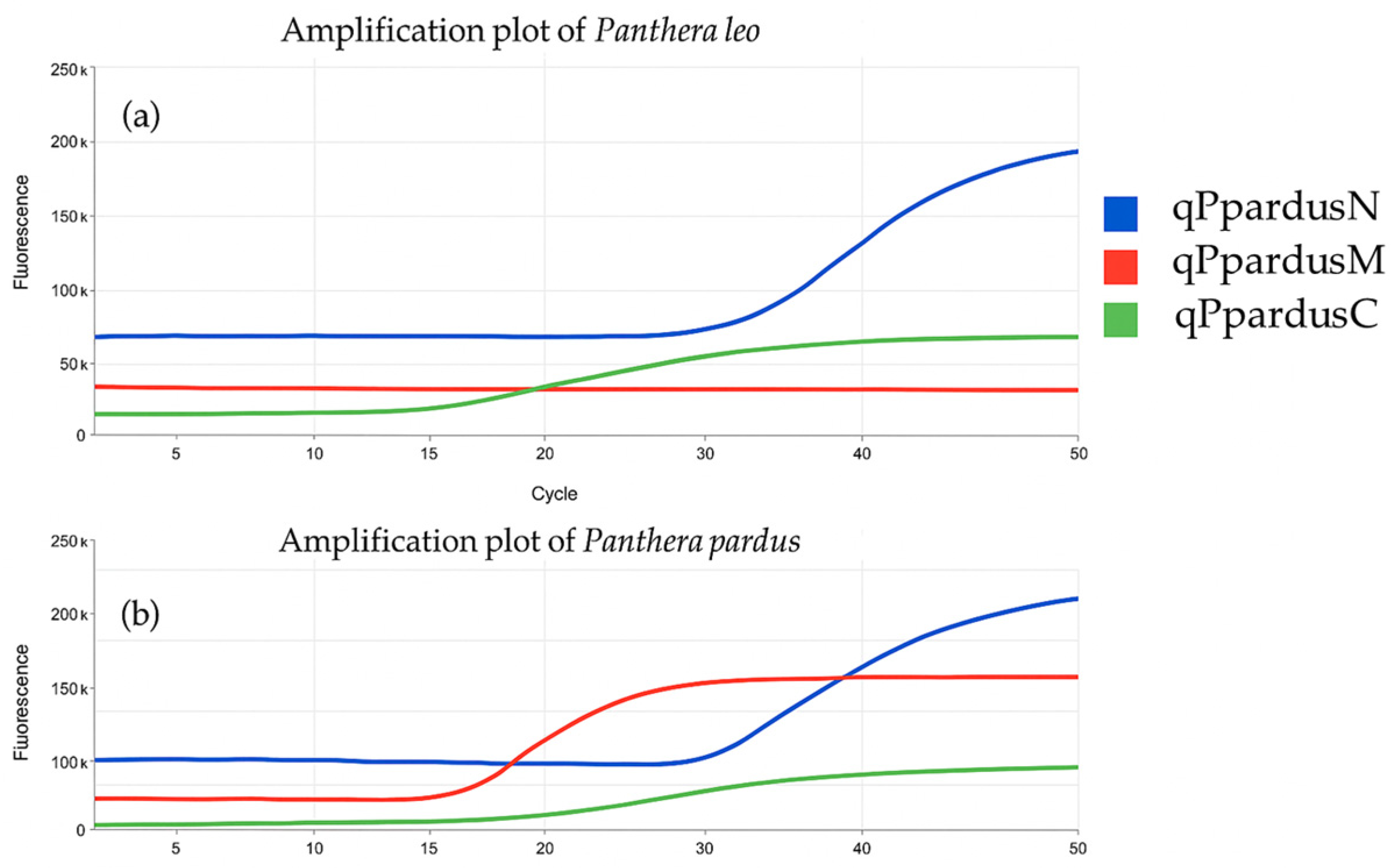
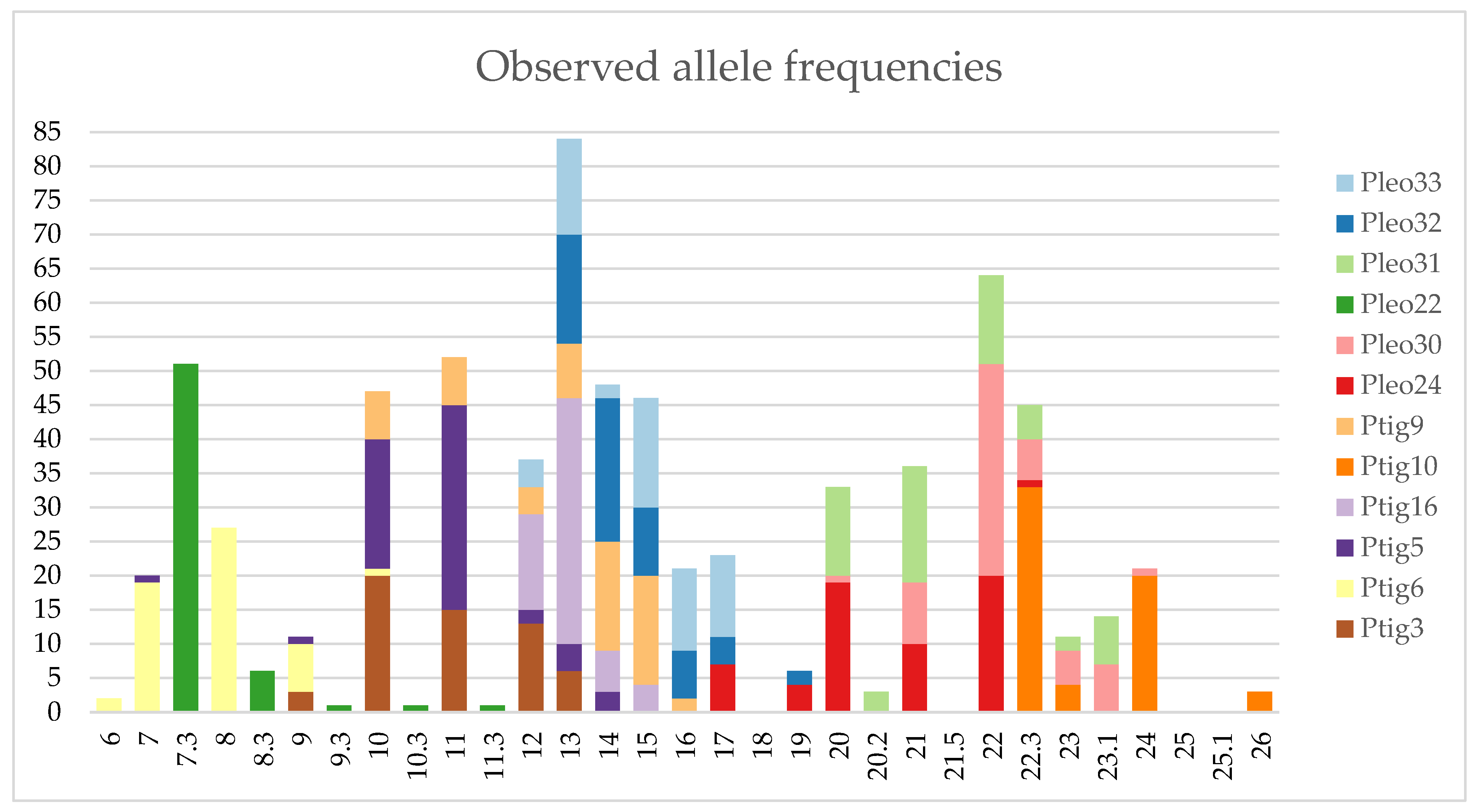
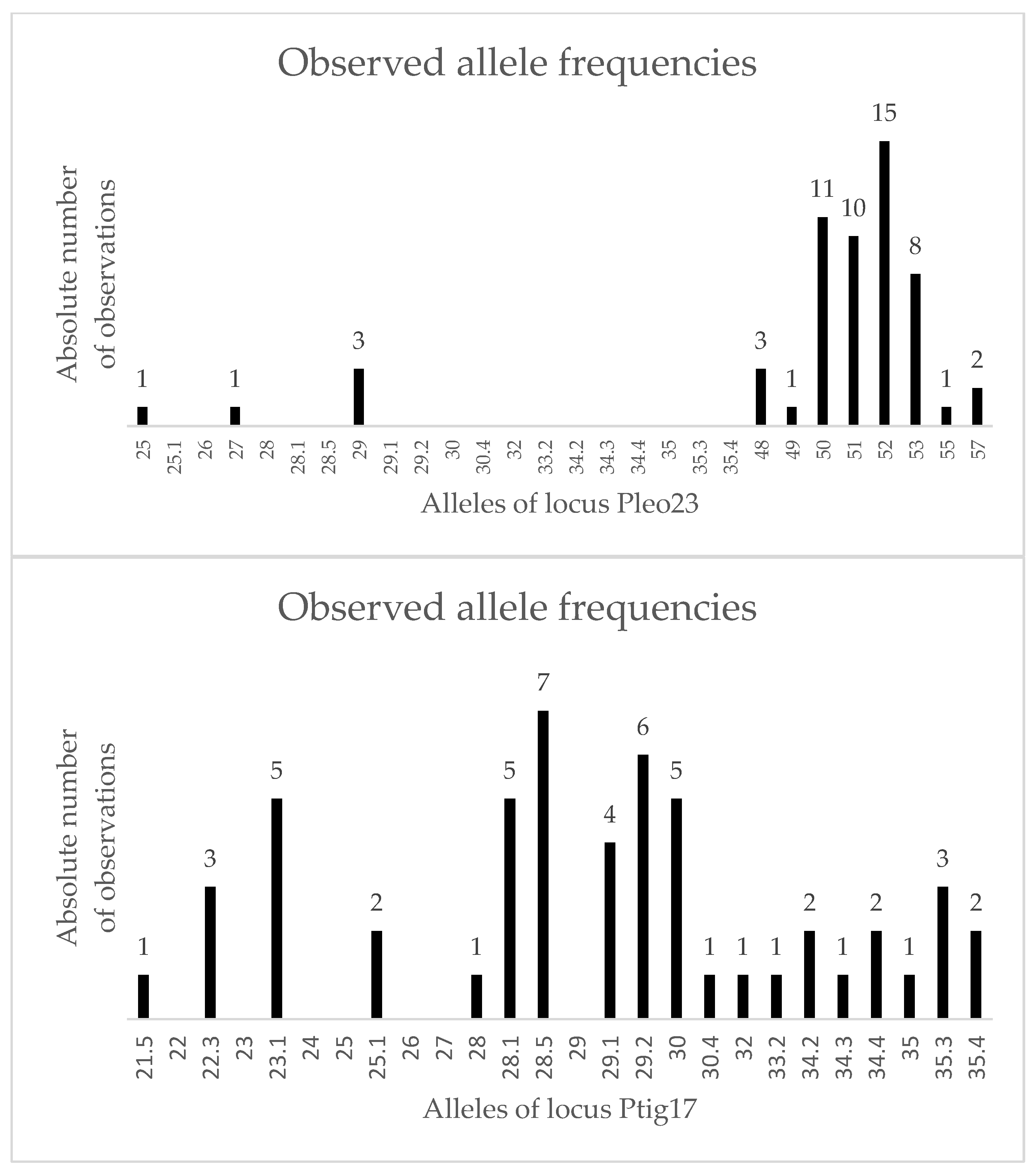
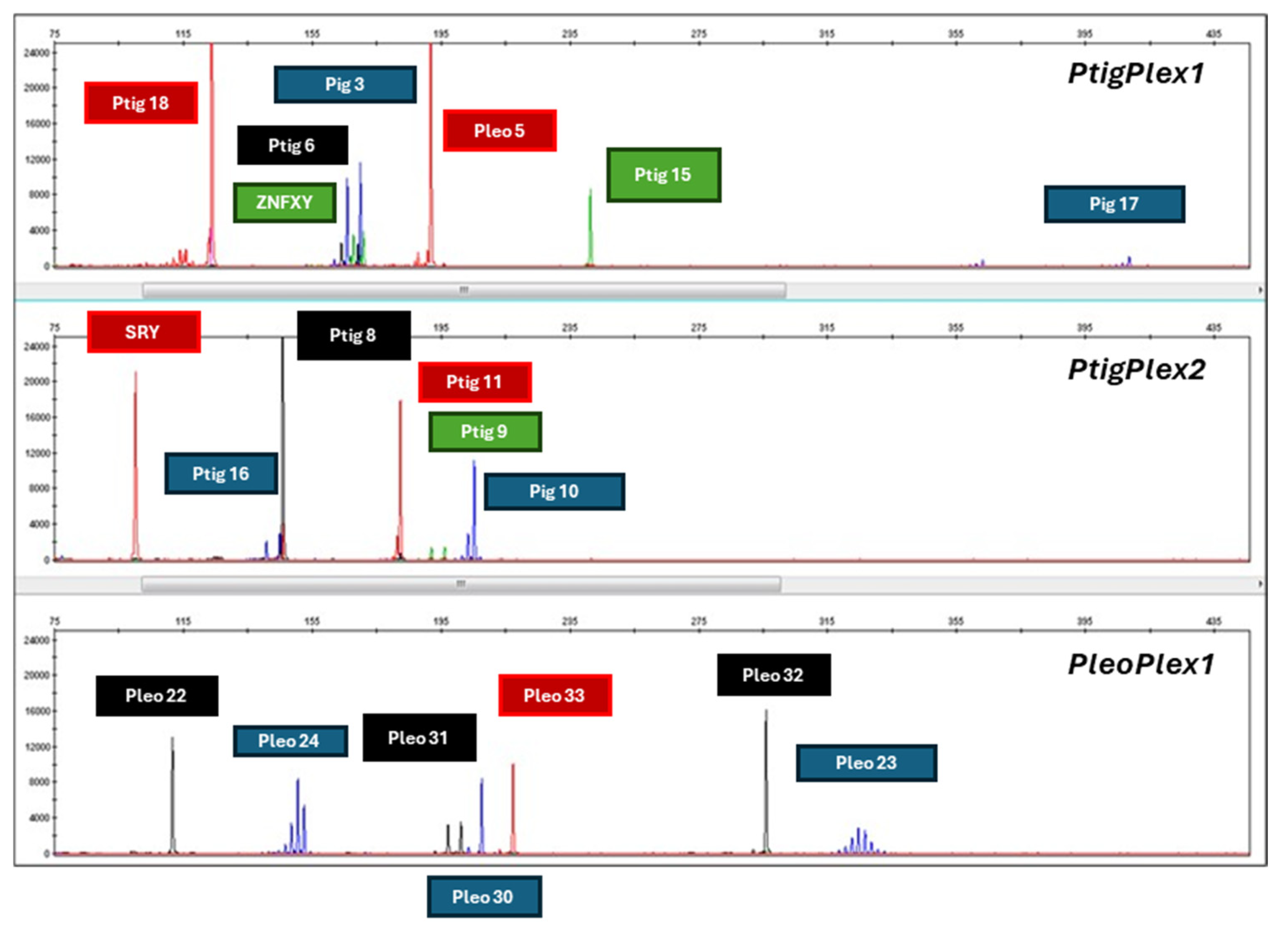
Background/Objectives The leopard (Panthera pardus), an apex predator listed in CITES Appendix I and classified as Vulnerable by the IUCN, is undergoing severe population declines driven by habitat loss, human–wildlife conflict, and illegal trade. Rapid and reliable species and individual identification is critical for conservation and forensic applications, particularly when analyzing highly processed or degraded seized wildlife products, where morphological identification is often impossible. We aimed to develop and validate a robust multiplex quantitative real-time PCR (qPCR) assay combined with a short tandem repeat (STR) system for the species-specific detection and individual identification of P. pardus. Methods The qPCR assay (Ppar Qplex) was designed to target a mitochondrial Cytochrome b (Cyt b) fragment for species confirmation, a nuclear marker (PLP) for general Feliformia detection and quantification, and an artificial internal positive control (IPC) to monitor PCR inhibition. The assay’s performance was validated for robustness, specificity, sensitivity, repeatability, and reproducibility, utilizing DNA extracted from 30 P. pardus individuals (hair and feces) and tested against 18 related Feliformia species and two outgroups. Individual identification was achieved using a set of 18 STR loci and a sex determination system adapted from previously published Panthera panels. Results Validation demonstrated high specificity for the Ppar Qplex: mitochondrial amplification occurred exclusively in P. pardus samples. The nuclear marker consistently amplified across all 18 tested Feliformia species but not the outgroups. The assay showed high analytical sensitivity, successfully detecting DNA at concentrations as low as 1 pg/µL, with consistent results confirmed across different sample types, replicates, and independent users. Furthermore, the STR multiplex successfully generated 30 unique individual profiles using the 18 polymorphic loci and the sex determination system. Conclusions The combined qPCR assay and STR system provide a fast, sensitive, and highly specific molecular framework for rapid leopard detection, quantification, and individual identification from a wide range of sample types. These tools strengthen forensic capacity to combat wildlife crime and provide critical data to support evidence-based conservation management of P. pardus. P. pardus, an apex predator listed in CITES Appendix I and classified as Vulnerable by the IUCN, is undergoing severe population declines driven by habitat loss, human–wildlife conflict, and illegal trade. Rapid and reliable identification of seized specimens is therefore critical for conservation and forensic applications, mainly when products are highly processed. We developed and validated a multiplex quantitative real-time PCR (qPCR) assay targeting the mitochondrial gene Cytochrome b (Cyt b) for species-specific detection. The assay was tested on verified leopard individuals and validated across 18 Feliformia and two outgroup species (Homo sapiens, Canis lupus familiaris). Analytical performance was assessed through robustness, specificity, sensitivity, repeatability, and reproducibility. Mitochondrial amplification occurred exclusively in leopard samples, while nuclear markers amplified consistently across Feliformia but not in outgroup species. The assay’s limit of DNA detection is 1 pg/µL and produces consistent results across replicates, tested types of samples (hair, feces), and independent users, with internal controls confirming the absence of inhibition. In addition, we present the results of successful individual identification using the set of 18 STR loci and the sex determination system. The developed qPCR and STR systems provide a fast, sensitive, and specific solution for leopard detection and quantification, reinforcing forensic efforts against wildlife crime and supporting conservation of P. pardus.