Article

Identification and Characterization Roles of Phytoene Synthase (PSY) Genes in Watermelon Development

1
College of Horticulture and Landscape Architecture, Northeast Agricultural University, Harbin 150030, China
2
Key Laboratory of Biology and Genetic Improvement of Horticulture Crops (Northeast Region), Ministry of Agriculture and Rural Affairs, Harbin 150030, China
*
Authors to whom correspondence should be addressed.
Genes 2022, 13(7), 1189; https://doi.org/10.3390/genes13071189
Submission received: 23 May 2022 / Revised: 15 June 2022 / Accepted: 28 June 2022 / Published: 1 July 2022
(This article belongs to the Section Plant Genetics and Genomics)

Abstract

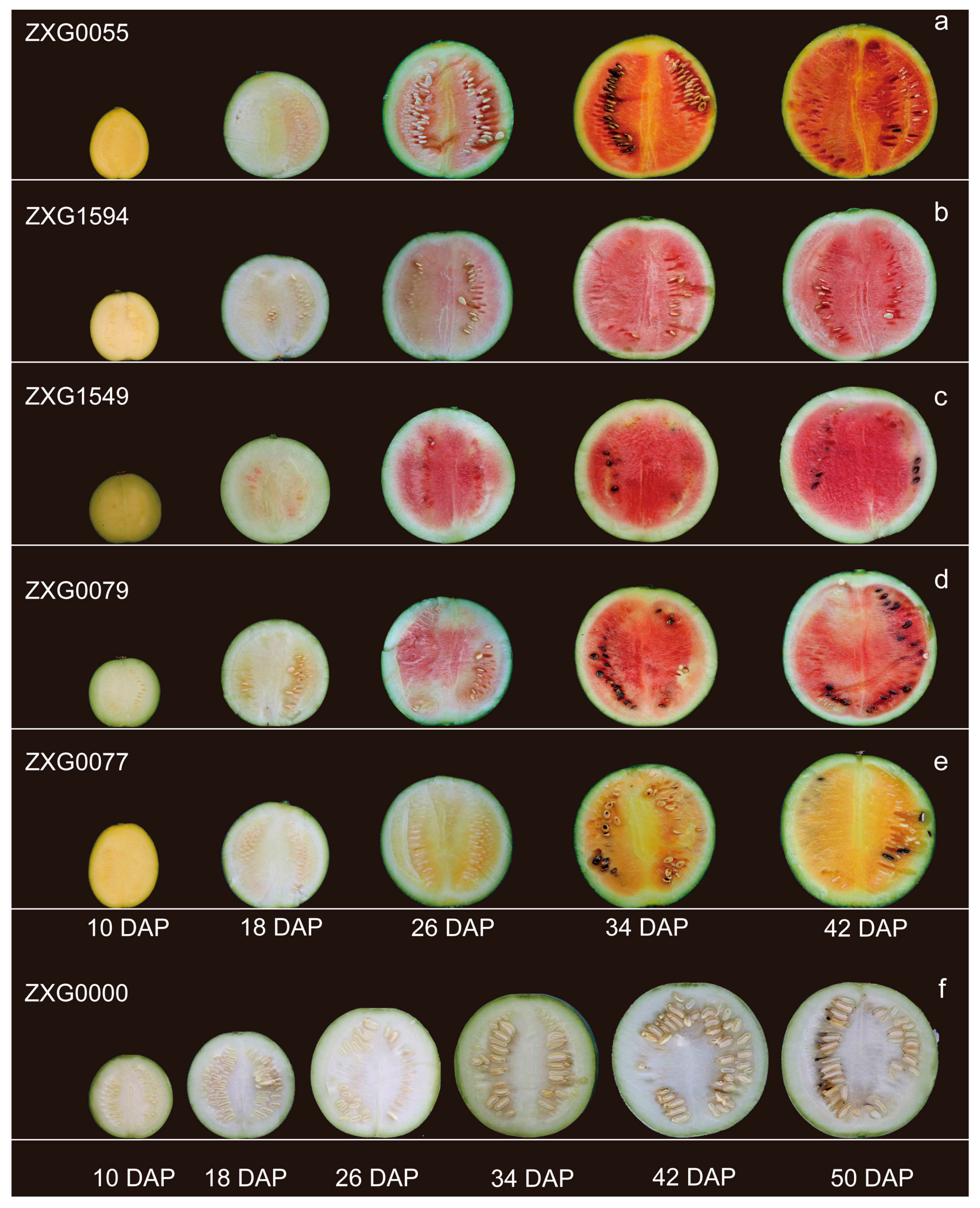
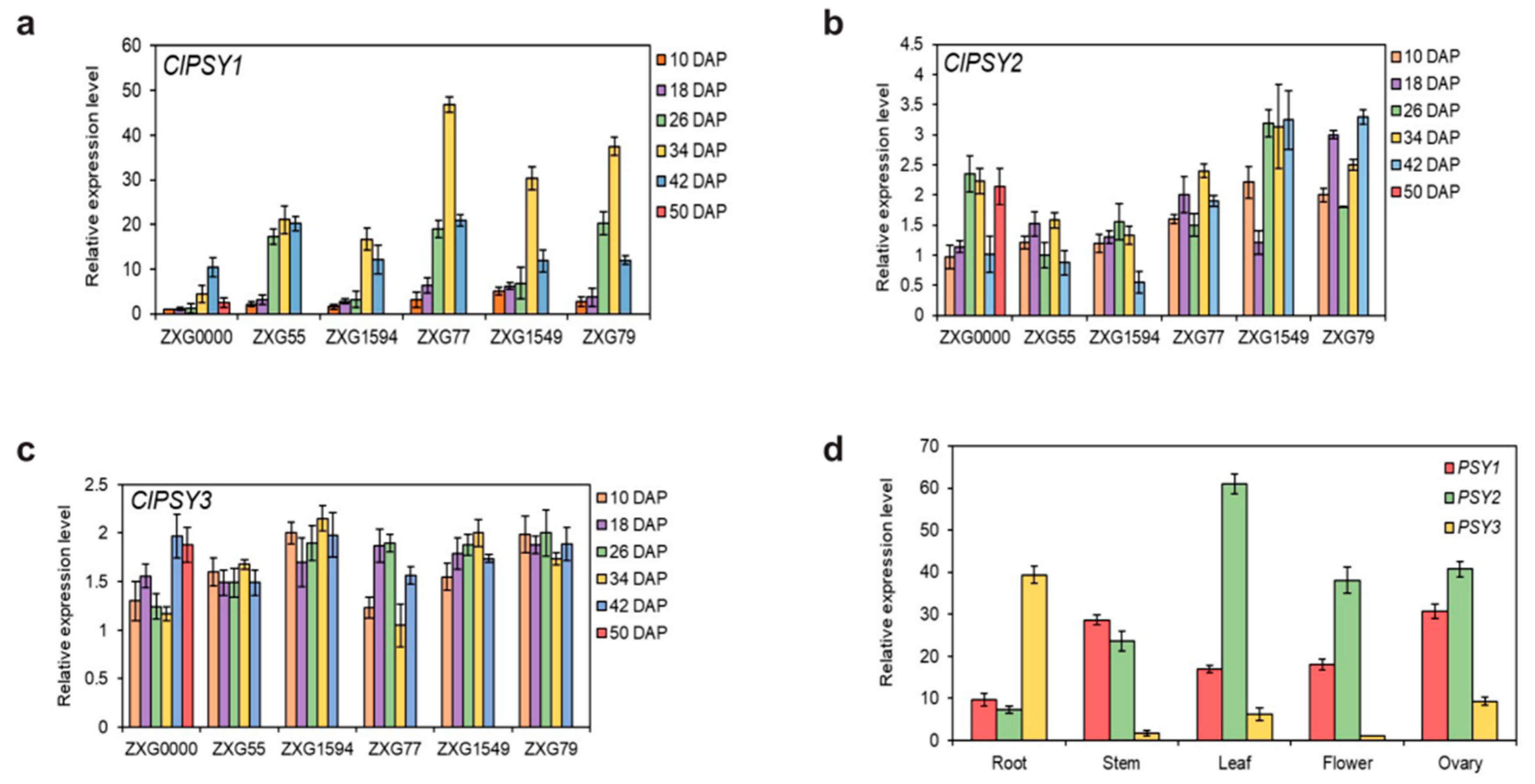
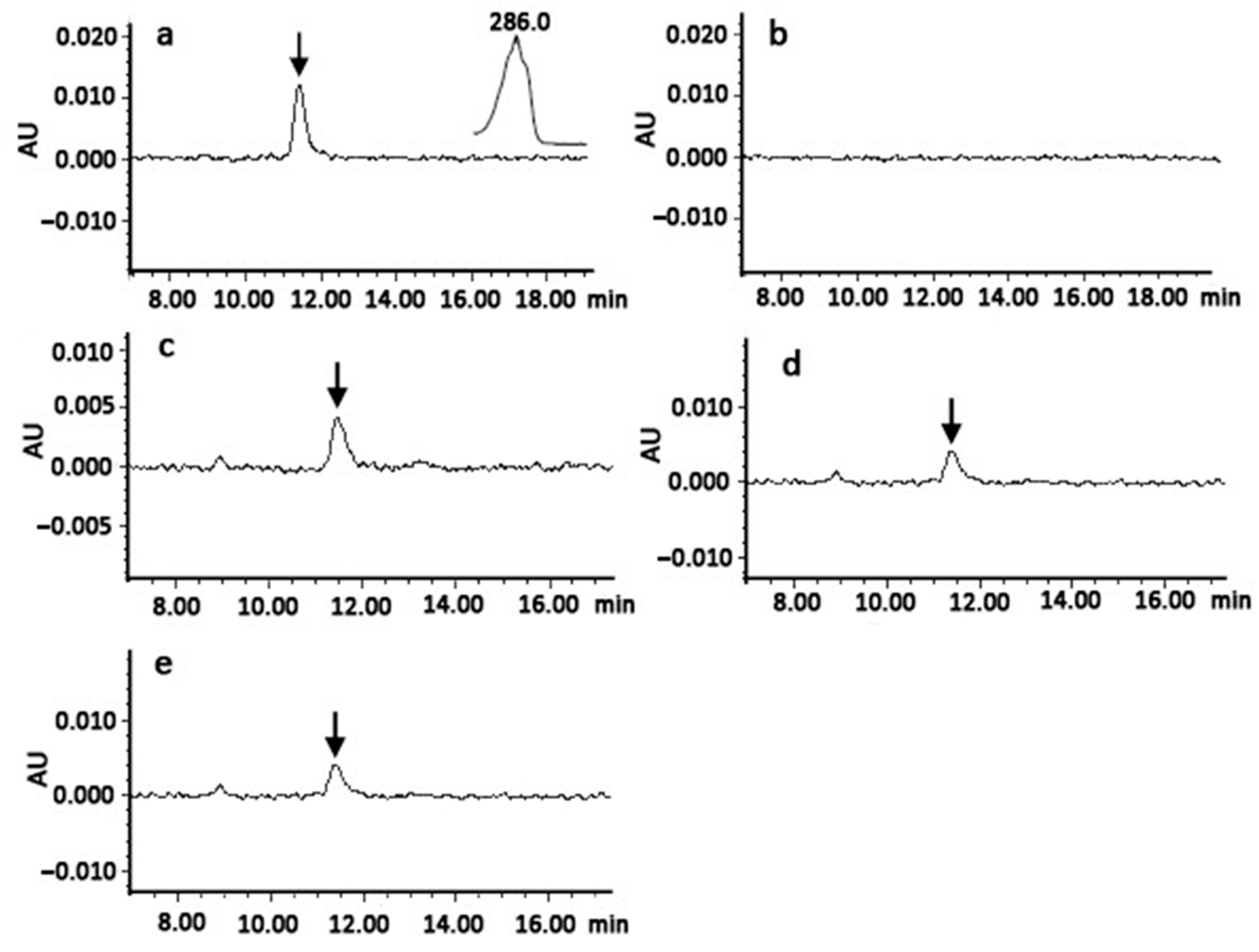
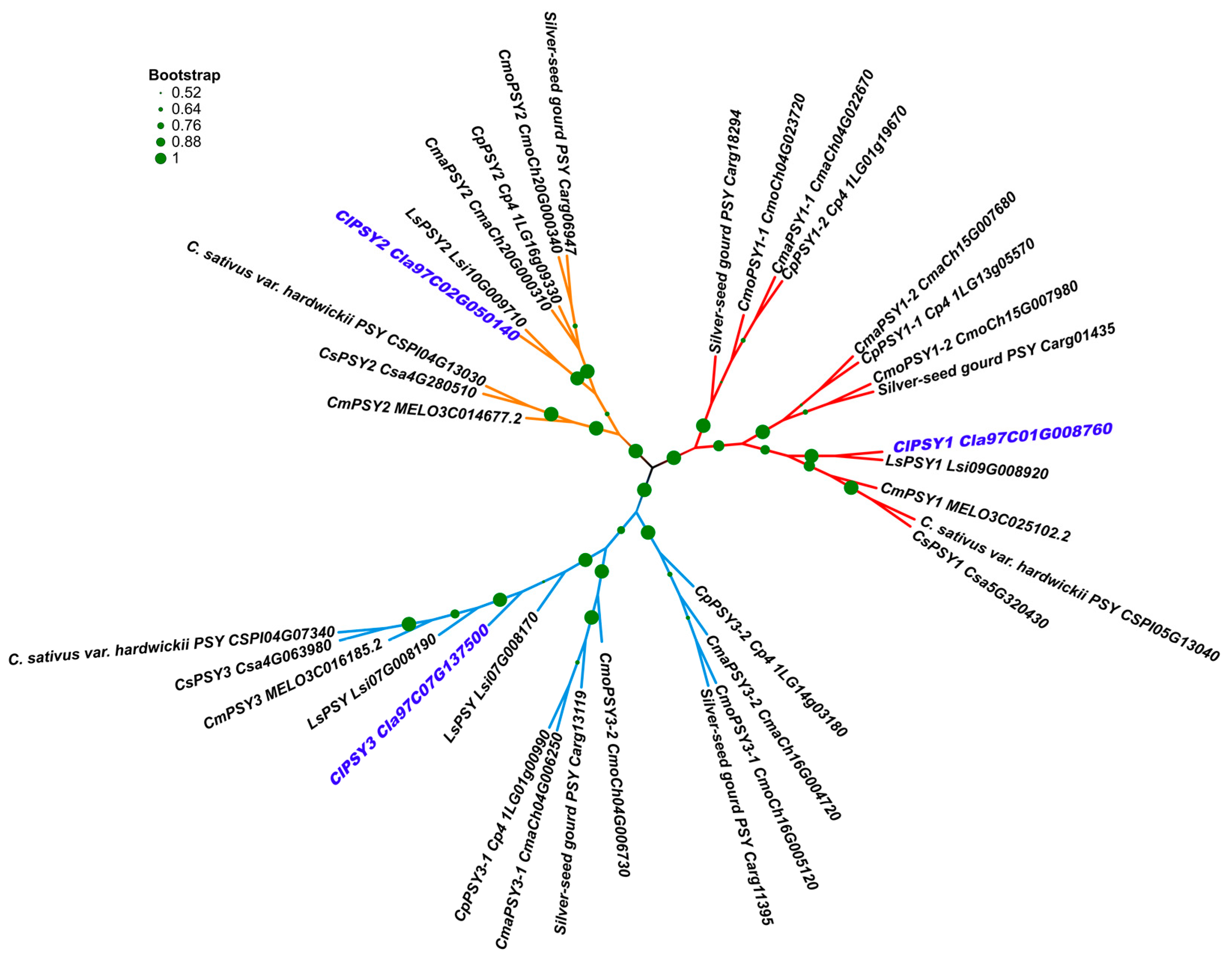
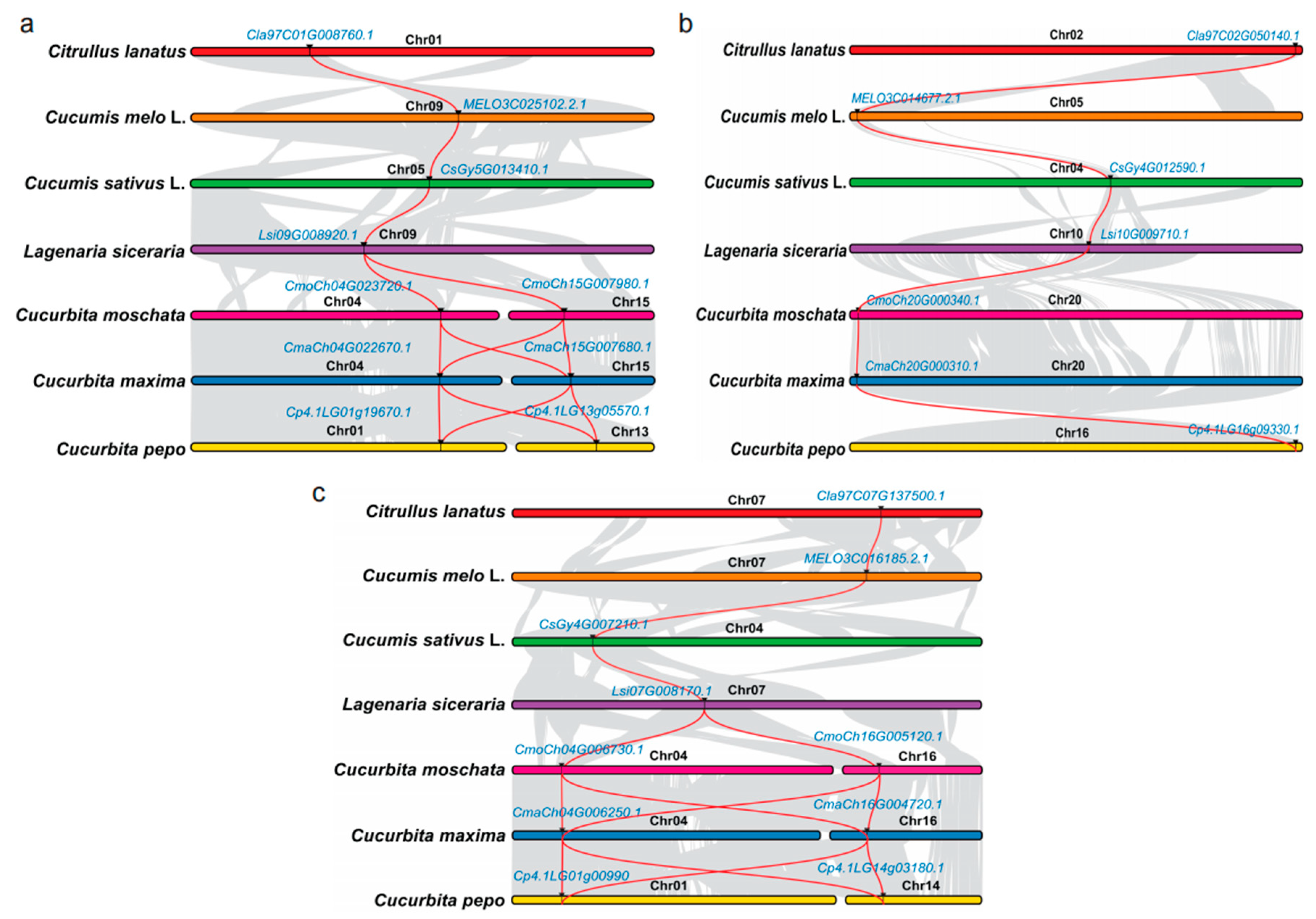
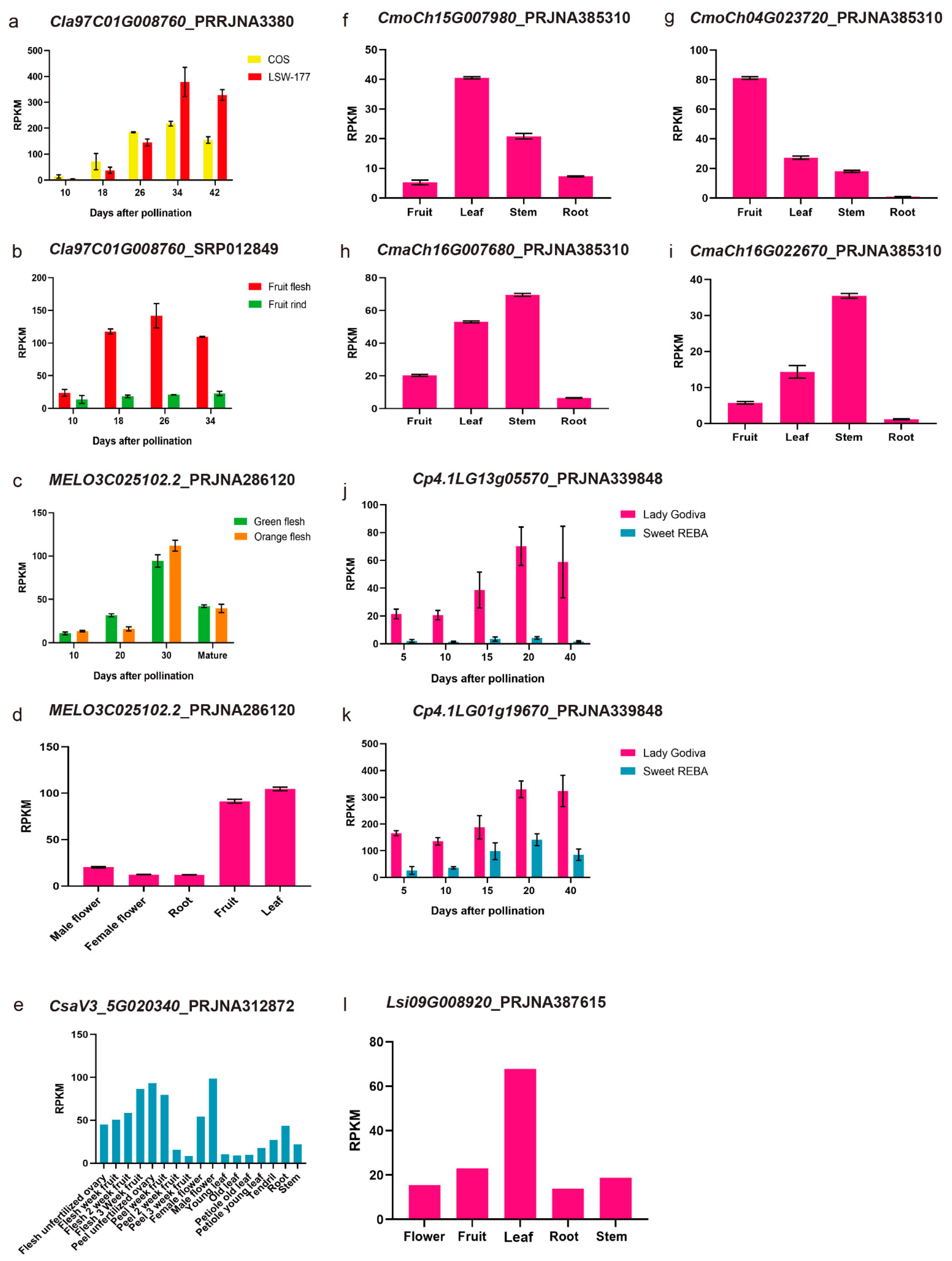
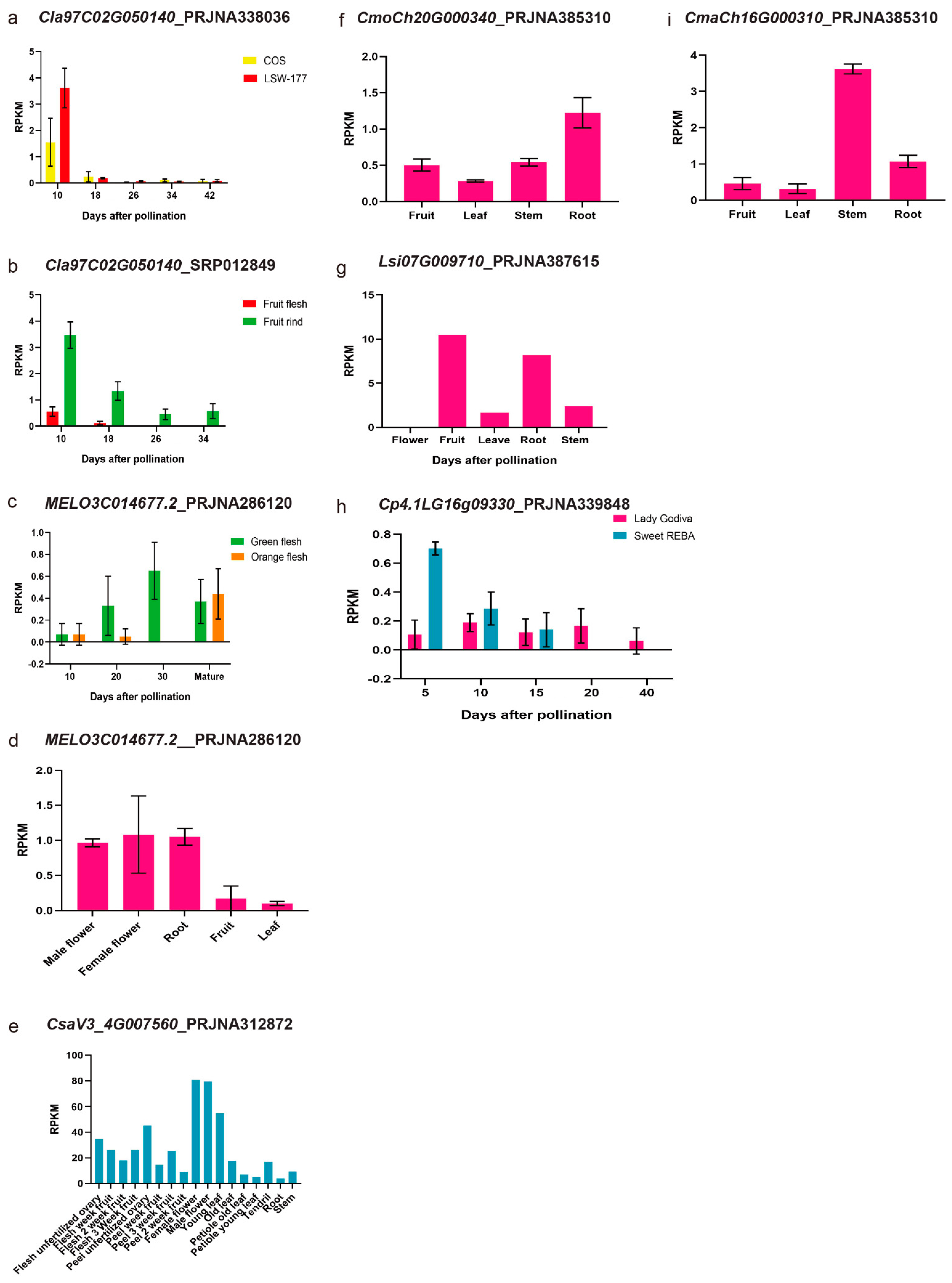
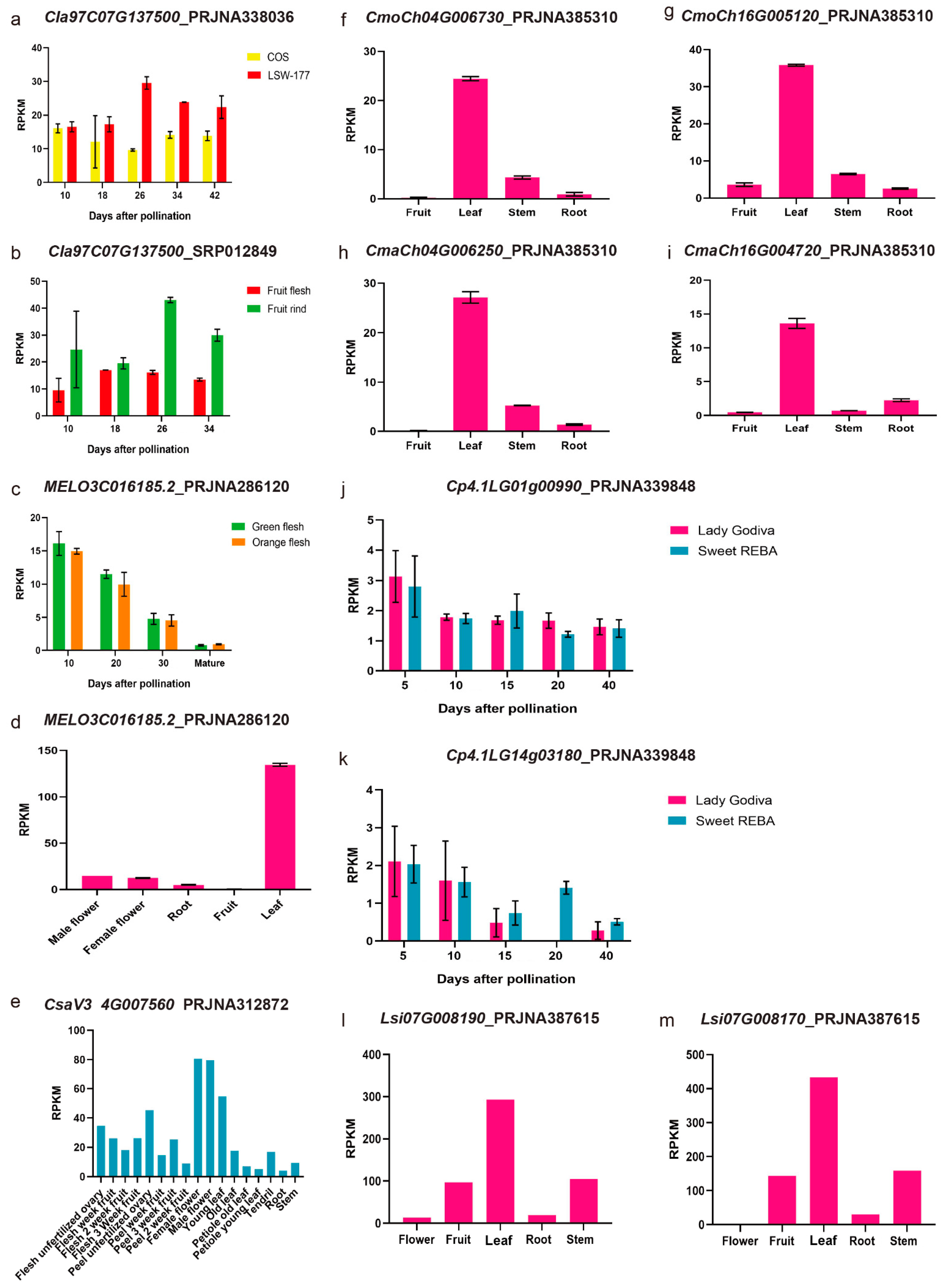
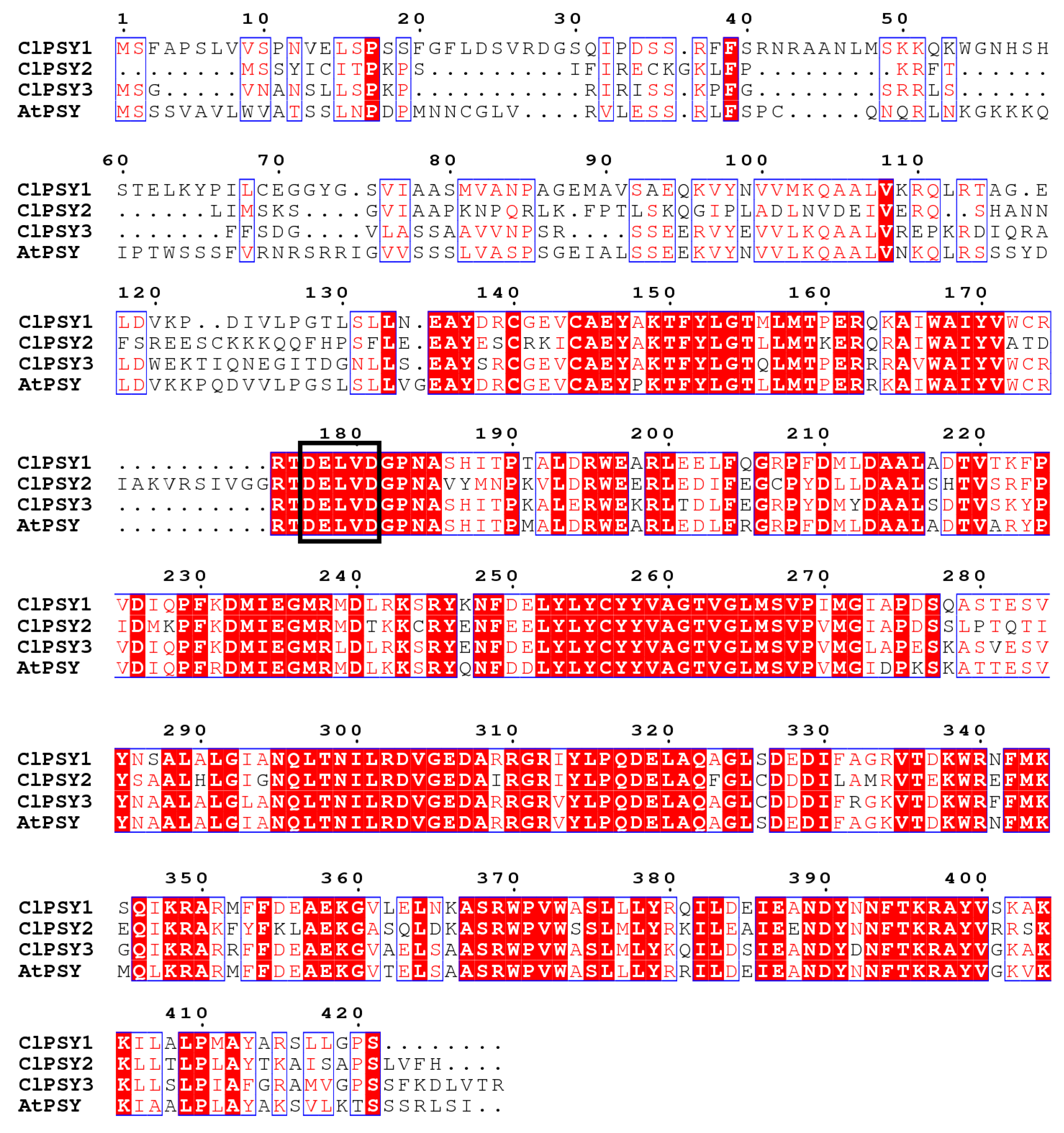
Phytoene synthase (PSY) plays an essential role in carotenoid biosynthesis. In this study, three ClPSY genes were identified through the watermelon genome, and their full-length cDNA sequences were cloned. The deduced proteins of the three ClPSY genes were ranged from 355 to 421 amino acid residues. Phylogenetic analysis suggested that the ClPSYs are highly conserved with bottle gourd compared to other cucurbit crops PSY proteins. Variation in ClPSY1 expression in watermelon with different flesh colors was observed; ClPSY1 was most highly expressed in fruit flesh and associated with the flesh color formation. ClPSY1 expression was much lower in the white-fleshed variety than the colored fruits. Gene expression analysis of ClPSY genes in root, stem, leaf, flower, ovary and flesh of watermelon plants showed that the levels of ClPSY2 transcripts found in leaves was higher than other tissues; ClPSY3 was dominantly expressed in roots. Functional complementation assays of the three ClPSY genes suggested that all of them could encode functional enzymes to synthesize the phytoene from Geranylgeranyl Pyrophosphate (GGPP). Some of the homologous genes clustered together in the phylogenetic tree and located in the synteny chromosome region seemed to have similar expression profiles among different cucurbit crops. The findings provide a foundation for watermelon flesh color breeding with regard to carotenoid synthesis and also provide an insight for the further research of watermelon flesh color formation.
Keywords: flesh color; phytoene synthase; gene expression; functional analysis; carotenoid biosynthesis pathway flesh color; phytoene synthase; gene expression; functional analysis; carotenoid biosynthesis pathway