Article

MDM2-Mediated p21 Proteasomal Degradation Promotes Fluoride Toxicity in Ameloblasts


1
Division of Biosciences, College of Dentistry, The Ohio State University, Columbus, OH 43210, USA
2
College of Veterinary Medicine, Sichuan Agricultural University, Wenjiang, Chengdu 611130, China
3
Department of Oral Biology and Diagnostic Sciences, The Dental College of Georgia, Augusta University, Augusta, GA 30912, USA
*
Author to whom correspondence should be addressed.
Cells 2019, 8(5), 436; https://doi.org/10.3390/cells8050436
Submission received: 10 April 2019 / Revised: 6 May 2019 / Accepted: 9 May 2019 / Published: 10 May 2019

Abstract

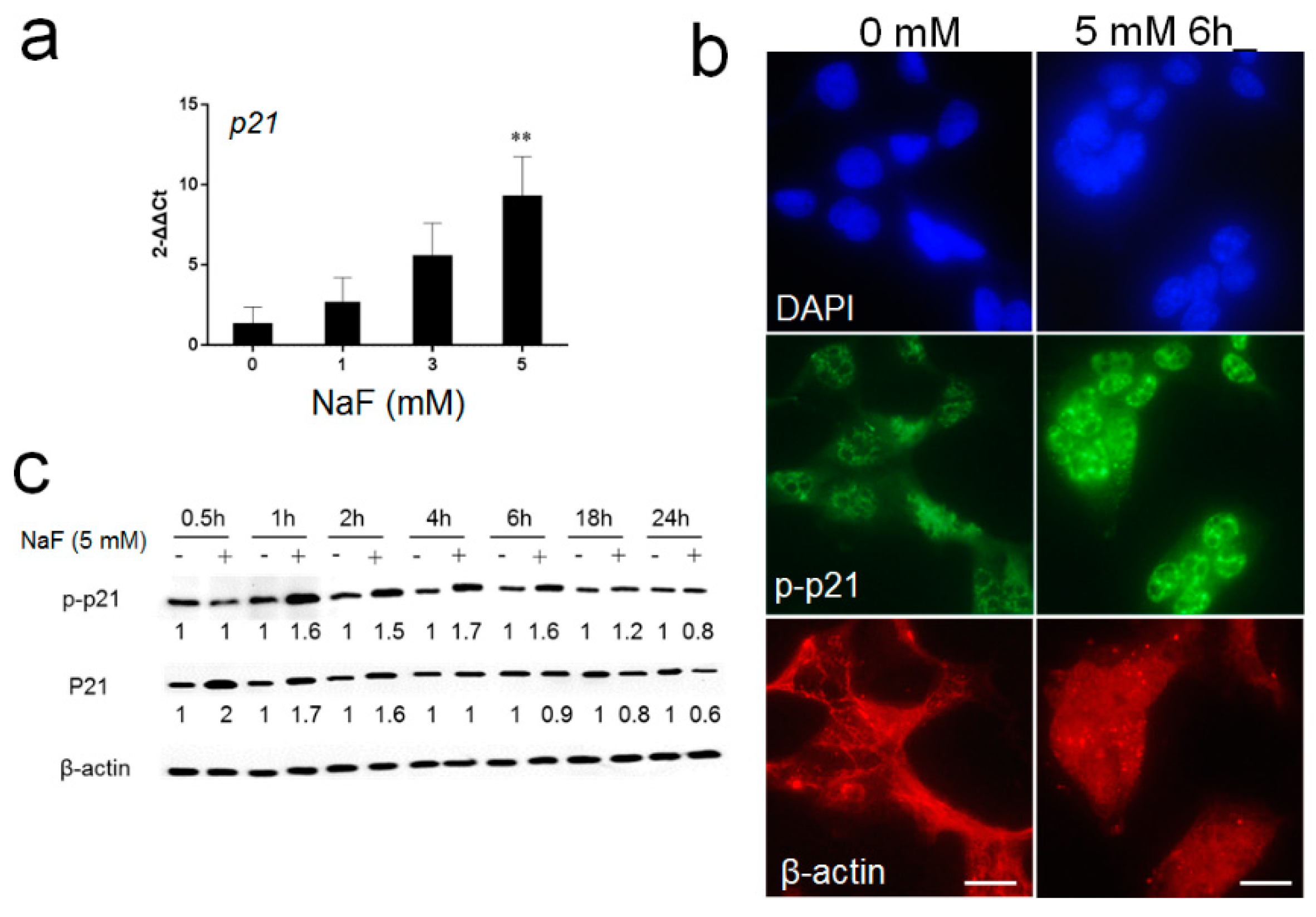
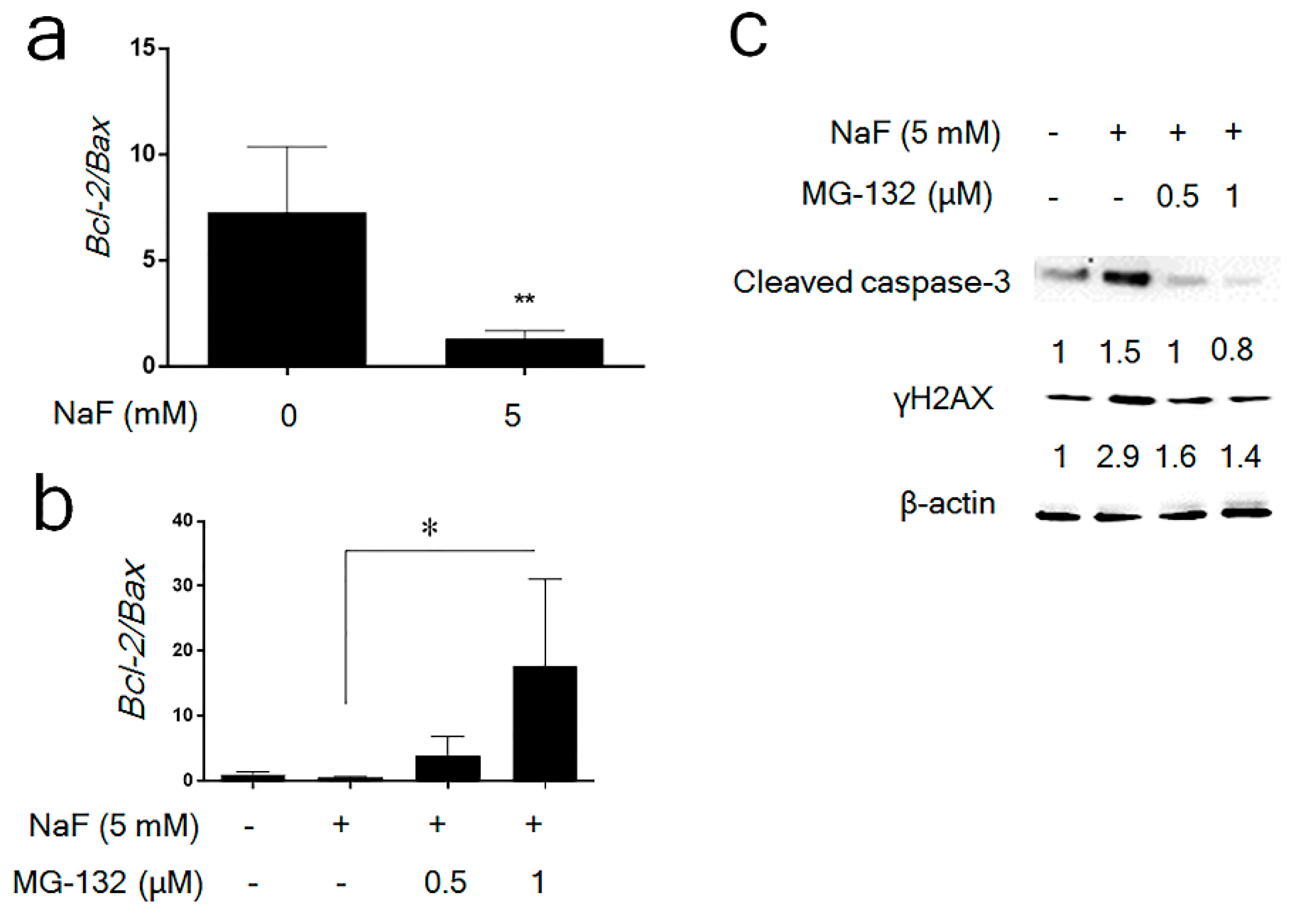
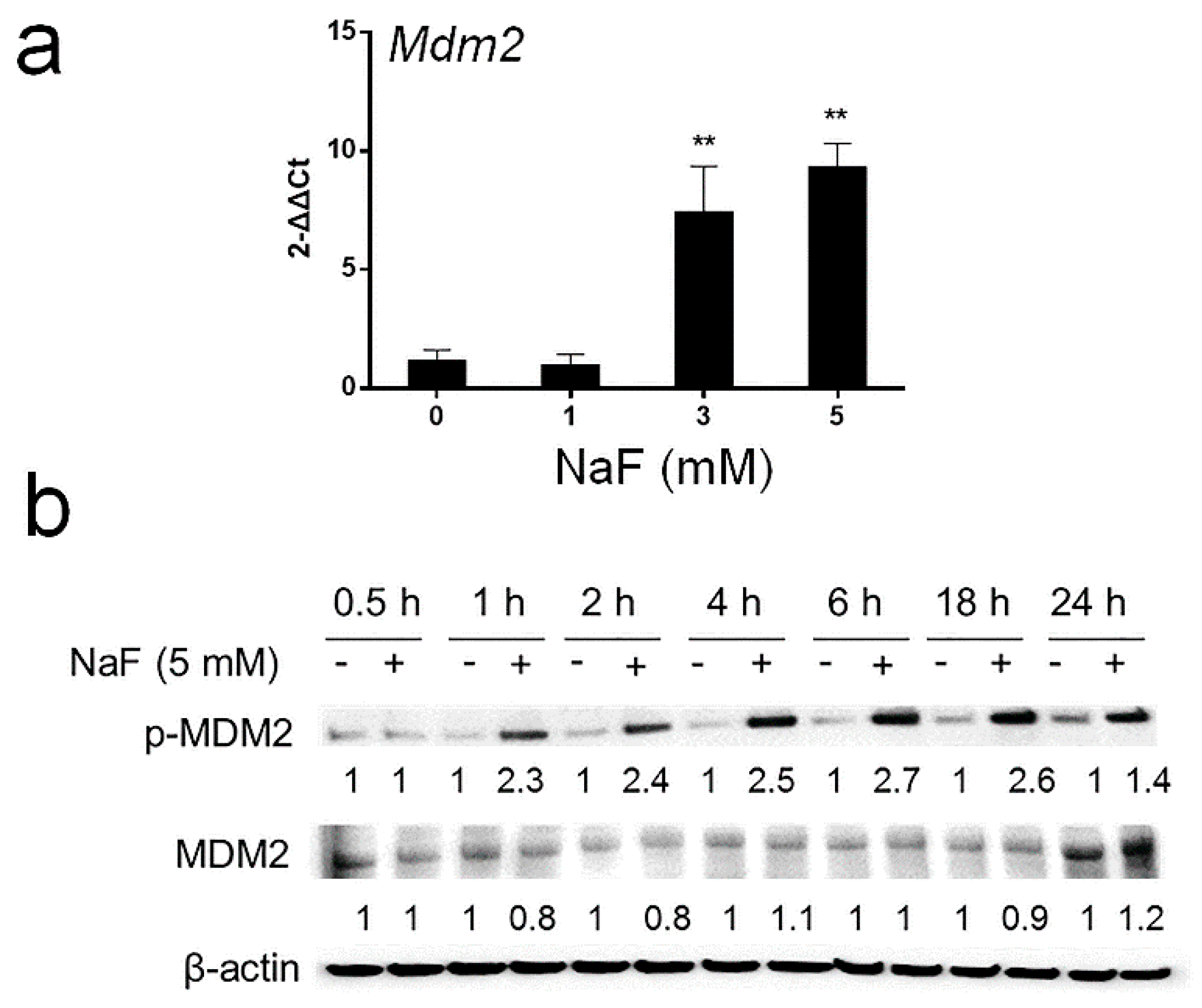
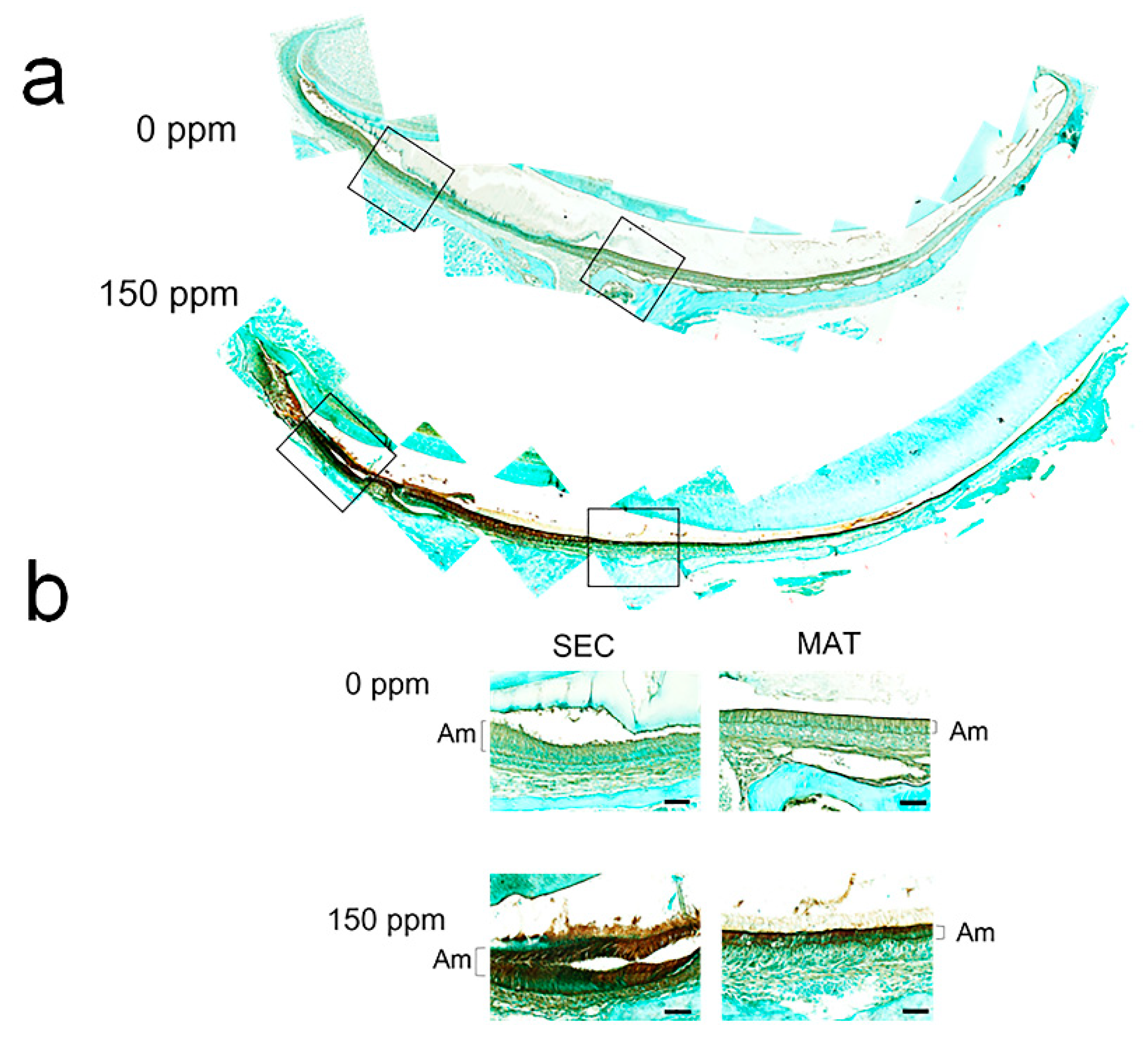
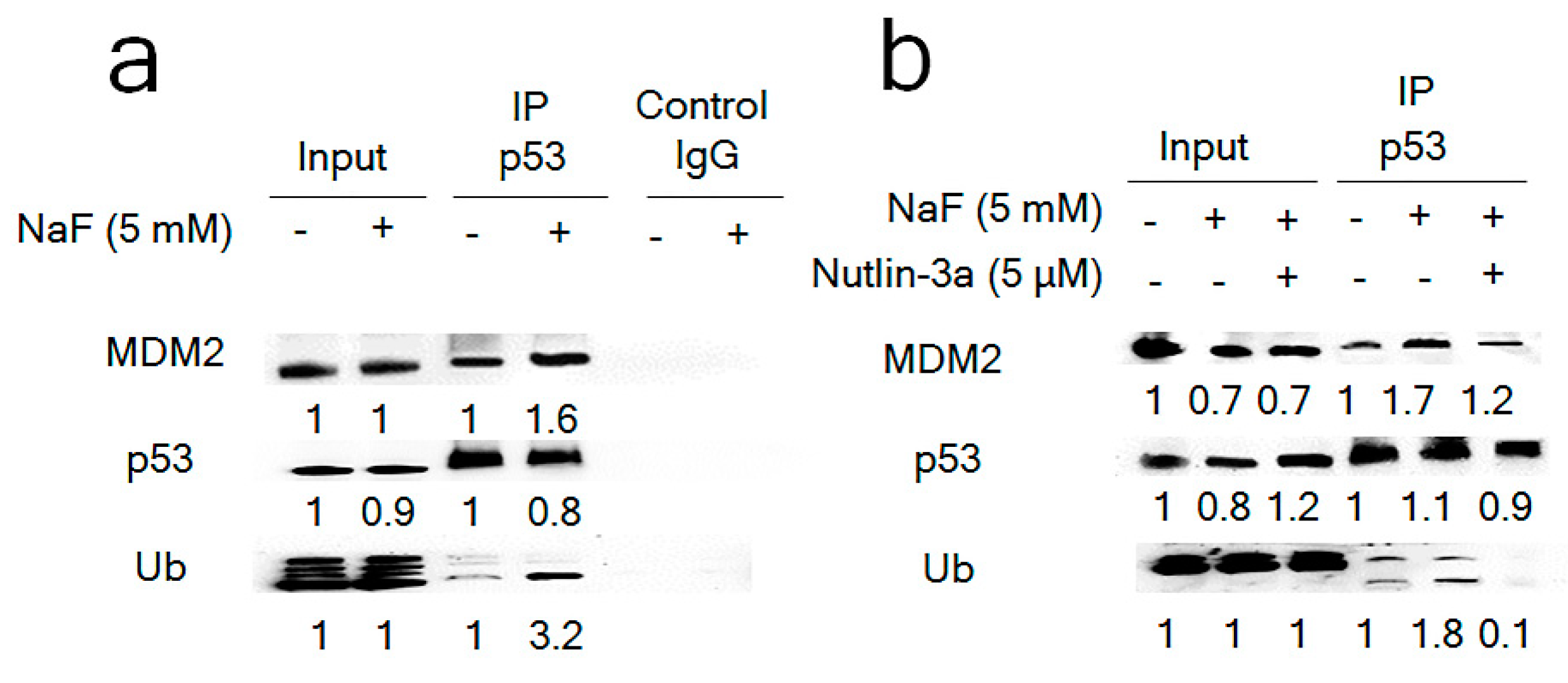
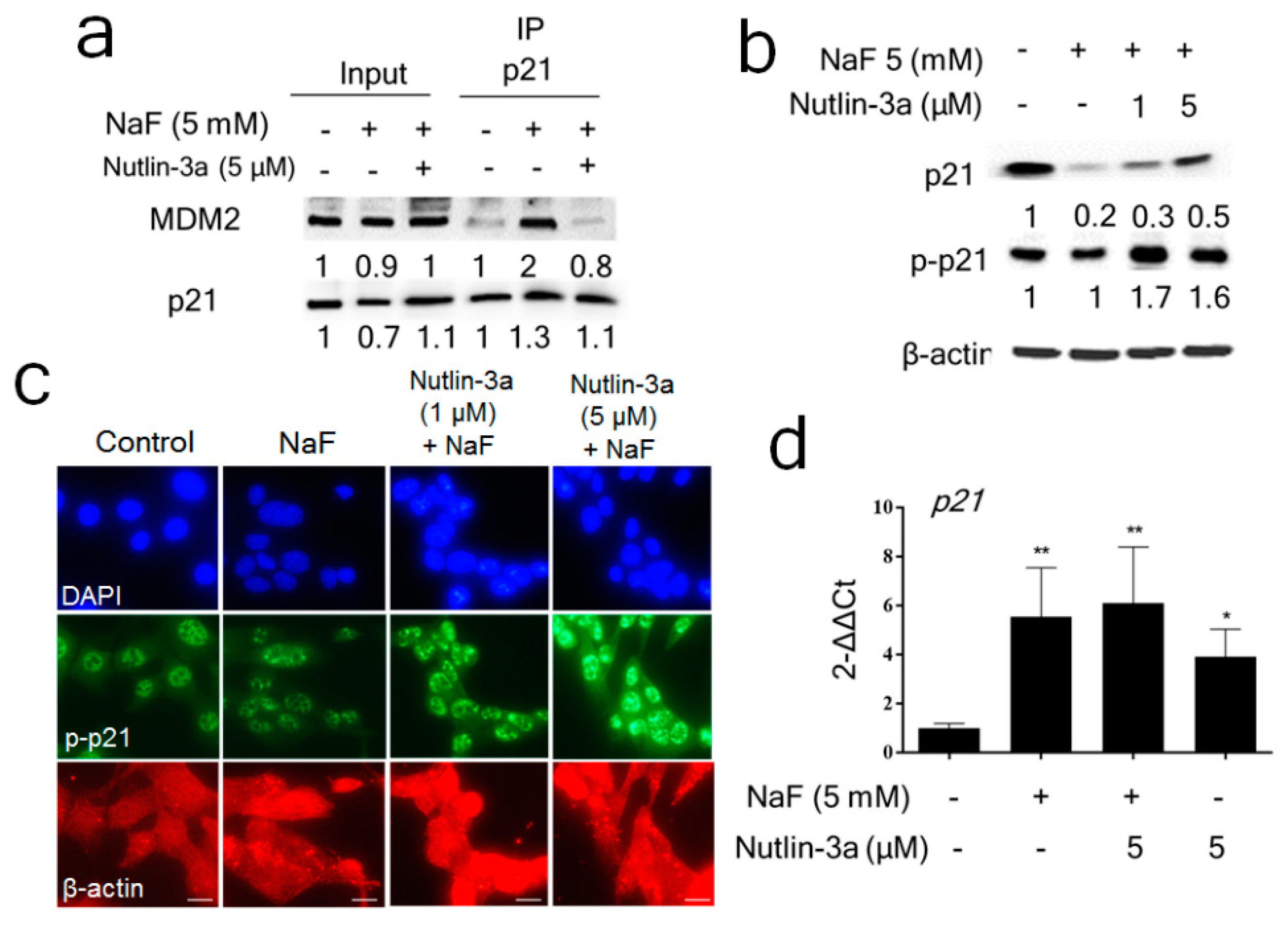
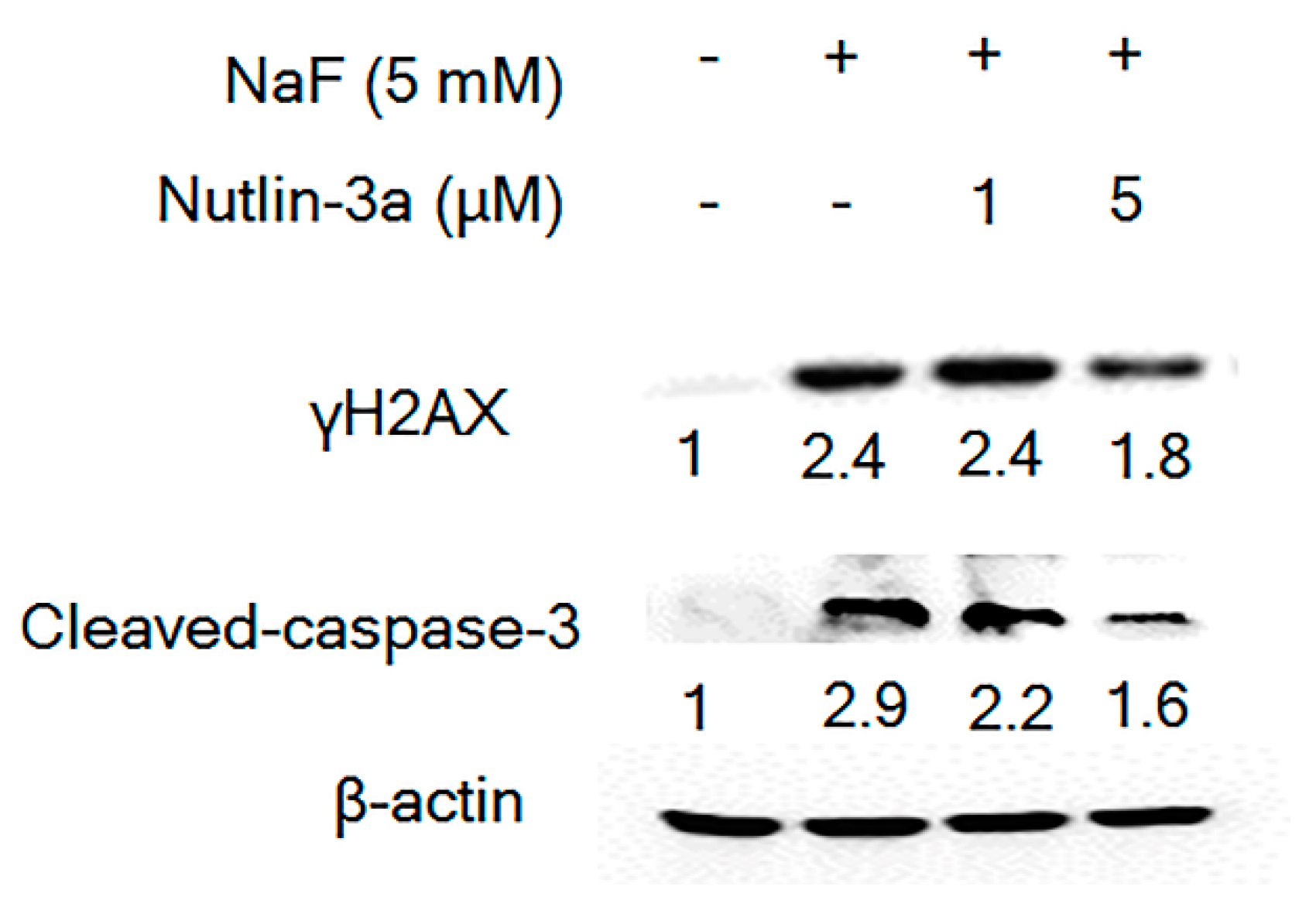
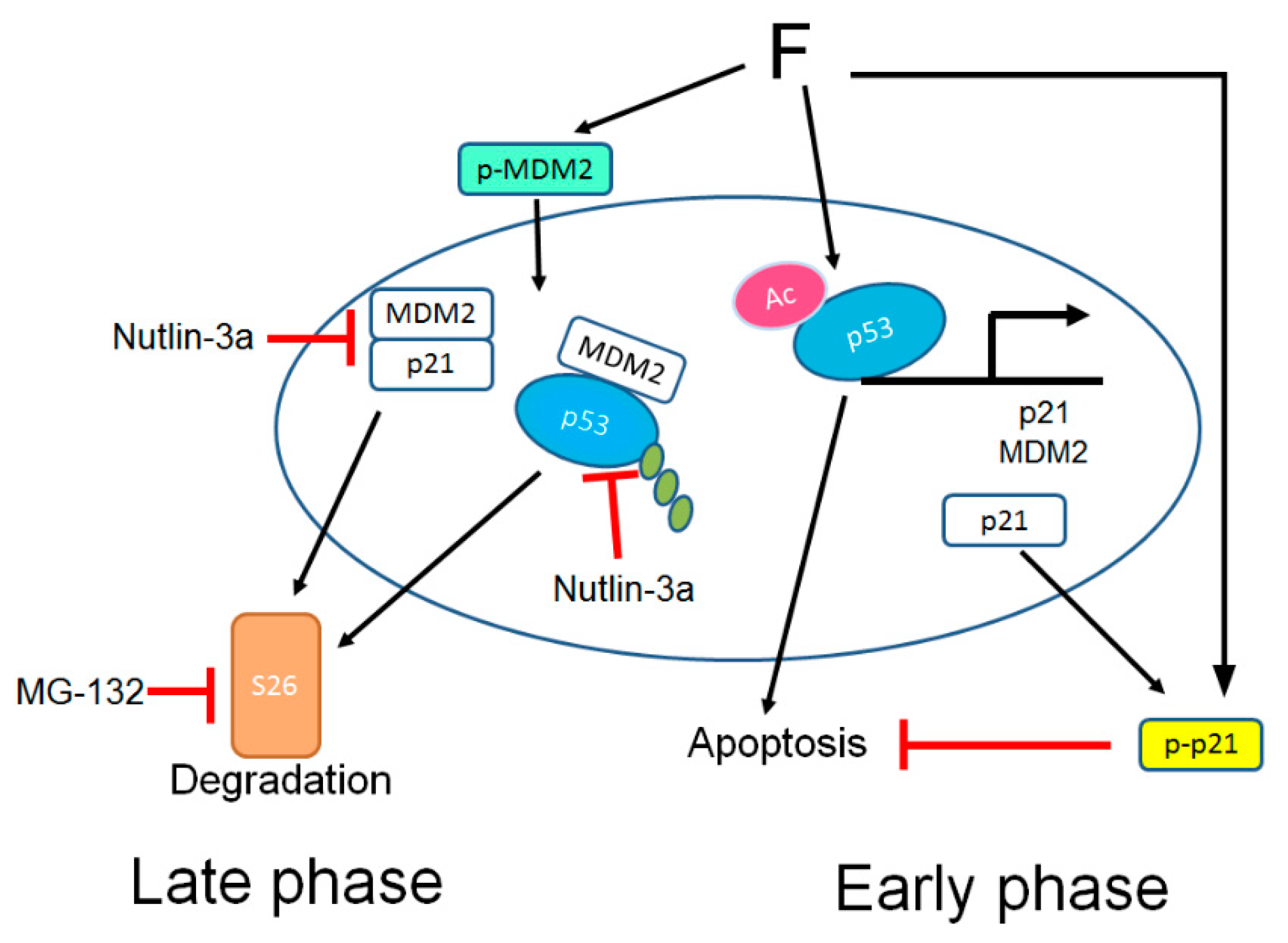
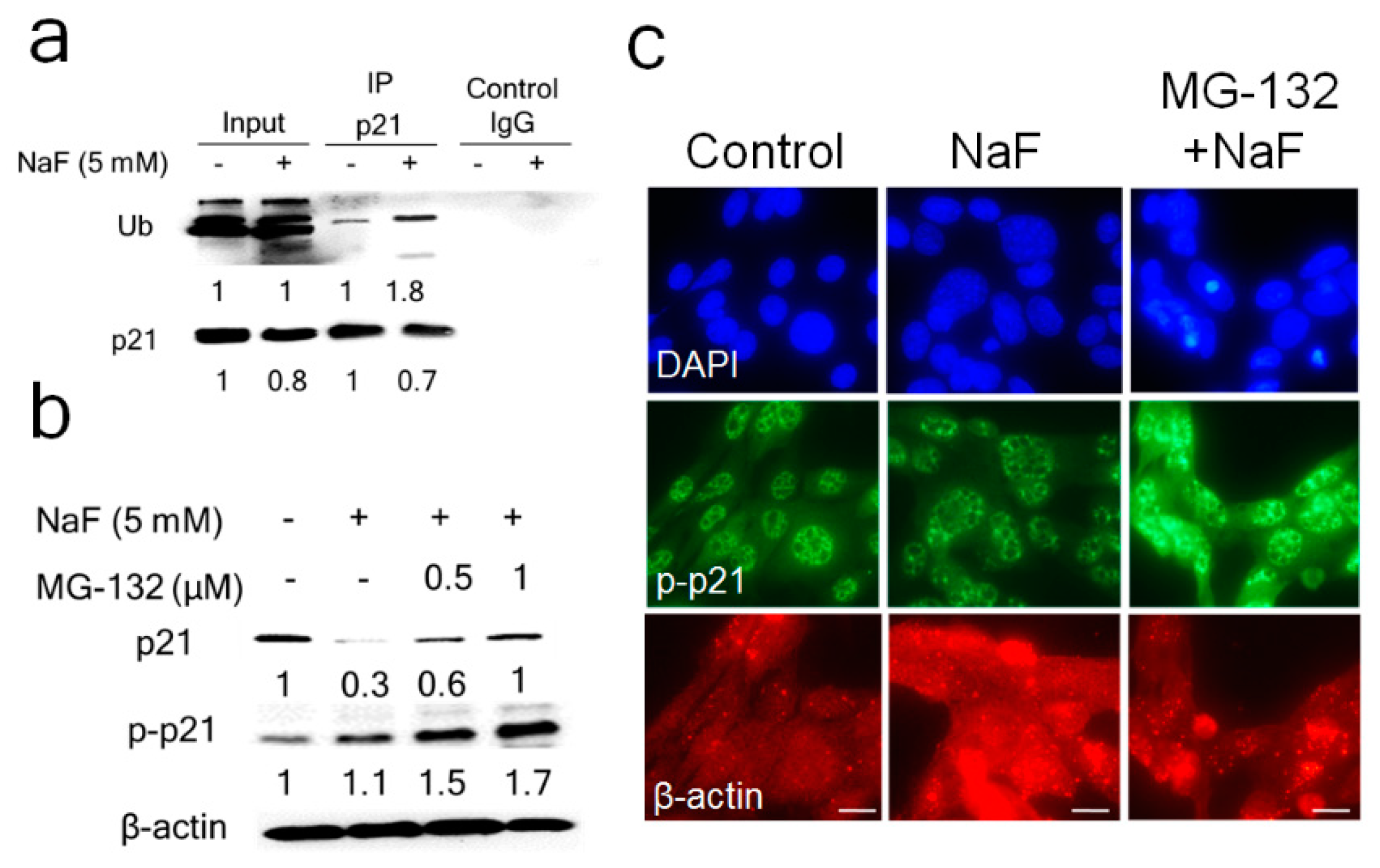
Fluoride overexposure is an environmental health hazard and can cause enamel and skeletal fluorosis. Previously we demonstrated that fluoride increased acetylated-p53 and its downstream target p21 in ameloblast-derived LS8 cells. However, p21 function in fluoride toxicity is not well characterized. This study seeks to gain a better understanding of how p53 down-stream mediators, p21 and MDM2, respond to fluoride toxicity. LS8 cells were treated with NaF with/without MG-132 (proteasome inhibitor) or Nutlin-3a (MDM2 antagonist). NaF treatment for 2–6 h increased phospho-p21, which can inhibit apoptosis. However, phospho-p21 and p21 were decreased by NaF at 24 h, even though p21 mRNA was significantly increased at this time point. MG-132 reversed the fluoride-mediated p21 decrease, indicating that fluoride facilitates p21 proteasomal degradation. MG-132 suppressed fluoride-induced caspase-3 cleavage, suggesting that the proteasome plays a pro-apoptotic role in fluoride toxicity. NaF increased phospho-MDM2 in vitro and in mouse ameloblasts in vivo. Nutlin-3a suppressed NaF-mediated MDM2-p21 binding to reverse p21 degradation which increased phospho-p21. This suppressed apoptosis after 24 h NaF treatment. These results suggest that MDM2-mediated p21 proteasomal degradation with subsequent phospho-p21 attenuation contributes to fluoride-induced apoptosis. Inhibition of MDM2-mediated p21 degradation may be a potential therapeutic target to mitigate fluoride toxicity.
Keywords: MDM2; p53; p21; ameloblast; fluoride; fluorosis MDM2; p53; p21; ameloblast; fluoride; fluorosis