
Arsenic-Induced PPARγ, with the Coordinated Action of p62, Inhibits Apoptosis and Necroptosis and Activates the DNA Damage Response in A549 Lung Cancer Cells, Leading to Carcinogenesis

Highlights
- Sodium arsenite activates PPARγ to promote DNA repair and inhibit apoptosis and necroptosis in NSCLC cells.
- Inhibiting PPARγ signaling induces apoptosis or necroptosis through PARP-1, MLKL, and p53.
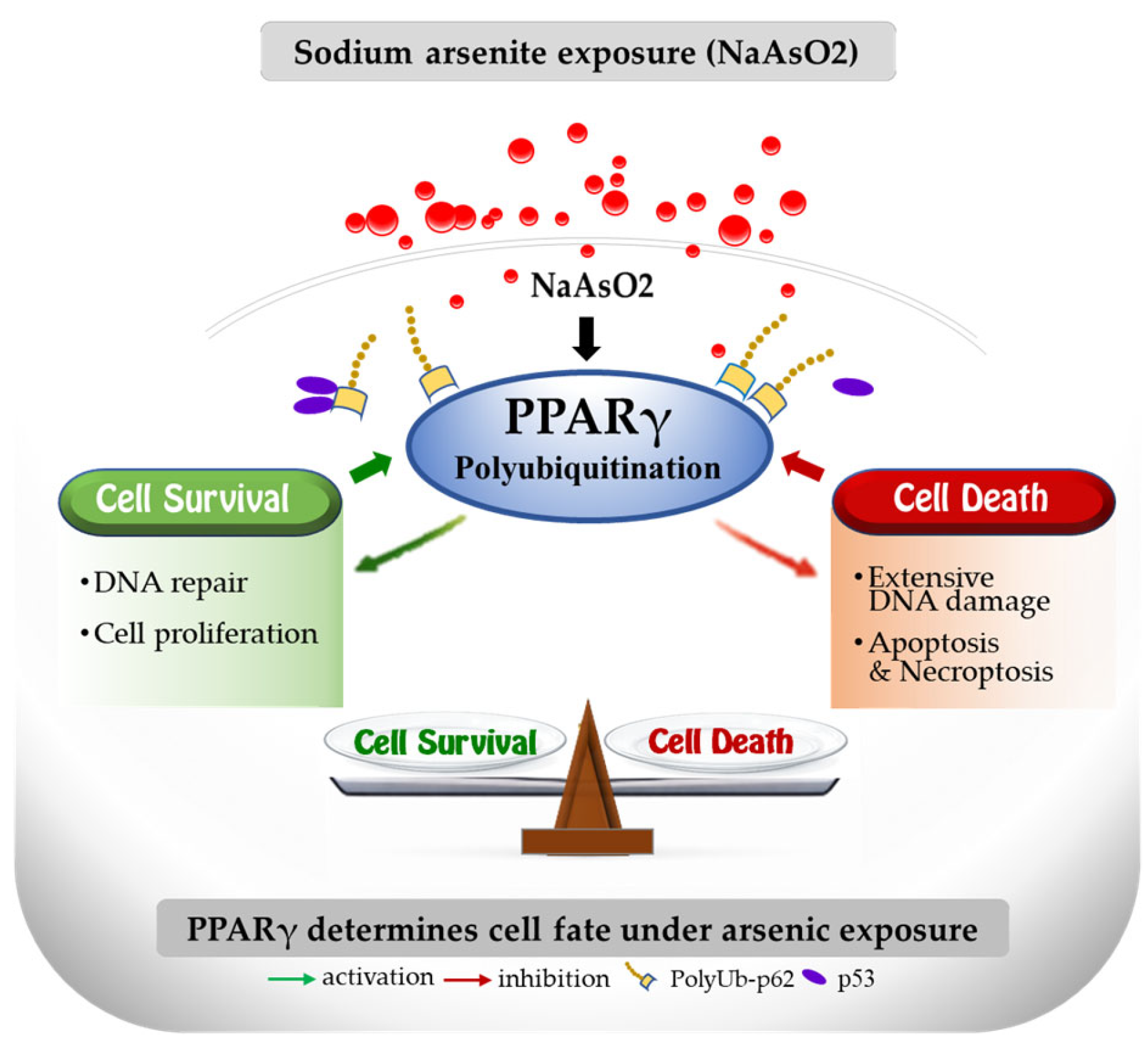
- PPARγ is a key determinant of cell fate in arsenic-induced lung cancer.
- PPARγ represents a potential therapeutic target in arsenic-related carcinogenesis.
Abstract
1. Introduction
2. Materials and Methods
2.1. Reagents and Antibodies
2.2. Cell Culture
2.3. Cytotoxicity Assays
2.4. Transfection
2.5. Immunoblotting and Immunoprecipitation
2.6. Immunofluorescence
2.7. Statistical Analysis
3. Results
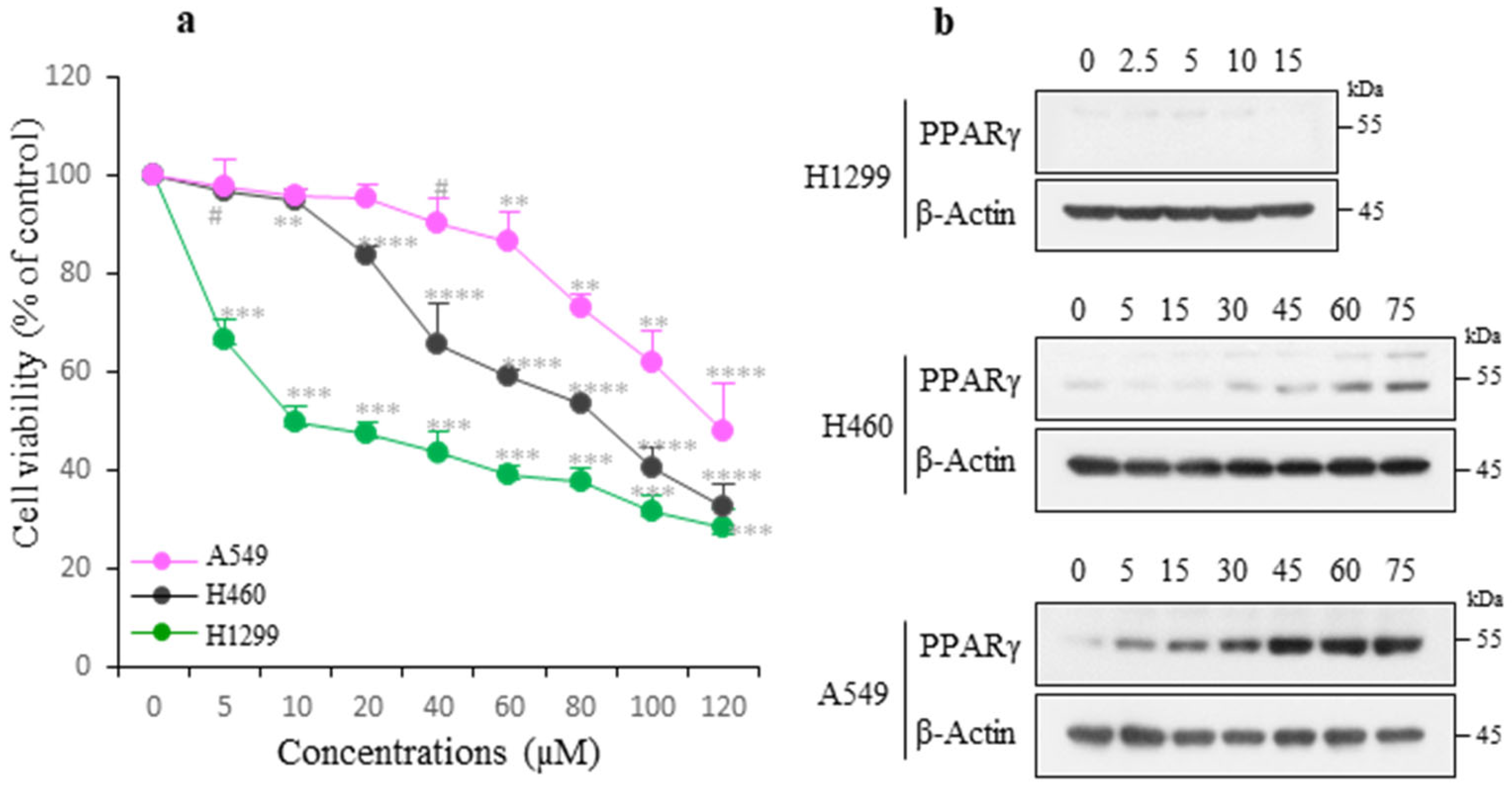
3.1. PPARγ Expression Was Inversely Correlated with Cell Growth in NaAR-Exposed Human Non-Small Cell Lung Cancer Cells
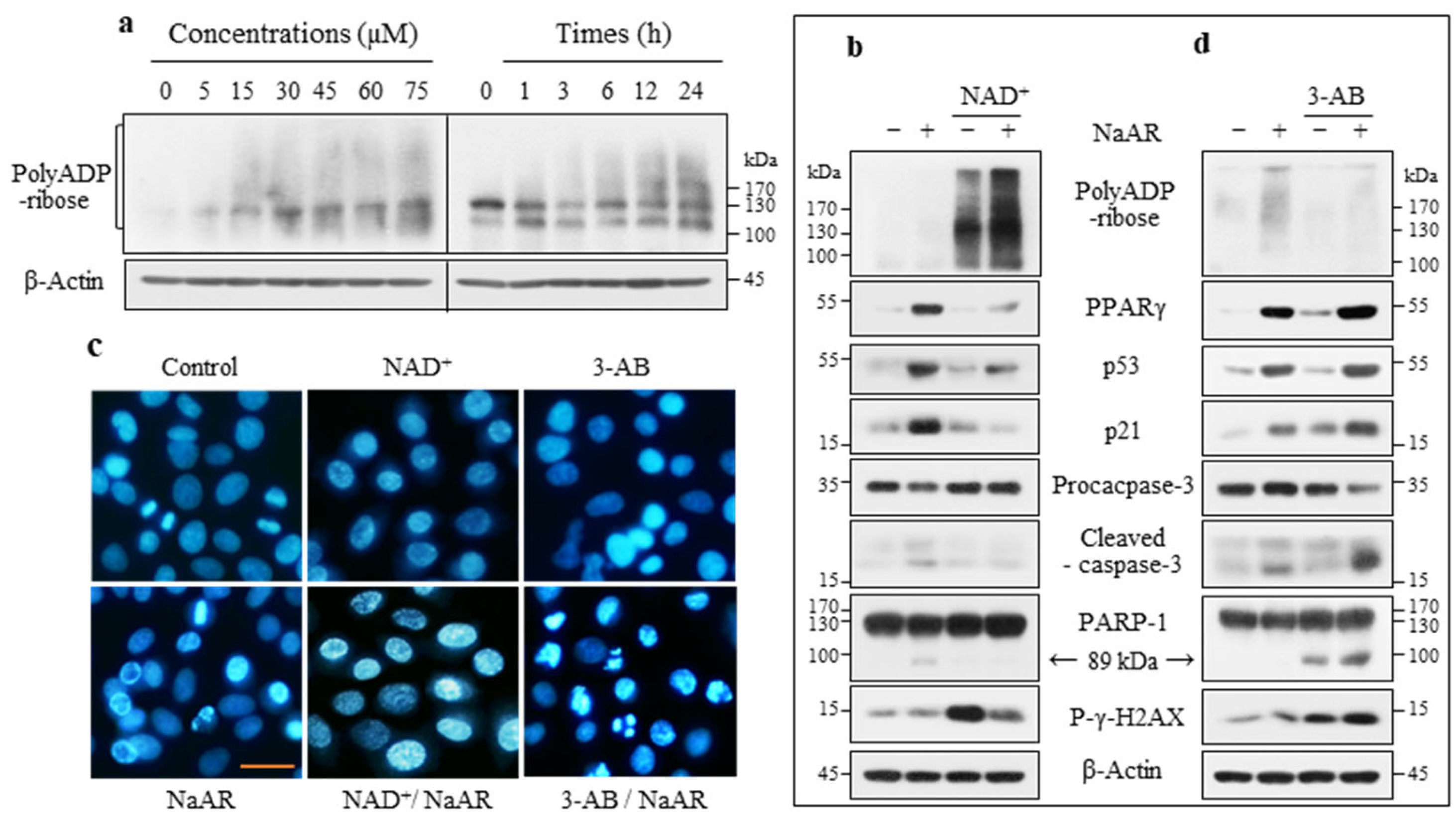
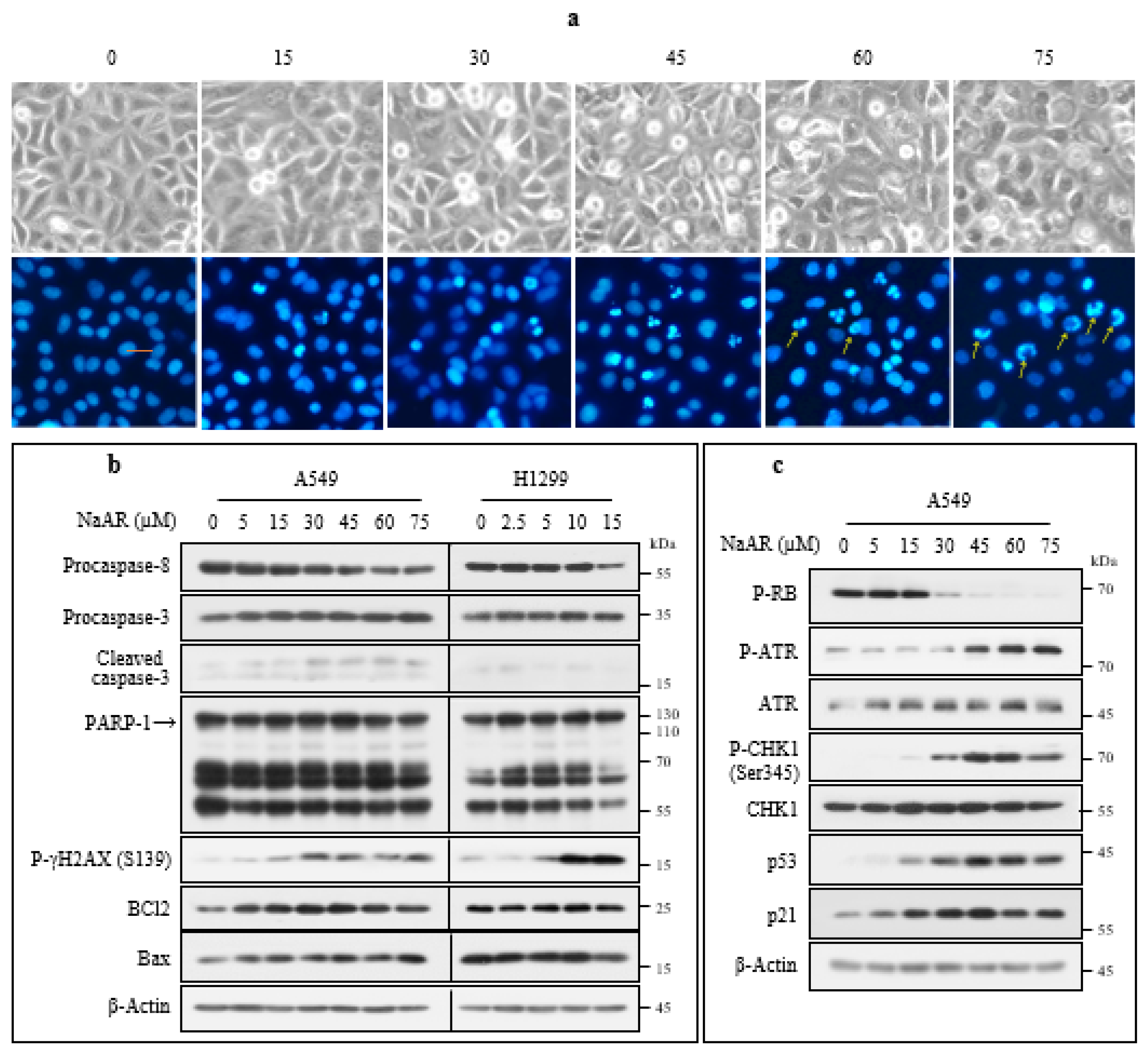
3.2. NaAR Affected Apoptosis and Cell Cycle Progression in A549 and H1299 Cells
3.3. NaAR Inhibited DNA Damage and Apoptosis by Regulating the PARP-1 Activation Level
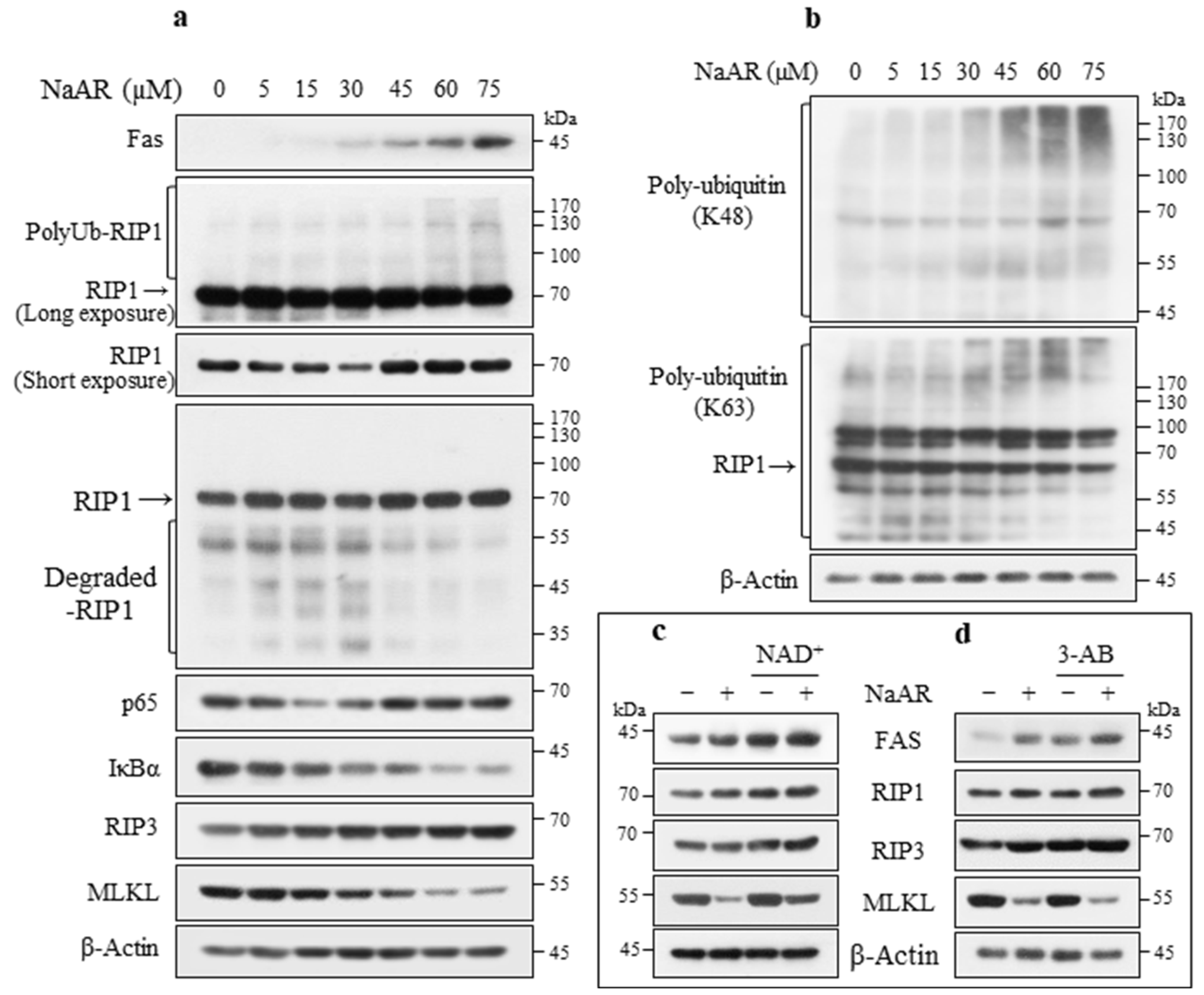
3.4. NaAR Induced RIP1-Mediated NF-κB Activation and Inhibited Apoptosis and Necroptosis
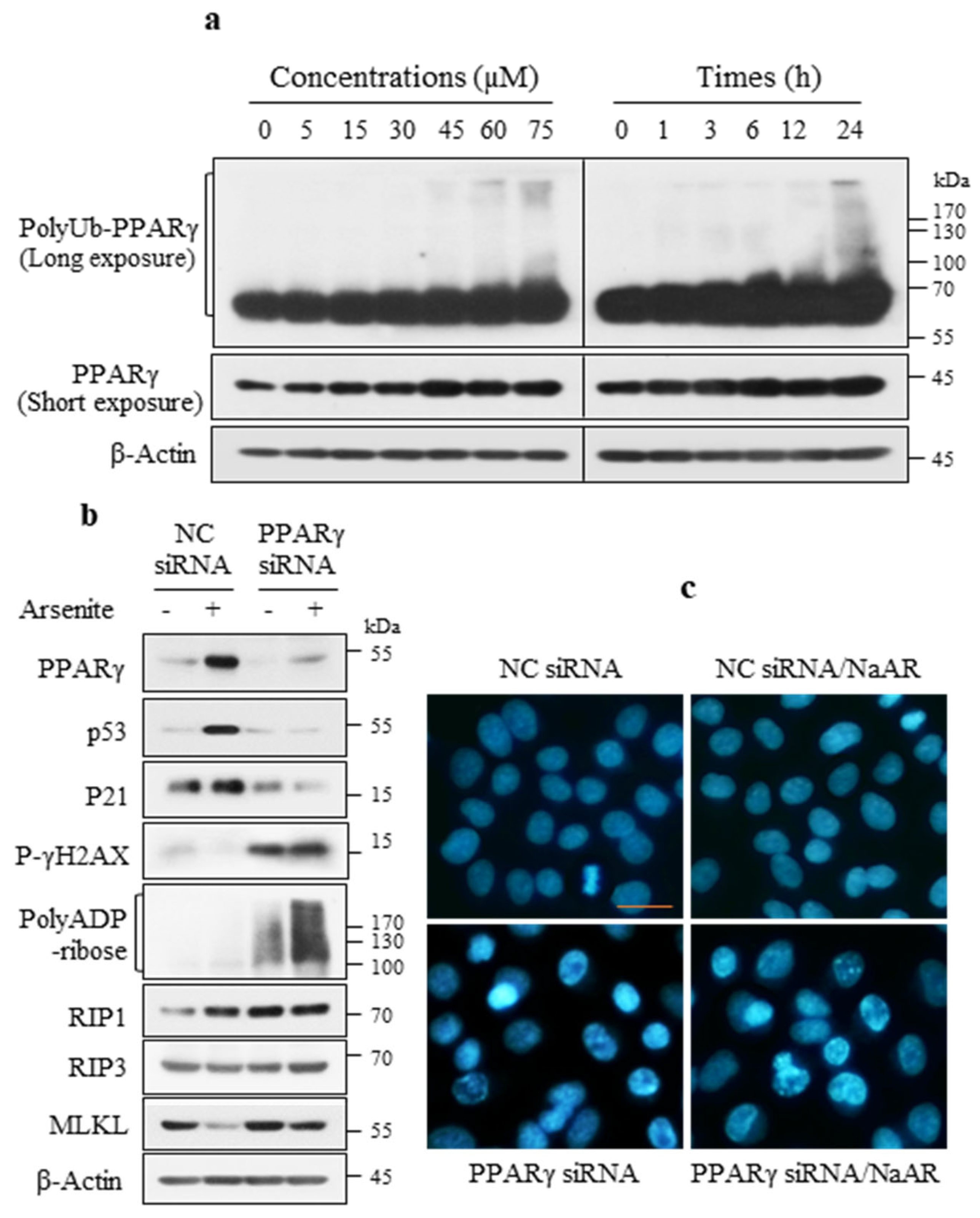
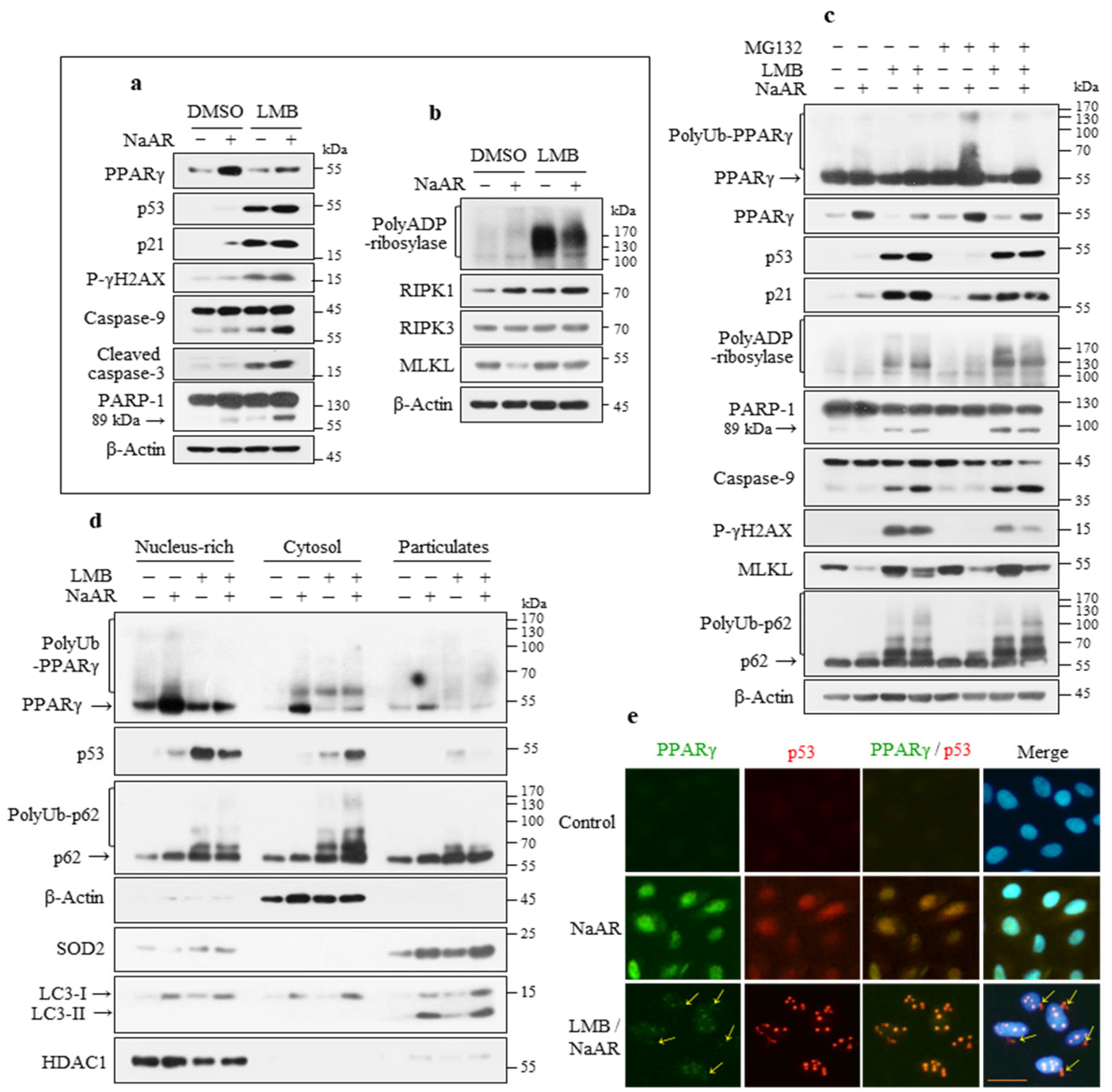
3.5. PPARγ Inhibited PARP-1 Hyperactivation and Necroptosis
3.6. PPARγ Stability Was Regulated by Proteasomes
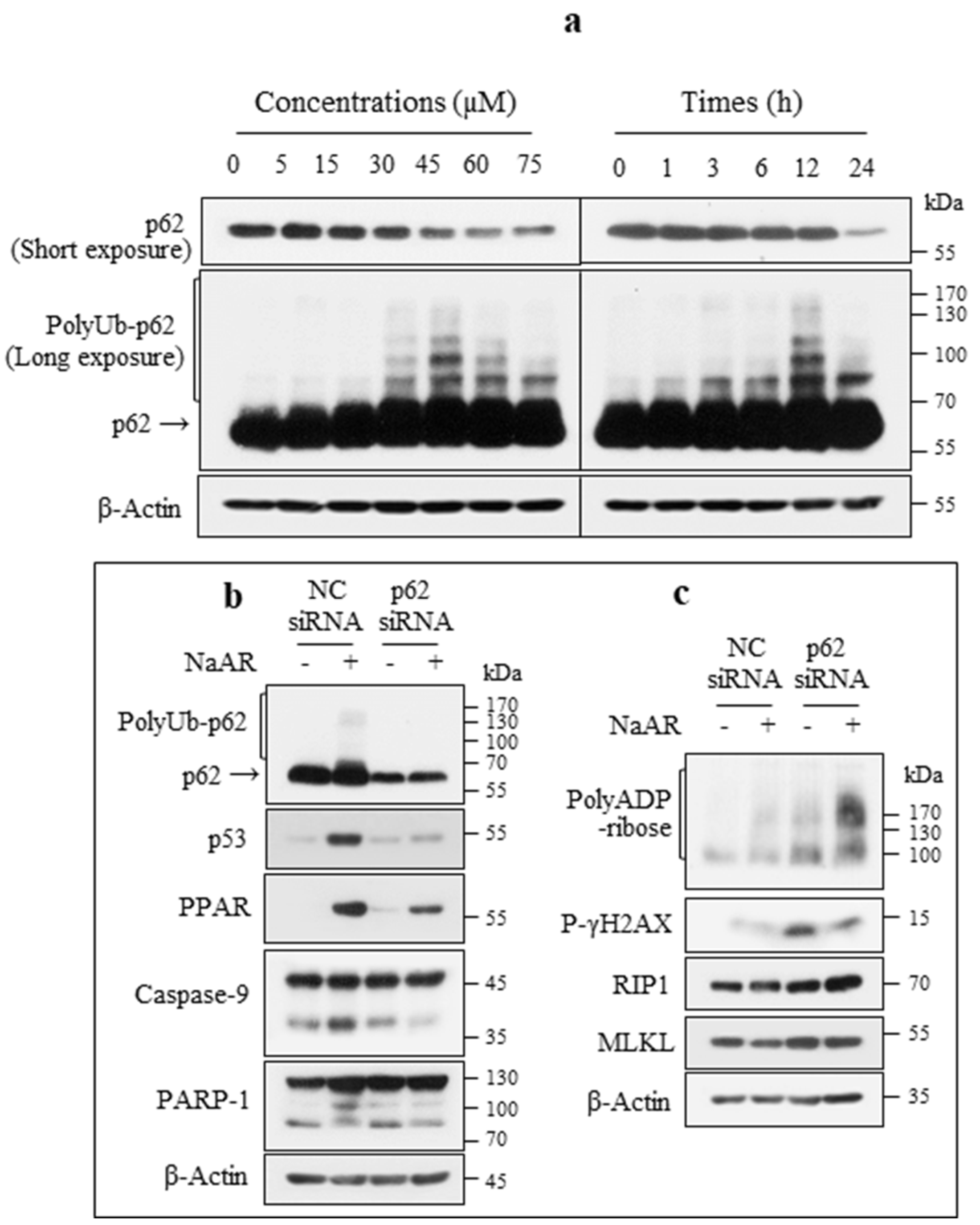
3.7. p62 Stabilized p53 to Induce Apoptosis and Inhibit Necroptosis
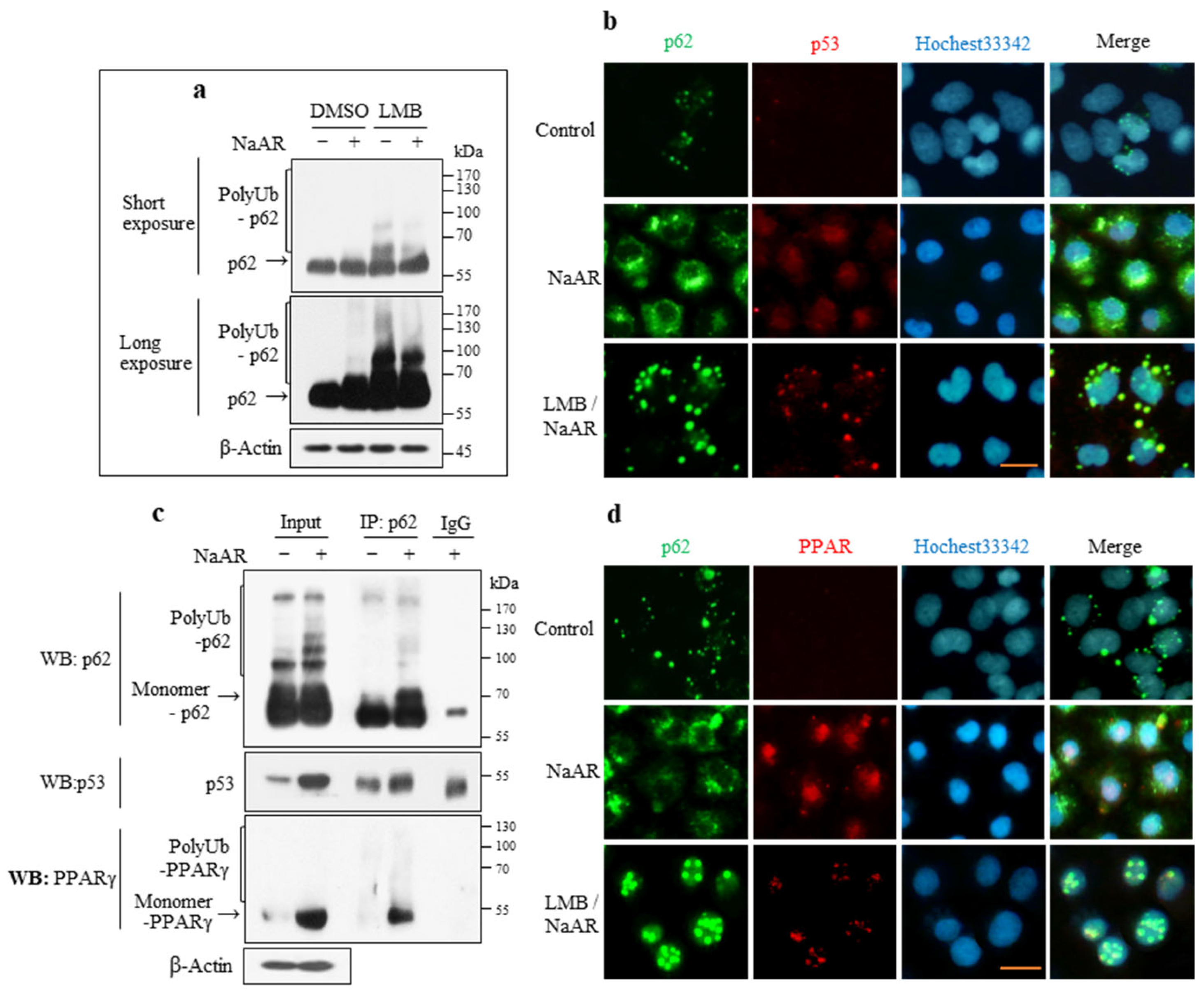
3.8. p62 Interacted with PPARγ and p53
4. Discussion
5. Conclusions
Supplementary Materials
Author Contributions
Funding
Institutional Review Board Statement
Informed Consent Statement
Data Availability Statement
Conflicts of Interest
References
- Bilello, K.S.; Murin, S.; Matthay, R.A. Epidemiology, etiology, and prevention of lung cancer. Clin. Chest Med. 2002, 23, 1–25. [Google Scholar] [CrossRef] [PubMed]
- Patel, K.S.; Pandey, P.K.; Martín-Ramos, P.; Corns, W.T.; Varol, S.; Bhattacharya, P.; Zhu, Y.A. review on arsenic in the environment: Contamination, mobility, sources, and exposure. RSC Adv. 2023, 13, 8803–8821. [Google Scholar] [CrossRef] [PubMed]
- Bade, B.C.; Dela Cruz, C.S. Lung Cancer 2020: Epidemiology, Etiology, and Prevention. Clin. Chest Med. 2020, 41, 1–24. [Google Scholar] [CrossRef] [PubMed]
- Martin, R.; Dowling, K.; Pearce, D.; Sillitoe, J.; Florentine, S. Health Effects Associated with Inhalation of Airborne Arsenic Arising from Mining Operations. Geosciences 2014, 4, 128–175. [Google Scholar] [CrossRef]
- Wei, S.; Zhang, H.; Tao, S.A. review of arsenic exposure and lung cancer. Toxicol. Res. 2019, 8, 319–327. [Google Scholar] [CrossRef]
- IARC. Working Group on the Evaluation of Carcinogenic Risks to Humans. Arsenic, metals, fibres, and dusts. IARC Monogr. Eval. Carcinog. Risks Hum. 2012, 100, 11–465. [Google Scholar]
- Issemann, I.; Green, S. Activation of a member of the steroid hormone receptor superfamily by peroxisome proliferators. Nature 1990, 347, 645–650. [Google Scholar] [CrossRef]
- Mal, S.; Dwivedi, A.R.; Kumar, V.; Kumar, N.; Kumar, B.; Kumar, V. Role of Peroxisome Proliferator-Activated Receptor Gamma (PPARγ) in Different Disease States: Recent Updates. Curr. Med. Chem. 2021, 28, 3193–3215. [Google Scholar] [CrossRef]
- Giaginis, C.; Politi, E.; Alexandrou, P.; Sfiniadakis, J.; Kouraklis, G.; Theocharis, S. Expression of peroxisome proliferator activated receptor-gamma (PPAR-γ) in human non-small cell lung carcinoma: Correlation with clinicopathological parameters, proliferation and apoptosis related molecules and patients’ survival. Pathol. Oncol. Res. 2012, 18, 875–883. [Google Scholar] [CrossRef]
- Theocharis, S.; Kanelli, H.; Politi, E.; Margeli, A.; Karkandaris, C.; Philippides, T.; Koutselinis, A. Expression of peroxisome proliferator activated receptor-gamma in non-small cell lung carcinoma: Correlation with histological type and grade. Lung Cancer 2002, 36, 249–255. [Google Scholar] [CrossRef]
- Asgharzadeh, F.; Memarzia, A.; Alikhani, V.; Beigoli, S.; Boskabady, M.H. Peroxisome proliferator-activated receptors: Key regulators of tumor progression and growth. Transl. Oncol. 2024, 47, 102039. [Google Scholar] [CrossRef] [PubMed]
- Inoue, K.; Kawahito, Y.; Tsubouchi, Y.; Yamada, R.; Kohno, M.; Hosokawa, Y.; Katoh, D.; Bishop-Bailey, D.; Hla, T.; Sano, H. Expression of peroxisome proliferator-activated receptor (PPAR)-gamma in human lung cancer. Anticancer Res. 2001, 21, 2471–2476. [Google Scholar] [PubMed]
- Satoh, T.; Toyoda, M.; Hoshino, H.; Monden, T.; Yamada, M.; Shimizu, H.; Miyamoto, K.; Mori, M. Activation of peroxisome proliferator-activated receptor-gamma stimulates the growth arrest and DNA-damage inducible 153 gene in non-small cell lung carcinoma cells. Oncogene 2002, 21, 2171–2180. [Google Scholar] [CrossRef] [PubMed]
- Li, M.; Lee, T.W.; Yim, A.P.; Mok, T.S.; Chen, G.G. Apoptosis induced by troglitazone is both peroxisome proliferator-activated receptor-gamma- and ERK-dependent in human non-small lung cancer cells. J. Cell. Physiol. 2006, 209, 428–438. [Google Scholar] [CrossRef]
- Zou, W.; Liu, X.; Yue, P.; Khuri, F.R.; Sun, S.Y. PPARgamma ligands enhance TRAIL-induced apoptosis through DR5 upregulation and c-FLIP downregulation in human lung cancer cells. Cancer Biol. Ther. 2007, 6, 99–106. [Google Scholar] [CrossRef]
- Han, S.; Sidell, N.; Fisher, P.B.; Roman, J. Up-regulation of p21 gene expression by peroxisome proliferator-activated receptor gamma in human lung carcinoma cells. Clin. Cancer Res. 2004, 10, 1911–1919. [Google Scholar] [CrossRef]
- Kim, T.W.; Hong, D.W.; Hong, S.H. CB13, a novel PPARγ ligand, overcomes radio-resistance via ROS generation and ER stress in human non-small cell lung cancer. Cell Death Dis. 2020, 11, 848. [Google Scholar] [CrossRef]
- Nazim, U.M.; Moon, J.H.; Lee, Y.J.; Seol, J.W.; Park, S.Y. PPARγ activation by troglitazone enhances human lung cancer cells to TRAIL-induced apoptosis via autophagy flux. Oncotarget 2017, 8, 26819–26831. [Google Scholar] [CrossRef]
- Zhang, J.; Tang, M.; Shang, J. PPARγ Modulators in Lung Cancer: Molecular Mechanisms, Clinical, Prospects and Challenges. Biomolecules 2024, 14, 190. [Google Scholar] [CrossRef]
- Liu, W.J.; Ye, L.; Huang, W.F.; Guo, L.J.; Xu, Z.G.; Wu, H.L.; Yang, C.; Liu, H.F. p62 links the autophagy pathway and the ubiqutin-proteasome system upon ubiquitinated protein degradation. Cell. Mol. Biol. Lett. 2016, 21, 29. [Google Scholar] [CrossRef]
- Komatsu, M.; Kageyama, S.; Ichimura, Y. p62/SQSTM1/A170: Physiology and pathology. Pharmacol. Res. 2012, 66, 457–462. [Google Scholar] [CrossRef] [PubMed]
- Pankiv, S.; Lamark, T.; Bruun, J.A.; Øvervatn, A.; Bjørkøy, G.; Johansen, T. Nucleocytoplasmic shuttling of p62/SQSTM1 and its role in recruitment of nuclear polyubiquitinated proteins to promyelocytic leukemia bodies. J. Biol. Chem. 2010, 285, 5941–5953. [Google Scholar] [CrossRef] [PubMed]
- Fu, A.; Cohen-Kaplan, V.; Avni, N.; Livneh, I.; Ciechanover, A. p62-containing, proteolytically active nuclear condensates, increase the efficiency of the ubiquitin-proteasome system. Proc. Natl. Acad. Sci. USA 2021, 118, e2107321118. [Google Scholar] [CrossRef] [PubMed]
- Fu, A.; Luo, Z.; Ziv, T.; Bi, X.; Lulu-Shimron, C.; Cohen-Kaplan, V.; Ciechanover, A. Nuclear p62 condensates stabilize the promyelocytic leukemia nuclear bodies by sequestering their ubiquitin ligase RNF4. Proc. Natl. Acad. Sci. USA 2024, 121, e2414377121. [Google Scholar] [CrossRef]
- Zhang, X.; Dai, M.; Li, S.; Li, M.; Cheng, B.; Ma, T.; Zhou, Z. The emerging potential role of p62 in cancer treatment by regulating metabolism. Trends Endocrinol. Metab. 2023, 34, 474–488. [Google Scholar] [CrossRef]
- Nezis, I.P.; Stenmark, H. p62 at the interface of autophagy, oxidative stress signaling, and cancer. Antioxid. Redox Signal 2012, 17, 786–793. [Google Scholar] [CrossRef]
- Linares, J.F.; Amanchy, R.; Greis, K.; Diaz-Meco, M.T.; Moscat, J. Phosphorylation of p62 by cdk1 controls the timely transit of cells through mitosis and tumor cell proliferation. Mol. Cell. Biol. 2011, 31, 105–117. [Google Scholar] [CrossRef]
- Yeh, S.L.; Yeh, C.L.; Chan, S.T.; Chuang, C.H. Plasma rich in quercetin metabolites induces G2/M arrest by upregulating PPAR-γ expression in human A549 lung cancer cells. Planta Medica 2011, 77, 992–998. [Google Scholar] [CrossRef]
- Rovito, D.; Giordano, C.; Plastina, P.; Barone, I.; De Amicis, F.; Mauro, L.; Rizza, P.; Lanzino, M.; Catalano, S.; Bonofiglio, D.; et al. Omega-3 DHA- and EPA-dopamine conjugates induce PPARγ-dependent breast cancer cell death through autophagy and apoptosis. Biochim. Biophys. Acta 2015, 1850, 2185–2195. [Google Scholar] [CrossRef]
- Bertrand, M.J.; Vandenabeele, P. RIP1’s function in NF-kappaB activation: From master actor to onlooker. Cell Death Differ. 2010, 17, 379–380. [Google Scholar] [CrossRef]
- Ganie, S.Y.; Javai, D.; Hajam, Y.A.; Reshi, M.S. Arsenic toxicity: Sources, pathophysiology and mechanism. Toxicol. Res. 2023, 13, tfad111. [Google Scholar] [CrossRef]
- Jiang, L.; Wang, L.; Chen, L.; Cai, G.H.; Ren, Q.Y.; Chen, J.Z.; Shi, H.J.; Xie, Y.H. As2O3 induces apoptosis in human hepatocellular carcinoma HepG2 cells through a ROS-mediated mitochondrial pathway and activation of caspases. Int. J. Clin. Exp. Med. 2015, 8, 2190–2196. [Google Scholar] [PubMed]
- Thompson, J.A.; Franklin, C.C. Enhanced glutathione biosynthetic capacity promotes resistance to As3+-induced apoptosis. Toxicol. Lett. 2010, 193, 33–40. [Google Scholar] [CrossRef][Green Version]
- Lee, H.Y.; Oh, S.H. Arsenite-induced cytotoxicity is regulated by p38-SQSTM1/p62 and JNK-BNIP3L/Nix signaling in lung cancer cells. Biochem. Biophys. Res. Commun. 2022, 587, 16–23. [Google Scholar] [CrossRef] [PubMed]
- So, K.Y.; Oh, S.H. Arsenite-induced cytotoxicity is regulated by poly-ADP ribose polymerase 1 activation and parthanatos in p53-deficient H1299 cells: The roles of autophagy and p53. Biochem. Biophys. Res. Commun. 2023, 656, 78–85. [Google Scholar] [CrossRef] [PubMed]
- Kushwaha, R.; Mishra, J.; Tripathi, S.; Khare, P.; Bandyopadhyay, S. Arsenic, cadmium, and lead like troglitazone trigger PPARγ-dependent Poly (ADP-Ribose) polymerase expression and subsequent apoptosis in rat brain astrocytes. Mol. Neurobiol. 2018, 55, 2125–2149. [Google Scholar] [CrossRef]
- Xu, Y.; Huang, S.; Liu, Z.G.; Han, J. Poly (ADP-ribose) polymerase-1 signaling to mitochondria in necrotic cell death requires RIP1/TRAF2-mediated JNK1 activation. J. Biol. Chem. 2006, 281, 8788–8795. [Google Scholar] [CrossRef]
- Jouan-Lanhouet, S.; Arshad, M.I.; Piquet-Pellorce, C.; Martin-Chouly, C.; Le Moigne-Muller, G.; Van Herreweghe, F.; Takahashi, N.; Sergent, O.; Lagadic-Gossmann, D.; Vandenabeele, P.; et al. TRAIL induces necroptosis involving RIPK1/RIPK3-dependent PARP-1 activation. Cell Death Differ. 2012, 19, 2003–2014. [Google Scholar] [CrossRef]
- Jang, K.H.; Jang, T.; Son, E.; Choi, S.; Kim, E. Kinase-independent role of nuclear RIPK1 in regulating parthanatos through physical interaction with PARP1 upon oxidative stress. Biochim. Biophys. Acta Mol. Cell Res. 2018, 1865, 132–141. [Google Scholar] [CrossRef]
- Glass, C.K. Going nuclear in metabolic and cardiovascular disease. J. Clin. Investig. 2006, 116, 556–560. [Google Scholar] [CrossRef]
- Umemoto, T.; Fujiki, Y. Ligand-dependent nucleo-cytoplasmic shuttling of peroxisome proliferator-activated receptors, PPARα and PPARγ. Genes Cells 2012, 17, 576–596. [Google Scholar] [CrossRef] [PubMed]
- Burgermeister, E.; Seger, R. MAPK kinases as nucleo-cytoplasmic shuttles for PPARgamma. Cell Cycle 2007, 6, 1539–1548. [Google Scholar] [CrossRef] [PubMed]
- von Knethen, A.; Tzieply, N.; Jennewein, C.; Brüne, B. Casein-kinase-II-dependent phosphorylation of PPARgamma provokes CRM1-mediated shuttling of PPARgamma from the nucleus to the cytosol. J. Cell Sci. 2010, 123, 192–201. [Google Scholar] [CrossRef] [PubMed]
- Floyd, Z.E.; Stephens, J.M. Interferon-gamma-mediated activation and ubiquitin-proteasome-dependent degradation of PPARgamma in adipocytes. J. Biol. Chem. 2002, 277, 4062–4068. [Google Scholar] [CrossRef]
- Genini, D.; Carbone, G.M.; Catapano, C.V. Multiple Interactions between Peroxisome Proliferators-Activated Receptors and the Ubiquitin-Proteasome System and Implications for Cancer Pathogenesis. PPAR Res. 2008, 2008, 195065. [Google Scholar] [CrossRef]
- Geng, Y.; Walls, K.C.; Ghosh, A.P.; Akhtar, R.S.; Klocke, B.J.; Roth, K.A. Cytoplasmic p53 and activated Bax regulate p53-dependent, transcription-independent neural precursor cell apoptosis. J. Histochem. Cytochem. 2010, 58, 265–275. [Google Scholar] [CrossRef]
- Hao, Q.; Chen, J.; Lu, H.; Zhou, X. The ARTS of p53-dependent mitochondrial apoptosis. J. Mol. Cell Biol. 2023, 14, mjac074. [Google Scholar] [CrossRef]
- Kong, Q.; Yan, X.; Cheng, M.; Jiang, X.; Xu, L.; Shen, L.; Yu, H.; Sun, L. p62 promotes the mitochondrial localization of p53 through Its UBA domain and participates in regulating the sensitivity of ovarian cancer cells to cisplatin. Int. J. Mol. Sci. 2022, 23, 3290. [Google Scholar] [CrossRef]
- Muzio, M.; Chinnaiyan, A.M.; Kischkel, F.C.; O’Rourke, K.; Shevchenko, A.; Ni, J.; Scaffidi, C.; Bretz, J.D.; Zhang, M.; Gentz, R.; et al. FLICE, a novel FADD-homologous ICE/CED-3-like protease, is recruited to the CD95 (Fas/APO-1) deathinducing signaling complex. Cell 1996, 85, 817–827. [Google Scholar] [CrossRef]
- Declercq, W.; Vanden Berghe, T.; Vandenabeele, P. RIP Kinases at the crossroads of cell death and survival. Cell 2009, 138, 229–232. [Google Scholar] [CrossRef]
- Weinlich, R.; Green, D.R. The two faces of receptor interacting protein kinase-1. Mol. Cell 2014, 56, 469–480. [Google Scholar] [CrossRef]
- Cui, Y. MLKL triggers NLRP3 activation in sodium arsenite-induced myocardial necroinflammation. Toxicology 2025, 515, 154132. [Google Scholar] [CrossRef]
- Rainey, N.E.; Armand, A.S.; Petit, P.X. Sodium arsenite and arsenic trioxide differently affect the oxidative stress of lymphoblastoid cells: An intricate crosstalk between mitochondria, autophagy and cell death. PLoS ONE 2024, 19, e0302701. [Google Scholar] [CrossRef]



Disclaimer/Publisher’s Note: The statements, opinions and data contained in all publications are solely those of the individual author(s) and contributor(s) and not of MDPI and/or the editor(s). MDPI and/or the editor(s) disclaim responsibility for any injury to people or property resulting from any ideas, methods, instructions or products referred to in the content. |
© 2026 by the authors. Licensee MDPI, Basel, Switzerland. This article is an open access article distributed under the terms and conditions of the Creative Commons Attribution (CC BY) license.
Share and Cite
Kim, H.-R.; Oh, S.-H. Arsenic-Induced PPARγ, with the Coordinated Action of p62, Inhibits Apoptosis and Necroptosis and Activates the DNA Damage Response in A549 Lung Cancer Cells, Leading to Carcinogenesis. Cells 2026, 15, 659. https://doi.org/10.3390/cells15080659
Kim H-R, Oh S-H. Arsenic-Induced PPARγ, with the Coordinated Action of p62, Inhibits Apoptosis and Necroptosis and Activates the DNA Damage Response in A549 Lung Cancer Cells, Leading to Carcinogenesis. Cells. 2026; 15(8):659. https://doi.org/10.3390/cells15080659
Chicago/Turabian StyleKim, Hak-Ryul, and Seon-Hee Oh. 2026. "Arsenic-Induced PPARγ, with the Coordinated Action of p62, Inhibits Apoptosis and Necroptosis and Activates the DNA Damage Response in A549 Lung Cancer Cells, Leading to Carcinogenesis" Cells 15, no. 8: 659. https://doi.org/10.3390/cells15080659
APA StyleKim, H.-R., & Oh, S.-H. (2026). Arsenic-Induced PPARγ, with the Coordinated Action of p62, Inhibits Apoptosis and Necroptosis and Activates the DNA Damage Response in A549 Lung Cancer Cells, Leading to Carcinogenesis. Cells, 15(8), 659. https://doi.org/10.3390/cells15080659