BNIP3/BNIP3L-Dependent Mitophagy Protects Against Hippocampal Neuronal Damage and Apoptosis in a Model of Vascular Dementia

Highlights
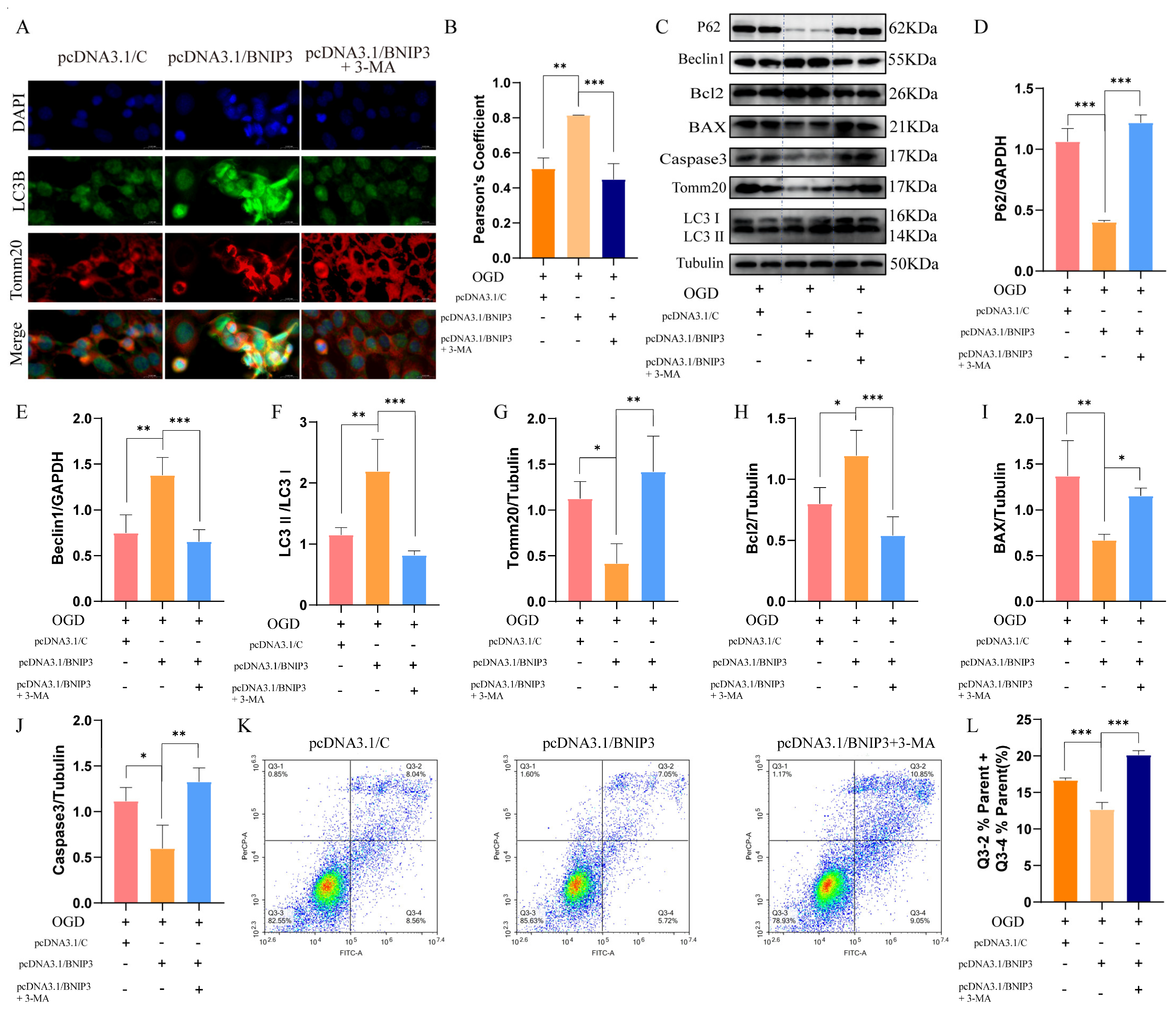
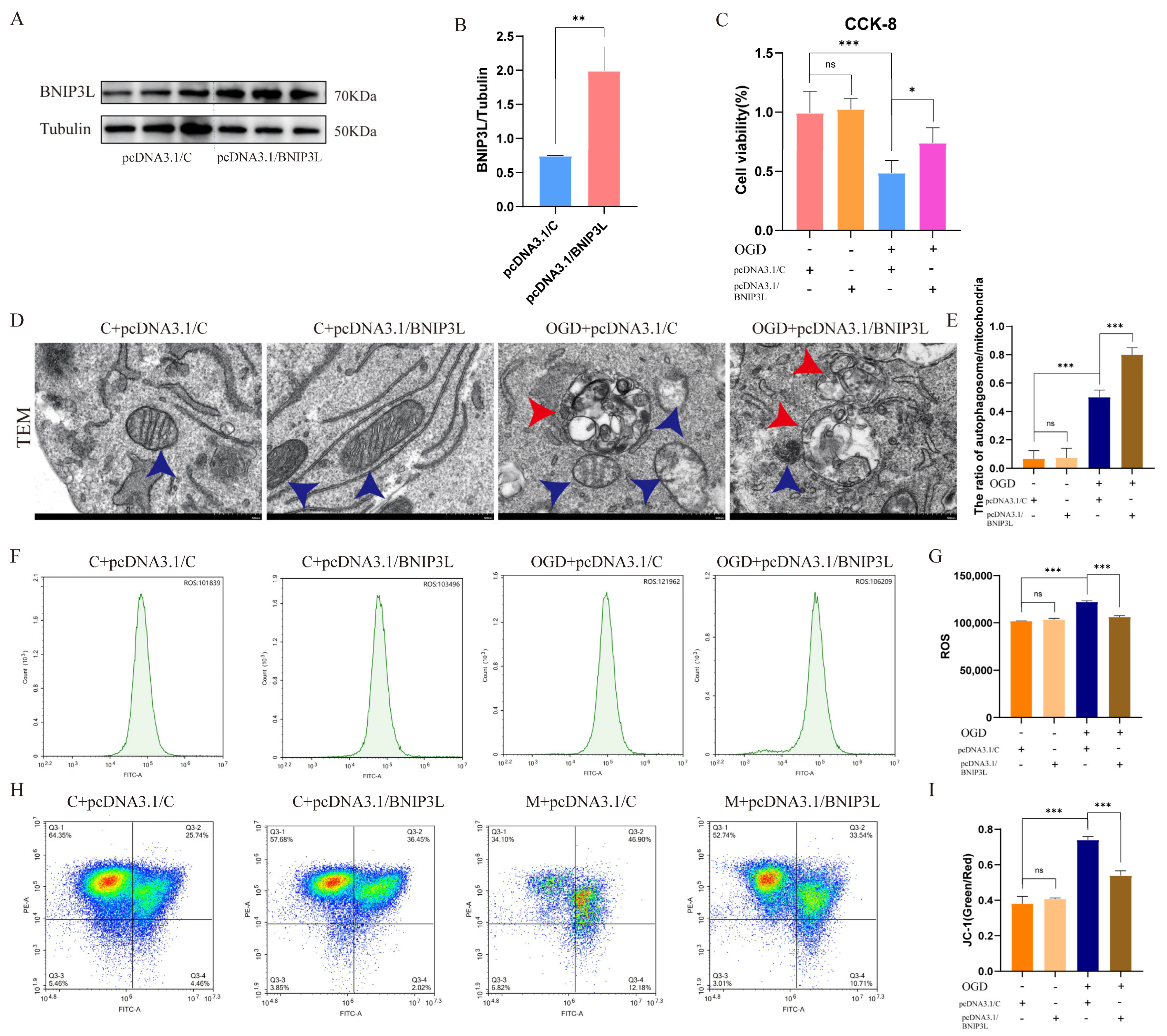
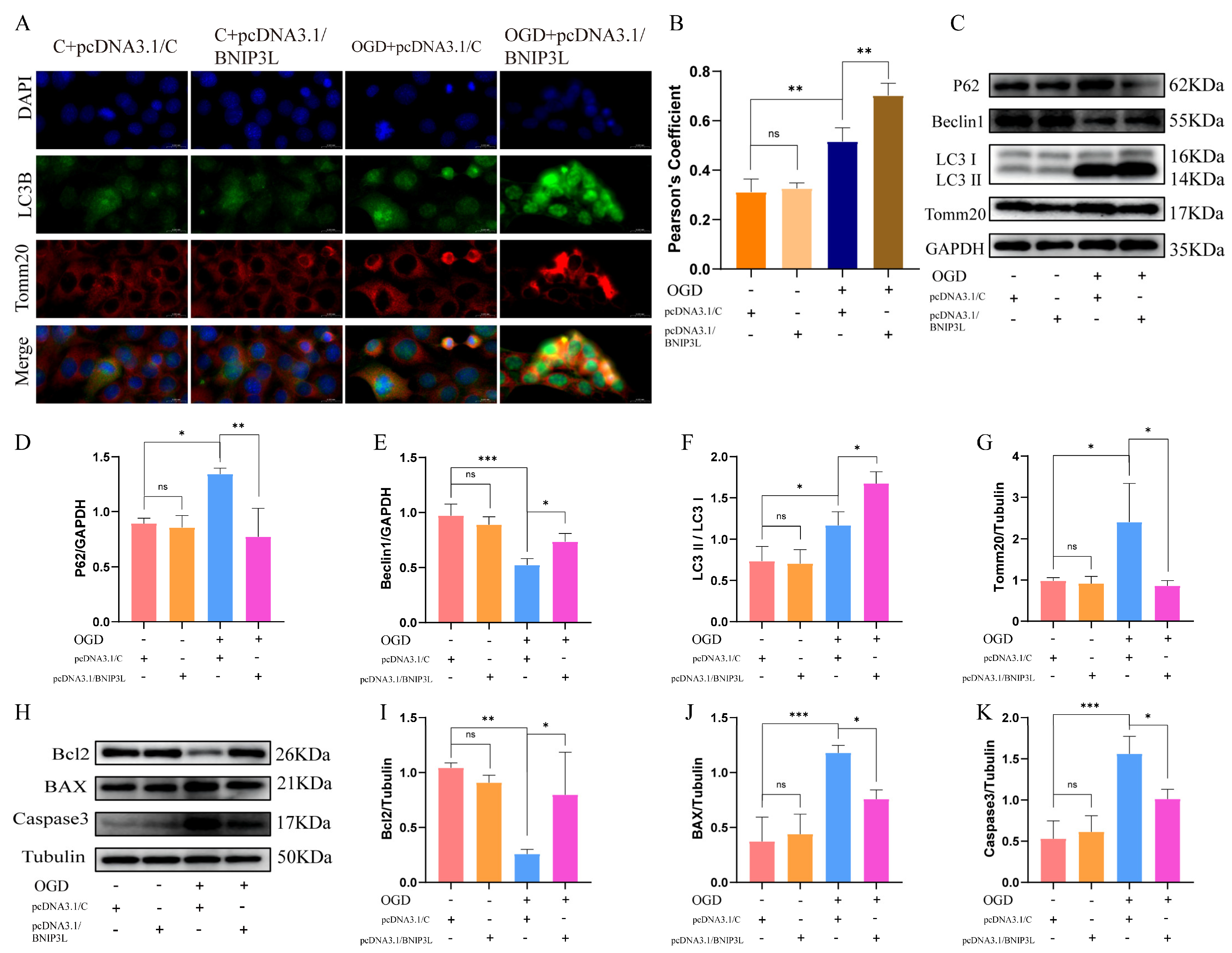
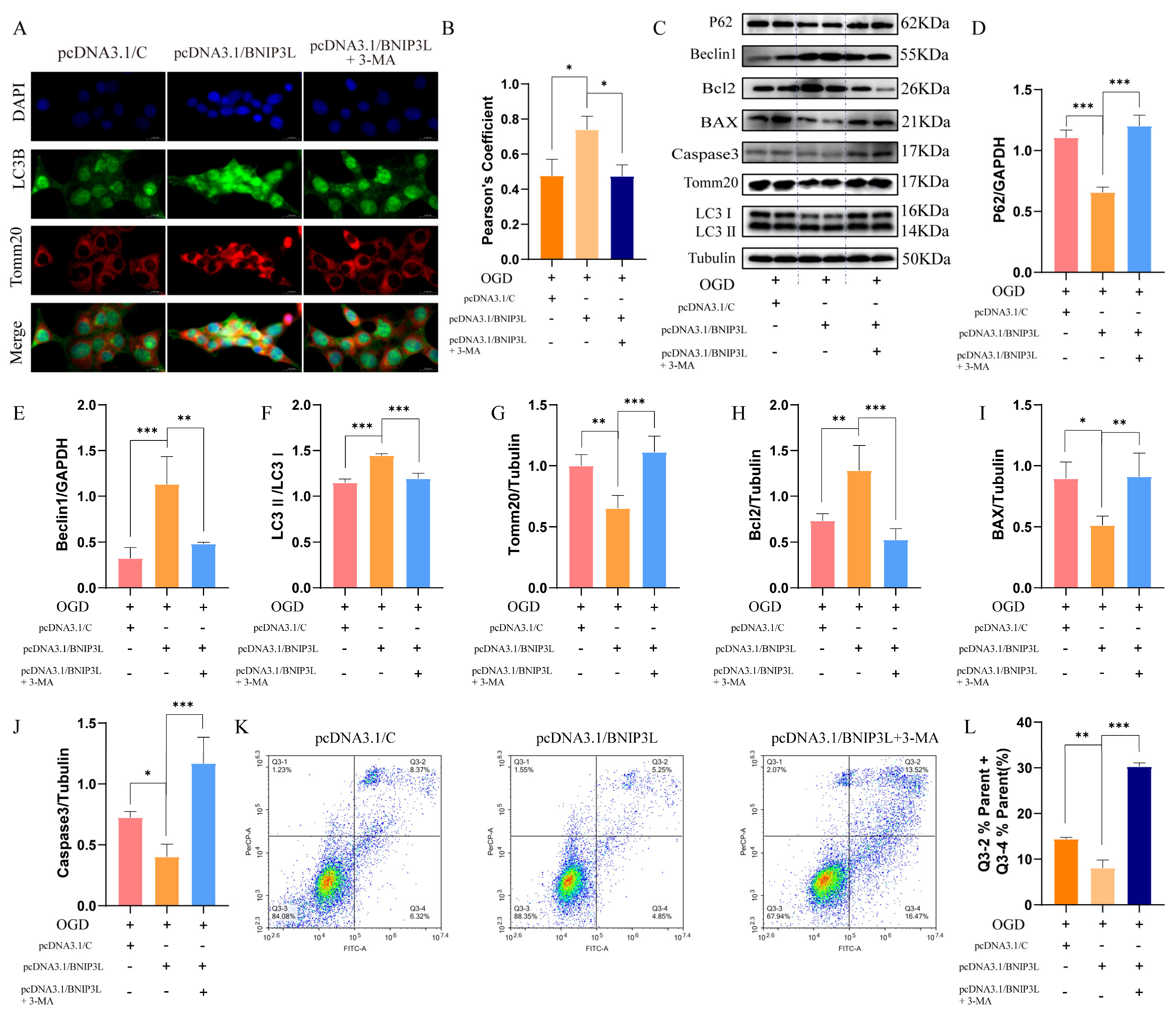
- BNIP3 and BNIP3L are significantly downregulated under chronic cerebral hypoperfusion, leading to impaired receptor-mediated mitophagy and neuronal apoptosis. Overexpression of BNIP3 or BNIP3L restores mitophagic flux, reduces oxidative stress, and attenuates apoptosis in an autophagy-dependent manner.
- This study identifies BNIP3/BNIP3L as critical regulators of mitochondrial quality control in vascular dementia and highlights their potential as therapeutic targets for mitigating vascular cognitive decline.
Abstract
1. Introduction
2. Materials and Methods
2.1. Antibodies
2.2. Chemicals and Reagents
2.3. Animals
2.4. Establishment of a VD Model and Drug Treatment
2.5. Cerebral Blood Flow (CBF) Measurement
2.6. Morris Water Maze (MWM) Test
2.7. Histologic Examination
2.8. Hematoxylin and Eosin (HE) Staining
2.9. Nissl Staining
2.10. TUNEL Staining
2.11. Immunofluorescence Double-Labeling
2.12. Transmission Electron Microscope (TEM) Test
2.13. Western Blot Analysis
2.14. Cell Culture and Transfection
2.15. OGD Model
2.16. CCK-8 Assay
2.17. Measurement of HT22 Apoptosis
2.18. ROS Determination
2.19. Detection of Mitochondrial Membrane Potential (MMP)
2.20. Statistical Analysis
3. Results
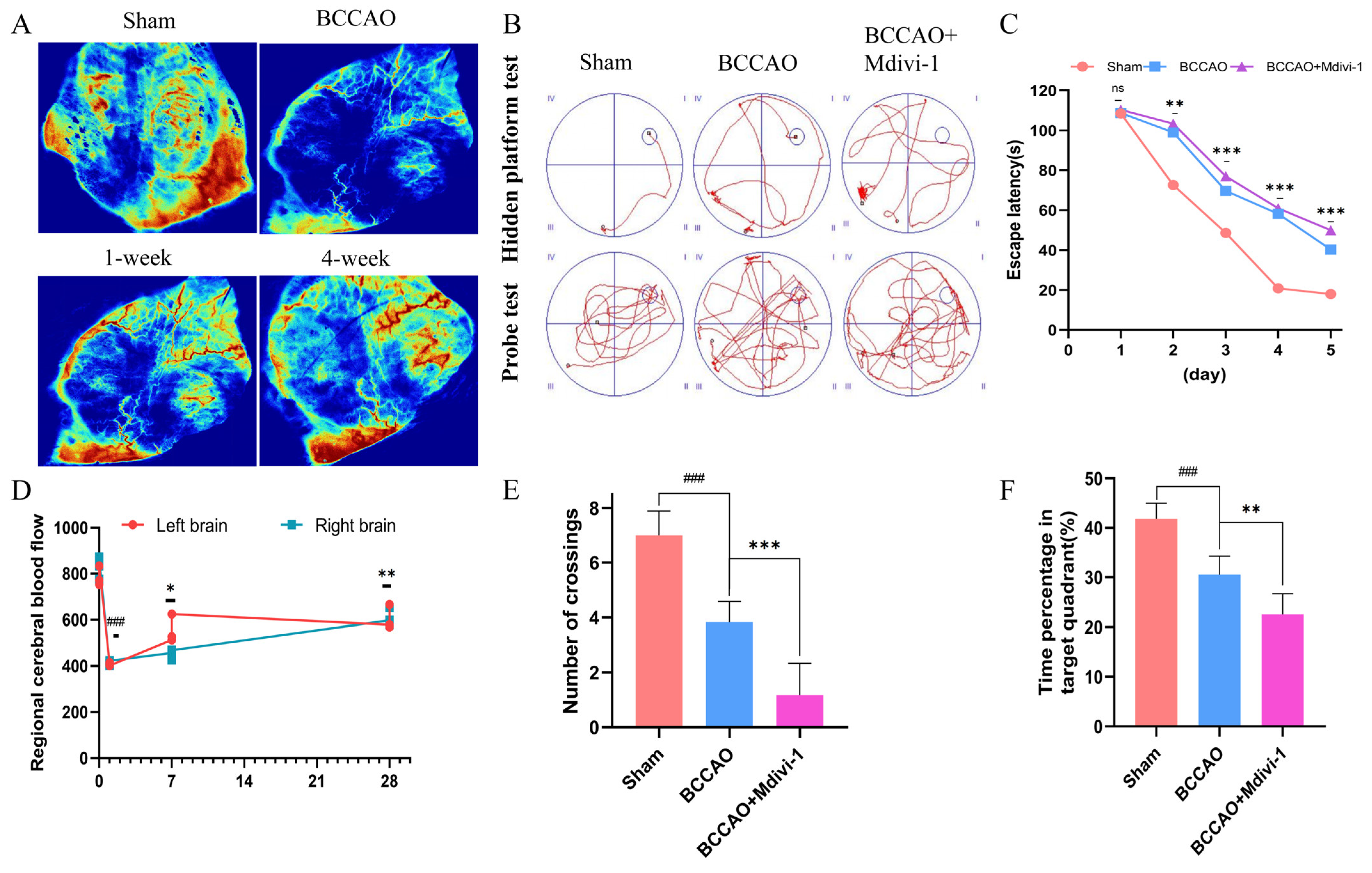
3.1. Successful Establishment of CCH Model with Associated Cognitive Deficits
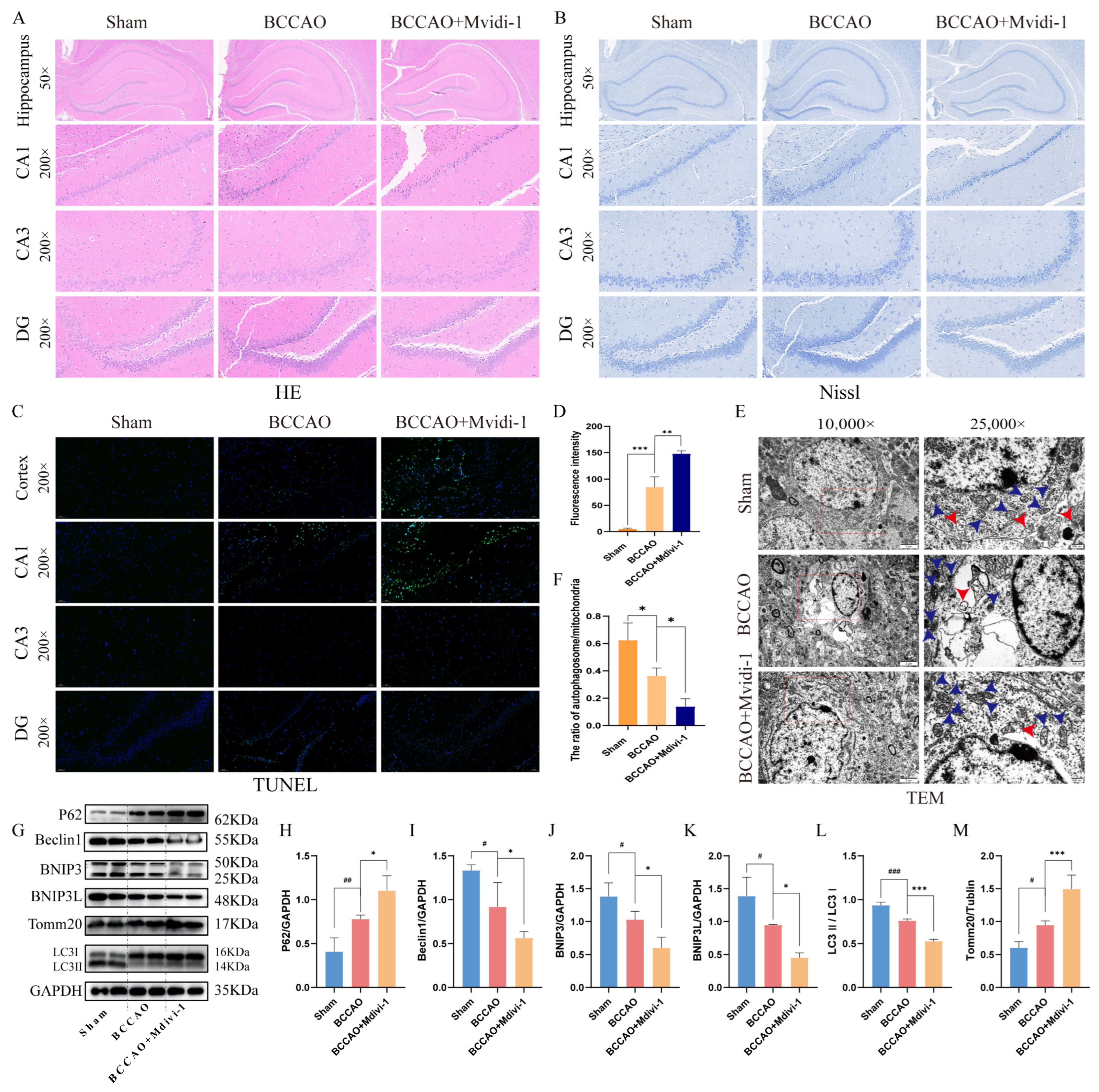
3.2. BNIP3/BNIP3L Pathway Deficiency Is a Critical Driver of CCH Pathogenesis
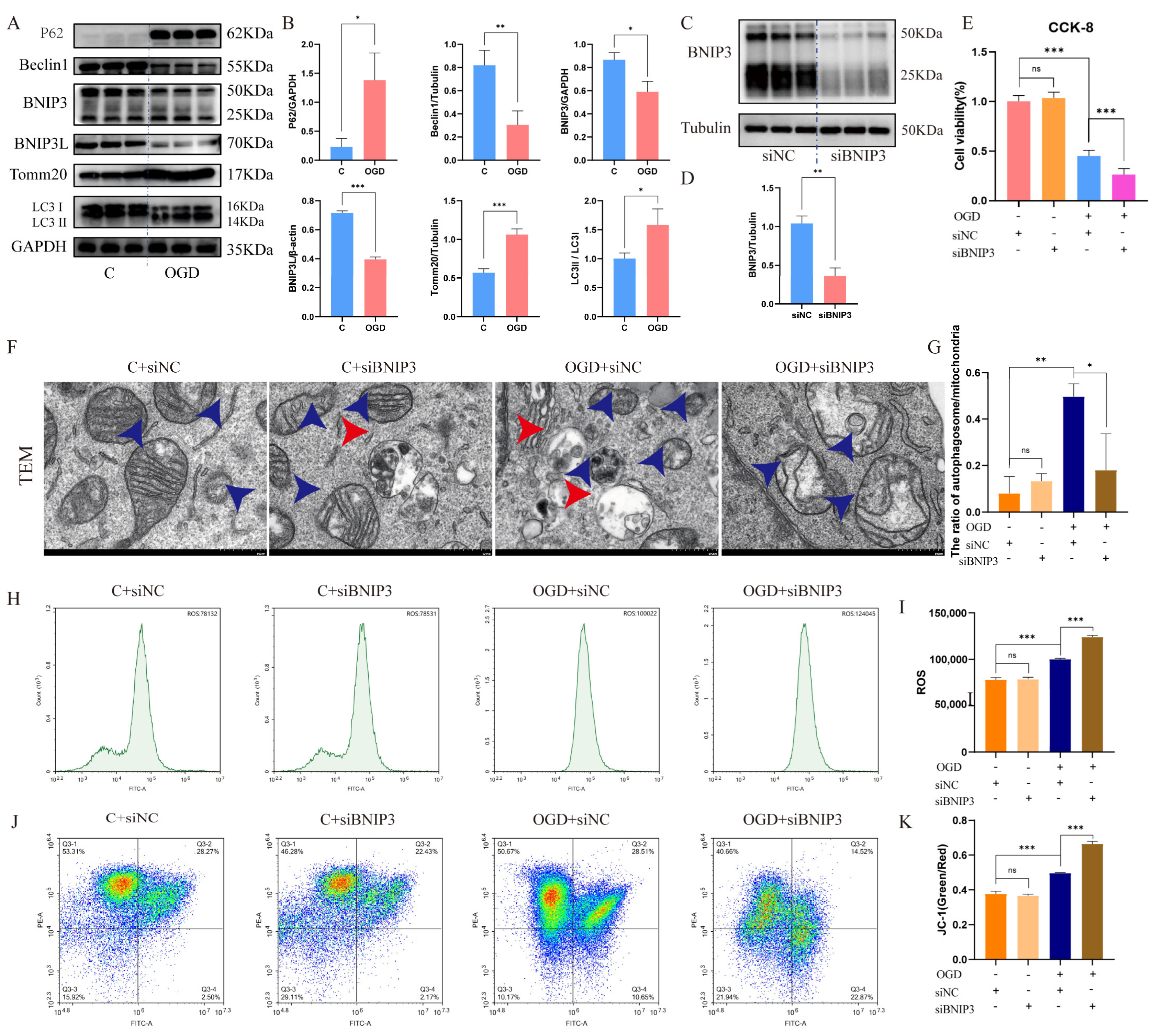
3.3. OGD Recapitulates Mitophagy Dysregulation in HT22 Cells
3.4. BNIP3 Knockdown Exacerbates OGD-Induced Mitochondrial Dysfunction
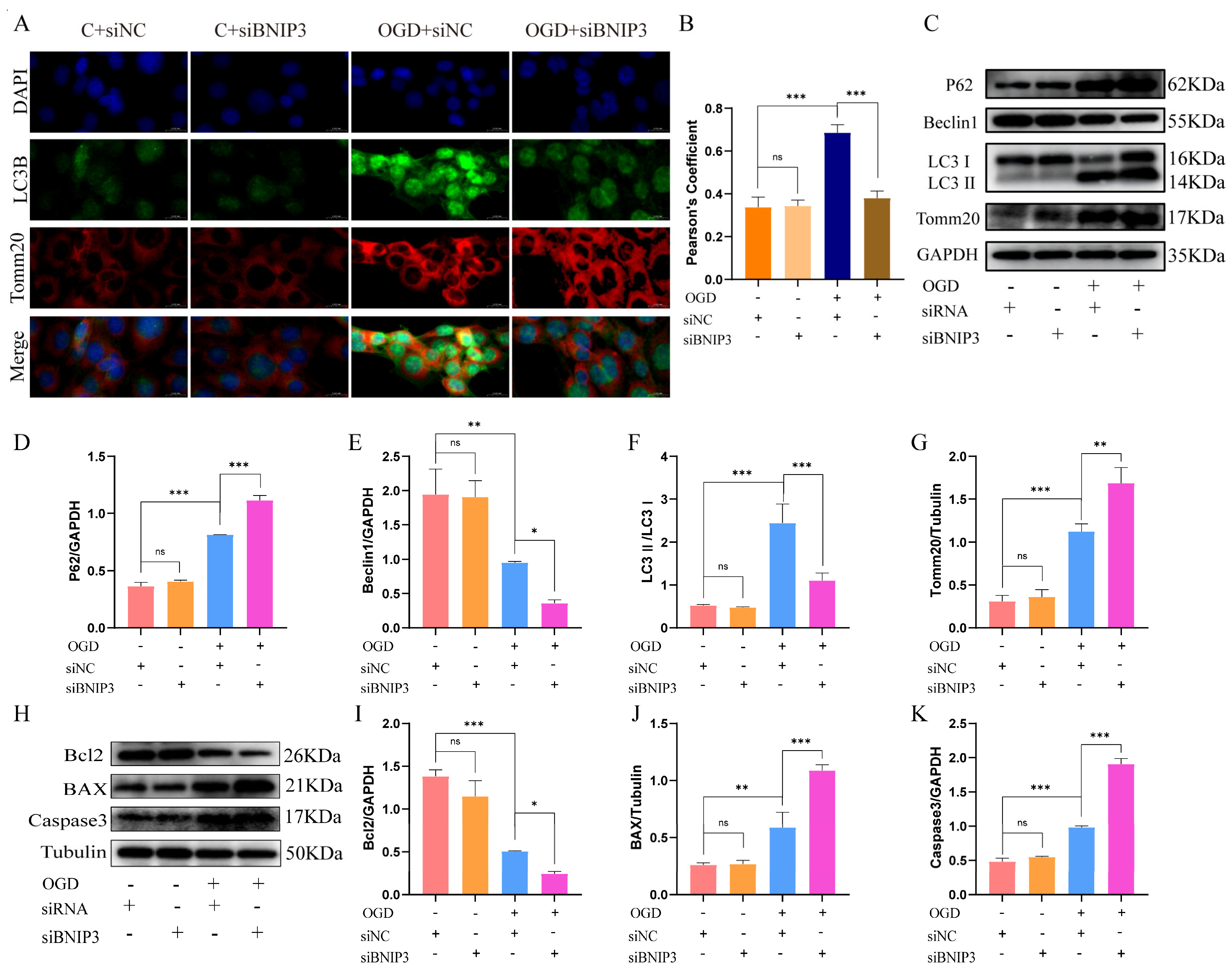
3.5. BNIP3 Deficiency Impairs Mitophagic Flux and Exacerbates Apoptotic Signaling
3.6. BNIP3 Overexpression Rescues Mitophagic Flux and Attenuates Apoptosis in OGD Injury
3.7. BNIP3L Overexpression Attenuates OGD-Induced Mitochondrial Dysfunction
3.8. BNIP3L Overexpression Enhances Mitophagic Flux and Attenuates OGD Injury
3.9. BNIP3L Overexpression Enhances Autophagy-Dependent Neuroprotection in OGD Injury
4. Discussion
5. Conclusions
Supplementary Materials
Author Contributions
Funding
Institutional Review Board Statement
Data Availability Statement
Acknowledgments
Conflicts of Interest
Abbreviations
| VD | Vascular dementia |
| BCCAO | Bilateral common carotid artery occlusion |
| OGD | Oxygen–glucose deprivation |
| ROS | Reactive oxygen species |
| AD | Alzheimer’s disease |
| CCH | Chronic cerebral hypoperfusion |
| OMM | Outer mitochondrial membrane |
| CBF | Cerebral blood flow |
| MWM | Morris water maze |
| TEM | Transmission electron microscope |
| MMP | Mitochondrial membrane potential |
References
- Nichols, E.; Steinmetz, J.D.; Vollset, S.E.; Fukutaki, K.; Chalek, J.; Abd-Allah, F.; Abdoli, A.; Abualhasan, A.; Abu-Gharbieh, E.; Akram, T.T.; et al. Estimation of the global prevalence of dementia in 2019 and forecasted prevalence in 2050: An analysis for the Global Burden of Disease Study 2019. Lancet Public Health 2022, 7, e105–e125. [Google Scholar] [CrossRef]
- Morgan, A.E.; Mc Auley, M.T. Vascular dementia: From pathobiology to emerging perspectives. Ageing Res. Rev. 2024, 96, 102278. [Google Scholar] [CrossRef]
- Liang, C.S.; Li, D.J.; Yang, F.C.; Tseng, P.T.; Carvalho, A.F.; Stubbs, B.; Thompson, T.; Mueller, C.; Shin, J.I.; Radua, J.; et al. Mortality rates in Alzheimer’s disease and non-Alzheimer’s dementias: A systematic review and meta-analysis. Lancet Healthy Longev. 2021, 2, e479–e488. [Google Scholar] [CrossRef] [PubMed]
- Prajjwal, P.; Marsool, M.D.M.; Inban, P.; Sharma, B.; Asharaf, S.; Aleti, S.; Gadam, S.; Al Sakini, A.S.; Hadi, D.D. Vascular dementia subtypes, pathophysiology, genetics, neuroimaging, biomarkers, and treatment updates along with its association with Alzheimer’s dementia and diabetes mellitus. Dis. Mon. 2023, 69, 101557. [Google Scholar] [CrossRef]
- He, Y.; He, T.; Li, H.; Chen, W.; Zhong, B.; Wu, Y.; Chen, R.; Hu, Y.; Ma, H.; Wu, B.; et al. Deciphering mitochondrial dysfunction: Pathophysiological mechanisms in vascular cognitive impairment. Biomed. Pharmacother. 2024, 174, 116428. [Google Scholar] [CrossRef]
- Yang, S.; Lian, G. ROS and diseases: Role in metabolism and energy supply. Mol. Cell. Biochem. 2020, 467, 1–12. [Google Scholar] [CrossRef]
- Wang, D.P.; Kang, K.; Hai, J.; Lv, Q.L.; Wu, Z.B. Alleviating CB2-Dependent ER Stress and Mitochondrial Dysfunction Improves Chronic Cerebral Hypoperfusion-Induced Cognitive Impairment. J. Neuroimmune Pharmacol. 2024, 19, 1. [Google Scholar] [CrossRef] [PubMed]
- Su, S.H.; Wu, Y.F.; Lin, Q.; Wang, D.P.; Hai, J. URB597 protects against NLRP3 inflammasome activation by inhibiting autophagy dysfunction in a rat model of chronic cerebral hypoperfusion. J. Neuroinflammation 2019, 16, 260. [Google Scholar] [CrossRef] [PubMed]
- Xiao, Q.; Liu, H.; Yang, C.; Chen, Y.; Huang, Y.; Xiao, X.; Pan, Y.; He, J.; Du, Q.; Wang, Q.; et al. Bushen-Yizhi formula exerts neuroprotective effect via inhibiting excessive mitophagy in rats with chronic cerebral hypoperfusion. J. Ethnopharmacol. 2023, 310, 116326. [Google Scholar] [CrossRef]
- Ouyang, M.; Zhang, Q.; Shu, J.; Wang, Z.; Fan, J.; Yu, K.; Lei, L.; Li, Y.; Wang, Q. Capsaicin Ameliorates the Loosening of Mitochondria-Associated Endoplasmic Reticulum Membranes and Improves Cognitive Function in Rats with Chronic Cerebral Hypoperfusion. Front. Cell Neurosci. 2022, 16, 822702. [Google Scholar] [CrossRef]
- Kerr, J.S.; Adriaanse, B.A.; Greig, N.H.; Mattson, M.P.; Cader, M.Z.; Bohr, V.A.; Fang, E.F. Mitophagy and Alzheimer’s Disease: Cellular and Molecular Mechanisms. Trends Neurosci. 2017, 40, 151–166. [Google Scholar] [CrossRef]
- Lee, J.J.; Sanchez-Martinez, A.; Martinez Zarate, A.; Benincá, C.; Mayor, U.; Clague, M.J.; Whitworth, A.J. Basal mitophagy is widespread in Drosophila but minimally affected by loss of Pink1 or parkin. J. Cell Biol. 2018, 217, 1613–1622. [Google Scholar] [CrossRef]
- Villa, E.; Marchetti, S.; Ricci, J.E. No Parkin Zone: Mitophagy without Parkin. Trends Cell Biol. 2018, 28, 882–895. [Google Scholar] [CrossRef]
- Palikaras, K.; Lionaki, E.; Tavernarakis, N. Mechanisms of mitophagy in cellular homeostasis, physiology and pathology. Nat. Cell Biol. 2018, 20, 1013–1022. [Google Scholar] [CrossRef] [PubMed]
- Choi, G.E.; Lee, H.J.; Chae, C.W.; Cho, J.H.; Jung, Y.H.; Kim, J.S.; Kim, S.Y.; Lim, J.R.; Han, H.J. BNIP3L/NIX-mediated mitophagy protects against glucocorticoid-induced synapse defects. Nat. Commun. 2021, 12, 487. [Google Scholar] [CrossRef]
- McWilliams, T.G.; Prescott, A.R.; Montava-Garriga, L.; Ball, G.; Singh, F.; Barini, E.; Muqit, M.M.K.; Brooks, S.P.; Ganley, I.G. Basal Mitophagy Occurs Independently of PINK1 in Mouse Tissues of High Metabolic Demand. Cell Metab. 2018, 27, 439–449.e5. [Google Scholar] [CrossRef]
- Wang, D.X.; Yang, Y.; Huang, X.S.; Tang, J.Y.; Zhang, X.; Huang, H.X.; Zhou, B.; Liu, B.; Xiao, H.Q.; Li, X.H.; et al. Pramipexole attenuates neuronal injury in Parkinson’s disease by targeting miR-96 to activate BNIP3-mediated mitophagy. Neurochem. Int. 2021, 146, 104972. [Google Scholar] [CrossRef]
- Chen, M.; Peng, L.; Gong, P.; Zheng, X.; Sun, T.; Zhang, X.; Huo, J. Baicalein Mediates Mitochondrial Autophagy via miR-30b and the NIX/BNIP3 Signaling Pathway in Parkinson’s Disease. Biochem. Res. Int. 2021, 2021, 2319412. [Google Scholar] [CrossRef] [PubMed]
- Masaldan, S.; Callegari, S.; Dewson, G. Therapeutic targeting of mitophagy in Parkinson’s disease. Biochem. Soc. Trans. 2022, 50, 783–797. [Google Scholar] [CrossRef] [PubMed]
- Yu, W.; Wang, L.; Ren, W.Y.; Xu, H.X.; Wu, N.N.; Yu, D.H.; Reiter, R.J.; Zha, W.L.; Guo, Q.D.; Ren, J. SGLT2 inhibitor empagliflozin alleviates cardiac remodeling and contractile anomalies in a FUNDC1-dependent manner in experimental Parkinson’s disease. Acta Pharmacol. Sin. 2024, 45, 87–97. [Google Scholar] [CrossRef]
- Xie, Y.; Ke, X.; Ye, Z.; Li, X.; Chen, Z.; Liu, J.; Wu, Z.; Liu, Q.; Du, X. Se-methylselenocysteine ameliorates mitochondrial function by targeting both mitophagy and autophagy in the mouse model of Alzheimer’s disease. Food Funct. 2024, 15, 4310–4322. [Google Scholar] [CrossRef]
- Tao, G.; Wang, X.; Wang, J.; Ye, Y.; Zhang, M.; Lang, Y.; Ding, S. Dihydro-resveratrol ameliorates NLRP3 inflammasome-mediated neuroinflammation via Bnip3-dependent mitophagy in Alzheimer’s disease. Br. J. Pharmacol. 2025, 182, 1005–1024. [Google Scholar] [CrossRef]
- Evans, T.D.; Sergin, I.; Zhang, X.; Razani, B. Target acquired: Selective autophagy in cardiometabolic disease. Sci. Signal. 2017, 10, eaag2298. [Google Scholar] [CrossRef]
- Wang, S.; Long, H.; Hou, L.; Feng, B.; Ma, Z.; Wu, Y.; Zeng, Y.; Cai, J.; Zhang, D.W.; Zhao, G. The mitophagy pathway and its implications in human diseases. Signal Transduct. Target Ther. 2023, 8, 304. [Google Scholar] [CrossRef] [PubMed]
- Zhang, Y.; Zhang, J.; Zhao, Y.; Zhang, Y.; Liu, L.; Xu, X.; Wang, X.; Fu, J. ChemR23 activation attenuates cognitive impairment in chronic cerebral hypoperfusion by inhibiting NLRP3 inflammasome-induced neuronal pyroptosis. Cell Death Dis. 2023, 14, 721. [Google Scholar] [CrossRef] [PubMed]
- Chen, Y.X.; Yang, H.; Wang, D.S.; Chen, T.T.; Qi, X.L.; Tao, L.; Chen, Y.; Shen, X.C. Gastrodin alleviates mitochondrial dysfunction by regulating SIRT3-mediated TFAM acetylation in vascular dementia. Phytomedicine 2024, 128, 155369. [Google Scholar] [CrossRef]
- Wang, Y.; Xie, D.; Ma, S.; Wang, Y.; Zhang, C.; Chen, Z. Beta-asarone alleviated cerebral ischemia/reperfusion injury by targeting PINK1/Parkin-dependent mitophagy. Eur. J Pharmacol. 2025, 1002, 177831. [Google Scholar] [CrossRef]
- Fang, C.; Liu, J.; Feng, M.; Jia, Z.; Li, Y.; Dai, Y.; Zhu, M.; Huang, B.; Liu, L.; Wei, Z.; et al. Shengyu Decoction treating vascular cognitive impairment by promoting AKT/HIF-1α/VEGF related cerebrovascular generation and ameliorating MAPK/NF-κB mediated neuroinflammation. J. Ethnopharmacol. 2022, 296, 115441. [Google Scholar] [CrossRef]
- Li, J.; Ye, H.; Xu, F.; Yang, Y.; Ge, C.; Yao, M.; Huang, P.; Wang, L.; Wang, N.; Zhou, X.; et al. Tong-Qiao-Huo-Xue Decoction promotes synaptic remodeling via cAMP/PKA/CREB pathway in vascular dementia rats. Phytomedicine 2024, 135, 156166. [Google Scholar] [CrossRef]
- Wang, J.; Zhu, Q.; Wang, Y.; Peng, J.; Shao, L.; Li, X. Irisin protects against sepsis-associated encephalopathy by suppressing ferroptosis via activation of the Nrf2/GPX4 signal axis. Free Radic. Biol. Med. 2022, 187, 171–184, Erratum in Free Radic. Biol. Med. 2022, 193, 676. [Google Scholar] [CrossRef] [PubMed]
- Xie, J.; Zhang, T.; Li, P.; Wang, D.; Liu, T.; Xu, S. Dihydromyricetin Attenuates Cerebral Ischemia Reperfusion Injury by Inhibiting SPHK1/mTOR Signaling and Targeting Ferroptosis. Drug Des. Dev. Ther. 2022, 16, 3071–3085. [Google Scholar] [CrossRef]
- Yang, Y.S.; Liang, J.W.; Pei, M.Q.; Fang, Y.M.; Sun, Z.D.; He, H.F. Microglia-derived CXCL2 induced neuronal ferroptosis via CXCR2/Jun axis in sepsis-associated encephalopathy. Front. Immunol. 2025, 15, 1512300. [Google Scholar] [CrossRef]
- Guo, X.; Tian, Y.; Yang, Y.; Li, S.; Guo, L.; Shi, J. Pituitary Adenylate Cyclase-Activating Polypeptide Protects Against Cognitive Impairment Caused by Chronic Cerebral Hypoperfusion. Mol. Neurobiol. 2021, 58, 4309–4322. [Google Scholar] [CrossRef]
- Zhao, Y.; Zhang, J.; Zheng, Y.; Zhang, Y.; Zhang, X.J.; Wang, H.; Du, Y.; Guan, J.; Wang, X.; Fu, J. NAD(+) improves cognitive function and reduces neuroinflammation by ameliorating mitochondrial damage and decreasing ROS production in chronic cerebral hypoperfusion models through Sirt1/PGC-1α pathway. J. Neuroinflammation 2021, 18, 207. [Google Scholar] [CrossRef]
- Du, Y.; He, J.; Xu, Y.; Wu, X.; Cheng, H.; Yu, J.; Wang, X.; An, Y.; Wu, Y.; Guo, W. SIRT6 prevent chronic cerebral hypoperfusion induced cognitive impairment by remodeling mitochondrial dynamics in a STAT5-PGAM5-Drp1 dependent manner. J. Transl. Med. 2024, 22, 788. [Google Scholar] [CrossRef] [PubMed]
- Yang, M.; Wei, X.; Yi, X.; Jiang, D.S. Mitophagy-related regulated cell death: Molecular mechanisms and disease implications. Cell Death Dis. 2024, 15, 505. [Google Scholar] [CrossRef] [PubMed] [PubMed Central]
- Mao, Z.; Tian, L.; Liu, J.; Wu, Q.; Wang, N.; Wang, G.; Wang, Y.; Seto, S. Ligustilide ameliorates hippocampal neuronal injury after cerebral ischemia reperfusion through activating PINK1/Parkin-dependent mitophagy. Phytomedicine 2022, 101, 154111. [Google Scholar] [CrossRef] [PubMed]
- Zhao, M.; Wang, J.; Zhu, S.; Zhang, S.; Han, C.; Tan, C.; Huang, Y.; Sun, Z.; Wang, L.; Liu, J. Human neural stem cell-derived exosomes activate PINK1/Parkin pathway to protect against oxidative stress-induced neuronal injury in ischemic stroke. J. Transl. Med. 2025, 23, 402. [Google Scholar] [CrossRef]
- Li, Y.; Gao, Y.; Yu, G.; Ye, Y.; Zhu, H.; Wang, J.; Li, Y.; Chen, L.; Gu, L. G6PD protects against cerebral ischemia-reperfusion injury by inhibiting excessive mitophagy. Life Sci. 2025, 362, 123367. [Google Scholar] [CrossRef]
- Lim, Y.; Berry, B.; Viteri, S.; McCall, M.; Park, E.C.; Rongo, C.; Brookes, P.S.; Nehrke, K. FNDC-1-mediated mitophagy and ATFS-1 coordinate to protect against hypoxia-reoxygenation. Autophagy 2021, 17, 3389–3401. [Google Scholar] [CrossRef]
- Wang, M.; Wan, C.; He, T.; Han, C.; Zhu, K.; Waddington, J.L.; Zhen, X. Sigma-1 receptor regulates mitophagy in dopaminergic neurons and contributes to dopaminergic protection. Neuropharmacology 2021, 196, 108360. [Google Scholar] [CrossRef]
- Pickrell, A.M.; Youle, R.J. The roles of PINK1, parkin, and mitochondrial fidelity in Parkinson’s disease. Neuron 2015, 85, 257–273. [Google Scholar] [CrossRef]
- Deas, E.; Wood, N.W.; Plun-Favreau, H. Mitophagy and Parkinson’s disease: The PINK1-parkin link. Biochim. Biophys. Acta 2011, 1813, 623–633. [Google Scholar] [CrossRef]
- Sulkshane, P.; Ram, J.; Thakur, A.; Reis, N.; Kleifeld, O.; Glickman, M.H. Ubiquitination and receptor-mediated mitophagy converge to eliminate oxidation-damaged mitochondria during hypoxia. Redox Biol. 2021, 45, 102047. [Google Scholar] [CrossRef]
- Tracy, K.; Dibling, B.C.; Spike, B.T.; Knabb, J.R.; Schumacker, P.; Macleod, K.F. BNIP3 is an RB/E2F target gene required for hypoxia-induced autophagy. Mol. Cell. Biol. 2007, 27, 6229–6242. [Google Scholar] [CrossRef]
- Koentjoro, B.; Park, J.S.; Sue, C.M. Nix restores mitophagy and mitochondrial function to protect against PINK1/Parkin-related Parkinson’s disease. Sci. Rep. 2017, 7, 44373. [Google Scholar] [CrossRef] [PubMed]
- He, R.; Wang, Z.; Cui, M.; Liu, S.; Wu, W.; Chen, M.; Wu, Y.; Qu, Y.; Lin, H.; Chen, S.; et al. HIF1A Alleviates compression-induced apoptosis of nucleus pulposus derived stem cells via upregulating autophagy. Autophagy 2021, 17, 3338–3360. [Google Scholar] [CrossRef]
- Lin, Q.; Li, S.; Jiang, N.; Jin, H.; Shao, X.; Zhu, X.; Wu, J.; Zhang, M.; Zhang, Z.; Shen, J.; et al. Inhibiting NLRP3 inflammasome attenuates apoptosis in contrast-induced acute kidney injury through the upregulation of HIF1A and BNIP3-mediated mitophagy. Autophagy 2021, 17, 2975–2990. [Google Scholar] [CrossRef]
- Fu, Z.J.; Wang, Z.Y.; Xu, L.; Chen, X.H.; Li, X.X.; Liao, W.T.; Ma, H.K.; Jiang, M.D.; Xu, T.T.; Xu, J.; et al. HIF-1α-BNIP3-mediated mitophagy in tubular cells protects against renal ischemia/reperfusion injury. Redox Biol. 2020, 36, 101671. [Google Scholar] [CrossRef] [PubMed]
- Zhao, L.; Song, Y.; Zhang, Y.; Liu, H.; Shen, Y.; Fan, Y.; Li, Y.; Xie, K. HIF-1α/BNIP3L induced cognitive deficits in a mouse model of sepsis-associated encephalopathy. Front. Immunol. 2022, 13, 1095427. [Google Scholar] [CrossRef] [PubMed]
- Guo, X.; Shen, M.; Jiang, S.; Xing, X.; Zhang, C.; Yin, S.; Zhang, K. Novel insights into copper-induced Chinese mitten crab hepatopancreas mitochondrial toxicity: Oxidative stress, apoptosis and BNIP3L-mediated mitophagy. Aquat. Toxicol. 2025, 283, 107335. [Google Scholar] [CrossRef]
- Lin, Q.; Li, S.; Jin, H.; Cai, H.; Zhu, X.; Yang, Y.; Wu, J.; Qi, C.; Shao, X.; Li, J.; et al. Mitophagy alleviates cisplatin-induced renal tubular epithelial cell ferroptosis through ROS/HO-1/GPX4 axis. Int. J. Biol. Sci. 2023, 19, 1192–1210. [Google Scholar] [CrossRef]
- Li, J.; Lin, Q.; Shao, X.; Li, S.; Zhu, X.; Wu, J.; Mou, S.; Gu, L.; Wang, Q.; Zhang, M.; et al. HIF1α-BNIP3-mediated mitophagy protects against renal fibrosis by decreasing ROS and inhibiting activation of the NLRP3 inflammasome. Cell Death Dis. 2023, 14, 200. [Google Scholar] [CrossRef]
- Sun, L.L.; Shao, Y.N.; You, M.X.; Li, C.H. ROS-mediated BNIP3-dependent mitophagy promotes coelomocyte survival in Apostichopus japonicus in response to Vibrio splendidus infection. Zool. Res. 2022, 43, 285–300. [Google Scholar] [CrossRef]
- Yazdankhah, M.; Ghosh, S.; Shang, P.; Stepicheva, N.; Hose, S.; Liu, H.; Chamling, X.; Tian, S.; Sullivan, M.L.G.; Calderon, M.J.; et al. BNIP3L-mediated mitophagy is required for mitochondrial remodeling during the differentiation of optic nerve oligodendrocytes. Autophagy 2021, 17, 3140–3159. [Google Scholar] [CrossRef]
- Yamashita, S.I.; Sugiura, Y.; Matsuoka, Y.; Maeda, R.; Inoue, K.; Furukawa, K.; Fukuda, T.; Chan, D.C.; Kanki, T. Mitophagy mediated by BNIP3 and NIX protects against ferroptosis by downregulating mitochondrial reactive oxygen species. Cell Death Differ. 2024, 31, 651–661. [Google Scholar] [CrossRef]
- Zhu, H.L.; Shi, X.T.; Xu, X.F.; Zhou, G.X.; Xiong, Y.W.; Yi, S.J.; Liu, W.B.; Dai, L.M.; Cao, X.L.; Xu, D.X.; et al. Melatonin protects against environmental stress-induced fetal growth restriction via suppressing ROS-mediated GCN2/ATF4/BNIP3-dependent mitophagy in placental trophoblasts. Redox Biol. 2021, 40, 101854. [Google Scholar] [CrossRef]
- Hahn, O.; Foltz, A.G.; Atkins, M.; Kedir, B.; Moran-Losada, P.; Guldner, I.H.; Munson, C.; Kern, F.; Pálovics, R.; Lu, N.; et al. Atlas of the aging mouse brain reveals white matter as vulnerable foci. Cell 2023, 186, 4117–4133.e22. [Google Scholar] [CrossRef] [PubMed]
- Tuo, Q.Z.; Zou, J.J.; Lei, P. Rodent Models of Vascular Cognitive Impairment. J. Mol. Neurosci. 2021, 71, 1–12. [Google Scholar] [CrossRef] [PubMed]
- Du, Y.; Liu, Y.; Hu, J.; Peng, X.; Liu, Z. CRISPR/Cas9 systems: Delivery technologies and biomedical applications. Asian J. Pharm. Sci. 2023, 18, 100854. [Google Scholar] [CrossRef] [PubMed]


Disclaimer/Publisher’s Note: The statements, opinions and data contained in all publications are solely those of the individual author(s) and contributor(s) and not of MDPI and/or the editor(s). MDPI and/or the editor(s) disclaim responsibility for any injury to people or property resulting from any ideas, methods, instructions or products referred to in the content. |
© 2026 by the authors. Licensee MDPI, Basel, Switzerland. This article is an open access article distributed under the terms and conditions of the Creative Commons Attribution (CC BY) license.
Share and Cite
Wang, Y.; Xie, D.; Ma, S.; Wang, Y.; Zhang, C.; Chen, Z. BNIP3/BNIP3L-Dependent Mitophagy Protects Against Hippocampal Neuronal Damage and Apoptosis in a Model of Vascular Dementia. Cells 2026, 15, 585. https://doi.org/10.3390/cells15070585
Wang Y, Xie D, Ma S, Wang Y, Zhang C, Chen Z. BNIP3/BNIP3L-Dependent Mitophagy Protects Against Hippocampal Neuronal Damage and Apoptosis in a Model of Vascular Dementia. Cells. 2026; 15(7):585. https://doi.org/10.3390/cells15070585
Chicago/Turabian StyleWang, Yujiao, Daojun Xie, Shijia Ma, Yuhe Wang, Chengcheng Zhang, and Zhuyue Chen. 2026. "BNIP3/BNIP3L-Dependent Mitophagy Protects Against Hippocampal Neuronal Damage and Apoptosis in a Model of Vascular Dementia" Cells 15, no. 7: 585. https://doi.org/10.3390/cells15070585
APA StyleWang, Y., Xie, D., Ma, S., Wang, Y., Zhang, C., & Chen, Z. (2026). BNIP3/BNIP3L-Dependent Mitophagy Protects Against Hippocampal Neuronal Damage and Apoptosis in a Model of Vascular Dementia. Cells, 15(7), 585. https://doi.org/10.3390/cells15070585