


Highlights
What are the main findings?
- Cellular stress leads to increased HSP90α, yet decreased MMP-2-dependent cell motility in PCa.
- Decreased MMP-2 activity is due to stress-induced extracellular KLK6 and can be rescued by extracellular HSP90α upon KLK6 inhibition.
What are the implications of the main findings?
- This study identifies a novel stress-response pathway that regulates MMP-2 activity and cell motility.
- Enhanced understanding of cancer cell motility in the context of stress will better inform patient risk stratification, tailored care, and development of precision therapeutics.
Abstract
Prostate cancer (PCa) metastasis is reliant on the activity of proteases, such as matrix metalloproteinase-2 (MMP-2). While increased extracellular heat shock protein 90α (eHSP90α) has been linked to increased MMP-2 activity, this has not been examined in the context of cellular stress. We examined stress-induced eHSP90α in human prostate cell lines by immunoblot. Fluorometric gelatin dequenching and zymography assays measured MMP activity. Wound healing and Matrigel drop invasion assays were used to quantify cell motility. HSP90α knockout (KO) cells were established with CRISPR/Cas9. Proteases were profiled with molecular inhibitors and protein arrays and validated by siRNA knockdown, immunoblot, and motility assays. Stress increased eHSP90 in four out of four human prostate cell lines examined. Surprisingly, it concurrently decreased MMP-2 activity. The functional relevance of this was demonstrated when conditioned media from stressed cells decreased the motility of non-stressed cells. Screening for protease inhibitors that would rescue stress-induced decreases in MMP-2 activity identified a single serine protease inhibitor: aprotinin. Yet rescue with aprotinin was lost in HSP90α KO cells. A protease array identified stress-induced increases in kallikrein-related peptidase 6 (KLK6). Knockdown of KLK6 rescued stress-induced MMP-2 activity and cell motility. In conclusion, we identify a novel stress-induced extracellular network that regulates MMP-2 activity and cell motility. We identified KLK6 as a stress-induced extracellular protease leading to decreased MMP-2 activity and cellular invasion, while eHSP90α is required for the rescue of MMP-2 activity once KLK6 is neutralized.
1. Introduction
Cancer cells are exposed to many different stressors in their environment, such as nutrient deprivation, oxidative stress, hypoxia, thermal stress, ER stress, DNA damage, and immune stress [1,2]. Multiple mechanisms allowing cancer cells to adapt to and resist various stressors have been identified and studied over the past several decades. These defenses often drive aggressive behaviors encompassed in the hallmarks of cancer, including increased proliferation, resistance to growth suppressors and apoptosis, immune evasion, and increased cell motility [3,4,5,6].
One of the most-studied stress-response proteins in cancer is heat shock protein 90 (HSP90). While initially studied in response to thermal stress, HSP90 is upregulated in response to many different forms of cellular stress [7,8,9,10]. Cytoplasmic isoforms include HSP90β and HSP90α. While HSP90β is constitutively expressed, HSP90α expression is stress-induced in normal cells, and constitutively expressed at higher levels, as well as inducible in cancer cells. [11,12,13]. Intracellularly, HSP90β and HSP90α function as chaperones, employing different co-chaperones to assist in proper protein folding and re-folding as a means of resisting stress, protein damage, and apoptosis [7,8,14,15,16]. HSP90α has more recently been identified and studied as an extracellular protein (eHSP90α) that promotes migration and invasion in multiple types of cancer [17,18]. It is proposed to do so by co-chaperone-mediated activation of matrix metalloproteases (MMPs), specifically MMP-2 and MMP-9 [19,20,21,22,23,24].
MMPs are extracellular proteins that break down extracellular matrix (ECM) components, enabling cells to be motile. This is especially important for cancer cells when invading beyond the primary tumor site. MMPs have been extensively studied, and their regulation and function are complex, especially in cancer biology [25,26,27]. While multiple reports support that increases in eHSP90α increase MMP-2 expression and/or activity, none of these systems examine eHSP90α and MMP-2 in the context of cell stress [19,20,21,22,23,24]. This is relevant because cell stress is recognized as the physiological inducer of HSP90α, and prior reports either deployed engineered perturbations or were associative.
The first report of eHSP90α playing an extracellular role in migration and invasion through modulation of MMP-2 was over two decades ago [19]. In that study, investigators probed for cell-surface proteins involved in invasion and identified cell-surface and secreted HSP90α in fibrosarcoma and breast cancer (BrCa) cells. They looked at MMP-2 to explain effects on invasion and found that HSP90α interacted with and activated MMP-2 by utilizing immunoprecipitation assays and geldanamycin inhibition of HSP90α. Several studies have since looked at the interaction of eHSP90α and MMP-2 in cancer cells by studying higher endogenous levels in aggressive cancer cell lines, exogenous gene expression, or adding recombinant protein to culture medium [21,22,23,24]. Many studies also employ extracellular HSP90 inhibitors, such as antibodies, beads coated with HSP90 inhibitor geldanamycin, or impermeable forms of geldanamycin, to show eHSP90α’s role in cell motility [19,21,22,28,29]. Importantly, none of these studies look at stress-induced eHSP90α associated with MMP-2 activity.
In the current study, we examine the impact of cell stress on eHSP90α, MMPs, and cell motility in human prostate cancer (PCa). Cell motility is a fundamental cellular process whose dysregulation in cancer cells leads to the initiation of metastatic behavior and invasion beyond the primary tumor site [30]. Metastasis is the lethal manifestation of the vast majority of cancers. This is true in PCa, as the prognosis and survival for those with metastatic disease are extremely poor [31,32]. Cell motility remains a difficult process to selectively target therapeutically. An improved understanding of how cell stress, a fundamental response pathway, regulates cell motility, a fundamental process central to cancer, will provide essential tools to inform optimization of patient risk stratification, tailored care, and development of precision therapeutics.
This study sought to understand the impact of cell stress on MMP-2 activity and cell motility in human PCa, and the role of eHSP90α in regulating those processes. Here, we identify a novel stress-induced extracellular network that regulates MMP-2 activity and cell motility. We demonstrate that cell stress, as induced by heat shock, increases eHSP90α but decreases MMP-2 activity in four out of four human prostate cell lines and cell motility in two out of two PCa cell lines examined. This finding is in contrast to reports in which artificially introduced eHSP90α increases MMP-2 and motility [22,23,24], which demonstrates the importance of examining stress-response pathways in the context of cell stress. We go on to show that stress-induced decreases in MMP-2 are rescued by adding the serine protease inhibitor, aprotinin. Yet, this rescue was lost in HSP90α knockout (KO) cells. We then demonstrate that the serine protease, kallikrein-related peptidase 6 (KLK6), increased with cell stress and that its knockdown rescued stress-induced decreases in MMP-2 and cell motility. Together, these findings identify a stress-induced extracellular protease, KLK6, leading to decreased MMP-2 activation and cell motility, while demonstrating the requirement of eHSP90α for the rescue of MMP-2 activity once KLK6 is inhibited.
2. Materials and Methods
2.1. Cell Culture
PC3 and LNCaP cells were obtained from the American Type Culture Collection (ATCC, Manassas, VA, USA). PC3 and LNCaP cells were cultured in RPMI 1640 media (Gibco, Grand Island, NY, USA, no. 18835030) supplemented with 10% FBS (Gibco, Grand Island, NY, USA, no. 16140-089) and 1% Antibiotic-Antimycotic (Gibco, no. Grand Island, NY, USA, 15240062). Cells from a primary tumor and adjacent normal tissue from the same patient were micro-dissected and transformed, yielding 1532NPTX (normal) and 1532CPTX (cancer). HPV-transformed primary cell lines were a generous gift from S. Topalian (National Cancer Institute, Bethesda, MD, USA). 1532NPTX and 1532CPTX were cultured with keratinocyte-serum-free medium, supplemented with recombinant epidermal growth factor (rEGF) and bovine pituitary extract (BPE) (Gibco, Grand Island, NY, USA) as well as 3% FBS and 1% Antibiotic-Antimycotic (Gibco, Grand Island, NY, USA no. 15240062). All cells were maintained at 37 °C in a humidified atmosphere of 5% carbon dioxide under sub-confluent exponential-growth conditions and passaged ≥ 2 times weekly. All cell lines were drawn from stored stock cells, replenished on a standardized periodic basis, and routinely monitored for mycoplasma (Mycoplasma Detection Kit, Southern Biotech, Birmingham, AL, USA, no.13100-01).
All cell lines were authenticated and acquired through ATCC or the primary investigator, as above. Once acquired, cells were cultured and expanded under quarantine conditions (i.e., a separate, dedicated incubator). They were stored as primary stocks and only used once confirmed to be negative for mycoplasma. Microscopy examination of morphology was conducted and required to match previously published phenotypes. All cell lines were handled one at a time, and complete sterilization of the working surfaces was performed in between.
2.2. Antibodies and Reagents
Antibodies used: Anti-GAPDH (Cell Signaling Technologies, Danvers, MA, USA, no. 2118), anti-HSP90α (Cell Signaling Technologies, Danvers, MA, USA, no. 8165), anti-HSP90β (Cell Signaling Technologies, Danvers, MA, USA, no. 5087, Enzo Life Sciences, Farmingdale, NY, USA, ADI-SPA-846-F), anti-KLK6 (R&D systems, Minneapolis, MN, USA, no. AF2008), anti-MME (R&D systems, Minneapolis, MN, USA, no. AF1182), anti-Rabbit IgG, HRP-conjugated (Cell Signaling Technologies, Danvers, MA, USA, no. 7074), anti-Goat IgG, HRP-conjugated (R&D Systems, Minneapolis, MN, USA, no. HAF017).
Reagents used: Matrigel (Corning, Bedford, MA, USA, no. 354230), Halt Protease/Phosphatase Inhibitor cocktail (Thermo Scientific, Rockford, IL, USA, no. 78442), E-64 (Millipore Sigma, Minneapolis, MN, USA, no. E3132), Aprotinin (MP Biomedicals, Solon, OH, USA, no. 0219115801), Bestatin (MP Biomedicals, Solon, OH, USA, no. 0215284401), Leupeptin (VWR International, LLC, Radnor, PA, USA, no. 97063-234), Sodium Fluoride (Sigma Aldrich, St. Louis, MO, USA, S6776), Sodium Orthovanadate (Thermo Scientific Chemicals, Ward Hill, MA, USA, no. J60191.AD), Sodium Pyrophosphate (Sigma Aldrich, St. Louis, MO, USA, no. S6422), B-glycerolphosphate (Sigma Aldrich, St. Louis, MO, USA, no. G9422), Gelatin B (Sigma Aldrich, St. Louis, MO, USA, no. G9391), Bbs1 (New England Biolabs, Ipswich, MA, USA, no. R3539), and Blasticidin S hydrochloride (Thermo Fisher Scientific Chemicals, Inc., Ward Hill, MA, USA, no. AAJ67216XF)
2.3. Cell Stress Treatment
Stress was induced in cells by thermal shock. Cells were cultured in complete media and incubated for indicated heat shock (HS) times at 43 °C in humidified atmosphere of 5% carbon dioxide; control cells were incubated at 37 °C under otherwise identical conditions. After HS, cells were washed twice with PBS and then placed in serum-free media (SFM). Cell fraction (CF) and conditioned media (CM) were collected 24 h (hour) after HS for PC3 and LNCaP and 8 or 16 h post-HS for 1532CPTX. Serum-free conditioned media were spun down (10 min, 1400× g) to remove debris and particles before use. Cells were washed twice with PBS before harvesting to remove cross-contaminants from CM.
2.4. Western Blot
Western blots were performed as described by us [33]. Briefly, cell fractions were lysed in RIPA buffer (Thermo Scientific, Rockford, IL, USA, no. 89900) supplemented with Halt Protease/Phosphatase inhibitor cocktail (Thermo Scientific, Rockford, IL, USA, no. 78442) for 30 min on ice. Following centrifugation at 16,000× g for 10 min at 4 °C, the supernatant was collected for the cell fraction. The protein concentrations of the cell lysates were measured using A280 measurements by Nanodrop 2000 (Thermo Scientific, Wilmington, DE, USA). CM was collected from cells at indicated times post-treatment. Serum-free CM was first spun down (10 min, 1400× g) to remove cell particles and debris and then concentrated via centrifugal filters (>10k, 4–15 mL, Sigma Millipore Amicon, Co. Cork, Ireland, UFC801024, UFC901024) for 25 min at 3500× g. Sample concentrations were equalized based on CF measurements. Approximately 150 µg of total protein from each cell fraction, along with equalized amounts of CM, was resolved by SDS-PAGE and transferred onto a nitrocellulose membrane before incubation with primary and secondary antibodies for Western blot. Proteins of interest were detected by chemiluminescence with SuperSignal West Femto maximum sensitivity substrate (Thermo Scientific, Rockford, IL, USA, no. 4096). Western blot quantification was performed with ImageJ software (https://imagej.net/ij/, accessed on 20 October 2023) and analyzed with Prism 10 (Graphpad Software Inc., San Diego, CA, USA, version 10.6.1). In brief, band pixel densities were normalized to untreated controls and then graphed relative to the loading control as ratio values.
2.5. Gelatin Zymography
Zymography assays for measurement of MMP activity were performed as described previously [34,35] with modifications. Briefly, equal amounts of concentrated conditioned media from cultured cells were mixed with 4× sample buffer (250 mM Tris, pH 6.8, 8% SDS, 40% Glycerol, 0.01% Bromophenol Blue) and incubated at 37 °C for 20 min. Samples were separated on an 8% SDS polyacrylamide gel containing 0.1% gelatin. Gels were washed four times with zymography renaturing buffer (G Biosciences, St. Louis, MO, USA, no. 786-482) for 30 min each wash, followed by a 30 min wash with distilled H2O and then incubated for 24–48 h at 37 °C in zymography developing buffer (G Biosciences, St. Louis, MO, USA, no. 786-481). After developing, gels were stained with 0.1% Coomassie Brilliant Blue solution containing 10% acetic acid and 40% methanol for 60–90 min. Gels were destained with 10% acetic acid and 40% methanol solution and imaged for absence of staining. Images were captured with iBright Imaging System CL1500 (Invitrogen, Life Technologies Holdings PTE. Ltd. Singapore) and inverted to see clear bands as opaque.
2.6. Wound Healing Assay
Wound healing assays were performed as described by us, with modifications [36]. Briefly, assays used Imagelock plates (Sartorius, Bohemia, NY, USA, BA-04856) and Incucyte® S3 imaging and analysis (Sartorius, Ann Arbor, MI, USA). PC3 cells were seeded at 1.2 × 10⁵ per well, and 1532CPTX cells were seeded at 1 × 10⁵ per well. The following day, cell monolayers were scratched, rinsed with 1× PBS, and then overlaid with 5 mg/mL Matrigel (Corning, no. 354230) and culture media. Plates were then placed in Incucyte® S3 and images were captured every 4 h over the next 24–48 h. The images were analyzed by Incucyte® S3 software (Sartorius, version 2024B), and the relative wound density, which accounts for the background density of the wound at the initial time point and changes in the cell density outside the wound region as well as in the wound area, was calculated and graphed over time using Prism 10 (Graphpad Software Inc. version 10.6.1).
2.7. Matrigel Drop Invasion Assay
Drop invasion assays were performed according to previous reports, with modification [37]. Trypsinized cells were resuspended in 5 mg/mL Matrigel (Corning, Bedford, MA, USA, no. 354230) at 5 × 10⁶ cells/mL. Cells in Matrigel were plated as 5 μL drops on 24-well culture dishes, which were allowed to solidify at 37 °C for 15 min, and then culture media was added. Pictures of drops were taken every 24 h using 2× objective on EVOS M5000 imaging station (Invitrogen, Life Technologies Corporation, Bothell, WA, USA). The area of cells that invaded out of the Matrigel was quantitated with ImageJ software (https://imagej.net/ij/, accessed on 20 October 2023). Invaded area = (Area of drop + invaded cells) − (area of day 0 drop).
2.8. Proliferation Assay
Cells were seeded at 15,000/well for PC3 and 10,000/well for 1532CPTX in a 12-well culture dish. One day post-plating, the Incucyte S3 (Sartorius, Ann Arbor, MI, USA, software version 2024B) was used to quantify cells/well every 8 h for the next 72–96 h. Fold change in cell number over time was used to compare separate cell lines or treatments and graphed with Prism 10 (Graphpad Software Inc. version 10.6.1).
2.9. Gelatin Dequenching Assay
Gelatin dequenching (DQ) assays were performed with the EnzChek® Gelatinase/Collagenase Assay Kit (Invitrogen, Eugene, OR, USA, no. E12055). The kit was used with centrifugal-filtered CM according to the manufacturer’s instructions. In brief, the CM was combined with 1× reaction buffer and 100 µg/mL Gelatin Fluorescein Conjugate and desired inhibitors in a black 96-well plate with a clear bottom (Corning, Kennebunk, ME, USA, no. 3603). Negative controls with buffer −/+ each inhibitor and serum-free culture media −/+ inhibitors, as well as positive controls with 1 ng of rhMMP-2 (Abcam, Waltham, MA, USA, no. ab81550) −/+ each inhibitor, were run in tandem on each plate. The plates were read on a BioTek Synergy plate reader (Agilent Technologies, Inc., Santa Clara, CA, USA) at 485/20 excitation and 528/20 emission with measurements every 2 h over a 24 h period. After subtraction of background, arbitrary fluorescence units for each sample were graphed and analyzed with Prism 10 (Graphpad Software Inc. version 10.6.1).
2.10. Protease and Phosphatase Inhibition
Protease and phosphatase inhibitors were added to CM after centrifugal filtration. Halt Protease/Phosphatase inhibitor cocktail (Thermo Scientific, Rockford, IL, USA, no. 78442) was added 1:100 in CM. Protease inhibitors were added at the following final concentrations: 10 μM Bestatin, 1 μg/mL Aprotinin, 10 μM Leupeptin, and 15 μM E-64. Phosphatase inhibitors were added at the following final concentrations: 50 mM sodium fluoride, 1 mM sodium orthovanadate, 5 mM sodium pyrophosphate, and 40 mM β-glycerophosphate. After addition of inhibitors, samples were incubated at 37 °C for 20 min before running gelatin zymography. Samples for gelatin DQ assays were added directly to plates and then combined with Gelatin Fluorescein Conjugate before taking fluorometric measurements.
2.11. CRISPR Constructs and Knockout
Integrated DNA Technologies CRISPR design tool was used to design a pair of custom DNA oligonucleotides for the human HSP90AA1 (GeneID: 3320) sgRNA-targeting site (https://www.idtdna.com/site/order/designtool/index/CRISPR_PREDESIGN, accessed on 20 October 2023). Oligonucleotides were annealed and ligated into Bbs1-cut pSpCas9(BB)-2A-Blast (this plasmid was a gift from Ken-Ichi Takemaru; Addgene, Watertown, MA, plasmid #118055; http://n2t.net/addgene:118055, accessed on 20 October 2023). Oligonucleotide sequences were F-caccgACTTTTGTTCCACGACCCAT, R-aaacATGGGTCGTGGAACAAAAGTc. Successful cloning was verified with Sanger sequencing (Azenta US Inc., South Plainfield, NJ, USA), and hU6 Forward sequencing primer-GAGGGCCTATTTCCCATGATT. FugeneHD reagent (Fugent, LLC, Madison, WI, USA, no. MSPP-HD-1000) was used for transfection in PCa cells according to the manufacturer’s instructions. For CRISPR transfection, 2.5 × 10⁵ cells were seeded in 6-well culture dish 24 h prior to transfection. Four hundred nanograms of CRISPR construct was co-transfected with 100 ng of the corresponding pEGFP-N1 reporter plasmid. pcDNA3.1 was added to reach a total DNA concentration of 1.5 µg per transfection. The transfected cells were split 1:2 24 h later, followed by 5 μg/mL Blasticidin S hydrochloride (Thermo Fisher Scientific Chemicals, Inc., Ward Hill, MA, USA, no. AAJ67216XF) selection for 72 h. After selection, cells were plated for single-clone isolation in 96-well plates.
2.12. Genomic Sequence Analysis
Genomic DNA was isolated from PCa cells using DNeasy blood and tissue kit (Qiagen, Germantown, MD, USA, no. 69504) and subjected to polymerase-chain reaction (PCR) to amplify genomic target regions of interest using Phusion polymerase (New England Biolabs, Ipswich, MA, USA, #E0553S). PCR was performed according to manufacturer’s instructions, and thermocycler settings were adjusted according to product size and optimal primer annealing temperatures. Purified PCR products were then sent for Sanger and/or Amplicon-EZ sequencing using primers from the original PCR to directly sequence (Azenta US, Inc., South Plainfield, NJ, USA). Genomic amplicons were obtained using the following primers for HSP90AA1 (Gene ID 3320) CRISPR target area, Table 1:
Table 1.
Sequencing primers for genomic analysis of HSP90α KO clones.
2.13. Migration Assay
Cell migration assays were performed as described by us [38]. Briefly, cells were seeded in Boyden chamber 24-well plates (Corning, Kennebunk, ME, USA, no. 3422) at 50,000 cells/well. Chambers with cells contained media or conditioned media with 1% FBS, and reservoirs below contained media or conditioned media with 10% FBS. Cells were allowed to migrate for 24 h. Following this they were fixed and stained for DAPI (4′,6-diamidino-2-phenylindole, BD Pharmingen™, Franklin Lakes, NJ, USA, 564907), and migrated cells on the bottom of each chamber were quantified with three 10× images per well, taken by an EVOS M5000 imaging station (Invitrogen, Life Technologies Corporation, Bothell, WA, USA).
2.14. Protein Array
Protein arrays were performed with R&D systems (Minneapolis, MN, USA) Proteome ProfilerTM Array for human proteases (no. ARY025) according to manufacturer instructions. Membranes were blocked with array buffer for 1 h. Centrifugal-filtered CM from untreated and stressed cells were incubated with biotinylated protease detection antibody cocktail for 1 h and then added to prepared membranes. After overnight incubation at 4 °C, membranes were washed with wash buffer and then incubated with Streptavidin-HRP for 30 min rocking at room temperature. Membranes were washed a second time and then prepared for development with the provided Chemi Reagent Mix. Invitrogen iBright Imaging System CL1500 (Invtirogen, Life Technologies Holdings PTE. LTD. Singapore) was used to detect chemiluminescence. Pixel densities for each spot were measured with ImageJ software (https://imagej.net/ij/, accessed on 20 October 2023) and normalized to reference spots and negative controls.
2.15. siRNA Transfections
Knockdown using siRNA was performed as previously described by us [39], with modifications. Transfections were performed on 2.5 × 10⁵ cells in 6-well culture dishes with antibiotic-free RPMI medium supplemented with 10% FBS. DharmaFECT2 transfection reagent (Dharmacon, Inc., Lafayette, CO, USA, no. T-2002-01) was used for PC3 cells, and DharmaFECT4 (T-2004-01) was used for 1532CPTX cells, per manufacturer’s instructions. On-TargetPlus Smart pools for siKLK-6, siMME, or siNegt (non-targeting control) (Dharmacon, Inc., Lafayette, CO, USA, nos. L-005917-00-0005, L-005112-00-0005, D-001810-10-05) were suspended in 1× siRNA buffer (Dharmacon, Inc., Lafayette, CO, USA, no. B-002000-UB-100) and added to cells at a final concentration of 20 nM. On-TargetPlus Smart pools contain 4 different targeting siRNAs for the same gene. Transfected cells were subjected to HS at 48 h after transfection and harvested 72 h after transfection for Western blot analysis or CM treatments for Matrigel drops or proliferation assays.
2.16. Statistical Analysis
Data analysis was performed with GraphPad Prism Statistical Software version 10.6.1. Statistical comparisons between two groups were evaluated with the Welch’s Student’s t-test. One-way ANOVA was used to compare 3 or more samples in bar graphs. Two-way ANOVA (mixed model) was used to determine significance on XY graphs. p-values ≤ 0.05 are considered significant. The values were presented as the means ± SD in bar graphs and means ± SEM in XY graphs.
3. Results
3.1. Effects of Cellular Stress on HSP90 and MMP-2 in Prostate Cancer
Initially, we assessed the role of eHSP90α in stress-induced cell motility, as it has been linked to increased invasion in several types of cancer cells, including breast, fibrosarcoma, melanoma, and PCa [19,22,24,29,40]. Previous reports examined models in which HSP90α was artificially introduced, inclusive of overexpression by lentivirus or adding recombinant HSP90α to culture media [22,23,24,40]. We reasoned that inducing expression by applying cellular stress would be more physiologically relevant.
Multiple PCa cell lines were examined: PC3 is metastatic hormone refractory androgen receptor (AR)-negative [41], LNCaP is metastatic AR-positive [42], while 1532NPTX and 1523CPTX are AR-negative paired primary normal and cancer cells, respectively, isolated from the same patient [43,44]. Stress was induced by heat shock (HS), which elicits the heat shock response (HSR) as a cellular stress reaction. HSR protects cells from a wide range of stressors and is important for cell survival in both normal and cancer cells [45]. It is relevant to this study in terms of stress-induced expression and secretion of heat shock proteins. After HS, cell fraction (CF) and conditioned media (CM) were collected separately to look at intracellular versus extracellular protein changes. All four cell lines examined displayed an increase in both extracellular HSP90α (eHSP90α) and eHSP90β when subjected to stress (Figure 1A–C). PC3, LNCaP, and 1532NPTX cells exhibited an increase in intracellular HSP90α (iHSP90α) with stress, consistent with iHSP90α being known to be inducible, while iHSP90β levels remained relatively constant for PC3, 1532NPTX, and 1523CPTX, but decreased in LNCaP cells, consistent with iHSP90β being known to be constitutively expressed. Together, these findings demonstrate that eHSP90α and eHSP90β increase with cell stress, and this is observed in four out of four prostate cell lines examined.
Figure 1.
Stress-induced protein changes in PCa cells lead to increased eHSP90 and decreased MMP-2 activity. (A–C) Stress-induced heat shock protein 90 (HSP90) expression and secretion in established metastatic prostate cancer (PCa) (PC3, LNCaP) and paired primary (1532NPTX and 1532CPTX) cells. Cells were heat shocked (HS, 43 °C) for indicated times and then placed in serum-free media (SFM). Cell fractions and conditioned media were collected and analyzed 24 h (hour) post-heat shock in PC3 and LNCaP and 8 h post-heat shock for primary cells (n = 2–3). Western blot quantifications were calculated by the ratio of HSP90:GAPDH pixel density for each time point. HS samples were normalized to untreated controls. (D–F) Matrix metalloproteinase-2 (MMP-2) activity in conditioned media (CM) from PC3, LNCaP, and 1532NPTX and 1532CTPX cells, as indicated by gelatin zymography, n = 3. CM was collected and analyzed 24 h post-stress in PC3 and LNCaP and 8 h and 16 h post-stress for primary cells (n = 2–3). Images are inverted. Bands are indicative of gelatin degradation due to MMP-2 activity.
While prior studies report that increases in eHSP90α increase MMP-2 activation, they do so either through artificial alterations in eHSP90α or through comparisons between high and low eHSP90α cell lines [22,23,24]. Importantly, none of these reports examines the impact of stress-induced eHSP90α. In apparent contrast to those reports, it can be seen in Figure 1D–F that in the context of stress, increased eHSP90α is associated with decreased MMP-2 activation. Of importance, this was seen in four out of four different human prostate cell lines examined. MMP activity depicted in Figure 1 was measured by gelatin zymography, which detects MMP-2 and MMP-9 activity [46]. However, observed MMP-9 activity is much lower than MMP-2 (Figure S1). Further, MMP-9 activity was minimally impacted by stress in PC3 and 1532NPTX cells, while 1532CPTX cells exhibited a biphasic increase then decrease, and LNCaP cells were the only cell line to show a decrease in MMP-9 activity. Together, these findings demonstrate that under conditions of cell stress, increased eHSP90α is associated with decreased MMP-2; this effect is observed across multiple cell lines, MMP-9 activity is much lower than MMP-2, and it exhibits inconsistent effects across cell lines and over time.
3.2. Effects of Extracellular Stress Response Proteins on PCa Cell Invasion
We next sought to examine the mechanisms of these effects. This is important for several reasons. Our findings reveal different results from prior reports. Other reports have either not examined underlying mechanisms or have done so only under conditions of engineered expression and/or lack of cell stress with model systems [19,20,21,22,23,24]. Also, we focused our studies on MMP-2. This is because MMP-2 is recognized as a major MMP whose expression and activity have been closely tied to cell invasion and the metastatic phenotype across a wide range of cancer types, inclusive of PCa [34,35,47,48,49,50,51,52,53,54,55,56]. In addition to the proven biological importance of MMP-2, its uniform response to stress across multiple cell lines in the current study, its activity being much higher than MMP-9, and MMP-9 exhibiting inconsistent responses, further support focusing on MMP-2.
We first assessed if the observed decrease in MMP-2 activity had an impact on cell motility. Further studies focused on PC3 and 1532CPTX cells, providing representation of a metastatic variant and primary PCa cells, respectively. CM from control (non-stressed) cells and those subjected to stress were collected and then applied to naive cells in the context of wound healing or Matrigel drop invasion assays. As can be seen in Figure 2A–D and Figure S2A–D, CM from stressed cells significantly decreased invasion compared to CM from control cells and did so in both PC3 and 1532CPTX cells. For wound healing assays, significant effects were evident at 8 and 12 h and persisted until the 24 and 36 h experimental termination points for PC3 and 1532CPTX cells, respectively (Figure 2A,B and Figure S2A,B). For Matrigel drop invasion assays, significant effects were evident at 3 days for both cell types and persisted until the 5- and 4-day termination points for PC3 and 1532CPTX cells, respectively (Figure 2C,D and Figure S2C,D). To ensure that invasion assays were not influenced by different cell growth rates, cell growth assays were conducted and demonstrated no significant difference between control and stress CM treatments (Figure 2E,F).
Figure 2.
Stress-induced extracellular proteins lead to decreased cellular invasion. (A,B) Wound healing invasion assay for untreated PC3 and 1532CPTX cells incubated with CM from untreated and stressed cells. Cell monolayers were scratched and then overlaid with Matrigel and treated with CM from cells −/+ stress. PC3 CM was harvested 24 h post-stress, and 1532CPTX CM was harvested 16 h post-stress. Relative wound density was measured by Incucyte S3 live cell analysis over 24–36 h. (C,D) Matrigel drop invasion assay with PC3 and 1532CPTX cells treated with CM from untreated and stressed cells. (E,F) Proliferation assays with PC3 and 1532CPTX treated with CM from −/+ stress samples. Two to four individual biological replicates were performed for the above experiments, and the results were combined. Column graph error bars indicate SD, XY graph error bars are SEM, * p < 0.05, ** p < 0.01, *** p < 0.001, **** p < 0.0001. Welch’s t-test was used to determine statistical significance.
These findings demonstrate that CM from stressed cells decreases cell motility. Their concordant findings with decreased MMP-2 in stressed cells support the physiological relevance of MMP-2 in the current system. Further, findings align with the established role and importance of MMP-2 in regulating motility. Together, these results indicate that cellular stress results in a novel extracellular regulatory mechanism that decreases MMP-2 activity, resulting in decreased cellular invasion in the context of higher levels of eHSP90α.
3.3. Influence of Other Stress-Induced Factors on the Regulation of MMP-2 Activity
We hypothesized that a stress-induced protease or phosphatase in CM was leading to the decrease in observed MMP-2 activity. Proteases and phosphatases are known regulators of proteins, and they both have been reported to impact MMP activity [57,58,59,60,61,62,63,64]. To begin examining this concept, CM was collected from untreated and stressed cells, a combination of protease/phosphatase inhibitors (PPIs) was added, and MMP-2 activity was measured in PC3 and 1532CPTX samples. As shown in Figure 3A,B, PPI rescued MMP-2 activity in both cell lines examined. PPI did not exhibit a rescue effect on MMP-9 in either PC3 or 1532CPTX cells (Figure S3).
Figure 3.
Protease and phosphatase inhibition results in increased stress-induced MMP-2 activity. (A) MMP-2 activity in CM from PC3 cells 24 h post-stress and (B) 1532CPTX cells 8 h post-stress −/+ protease/phosphatase inhibitors (PPI), as indicated by gelatin zymography, n = 2–3. (C) MMP-2 activity in CM from PC3 24 h post-stress −/+ PPI and (D) 1532CPTX CM 16 h post-stress −/+ PPI, as measured by gelatin dequenching (DQ) assays. Graphs represent combined results from at least 2 biologically independent experiments. Error bars indicate SD, * p < 0.05, ** p < 0.01, *** p < 0.001. Welch’s student t-test was used to determine statistical significance.
Gelatin dequenching (DQ) assays offer an orthogonal measure of gelatinase activity. Compared to gelatin zymography, they represent a newer and more robust methodology, provide a quantitative output of activity, and readily support multiple analyses. Like zymography, gelatin DQ assays measure the activity of MMP-2 and MMP-9, the predominant gelatinases in epithelial cells [65,66]. In the context of the current models, MMP-9 activity is minimal, and thus, gelatin DQ assays provide a measure of MMP-2 activity. Gelatin DQ assays showed that CM from stressed cells exhibited significantly decreased gelatinase activity compared to control cells, and this was seen in both PC3 and 1532CPTX cells (Figure 3C,D). Further, PPI rescued gelatinase activity in both cells examined. Findings in the gelatin DQ assay emulate those in zymography. Together, these findings demonstrate that stress-induced decreases in MMP-2 activity can be rescued and that a protease and/or phosphatase is responsible, directly supporting our hypothesis.
3.4. Effects of eHSP90α on MMP-2 Activity
To examine the role of eHSP90α in stress-induced changes in MMP-2 and cell motility, we established the first reported PCa HSP90αKO cell line utilizing CRISPR/Cas-9 targeted gene editing [67]. For this study, a CRISPR-expression vector targeting HSP90AA1 was transfected into PC3 cells. Blasticidin-selected pools were analyzed for loss of expression via Western blot (Figure S4A) and plated for isolation of single clones. Individual clones with successful KO were verified with immunoblot (Figure 4A) and genomic sequencing (Figure S4B). Empty vector (EV) control clones were selected and isolated in parallel. Loss of HSP90α did not influence proliferation rates, with EV and KO clones having similar doubling times as parental PC3 cells (Figure 4B). Of importance, CM from HSP90α KO cells exhibited a strong increase in MMP-2 activity for both gelatin zymography and gelatin DQ assays, compared to CM from EV clones (Figure 4C,D). Given the decrease in MMP-2 observed after stress-induced increases in eHSP90α, this increase in MMP-2 with HSP90α KO provides complementary orthogonal findings. These findings demonstrate that it is possible to successfully knockout HSP90α in PCa cells and eHSP90α is playing a role in regulating MMP-2 activity.
Figure 4.
HSP90α KO cells exhibit increased MMP-2 activity. (A) Western blot of PC3 parental cell line, empty vector (EV) control single clones #1 and #2, and HSP90α KO single clones #1 and #2. (B) Proliferation assay of PC3, empty vector, and HSP90α KO clones. (C,D) Zymography and gelatin DQ assay showing MMP activity in CM from HSP90α KO clones and empty vector controls. Graphs represent combined results from at least 2 biologically independent experiments. Bar graph error bars indicate SD; XY graph error bars are SEM. Statistical significance was determined by Welch’s student t-test, * p < 0.05, ** p < 0.01, **** p < 0.0001.
Ironically, while KO cells display increased extracellular MMP-2 activity, the cells themselves have decreased motility compared to EV controls when assayed for both migration and invasion (Figure S5A–C). Collectively, these experiments demonstrate that multiple PC3 HSP90α KO clones exhibit a similar phenotype characterized by increased extracellular MMP activity and decreased migration and invasion, but with unaltered cell growth.
Additionally, 1532CPTX HSP90α KO clones were established alongside 1532CPTX EV controls. Knockout was verified via immunoblot and genomic sequence analysis (Figure S6A,B). Increased MMP-2 activity was observed in 1532CPTX HSP90α KO CM compared to EV controls via gelatin DQ assays (Figure S6E). However, decreased cell motility was also observed in 1532CPTX KO clones compared to EV clones, as was decreased proliferation (Figure S6C,D). As decreased cell growth would confound further assays and analyses, 1532CPTX KOs were not used in subsequent studies.
Next, we examined the impact of cellular stress on HSP90β induction and MMP-2 activity in HSP90α KO cells. Cellular stress in KO cells led to increases in cytosolic and extracellular HSP90β, presumably representing a compensatory mechanism in the face of loss of HSP90α (Figure 5A and Figure S7). In control EV cells, there was no change in cytosolic HSP90β with stress, but there was induction of both cytosolic and extracellular HSP90α, as seen in parental cells (Figure 5A).
Figure 5.
Effects of cellular stress in HSP90α KO cells. (A) Stress-induced HSP90α and/or HSP90β expression in cell fractions and conditioned media from empty vector controls and HSP90α KO PC3 cells. CM was harvested 24 h post-stress. (B) MMP-2 activity in CM from untreated and stress-treated samples as measured by gelatin DQ assay −/+ PPI. Three individual biological replicates were performed for the above experiments, and the results were combined. Statistical significance was determined by one-way ANOVA; error bars indicate SD, * p < 0.05, ** p < 0.01, **** p < 0.0001.
Subsequently, MMP-2 activity was examined in KO and EV cells under cell stress, and by gelatin DQ to support comparison and quantification (Figure 5B). MMP-2 activity is almost two times higher in untreated KO cells compared to untreated EV cells, again demonstrating that HSP90α plays a role in regulating MMP-2 under non-stress conditions. Despite the higher MMP-2 activity in untreated KO cells, after stress, MMP-2 activity declined to nearly identical levels in KO and EV cells. This demonstrates that HSP90α does not play a role in the stress-induced decrease in extracellular MMP-2 activity. Further, and of high interest, while PPI rescued stress-induced decrease in MMP-2 activity in EV cells, it failed to do so in KO cells (Figure 5B). This demonstrates that HSP90α is necessary for PPI-mediated rescue of MMP-2 activity. These findings demonstrate that HSP90α plays a role in the regulation of MMP-2 activation. It lowers MMP-2 activity under non-stress conditions. It is not, however, required for the decreased MMP-2 activity induced by cellular stress. Conversely, HSP90α is required for PPI-mediated rescue of stress-induced increase in MMP-2.
3.5. The Role of Proteases and Phosphatases in Regulating MMP-2 Activity
Having demonstrated that PPI affects the regulation of MMP-2, investigations next sought to examine this further with the goal of identifying which factors contribute to MMP-2 regulation. The PPI mixture contained four protease inhibitors—Bestatin, Aprotinin, Leupeptin, and E-64—and four phosphatase inhibitors—sodium fluoride, sodium orthovanadate, sodium pyrophosphate, and β-glycerophosphate. To determine whether a protease or phosphatase was responsible for the stress-induced decrease in MMP-2 activity, we pooled the protease inhibitors together and the phosphatase inhibitors together, then added them to CM from PC3 or 1532CPTX cells, comparing cells subjected to stress to controls (Figure 6A–D). Rescue was evident in both PC3 and 1532CPTX cells with the addition of protease inhibitors. However, with phosphatase inhibitors, rescue was not present in 1532CPTX cells nor PC3 cells at the 3 h time point, but was preceded by a biphasic response at earlier time points. These findings provided strong support that a stress-induced protease was responsible for the decreased MMP-2 activity.
Figure 6.
Stress-induced protease activity leads to decreased MMP-2 activity. (A) MMP-2 activity in PC3 CM 24 h post-stress with PPI, phosphatase inhibitors (PhI: sodium fluoride, sodium orthovanadate, sodium pyrophosphate, and β-glycerophosphate) or protease inhibitors (PI: Bestatin, Aprotinin, Leupeptin, and E-64) as indicated by gelatin zymography, n = 2. (B) Gelatin zymography with 1532CPTX CM 8 h post-treatment from untreated and stressed cells with PPI, PhI, and PI n = 2. (C) MMP activity as measured by gelatin DQ assay in PC3 CM 24 h post-stress and (D) 1532CPTX CM 16 h post-stress with PPI, phosphatase inhibitors, or protease inhibitors added. (E) Gelatin DQ assay with individual protease inhibitors: Bestatin, Aprotinin, Leupeptin, and E-64 added to PC3 HS CM 24 h post-stress; and (F) 1532CPTX CM 16 h post-stress. Graphs represent combined results from 3 biologically independent experiments. Statistical significance was determined by Welch’s student t-test, * p < 0.05, ** p < 0.01, *** p < 0.001, **** p < 0.0001.
Two independent and complementary approaches were pursued to determine which protease(s) were involved in decreased MMP activity. In one approach, individual protease inhibitors were added to CM from untreated and stressed PC3 and 1532CPTX cells, and the resultant MMP-2 activity was measured (Figure 6E,F). Across both PC3 and 1532CPTX cells, the only protease inhibitor that rescued MMP-2 activity was the serine protease inhibitor, aprotinin. The second approach screened for proteases in CM whose expression increased after cell stress. We hypothesized that the responsible protease would be increased upon cellular stress and subsequently lead to decreased MMP-2 activity. The Proteome Profiler™ Human Protease Array (R&D systems) supports detection and semi-quantification of 35 different proteases (Figure 7A,B). Using it to compare control and stressed CM from PC3 and 1532CPTX cells, two proteases were found to be significantly increased with stress in both cell lines: Kallikrein-related peptidase 6 (KLK6) and Membrane metallo-endopeptidase (MME/CD10). Increased levels of both proteases in CM after cell stress were verified via Western blot (Figure 7C,D). KLK6 is strongly inhibited by aprotinin [68,69]. Prior reports indicate that MME is not significantly inhibited by the protease inhibitors examined in the current study [70,71,72,73,74,75,76].
Figure 7.
MME and KLK6 proteases are increased in conditioned media in a stress-dependent manner. Protease profiler array membranes (R&D systems) with 35 protease capture antibodies printed in duplicate were probed with CM from (A) PC3 24 h post-stress and (B) 1532CPTX cells 16 h post-stress. Pixel density after immunoblot exposure was used to identify common proteases between the two cell lines that were significantly increased (red/purple boxes) when compared to samples without stress (dark blue/light blue boxes): Kallikrein-related peptidase 6 (KLK6) and Membrane metallo-endopeptidase (MME/CD10). (C,D) Immunoblot assays were used to detect KLK6 and MME −/+ stress in PC3 and 1532CPTX cell fraction and CM n = 3. Statistical significance was determined by unpaired Student’s t-test, * p < 0.05, ** p < 0.01.
Together, these findings identify protease activity as mediating stress-induced decreases in MMP-2 activity. They further indicate that the function of a serine protease is responsible. An analysis of changes in protein expression identified KLK6 and MME as candidate mediators of this function. Considering protease inhibitors used previously would have little to no effect on MME, KLK6 emerged as the priority candidate.
3.6. Proteases Involved in Regulation of MMP Activity and Subsequent Cellular Invasion
To determine the role of MME and KLK6 in PCa cell motility, we performed siRNA knockdown. We hypothesized that knockdown of either KLK6 or MME would mimic the effect of PPI in CM. MME- or KLK6-specific siRNAs (siMME and siKLK6) were transfected into PC3 and 1532CPTX cells; non-targeting negative control siRNAs (siNegt) were transfected in parallel. Cells were subjected to stress 48 h post-transfection and the cell fractions and CM were harvested 24 h later for PC3 cells and 16 h later for 1532CPTX. As can be seen, KLK6 and MME were readily detected by Western blot for CM, and their successful knockdown was evident for PC3 and 1532CPTX cells, both in untreated and stressed cells (Figure 8A and Figure S8). Of note, PC3 also maintained stress-induced increases in MME and KLK6 in control samples (Figure 8A). 1532CPTX cells did not exhibit increases in MME or KLK6 when subjected to stress post-siRNA transfection (Figure S8). This may be attributed to stress induced by transfection alone. Due to the loss of this increase, we focused on PC3 cells for further functional assays.
Figure 8.
Stress-induced KLK6 impacts MMP-2 activity and cellular invasion. (A) Immunoblot showing siRNA knockdown of KLK6 and MME in PC3 cell fraction and conditioned media 72 h post-transfection and 24 h post-stress, n = 3 (B) Gelatin DQ assay measuring MMP-2 activity in CM from siRNA samples −/+ stress. (C) Matrigel drop invasion assays with untreated PC3 cells incubated with CM from siRNA KD plates −/+ stress. Invasion was measured over 4 days. (D) Proliferation assay with untreated PC3 cells incubated with CM from untreated and stressed siRNA samples. A minimum of 2 individual biological replicates were performed for the above experiments, and the results were combined. Statistical significance was determined by Welch’s student t-test. * p < 0.05, ** p < 0.01, ns = non-significant.
We next examined the effects of MME or KLK6 knockdown on MMP-2 activity. Gelatin DQ assays showed that knockdown of either MME or KLK6 results in lower MMP-2 activity in non-stressed cells. When subjected to stress, knockdown of either MME or KLK6 rescued MMP-2 activity (Figure 8B).
To examine invasion, CM from untreated and stressed knockdown samples were used in Matrigel drop invasion assays (Figure 8C). siNegt CM mimicked what we previously observed: CM from stressed cells significantly decreased cellular invasion rates. However, CM lacking KLK6 rescued stress-induced decreases in cell invasion. In contrast, CM from stressed cells lacking MME did not rescue decreased invasion, likely because KLK6 was still present in CM from these samples and expression was increased upon stress. Therefore, only when KLK6 was present in CM (in siNegt and siMME transfection samples) did stress lead to decreased invasion. This indicates the importance of KLK6 in this process; a role that is reliant on stress-induced expression as well as its subsequent inhibition of MMP-2. Once KLK6 was removed or inhibited, stress did not result in decreased MMP activity nor cell invasion. To ensure invasion rates were not affected by changes in proliferation, we conducted growth assays with CM from non-stressed and stressed knockdown cells applied to untreated PC3 cells (Figure 8D). Cell counts were monitored over 72 h. Proliferation was not altered by CM from untreated or stressed knockdown samples. Together, these findings identify KLK6 as a protease that decreases MMP-2 activity and cell invasion in response to stress.
4. Discussion
This study reveals a novel regulatory network governing cell migration and invasion in PCa. While eHSP90α has previously been associated with increased MMP-2 activity, we expanded on the unique finding that in the context of stress-induced eHSP90α, MMP-2 activity was decreased. This was discovered to be due to stress-induced expression of the serine protease KLK6, which, when at higher extracellular levels, resulted in decreased MMP-2 activity and decreased cell invasion. Inhibition or knockdown of KLK6 resulted in rescued activity and invasion. This rescue was dependent on HSP90α, as it could not be seen in HSP90α KO cells (Figure 9).
Figure 9.
Model of regulatory stress-response proteins driving MMP-2-dependent PCa metastatic behavior. Stress induces increased levels of extracellular regulatory proteins: chaperone HSP90α and serine protease KLK6. This also leads to a decrease in MMP-2 activity and cell invasion. Addition of aprotinin, a serine protease inhibitor, or knockdown of KLK6 is enough to rescue this effect and increase MMP activity and cell invasion in PCa cells. This rescue is dependent on HSP90α only once KLK-6 is inhibited.
Our study supports findings that eHSP90α is linked to MMP-2 activity. Stress-induced increased MMP-2 activity was only observed once KLK-6 was inhibited in the presence of HSP90α. It is likely that eHSP90α is maintaining MMP-2 activity through its chaperone function. Baker-Williams et al. show an important mechanism involving TIMP2 and AHA1 as co-chaperones of eHSP90α, where the two act as a molecular switch to inhibit or induce eHSP90α MMP-2 activation [77]. Another study demonstrated an ATP-independent function of eHSP90α, binding to and stabilizing MMP-2 or protecting it from degradation [78]. If these mechanisms are at play in our system, they may explain the role of eHSP90α in rescuing MMP-2 activity once KLK-6 is inhibited or removed. Co-chaperone proteins of eHSP90α will be important to consider in future mechanistic studies with PCa, especially as the above studies do not examine MMP activity in the context of cell stress.
The role of KLK6 in cancer varies based on cancer type. Increased expression is associated with poor prognosis in several cancer types, including ovarian, colon, gastric, and pancreatic [79,80,81,82,83,84,85,86,87]. In breast cancer cells, KLK6 has been shown to act as a tumor suppressor [88]. A separate report found increased levels of KLK6 in serum from patients with invasive breast cancer, compared to healthy controls, suggesting a role in disease progression and poor prognosis [89]. However, in head and neck squamous cell carcinoma (HNSCC), higher levels of KLK6 were associated with favorable patient survival. In HNSCC, a tumor suppressor function is supported by showing that knockdown of KLK6 led to increased proliferation, migration, invasion, epithelial-to-mesenchymal transition markers, and survival post-radiation [90]. Our findings align with those found in HNSCC and breast cancer, as they demonstrate that higher KLK-6 expression decreases MMP-2 activity and invasion potential in PCa.
As for linking KLK6 to MMP activity, this has mainly been looked at in neuronal cells. In vitro studies show KLK6 can cleave pro-MMP-2 and pro-MMP-14. However, it does not cleave MMPs at the same canonical activating site as Plasmin [91,92]. It is suggested that removing part of the MMP-2 pro-domain may prime or partially activate it. In our case, it may render it inactive. If MMP-2 is further processed and degraded when KLK6 is upregulated upon stress, this could also lead to decreased activity.
While we do not show an effect on cell invasion with MME knockdown, it is possible that its role could be masked by other stress-response proteins such as KLK6 or eHSP90α. MME influences multiple cellular pathways through the cleavage of extracellular activating peptides. It indirectly affects various transduction pathways in tumor development [93,94]. Its role in cancer biology is also context-dependent. Decreased MME levels are associated with disease progression in many solid tumors, such as breast, cervix, ovary, and lung [95,96,97,98,99,100]. Alternatively, increased levels are associated with advanced melanoma, leukemia, and colon cancers [101,102,103,104,105,106]. In PCa, MME is associated with decreased cell migration and disease progression [107,108,109]. We demonstrate that knockdown of MME in PC3 cells, however, resulted in lower invasion when cells were treated with HS CM. This could be due to KLK6 increase. While the CM of MME knockdown cells that were non-stressed had little impact on invasion, it is likely because there was very little MME expression to start with. MME is usually a membrane-bound peptidase, yet it can be secreted in extracellular vesicles or as a soluble protein [110,111,112,113,114]. It is not clear in our study which extracellular form of MME is secreted by PCa cells.
HSP90’s role in cancer biology has been extensively studied, and historically, therapeutics have been toxic, as it is vital in healthy cells as well. However, eHSP90α shines a new light on therapeutic targeting strategies [17,18,115]. Utilizing novel HSP90-interacting therapeutics pioneered by our group [116], as well as cell impermeable therapeutics such as antibodies, beads, or non-permeable drug analogs, could greatly improve outcomes while avoiding toxicity. Our data indicates KLK6 expression is favorable in PCa, but this is contingent upon eHSP90α status. eHSP90α may be an activator, protector, and/or chaperone of MMP-2 [19,20,21,22,24,77]. Therefore, targeting eHSP90α would be ideal while KLK6 status would be informative. A notable challenge in targeting eHSP90α is isoform specificity. HSP90α and HSP90β share 86% homology at the amino acid level. If a potential therapeutic could be maintained outside the cell, this would help immensely in reducing toxicity and targeting only eHSP90α, as eHSP90β does not seem to play a role in ECM invasion [10,117,118]. In addition to expression, localization, and isoform specificity, markers of cellular stress would also be important to consider.
This study reports the first established PCa HSP90α KO cells. Previous reports of HSP90α knockout in human cell lines include HEK-293T, A549 (lung cancer), MDA-MB-231 (breast cancer), and HT1080 (fibrosarcoma) [118,119,120,121,122]. Knockout mice and MEFs have also been reported [123,124,125]. While it may seem counterintuitive that PCa KO cells have increased extracellular MMP-2 activity and the cells themselves have decreased cell motility, studies in BrCa cells also report decreased cell motility in HSP90α KO cells [118]. These studies do not specifically examine MMP-2 activity. Without HSP90α KO cells and the analysis of their CM, we would not have been able to tease apart the complex role of stress-mediated MMP-2 decrease by KLK-6 and rescue by HSP90α in the presence of the serine protease inhibitor, aprotinin.
Extracellular proteins are ideal biomarkers, as well as important therapeutic targets. Clinical diagnostics utilizing liquid biopsy have powerful implications for eHSP90α and KLK6. Serum levels of KLK6 in ovarian and invasive BrCa patients were significantly higher than in non-cancer controls [80,89]. This may vary in PCa depending on stress-response proteins or advancement of disease, and/or treatment regimes. HSP90α has been looked at in serum from many different cancer types over the past two decades [17]. It is significantly higher in liver, lung, melanoma, hepatocellular carcinoma, cervical, prostate, gastric, and acute myeloid leukemia cancer patients compared to healthy controls [126,127,128,129,130,131,132,133,134,135,136]. While not currently accepted as a standard clinical diagnostic, it holds high potential to add to current methods used for risk stratification and tailored care for patients.
5. Conclusions
In conclusion, we report here on a novel stress-induced extracellular network that leads to a decrease in MMP-2 activity despite increased eHSP90α. This decrease in activity is due to stress-induced extracellular expression of the serine protease KLK-6, as both inhibition by serine protease inhibitors and knockdown of KLK6 rescued MMP-2 activity. This rescue only occurred in cells with intact HSP90α, highlighting the role of HSP90α on MMP-2 activity in the presence of cellular stress.
This study shows for the first time the effects of cellular stress on HSP90α and MMP-2 interactions, as well as emphasizes the importance of studying stress proteins in the context of stress. HSP90α KO cells were crucial in determining the complex interplay between extracellular proteins, leading to the discovery of a unique role for an extracellular serine protease, KLK6, in MMP-2 regulation and cell motility in cancer. These findings are fundamentally important for better understanding the impacts of cellular stress, MMP-2 regulation, and cell motility. Enhanced understanding of these fundamental yet complex cellular processes will provide essential tools to inform optimization of patient risk stratification, tailored care, and development of precision therapeutics.
Supplementary Materials
The following supporting information can be downloaded at: https://www.mdpi.com/article/10.3390/cells15020166/s1, Figure S1: Effects of cellular stress on MMP-9 in prostate cell lines. Figure S2: Stress-induced cellular invasion over time. Figure S3: Protease and Phosphatase inhibition effects on stress-induced MMP-9 activity. Figure S4: Selected pool and genomic sequencing for PC3 HSP90α KO cells. Figure S5: HSP90α KO cells have decreased cell motility. Figure S6: Characterization of 1532CPTX HSP90α KO clones. Figure S7: HSP90α in KOs with cellular stress. Figure S8: Stress induced by siRNA transfection negates effects of stress in 1532CPTX cells.
Author Contributions
Conceptualization, K.L.O., J.W.Z. and R.B.; methodology, K.L.O. and J.W.Z.; validation, K.L.O. and J.W.Z.; formal analysis, K.L.O.; investigation, K.L.O. and J.W.Z.; resources, R.B.; data curation, K.L.O. and J.W.Z.; writing—original draft preparation, K.L.O. and R.B.; writing—review and editing, K.L.O., J.W.Z. and R.B.; visualization, K.L.O. and J.W.Z.; supervision, K.L.O. and R.B.; funding acquisition, K.L.O. and R.B. All authors have read and agreed to the published version of the manuscript.
Funding
Support was provided by National Institutes of Health grants R01CA276846-S1 (supplement award, K.L.O.) and R01CA276846 (R.B).
Institutional Review Board Statement
Not applicable. The study did not involve humans or animals. Primary cell lines were previously collected and anonymized by a separate institution.
Informed Consent Statement
Not applicable. The study did not involve humans or animals. Primary cell lines were previously collected and anonymized by a separate institution.
Data Availability Statement
All data are contained within the article or Supplementary Materials.
Acknowledgments
We would like to thank Grinu Mathew, Abdalla Maher, Fangfang Qiao, Lianmei Zhao, Weining Chen, Jaclyn Knibbe-Hollinger, and Rachel Rhatigan for helpful discussions and advice on experimental protocols and approaches. We thank David Kelly and Pei Xian Chen for help with the use of the Incucyte S3 as well as data analysis protocols. We are grateful to Suzanne L. Topalian for the generous gift of HPV-transformed primary cell lines: 1532NPTX and 1532CPTX. We also thank Ken-Ichi Takemaru for the gift of the CRISPR plasmid: pSpCas9(BB)-2A-Blast.
Conflicts of Interest
The authors declare no conflicts of interest in this study.
Abbreviations
The following abbreviations are used in this manuscript:
| PCa | Prostate cancer |
| MMP-2 | matrix metalloproteinase-2 |
| eHSP90α | Extracellular heat shock protein 90α |
| KO | knockout |
| KD | knockdown |
| KLK6 | kallikrein-related peptidase 6 |
| HSP90 | heat shock protein 90 |
| MMP | matrix metalloproteases |
| ECM | Extracellular matrix |
| BrCa | Breast cancer |
| ATCC | American Type Culture Collection |
| rEGF | recombinant epidermal growth factor |
| BPE | bovine pituitary extract |
| HS | heat shock |
| SFM | serum-free media |
| CF | cell fraction |
| CM | conditioned media |
| DQ | dequenching |
| h | hour |
| PCR | Polymerase chain reaction |
| DAPI | 4′,6-diamidino-2-phenylindole |
| AR | Androgen receptor |
| HSR | heat shock response |
| iHSP90α | Intracellular heat shock protein 90α |
| PPI | protease/phosphatase inhibitors |
| EV | Empty vector control |
| PI | Protease inhibitors |
| PhI | Phosphatase inhibitors |
| MME | membrane metallo-endopeptidase |
| siNegt | Non-targeting negative control siRNA Smartpool |
| siMME | siRNA Smartpool targeting MME transcript |
| siKLK6 | siRNA Smartpool targeting KLK6 transcript |
| HNSCC | head and neck squamous cell carcinoma |
References
- Eckerling, A.; Ricon-Becker, I.; Sorski, L.; Sandbank, E.; Ben-Eliyahu, S. Stress and cancer: Mechanisms, significance and future directions. Nat. Rev. Cancer 2021, 21, 767–785. [Google Scholar] [CrossRef] [Scilit] [PubMed]
- Mravec, B.; Tibensky, M.; Horvathova, L. Stress and cancer. Part I: Mechanisms mediating the effect of stressors on cancer. J. Neuroimmunol. 2020, 346, 577311. [Google Scholar] [CrossRef] [Scilit] [PubMed]
- Akman, M.; Belisario, D.C.; Salaroglio, I.C.; Kopecka, J.; Donadelli, M.; De Smaele, E.; Riganti, C. Hypoxia, endoplasmic reticulum stress and chemoresistance: Dangerous liaisons. J. Exp. Clin. Cancer Res. 2021, 40, 28. [Google Scholar] [CrossRef] [Scilit] [PubMed]
- Seebacher, N.A.; Krchniakova, M.; Stacy, A.E.; Skoda, J.; Jansson, P.J. Tumour Microenvironment Stress Promotes the Development of Drug Resistance. Antioxidants 2021, 10, 1801. [Google Scholar] [CrossRef] [Scilit]
- Leprivier, G.; Rotblat, B.; Khan, D.; Jan, E.; Sorensen, P.H. Stress-mediated translational control in cancer cells. Biochim. Biophys. Acta 2015, 1849, 845–860. [Google Scholar] [CrossRef] [Scilit]
- Hanahan, D.; Weinberg, R.A. Hallmarks of cancer: The next generation. Cell 2011, 144, 646–674. [Google Scholar] [CrossRef] [Scilit]
- Picard, D. Heat-shock protein 90, a chaperone for folding and regulation. Cell. Mol. Life Sci. 2002, 59, 1640–1648. [Google Scholar] [CrossRef] [Scilit]
- Whitesell, L.; Lindquist, S.L. HSP90 and the chaperoning of cancer. Nat. Rev. Cancer 2005, 5, 761–772. [Google Scholar] [CrossRef] [Scilit]
- Taipale, M.; Jarosz, D.F.; Lindquist, S. HSP90 at the hub of protein homeostasis: Emerging mechanistic insights. Nat. Rev. Mol. Cell Biol. 2010, 11, 515–528. [Google Scholar] [CrossRef] [Scilit]
- Jayaprakash, P.; Dong, H.; Zou, M.; Bhatia, A.; O’Brien, K.; Chen, M.; Woodley, D.T.; Li, W. Hsp90alpha and Hsp90beta together operate a hypoxia and nutrient paucity stress-response mechanism during wound healing. J. Cell Sci. 2015, 128, 1475–1480. [Google Scholar] [CrossRef] [Scilit]
- Sreedhar, A.S.; Kalmar, E.; Csermely, P.; Shen, Y.F. Hsp90 isoforms: Functions, expression and clinical importance. FEBS Lett. 2004, 562, 11–15. [Google Scholar] [CrossRef] [Scilit] [PubMed]
- Koga, F.; Kihara, K.; Neckers, L. Inhibition of cancer invasion and metastasis by targeting the molecular chaperone heat-shock protein 90. Anticancer Res. 2009, 29, 797–807. [Google Scholar]
- Zuehlke, A.D.; Beebe, K.; Neckers, L.; Prince, T. Regulation and function of the human HSP90AA1 gene. Gene 2015, 570, 8–16. [Google Scholar] [CrossRef] [Scilit] [PubMed]
- Csermely, P.; Schnaider, T.; Soti, C.; Prohaszka, Z.; Nardai, G. The 90-kDa molecular chaperone family: Structure, function, and clinical applications. A comprehensive review. Pharmacol. Ther. 1998, 79, 129–168. [Google Scholar] [CrossRef] [Scilit] [PubMed]
- Young, J.C.; Moarefi, I.; Hartl, F.U. Hsp90: A specialized but essential protein-folding tool. J. Cell Biol. 2001, 154, 267–273. [Google Scholar] [CrossRef] [Scilit]
- Taherian, A.; Krone, P.H.; Ovsenek, N. A comparison of Hsp90alpha and Hsp90beta interactions with cochaperones and substrates. Biochem. Cell Biol. 2008, 86, 37–45. [Google Scholar] [CrossRef] [Scilit]
- Jay, D.; Luo, Y.; Li, W. Extracellular Heat Shock Protein-90 (eHsp90): Everything You Need to Know. Biomolecules 2022, 12, 911. [Google Scholar] [CrossRef] [Scilit]
- Wong, D.S.; Jay, D.G. Emerging Roles of Extracellular Hsp90 in Cancer. Adv. Cancer Res. 2016, 129, 141–163. [Google Scholar] [CrossRef] [Scilit]
- Eustace, B.K.; Sakurai, T.; Stewart, J.K.; Yimlamai, D.; Unger, C.; Zehetmeier, C.; Lain, B.; Torella, C.; Henning, S.W.; Beste, G.; et al. Functional proteomic screens reveal an essential extracellular role for hsp90 alpha in cancer cell invasiveness. Nat. Cell Biol. 2004, 6, 507–514. [Google Scholar] [CrossRef] [Scilit]
- Sims, J.D.; McCready, J.; Jay, D.G. Extracellular heat shock protein (Hsp)70 and Hsp90alpha assist in matrix metalloproteinase-2 activation and breast cancer cell migration and invasion. PLoS ONE 2011, 6, e18848. [Google Scholar] [CrossRef] [Scilit]
- Stellas, D.; El Hamidieh, A.; Patsavoudi, E. Monoclonal antibody 4C5 prevents activation of MMP2 and MMP9 by disrupting their interaction with extracellular HSP90 and inhibits formation of metastatic breast cancer cell deposits. BMC Cell Biol. 2010, 11, 51. [Google Scholar] [CrossRef] [Scilit]
- Hance, M.W.; Dole, K.; Gopal, U.; Bohonowych, J.E.; Jezierska-Drutel, A.; Neumann, C.A.; Liu, H.; Garraway, I.P.; Isaacs, J.S. Secreted Hsp90 is a novel regulator of the epithelial to mesenchymal transition (EMT) in prostate cancer. J. Biol. Chem. 2012, 287, 37732–37744. [Google Scholar] [CrossRef] [Scilit]
- Wang, X.; Song, X.; Zhuo, W.; Fu, Y.; Shi, H.; Liang, Y.; Tong, M.; Chang, G.; Luo, Y. The regulatory mechanism of Hsp90alpha secretion and its function in tumor malignancy. Proc. Natl. Acad. Sci. USA 2009, 106, 21288–21293. [Google Scholar] [CrossRef] [Scilit]
- Song, X.; Wang, X.; Zhuo, W.; Shi, H.; Feng, D.; Sun, Y.; Liang, Y.; Fu, Y.; Zhou, D.; Luo, Y. The regulatory mechanism of extracellular Hsp90{alpha} on matrix metalloproteinase-2 processing and tumor angiogenesis. J. Biol. Chem. 2010, 285, 40039–40049. [Google Scholar] [CrossRef] [Scilit]
- Visse, R.; Nagase, H. Matrix metalloproteinases and tissue inhibitors of metalloproteinases: Structure, function, and biochemistry. Circ. Res. 2003, 92, 827–839. [Google Scholar] [CrossRef] [Scilit] [PubMed]
- Laronha, H.; Caldeira, J. Structure and Function of Human Matrix Metalloproteinases. Cells 2020, 9, 1076. [Google Scholar] [CrossRef] [Scilit]
- Loffek, S.; Schilling, O.; Franzke, C.W. Series “matrix metalloproteinases in lung health and disease”: Biological role of matrix metalloproteinases: A critical balance. Eur. Respir. J. 2011, 38, 191–208. [Google Scholar] [CrossRef] [Scilit] [PubMed]
- Whitesell, L.; Mimnaugh, E.G.; De Costa, B.; Myers, C.E.; Neckers, L.M. Inhibition of heat shock protein HSP90-pp60v-src heteroprotein complex formation by benzoquinone ansamycins: Essential role for stress proteins in oncogenic transformation. Proc. Natl. Acad. Sci. USA 1994, 91, 8324–8328. [Google Scholar] [CrossRef] [Scilit]
- Tsutsumi, S.; Scroggins, B.; Koga, F.; Lee, M.J.; Trepel, J.; Felts, S.; Carreras, C.; Neckers, L. A small molecule cell-impermeant Hsp90 antagonist inhibits tumor cell motility and invasion. Oncogene 2008, 27, 2478–2487. [Google Scholar] [CrossRef] [Scilit]
- van Zijl, F.; Krupitza, G.; Mikulits, W. Initial steps of metastasis: Cell invasion and endothelial transmigration. Mutat. Res. 2011, 728, 23–34. [Google Scholar] [CrossRef] [Scilit] [PubMed]
- Rawla, P. Epidemiology of Prostate Cancer. World J. Oncol. 2019, 10, 63–89. [Google Scholar] [CrossRef] [Scilit]
- Siegel, R.L.; Giaquinto, A.N.; Jemal, A. Cancer statistics, 2024. CA Cancer J. Clin. 2024, 74, 12–49. [Google Scholar] [CrossRef] [Scilit]
- Zhang, L.; Pattanayak, A.; Li, W.; Ko, H.K.; Fowler, G.; Gordon, R.; Bergan, R. A Multifunctional Therapy Approach for Cancer: Targeting Raf1- Mediated Inhibition of Cell Motility, Growth, and Interaction with the Microenvironment. Mol. Cancer Ther. 2020, 19, 39–51. [Google Scholar] [CrossRef] [Scilit]
- Huang, X.; Chen, S.; Xu, L.; Liu, Y.; Deb, D.K.; Platanias, L.C.; Bergan, R.C. Genistein inhibits p38 map kinase activation, matrix metalloproteinase type 2, and cell invasion in human prostate epithelial cells. Cancer Res. 2005, 65, 3470–3478. [Google Scholar] [CrossRef] [Scilit] [PubMed]
- Xu, L.; Bergan, R.C. Genistein inhibits matrix metalloproteinase type 2 activation and prostate cancer cell invasion by blocking the transforming growth factor beta-mediated activation of mitogen-activated protein kinase-activated protein kinase 2-27-kDa heat shock protein pathway. Mol. Pharmacol. 2006, 70, 869–877. [Google Scholar] [CrossRef] [Scilit]
- Xiao, X.; Liu, Z.; Wang, R.; Wang, J.; Zhang, S.; Cai, X.; Wu, K.; Bergan, R.C.; Xu, L.; Fan, D. Genistein suppresses FLT4 and inhibits human colorectal cancer metastasis. Oncotarget 2015, 6, 3225–3239. [Google Scholar] [CrossRef] [Scilit]
- Aslan, M.; Hsu, E.C.; Liu, S.; Stoyanova, T. Quantifying the invasion and migration ability of cancer cells with a 3D Matrigel drop invasion assay. Biol. Methods Protoc. 2021, 6, bpab014. [Google Scholar] [CrossRef] [Scilit]
- Breen, M.J.; Moran, D.M.; Liu, W.; Huang, X.; Vary, C.P.; Bergan, R.C. Endoglin-mediated suppression of prostate cancer invasion is regulated by activin and bone morphogenetic protein type II receptors. PLoS ONE 2013, 8, e72407. [Google Scholar] [CrossRef] [Scilit] [PubMed]
- O’Neill, K.L.; Huang, K.; Zhang, J.; Chen, Y.; Luo, X. Inactivation of prosurvival Bcl-2 proteins activates Bax/Bak through the outer mitochondrial membrane. Genes Dev. 2016, 30, 973–988. [Google Scholar] [CrossRef] [Scilit] [PubMed]
- El Hamidieh, A.; Grammatikakis, N.; Patsavoudi, E. Cell surface Cdc37 participates in extracellular HSP90 mediated cancer cell invasion. PLoS ONE 2012, 7, e42722. [Google Scholar] [CrossRef] [Scilit]
- Kaighn, M.E.; Narayan, K.S.; Ohnuki, Y.; Lechner, J.F.; Jones, L.W. Establishment and characterization of a human prostatic carcinoma cell line (PC-3). Investig. Urol. 1979, 17, 16–23. [Google Scholar]
- Horoszewicz, J.S.; Leong, S.S.; Kawinski, E.; Karr, J.P.; Rosenthal, H.; Chu, T.M.; Mirand, E.A.; Murphy, G.P. LNCaP model of human prostatic carcinoma. Cancer Res. 1983, 43, 1809–1818. [Google Scholar]
- Bright, R.K.; Vocke, C.D.; Emmert-Buck, M.R.; Duray, P.H.; Solomon, D.; Fetsch, P.; Rhim, J.S.; Linehan, W.M.; Topalian, S.L. Generation and genetic characterization of immortal human prostate epithelial cell lines derived from primary cancer specimens. Cancer Res. 1997, 57, 995–1002. [Google Scholar]
- Liu, Y.Q.; Kyle, E.; Patel, S.; Housseau, F.; Hakim, F.; Lieberman, R.; Pins, M.; Blagosklonny, M.V.; Bergan, R.C. Prostate cancer chemoprevention agents exhibit selective activity against early stage prostate cancer cells. Prostate Cancer Prostatic Dis. 2001, 4, 81–91. [Google Scholar] [CrossRef] [Scilit]
- Viana, P.; Hamar, P. Targeting the heat shock response induced by modulated electro-hyperthermia (mEHT) in cancer. Biochim. Biophys. Acta Rev. Cancer 2024, 1879, 189069. [Google Scholar] [CrossRef] [Scilit] [PubMed]
- Kleiner, D.E.; Stetler-Stevenson, W.G. Quantitative zymography: Detection of picogram quantities of gelatinases. Anal. Biochem. 1994, 218, 325–329. [Google Scholar] [CrossRef] [Scilit]
- Zhang, Y.; Liang, J.; Cao, N.; Gao, J.; Xie, Y.; Zhou, S.; Tang, X. ASIC1alpha up-regulates MMP-2/9 expression to enhance mobility and proliferation of liver cancer cells via the PI3K/AKT/mTOR pathway. BMC Cancer 2022, 22, 778. [Google Scholar] [CrossRef] [Scilit]
- Wang, M.; Zhang, S. MiR-145 on the Proliferation of Ovarian Cancer Cells by Regulating the Expression of MMP-2/MMP-9. Cell. Mol. Biol. 2022, 67, 141–148. [Google Scholar] [CrossRef] [Scilit] [PubMed]
- Lin, M.; Ashraf, N.S.; Mahjabeen, I. Deregulation of MMP-2 and MMP-9 in laryngeal cancer: A retrospective observational study. Medicine 2024, 103, e38362. [Google Scholar] [CrossRef] [Scilit] [PubMed]
- Partyka, R.; Gonciarz, M.; Jalowiecki, P.; Kokocinska, D.; Byrczek, T. VEGF and metalloproteinase 2 (MMP 2) expression in gastric cancer tissue. Med. Sci. Monit. 2012, 18, BR130–BR134. [Google Scholar] [CrossRef] [Scilit]
- Liu, S.C.; Yang, S.F.; Yeh, K.T.; Yeh, C.M.; Chiou, H.L.; Lee, C.Y.; Chou, M.C.; Hsieh, Y.S. Relationships between the level of matrix metalloproteinase-2 and tumor size of breast cancer. Clin. Chim. Acta 2006, 371, 92–96. [Google Scholar] [CrossRef] [Scilit]
- Kiani, A.; Kamankesh, M.; Vaisi-Raygani, A.; Moradi, M.R.; Tanhapour, M.; Rahimi, Z.; Elahi-Rad, S.; Bahrehmand, F.; Aliyari, M.; Aghaz, F.; et al. Activities and polymorphisms of MMP-2 and MMP-9, smoking, diabetes and risk of prostate cancer. Mol. Biol. Rep. 2020, 47, 9373–9383. [Google Scholar] [CrossRef] [Scilit]
- Still, K.; Robson, C.N.; Autzen, P.; Robinson, M.C.; Hamdy, F.C. Localization and quantification of mRNA for matrix metalloproteinase-2 (MMP-2) and tissue inhibitor of matrix metalloproteinase-2 (TIMP-2) in human benign and malignant prostatic tissue. Prostate 2000, 42, 18–25. [Google Scholar] [CrossRef]
- Wood, M.; Fudge, K.; Mohler, J.L.; Frost, A.R.; Garcia, F.; Wang, M.; Stearns, M.E. In situ hybridization studies of metalloproteinases 2 and 9 and TIMP-1 and TIMP-2 expression in human prostate cancer. Clin. Exp. Metastasis 1997, 15, 246–258. [Google Scholar] [CrossRef] [Scilit]
- Stearns, M.; Stearns, M.E. Evidence for increased activated metalloproteinase 2 (MMP-2a) expression associated with human prostate cancer progression. Oncol. Res. 1996, 8, 69–75. [Google Scholar]
- Stearns, M.E.; Stearns, M. Immunohistochemical studies of activated matrix metalloproteinase-2 (MMP-2a)expression in human prostate cancer. Oncol. Res. 1996, 8, 63–67. [Google Scholar]
- Sariahmetoglu, M.; Crawford, B.D.; Leon, H.; Sawicka, J.; Li, L.; Ballermann, B.J.; Holmes, C.; Berthiaume, L.G.; Holt, A.; Sawicki, G.; et al. Regulation of matrix metalloproteinase-2 (MMP-2) activity by phosphorylation. FASEB J. 2007, 21, 2486–2495. [Google Scholar] [CrossRef] [Scilit] [PubMed]
- Sariahmetoglu, M.; Skrzypiec-Spring, M.; Youssef, N.; Jacob-Ferreira, A.L.; Sawicka, J.; Holmes, C.; Sawicki, G.; Schulz, R. Phosphorylation status of matrix metalloproteinase 2 in myocardial ischaemia-reperfusion injury. Heart 2012, 98, 656–662. [Google Scholar] [CrossRef] [Scilit] [PubMed]
- Jacob-Ferreira, A.L.; Kondo, M.Y.; Baral, P.K.; James, M.N.; Holt, A.; Fan, X.; Schulz, R. Phosphorylation status of 72 kDa MMP-2 determines its structure and activity in response to peroxynitrite. PLoS ONE 2013, 8, e71794. [Google Scholar] [CrossRef] [Scilit] [PubMed]
- Wang, Z.; Juttermann, R.; Soloway, P.D. TIMP-2 is required for efficient activation of proMMP-2 in vivo. J. Biol. Chem. 2000, 275, 26411–26415. [Google Scholar] [CrossRef] [Scilit]
- Nagase, H.; Enghild, J.J.; Suzuki, K.; Salvesen, G. Stepwise activation mechanisms of the precursor of matrix metalloproteinase 3 (stromelysin) by proteinases and (4-aminophenyl)mercuric acetate. Biochemistry 1990, 29, 5783–5789. [Google Scholar] [CrossRef] [Scilit]
- Suzuki, K.; Enghild, J.J.; Morodomi, T.; Salvesen, G.; Nagase, H. Mechanisms of activation of tissue procollagenase by matrix metalloproteinase 3 (stromelysin). Biochemistry 1990, 29, 10261–10270. [Google Scholar] [CrossRef] [Scilit]
- Werb, Z.; Mainardi, C.L.; Vater, C.A.; Harris, E.D., Jr. Endogenous activation of latent collagenase by rheumatoid synovial cells. Evidence for a role of plasminogen activator. N. Engl. J. Med. 1977, 296, 1017–1023. [Google Scholar] [CrossRef] [Scilit]
- He, C.S.; Wilhelm, S.M.; Pentland, A.P.; Marmer, B.L.; Grant, G.A.; Eisen, A.Z.; Goldberg, G.I. Tissue cooperation in a proteolytic cascade activating human interstitial collagenase. Proc. Natl. Acad. Sci. USA 1989, 86, 2632–2636. [Google Scholar] [CrossRef] [Scilit] [PubMed]
- Allan, J.A.; Docherty, A.J.; Barker, P.J.; Huskisson, N.S.; Reynolds, J.J.; Murphy, G. Binding of gelatinases A and B to type-I collagen and other matrix components. Biochem. J. 1995, 309, 299–306. [Google Scholar] [CrossRef] [Scilit] [PubMed]
- Steffensen, B.; Hakkinen, L.; Larjava, H. Proteolytic events of wound-healing--coordinated interactions among matrix metalloproteinases (MMPs), integrins, and extracellular matrix molecules. Crit. Rev. Oral Biol. Med. 2001, 12, 373–398. [Google Scholar] [CrossRef] [Scilit] [PubMed]
- Ran, F.A.; Hsu, P.D.; Wright, J.; Agarwala, V.; Scott, D.A.; Zhang, F. Genome engineering using the CRISPR-Cas9 system. Nat. Protoc. 2013, 8, 2281–2308. [Google Scholar] [CrossRef] [Scilit]
- Iwata, A.; Maruyama, M.; Akagi, T.; Hashikawa, T.; Kanazawa, I.; Tsuji, S.; Nukina, N. Alpha-synuclein degradation by serine protease neurosin: Implication for pathogenesis of synucleinopathies. Hum. Mol. Genet. 2003, 12, 2625–2635. [Google Scholar] [CrossRef] [Scilit]
- Scarisbrick, I.A.; Radulovic, M.; Burda, J.E.; Larson, N.; Blaber, S.I.; Giannini, C.; Blaber, M.; Vandell, A.G. Kallikrein 6 is a novel molecular trigger of reactive astrogliosis. Biol. Chem. 2012, 393, 355–367. [Google Scholar] [CrossRef] [Scilit]
- Roques, B.P.; Fournie-Zaluski, M.C.; Florentin, D.; Waksman, G.; Sassi, A.; Chaillet, P.; Collado, H.; Costentin, J. New enkephalinase inhibitors as probes to differentiate “enkephalinase” and angiotensin-converting-enzyme active sites. Life Sci. 1982, 31, 1749–1752. [Google Scholar] [CrossRef] [Scilit]
- Fulcher, I.S.; Matsas, R.; Turner, A.J.; Kenny, A.J. Kidney neutral endopeptidase and the hydrolysis of enkephalin by synaptic membranes show similar sensitivity to inhibitors. Biochem. J. 1982, 203, 519–522. [Google Scholar] [CrossRef] [Scilit]
- Mathe, G. Bestatin, an aminopeptidase inhibitor with a multi-pharmacological function. Biomed. Pharmacother. 1991, 45, 49–54. [Google Scholar] [CrossRef] [Scilit]
- Kim, Y.S.; Kwon, H.J.; Lee, H.K. The comparison of parathyroid hormone degradation effect by various protease inhibitors in blood specimen. Korean J. Lab. Med. 2009, 29, 104–109. [Google Scholar] [CrossRef] [Scilit] [PubMed]
- Elkerdany, E.D.; Elnassery, S.M.; Arafa, F.M.; Zaki, S.A.; Mady, R.F. In vitro effect of a novel protease inhibitor cocktail on Toxoplasma gondii tachyzoites. Exp. Parasitol. 2020, 219, 108010. [Google Scholar] [CrossRef] [Scilit]
- Komiyama, T.; Aoyagi, T.; Takeuchi, T.; Umezawa, H. Inhibitory effects of phosphoramidon on neutral metalloendopeptidases and its application on affinity chromatography. Biochem. Biophys. Res. Commun. 1975, 65, 352–357. [Google Scholar] [CrossRef] [Scilit]
- Nalivaeva, N.N.; Zhuravin, I.A.; Turner, A.J. Neprilysin expression and functions in development, ageing and disease. Mech. Ageing Dev. 2020, 192, 111363. [Google Scholar] [CrossRef] [Scilit]
- Baker-Williams, A.J.; Hashmi, F.; Budzynski, M.A.; Woodford, M.R.; Gleicher, S.; Himanen, S.V.; Makedon, A.M.; Friedman, D.; Cortes, S.; Namek, S.; et al. Co-chaperones TIMP2 and AHA1 Competitively Regulate Extracellular HSP90:Client MMP2 Activity and Matrix Proteolysis. Cell Rep. 2019, 28, 1894–1906 e1896. [Google Scholar] [CrossRef] [Scilit]
- Abe, K.; Yoshimura, Y.; Deyama, Y.; Kikuiri, T.; Hasegawa, T.; Tei, K.; Shinoda, H.; Suzuki, K.; Kitagawa, Y. Effects of bisphosphonates on osteoclastogenesis in RAW264.7 cells. Int. J. Mol. Med. 2012, 29, 1007–1015. [Google Scholar] [CrossRef] [Scilit] [PubMed]
- Anisowicz, A.; Sotiropoulou, G.; Stenman, G.; Mok, S.C.; Sager, R. A novel protease homolog differentially expressed in breast and ovarian cancer. Mol. Med. 1996, 2, 624–636. [Google Scholar] [CrossRef] [Scilit]
- Diamandis, E.P.; Yousef, G.M.; Soosaipillai, A.R.; Bunting, P. Human kallikrein 6 (zyme/protease M/neurosin): A new serum biomarker of ovarian carcinoma. Clin. Biochem. 2000, 33, 579–583. [Google Scholar] [CrossRef] [Scilit] [PubMed]
- Hoffman, B.R.; Katsaros, D.; Scorilas, A.; Diamandis, P.; Fracchioli, S.; Rigault de la Longrais, I.A.; Colgan, T.; Puopolo, M.; Giardina, G.; Massobrio, M.; et al. Immunofluorometric quantitation and histochemical localisation of kallikrein 6 protein in ovarian cancer tissue: A new independent unfavourable prognostic biomarker. Br. J. Cancer 2002, 87, 763–771. [Google Scholar] [CrossRef] [Scilit]
- Shan, S.J.; Scorilas, A.; Katsaros, D.; Diamandis, E.P. Transcriptional upregulation of human tissue kallikrein 6 in ovarian cancer: Clinical and mechanistic aspects. Br. J. Cancer 2007, 96, 362–372. [Google Scholar] [CrossRef] [Scilit] [PubMed]
- Ogawa, K.; Utsunomiya, T.; Mimori, K.; Tanaka, F.; Inoue, H.; Nagahara, H.; Murayama, S.; Mori, M. Clinical significance of human kallikrein gene 6 messenger RNA expression in colorectal cancer. Clin. Cancer Res. 2005, 11, 2889–2893. [Google Scholar] [CrossRef] [Scilit] [PubMed]
- Kim, J.T.; Song, E.Y.; Chung, K.S.; Kang, M.A.; Kim, J.W.; Kim, S.J.; Yeom, Y.I.; Kim, J.H.; Kim, K.H.; Lee, H.G. Up-regulation and clinical significance of serine protease kallikrein 6 in colon cancer. Cancer 2011, 117, 2608–2619. [Google Scholar] [CrossRef] [Scilit]
- Bouzid, H.; Soualmia, F.; Oikonomopoulou, K.; Soosaipillai, A.; Walker, F.; Louati, K.; Lo Dico, R.; Pocard, M.; El Amri, C.; Ignatenko, N.A.; et al. Kallikrein-Related Peptidase 6 (KLK6) as a Contributor toward an Aggressive Cancer Cell Phenotype: A Potential Role in Colon Cancer Peritoneal Metastasis. Biomolecules 2022, 12, 1003. [Google Scholar] [CrossRef] [Scilit]
- Nagahara, H.; Mimori, K.; Utsunomiya, T.; Barnard, G.F.; Ohira, M.; Hirakawa, K.; Mori, M. Clinicopathologic and biological significance of kallikrein 6 overexpression in human gastric cancer. Clin. Cancer Res. 2005, 11, 6800–6806. [Google Scholar] [CrossRef] [Scilit]
- Ruckert, F.; Hennig, M.; Petraki, C.D.; Wehrum, D.; Distler, M.; Denz, A.; Schroder, M.; Dawelbait, G.; Kalthoff, H.; Saeger, H.D.; et al. Co-expression of KLK6 and KLK10 as prognostic factors for survival in pancreatic ductal adenocarcinoma. Br. J. Cancer 2008, 99, 1484–1492. [Google Scholar] [CrossRef] [Scilit]
- Sidiropoulos, K.G.; Ding, Q.; Pampalakis, G.; White, N.M.; Boulos, P.; Sotiropoulou, G.; Yousef, G.M. KLK6-regulated miRNA networks activate oncogenic pathways in breast cancer subtypes. Mol. Oncol. 2016, 10, 993–1007. [Google Scholar] [CrossRef] [Scilit] [PubMed]
- Mange, A.; Dimitrakopoulos, L.; Soosaipillai, A.; Coopman, P.; Diamandis, E.P.; Solassol, J. An integrated cell line-based discovery strategy identified follistatin and kallikrein 6 as serum biomarker candidates of breast carcinoma. J. Proteom. 2016, 142, 114–121. [Google Scholar] [CrossRef] [Scilit]
- Schrader, C.H.; Kolb, M.; Zaoui, K.; Flechtenmacher, C.; Grabe, N.; Weber, K.J.; Hielscher, T.; Plinkert, P.K.; Hess, J. Kallikrein-related peptidase 6 regulates epithelial-to-mesenchymal transition and serves as prognostic biomarker for head and neck squamous cell carcinoma patients. Mol. Cancer 2015, 14, 107. [Google Scholar] [CrossRef] [Scilit]
- Silva, R.N.; Oliveira, L.C.G.; Parise, C.B.; Oliveira, J.R.; Severino, B.; Corvino, A.; di Vaio, P.; Temussi, P.A.; Caliendo, G.; Santagada, V.; et al. Activity of human kallikrein-related peptidase 6 (KLK6) on substrates containing sequences of basic amino acids. Is it a processing protease? Biochim. Biophys. Acta 2017, 1865, 558–564. [Google Scholar] [CrossRef] [Scilit] [PubMed]
- Pampalakis, G.; Sykioti, V.S.; Ximerakis, M.; Stefanakou-Kalakou, I.; Melki, R.; Vekrellis, K.; Sotiropoulou, G. KLK6 proteolysis is implicated in the turnover and uptake of extracellular alpha-synuclein species. Oncotarget 2017, 8, 14502–14515. [Google Scholar] [CrossRef] [Scilit] [PubMed]
- Nalivaeva, N.N.; Belyaev, N.D.; Zhuravin, I.A.; Turner, A.J. The Alzheimer’s amyloid-degrading peptidase, neprilysin: Can we control it? Int. J. Alzheimers Dis. 2012, 2012, 383796. [Google Scholar] [CrossRef] [Scilit] [PubMed]
- Sankhe, R.; Pai, S.R.K.; Kishore, A. Tumour suppression through modulation of neprilysin signaling: A comprehensive review. Eur. J. Pharmacol. 2021, 891, 173727. [Google Scholar] [CrossRef] [Scilit]
- Shipp, M.A.; Tarr, G.E.; Chen, C.Y.; Switzer, S.N.; Hersh, L.B.; Stein, H.; Sunday, M.E.; Reinherz, E.L. CD10/neutral endopeptidase 24.11 hydrolyzes bombesin-like peptides and regulates the growth of small cell carcinomas of the lung. Proc. Natl. Acad. Sci. USA 1991, 88, 10662–10666. [Google Scholar] [CrossRef] [Scilit]
- Kajiyama, H.; Shibata, K.; Terauchi, M.; Morita, T.; Ino, K.; Mizutani, S.; Kikkawa, F. Neutral endopeptidase 24.11/CD10 suppresses progressive potential in ovarian carcinoma in vitro and in vivo. Clin. Cancer Res. 2005, 11, 1798–1808. [Google Scholar] [CrossRef] [Scilit]
- Terauchi, M.; Kajiyama, H.; Shibata, K.; Ino, K.; Mizutani, S.; Kikkawa, F. Anti-progressive effect of neutral endopeptidase 24.11 (NEP/CD10) on cervical carcinoma in vitro and in vivo. Oncology 2005, 69, 52–62. [Google Scholar] [CrossRef] [Scilit]
- Smollich, M.; Gotte, M.; Yip, G.W.; Yong, E.S.; Kersting, C.; Fischgrabe, J.; Radke, I.; Kiesel, L.; Wulfing, P. On the role of endothelin-converting enzyme-1 (ECE-1) and neprilysin in human breast cancer. Breast Cancer Res. Treat. 2007, 106, 361–369. [Google Scholar] [CrossRef] [Scilit]
- Stephen, H.M.; Khoury, R.J.; Majmudar, P.R.; Blaylock, T.; Hawkins, K.; Salama, M.S.; Scott, M.D.; Cosminsky, B.; Utreja, N.K.; Britt, J.; et al. Epigenetic suppression of neprilysin regulates breast cancer invasion. Oncogenesis 2016, 5, e207. [Google Scholar] [CrossRef] [Scilit]
- Gallagher, P.E.; Tallant, E.A. Inhibition of human lung cancer cell growth by angiotensin-(1-7). Carcinogenesis 2004, 25, 2045–2052. [Google Scholar] [CrossRef] [Scilit]
- Kanitakis, J.; Narvaez, D.; Claudy, A. Differential expression of the CD10 antigen (neutral endopeptidase) in primary versus metastatic malignant melanomas of the skin. Melanoma Res. 2002, 12, 241–244. [Google Scholar] [CrossRef] [Scilit]
- Pesando, J.M.; Ritz, J.; Lazarus, H.; Costello, S.B.; Sallan, S.; Schlossman, S.F. Leukemia-associated antigens in ALL. Blood 1979, 54, 1240–1248. [Google Scholar] [CrossRef] [Scilit]
- Thomas-Pfaab, M.; Annereau, J.P.; Munsch, C.; Guilbaud, N.; Garrido, I.; Paul, C.; Brousset, P.; Lamant, L.; Meyer, N. CD10 expression by melanoma cells is associated with aggressive behavior in vitro and predicts rapid metastatic progression in humans. J. Dermatol. Sci. 2013, 69, 105–113. [Google Scholar] [CrossRef] [Scilit]
- Choi, W.W.; Weisenburger, D.D.; Greiner, T.C.; Piris, M.A.; Banham, A.H.; Delabie, J.; Braziel, R.M.; Geng, H.; Iqbal, J.; Lenz, G.; et al. A new immunostain algorithm classifies diffuse large B-cell lymphoma into molecular subtypes with high accuracy. Clin. Cancer Res. 2009, 15, 5494–5502. [Google Scholar] [CrossRef] [Scilit]
- Kuniyasu, H.; Luo, Y.; Fujii, K.; Sasahira, T.; Moriwaka, Y.; Tatsumoto, N.; Sasaki, T.; Yamashita, Y.; Ohmori, H. CD10 enhances metastasis of colorectal cancer by abrogating the anti-tumoural effect of methionine-enkephalin in the liver. Gut 2010, 59, 348–356. [Google Scholar] [CrossRef] [Scilit] [PubMed]
- Mizerska-Kowalska, M.; Bojarska-Junak, A.; Jakubowicz-Gil, J.; Kandefer-Szerszen, M. Neutral endopeptidase (NEP) is differentially involved in biological activities and cell signaling of colon cancer cell lines derived from various stages of tumor development. Tumour Biol. 2016, 37, 13355–13368. [Google Scholar] [CrossRef] [Scilit] [PubMed]
- Usmani, B.A.; Harden, B.; Maitland, N.J.; Turner, A.J. Differential expression of neutral endopeptidase-24.11 (neprilysin) and endothelin-converting enzyme in human prostate cancer cell lines. Clin. Sci. 2002, 103, 314S–317S. [Google Scholar] [CrossRef] [Scilit] [PubMed]
- Albrecht, M.; Mittler, A.; Wilhelm, B.; Lundwall, A.; Lilja, H.; Aumuller, G.; Bjartell, A. Expression and immunolocalisation of neutral endopeptidase in prostate cancer. Eur. Urol. 2003, 44, 415–422. [Google Scholar] [CrossRef] [Scilit]
- Osman, I.; Yee, H.; Taneja, S.S.; Levinson, B.; Zeleniuch-Jacquotte, A.; Chang, C.; Nobert, C.; Nanus, D.M. Neutral endopeptidase protein expression and prognosis in localized prostate cancer. Clin. Cancer Res. 2004, 10, 4096–4100. [Google Scholar] [CrossRef] [Scilit]
- Dong, F.; Zhang, Y.; Yin, L. Neprilysin in Placental EVs as Culprits and Therapeutic Target for Preeclampsia. Circ. Res. 2025, 136, 1542–1544. [Google Scholar] [CrossRef] [Scilit]
- Spillantini, M.G.; Sicuteri, F.; Salmon, S.; Malfroy, B. Characterization of endopeptidase 3.4.24.11 (“enkephalinase”) activity in human plasma and cerebrospinal fluid. Biochem. Pharmacol. 1990, 39, 1353–1356. [Google Scholar] [CrossRef] [Scilit]
- Yandle, T.; Richards, M.; Smith, M.; Charles, C.; Livesey, J.; Espiner, E. Assay of endopeptidase-24.11 activity in plasma applied to in vivo studies of endopeptidase inhibitors. Clin. Chem. 1992, 38, 1785–1791. [Google Scholar] [CrossRef] [Scilit] [PubMed]
- Kuruppu, S.; Rajapakse, N.W.; Minond, D.; Smith, A.I. Production of soluble Neprilysin by endothelial cells. Biochem. Biophys. Res. Commun. 2014, 446, 423–427. [Google Scholar] [CrossRef] [Scilit]
- Johnson, A.R.; Coalson, J.J.; Ashton, J.; Larumbide, M.; Erdos, E.G. Neutral endopeptidase in serum samples from patients with adult respiratory distress syndrome. Comparison with angiotensin-converting enzyme. Am. Rev. Respir. Dis. 1985, 132, 1262–1267. [Google Scholar] [CrossRef] [Scilit] [PubMed]
- Li, W.; Tsen, F.; Sahu, D.; Bhatia, A.; Chen, M.; Multhoff, G.; Woodley, D.T. Extracellular Hsp90 (eHsp90) as the actual target in clinical trials: Intentionally or unintentionally. Int. Rev. Cell Mol. Biol. 2013, 303, 203–235. [Google Scholar] [CrossRef] [Scilit]
- Xu, L.; Gordon, R.; Farmer, R.; Pattanayak, A.; Binkowski, A.; Huang, X.; Avram, M.; Krishna, S.; Voll, E.; Pavese, J.; et al. Precision therapeutic targeting of human cancer cell motility. Nat. Commun. 2018, 9, 2454. [Google Scholar] [CrossRef] [Scilit] [PubMed]
- Cheng, C.F.; Fan, J.; Fedesco, M.; Guan, S.; Li, Y.; Bandyopadhyay, B.; Bright, A.M.; Yerushalmi, D.; Liang, M.; Chen, M.; et al. Transforming growth factor alpha (TGFalpha)-stimulated secretion of HSP90alpha: Using the receptor LRP-1/CD91 to promote human skin cell migration against a TGFbeta-rich environment during wound healing. Mol. Cell Biol. 2008, 28, 3344–3358. [Google Scholar] [CrossRef] [Scilit]
- Zou, M.; Bhatia, A.; Dong, H.; Jayaprakash, P.; Guo, J.; Sahu, D.; Hou, Y.; Tsen, F.; Tong, C.; O’Brien, K.; et al. Evolutionarily conserved dual lysine motif determines the non-chaperone function of secreted Hsp90alpha in tumour progression. Oncogene 2017, 36, 2160–2171, Correction in Oncogene 2024, 43, 1397–1398. https://doi.org/10.1038/s41388-024-03017-0. [Google Scholar] [CrossRef] [Scilit]
- Bhattacharya, K.; Maiti, S.; Zahoran, S.; Weidenauer, L.; Hany, D.; Wider, D.; Bernasconi, L.; Quadroni, M.; Collart, M.; Picard, D. Translational reprogramming in response to accumulating stressors ensures critical threshold levels of Hsp90 for mammalian life. Nat. Commun. 2022, 13, 6271. [Google Scholar] [CrossRef] [Scilit]
- Maiti, S.; Bhattacharya, K.; Wider, D.; Hany, D.; Panasenko, O.; Bernasconi, L.; Hulo, N.; Picard, D. Hsf1 and the molecular chaperone Hsp90 support a ‘rewiring stress response’ leading to an adaptive cell size increase in chronic stress. Elife 2023, 12, RP88658. [Google Scholar] [CrossRef]
- Dong, H.; Zou, M.; Bhatia, A.; Jayaprakash, P.; Hofman, F.; Ying, Q.; Chen, M.; Woodley, D.T.; Li, W. Breast Cancer MDA-MB-231 Cells Use Secreted Heat Shock Protein-90alpha (Hsp90alpha) to Survive a Hostile Hypoxic Environment. Sci. Rep. 2016, 6, 20605. [Google Scholar] [CrossRef] [Scilit]
- Petrenko, V.; Vrublevskaya, V.; Bystrova, M.; Masulis, I.; Kopylova, E.; Skarga, Y.; Zhmurina, M.; Morenkov, O. Proliferation, migration, and resistance to oxidative and thermal stresses of HT1080 cells with knocked out genes encoding Hsp90alpha and Hsp90beta. Biochem. Biophys. Res. Commun. 2023, 674, 62–68. [Google Scholar] [CrossRef] [Scilit] [PubMed]
- Grad, I.; Cederroth, C.R.; Walicki, J.; Grey, C.; Barluenga, S.; Winssinger, N.; De Massy, B.; Nef, S.; Picard, D. The molecular chaperone Hsp90alpha is required for meiotic progression of spermatocytes beyond pachytene in the mouse. PLoS ONE 2010, 5, e15770. [Google Scholar] [CrossRef] [Scilit] [PubMed]
- Kajiwara, C.; Kondo, S.; Uda, S.; Dai, L.; Ichiyanagi, T.; Chiba, T.; Ishido, S.; Koji, T.; Udono, H. Spermatogenesis arrest caused by conditional deletion of Hsp90alpha in adult mice. Biol. Open 2012, 1, 977–982. [Google Scholar] [CrossRef] [Scilit] [PubMed]
- Tang, X.; Chang, C.; Hao, M.; Chen, M.; Woodley, D.T.; Schonthal, A.H.; Li, W. Heat shock protein-90alpha (Hsp90alpha) stabilizes hypoxia-inducible factor-1alpha (HIF-1alpha) in support of spermatogenesis and tumorigenesis. Cancer Gene Ther. 2021, 28, 1058–1070. [Google Scholar] [CrossRef] [Scilit]
- Liu, W.; Li, J.; Zhang, P.; Hou, Q.; Feng, S.; Liu, L.; Cui, D.; Shi, H.; Fu, Y.; Luo, Y. A novel pan-cancer biomarker plasma heat shock protein 90alpha and its diagnosis determinants in clinic. Cancer Sci. 2019, 110, 2941–2959. [Google Scholar] [CrossRef] [Scilit]
- Fu, Y.; Xu, X.; Huang, D.; Cui, D.; Liu, L.; Liu, J.; He, Z.; Liu, J.; Zheng, S.; Luo, Y. Plasma Heat Shock Protein 90alpha as a Biomarker for the Diagnosis of Liver Cancer: An Official, Large-scale, and Multicenter Clinical Trial. EBioMedicine 2017, 24, 56–63. [Google Scholar] [CrossRef] [Scilit]
- Han, S.; Cheng, Z.; Zhao, X.; Huang, Y. Diagnostic value of heat shock protein 90alpha and squamous cell carcinoma antigen in detection of cervical cancer. J. Int. Med. Res. 2019, 47, 5518–5525. [Google Scholar] [CrossRef] [Scilit]
- Liang, X.Q.; Li, K.Z.; Li, Z.; Xie, M.Z.; Tang, Y.P.; Du, J.B.; Huang, Y.; Li, J.L.; Hu, B.L. Diagnostic and prognostic value of plasma heat shock protein 90alpha in gastric cancer. Int. Immunopharmacol. 2021, 90, 107145. [Google Scholar] [CrossRef] [Scilit]
- Shi, Y.; Liu, X.; Lou, J.; Han, X.; Zhang, L.; Wang, Q.; Li, B.; Dong, M.; Zhang, Y. Plasma levels of heat shock protein 90 alpha associated with lung cancer development and treatment responses. Clin. Cancer Res. 2014, 20, 6016–6022. [Google Scholar] [CrossRef] [Scilit]
- Wei, W.; Liu, M.; Ning, S.; Wei, J.; Zhong, J.; Li, J.; Cai, Z.; Zhang, L. Diagnostic value of plasma HSP90alpha levels for detection of hepatocellular carcinoma. BMC Cancer 2020, 20, 6. [Google Scholar] [CrossRef] [Scilit]
- Yuan, Z.; Wang, L.; Hong, S.; Shi, C.; Yuan, B. Diagnostic value of HSP90alpha and related markers in lung cancer. J. Clin. Lab. Anal. 2022, 36, e24462. [Google Scholar] [CrossRef] [Scilit] [PubMed]
- Burgess, E.F.; Ham, A.J.; Tabb, D.L.; Billheimer, D.; Roth, B.J.; Chang, S.S.; Cookson, M.S.; Hinton, T.J.; Cheek, K.L.; Hill, S.; et al. Prostate cancer serum biomarker discovery through proteomic analysis of alpha-2 macroglobulin protein complexes. Proteom. Clin. Appl. 2008, 2, 1223. [Google Scholar] [CrossRef] [Scilit]
- Fredly, H.; Reikvam, H.; Gjertsen, B.T.; Bruserud, O. Disease-stabilizing treatment with all-trans retinoic acid and valproic acid in acute myeloid leukemia: Serum hsp70 and hsp90 levels and serum cytokine profiles are determined by the disease, patient age, and anti-leukemic treatment. Am. J. Hematol. 2012, 87, 368–376. [Google Scholar] [CrossRef] [Scilit]
- Tas, F.; Bilgin, E.; Erturk, K.; Duranyildiz, D. Clinical Significance of Circulating Serum Cellular Heat Shock Protein 90 (HSP90) Level in Patients with Cutaneous Malignant Melanoma. Asian Pac. J. Cancer Prev. 2017, 18, 599–601. [Google Scholar] [CrossRef] [Scilit] [PubMed]
- Zhou, Y.; Deng, X.; Zang, N.; Li, H.; Li, G.; Li, C.; He, M. Transcriptomic and Proteomic Investigation of HSP90A as a Potential Biomarker for HCC. Med. Sci. Monit. 2015, 21, 4039–4049. [Google Scholar] [CrossRef] [Scilit] [PubMed]
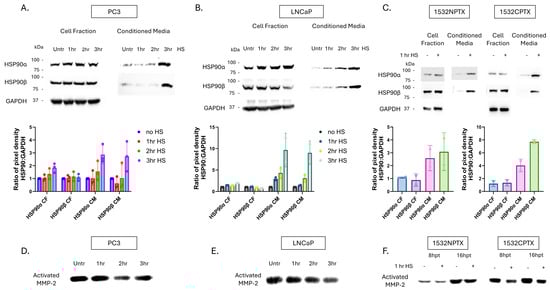
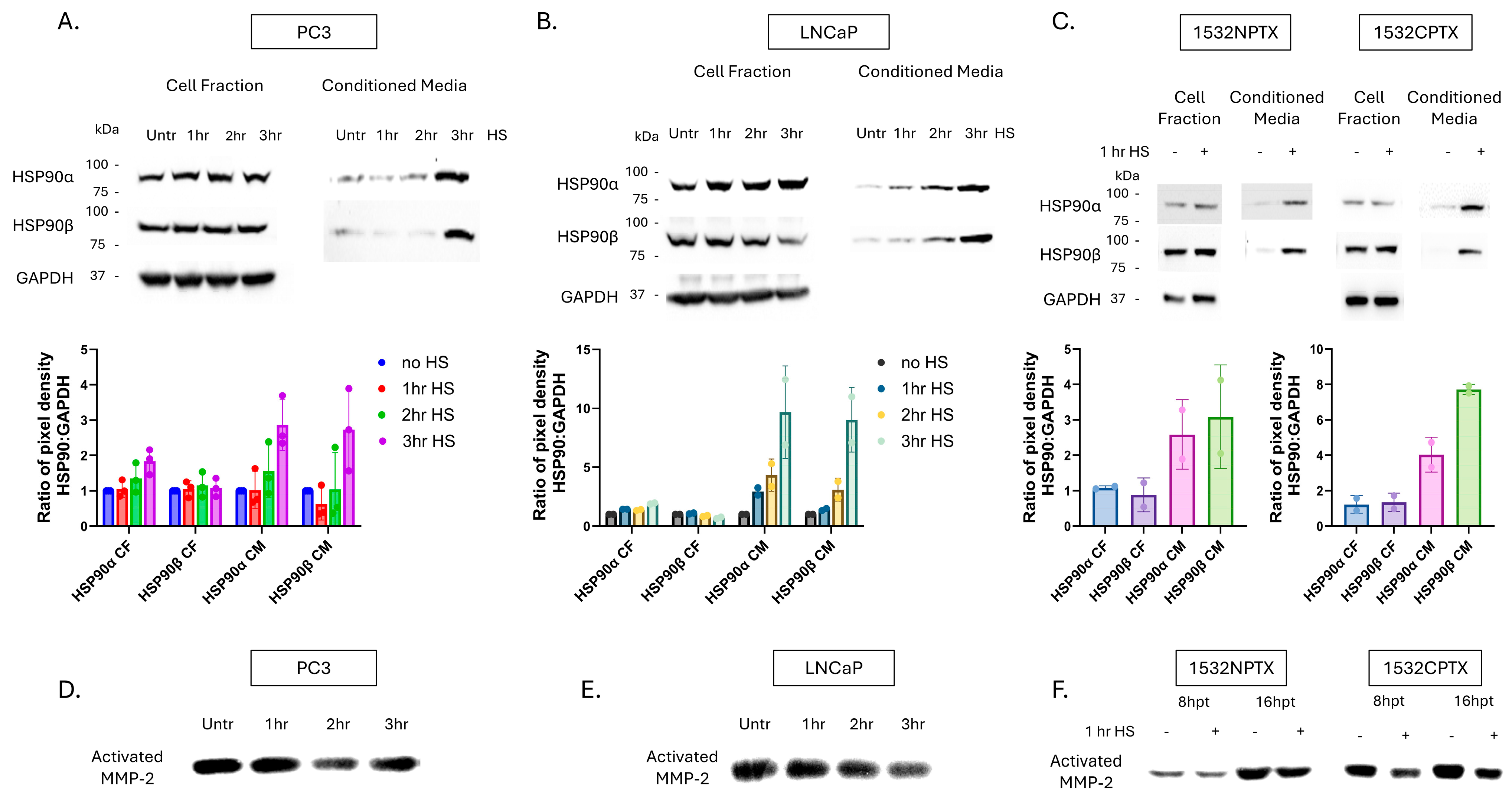
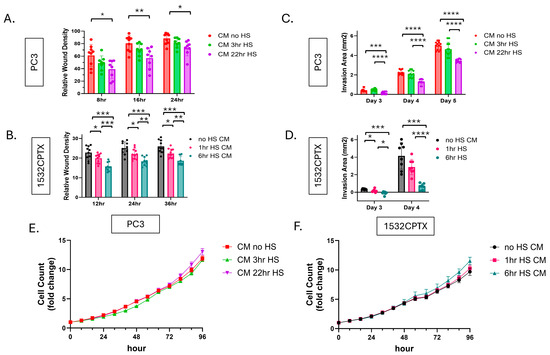
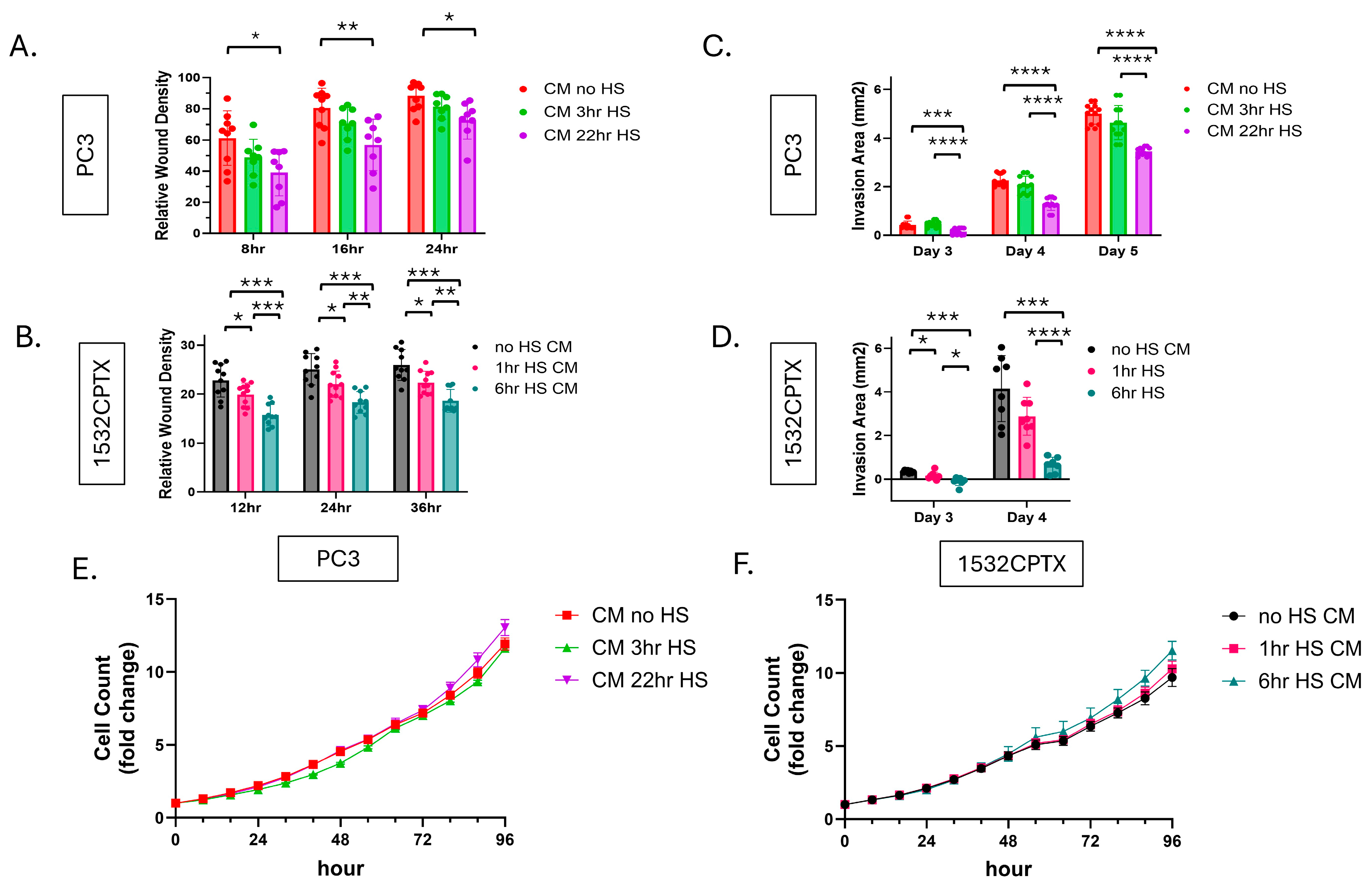
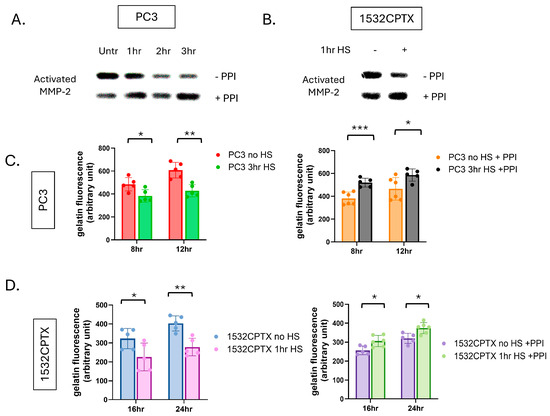
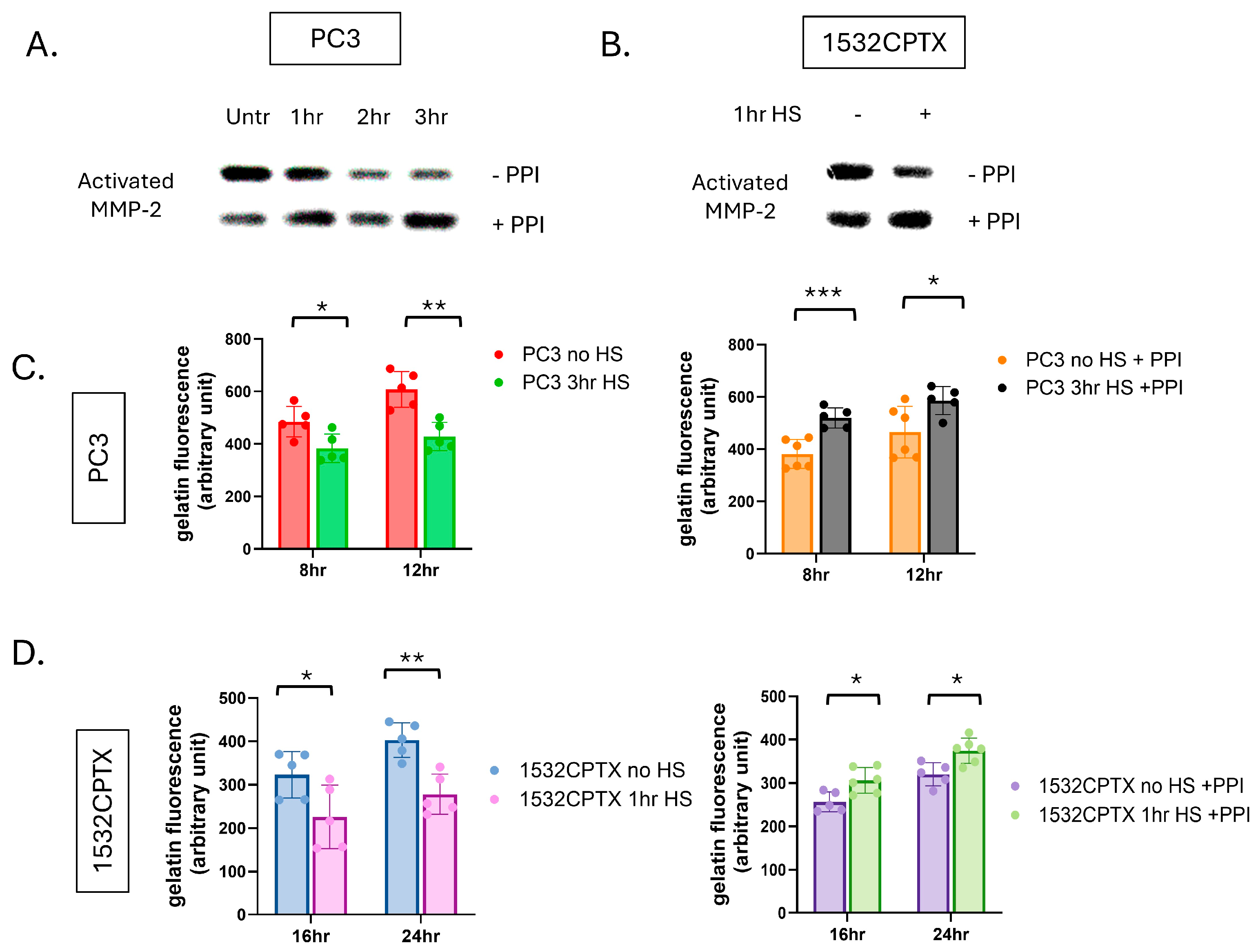
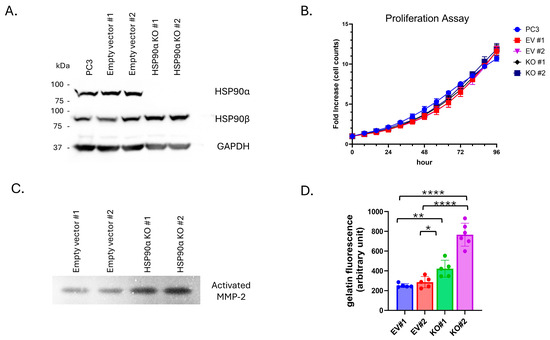
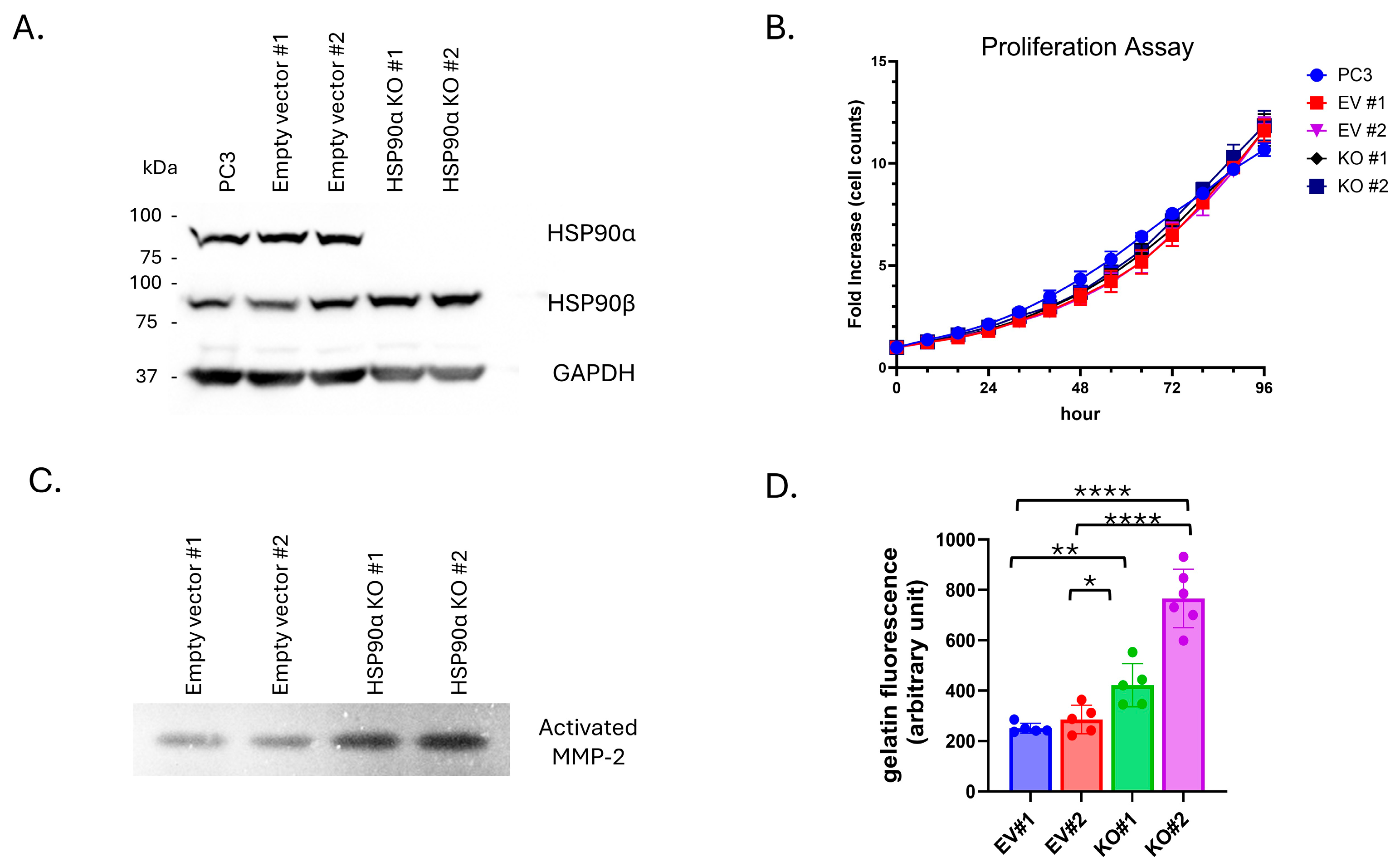
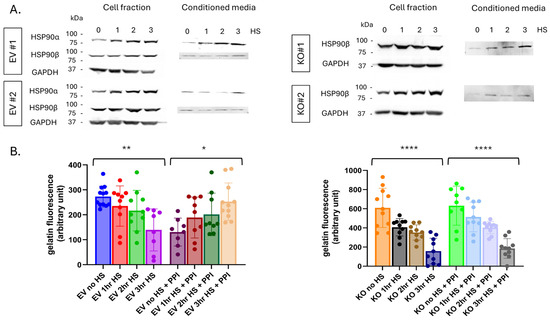
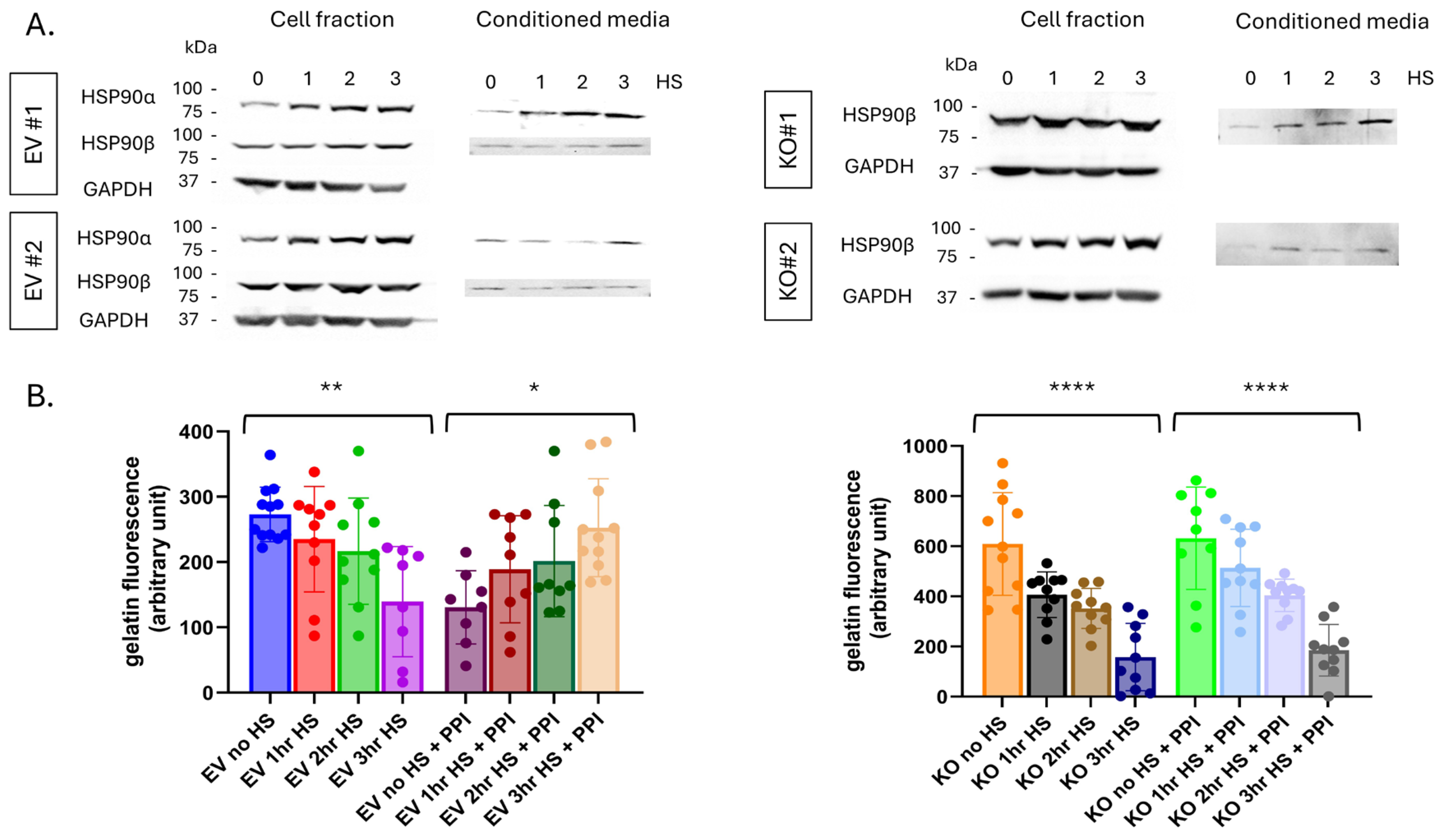
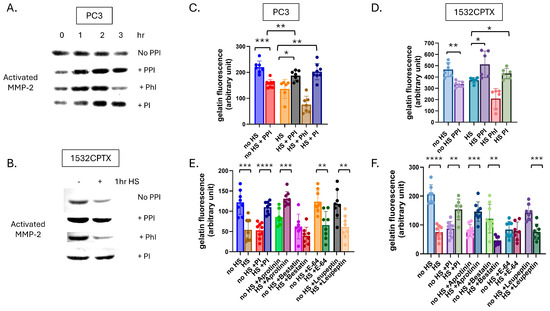
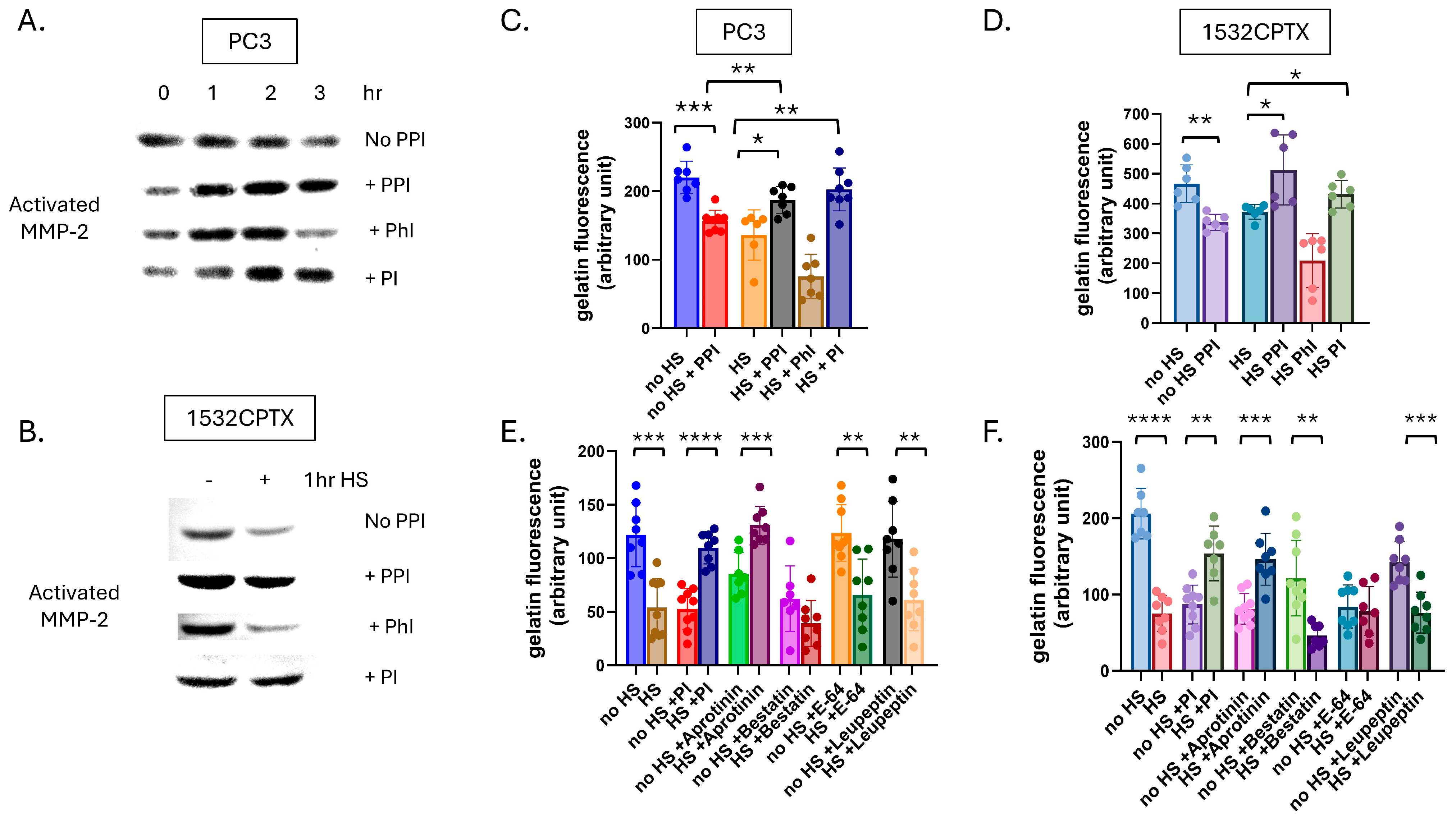
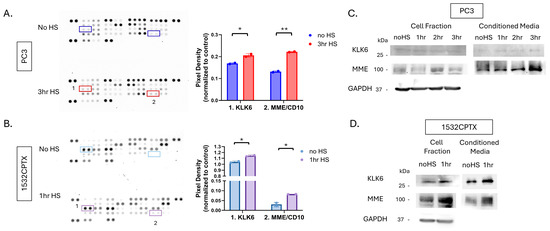
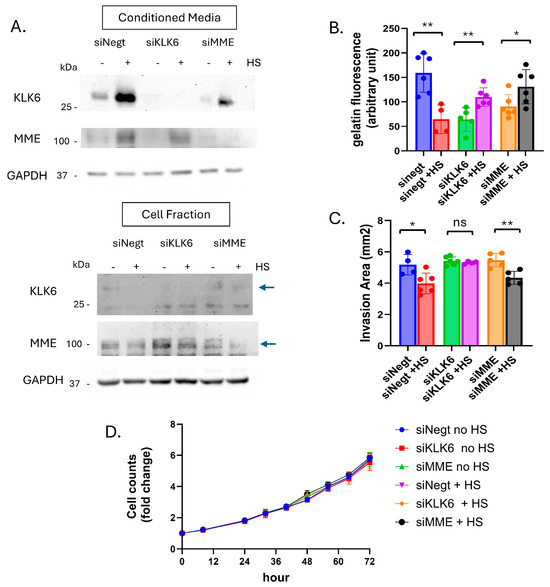
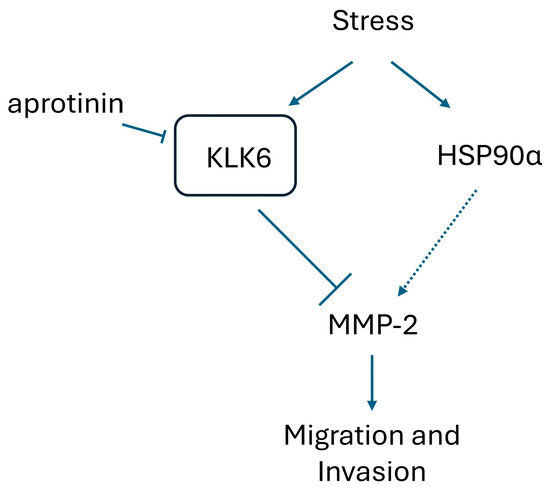
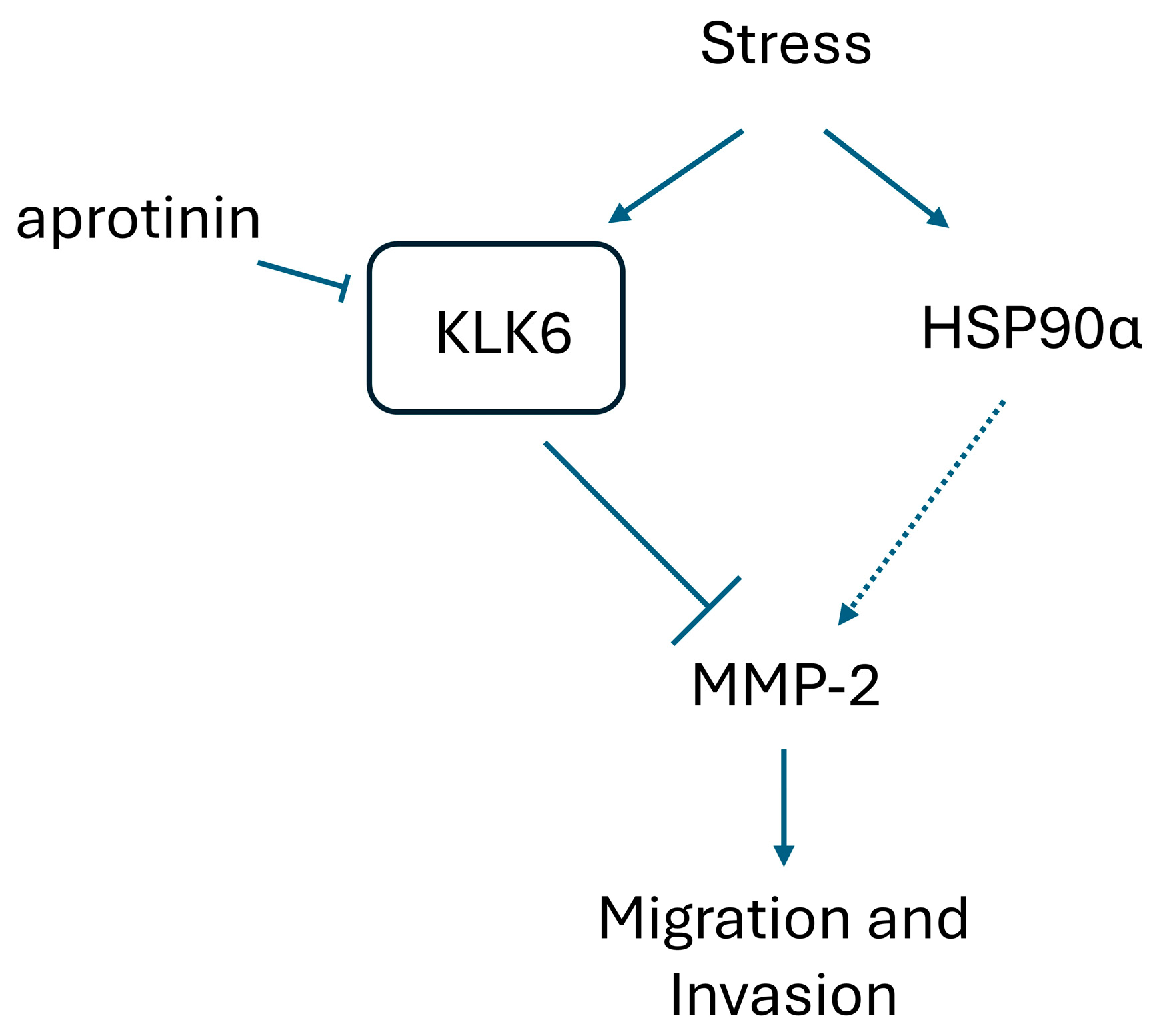

Disclaimer/Publisher’s Note: The statements, opinions and data contained in all publications are solely those of the individual author(s) and contributor(s) and not of MDPI and/or the editor(s). MDPI and/or the editor(s) disclaim responsibility for any injury to people or property resulting from any ideas, methods, instructions or products referred to in the content. |
© 2026 by the authors. Licensee MDPI, Basel, Switzerland. This article is an open access article distributed under the terms and conditions of the Creative Commons Attribution (CC BY) license.