Article

Self- and Cross-Pollination in Argane Tree and their Implications on Breeding Programs
Regional Center of Agronomic Research of Agadir, National Institute of Agronomic Research, P.O. Box 124, Avenue des FAR, Agadir 86350, Morocco
*
Authors to whom correspondence should be addressed.
Cells 2022, 11(5), 828; https://doi.org/10.3390/cells11050828
Submission received: 30 November 2021 / Revised: 17 January 2022 / Accepted: 2 February 2022 / Published: 27 February 2022
(This article belongs to the Section Plant, Algae and Fungi Cell Biology)

Abstract

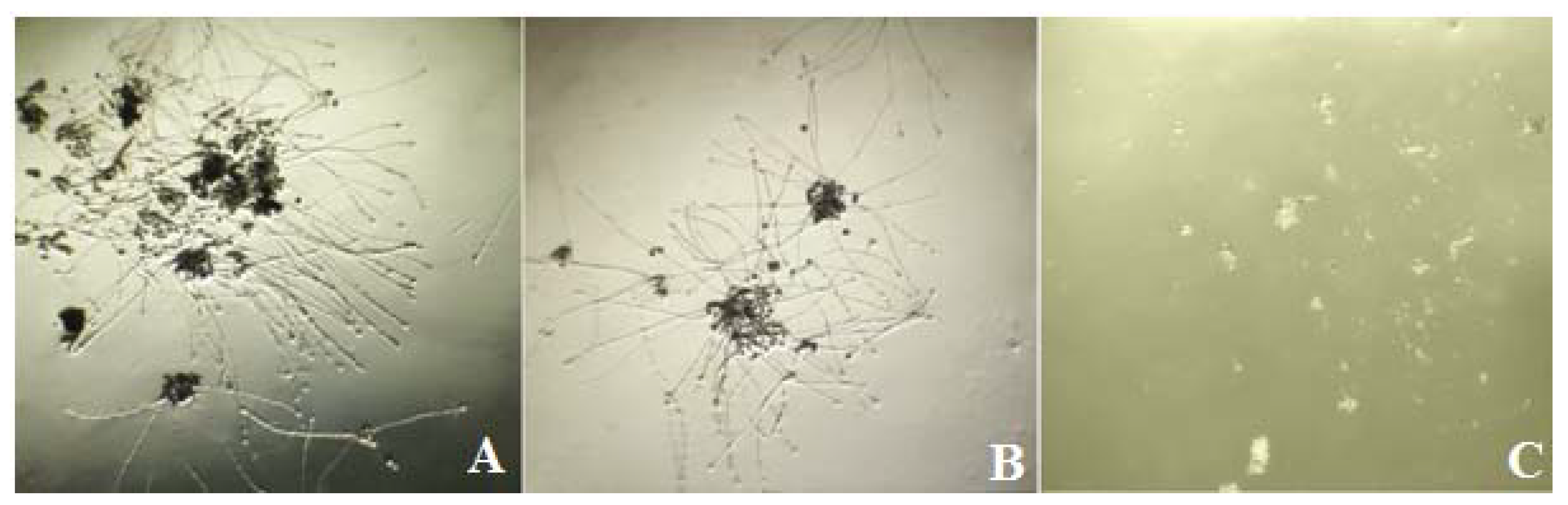
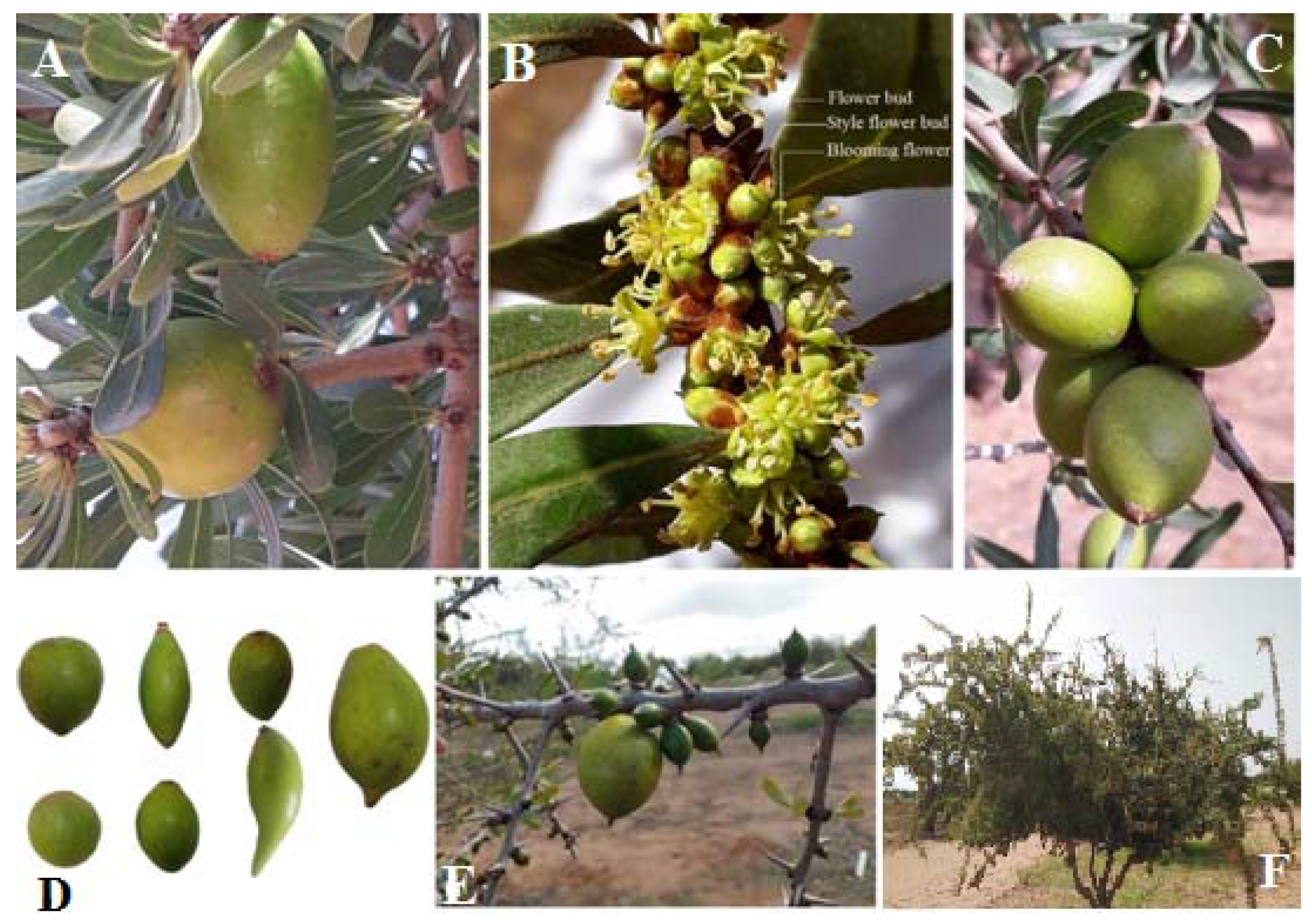
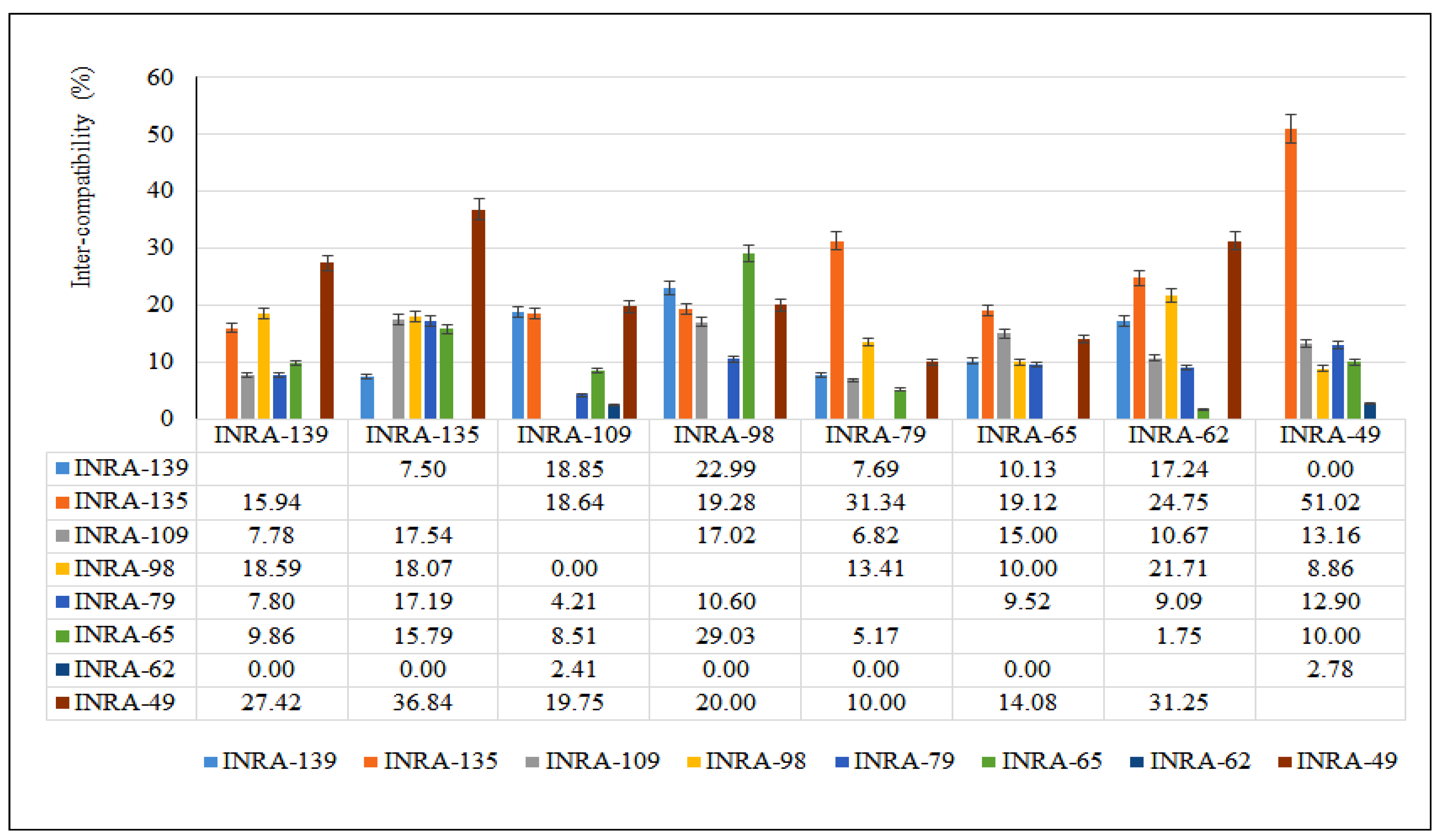
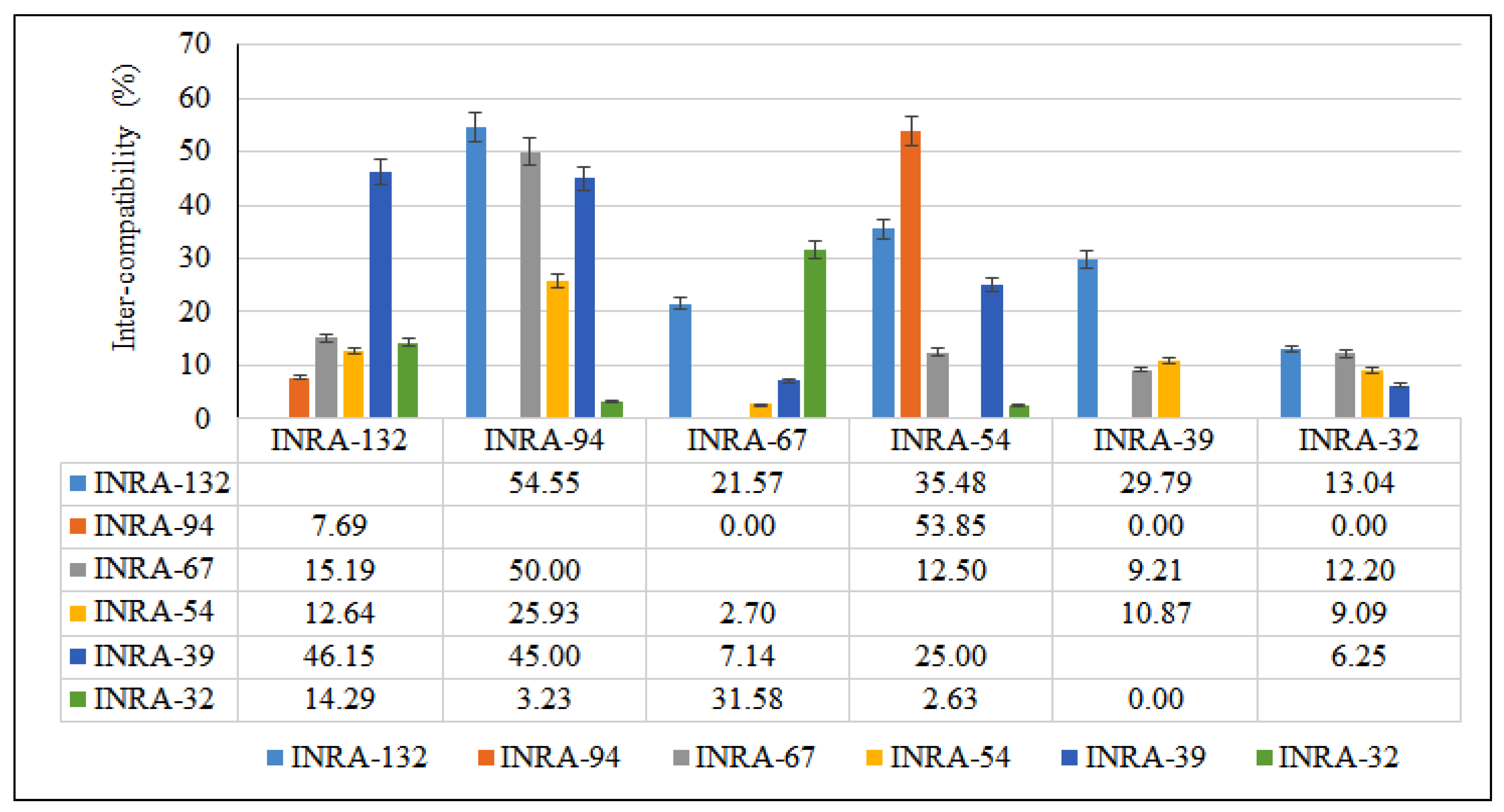
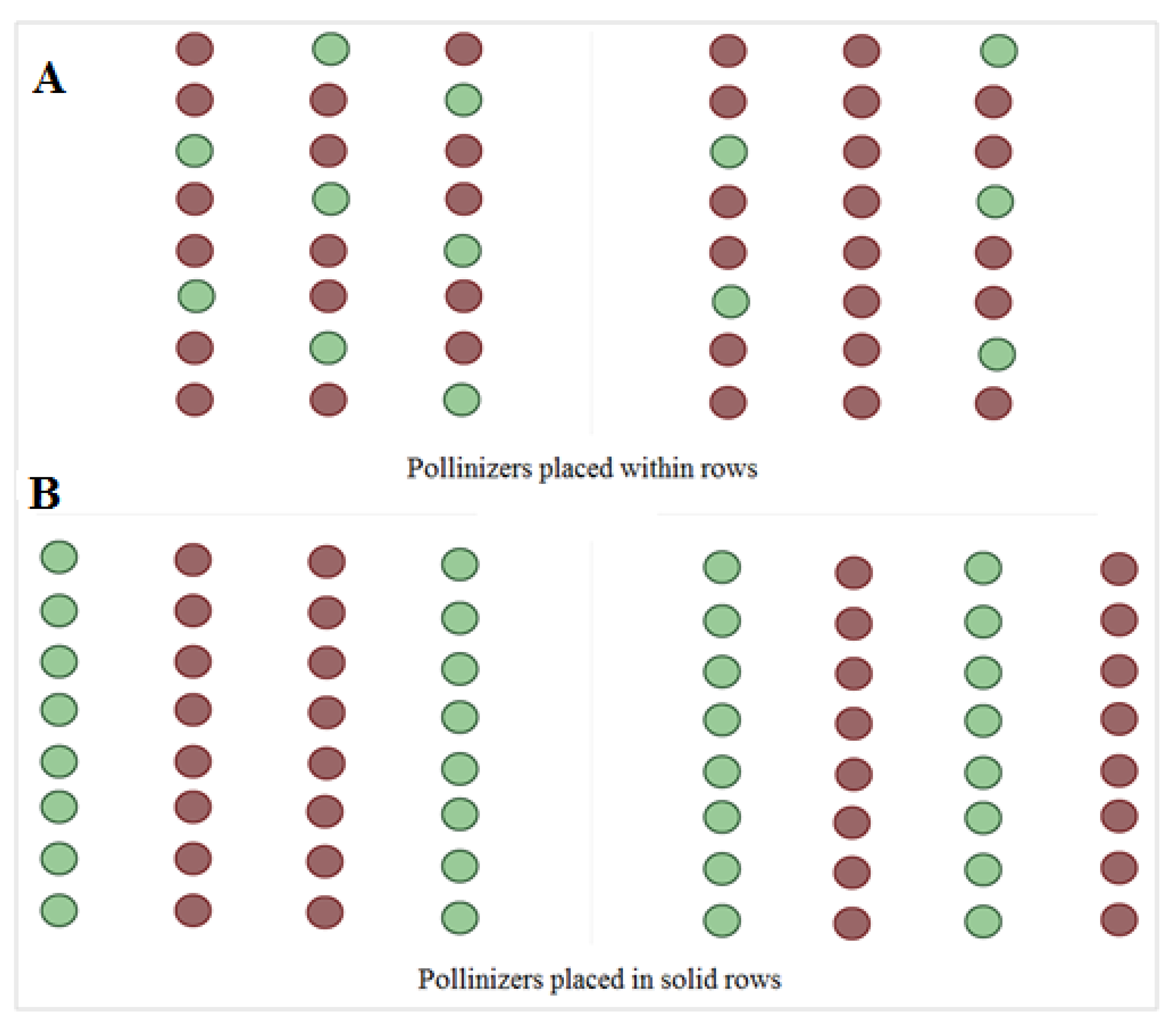
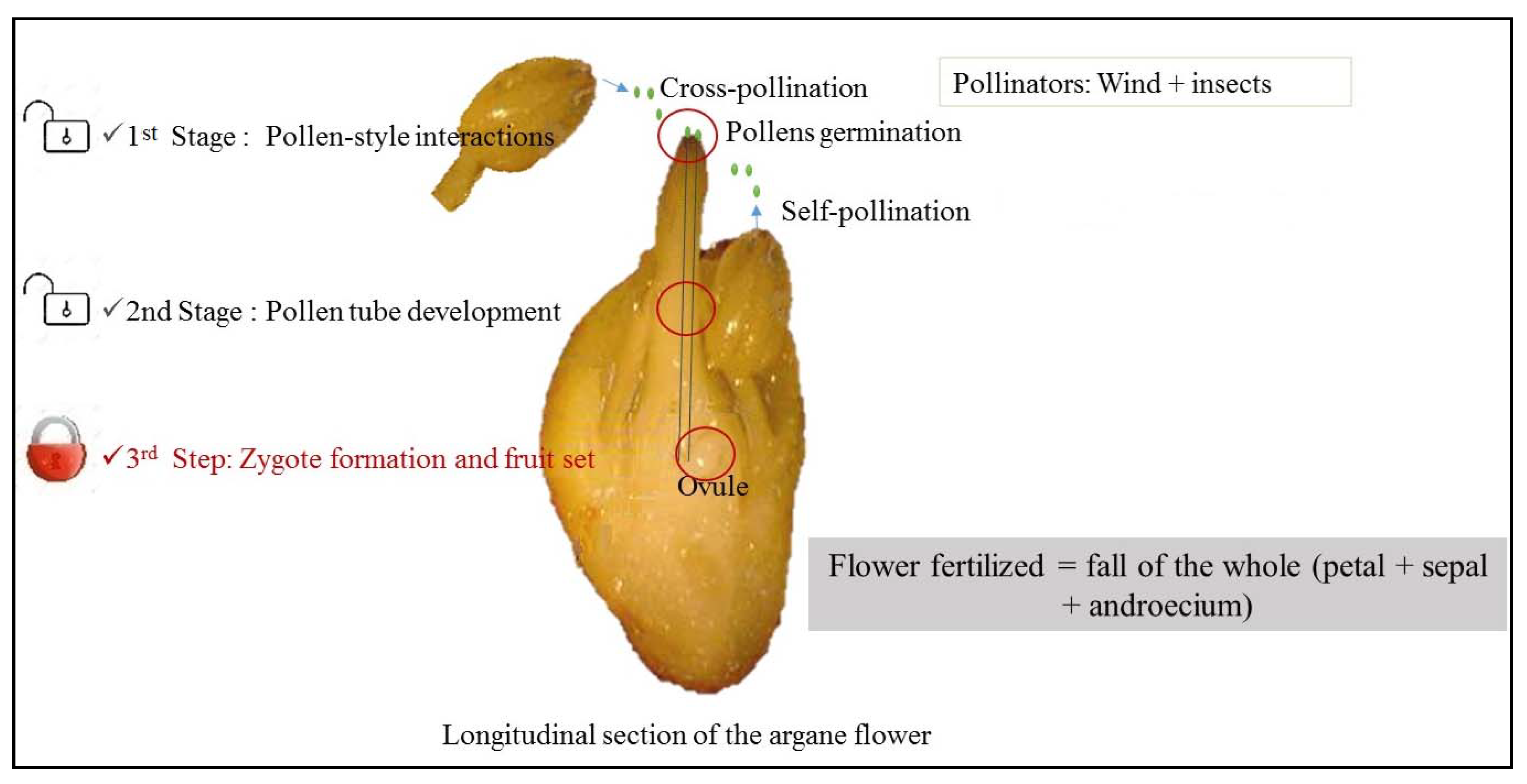
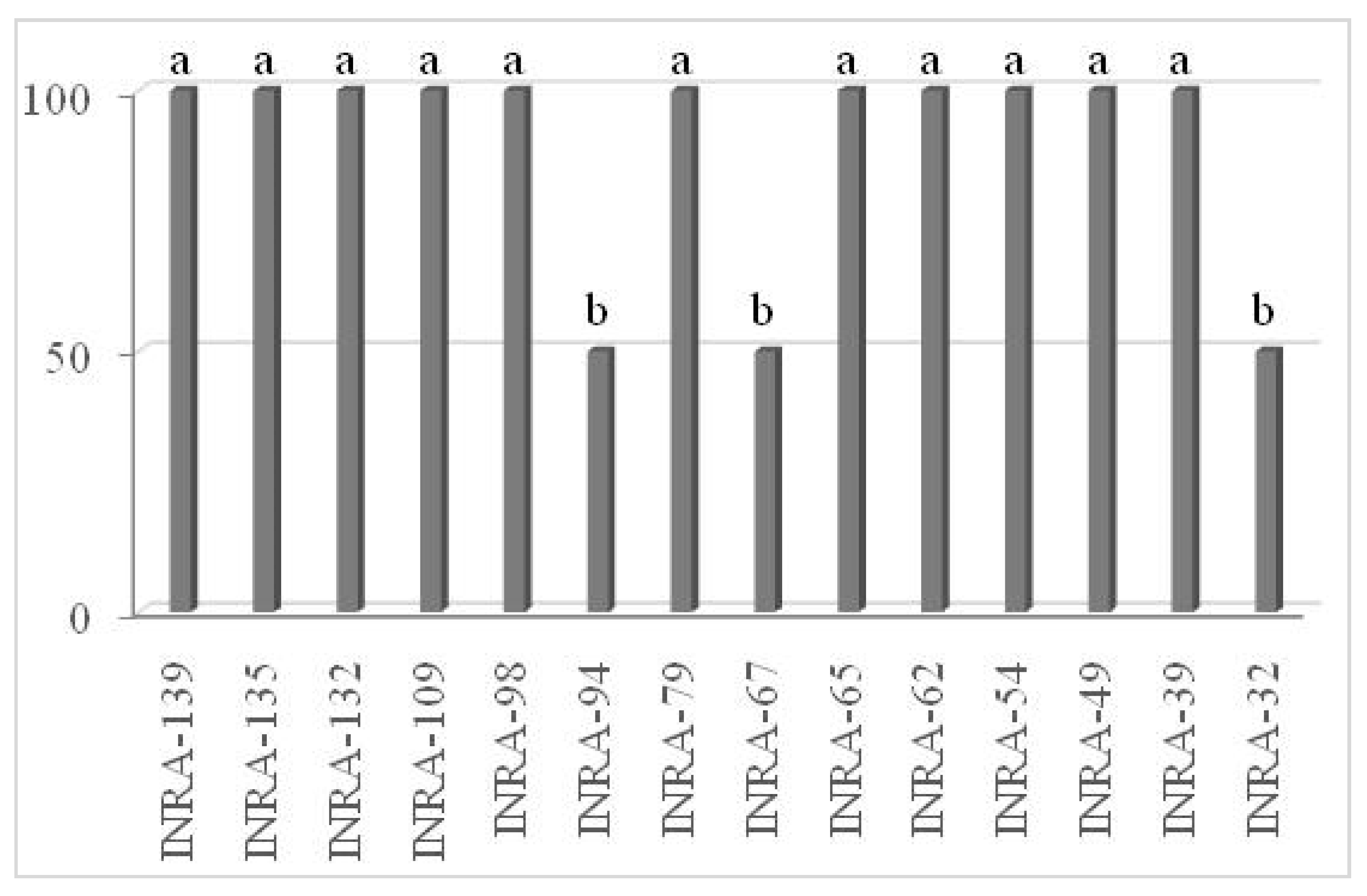
The argane tree (Argania spinosa L.) is a mostly self-incompatible species that must be cross-pollination. However, the cross-pollination is often insufficient to obtain a desirable fruit yield in the absence of compatibility between the orchard’s argane trees. Proper pollination design is therefore essential to ensure a supply of compatible pollen. In this study, pollen germination and pollen development following cross- and self-pollination were investigated in A. spinosa. The choice of compatible parents or a pollinizer is currently a new research topic for the production of argane fruits in the framework of argane farming programs. Different pollination experiments were designed with two main objectives: (i) to study cross/self-(in)compatibility in the argane tree, and (ii) to determine the degree of compatibility between selected superior genotypes for pollination strategies to improve fruit set in argane orchards. Thus, to determine if a pollination deficit exists, experiments were carried out on 14 genotypes, and 5421 flowers served as sampling. The germination rate of pollen was lower than 50% for three genotypes, and only four genotypes bloom twice a year. From cross-pollination trials, traits related to the mother trees, such as the shape of the fruit and fruit ripening duration, are not influenced by the gene flow transmitted by pollens. Self-pollination was very low (0.2%) for both hand- and free self-pollination but the highest fruit set rate observed was 5.3%. Based on the pollen effect study results, it can be concluded that different pollen sources affected the fruit set. Thus, the choice of an efficient pollinizer genotype must be inter-compatible with the main variety, bloom at the same time, and be regular (no alternation). This is the first time that a pollinizer tree was reported and studied for argane. To meet future argane farming requirements, the number and location of compatible pollinizers is very important in the argane orchard design. This design of pollination remains to be checked by alternately planting a row of pollinizer trees or inter-rows with main varieties.
Keywords: A. spinosa; breeding programs; pollen; compatibility; self-pollination; cross-pollination A. spinosa; breeding programs; pollen; compatibility; self-pollination; cross-pollination