Article

Effect of Cell Therapy and Exercise Training in a Stroke Model, Considering the Cell Track by Molecular Image and Behavioral Analysis


by
Mariana P. Nucci
1,2,
Fernando A. Oliveira
1,
João M. Ferreira
1,
Yolanda O. Pinto
1,
Arielly H. Alves
1,
Javier B. Mamani
1,
Leopoldo P. Nucci
3,
Nicole M. E. Valle
1 and
Lionel F. Gamarra
1,*
1
Hospital Israelita Albert Einstein, São Paulo 05652-000, Brazil
2
LIM44, Hospital das Clínicas da Faculdade Medicina da Universidade de São Paulo, São Paulo 05403-000, Brazil
3
Centro Universitário do Planalto Central, Brasília 72445-020, Brazil
*
Author to whom correspondence should be addressed.
Cells 2022, 11(3), 485; https://doi.org/10.3390/cells11030485
Submission received: 10 December 2021 / Revised: 27 January 2022 / Accepted: 28 January 2022 / Published: 30 January 2022
(This article belongs to the Special Issue Mesenchymal Stromal Cell‐Based Therapy)

Abstract

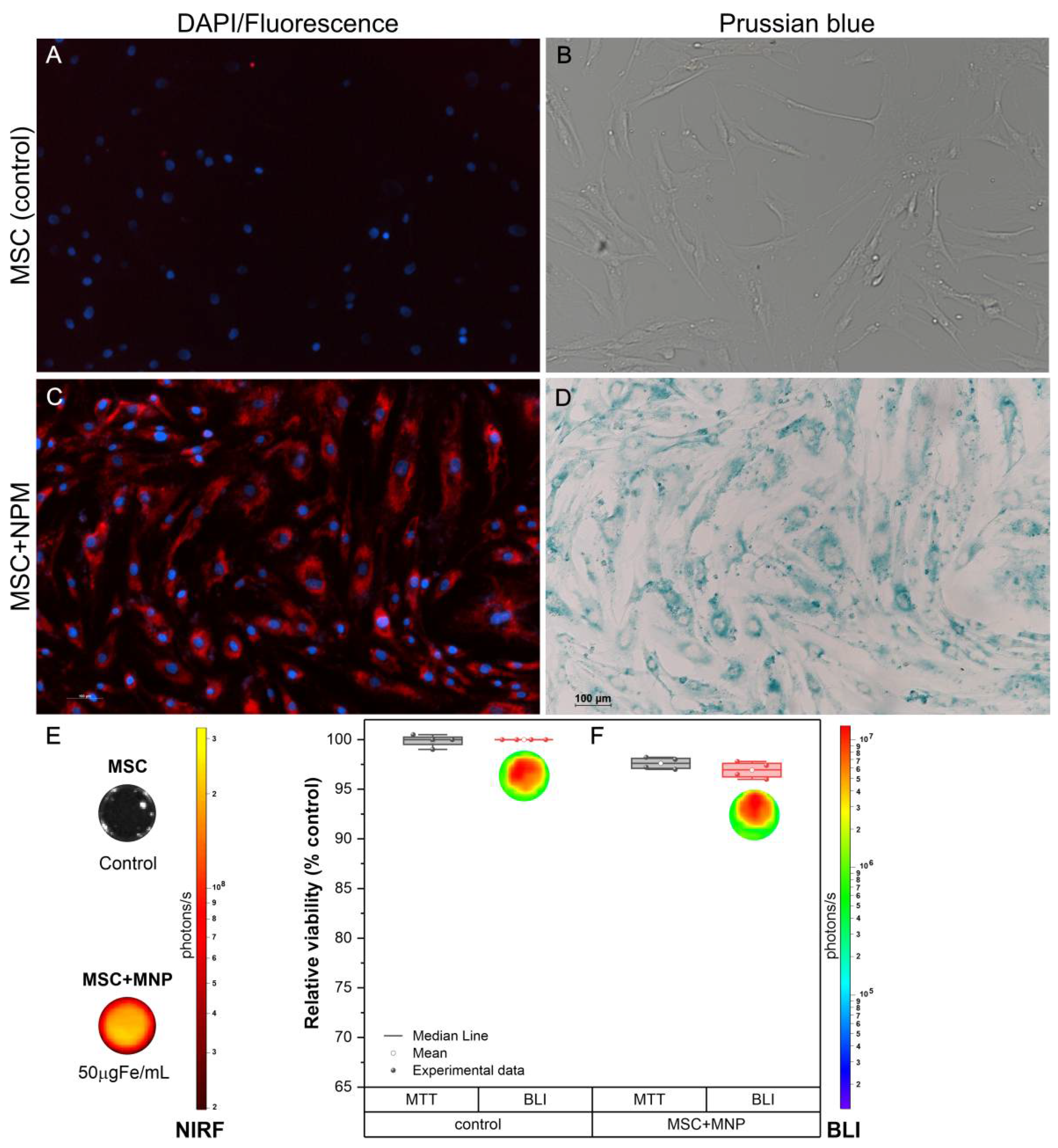
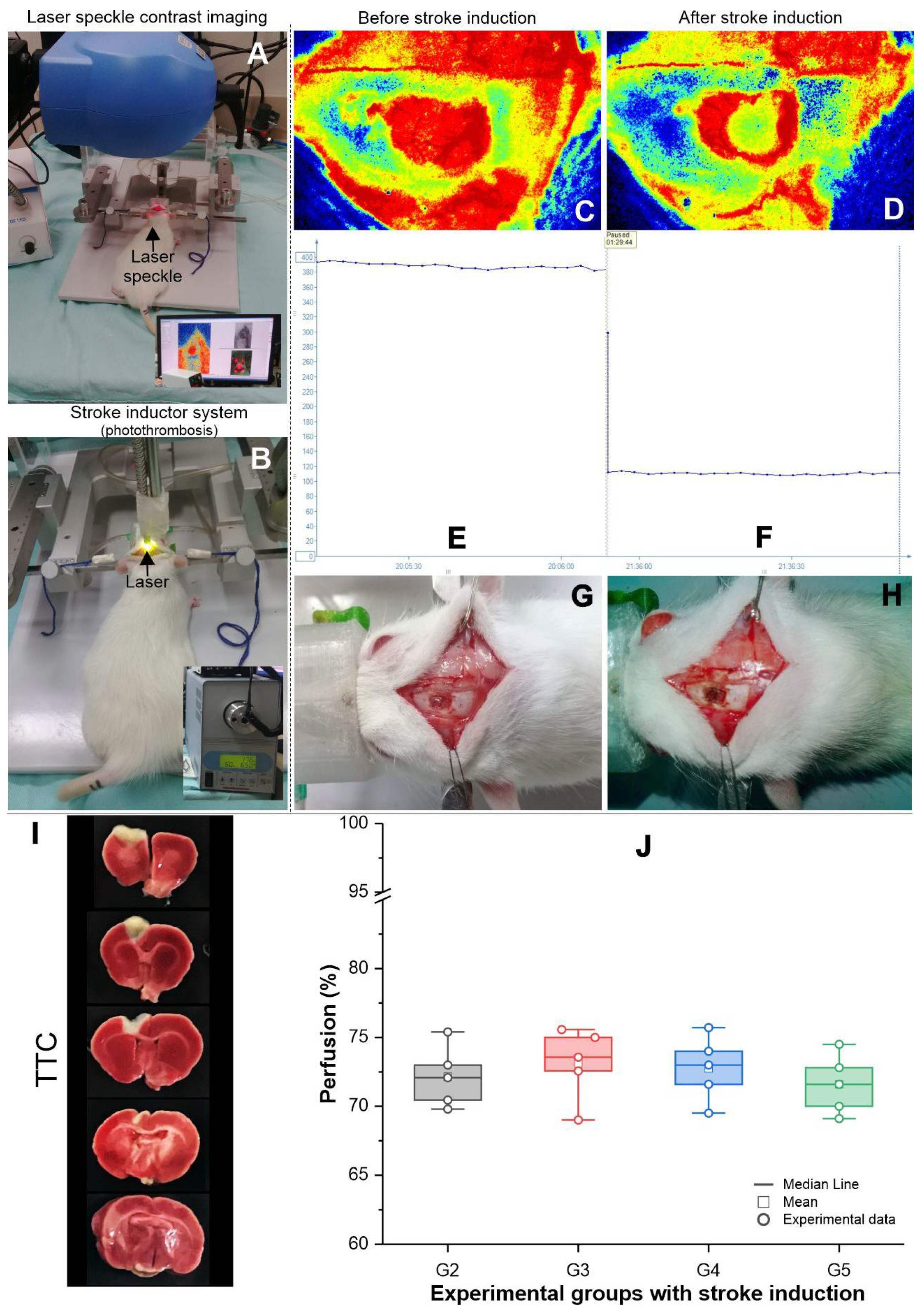
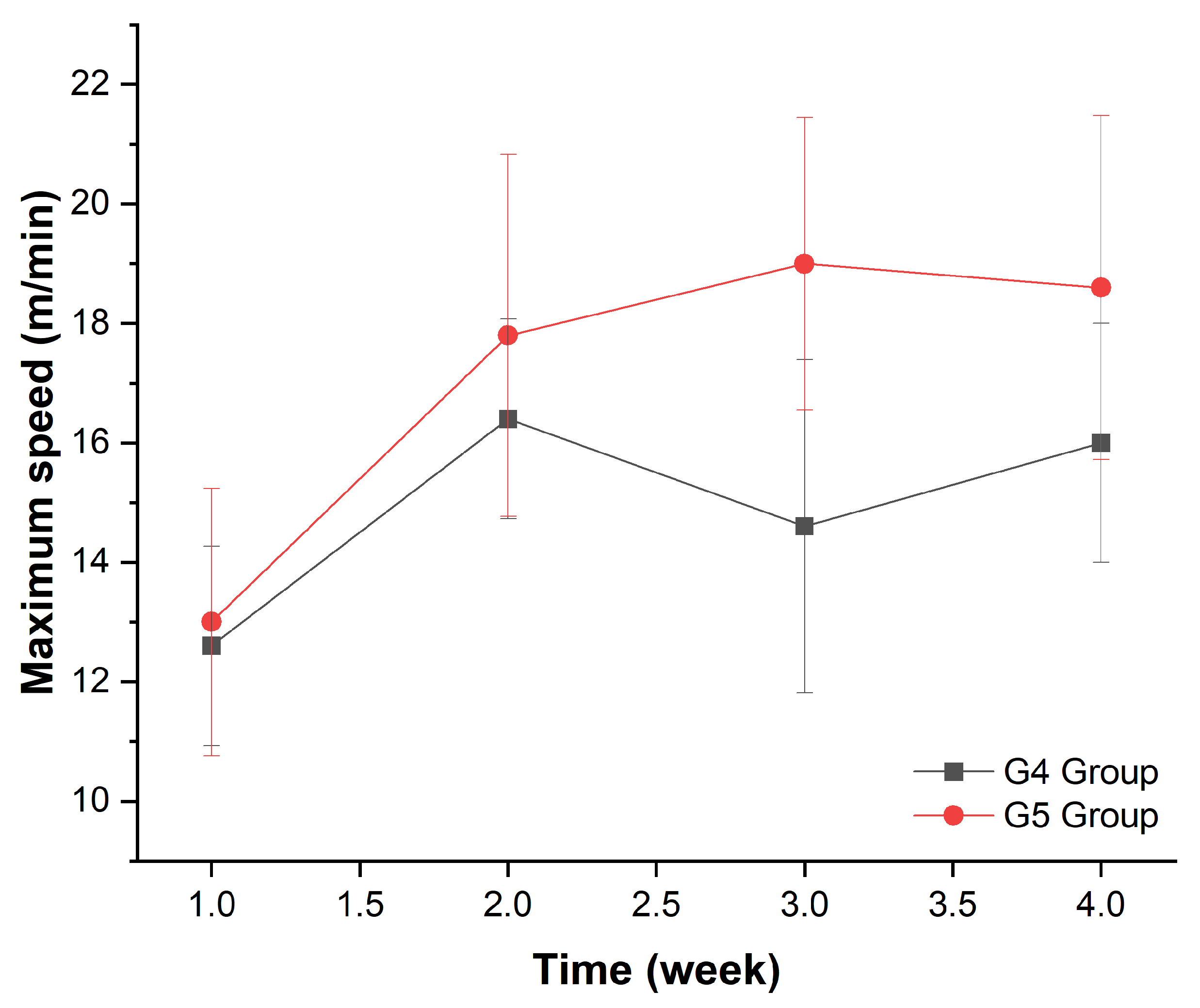
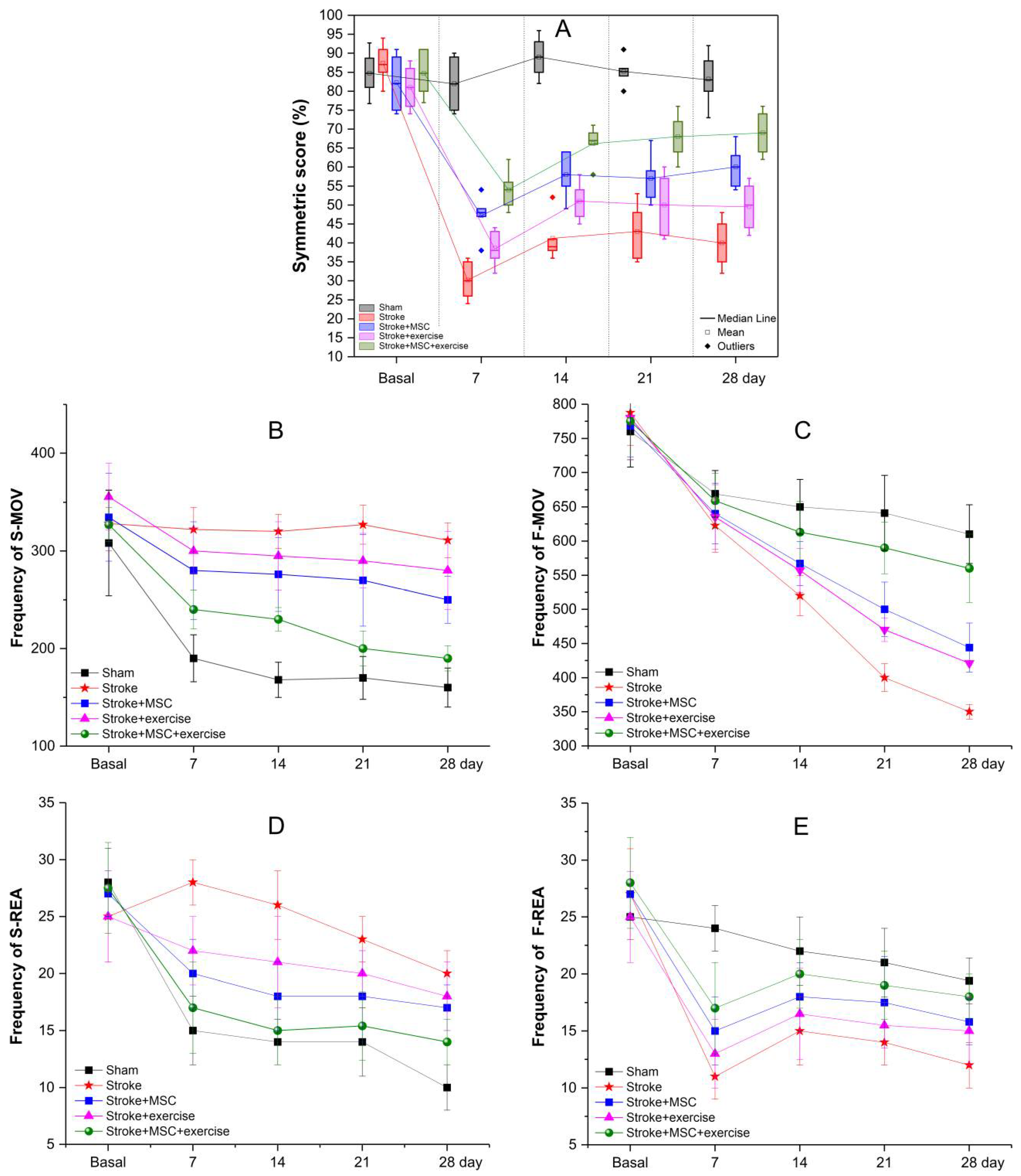
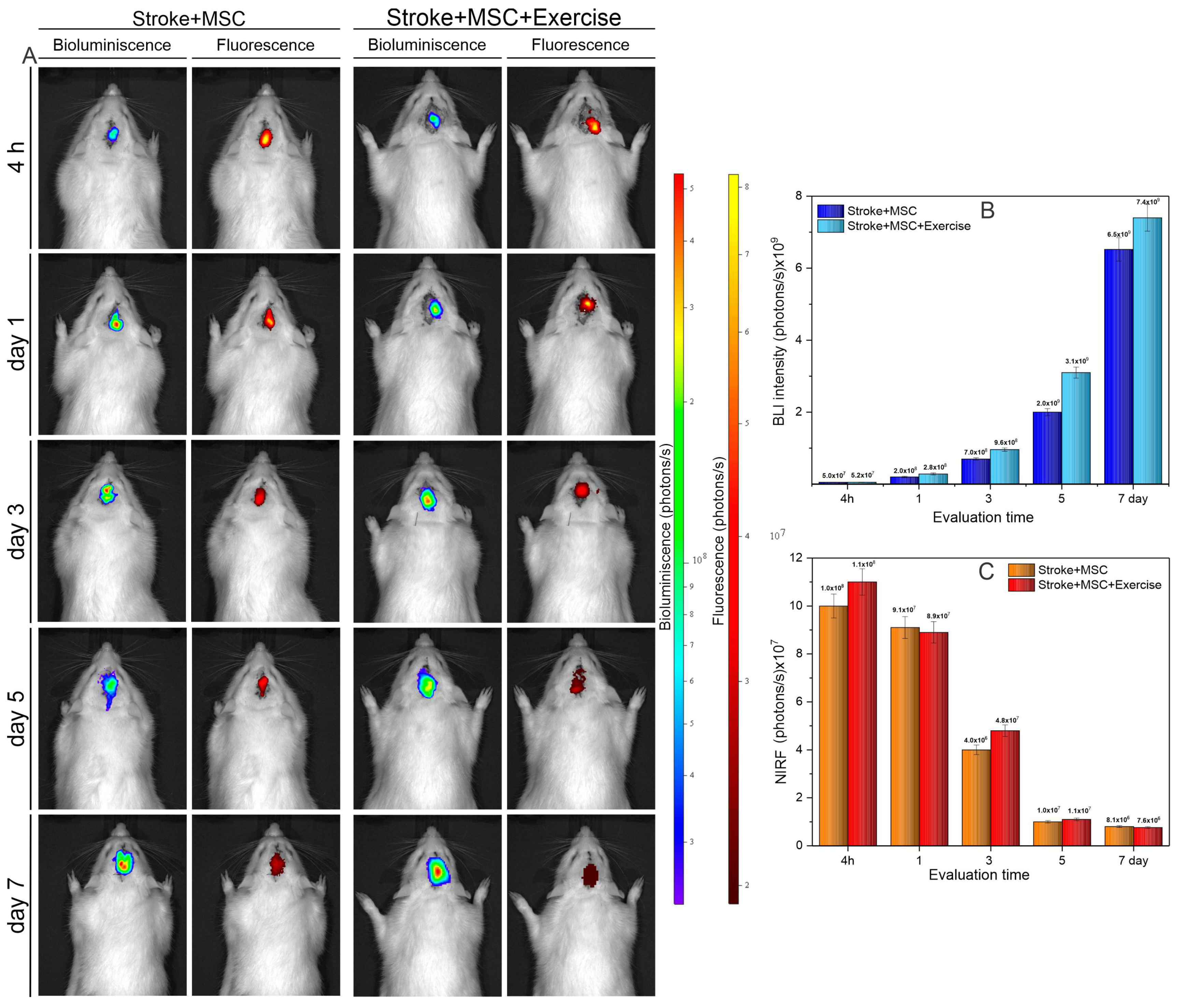
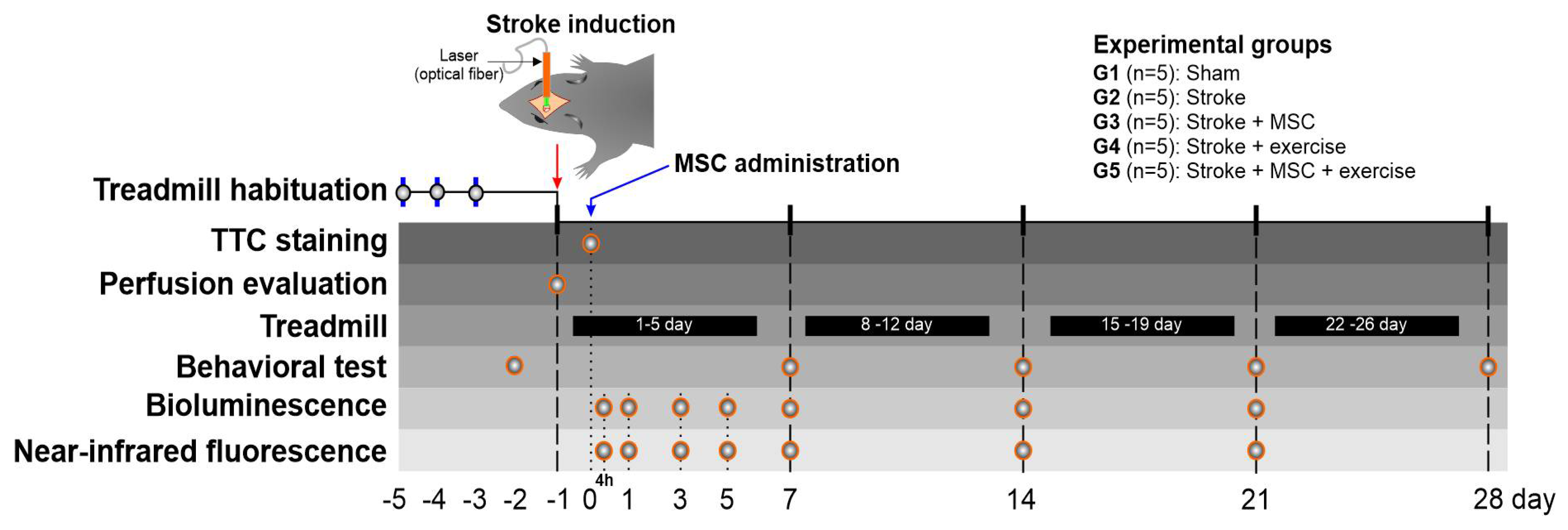
The goal of this study is to see how combining physical activity with cell treatment impacts functional recovery in a stroke model. Molecular imaging and multimodal nanoparticles assisted in cell tracking and longitudinal monitoring (MNP). The viability of mesenchymal stem cell (MSC) was determined using a 3-[4,5-dimethylthiazol-2-yl]-2,5 diphenyl tetrazolium bromide (MTT) assay and bioluminescent image (BLI) after lentiviral transduction and MNP labeling. At random, the animals were divided into 5 groups (control-G1, and experimental G2-G5). The photothrombotic stroke induction was confirmed by local blood perfusion reduction and Triphenyltetrazolium chloride (TTC), and MSC in the G3 and G5 groups were implanted after 24 h, with BLI and near-infrared fluorescence image (NIRF) tracking these cells at 28 h, 2, 7, 14, and 28 days. During a 28-day period, the G5 also conducted physical training, whereas the G4 simply did the training. At 0, 7, 14, and 28 days, the animals were functionally tested using a cylinder test and a spontaneous motor activity test. MNP internalization in MSC was confirmed using brightfield and fluorescence microscopy. In relation to G1 group, only 3% of cell viability reduced. The G2–G5 groups showed more than 69% of blood perfusion reduction. The G5 group performed better over time, with a progressive recovery of symmetry and an increase of fast vertical movements. Up to 7 days, BLI and NIRF followed MSC at the damaged site, demonstrating a signal rise that could be connected to cell proliferation at the injury site during the acute phase of stroke. Local MSC therapy mixed with physical activity resulted in better results in alleviating motor dysfunction, particularly during the acute period. When it comes to neurorehabilitation, this alternative therapy could be a suitable fit.
Keywords: cell therapy; physical exercise; multimodal nanoparticles; stroke; behavioral test; human bone marrow mesenchymal stem cells; near-infrared fluorescence image; bioluminescence cell therapy; physical exercise; multimodal nanoparticles; stroke; behavioral test; human bone marrow mesenchymal stem cells; near-infrared fluorescence image; bioluminescence