Review

The Role of MicroRNA in the Regulation of Tumor Epithelial–Mesenchymal Transition
1
The Laboratory of Cell Biochemistry and Topogenetic Regulation, College of Bioengineering, Faculty of Medical Sciences, Chongqing University, No. 174 Shazheng Street, Shapingba District, Chongqing 400044, China
2
Chongqing University Jiangjin Hospital, School of Medicine, Chongqing University, No. 725 Jiangzhou Avenue, Dingshan Street, Jiangjin District, Chongqing 402260, China
*
Authors to whom correspondence should be addressed.
Cells 2022, 11(13), 1981; https://doi.org/10.3390/cells11131981
Submission received: 4 May 2022 / Revised: 13 June 2022 / Accepted: 14 June 2022 / Published: 21 June 2022

Abstract

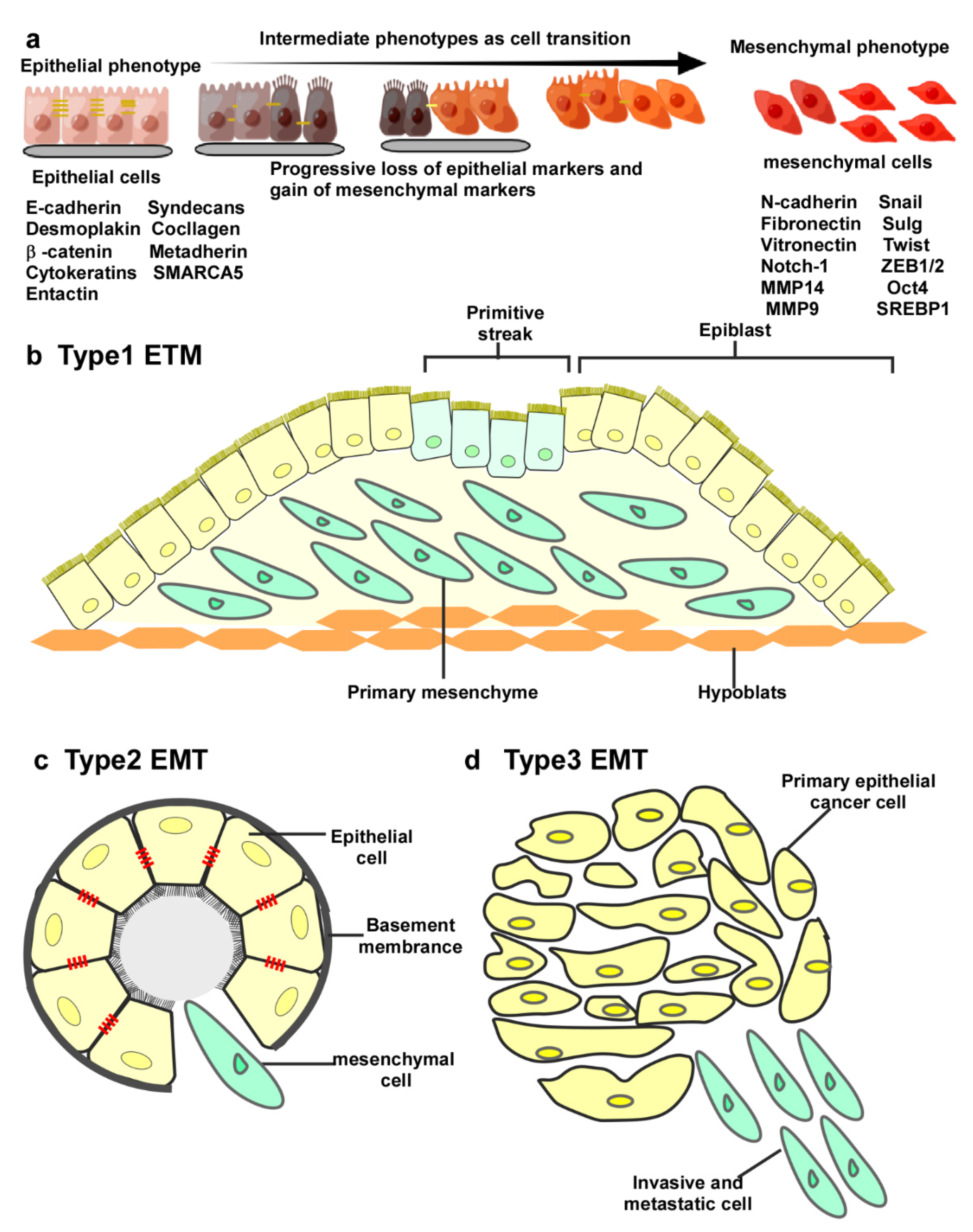
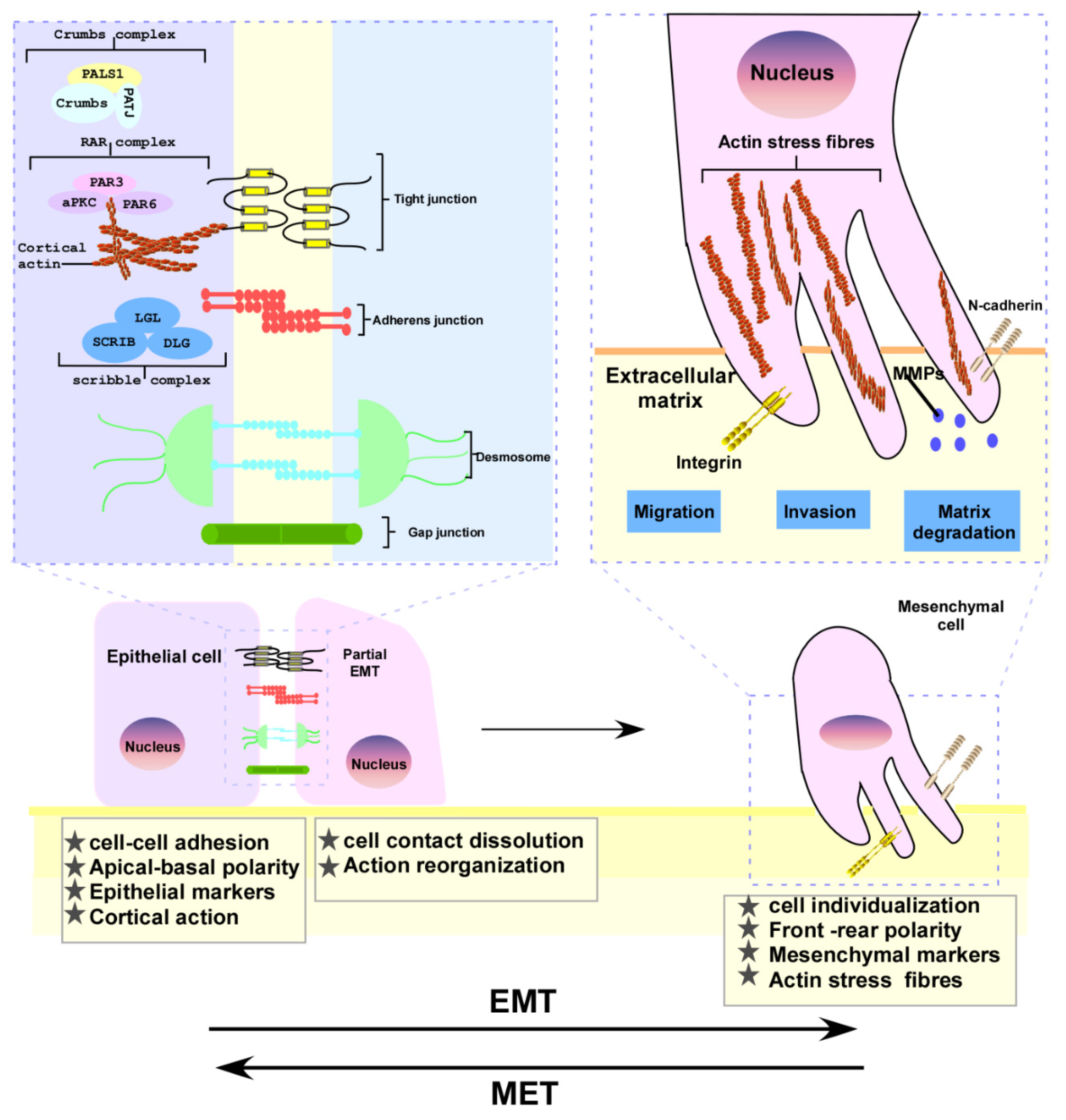
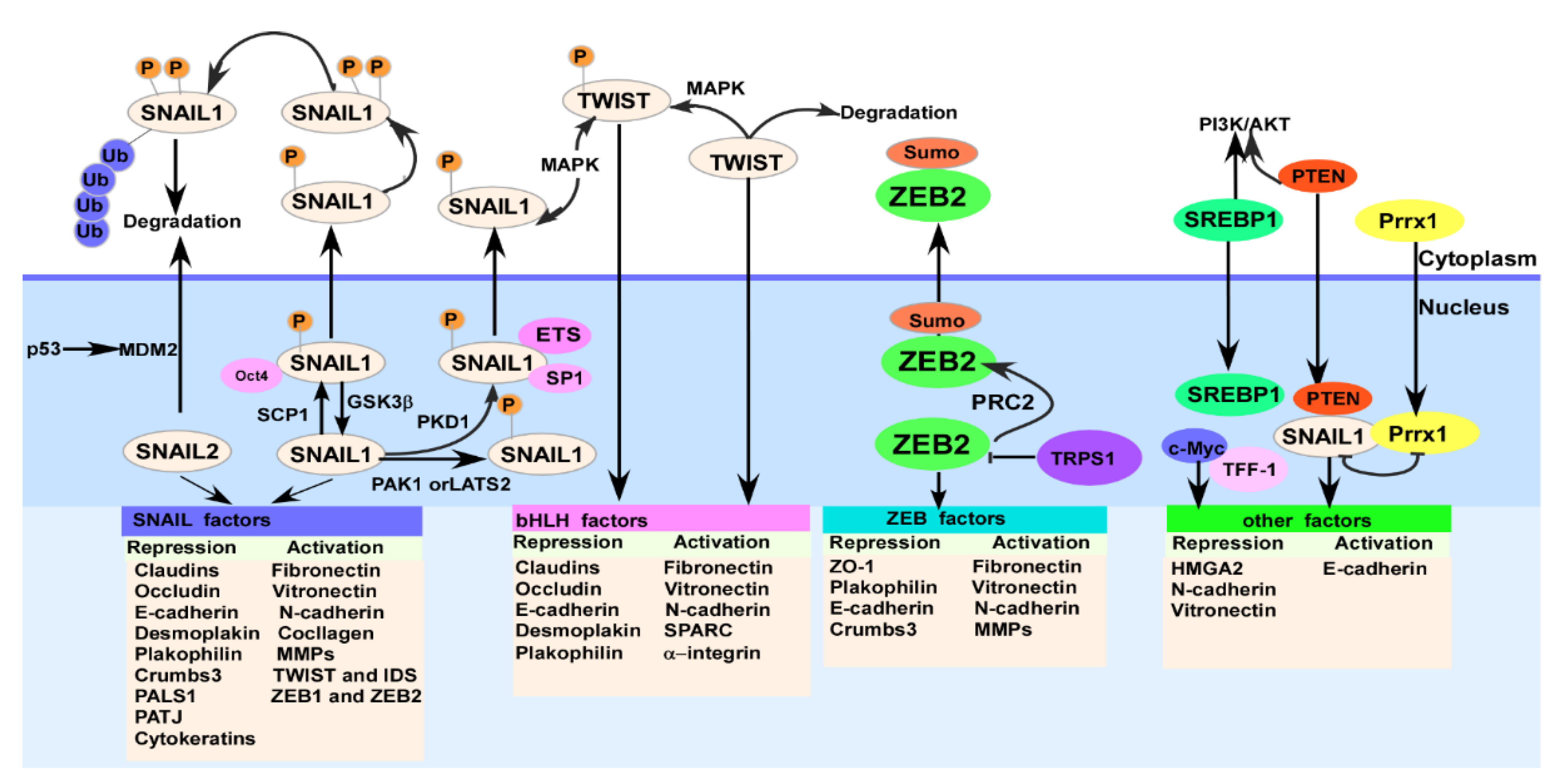
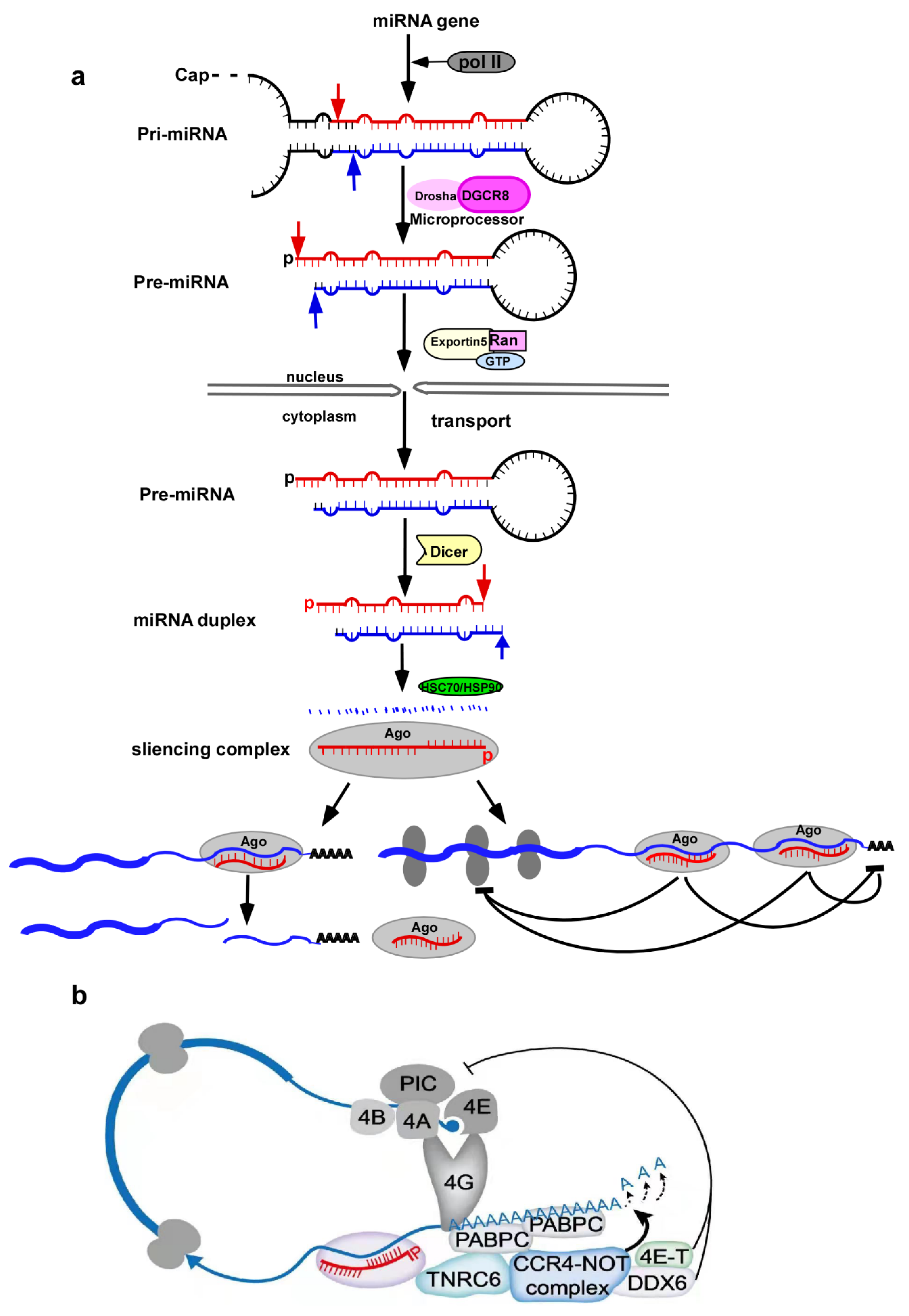
Consistently, the high metastasis of cancer cells is the bottleneck in the process of tumor treatment. In this process of metastasis, a pivotal role is executed by epithelial–mesenchymal transition (EMT). The epithelial-to-mesenchymal transformation was first proposed to occur during embryonic development. Later, its important role in explaining embryonic developmental processes was widely reported. Recently, EMT and its intermediate state were also identified as crucial drivers in tumor progression with the gradual deepening of research. To gain insights into the potential mechanism, increasing attention has been focused on the EMT-related transcription factors. Correspondingly, miRNAs target transcription factors to control the EMT process of tumor cells in different types of cancers, while there are still many exciting and challenging questions about the phenomenon of microRNA regulation of cancer EMT. We describe the relevant mechanisms of miRNAs regulating EMT, and trace the regulatory roles and functions of major EMT-related transcription factors, including Snail, Twist, zinc finger E-box-binding homeobox (ZEB), and other families. In addition, on the basis of the complex regulatory network, we hope that the exploration of the regulatory relationship of non-transcription factors will provide a better understanding of EMT and cancer metastasis. The identification of the mechanism leading to the activation of EMT programs during diverse disease processes also provides a new protocol for the plasticity of distinct cellular phenotypes and possible therapeutic interventions. Here, we summarize the recent progress in this direction, with a promising path for further insight into this fast-moving field.
Keywords: miRNA; EMT; Snail1/2; Twist; ZEB1/2 miRNA; EMT; Snail1/2; Twist; ZEB1/2