Article

From Land Use to Soil Functions: Insights from Contrasting Farming Systems

1
Alliance of Bioversity International and CIAT, Nairobi P.O. Box 30772-00100, Kenya
2
International Institute of Tropical Agriculture, Dar es Salaam P.O Box 34441, Tanzania
3
Kenya Agricultural and Livestock Research Organization, Kisumu P.O. Box 57811-00200, Kenya
*
Author to whom correspondence should be addressed.
Agronomy 2026, 16(5), 587; https://doi.org/10.3390/agronomy16050587

Submission received: 21 January 2026 / Revised: 13 February 2026 / Accepted: 14 February 2026 / Published: 9 March 2026
(This article belongs to the Section Innovative Cropping Systems)

Abstract

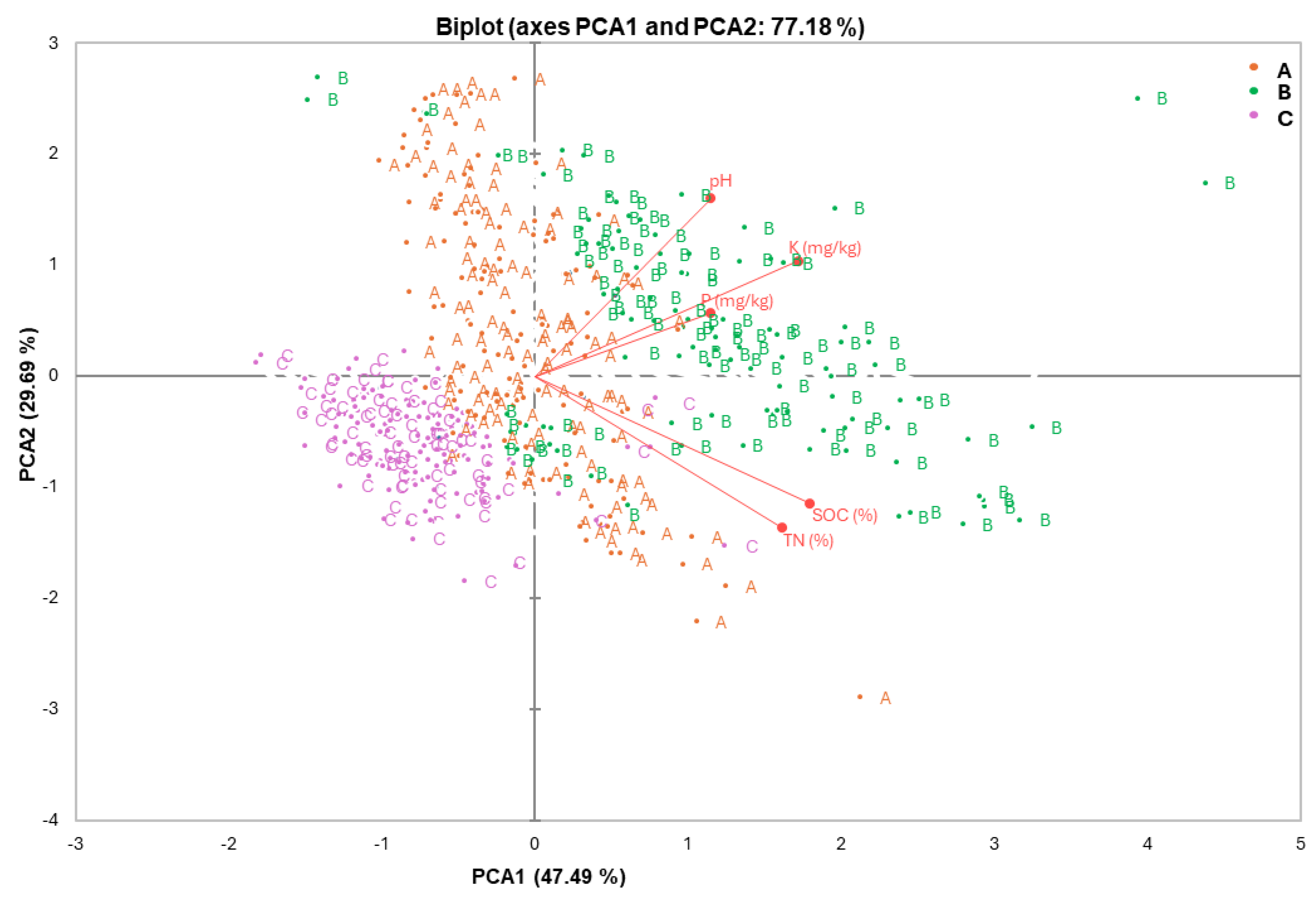
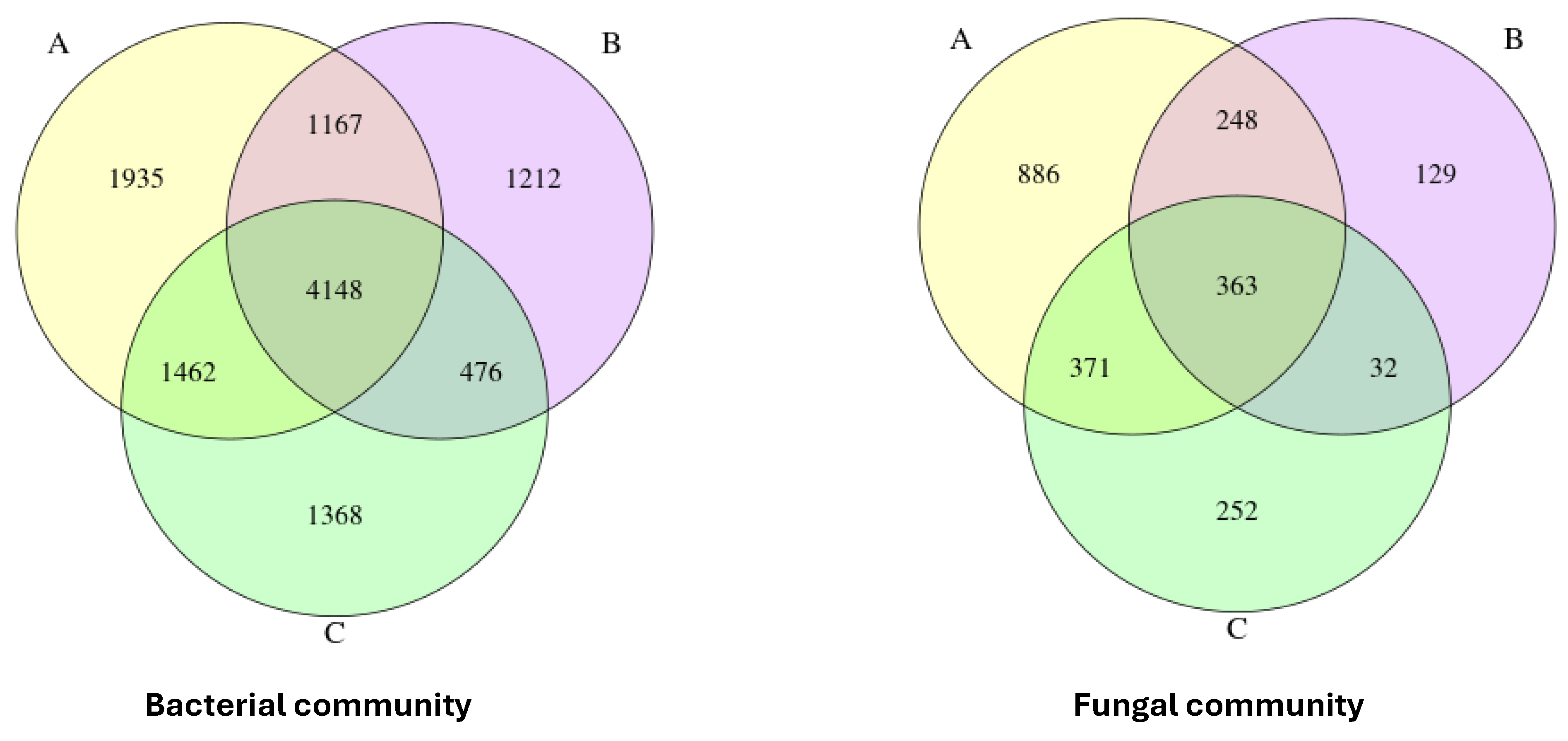
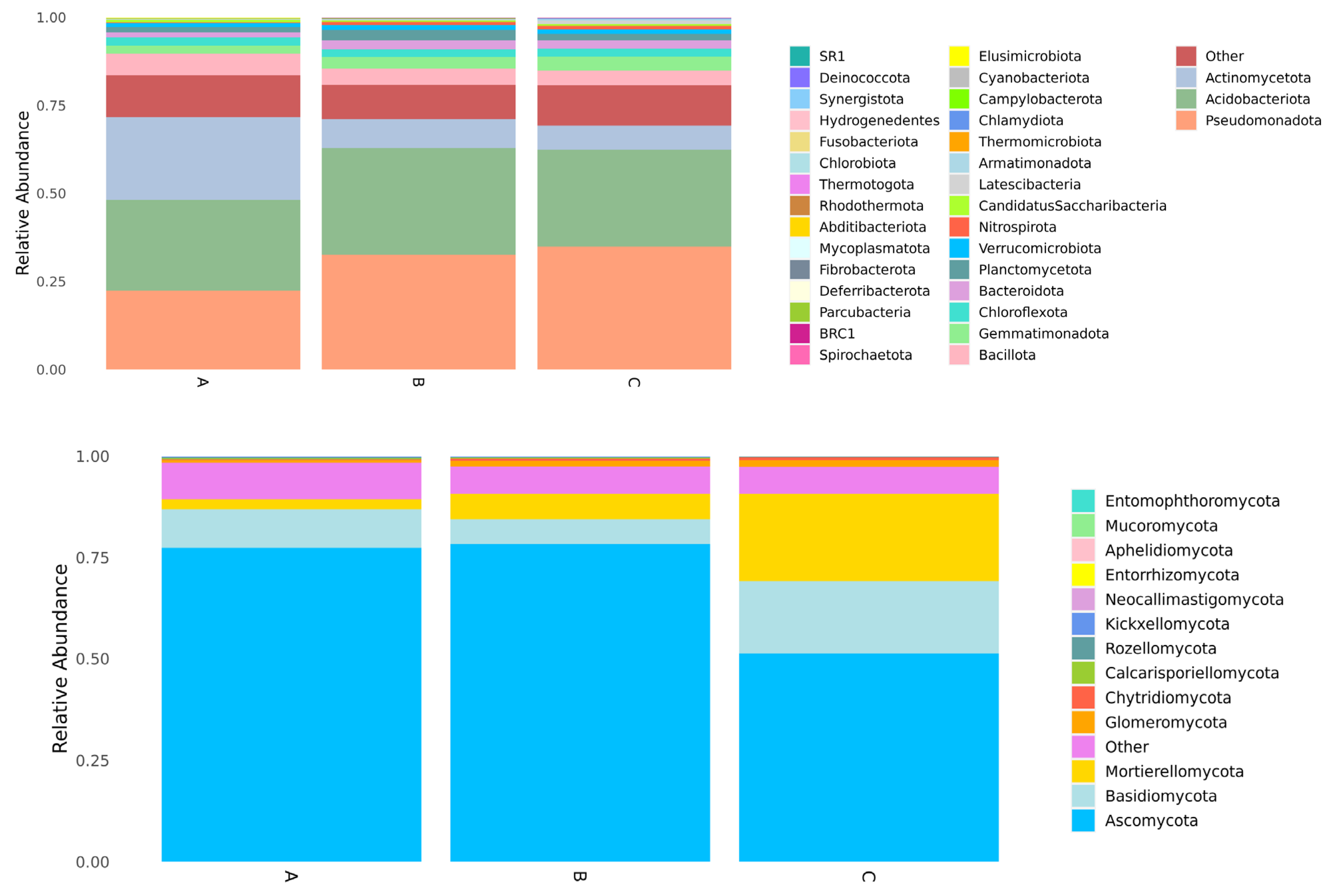
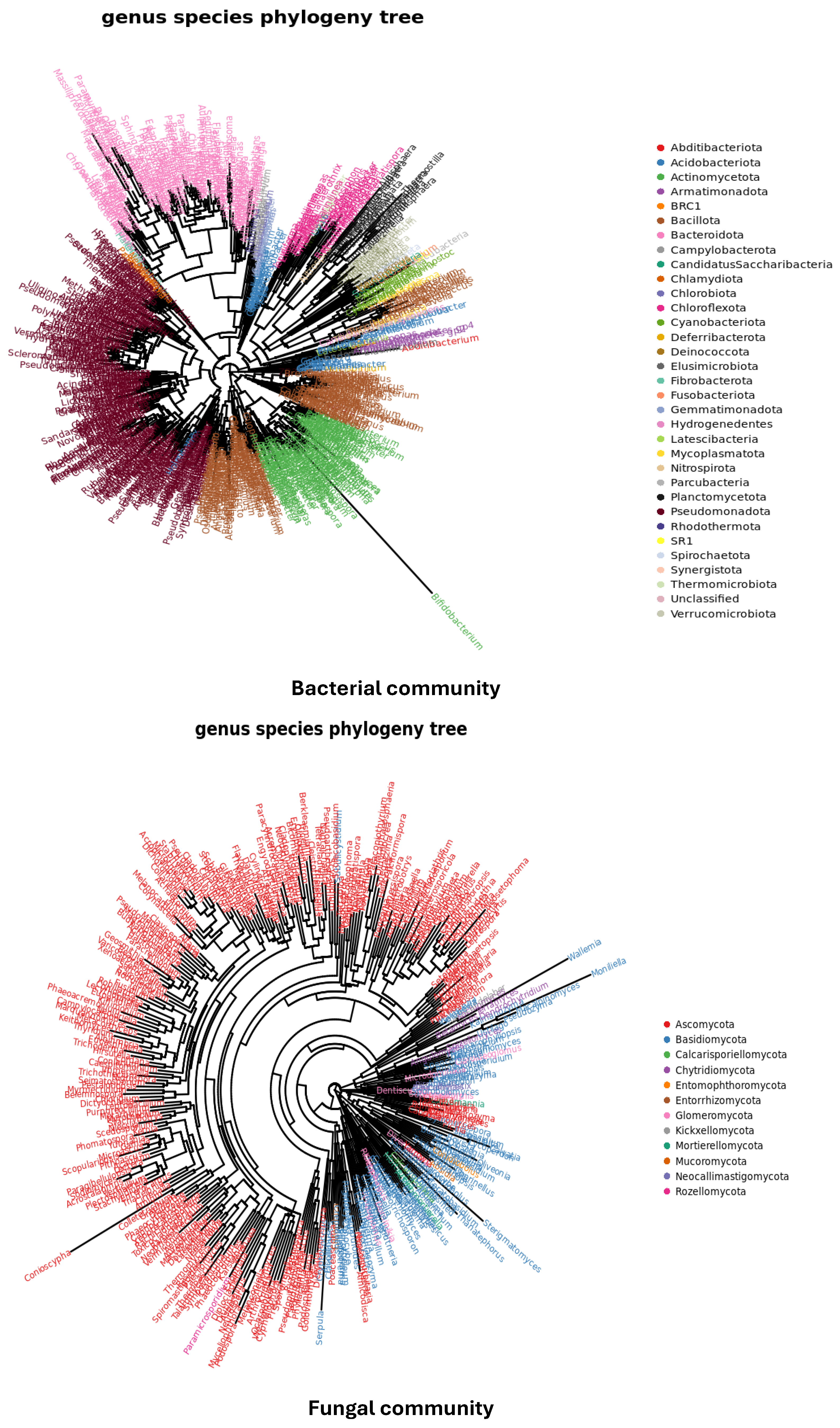
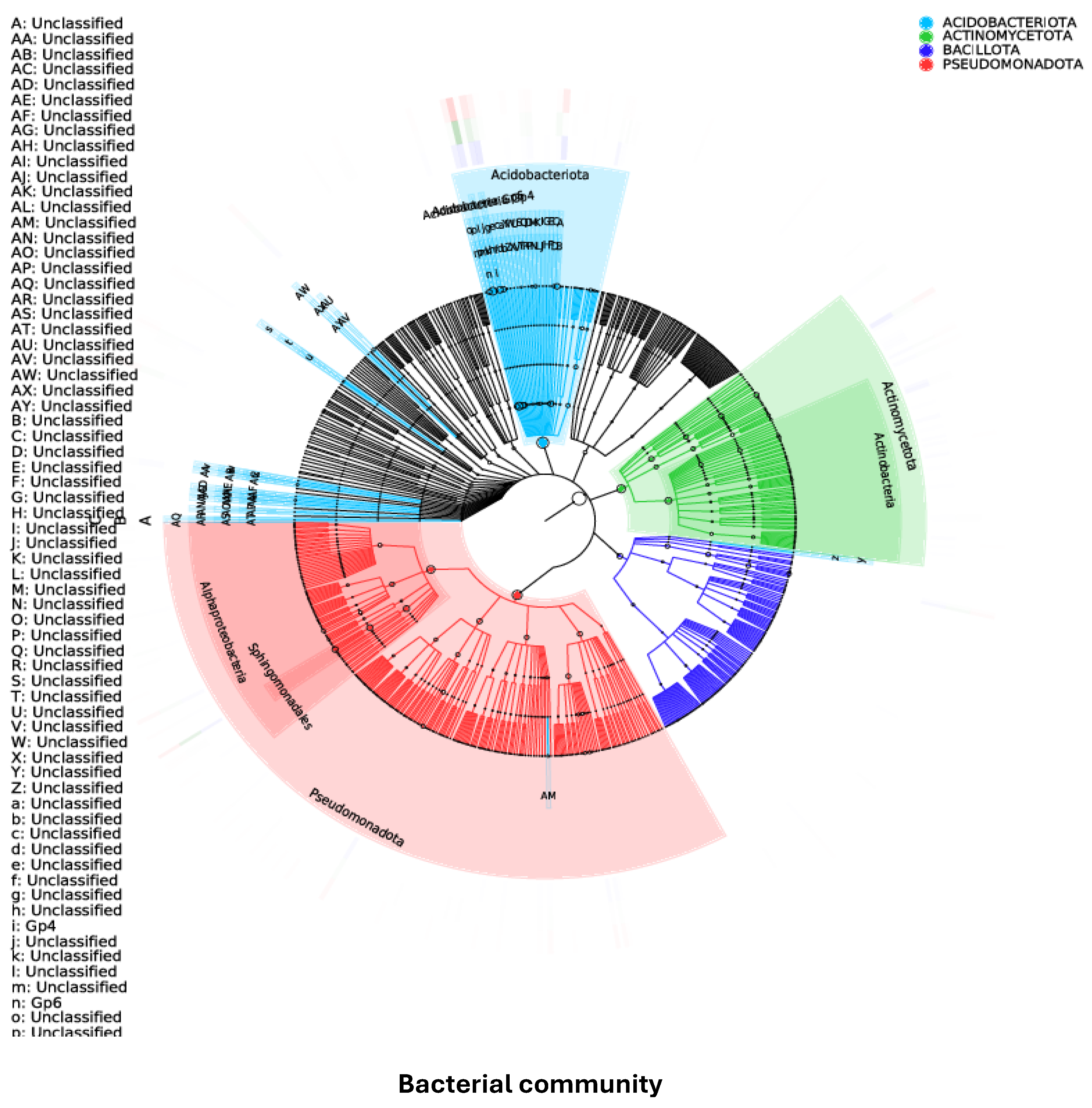
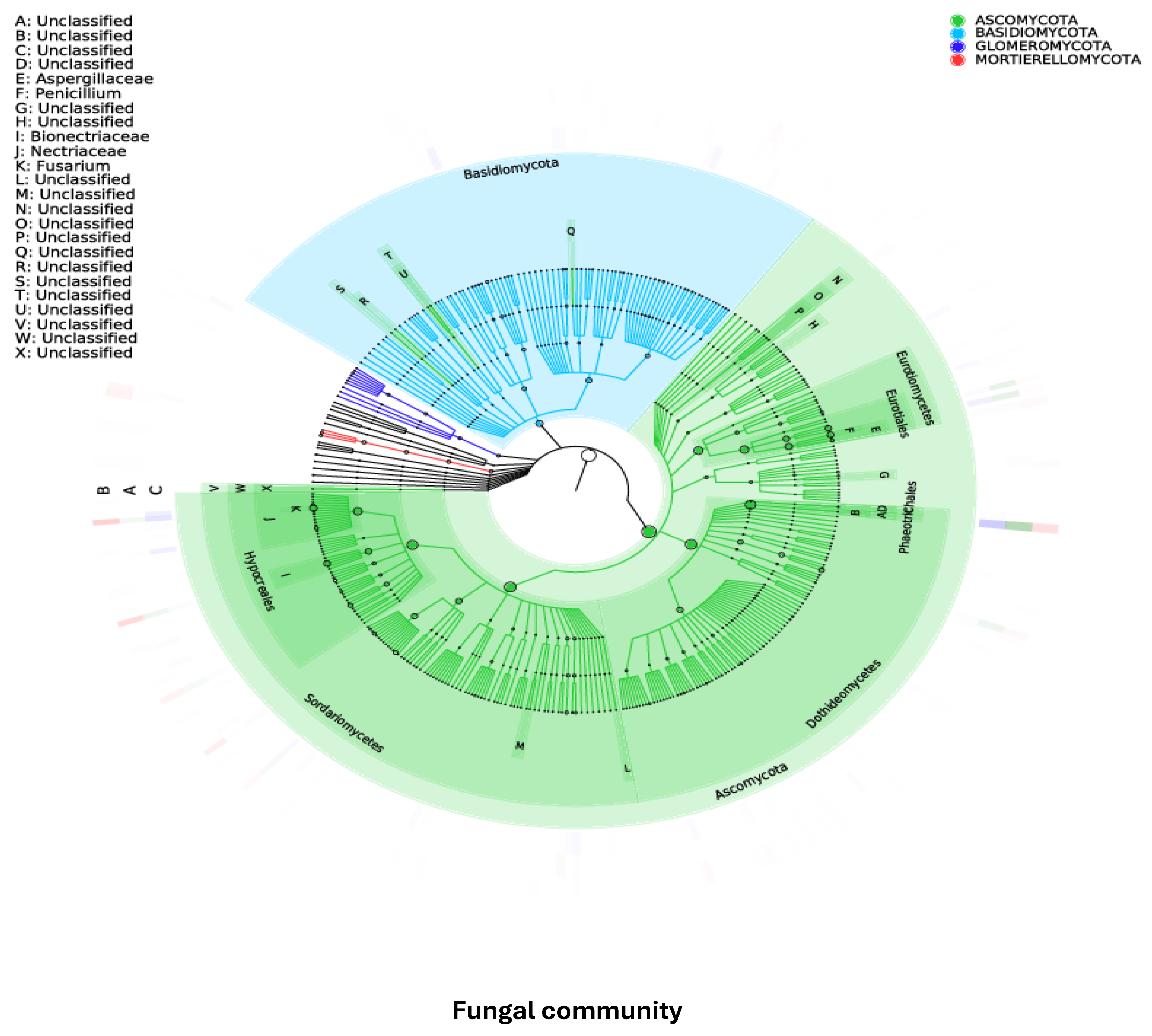
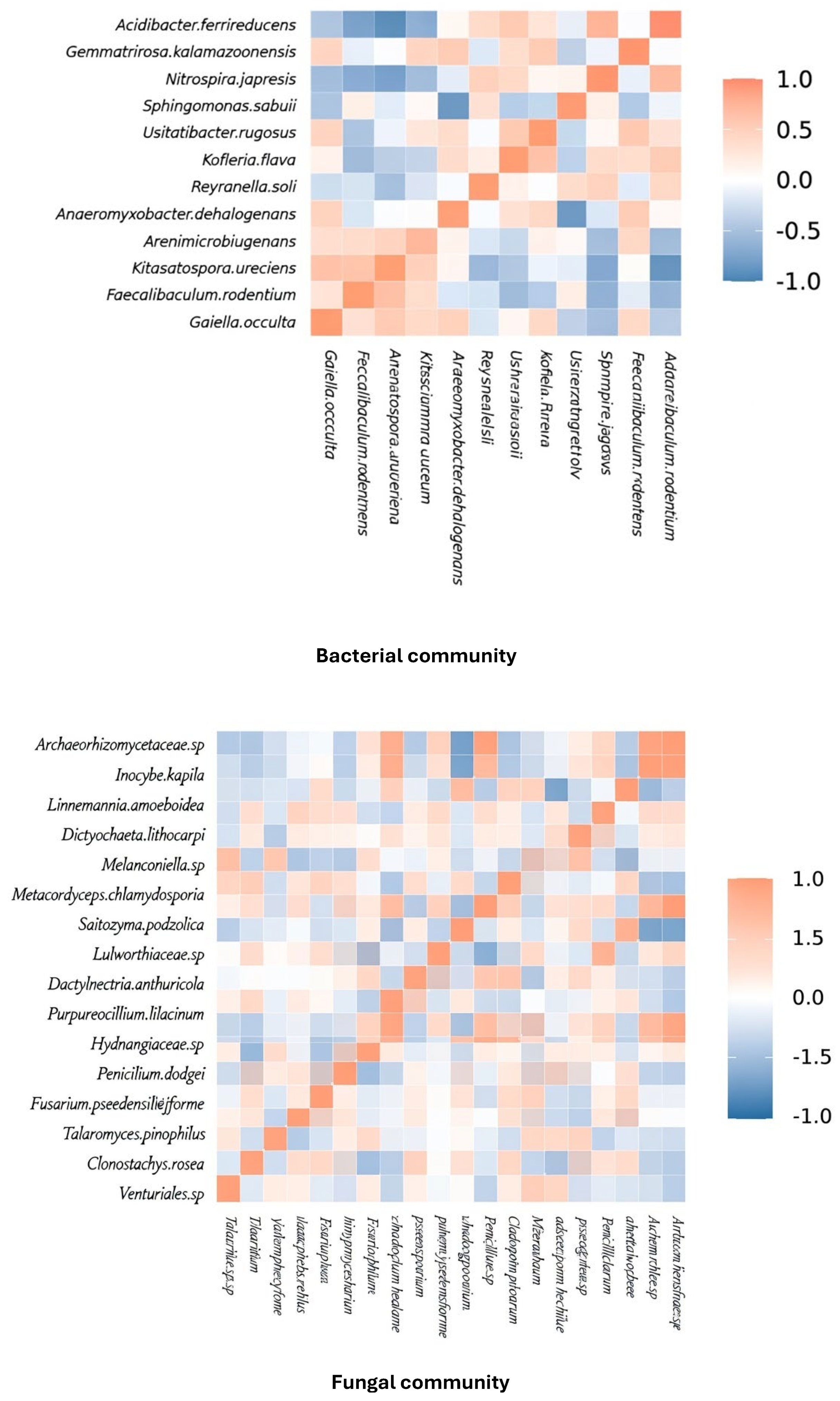
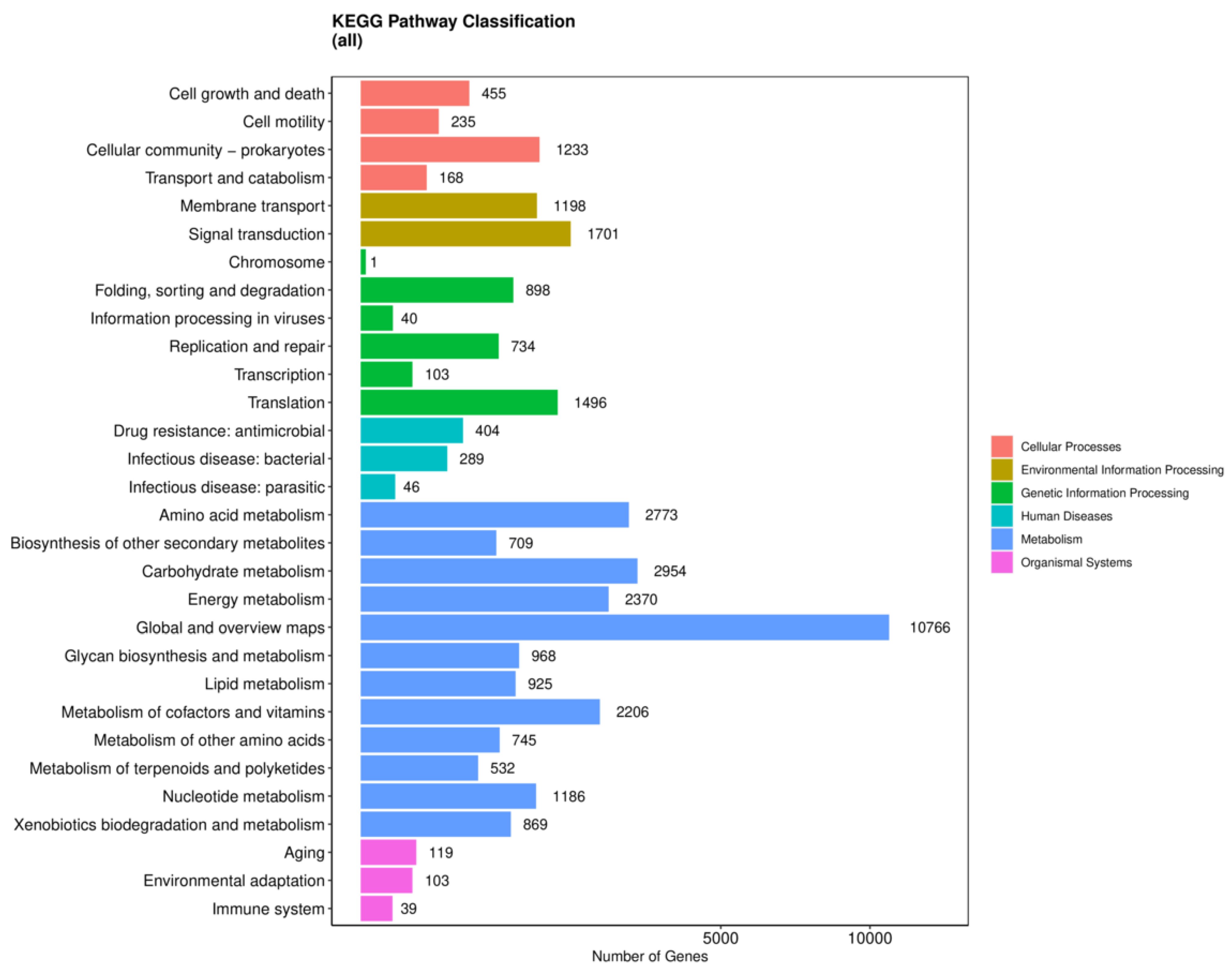
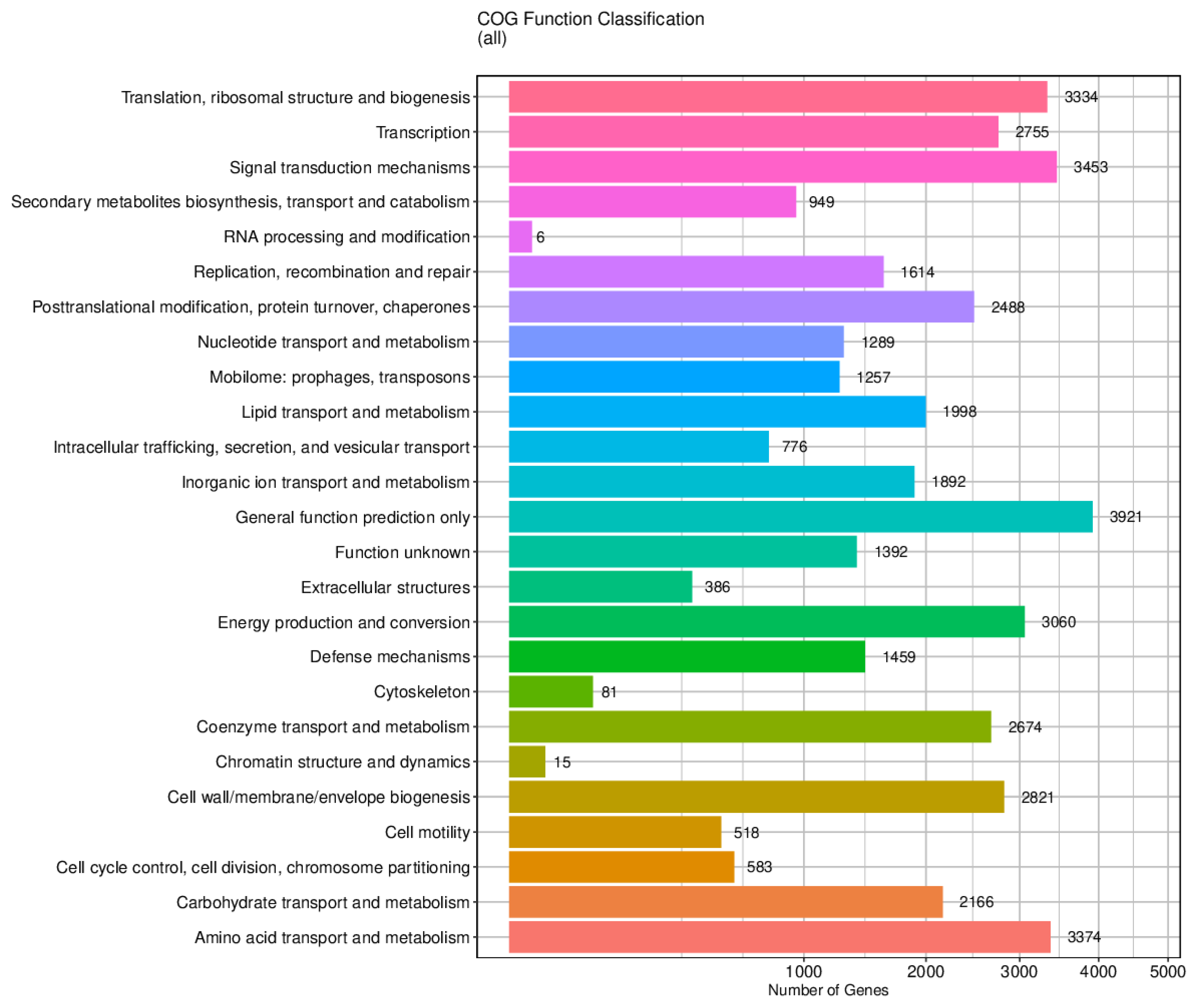
Soil degradation remains a major challenge in sub-Saharan Africa, particularly within smallholder farming systems characterized by low-input agriculture and unsustainable land use practices. Sustainable agriculture production requires a good understanding of soil characteristics across diverse farming contexts. This study assessed soil health and microbial diversity across three contrasting systems: long-term fallow (aggregated farm A), high-input (aggregated farm B), and conventional smallholder (non-aggregated farm C) farms experiencing declining productivity. Soil samples collected from the three contrasting systems were analyzed for physicochemical properties and microbial communities using high-throughput DNA sequencing. Microbial communities were characterized by using amplicon sequencing targeting bacterial 16S rRNA and fungal ITS gene regions, allowing taxonomic profiling and inference of microbial diversity patterns. The two aggregated farms predominantly had clay soils, with pH values ranging from 6.78 to 7.39 and organic carbon content from 1.17% to 1.64%. In contrast, conventional farms had loamy to clayey soils with a pH value of 5.88 and an organic carbon content of 1.25%. Both types of aggregated farms showed moderate to high concentrations of total nitrogen (0.12–0.13%), phosphorus (38.79–151.36 mg/kg), and potassium (548.84–943.52 mg/kg), along with elevated levels of calcium and magnesium, though fertilizer application was inconsistent across the sites. Microbial diversity analysis revealed significant differences among the systems. The dominant bacterial phyla were Pseudomonadota (48.5%), Acidobacteriota (34.2%) and Actinomycetota (19.6%), while the primary fungi included Ascomycota, Basidiomycota and Mortierellomycota. Functional profiling using COG and KEGG databases showed distinct variations in microbial potentials, with a high diversity of Actinobacteria, Acidobacteria and Proteobacteria. Functional profiles inferred from amplicon-based predictions represent potential metabolic capabilities and should be interpreted cautiously as indicative rather than direct functional gene quantification. Correlation analyses between soil and microbial communities provided essential baseline data to support the development of sustainable farming practices and land restoration strategies aimed at improving soil fertility and agricultural productivity in these degraded landscapes.
Keywords: farm degradation; soil indicators; microbial diversity; aggregated farms; high-throughput sequencing; land restoration farm degradation; soil indicators; microbial diversity; aggregated farms; high-throughput sequencing; land restoration