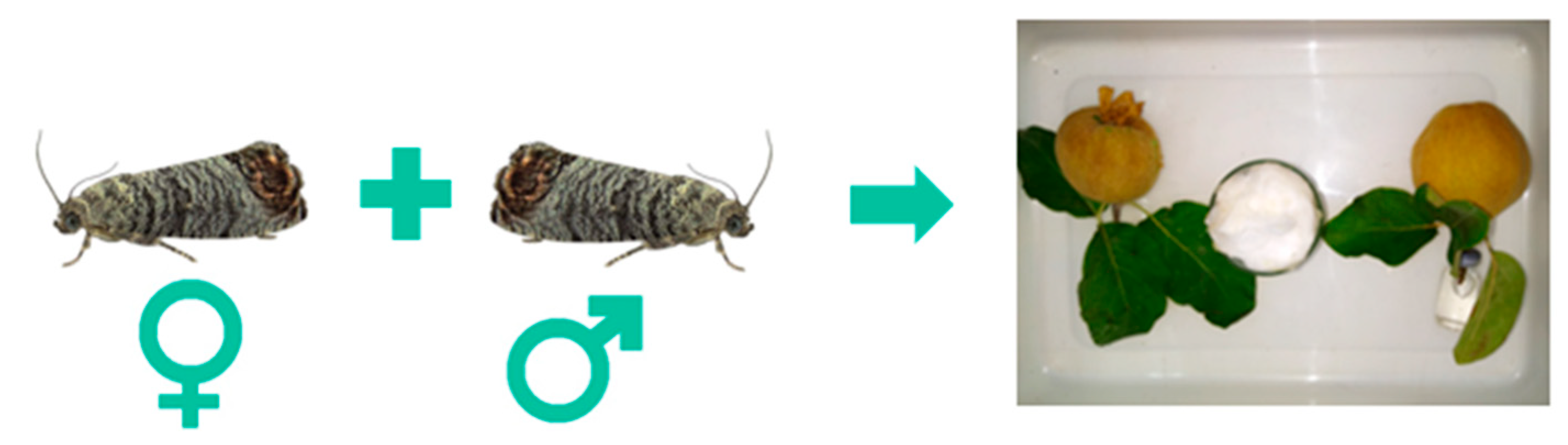
1. Introduction
The codling moth (
Cydia pomonella L.) is an oligophagous pest whose main hosts include apple, pear, quince, and walnut [
1,
2]. This pest causes severe damage to fruit crops and reduces production quality in most regions where these hosts are cultivated [
3,
4]. After mating, female codling moths locate host plants and recognize a suitable oviposition site. This process involves the integration of multiple sensory cues, including visual, tactile, and volatile semiochemical signals [
5,
6,
7,
8]. Accurate host location is critical for the survival and development of neonate larvae and, consequently, for the continuation of the species’ life cycle [
7,
9,
10]. Codling moth exhibits clear host preferences, with apple being more preferred than pear, quince, and walnut [
8,
11,
12].
Host-emitted volatiles play a central role in stimulating female pheromone production, calling and mating behavior with males, and subsequent oviposition [
13,
14,
15]. During early phenological stages, most eggs are laid on leaves near the fruit, while later in the season, oviposition occurs directly on the fruits [
6,
7,
8,
16]. Females preferentially oviposit on smooth surfaces, avoiding pubescent ones [
5,
7,
8,
16,
17]. Neonate larvae survive only briefly without feeding and must therefore rapidly locate and penetrate the fruit [
7,
18,
19,
20]. During fruit localization, larvae display searching behaviors guided by the perception of plant-emitted kairomones [
19,
21,
22]. Once larva enter the fruit, control through insecticides or natural enemies becomes ineffective [
23].
Studies on host localization have emphasized the relevance of kairomones, particularly for monitoring purposes using traps or in combination with insecticides [
23,
24,
25]. The main codling moth kairomones are (E,E)-α-farnesene and the pear ester, both of which attract adults and larvae [
23,
24,
26]. Exposure to specific doses of pear ester [
20,
27], as well as to (E,E)-α-farnesene and apple extracts [
19], induces arrestment behavior in neonate larvae and prolongs wandering prior to fruit entry. At high concentrations, (E,E)-α-farnesene acts as a repellent for mated females [
28]. Female codling moths are attracted to volatile cues emitted by host plants. In wind tunnel assays [
29] and olfactometer tests [
13], mated females were attracted to apple fruits and apple volatiles. Several studies have examined these volatile compounds and their interactions between codling moth and its primary hosts, apple and pear. More than three hundred compounds have been identified in apple [
30], even across different phenological stages [
31].
In quince (
Cydonia oblonga Mill.), the major volatile compound is (E,E)-α-farnesene [
32,
33,
34,
35,
36], whereas pear ester occurs in smaller proportions [
36]. Olfactometer assays have demonstrated that mated females are attracted to quince volatiles; however, neonate larvae have not shown significant discrimination among quince cultivars in dual-choice tests [
37].
Changes in pesticide use for codling moth control have been reported due to restrictions on insecticide applications and the development of resistance [
38,
39,
40]. Pest dynamics are also influenced by climate change [
25,
40], which similarly affects crop systems [
41,
42,
43]. Therefore, it is essential to develop new, more effective pest control methods and, above all, more environmentally sustainable [
44,
45,
46].
The application of semiochemicals capable of inducing female repellence or attraction, or prolonging the exposure time of neonate larvae, represents a promising strategy for field pest management. In this context, identifying recognized antennally active volatiles or kairomones in quince volatilome may contribute to the development of novel management tools with potential applicability to other hosts species.
4. Discussion
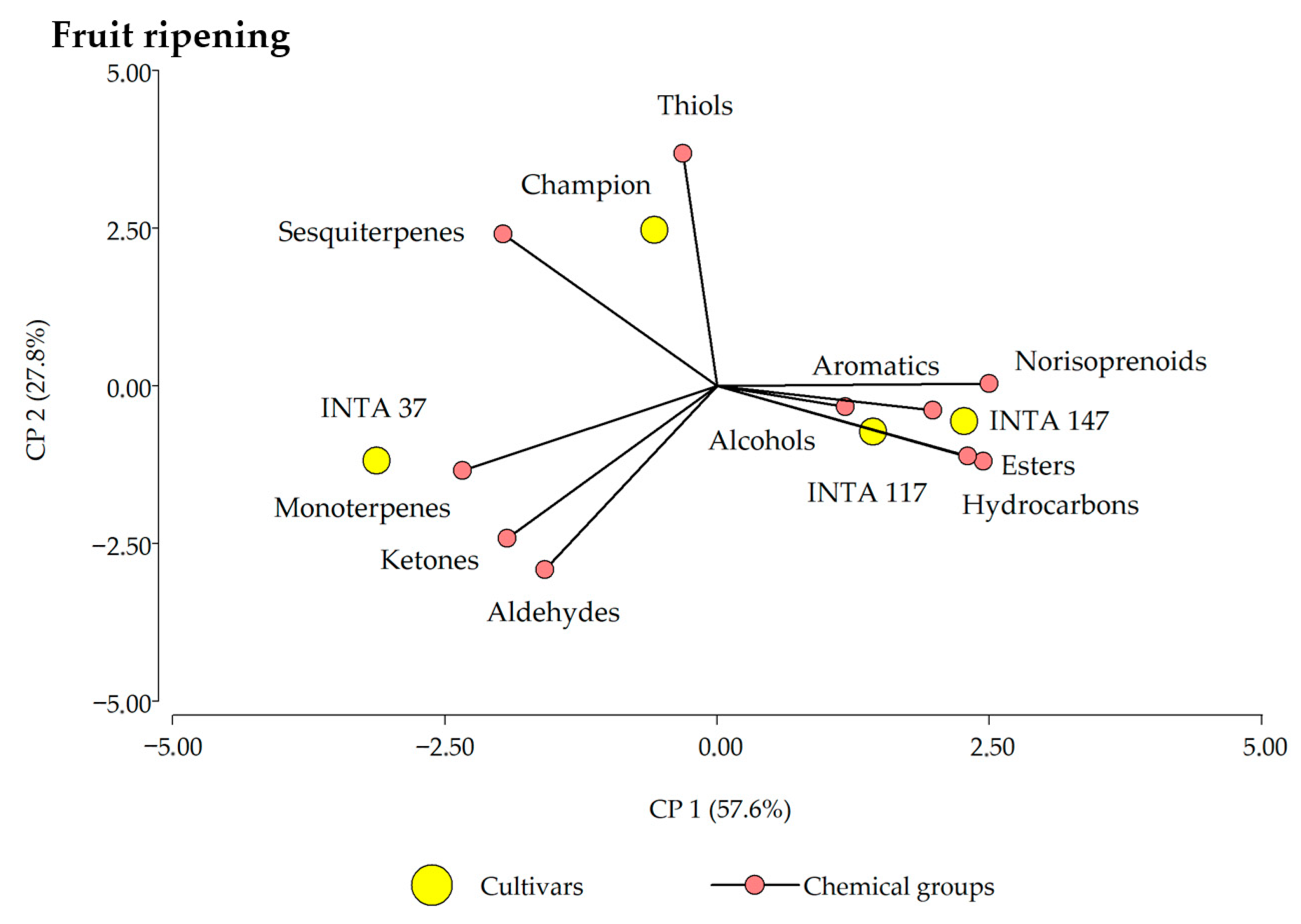
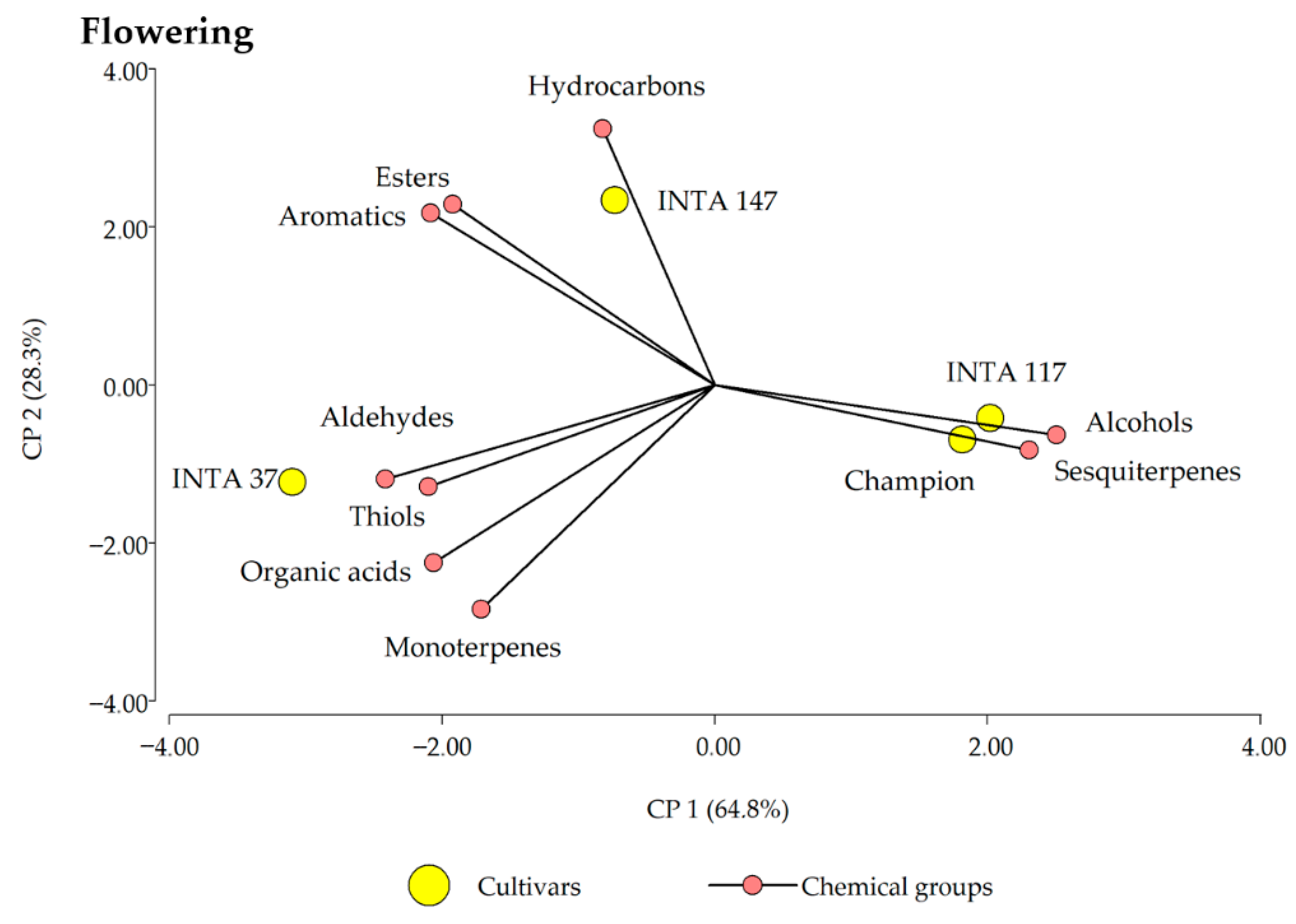
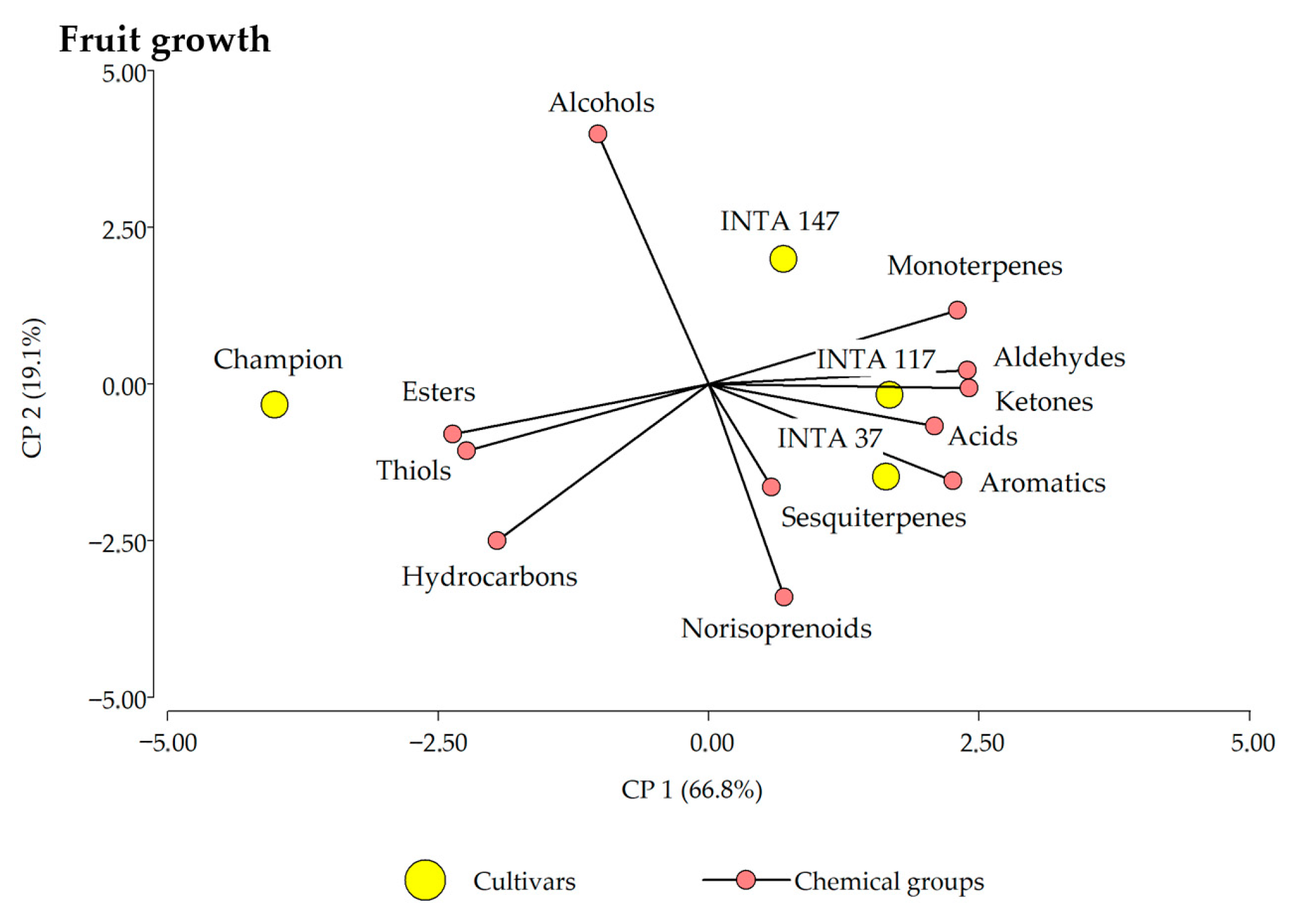
As phenological development progresses, a natural succession of volatile compounds is generally expected, with aldehydes predominating initially, followed by their reduction to alcohols and the subsequent formation of esters [
30,
53]. However, this pattern was not observed in the present study. Instead, monoterpene emission increased, whereas sesquiterpene emission decreased throughout quince phenological development. The biosynthesis of these compound classes occurs through distinct yet interconnected metabolic pathways that depend on carbon flux [
54,
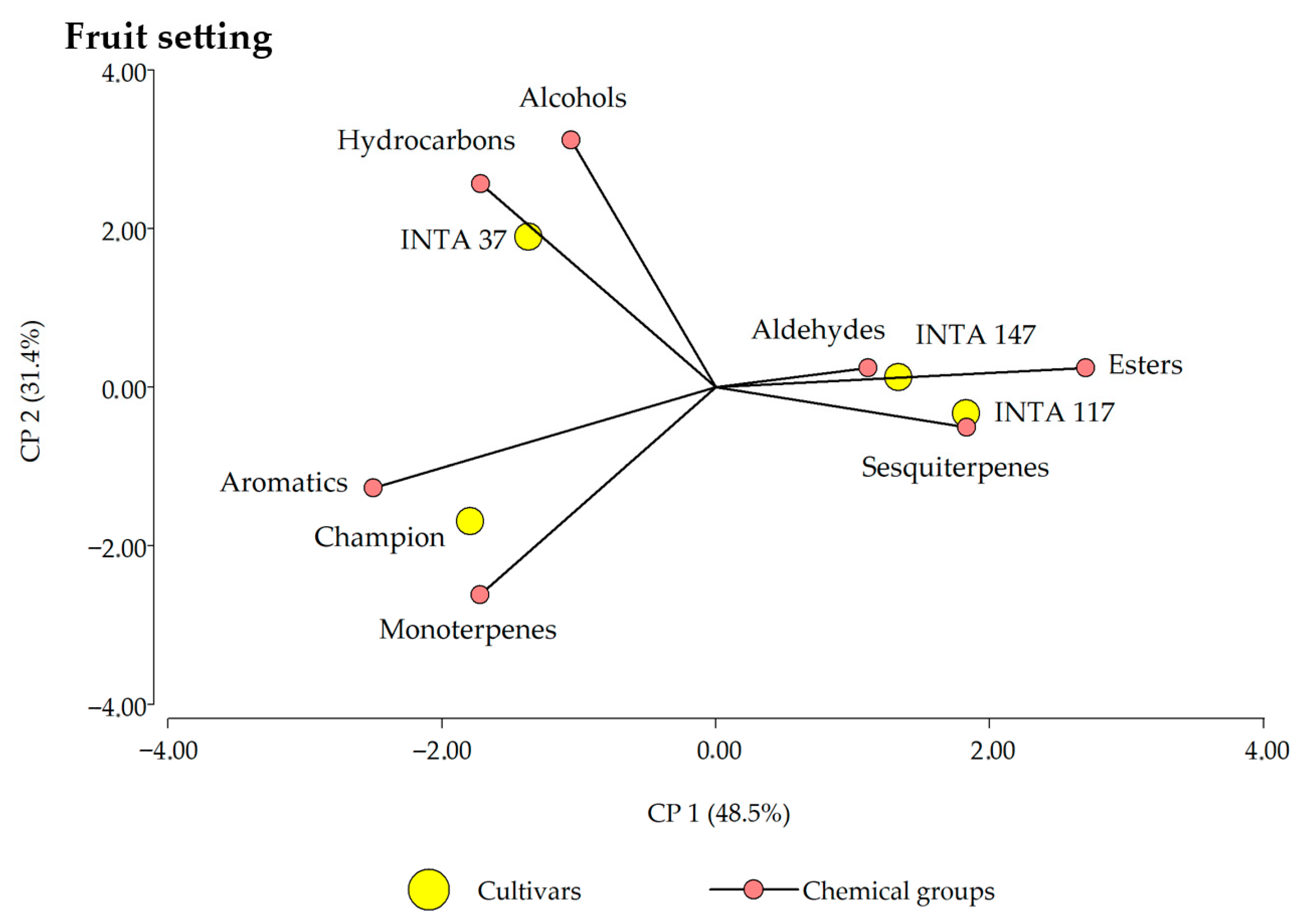
55]. Alcohols and aldehydes increased until the fruit growth stage and then declined during ripening, whereas esters increased from flowering to fruit setting and decreased sharply toward ripening.
Flowering plays a key ecological role in attracting pollinating insects [
55,
56,
57]. Among the compounds identified at this stage, several have been reported as attractants for honeybees, including (Z)-3-hexenol and (E,E)-α-farnesene [
58], as well as benzaldehyde and (E)-β-ocimene [
58,
59]. Bumblebees and carpenter bees are attracted to (E,E)-α-farnesene and limonene [
58,
60]. No oviposition or larval choice assays were conducted during the flowering stage. To our knowledge, this study provides the first characterization of the volatile profile of
Cydonia oblonga flowers.
The availability of compounds with antennal activity and kairomonal function increased from fruit set to fruit growth and then declined toward ripening. Across these stages, (Z)-3-hexenol, benzaldehyde, β-myrcene, hexyl acetate, limonene, and (E)-β-ocimene were consistently detected. Many of these antennally active compounds have also been reported in other host plants of
Cydia pomonella. (Z)-3-hexenol emitted by apples elicits consistent antennal responses in females [
31,
61], in contrast to the weaker responses recorded by Casado et al. [
62]. (E)-β-ocimene, present in apples, pears, and walnuts, elicits antennal responses in females [
15]. Apple volatiles, such as hexyl acetate induce stronger female responses than β-myrcene, limonene, benzaldehyde, and (Z)-3-hexenol [
62].
(Z)-3-hexenyl acetate and nonanal were common to the fruit-setting and growth stages, whereas 6-methyl-5-hepten-2-one, decanal, and (E,E)-α-farnesene were detected during both the growth and ripening stages. Apple volatiles such as (Z)-3-hexenyl acetate elicit stronger antennal responses than (Z)-3-hexenol [
62], whereas 6-methyl-5-hepten-2-one produces slightly lower female antennal responses than (E,E)-α-farnesene [
62]. In walnut extracts, nonanal elicits strong antennal responses and attraction in olfactometer assays [
63]. In addition, decanal and nonanal have been shown to elicit antennal responses that are stronger than those induced by (E,E)-α-farnesene [
62]. According to Preti et al. [
64], both (Z)-3-hexenyl acetate and (Z)-3-hexenol may act as repellents, as they reduce female trap captures. It should be noted that cutting apples, pears, or quinces can artificially increase the measured levels of (Z)-3-hexenol and (Z)-3-hexenyl acetate, as both compounds are synthesized de novo as an immediate response to mechanical damage [
65,
66]. In the present study, only fruits were cut to fit the sampling vials, whereas leaves were analyzed intact.
The volatile profile observed at the fruit-growth stage was the most diverse, comprising the highest number of compounds with reported antennal activity and kairomonal function. 2-hexenal, octanal, methyl salicylate, and β-pinene were detected exclusively during the fruit growth stage. Among these compounds, octanal elicits the strongest antennal responses in females, followed by 2-hexenal, methyl salicylate, and β-pinene [
62]. Conversely, other studies report hexyl acetate [
67], nonanal, benzaldehyde and β-pinene as repellents of mated females [
14].
In quince, germacrene D was detected exclusively during the flowering and fruit-growth stages This compound emitted by apples elicits antennal responses in females [
31,
68], and serves as a biosynthetic precursor of several sesquiterpenes [
69].
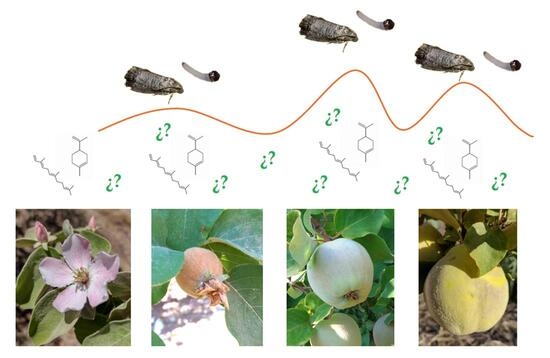
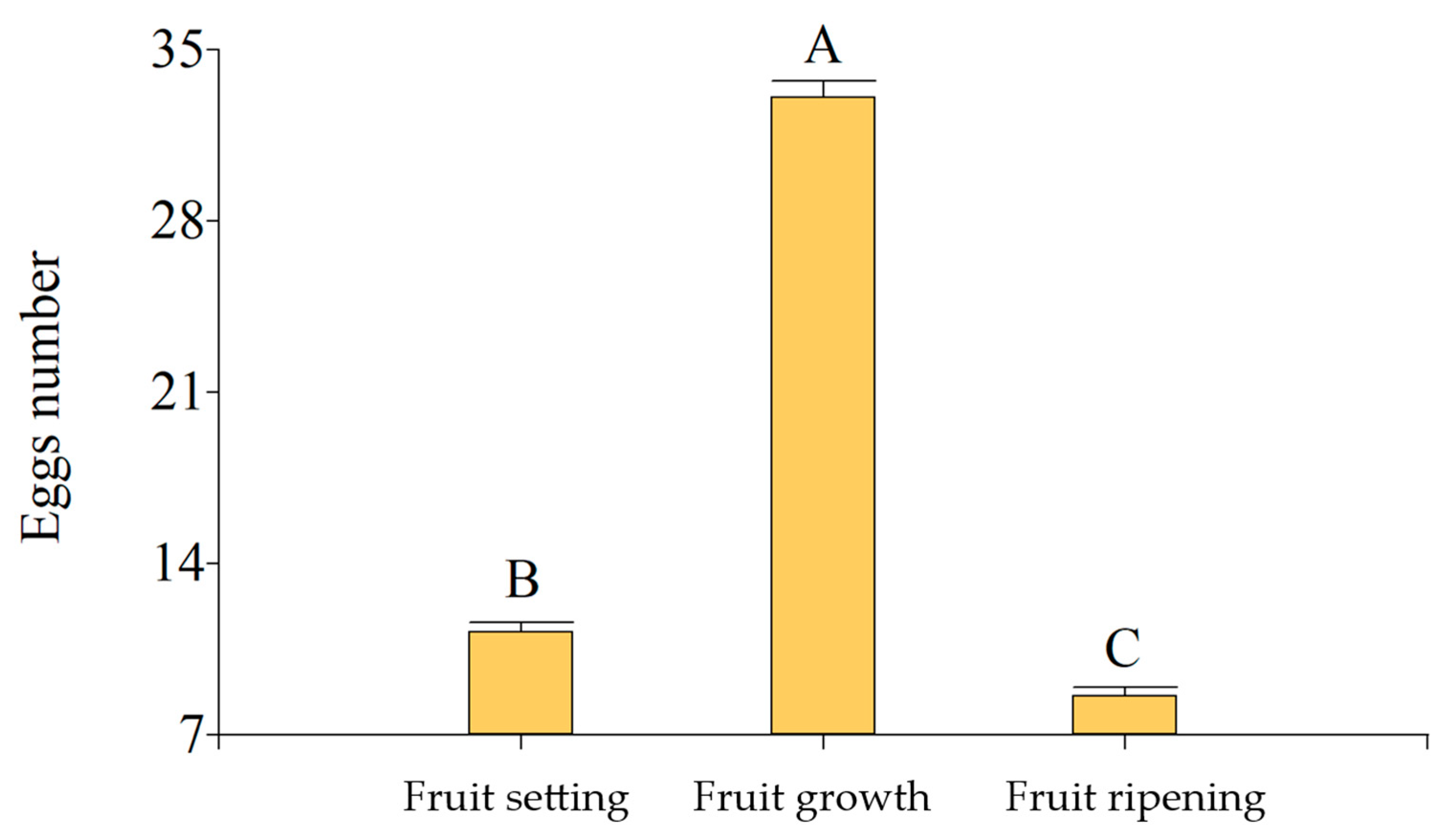
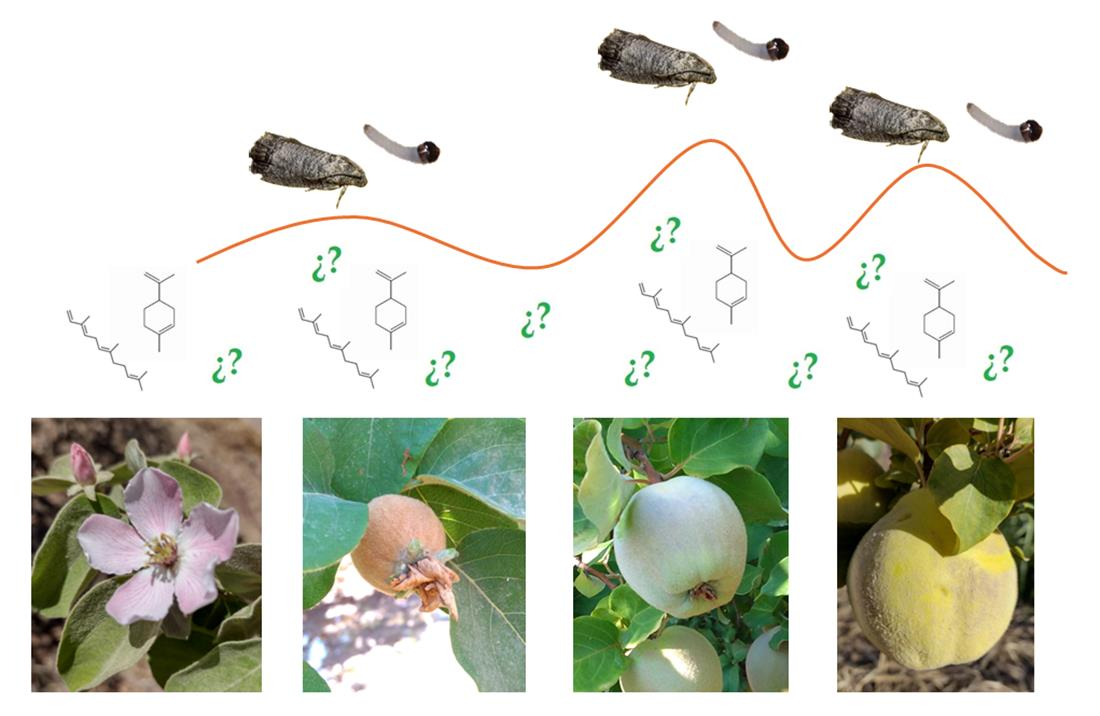
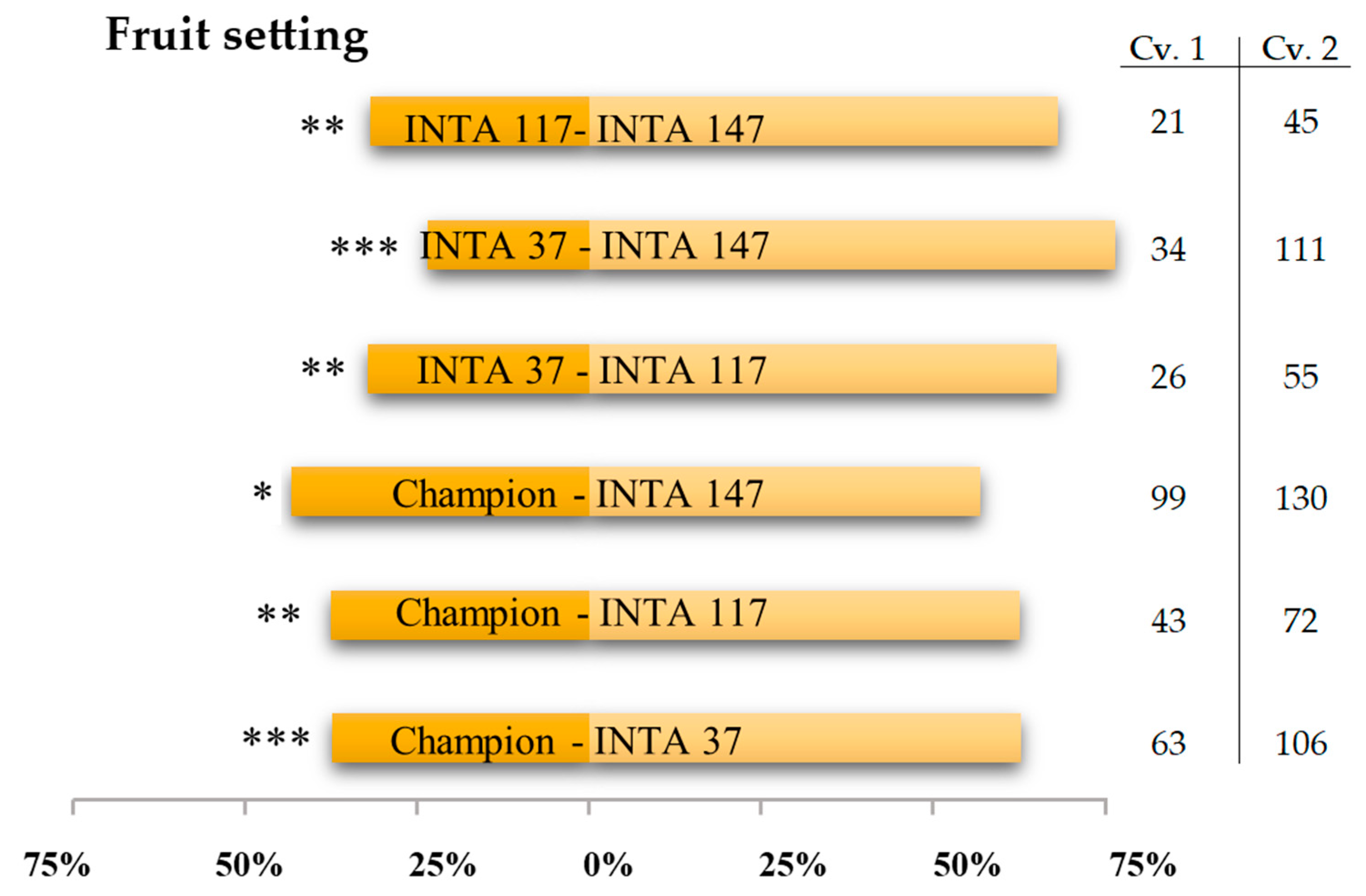
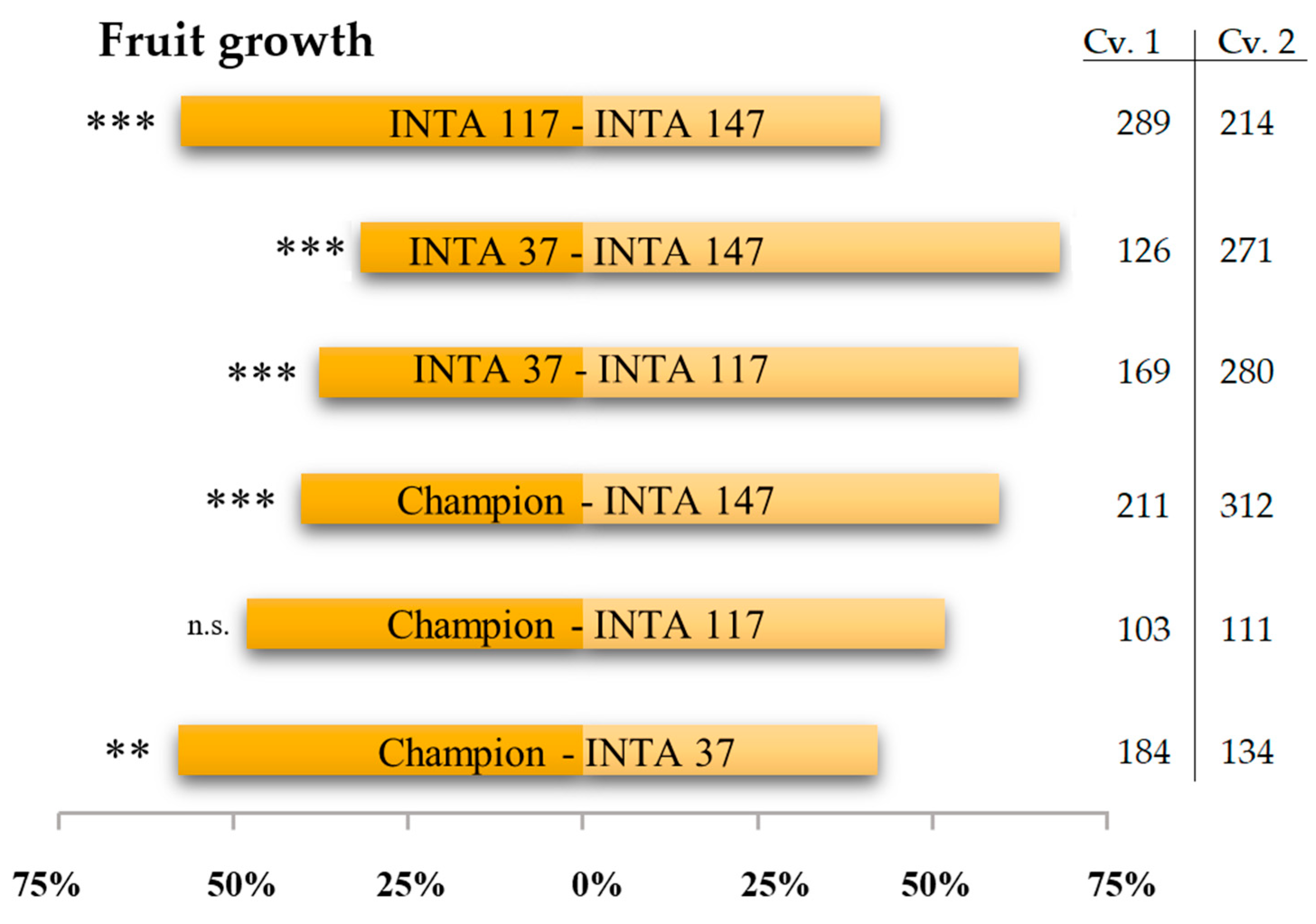
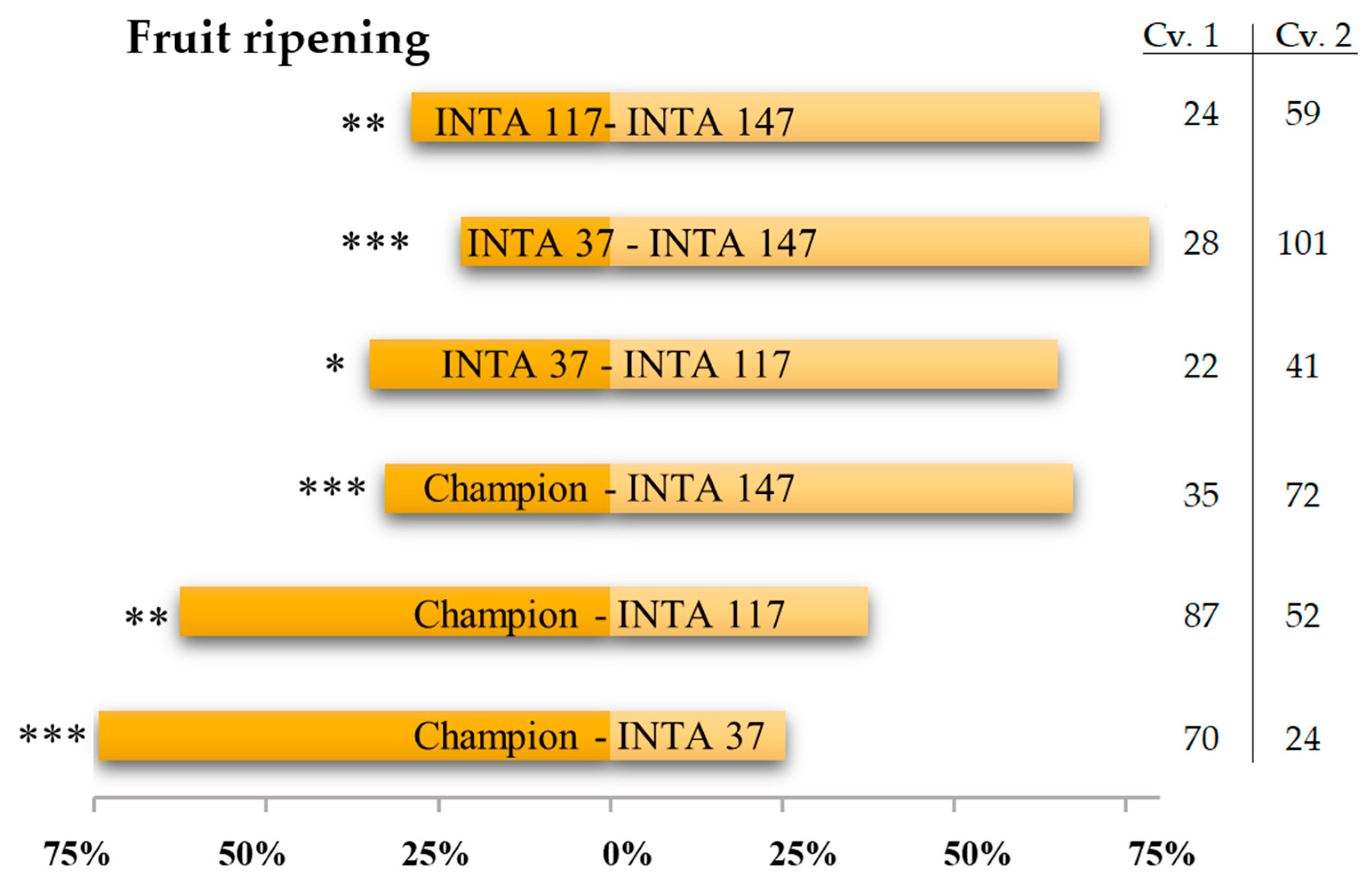
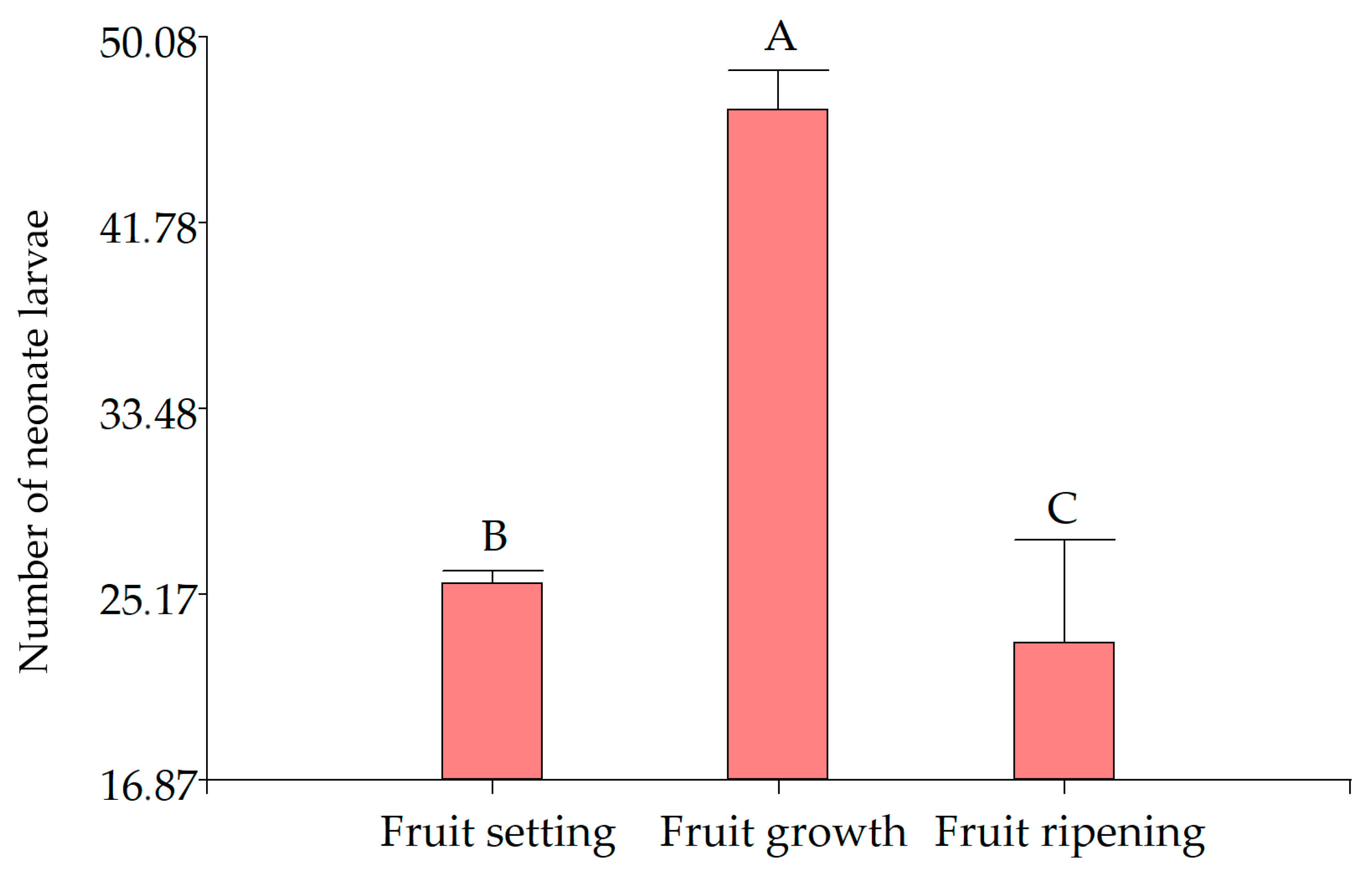
Oviposition in quince increased from fruit setting to fruit growth and then declined toward ripening. This pattern agrees with previous reports of reduced oviposition during early developmental stages [
6,
8,
9,
12,
16]. Early stages are characterized by low volatile emissions, which increase later in the phenological cycle and influence female orientation and oviposition site selection [
14,
31,
70]. At the fruit-setting quince stage, (E,E)-α-farnesene, the main kairomone of codling moth, was not detected. However, (Z,E)-α-farnesene was present in quince, and has been reported with antennal activity in female codling moths [
31,
68,
71]. The coincidence of maximum oviposition and maximum volatile emission during the fruit-growth stage has also been documented in apple [
6,
8,
9,
12,
14,
16].
The reduced oviposition observed during the ripening stage may be associated with a lower availability of chemical signaling cues compared with growing quince fruit. In addition to chemical signals, changes in physical and biochemical fruit traits during ripening, such as firmness, size, and secondary metabolite composition, may also modulate oviposition behavior. In apple, less firm and larger fruits are less susceptible to damage [
72], and variation in secondary metabolites, including polyphenols and quercetin, influences codling moth infestation and female fecundity [
72,
73]. Available evidence strongly supports that oviposition in
Cydia pomonella is guided by the perception of host-derived volatiles. Females are consistently attracted to fruit odors or to the fruit itself, as demonstrated in olfactometry assays [
37,
63,
67] and flight tunnel experiments [
29,
68]. Moreover, exposure to host volatiles activates and advances female calling behavior associated with mating [
13]. In this work, we propose that oviposition responses were primarily dominated by volatile quince signals.
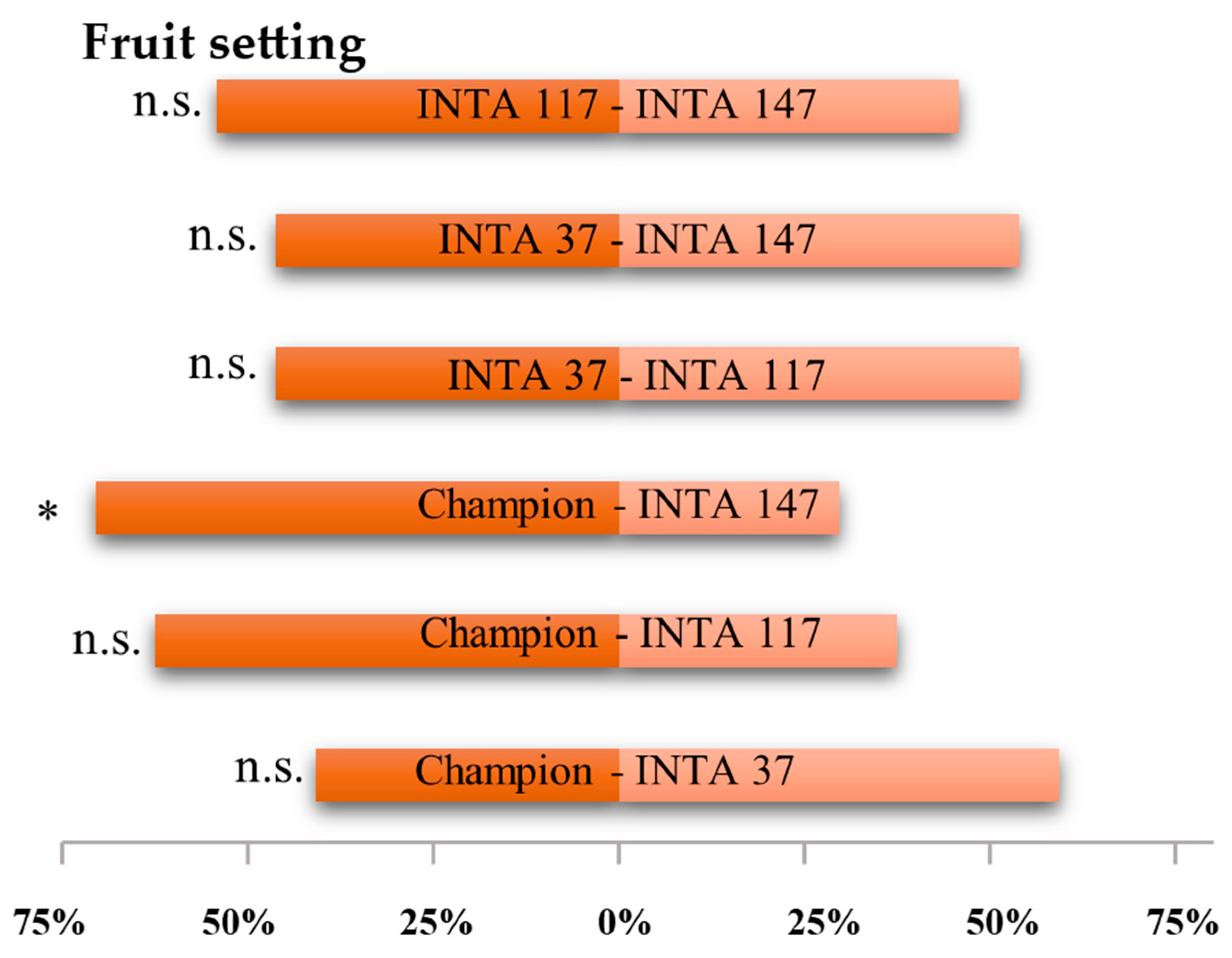
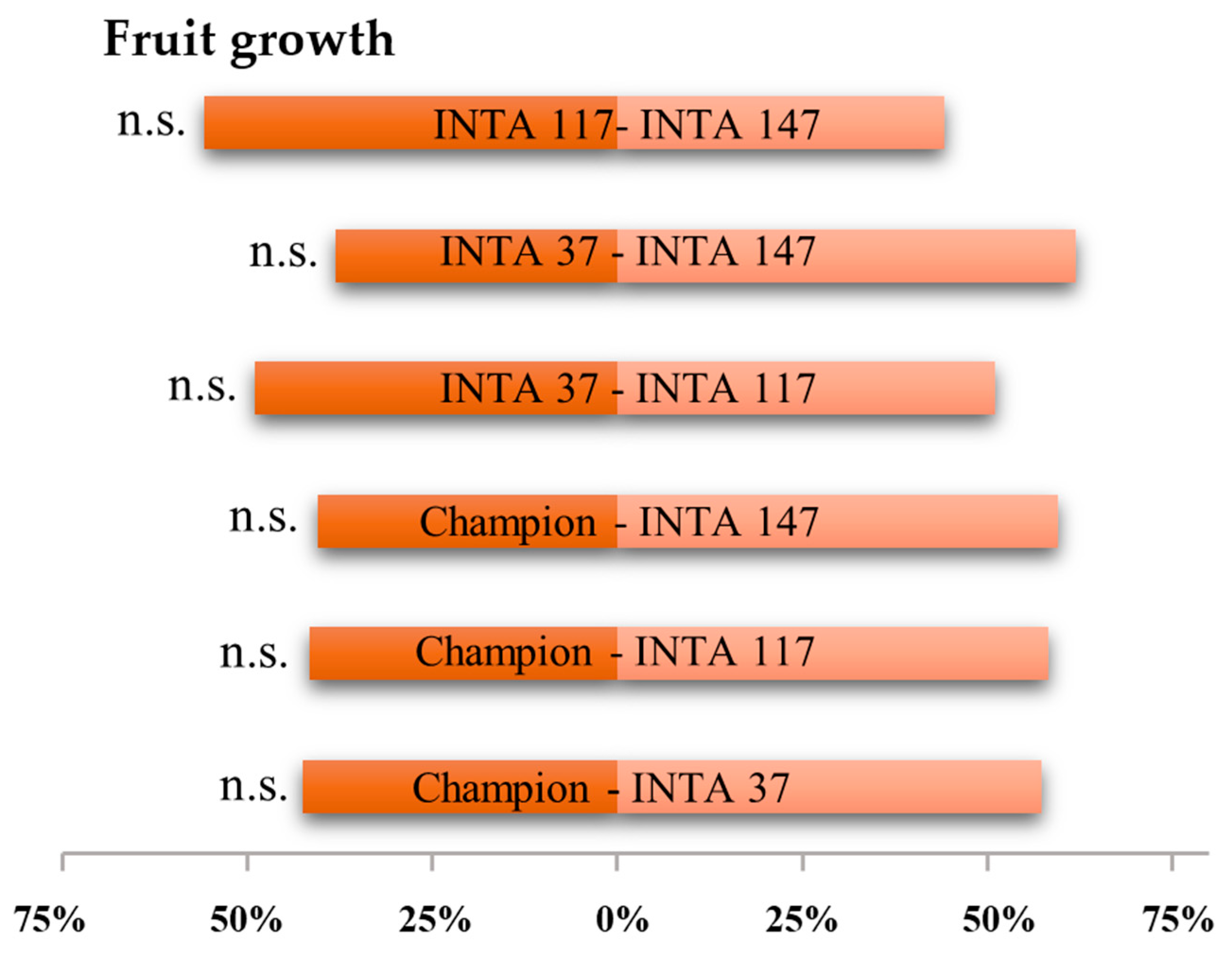
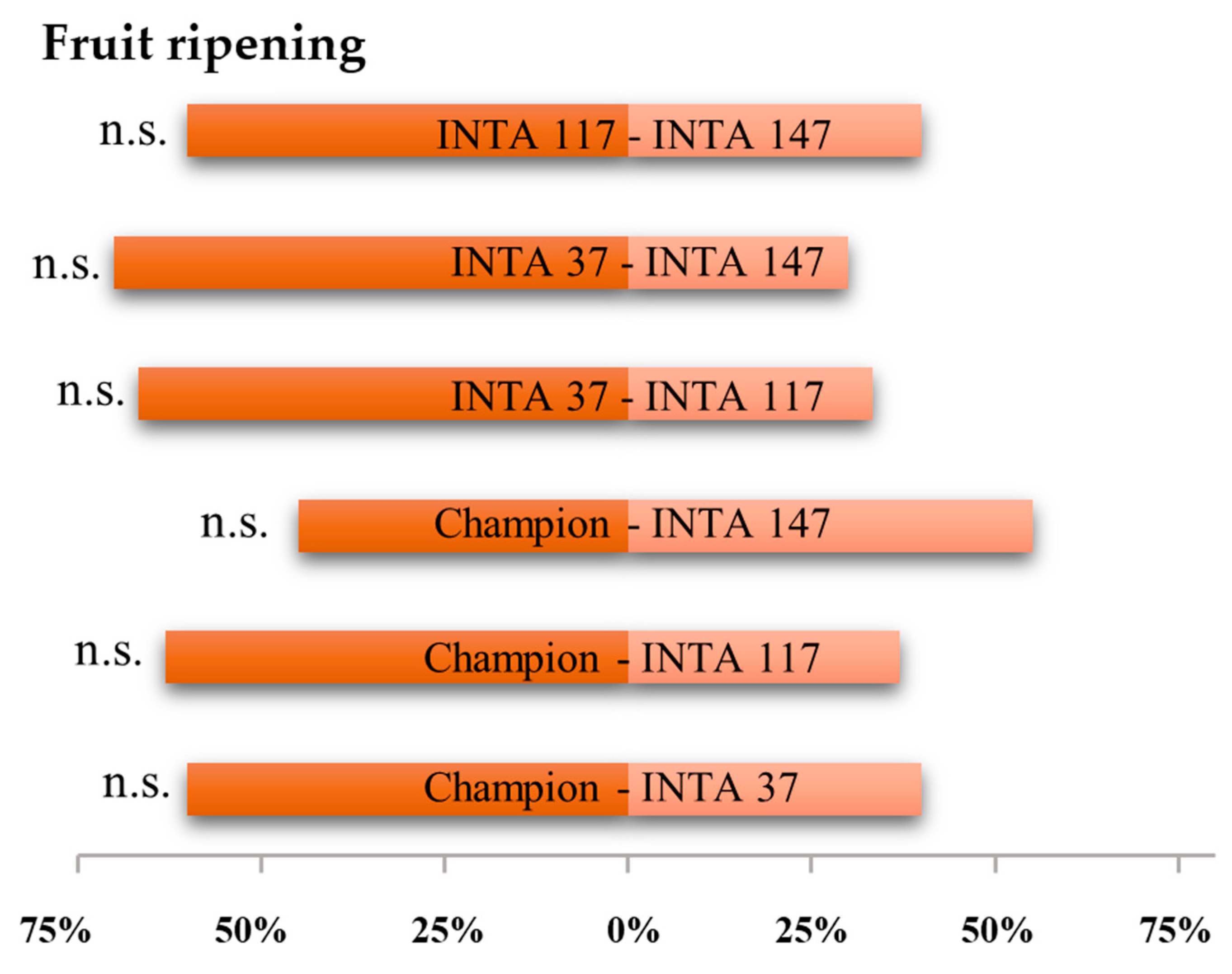
Overall, females showed a preference for INTA cultivars, with INTA 147 being the most selected and INTA 37 the least preferred. This contrasts with Gómez et al. [
37], who report greater oviposition on Champion than on Portugal, Smyrna, and INTA 147 during ripening. Preference for INTA 147 remained consistent from fruit setting to ripening and may be partially attributed to the presence of limonene, which was detected at all phenological stages. This cultivar also exhibited (Z,E)-α-farnesene during fruit setting, a compound known to elicit antennal responses comparable to those of (E,E)-α-farnesene [
31]. In addition, (E,E)-α-farnesene acts as a repellent to mated females at high doses [
28]. This may explain the observed preference for INTA 147 during ripening, when the relative proportion of (E,E)-α-farnesene was likely attractive rather than repellent. Notably, germacrene D was detected exclusively in this cultivar during ripening.
Cydia pomonella exhibits a stronger preference for apple than for pear, quince, or walnut, with the apple cultivar ‘Golden Delicious’ being the most susceptible [
8,
11,
12]. Differences in oviposition among quince cultivars may therefore be regulated by the relative proportions of compounds within the volatile bouquet, rather than by the presence of a single compound [
37,
62,
74]. It is worth noting that antennal responses detected by electroantennography do not necessarily imply attraction [
23,
62]. (E,E)-α-farnesene alone does not fully explain attraction in
C. pomonella. Moreover, its emission under natural field conditions is short-lived [
75], highlighting the need to identify additional volatile compounds [
23]. Therefore, identifying compounds suitable for female attraction and mass trapping remains of interest [
76].
Contact surface characteristics also influenced oviposition behavior. Quince leaves, branches, and fruits remain pubescent for much of the phenological cycle. Across stages, oviposition occurred predominantly on the upper leaf surface, consistent with observations in apple. During ripening, eggs were deposited on fruit areas where pubescence had been lost. Differences in oviposition behavior are associated with trichome density and surface pubescence [
9,
12,
77], as well as natural surface waxes [
8,
9,
12]. Oviposition on fruits of cultivar INTA 147 was higher than on those of the other cultivars, possibly due to more attractive volatile emissions or lower pubescence density. It remains unknown whether pubescence differs among quince cultivars. This aspect was not evaluated in the present study, and such variation could represent an important factor contributing to the differential oviposition preferences observed among cultivars.
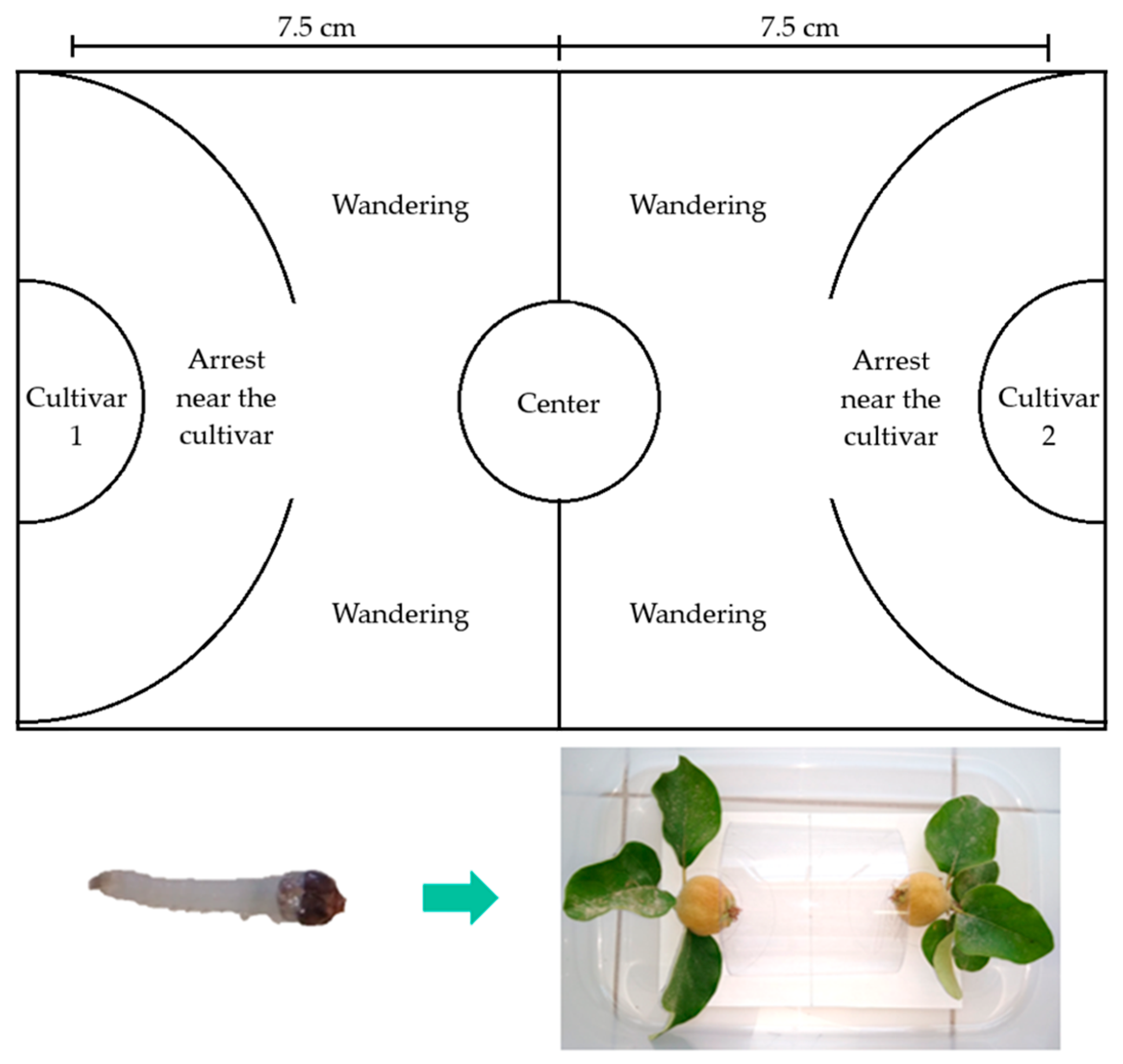
No strong larval preference was detected at any phenological stage, possibly due to competitive volatile emissions among cultivars. This finding is consistent with Gómez et al. [
37], who reported no larval preference among quince cultivars, and with Landolt et al. [
78], who observed that neonate larvae did not discriminate among apple cultivars. In quince, larval choice frequency increased from fruit setting to fruit growth and declined during ripening. Arrest behavior predominated during fruit setting, whereas wandering behavior was more frequent during ripening. Certain kairomones, depending on their relative proportions, may induce larval arrest and disrupt host localization [
19,
20,
27,
37,
79]. Several major pear volatiles, including butyl acetate, hexyl acetate, (Z)-3-hexenyl acetate, and (E)-β-ocimene, are not attractive to neonate larvae in olfactometer assays [
24]. During fruit setting in quince, hexyl acetate and (E)-β-ocimene were detected exclusively in fruits, whereas (Z)-3-hexenyl acetate occurred at high proportions in both fruits and leaves. These compounds, at the concentrations emitted, may therefore have contributed to the larval arrest observed at this stage.
During the fruit growth stage, the highest female oviposition coincided with the greatest larval cultivar choice. Blomefield and Giliomee [
80] report maximum oviposition during summer, when temperatures are more stable than in spring, followed by a decline toward the end of the season. In addition to thermal and photoperiodic influences,
C. pomonella responses may reflect synchronization with the volatile bouquet emitted by the host as a feeding cue. Sensitivity to volatile cues varies by developmental stage and sex: males are generally more responsive than females [
76], whereas neonate larvae possess distinct odorant receptors [
81]. Alternatively, the absence of strong larval preference among cultivars or hosts may represent a survival strategy, supported by the ability of larvae to synthesize carbohydrates independently of the host on which they feed [
82]. Neonate larvae are unable to actively choose among potential hosts because they move only over very short distances and survive for a limited period without feeding [
7,
18]. Consequently, host selection among quince cultivars is largely determined by female codling moth oviposition preferences.
Among the compounds identified, limonene emerged as a consistent component of the quince volatilome and a potential kairomone influencing codling moth behavior. Its presence across all organs and phenological stages. R-(+)-limonene has been proposed as a potential kairomone for field trapping [
83] and as an attractant for mated females in olfactometer assays [
14]. The findings of Schmera et al. [
84] demonstrate that limonene acts, at least, as a potent synergistic kairomone within the pheromonal communication system, suggesting that it could enhance mating disruption or attract-and-kill formulations when combined with codlemone. The specific isomer was not confirmed in our study. The identifications performed were intended solely to explore potential candidate compounds for future field evaluations. For future laboratory and field evaluations, we propose testing mixtures with a fixed dose of commercial codlemone (1 x) combined with decreasing doses of R-(+)-limonene (1, 0.1, and 0.01 mg) to assess adult attraction in field traps and responses of neonate larvae.
Volatile emissions vary with phenological stage, environmental conditions, geographic location, genetic background among species or cultivars, and agronomic management practices, including fertilization and chemical treatments [
30,
85,
86]. Methodological factors, such as extraction techniques and plant part analyzed, may also influence results [
87,
88]. Biotic stress, such as water deficit, can reduce volatile emissions [
35,
89,
90]. Circadian rhythms further modulate emission patterns, with differences observed between daytime and nighttime in pome fruits and walnut trees [
57,
62,
91,
92]. For practical, temporal, and economic reasons, biological assays are often simplified, and certain variables remain unmeasured.
Considering the body of literature on Cydia pomonella, it is noteworthy that females possess a refined ability to detect key signals within complex volatile blends. In this context, examining interactions with a comparatively understudied host such as quince provides valuable insights into host–insect chemical ecology.




 ,
,