Article

Leaf Removal Enhances Tuber Yield in Jerusalem Artichoke by Modulating Rhizosphere Nutrient Availability


College of Grassland Science, Inner Mongolia Minzu University, Tongliao 028000, China
*
Authors to whom correspondence should be addressed.
Agronomy 2026, 16(2), 266; https://doi.org/10.3390/agronomy16020266 (registering DOI)
Submission received: 15 December 2025 / Revised: 12 January 2026 / Accepted: 21 January 2026 / Published: 22 January 2026
(This article belongs to the Section Soil and Plant Nutrition)

Abstract

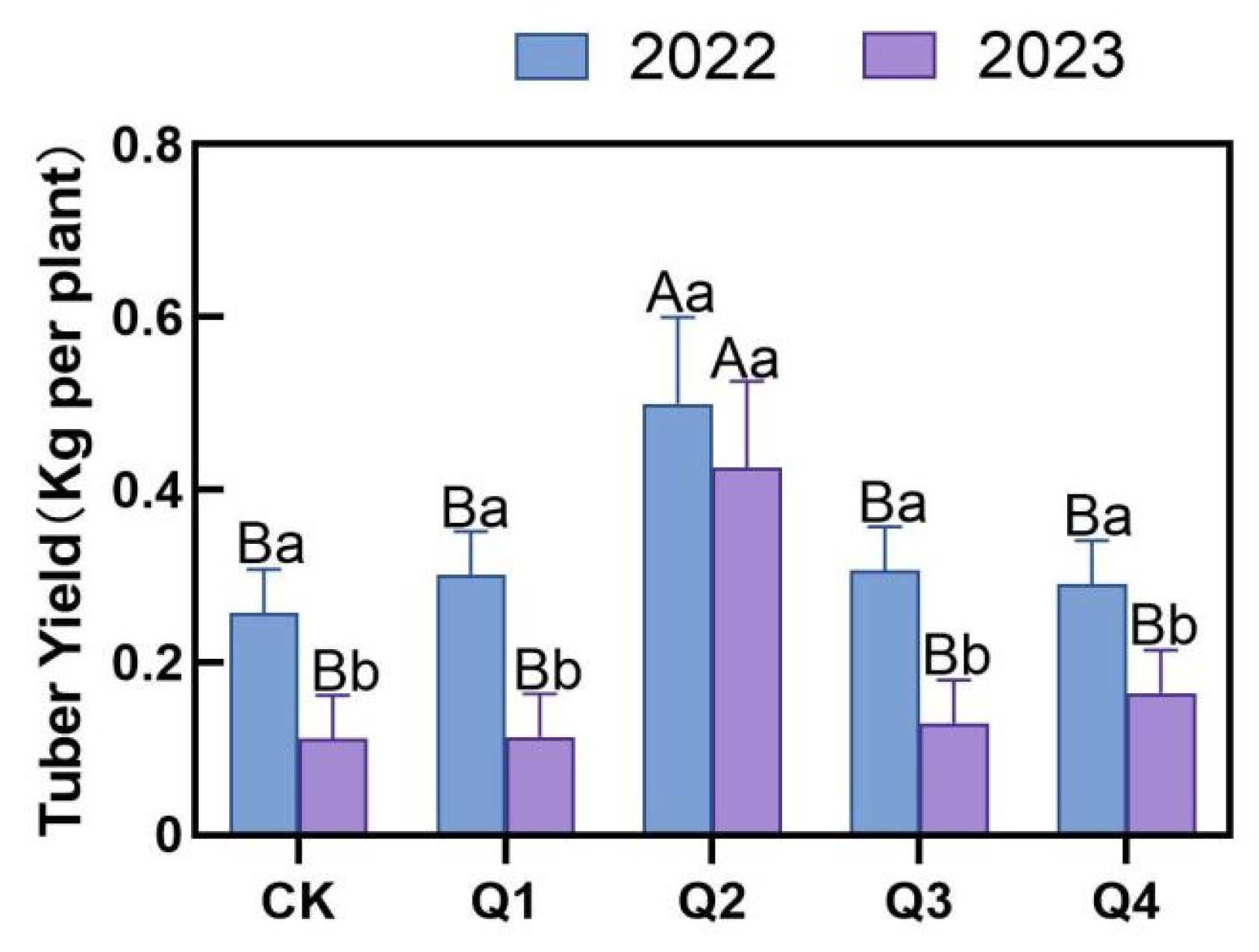
Leaves, as the primary “source” organ for photosynthesis, directly influence plant yield. However, it remains unclear whether leaf removal affects Jerusalem artichoke yield by altering rhizosphere nutrient availability. This study evaluated the effects of different leaf removal intensities on tuber yield and rhizosphere nutrient characteristics of Jerusalem artichoke (Helianthus tuberosus L.). Results from two consecutive field experiments demonstrated that removal of the lower leaves (Q2) significantly increased tuber yield in both years, with gains of 93.7% in 2022 and 282% in 2023 compared with the control. Although other leaf removal treatments also showed yield increases, these were not statistically significant. Principal component analysis revealed that rhizosphere soils associated with tubers and taproots contained higher concentrations of ammonium nitrogen, nitrate nitrogen, available phosphorus, and available potassium than bulk soils. Among these nutrients, tuber yield was significantly and positively correlated with available potassium (r = 0.57). These findings indicate that moderate removal of lower leaves enhances rhizosphere nutrient conditions and promotes higher tuber yield in Jerusalem artichoke.

1. Introduction

Optimizing source-sink relationships is a key factor in determining biomass accumulation and yield formation in both grain and forage crops [1]. The “source” primarily refers to plant leaves, which perform photosynthesis and produce assimilates, whereas the “sink” comprises organs where these assimilates are stored or utilized, such as tubers and reproductive structures. The balance and regulation of source-sink dynamics not only dictate the direction and efficiency of dry matter production but are also strongly influenced by agronomic practices, including leaf removal [2]. Furthermore, the allocation of photosynthetic products is closely associated with soil nutrient availability [3]. Therefore, elucidating the role of leaf removal in modulating crop yield under specific cultivation practices is essential for advancing our understanding of source-sink interactions in food and forage crops and for providing a theoretical basis to enhance crop production efficiency.
From a source perspective, leaves, particularly mature and photosynthetically active ones, serve as the primary organs responsible for photosynthesis. They are the main sites of assimilate (carbohydrate) production, which is subsequently transported to sink organs [4]. Through photosynthesis, leaves synthesize carbohydrates and supply carbon to sink tissues such as tubers and grains, thereby supporting yield formation. In general, sufficient leaf area and high photosynthetic capacity are prerequisites for achieving high crop yields. However, excessive leaf development can be counterproductive. Under dense canopy conditions or when lower leaves experience severe shading, the photosynthetic output of these leaves may fail to meet their respiratory and metabolic demands, potentially resulting in a negative net carbon balance. In such cases, shaded leaves may shift from functioning as “source” organs to acting as “sink” or “consumptive” organs. This phenomenon has been demonstrated in studies on pistachio branch sink-source ratios [5] and has also been observed under shading-induced leaf senescence or dark treatment conditions [6]. Disruption of the source-sink balance, such as through excessive leaf removal or prolonged shading that weakens source strength, can restrict the supply of photosynthetic assimilates to sink organs (e.g., tubers and ears), ultimately leading to yield reduction. For example, in wheat, removal of the flag leaf or complete defoliation significantly decreased grain weight and overall yield [7]. Similarly, in grapevines, mechanical removal of basal leaves (approximately 30% of total leaf area) reduced fruit set and cluster number, resulting in lower yields [8]. Therefore, moderate leaf removal or pruning is considered an effective agronomic strategy to reduce redundant leaf area, improve light penetration within the canopy, and enhance assimilate translocation to economic organs, thereby increasing dry matter accumulation efficiency.
As critical plant “source” organs, leaves play a central role in determining crop yield by regulating nutrient availability in both rhizosphere and bulk soils. Leaf removal, as a management practice that alters carbon inputs from source tissues, can substantially modify soil nutrient mobilization and availability. Previous studies have demonstrated that leaf removal affects the uptake of nitrogen, phosphorus, and potassium in maize [9]. However, it remains unclear whether leaf removal generates distinct nutrient availability patterns across different root zones and how such changes subsequently influence tuber yield.
Jerusalem artichoke (Helianthus tuberosus L.) exhibits strong environmental adaptability and robust biological characteristics, allowing it to grow well on marginal lands while showing considerable potential as both an energy crop and a forage resource [10]. However, its tall growth habit and abundant foliage often lead to a disproportionate allocation of biomass to aboveground tissues, thereby disrupting photosynthate partitioning and source-sink balance. Excessive leaf development not only intensifies light competition within the canopy, reducing photosynthetic efficiency in lower leaf layers, but also diverts substantial assimilates away from storage organs such as tubers, ultimately constraining yield formation [11]. Therefore, the development of rational leaf-removal or pruning strategies to regulate source-sink relationships, optimize photosynthate allocation, and improve the rhizosphere nutrient environment represents a key scientific challenge for enhancing tuber yield. Based on these considerations, we proposed the following hypotheses: (1) moderate leaf removal optimizes source-sink relationships and promotes tuber yield, whereas excessive leaf removal reduces yield by limiting assimilate supply; (2) leaf removal indirectly regulates tuber yield by altering nutrient availability in the rhizosphere rather than in bulk soil; and (3) the magnitude of soil nutrient responses differs among root zones, thereby influencing nutrient allocation to tubers. To test these hypotheses, a two-year field experiment was conducted using Jerusalem artichoke under different leaf-removal treatments to systematically evaluate tuber yield and changes in available nutrient concentrations in rhizosphere and bulk soils. This study aims to elucidate the mechanisms by which leaf removal modulates source-sink relationships and plant-soil interactions, thereby influencing yield formation. In addition to assessing the direct effects of leaf removal on tuber production, this work emphasizes its indirect regulatory roles in rhizosphere nutrient supply and soil environment improvement, providing a theoretical basis for high-yield cultivation and forage utilization of Jerusalem artichoke.

2. Materials and Methods

2.1. Description of the Experimental Site

The experiment was conducted at the Agricultural and Animal Husbandry Science and Technology Demonstration Park of Inner Mongolia Minzu University (43°38′ N, 122°03′ E), located in Fengtian Town, Horqin District, Tongliao City. The site is characterized by a typical temperate continental monsoon climate, with a mean annual temperature of 6.4 °C, an extreme minimum temperature of −30.9 °C, a frost-free period of approximately 150 days, and an average annual precipitation of 350–400 mm. The soil at the site is classified as aeolian sandy soil, with the following initial properties: organic matter content of 9.55 g kg−1, available potassium of 94.65 mg kg−1, available phosphorus of 15.46 mg kg−1, alkaline hydrolysable nitrogen of 13.15 mg kg−1, and a pH of 8.2. All fertilizers used in this experiment were supplied by Shandong Jindakong Agricuitural Technology Co., Ltd. (Weifang, China).

2.2. Experimental Design

The study was conducted over two consecutive growing seasons (2022 and 2023) using a randomized complete block design. Jerusalem artichoke tubers were cut into segments weighing 20–25 g and planted on 10 April in both years. A spacing of 2.0 m × 2.0 m (row × plant) was adopted. Each experimental plot measured 4 m × 6 m, corresponding to a planting density of 2500 plants ha−1. Under this wide-spacing cultivation system, each individual plant was considered an independent experimental unit. A total of 50 plants were selected, with 10 biological replicates per treatment. Each treatment was arranged in two plots. Based on pre-planting soil analyses and the nutrient requirements of Jerusalem artichoke, basal fertilizers were applied at rates of 80 kg N ha−1, 20 kg P ha−1, and 40 kg K ha−1. Leaf removal treatments were applied during the vegetative growth stage, 70–75 days after planting. Four leaf removal treatments were imposed to manipulate leaf area and source capacity. In the Q1 treatment, the lower half of the leaves was removed, whereas in the Q2 treatment only the lower one-third of the leaves was excised. The Q3 treatment involved the removal of approximately half of the leaves on lateral branches, while the Q4 treatment consisted of removing opposite leaves. A no leaf-removal treatment served as the control (CK). Each treatment was applied to ten individual plants, resulting in a total of 50 experimental units. All leaf removal operations were performed manually in a single event per growing season using sterilized scissors to ensure consistency across treatments. The schematic representation of the treatment configuration is shown in Figure 1.

2.3. Measured Parameters and Methods

2.3.1. Tuber Yield Measurement

Tuber yield was measured between 9 and 10 October in both growing seasons. Aboveground biomass was harvested at ground level and weighed. Belowground biomass was collected by carefully excavating roots and tubers within a 0–100 cm radius from the plant base. All harvested tubers and roots were thoroughly washed, oven-dried to a constant weight, and weighed to determine dry matter yield.

2.3.2. Soil Sampling

Soil sampling was conducted concurrently with tuber harvest. Both rhizosphere and bulk soil samples were collected. Rhizosphere soil was further classified into three categories: taproot rhizosphere soil, lateral root rhizosphere soil, and tuber rhizosphere soil. The sampling procedure was as follows. Bulk soil was defined as the soil fraction that detached easily from the excavated root systems, including taproots, lateral roots, and tubers, after vigorous shaking. Rhizosphere soil was operationally defined as the soil tightly adhering to root surfaces; this fraction was carefully brushed off using a soft brush and collected separately from taproots, lateral roots, and tubers [12]. All soil samples were passed through an 80-mesh sieve and air-dried prior to subsequent analyses.

2.3.3. Soil Nutrient Analysis

All reagents were obtained form Xi’an Tianmao Baoding Biotechnology Co., Ltd. (Xi’an, China). Available phosphorus was determined using the 0.5 mol L−1 NaHCO3 extraction-molybdenum antimony colorimetric method. Briefly, 2.5 g of air-dried, sieved soil (<2 mm) was shaken with 50 mL of 0.5 mol L−1 NaHCO3 solution (pH 8.5) for 30 min at room temperature and then filtered. An aliquot of the filtrate was reacted with ammonium molybdate and antimony potassium tartrate under acidic conditions to form a phosphomolybdenum blue complex. After color development, absorbance was measured spectrophotometrically at 880 nm. Available phosphorus concentration was calculated using a standard calibration curve and expressed on an oven-dry soil basis
Available potassium was determined by flame photometry following extraction with neutral ammonium acetate. Briefly, 5.0 g of air-dried, sieved soil was extracted with 50 mL of 1.0 mol L−1 NH4OAc solution (pH 7.0) by shaking for 30 min, followed by filtration through qualitative filter paper. Potassium ion concentrations in the clear filtrate were measured using a flame photometer, with instrument settings calibrated using a series of potassium standard solutions. Instrument drift and background signals were monitored regularly, and quality control samples were included throughout the analysis. Available potassium concentrations were calculated from the calibration curve and expressed on an oven-dry soil basis.
Nitrate nitrogen (NO3-N) and ammonium nitrogen (NH4+-N) were quantified simultaneously using continuous flow analysis following extraction with 2.0 mol L−1 KCl. Briefly, 10.0 g of air-dried soil was shaken with 50 mL of KCl solution for 30 min and then filtered. For NO3-N determination, nitrate in the extract was reduced to nitrite and subsequently measured by diazotization-coupling colorimetry within the analyzer. For NH4+-N determination, ammonium reacted with an alkaline salicylate-hypochlorite reagent to form an indophenol blue complex. Absorbance signals were recorded automatically, and concentrations were calculated using external standard curves. Results were expressed as NO3-N and NH4+-N on an oven-dry soil basis.
The analytical procedures used to determine soil available phosphorus, available potassium, and inorganic nitrogen (NO3-N and NH4+-N) followed widely accepted standard methods [13,14,15].

2.4. Data Analysis

Data were compiled using Microsoft Excel. Statistical analyses were performed using SPSS 27 software. Two-way analysis of variance was applied to assess the effects of year, leaf removal treatment, and their interaction on yield and soil nutrient variables. When significant effects were detected, mean comparisons were conducted using Tukey’s HSD test at a significance level of p < 0.05. Principal component analysis (PCA) was performed using Origin 2025 software.

3. Results

3.1. Effects of Leaf Removal on Tuber Yield of Jerusalem Artichoke

As shown in Figure 2, the effects of leaf removal on Jerusalem artichoke tuber yield differed between the two growing seasons, with yields in 2022 being significantly higher than those in 2023. In 2022, tuber yield under the Q2 treatment was significantly higher than that of the control, exhibiting a 93.7% increase, whereas the Q1, Q3, and Q4 treatments did not significantly affect yield. In 2023, Q2 was significantly higher than CK, whereas Q1, Q3, and Q4 did not differ significantly from CK, which was 282% greater than that of the control.

3.2. Effects of Leaf Removal on Soil Available Nutrient Content

3.2.1. Effects of Leaf Removal on Soil Nitrate and NH4+-N

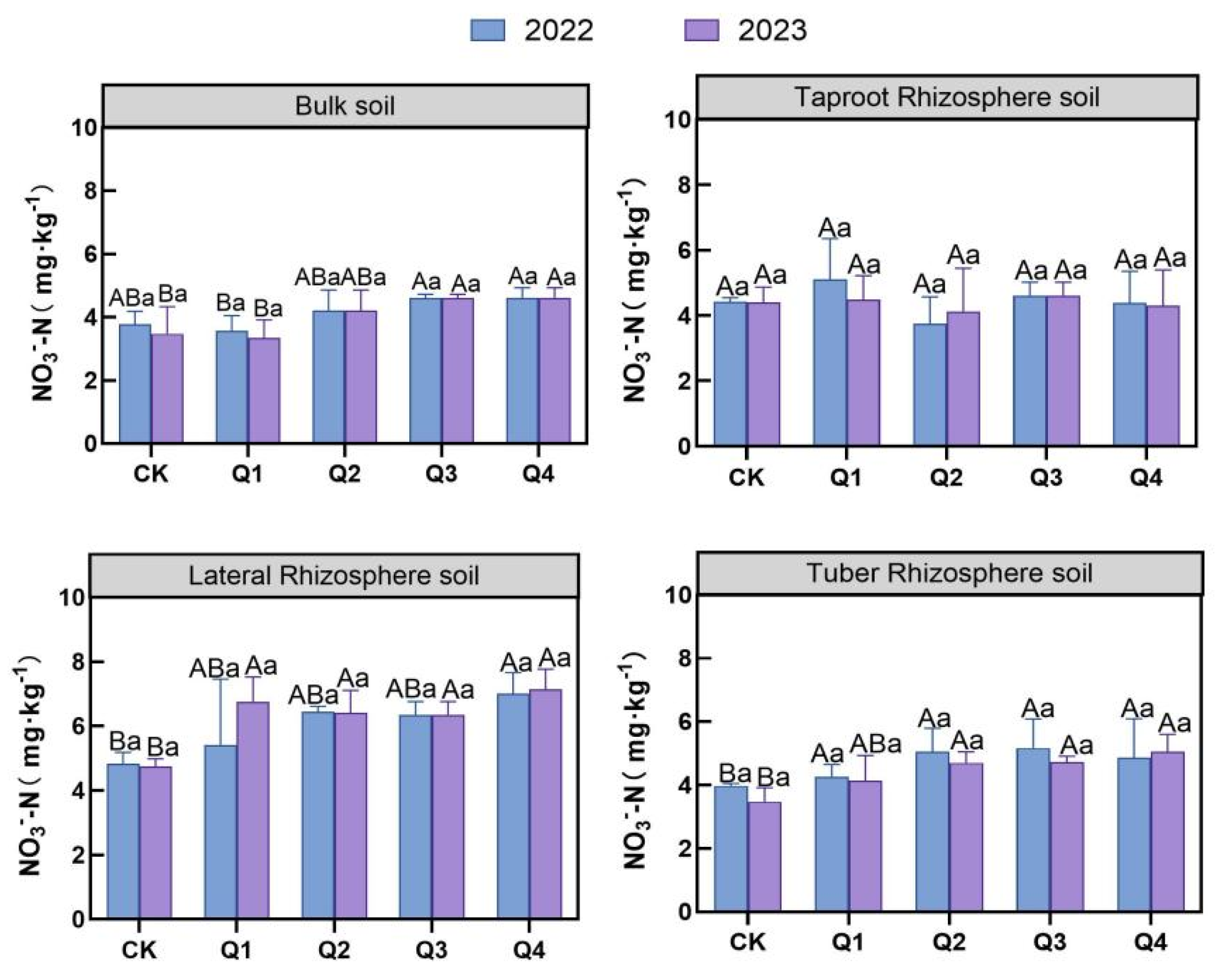
As shown in Figure 3, no significant interannual differences were observed. In bulk soil, NO3-N did not respond significantly to leaf removal treatments in either year. Similarly, no significant treatment effects were detected in the taproot rhizosphere. In contrast, significant differences among treatments were found in the lateral root rhizosphere, with the Q4 treatment showing significantly higher NO3-N than CK, Q1, Q2, and Q3. Significant treatment effects were also observed in the tuber rhizosphere, with Q3 exhibiting significantly higher NO3-N than the other treatments.
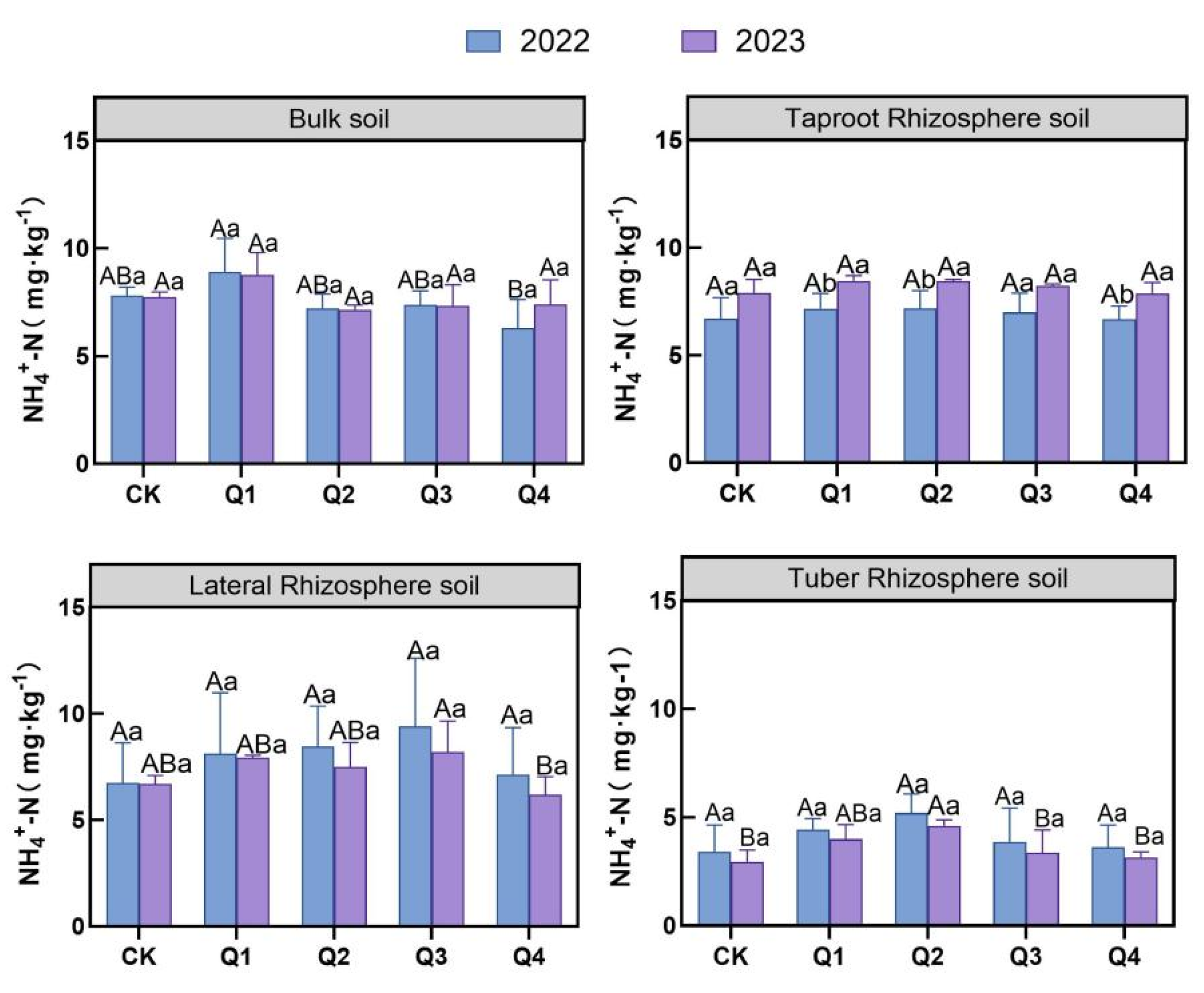
As shown in Figure 4, leaf removal treatments had no pronounced interannual effects on NH4+-N concentrations in bulk soil or in most rhizosphere compartments. Significant year-to-year differences were detected only in the taproot rhizosphere under the Q1, Q2, and Q4 treatments, with higher NH4+-N concentrations in 2023 than in 2022. In bulk soil, the Q1 treatment consistently exhibited the highest NH4+-N concentrations in both years, significantly exceeding those of other treatments, with values of 8.9 mg kg−1 in 2022 and 8.7 mg kg−1 in 2023. No significant differences in NH4+-N concentrations were observed among treatments in the taproot rhizosphere. In the lateral root rhizosphere, Q3 had significantly higher NH4+-N than the other treatments in 2022 and remained significantly higher than CK, Q1, Q2, and Q4 in 2023. In the tuber rhizosphere, Q2 exhibited significantly higher NH4+-N than the other treatments in both years.

3.2.2. Effects of Leaf Removal on Soil Available Potassium

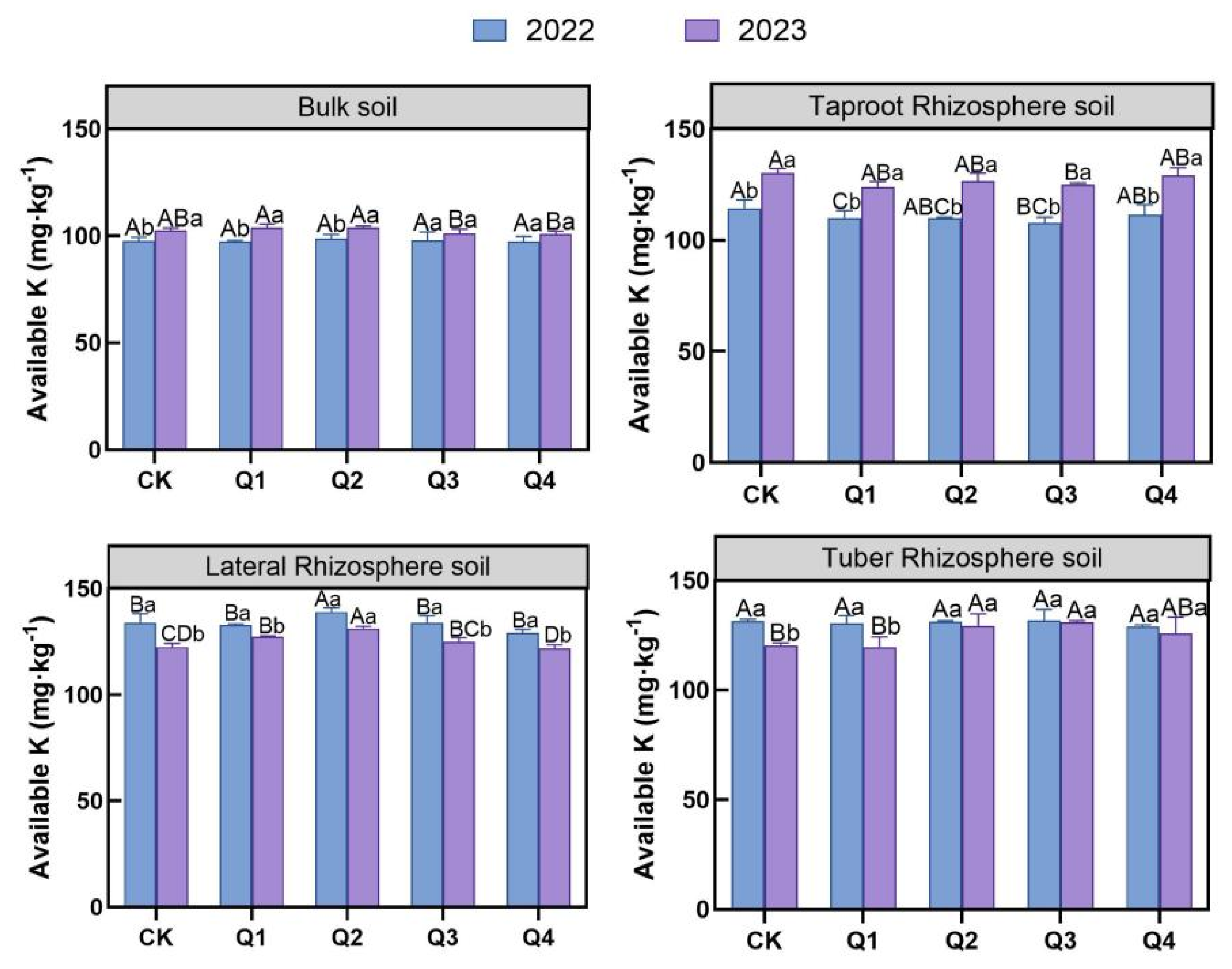
As shown in Figure 5, no significant differences in available potassium (K+) concentrations among leaf removal treatments were observed in bulk soil in 2022. In 2023, treatment effects became evident, with K+ concentrations under Q1 and Q2 being significantly higher than those of the control (CK), exceeding it by 1.4% and 1.2%, respectively. In the taproot rhizosphere, available K+ concentrations under CK, Q2, and Q4 were significantly higher than those under Q1 and Q3 in 2022. In 2023, Q2 and Q4 maintained relatively high K+ concentrations, reaching 110 mg kg−1 and 111.4 mg kg−1, respectively. Significant interannual differences were observed within the same treatments, with overall higher K+ concentrations in 2023 than in 2022. In the lateral rhizosphere, Q2 exhibited significantly higher available potassium than all other treatments in both years. All treatments showed significant year-to-year differences, with lower K+ concentrations in 2023 compared with 2022. In the tuber rhizosphere, no significant differences among treatments were observed in 2022, whereas in 2023, K+ concentrations under Q2 and Q3 were significantly higher than those under CK and Q1. Interannual comparisons indicated that K+ concentrations under CK and Q1 were significantly lower in 2023 than in 2022, whereas no significant year-to-year differences were detected for Q2, Q3, or Q4.

3.2.3. Effects of Leaf Removal on Soil Available Phosphorus

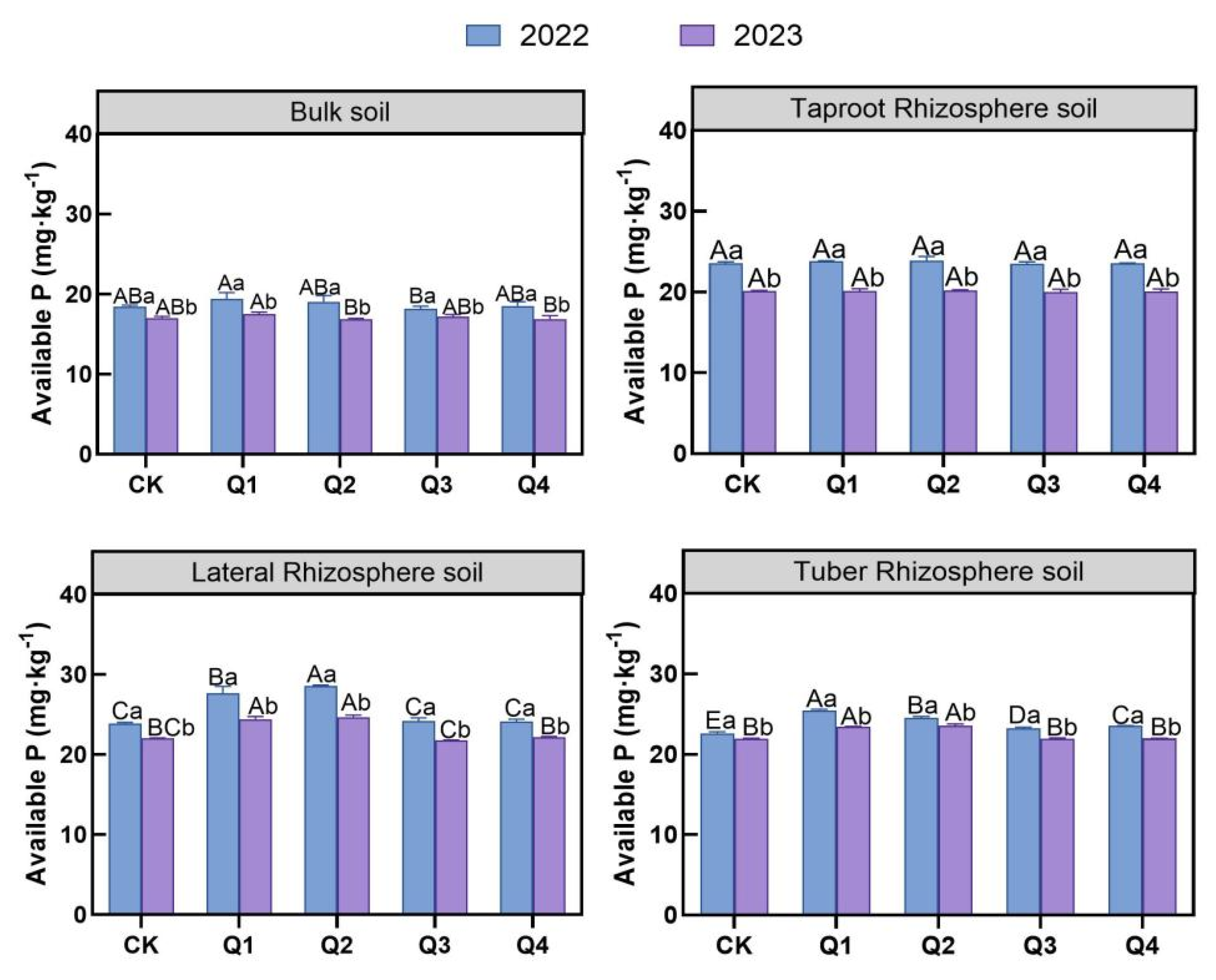
As shown in Figure 6, available phosphorus differed significantly among treatments depending on soil compartment and year. In bulk soil, the Q1 treatment consistently exhibited significantly higher P concentrations than the other treatments in both years, with values of 19.4 mg kg−1 in 2022 and 17.5 mg kg−1 in 2023. In the taproot rhizosphere, no significant differences in P concentrations were detected among treatments in 2022. In the lateral rhizosphere, the Q2 treatment showed significantly higher P concentrations than CK, Q3, and Q4 in both years. In the tuber rhizosphere, Q1 and Q2 were significantly higher than CK and Q3 in both years.

3.3. PCA

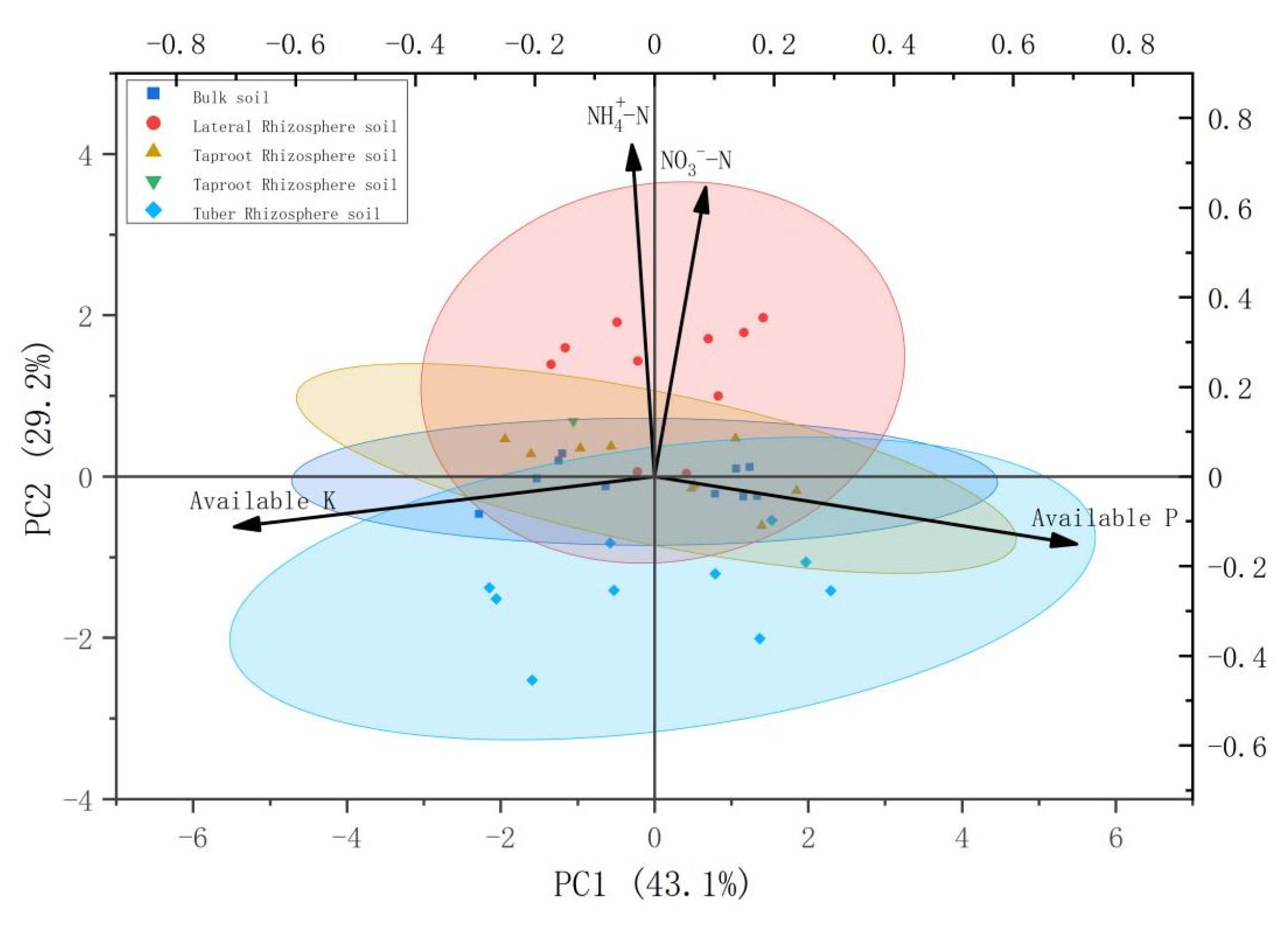
As shown in Figure 7, PCA revealed distinct patterns in the distribution of soil nutrients across different root zones, with PC1 and PC2 explaining 43.1% and 29.2% of the total variance, respectively (72.3% in total). Along the positive direction of PC1, NH4+-N and NO3-N were primarily associated with the taproot and tuber rhizosphere soils. In contrast, available potassium (K+) and available phosphorus (P) in bulk soil were predominantly distributed along the negative direction of PC1. Higher concentrations of K+ and P in the taproot and tuber rhizosphere soils contributed strongly to the positive direction of PC2. Conversely, bulk soil and lateral root rhizosphere soils exhibited lower concentrations of NH4+-N, NO3-N, K+, and P.

3.4. Correlation Analysis

As presented in Table 1, tuber yield exhibited a highly significant positive correlation with available potassium (K+; r = 0.570, p < 0.01). NO3-N was significantly positively correlated with both NH4+-N (r = 0.375, p < 0.05) and available K+ (r = 0.458, p < 0.05). Additionally, a highly significant positive correlation was observed between available K+ and available phosphorus (P; r = 0.585, p < 0.01).

3.5. Interaction Between Year and Leaf Removal Treatments

As shown in Table 2, the interaction between year and leaf removal treatment was not significant for most variables, except for available phosphorus (P) concentrations in the lateral root and tuber rhizosphere soils.

4. Discussion

Jerusalem artichoke is a typical tuber crop, with underground tubers serving as its primary economic and forage organs. Tuber formation depends on the supply of photosynthetic products from aerial parts and nutrient uptake by belowground organs, maintaining a dynamic balance through source-sink relationships. Evidence from other tuber crops highlights the importance of source-sink balance; for example, improving source-sink coordination in sweet potato has been reported to increase tuber yield and starch accumulation [1]. In the present study, different leaf removal treatments significantly influenced tuber yield, with removal of the lower one-third of the leaves (Q2) resulting in a marked yield increase, whereas the other treatments did not produce notable gains. This pattern is consistent with previous source–sink studies showing that moderate, but not excessive, manipulation of source tissues can enhance storage organ development. These results are broadly consistent with the hypotheses proposed in the Introduction, while also highlighting important context-dependent effects. Moderate leaf removal (Q2) consistently enhanced tuber yield, supporting the prediction that an appropriate reduction in leaf area can optimize source-sink relationships. In contrast, other leaf removal treatments did not yield stable improvements, likely due to differences in canopy structure. This suggests that the relationship between leaf number and tuber yield is not linear. Moderate leaf reduction can improve canopy architecture, mitigate declines in photosynthetic efficiency of shaded lower leaves, and reduce consumption of assimilates by redundant leaves. Consequently, more carbohydrates are allocated to tubers as sink organs, promoting their expansion and dry matter accumulation. This observation aligns with previous studies in crops such as maize and soybean, where appropriate pruning optimized source-sink balance and enhanced yield, whereas excessive or improper leaf removal reduced productivity [16]. The yield response to moderate leaf removal can also be explained through source-sink mechanisms. Leaf removal adjusts the balance between canopy source capacity and underground sink strength, thereby modifying carbon allocation within the plant [17]. A moderate reduction in leaf area lowers maintenance costs of non-functional leaves and increases the fraction of photoassimilates transported to the tubers [18]. This mechanism provides a physiological explanation for the superior performance of Q2 observed in this study. Enhanced sink demand from developing tubers may increase underground carbon allocation, which could be associated with changes in nutrient availability in the rhizosphere [19]. Although these processes were not directly measured in the present study, insights from previous research provide a useful framework for interpreting the observed nutrient patterns in the rhizosphere. Importantly, the observed yield increase under Q2, along with the associated rhizosphere nutrient patterns, should be interpreted as treatment- and context-specific outcomes under the soil, climate, and management conditions of this experiment. Their general applicability requires further validation across additional environments and genotypes.
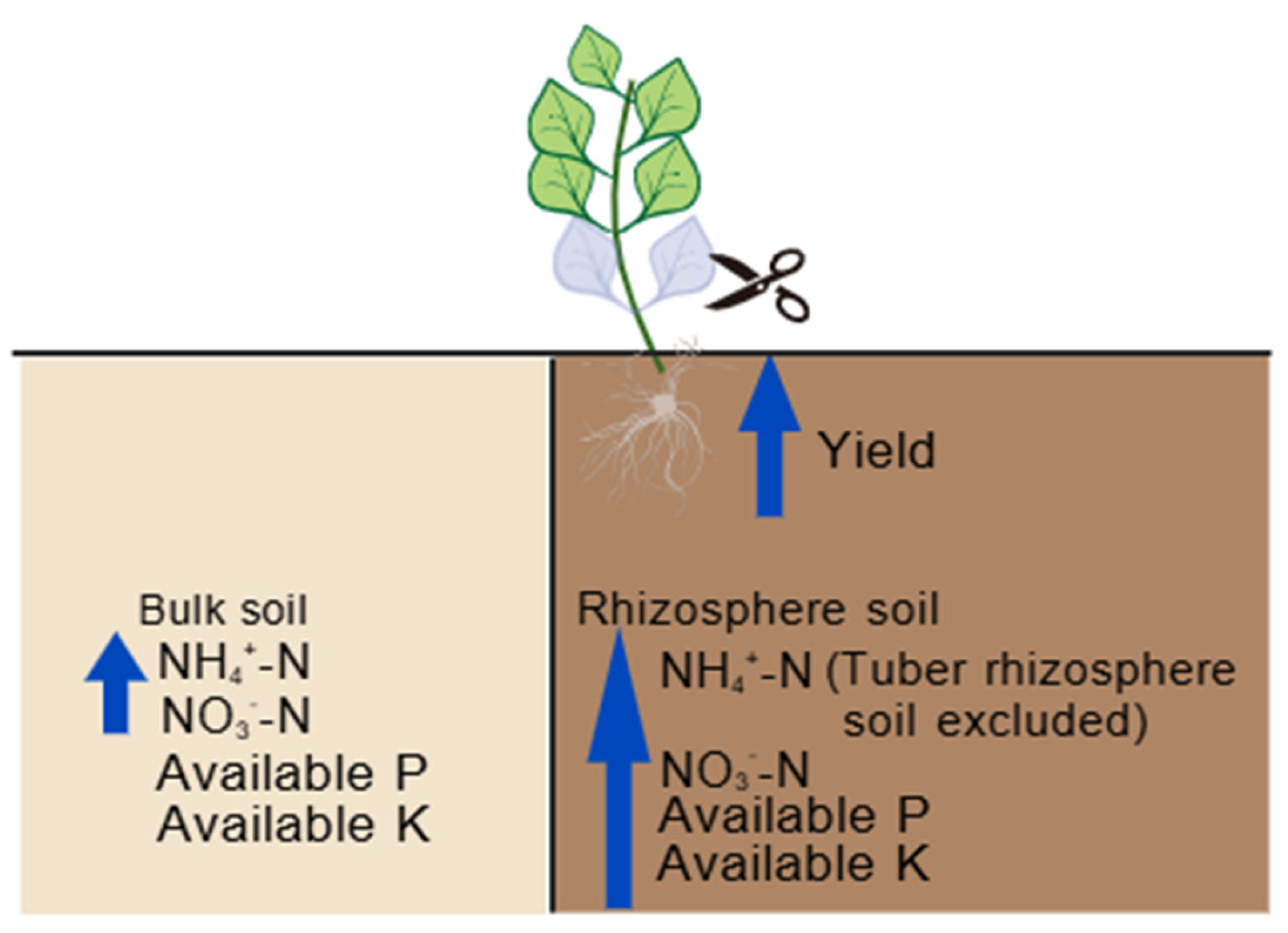
Figure 8 shows that Jerusalem artichoke yield is directly influenced by nutrient availability in the belowground environment. The results of this study show that concentrations of available potassium (K+), and available phosphorus (P) were significantly higher in rhizosphere soil than in bulk soil. This finding is supported by previous studies, which generally report that rhizosphere soils exhibit higher nutrient contents and transformation efficiencies compared with bulk soils. For example, Liu et al., synthesizing 123 studies, found that most nutrients are more available in the rhizosphere than in bulk soil [20]. Similarly, in alfalfa, Gu et al. reported that nitrogen and phosphorus addition led to greater nutrient accumulation and higher transformation efficiency in the rhizosphere [21]. Such soil nutrient properties are strongly linked to crop yield formation [22]. These results are consistent with the prediction proposed in the Introduction that leaf removal would indirectly regulate tuber yield primarily by altering nutrient availability in the rhizosphere rather than in bulk soil. In the present study, nutrient differences were consistently more pronounced between rhizosphere and bulk soils, whereas changes associated with leaf removal were mainly expressed within rhizosphere compartments. This indicates that the yield response to leaf removal was closely associated with rhizosphere nutrient dynamics rather than with changes in bulk soil nutrient status.
This study further revealed that nutrient levels in the lateral root and tuber rhizospheres were generally higher than those in the taproot rhizosphere (Figure 2, Figure 3, Figure 4 and Figure 5), indicating stronger nutrient enrichment in these zones. This spatial pattern is consistent with previous evidence that rhizosphere processes differ among root types and functional zones. Previous research has shown that rhizosphere processes vary significantly among root types and zones. For example, first-order lateral roots often exhibit the highest acid phosphatase activity, reflecting a strong potential for phosphorus mobilization in their rhizosphere [23]. In tuber crops such as sweet potato, the rhizosphere surrounding storage organs often differs in nutrient availability from bulk soil [24]. Because tubers develop directly on lateral roots and require substantial inputs of carbohydrates and mineral nutrients for growth, the rhizosphere associated with lateral roots and tubers may exhibit enhanced exudation activity. This functional role of lateral roots provides a physiological explanation for the higher nutrient concentrations observed in their rhizospheres in the present study. Previous studies have reported that nutrient availability is often higher in the rhizosphere than in bulk soil [25]. These findings provide a useful reference for interpreting the nutrient enrichment observed in the lateral root and tuber rhizospheres in this study, linking our empirical observations to established rhizosphere mechanisms which may represent nutrient hotspots in the belowground environment. These results are consistent with the prediction that the magnitude of soil nutrient responses would differ among root zones, thereby influencing nutrient allocation to tubers. In this study, nutrient enrichment was consistently greater in the lateral root and tuber rhizospheres than in the taproot rhizosphere, in agreement with reports that storage organ associated root zones show stronger rhizosphere effects in tuber crops. However, response patterns were not uniform across all nutrient forms; for example, the relatively lower NH4+-N concentration in the tuber rhizosphere indicates that root-zone effects on nutrient allocation are differential rather than uniform. This does not contradict the interpretation of the tuber rhizosphere as a nutrient hotspot; rather, this may reflect a zone of high nitrogen demand associated with tuber development, which may contribute to lower NH4+-N concentrations, while maintaining a continuous nitrogen supply to the plant [26]. Nonetheless, these processes were not directly quantified in the present study.
The results of this study further indicate that leaf removal not only affects carbon supply from aboveground organs but also induces differential changes in nutrient levels between rhizosphere and bulk soils, thereby influencing tuber yield formation. To our knowledge, no previous studies have simultaneously examined the effects of leaf removal on nutrient dynamics in both rhizosphere and bulk soils, particularly in tuber crops such as Jerusalem artichoke. Accordingly, this study proposes a potential pathway in which leaf removal may modify the nutrient environment of the rhizosphere, which could be associated with tuber expansion and dry matter accumulation. Importantly, this study provides new evidence for distinct nutrient responses to leaf removal between rhizosphere and bulk soils, offering a novel perspective for explaining the yield increase under moderate leaf removal. These findings provide useful insights into how canopy management may influence belowground nutrient allocation and tuber yield in Jerusalem artichoke under the conditions of this study.
It is important to acknowledge several limitations of this study. The experiment was conducted at a single site over two growing seasons at the level of individual plants within relatively small plots and involved only one Jerusalem artichoke genotype under specific soil and climatic conditions. In addition, key indicators related to underlying mechanisms, such as root exudate composition, microbial biomass, enzyme activities, and microbial community structure, were not measured. Therefore, the observed associations between leaf removal, rhizosphere nutrient availability, and tuber yield should not be extrapolated beyond comparable production systems without further validation. Future research should focus on multi-site and multi-genotype experiments to evaluate the generality of these responses under contrasting environmental conditions. Integrating isotopic tracing of carbon allocation, quantitative analysis of root exudates, and high-resolution characterization of rhizosphere microbial communities would allow direct testing of the proposed pathways linking source regulation, rhizosphere nutrient dynamics, and tuber yield formation. Such approaches would provide a more mechanistic understanding of how leaf removal mediates above- and belowground interactions in Jerusalem artichoke.

5. Conclusions

Based on two consecutive field experiments, leaf removal exhibited treatment- and year-specific effects on tuber yield and soil nutrient availability in Jerusalem artichoke. Among the tested treatments, removal of the lower one-third of leaves (Q2) resulted in significantly higher tuber yield in both years, whereas the other leaf removal treatments did not produce stable or significant yield responses. Leaf removal exerted limited effects on nutrient availability in bulk soil, whereas more pronounced responses were observed in the lateral root rhizosphere. The concentrations of available phosphorus and available potassium in these rhizosphere zones were generally higher than those in bulk soil. Correlation analysis indicated that tuber yield was significantly and positively correlated only with available potassium. Overall, the results demonstrate that yield responses to leaf removal are conditional rather than universal, depending on leaf removal intensity, rhizosphere zone, and interannual variation. Under the specific soil and climatic conditions of this study, moderate leaf removal was associated with increased tuber yield and altered rhizosphere nutrient patterns. Caution should be exercised when extrapolating these findings to other production systems.

Author Contributions

Conceptualization, methodology, investigation, data curation, writing—original draft preparation, M.G.; writing—review and editing, formal analysis, M.G., Y.W. and K.G.; visualization, methodology, investigation, M.G., M.J., Z.L., X.L. and X.H.; supervision, project administration, funding acquisition, K.G. All authors have read and agreed to the published version of the manuscript.

Funding

This research was funded by the Inner Mongolia Autonomous Region Grassland Talents Program, grant number CYYC20005, and the National Natural Science Foundation of China, grant number 31560672.

Data Availability Statement

Data is contained in the main text.

Acknowledgments

We gratefully acknowledge the support of the College of Grassland Science, Inner Mongolia Minzu University, for providing the experimental field, laboratory facilities, and logistical assistance. We thank the staff of the Agricultural and Animal Husbandry Science and Technology Demonstration Park for their support during field management, sampling, and data collection. We also thank all students and technicians who contributed to the establishment of the experiments, leaf-removal treatments, and soil and plant sample processing. During the preparation of this work the authors used ChatGPT 5.1 in order to improve the language. After using this tool, the authors reviewed and edited the content as needed and talk full responsibility for the content of the publication.

Conflicts of Interest

The authors declare no conflicts of interest.

Abbreviations

The following abbreviations are used in this manuscript:
CKControl (no leaf removal)
Q1Lower half leaf removal treatment
Q2Lower one-third leaf removal treatment
Q3Lateral branch leaf removal treatment
Q4Opposite leaf removal treatment
NO3-NNitrate nitrogen
NH4+-NAmmonium nitrogen
AKAvailable potassium
APAvailable phosphorus
PCAPrincipal component analysis
PC1First principal component
PC2Second principal component
ANOVAAnalysis of variance
HSDHonestly significant difference

References

  1. Jiang, Z.; Wei, Z.; Zhang, J.; Zheng, C.; Zhu, H.; Zhai, H.; He, S.; Gao, S.; Zhao, N.; Zhang, H.; et al. Source-sink synergy is the key unlocking sweet potato starch yield potential. Nat. Commun. 2024, 15, 7260. [Google Scholar] [CrossRef] [PubMed]
  2. Xie, W.; Jiang, Z.; Lin, L.; Wang, X.; Zhang, L.; Mo, Z. Optimized carbon–nitrogen fertilization boosts fragrant rice (Oryza sativa L.) yield and quality via enhanced photosynthesis, antioxidant defense, and osmoregulation. Plants 2025, 14, 1832. [Google Scholar] [CrossRef] [PubMed]
  3. South, P.F.; Cavanagh, A.P.; Liu, H.W.; Ort, D.R. Synthetic glycolate metabolism pathways stimulate crop growth and productivity in the field. Science 2019, 363, eaat9077. [Google Scholar] [CrossRef] [PubMed]
  4. Rosado-Souza, L.; Yokoyama, R.; Sonnewald, U.; Fernie, A.R. Understanding source-sink interactions: Progress in model plants and translational research to crops. Mol. Plant 2023, 16, 96–121. [Google Scholar] [CrossRef]
  5. Marino, G.; Guzmán-Delgado, P.; Santos, E.; Adaskaveg, J.A.; Blanco-Ulate, B.; Ferguson, L.; Zwieniecki, M.A.; Fernández-Suela, E. Interactive effect of branch source-sink ratio and leaf aging on photosynthesis in pistachio. Front. Plant Sci. 2023, 14, 1194177. [Google Scholar] [CrossRef]
  6. Law, S.R.; Chrobok, D.; Juvany, M.; Delhomme, N.; Lindén, P.; Brouwer, B.; Ahad, A.; Moritz, T.; Jansson, S.; Gardeström, P.; et al. Darkened leaves use different metabolic strategies for senescence and survival. Plant Physiol. 2018, 177, 132–150. [Google Scholar] [CrossRef]
  7. Ershadimanesh, K.; Siosemardeh, A.; Hoseeinpanahi, F. Evaluation of source-sink manipulation through defoliation treatments in promising bread wheat lines under optimal irrigation and rainfed conditions. Front. Agron. 2024, 6, 1393267. [Google Scholar] [CrossRef]
  8. Intrieri, C.; Filippetti, I.; Allegro, G.; Valentini, G.; Pastore, C.; Colucci, E. The effectiveness of basal shoot mechanical leaf removal at the onset of bloom to control crop on cv. Sangiovese (Vitis vinifera L.): Report on a three-year trial. S. Afr. J. Enol. Vitic. 2016, 37, 193–198. [Google Scholar] [CrossRef][Green Version]
  9. Raza, M.A.; van der Werf, W.; Ahmed, M.; Yang, W. Removing top leaves increases yield and nutrient uptake in maize plants. Nutr. Cycl. Agroecosyst. 2020, 118, 57–73. [Google Scholar] [CrossRef]
  10. Liava, V.; Karkanis, A.; Danalatos, N.; Tsiropoulos, N. Cultivation practices, adaptability and phytochemical composition of Jerusalem artichoke (Helianthus tuberosus L.): A weed with economic value. Agronomy 2021, 11, 914. [Google Scholar] [CrossRef]
  11. Pignon, C.P.; Jaiswal, D.; McGrath, J.M.; Long, S.P. Loss of photosynthetic efficiency in the shade: An Achilles heel for the dense modern stands of our most productive C4 crops? J. Exp. Bot. 2017, 68, 335–345. [Google Scholar] [CrossRef] [PubMed]
  12. Gao, X.; Qian, H.; Huang, R.; He, W.; Jiang, H.; Shen, A.; Li, Z.; Hu, Y. Rhizosphere and non-rhizosphere soil microbial communities in alpine desertified grassland affected by vegetation restoration. Plants 2025, 14, 1925. [Google Scholar] [CrossRef] [PubMed]
  13. Food and Agriculture Organization of the United Nations (FAO). Standard Operating Procedure for Soil Available Phosphorus—Olsen Method; FAO: Rome, Italy, 2021. [Google Scholar]
  14. Jackson, M.L. Soil Chemical Analysis; Prentice Hall: Englewood Cliffs, NJ, USA, 1973. [Google Scholar]
  15. Fayose, T.; Thomas, E.; Radu, T.; Dillingham, P.; Ullah, S.; Radu, A. Concurrent measurement of nitrate and ammonium in water and soil samples using ion-selective electrodes: Tackling sensitivity and precision issues. Anal. Sci. Adv. 2021, 2, 279–288. [Google Scholar] [CrossRef] [PubMed]
  16. Lv, X.; Zhang, Y.; Zhang, Y.; Fan, S.; Kong, L. Source-sink modifications affect leaf senescence and grain mass in wheat as revealed by proteomic analysis. BMC Plant Biol. 2020, 20, 257. [Google Scholar] [CrossRef]
  17. Zhou, M.; Sun, Y.; Wang, S.; Liu, Q.; Li, H. Photosynthesis product allocation and yield in sweet potato in response to different late-season irrigation levels. Plants 2023, 12, 1780. [Google Scholar] [CrossRef]
  18. Ma, W.; Tang, S.; Dengzeng, Z.; Zhang, D.; Zhang, T.; Ma, X. Root exudates contribute to belowground ecosystem hotspots: A review. Front. Microbiol. 2022, 13, 937940. [Google Scholar] [CrossRef]
  19. Farrar, J.; Hawes, M.; Jones, D.; Lindow, S. How Roots Control the Flux of Carbon to the Rhizosphere. Ecology 2003, 84, 827–837. [Google Scholar] [CrossRef]
  20. Liu, S.; He, F.; Kuzyakov, Y.; Xiao, H.; Hoang, D.T.T.; Pu, S.; Razavi, B.S. Nutrients in the rhizosphere: A meta-analysis of content, availability, and influencing factors. Sci. Total Environ. 2022, 826, 153908. [Google Scholar] [CrossRef]
  21. Gu, X.; Zhang, F.; Xie, X.; Cheng, Y.; Xu, X. Effects of N and P addition on nutrient content and stoichiometry of rhizosphere and non-rhizosphere soils of alfalfa in alkaline soil. Sci. Rep. 2023, 13, 12119. [Google Scholar] [CrossRef]
  22. Schneider, S.K.; Sutradhar, A.K.; Duke, S.E.; Lehman, R.M.; Schumacher, T.E.; Lobb, D.A. Key soil properties and their relationships with crop yields as affected by soil-landscape rehabilitation. Agron. J. 2023, 115, 2404–2423. [Google Scholar] [CrossRef]
  23. Pruwanto, B.H.; Cheng, W.; Tawaraya, K. First-order lateral roots drive the highest rhizosphere acid phosphatase activity in soybean under phosphorus deficiency. Rhizosphere 2025, 36, 101166. [Google Scholar] [CrossRef]
  24. Marques, J.M.; da Silva, T.F.; Vollu, R.E.; Blank, A.F.; Ding, G.-C.; Seldin, L.; Smalla, K. Plant age and genotype affect the bacterial community composition in the tuber rhizosphere of field-grown sweet potato plants. FEMS Microbiol. Ecol. 2014, 88, 424–435. [Google Scholar] [CrossRef]
  25. Pantigoso, H.A.; Manter, D.K.; Fonte, S.J.; Vivanco, J.M. Root exudate-derived compounds stimulate the phosphorus-solubilizing ability of bacteria. Sci. Rep. 2023, 13, 4050. [Google Scholar] [CrossRef]
  26. Chen, Y.; Shi, X.; Chen, Y.; Yu, J.; Qin, Y.; Jia, L.; Fan, M. Meeting the demand for different nitrogen forms in potato plants without the use of nitrification inhibitors. Plants 2024, 13, 3177. [Google Scholar] [CrossRef]
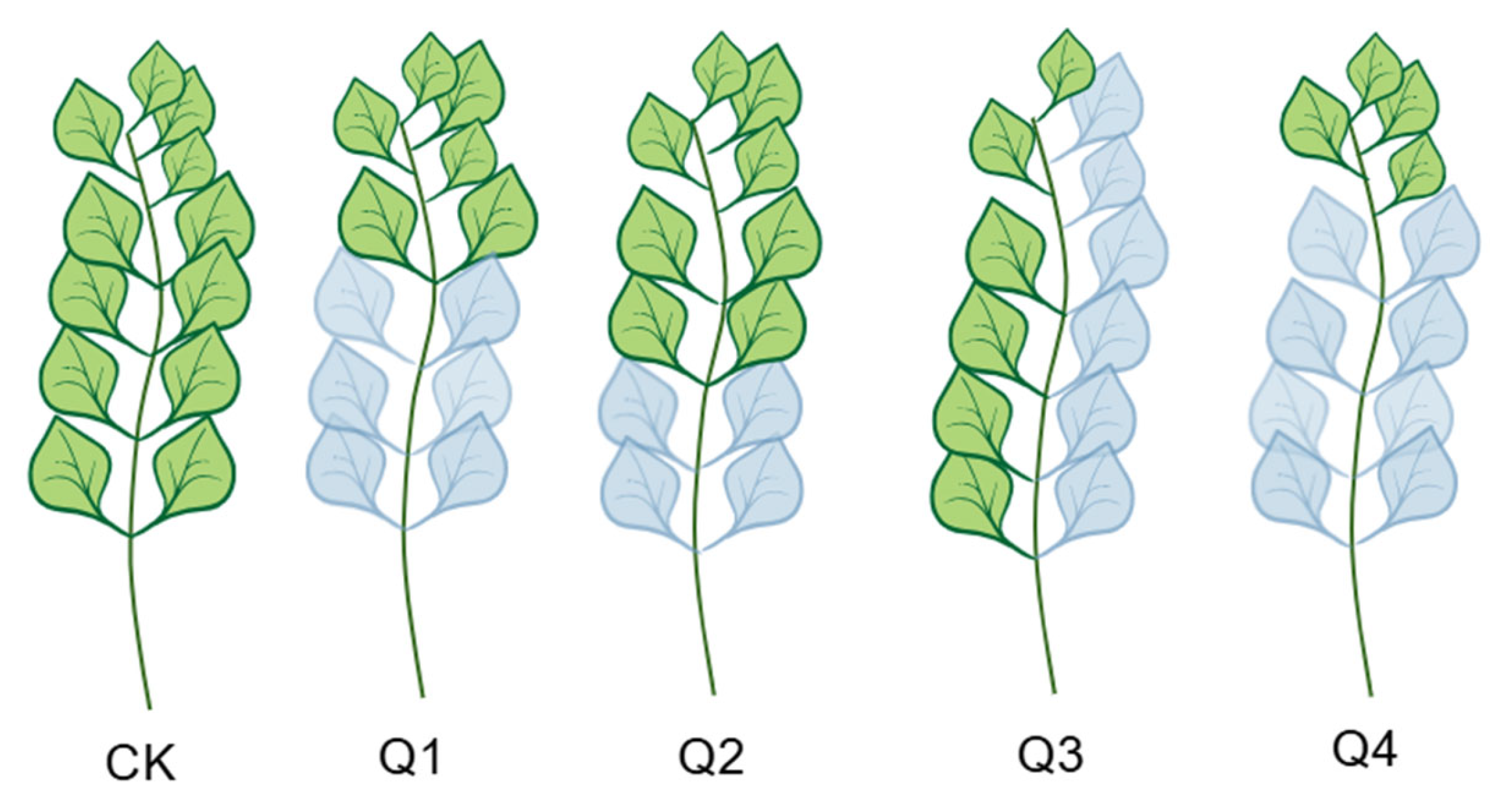
Figure 1. Schematic diagram of leaf removal treatments applied in Jerusalem artichoke created with BioGDP.com. Blue shading represents defoliated leaves, whereas green shading indicates retained leaves.
Agronomy 16 00266 g001
Figure 2. Impact of Years and leaf removal on the tuber yield of Jerusalem artichoke. Bars represent means ± standard deviation. Different uppercase letters indicate significant differences among leaf removal treatments within the same year, whereas different lowercase letters indicate significant differences between years within the same treatment (p < 0.05).
Agronomy 16 00266 g002
Figure 3. Impact of Years and Leaf Removal on Soil NO3-N. Bars represent means ± standard deviation. Different uppercase letters indicate significant differences among leaf removal treatments within the same year, whereas different lowercase letters indicate significant differences between years within the same treatment (p < 0.05).
Agronomy 16 00266 g003
Figure 4. Impact of Years and Leaf Removal on Soil NH4+-N. Bars represent means ± standard deviation. Different uppercase letters indicate significant differences among leaf removal treatments within the same year, whereas different lowercase letters indicate significant differences between years within the same treatment (p < 0.05).
Agronomy 16 00266 g004
Figure 5. Effects of Years and Leaf Removal on Soil Available Potassium. Bars represent means ± standard deviation. Different uppercase letters indicate significant differences among leaf removal treatments within the same year, whereas different lowercase letters indicate significant differences between years within the same treatment (p < 0.05).
Agronomy 16 00266 g005
Figure 6. Effects of Years and Leaf Removal on Soil Available Phosphorus. Bars represent means ± standard deviation. Different uppercase letters indicate significant differences among leaf removal treatments within the same year, whereas different lowercase letters indicate significant differences between years within the same treatment (p < 0.05).
Agronomy 16 00266 g006
Figure 7. PCA biplot showing the distribution of soil samples from different root zones. Blue squares represent bulk soils, red circles represent lateral rhizosphere soils, yellow triangles and green inverted triangles represent taproot rhizosphere soils, light bule diamonds represent tuber rhizosphere soils. Arrows indicate the loading vectors of soil nutrient variables (Available K, Available P, NO3-N, NH4+-N), with the direction representing the correlation with the principal components and the length indicating the strength of the contribution. Confidence ellipses represent the 95% confidence intervals for each group. PC1 and PC2 explain 43.1% and 29.2% of the total variance, respectively.
Agronomy 16 00266 g007
Figure 8. A conceptual diagram illustrating how leaf removal regulates root development and rhizosphere nutrient availability (NH4+-N, NO3-N, available P, and available K), blue arrows indicate an increase in soil nutrient content, thereby contributing to increased tuber yield in Jerusalem artichoke created with BioGDP.com.
Agronomy 16 00266 g008
Table 1. Correlation Analysis.
YieldNO3-NNH4+-NAKAP
Yield1.000
NO3-N0.0671.000
NH4+-N0.1440.375 *1.000
AK0.570 **0.458 *−0.0781.000
AP0.1320.037−0.010.585 **1.000
** indicates significance at the 0.01 level. * Indicates significance at the 0.05 level.
Table 2. Interaction effects of year and leaf removal treatments on tuber yield and soil nutrient contents of Jerusalem artichoke. An interaction effect is considered significant when p < 0.05.
Different Root ZonesInteraction EffectDegrees of FreedomF Valuep Value
Yield Year × treatment40.124p > 0.05
Nitrate NitrogenBulk soilYear × treatment40.844p > 0.05
Taproot RhizospheresoilYear × treatment40.275p > 0.05
Lateral Rhizosphere soilYear × treatment40.825p > 0.05
Tuber Rhizosphere soilYear × treatment40.271p > 0.05
Ammonium NitrogenBulk soilYear × treatment40.475p > 0.05
Taproot RhizospheresoilYear × treatment40.006p > 0.05
Lateral Rhizosphere soilYear × treatment40.117p > 0.05
Tuber Rhizosphere soilYear × treatment40.007p > 0.05
Available PotassiumBulk soilYear × treatment40.837p > 0.05
Taproot RhizospheresoilYear × treatment40.391p > 0.05
Lateral Rhizosphere soilYear × treatment41.657p > 0.05
Tuber Rhizosphere soilYear × treatment42.644p > 0.05
Available PhosphorusBulk soilYear × treatment41.551p > 0.05
Taproot RhizospheresoilYear × treatment40.356p > 0.05
Lateral Rhizosphere soilYear × treatment49.968p < 0.01
Tuber Rhizosphere soilYear × treatment423.846p < 0.01
Disclaimer/Publisher’s Note: The statements, opinions and data contained in all publications are solely those of the individual author(s) and contributor(s) and not of MDPI and/or the editor(s). MDPI and/or the editor(s) disclaim responsibility for any injury to people or property resulting from any ideas, methods, instructions or products referred to in the content.