Article

Targeted Phosphorus Fertilization in the Peanut Pod Zone Modulates Pod Nutrient Allocation and Reshapes the Geocarposphere Microbial Community


Shandong Peanut Research Institute/Key Laboratory of Peanut Biology, Genetic & Breeding, Ministry of Agriculture and Rural Affairs, Shandong Academy of Agricultural Sciences, Qingdao 266100, China
*
Authors to whom correspondence should be addressed.
Agronomy 2025, 15(12), 2850; https://doi.org/10.3390/agronomy15122850
Submission received: 17 October 2025 / Revised: 20 November 2025 / Accepted: 9 December 2025 / Published: 11 December 2025
(This article belongs to the Section Soil and Plant Nutrition)

Abstract

Excessive fertilization often causes soil acidification, adversely affecting crop growth and yield. While calcium uptake by peanut pods is documented, the absorption of other nutrients remains less explored. This study investigated the effects of localized phosphorus (P) fertilizer application solely to the pod zone on pod quality, yield, and the microbial community (phosphorus-solubilizing bacteria, PSB, and nitrogen-fixing bacteria, NFB) in the geocarposphere, with the root zone isolated and left unfertilized. Results demonstrated that pod-zone P application significantly increased the nitrogen and phosphorus content in kernels. Microbiome analysis revealed that this targeted fertilization altered the diversity, abundance, and dominant species of PSB. In contrast, while the abundance of NFB increased, their species diversity and dominant flora remained unchanged. These findings indicate that precise P fertilization to the pod zone enhances peanut quality and modifies the geocarposphere microbiome structure. This study highlights the significant nutrient absorption capacity of pods themselves and its role in plant development. It also suggests that rational, localized fertilization strategies can improve yield and quality by optimizing nutrient uptake and influencing the rhizosphere microbiome, offering a potential approach to mitigate the negative impacts of conventional fertilization practices.

1. Introduction

Peanut (Arachis hypogaea L.) is an economically important legume crop globally cultivated for its nutritional value [1]. It provides high-quality protein, oil, and essential micronutrients [2,3]. Its cultivation supports agricultural economies in many developing regions as a cash crop and livelihood source [4,5].
Phosphorus is an essential macronutrient for peanut growth and development [6]. It is involved in key processes including energy transfer, photosynthesis, and nucleic acid synthesis [7,8]. Phosphorus deficiency in peanut plants can lead to stunted growth, reduced leaf area, and decreased pod yield and quality [9]. Therefore, the adequate supply of phosphorus is essential for optimizing peanut production.
However, the application of excessive phosphorus fertilizer in peanut fields has become a common practice to ensure adequate nutrient supply [10], despite its environmental risks and yield impacts [11]. Excessive phosphorus application can lead to phosphorus accumulation in the soil, resulting in soil pollution and eutrophication of water bodies [12]. Moreover, it can also lead to nutrient imbalances in the soil, which can negatively impact peanut yield and quality [13,14]. Therefore, there is a need to develop sustainable phosphorus management strategies that can optimize peanut production while minimizing environmental impacts.
One such strategy is to exploit the natural ability of peanut pods to absorb phosphorus directly from the soil. Peanut pods have been shown to actively absorb nutrients, including calcium, through their pericarp, which is the outer layer of the pod [15]. This direct absorption mechanism allows peanut pods to access phosphorus present in the soil solution, bypassing the need for phosphorus uptake through the root system. This natural ability of peanut pods offers an opportunity to improve phosphorus use efficiency and reduce the need for excessive fertilizer application [16].
Phosphate-solubilizing bacteria (PSB) and nitrogen-fixing bacteria (NFB) play crucial roles in nutrient cycling and plant growth promotion [17]. PSB, such as Pseudomonas, Burkholderia, and Bacillus, solubilize insoluble phosphorus compounds in the soil, making them available for plant uptake [18,19]. Through biological nitrogen fixation, key NFB, including Bradyrhizobium, Rhizobium, and Azospirillum, convert atmospheric nitrogen into plant-available ammonia [20,21]. The alteration in the colony structure of these beneficial microorganisms in response to targeted phosphorus fertilization can potentially lead to improved nutrient availability and plant growth.
This study investigated the mechanisms of phosphorus absorption by peanut pods and its effects on pod quality and microbial communities. Our findings elucidate the interrelationships between pod-based nutrient acquisition and microbial ecology, underscoring a key underexplored aspect of plant-microbe interactions in the peanut geocarposphere. By quantifying pod-mediated phosphorus uptake and characterizing the responsive microbial taxa, this study provides the foundation for novel fertilization strategies that target the pod zone to enhance nutrient-use efficiency. The knowledge gained from this study holds significance in the development of sustainable phosphorus management strategies in peanut cultivation, ultimately contributing to enhanced food security and environmental sustainability.

2. Materials and Methods

2.1. Experimental Design

This study was conducted in a greenhouse at the Laixi Experimental Station of Shandong Peanut Research Institute, China (120°29′ E, 36°48′ N) in June 2023. The region experiences a mid-latitude monsoon climate with an average annual temperature of 11.3 °C and annual rainfall of 732 mm.
The experiment employed a completely randomized design with two phosphorus treatments (+P and −P) and 18 biological replicates per treatment (36 experimental units total). Each experimental unit consisted of a self-designed device constructed from acrylic sheets that physically separated the root zone from the pod zone (Figure 1). The apparatus comprised two completely independent chambers: an upper pod zone (15 cm × 15 cm × 10 cm) and a lower root zone (20 cm × 15 cm × 25 cm).
Each device was planted with two seeds of peanut cultivar Arachis hypogaea L. ‘Huayu 952’, with one healthy seedling retained per device after emergence. The root zone was filled with 10 kg of soil, while the pod zone contained 1 kg of soil. The soil, collected from the 0–20 cm surface layer of a traditional peanut production area, was characterized as brown soil (FAO classification) with initial pH 6.36, available phosphorus (AP) 27.38 mg·kg−1 (determined by the sodium bicarbonate method), and available nitrogen (AN) 11.20 mg·kg−1 (determined by the alkali hydrolysis diffusion method).
The phosphorus treatments were applied specifically to the pod zone: the +P treatment received 174.42 mg·kg−1 KH2PO4 + 195.65 mg·kg−1 urea + 97.87 mg·kg−1 KCl, while the −P treatment received 195.65 mg·kg−1 urea + 190.21 mg·kg−1 KCl. Both treatments received identical fertilization in the root zone (195.65 mg·kg−1 urea + 190.21 mg·kg−1 KCl). The experiment included three developmental stages: Period 1 (15 days after flowering, beginning pod), Period 2 (40 DAF, beginning seed), and Period 3 (65 DAF, harvest maturity).

2.2. Sample Collection

In this study, the soil remaining on the surface of peanut pods, approximately 1 to 3 mm, is defined as geocarposphere soil. Samples of geocarposphere soil and pods were collected from two treatments (+P and −P) at three different periods (Period 1, Period 2, and Period 3). For the geocarposphere soil, the samples attached to the pods were shaken off into a sterilized bag. The collected geocarposphere soil samples were then divided into three parts: one part of the fresh soil was stored in a refrigerator at −80 °C for the determination of soil microbial characteristics, another part of the fresh soil was stored in a refrigerator at −20 °C for the determination of phosphorus content, nitrogen content, available phosphorus content, acid phosphatase activity, and nitrogenase activity, and the remaining soil was naturally dried and sieved for the determination of soil pH. As for the peanut pods, they were divided into two parts. One part was stored in a refrigerator at −20 °C for the determination of phosphorus content, nitrogen content, available phosphorus content, acid phosphatase activity, and nitrogenase activity, while the other part was dried to constant weight at 70 °C for phenotypic analysis.

2.3. Properties of Soil and Peanut Pods

The geocarposphere soil samples were naturally air-dried and sieved through a 0.15 mm mesh. The soil pH was measured using a pH meter (Orion 2 Star, Thermo Fisher Scientific, Waltham, MA, USA). AP in the soil was extracted with 0.5 M NaHCO3 and determined using the Olsen technique via UV-visible spectrophotometry. Nitrogen in the soil was measured using the Kjeldahl method, while phosphorus was determined using the molybdenum-antimony colorimetric method. Nitrogen and phosphorus in the peanut pods were measured using near-infrared spectroscopy. Acid phosphatase activity and nitrogenase activity in the geocarposphere soil and peanut pods were determined using ELISA kits (MDBio Inc., Taipei, China) according to standard protocols. Enzyme activity was assessed using an iMark Microplate Absorbance Reader (BioRad, Hercules, CA, USA) and expressed in units of 1 U mL−1.

2.4. Plant Phenotype Detection

After DAF 65, the phenotypes of the aboveground parts, roots, and pods of the two treatments (+P and −P) were evaluated, including the following characteristics: Main stem height (cm), Lateral branch length (cm), Branch number, Dry weight of shoots (g), Dry weight of roots (g), Leaf age number, Number of nodules, Dry weight of pods, Pod count per plant, Count of plump pods per plant, Count of single-kernel pods per plant, and Count of double-kernel pods per plant. For tissues requiring drying, the aboveground parts, roots, and pods of each plant were separated and placed into three individual paper bags. They were then steamed in an oven at 100 °C for 30 min and dried to constant weight at 70 °C. The dry weights of each part were recorded separately.

2.5. Root System Scan

After DAF 65, an investigation was conducted on the root phenotypes of plants from the two treatments (+P and −P). The WinRHIZO root analysis software pro 2009c (Regent Instruments Inc., Quebec, QC, Canada) was used to examine differences in root phenotypes between the +P and −P treatments. This included assessing parameters such as Total root length (cm), Total root surface area (cm2), Total root volume (cm3), and Total root tip count.

2.6. DNA Extraction, PCR and Fungene Sequencing

According to the manufacturer’s instructions, total genomic DNA was extracted from all samples using the TGuide S96 Magnetic Soil/Stool DNA Kit (Tiangen Biotech (Beijing) Co., Ltd., Beijing, China). Subsequently, the concentration and purity of the DNA were analyzed on a 1% agarose gel. For PSB, the primers F (5′-TGGGAYGATCAYGARGT-3′) and R (5′-CTGSGCSAKSACRTTCCA-3′) were used for amplification, targeting the bacterial fungene phod. For NFB, the primers F (5′-TGCGAYCCSAARGCBGACTC-3′) and R (5′-ATSGCCATCATYTCRCCGGA-3′) were used for amplification, targeting the bacterial fungene nifh. The PCR reaction was carried out using Phusion® High-Fidelity PCR Master Mix (New England Biolabs, Ipswich, MA, USA). All constructed libraries were sequenced on the Illumina NovaSeq 6000 platform at BioMarker (Beijing BioMarker Biotechnology Co., Ltd., Beijing, China).

2.7. Bioinformatics Analysis

Bioinformatic processing was performed as follows: Raw sequencing reads were quality-controlled using Fastp (v0.23.2) with removal of adapters and low-quality bases (quality threshold: Q20). Quality-filtered reads were clustered into operational taxonomic units (OTUs) at 97% similarity using USEARCH (v11.0.667). Taxonomic classification was conducted using the RDP classifier (confidence threshold: 0.7) against the SILVA database (for 16S rRNA gene analysis) and FunGene database (for phoD and nifH gene analysis). Alpha diversity indices (Shannon, Ace) were calculated using Mothur (v1.48.0) after rarefaction to equal sequencing depth. Beta diversity was computed based on Bray–Curtis distances and visualized through principal coordinate analysis (PCoA) in QIIME2 (v2022.8). Statistical analyses including PERMANOVA (for community structure differences) and Spearman correlation (for environment-microbe relationships) were performed in R (v4.2.1) with the vegan package.

2.8. Statistical Analysis and Bioinformatics Analysis

Statistical analyses performed in this study were considered significant at p < 0.05. Data from each developmental stage were analyzed separately using independent samples t-test with SPSS version 23 (SPSS, Inc., Chicago, IL, USA). Statistical significance was determined at p < 0.05. Figures were constructed using the software Prism Graphpad Prism 8.0. All bioinformatics analyses were completed on the BMKCloud (www.biocloud.net) based on various R packages (v3.6.3) (www.R.project.org) and the Galaxy web application and workflow framework accessed on 15 December 2023 (http://huttenhower.sph.harvard.edu/galaxy/). Data in the figures were reported means + SD for three replicate analyses.

3. Results

3.1. The Effects of Applying Phosphorus Fertilizer on Pod Development and Soil Parameters

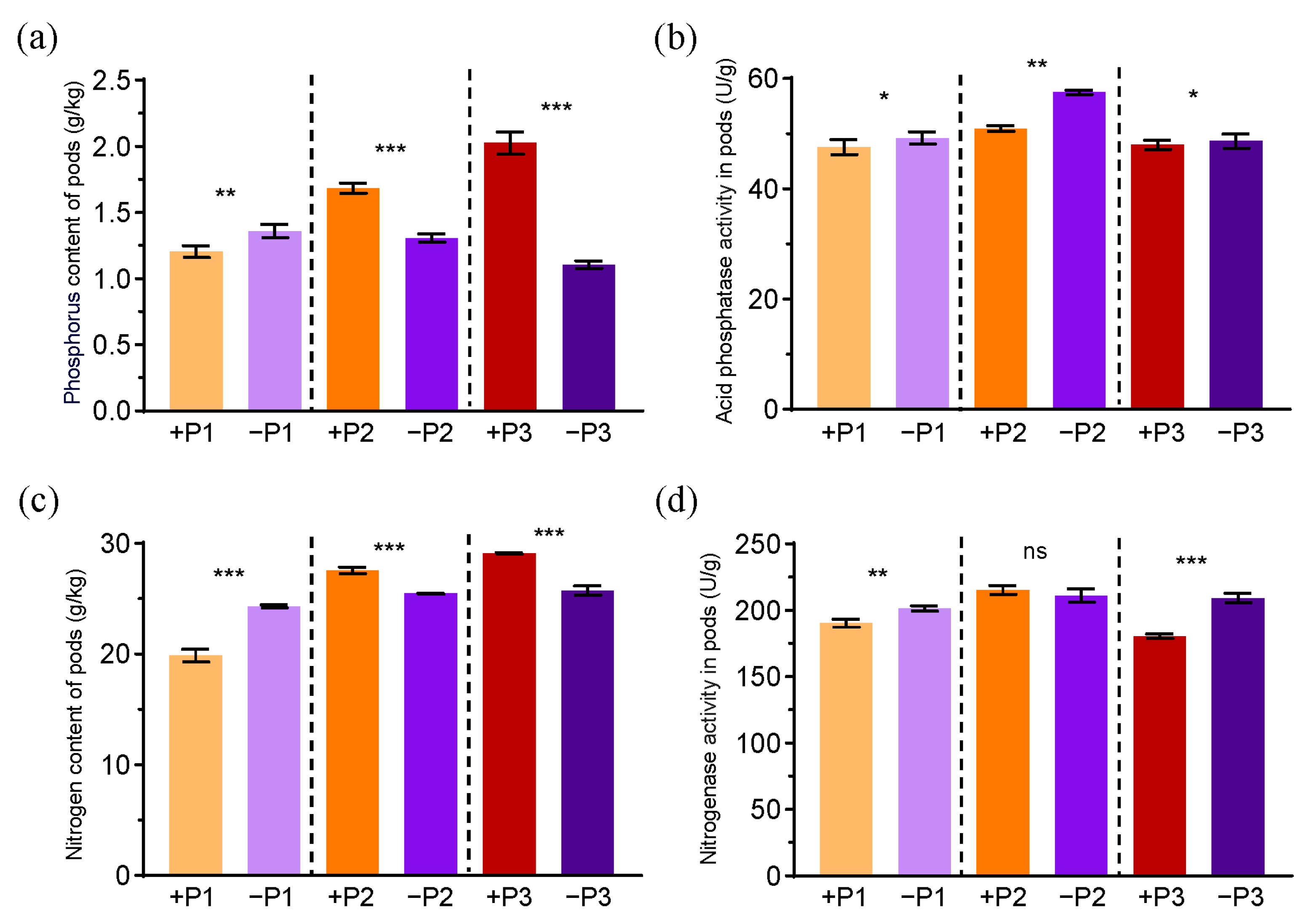
To investigate pod-specific nutrient uptake, targeted phosphorus fertilization (+P or −P) was applied exclusively to physically isolated pod zones. The +P treatment notably increased the phosphorus content of the pods (Figure 2a), and this content exhibited an upward trend as the pods matured. However, this trend was not observed in the −P group. In comparison to the −P treatment, the +P treatment resulted in a reduction in the content of acid phosphatase (ACP) in the pods (Figure 2b). Furthermore, the +P treatment significantly augmented the nitrogen content of the pods at the +P2 and +P3 stages (Figure 2c), but it did not elevate the content of nitrogenase (NITS) in the pods. Conversely, the nitrogenase content in the pods decreased at the +P3 stage (Figure 2d).
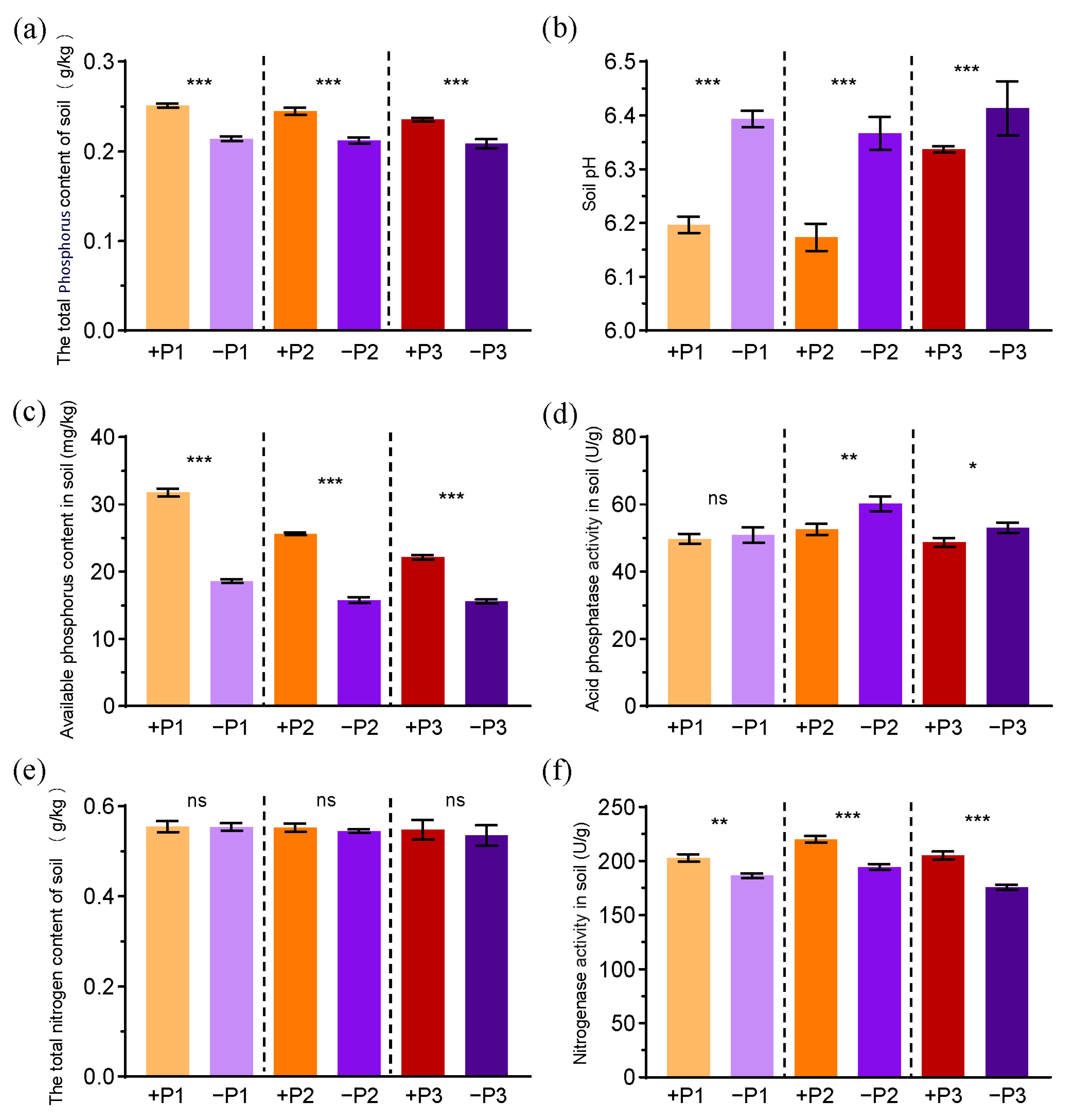
In comparison to the −P treatment, the +P treatment resulted in a decrease in the pH value of the geocarposphere soil (Figure 3b) and a significant increase in both the total phosphorus content (Figure 3a) and the acid-available phosphorus content in the geocarposphere soil (Figure 3c). The acid phosphatase (ACP) content in the geocarposphere soil reached its peak during the −P2 stage in the −P treatment, while there were no notable differences among the other samples (Figure 3d). The +P treatment had no impact on the total nitrogen content of the samples (Figure 3e), but the nitrogenase (NITS) content in the geocarposphere soil was consistently higher than that of the −P treatment at all developmental stages (Figure 3f).
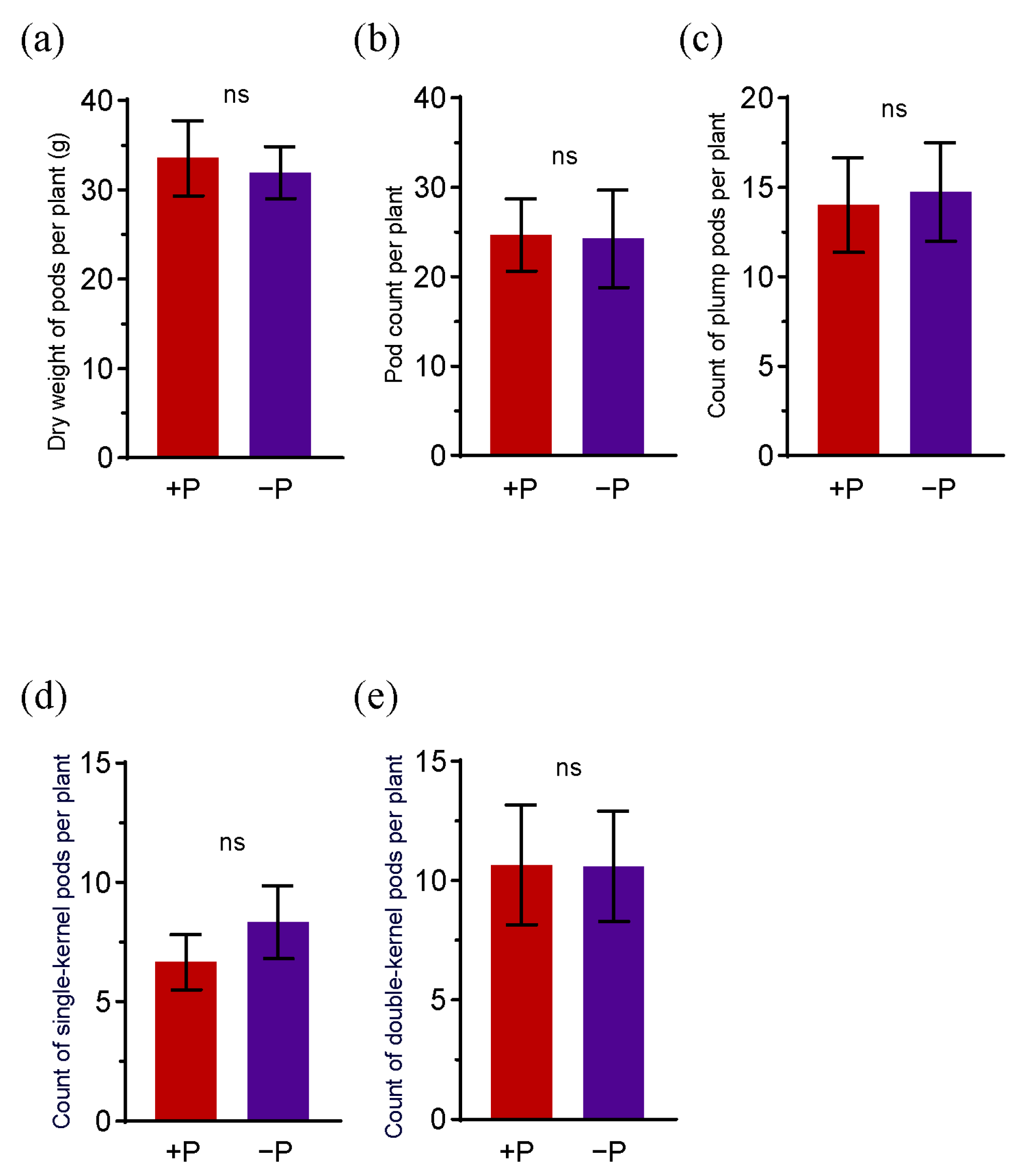
In comparison with the −P treatment, the +P treatment did not cause statistically significant differences in dry pod weight, pod number, plump pod number, or the proportions of pods with one and two seeds per pod (Figure A1a–e).

3.2. The Effect of Applying Phosphorus Fertilizer in the Peanut Pod Zone on PSB and NFB in the Soil Surrounding the Pods

Phosphorus application in the pod zone significantly altered phosphorus-solubilizing bacterial composition while reducing nitrogenase content in the corposphere soil (Figure 3f).
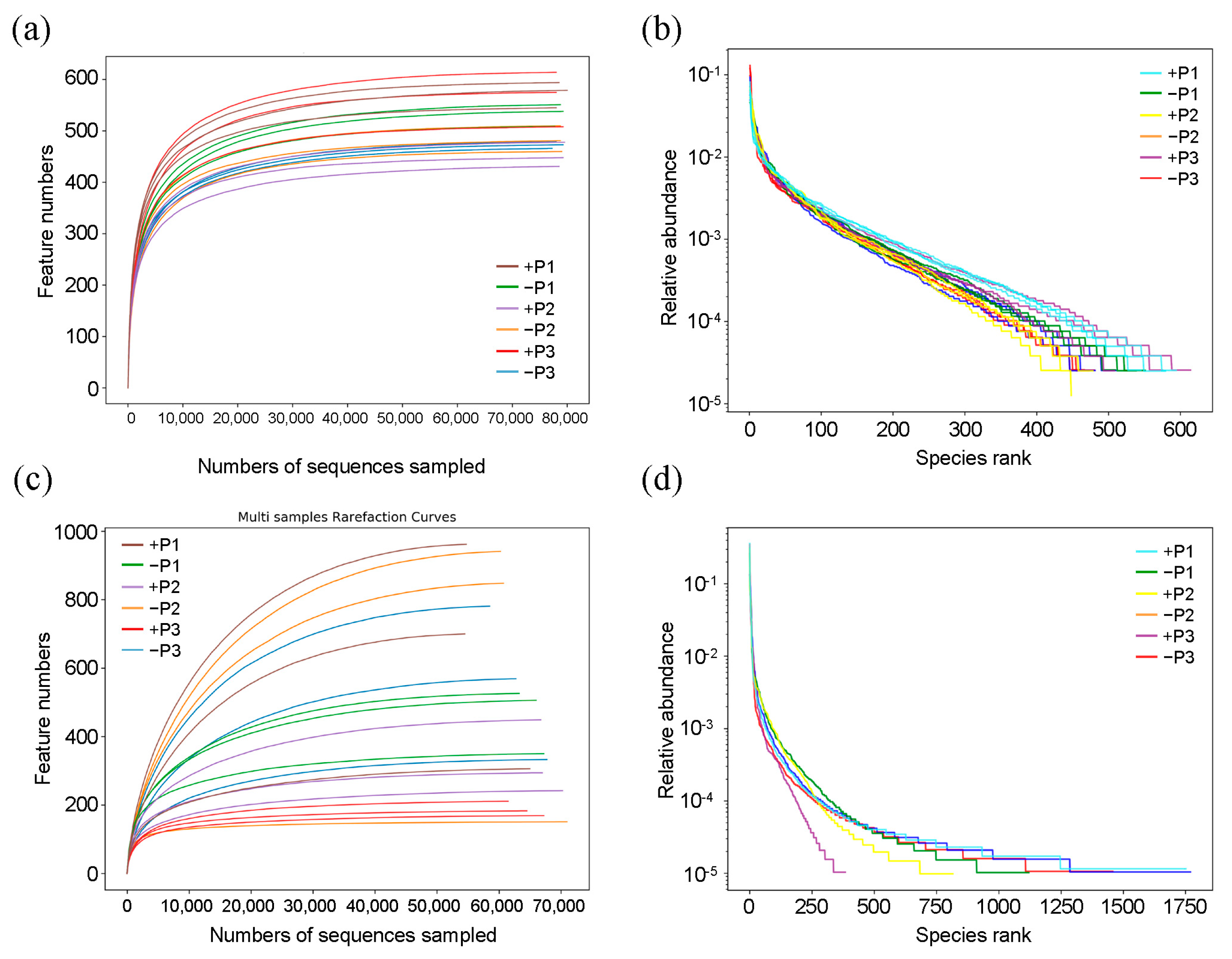
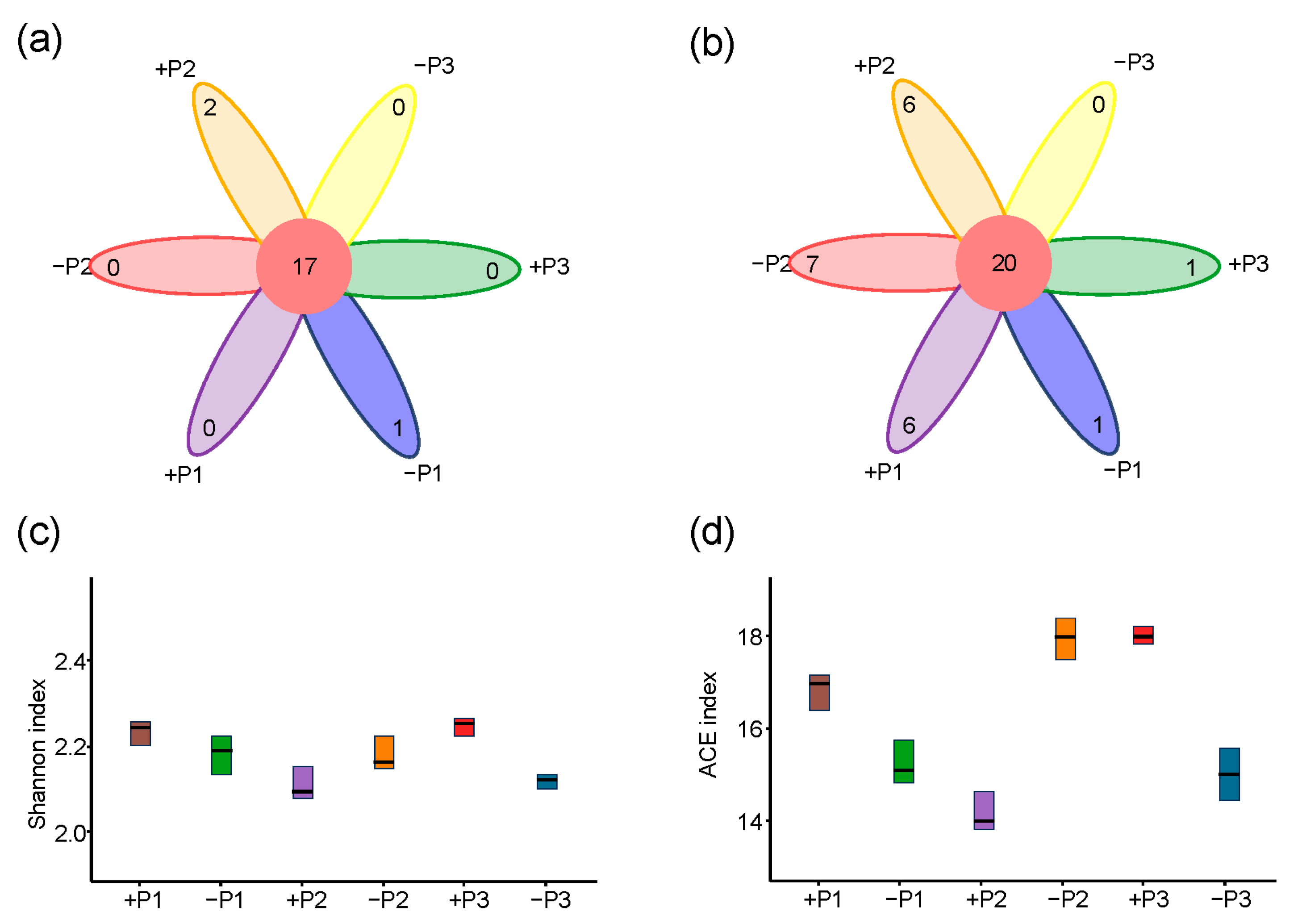
For phosphorus-solubilizing bacteria, analysis revealed a high degree of species overlap across treatments in Venn diagrams (Figure 4a), with sequencing depth validated by rarefaction and rank abundance curves (Figure A1a,b). The Shannon index of phosphorus-solubilizing bacteria decreased slightly during the developmental phases from beginning pod (Period 1) to beginning seed (Period 2) under +P treatment (Figure 4c), while the Ace index showed distinct patterns: under +P treatment, microbial abundance initially decreased then increased, with highest abundance at +P3 stage; conversely, under −P treatment, abundance first increased then decreased, also showing peak abundance at +P3 stage (Figure 4d).
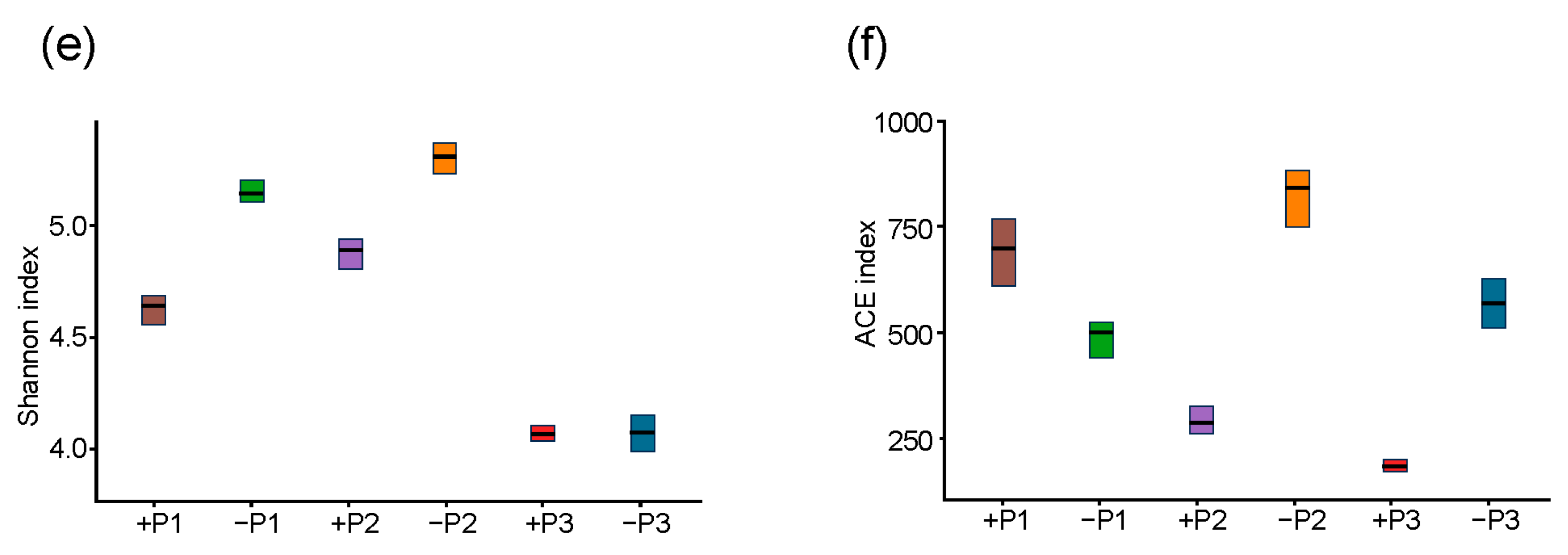
For nitrogen-fixing bacteria, Venn diagrams demonstrated a moderate degree of species distribution similarity across treatments (Figure 4b), supported by adequate sequencing depth (Figure A2c,d). Diversity analysis showed the Shannon index decreased slightly under +P treatment and exhibited consistent developmental dynamics across both treatments, peaking at the +P2 stage (Figure 4e). The Ace index displayed contrasting patterns: gradual decrease under +P treatment from +P1 to +P3 stages, while under −P treatment it initially increased then slowly decreased, reaching maximum at the −P2 stage (Figure 4f).
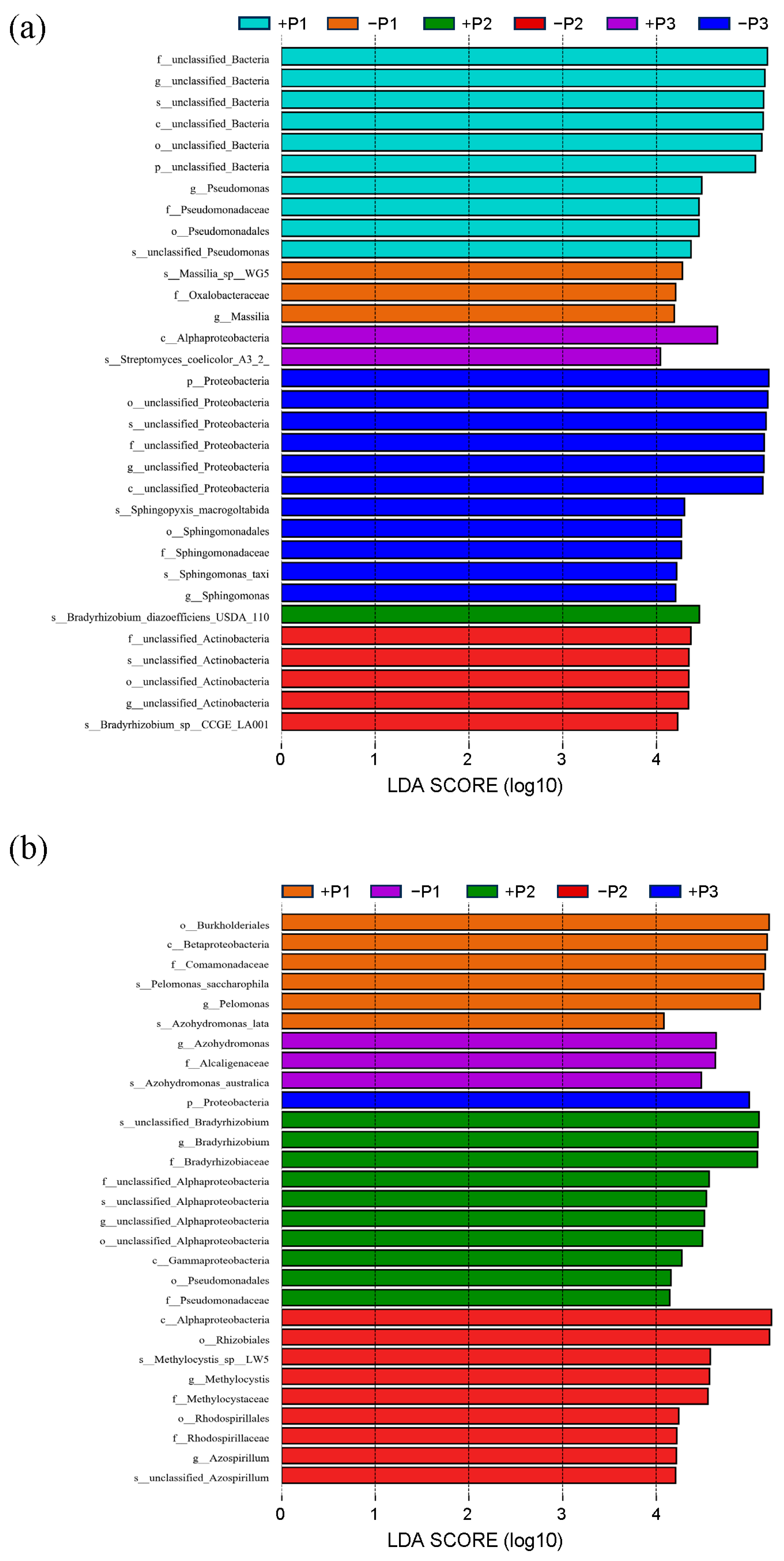
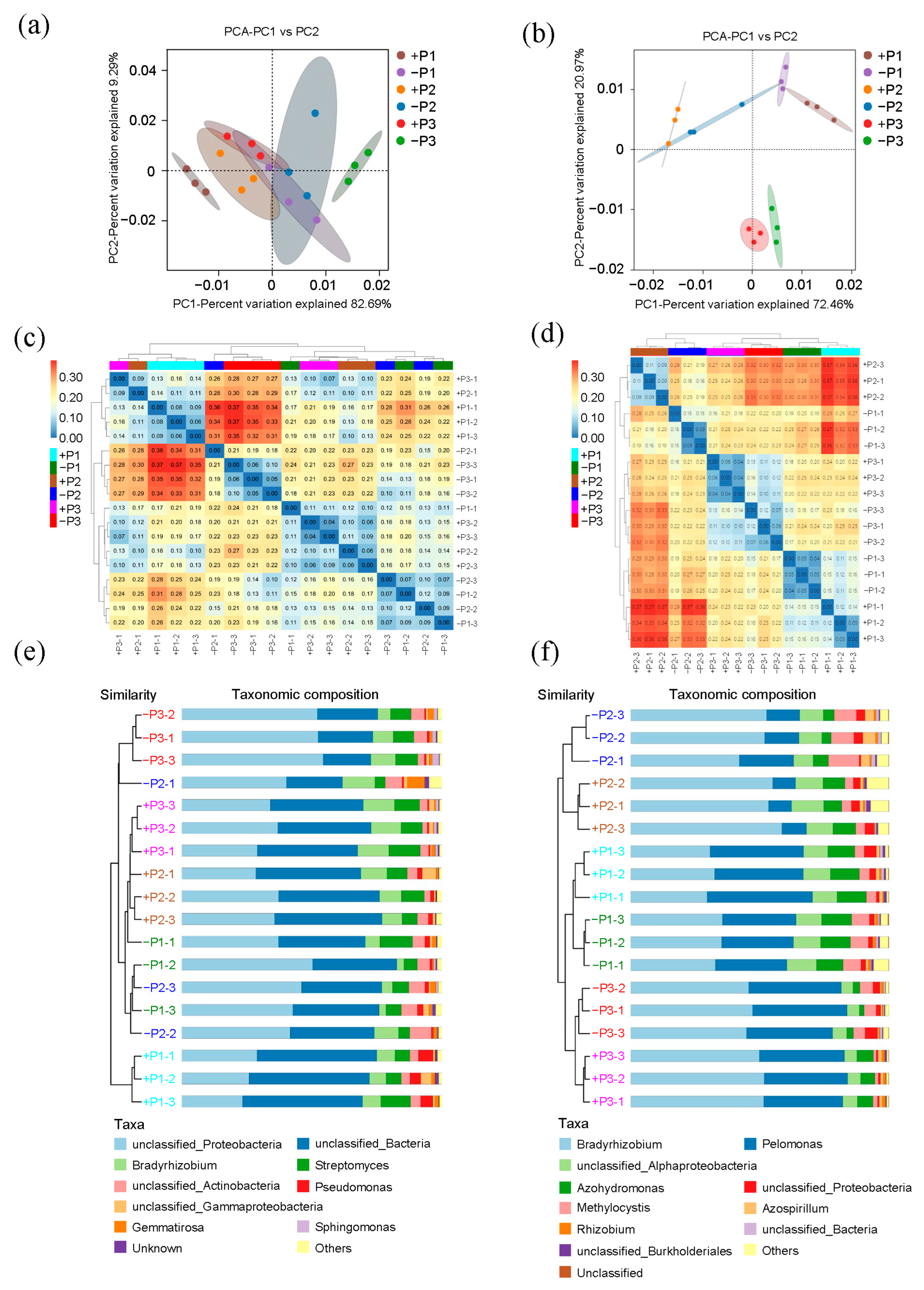
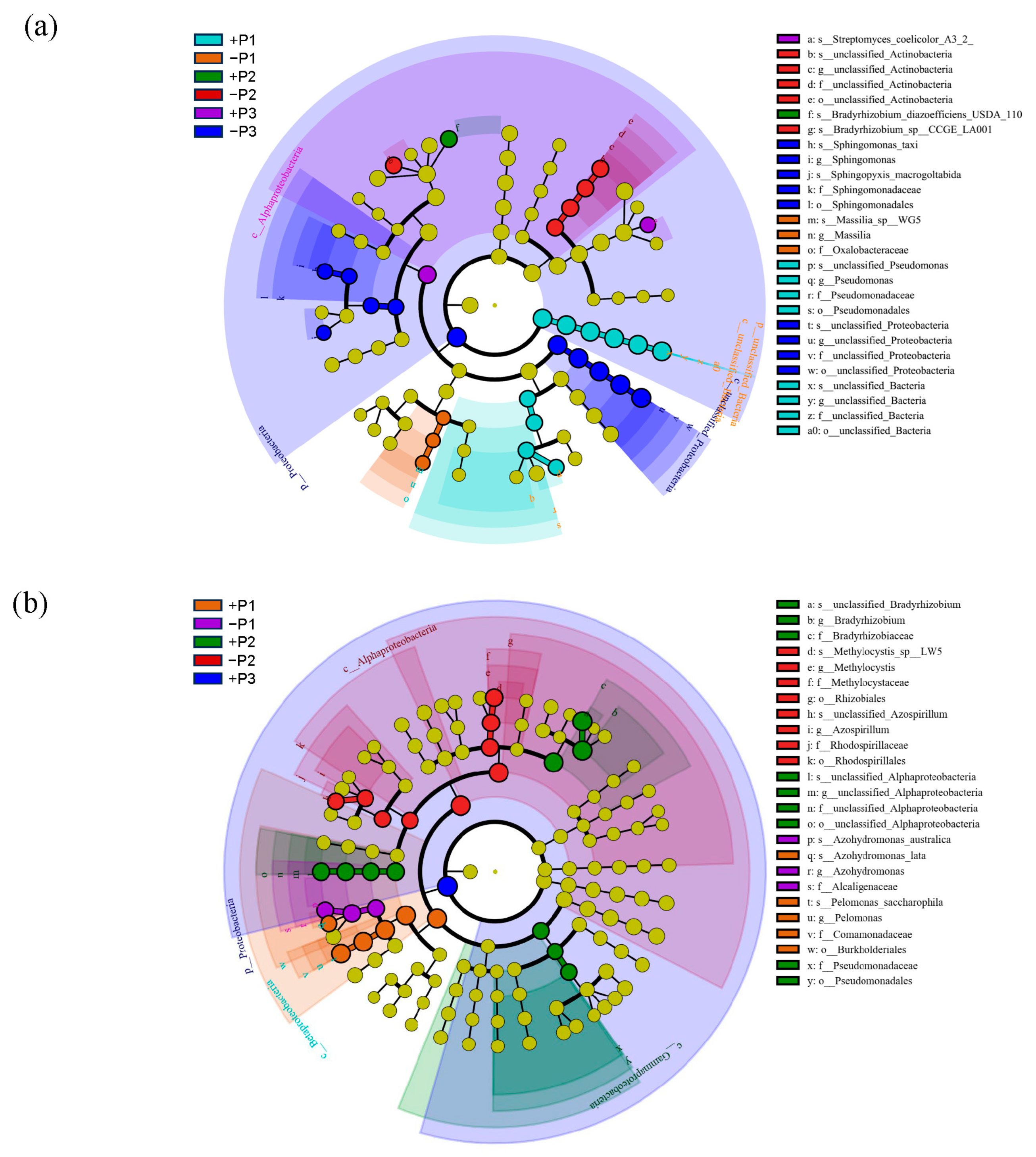
PC1 and PC2 explained 82.69% and 9.29% of the variation, showing a clear separation between +P and −P samples (Figure 5a). Notably, there were significant differences in the PSB between the groups (Figure 6a and Figure A3a), highlighting distinct dominant bacterial populations in each treatment group. In the +P group, the +P1 stage was characterized by the dominance of g unclassified Bacteria and Pseudomonas genera. During the +P2 stage, Bradyrhizobium diazoefficiens USDA_110 emerged as the dominant species, while Streptomyces coelicolor A3_2 prevailed during the +P3 stage. In contrast, the −P group exhibited Massilia as the dominant genus during the −P1 stage, followed by unclassified_Actinobacteria as the dominant genus and Bradyrhizobium sp CCGE_LA001 as the dominant species during the −P2 stage. Finally, during the −P3 stage, unclassified_Proteobacteria and Sphingomonas were the dominant genera.
Principal Component Analysis (PCA) was performed (Figure 5b), revealing no significant difference between the +P and −P treatments in terms of NFB. The observed variation primarily stemmed from the developmental stages of the pods, with PC1 and PC2 accounting for 72.46% and 20.97% of the variation, respectively. The analysis of NFB between groups (Figure 6b and Figure A3b) demonstrated distinct dominant bacterial populations in each treatment group, with closer phylogenetic relationships among the dominant species within the same pod developmental stage across different treatments. In the +P group, Pelomonas emerged as the dominant genus, and Azohydromonas lata as the dominant species during the +P1 stage. Bradyrhizobium and unclassified_Alphaproteobacteria were the dominant genera during the +P2 stage, while Proteobacteria dominated during the +P3 stage. In the −P group, Azohydromonas was the dominant genus during the −P1 stage, Pelomonas during the −P2 stage, and no dominant bacterial population was observed during the −P3 stage.
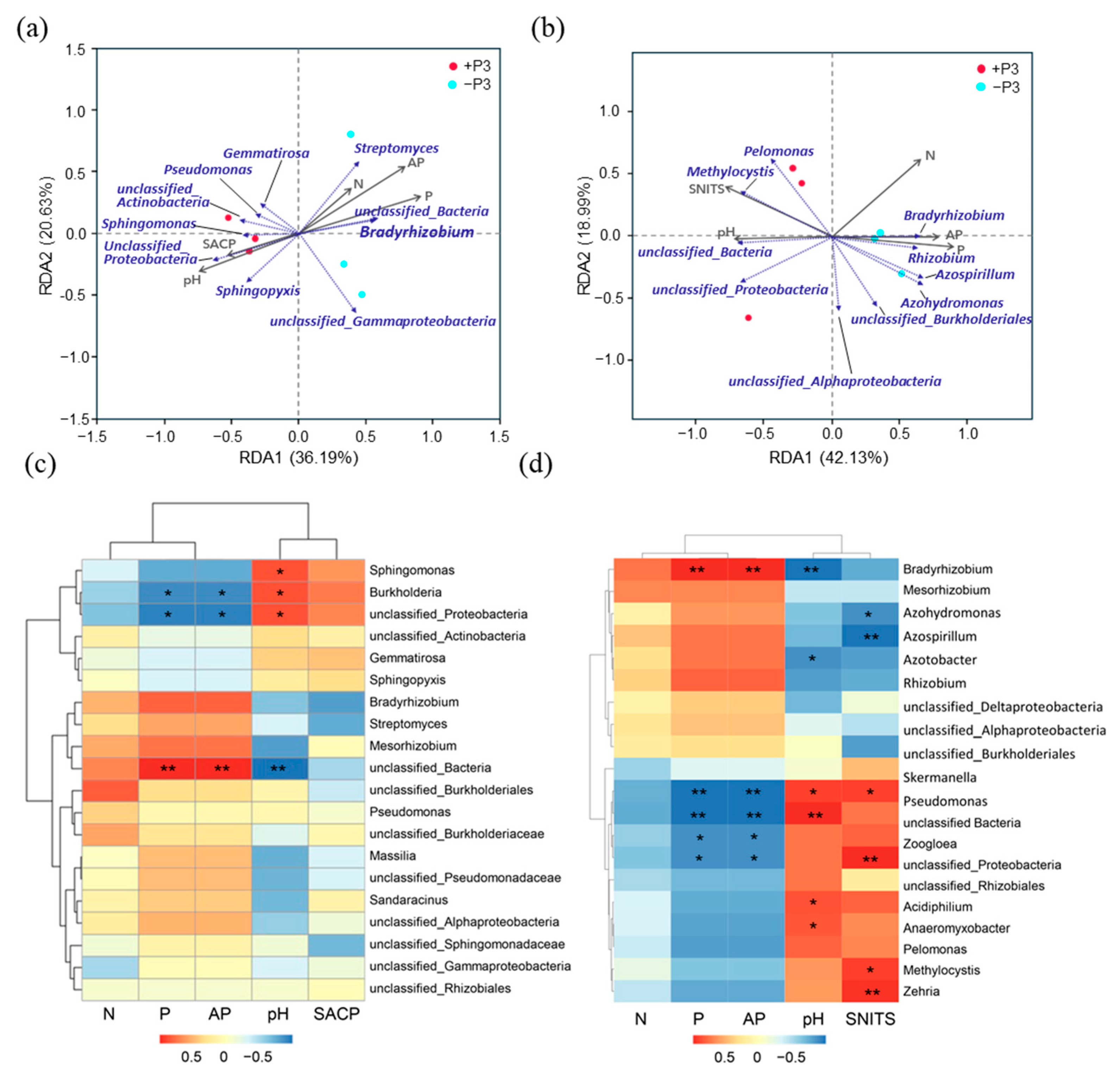
Correlation of P-solubilizing bacteria with phosphorus-related soil parameters was conducted (Figure 7a,c). Within the PSB community, the +P group exhibited a positive correlation with P, N, and AP, while displaying a negative correlation with pH and SACP. Conversely, the −P group demonstrated the opposite pattern, with a positive correlation observed with pH and SACP, and a negative correlation observed with P, N, and ACP. Among the bacterial species that showed significant differences, Sphingomonas displayed a positive correlation with pH. Burkholderia and unclassified_Proteobacteria were negatively correlated with P and AP but positively correlated with pH. Additionally, unclassified_Bacteria exhibited a positive correlation with P and AP, and a negative correlation with pH. These findings suggest that the application of phosphorus fertilizer in the peanut pod zone leads to notable variations in the abundance of PSB in the geocarposphere soil.
Correlation of N-fixing bacteria with nitrogen-related soil parameters was conducted (Figure 7b,d). Among the NFB community, the +P group showed a positive correlation with P, N, and AP, while displaying a negative correlation with pH and SNITS. In contrast, the −P group exhibited the opposite pattern, with a positive correlation with pH and SNITS, and a negative correlation with P, N, and AP. Among the significantly different bacterial species, Bradyrhizobium exhibited a positive correlation with P and AP, while Pseudomonas, unclassified_Bacteria, Zoogloea, and unclassified_Proteobacteria showed a negative correlation with both P and AP. In terms of pH correlation, Pseudomonas, unclassified_Bacteria, Acidiphilium, and Anaeromyxobacter demonstrated a positive correlation, whereas Bradyrhizobium and Azotobacter displayed a negative correlation. Regarding SNITS, Pseudomonas, unclassified_Proteobacteria, Methylocystis, and Zehria showed a positive correlation, while Azohydromonas and Azospirillum exhibited a negative correlation.

3.3. The Effects of Phosphorus Fertilizer Application in the Peanut Pod Zone on Physiological Indices of Peanut Aerial and Root Components

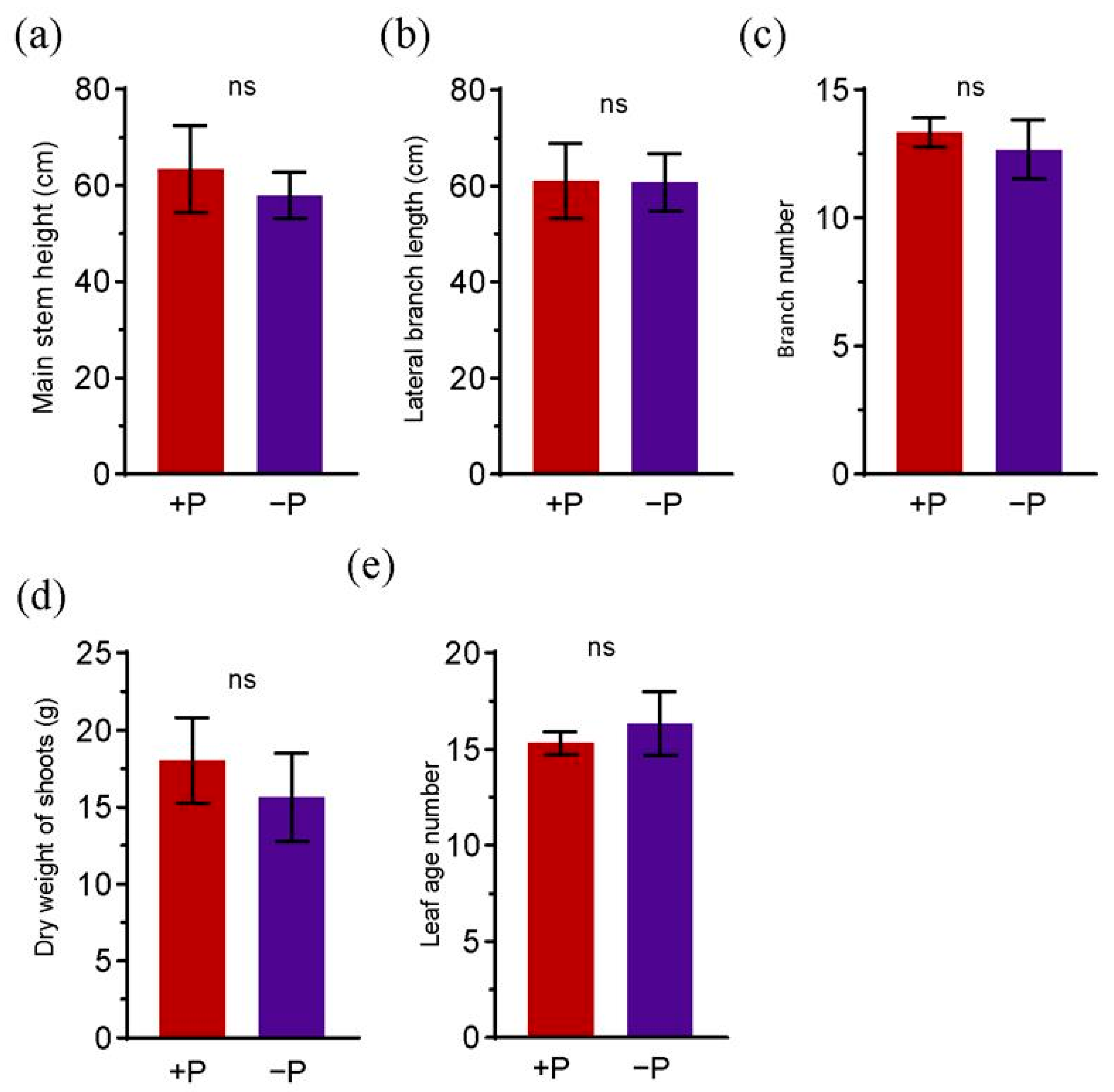
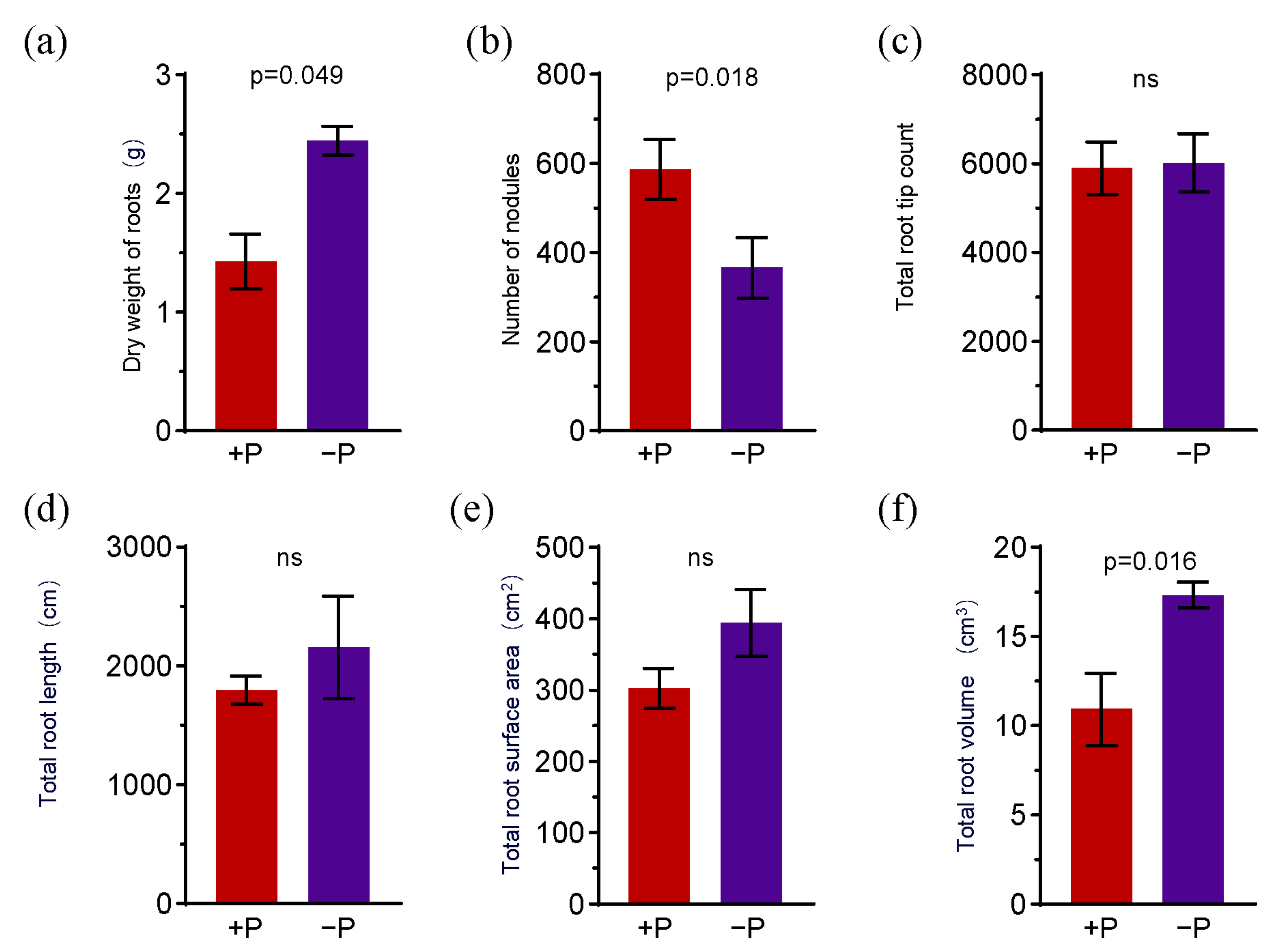
Compared to the −P treatment, the +P treatment resulted in a slight increase in the main stem height, branch number, and dry mass of stems and leaves of peanuts (Figure A4a,c,e). However, these differences were not statistically significant after conducting the appropriate statistical analysis. No visible differences were observed in lateral branch length and leaf age between the +P and −P treatments (Figure A4b,d). Following the +P treatment, there was a significant decrease in the dry weight of roots (Figure 8a), number of root tips (Figure 8c), total root length (Figure 8d), total root surface area (Figure 8e), and total root volume (Figure 8f). The reduction rates were 52.1%, 44.5%, 75%, 33.6%, and an unspecified percentage for total root volume, respectively. Conversely, the number of root nodules increased by 67.3% (Figure 8b).

4. Discussion

4.1. Peanut Pods Can Directly Absorb Phosphorus from the Soil to Support the Growth and Development of the Kernels

Peanuts are unique among crop plants in how they develop. After pollination and fertilization, the peanut plant undergoes a process called geocarpy, where the fertilized ovary elongates and grows down into the soil [22]. The developing peanut, therefore, matures underground, which is unusual among food crops [23]. This growth habit has implications for how peanuts absorb nutrients, including phosphorus.
Phosphorus is a critical nutrient for all plants, including peanuts. It plays a key role in energy transfer, photosynthesis, nutrient movement within the plant, and is a component of DNA and RNA [4,24]. In peanuts, as in other plants, phosphorus is primarily absorbed by the root system in the form of phosphate ions from the soil solution [25].
The underground development of the peanut pod allows for the direct absorption of nutrients from the soil [26].
The direct absorption of phosphorus (P) by peanut pods is rarely reported. Phosphorus is typically absorbed by the root system and then transported to other parts of the plant [27]. While phosphorus is essential for plant growth and development, including energy transfer, photosynthesis, and nutrient transport [7], its direct absorption by peanut pods is not well-studied. This could be due to the fact that phosphorus is typically less mobile in the soil than calcium, making it less available for direct absorption by the pods [28]. According to our research findings, the application of phosphorus fertilizer exclusively in the pod region leads to an increase in the phosphorus content of peanut kernels. At the same time, the development of the root system was inhibited, and the total length, surface area, volume, and total branching number of the roots decreased (Figure 6a). This suggests possible direct pod absorption as the source of increased kernel phosphorus content., which leads to a decrease in the root’s demand for phosphorus absorption.

4.2. The Alterations in the Community of PSB in the Geocarposphere Suggest That Peanut Pods Possess an Autonomous Mechanism for Regulating the Uptake of Phosphorus Elements

Previous studies have shown that the community of PSB in the rhizosphere and endosphere of peanut plants is diverse and dynamic, and it plays a significant role in P acquisition by peanut plants [29,30]. However, little is known about the alterations in the community of PSB in the peanut geocarposphere, which is the interface between the root and the fruit.
Recent studies have revealed that the community of PSB in the peanut geocarposphere is distinct from that in the rhizosphere and endosphere, and it undergoes significant changes during peanut pod development [29,31]. The diversity of PSB in the peanut geocarposphere decreased significantly as the peanut pod developed [32]. The change in PSB community composition may be related to the different nutritional requirements of peanut plants at different stages of development [33]. The abundance of PSB in the peanut geocarposphere was positively correlated with the P content in the peanut pods (r = 0.72, p < 0.05), suggesting that PSB may play a direct role in P uptake by peanut plants [34,35]. Several other studies have also documented alterations in the community of PSB within peanut and the rhizosphere. These studies also have shed light on the potential functions of PSB in facilitating phosphorus (P) acquisition by peanut plants. Inoculation of peanuts with Serratia sp. J260 and Pantoea sp. J49 resulted in enhanced seed germination, plant growth, and phosphorus (P) content. A study was conducted to screen PSB with high resistance to NaCl from the rhizosphere of peanuts in saline soil; The isolated strains from this screening can serve as effective biological inoculants, providing protection to peanuts against salt stress and enhancing the absorption of phosphorus by plants [36]. Our research also indicates that peanut pods have the ability to sense changes in phosphorus levels in the soil, regulate the release of alkaline phosphatase, and alter the species diversity and abundance of PSB. This suggests that the pods may regulate phosphorus uptake through microbial interaction for absorbing phosphorus from the soil. Overall, these studies suggest that the community of PSB in the peanut geocarposphere undergoes significant changes during peanut pod development and plays a crucial role in P acquisition by peanut plants. Further research is needed to elucidate the mechanisms underlying these changes and to develop strategies for improving P use efficiency in peanut crops through manipulation of PSB communities.

4.3. The Inhibition of Peanut Root Development and the Fluctuation in the Abundance of NFB in the Peanut Geocarposphere Indicate the Correlation Between Peanut Absorption of Various Elements

Root development is a critical factor in nutrient uptake by plants [37]. In peanuts, the primary root system consists of a taproot and several lateral roots [38]. The taproot penetrates deep into the soil to access water and nutrients, while the lateral roots spread horizontally to increase the surface area for nutrient absorption [39]. Additional research findings indicate that under conditions of low phosphorus stress, the growth of peanut roots is facilitated, resulting in a noteworthy augmentation of root surface area. Consequently, this enhancement contributes to an improved phosphorus absorption efficiency in peanuts, thereby ensuring an adequate phosphorus supply for the plant [40]. This suggests that P availability can influence root development and, consequently, nutrient uptake in peanuts.
NFB are another crucial factor influencing nutrient acquisition by peanuts [41]. These bacteria form a symbiotic relationship with leguminous plants, such as peanuts, and convert atmospheric N2 into ammonia through a process called nitrogen fixation. This ammonia is then used by the plant for protein synthesis and other metabolic processes [42]. The abundance of NFB in the soil is influenced by various factors, including soil type, pH, and organic matter content [43]. A study found that the abundance of NFB in the rhizosphere of peanut plants was positively correlated with plant growth and N uptake [44]. This suggests that the presence of NFB can enhance nutrient availability for peanut plants.
The efficiency of plant nutrient utilization can be influenced by the antagonistic or synergistic interactions between multiple elements in the soil, leading to reductions or enhancements in crop yields. For example, phosphorus is a crucial element that negatively affects zinc absorption; the absorption of zinc by plants decreases as the phosphorus content in the soil increases [45]. Similarly, a study by Kumar et al. (2014) [46] showed that the absorption of N and P in peanut plants was also positively correlated, indicating that these two elements may interact synergistically during absorption.
Our findings demonstrate that the application of phosphorus fertilizer in the pod region has a significant impact on root growth. Various indicators, such as the dry weight (p = 0.049), total length (p = 0.054), surface area (p = 0.052), and branch number of roots (p = 0.061), are all negatively affected. This suggests that an adequate supply of phosphorus in the pod region may negatively regulate root development, thereby reducing the pressure on roots to absorb phosphorus elements. However, this also leads to a deficiency in the absorption of other elements by the roots. The application of phosphorus fertilizer in the pod region results in shorter roots but an increased number of root nodules, which may be an adaptive response to compensate for insufficient nitrogen absorption. Additionally, we observed an increase in the abundance of NFB in the geocarposphere, accompanied by a significant rise in the nitrogen content of the kernels. These findings suggest a possible link that the nutrient requirements during pod development influence the plant’s growth strategy and have implications for the surrounding soil environment. Although our findings suggest that the application or omission of phosphorus fertilizer in the pod region can influence nitrogen absorption, it remains unclear whether this affects the uptake of other macronutrients and trace elements by peanut plants.

4.4. The Capacity of Peanut Pods to Directly Absorb Nutrients from the External Environment Is Worthy of Exploration, as It Can Significantly Enhance Both the Yield and Quality of Peanuts

While conventional understanding holds that peanut pods rely primarily on the root system for nutrient supply, mounting evidence indicates their capacity for direct nutrient acquisition. Multiple studies have confirmed the direct absorption of mineral elements such as calcium by peanut pods [15,47]. Our findings regarding phosphorus-induced shifts in the geocarposphere microbial community further substantiate the potential for direct pod-nutrient interactions. Future research should employ isotope tracing techniques combined with our root-pod separation system to quantitatively assess the respective nutrient acquisition contributions of roots and pods. This approach will help elucidate the underlying mechanisms of direct nutrient uptake by pods and their role in overall nutrient acquisition. Hence, innovative approaches are needed to precisely quantify the amount and rate of nutrient absorption. The study of direct nutrient absorption by peanut pods necessitates meticulous control of external factors that may impact the results. These factors encompass soil type, soil fertility, moisture levels, temperature, and the presence of other nutrients or chemicals in the soil. Controlling for these variables can be arduous, particularly when conducting field studies under natural conditions. Despite the challenges, comprehending the direct nutrient absorption by peanut pods could yield significant implications for peanut cultivation, breeding programs, and soil management practices.

5. Conclusions

The application of phosphorus fertilizer exclusively to the pod region directly enhances the phosphorus content of peanut kernels and alters the composition of phosphate-solubilizing bacteria (PSB) on the pod surface. While not significantly affecting root architecture, this treatment increases root nodule formation, potentially improving nitrogen utilization efficiency and subsequently elevating kernel nitrogen content through enriched nitrogen-fixing bacteria (NFB) populations. These findings support the possibility of direct nutrient absorption by pods and reveal a coordinated phosphorus-nitrogen interplay mediated through microbial communities. Future studies should focus on elucidating the biological mechanisms of pod nutrient uptake, including identification of specific transport proteins in the pod pericarp and characterization of the microbial functional genes involved in this process, to provide a mechanistic foundation for developing precision fertilization strategies.

Author Contributions

Q.W., M.L. and L.Y. conceived the study, led the research, and wrote the paper. Q.W. contributed to the development of the study and writing and editing. P.S. and H.L. carried out data analysis and contributed to writing and editing. Q.W. and D.C. carried out data analysis and created the figures. All authors have read and agreed to the published version of the manuscript.

Funding

This research was supported by National Natural Science Foundation of China (32401792, 32401759), Natural Science Foundation of Shandong Province (ZR2022MC074), Major Scientific and Technological Innovation Projects in Shandong Province (2019JZZY010702), Agricultural Science and Technology Innovation Engineering of Shandong Academy of Agricultural Sciences (CXGC2025C19), Key R&D Program of Shandong Province (2023TZXD007).

Data Availability Statement

The datasets generated during the current study have been submitted to National Center for Biotechnology Information (NCBI) Sequence Read Archine (SRA) database number: PRJNA1098429, PRJNA1098440.

Acknowledgments

We extend our gratitude to Xuejun Lu and Jianhua Sun for their help with field management and yield data collection.

Conflicts of Interest

The authors declare no conflicts of interest.

Abbreviations

The following abbreviations are used in this manuscript:
PSBPhosphorus Solubilizing Bacteria
NFBNitrogen Fixing Bacteria

Appendix A

Figure A1. Phenotypic indicators of peanut pods for variety ‘Huayu 952’ in pod zone with or without phosphorus fertilizer application. (a) Dry weight of pods; (b) Pod count per plant; (c) Count of plump pods per plant; (d) Count of single-kernel pods per plant; (e) Count of double-kernel pods per plant. Data are the means ± S.D., n = 5. Student’s t-test. ns, not significant.
Agronomy 15 02850 g0a1
Figure A2. Rarefaction curves and rarefaction abundance curves of phosphate-solubilizing bacteria and NFB at the OTU level. (a) Rank abundance curve of phosphate-solubilizing bacteria at the OTU level; (b) Rank abundance curve of phosphate-solubilizing bacteria at the OTU level; (c) Rarefaction curve analysis of NFB at the OTU level; (d) Rarefaction curve analysis of NFB at the OTU level.
Agronomy 15 02850 g0a2
Figure A3. LDA discriminant result graph of phosphate-solubilizing bacteria and NFB. (a) LDA discriminant result graph of PSB; (b) LDA discriminant result graph of NFB. The LDA discriminant column chart counts the microbial groups with significant effects in the six groups. The larger the LDA score is, the greater the impact of species abundance on the difference effect.
Agronomy 15 02850 g0a3
Figure A4. Phenotypic indicators of peanut shoots for variety ‘Huayu 952’ in pod zone with or without phosphorus fertilizer application. (a) Main stem height; (b) Lateral branch length; (c) branch number; (d) Dry weight of shoots; (e) Leaf age. Data are the means ± S.D., n = 3. Student’s t-test. ns, not significant.
Agronomy 15 02850 g0a4

References

  1. Akram, N.A.; Shafiq, F.; Ashraf, M. Peanut (Arachis hypogaea L.): A Prospective Legume Crop to Offer Multiple Health Benefits under Changing Climate. Compr. Rev. Food Sci. Food Saf. 2018, 17, 1325–1338. [Google Scholar] [CrossRef] [PubMed]
  2. Ojiewo, C.O.; Janila, P.; Bhatnagar-Mathur, P.; Pandey, M.K.; Desmae, H.; Okori, P.; Varshney, R.K. Advances in Crop Improvement and Delivery Research for Nutritional Quality and Health Benefits of Groundnut (Arachis hypogaea L.). Front. Plant Sci. 2020, 11, 29. [Google Scholar] [CrossRef] [PubMed]
  3. Toomer, O.T. Nutritional Chemistry of the Peanut (Arachis hypogaea). Crit. Rev. Food Sci. Nutr. 2018, 58, 3042–3053. [Google Scholar] [CrossRef] [PubMed]
  4. Karthika, K.S.; Rashmi, I.; Parvathi, M.S. Biological Functions, Uptake and Transport of Essential Nutrients in Relation to Plant Growth. In Plant Nutrients and Abiotic Stress Tolerance; Springer: Singapore, 2018; pp. 1–49. [Google Scholar]
  5. Kambiranda, D.M.; Vasanthaiah, H.K.; Katam, R.; Ananga, A.; Basha, S.M.; Naik, K. Impact of Drought Stress on Peanut (Arachis hypogaea L.) Product. Food Safety. Plants Environ. 2011, 1, 249–272. [Google Scholar]
  6. Crusciol, C.A.C.; Portugal, J.R.; Bossolani, J.W.; Moretti, L.G.; Fernandes, A.M.; Garcia, J.L.N.; Cantarella, H. Dynamics of Macronutrient Uptake and Removal by Modern Peanut Cultivars. Plants 2021, 10, 2167. [Google Scholar] [CrossRef]
  7. Malhotra, H.; Vandana; Sharma, S.; Pandey, R. Phosphorus Nutrition: Plant Growth in Response to Deficiency and Excess. In Plant Nutrients and Abiotic Stress Tolerance; Springer: Singapore, 2018; pp. 171–190. [Google Scholar]
  8. Raven, J.A. Interactions between Nitrogen and Phosphorus Metabolism. In Annual Plant Reviews: Phosphorus Metabolism in Plants; Plaxton, W.C., Lambers, H., Eds.; Wiley-Blackwell: Oxford, UK, 2015; Volume 48, pp. 187–214. [Google Scholar]
  9. Kamara, E.G.; Olympio, N.S.; Asibuo, J.Y. Effect of Calcium and Phosphorus Fertilizer on the Growth and Yield of Groundnut (Arachis hypogaea L.). Int. Res. J. Agric. Sci. Soil Sci. 2011, 1, 326–331. [Google Scholar]
  10. Aulakh, M.S.; Kabba, B.S.; Baddesha, H.S.; Bahl, G.S.; Gill, M.P.S. Crop Yields and Phosphorus Fertilizer Transformations after 25 Years of Applications to a Subtropical Soil under Groundnut-Based Cropping Systems. Field Crops Res. 2003, 83, 283–296. [Google Scholar] [CrossRef]
  11. Zhang, F.; Shen, J.; Zhang, J.; Zuo, Y.; Li, L.; Chen, X. Rhizosphere Processes and Management for Improving Nutrient Use Efficiency and Crop Productivity: Implications for China. Adv. Agron. 2010, 107, 1–32. [Google Scholar]
  12. Khan, M.N.; Mohammad, F. Eutrophication: Challenges and Solutions. In Eutrophication: Causes, Consequences and Control; Ansari, A.A., Gill, S.S., Eds.; Springer: Dordrecht, The Netherlands, 2014; pp. 1–15. [Google Scholar]
  13. Kabir, R.; Yeasmin, S.; Islam, A.K.M.M.; Sarkar, M.R. Effect of Phosphorus, Calcium and Boron on the Growth and Yield of Groundnut (Arachis hypogaea L.). Int. J. Bio-Sci. Bio-Technol. 2013, 5, 51–60. [Google Scholar]
  14. Wang, X.B.; Liu, W.X.; Li, Z.G.; Teng, Y.; Luo, Y.M. Effects of Long-Term Fertilizer Applications on Peanut Yield and Quality and Plant and Soil Heavy Metal Accumulation. Pedosphere 2020, 30, 555–562. [Google Scholar] [CrossRef]
  15. Kadirimangalam, S.R.; Sawargaonkar, G.; Choudhari, P. Morphological and Molecular Insights of Calcium in Peanut Pod Development. J. Agric. Food Res. 2022, 9, 100320. [Google Scholar] [CrossRef]
  16. Wissuwa, M.; Ae, N. Genotypic Variation for Phosphorus Uptake from Hardly Soluble Iron-Phosphate in Groundnut (Arachis hypogaea L.). Plant Soil 1999, 206, 163–171. [Google Scholar] [CrossRef]
  17. Li, S.; Peng, M.; Liu, Z.; Shah, S.S. The Role of Soil Microbes in Promoting Plant Growth. Mol. Microbiol. Res. 2017, 7, 30–37. [Google Scholar] [CrossRef]
  18. Rawat, P.; Das, S.; Shankhdhar, D.; Shankhdhar, S.C. Phosphate-Solubilizing Microorganisms: Mechanism and Their Role in Phosphate Solubilization and Uptake. J. Soil Sci. Plant Nutr. 2021, 21, 49–68. [Google Scholar] [CrossRef]
  19. Anand, K.; Kumari, B.; Mallick, M.A. Phosphate Solubilizing Microbes: An Effective and Alternative Approach as Biofertilizers. Int. J. Pharm. Sci. 2016, 8, 37–40. [Google Scholar]
  20. Olivares, J.; Bedmar, E.J.; Sanjuán, J. Biological Nitrogen Fixation in the Context of Global Change. Mol. Plant-Microbe Interact. 2013, 26, 486–494. [Google Scholar] [CrossRef]
  21. Franche, C.; Lindström, K.; Elmerich, C. Nitrogen-Fixing Bacteria Associated with Leguminous and Non-Leguminous Plants. Plant Soil 2009, 321, 35–59. [Google Scholar] [CrossRef]
  22. Clevenger, J.; Chu, Y.; Scheffler, B.; Ozias-Akins, P. A Developmental Transcriptome Map for Allotetraploid Arachis hypogaea. Front. Plant Sci. 2016, 7, 1446. [Google Scholar] [CrossRef]
  23. Wang, M.L.; Chen, C.Y.; Tonnis, B.; Pinnow, D.; Davis, J.; An, Y.Q.C.; Dang, P. Changes of Seed Weight, Fatty Acid Composition, and Oil and Protein Contents from Different Peanut FAD2 Genotypes at Different Seed Developmental and Maturation Stages. J. Agric. Food Chem. 2018, 66, 3658–3665. [Google Scholar] [CrossRef] [PubMed]
  24. Patel, M.; Rangani, J.; Kumari, A.; Parida, A.K. Mineral Nutrient Homeostasis, Photosynthetic Performance, and Modulations of Antioxidative Defense Components in Two Contrasting Genotypes of Arachis hypogaea L. (Peanut) for Mitigation of Nitrogen and/or Phosphorus Starvation. J. Biotechnol. 2020, 323, 136–158. [Google Scholar] [CrossRef] [PubMed]
  25. Xue, Y.; Xia, H.; Christie, P.; Zhang, L.; Li, L. Crop Acquisition of Phosphorus, Iron and Zinc from Soil in Cereal/Legume Intercropping Systems: A Critical Review. Ann. Bot. 2016, 117, 363–377. [Google Scholar] [CrossRef]
  26. Smal, H.; Kvien, C.S.; Sumner, M.E.; Csinos, A.S. Solution Calcium Concentration and Application Date Effects on Pod Calcium Uptake and Distribution in Florunner and Tifton-8 Peanut. J. Plant Nutr. 1989, 12, 37–52. [Google Scholar] [CrossRef]
  27. Shen, J.; Yuan, L.; Zhang, J.; Li, H.; Bai, Z.; Chen, X.; Zhang, F. Phosphorus Dynamics: From Soil to Plant. Plant Physiol. 2011, 156, 997–1005. [Google Scholar] [CrossRef]
  28. Lizcano-Toledo, R.; Reyes-Martín, M.P.; Celi, L.; Fernández-Ondoño, E. Phosphorus Dynamics in the Soil–Plant–Environment Relationship in Cropping Systems: A Review. Appl. Sci. 2021, 11, 11133. [Google Scholar] [CrossRef]
  29. Wang, Y.; Peng, S.; Hua, Q.; Qiu, C.; Wu, P.; Liu, X.; Lin, X. The Long-Term Effects of Using Phosphate-Solubilizing Bacteria and Photosynthetic Bacteria as Biofertilizers on Peanut Yield and Soil Bacteria Community. Front. Microbiol. 2021, 12, 693535. [Google Scholar] [CrossRef] [PubMed]
  30. Etesami, H. Enhanced Phosphorus Fertilizer Use Efficiency with Microorganisms. In Nutrient Dynamics for Sustainable Crop Production; Meena, R.S., Ed.; Springer: Singapore, 2020; pp. 215–245. [Google Scholar]
  31. Lucero, C.T.; Lorda, G.S.; Anzuay, M.S.; Ludueña, L.M.; Taurian, T. Peanut Endophytic Phosphate Solubilizing Bacteria Increase Growth and P Content of Soybean and Maize Plants. Curr. Microbiol. 2021, 78, 1961–1972. [Google Scholar] [CrossRef]
  32. Xu, W.Y.; Wang, M.L.; Sun, X.X.; Shu, C.L.; Zhang, J.; Geng, L.L. Peanut (Arachis hypogaea L.) Pod and Rhizosphere Harbored Different Bacterial Communities. Rhizosphere 2021, 19, 100373. [Google Scholar] [CrossRef]
  33. Anzuay, M.S.; Viso, N.P.; Ludueña, L.M.; Morla, F.D.; Angelini, J.G.; Taurian, T. Plant Beneficial Rhizobacteria Community Structure Changes through Developmental Stages of Peanut and Maize. Rhizosphere 2021, 19, 100407. [Google Scholar] [CrossRef]
  34. Badar, R.; Nisa, Z.; Ibrahim, S. Supplementation of P with Rhizobial Inoculants to Improve Growth of Peanut Plants. Int. J. Appl. Res. 2015, 1, 19–23. [Google Scholar]
  35. Sindhu, S.S.; Phour, M.; Choudhary, S.R.; Chaudhary, D. Phosphorus Cycling: Prospects of Using Rhizosphere Microorganisms for Improving Phosphorus Nutrition of Plants. In Geomicrobiology and Biogeochemistry; Springer: Berlin/Heidelberg, Germany, 2014; pp. 199–237. [Google Scholar]
  36. Jiang, H.; Wang, T.; Chi, X.; Wang, M.; Chen, N.; Chen, M.; Qi, P.; Xu, H. Isolation and Characterization of Halotolerant Phosphate Solubilizing Bacteria Naturally Colonizing the Peanut Rhizosphere in Salt-Affected Soil. Geomicrobiol. J. 2020, 37, 110–118. [Google Scholar] [CrossRef]
  37. Wang, H.; Inukai, Y.; Yamauchi, A. Root Development and Nutrient Uptake. Crit. Rev. Plant Sci. 2006, 25, 279–301. [Google Scholar] [CrossRef]
  38. Tajima, R.; Abe, J.; Lee, O.N.; Morita, S.; Lux, A. Developmental Changes in Peanut Root Structure during Root Growth and Root-Structure Modification by Nodulation. Ann. Bot. 2008, 101, 491–499. [Google Scholar] [CrossRef]
  39. Wang, E.; Smith, C.J. Modelling the Growth and Water Uptake Function of Plant Root Systems: A Review. Aust. J. Agric. Res. 2004, 55, 501–523. [Google Scholar] [CrossRef]
  40. Zhu, S.; Luo, L.; Zhang, X.; Zhao, M.; Wang, X.; Zhang, J.; Liu, F. Study on the Relationship of Root Morphology and Phosphorus Absorption Efficiency with Phosphorus Uptake Capacity in 235 Peanut (Arachis hypogaea L.) Germplasms. Front. Environ. Sci. 2022, 10, 855815. [Google Scholar] [CrossRef]
  41. Liang, H.; Yang, L.; Wu, Q.; Meng, C.; Zhang, J.; Shen, P. Regulation of the C:N Ratio Improves the N-Fixing Bacteria Activity, Root Growth, and Nodule Formation of Peanut. J. Soil Sci. Plant Nutr. 2023, 23, 4596–4608. [Google Scholar] [CrossRef]
  42. Raza, A.; Zahra, N.; Hafeez, M.B.; Ahmad, M.; Iqbal, S.; Shaukat, K.; Ahmad, G. Nitrogen Fixation of Legumes: Biology and Physiology. In The Plant Family Fabaceae: Biology and Physiological Responses to Environmental Stresses; Springer: Singapore, 2020; pp. 43–74. [Google Scholar]
  43. Shu, W.; Pablo, G.P.; Jun, Y.; Danfeng, H. Abundance and Diversity of Nitrogen-Fixing Bacteria in Rhizosphere and Bulk Paddy Soil under Different Duration of Organic Management. World J. Microbiol. Biotechnol. 2012, 28, 493–503. [Google Scholar] [CrossRef]
  44. Frezarin, E.T.; Santos, C.H.B.; Sales, L.R.; dos Santos, R.M.; de Carvalho, L.A.L.; Rigobelo, E.C. Promotion of Peanut (Arachis hypogaea L.) Growth by Plant Growth-Promoting Microorganisms. Microbiol. Res. 2023, 14, 316–332. [Google Scholar] [CrossRef]
  45. Aboyeji, C.M.; Dunsin, O.; Adekiya, A.O.; Suleiman, K.O.; Chinedum, C.; Okunlola, F.O.; Owolabi, I.O. Synergistic and Antagonistic Effects of Soil Applied P and Zn Fertilizers on the Performance, Minerals and Heavy Metal Composition of Groundnut. Open Agric. 2020, 5, 1–9. [Google Scholar] [CrossRef]
  46. Kumar, L.S.; Radder, B.M.; Malligawad, L.H.; Manasa, V. Effect of Nitrogen and Phosphorus Levels and Ratios on Yield and Nutrient Uptake by Groundnut in Northern Transition Zone of Karnataka. Bioscan 2014, 9, 1561–1564. [Google Scholar]
  47. McLaughlin, M.J.; Bell, M.J.; Wright, G.C.; Cozens, G.D. Uptake and Partitioning of Cadmium by Cultivars of Peanut (Arachis hypogaea L.). Plant Soil 2000, 222, 51–58. [Google Scholar] [CrossRef]
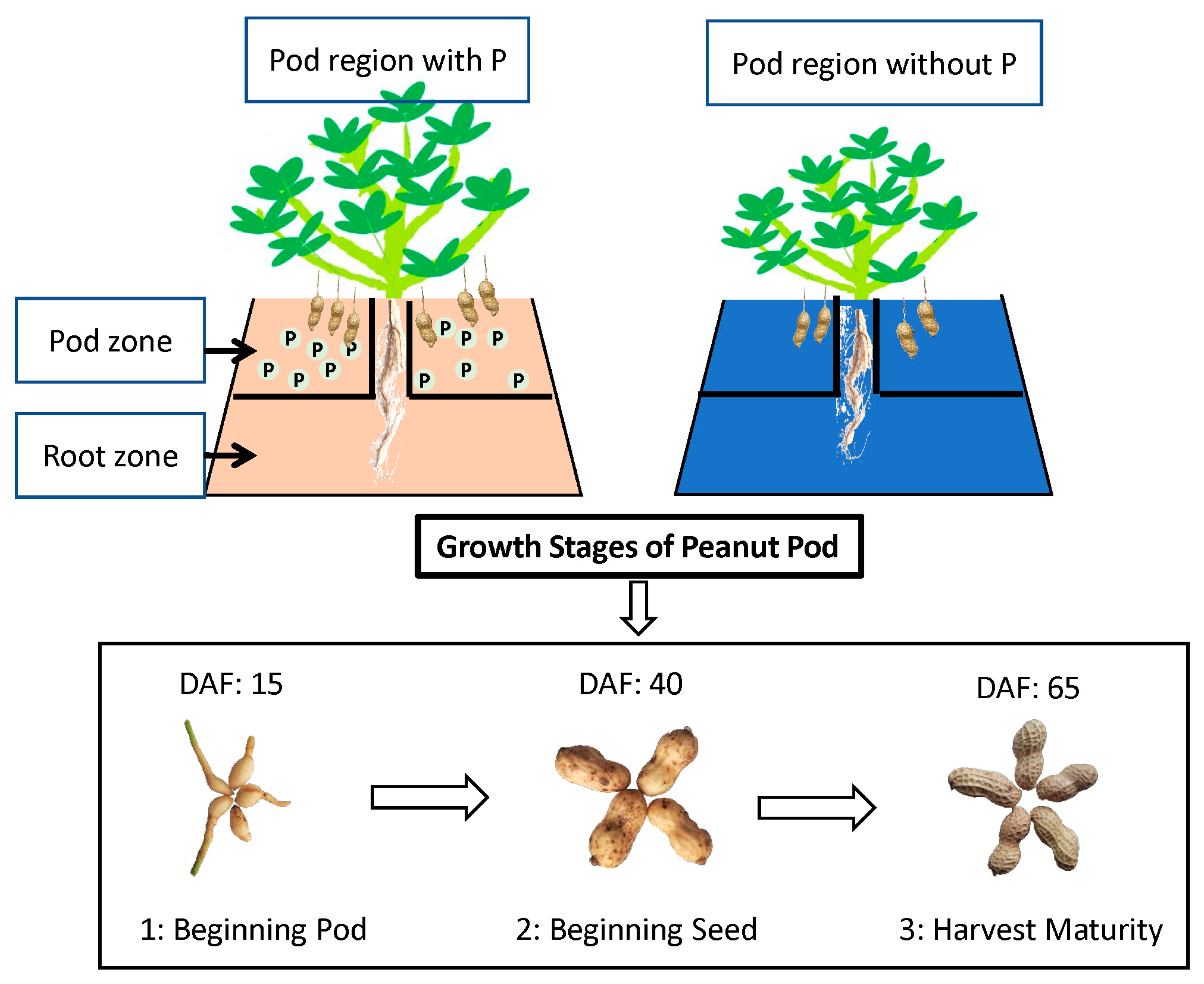
Figure 1. Schematic diagram of phosphorus application or non-application in pod zone and three periods of research.
Agronomy 15 02850 g001
Figure 2. Physiological indicators of peanut pods for variety ‘Huayu 952’ in pod zone with or without phosphorus fertilizer application. (a) Phosphorus content of pods; (b) Acid phosphatase activity in fresh pods; (c) Nitrogen content of pods; (d) Nitrogenase activity in fresh pods. +P: P-applied, −P: P-omitted. Data are the means ± S.D., n = 3. Student’s t-test. * indicate significant differences (* p < 0.05, ** p < 0.01, *** p < 0.001). ns, not significant. The dashed lines distinguish different periods, with each period undergoing independent t-test analysis.
Agronomy 15 02850 g002
Figure 3. The biochemical indicators of the geocarposphere soil for variety ‘Huayu 952’ in pod zone with or without phosphorus fertilizer application. (a) The total Phosphorus content of soil; (b) Soil pH; (c) Available phosphorus content in soil; (d) Acid phosphatase activity in soil; (e) The total nitrogen content of soil; (f) Nitrogenase activity in soil. +P: P-applied, −P: P-omitted. Data are the means ± S.D., n = 3. Student’s t-test. * indicate significant differences (* p < 0.05, ** p < 0.01, *** p < 0.001). ns, not significant. The dashed lines distinguish different periods, with each period undergoing independent t-test analysis.
Agronomy 15 02850 g003
Figure 4. Alpha diversity analysis of PSB and NFB at genus level. (a) Venn plot for genus distribution of PSB in geocarposphere; (b) Venn plot for genus distribution of NFB in geocarposphere; (c) Box plot showing the Shannon diversity index of PSB in geocarposphere; (d) Box plot showing the Ace richness index of PSB in geocarposphere; (e) Box plot showing the Shannon diversity index of NFB in geocarposphere; (f) Box plot showing the Ace richness index of NFB in geocarposphere.
Agronomy 15 02850 g004aAgronomy 15 02850 g004b
Figure 5. Beta diversity analysis of PSB and NFB at genus level. (a) Principal Component Analysis (PCA) of PSB at genus level.; (b) Principal Component Analysis (PCA) of NFB at genus level; (c) Bray–Curtis inter-sample distance of PSB at genus level; (d) Bray–Curtis inter-sample distance of NFB at genus level; (e) UPGMA dendrogram of PSB at genus level; (f) UPGMA dendrogram of NFB at genus level, In (a and b), dashed lines at the origin (PC1/PC2 intersection) serve as coordinate reference axes.
Agronomy 15 02850 g005
Figure 6. LEfSe multilevel species hierarchytree diagram of PSB and NFB. (a) LEfSe multilevel species hierarchytree diagram of PSB; (b) LEfSe multilevel species hierarchytree diagram of NFB. Branches are colored according to the treatment group where taxa are significantly enriched (LDA > 2, p < 0.05). Taxa without significant differences are shown in yellow. The diameter of each circle corresponds to the relative abundance of the taxon.
Agronomy 15 02850 g006
Figure 7. Correlation analysis of PSB communities and NFB communities with biochemical indicators of the geocarposphere soil at genus level Respectively. (a) RDA analysis of PSB communities structure with biochemical indicators of the geocarposphere soil; (b) RDA analysis of NFB communities structure with biochemical indicators of the geocarposphere soil; (c) Spearman correlation heatmap of PSB communities; (d) Spearman correlation heatmap of NFB communities; N: nitrate nitrogen; P: Phosphorus nitrogen; AP: available phosphorus; SACP: Acid phosphatase activity in soil; SNITS: Nitrogenase activity in soil; * and ** denote statistical significance at p < 0.05 and p < 0.01, respectively.
Agronomy 15 02850 g007
Figure 8. Phenotypic indicators of peanut roots for variety ‘Huayu 952’ in pod zone with or without phosphorus fertilizer application. (a) Dry mass of roots (g); (b) Number of nodules; (c) Total root tip count; (d) Total root length (cm); (e) Total root surface area (cm2); (f) Total root volume (cm3). +P: P-applied, −P: P-omitted. Data are the means ± S.D., n = 3. Student’s t-test. ns, not significant.
Agronomy 15 02850 g008
Disclaimer/Publisher’s Note: The statements, opinions and data contained in all publications are solely those of the individual author(s) and contributor(s) and not of MDPI and/or the editor(s). MDPI and/or the editor(s) disclaim responsibility for any injury to people or property resulting from any ideas, methods, instructions or products referred to in the content.