Microbial Agents Enhance Sugar Beet Yield and Quality as an Alternative to Chemical Fertilizers

Abstract
1. Introduction
2. Materials and Methods
2.1. Site Description
2.2. Experimental Design
2.3. Sample Collection
2.4. Measurement Methods for Indicators
2.4.1. Determination of Soil Enzyme Activities
2.4.2. Determination of Soil Nutrient Contents
2.5. Analysis of Microbial Diversity in Rhizosphere Soil
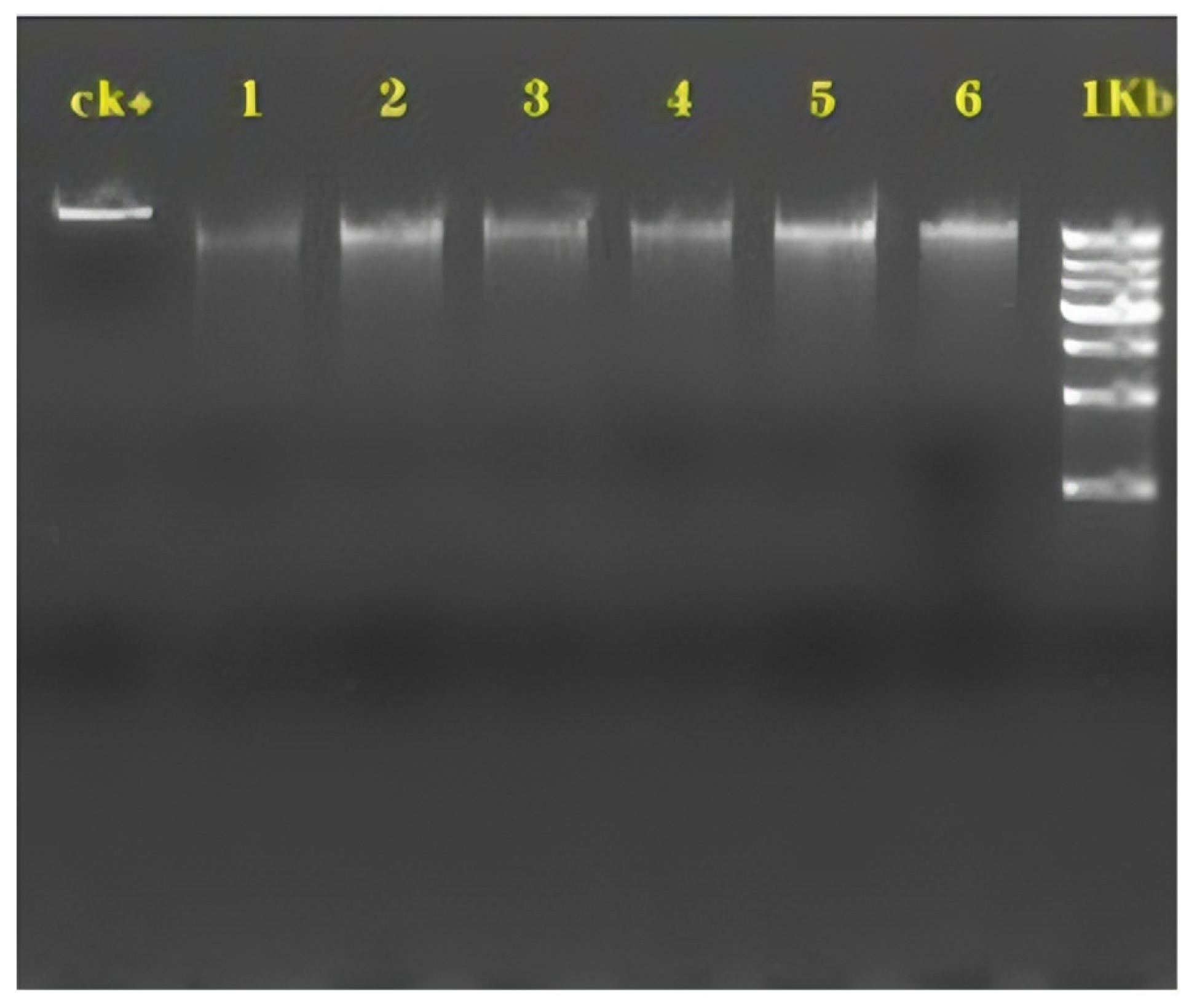
2.5.1. Sample DNA Extraction
2.5.2. PCR Amplification and Construction of Sequencing Libraries
2.5.3. Sample Quality Control
2.5.4. Analysis Pipeline
2.6. Determination of Sugar Beet Yield and Quality
2.7. Data Analysis
3. Results
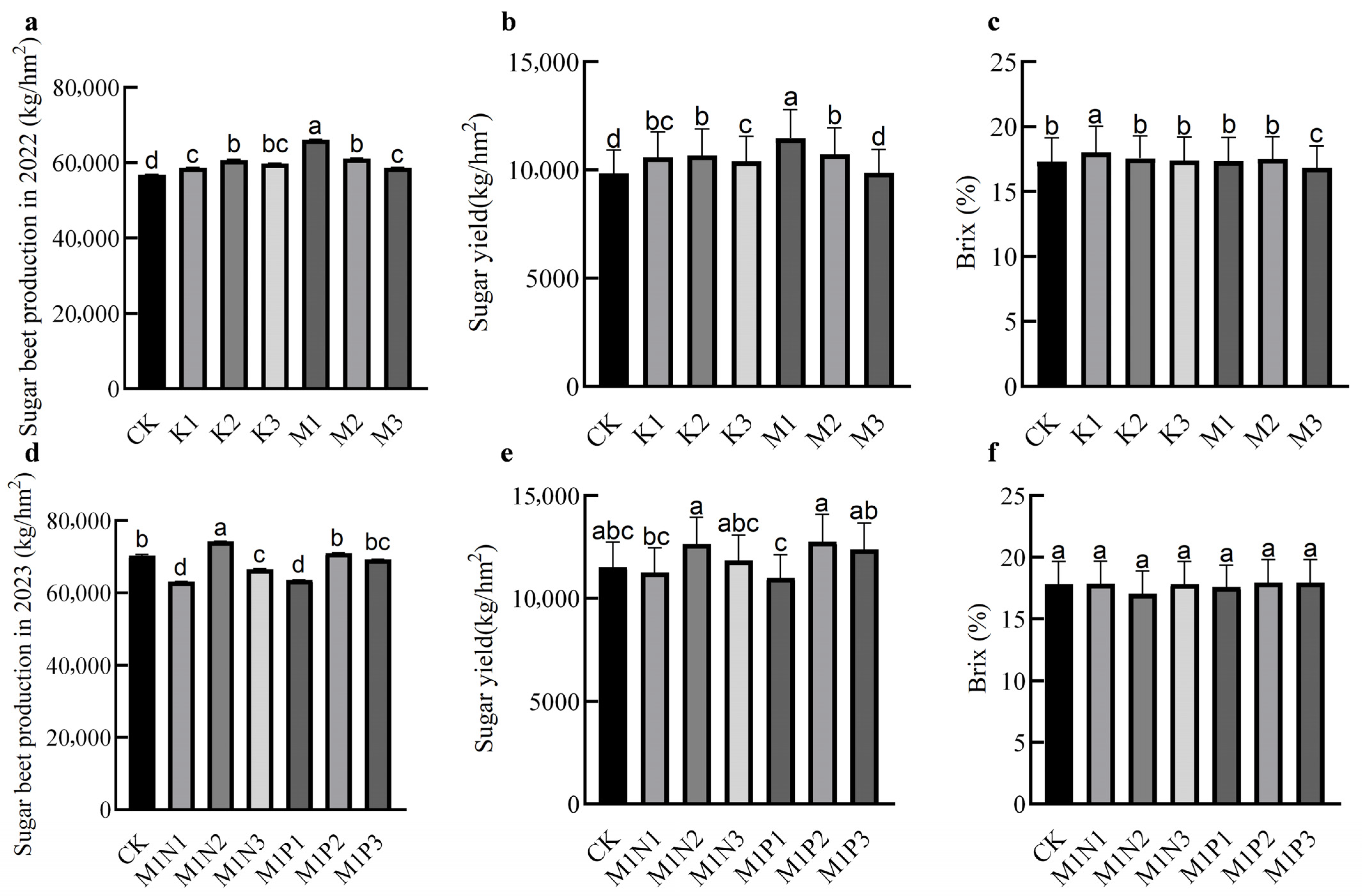
3.1. The Effect of Microbial Agents on the Yield and Quality of Sugar Beet
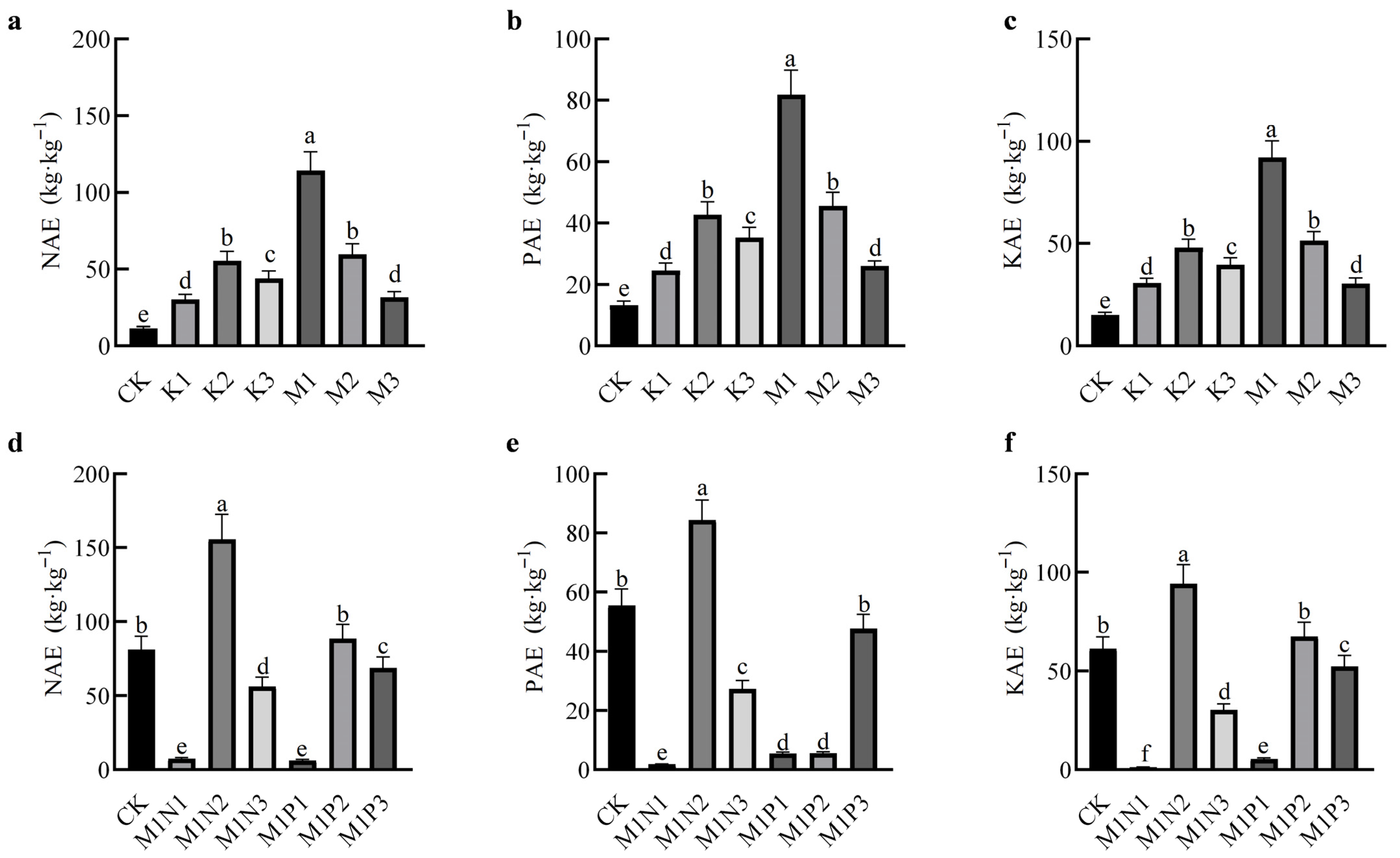
3.2. Effect of Microbial Agents on the Agronomic Use Efficiency of Fertilizers in Sugar Beet
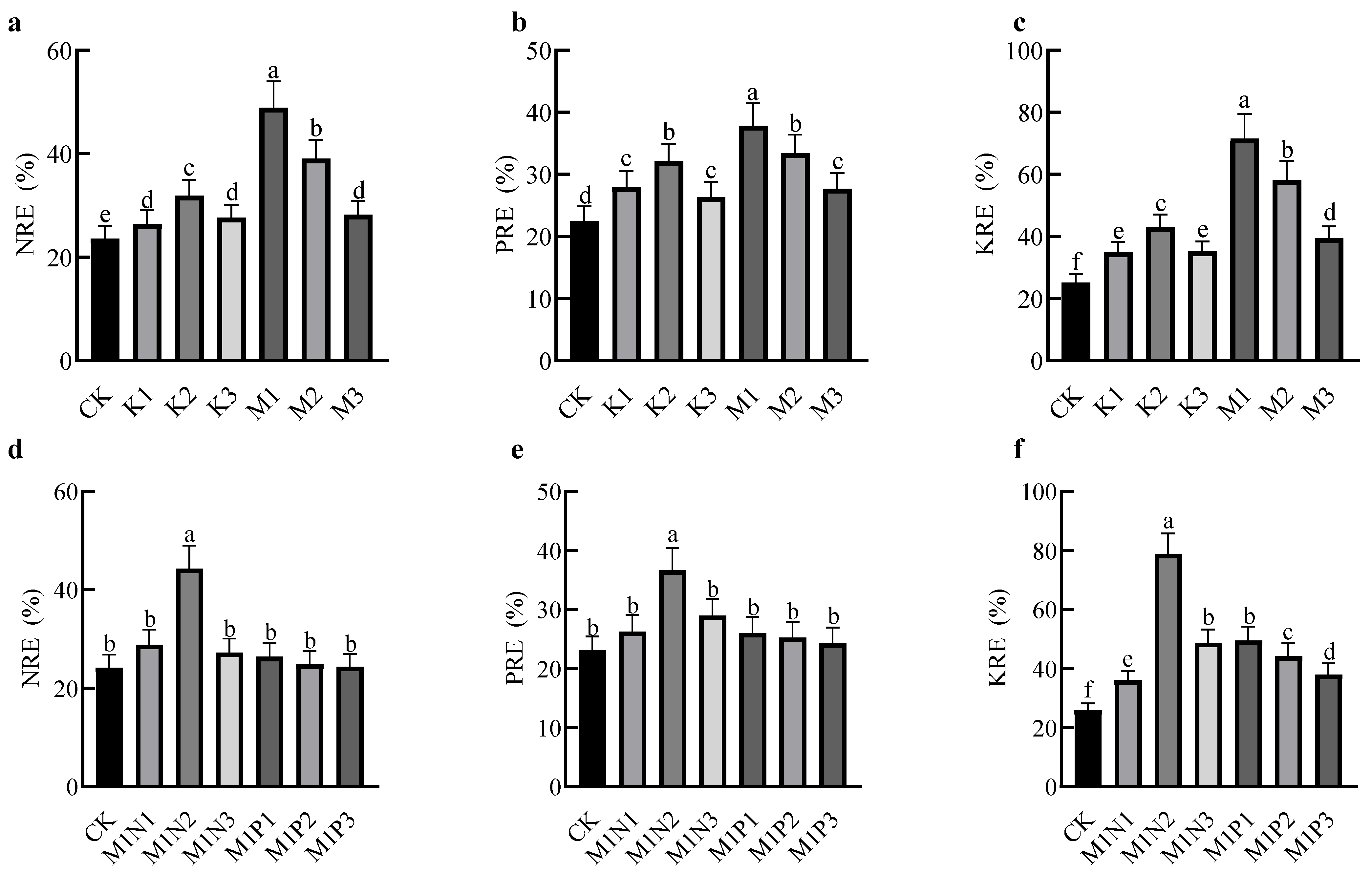
3.3. Effect of Microbial Agents on the Fertilizer Uptake Efficiency in Sugar Beet
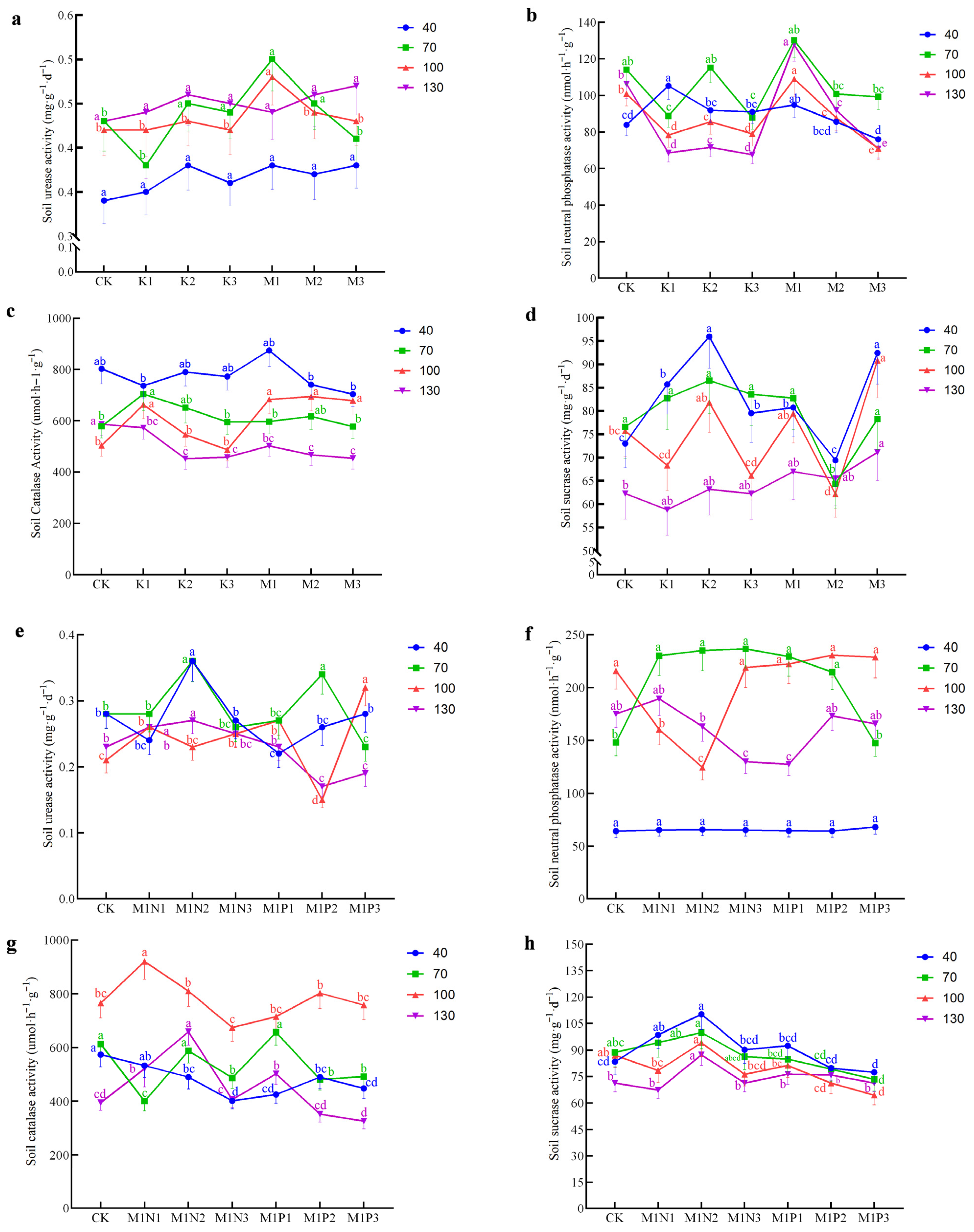
3.4. Effect of Microbial Agents on Soil Enzyme Activity
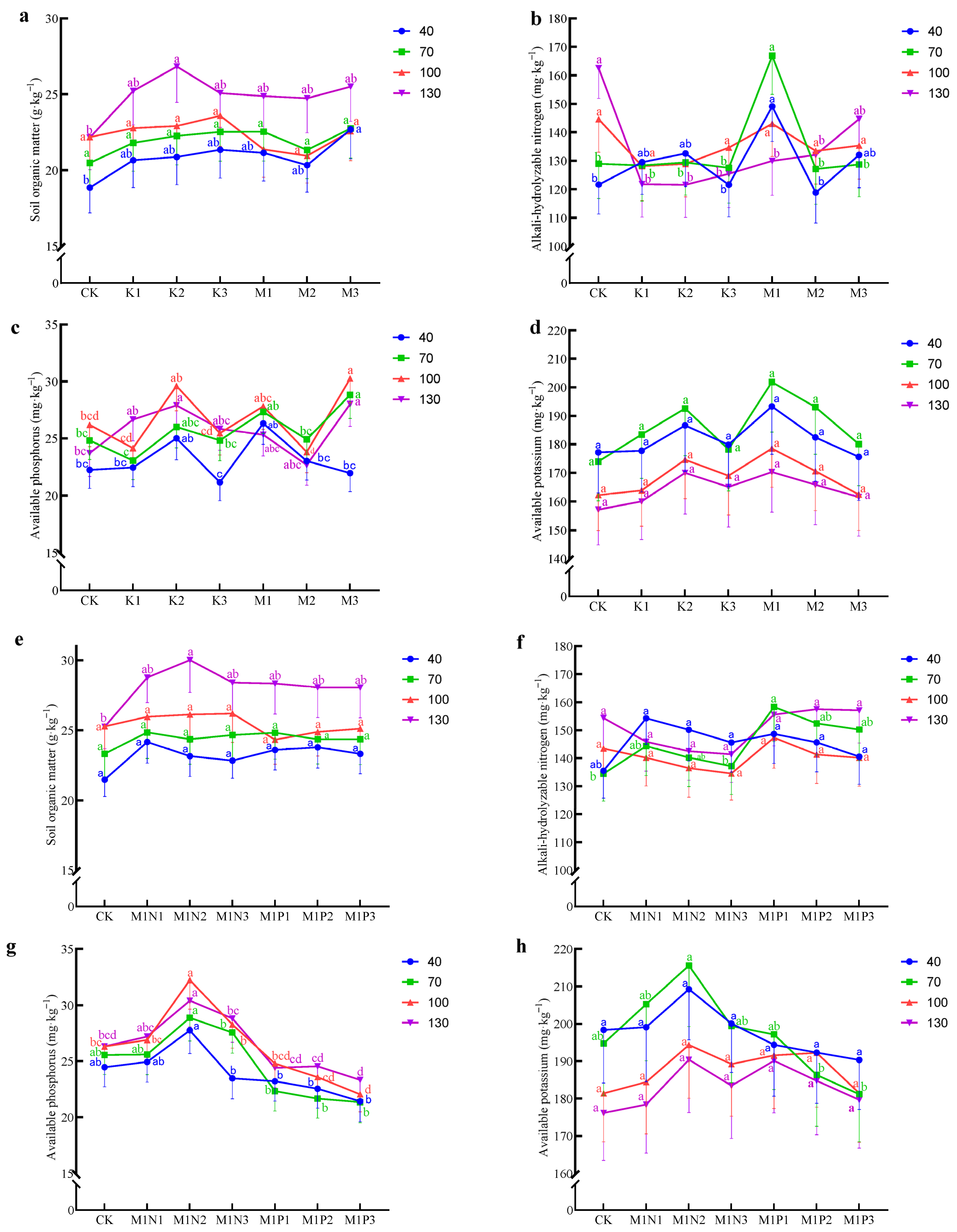
3.5. Effect of Microbial Agents on Soil Nutrients
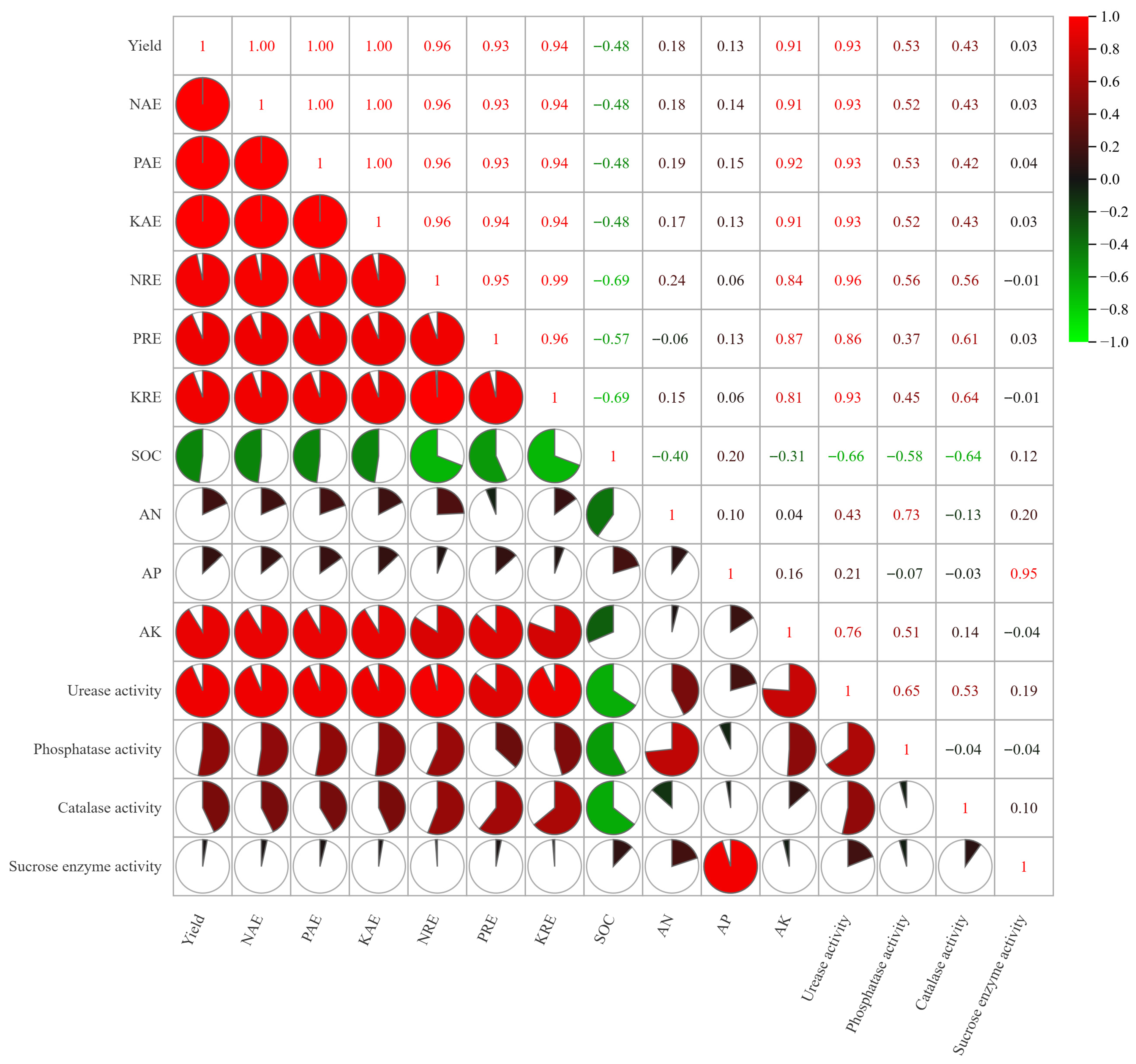
3.6. Correlation Analysis of Yield and Related Indicators
3.7. Changes in Rhizosphere Soil Bacterial and Fungal Diversity Under Microbial Agent Treatments
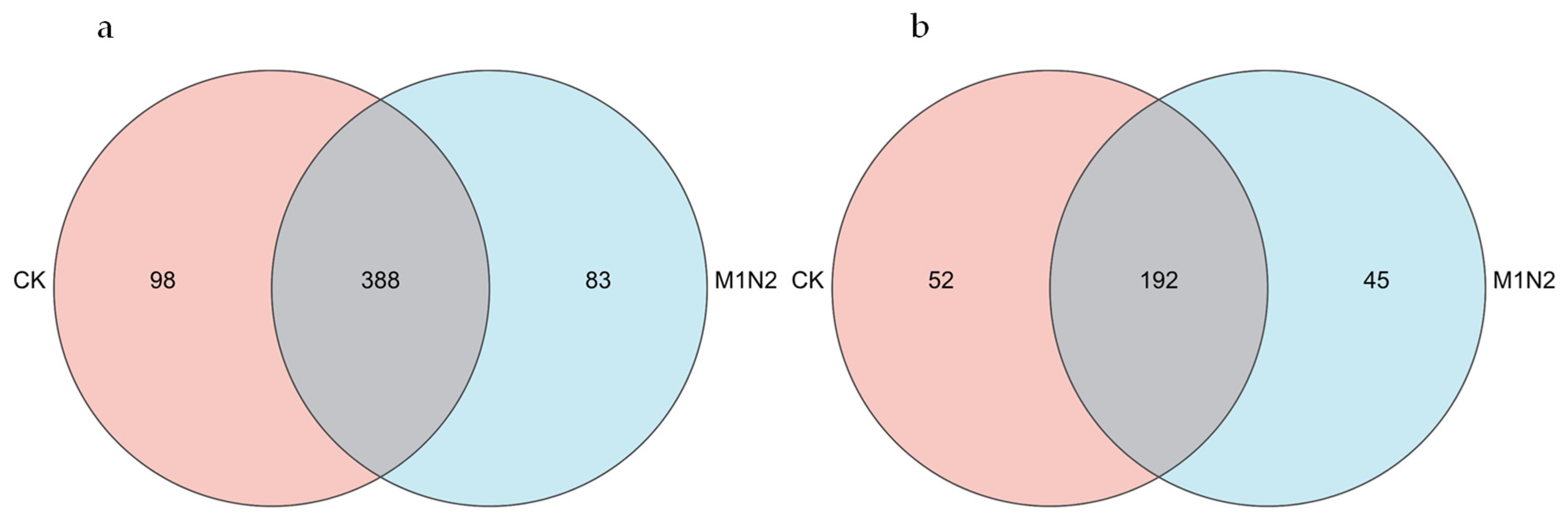
3.7.1. Effects of Microbial Inoculants on Soil Structure and Alpha Diversity Index
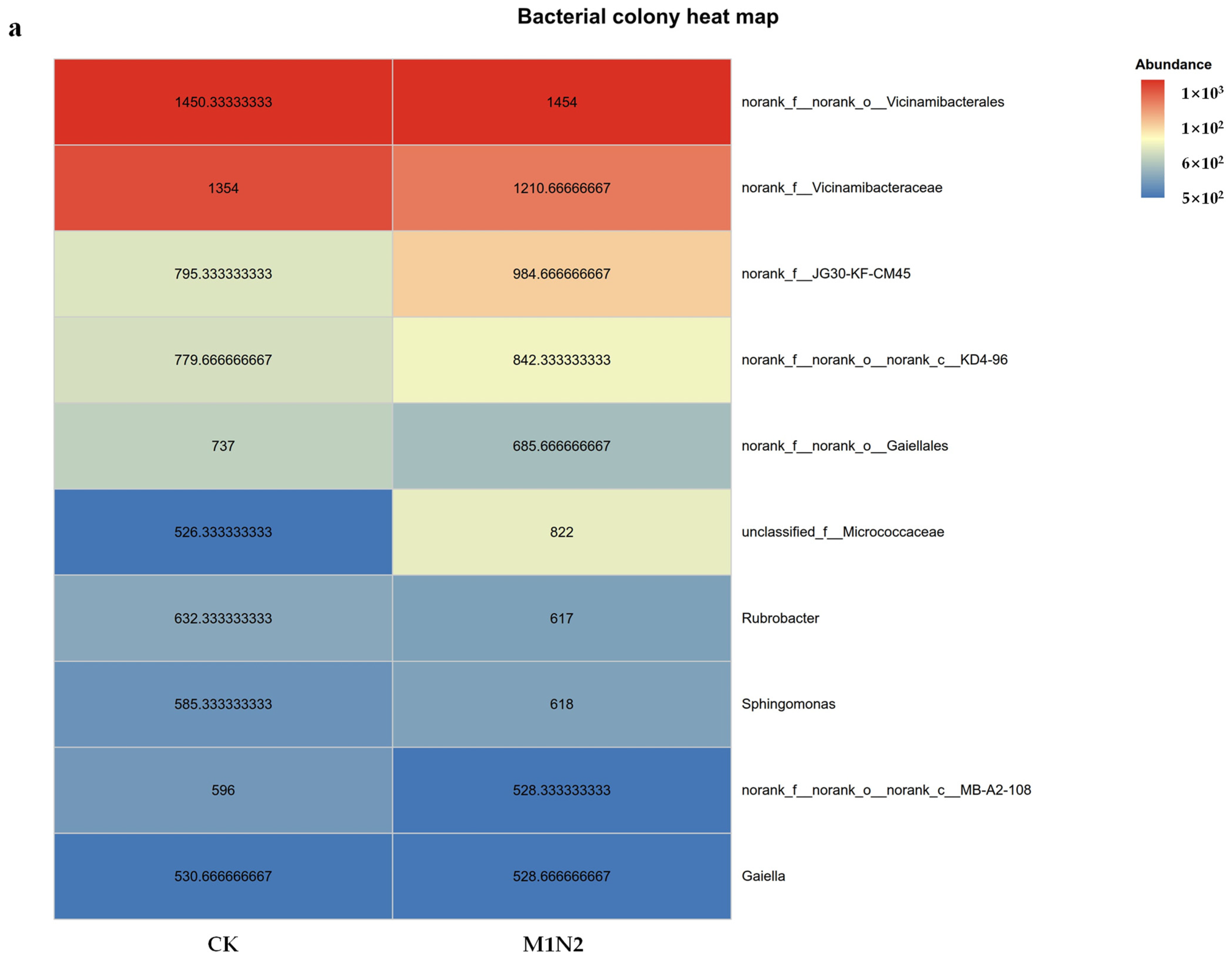
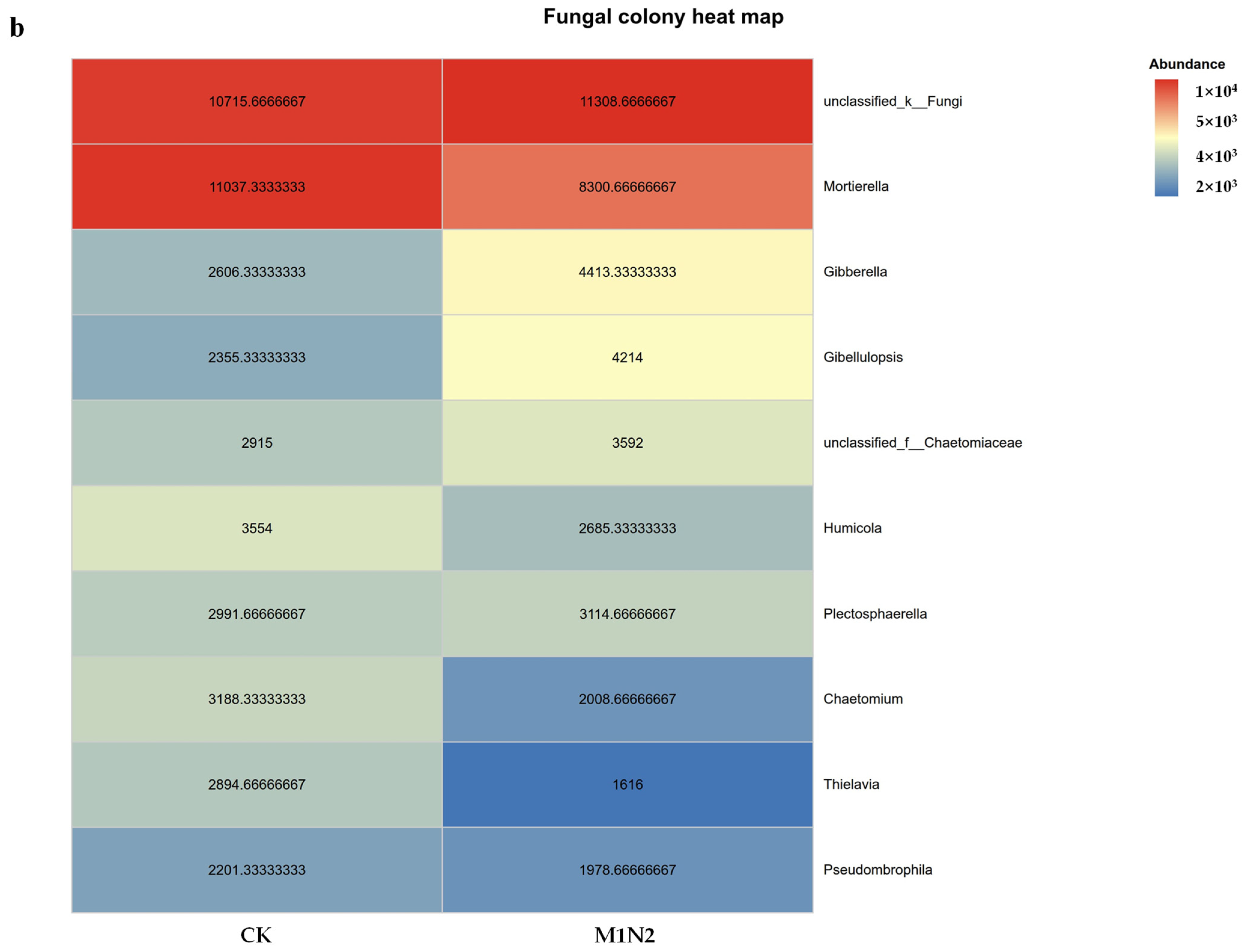
3.7.2. Effects of Microbial Inoculants on the Distribution of Rhizosphere Soil Bacteria and Fungi
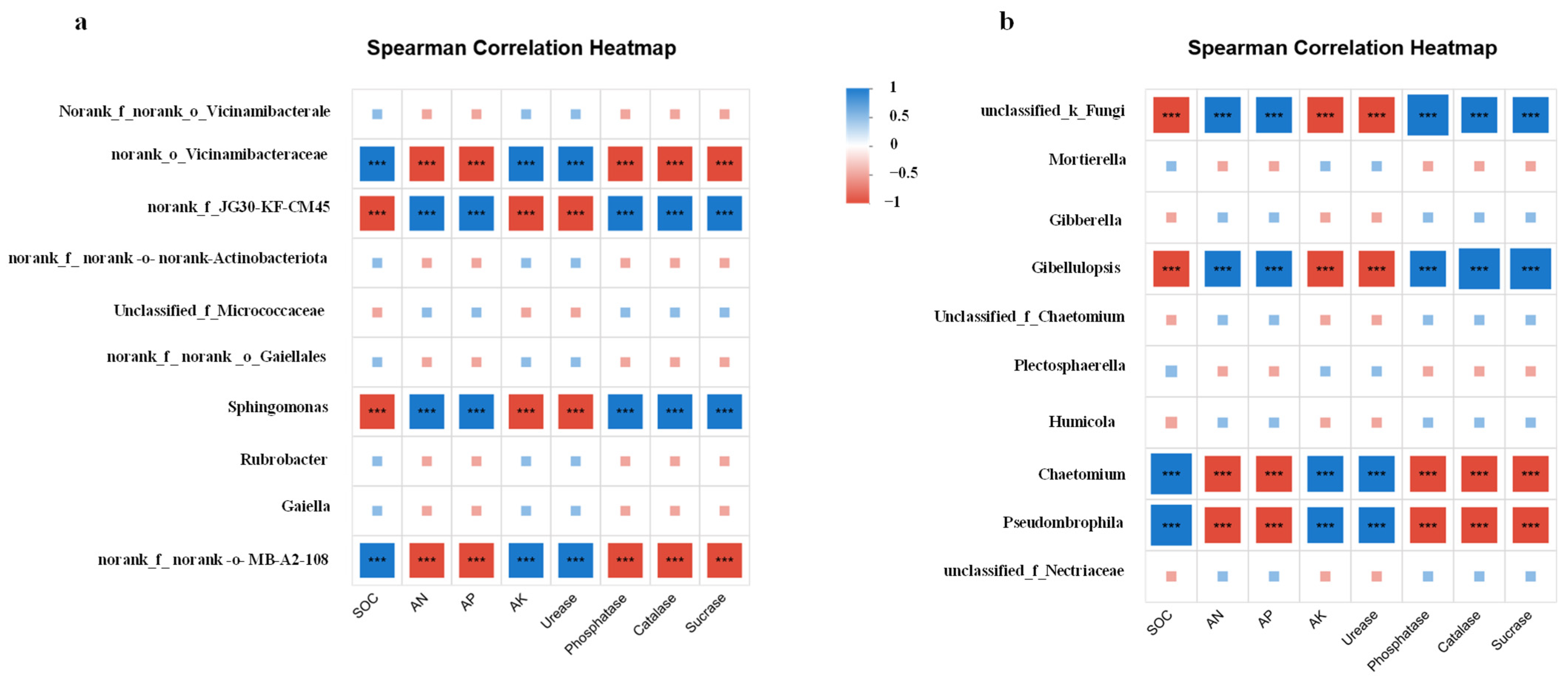
3.7.3. Correlation Analysis of Bacteria, Fungi and Environmental Factors Under Microbial Inoculant Treatments
4. Discussion
5. Conclusions
Author Contributions
Funding
Data Availability Statement
Conflicts of Interest
References
- Geng, G.; Yang, J. Sugar beet production and industry in China. Sugar Tech 2015, 17, 13–21. [Google Scholar]
- Ludemann, C.I.; Gruere, A.; Heffer, P.; Dobermann, A. Global data on fertilizer use by crop and by country. Sci. Data 2022, 9, 501. [Google Scholar] [CrossRef]
- Bisht, N.; Chauhan, P.S. Excessive and disproportionate use of chemicals cause soil contamination and nutritional stress. In Soil Contamination; IntechOpen: Rijeka, Croatia, 2020. [Google Scholar]
- Szymańska, S.; Sikora, M.; Hrynkiewicz, K.; Tyburski, J.; Tretyn, A.; Gołębiewski, M. Choosing source of microorganisms and processing technology for next generation beet bioinoculant. Sci. Rep. 2021, 11, 2829. [Google Scholar] [CrossRef]
- Wang, Z.; Li, Y.; Zhuang, L.; Yu, Y.; Liu, J.; Zhang, L.; Gao, Z.; Wu, Y.; Gao, W.; Ding, G.-C. A rhizosphere-derived consortium of Bacillus subtilis and Trichoderma harzianum suppresses common scab of potato and increases yield. Comput. Struct. Biotechnol. J. 2019, 17, 645–653. [Google Scholar] [CrossRef]
- Jha, P.; Panwar, J.; Jha, P.N. Mechanistic insights on plant root colonization by bacterial endophytes: A symbiotic relationship for sustainable agriculture. Environ. Sustain. 2018, 1, 25–38. [Google Scholar] [CrossRef]
- Avis, T.J.; Gravel, V.; Antoun, H.; Tweddell, R.J. Multifaceted beneficial effects of rhizosphere microorganisms on plant health and productivity. Soil Biol. Biochem. 2008, 40, 1733–1740. [Google Scholar] [CrossRef]
- Kashyap, A.S.; Pandey, V.K.; Manzar, N.; Kannojia, P.; Singh, U.B.; Sharma, P. Role of plant growth-promoting rhizobacteria for improving crop productivity in sustainable agriculture. In Plant-Microbe Interactions in Agro-Ecological Perspectives: Volume 2: Microbial Interactions and Agro-Ecological Impacts; Springer: Singapore, 2017; pp. 673–693. [Google Scholar]
- Trabelsi, D.; Mhamdi, R. Microbial inoculants and their impact on soil microbial communities: A review. BioMed Res. Int. 2013, 2013, 863240. [Google Scholar] [CrossRef]
- Jorjani, M.; Heydari, A.; Zamanizadeh, H.R.; Rezaee, S.; Naraghi, L.; Zamzami, P. Controlling sugar beet mortality disease by application of new bioformulations. J. Plant Prot. Res. 2012, 52, 303–307. [Google Scholar] [CrossRef]
- Sacristán-Pérez-Minayo, G.; López-Robles, D.J.; Rad, C.; Miranda-Barroso, L. Microbial inoculation for productivity improvements and potential biological control in sugar beet crops. Front. Plant Sci. 2020, 11, 604898. [Google Scholar] [CrossRef]
- Ziedan, E.; Farrag, E.S. Application of yeasts as biocontrol agents for controlling foliar diseases on sugar beet plants. J. Agric. Technol. 2011, 7, 1789–1799. [Google Scholar]
- Pusenkova, L.; Il’Yasova, E.Y.; Maksimov, I.; Lastochkina, O. Enhancement of adaptive capacity of sugar beet crops by microbial biopreparations under biotic and abiotic stresses. Сельскохозяйственная Биология 2015, 50, 115–123. [Google Scholar] [CrossRef][Green Version]
- Amirahmadi, E.; Ghorbani, M.; Krexner, T.; Hörtenhuber, S.J.; Bernas, J.; Neugschwandtner, R.W.; Konvalina, P.; Moudrý, J. Life cycle assessment of biochar and cattle manure application in sugar beet cultivation–Insights into root yields, white sugar quality, environmental aspects in field and factory phases. J. Clean. Prod. 2024, 476, 143772. [Google Scholar] [CrossRef]
- Pieterse, C.M.; Leon-Reyes, A.; Van der Ent, S.; Van Wees, S.C. Networking by small-molecule hormones in plant immunity. Nat. Chem. Biol. 2009, 5, 308–316. [Google Scholar] [CrossRef] [PubMed]
- Herrera-Parra, E.; Cristóbal-Alejo, J.; Ramos-Zapata, J.A. Trichoderma strains as growth promoters in Capsicum annuum and as biocontrol agents in Meloidogyne incognita. Chil. J. Agric. Res. 2017, 77, 318–324. [Google Scholar] [CrossRef]
- Abbasi, M.; Sharif, S.; Kazmi, M.; Sultan, T.; Aslam, M. Isolation of plant growth promoting rhizobacteria from wheat rhizosphere and their effect on improving growth, yield and nutrient uptake of plants. Plant Biosyst. 2011, 145, 159–168. [Google Scholar] [CrossRef]
- Yang, L. Study on the Mechanism of Bacillus subtilis to Improve the Salt Tolerance and Nitrogen Fertilizer Utilization of Cotton in Saline Alkali Soil. Master’s Thesis, Xi’an University of Technology, Xi’an, China, 2021. [Google Scholar]
- Ji, C.; Liu, Z.; Hao, L.; Song, X.; Wang, C.; Liu, Y.; Li, H.; Li, C.; Gao, Q.; Liu, X. Effects of Enterobacter cloacae HG-1 on the nitrogen-fixing community structure of wheat rhizosphere soil and on salt tolerance. Front. Plant Sci. 2020, 11, 1094. [Google Scholar] [CrossRef]
- Siddika, A.; Rashid, A.A.; Khan, S.N.; Khatun, A.; Karim, M.M.; Prasad, P.V.; Hasanuzzaman, M. Harnessing plant growth-promoting rhizobacteria, Bacillus subtilis and B. aryabhattai to combat salt stress in rice: A study on the regulation of antioxidant defense, ion homeostasis, and photosynthetic parameters. Front. Plant Sci. 2024, 15, 1419764. [Google Scholar] [CrossRef]
- Molla, A.H.; Manjurul Haque, M.; Amdadul Haque, M.; Ilias, G. Trichoderma-enriched biofertilizer enhances production and nutritional quality of tomato (Lycopersicon esculentum Mill.) and minimizes NPK fertilizer use. Agric. Res. 2012, 1, 265–272. [Google Scholar] [CrossRef]
- Hou, Y.; Zhou, B.; Wang, Q. Effects of Bacillus subtilis on Evaporation of Soil Surface and Water and Salt Dsitritution in Saline-alkali Soil. J. Soil Water Conserv. 2018, 32, 306–311. [Google Scholar]
- Jensen, C.N.G.; Pang, J.K.Y.; Hahn, C.M.; Gottardi, M.; Husted, S.; Moelbak, L.; Kovács, Á.T.; Fimognari, L.; Schulz, A. Differential influence of Bacillus subtilis strains on Arabidopsis root architecture through common and distinct plant hormonal pathways. Plant Sci. 2024, 339, 111936. [Google Scholar] [CrossRef]
- Hashem, A.; Tabassum, B.; Abd_Allah, E.F. Bacillus subtilis: A plant-growth promoting rhizobacterium that also impacts biotic stress. Saudi J. Biol. Sci. 2019, 26, 1291–1297. [Google Scholar] [CrossRef]
- Fan, W.; Dong, J.; Nie, Y.; Chang, C.; Yin, Q.; Lv, M.; Lu, Q.; Liu, Y. Alfalfa plant age (3 to 8 years) affects soil physicochemical properties and rhizosphere microbial communities in saline–alkaline soil. Agronomy 2023, 13, 2977. [Google Scholar] [CrossRef]
- Sun, B.; Gu, L.; Bao, L.; Zhang, S.; Wei, Y.; Bai, Z.; Zhuang, G.; Zhuang, X. Application of biofertilizer containing Bacillus subtilis reduced the nitrogen loss in agricultural soil. Soil Biol. Biochem. 2020, 148, 107911. [Google Scholar] [CrossRef]
- Khajeeyan, R.; Salehi, A.; Dehnavi, M.M.; Farajee, H.; Kohanmoo, M.A. Physiological and yield responses of Aloe vera plant to biofertilizers under different irrigation regimes. Agric. Water Manag. 2019, 225, 105768. [Google Scholar] [CrossRef]
- Padró, M.D.A.; Caboni, E.; Morin, K.A.S.; Mercado, M.A.M.; Olalde-Portugal, V. Effect of Bacillus subtilis on antioxidant enzyme activities in tomato grafting. PeerJ 2021, 9, e10984. [Google Scholar] [CrossRef] [PubMed]
- Mantel, S.; Dondeyne, S.; Deckers, S. World reference base for soil resources (WRB). Encycl. Soils Environ. 2023, 4, 206–217. [Google Scholar]
- Bao, S. Soil and Agricultural Chemistry Analysis; China Agriculture Press: Beijing, China, 2000. [Google Scholar]
- Chen, S.; Zhou, Y.; Chen, Y.; Gu, J. fastp: An ultra-fast all-in-one FASTQ preprocessor. Bioinformatics 2018, 34, i884–i890. [Google Scholar] [CrossRef] [PubMed]
- Magoč, T.; Salzberg, S.L. FLASH: Fast length adjustment of short reads to improve genome assemblies. Bioinformatics 2011, 27, 2957–2963. [Google Scholar] [CrossRef]
- Edgar, R.C. UPARSE: Highly accurate OTU sequences from microbial amplicon reads. Nat. Methods 2013, 10, 996–998. [Google Scholar] [CrossRef]
- Barberán, A.; Bates, S.T.; Casamayor, E.O.; Fierer, N. Using network analysis to explore co-occurrence patterns in soil microbial communities. ISME J. 2012, 6, 343–351. [Google Scholar] [CrossRef] [PubMed]
- Han, C.; Shi, C.; Liu, L.; Han, J.; Yang, Q.; Wang, Y.; Li, X.; Fu, W.; Gao, H.; Huang, H. Majorbio Cloud 2024: Update single-cell and multiomics workflows. iMeta 2024, 3, e217. [Google Scholar]
- Segata, N.; Izard, J.; Waldron, L.; Gevers, D.; Miropolsky, L.; Garrett, W.S.; Huttenhower, C. Metagenomic biomarker discovery and explanation. Genome Biol. 2011, 12, R60. [Google Scholar] [CrossRef]
- Zhang, B.; Chang, Y.; Li, G.; Zhang, S.; Zhang, P.; Wang, Z.; Kong, D. The Effect of Irrigation and Fertilization Reduction on Yield, Quality, and Resource Use Efficiency of Drip-Fertilized Sugar Beet (Beta vulgaris L.) in Northern China. Plants 2025, 14, 536. [Google Scholar] [CrossRef]
- Li, Z.; Li, G.; Sun, Y.; Su, W.; Fan, F.; Huang, C.; Guo, X.; Jian, C.; Tian, L.; Han, K. Water and nitrogen supply on photosynthetic physiological response of sugar beet (Beta vulgaris) under mulched drip irrigation. J. Plant Nutr. 2023, 46, 1145–1158. [Google Scholar]
- Marschner, P.; Rengel, Z. Nutrient availability in soils. In Marschner’s Mineral Nutrition of Plants; Elsevier: Amsterdam, The Netherlands, 2023; pp. 499–522. [Google Scholar]
- Ng, C.W.W.; Tasnim, R.; Capobianco, V.; Coo, J.L. Influence of soil nutrients on plant characteristics and soil hydrological responses. Géotech. Lett. 2018, 8, 19–24. [Google Scholar] [CrossRef]
- Mateo-Marín, N.; Bosch-Serra, À.D.; Molina, M.G.; Poch, R.M. Impacts of tillage and nutrient management on soil porosity trends in dryland agriculture. Eur. J. Soil Sci. 2022, 73, e13139. [Google Scholar] [CrossRef]
- Teng, Y.; Luo, Y.; Ma, W.; Zhu, L.; Ren, W.; Luo, Y.; Christie, P.; Li, Z. Trichoderma reesei FS10-C enhances phytoremediation of Cd-contaminated soil by Sedum plumbizincicola and associated soil microbial activities. Front. Plant Sci. 2015, 9, 220. [Google Scholar]
- Seitz, T.J.; Schütte, U.M.; Drown, D.M. Soil disturbance affects plant productivity via soil microbial community shifts. Front. Microbiol. 2021, 12, 619711. [Google Scholar] [CrossRef]
- Limdolthamand, S.; Songkumarn, P.; Suwannarat, S.; Jantasorn, A.; Dethoup, T. Biocontrol efficacy of endophytic Trichoderma spp. in fresh and dry powder formulations in controlling northern corn leaf blight in sweet corn. Biol. Control 2023, 181, 105217. [Google Scholar]
- Singh, B.N.; Singh, A.; Singh, G.S.; Dwivedi, P. Potential role of Trichoderma asperellum T42 strain in growth of pea plant for sustainable agriculture. J. Pure Appl. Microbiol. 2015, 9, 1069–1074. [Google Scholar]
- Wang, B.; Xue, S.; Liu, G.B.; Zhang, G.H.; Li, G.; Ren, Z.P. Changes in soil nutrient and enzyme activities under different vegetations in the Loess Plateau area, Northwest China. Catena 2012, 92, 186–195. [Google Scholar] [CrossRef]
- Syafruddin, S. Growth and yield of Chili Pepper (Capsicum annuum L.) on the growing media of entisol Aceh using various endomycorrhizae. Int. J. Approx. Reason. 2017, 11, 36–40. [Google Scholar] [CrossRef]
- Pandey, N. Role of plant nutrients in plant growth and physiology. In Plant Nutrients and Abiotic Stress Tolerance; Springer: Singapore, 2018; pp. 51–93. [Google Scholar]
- Aishwarya, S.; Viswanath, H.; Singh, A.; Singh, R. Biosolubilization of different nutrients by Trichoderma spp. and their mechanisms involved: A review. Int. J. Adv. Agric. Sci. Technol. 2020, 7, 34–39. [Google Scholar]
- Fageria, N. Soil quality vs. environmentally-based agricultural management practices. Commun. Soil Sci. Plant Anal. 2002, 33, 2301–2329. [Google Scholar] [CrossRef]
- Neemisha; Sharma, S. Soil enzymes and their role in nutrient cycling. In Structure and Functions of Pedosphere; Springer: Singapore, 2022; pp. 173–188. [Google Scholar]
- Erdel, E.; Şimşek, U.; Kesimci, T.G. Effects of fungi on soil organic carbon and soil enzyme activity under agricultural and pasture land of Eastern Türkiye. Sustainability 2023, 15, 1765. [Google Scholar] [CrossRef]
- Karaca, A.; Cetin, S.C.; Turgay, O.C.; Kizilkaya, R. Soil enzymes as indication of soil quality. In Soil Enzymology; Springer: Berlin/Heidelberg, Germany, 2010; pp. 119–148. [Google Scholar]
- Khare, E.; Arora, N.K. Effect of indole-3-acetic acid (IAA) produced by Pseudomonas aeruginosa in suppression of charcoal rot disease of chickpea. Curr. Microbiol. 2010, 61, 64–68. [Google Scholar] [CrossRef]
- Sevirasari, N.; Sulistyaningsih, E.; Kurniasih, B.; Suryanti, S.; Wibowo, A.; Joko, T. Effects of relay intercropping model and application of biological agents on the growth and yield of hot pepper. Ilmu Pertan. (Agric. Sci.) 2022, 7, 35–46. [Google Scholar] [CrossRef]
- Tian, L.; Zhu, X.; Guo, Y.; Zhou, Q.; Wang, L.; Li, W. Antagonism of rhizosphere Trichoderma brevicompactum DTN19 against the pathogenic fungi causing corm rot in saffron (Crocus sativus L.) in vitro. Front. Microbiol. 2024, 15, 1454670. [Google Scholar] [CrossRef] [PubMed]
- Cai, F.; Chen, W.; Wei, Z.; Pang, G.; Li, R.; Ran, W.; Shen, Q. Colonization of Trichoderma harzianum strain SQR-T037 on tomato roots and its relationship to plant growth, nutrient availability and soil microflora. Plant Soil 2015, 388, 337–350. [Google Scholar] [CrossRef]





| Precipitation in 2022 (mm) | April | May | June | July | August | September |
| 15.4 | 17 | 82.6 | 57.3 | 191 | 11.2 | |
| Max. temp. (°C) | 26.2 | 31.1 | 33.6 | 33.5 | 32.5 | 26.8 |
| Min. temp. (°C) | −4.3 | 0.1 | 7.4 | 12.2 | 5.5 | 0.1 |
| Precipitation in 2023 (mm) | April | May | June | July | August | September |
| 77.1 | 23.7 | 26.6 | 125.4 | 53.6 | 38.8 | |
| Max. temp. (°C) | 26.8 | 28.8 | 31.9 | 32.7 | 30.4 | 28.5 |
| Min. temp. (°C) | —6.4 | 2.2 | 7.3 | 11.8 | 8.7 | 2.8 |
| Organic Matter (g·kg−1) | Total N (g·kg−1) | Total P (g·kg−1) | Total K (g·kg−1) | Avail N (g·kg−1) | Avail P (g·kg−1) | Avail K (g·kg−1) | pH |
|---|---|---|---|---|---|---|---|
| 18.21 | 0.71 | 0.46 | 16.31 | 111.07 | 9.23 | 153.01 | 7.71 |
| Organic Matter (g·kg−1) | Total N (g·kg−1) | Total P (g·kg−1) | Total K (g·kg−1) | Avail N (g·kg−1) | Avail P (g·kg−1) | Avail K (g·kg−1) | pH |
|---|---|---|---|---|---|---|---|
| 20.2 | 0.67 | 0.39 | 12.47 | 109.27 | 11.44 | 163.01 | 8.02 |
| Sequencing Region | Primer Name | Primer Sequence |
|---|---|---|
| 338F_806R | 338F | ACTCCTACGGGAGGCAGCAG |
| 806R | GGACTACHVGGGTWTCTAAT | |
| ITS1F_ITS2R | ITS1F | CTTGGTCATTTAGAGGAAGTAA |
| ITS2R | GCTGCGTTCTTCATCGATGC |
| 20 μL Reaction System | |
|---|---|
| 5× FastPfu Buffe | 4 μL |
| 2.5 mM dNTPs | 2 μL |
| Forward Primer (5 μM) | 0.8 μL |
| Reverse Primer (5 μM) | 0.8 μL |
| FastPfu Polymerase | 0.4 μL |
| BSA | 0.2 μL |
| Template DNA | 10 ng |
| Add ddH2O to | 20 μL |
| PCR Procedure Steps | Number of Cycles |
|---|---|
| 95 °C for 3 min | 1 |
| 95 °C for 2s | 30 |
| 55 °C for 30 s | 30 |
| 72 °C for 45 s | 30 |
| 72 °C for 10 min | 1 |
| ACE | Chao | Shannon | Simpson | ||
|---|---|---|---|---|---|
| Bacteria | CK | 1407.09 ± 15.11 a | 1392.79 ± 15.65 a | 6.59 ± 0.75 a | 0.0022 ± 0.0002 a |
| M1N2 | 1398.58 ± 16.69 b | 1382.25 ± 13.67 b | 6.58 ± 0.85 a | 0.0024 ± 0.0004 a | |
| Fungus | CK | 477.63 ± 7.78 a | 476.76 ± 7.18 a | 4.67 ± 0.11 a | 0.0201 ± 0.0581 a |
| M1N2 | 449.52 ± 2.01 b | 448.42 ± 2.71 b | 4.61 ± 0.06 a | 0.0191 ± 0.0031 a |
Disclaimer/Publisher’s Note: The statements, opinions and data contained in all publications are solely those of the individual author(s) and contributor(s) and not of MDPI and/or the editor(s). MDPI and/or the editor(s) disclaim responsibility for any injury to people or property resulting from any ideas, methods, instructions or products referred to in the content. |
© 2025 by the authors. Licensee MDPI, Basel, Switzerland. This article is an open access article distributed under the terms and conditions of the Creative Commons Attribution (CC BY) license (https://creativecommons.org/licenses/by/4.0/).
Share and Cite
Zhang, Z.; Li, C.; Li, S.; Sun, Y.; Li, N.; Li, G. Microbial Agents Enhance Sugar Beet Yield and Quality as an Alternative to Chemical Fertilizers. Agronomy 2025, 15, 2838. https://doi.org/10.3390/agronomy15122838
Zhang Z, Li C, Li S, Sun Y, Li N, Li G. Microbial Agents Enhance Sugar Beet Yield and Quality as an Alternative to Chemical Fertilizers. Agronomy. 2025; 15(12):2838. https://doi.org/10.3390/agronomy15122838
Chicago/Turabian StyleZhang, Zijian, Chao Li, Shangzhi Li, Yaqing Sun, Ningning Li, and Guolong Li. 2025. "Microbial Agents Enhance Sugar Beet Yield and Quality as an Alternative to Chemical Fertilizers" Agronomy 15, no. 12: 2838. https://doi.org/10.3390/agronomy15122838
APA StyleZhang, Z., Li, C., Li, S., Sun, Y., Li, N., & Li, G. (2025). Microbial Agents Enhance Sugar Beet Yield and Quality as an Alternative to Chemical Fertilizers. Agronomy, 15(12), 2838. https://doi.org/10.3390/agronomy15122838