Article

How to Efficiently Produce the Selenium-Enriched Cucumber Fruit with High Yield and Qualities via Hydroponic Cultivation? The Balance between Selenium Supply and CO2 Fertilization


1
State Key Laboratory of Soil and Sustainable Agriculture, Institute of Soil Science, Chinese Academy of Sciences, Nanjing 210008, China
2
University of Chinese Academy of Sciences, Beijing 100049, China
3
Department of Horticultural Sciences, Institute of Crop Science and Resource Conservation, University of Bonn, 53121 Bonn, Germany
4
Zhongke Clean Soil (Guangzhou) Technology Service Co., Ltd., Guangzhou 510640, China
*
Author to whom correspondence should be addressed.
Agronomy 2023, 13(3), 922; https://doi.org/10.3390/agronomy13030922

Submission received: 6 March 2023 / Revised: 16 March 2023 / Accepted: 18 March 2023 / Published: 20 March 2023

Abstract

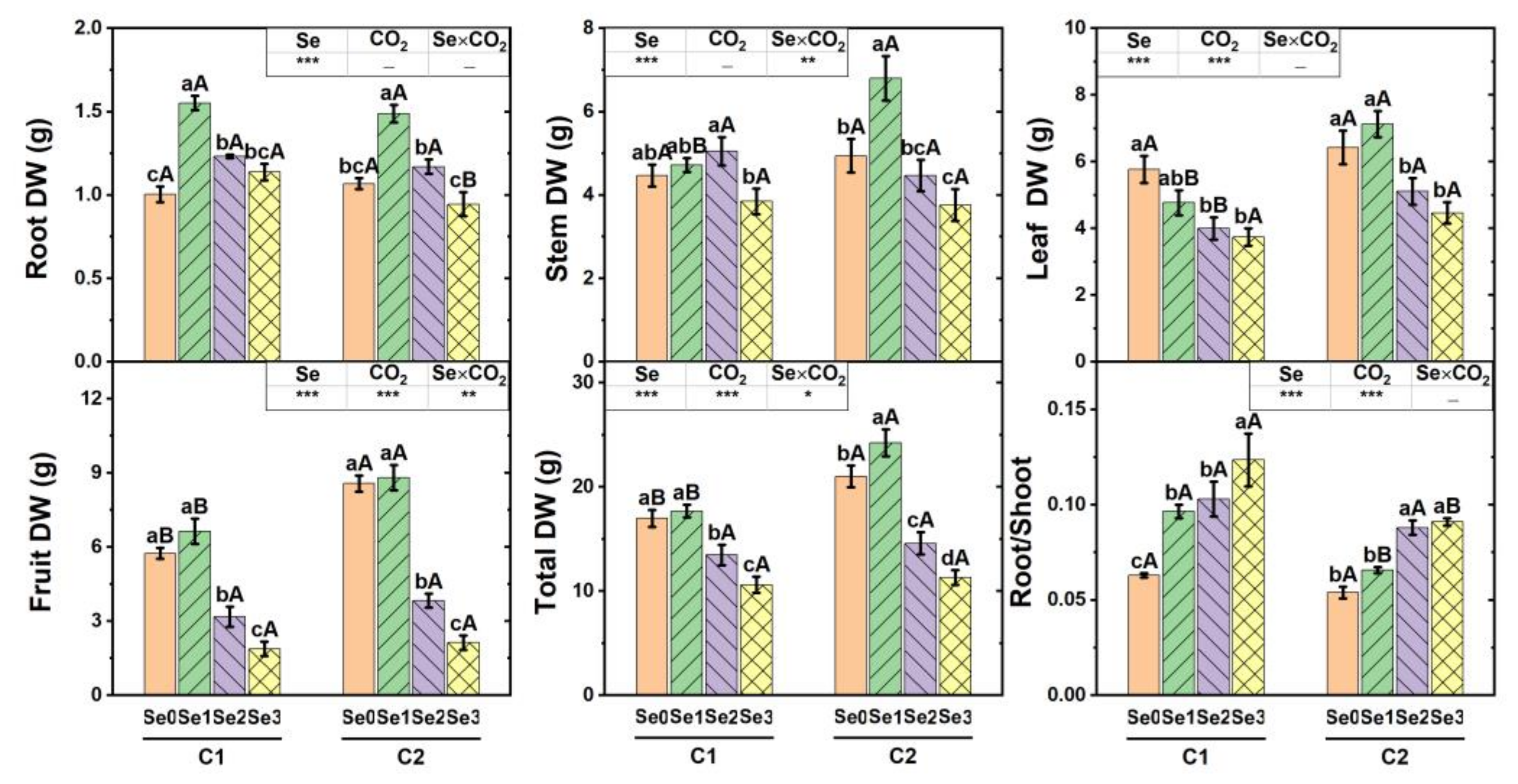
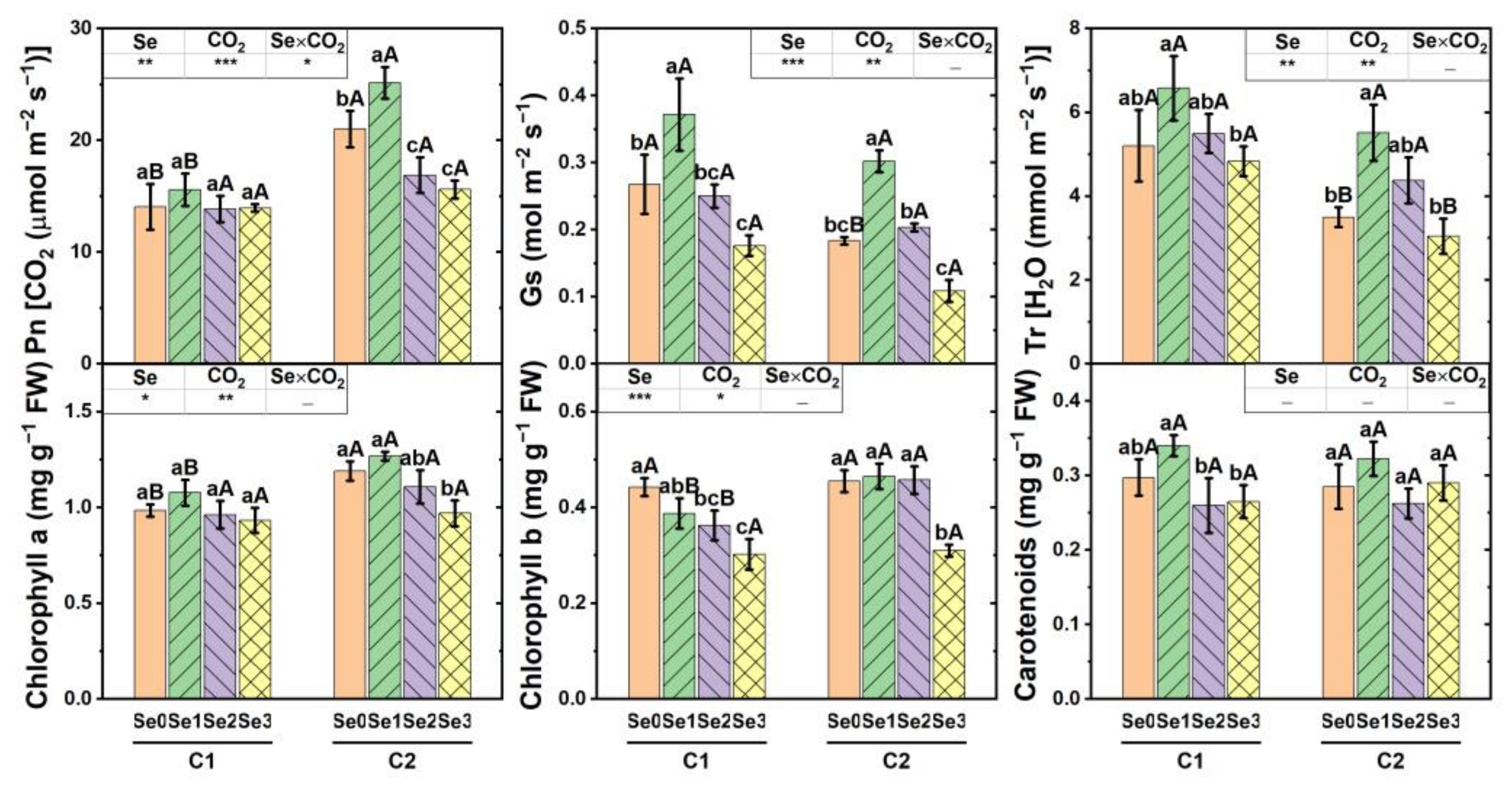
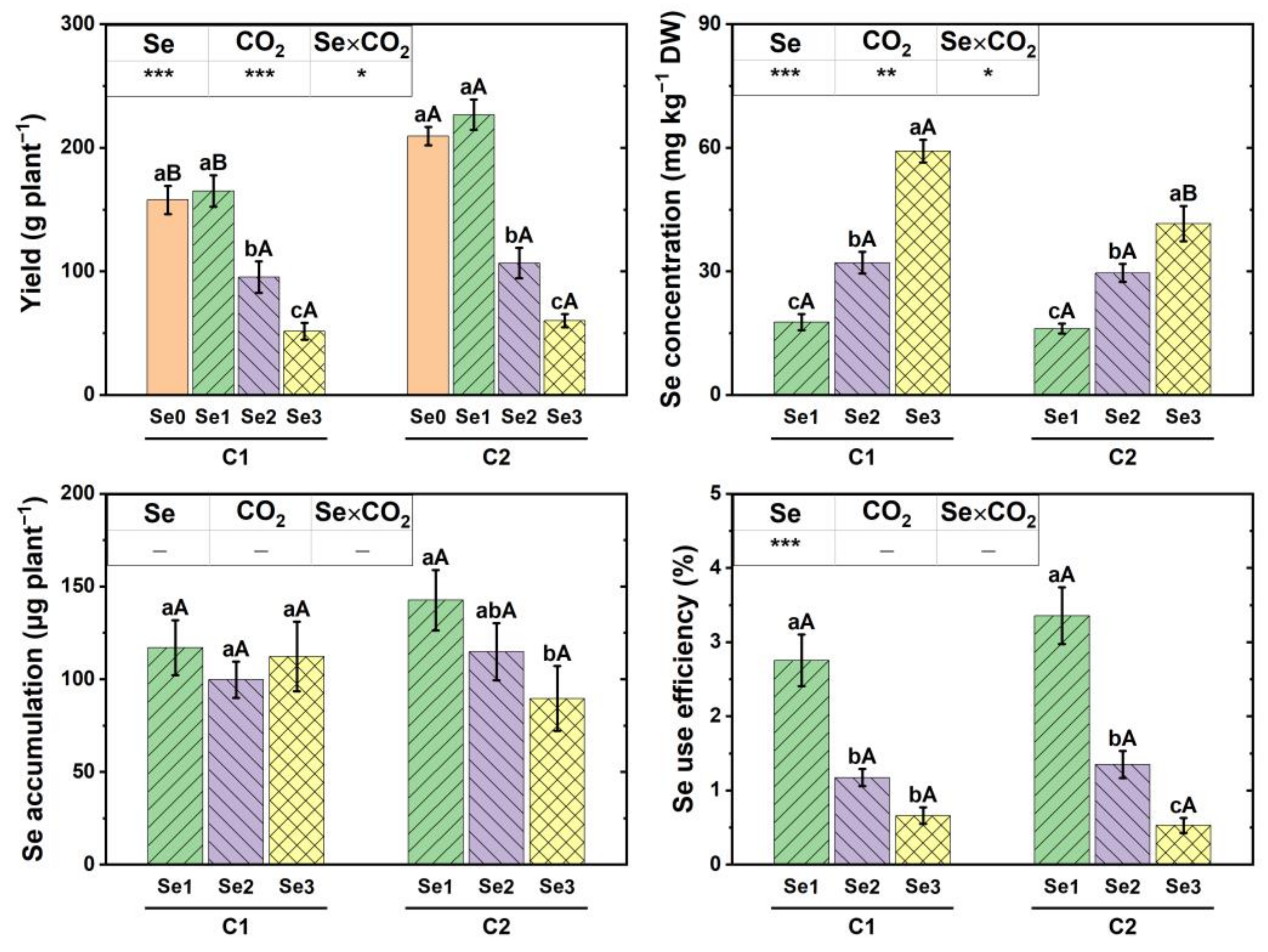
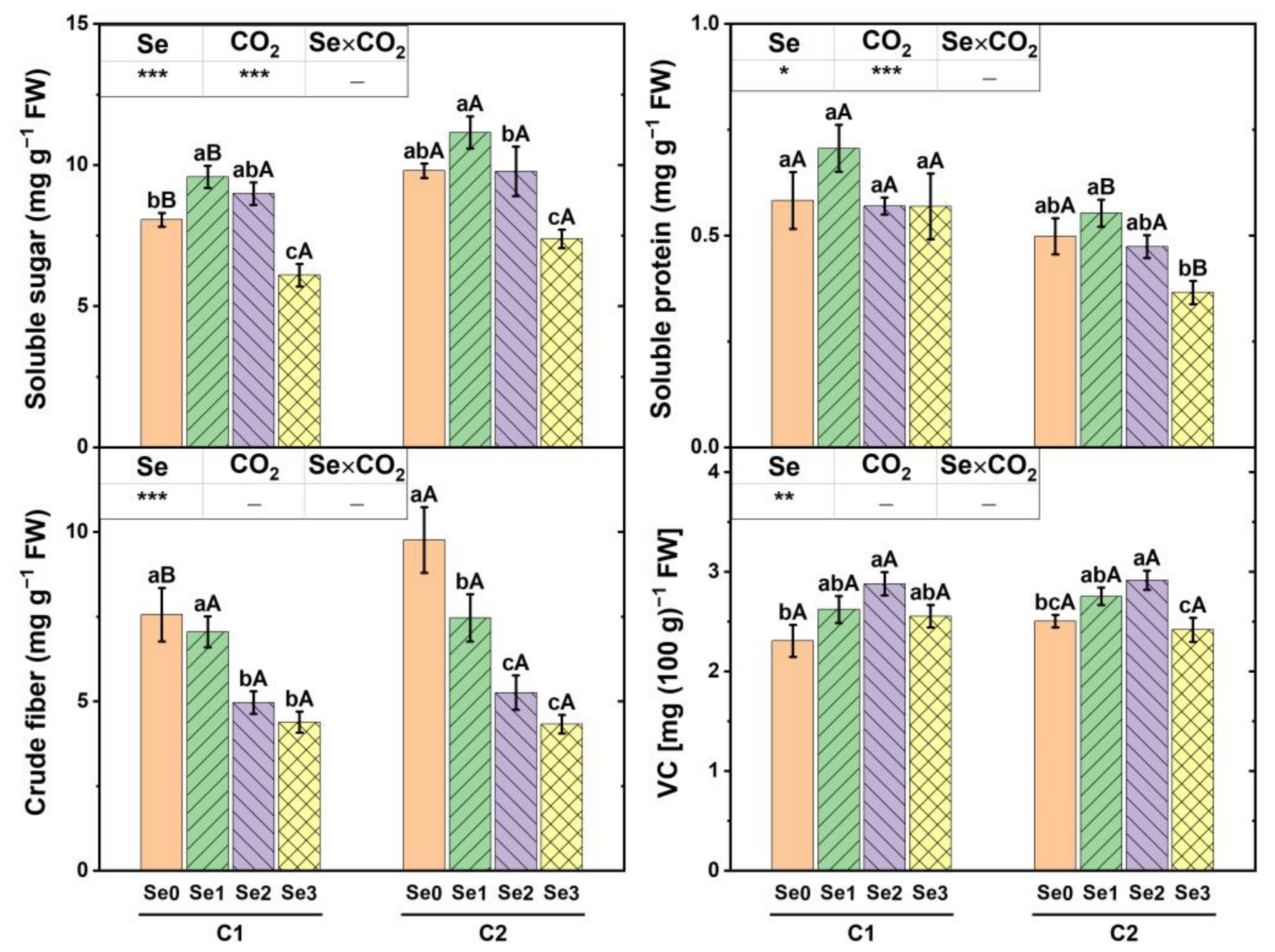
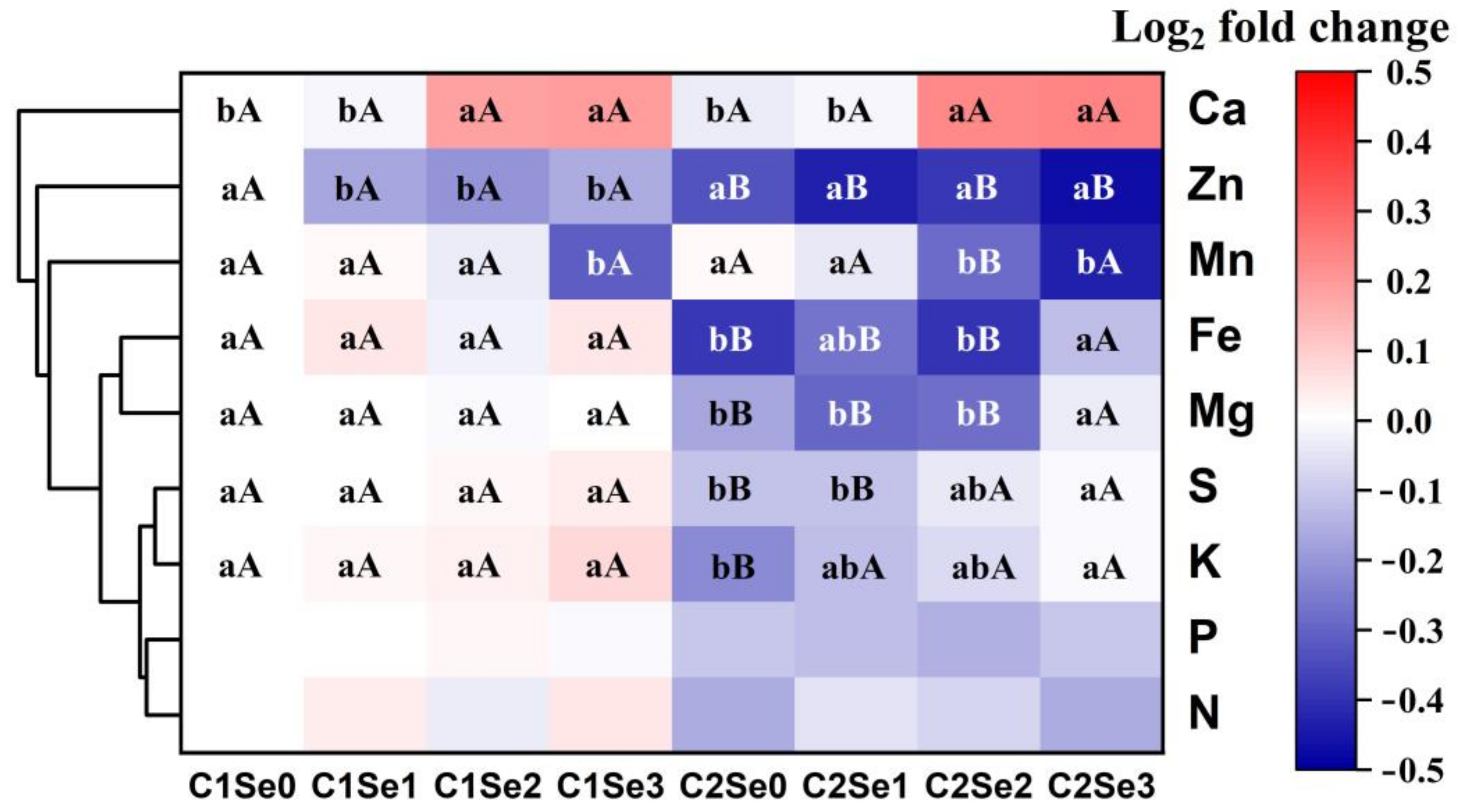
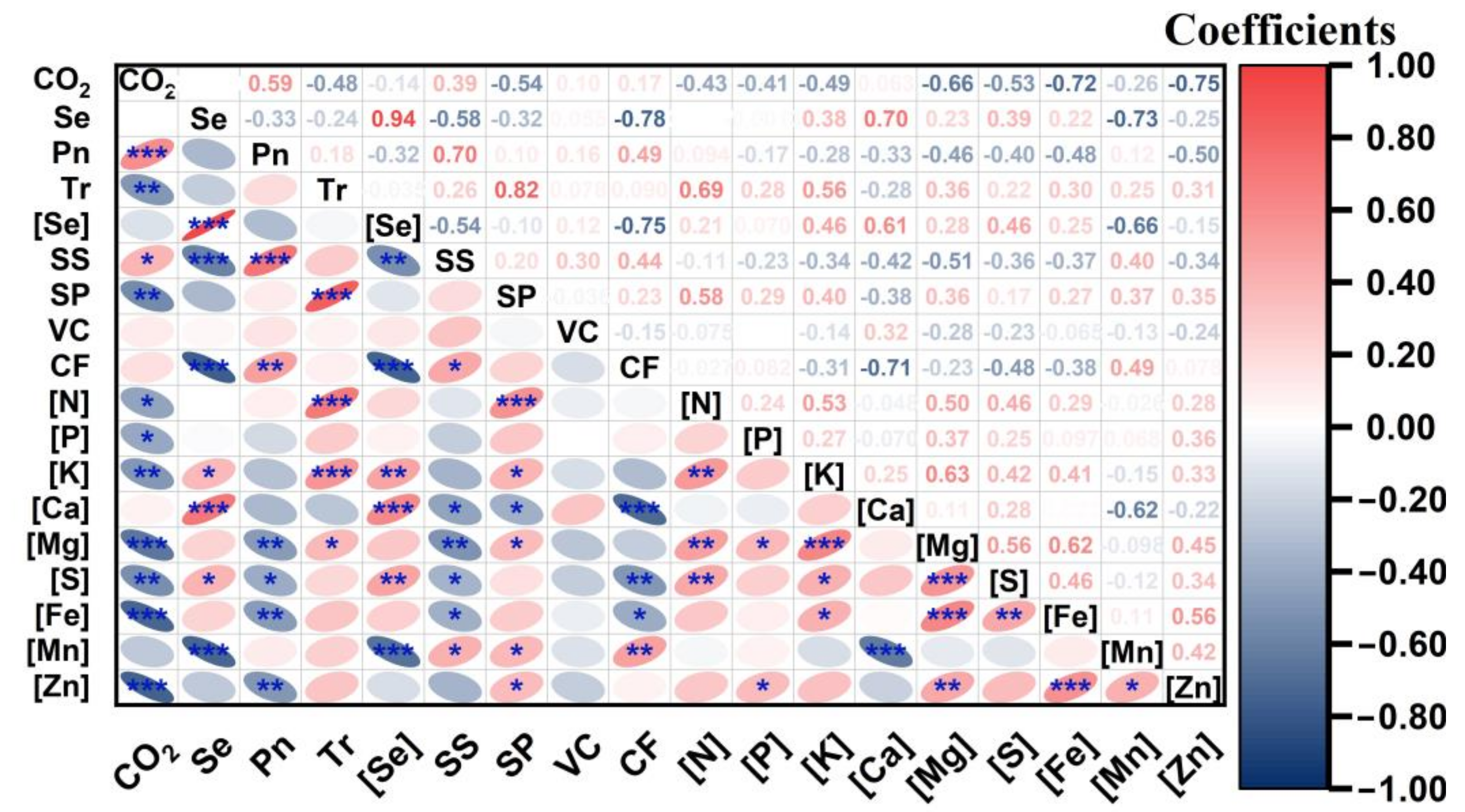
Hydroponic-producing selenium (Se)-biofortified vegetables in a greenhouse is a convenient and effective way to provide Se-enriched food and overcome hidden hunger. CO2 fertilization is commonly implemented to increase vegetable yield in greenhouse production. However, this application accompanies decreased mineral concentrations in the edible parts. Here we investigated the effects of [CO2] and Se supply on the growth, gas exchange, and cucumber fruit quality. A hydroponic experiment with two CO2 concentrations ([CO2]) (C1: 410, and C2: 1200 μmol mol−1) and four Se supply levels (Se0: 0, Se1: 0.125, Se2: 0.250, and Se3: 0.500 mg Se L−1) was carried out. A low level of Se supply (Se1: 0.125 mg Se L−1) protected the photosynthetic pigments and stimulated the stomatal opening, especially under [CO2] fertilization. It leads to a higher net photosynthesis rate (Pn) and transpiration rate (Tr) than other Se treatments. The most significant changes in dry weight, fruit yield, and soluble sugar concentration were also obtained in Se1 under CO2 fertilization due to the enhanced CO2 fixation. Meanwhile, the Se concentration in fruit was 0.63 mg kg−1 FW in C2Se1, with the highest Se accumulation and use efficiency. According to the recommended dietary allowance of 55 μg Se day−1 for adults, an intake of 87 g of cucumber grown in C2Se1 is sufficient. Because of the improved Tr and better root structure in Se1, the uptake of mineral nutrients through mass flow and interception was well maintained under CO2 fertilization. So, the concentrations of N, P, K, Ca, and Mn in cucumber fruits were not significantly decreased by elevated [CO2] in Se1. However, the concentrations of soluble proteins, S, Mg, Fe, and Zn in cucumber fruits in C2Se1 were lower than those in C1Se1, which was mainly attributed to the dilution effects under CO2 fertilization. Therefore, a selenite supply of 0.125 mg Se L−1 was found to be the optimal dosage for producing Se-enriched cucumber fruits with high yield and better qualities under CO2 fertilization (1200 μmol mol−1).
Keywords: crude fiber; photosynthetic pigment; recommended daily intakes; soluble protein; soluble sugar; vitamin C crude fiber; photosynthetic pigment; recommended daily intakes; soluble protein; soluble sugar; vitamin C