Article

Mapping Soil Organic Matter Content Based on Feature Band Selection with ZY1-02D Hyperspectral Satellite Data in the Agricultural Region

1
National Supercomputing Center in Zhengzhou, Zhengzhou University, Zhengzhou 450001, China
2
School of Geoscience and Technology, Zhengzhou University, Zhengzhou 450001, China
3
Henan Institute of Geological Survey, Zhengzhou 450001, China
4
National Engineering Laboratory Geological Remote Sensing Center for Remote Sensing Satellite Application, Zhengzhou 450001, China
*
Authors to whom correspondence should be addressed.
Agronomy 2022, 12(9), 2111; https://doi.org/10.3390/agronomy12092111

Submission received: 14 August 2022 / Revised: 1 September 2022 / Accepted: 3 September 2022 / Published: 5 September 2022
(This article belongs to the Special Issue Advances in Field Spectroscopy in Agriculture)

Abstract

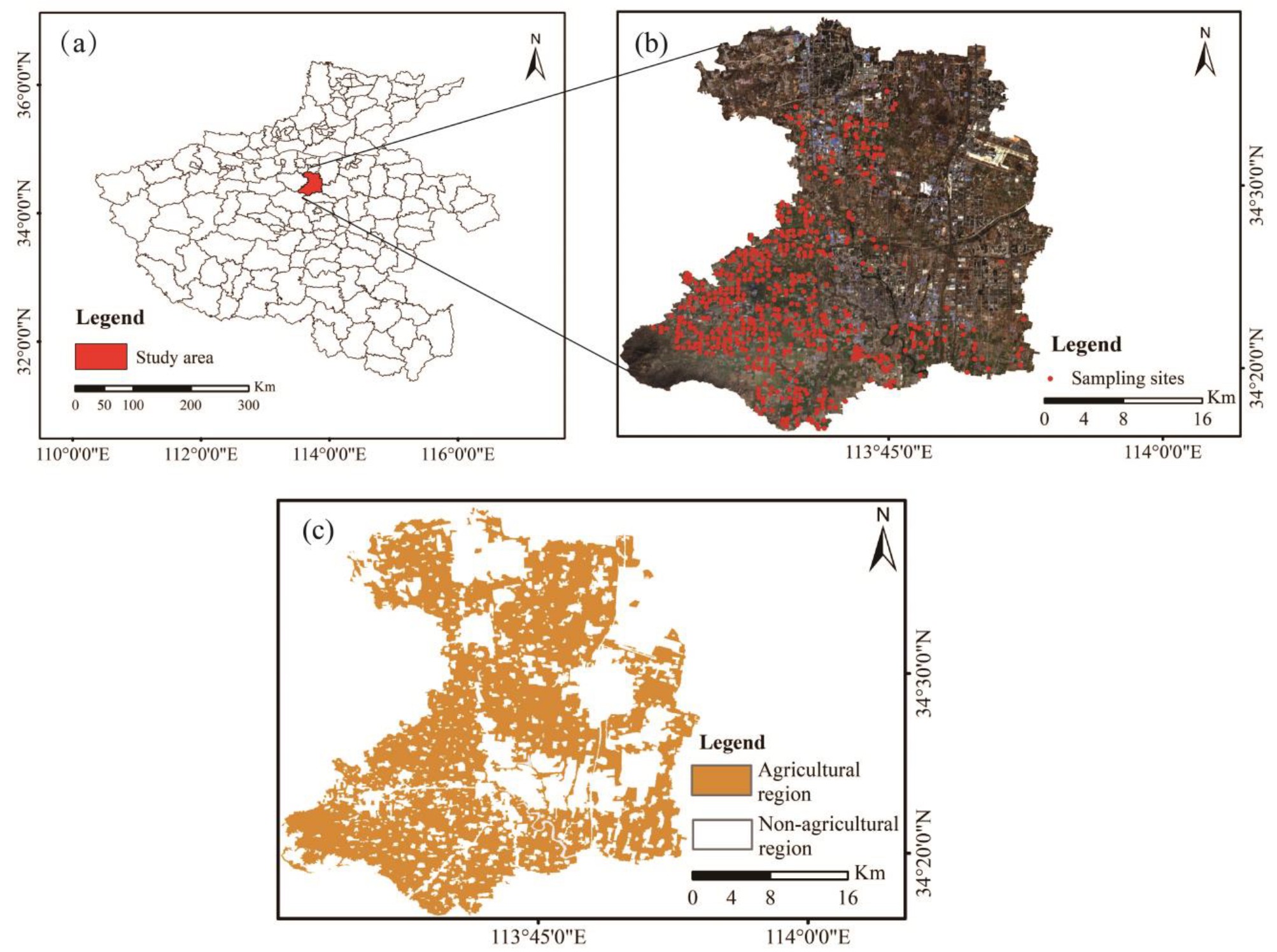
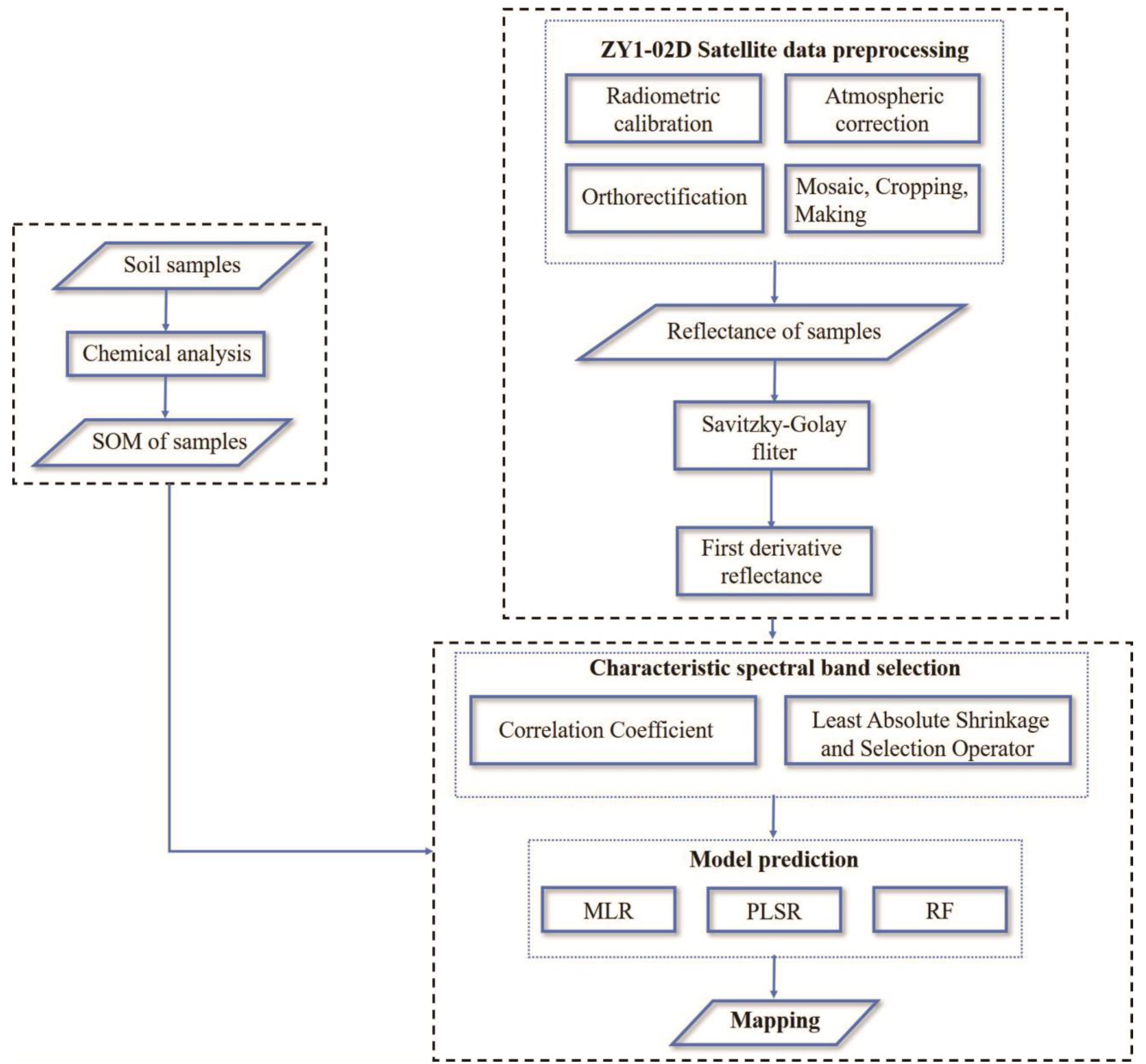
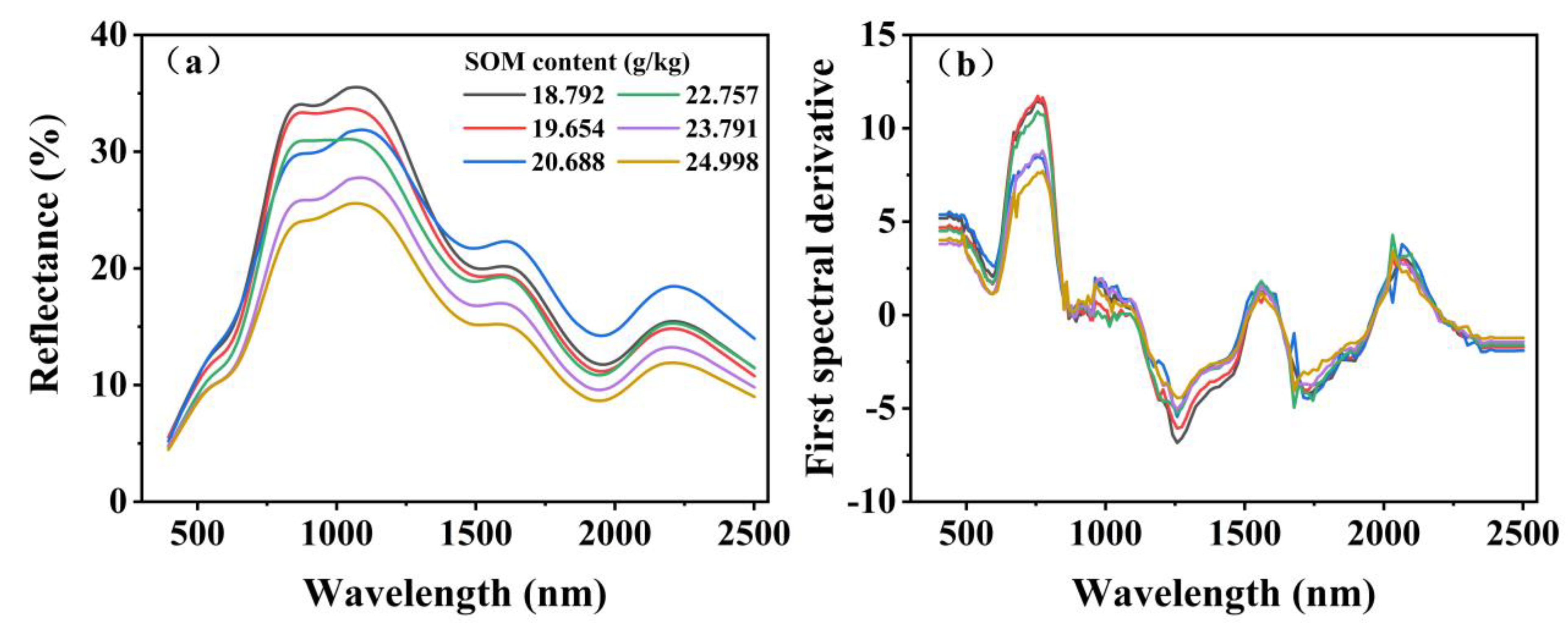
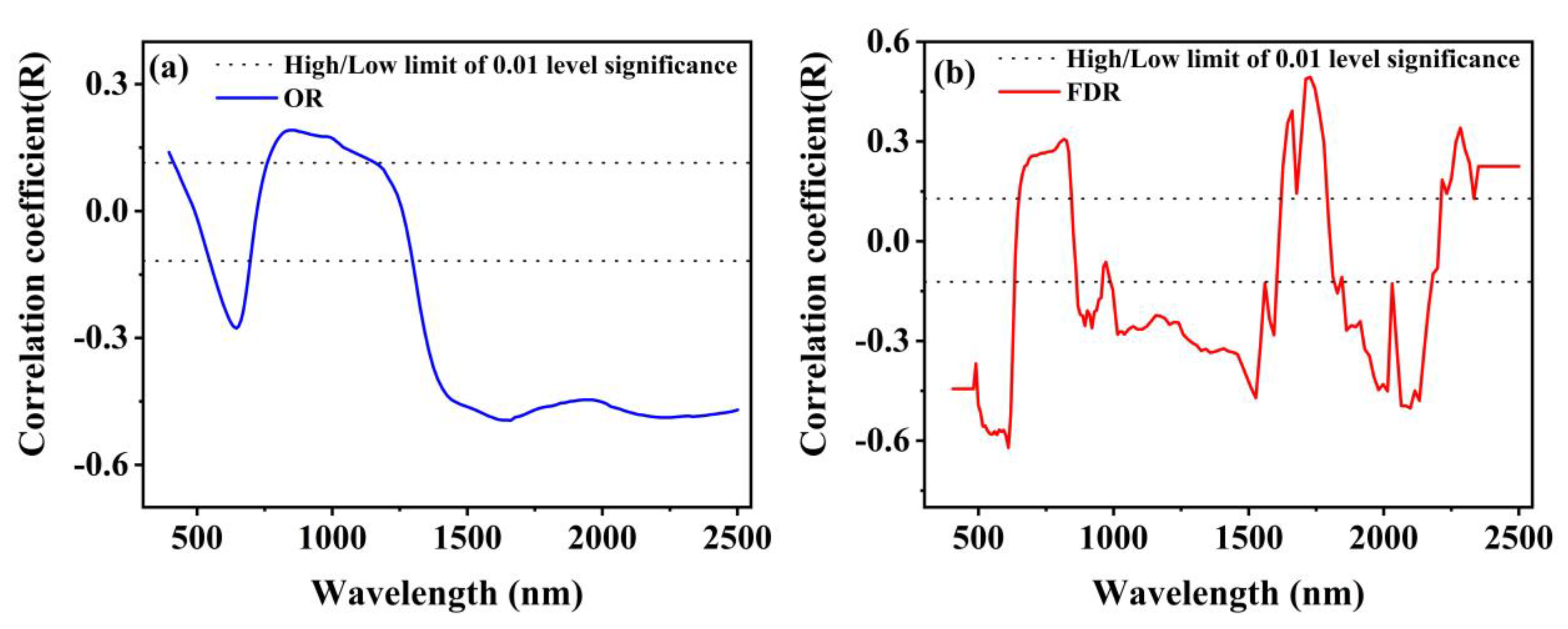
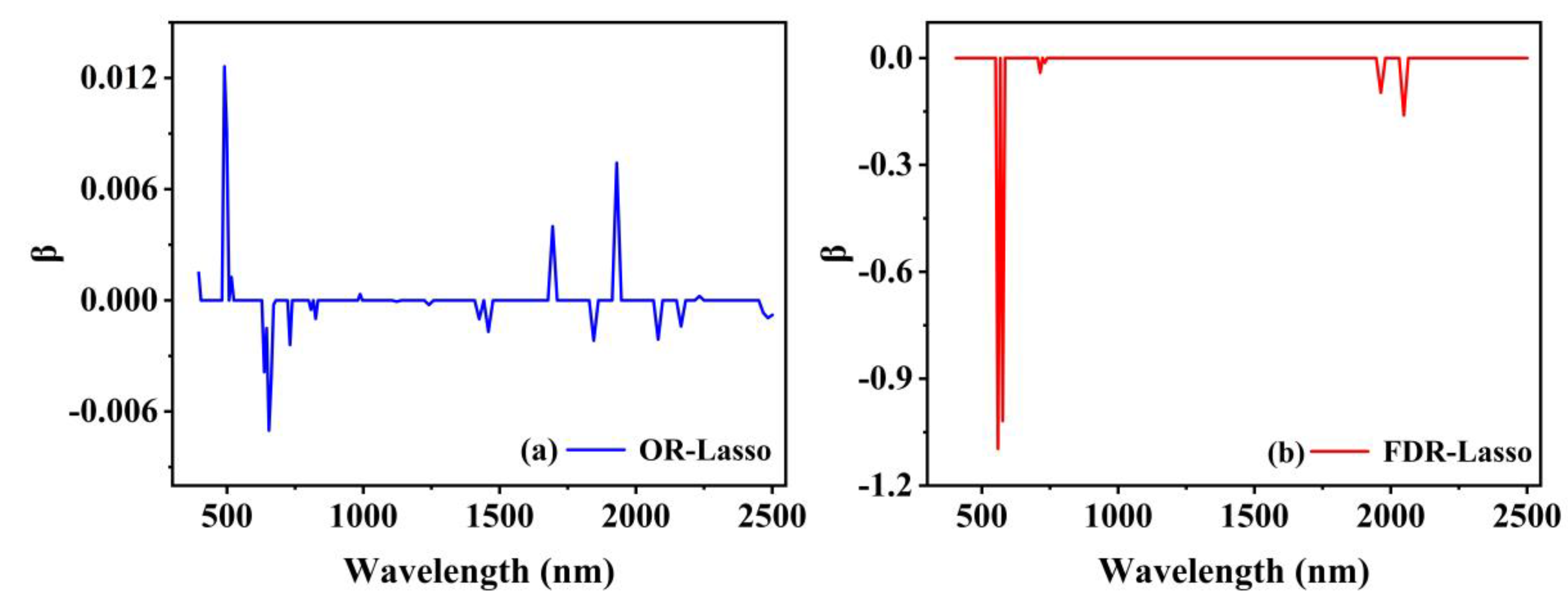
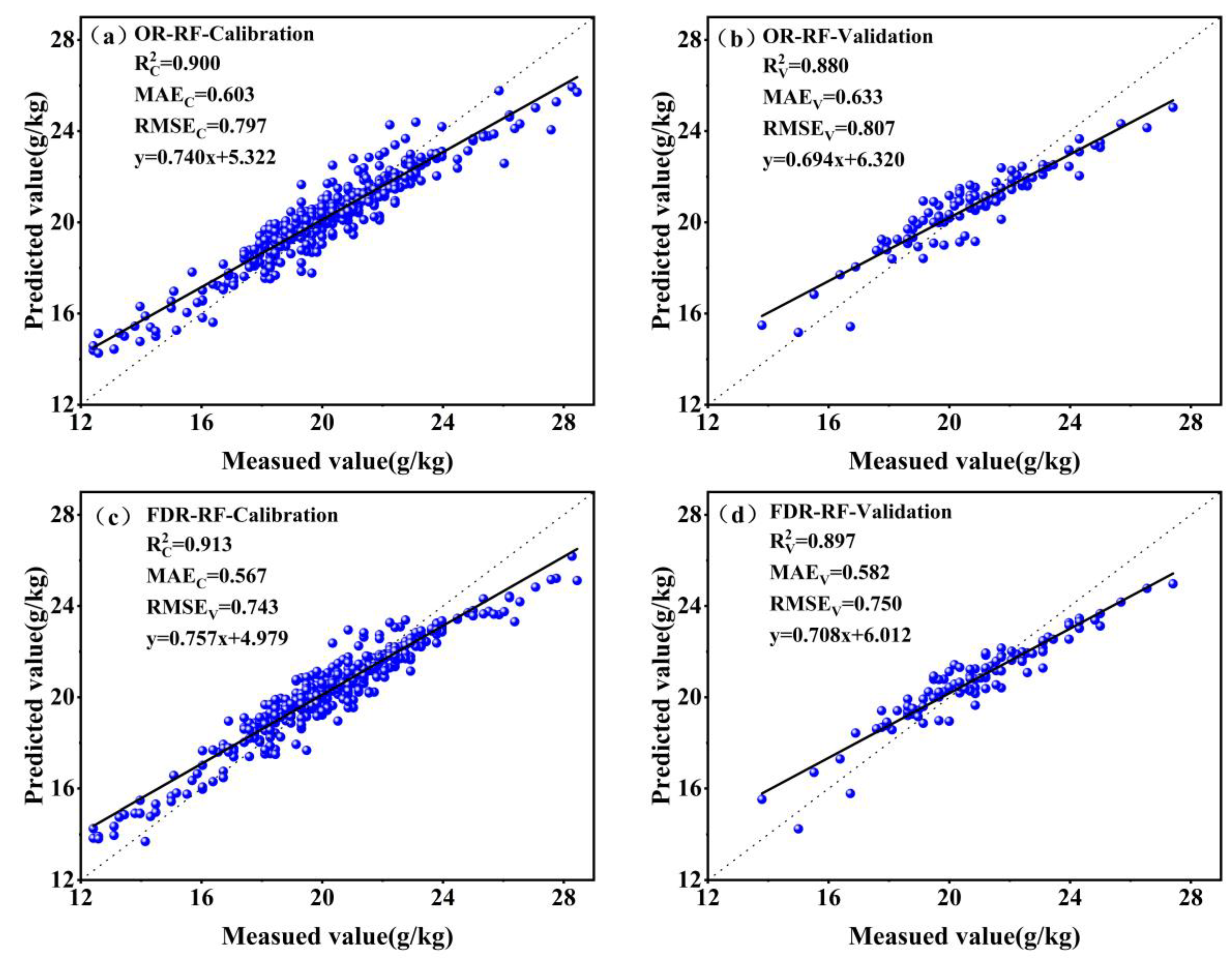
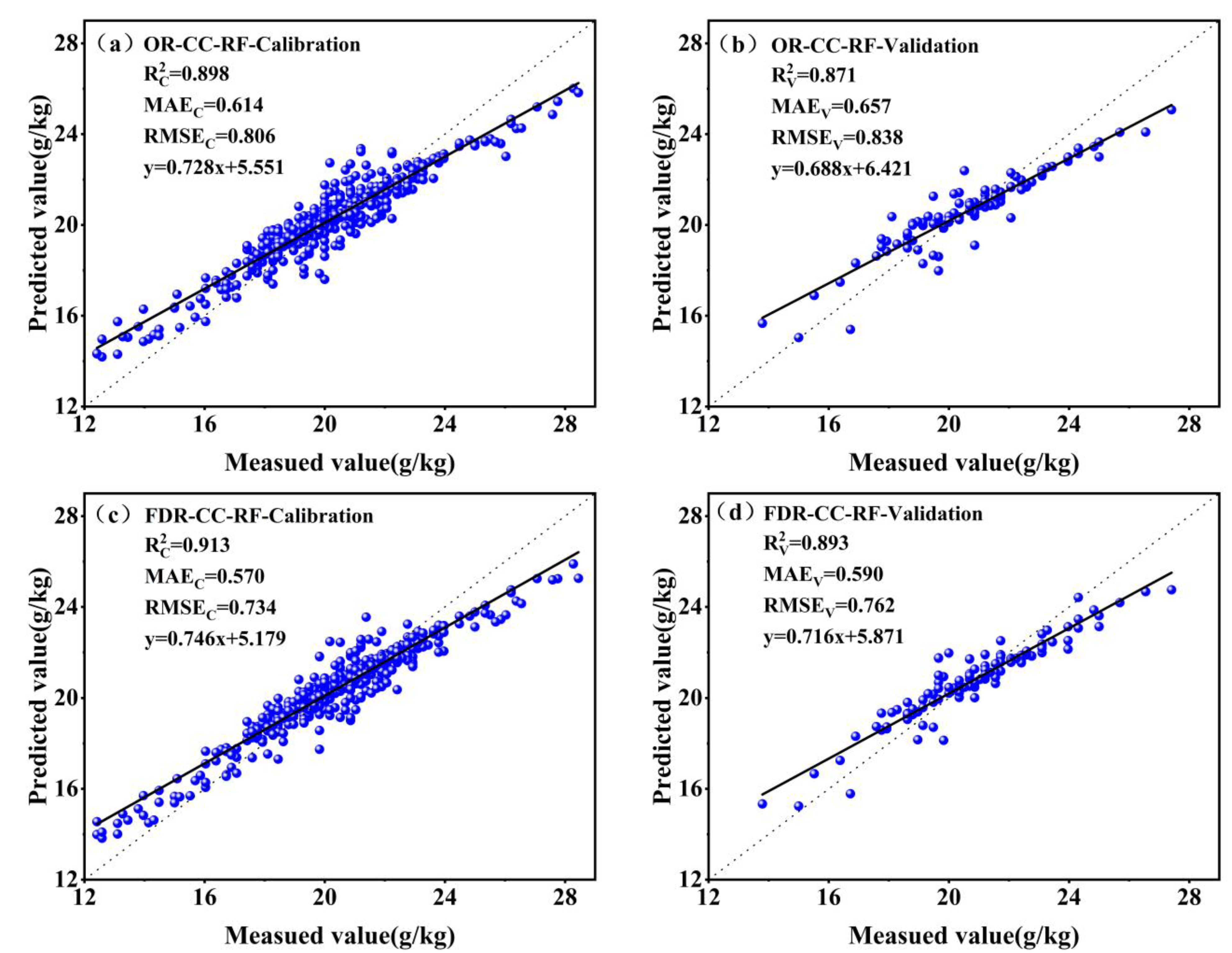
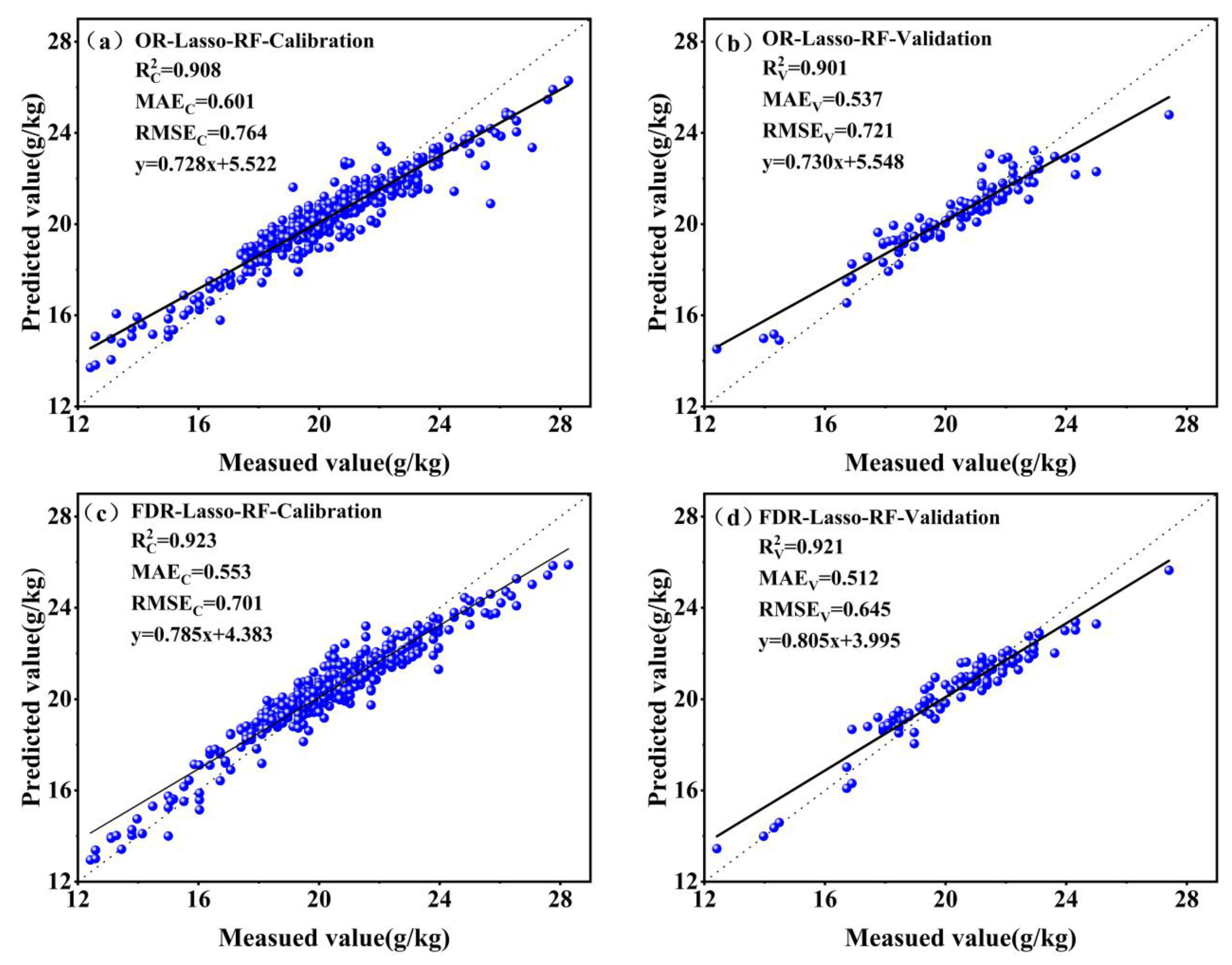
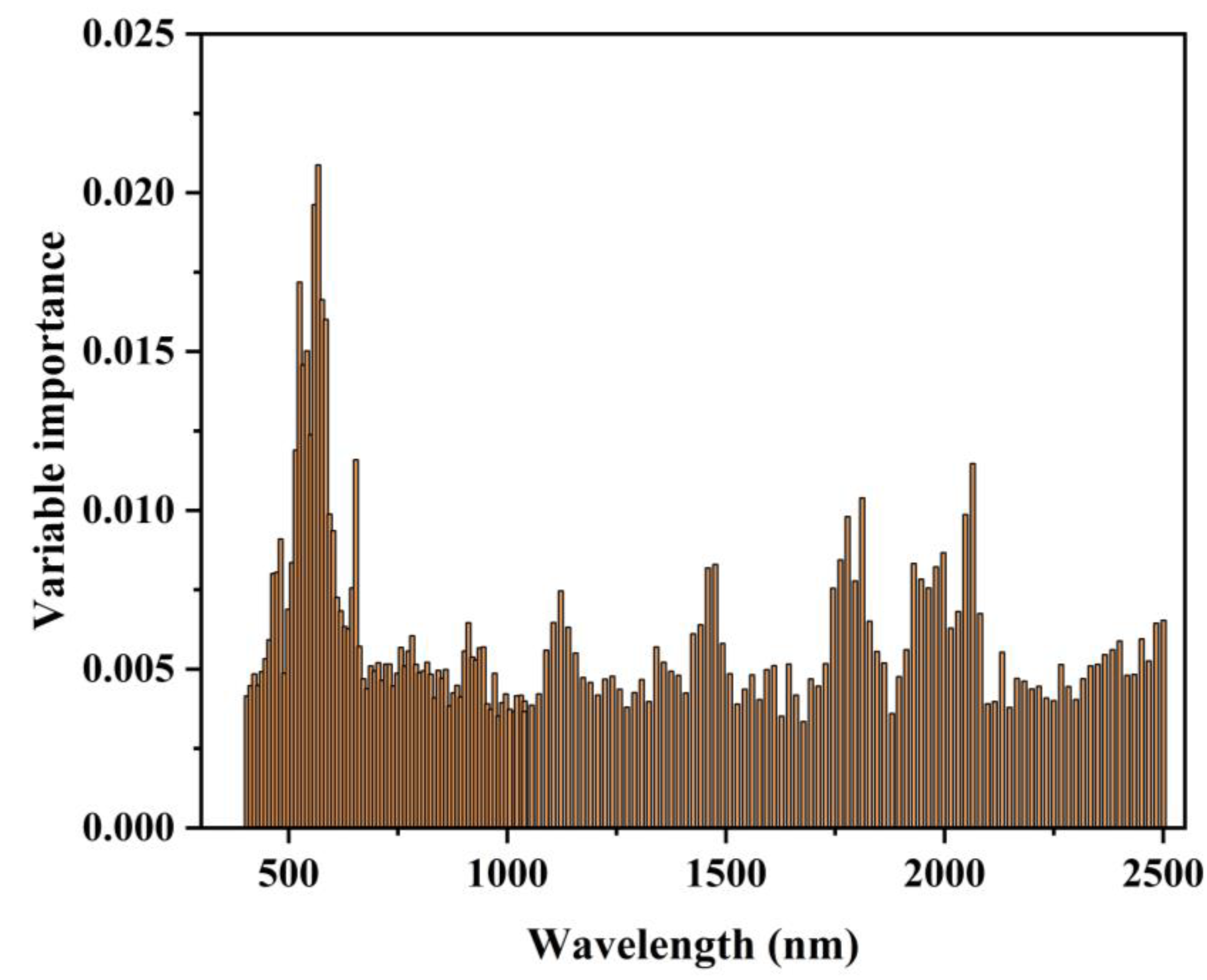
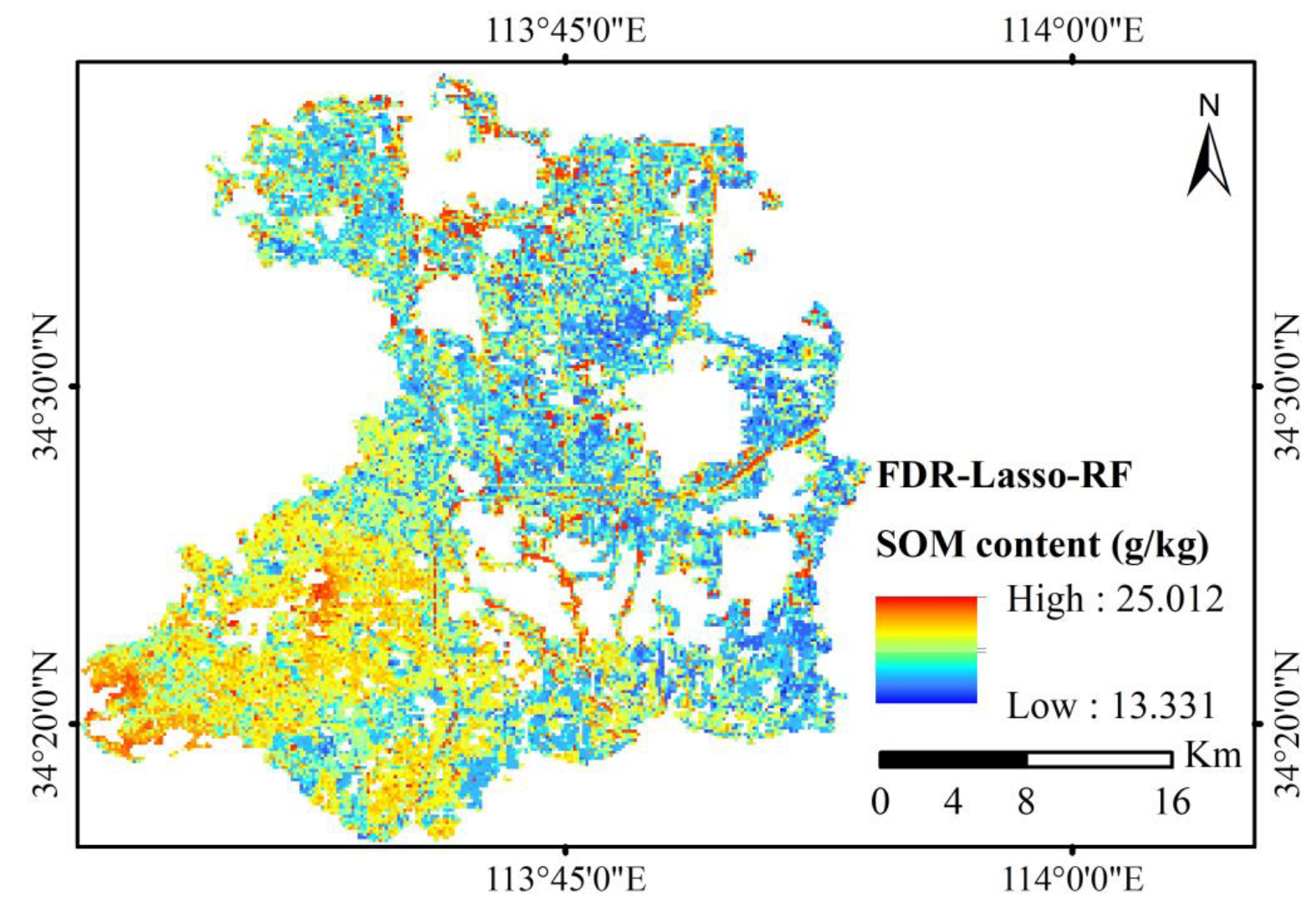
Soil organic matter (SOM) is an essential nutrient for crop growth and development. Hyperspectral satellite images with comprehensive spectral band coverage and high spectral resolution can be used to estimate and draw a spatial distribution map of SOM content in the region, which can provide a scientific management basis for precision agriculture. This study takes Xinzheng City, Henan Province’s agricultural area, as the research object. Based on ZY1-02D hyperspectral satellite image data, the first derivative of reflectance (FDR) was processed on the original reflectance (OR). The SOM characteristic spectral bands were extracted using the correlation coefficient (CC) and least absolute shrinkage and selection operator (Lasso) methods. The prediction model of SOM content was established by multiple linear regression (MLR), partial least squares regression (PLSR), and random forest (RF) algorithms. The results showed that: (1) FDR processing can enhance SOM spectral features and reduce noise; (2) the Lasso feature band extraction method can reduce the model’s input variables and raise the estimation precision; (3) the SOM content prediction ability of the RF model was significantly better than that of the MLR and PLSR models. The FDR-Lasso-RF model was the best SOM content prediction model, and the validation set R2 = 0.921, MAEV = 0.512 g/kg, RMSEV = 0.645 g/kg; (4) compared with laboratory hyperspectral data-SOM prediction methods, hyperspectral satellite data can achieve accurate, rapid, and large-scale SOM content prediction and mapping. This study provides an efficient, accurate, and feasible method for predicting and mapping SOM content in an agricultural region.
Keywords: soil organic matter; hyperspectral satellite data; ZY1-02D; spectral characteristic selection; agricultural region soil organic matter; hyperspectral satellite data; ZY1-02D; spectral characteristic selection; agricultural region