Review

Climatology, Bioclimatology and Vegetation Cover: Tools to Mitigate Climate Change in Olive Groves

by
Ana Cano-Ortiz
1,
Jose Carlos Piñar Fuentes
1,
Felipe Leiva Gea
1,
Jehad Mahmoud Hussein Ighbareyeh
1,2,
Ricardo Jorje Quinto Canas
3,4,
Catarina Isabel Rodrigues Meireles
5,
Mauro Raposo
5,
Carlos Jose Pinto Gomes
5,
Giovanni Spampinato
6,
Sara del Río González
7,
Carmelo Maria Musarella
1,6 and
Eusebio Cano
1,*
1
Department of Animal and Plant Biology and Ecology Section of Botany, University of Jaen, Campus Universitario Las Lagunillas s/n, 23071 Jaén, Spain
2
Department of Plant Production and Protection, Faculty of Agriculture, Al-Quds Open University, Abu Khatallah Street, Hebron P720, Palestine
3
Faculty of Sciences and Technology, University of Algarve, Campus de Gambelas, 8005-139 Faro, Portugal
4
Centre of Marine Sciences (CCMAR), University of Algarve, Campus de Gambelas, 8005-139 Faro, Portugal
5
Department of Landscape, Environment and Planning, Institute for Mediterranean Agrarian and Environmental Sciences (ICAAM), School of Science and Technology, University of Évora (Portugal), Rua Romão Ramalho, no 59, 7000-671 Évora, Portugal
6
Department of Agraria, Mediterranean University of Reggio Calabria, Feo di Vito, snc-89122 Reggio Calabria, Italy
7
Department of Biodiversity and Environmental Management (Botany), Faculty of Biological and Environmental Sciences, Mountain Livestock Institute (CSIC-ULE), University of León, Campus de Vegazana s/n, 24071 León, Spain
*
Author to whom correspondence should be addressed.
Agronomy 2022, 12(11), 2707; https://doi.org/10.3390/agronomy12112707

Submission received: 23 September 2022 / Revised: 28 October 2022 / Accepted: 28 October 2022 / Published: 1 November 2022
(This article belongs to the Special Issue Recent Progress in Plant Taxonomy and Floristic Studies)

Abstract

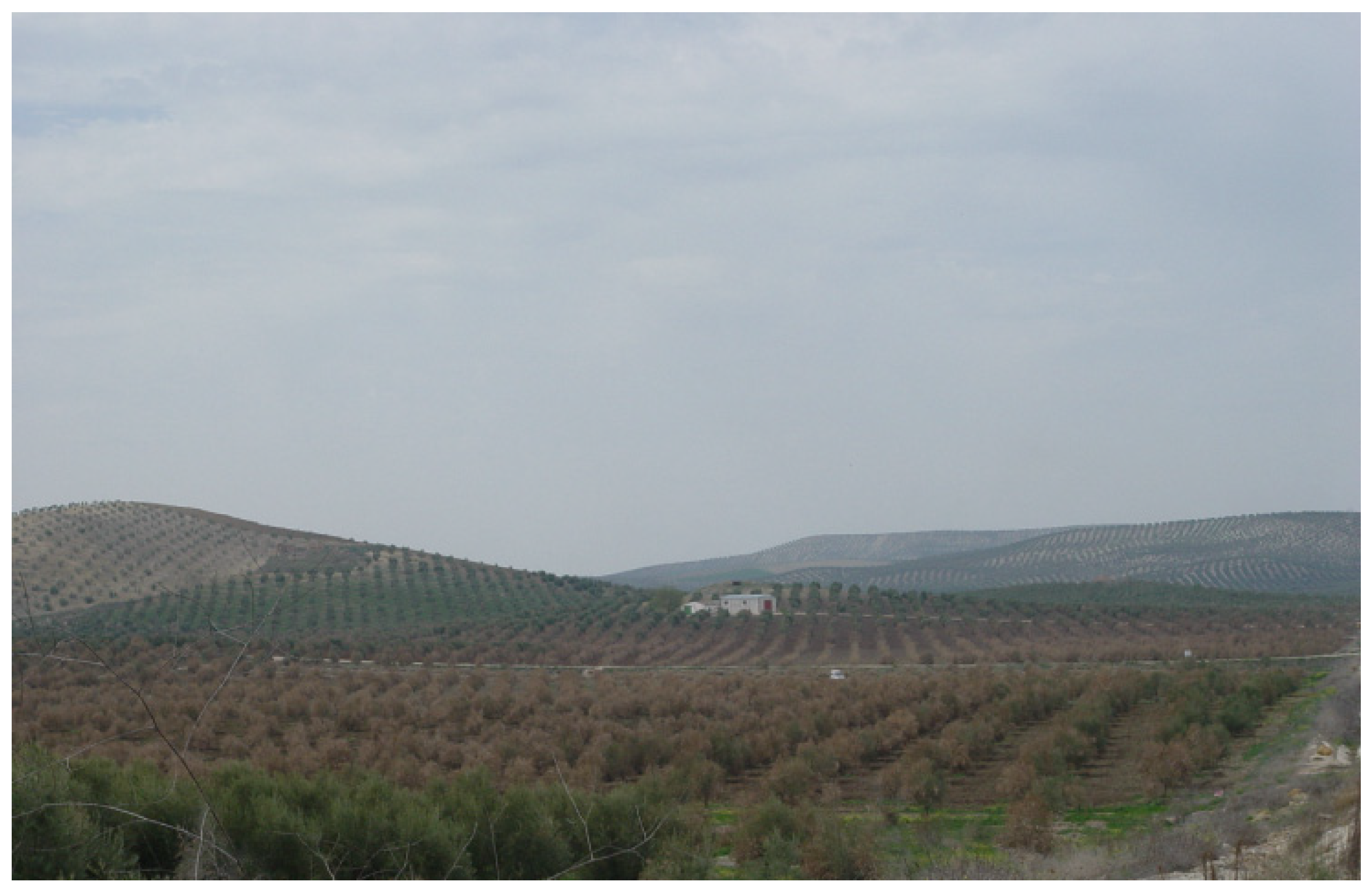
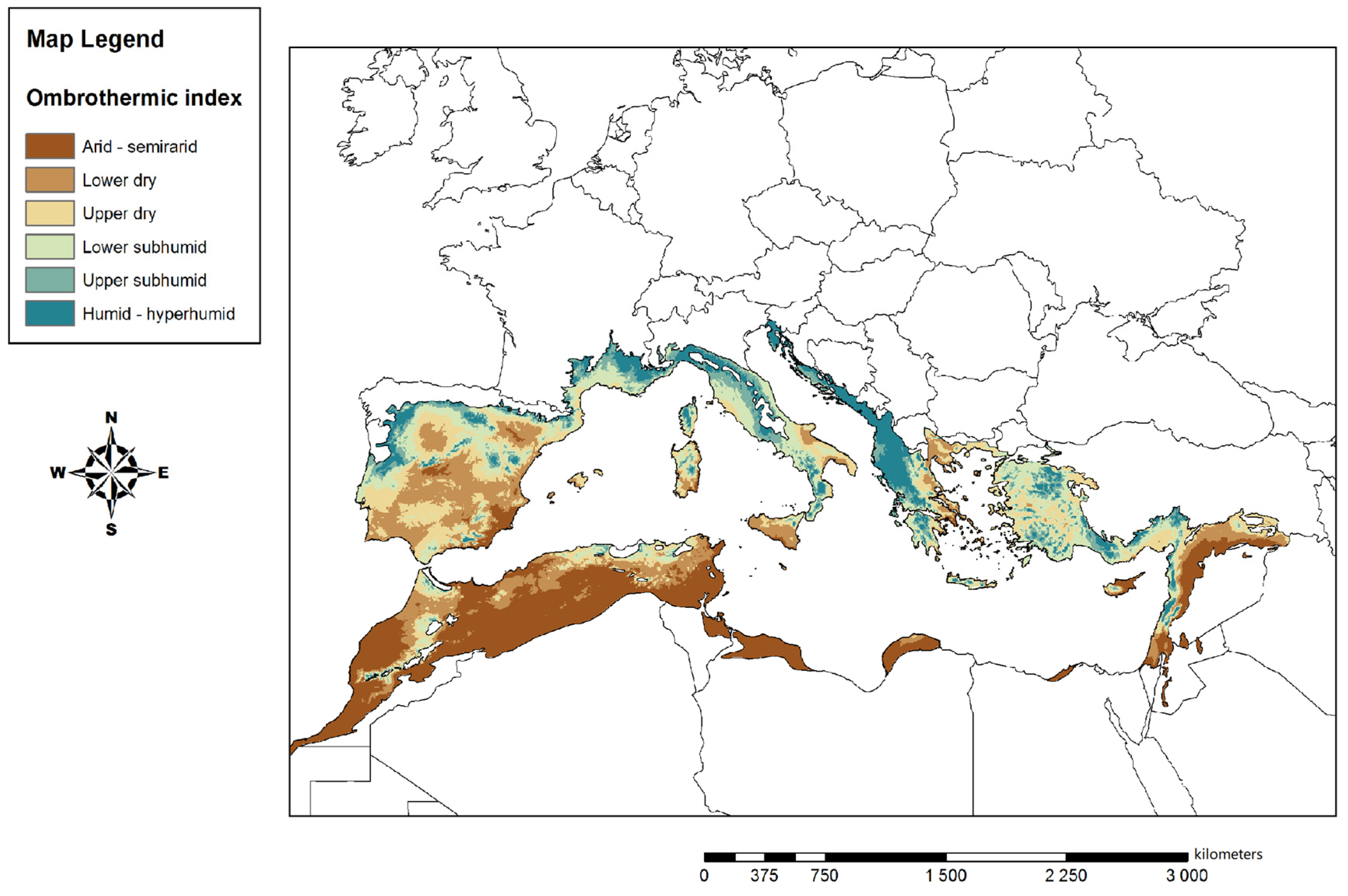
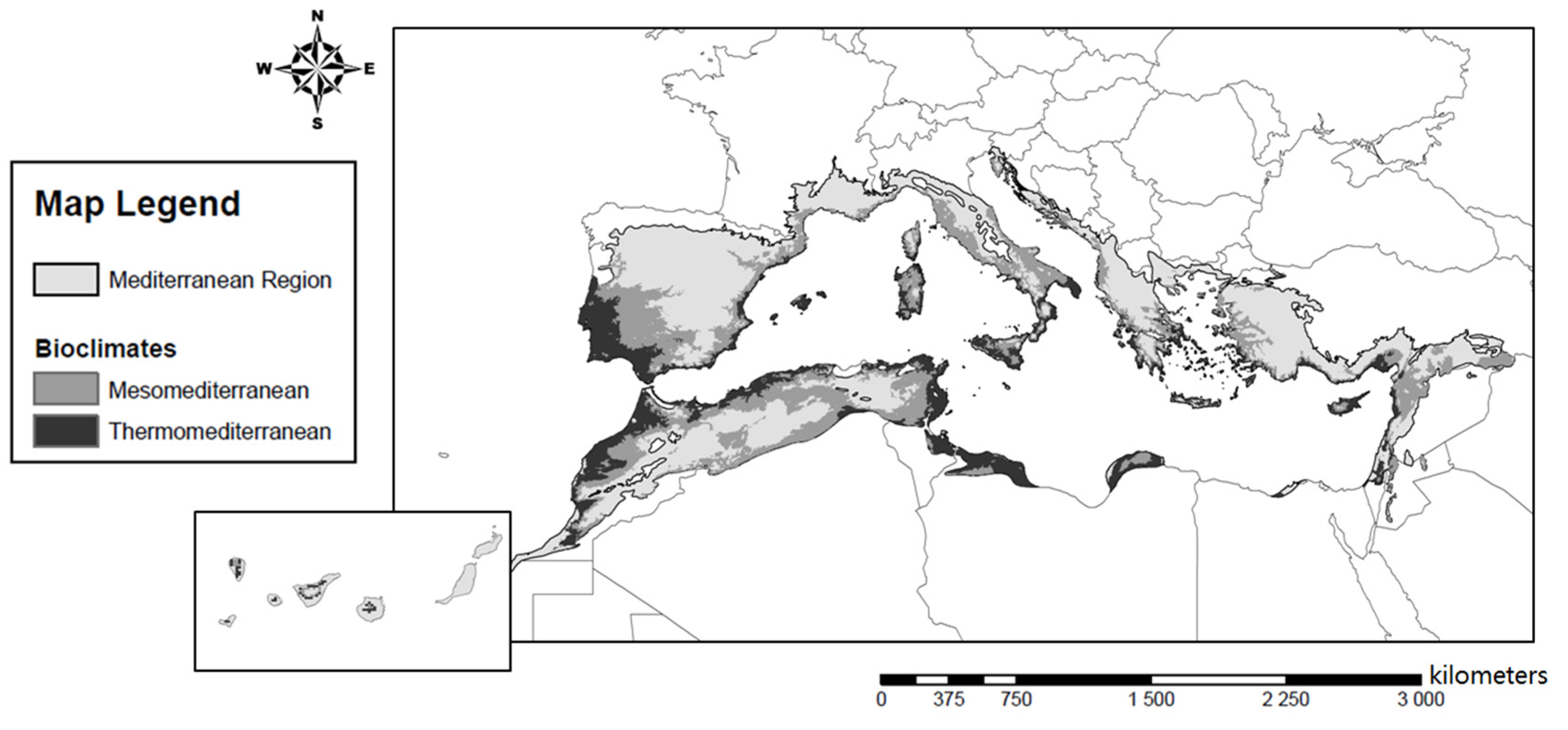
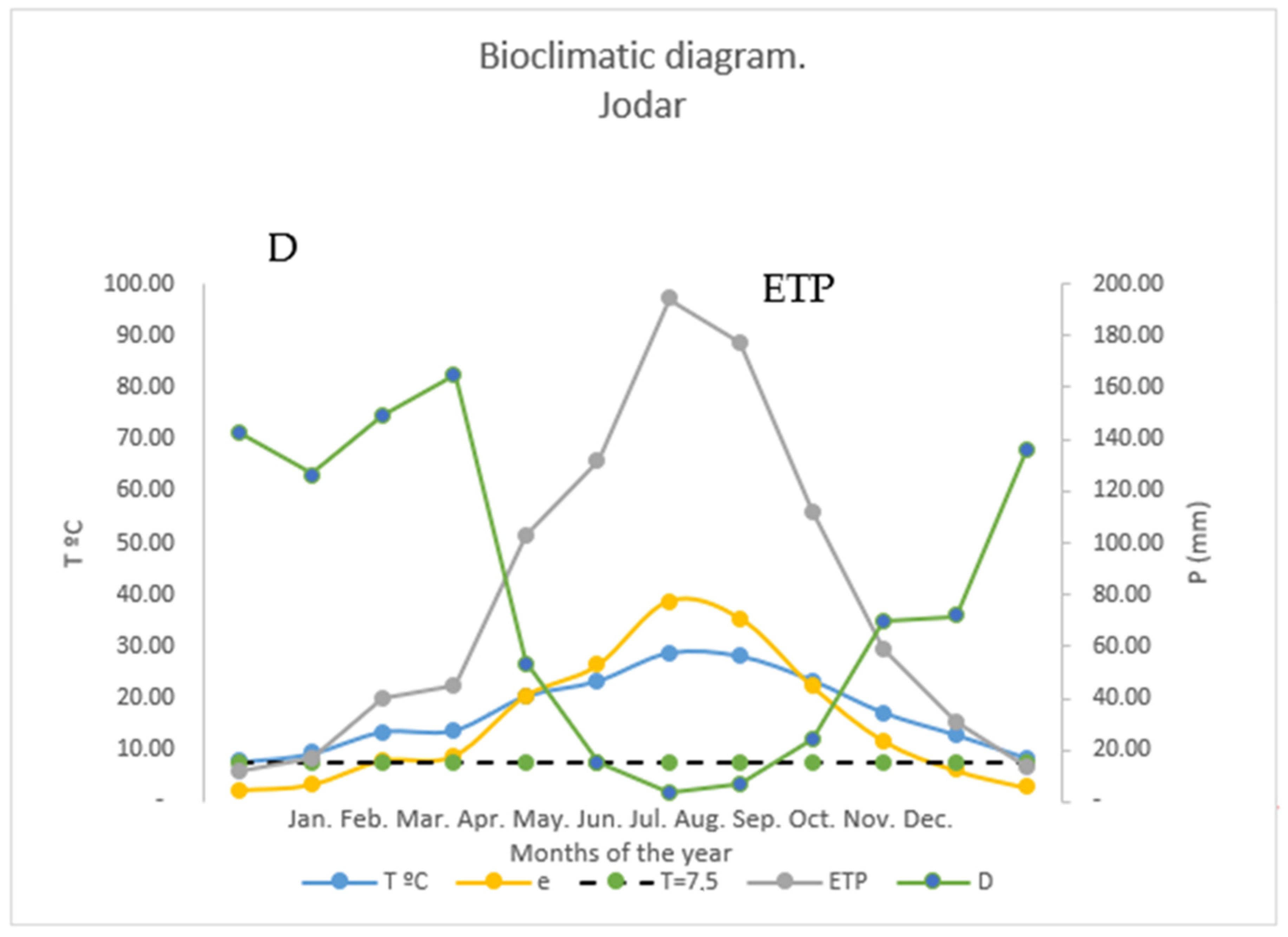
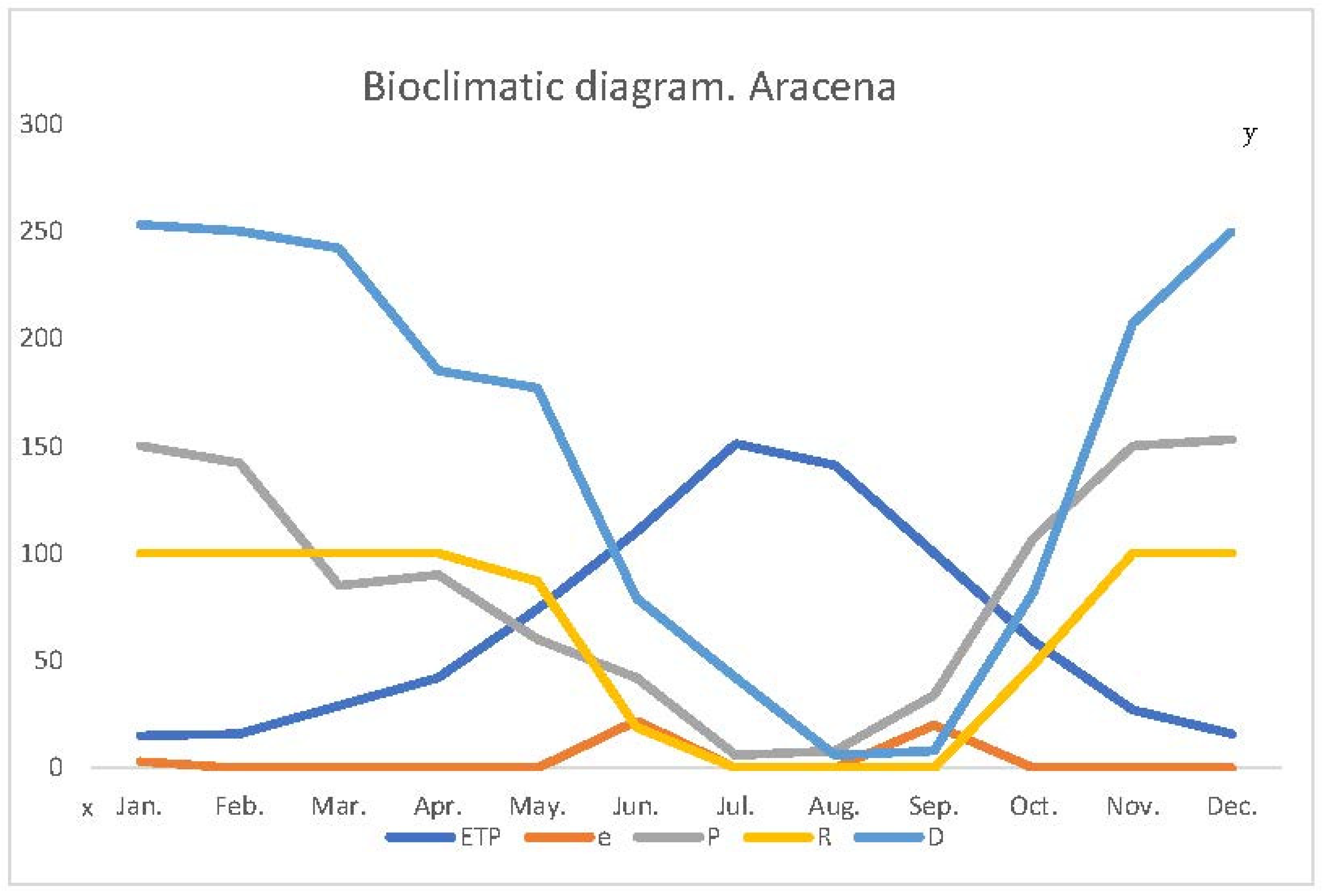
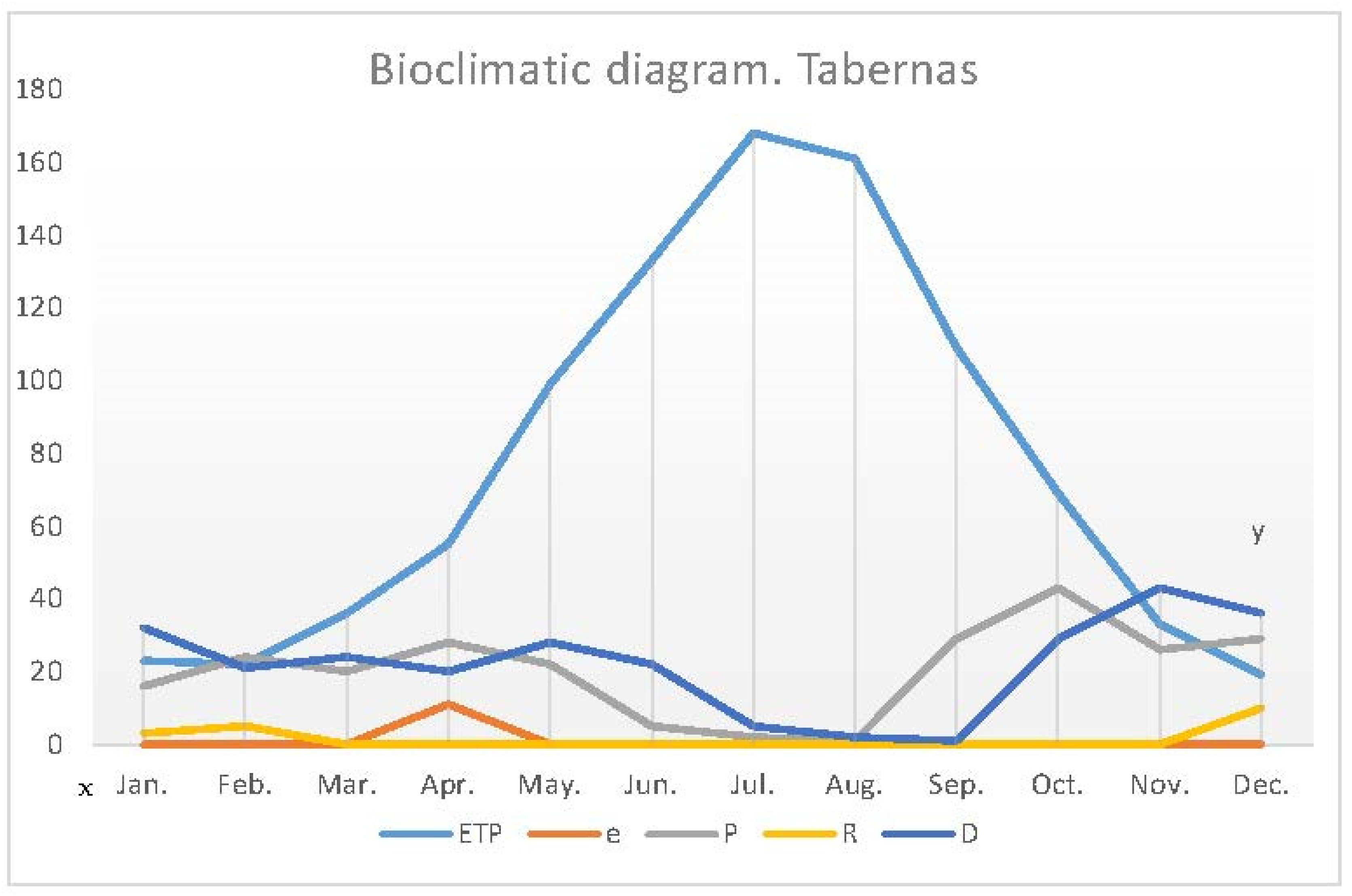
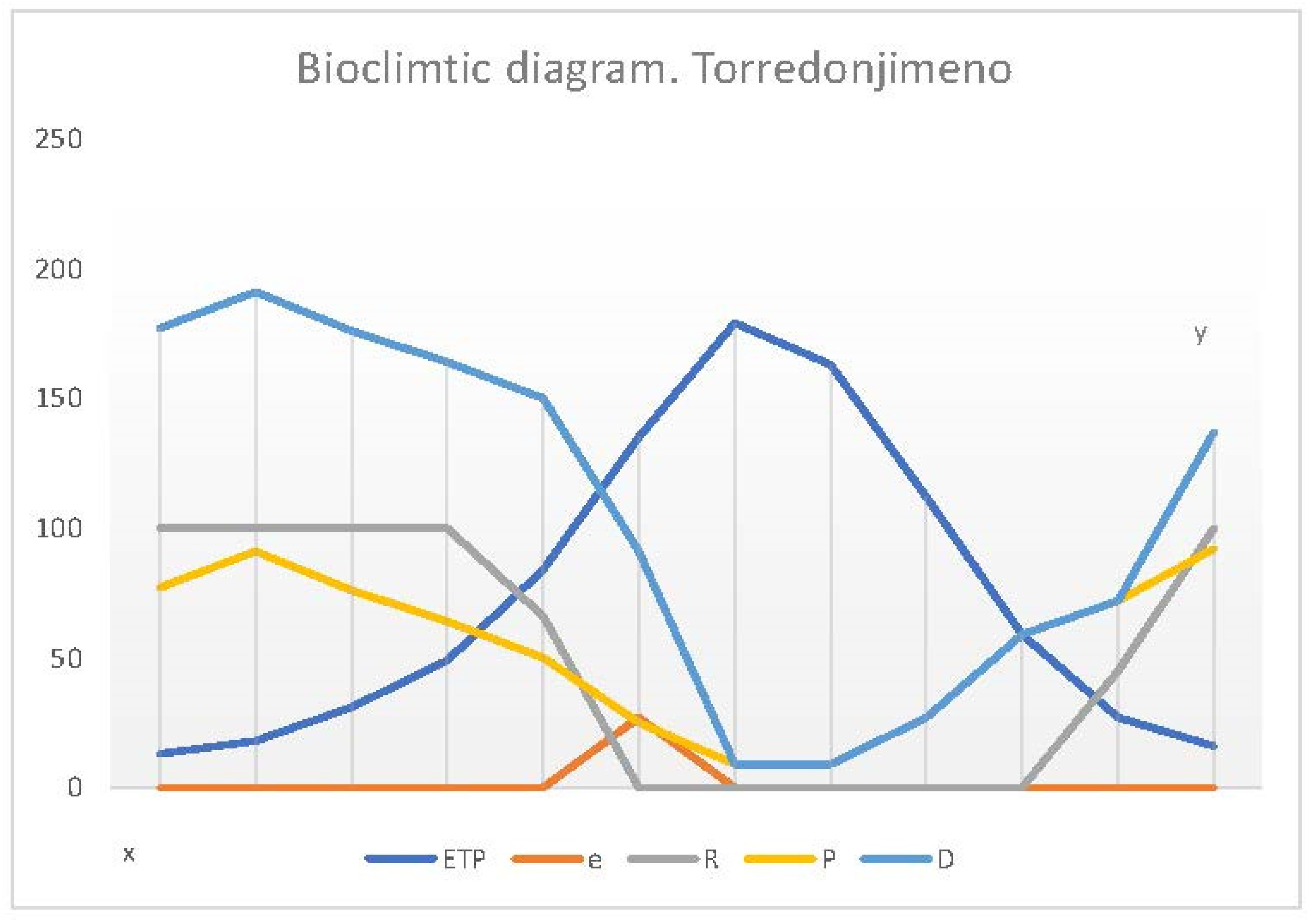
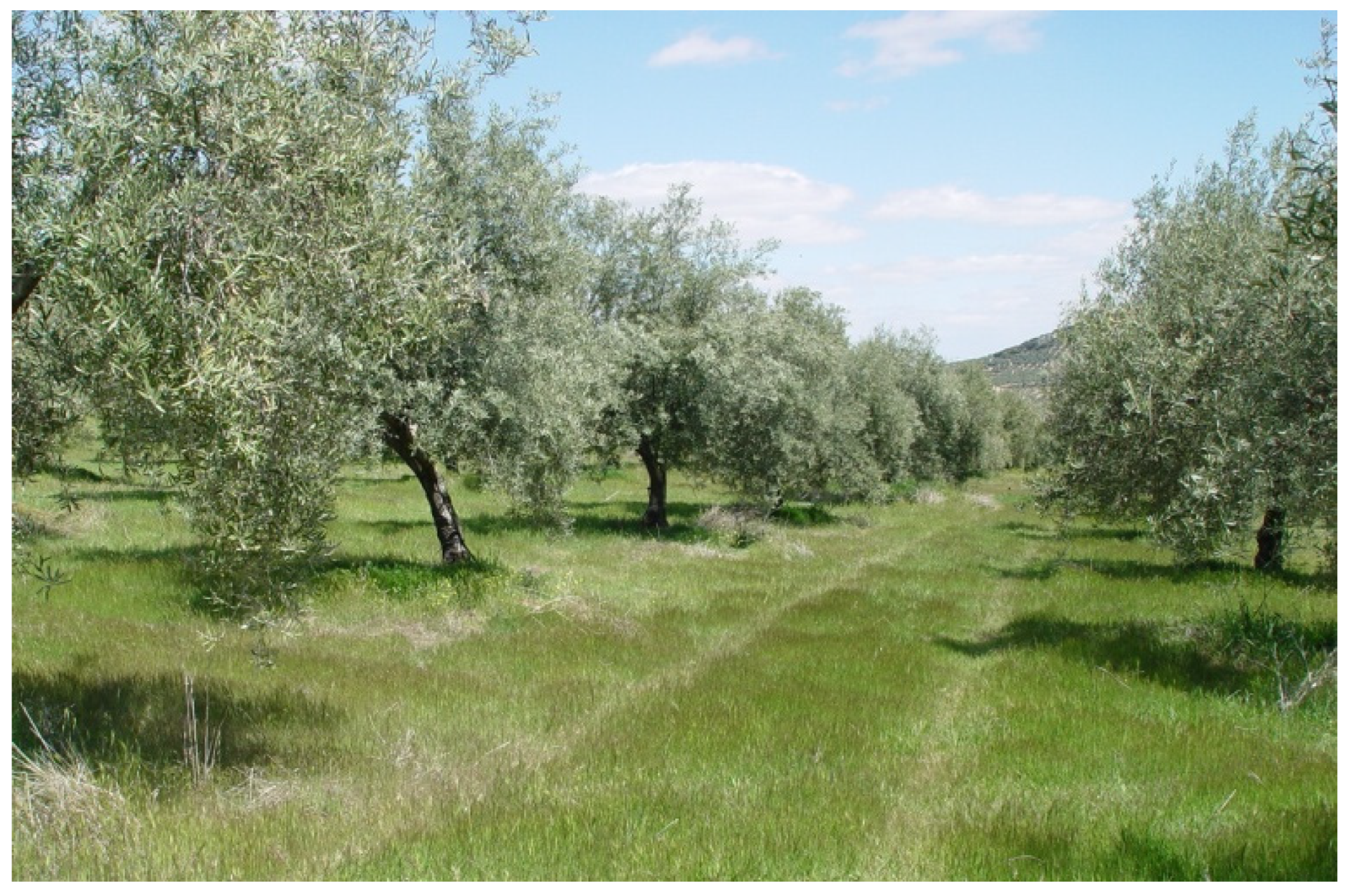
This work establishes the relationship between bioclimatology and agronomy. Bioclimatic indices are obtained for several areas under olive cultivation and correlated with olive yields. Due to the effect of climate change on cultivation and the high economic losses it produces, we propose a sustainable development model for the territorial classification of crops based on bioclimatic knowledge. Bioclimatic diagrams are prepared to provide information on water stress in crops so that irrigation can be carried out at the most effective time, a measure that has been shown to lead to water and energy savings for growers. In addition to this development model, we propose the application of non-aggressive cultivation techniques such as the use of living plant cover to ensure the protection of the soil and avoid losses due to climate irregularities. Studies conducted up to the present on applied bioclimatology have yielded promising results in the fields of farming and forestry. The maps and bioclimatic indices of Professor Rivas-Martínez, Ic, Io and It/Itc, are essential for bioclimatic classification. The agricultural development model with a bioclimatic basis ensures economic savings for growers and minimizes the environmental impact of cultivation. In the case of olive cultivation we detected that in 2005 all the cultivated areas that were not in their thermoclimatic optimum were damaged by frost. The widespread cultivation of olive groves in the Mediterranean basin, and mainly in the south of Spain, is reason enough to establish a relationship between its production and its bioclimatic environment. The ombroclimatic study in certain localities under olive cultivation shows that areas with Io <2.5 are unproductive (Jodar, Tabernas), and that their low Io value needs to be supplemented with irrigation water. This means extracting water from aquifers for agricultural use, when the current climate irregularities do not allow the excessive use of subsoil water. For the time being the only way of mitigating this situation is with sustainable development, which requires a bioclimatic understanding of the territory; and the use of appropriate cultivation techniques, including herbaceous plant covers. In this last case a knowledge of the plant associations in the phytosociological class Stellarietea mediae constitutes the basis for establishing either natural or sown vegetation cover.
Keywords: bioclimatology; agronomy; olive cultivation; climate change; vegetation cover bioclimatology; agronomy; olive cultivation; climate change; vegetation cover