Article

Genetic Diversity of Castor Bean (Ricinus communis L.) Revealed by ISSR and RAPD Markers
1
College of Life Science, Northeast Forestry University, Harbin 150040, China
2
College of Life Science, Inner Mongolia University for the Nationalities, Tongliao 028043, China
3
Inner Mongolia Key Laboratory of Castor Breeding, Tongliao 028043, China
4
Heilongjiang Provincial Hydraulic Research Institute, Harbin 150080, China
5
Tongliao Academy of Agricultural Science, Tongliao 028000, China
6
Academy of Agricultural Sciences, Zibo 255000, China
7
Shanxi Academy of Agricultural Sciences, Fenyan 032200, China
*
Authors to whom correspondence should be addressed.
Agronomy 2021, 11(3), 457; https://doi.org/10.3390/agronomy11030457

Submission received: 27 January 2021 / Revised: 23 February 2021 / Accepted: 24 February 2021 / Published: 1 March 2021

Abstract

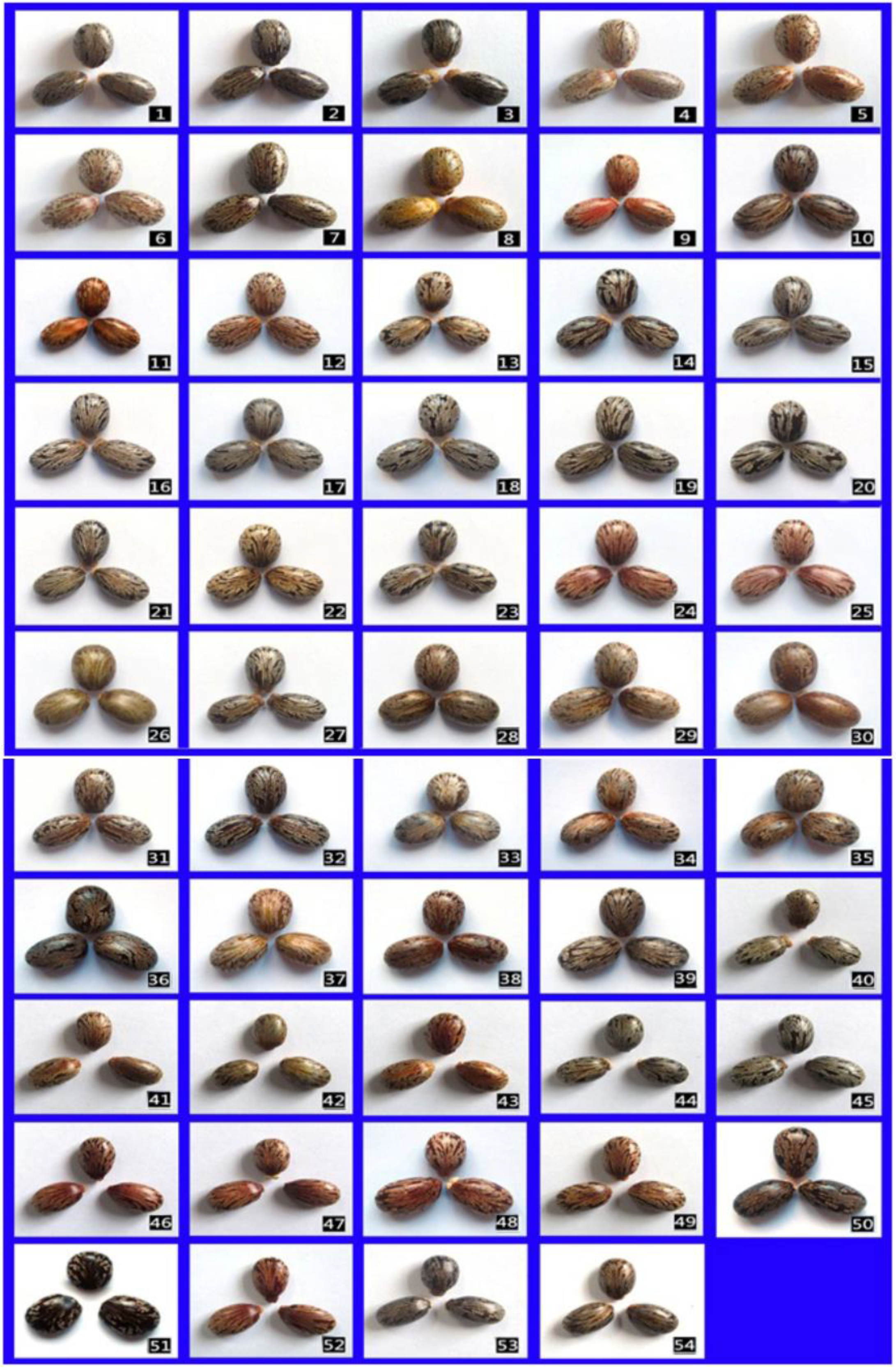
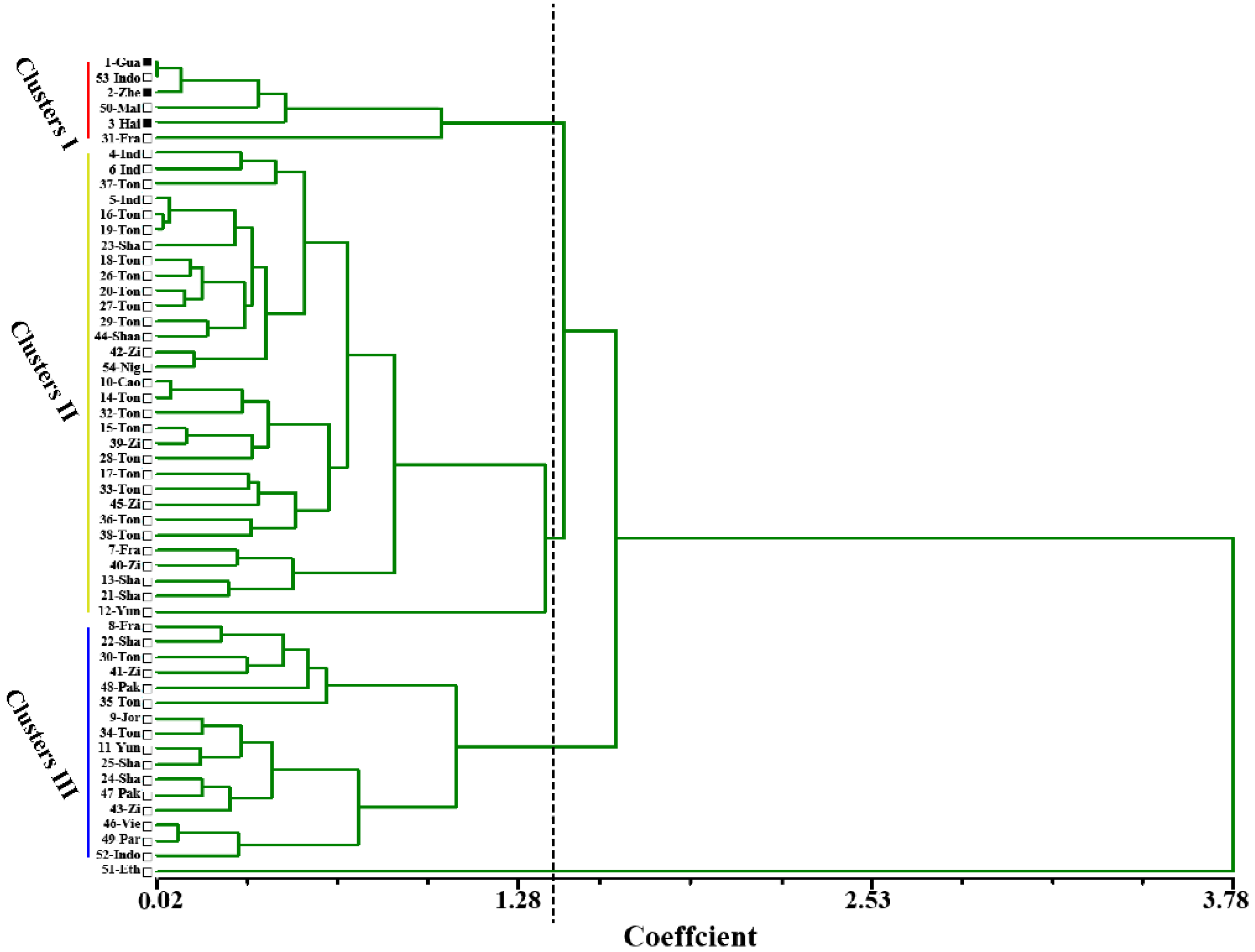
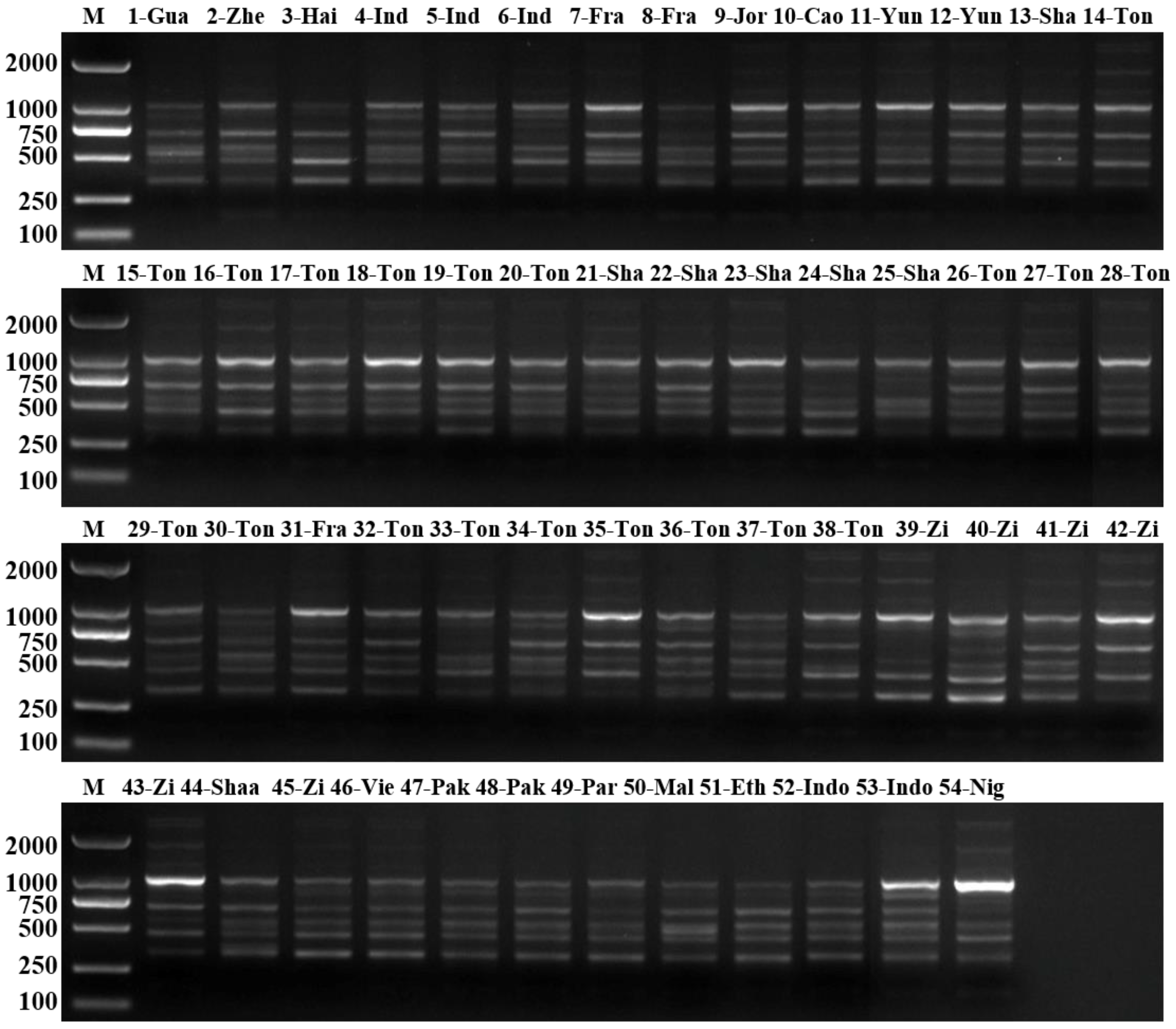
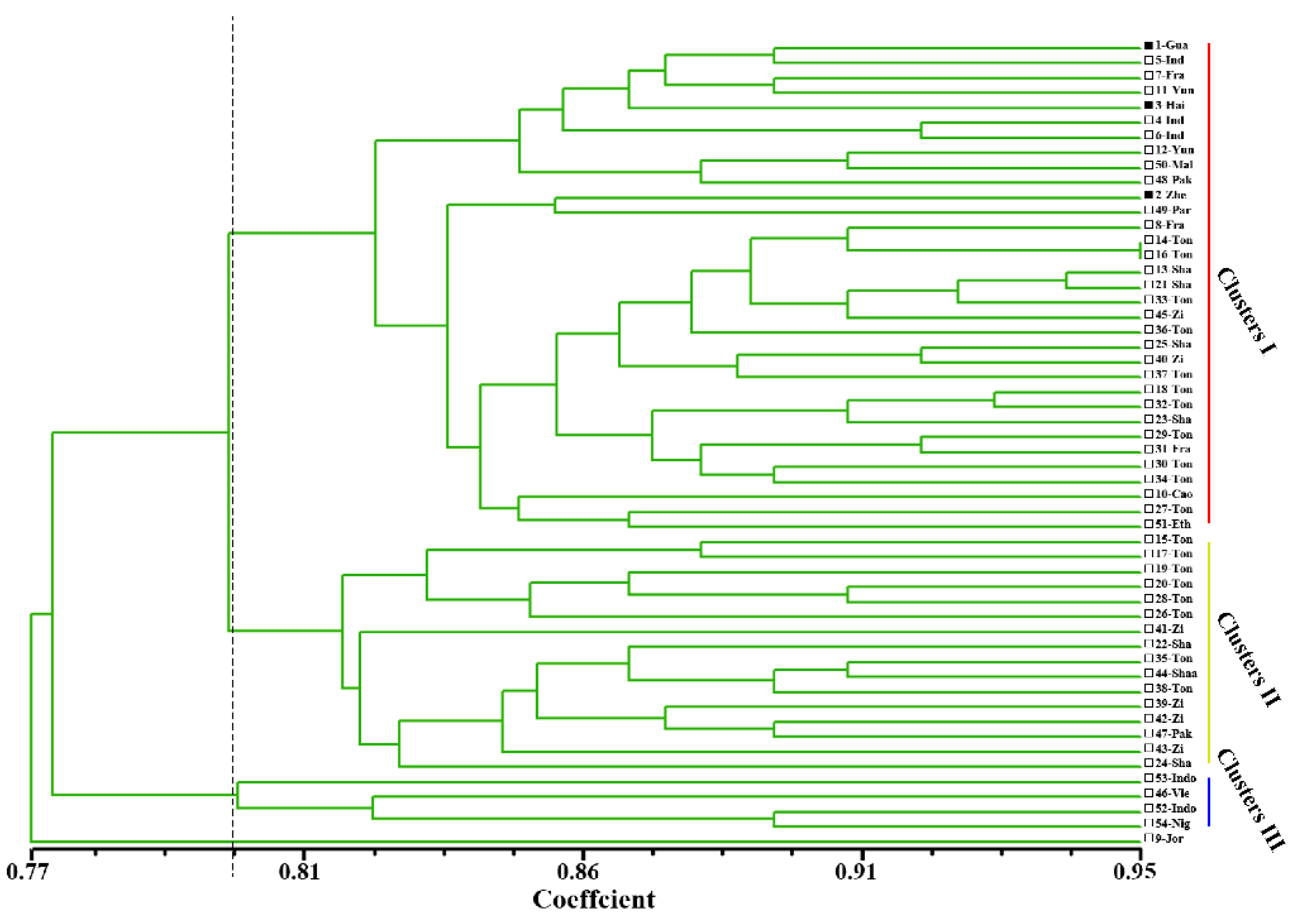
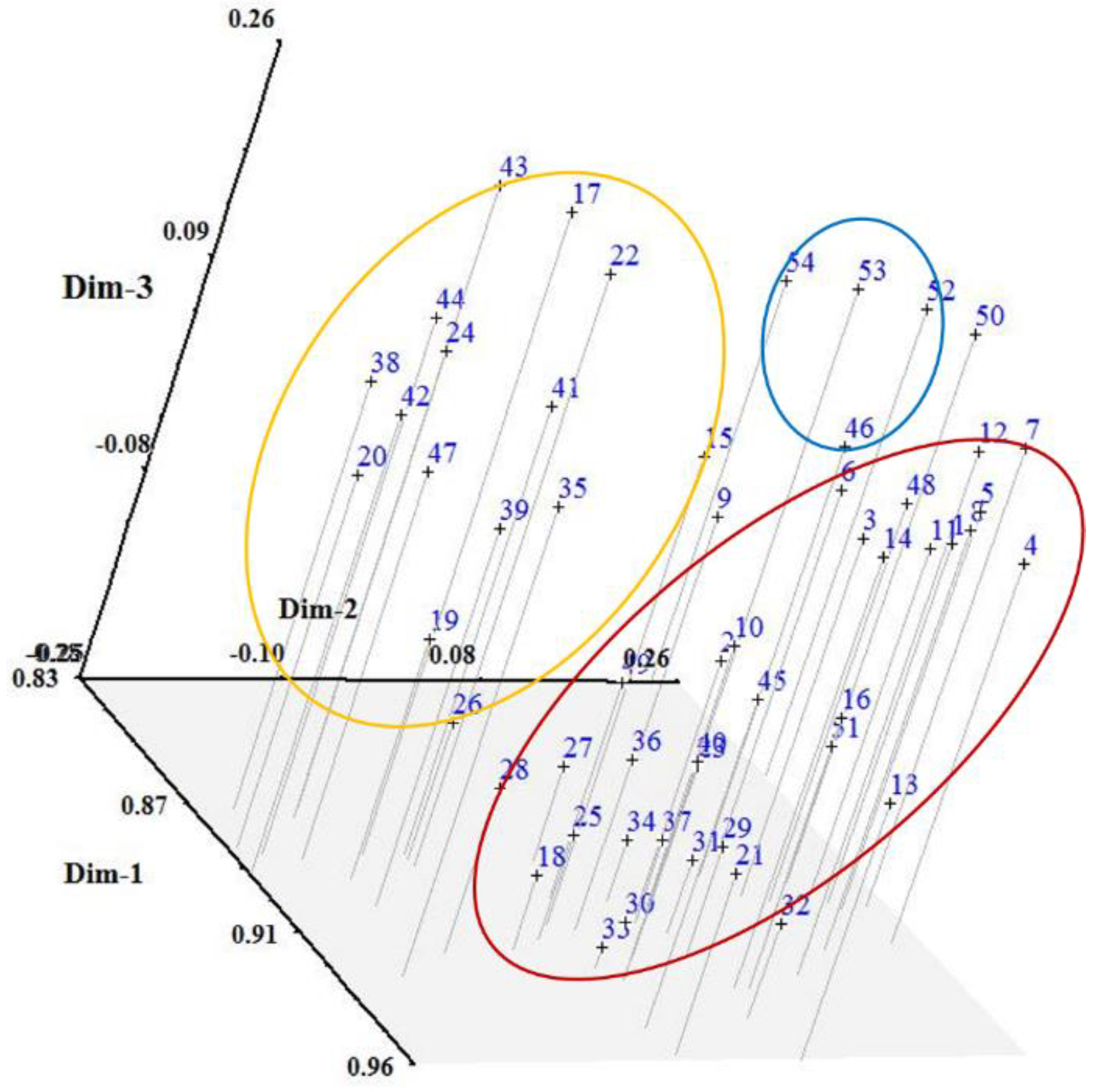
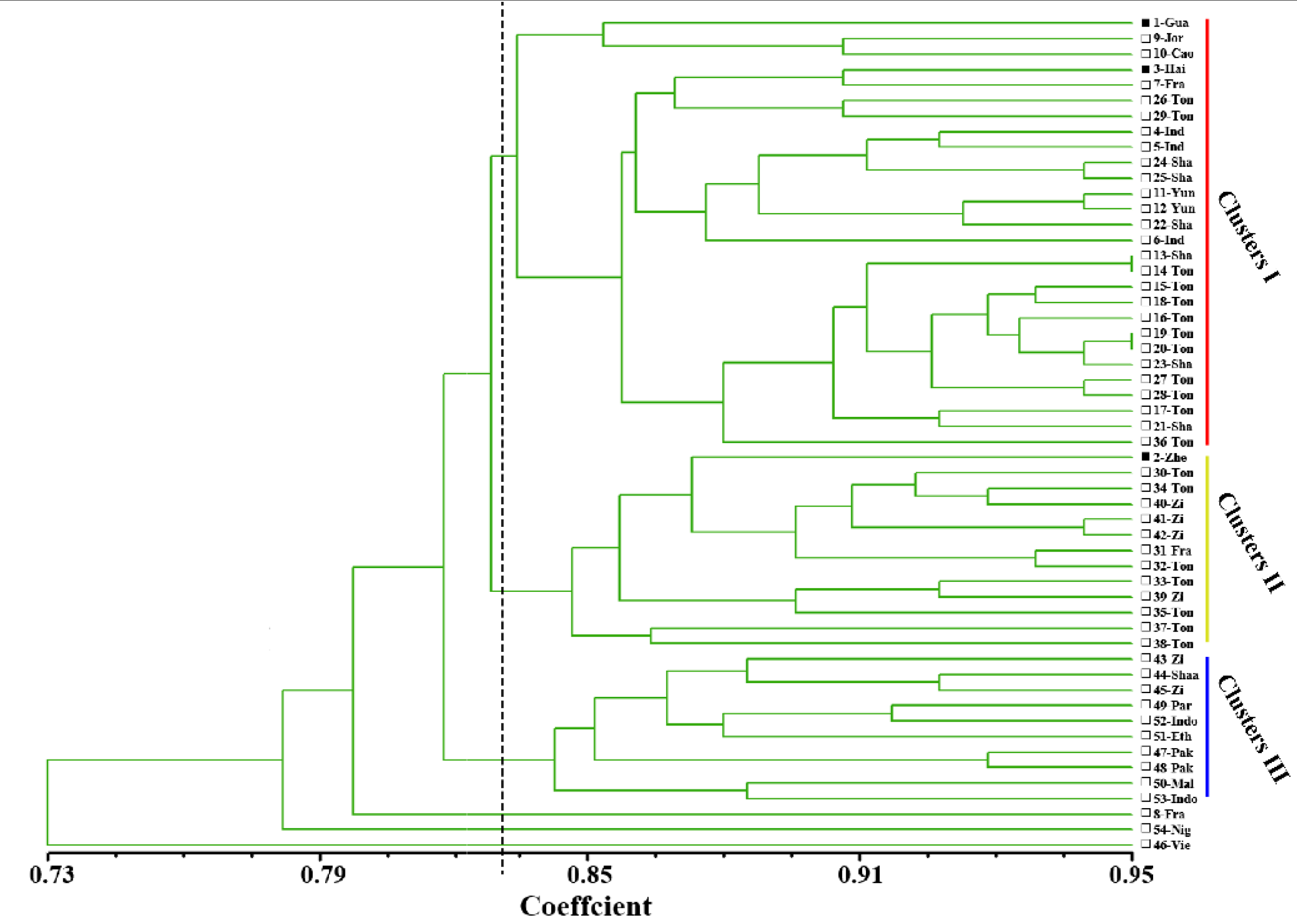
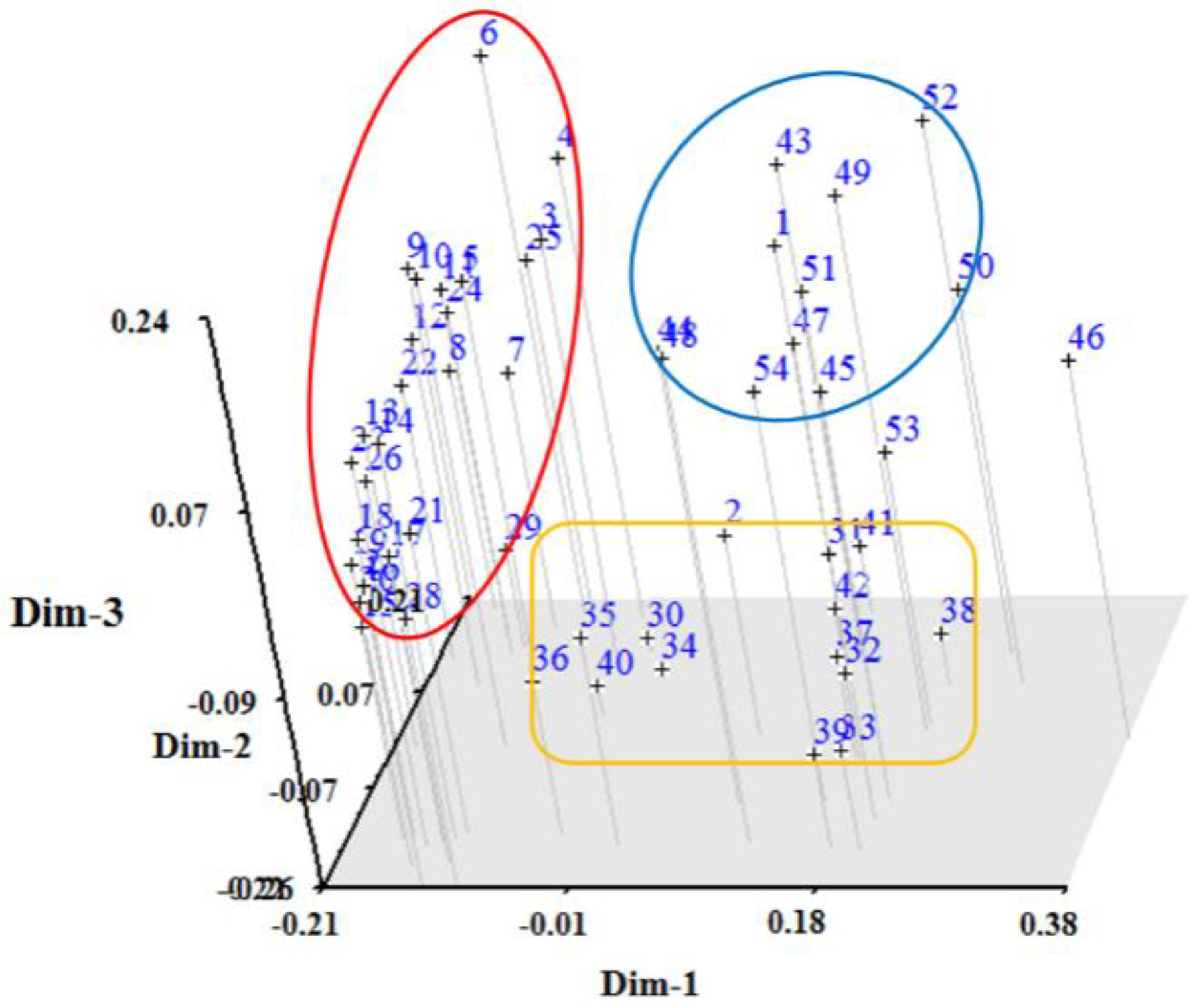
Castor (Ricinus communis L.), known as castor oil plant or castor bean, is a non-edible oilseed crop. In the present study, the genetic diversity among 54 samples (3 wild and 51 cultivated) collected worldwide was evaluated using inter-simple sequence repeats (ISSRs) and random amplified polymorphic DNA (RAPD) markers. A total of 9 ISSR primers produced 83 high-resolution bands with 61 (74.53%) as polymorphic. The percentage of polymorphic bands per primer and the genetic similarity coefficient ranged from 54.55% (UBC-836) to 100% (UBC-808) and from 0.74 to 0.96, respectively. A total of 11 out of 20 RAPD primers amplified unique polymorphic products with an average percentage of polymorphic bands of 60.98% (56 polymorphic bands out of a total of 90 bands obtained). The percentage of polymorphic bands per primer ranged from 25% (OPA-02 and B7) to 90.91% (B21) with the genetic similarity coefficient ranging from 0.73 to 0.98. The unweighted pair group method with arithmetic averages (UPGMA) dendrogram using two molecular markers divided 54 castor genotypes into three groups. Furthermore, based on morphological data, all 54 castor varieties were grouped into three main clusters. The genetic diversity analysis based on two molecular makers showed that most varieties from China were closely related to each other with three varieties (GUANGDONGwild, ZHEJIANGWild, and HANNANWild) belonging to a wild group separated from most of the cultivated castor samples from China, India, France, and Jordan. These results suggested that the cultivated castor contains a narrow genetic base. Accordingly, we recommend that wild castor genetic resources be introduced for breeding novel castor varieties. Furthermore, the Vietnam, Malaysia, Indonesia, and Nigeria accessions were clustered into the same group. The results of principal coordinate analysis (PCoA) and UPGMA cluster analysis were consistent with each other. The findings of this study are important for future breeding studies of castor.
Keywords: Ricinus communis L.; genetic diversity; inter simple sequence repeat (ISSR); random amplified polymorphic DNA (RAPD) Ricinus communis L.; genetic diversity; inter simple sequence repeat (ISSR); random amplified polymorphic DNA (RAPD)