Article

Evidence for a Causal Relationship between the Solar Cycle and Locust Abundance


1
Natural Resources Institute, University of Greenwich at Medway, Central Avenue, Chatham Maritime, Kent ME4 4TB, UK
2
School of Mathematics and Information Science, Shaanxi Normal University, Xi’an 710119, China
3
Centre for Veterinary Epidemiology and Risk Analysis, School of Veterinary Medicine, University College, Belfield, Dublin 4, Ireland
4
Food and Agriculture Organization of the United Nations, Viale delle Terme di Caracalla, 00153 Rome, Italy
*
Author to whom correspondence should be addressed.
Agronomy 2021, 11(1), 69; https://doi.org/10.3390/agronomy11010069

Submission received: 30 November 2020 / Revised: 28 December 2020 / Accepted: 28 December 2020 / Published: 31 December 2020

Abstract

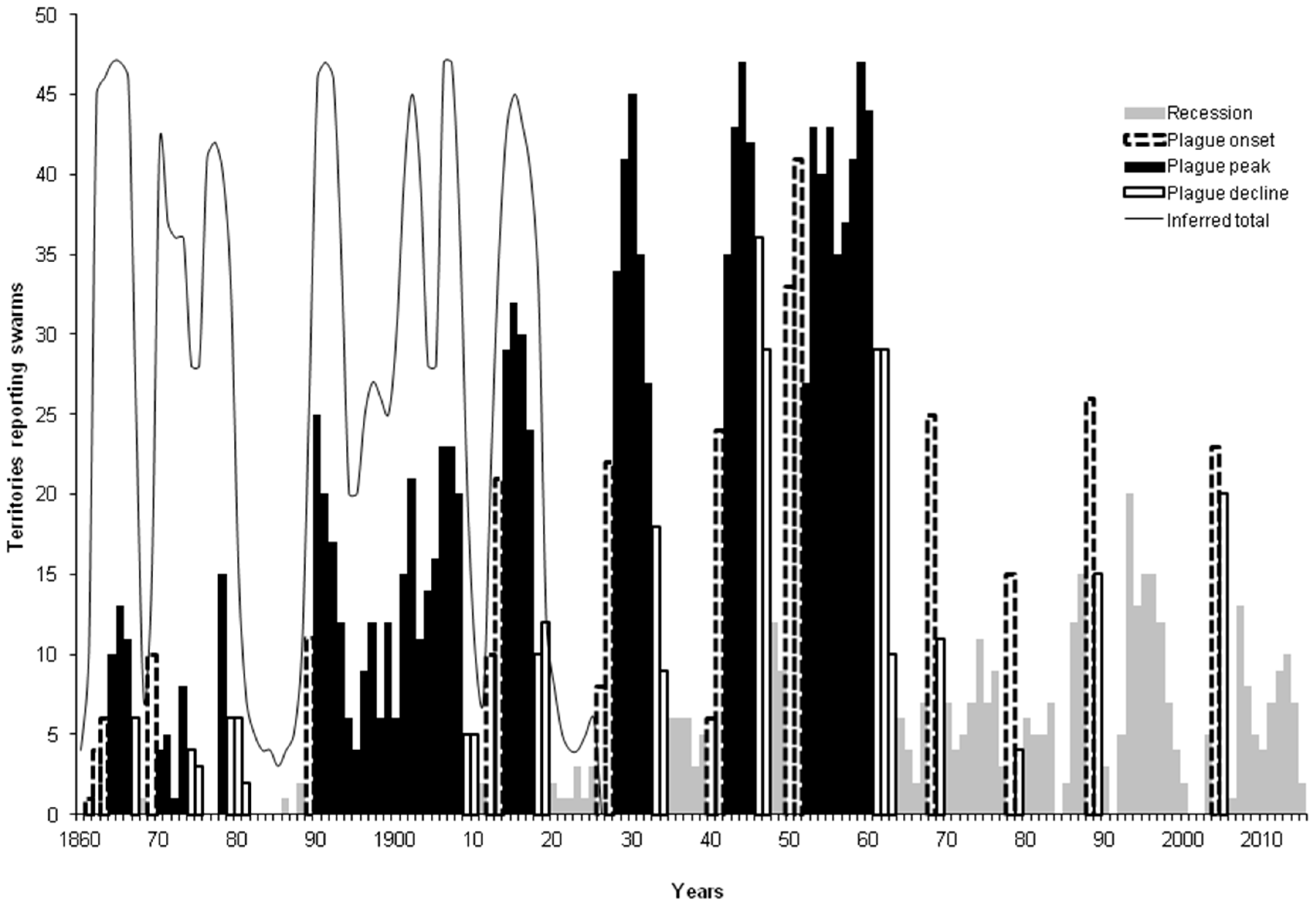
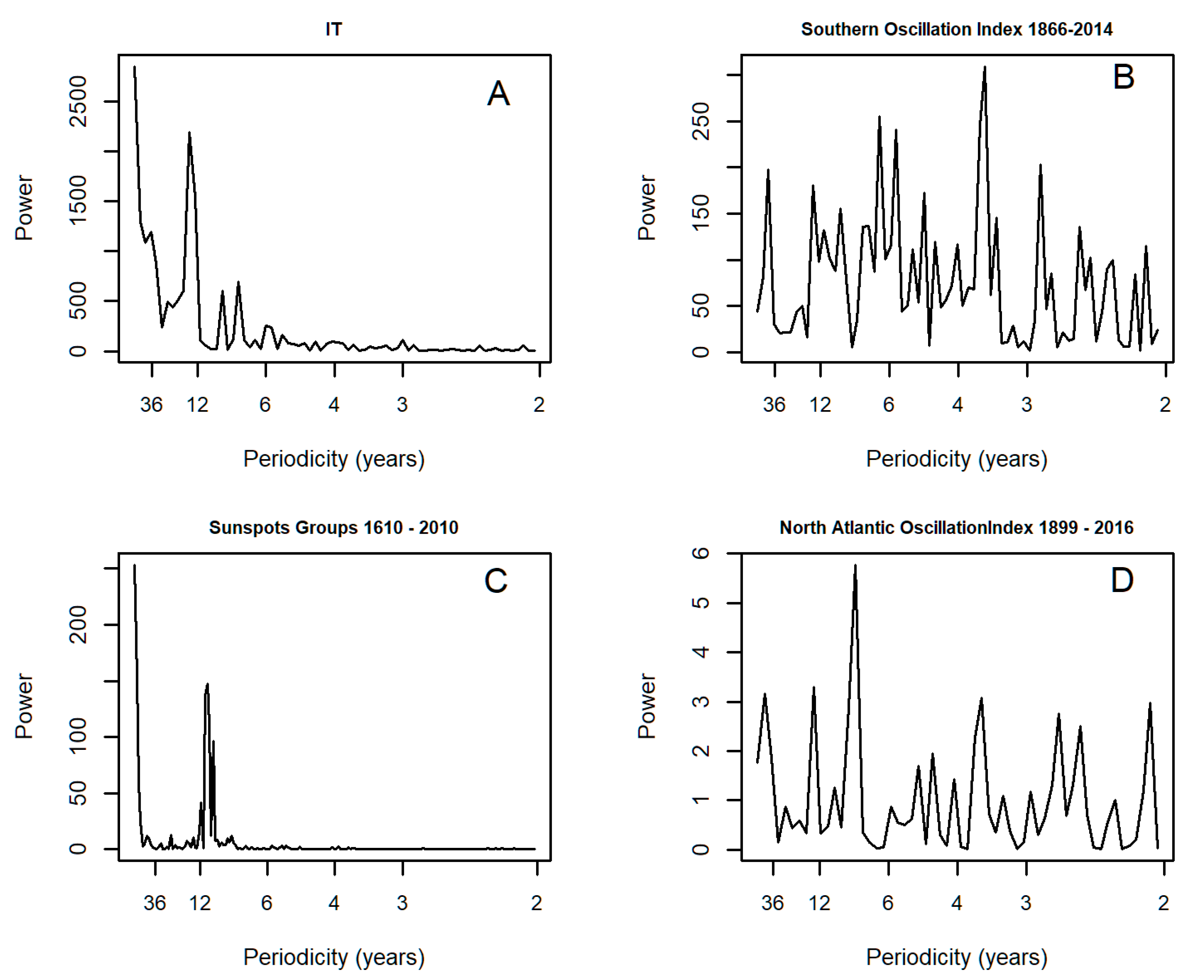
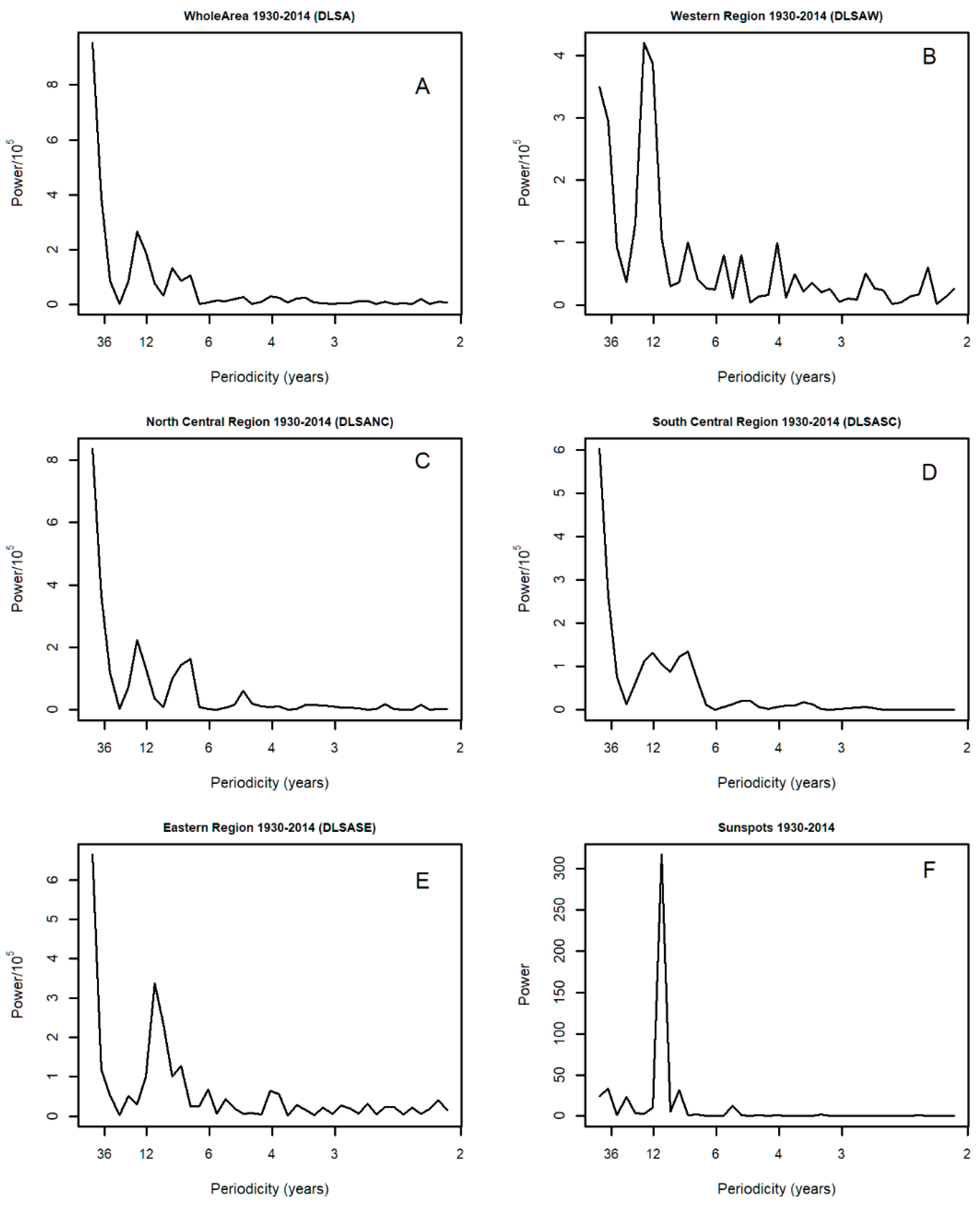
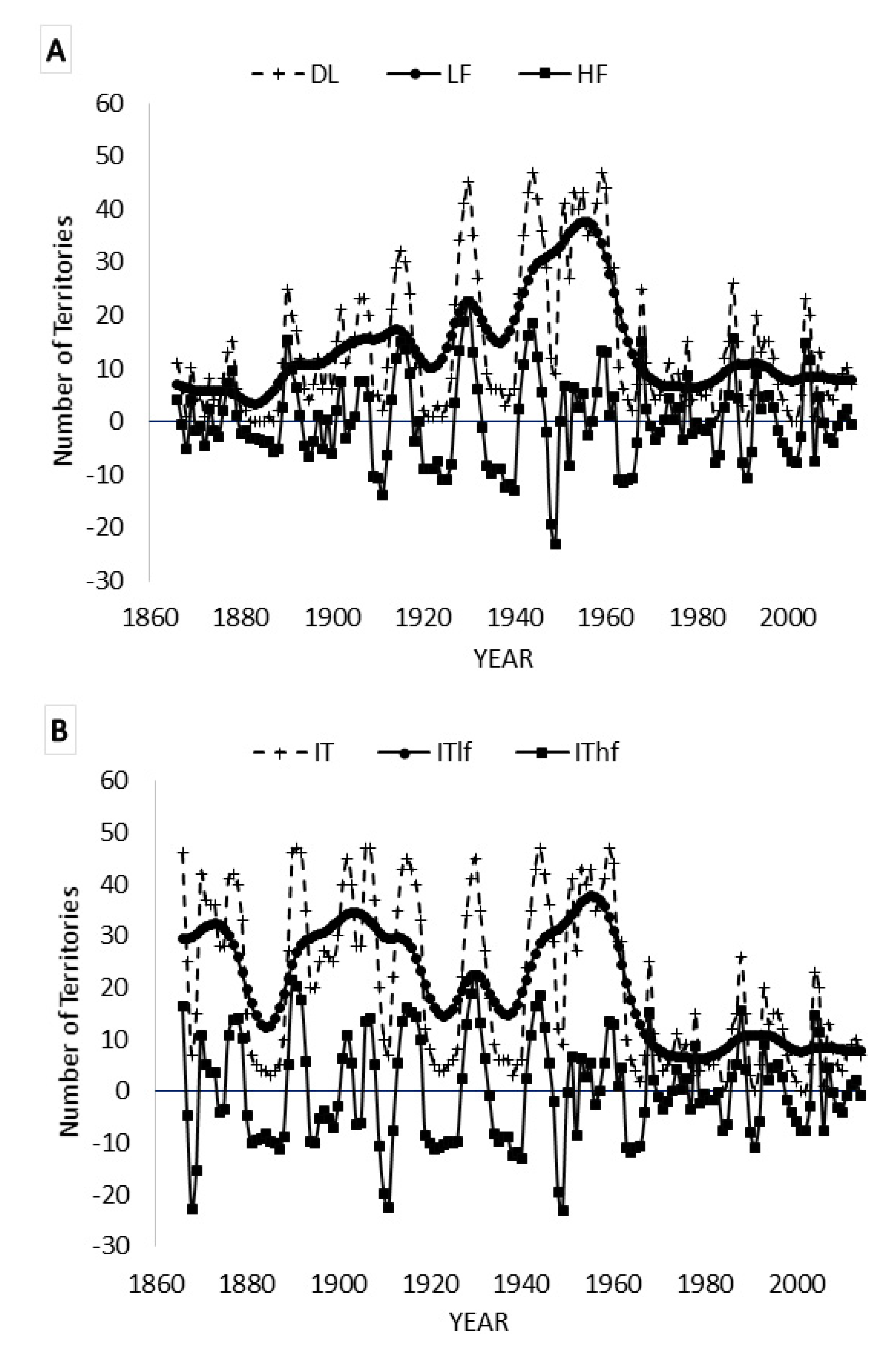
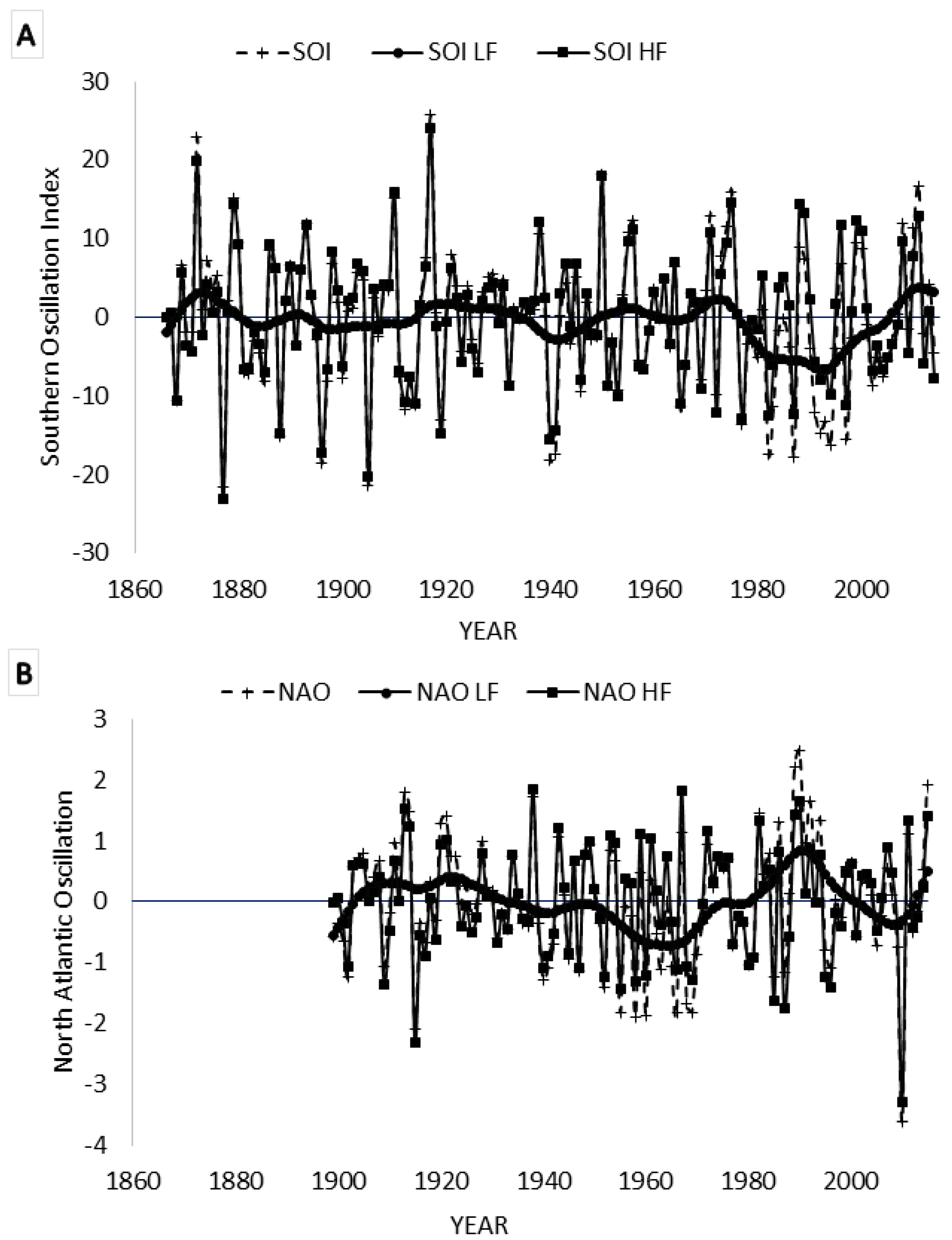
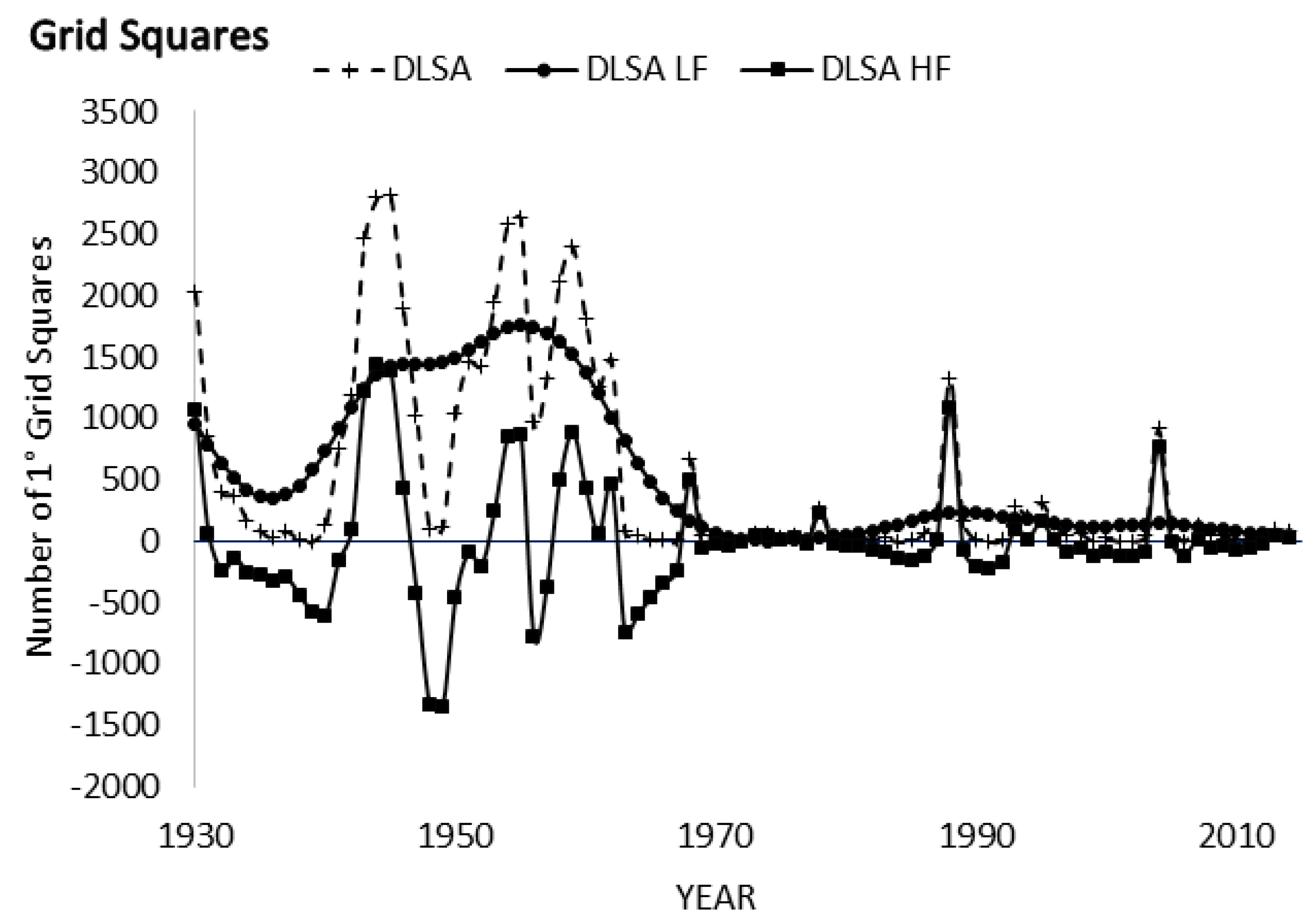
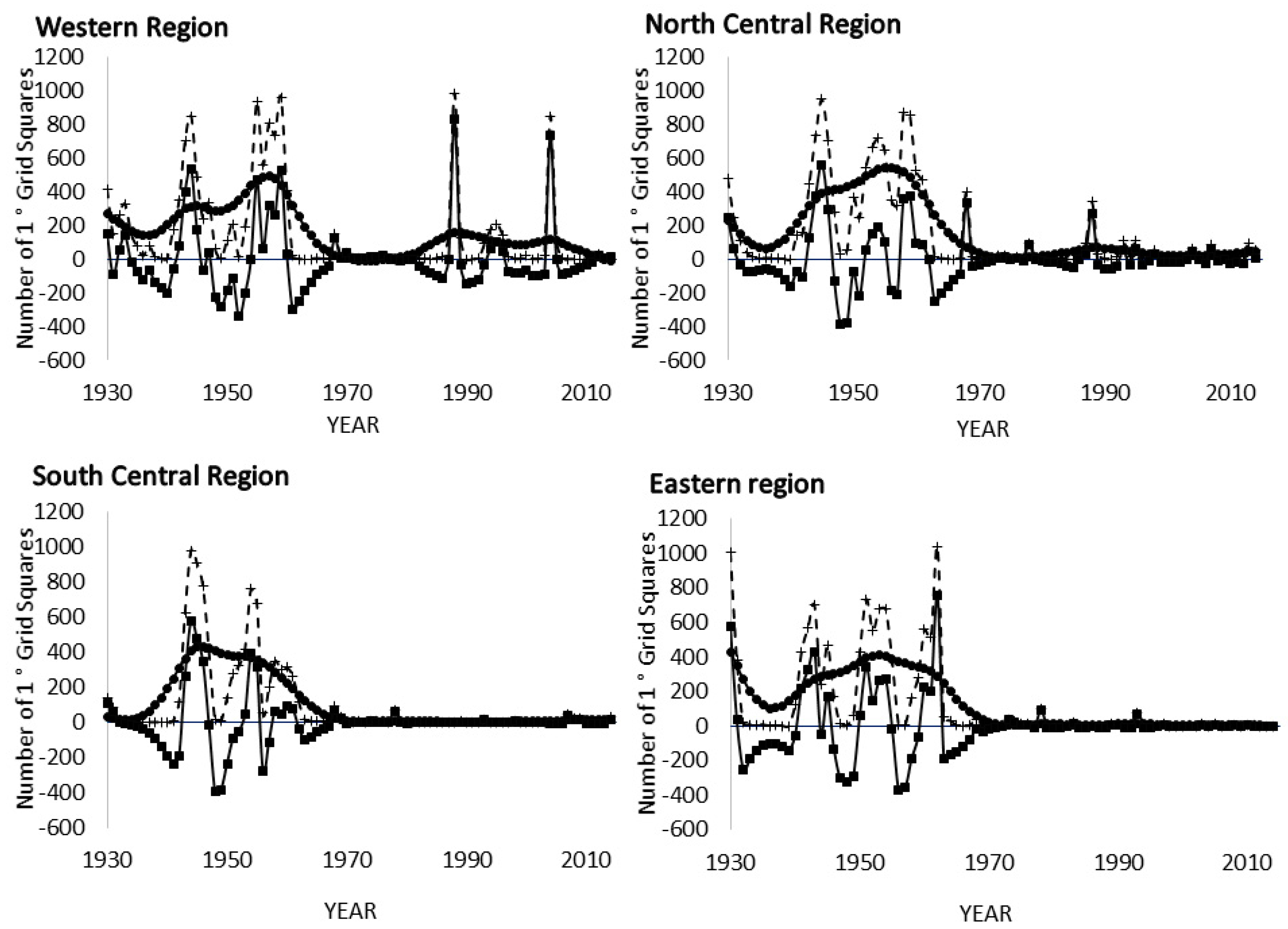
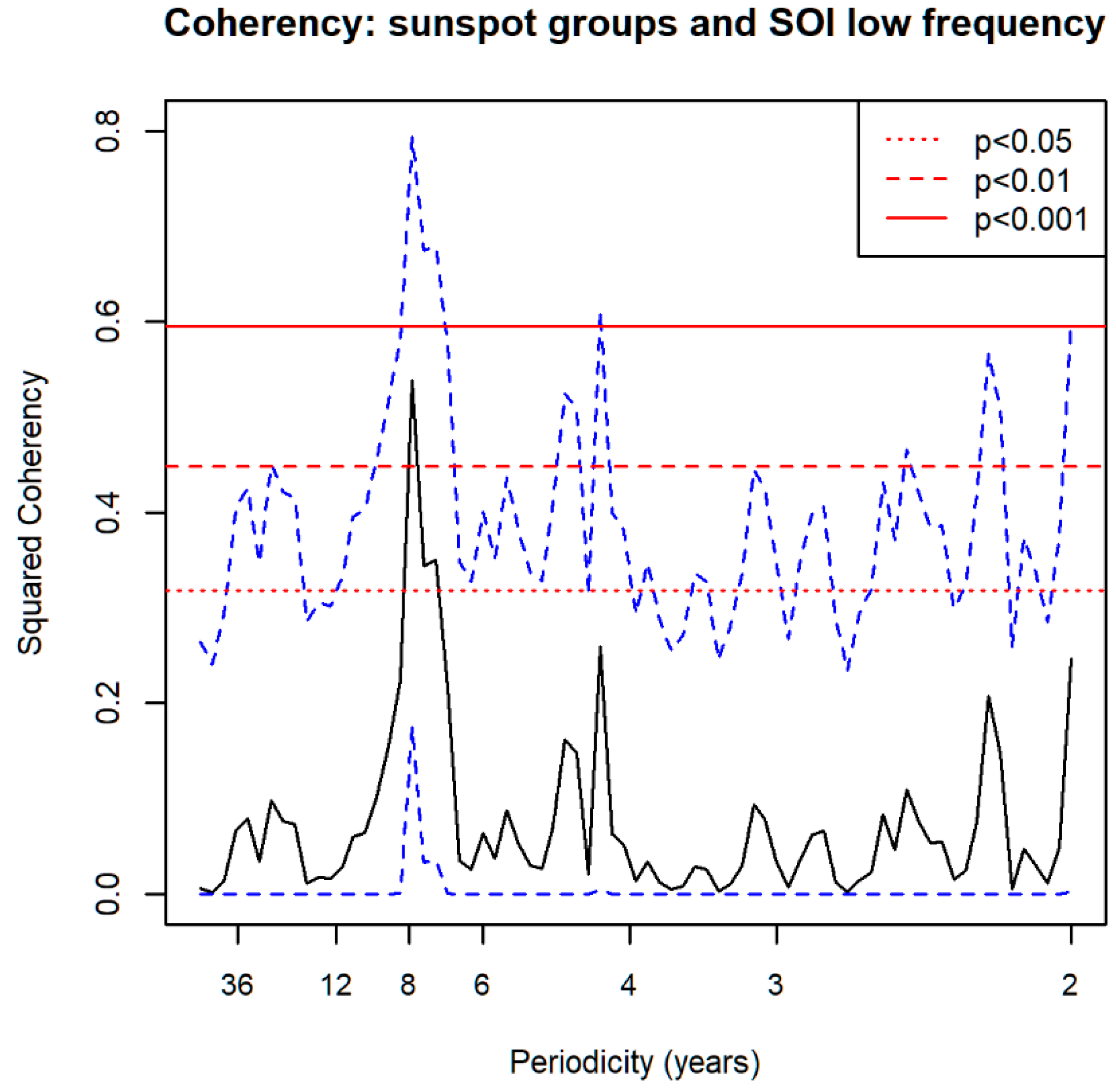
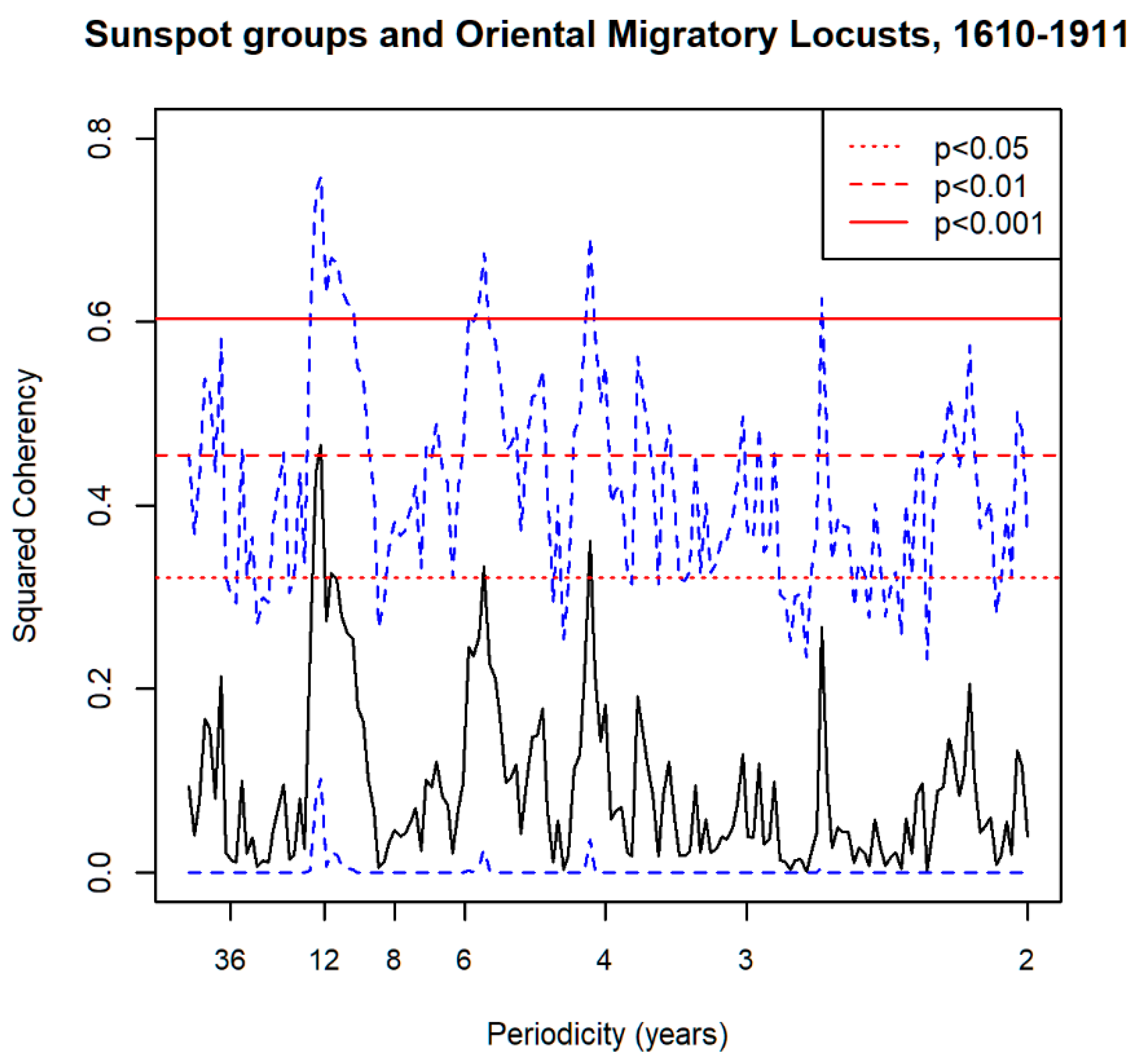
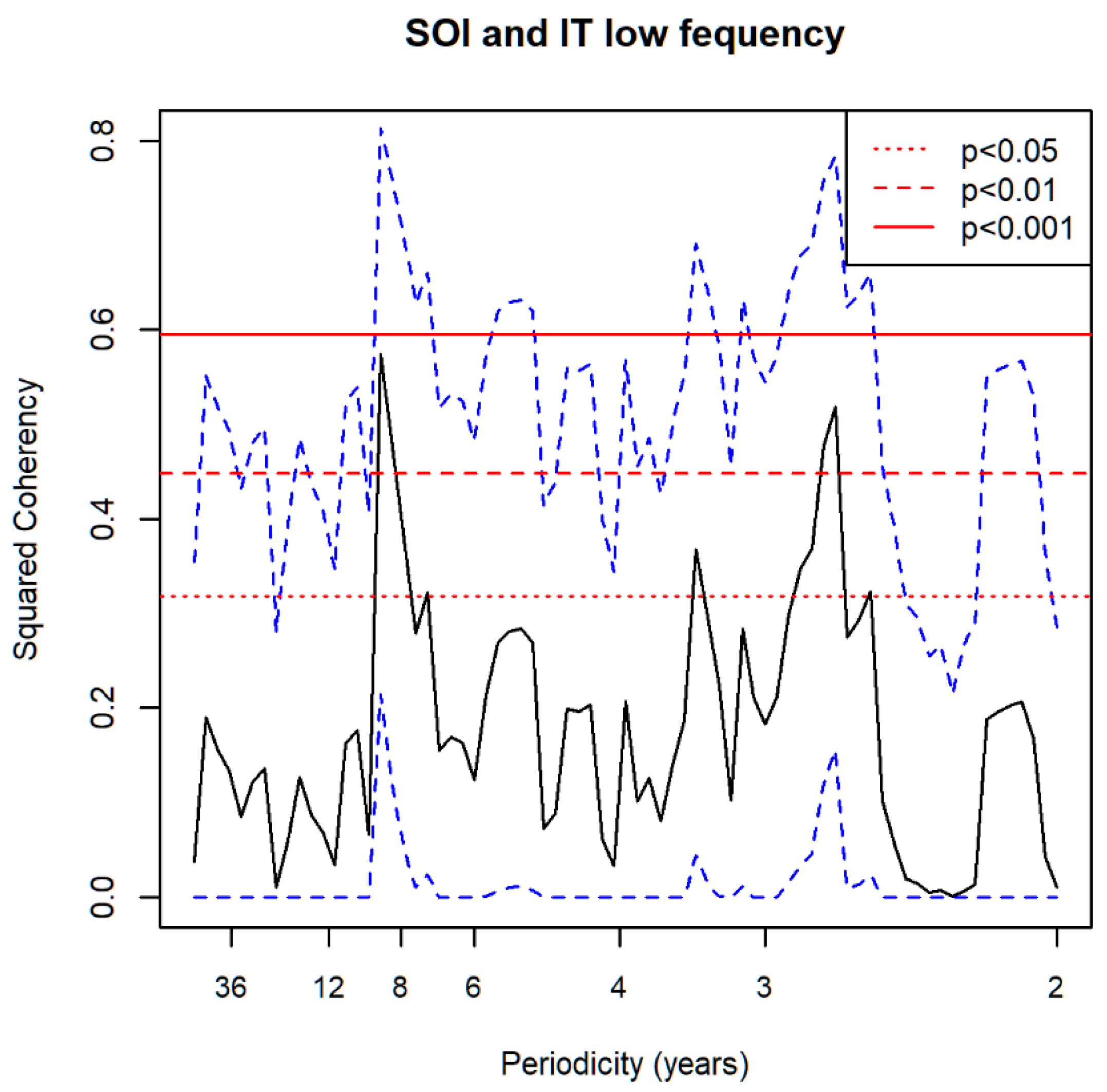
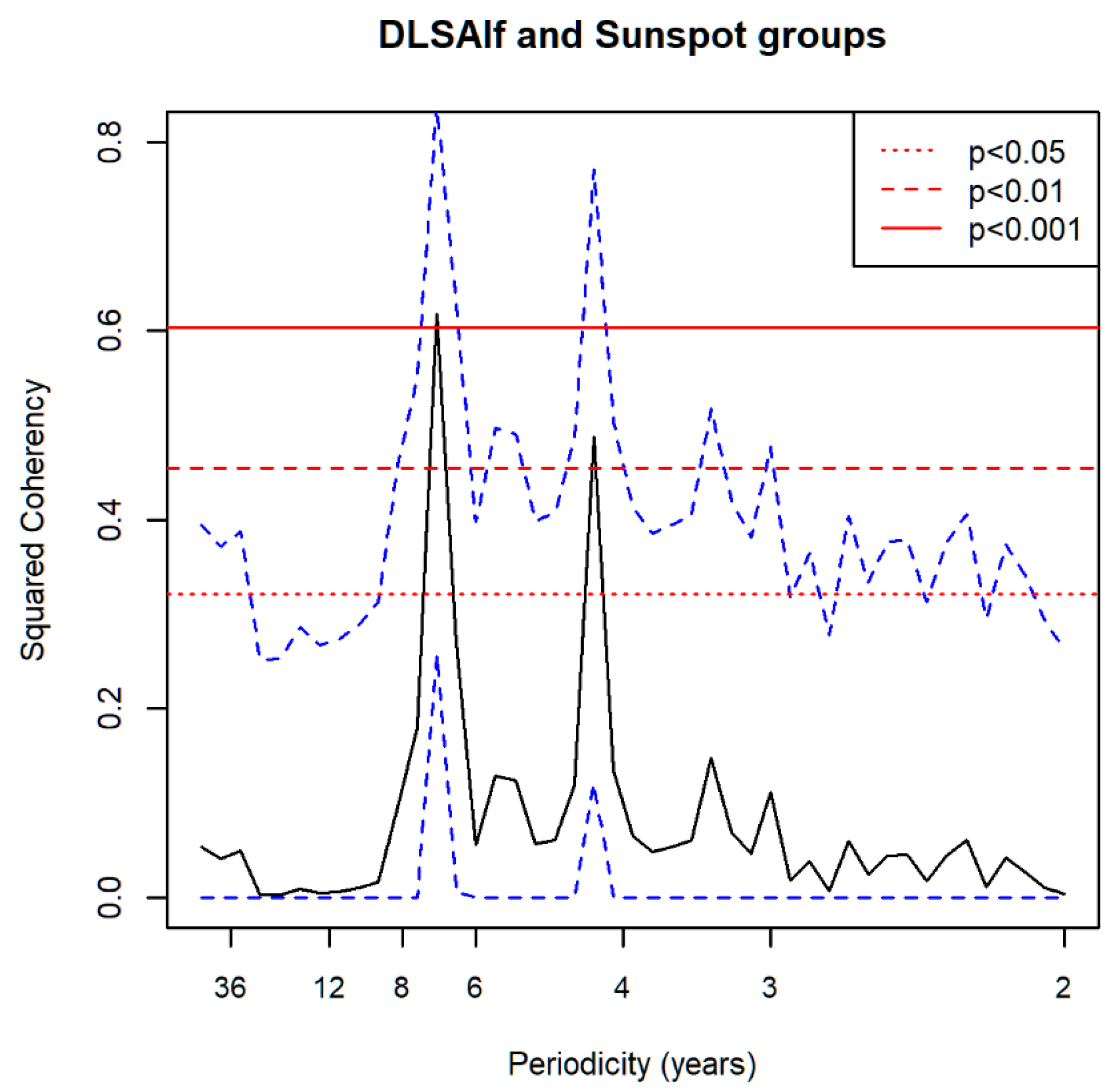
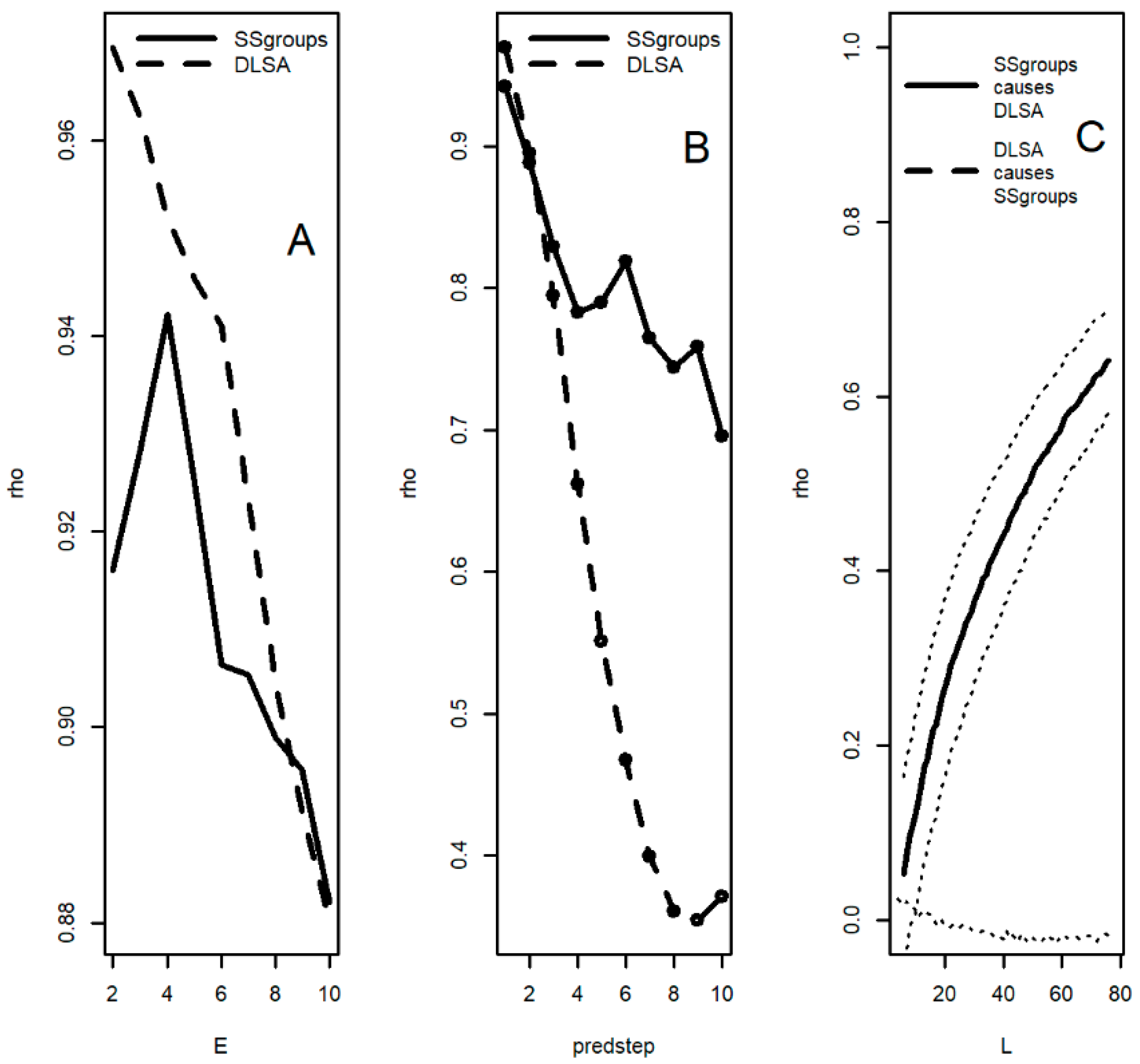
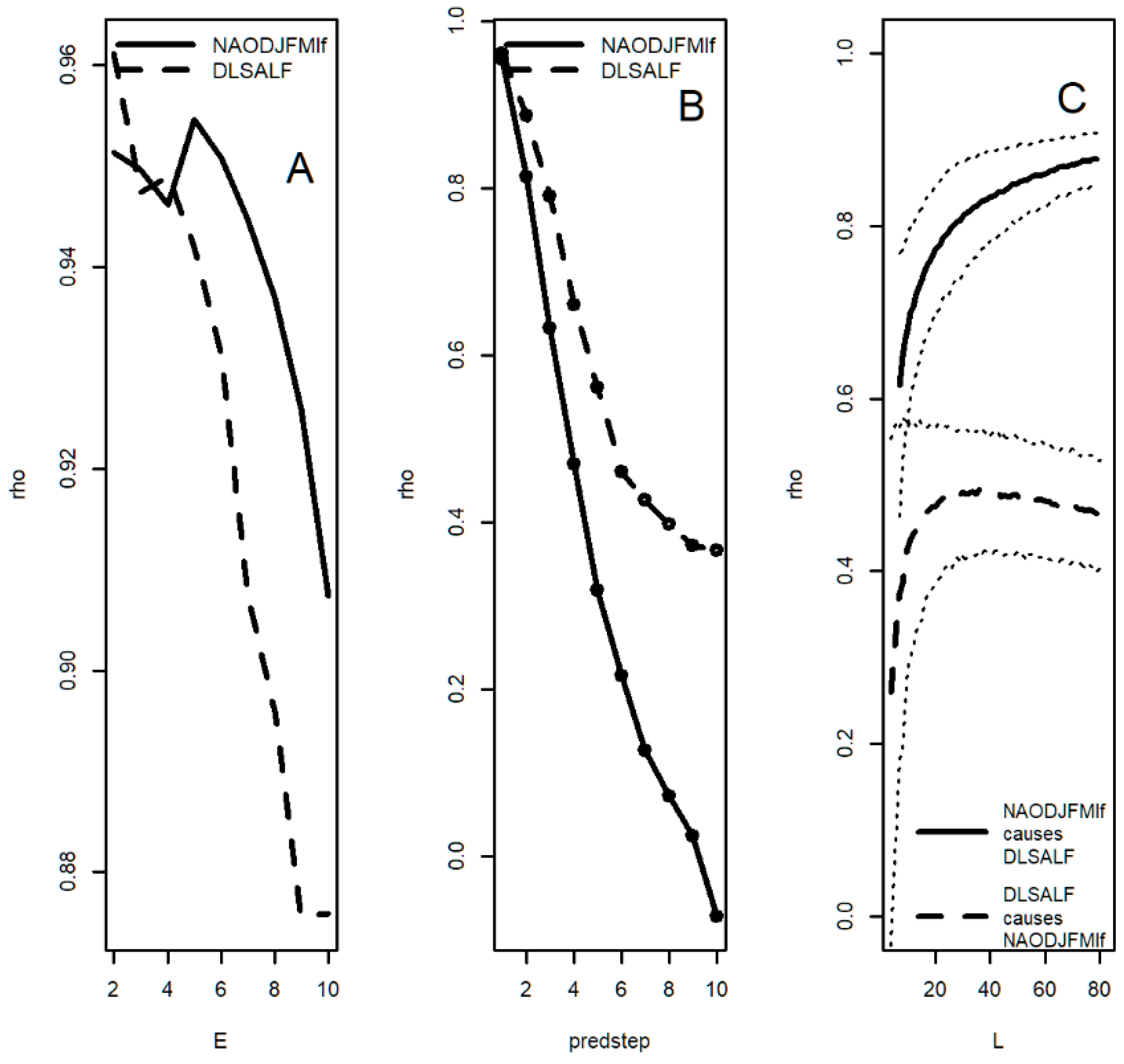
Time series of abundance indices for Desert Locusts Schistocerca gregaria (Forskål 1775) and Oriental Migratory Locusts Locusta migratoriamanilensis (Meyen 1835) were analysed independently and in relation to measures of solar activity and ocean oscillation systems. Data were compiled on the numbers of territories infested with swarms of the Desert Locust from 1860–2015 and an inferred series that compensated for poor reporting in the 1860 to 1925 period. In addition, data for 1930 to 2014, when reports are considered to have been consistently reliable were converted to numbers of 1° grid squares infested with swarms and separated according to four different geographical regions. Spectral analysis to test the hypothesis that there are cycles in the locust dynamics revealed periodicities of 7.5 and 13.5 years for the inferred series that were significant according to the Ornstein-Uhlenbeck state-space (OUSS) test. Similar periodicities were evident in the 1° grid square data and in each of the regions but even though these were significantly different from white noise, they were not significant according to the OUSS criterion. There were no significant peaks in the Oriental Migratory Locust results with the OUSS test, but the data were significantly different from white noise. To test hypotheses that long term trends in the locust dynamics are driven by solar activity and/or oceanic oscillation systems (the Southern Oscillation Index (SOI), the North Atlantic Oscillation Index (NAO) and the Indian Ocean Dipole (IOD)), the original locust data series and their Kalman-filtered low frequency (LF) components were tested for causality using both spectral coherence tests and convergent cross mapping. Statistically significant evidence was found that solar activity measured by numbers of sunspot groups drive the dynamics, especially the LF components, of both species. In addition, causal links were inferred between both the SOI and NAO data and Desert Locust dynamics. Spectral coherence was also found between sunspot groups and the NAO, the IOD and LF SOI data. The data were also analysed showing that the LF SOI had causal links with the LF inferred Desert Locust series. In addition, the LF NAO was causally linked to the LF 1° grid square data, with the NAO for December-March being most influential. The results suggest that solar activity plays a role in driving locust abundance, but that the mechanisms by which this happens, and whether they are mediated by fluctuations in oceanic systems, is unclear. Furthermore, they offer hope that information on these phenomena might enable a better early warning forecasting of Desert Locust upsurges.
Keywords: Desert Locust Schistocerca gregaria (Forskål 1775); Oriental Migratory Locust Locusta migratoria manilensis (Meyen 1835); spectral analysis; Kalman filter; spectral coherence; convergence cross mapping; sunspot groups; ENSO; SOI; IOD; NAO Desert Locust Schistocerca gregaria (Forskål 1775); Oriental Migratory Locust Locusta migratoria manilensis (Meyen 1835); spectral analysis; Kalman filter; spectral coherence; convergence cross mapping; sunspot groups; ENSO; SOI; IOD; NAO