Article

Comparison of Drivers of Soil Microbial Communities Developed in Karst Ecosystems with Shallow and Deep Soil Depths


1
Key Laboratory of Land Surface Pattern and Simulation, Institute of Geographic Sciences and Natural Resources Research, Chinese Academy of Sciences, Beijing 100101, China
2
University of Chinese Academy of Sciences, Beijing 100049, China
3
Landcare Res, POB 69040, Lincoln 7640, New Zealand
*
Author to whom correspondence should be addressed.
Agronomy 2021, 11(1), 173; https://doi.org/10.3390/agronomy11010173

Submission received: 18 November 2020 / Revised: 12 January 2021 / Accepted: 14 January 2021 / Published: 18 January 2021

Abstract

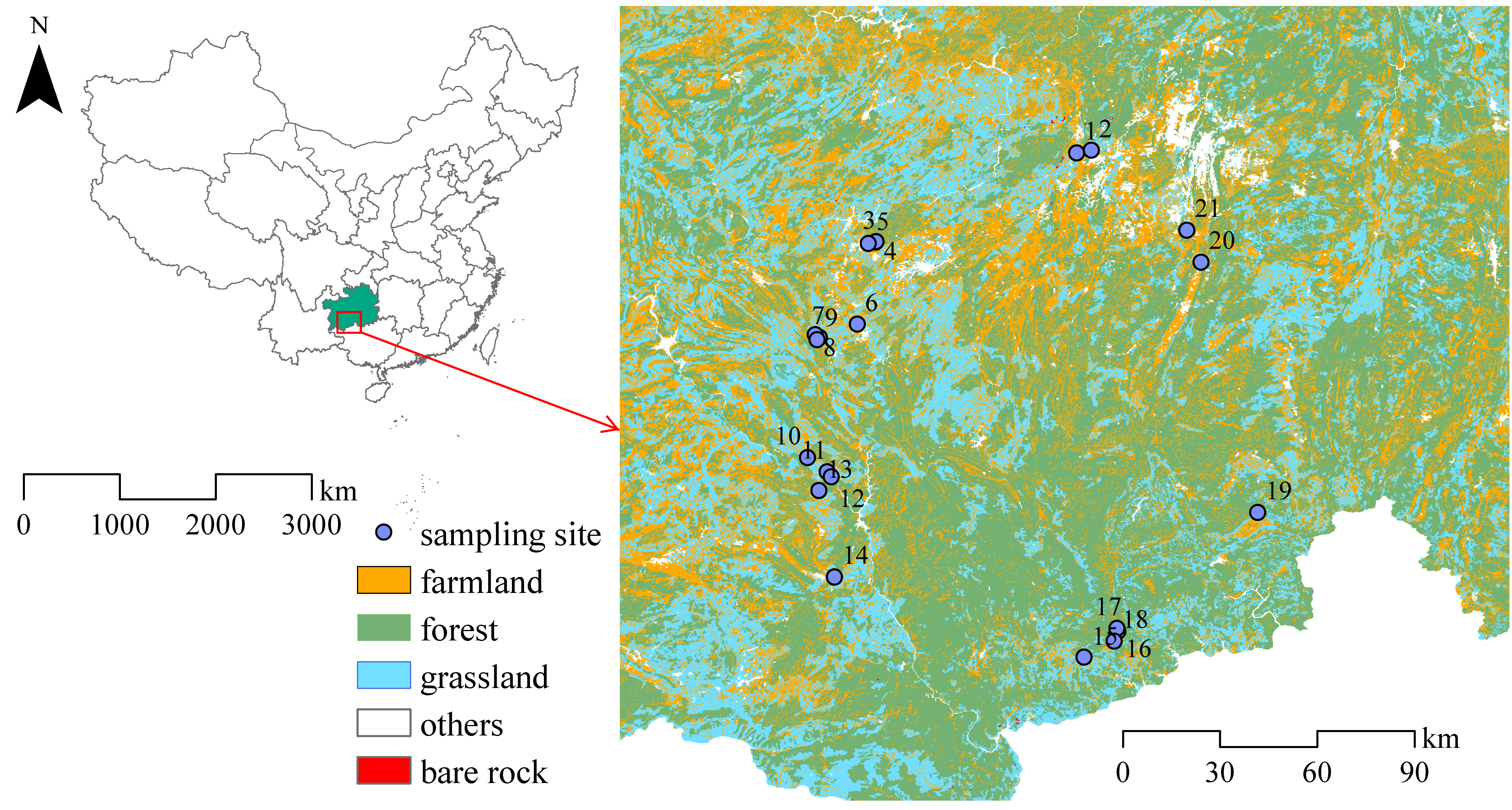
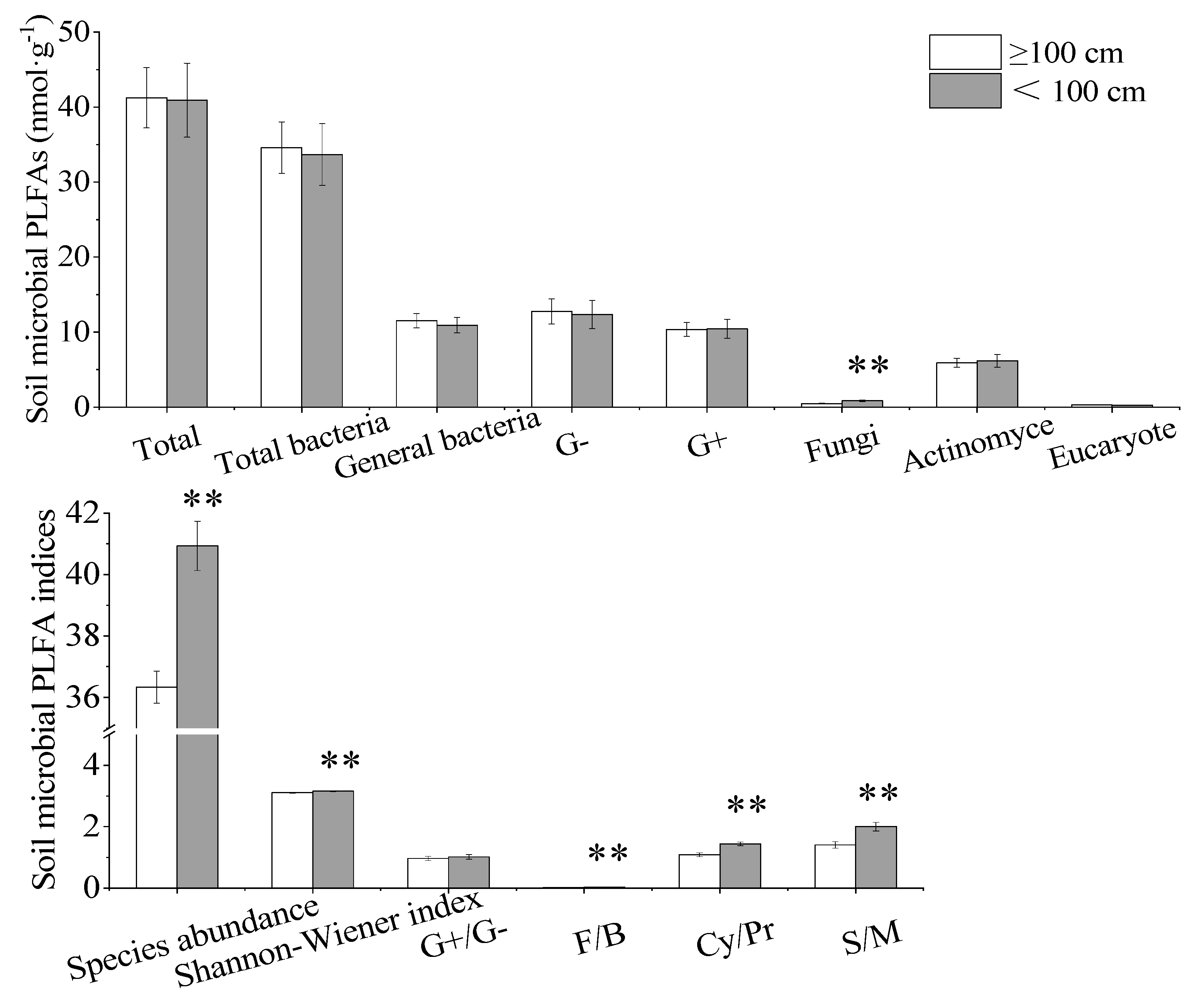
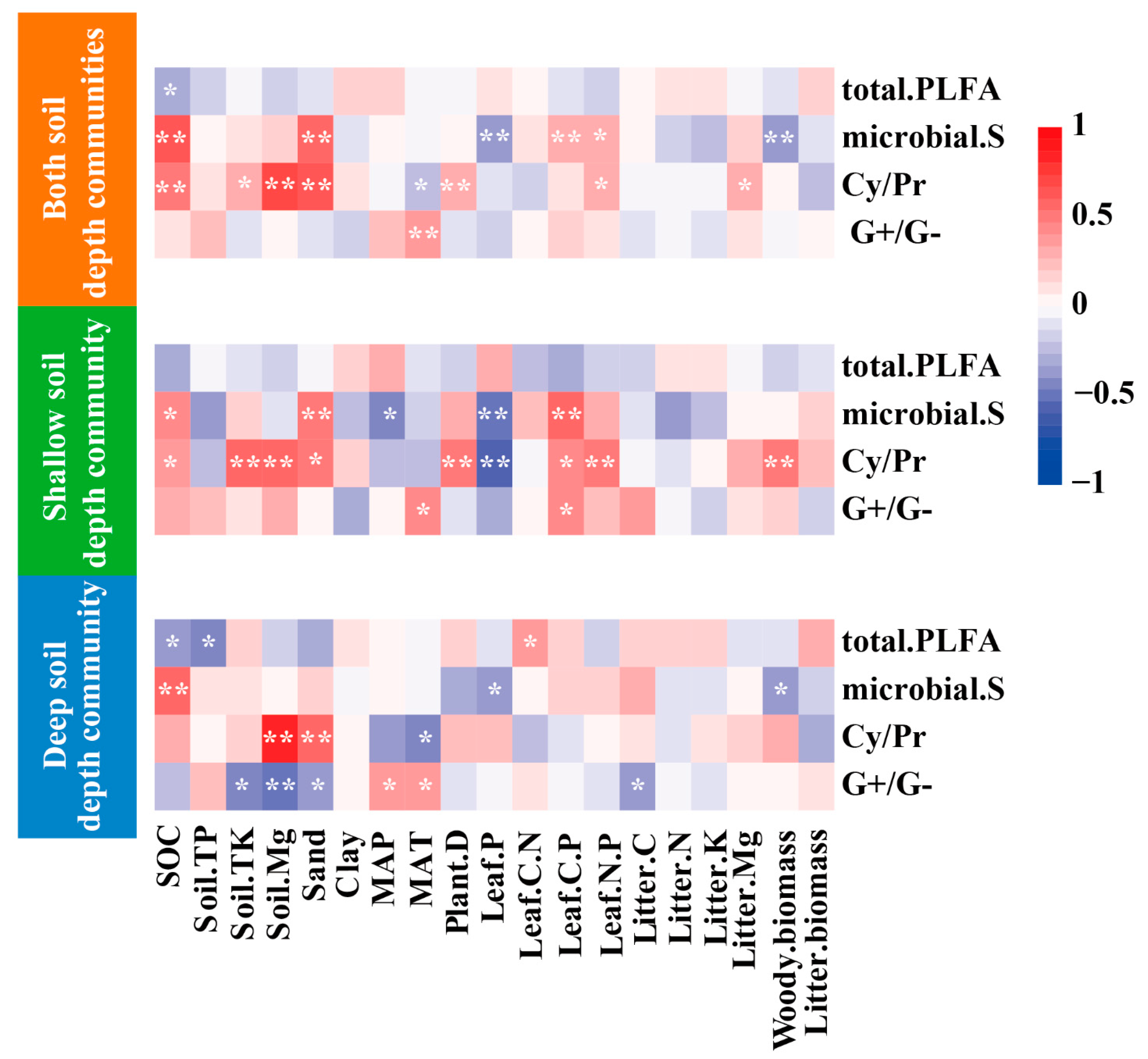
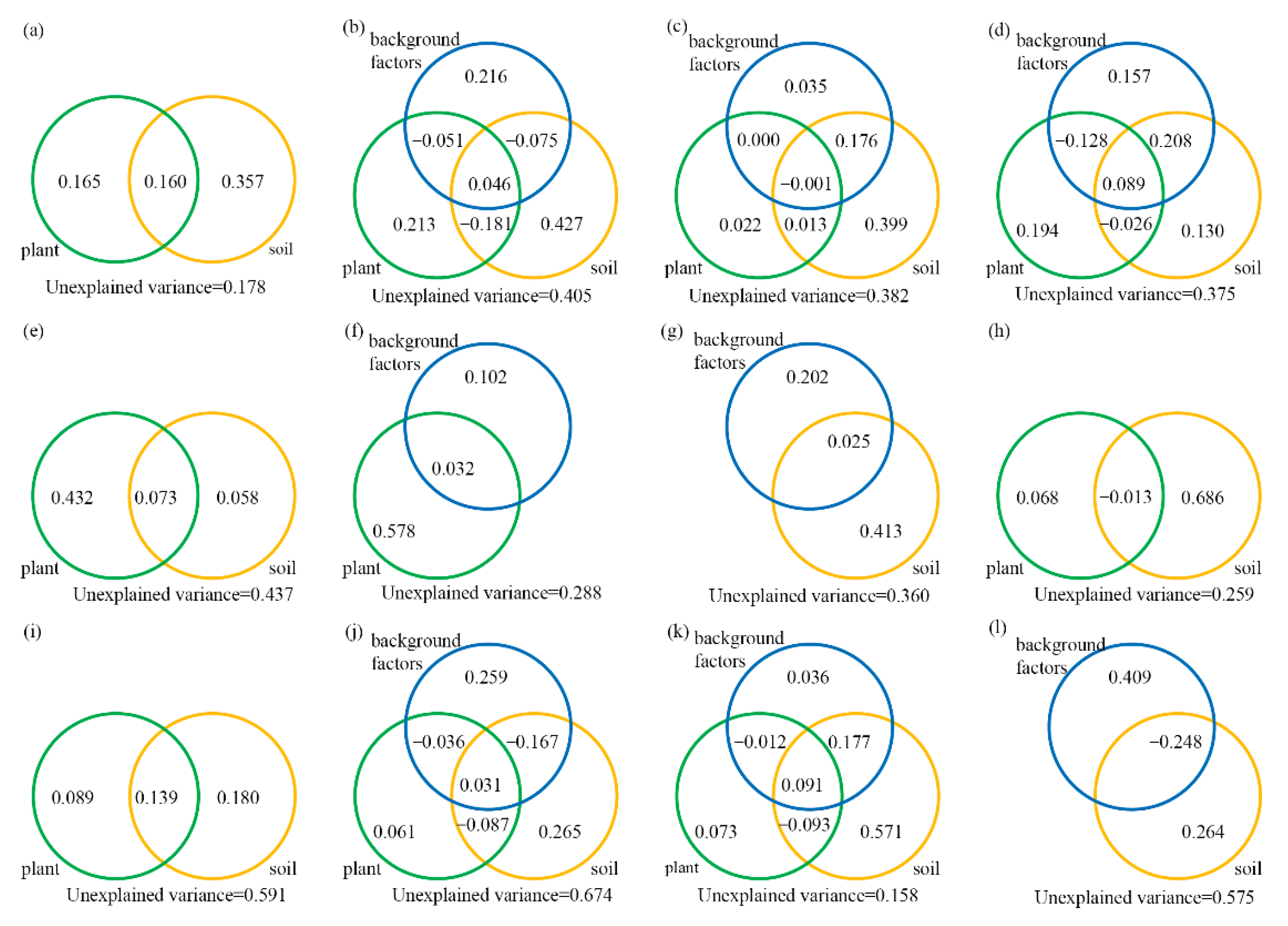
Soil erosion is prevalent in karst areas, but few studies have compared the differences in the drivers for soil microbial communities among karst ecosystems with different soil depths, and most studies have focused on the local scale. To fill this research gap, we investigated the upper 20 cm soil layers of 10 shallow–soil depth (shallow–SDC, total soil depth less than 100 cm) and 11 deep–soil depth communities (deep–SDC, total soil depth more than 100 cm), covering a broad range of vegetation types, soils, and climates. The microbial community characteristics of both the shallow–SDC and deep–SDC soils were tested by phospholipid fatty acid (PLFAs) analysis, and the key drivers of the microbial communities were illustrated by forward selection and variance partitioning analysis. Our findings demonstrated that more abundant soil nutrients supported higher fungal PLFA in shallow–SDC than in deep–SDC (p < 0.05). Furthermore, stronger correlation between the microbial community and the plant–soil system was found in shallow–SDC: the pure plant effect explained the 43.2% of variance in microbial biomass and 57.8% of the variance in the ratio of Gram–positive bacteria to Gram–negative bacteria (G+/G−), and the ratio of fungi to total bacteria (F/B); the pure soil effect accounted for 68.6% variance in the microbial diversity. The ratio of microbial PLFA cyclopropyl to precursors (Cy/Pr) and the ratio of saturated PLFA to monounsaturated PLFA (S/M) as indicators of microbial stress were controlled by pH, but high pH was not conducive to microorganisms in this area. Meanwhile, Cy/Pr in all communities was >0.1, indicating that microorganisms were under environmental stress. Therefore, the further ecological restoration of degraded karst communities is needed to improve their microbial communities.
Keywords: PLFA; soil properties; plant properties; variance partitioning analysis PLFA; soil properties; plant properties; variance partitioning analysis