Article

Electrospinning Pullulan Fibers from Salt Solutions †
1
Dairy and Functional Foods Research Unit, Eastern Regional Research Center, Agricultural Research Service, US Department of Agriculture, 600 E. Mermaid Lane, Wyndmoor, PA 19038, USA
2
State Key Laboratory of Separation Membranes and Membrane Processes, Tianjin Polytechnic University, #399 Binshuixi Road, Xiqing District, Tianjin 300387, China
3
School of Health Diet and Industry Management, Chung-Shan Medical University and Department of Nutrition, Chung Shan Medical University Hospital, No. 110, Sec. 1, Jianguo N. Rd., South District, Taichung 402, Taiwan
4
National Center for Agricultural Utilization Research, Agricultural Research Service, U.S. Department of Agriculture, 1815 N. University Street, Peoria, IL 61604, USA
*
Authors to whom correspondence should be addressed.
Mention of trade names or commercial products in this article is solely for the purpose of providing specific information and does not imply recommendation or endorsement by the U.S. Department of Agriculture. USDA is an equal opportunity provider and employer.
Polymers 2017, 9(1), 32; https://doi.org/10.3390/polym9010032
Submission received: 26 December 2016 / Revised: 15 January 2017 / Accepted: 17 January 2017 / Published: 22 January 2017

Abstract

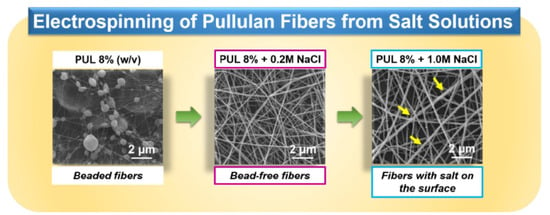
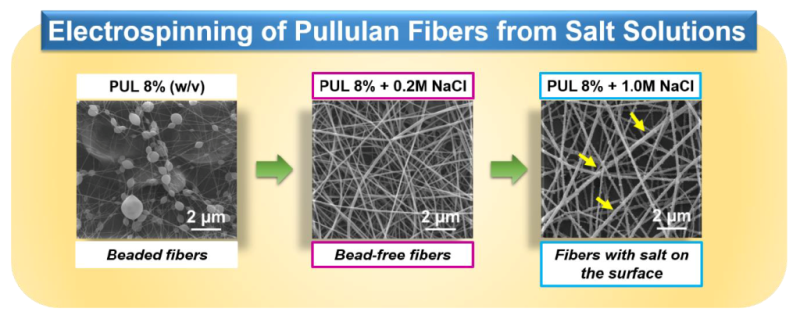
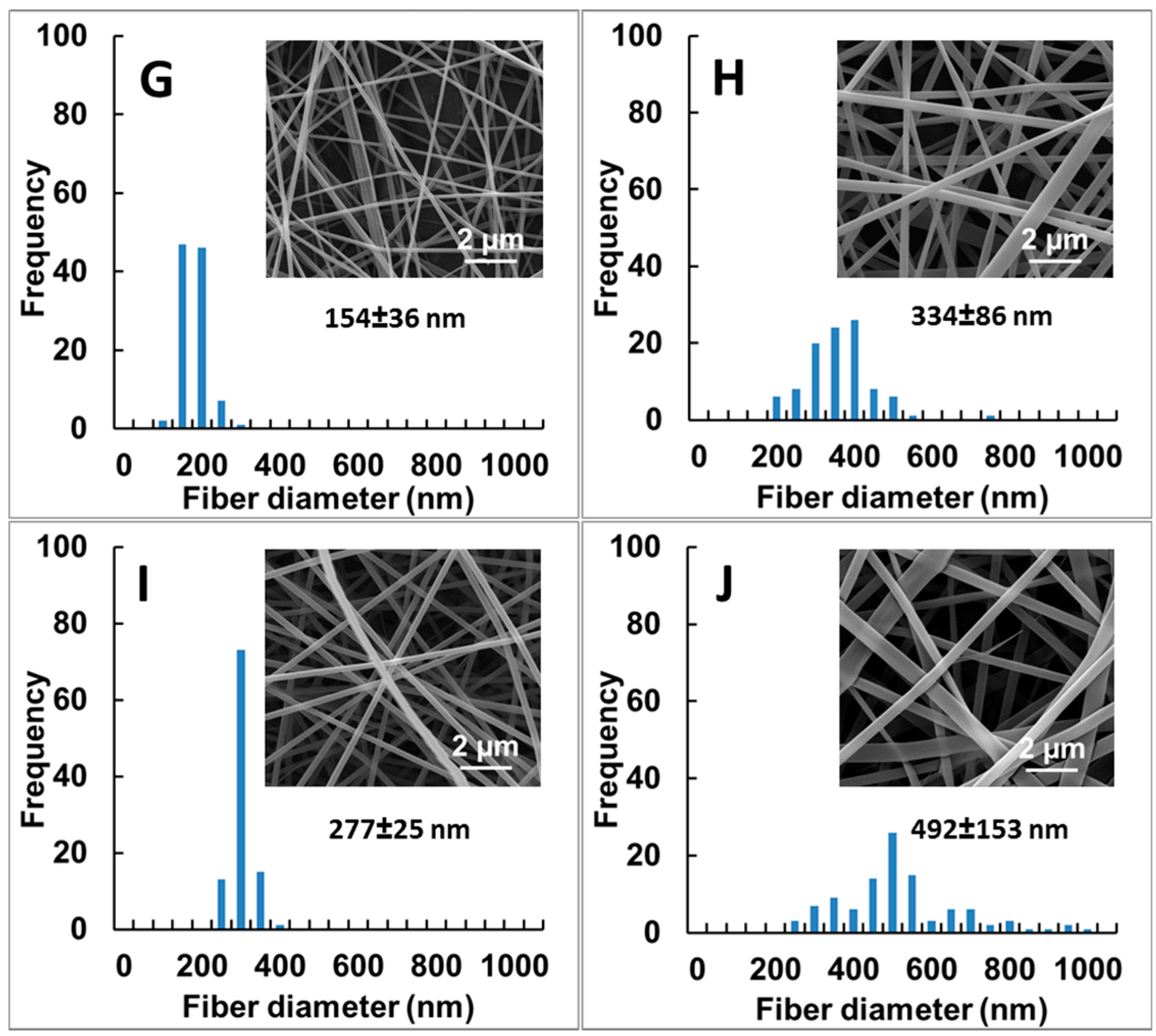
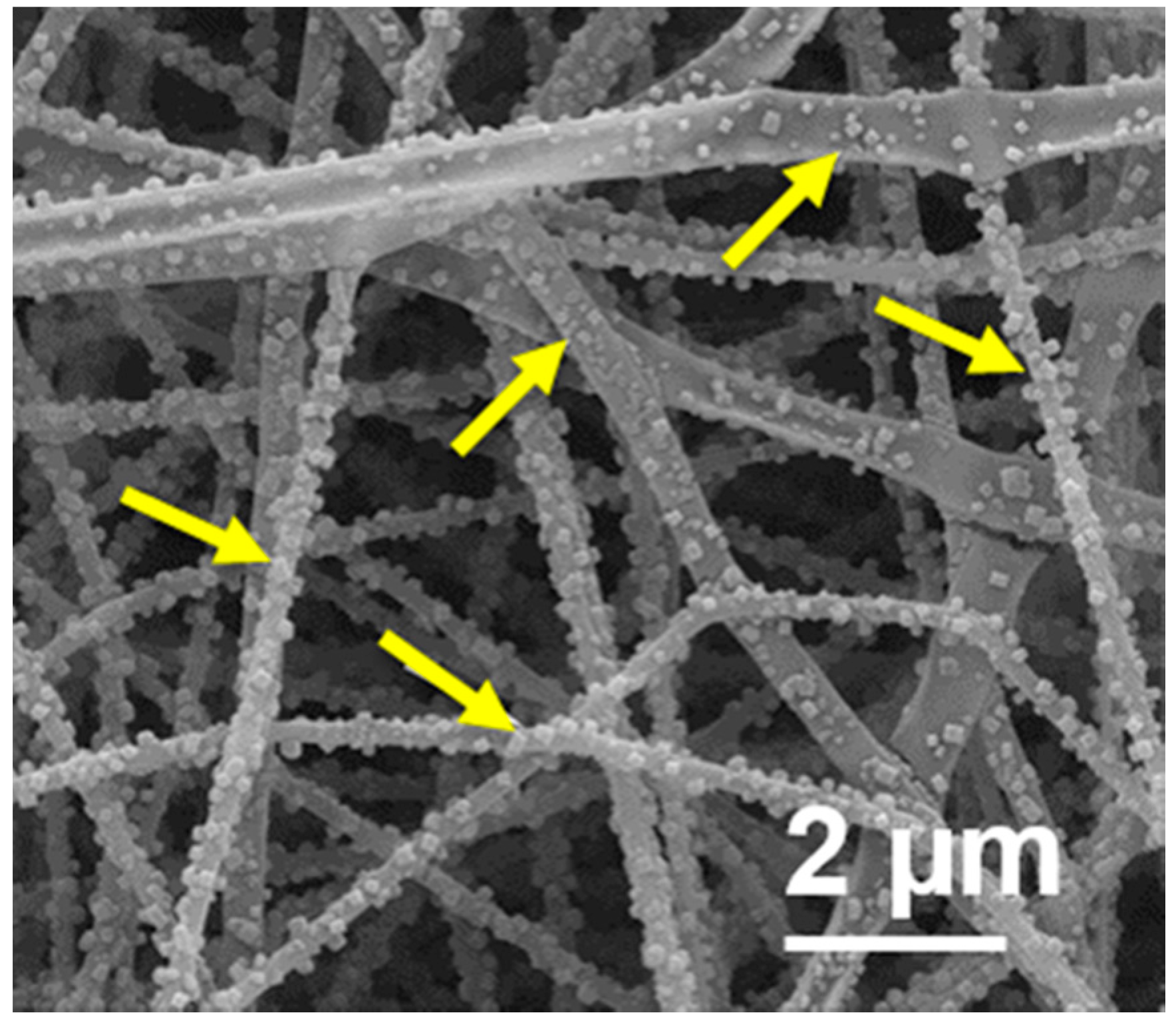
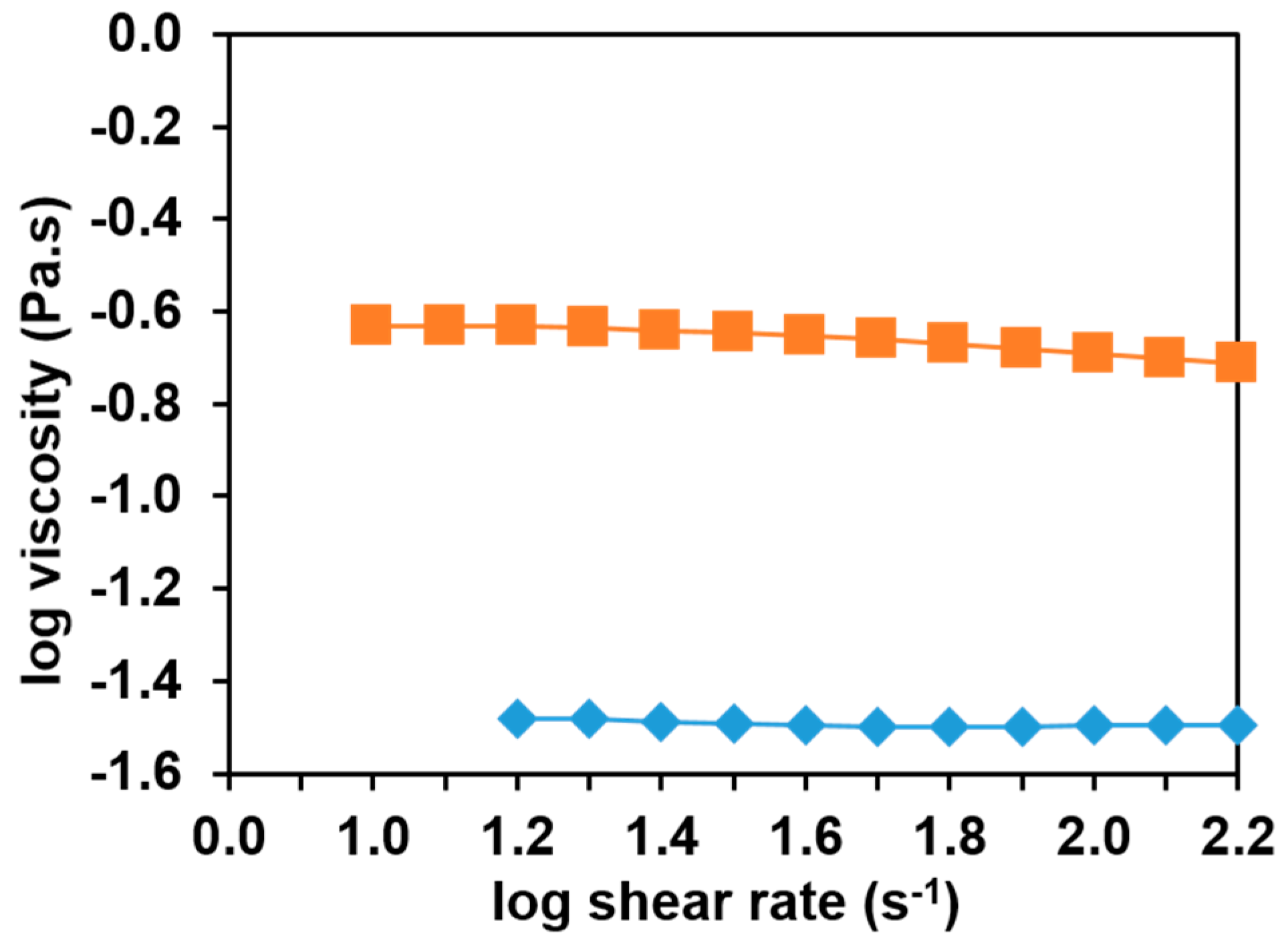
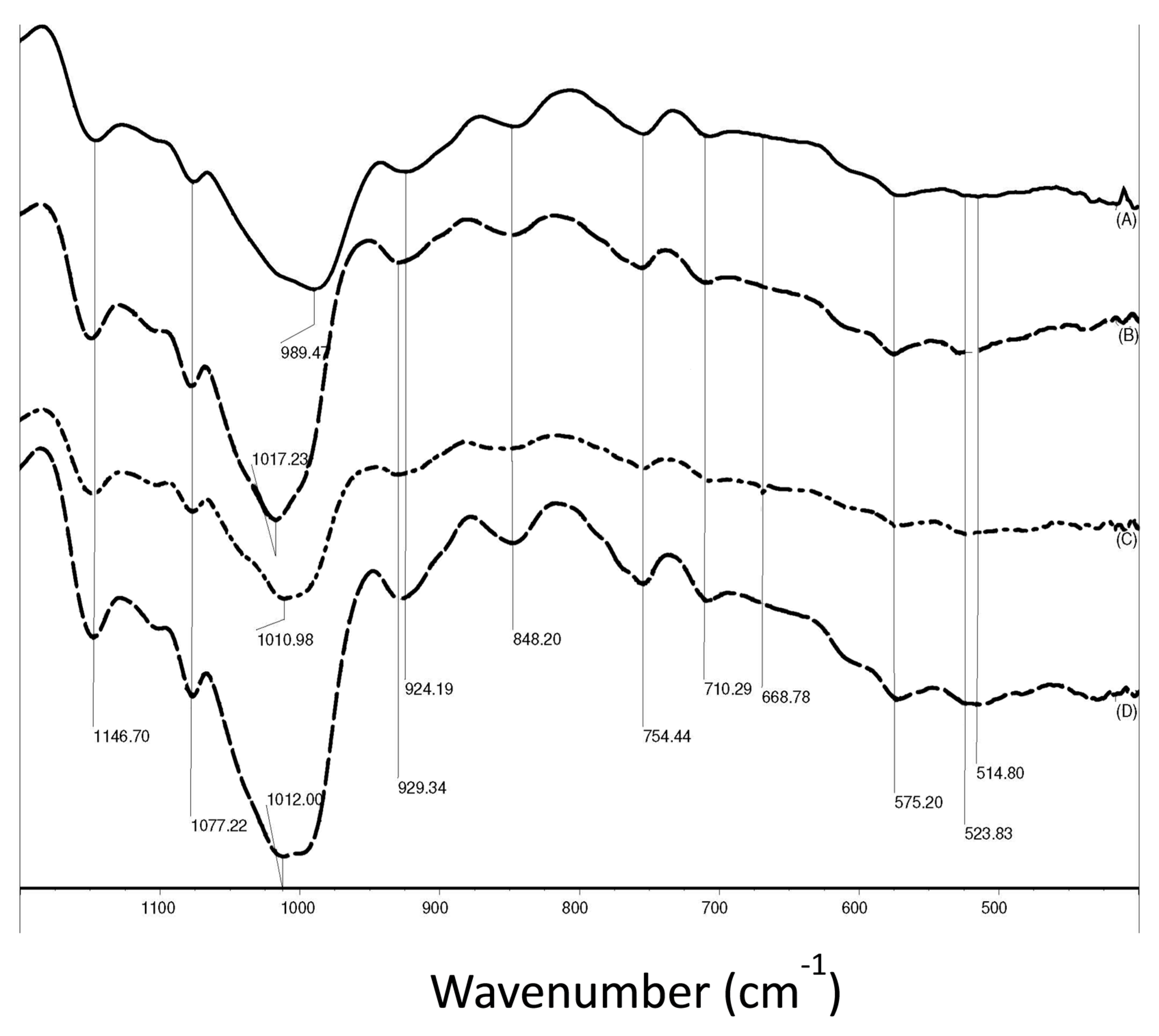
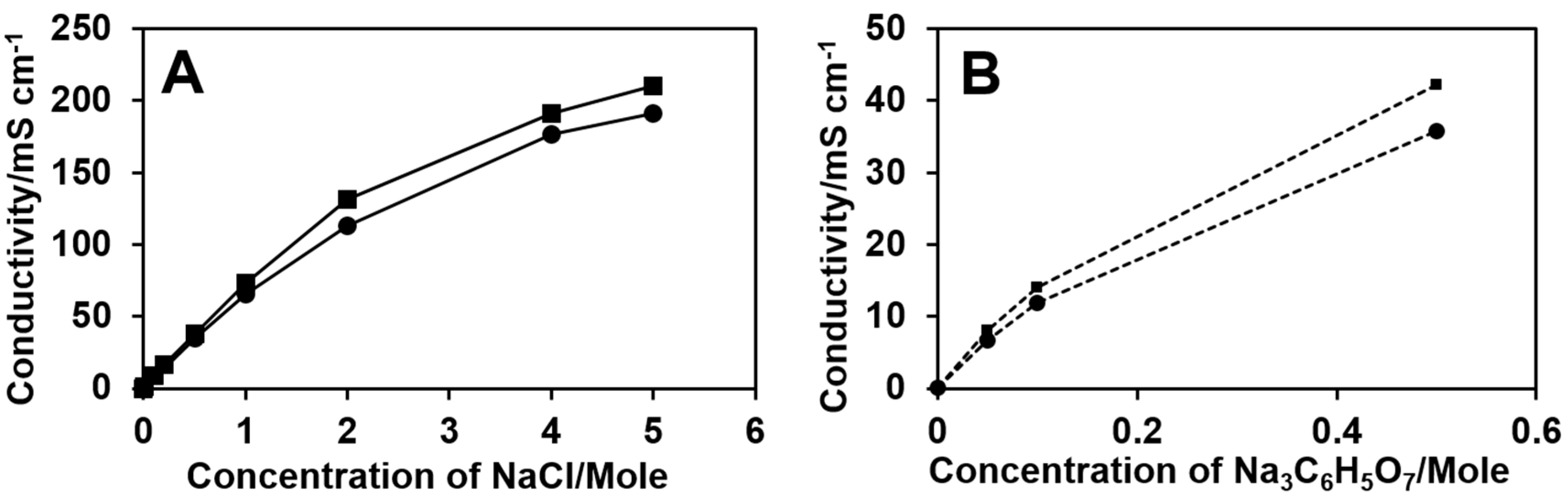
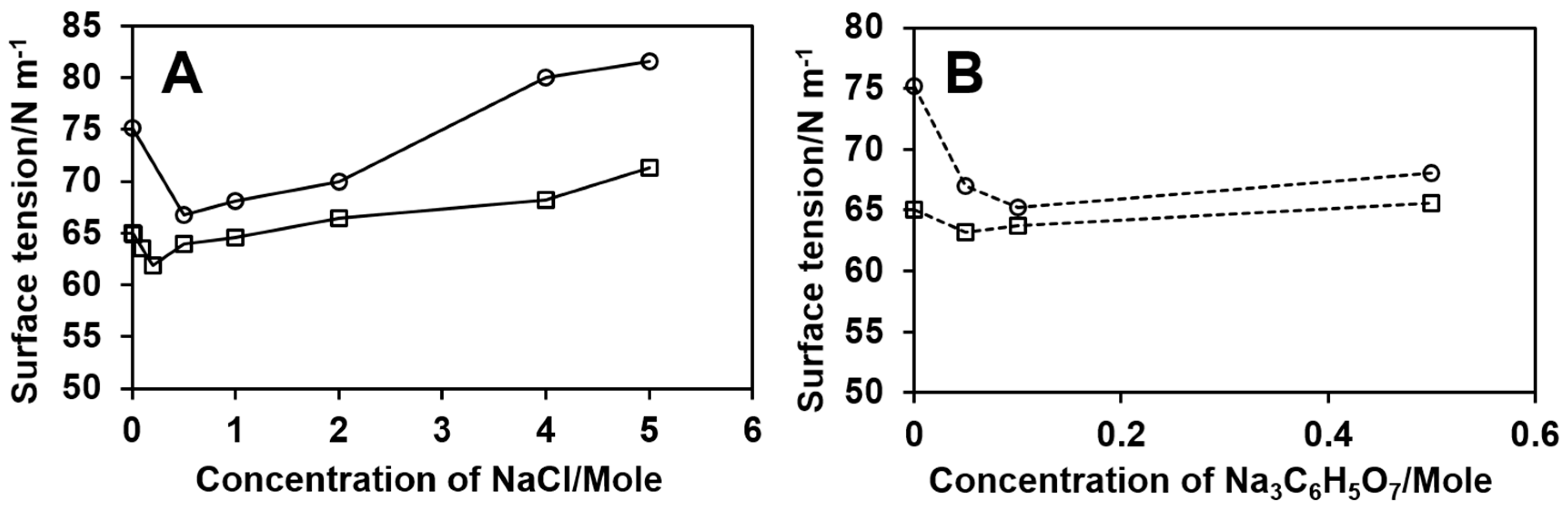
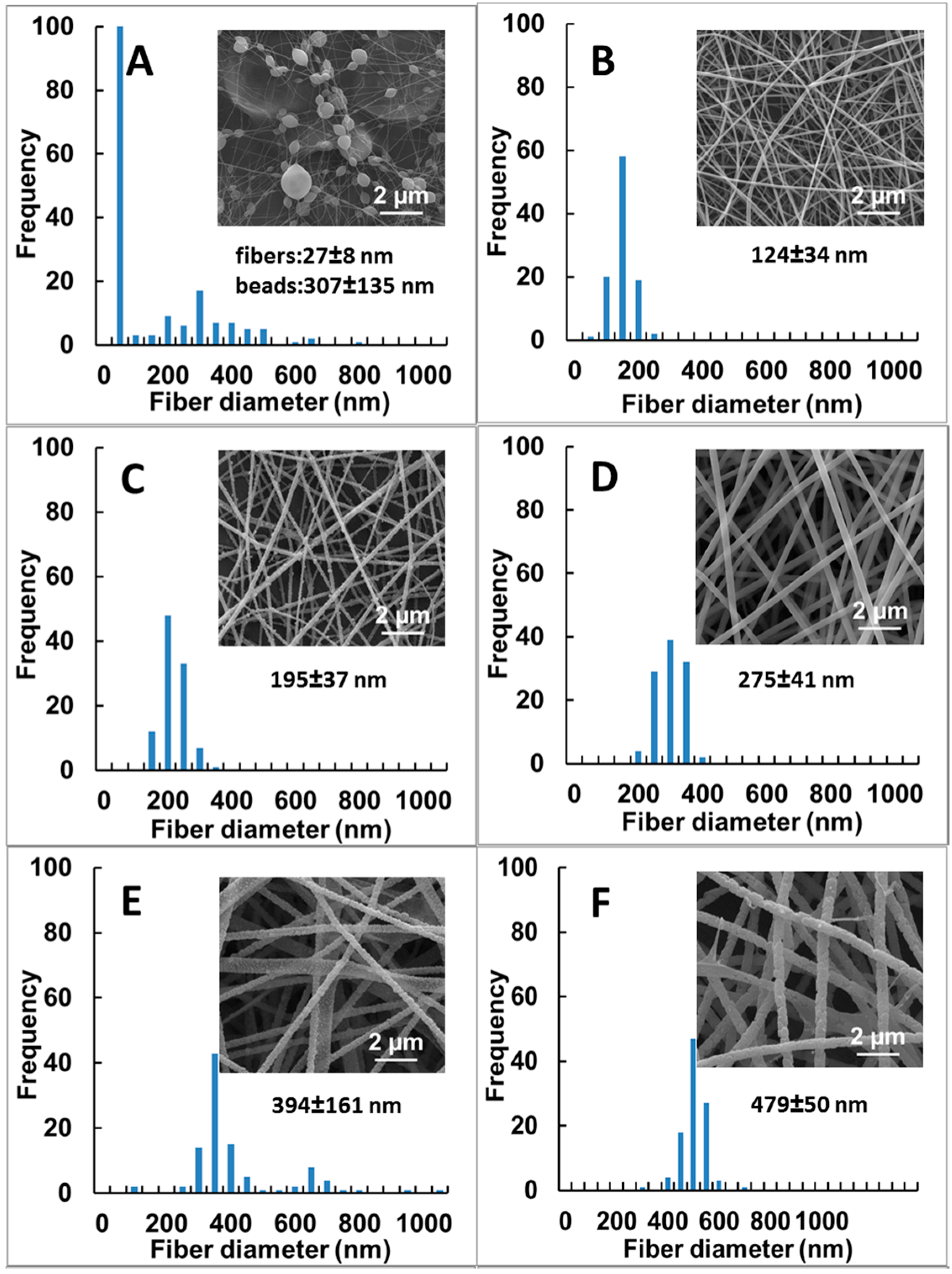
There is an increasing interest in applying the technology of electrospinning for making ultrafine fibers from biopolymers for food-grade applications, and using pullulan (PUL) as a carrier to improve the electrospinnability of proteins and other naturally occurring polyelectrolytes. In this study, PUL solutions containing NaCl or Na3C6H5O7 at different concentrations were electrospun. The inclusion of salts interrupted the hydrogen bonding and altered solution properties, such as viscosity, electric conductivity, and surface tension, as well as physical properties of fibers thus obtained, such as appearance, size, and melting point. The exogenous Na+ associated to the oxygen in the C6 position of PUL as suggested by FTIR measurement and was maintained during electrospinning. Bead-free PUL fibers could be electrospun from PUL solution (8%, w/v) in the presence of a 0.20 M NaCl (124 ± 34 nm) or 0.05 M Na3C6H5O7 (154 ± 36 nm). The further increase of NaCl or Na3C6H5O7 resulted in fibers that were flat with larger diameter sizes and defects. SEM also showed excess salt adhering on the surfaces of PUL fibers. Since most food processing is not carried out in pure water, information obtained through the present research is useful for the development of electrospinning biopolymers for food-grade applications.
Keywords: ultrafine fibers; rheology; morphology; pullulan ultrafine fibers; rheology; morphology; pullulan
Graphical Abstract