Three-Dimensional Digital Model Reconstruction and Seepage Characteristic Analysis of Porous Polyimide

 ,
,  and
and
Abstract
1. Introduction
2. Characterization of Microstructure and 3D Reconstruction of Porous Polyimide
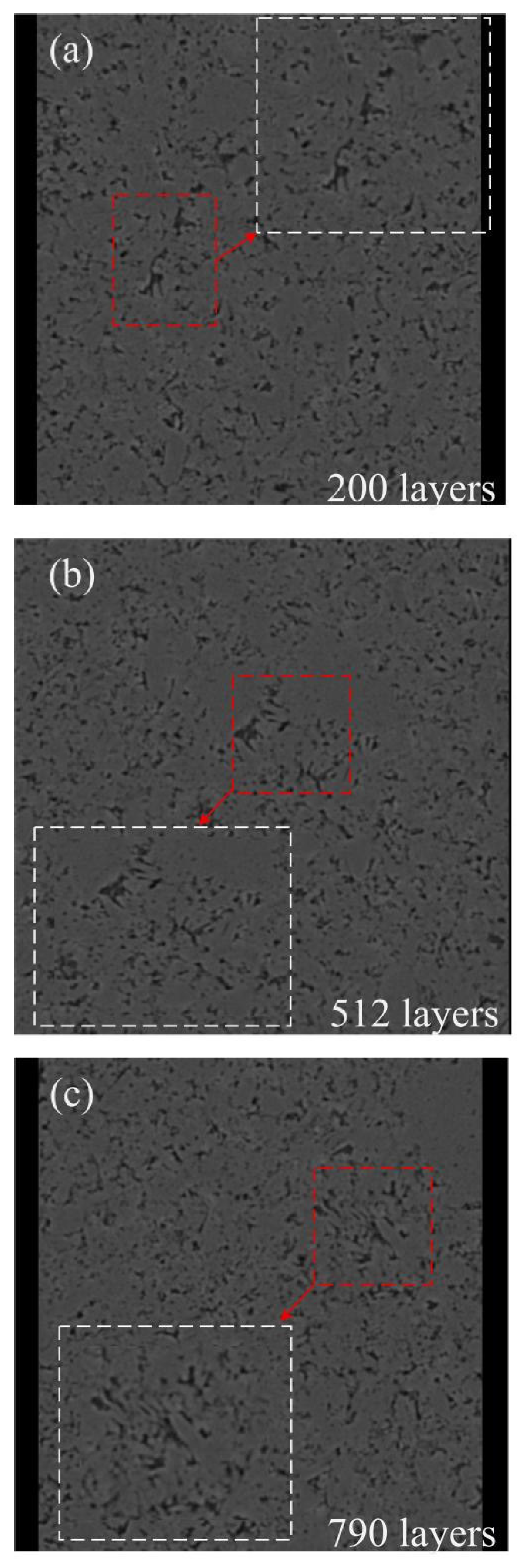
2.1. Micro-Focus CT Scanning and Image Acquisition
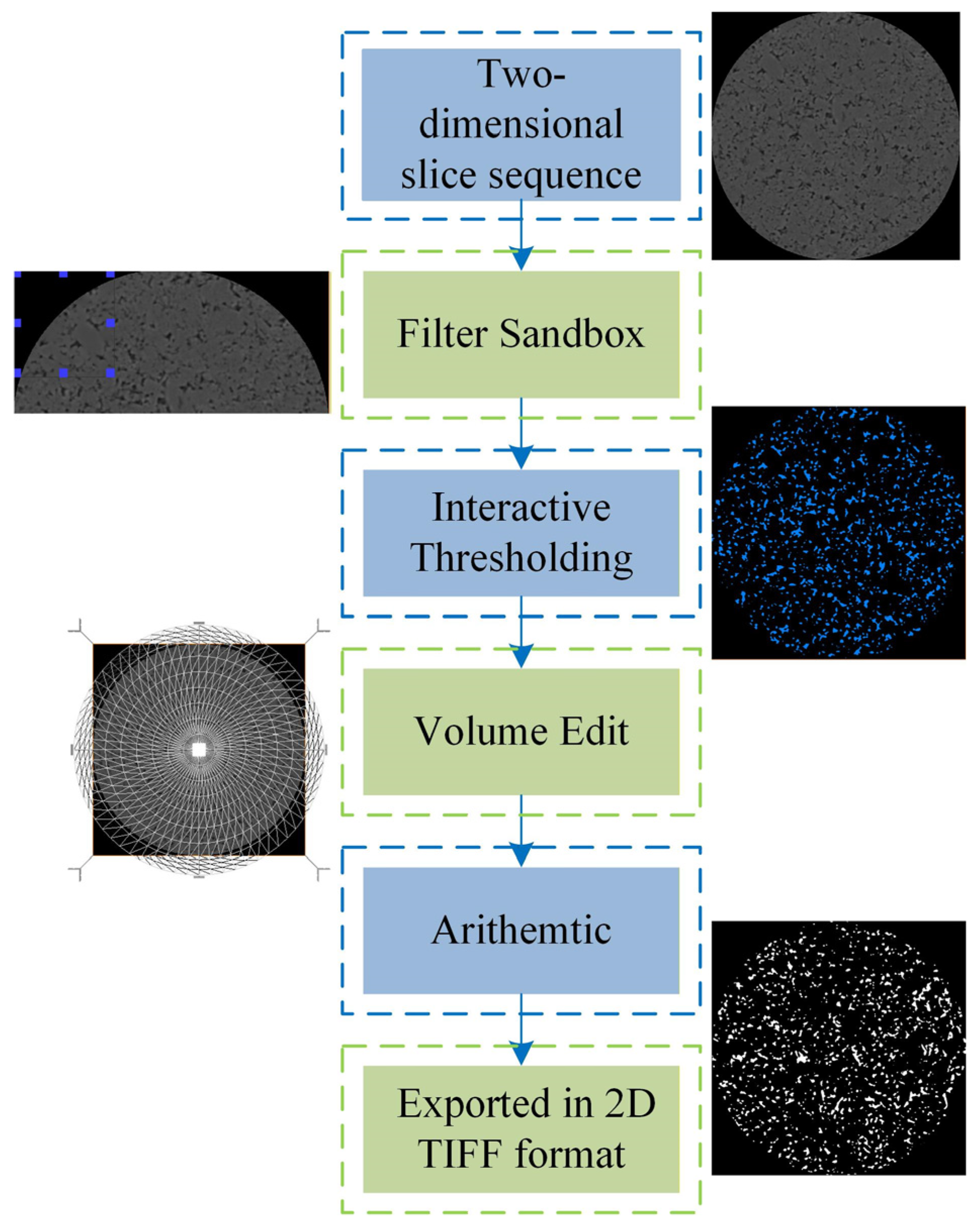
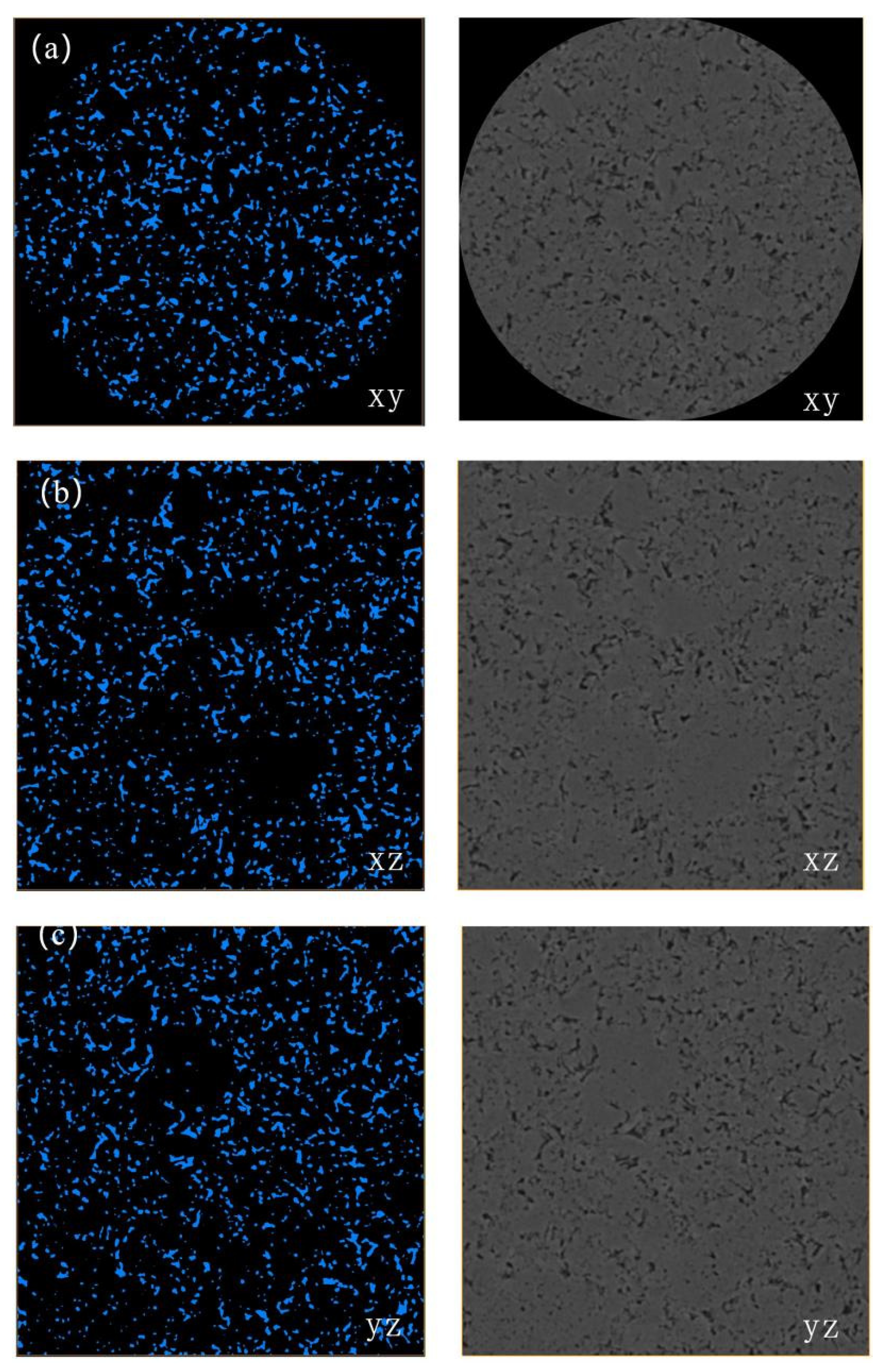
2.2. Image Preprocessing and Pore/Solid Matrix Phase Segmentation
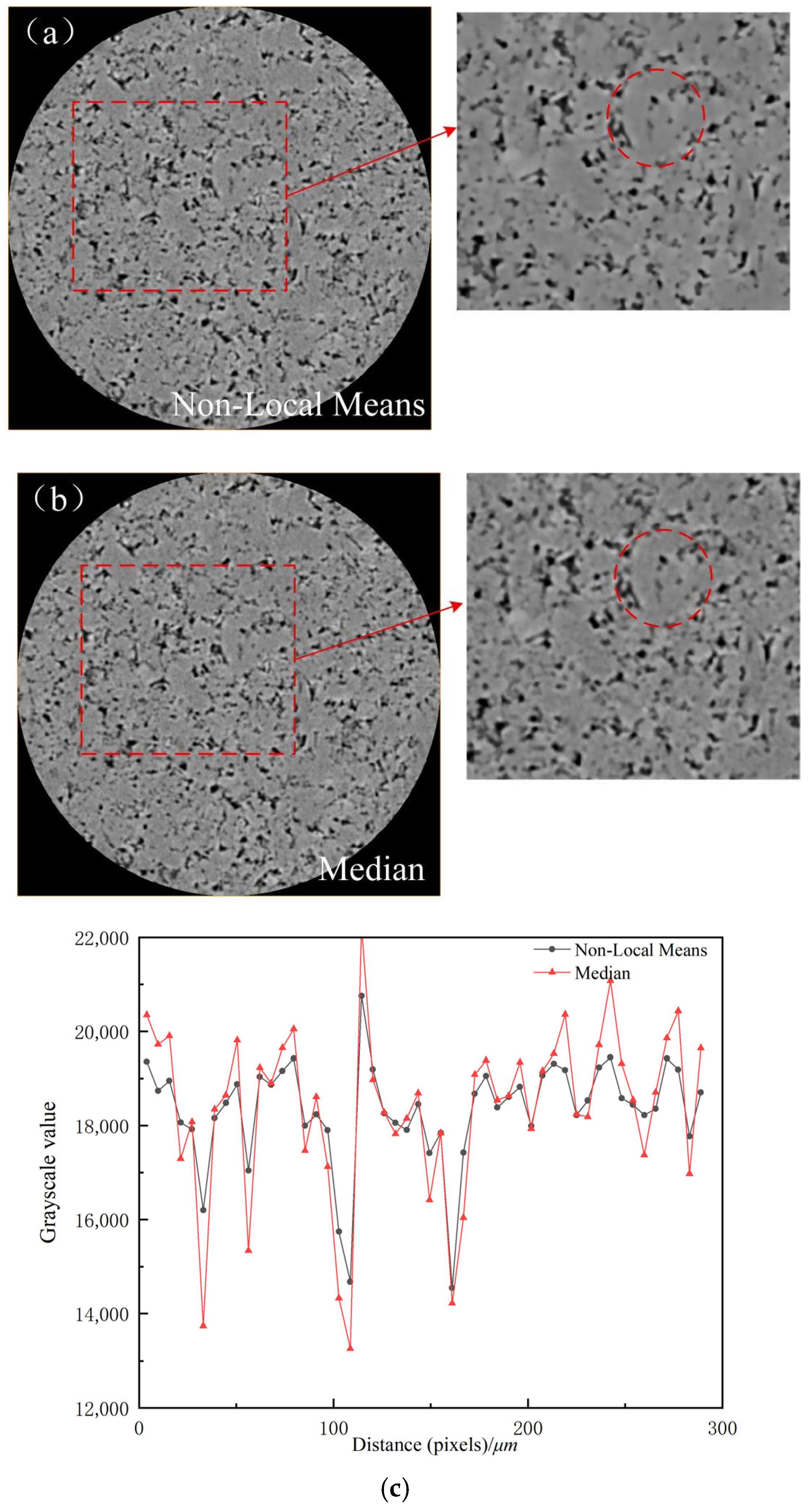
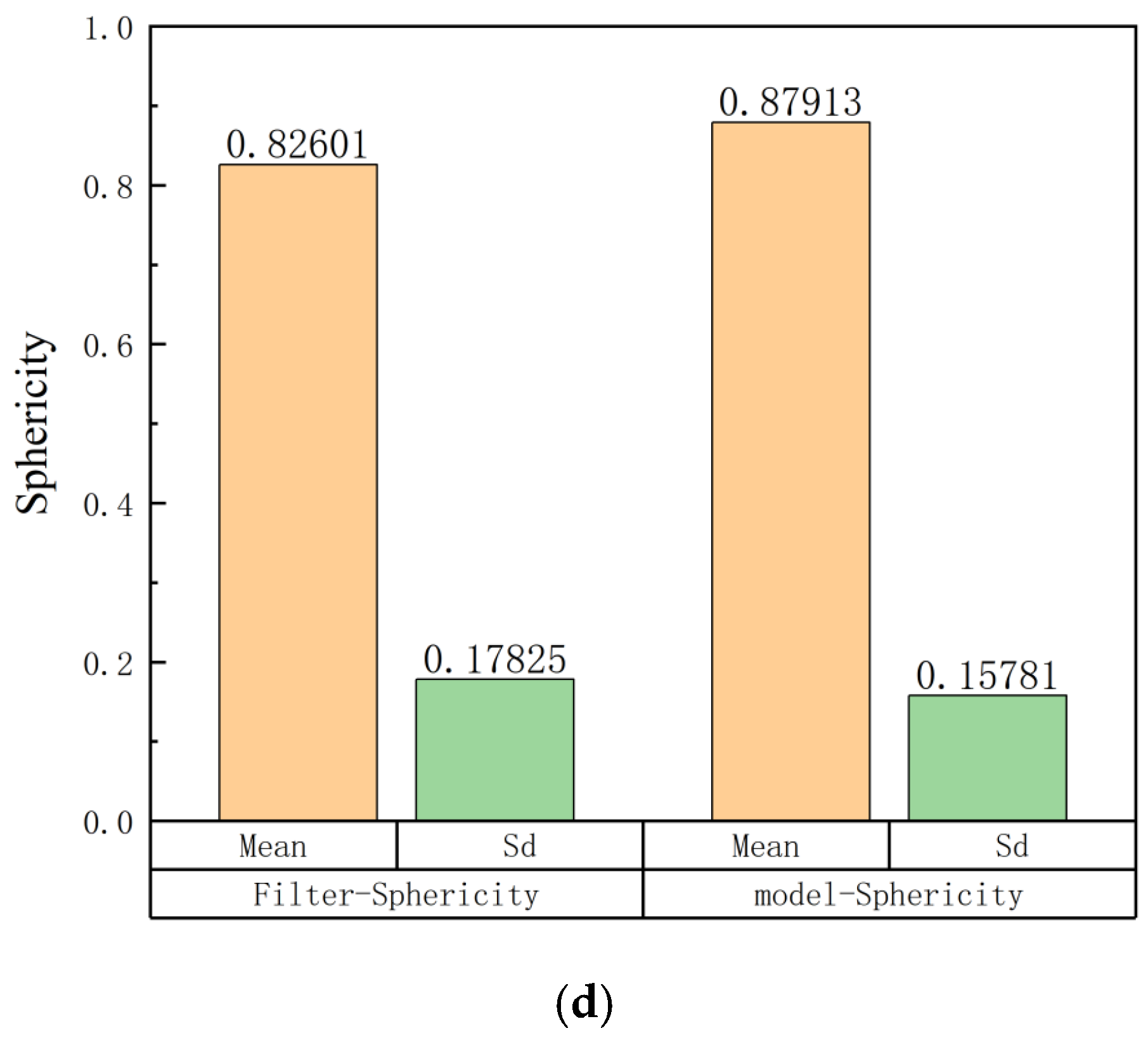
2.2.1. Image Filtering and Denoising
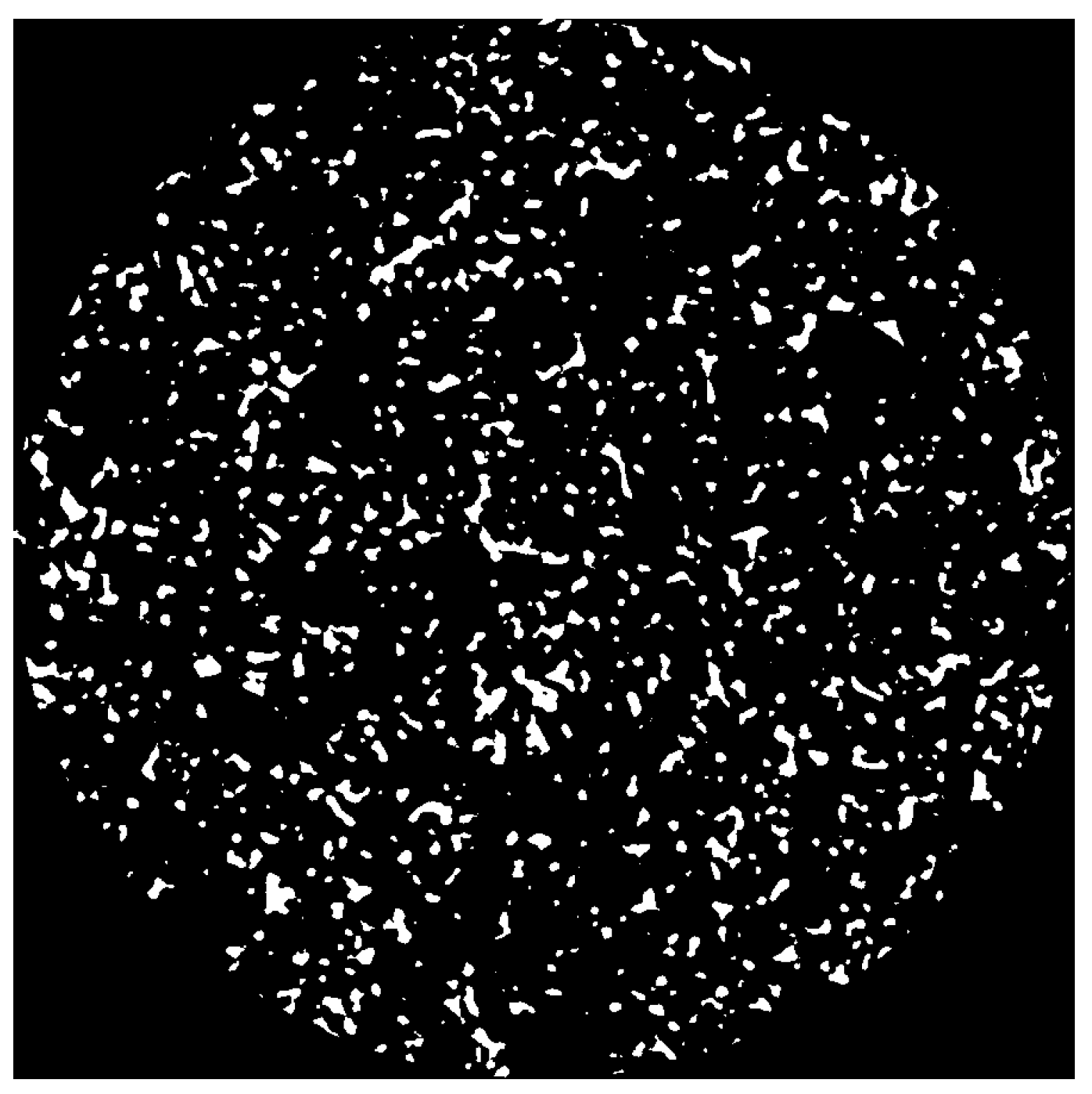
2.2.2. Threshold Segmentation and Data Conversion
2.3. Three-Dimensional Model Reconstruction and Visualization Analysis
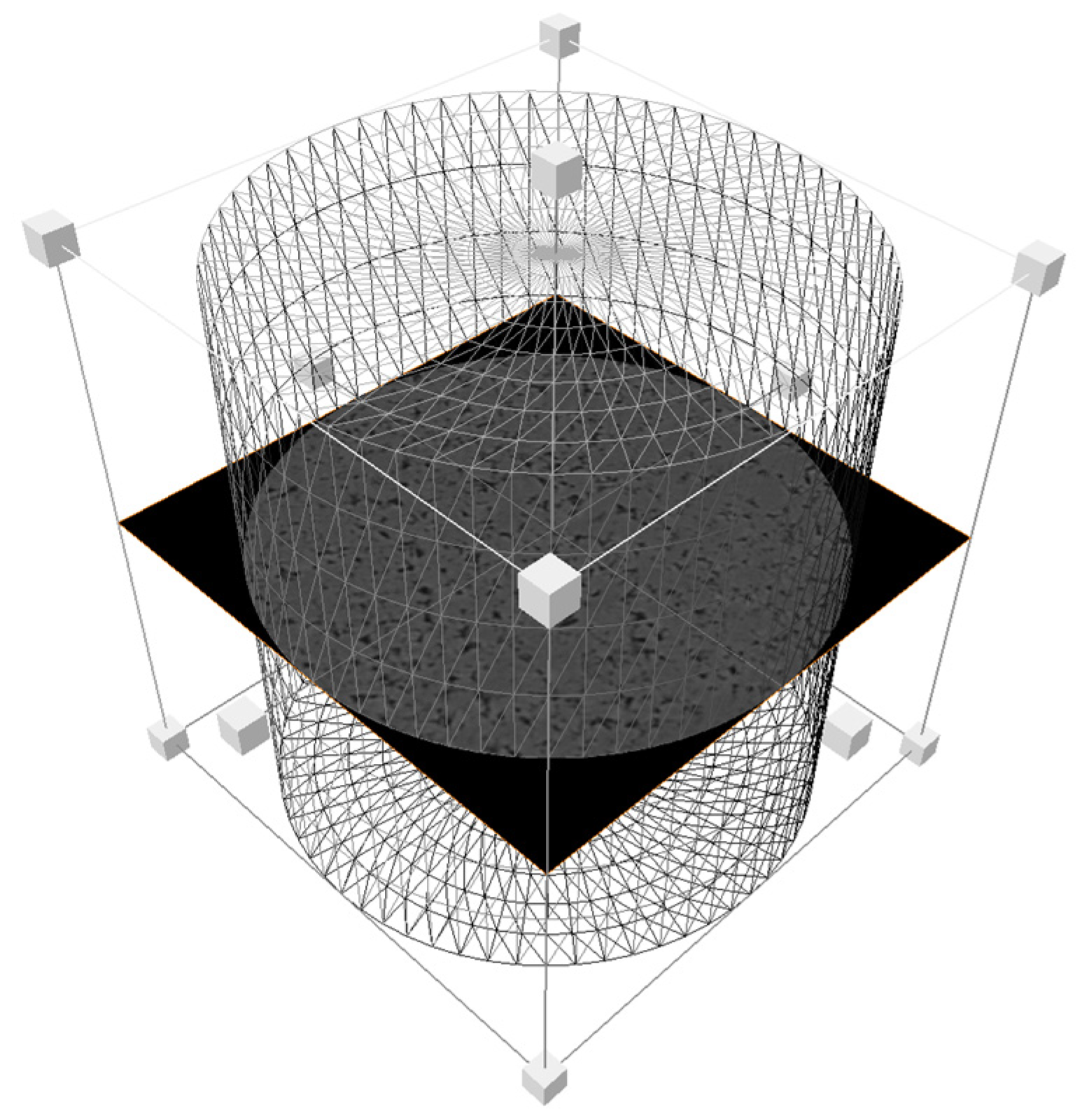
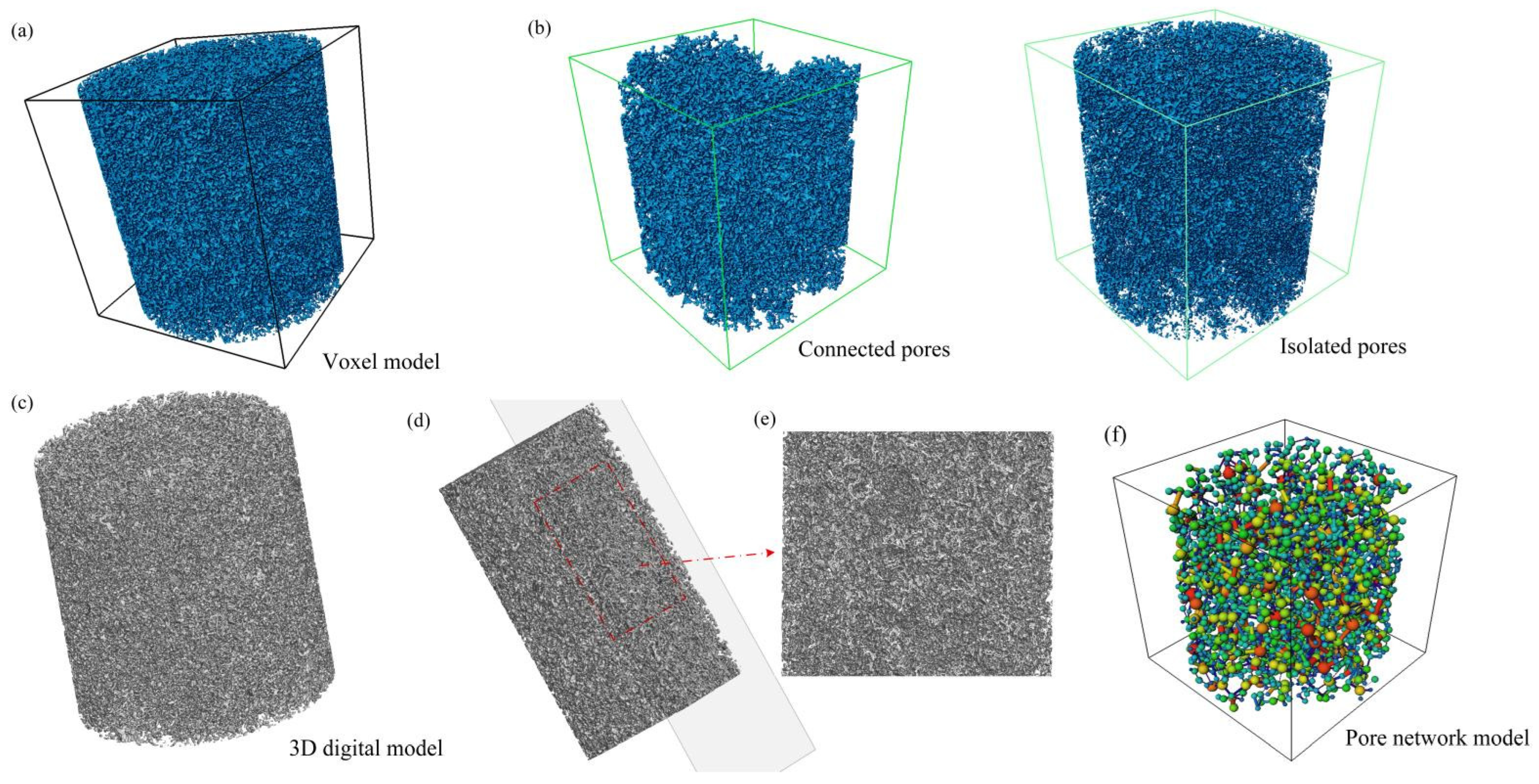
2.3.1. Construction of the 3D Voxel Model and Digital Model
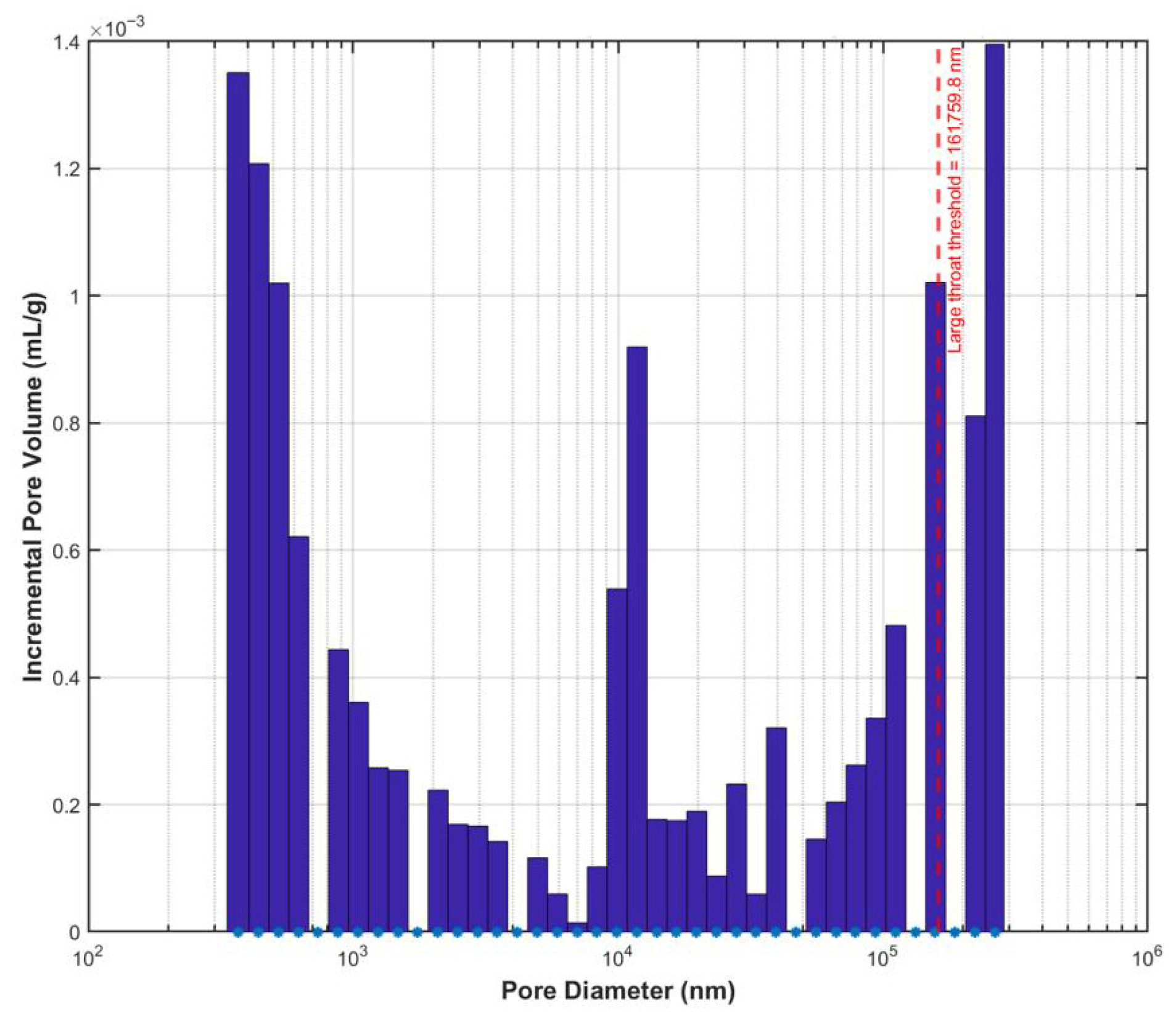
2.3.2. Quantification and Separation of Pore Structures
2.3.3. Construction of the Pore Network Model
3. Lattice Boltzmann Model Construction and Validation
3.1. Theoretical Framework of the Lattice Boltzmann Method
3.1.1. Boltzmann Equation and BGK Approximation
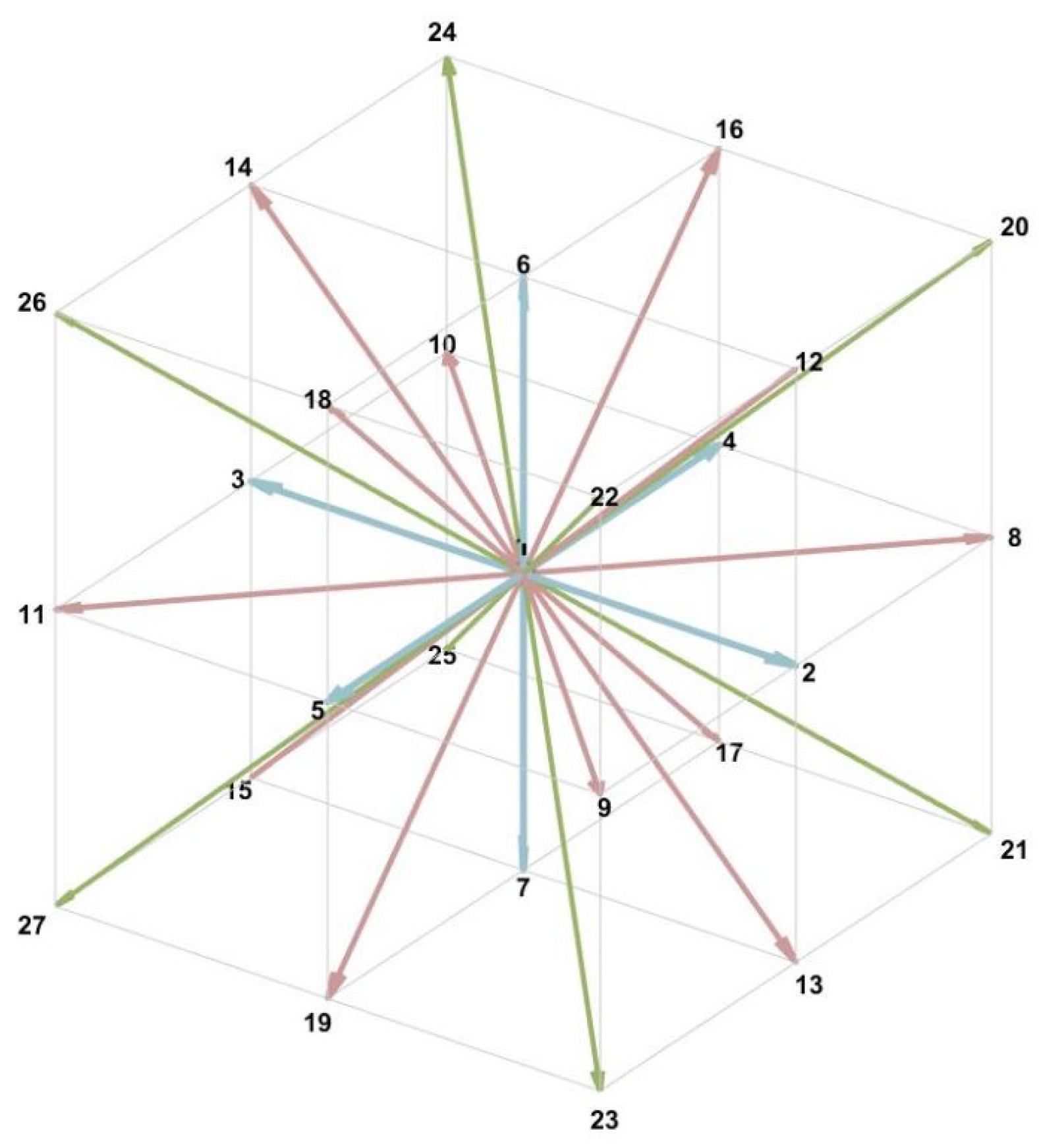
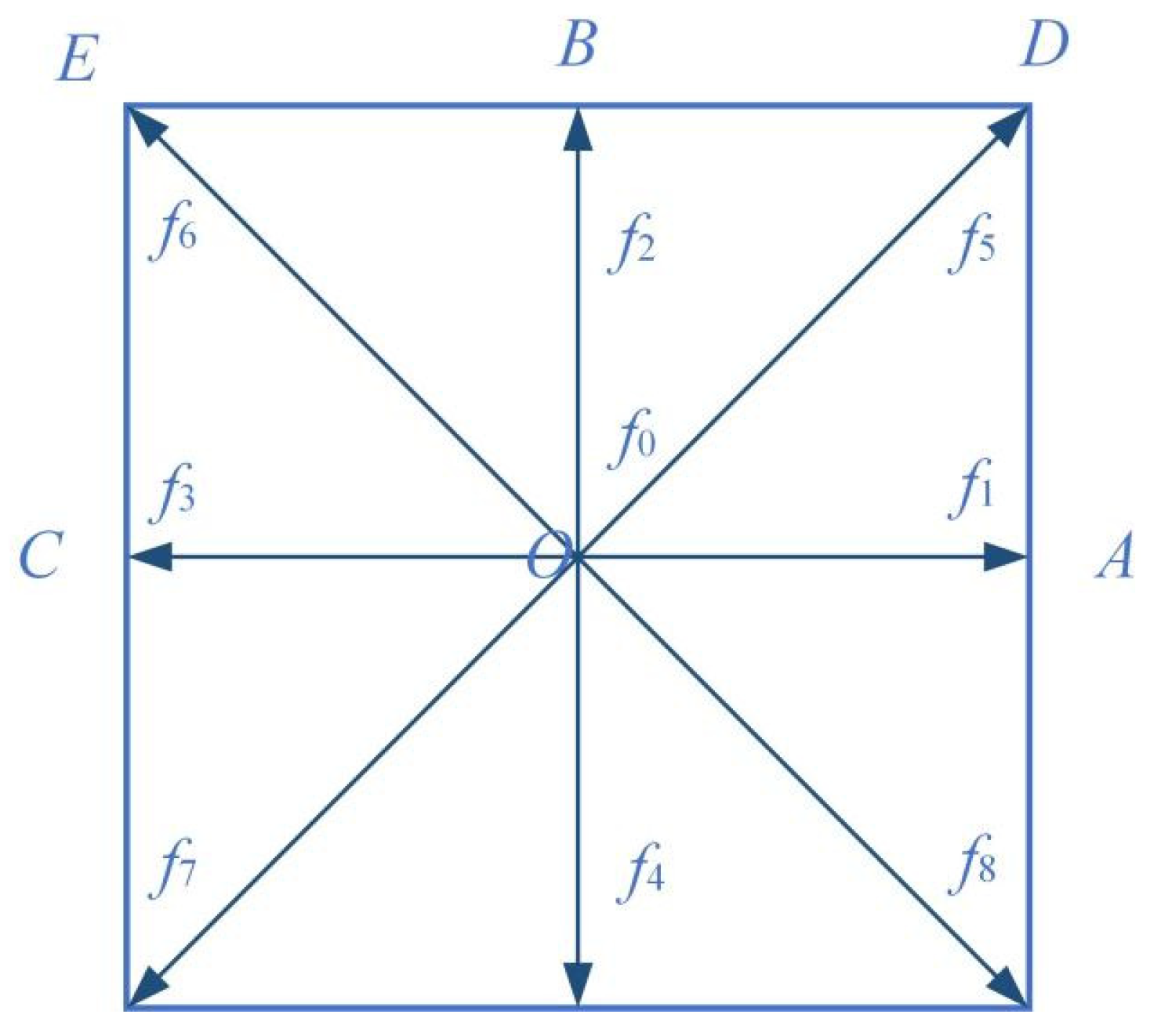
3.1.2. Discrete Velocity Model and the D3Q27 Scheme
3.1.3. Multiple-Relaxation-Time Model (MRT-LBM)
3.1.4. Moment Transformation and Relaxation Matrix
- Transformation Matrix :
- 2.
- Relaxation Matrix :
- 3.
- Inverse Transformation:
3.2. Boundary Condition Setting and Model Validation
3.2.1. Boundary Condition Setting
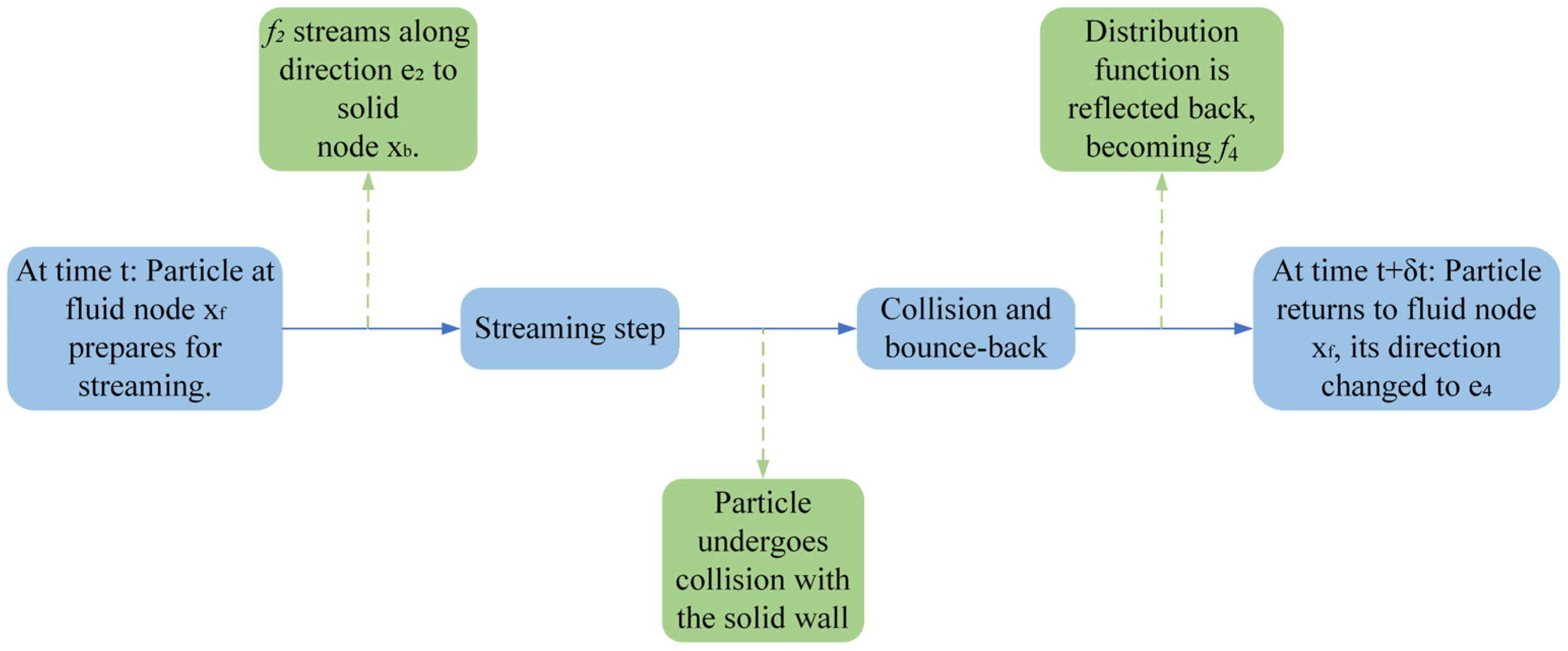
- Standard Bounce-Back Scheme:
- 2.
- Non-Equilibrium Extrapolation Scheme:
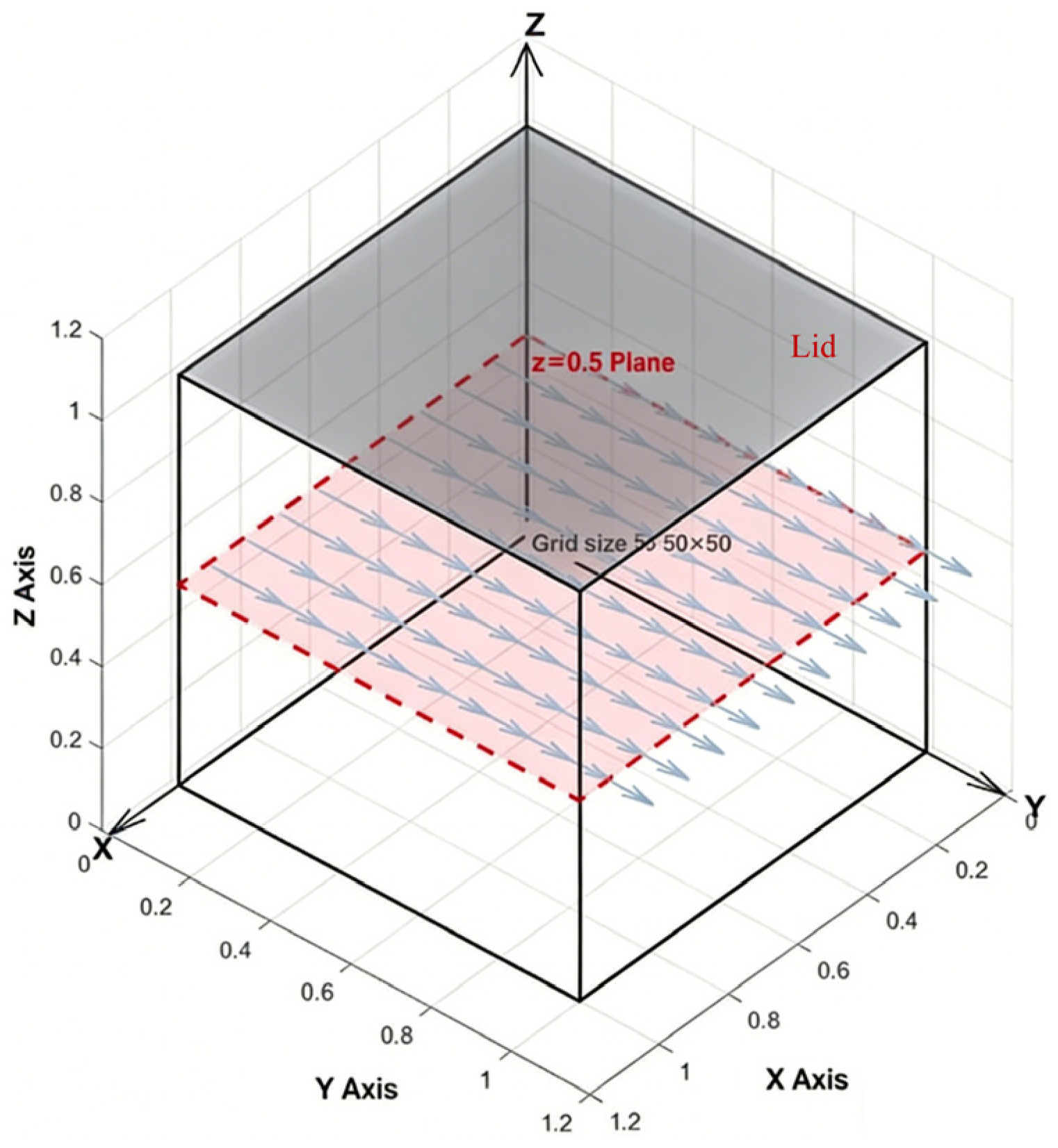
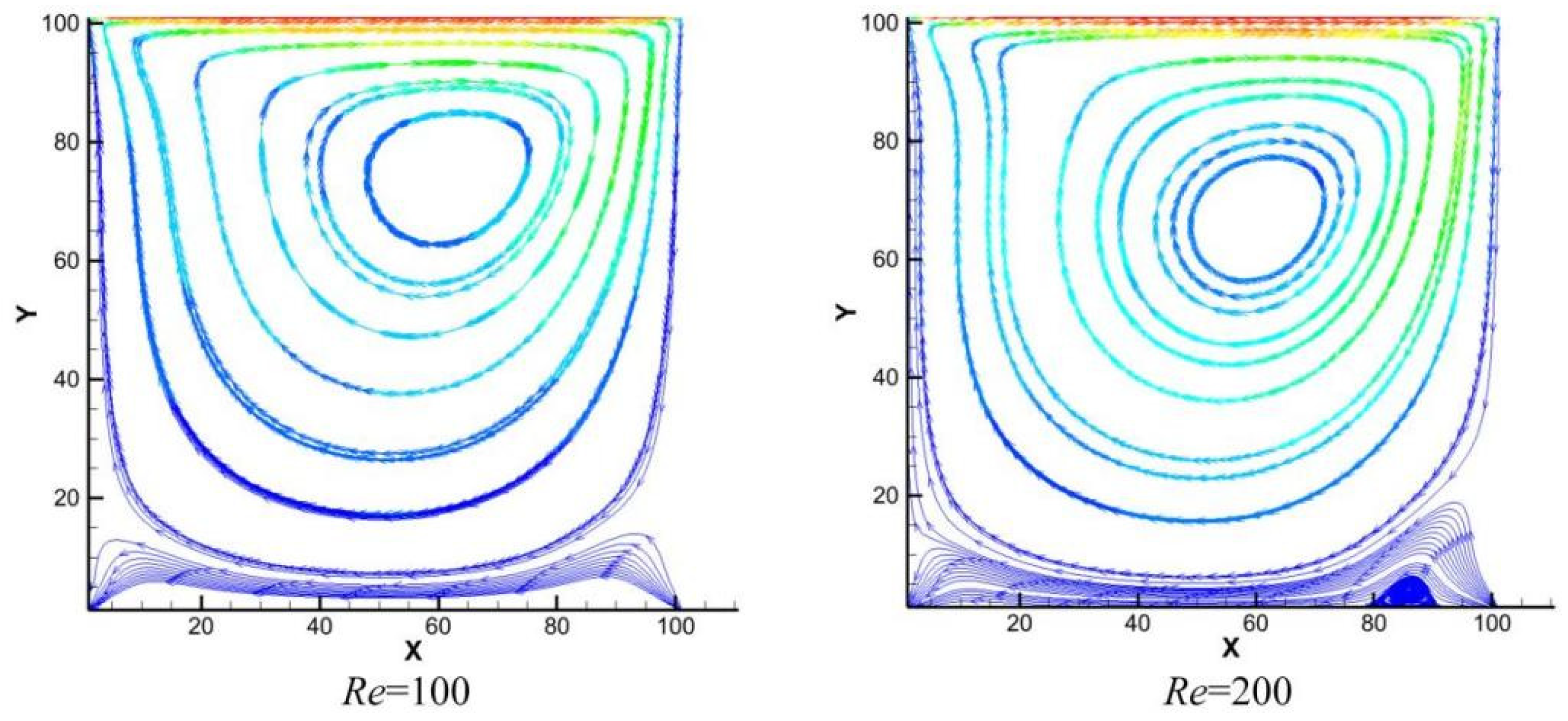
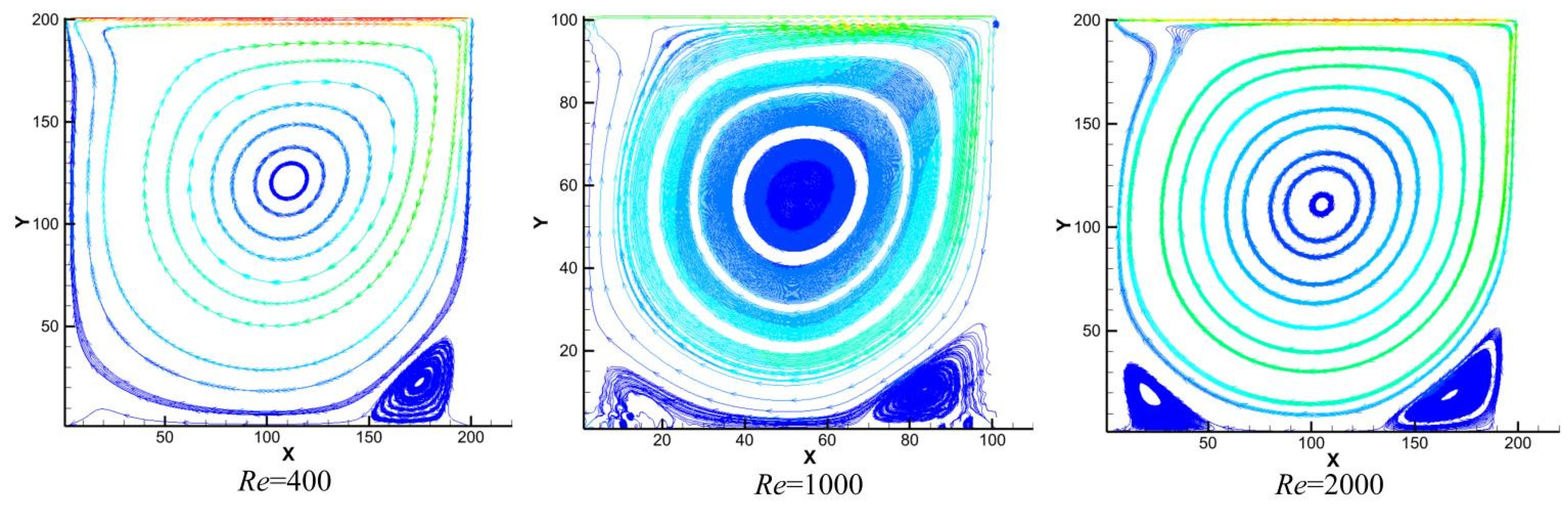
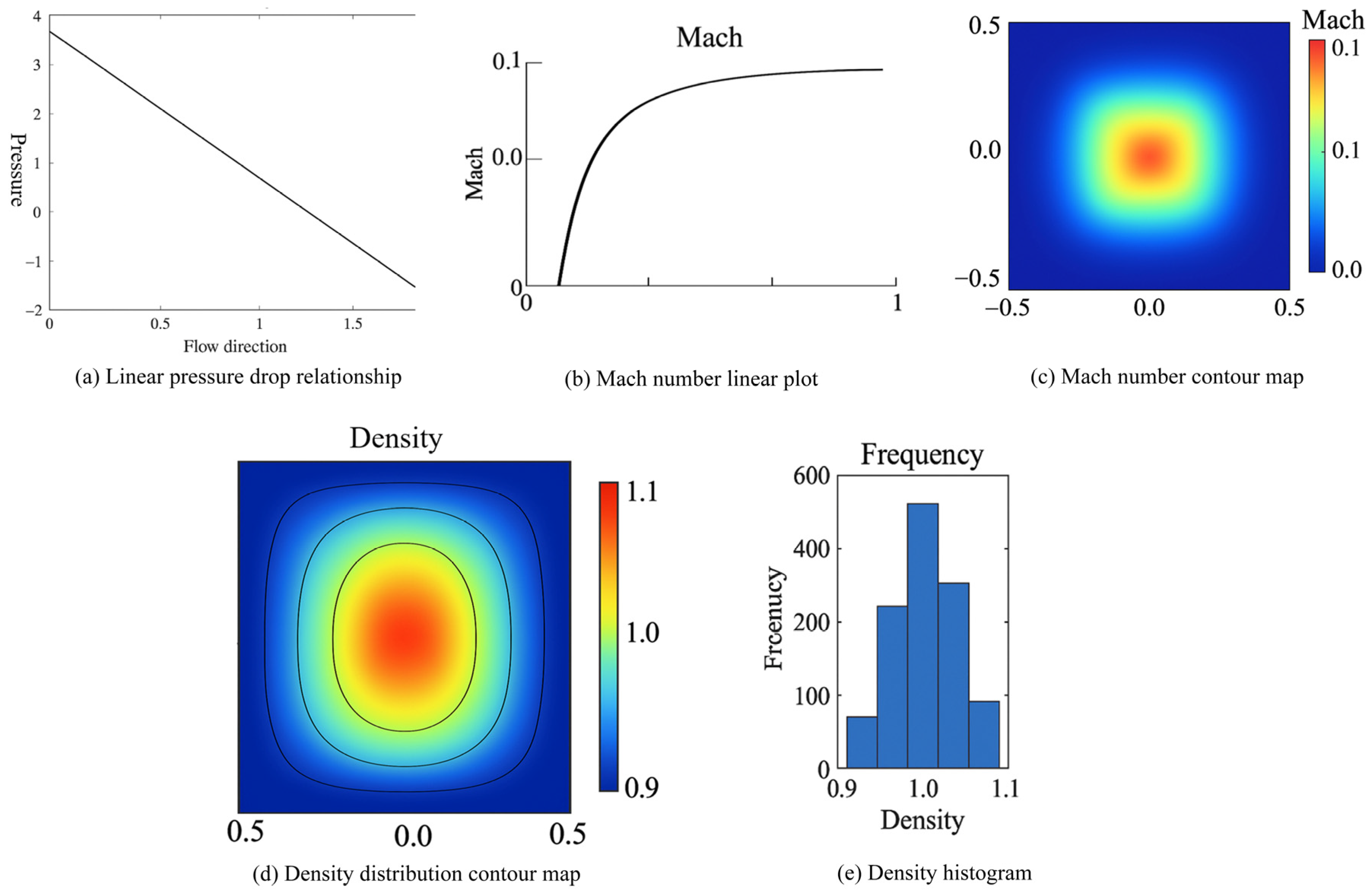
3.2.2. Lid-Driven Cavity Flow Validation
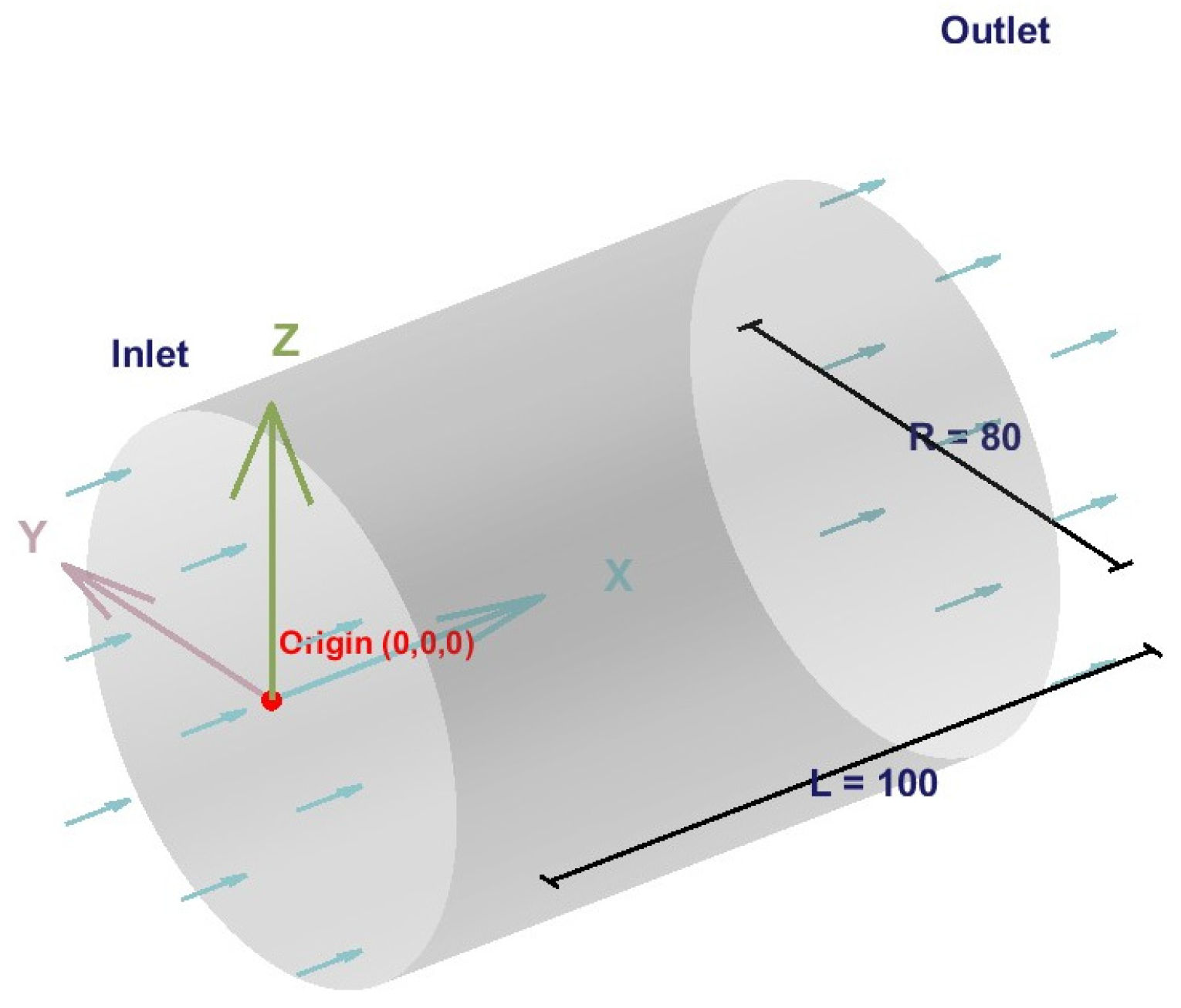
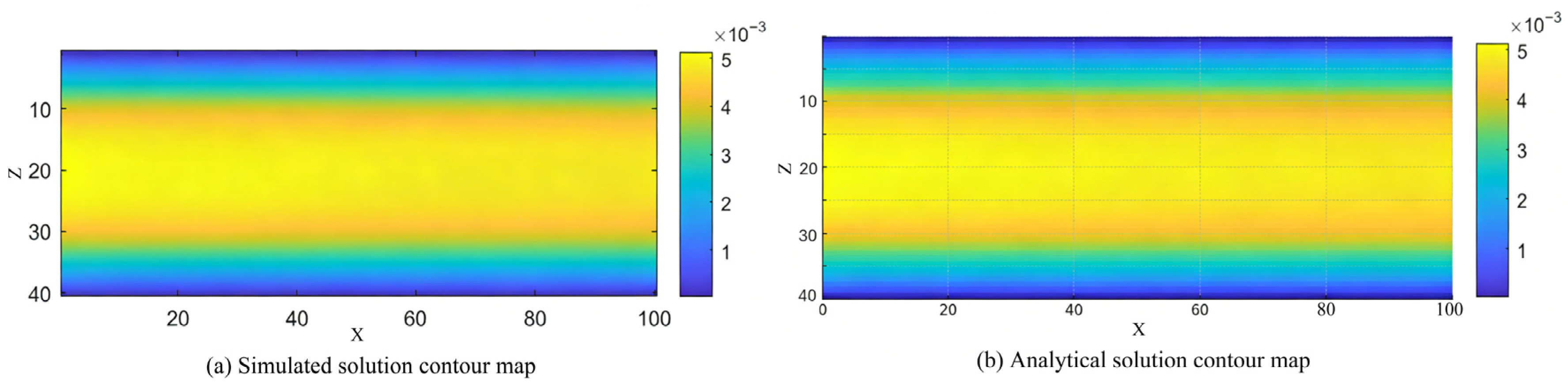
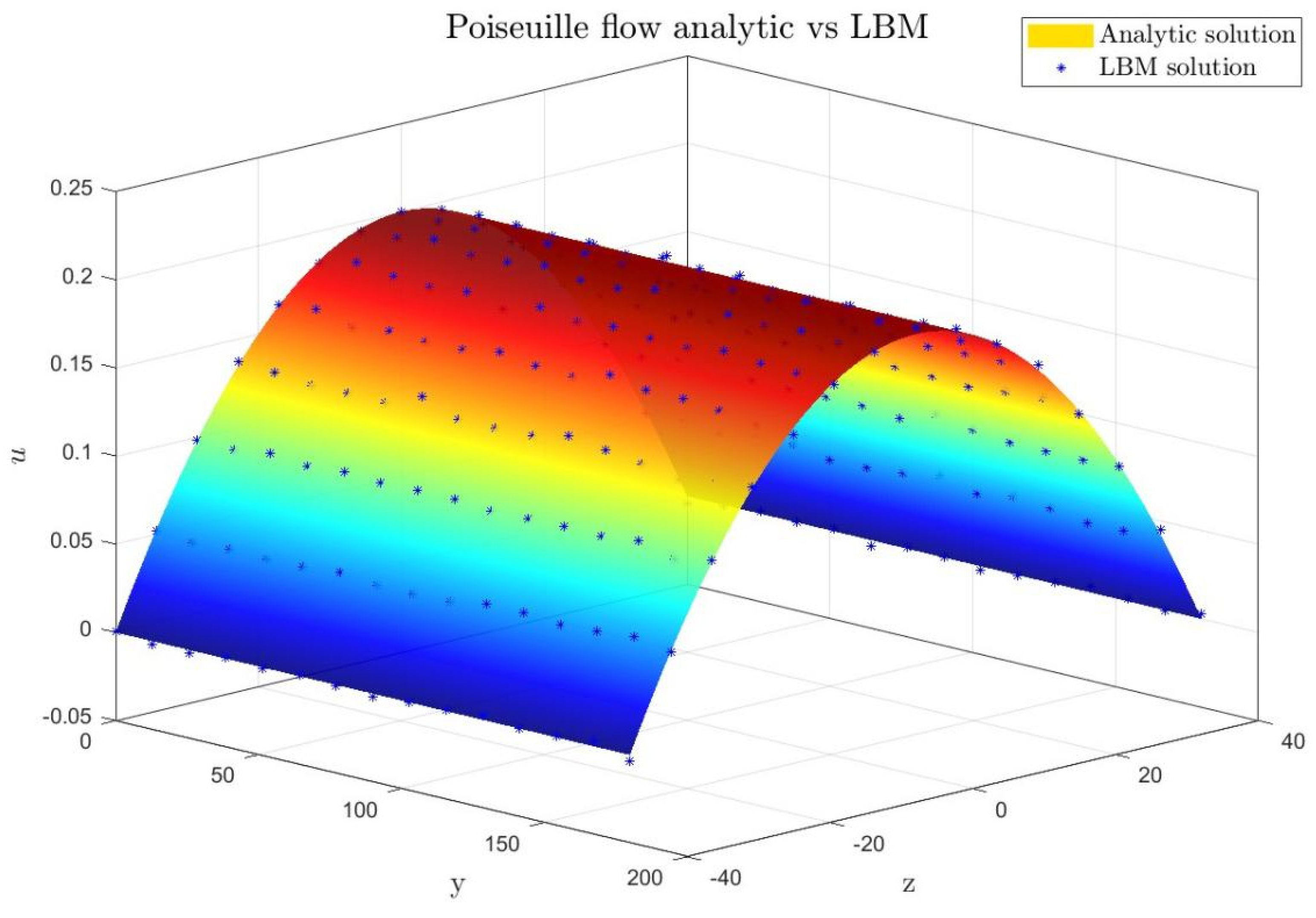
3.2.3. Poiseuille Flow Validation
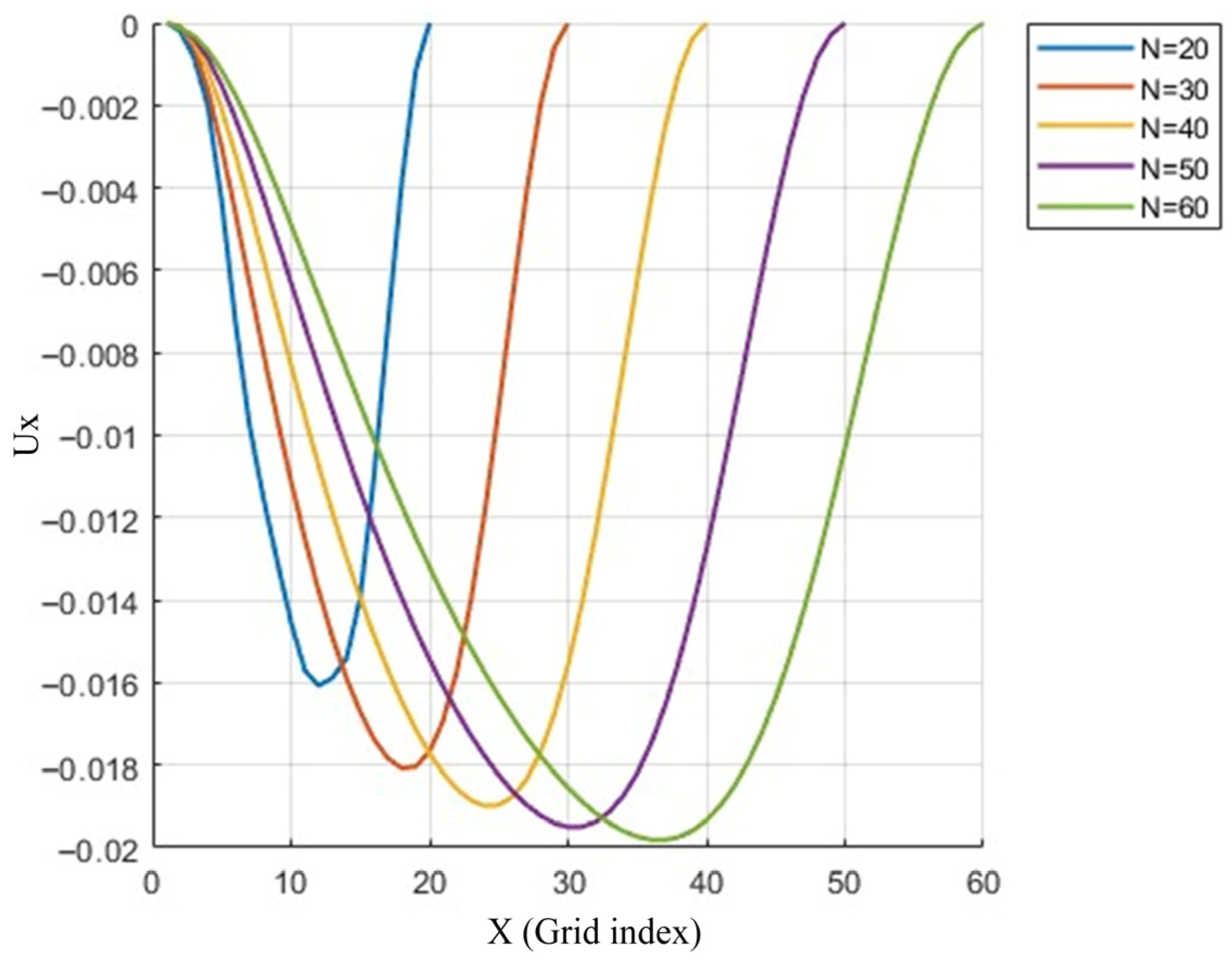
3.2.4. Grid Independence Study
4. Single-Phase Seepage Characteristics Analysis in Porous Polyimide
4.1. Seepage Simulation Parameter Settings
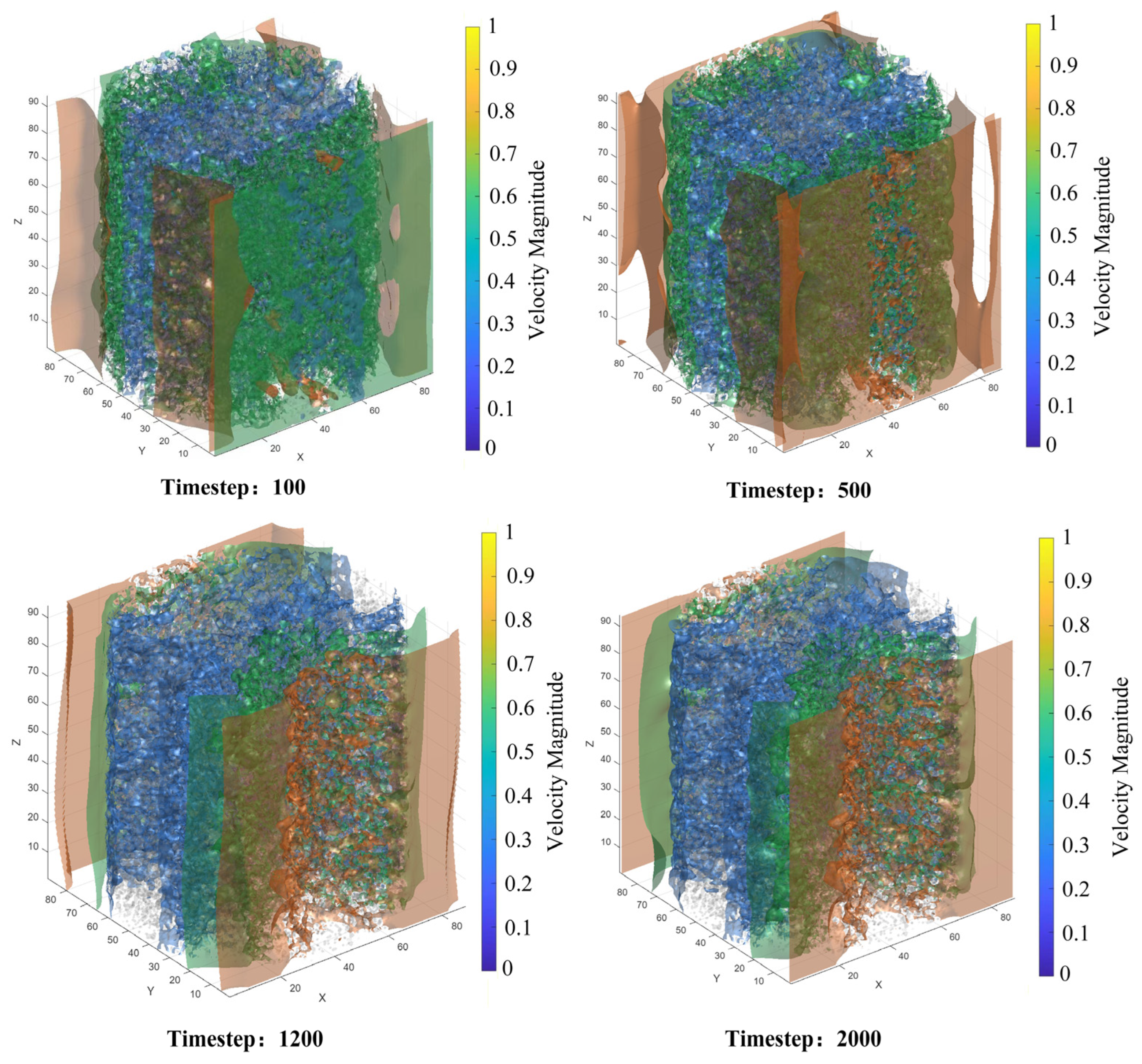
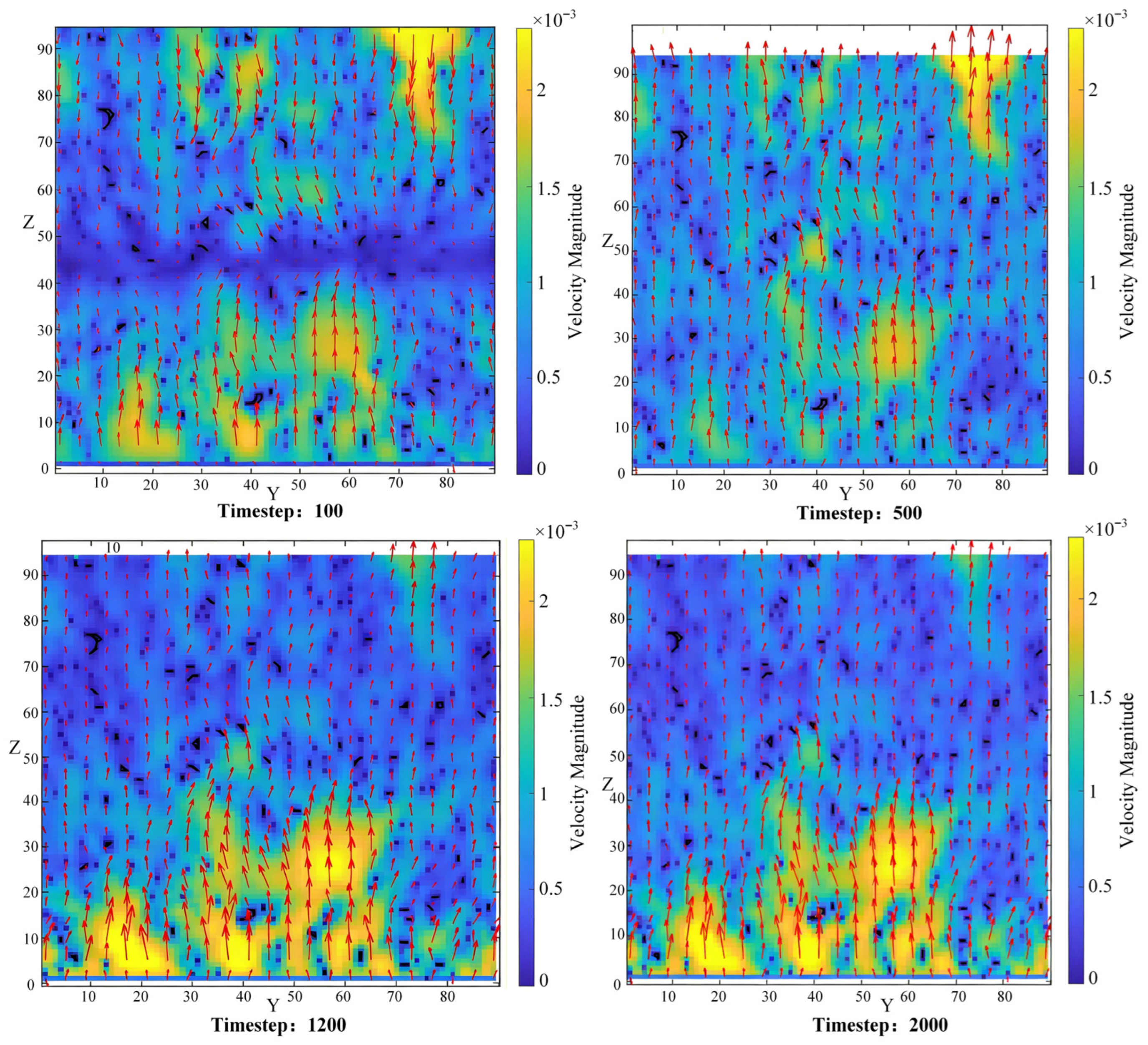
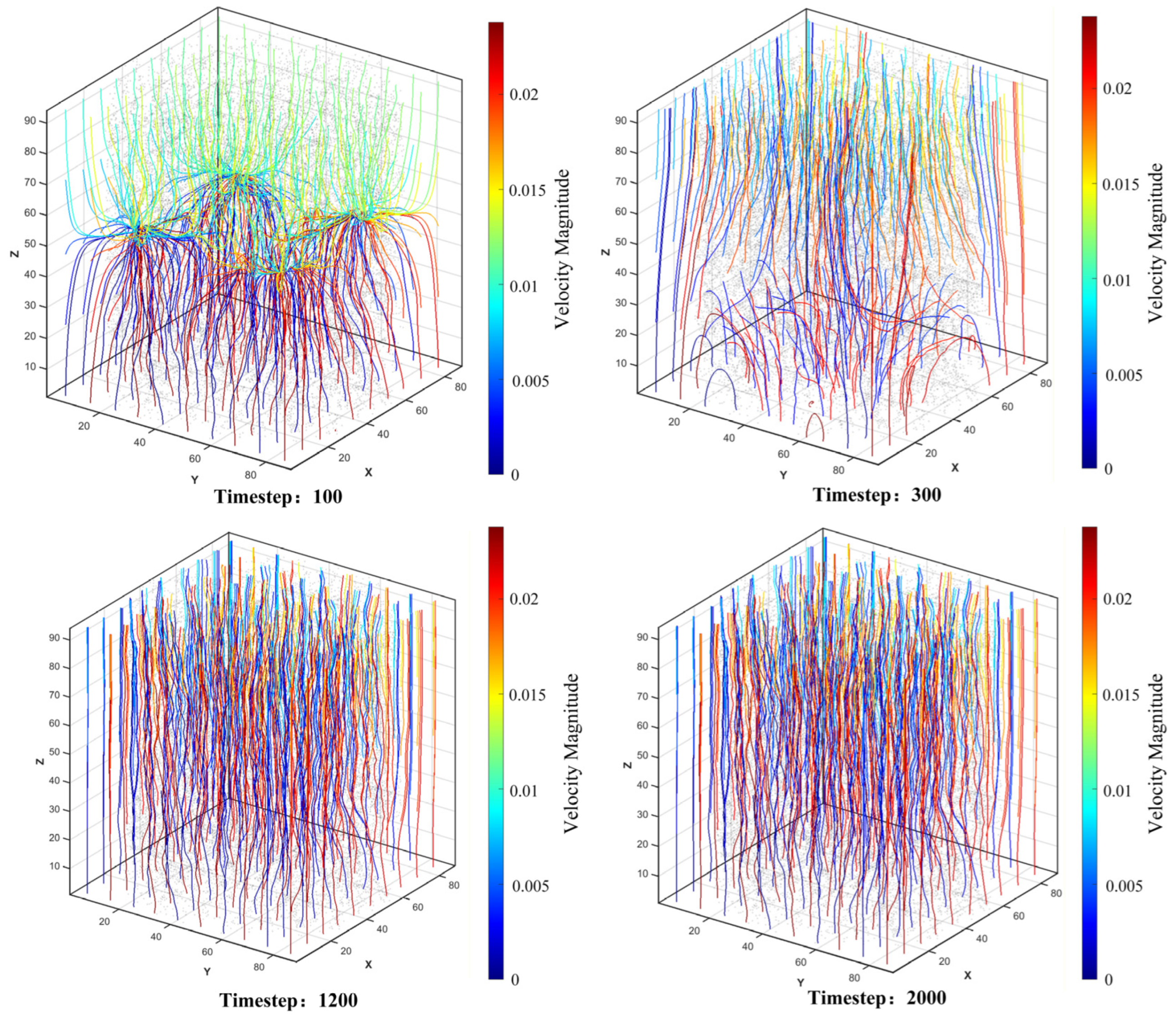
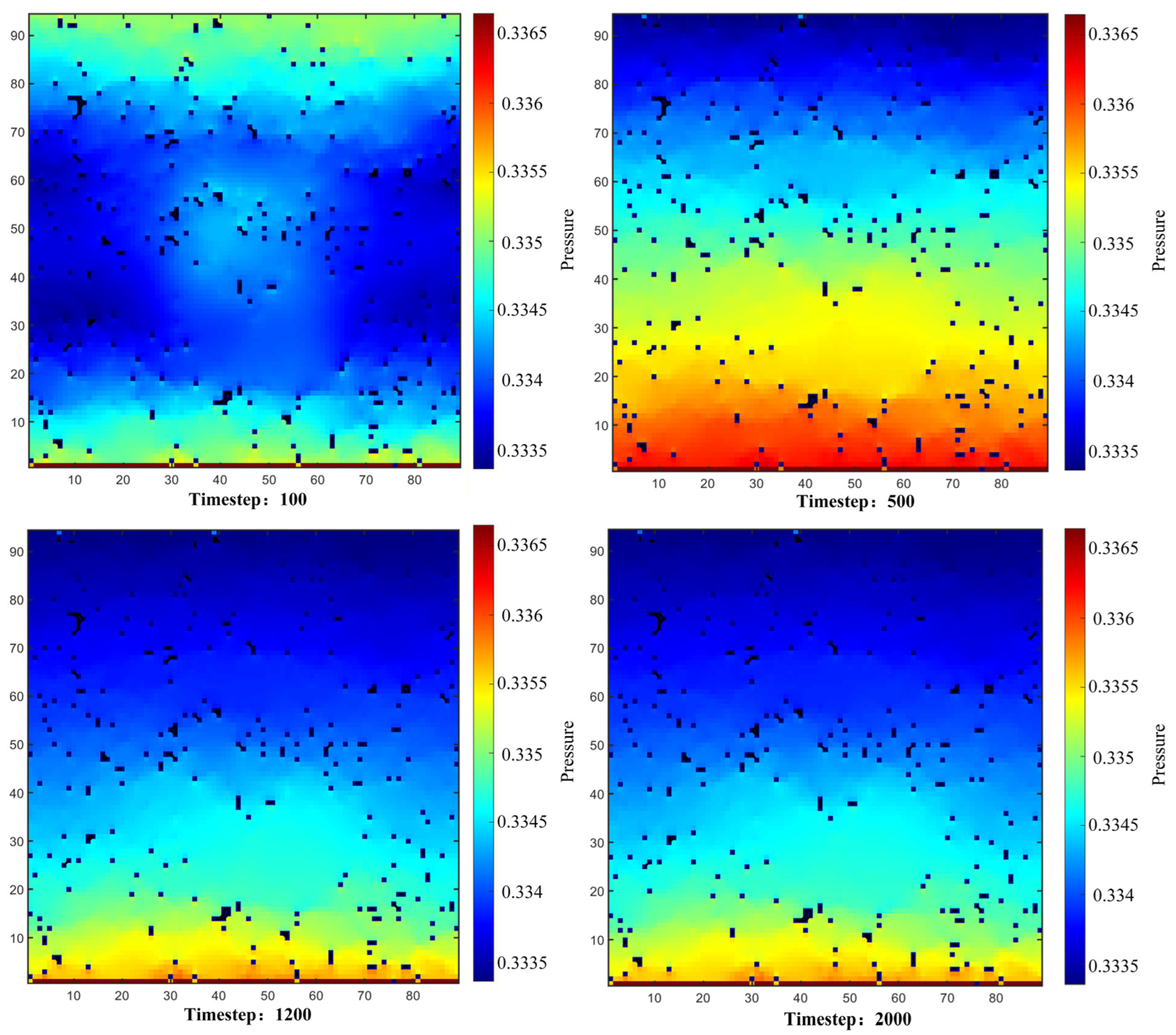
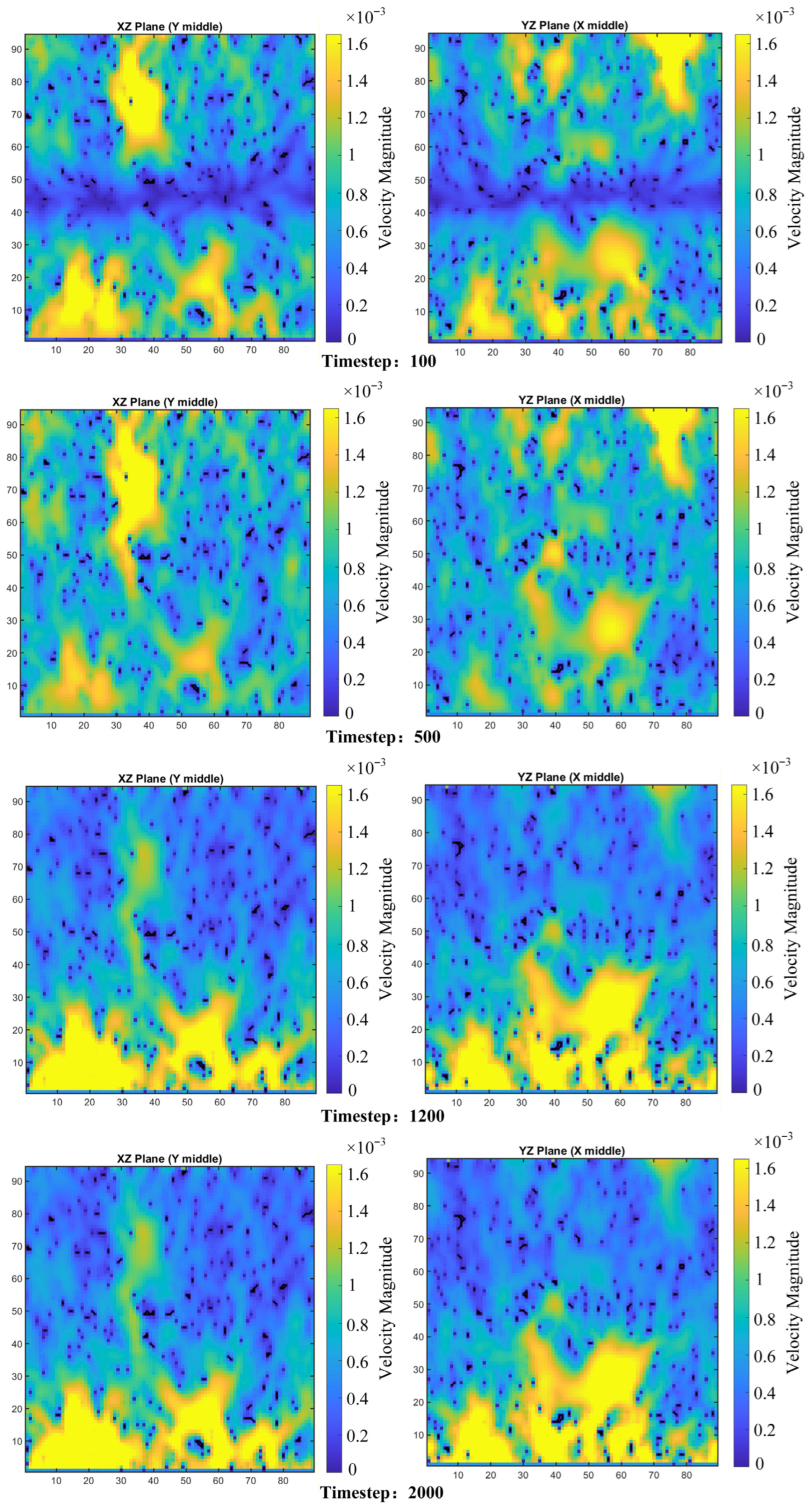
4.2. Evolution of Microscopic Flow Field Structure and Steady-State Characteristics
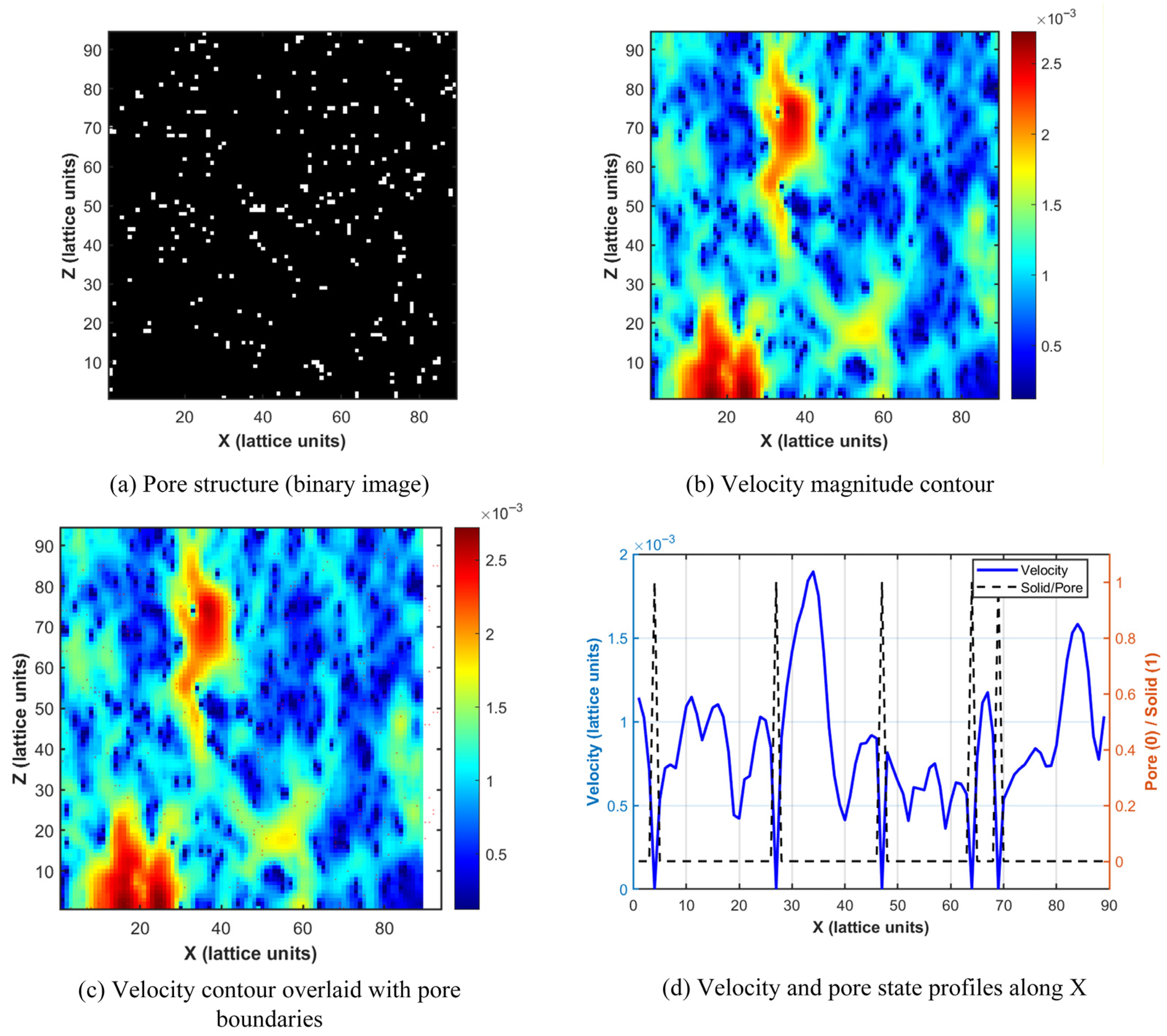
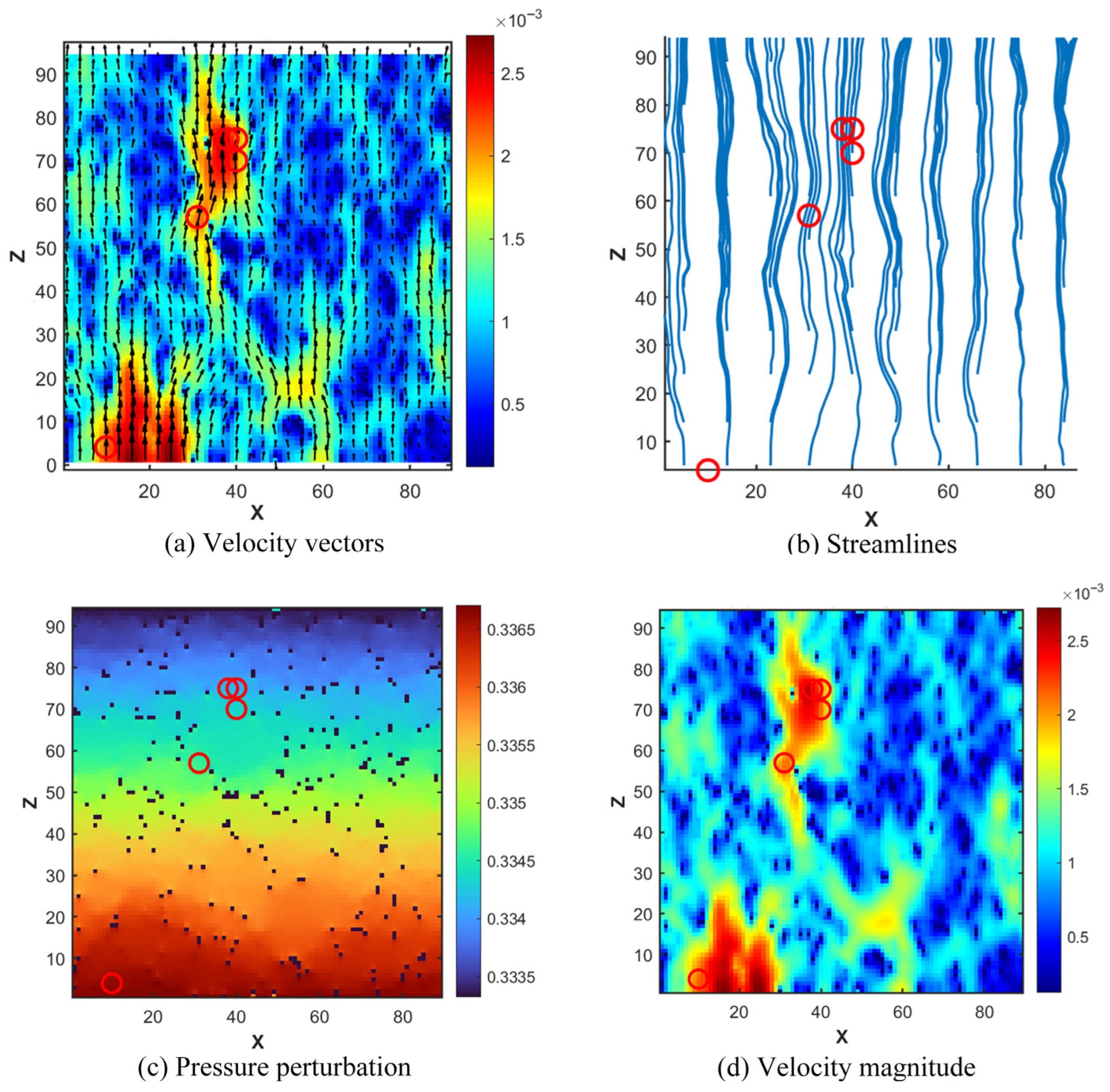
4.3. Mechanism of Pore Structure Regulation on Seepage
5. Conclusions and Outlook
- A high-fidelity three-dimensional digital model of porous polyimide was successfully constructed. Using micro-focus CT scanning and image processing techniques such as non-local means filtering and threshold segmentation, precise conversion from a real sample to a digitized pore structure was achieved. The constructed model and the extracted pore network model not only intuitively reproduce the complex, interconnected three-dimensional pore space within the material but also quantify its key geometric and topological parameters (e.g., porosity, throat size distribution, coordination number). This provides a realistic and reliable geometric foundation for subsequent seepage numerical simulations.
- A D3Q27-MRT lattice Boltzmann model suitable for seepage simulation in complex porous media was established and validated. Through systematic validation using two classic benchmark cases—lid-driven cavity flow and Poiseuille flow—it was confirmed that the adopted model and boundary conditions possess good numerical accuracy, stability, and the capability to handle complex solid wall boundaries when simulating different flow types. This lays a credible numerical computational foundation for conducting seepage simulations within real pore geometries.
- The microscopic mechanisms and structural control laws of single-phase lubricant seepage in porous polyimide were revealed. Simulation results indicate that the seepage process exhibits significant heterogeneity: the flow spontaneously forms several high-speed “preferential paths,” while most of the pore space contributes minimally to macroscopic transport. In-depth analysis found that pore topology is the decisive factor regulating seepage behavior: the throat size distribution directly controls the spatial velocity allocation and global flow rate, demonstrating the rule that “a few large throats dominate most of the transport”; the connectivity (coordination number) between pores determines the topological shape of the flow network, governing fluid convergence, distribution, and the formation of dead zones; locally high tortuosity or narrow throats cause a sharp increase in flow resistance, manifesting as obvious gradient anomalies on the macroscopic pressure field. This quantitative correlation mechanism clarifies that the steady-state seepage field is the inevitable result of fluid obeying mechanical laws under the constraints of the inherent pore structure.
- A complete research paradigm linking “structure-simulation-performance” was established. This study connects the entire process from experimental observation (CT scanning) to structural digitization (3D reconstruction), then to physical field numerical simulation (LBM) and mechanistic analysis, forming a complete technical chain. This paradigm not only provides direct theoretical basis and predictive tools for studying the seepage characteristics of porous polyimide, but its methodological framework can also be extended to the analysis and design of transport performance in other porous functional materials.
Author Contributions
Funding
Data Availability Statement
Conflicts of Interest
References
- Hirani, H. Fundamentals of Engineering Tribology with Applications; Cambridge University Press: Cambridge, UK, 2016. [Google Scholar] [CrossRef]
- Sun, X.; Wang, Z.; Wang, F. Polyimide Materials for Bearing Cages. Bearings 2013, 9, 54–57, 62. [Google Scholar] [CrossRef]
- Parlange, J.Y. Porous Media: Fluid Transport and Pore Structure. Soil Sci. 1981, 132, 316. [Google Scholar] [CrossRef]
- Bear, J. Dynamics of Fluids in Porous Media. Soil Sci. 1975, 120, 162–163. [Google Scholar] [CrossRef]
- Blunt, M.J. Multiphase Flow in Permeable Media: A Pore-Scale Perspective; Cambridge University Press: Cambridge, UK, 2017. [Google Scholar] [CrossRef]
- Wildenschild, D.; Sheppard, A.P. X-ray imaging and analysis techniques for quantifying pore-scale structure and processes in subsurface porous medium systems. Adv. Water Resour. 2013, 51, 217–246. [Google Scholar] [CrossRef]
- Wang, B.; Ning, Z.; Ji, J. Study on 3D reconstruction methods of porous medium model. Xi’an Shiyou Univ. (Nat. Sci. Ed.) 2012, 27, 54–57, 61. [Google Scholar] [CrossRef]
- Blunt, M.J.; Bijeljic, B.; Dong, H.; Gharbi, O.; Iglauer, S.; Mostaghimi, P.; Paluszny, A.; Pentland, C. Pore-scale imaging and modelling. Adv. Water Resour. 2013, 51, 197–216. [Google Scholar] [CrossRef]
- Iassonov, P.; Gebrenegus, T.; Tuller, M. Segmentation of X-ray computed tomography images of porous materials: A crucial step for characterization and quantitative analysis of pore structures. Water Resour. Res. 2009, 45, 706–715. [Google Scholar] [CrossRef]
- Pan, C.; Luo, L.S.; Miller, C.T. An evaluation of lattice Boltzmann schemes for porous medium flow simulation. Comput. Fluids 2006, 35, 898–909. [Google Scholar] [CrossRef]
- Wang, C. Pore Rconstruction and Aeepage Behavior Analysis of PI Cage. Ph.D. Thesis, Harbin Institute of Technology, Harbin, China, 2020. [Google Scholar] [CrossRef]
- Han, Y.; Li, K.; Jia, Y.; Chang, R.J.; Wang, T.Y.; Chen, W. Microstructure and seepage characteristics of coal and rock based on CT scanning technology. Shaanxi Coal 2025, 44, 38–45. [Google Scholar] [CrossRef]
- Cai, P.; Que, Y.; Jiang, Z.; Yang, P. Lattice Boltzmann meso-seepage research of reconstructed soil based on the quartet structure generation set. Hydrogeol. Eng. Geol. 2022, 49, 33–42. [Google Scholar] [CrossRef]
- Buades, A.; Coll, B.; Morel, J.M. A Review of Image Denoising Algorithms, with a New One. Multiscale Model. Simul. 2005, 4, 490–530. [Google Scholar] [CrossRef]
- Wang, Z.; Bovik, A.C.; Sheikh, H.R.; Simoncelli, E.P. Image quality assessment: From error visibility to structural similarity. IEEE Trans. Image Process. 2004, 13, 600–612. [Google Scholar] [CrossRef]
- Sezgin, M.; Sankur, B. Survey over image thresholding techniques and quantitative performance evaluation. J. Electron. Imaging 2004, 13, 146–168. [Google Scholar] [CrossRef]
- Lorensen, W.E.; Cline, H.E. Marching cubes: A high resolution 3D surface construction algorithm. SIGGRAPH Comput. Graph. 1987, 21, 163–169. [Google Scholar] [CrossRef]
- Lindquist, W.B.; Venkatarangan, A.; Dunsmuir, J.; Wong, T.F. Pore and throat size distributions measured from synchrotron X-ray tomographic images of Fontainebleau sandstones. J. Geophys. Res. Solid Earth 2000, 105, 21509–21527. [Google Scholar] [CrossRef]
- Dullien, F.A.L. Porous Media: Fluid Transport and Pore Structure, 2nd ed.; Academic Press: Cambridge, MA, USA, 2012. [Google Scholar]
- Dong, H.; Blunt, M.J. Pore-network extraction from micro-computerized-tomography images. Phys. Rev. E 2009, 80, 036307. [Google Scholar] [CrossRef]
- Zhao, B.; MacMinn, C.W.; Juanes, R. Wettability control on multiphase flow in patterned microfluidics. Proc. Natl. Acad. Sci. USA 2016, 113, 10251–10256. [Google Scholar] [CrossRef]
- Peng, W. Comparison and Application of the Basic Lattice Boltzmann Method. Master’s Thesis, Huazhong University of Science and Technology, Wuhan, China, 2004. [Google Scholar] [CrossRef]
- He, Y.; Wang, Y.; Li, Q. Theory and Application of Lattice Boltzmann Method; Science Press: Beijing, China, 2009. [Google Scholar]
- Krüger, T.; Kusumaatmaja, H.; Kuzmin, A.; Shardt, O.; Silva, G.; Viggen, E.M. The Lattice Boltzmann Method: Principles and Practice; Springer: Cham, Switzerland, 2017. [Google Scholar] [CrossRef]
- Qian, Y.H. Simulating thermodynamics with lattice BGK models. J. Sci. Comput. 1993, 8, 231–242. [Google Scholar] [CrossRef]
- Qian, Y.H.; d’Humières, D.; Lallemand, P. Lattice BGK models for Navier-Stokes equation. Europhys. Lett. 1992, 17, 479–484. [Google Scholar] [CrossRef]
- Chen, S.; Doolen, G.D. Lattice Boltzmann method for fluid flows. Annu. Rev. Fluid Mech. 1998, 30, 329–364. [Google Scholar] [CrossRef]
- Lallemand, P.; Luo, L.S. Theory of the lattice Boltzmann method: Dispersion, dissipation, isotropy, Galilean invariance, and stability. Phys. Rev. E 2000, 61, 6546–6562. [Google Scholar] [CrossRef] [PubMed]
- d’Humières, D.; Ginzburg, I.; Krafczyk, M.; Lallemand, P.; Luo, L.S. Multiple–relaxation–time lattice Boltzmann models in three dimensions. Philos. Trans. A Math. Phys. Eng. Sci. 2002, 360, 437–451. [Google Scholar] [CrossRef] [PubMed]
- Chen, S.; Martinez, D.; Mei, R. On boundary conditions in lattice Boltzmann methods. Phys. Fluids 1996, 8, 2527–2536. [Google Scholar] [CrossRef]
- Zou, Q.; He, X. On pressure and velocity boundary conditions for the lattice Boltzmann BGK model. Phys. Fluids 1997, 9, 1591–1598. [Google Scholar] [CrossRef]
- Guo, Z.; Zheng, C.; Shi, B. Non-equilibrium extrapolation method for velocity and boundary conditions in the lattice Boltzmann method. Chin. Phys. 2002, 11, 366–374. [Google Scholar] [CrossRef]
- Li, P.H. Research on Seepage Behavior of Porous Materials for High-Speed Space Bearings. Master’s Thesis, North China University of Technology, Beijing, China, 2025. [Google Scholar] [CrossRef]
- Ghia, U.; Ghia, K.N.; Shin, C.T. High-Re solutions for incompressible flow using the Navier-Stokes equations and a multigrid method. J. Comput. Phys. 1982, 48, 387–411. [Google Scholar] [CrossRef]
- Anderson, D.; Tannehill, J.C.; Pletcher, R.H.; Munipalli, R.; Shankar, V. Computational Fluid Mechanics and Heat Transfer, 4th ed.; CRC Press: Boca Raton, FL, USA, 2020. [Google Scholar] [CrossRef]



| Parameter | Value |
|---|---|
| Model | Rmct-4000 |
| Voltage | 200 kV |
| Current | 200 μA |
| Power | 200 W |
| Exposure Time | 3 s |
| Magnification | 40× |
| Binning Mode | 2 × 2 |
| Reconstruction Algorithm | Filtered Back Projection (FBP) |
| Voxel Size | 0.30383 μm (isotropic) |
| Number of Scan Slices | 959 |
| Pixel Matrix | 2048 × 2048 pixels |
| Detector Type | Flat-panel digital detector |
| Parameter | Value | Unit |
|---|---|---|
| Porosity | 8.55 | % |
| Specific surface area | 23.66 | m2/g |
| Average throat diameter (≥300 nm) | 624.7 | nm |
| ) | 5383.2 | nm |
| Index | |||
|---|---|---|---|
| 0 | (0, 0, 0) | 0 | 8/27 |
| 1 | (1, 0, 0) | 1 | 2/27 |
| 2 | (−1, 0, 0) | 1 | 2/27 |
| 3 | (0, 1, 0) | 1 | 2/27 |
| 4 | (0, −1, 0) | 1 | 2/27 |
| 5 | (0, 0, 1) | 1 | 2/27 |
| 6 | (0, 0, −1) | 1 | 2/27 |
| 7 | (1, 1, 0) | 2 | 1/54 |
| 8 | (−1, 1, 0) | 2 | 1/54 |
| 9 | (1, −1, 0) | 2 | 1/54 |
| 10 | (−1, −1, 0) | 2 | 1/54 |
| 11 | (1, 0, 1) | 2 | 1/54 |
| 12 | (−1, 0, 1) | 2 | 1/54 |
| 13 | (1, 0, −1) | 2 | 1/54 |
| 14 | (−1, 0, −1) | 2 | 1/54 |
| 15 | (0, 1, 1) | 2 | 1/54 |
| 16 | (0, −1, 1) | 2 | 1/54 |
| 17 | (0, 1, −1) | 2 | 1/54 |
| 18 | (0, −1, −1) | 2 | 1/54 |
| 19 | (1, 1, 1) | 3 | 1/216 |
| 20 | (−1, 1, 1) | 3 | 1/216 |
| 21 | (1, −1, 1) | 3 | 1/216 |
| 22 | (−1, −1, 1) | 3 | 1/216 |
| 23 | (1, 1, −1) | 3 | 1/216 |
| 24 | (−1, 1, −1) | 3 | 1/216 |
| 25 | (1, −1, −1) | 3 | 1/216 |
| 26 | (−1, −1, −1) | 3 | 1/216 |
Disclaimer/Publisher’s Note: The statements, opinions and data contained in all publications are solely those of the individual author(s) and contributor(s) and not of MDPI and/or the editor(s). MDPI and/or the editor(s) disclaim responsibility for any injury to people or property resulting from any ideas, methods, instructions or products referred to in the content. |
© 2026 by the authors. Licensee MDPI, Basel, Switzerland. This article is an open access article distributed under the terms and conditions of the Creative Commons Attribution (CC BY) license.
Share and Cite
Dou, Z.; Li, S.; Chen, W.; Yang, Y.; Yan, H.; Si, L.; Chen, Q.; An, K.; Li, H.; Liu, F. Three-Dimensional Digital Model Reconstruction and Seepage Characteristic Analysis of Porous Polyimide. Polymers 2026, 18, 591. https://doi.org/10.3390/polym18050591
Dou Z, Li S, Chen W, Yang Y, Yan H, Si L, Chen Q, An K, Li H, Liu F. Three-Dimensional Digital Model Reconstruction and Seepage Characteristic Analysis of Porous Polyimide. Polymers. 2026; 18(5):591. https://doi.org/10.3390/polym18050591
Chicago/Turabian StyleDou, Zhaoliang, Shuang Li, Wenbin Chen, Ye Yang, Hongjuan Yan, Lina Si, Qianghua Chen, Kang An, Hong Li, and Fengbin Liu. 2026. "Three-Dimensional Digital Model Reconstruction and Seepage Characteristic Analysis of Porous Polyimide" Polymers 18, no. 5: 591. https://doi.org/10.3390/polym18050591
APA StyleDou, Z., Li, S., Chen, W., Yang, Y., Yan, H., Si, L., Chen, Q., An, K., Li, H., & Liu, F. (2026). Three-Dimensional Digital Model Reconstruction and Seepage Characteristic Analysis of Porous Polyimide. Polymers, 18(5), 591. https://doi.org/10.3390/polym18050591