Synergistic Reinforcement and Multimodal Self-Sensing Properties of Hybrid Fiber-Reinforced Glass Sand ECC at Elevated Temperatures


Abstract
1. Introduction
2. Materials and Methods
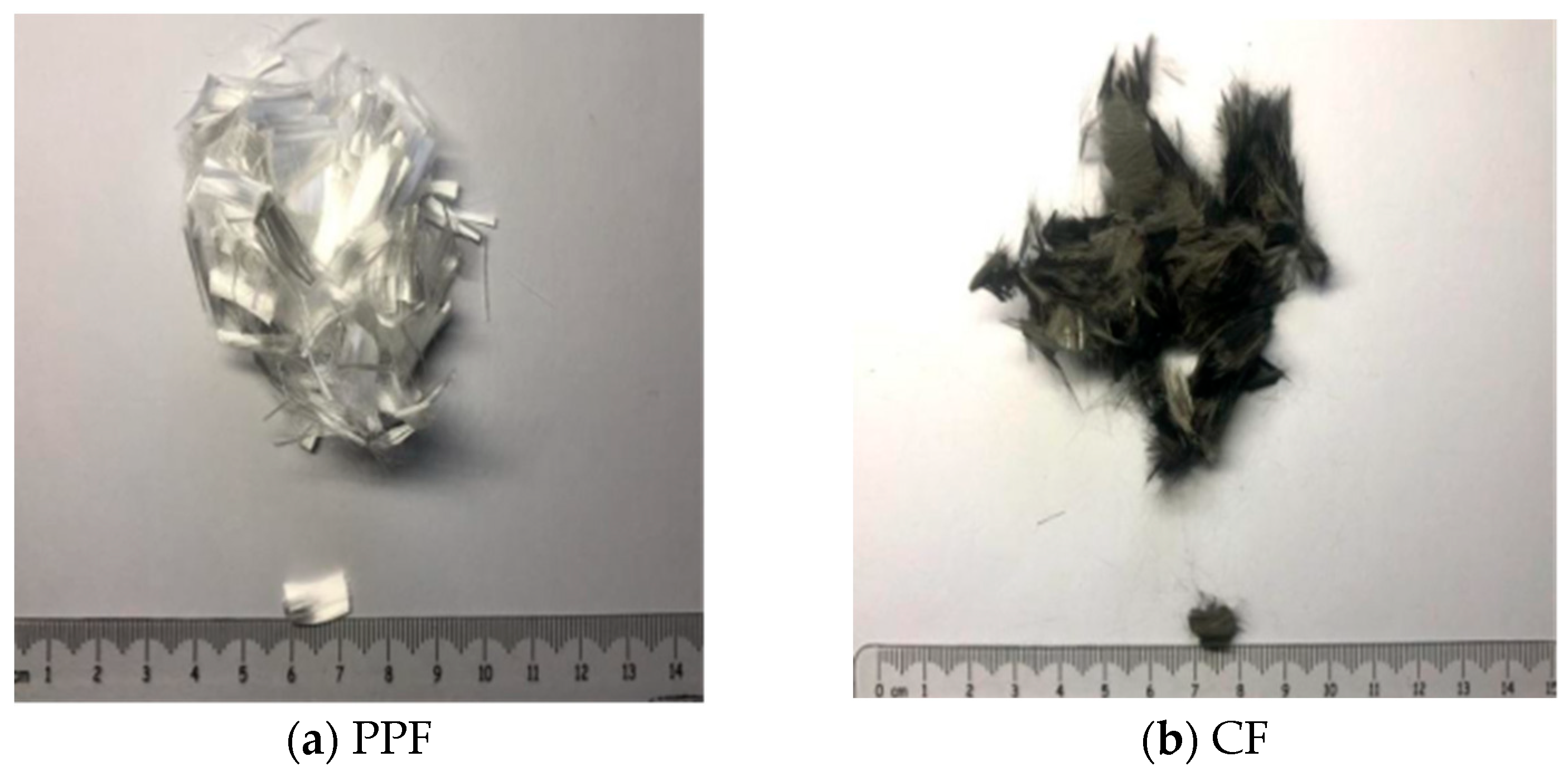
2.1. Test Materials
2.2. Mixing Ratio Design
2.3. Test Methods
2.3.1. Mechanical Performance Testing
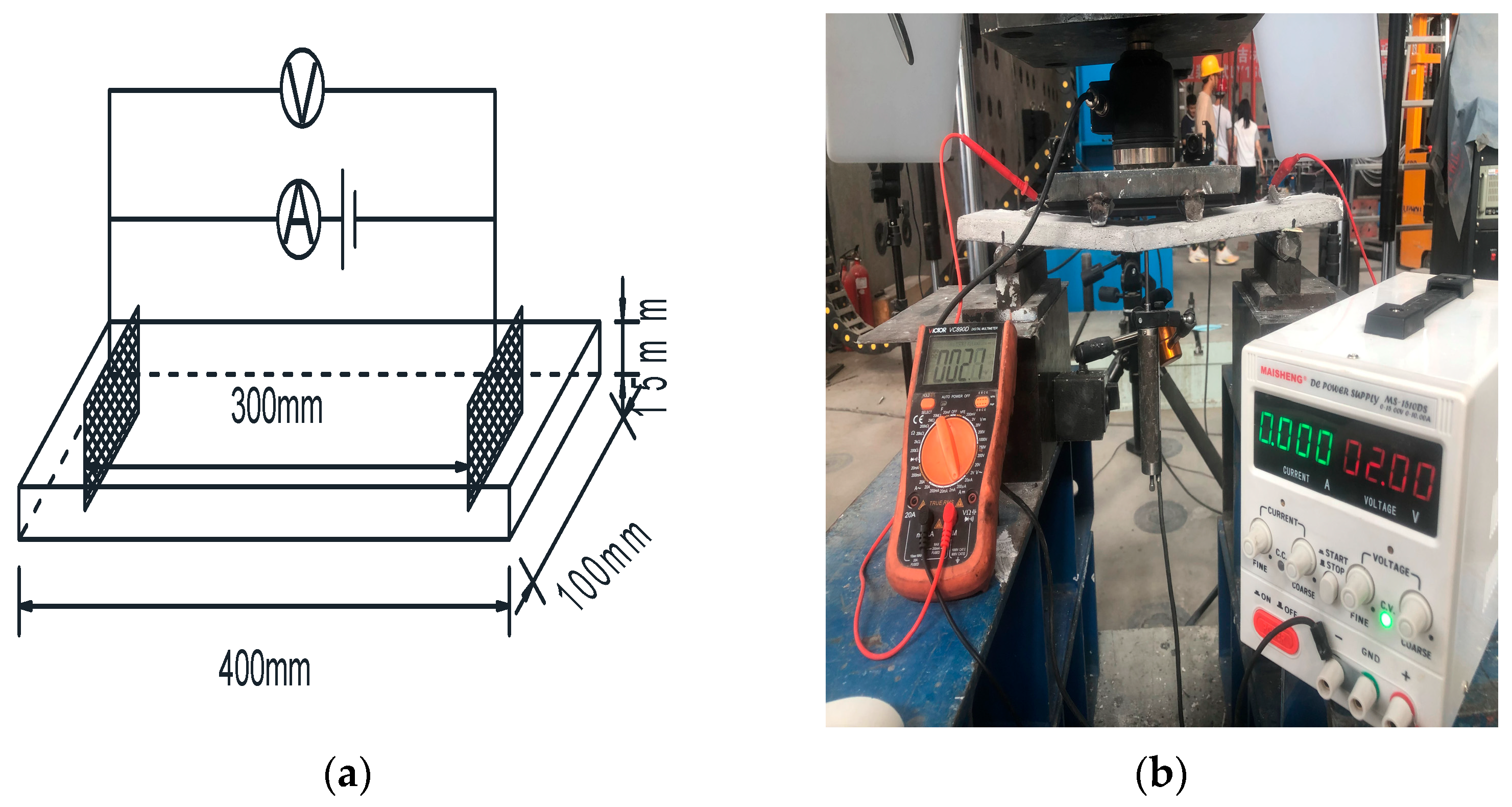
2.3.2. Self-Sensing Performance Testing
- ρ—resistivity, Ω·cm;
- U—specimen two electrode terminal voltage, V;
- S—specimen cross-sectional area, cm2;
- I—electric current, A;
- L—electrode distance, cm.
- FCR—Fractional Change in Resistivity, %;
- ρ—resistivity, Ω·cm;
- —initial resistivity, Ω·cm.

3. Results and Discussion
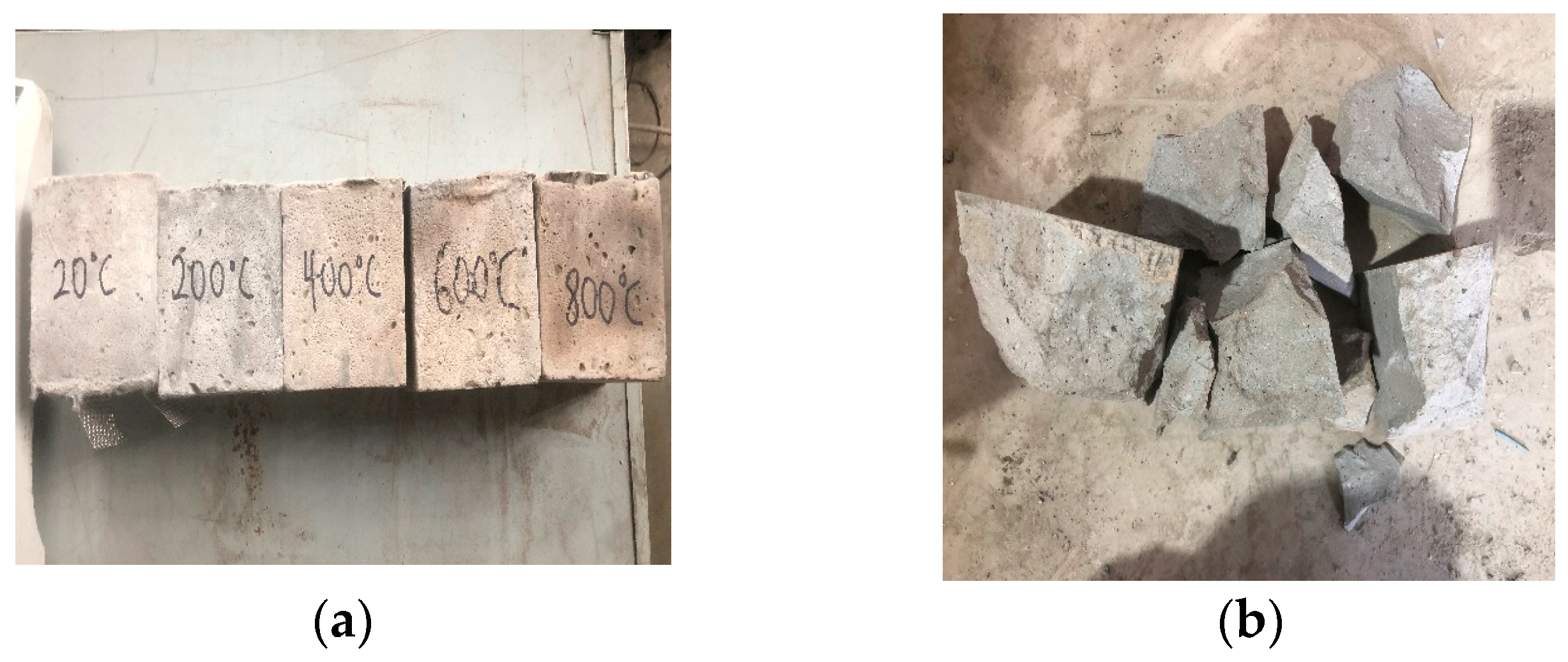
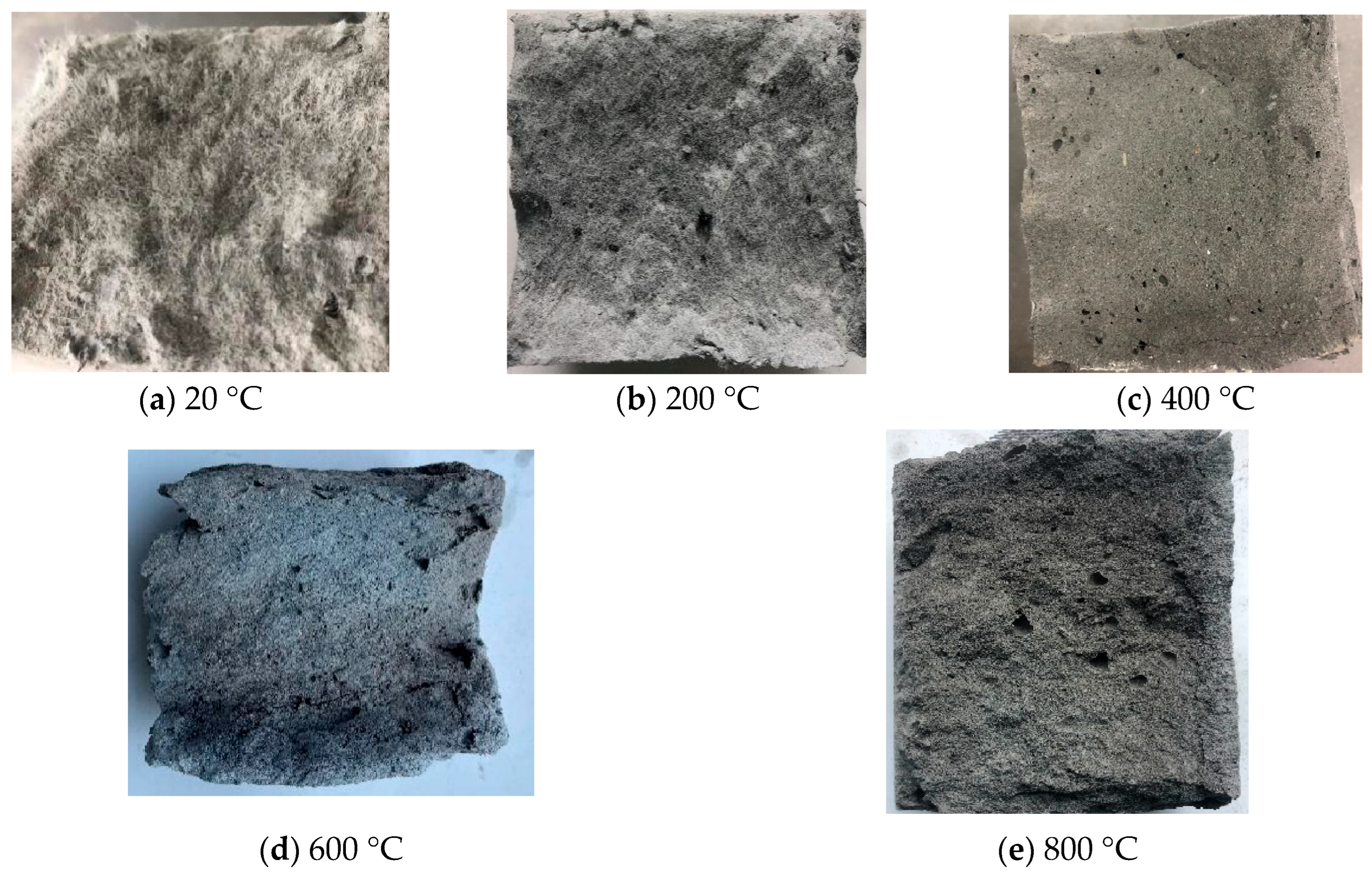
3.1. Physical Observations
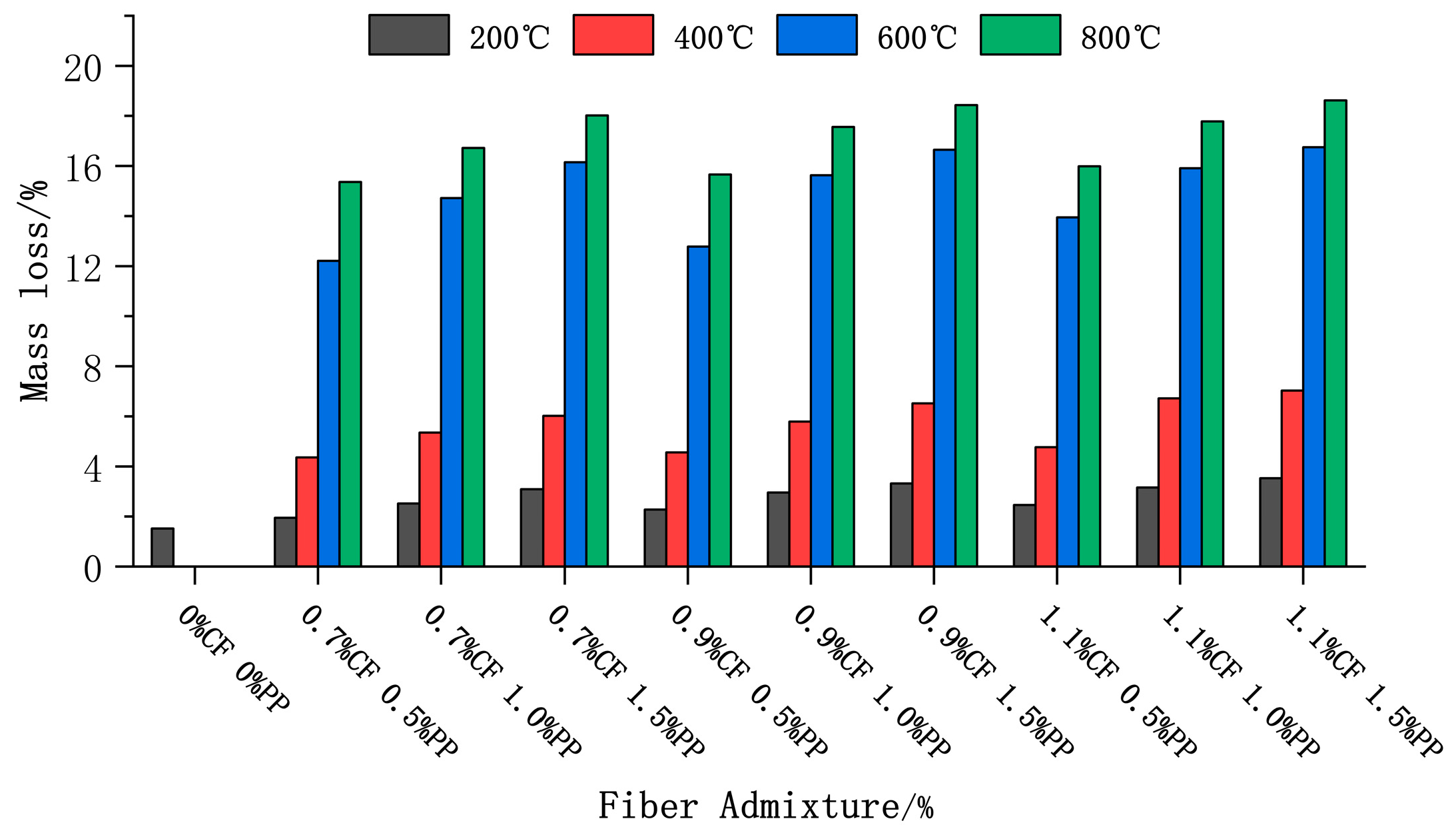
3.2. Mass Loss After High-Temperature Treatment
3.3. Mechanical Properties
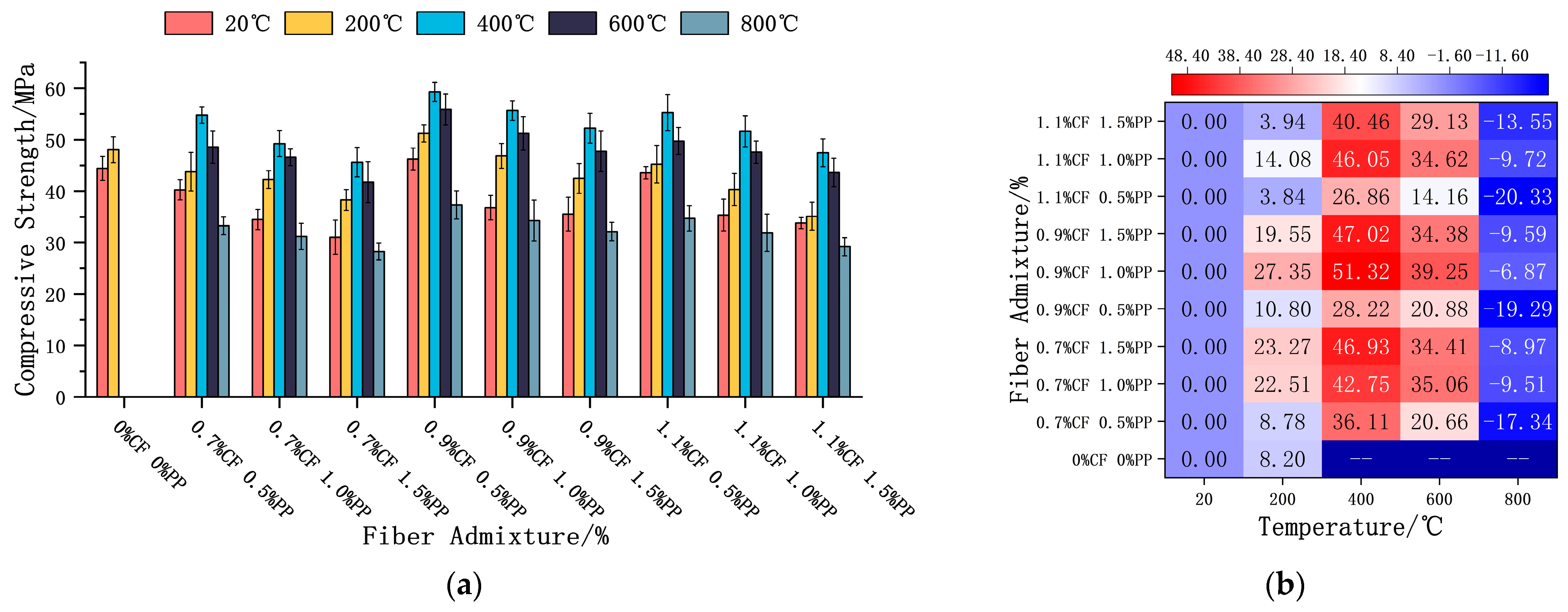
3.3.1. Compressive Strength
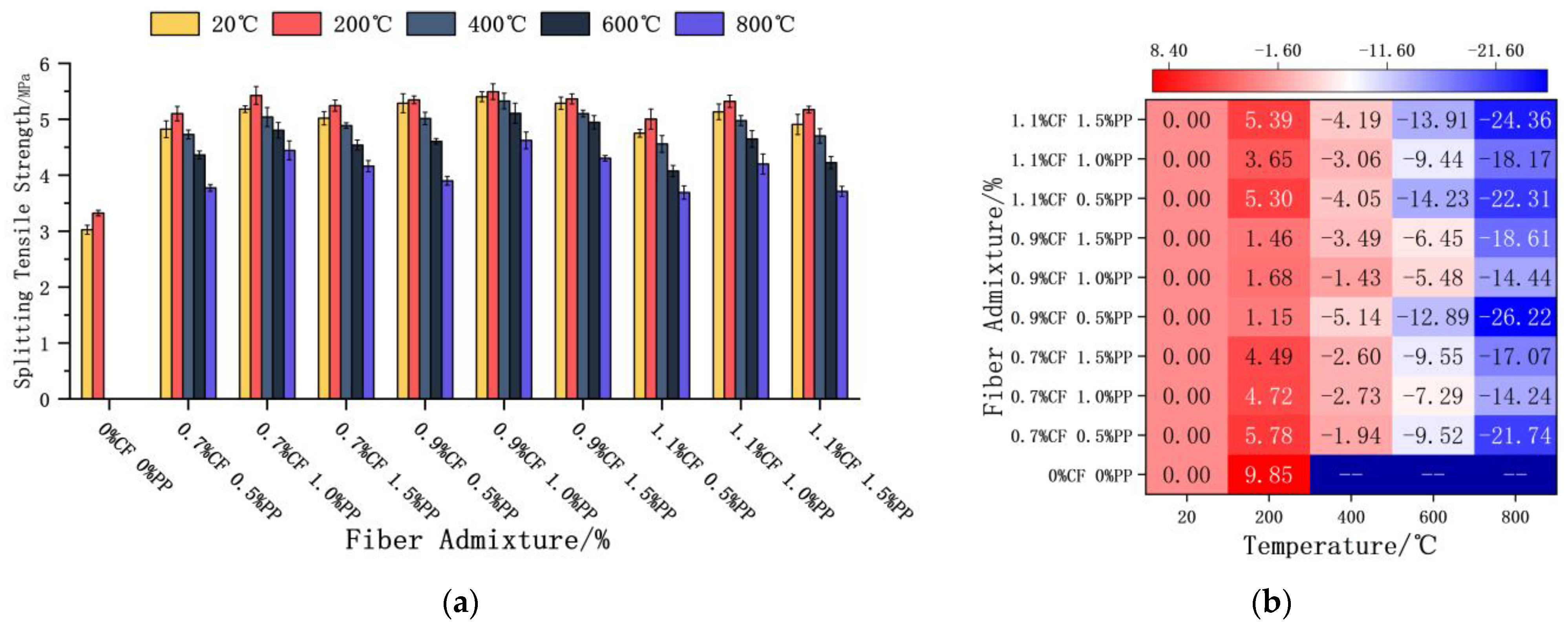
3.3.2. Splitting Tensile Strength
3.3.3. Flexural Strength
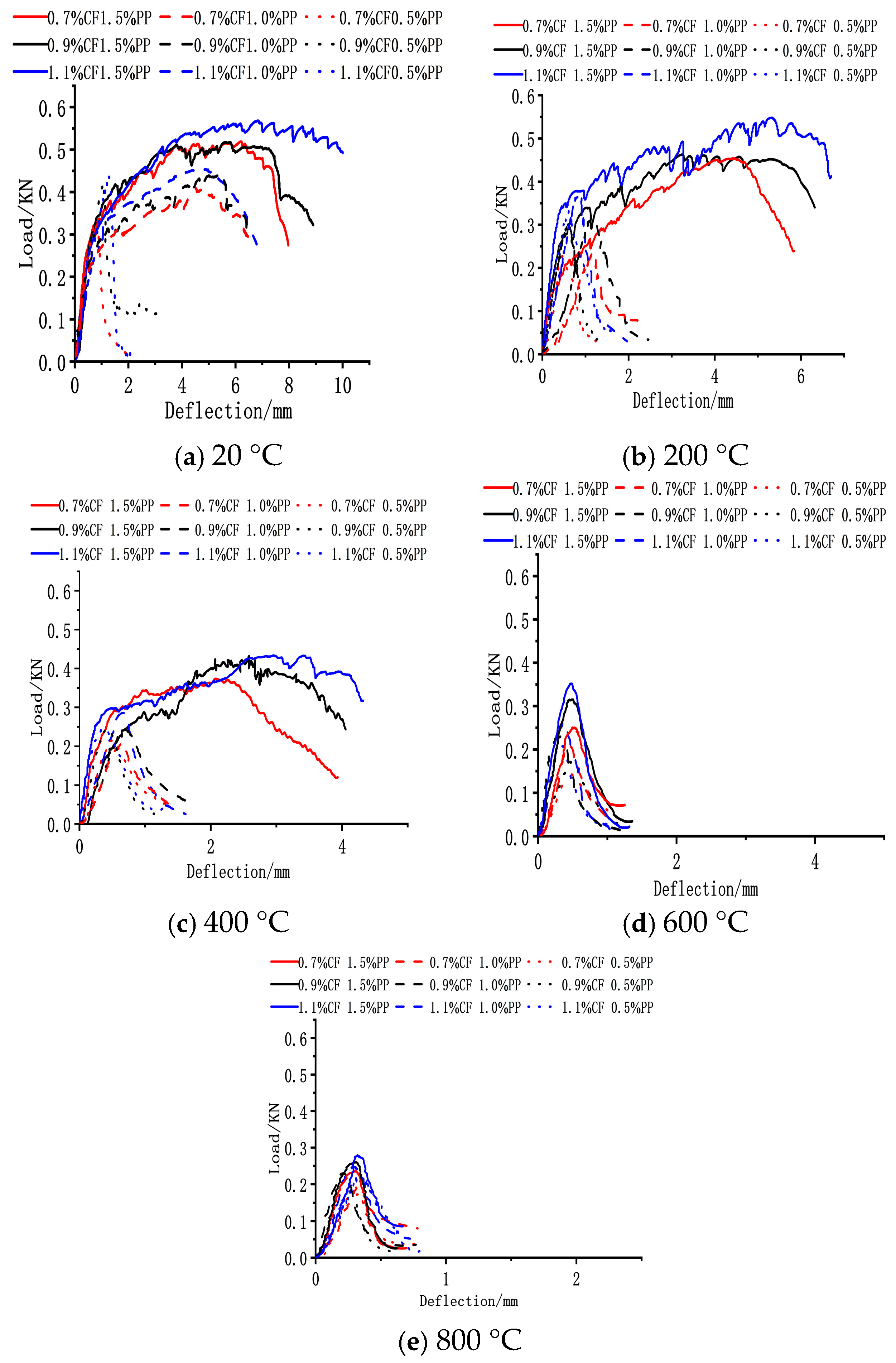
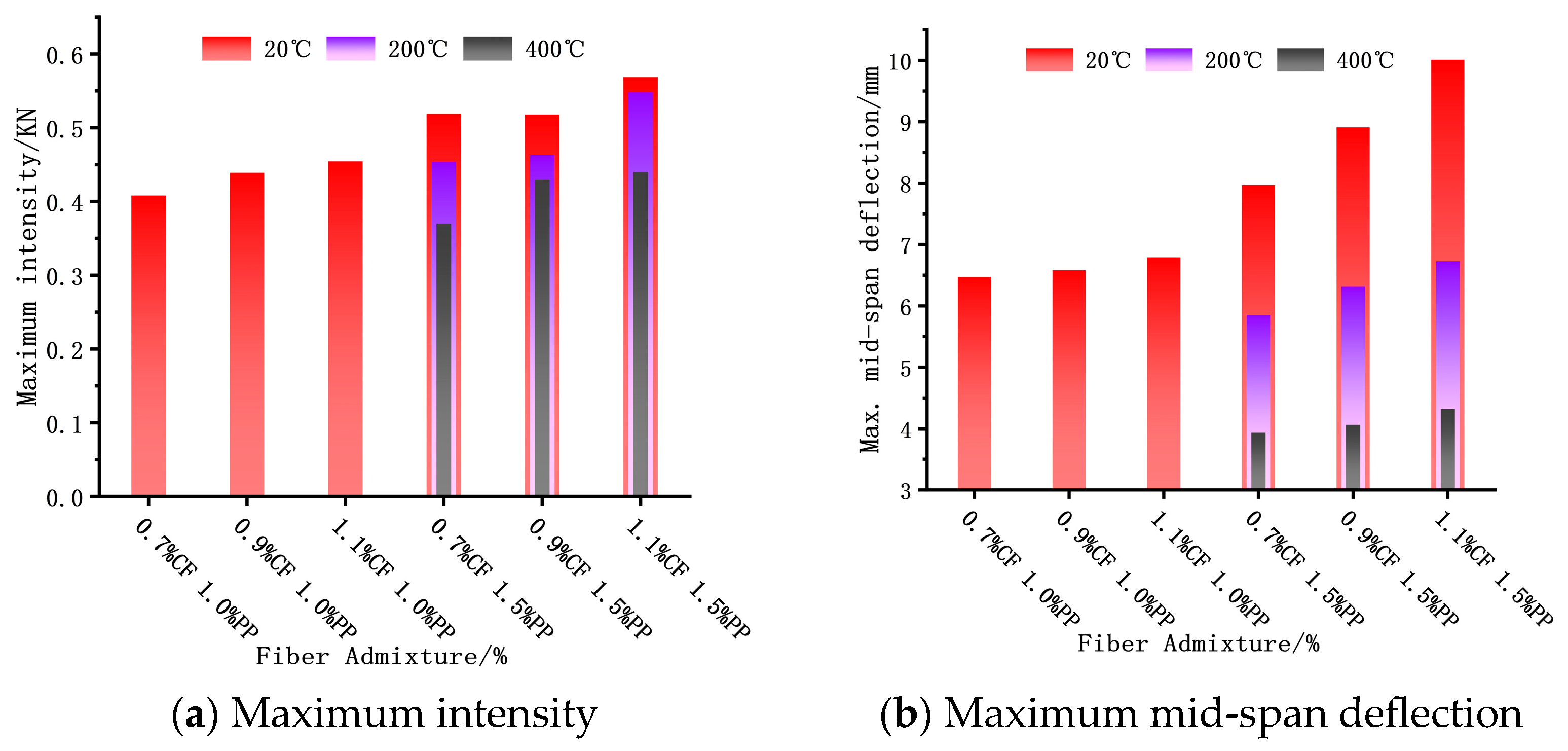
3.3.4. Flexural Toughness
3.4. Self-Sensing Performance
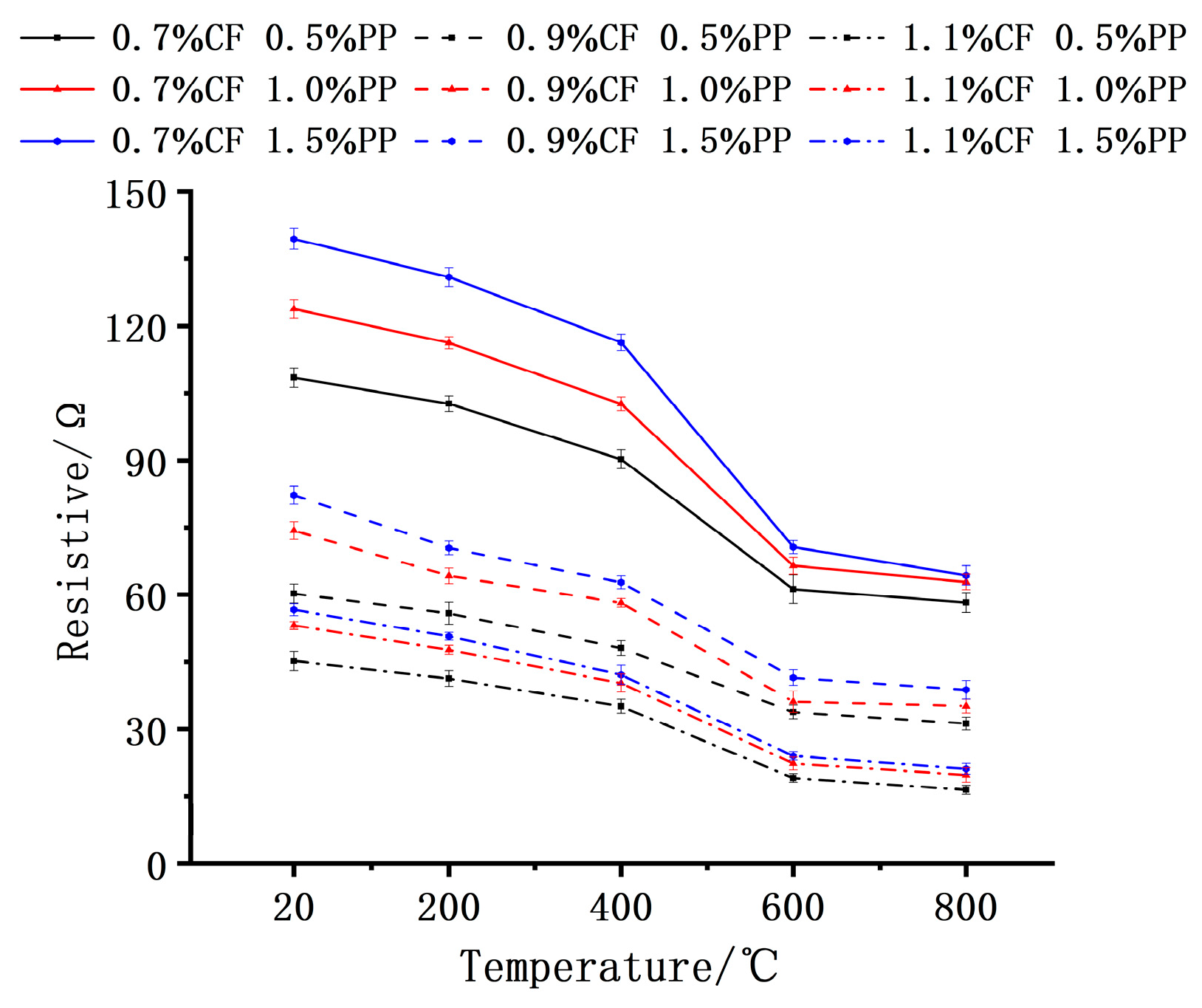
3.4.1. ECC Resistance After High-Temperature Treatment
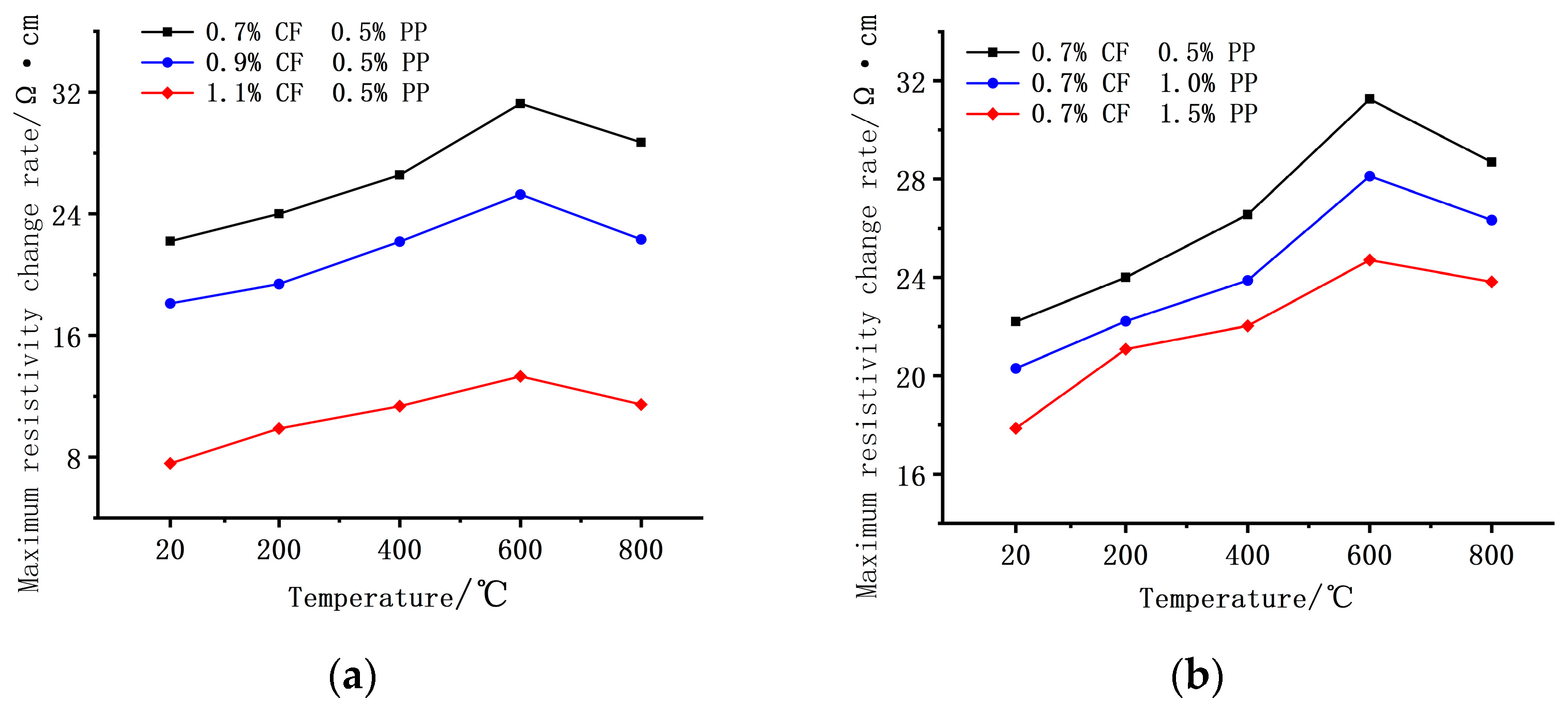
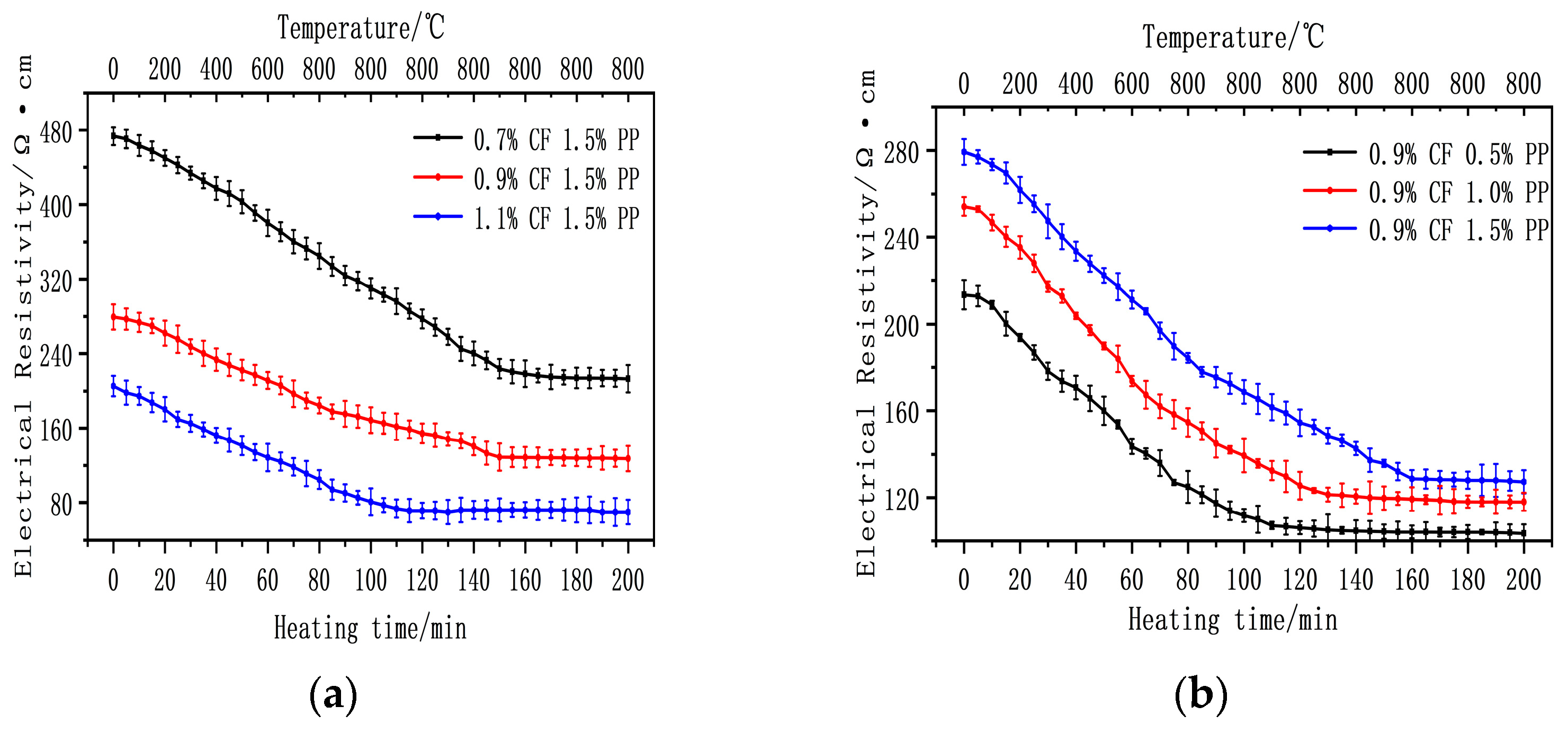
3.4.2. Temperature Sensitivity
3.4.3. Pressure Sensitivity
3.4.4. Flexural Sensitivity
4. Micro Analysis
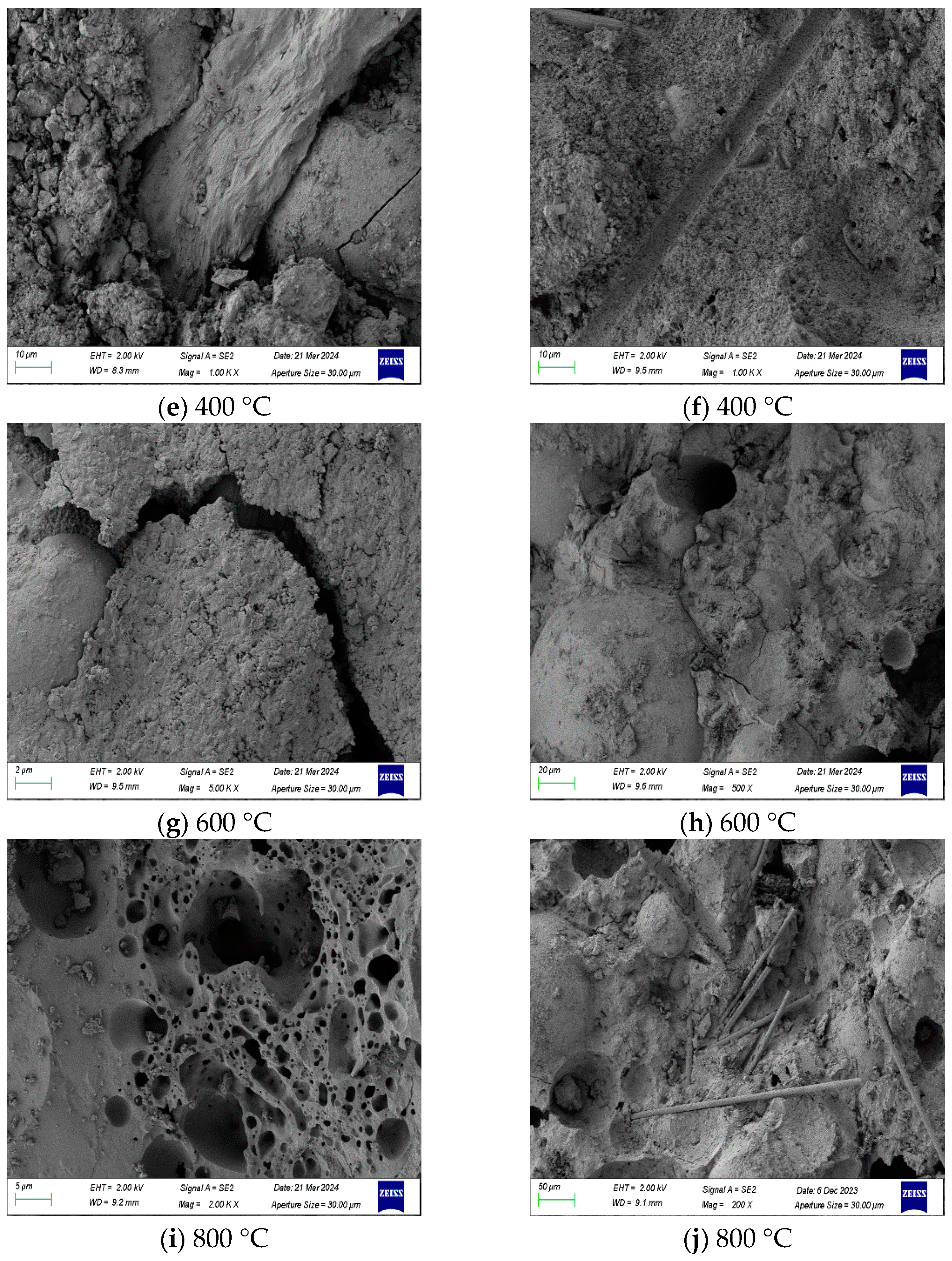
4.1. Scanning Electron Microscope
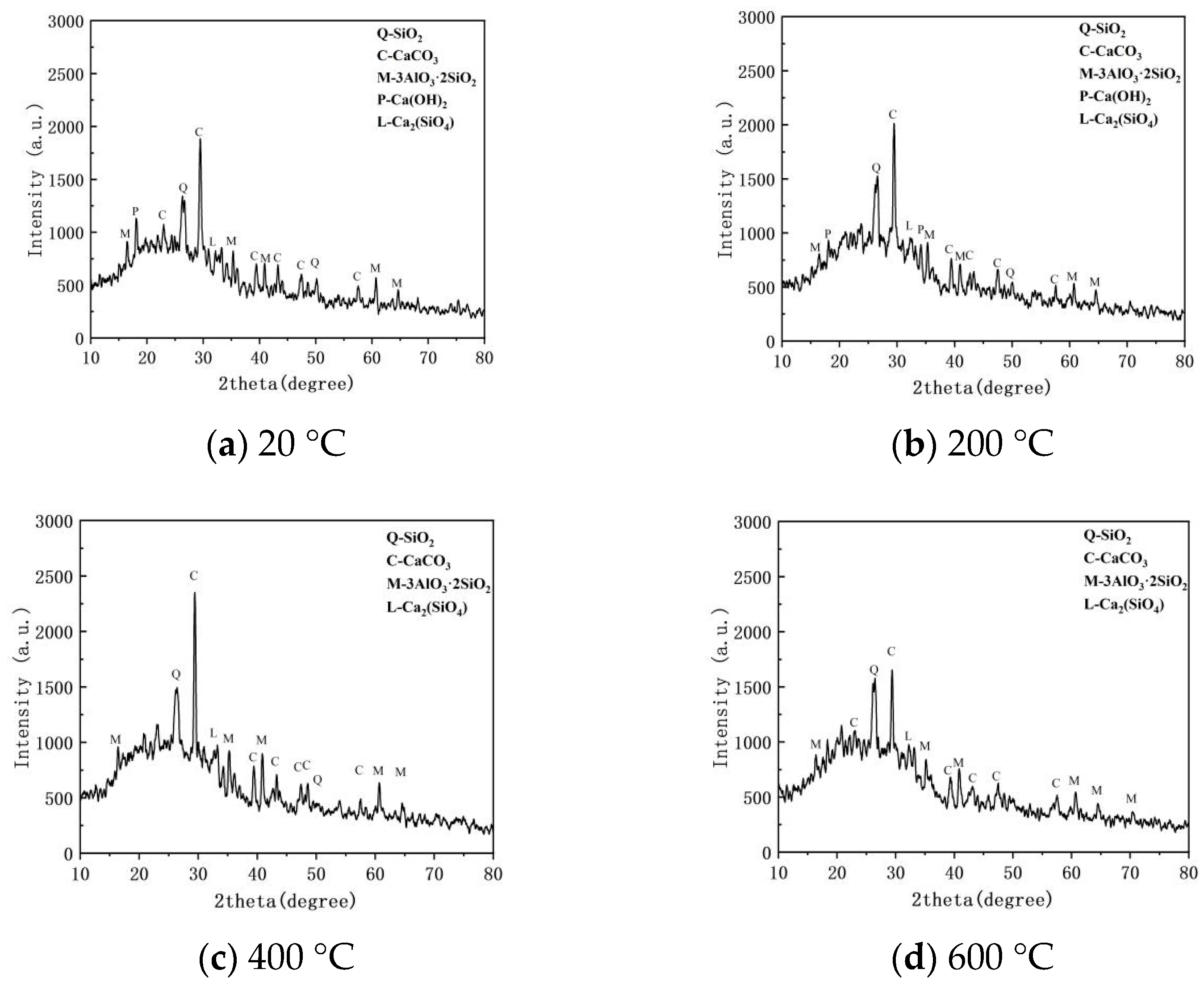
4.2. XRD Analysis
5. Conclusions
- (1)
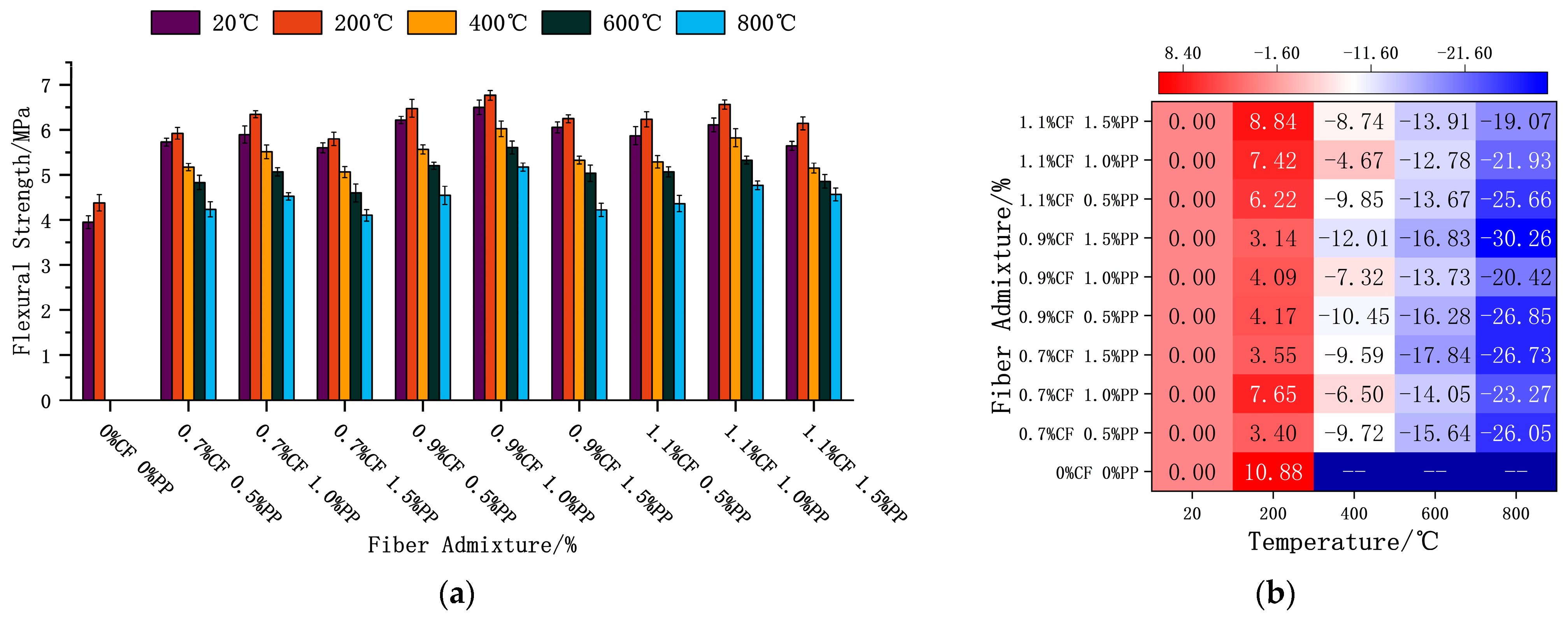
- The incorporation of hybrid fibers effectively mitigated explosive spalling up to 800 °C via the “pore pressure relief” mechanism, whereas plain concrete disintegrated at 400 °C. Mechanical properties followed a non-monotonic evolutionary trend with increasing temperature. The optimal synergy for compressive strength was achieved with a mixture of 0.9% CF and 1.0% PPF, which yielded a peak increase of approximately 51% at 400 °C. Conversely, the splitting tensile and flexural strengths reached their maximum at 200 °C, where the combination of 1.0% PPF and 0.9% CF proved to be the most effective formulation. Even at 800 °C, the carbon fiber skeleton maintained residual strength superiority over plain concrete.
- (2)
- PPFs dominated energy dissipation and toughening, while CFs primarily enhanced first-crack strength and ultimate load. A clear ductile-to-brittle transition occurred above 400 °C due to fiber melting and matrix embrittlement. Notably, specimens containing 1.5% PPF retained pseudo-strain-hardening characteristics within the 20–400 °C range, identifying this specific dosage as critical for ductility retention in moderate fire scenarios. Uniaxial tensile stress–strain curves were not obtained due to the brittleness of the specimens following high-temperature exposure. Future experiments will utilize Digital Image Correlation (DIC) techniques for in-depth validation.
- (3)
- The composite demonstrated multimodal sensing capabilities, though the optimal fiber dosages varied significantly by sensing mode. A high fiber content consisting of 1.1% CF and 1.5% PPF provided the superior thermosensitivity (49.1% resistivity reduction) required for early fire warnings. In contrast, a lower dosage of 0.7% CF combined with 0.5% PPF achieved the highest pressure sensitivity at 600 °C. However, flexural sensitivity suffered significant attenuation at elevated temperatures due to limited crack propagation capacity.
- (4)
- Microstructural analyses confirmed that the melting of PPFs created interconnected channels for vapor release, serving as the key mechanism for spalling suppression. The severe dehydroxylation of calcium hydroxide (CH) in the 400–500 °C interval was identified as the chemical trigger for mechanical degradation. Furthermore, carbon fibers remained structurally stable at 800 °C, thereby preserving the conductive network essential for post-fire damage assessment.
Author Contributions
Funding
Data Availability Statement
Conflicts of Interest
Abbreviations
| ECC | Engineered cementitious composite |
| PPF | polypropylene fibers |
| CF | carbon fiber |
| SEM | Scanning electron microscopy |
| PE | Polyethylene |
| PVA | Polyvinyl alcohol |
| CNT | Carbon nanotube |
| CB | Carbon black |
| FCR | Fractional change in resistivity |
References
- Lan, M.; Zhou, J.; Xu, M. Effect of fibre types on the tensile behaviour of engineered cementitious composites. Front. Mater. 2021, 8, 775188. [Google Scholar] [CrossRef]
- Zhang, Q.; Li, V.C. Ductile Fire-Resistive Material for Enhanced Fire Safety Under Multi-Hazards-A Feasibility Study. Proc. Struct. Congr. 2014, 2014, 1148–1158. [Google Scholar]
- Zhang, N.; Gu, Q.; Dong, Y.; Qian, J.; Zheng, Y. Seismic performance of bridges with ECC-reinforced piers. Soil Dyn. Earthq. Eng. 2021, 146, 106753. [Google Scholar] [CrossRef]
- Wu, C.; Xu, M.; Su, Y.; Wang, X.; Jin, C. Flexural repairing of highly corroded reinforced concrete structures with engineered cementitious composites (ECC). Adv. Struct. Eng. 2025, 29, 13694332251353606. [Google Scholar] [CrossRef]
- Tian, J.; Wu, X.; Zheng, Y.; Hu, S.; Du, Y.; Wang, W.; Sun, C.; Zhang, L. Investigation of interface shear properties and mechanical model between ECC and concrete. Constr. Build. Mater. 2019, 223, 12–27. [Google Scholar] [CrossRef]
- Wu, C.; Li, V.C. CFRP-ECC hybrid for strengthening of the concrete structures. Compos. Struct. 2017, 178, 372–382. [Google Scholar] [CrossRef]
- Zhang, W.; Zheng, C.; Li, Z.; Jin, H.; Liu, J.; Zhu, J.; Liu, W.; Xing, F. Investigation on mechanical properties improvement of seawater engineered cementitious composites (ECC) using FA/LC2. Constr. Build. Mater. 2022, 345, 128271. [Google Scholar] [CrossRef]
- Siad, H.; Lachemi, M.; Sahmaran, M.; Mesbah, H.A.; Hossain, K.M.A. Use of recycled glass powder to improve the performance properties of high volume fly ash-engineered cementitious composites. Constr. Build. Mater. 2018, 163, 53–62. [Google Scholar] [CrossRef]
- Adesina, A.; Das, S. Mechanical performance of engineered cementitious composite incorporating glass as aggregates. J. Clean. Prod. 2020, 260, 121113. [Google Scholar] [CrossRef]
- Lin, J.-X.; Song, Y.; Xie, Z.-H.; Guo, Y.-C.; Yuan, B.; Zeng, J.-J.; Wei, X. Static and dynamic mechanical behavior of engineered cementitious composites with PP and PVA fibers. J. Build. Eng. 2020, 29, 101097. [Google Scholar] [CrossRef]
- Xu, Y.; Liu, Q.; Zhang, X.; Xu, X.; Liu, P. Splitting tensile test of ECC functional gradient concrete with PVA fiber admixture. Coatings 2024, 14, 231. [Google Scholar] [CrossRef]
- Zhang, K.; Zhang, Z.; Yin, C.; Liu, Z. Experimental and theoretical study on the flexural performance of PE fiber-reinforced ECC beams subjected to freeze-thaw cycles. Eng. Struct. 2025, 341, 120812. [Google Scholar] [CrossRef]
- Kalifa, P.; Chene, G.; Galle, C. High-temperature behaviour of HPC with polypropylene fibres: From spalling to microstructure. Cem. Concr. Res. 2001, 31, 1487–1499. [Google Scholar] [CrossRef]
- Alomayri, T.; Low, I. Effect of elevated temperature on polypropylene fiber reinforced alkali-activated high calcium fly ash paste. J. Asian. Ceram. Soc. 2013, 1, 30–34. [Google Scholar] [CrossRef]
- Wang, Q.; Yao, B.; Lu, R. Behavior deterioration and microstructure change of polyvinyl alcohol fiber-reinforced cementitious composite (PVA-ECC) after exposure to elevated temperatures. Materials 2020, 13, 5539. [Google Scholar] [CrossRef]
- Mahmoudi, F.; Abdalla, J.A.; Hawileh, R.A. Mechanical properties of GGBS-based polyethylene engineered cementitious composite (PE-ECC) at elevated temperature. Results Eng. 2025, 27, 106159. [Google Scholar] [CrossRef]
- Lu, C.; Li, V.C.; Leung, C.K. Flaw characterization and correlation with cracking strength in Engineered Cementitious Composites (ECC). Cem. Concr. Res. 2018, 107, 64–74. [Google Scholar] [CrossRef]
- da Silva Magalhães, M.; Toledo Filho, R.D.; Fairbairn, E.d.M.R. Thermal stability of PVA fiber strain hardening cement-based composites. Constr. Build. Mater. 2015, 94, 437–447. [Google Scholar] [CrossRef]
- Huang, Z.; Liew, J.R.; Li, W. Evaluation of compressive behavior of ultra-lightweight cement composite after elevated temperature exposure. Constr. Build. Mater. 2017, 148, 579–589. [Google Scholar] [CrossRef]
- Khoury, G. Polypropylene fibres in heated concrete. Part 2: Pressure relief mechanisms and modelling criteria. Mag. Concr. Res. 2008, 60, 189–204. [Google Scholar] [CrossRef]
- Wu, C.-H. Spalling behavior of high-strength polypropylene fiber-reinforced concrete subjected to elevated temperature. J. Therm. Anal. Calorim. 2024, 149, 10657–10669. [Google Scholar] [CrossRef]
- Behnood, A.; Ghandehari, M. Comparison of compressive and splitting tensile strength of high-strength concrete with and without polypropylene fibers heated to high temperatures. Fire Saf. J. 2009, 44, 1015–1022. [Google Scholar] [CrossRef]
- Müller, P.; Novák, J.; Holan, J. Destructive and non-destructive experimental investigation of polypropylene fibre reinforced concrete subjected to high temperature. J. Build. Eng. 2019, 26, 100906. [Google Scholar] [CrossRef]
- Bošnjak, J.; Ožbolt, J.; Hahn, R. Permeability measurement on high strength concrete without and with polypropylene fibers at elevated temperatures using a new test setup. Cem. Concr. Res. 2013, 53, 104–111. [Google Scholar] [CrossRef]
- Jang, H.-s.; So, H.-s.; So, S. The properties of reactive powder concrete using PP fiber and pozzolanic materials at elevated temperature. J. Build. Eng. 2016, 8, 225–230. [Google Scholar] [CrossRef]
- Uysal, M. Self-compacting concrete incorporating filler additives: Performance at high temperatures. Constr. Build. Mater. 2012, 26, 701–706. [Google Scholar] [CrossRef]
- Won, J.-P.; Kang, H.-B.; Lee, S.-J.; Lee, S.-W.; Kang, J.-W. Thermal characteristics of high-strength polymer–cement composites with lightweight aggregates and polypropylene fiber. Constr. Build. Mater. 2011, 25, 3810–3819. [Google Scholar] [CrossRef]
- Liu, J.-C.; Tan, K.H. Mechanism of PVA fibers in mitigating explosive spalling of engineered cementitious composite at elevated temperature. Cem. Concr. Compos. 2018, 93, 235–245. [Google Scholar] [CrossRef]
- Mohammed, B.S.; Achara, B.E.; Liew, M.S. The influence of high temperature on microstructural damage and residual properties of nano-silica-modified (NS-modified) self-consolidating engineering cementitious composites (SC-ECC) using response surface methodology (RSM). Constr. Build. Mater. 2018, 192, 450–466. [Google Scholar] [CrossRef]
- Dong, W.; Li, W.; Tao, Z.; Wang, K. Piezoresistive properties of cement-based sensors: Review and perspective. Constr. Build. Mater. 2019, 203, 146–163. [Google Scholar] [CrossRef]
- De, S.K.; Mukherjee, A. A numerical model for electrical properties of self-sensing concrete with carbon fibers. J. Mater. Civ. Eng. 2023, 35, 04023311. [Google Scholar] [CrossRef]
- Ding, Y.; Liu, G.; Hussain, A.; Pacheco-Torgal, F.; Zhang, Y. Effect of steel fiber and carbon black on the self-sensing ability of concrete cracks under bending. Constr. Build. Mater. 2019, 207, 630–639. [Google Scholar] [CrossRef]
- Li, W.; Guo, Y.; Zhang, X.; Dong, W.; Li, X.; Yu, T.; Wang, K. Development of self-sensing ultra-high-performance concrete using hybrid carbon black and carbon nanofibers. Cem. Concr. Compos. 2024, 148, 105466. [Google Scholar] [CrossRef]
- Li, X.; Feng, Z.-g.; Cui, Q.; Wang, Z.; Du, W.; Li, X. Piezoresistive behaviors of self-sensing cementitious composite with well-dispersed carbon nanotube. Constr. Build. Mater. 2025, 474, 141123. [Google Scholar] [CrossRef]
- Wang, L.; Aslani, F. Mechanical properties, electrical resistivity and piezoresistivity of carbon fibre-based self-sensing cementitious composites. Ceram. Int. 2021, 47, 7864–7879. [Google Scholar] [CrossRef]
- Wang, Q.; Zhou, Y.; Lai, M.; Gu, M.; Ho, J. Carbon fiber to improve the resistance of high strength PVA-ECC to elevated temperatures. J. Build. Eng. 2023, 71, 106475. [Google Scholar] [CrossRef]
- Raza, S.S.; Qureshi, L.A. Effect of carbon fiber on mechanical properties of reactive powder concrete exposed to elevated temperatures. J. Build. Eng. 2021, 42, 102503. [Google Scholar] [CrossRef]
- Guo, Z.; Zhuang, C.; Li, Z.; Chen, Y. Mechanical properties of carbon fiber reinforced concrete (CFRC) after exposure to high temperatures. Compos. Struct. 2021, 256, 113072. [Google Scholar] [CrossRef]
- GB175-2007; Standard for Common Portland Cement. Chinese Standard: Beijing, China, 2007. (In Chinese)
- GB/T51003/2014; Technical Code for Application of Mineral Admixture. Chinese Standard: Beijing, China, 2014. (In Chinese)
- GB/T50081-2019; Standard for Test Methods of Concrete Physical and Mechanical Properties. Chinese Standard: Beijing, China, 2019. (In Chinese)
- GB/T15231-2008; Test Methods for the Properties of Glassfibre Reinforced Cement. Chinese Standard: Beijing, China, 2008. (In Chinese)
- Martín-Garrido, M.; Martínez-Ramírez, S.; Pérez, G.; Guerrero, A.M. Study of C-S-H dehydration due to temperature increase during fires. J. Raman Spectrosc. 2020, 51, 2318–2327. [Google Scholar] [CrossRef]
- Alarcon-Ruiz, L.; Platret, G.; Massieu, E.; Ehrlacher, A. The use of thermal analysis in assessing the effect of temperature on a cement paste. Cem. Concr. Res. 2005, 35, 609–613. [Google Scholar] [CrossRef]
- Zhang, Z.; Li, Z.; He, J.; Qian, S.; Shi, X. Recycled mask polypropylene microfibers benefit tensile properties and prevent thermally induced spalling of high-strength engineered cementitious composite (HS-ECC). J. Clean. Prod. 2024, 457, 142476. [Google Scholar] [CrossRef]
- Baroghel-Bouny, V.; Chaussadent, T.; Croquette, G.; Divet, L.; Gawsewitch, J.; Godin, J.; Henry, D.; Platret, G.; Villain, G. Caractéristiques Microstructurales et Propriétés Relatives à la Durabilité des Bétons (Méthodes de Mesure et D’essai de Laboratoire); Méthode; Laboratoires des Ponts et Chaussées: Paris, France, 2002. [Google Scholar]
- Akca, A.H.; Özyurt, N. Effects of re-curing on microstructure of concrete after high temperature exposure. Constr. Build. Mater. 2018, 168, 431–441. [Google Scholar] [CrossRef]
- Ye, G.; Liu, X.; De Schutter, G.; Taerwe, L.; Vandevelde, P. Phase distribution and microstructural changes of self-compacting cement paste at elevated temperature. Cem. Concr. Res. 2007, 37, 978–987. [Google Scholar] [CrossRef]





| Properties | Standard Value | Actual Value | |
|---|---|---|---|
| Physical properties | Specific surface area (m2/kg) | ≥300 | 329 |
| Initial set (min) | ≥45 | 192 | |
| Final set (min) | ≤600 | 240 | |
| Compressive strength | 3 days (MPa) | ≥17.0 | 27.7 |
| 28 days (MPa) | ≥42.5 | 48.7 | |
| Flexural strength | 3 days (MPa) | ≥3.5 | 5.2 |
| 28 days (MPa) | ≥6.5 | 7.6 | |
| Chemical properties | Loss on ignition (%) | ≤5.0 | 3.64 |
| MgO (%) | ≤5.0 | 1.01 | |
| CaO (%) | ≥66.0 | 66.54 | |
| SiO2 (%) | ≥20.0 | 21.03 | |
| Al2O3 (%) | ≥4.0 | 4.36 | |
| Fe2O3 (%) | ≥2.0 | 2.32 | |
| CaSO4·2H2O (%) | ≥2.0 | 2.14 | |
| SO3 (%) | ≤3.5 | 2.16 | |
| Cl− (%) | ≤0.06 | 0.021 | |
| Properties | Standard Value | Actual Value | |
|---|---|---|---|
| Physical and chemical properties | SiO2 (%) | ≥90.0 | 90.41 |
| MgO (%) | - | 0.71 | |
| Al2O3(%) | - | 1.04 | |
| CaO (%) | - | 0.27 | |
| Fe2O3 (%) | - | 0.32 | |
| Loss on ignition (%) | ≤2.0 | 1.37 | |
| Cl− (%) | ≤2.0 | 0.125 | |
| PH | 4.0∼8.5 | 6.8 | |
| Moisture content (%) | ≤3.0 | 0.65 | |
| Water demand ratio (%) | ≤125 | 117 | |
| Properties | Standard Value | Actual Value | |
|---|---|---|---|
| Physical properties | Fineness (%) | ≤12 | 10.6 |
| Chemical properties | Water demand ratio (%) | ≤95 | 93 |
| Loss on ignition (%) | ≤5.0 | 0.77 | |
| Moisture content (%) | ≤1.0 | 0.11 | |
| SiO2 (%) | ≥40.0 | 57.33 | |
| Al2O3 (%) | ≥10.0 | 18.25 | |
| Fe2O3 (%) | ≥2.0 | 5.65 | |
| CaO (%) | ≥5.0 | 6.17 | |
| SO3 (%) | ≤3.0 | 0.10 | |
| CaO3 (%) | ≤1.0 | 0.68 | |
| Strong activity index (%) | ≥70 | 74 | |
| SiO2 (%) | KCl (%) | Na2O (%) | CaO (%) | MgO (%) | Fe2O3 (%) | Al2O3 (%) |
|---|---|---|---|---|---|---|
| 72.81 | 0.72 | 13.35 | 8.74 | 1.15 | 0.18 | 2.62 |
| Diameter (μm) | Lengths (mm) | Density (g/mm3) | Tensile Strength (MPa) | Elongation at Break (%) | Melting Point (°C) |
|---|---|---|---|---|---|
| 20 | 12 | 0.91 | 680 | 18 | 165 |
| Diameter (μm) | Lengths (mm) | Density (g/mm3) | Tensile Strength (MPa) | Elongation at Break (%) | Carbon Content | Modulus of Elasticity (GPa) |
|---|---|---|---|---|---|---|
| 6 | 6 | 1.79 | 3950 | 1.45 | 95.9% | 238 |
| Test Items | Standard Value | Actual Value |
|---|---|---|
| Water reduction rate (%) | ≥25 | 30 |
| Gas content (%) | ≤6.0 | 3.0 |
| Normal pressure water secretion ratio (%) | ≤60 | 10 |
| Na2SO4 (%) | ≤5.0 | 0.6 |
| Cl− (%) | ≤0.6 | 0.03 |
| Total alkali content (%) | ≤10 | 1.12 |
| Shrinkage ratio (%) | ≤110 | 102 |
| pH | 5.0 ± 1.0 | 5.2 |
| Density g/cm3 | 1.06 ± 0.02 | 1.06 |
| Solid content (%) | 38 ± 1.9 | 38 |
| Batch Number | Cement | Fly Ash | Silica Fume | Glass Sand | Water | CFs | PPF |
|---|---|---|---|---|---|---|---|
| N0 | 480 | 576 | 144 | 432 | 360 | - | - |
| N1 | 480 | 576 | 144 | 432 | 360 | 0.7% | 0.5% |
| N2 | 480 | 576 | 144 | 432 | 360 | 0.7% | 1.0% |
| N3 | 480 | 576 | 144 | 432 | 360 | 0.7% | 1.5% |
| N4 | 480 | 576 | 144 | 432 | 360 | 0.9% | 0.5% |
| N5 | 480 | 576 | 144 | 432 | 360 | 0.9% | 1.0% |
| N6 | 480 | 576 | 144 | 432 | 360 | 0.9% | 1.5% |
| N7 | 480 | 576 | 144 | 432 | 360 | 1.1% | 0.5% |
| N8 | 480 | 576 | 144 | 432 | 360 | 1.1% | 1.0% |
| N9 | 480 | 576 | 144 | 432 | 360 | 1.1% | 1.5% |
Disclaimer/Publisher’s Note: The statements, opinions and data contained in all publications are solely those of the individual author(s) and contributor(s) and not of MDPI and/or the editor(s). MDPI and/or the editor(s) disclaim responsibility for any injury to people or property resulting from any ideas, methods, instructions or products referred to in the content. |
© 2026 by the authors. Licensee MDPI, Basel, Switzerland. This article is an open access article distributed under the terms and conditions of the Creative Commons Attribution (CC BY) license.
Share and Cite
Ma, L.; Sun, M.; Sun, M.; Zhang, Y.; Liu, M. Synergistic Reinforcement and Multimodal Self-Sensing Properties of Hybrid Fiber-Reinforced Glass Sand ECC at Elevated Temperatures. Polymers 2026, 18, 322. https://doi.org/10.3390/polym18030322
Ma L, Sun M, Sun M, Zhang Y, Liu M. Synergistic Reinforcement and Multimodal Self-Sensing Properties of Hybrid Fiber-Reinforced Glass Sand ECC at Elevated Temperatures. Polymers. 2026; 18(3):322. https://doi.org/10.3390/polym18030322
Chicago/Turabian StyleMa, Lijun, Meng Sun, Mingxuan Sun, Yunlong Zhang, and Mo Liu. 2026. "Synergistic Reinforcement and Multimodal Self-Sensing Properties of Hybrid Fiber-Reinforced Glass Sand ECC at Elevated Temperatures" Polymers 18, no. 3: 322. https://doi.org/10.3390/polym18030322
APA StyleMa, L., Sun, M., Sun, M., Zhang, Y., & Liu, M. (2026). Synergistic Reinforcement and Multimodal Self-Sensing Properties of Hybrid Fiber-Reinforced Glass Sand ECC at Elevated Temperatures. Polymers, 18(3), 322. https://doi.org/10.3390/polym18030322