Experimental Evaluation of Tensile Behavior and Hygrothermal Degradation of Glass Fiber Composites

 ,
,  , , and
Abstract
1. Introduction
2. Materials and Methods
2.1. Materials
2.2. Experimental Setup
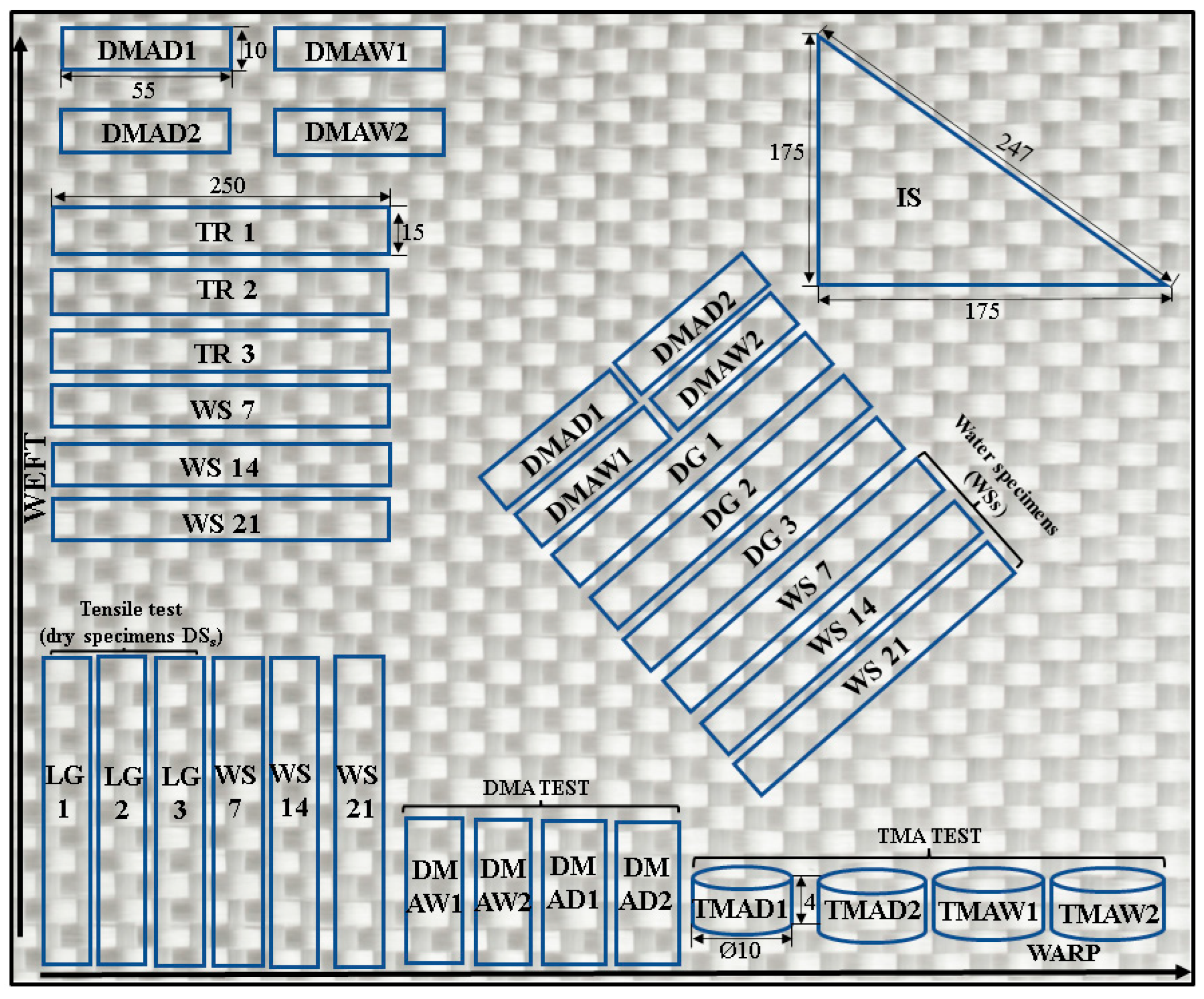
2.2.1. Tensile Tests
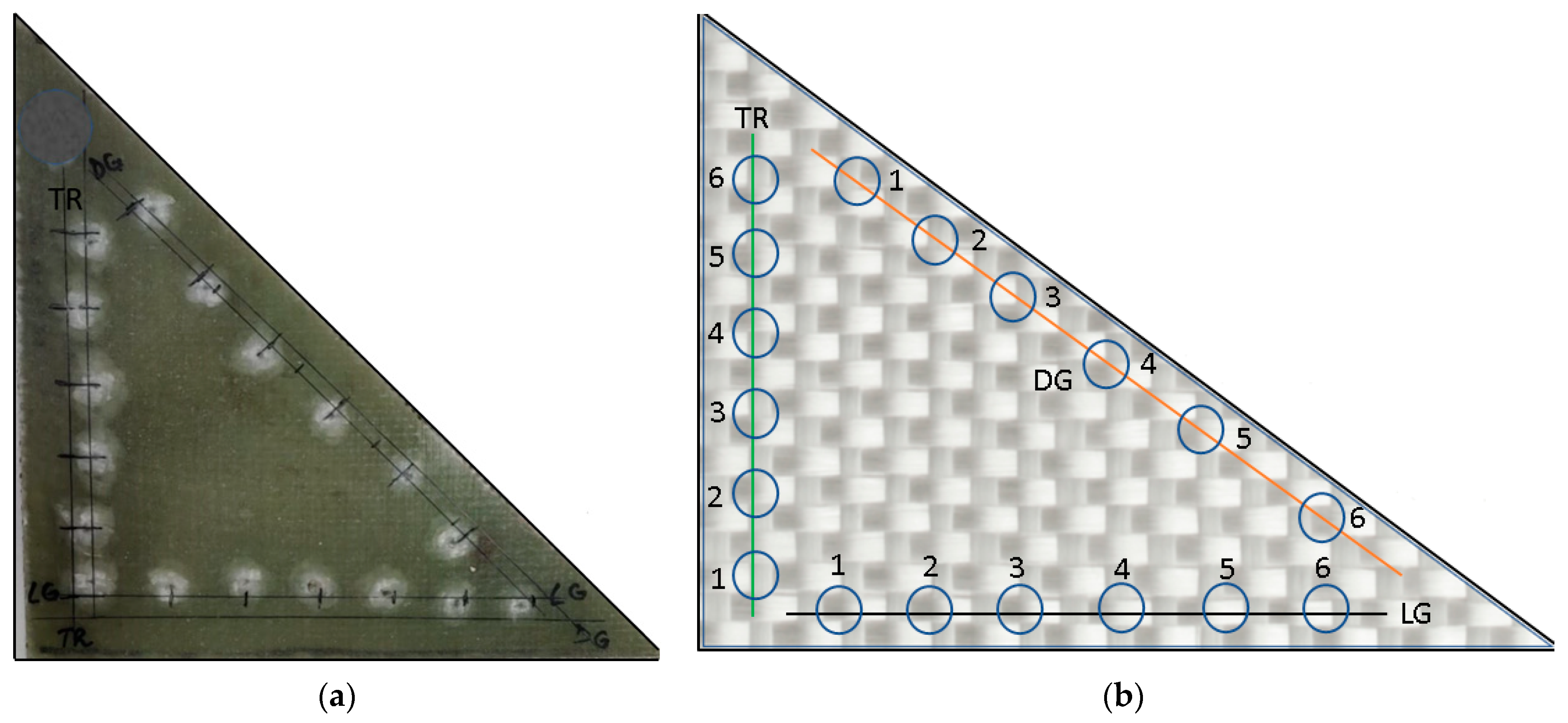
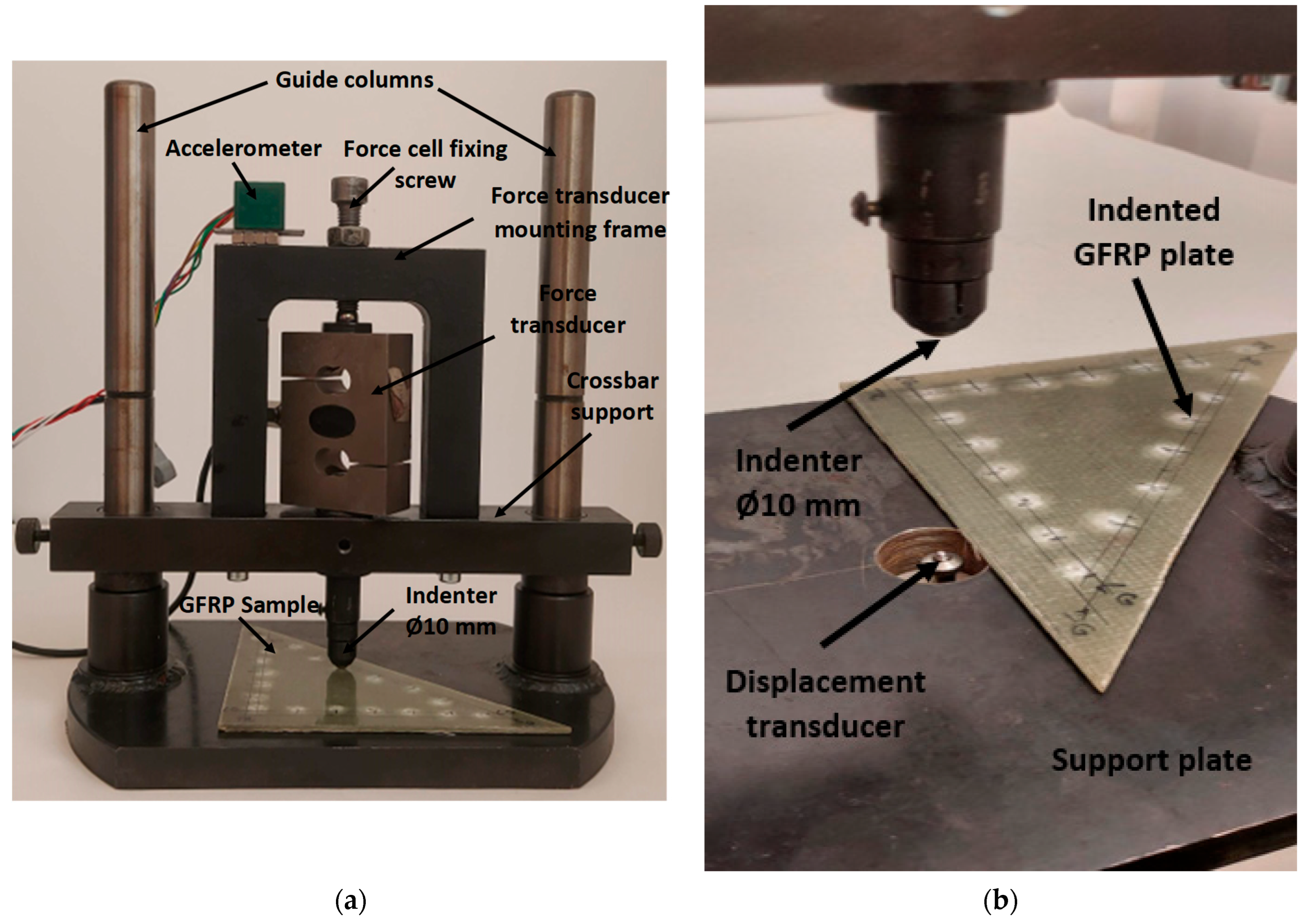
2.2.2. Three-Directional Impact Test on a GFRP Sample Using a Drop Weight Machine
- F is the impact force;
- Δ is the displacement/indentation;
- is the contact stiffness (which is nonlinear for GFRP).
2.2.3. Dynamic Mechanical Analyzer (DMA)
2.2.4. Thermomechanical Analysis (TMA)
3. Results
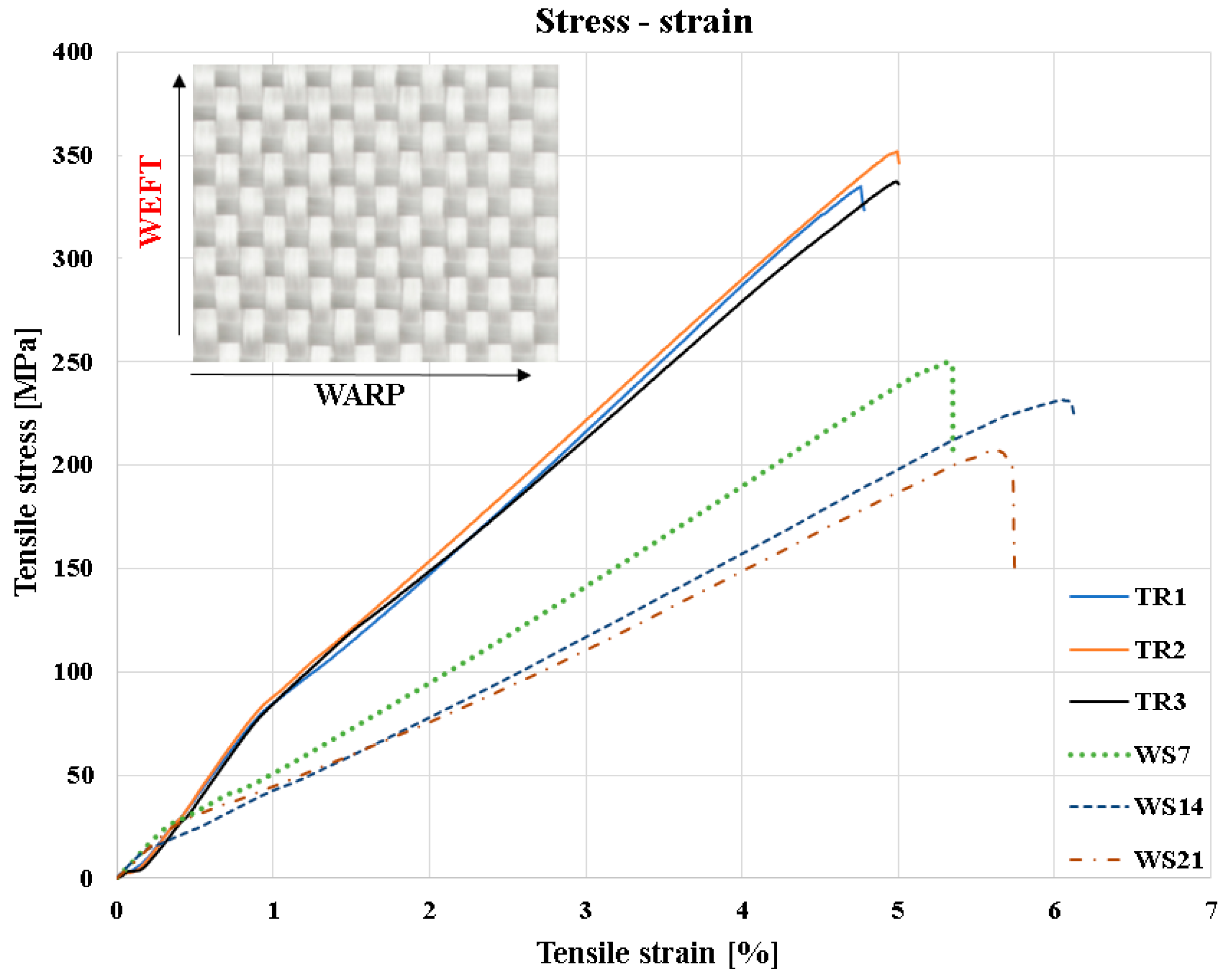
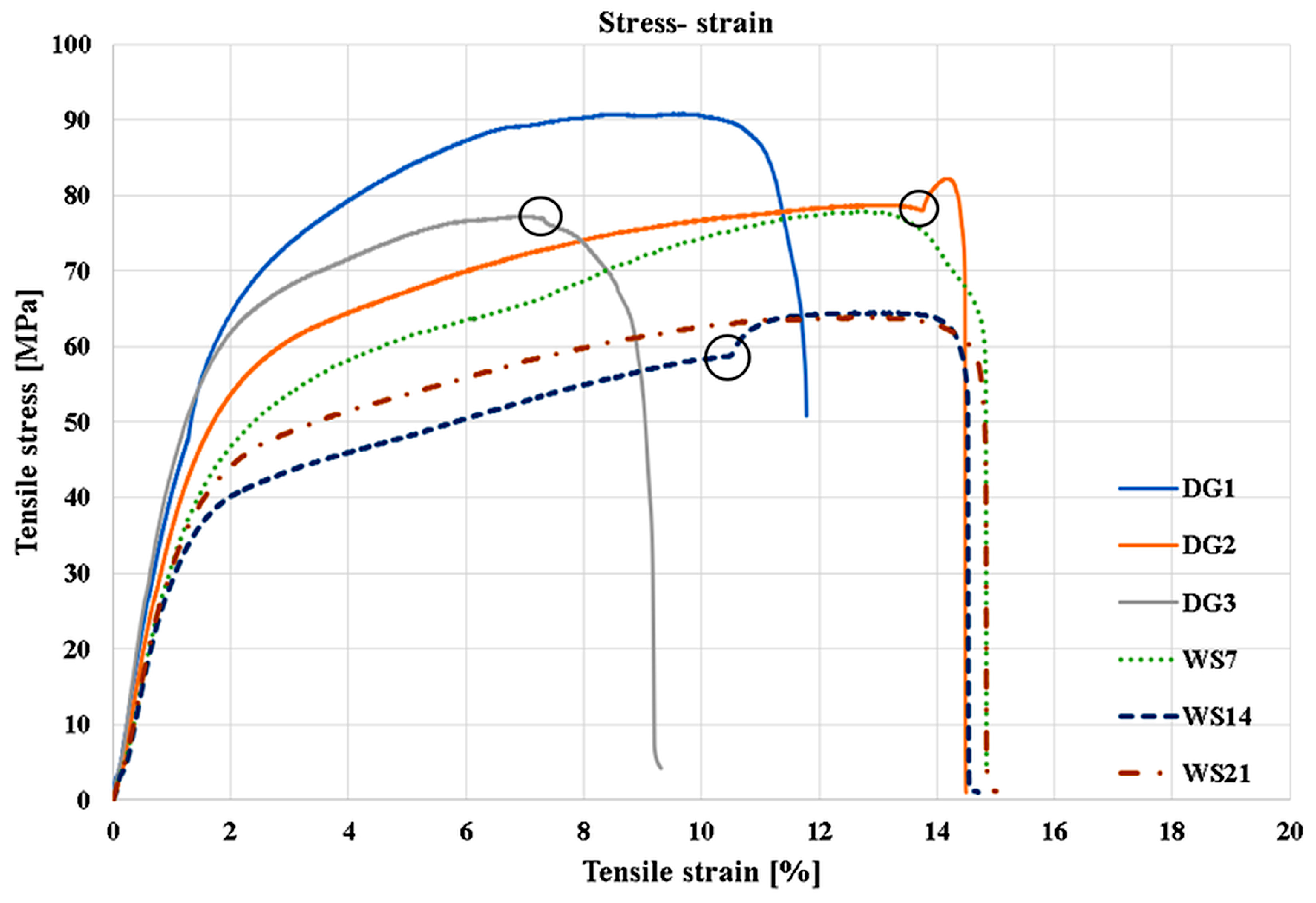
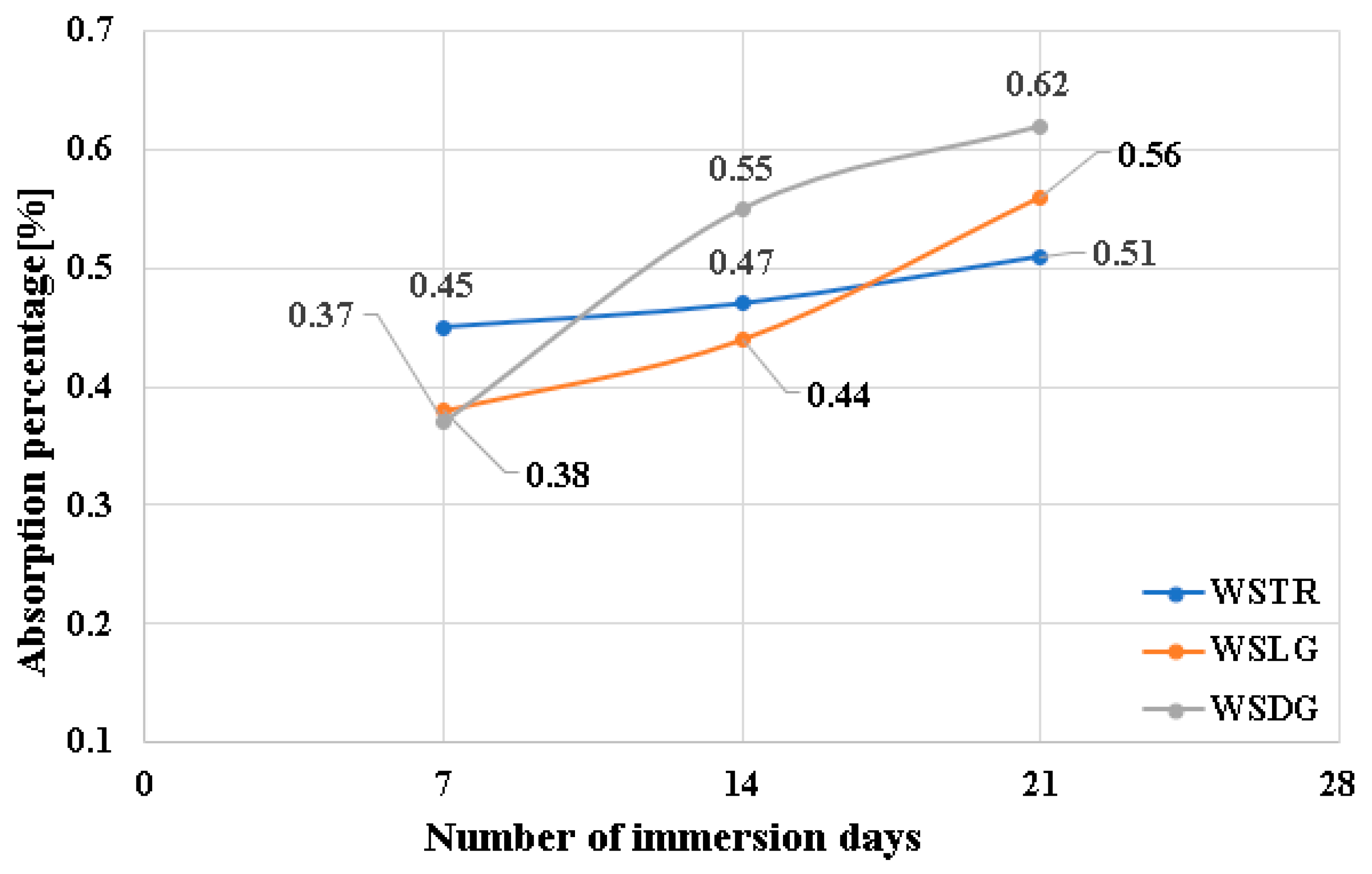
3.1. Mechanical Properties of GFRP
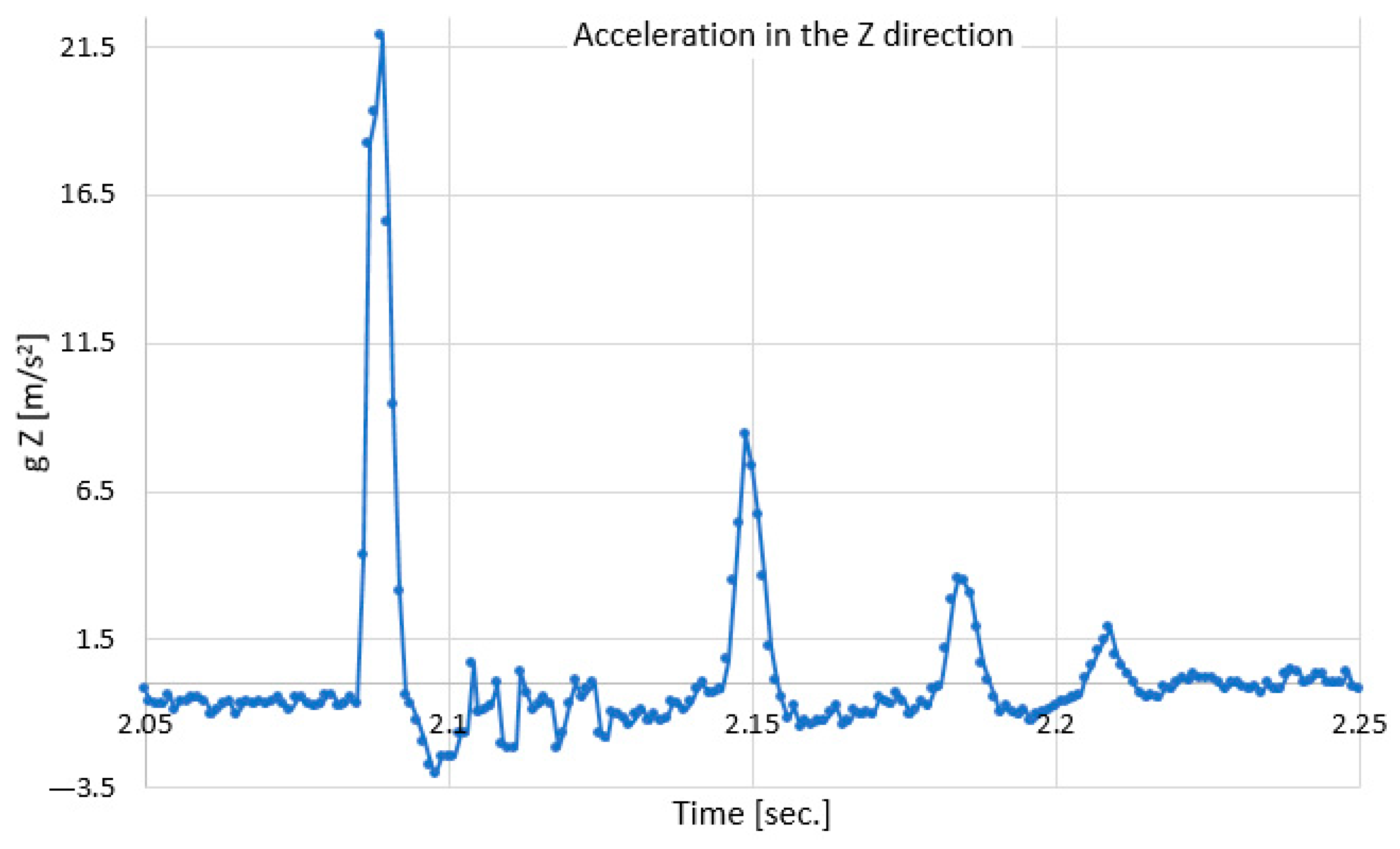
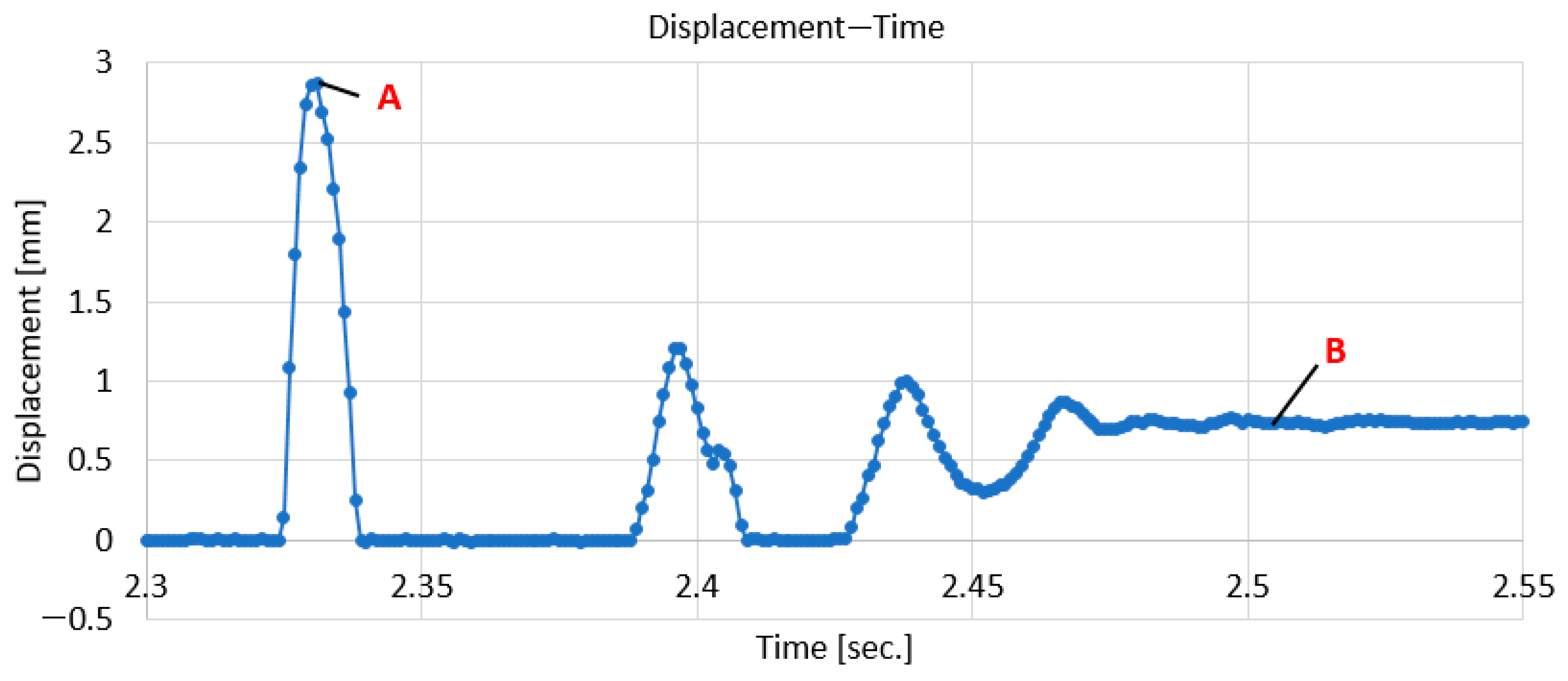
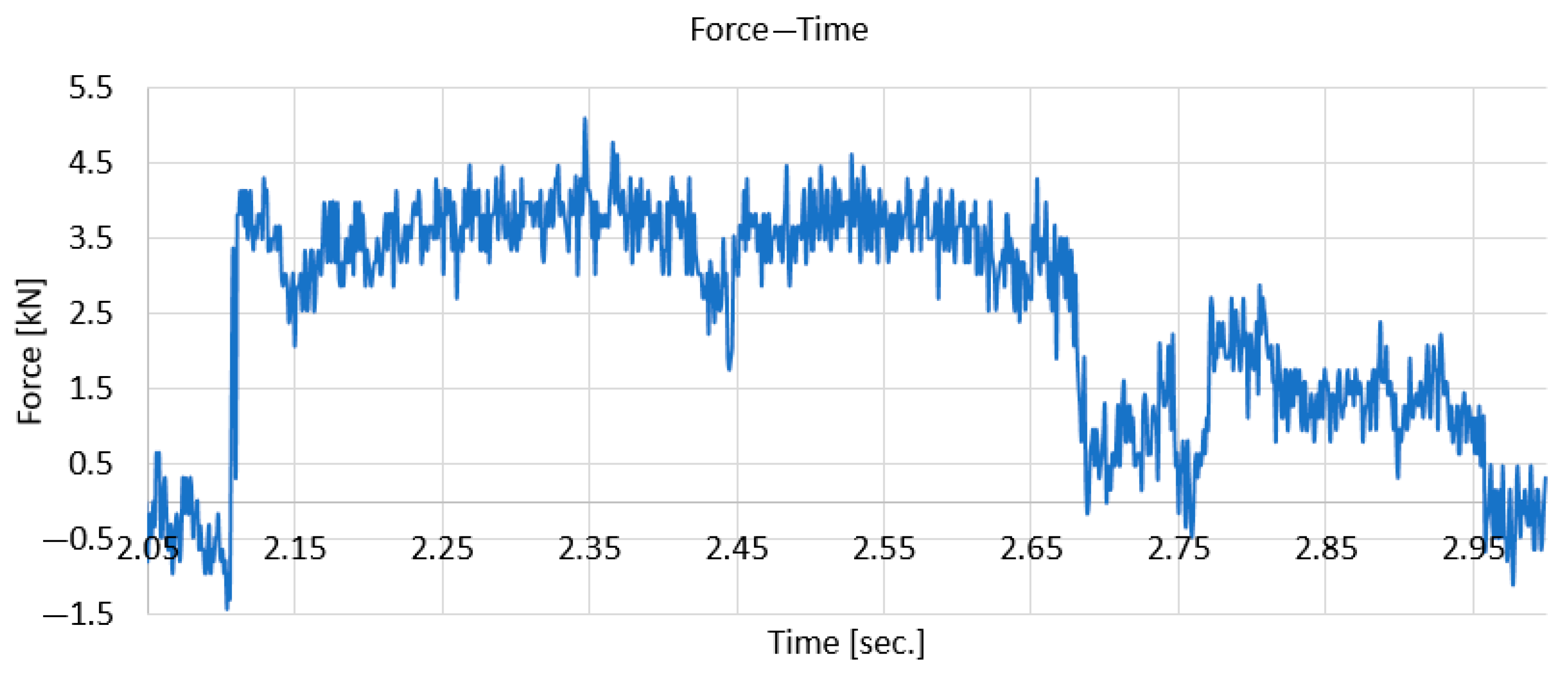
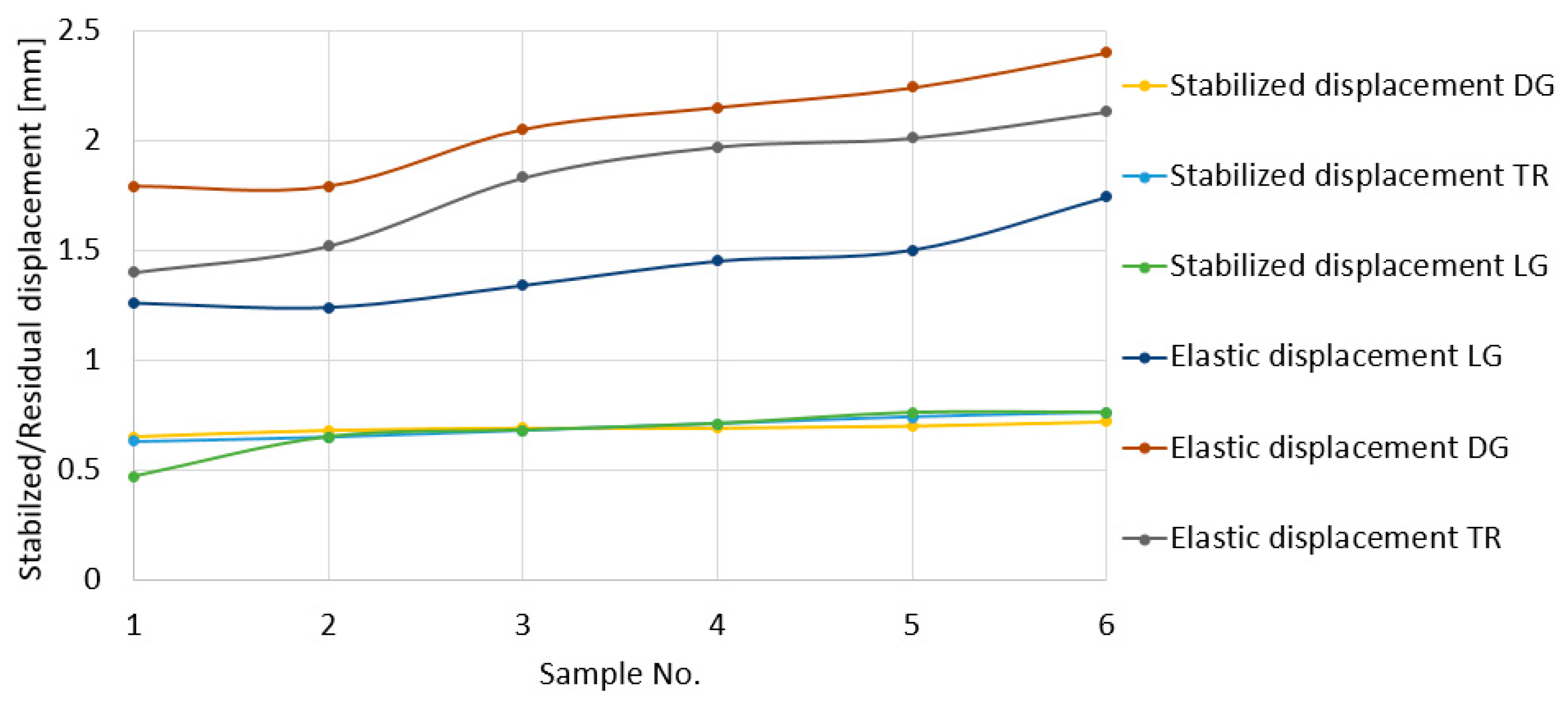
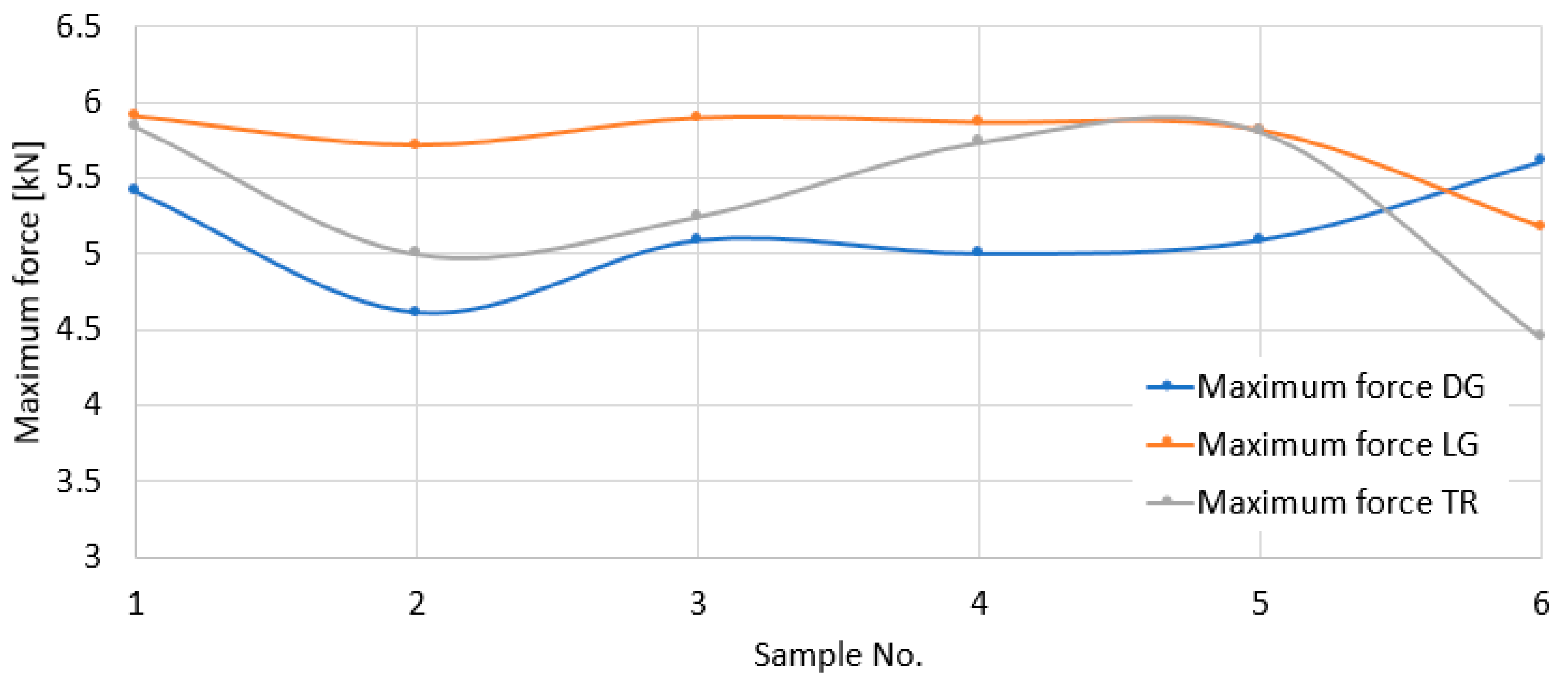
3.2. Three-Directional Impact Measurements on a GFRP Specimen Using a Drop Weight Machine
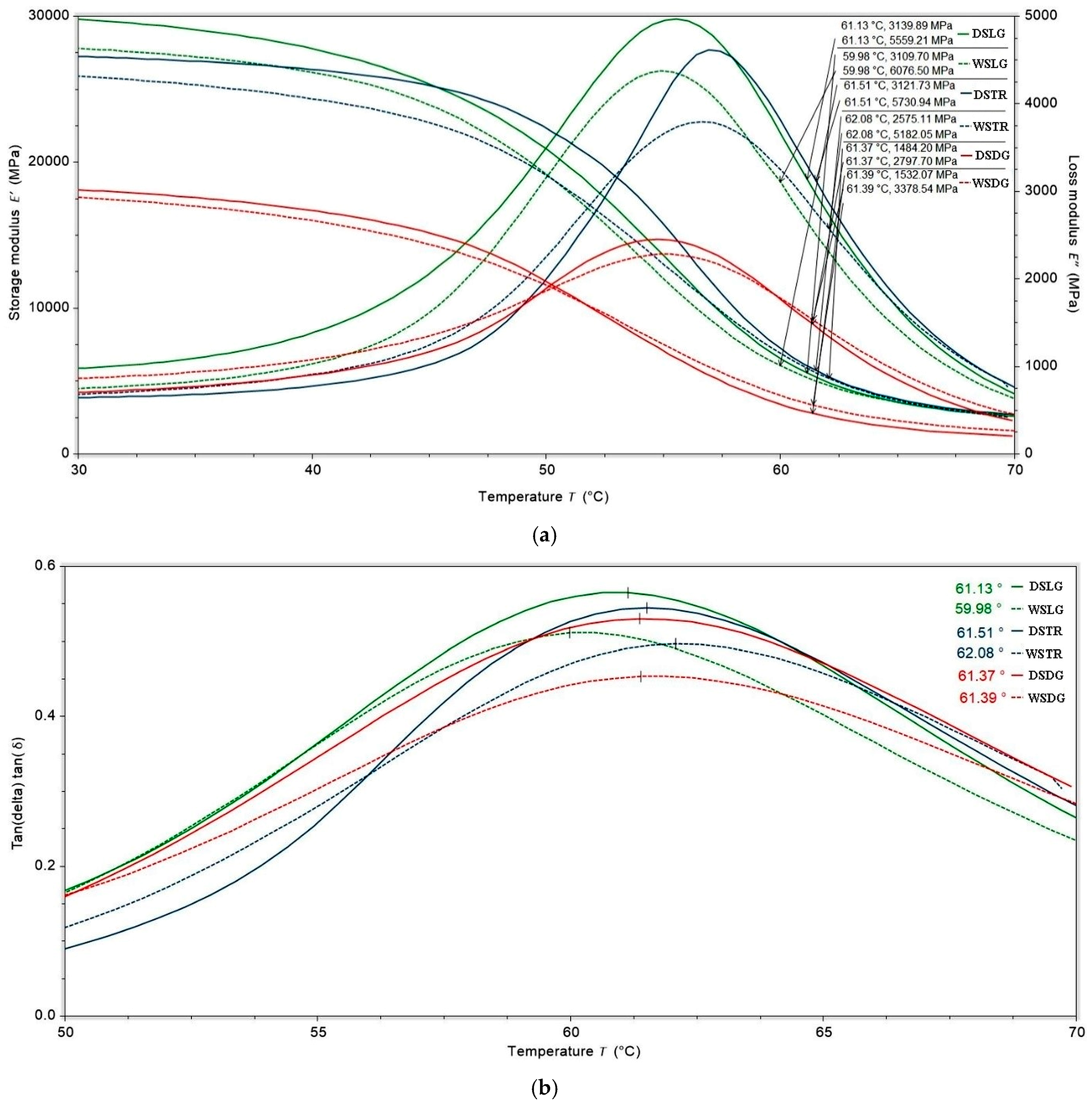
3.3. DMA Measurements
3.4. TMA Measurements
4. Conclusions
- The experimental results confirm the pronounced orthotropic behavior of the GFRP composite, with mechanical properties being strongly dependent on fiber orientation and matrix contribution.
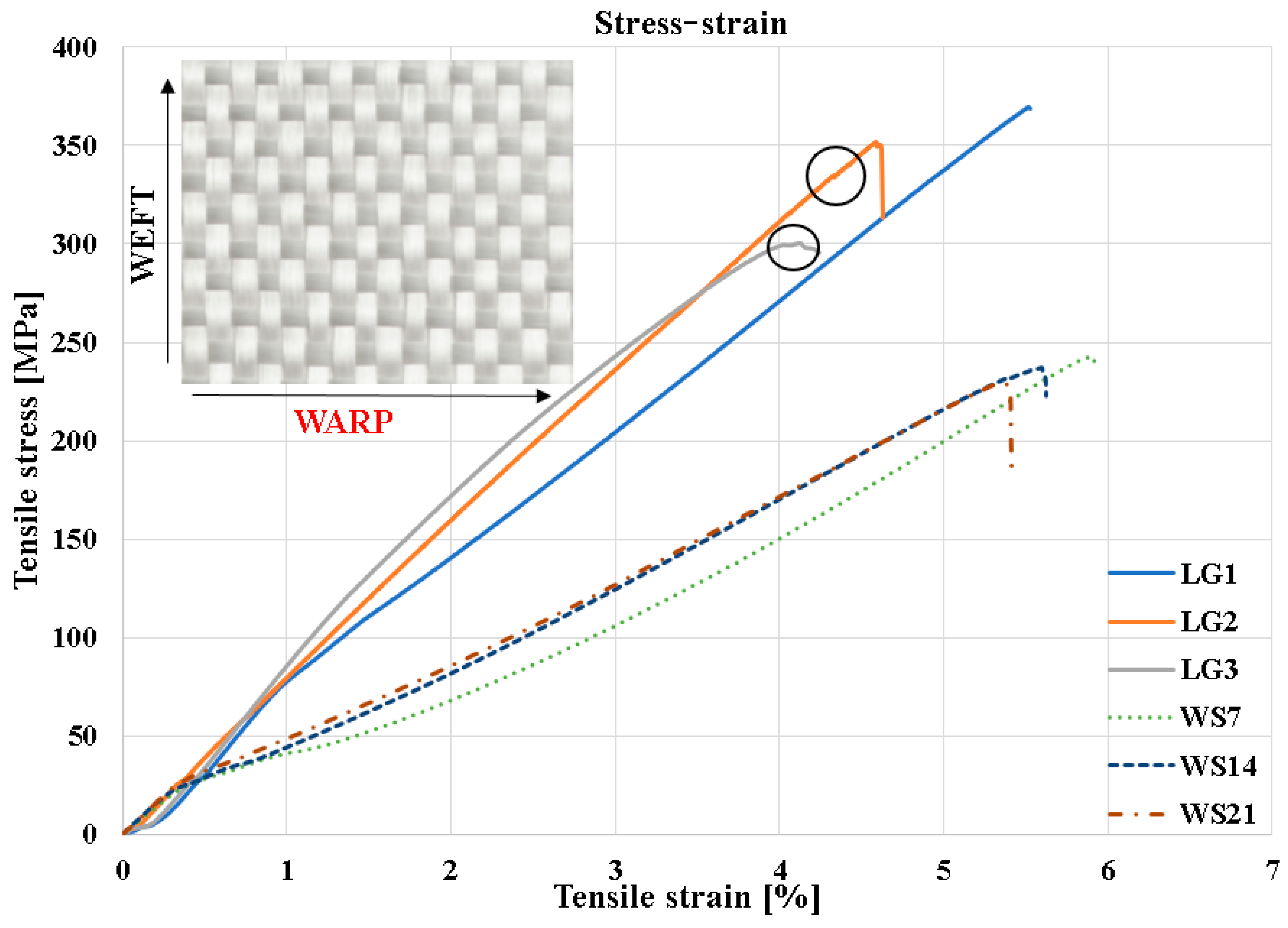
- Longitudinally cut test specimens exhibited the highest tensile strength values, with predominantly elastic behavior.
- Water-immersion aging led to progressive deterioration of mechanical properties for all cutting directions, with the most pronounced reduction in tensile strength being observed after 21 days of immersion, due to degradation of the fiber–matrix interface.
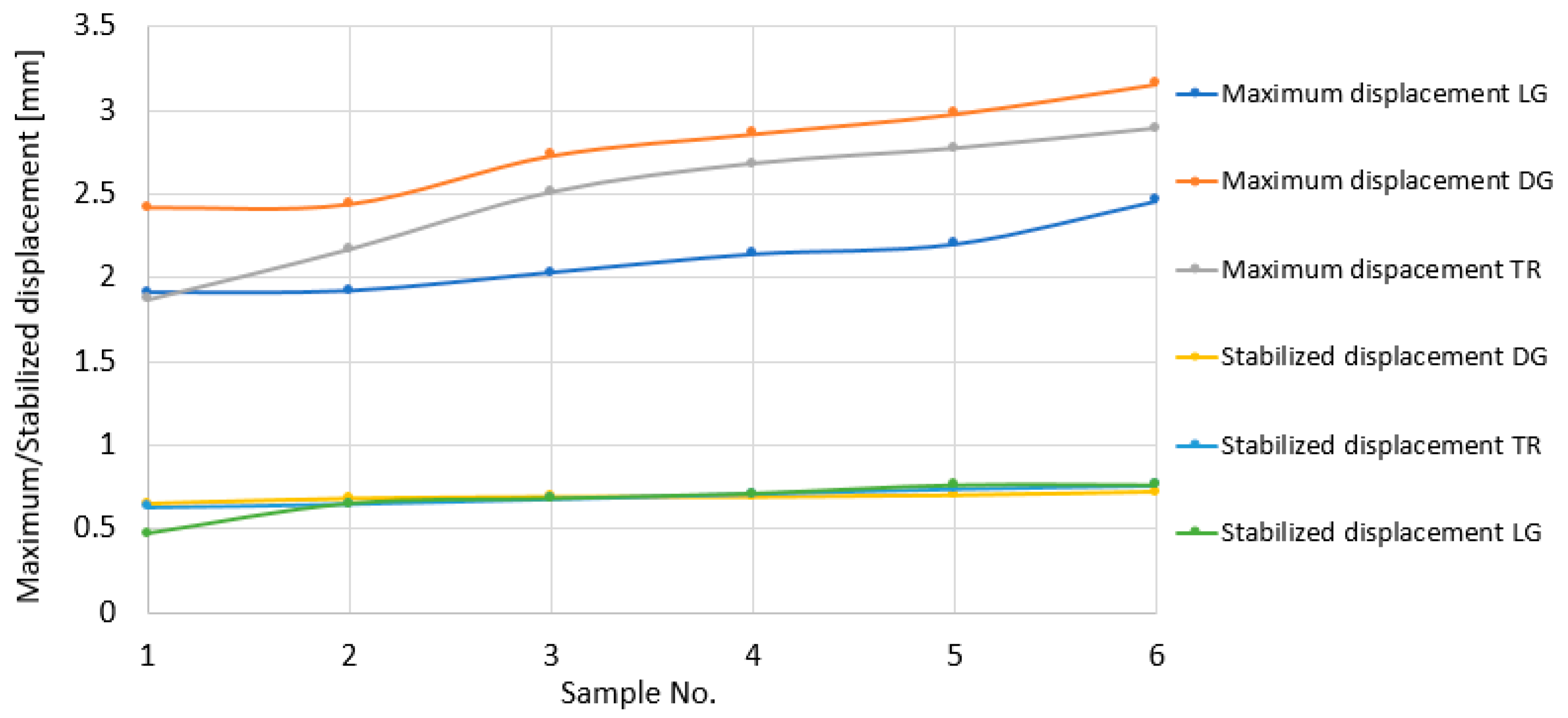
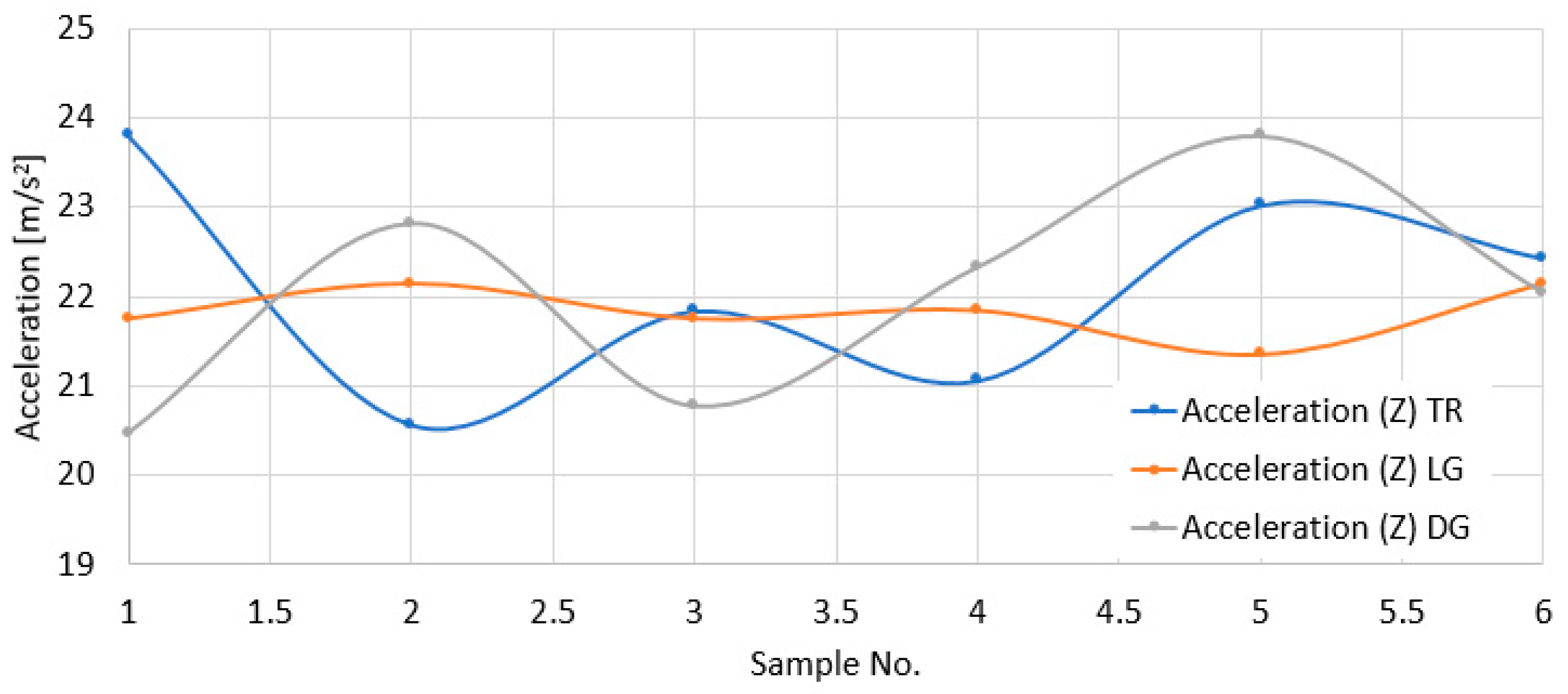
- Impact testing revealed higher maximum and elastic displacements in the diagonal direction, while the highest impact forces were recorded in the longitudinal direction, indicating increased stiffness along the fiber axis; acceleration values showed greater dispersion in the diagonal and transverse directions.
- The effect of both water-immersion aging and fiber orientation on the macroscopic mechanical behavior of epoxy–glass fiber samples was clearly observed, showing significant dissimilarities in terms of storage modulus damping factor (tan δ) and glass transition temperature (Tg).
- DMA analysis showed a shift in Tg when changing the fiber direction from longitudinal (0°) and transversal (90°) to 45°, with a visible decrease in aged samples. A similar decreasing trend was observed in storage modulus and cross-link density. However, the 45° orientation exhibited a particular behavior potentially due to the presence of voids in the polymer structure, which decrease interfacial contact, leading to lower storage modulus and a shift in the loss modulus and tan (δ) peaks to a lower temperature, as the presence of voids increases damping.
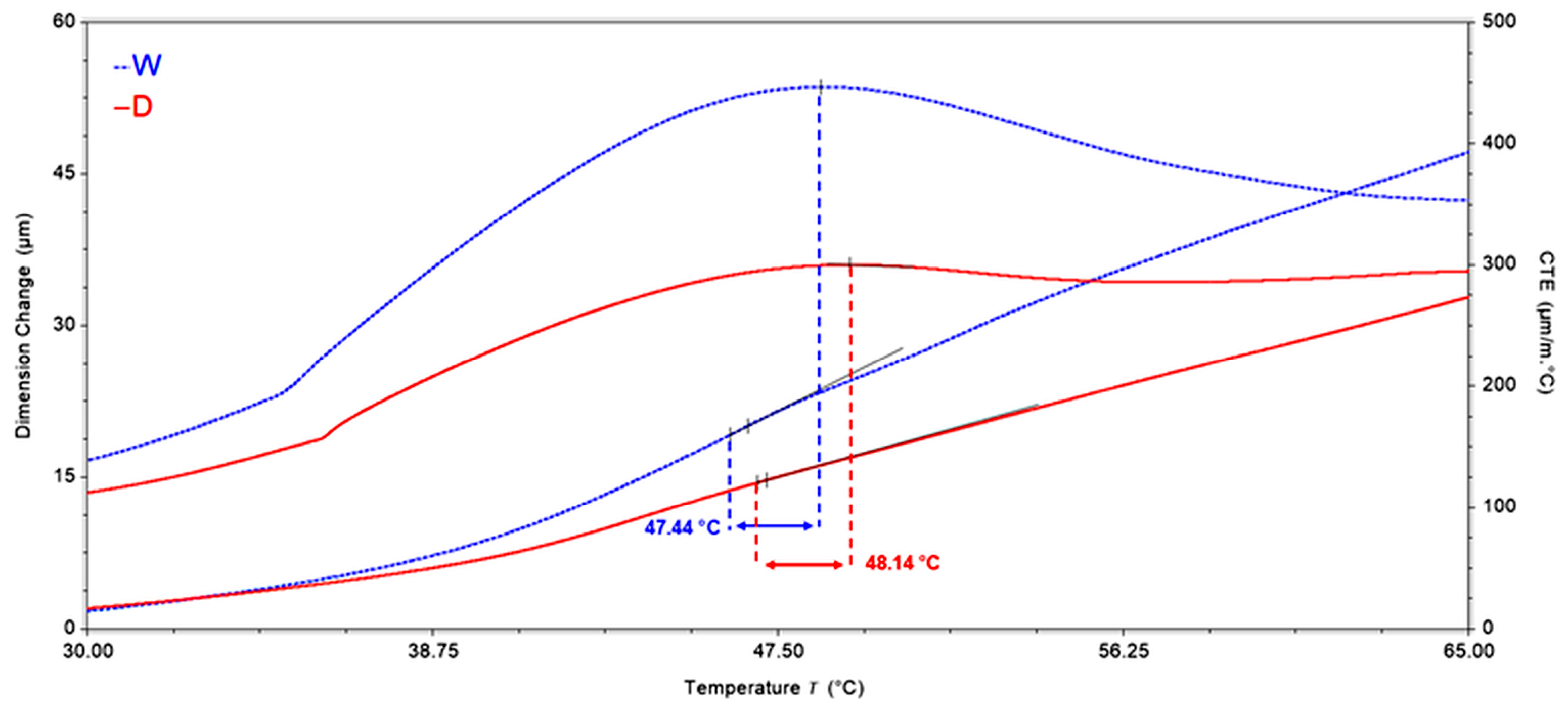
- TMA analysis demonstrated a significant increase in the coefficient of thermal expansion after water-immersion aging, attributed to matrix plasticization, with implications for numerical modeling and durability assessment of GFRP structures such as wind turbine blades and drones.
Author Contributions
Funding
Institutional Review Board Statement
Data Availability Statement
Conflicts of Interest
Abbreviations
| GFRP | Glass fiber-reinforced polymer |
| DMA | Dynamical mechanical analysis |
| TMA | Thermomechanical analysis |
| LG | Longitudinal |
| TR | Transversal |
| DG | Diagonal |
| WS | Water specimen |
| DMAD | Dynamical mechanical analysis—dry |
| DMAW | Dynamical mechanical analysis—water |
| TMAD | Thermomechanical analysis—dry |
| TMAW | Thermomechanical analysis—water |
| IS | Impact specimen |
| DS | Dry specimen |
References
- Rajak, D.K.; Pagar, D.D.; Menezes, P.L.; Linul, E. Fiber-Reinforced Polymer Composites: Manufacturing, Properties, and Applications. Polymers 2019, 11, 1667. [Google Scholar] [CrossRef]
- Essam, S.; Ahmad, W. Manufacturing Cost Modelling for Aerospace Composite Applications. In Proceedings of the 19th ISPE International Conference on Concurrent Engineering—CE, Trier, Germany, 3–7 September 2012. [Google Scholar]
- Petersson, H.; Motte, D.; Bjärnemo, R. Carbon Fiber Composite Materials in Modern Day Automotive Production Lines: A Case Study. In Proceedings of the ASME International Mechanical Engineering Congress and Exposition, San Diego, CA, USA, 15–21 November 2013. [Google Scholar]
- Rubino, F.; Nisticò, A.; Tucci, F.; Carlone, P. Marine Application of Fiber Reinforced Composites: A Review. J. Mar. Sci. Eng. 2020, 8, 26. [Google Scholar] [CrossRef]
- Karbhari, V.M.; Zhao, L. Use of composites for 21st century civil infrastructure. Comput. Methods Appl. Mech. Eng. 2000, 185, 433–454. [Google Scholar] [CrossRef]
- Osswald, T.A.; David, J.; Thompson, M.S. Polymer composites: Additive manufacturing of composites. Polym. Compos. 2022, 43, 3496–3497. [Google Scholar] [CrossRef]
- Huang, X.; Su, S.; Xu, Z.; Miao, Q.; Li, W.; Wang, L. Advanced Composite Materials for Structure Strengthening and Resilience Improvement. Buildings 2023, 13, 2406. [Google Scholar] [CrossRef]
- Stanciu, M.D.; Drăghicescu, H.T.; Rosca, I.C. Mechanical Properties of GFRPs Exposed to Tensile, Compression and Tensile–Tensile Cyclic Tests. Polymers 2021, 13, 898. [Google Scholar] [CrossRef]
- Stanciu, M.D.; Savin, A.; Drăghicescu, H.T. The Assessing of the Failure Behavior of Glass/Polyester Composites Subject to Quasi Static Stresses. Mater. Sci. Eng. 2017, 209, 012007. [Google Scholar] [CrossRef]
- Drăghicescu, H.T.; Vlase, S.; Stanciu, M.D.; Curtu, I.; Mihalcica, M. Advanced Pultruded Glass Fibers-Reinforced Isophtalic Polyester Resin. Mater. Plast 2015, 52, 62–64. [Google Scholar]
- Erden, S.; Sever, K.; Seki, Y.; Sarikanat, M. Enhancement of the mechanical properties of glass/polyester composites via matrix modification glass/polyester composite siloxane matrix modification. Fibers Polym. 2010, 11, 732–737. [Google Scholar] [CrossRef]
- Lemaitre, J.; Chaboche, L. Mechanics of Solid Materials; Cambridge University Press: Cambridge, UK, 1994. [Google Scholar]
- Slamani, M.; Châtelain, J.F. A review on the machining of polymer composites reinforced with carbon (CFRP) glass (GFRP), and natural fibers (NFRP). Discov. Mech. Eng. 2023, 2, 4. [Google Scholar] [CrossRef]
- He, H.; Gao, F.; Li, L. Effect of epoxy resin properties on the mechanical properties of carbon fiber/epoxy resin composites. Int. J. Mater. Res. 2013, 104, 899–902. [Google Scholar] [CrossRef]
- Jeong, J.; Lee, Y.H.; Park, K.T.; Hwang, Y.K. Field and laboratory performance of a rectangular shaped glass fiber reinforced polymer deck. Compos. Struct. 2007, 81, 622–628. [Google Scholar] [CrossRef]
- Adekomaya, O.; Adama, K. Glass-fibre reinforced composites: The effect of fibre loading and orientation on tensile and impact strength. Niger. J. Technol. 2017, 36, 782–787. [Google Scholar] [CrossRef]
- Cerbu, C.; Cosereanu, C. Moisture Effects on the Mechanical Behavior of FirWood Flour/Glass Reinforced Epoxy Composite. BioResources 2016, 11, 8364–8385. [Google Scholar] [CrossRef]
- Eftekhari, M.; Fatemi, A. On the strengthening effect of increasing cycling frequency on fatigue behavior of some polymers and their composites: Experiments and modeling. Int. J. Fatigue 2016, 87, 153–166. [Google Scholar] [CrossRef]
- Patel, V.K.; Rawat, N. Physico-mechanical properties of sustainable Sagwan-Teak Wood Flour/Polyester Composites with/without gum rosin. Sustain. Mater. Technol. 2017, 13, 153–166. [Google Scholar] [CrossRef]
- Torabizadeh, M.A. Tensile, compressive and shear properties of unidirectional glass/epoxy composite subjected to mechanical loading and low temperature services. Indian J. Eng. Mater. Sci. 2013, 20, 299–309. [Google Scholar]
- Tang, H.; Nguyen, T.; Chuang, T.; Chin, J.; Lesko, J.; Wu, F. Fatigue Model for fiber-reinforced polymeric composite. J. Mater. Civ. Eng. 2000, 12, 97–104. [Google Scholar] [CrossRef]
- Steigmann, R.; Savin, A.; Goanta, V.; Barsanescu, P.D.; Leitoiu, B.; Iftimie, N.; Stanciu, M.; Curtu, I. Determination of mechanical properties of some glass fiber reinforced plastics suitable to Wind Turbine Blade construction. IOP Conf. Ser. Mater. Sci. Eng. 2016, 147, 012140. [Google Scholar] [CrossRef]
- Selzer, R.; Friedrich, K. Mechanical properties and failure behavior of carbon fibre-reinforced polymer composites under the influence of moisture. Compos. Part A 1997, 28A, 595–604. [Google Scholar] [CrossRef]
- Huang, G.; Sun, H. Effect of water absorption on the mechanical properties of glass/polyester composites. Mater. Des. 2007, 28, 1647–1650. [Google Scholar] [CrossRef]
- Hussnain, S.M.; Shah, S.Z.H.; Megat-Yusoff, P.S.M.; Hussain, M.Z. Degradation and mechanical performance of fibre-rei forced polymer composites under marine environments: A review of recent advancements. Polym. Degrad. Stab. 2023, 215, 110452. [Google Scholar] [CrossRef]
- Wang, P.; Ke, L.; Wu, H.; Leung, C.K.Y.; Li, L. Hygrothermal aging effects on the diffusion-degradation process of GFRP composite: Experimental study and numerical simulation. Constr. Build. Mater. 2023, 379, 131075. [Google Scholar] [CrossRef]
- Rosa, I.C.; Firmo, J.P.; Correia, J.R.; Mazzuca, P. Influence of elevated temperatures on the bond behaviour of GFRP bars to concrete—Pull-out tests. In Proceedings of the IABSE Symposium, Guimaraes 2019: Towards a Resilient Built Environment Risk and Asset Management—Report, Guimaraes, Portugal, 27–29 March 2019; pp. 861–868. [Google Scholar]
- Safri, S.N.A.; Sultan, M.T.H.; Aminanda, Y. Impact Characterisation of Glass Fibre Reinforced Polymer (GFRP) Type C-600 and E-800 Using a Drop Weight Machine. Appl. Mech. Mater. 2014, 629, 461–466. [Google Scholar] [CrossRef]
- Safri, S.N.A.; Sultan, M.T.H.; Cardona, F. Impact damage evaluation of glass-fiber reinforced polymer (GFRP) using the drop test rig—An experimental based approach. ARPN J. Eng. Appl. Sci. 2015, 10, 9916–9928. [Google Scholar]
- IN2 Epoxy Resin. Available online: https://media.easycomposites.eu/datasheets/EC-TDS-IN2-Infusion-Resin.pdf (accessed on 12 December 2025).
- ASTM D3039/D3039M-08; Standard Test Method for Tensile Properties of Polymer Matrix Composite Materials. ASTM International: West Conshohocken, PA, USA, 2018.
- ASTM D5229/D5229M-20; Standard Test Method for Moisture Absorption Properties and Equilibrium Conditioning of Polymer Matrix Composite Materials. ASTM International: West Conshohocken, PA, USA, 2020.
- ASTM D7136/D7136M-15; Standard Test Method for Measuring the Damage Resistance of a Fiber-Reinforced Polymer Matrix Composite to a Drop-Weight Impact Event. ASTM International: West Conshohocken, PA, USA, 2020.
- ASTM D7028-07(2015); Standard Test Method for Glass Transition Temperature (DMA Tg) of Polymer Matrix Composites by Dynamic Mechanical Analysis (DMA). ASTM International: West Conshohocken, PA, USA, 2024.
- ASTM E831-24; Standard Test Method for Linear Thermal Expansion of Solid Materials by Thermomechanical Analysis. ASTM International: West Conshohocken, PA, USA, 2025.
- Lakshmanan, M.; Jayanarayanan, K.; Joesph, J. An Experimental Investigation of Fracture Toughness and Volume Resistivity of Symmetric Laminated Epoxy/Glass Fiber/CNT multiscale composites. In Proceedings of the International Conference on Advances in Materials and Manufacturing Applications (IConAMMA-2018), Bengaluru, India, 16–18 August 2018. [Google Scholar]
- Wu, L.; Adam, L.; Doghri, I.; Noels, L. An incremental-secant mean-field homogenization method with second statistical moments for elasto-visco-plastic composite materials. Mech. Mater. 2017, 114, 180–200. [Google Scholar] [CrossRef]
- Czarnota, C.; Kowalczyk-Gajewska, K.; Salahouelhadj, A.; Martiny, M.; Mercier, S. Modeling of the cyclic behavior of elastic– viscoplastic composites by the additive tangent Mori–Tanaka approach and validation by finite element calculations. Int. J. Solids Struct. 2015, 56, 96–117. [Google Scholar] [CrossRef]
- Michels, J.; Widmann, R.; Czaderski, C.; Allahvirdizadeh, R.; Motavalli, M. Glass transition evaluation of commercially available epoxy resins used for civil engineering applications. Compos. Part B 2015, 77, 484–493. [Google Scholar] [CrossRef]
- Korayem, H.A.; Chen, S.J.; Zhang, Q.H.; Li, Y.C.; Zhao, L.X.; Duan, H.D. Failure of CFRP-to-steel double strap joint bonded using carbon nanotubes modified epoxy adhesive at moderately elevated temperatures. Compos. Part B 2016, 94, 95–101. [Google Scholar] [CrossRef]
- Korayem, H.A.; Barati, R.M.; Simon, G.P.; Zhao, L.X.; Duan, H.W. Reinforcing brittle and ductile epoxy matrices using carbon nanotubes masterbatch. Compos. Part A 2014, 61, 126–133. [Google Scholar] [CrossRef]
- Afaghi-Khatibi, A.; Mai, Y.-W. Characterisation of fibre/matrix interfacial degradation under cyclic fatigue loading using dynamic mechanical analysis. Compos. Part A Appl. Sci. Manuf. 2002, 33, 1585–1592. [Google Scholar] [CrossRef]
- Bashir, M.A. Use of Dynamic Mechanical Analysis (DMA) for Characterizing Interfacial Interactions in Filled Polymers. Solids 2021, 2, 108–120. [Google Scholar] [CrossRef]
- Shen, Y.; Tan, J.; Fernandes, L.; Qu, Z.; Li, Y. Dynamic Mechanical Analysis on Delaminated Flax Fiber Reinforced Composites. Materials 2019, 12, 2559. [Google Scholar] [CrossRef] [PubMed]
- Venkategowda, T.; Manjunatha, L.H.; Anilkumar, P.R. Dynamic mechanical behavior of natural fibers reinforced polymer matrix composites—A review. Mater. Today Proc. 2022, 54, 395–401. [Google Scholar] [CrossRef]
- Mascia, L.; Kouparitsas, Y.; Nocita, D.; Bao, X. Antiplasticization of Polymer Materials: Structural Aspects and Effects on Mechanical and Diffusion-Controlled Properties. Polymers 2020, 12, 769. [Google Scholar] [CrossRef]







| Property | Unit | Value |
|---|---|---|
| Density | [g/cm3] | 1.08–1.12 |
| Hardness | Shore D | 84–88 |
| Maximum Tg | °C | 92–98 |
| Flexural strength | [MPa] | 110–120 |
| Flexural modulus | [MPa] | 3100–3500 |
| Tensile strength | [MPa] | 68.5–76 |
| Compressive strength | [MPa] | 88–100 |
| Elongation of break | [%] | 6–8 |
| Maximum strain | [%] | 5–7 |
| Water absorption at 23 °C in 24 h | [%] | 0.10–0.20 |
| Sample No. | σUTS [MPa] | [MPa] | Deviations from the Mean [MPa] | [MPa] | Standard Deviation S [MPa] | Coefficient of Variation CV [%] |
|---|---|---|---|---|---|---|
| 1 | 334.5 | 341.05 | −6.55 | 42.90 | 9.14 | 2.67 |
| 2 | 351.5 | 10.45 | 109.20 | |||
| 3 | 337.16 | −3.89 | 15.13 | |||
| Σ= | 1023.16 | 167.23 |
| Sample No. | σUTS [MPa] | [MPa] | Deviations from the Mean [MPa] | [MPa] | Standard Deviation S [MPa] | Coefficient of Variation CV [%] |
|---|---|---|---|---|---|---|
| 1 | 369.16 | 340.60 | 28.56 | 815.67 | 35.64 | 10.46 |
| 2 | 352 | 11.4 | 129.96 | |||
| 3 | 300.66 | −39.94 | 1595.20 | |||
| Σ= | 1021.82 | 2540.83 |
| Sample No. | σUTS [MPa] | [MPa] | Deviations from the Mean [MPa] | [MPa] | Standard Deviation S [MPa] | Coefficient of Variation CV [%] |
|---|---|---|---|---|---|---|
| 1 | 90.83 | 83.38 | 7.45 | 55.50 | 3.99 | 4.78 |
| 2 | 82.16 | −1.22 | 1.48 | |||
| 3 | 77.16 | −6.22 | 38.68 | |||
| Σ= | 250.15 | 31.88 |
| Sample WS | σUTS-TR [MPa] | σUTS-LG [MPa] | σUTS-DG [MPa] |
|---|---|---|---|
| WS7 | 249.83 | 243.16 | 72.66 |
| WS14 | 231.5 | 237.16 | 64.5 |
| WS21 | 207.5 | 229.16 | 63.83 |
| Sample | Tg.0 [°C] | Tg.t [°C] | Storage Modulus E′ [MPa] | Loss Modulus E″ [MPa] | Cross-Link Density [×10−2 mol/cm3] |
|---|---|---|---|---|---|
| DSLG | 46.48 | 61.13 | 3139.89 | 5559.21 | 0.3275 |
| WSLG | 45.76 | 59.98 | 3109.70 | 6076.50 | 0.3253 |
| DSTR | 49.72 | 61.51 | 3121.73 | 5730.94 | 0.3253 |
| WSTR | 46.77 | 62.08 | 2575.11 | 5182.05 | 0.2679 |
| DSDG | 45.04 | 61.37 | 1484.20 | 2797.70 | 0.1547 |
| WSDG | 45.22 | 61.39 | 1532.07 | 3378.54 | 0.1597 |
| Sample | Coefficient of Thermal Expansion | |
|---|---|---|
| Below Tg [30–Tg °C] | Above Tg [Tg–65 °C] | |
| W | 291.65 µm/(m·°C) | 398.7 µm/(m·°C) |
| D | 205.6 µm/(m·°C) | 296.75 µm/(m·°C) |
Disclaimer/Publisher’s Note: The statements, opinions and data contained in all publications are solely those of the individual author(s) and contributor(s) and not of MDPI and/or the editor(s). MDPI and/or the editor(s) disclaim responsibility for any injury to people or property resulting from any ideas, methods, instructions or products referred to in the content. |
© 2026 by the authors. Licensee MDPI, Basel, Switzerland. This article is an open access article distributed under the terms and conditions of the Creative Commons Attribution (CC BY) license.
Share and Cite
Morăraș, C.I.; Goanță, V.; Maier, L.R.; Badea, T.A.; Bârsănescu, P.D. Experimental Evaluation of Tensile Behavior and Hygrothermal Degradation of Glass Fiber Composites. Polymers 2026, 18, 277. https://doi.org/10.3390/polym18020277
Morăraș CI, Goanță V, Maier LR, Badea TA, Bârsănescu PD. Experimental Evaluation of Tensile Behavior and Hygrothermal Degradation of Glass Fiber Composites. Polymers. 2026; 18(2):277. https://doi.org/10.3390/polym18020277
Chicago/Turabian StyleMorăraș, Ciprian Ionuț, Viorel Goanță, Lucia Raluca Maier, Teodor Adrian Badea, and Paul Doru Bârsănescu. 2026. "Experimental Evaluation of Tensile Behavior and Hygrothermal Degradation of Glass Fiber Composites" Polymers 18, no. 2: 277. https://doi.org/10.3390/polym18020277
APA StyleMorăraș, C. I., Goanță, V., Maier, L. R., Badea, T. A., & Bârsănescu, P. D. (2026). Experimental Evaluation of Tensile Behavior and Hygrothermal Degradation of Glass Fiber Composites. Polymers, 18(2), 277. https://doi.org/10.3390/polym18020277