Sustainable Poly(3-hydroxybutyrate) Bioplastic Production by Extremely Halophilic Haloarcula sp. PLQ Isolated from Qatari Extreme Environments


 , ,
, ,  , , , and
Abstract
1. Introduction
2. Materials and Methods
2.1. Study Area and Sample Collection
2.2. Isolation of Promising Halophilic PHA Producers
2.3. Identification of Haloarchaeal Strains
2.4. Screening of Potential Halophilic PHA Producers
2.5. Screening of Class III PHA Synthase Genes by Degenerate PCR
2.6. Measurement of Cell Growth and Cell Dry Weight (CDW)
2.7. Impact of Growth Parameters on PHB Production
2.8. Impact of Carbon Sources on PHB Production
2.9. Impact of Nitrogen Sources on PHB Production
2.10. Polymer Extraction and Quantification
2.11. Polymer Characterization
2.11.1. Gas Chromatography (GC)
2.11.2. Fourier Transform Infrared Spectroscopy (FTIR)
2.12. Thermal Properties of PHB Film
Thermogravimetric Analysis (TGA) and Differential Scanning Calorimetry (DSC)
3. Results and Discussion
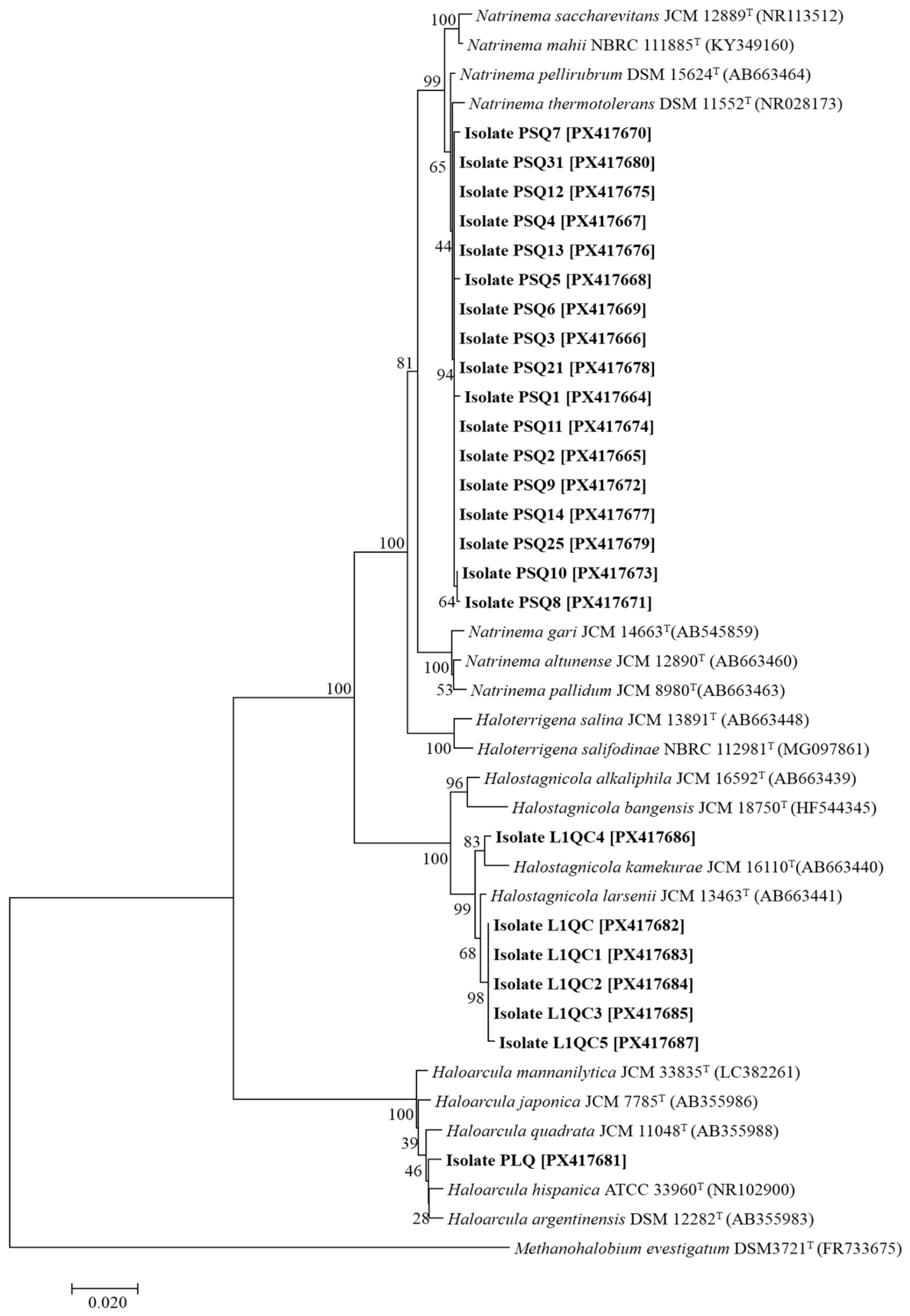
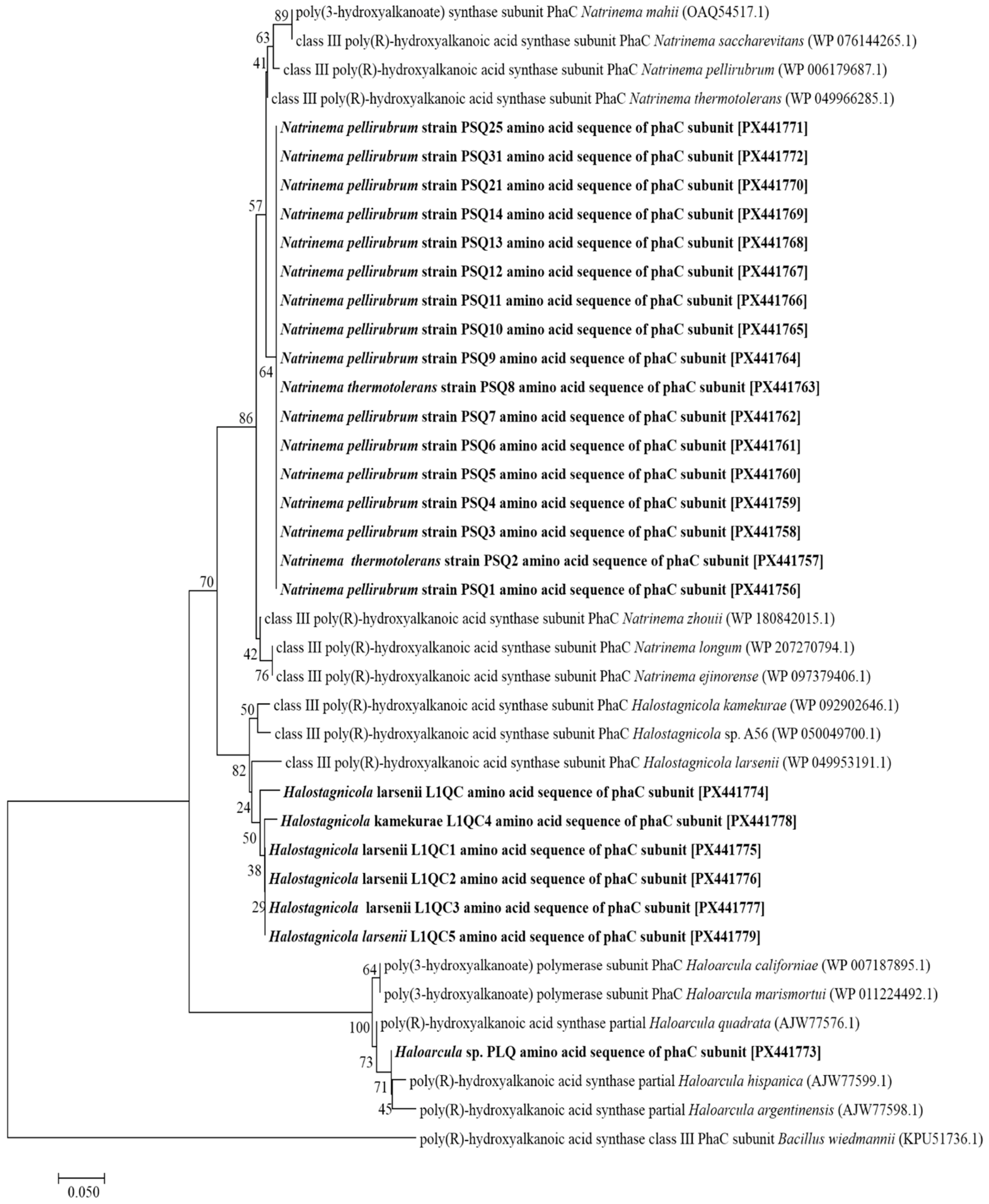
3.1. Phenotypic and Phylogenetic Characterization of Potential Halophilic PHA Producers
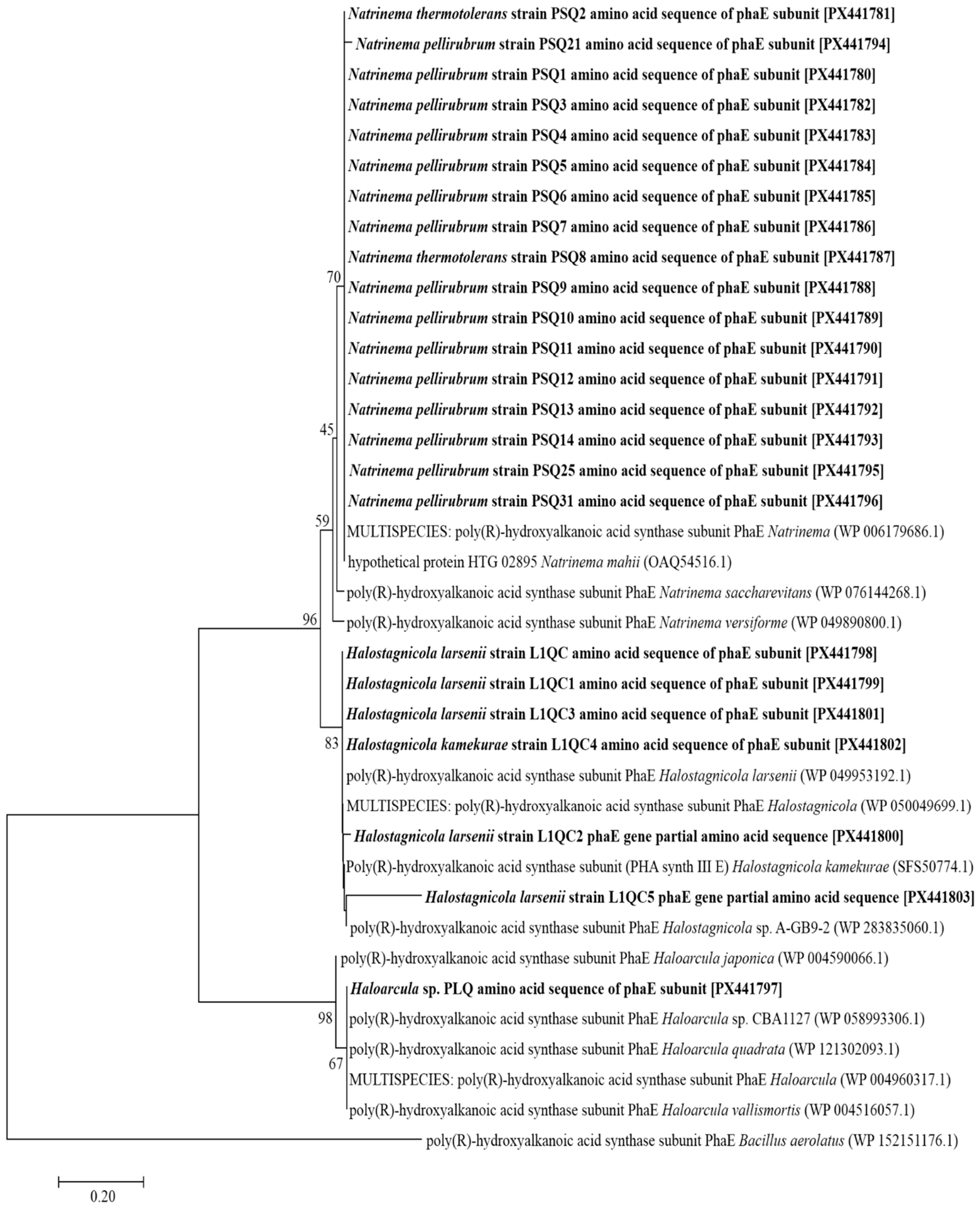
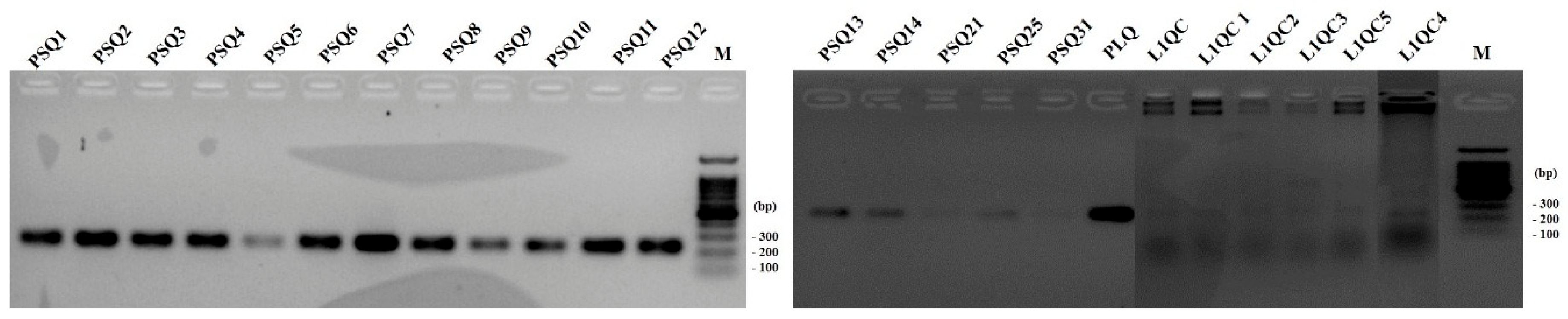
3.2. Molecular Characterization of phaC and phaE Genes in PHA-Producing Cells
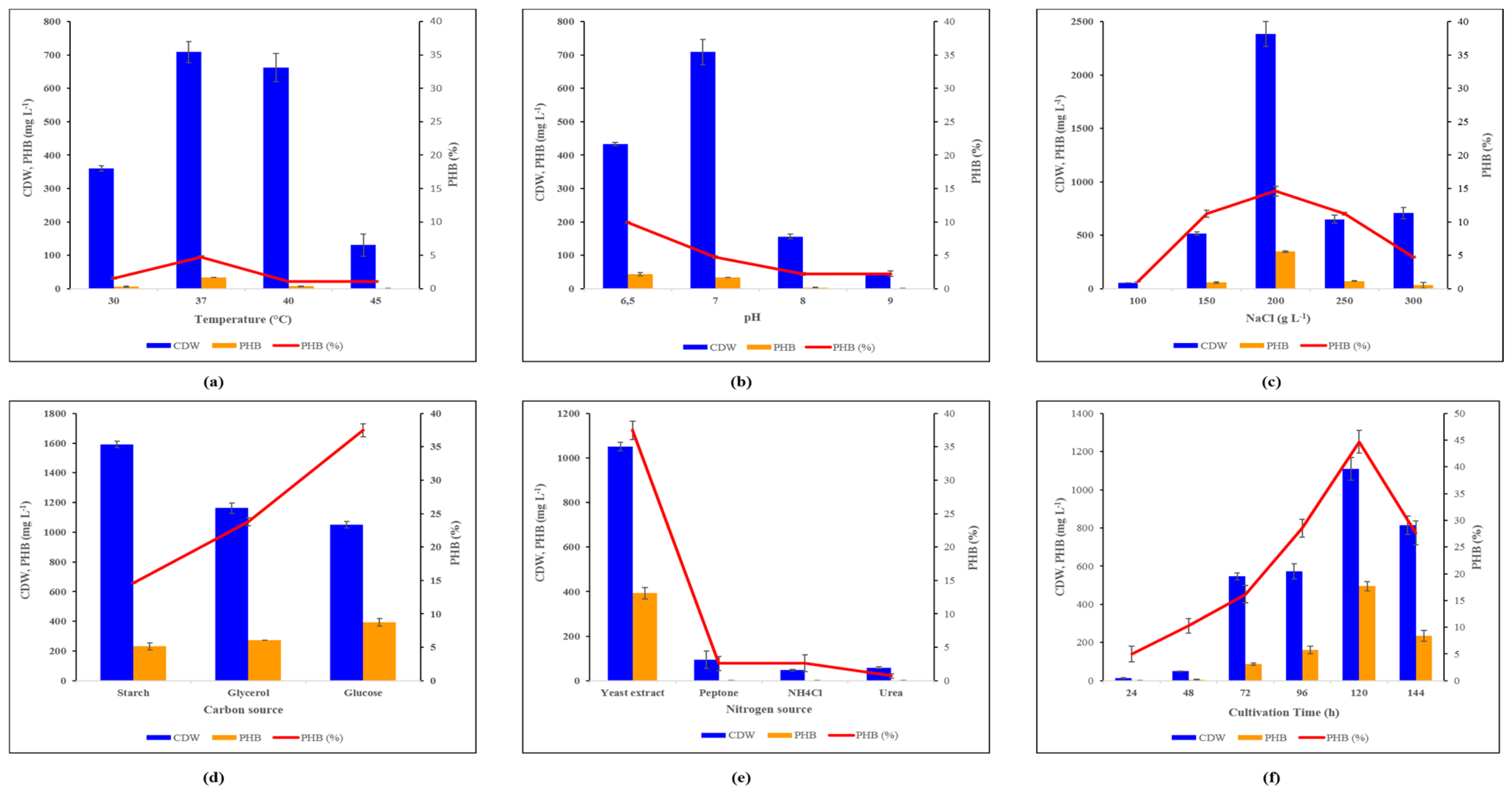
3.3. Optimization of the Fermentation Process Towards Maximum PHB Production in Cells of Haloarcula sp. PLQ
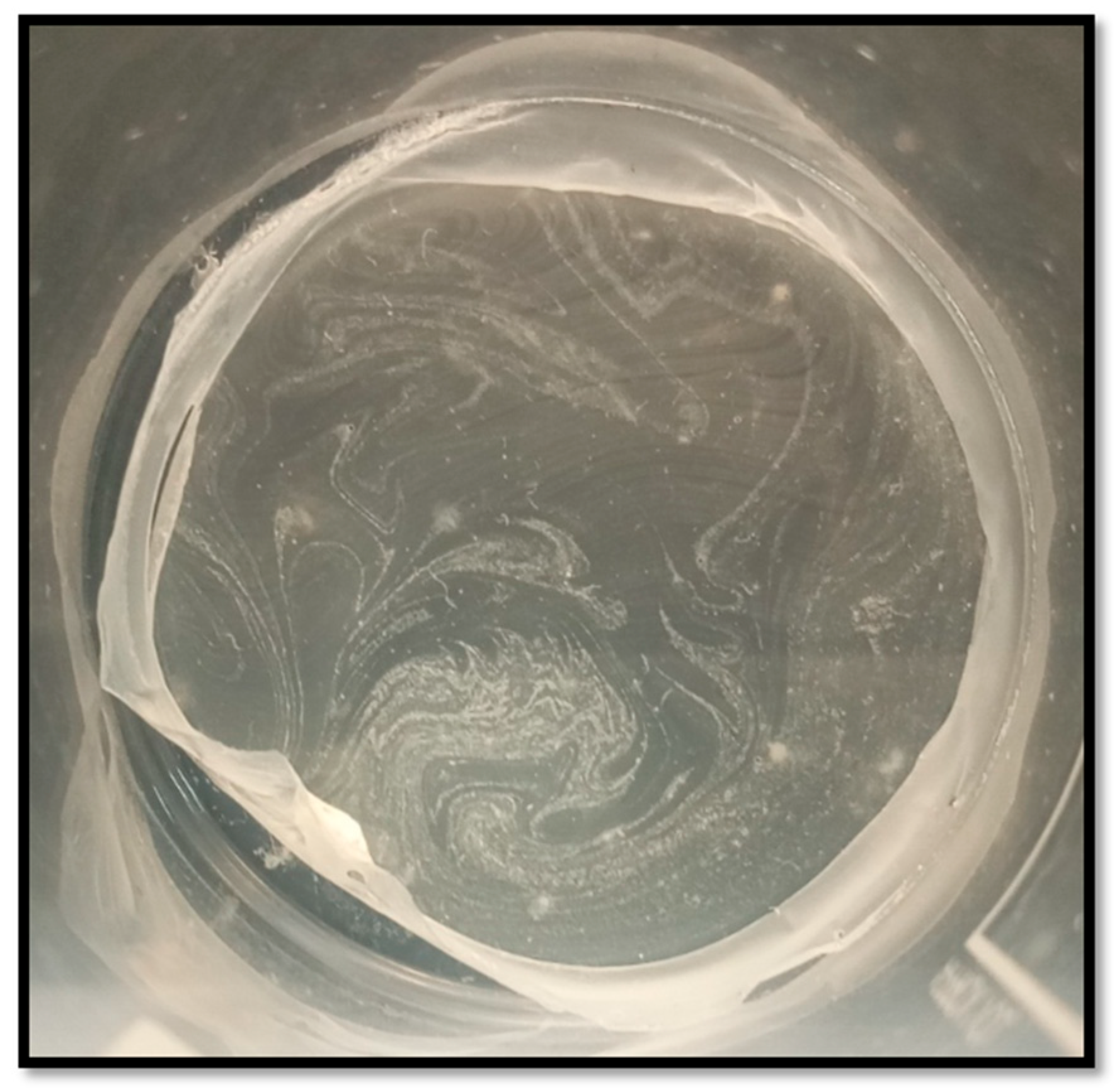
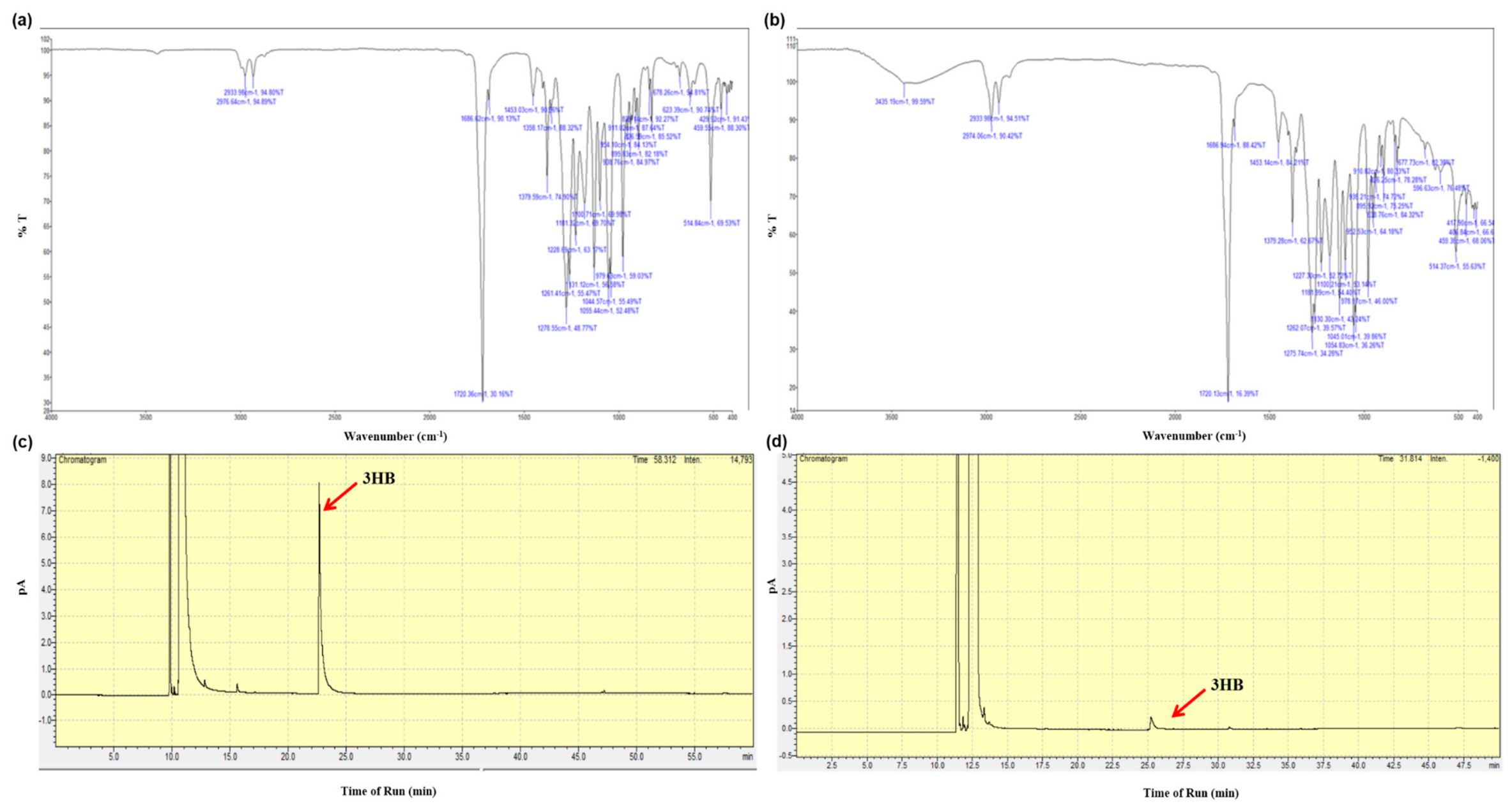
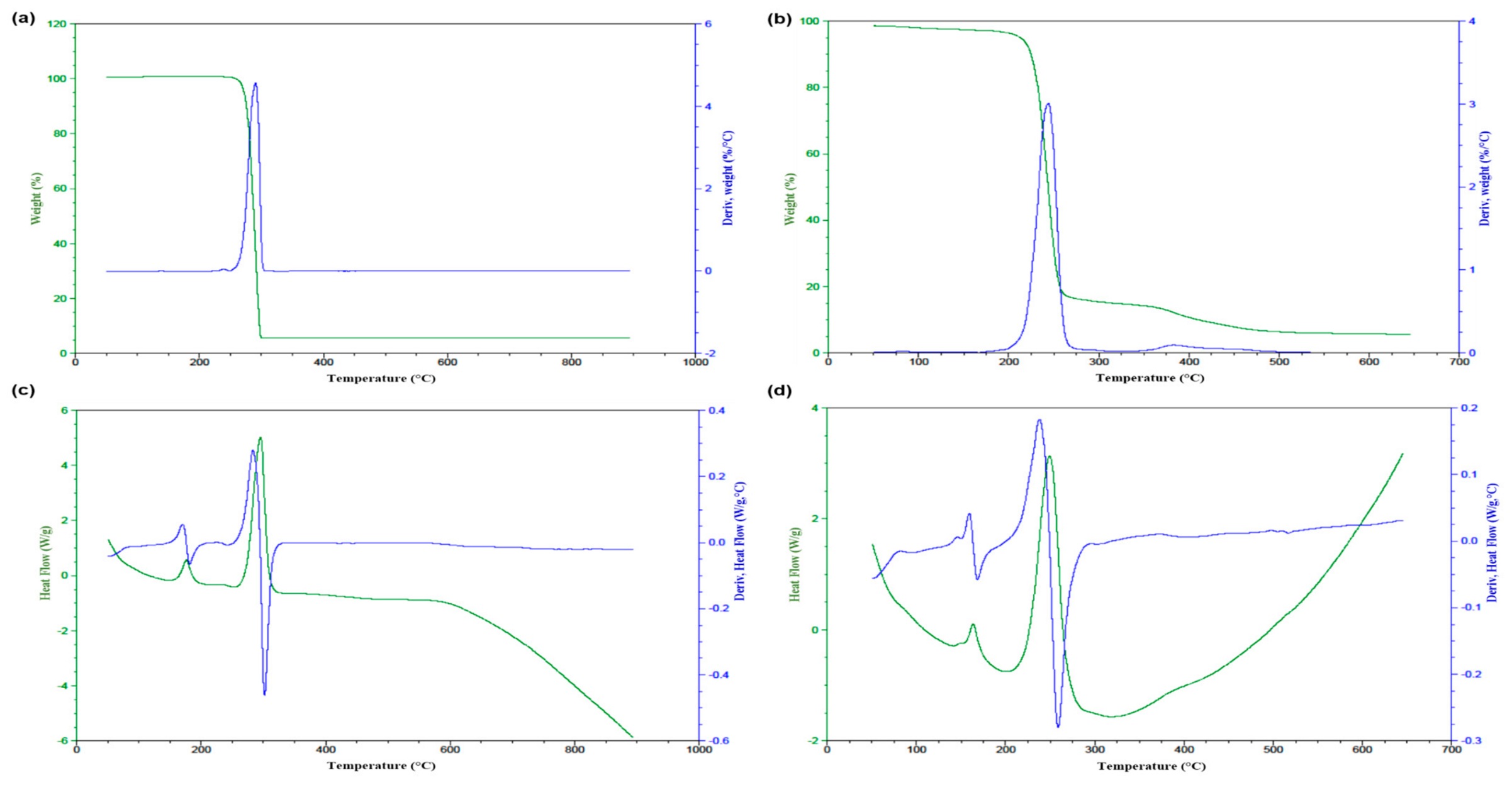
3.4. Characterization of PHB Film
3.5. Morphological Characterization of PHB Film
4. Conclusions and Perspectives
Supplementary Materials
Author Contributions
Funding
Institutional Review Board Statement
Data Availability Statement
Acknowledgments
Conflicts of Interest
References
- Plastics Europe. Plastics—The Fast Facts 2024. Available online: https://plasticseurope.org/wp-content/uploads/2024/11/PE_TheFacts_24_digital-1pager.pdf (accessed on 8 May 2025).
- Alagha, D.I.; Hahladakis, J.N.; Sayadi, S.; Al-Ghouti, M.A. Material flow analysis of plastic waste in the gulf co-operation countries (GCC) and the Arabian gulf: Focusing on Qatar. Sci. Total Environ. 2022, 830, 154745. [Google Scholar] [CrossRef] [PubMed]
- Hahladakis, J.N.; Aljabri, H.M.S.J. Delineating the plastic waste status in the State of Qatar: Potential opportunities, recovery and recycling routes. Sci. Total Environ. 2019, 653, 294–299. [Google Scholar] [CrossRef] [PubMed]
- Ghayebzadeh, M.; Taghipour, H.; Aslani, H. Estimation of plastic waste inputs from land into the Persian Gulf and the Gulf of Oman: An environmental disaster, scientific and social concerns. Sci. Total Environ. 2020, 733, 138942. [Google Scholar] [CrossRef] [PubMed]
- McAdam, B.; Fournet, M.B.; Mcdonald, P.; Mojicevic, M. Production of polyhydroxybutyrate (PHB) and factors impacting its chemical and mechanical characteristics. Polymers 2020, 12, 2908. [Google Scholar] [CrossRef] [PubMed]
- European Bioplastics. Bioplastics Market Development Update. 2024. Available online: https://docs.european-bioplastics.org/publications/market_data/2024/EUBP_Market_Data_Report_2024.pdf (accessed on 1 August 2025).
- Mitra, R.; Xu, T.; Xiang, H.; Han, J. Current developments on polyhydroxyalkanoates synthesis by using halophiles as a promising cell factory. Microb. Cell Factories 2020, 19, 86. [Google Scholar] [CrossRef] [PubMed]
- Atarés, L.; Chiralt, A.; González-Martínez, C.; Vargas, M. Production of polyhydroxyalkanoates for biodegradable food packaging applications using Haloferax mediterranei and agrifood wastes. Foods 2024, 13, 950. [Google Scholar] [CrossRef] [PubMed]
- Kosseva, M.R.; Rusbandi, E. Trends in the biomanufacture of polyhydroxyalkanoates with focus on downstream processing. Int. J. Biol. Macromol. 2018, 107, 762–778. [Google Scholar] [CrossRef] [PubMed]
- Możejko-Ciesielska, J.; Ray, S.; Sankhyan, S. Recent challenges and trends of polyhydroxyalkanoate production by extremophilic bacteria using renewable feedstocks. Polymers 2023, 15, 4385. [Google Scholar] [CrossRef] [PubMed]
- Oren, A. Novel insights into the diversity of halophilic microorganisms and their functioning in hypersaline ecosystems. npj Biodivers. 2024, 3, 18. [Google Scholar] [CrossRef] [PubMed]
- Taran, M. Synthesis of poly(3-hydroxybutyrate) from different carbon sources by Haloarcula sp. IRU1. Polym.-Plast. Technol. Eng. 2011, 50, 530–532. [Google Scholar] [CrossRef]
- Ben Abdallah, M.; Sayadi, S.; Karray, F. Overproduction of poly(3-hydroxybutyrate) by the extremely halophilic archaeon Haloarcula sp. CEJ40-10 using starchy substrate. Biomass Convers. Biorefin. 2024, 14, 17837–17849. [Google Scholar] [CrossRef]
- Taran, M. Poly (3-hydroxybutyrate) production from crude oil by Haloarcula sp. IRU1: Optimization of culture conditions by Taguchi method. Pet. Sci. Technol. 2011, 29, 1264–1269. [Google Scholar] [CrossRef]
- Ben Abdallah, M.; Saadaoui, I.; Al-Ghouti, M.A.; Zouari, N.; Hahladakis, J.N.; Chamkha, M.; Sayadi, S. Advances in polyhydroxyalkanoate (PHA) production from renewable waste materials using halophilic microorganisms: A comprehensive review. Sci. Total Environ. 2025, 963, 178452. [Google Scholar] [CrossRef] [PubMed]
- Koller, M. Polyhydroxyalkanoate biosynthesis at the edge of water activitiy-haloarchaea as biopolyester factories. Bioengineering 2019, 6, 34. [Google Scholar] [CrossRef] [PubMed]
- Han, J.; Lu, Q.; Zhou, L.; Zhou, J.; Xiang, H. Molecular characterization of the phaECHm genes, required for biosynthesis of poly(3-hydroxybutyrate) in the extremely halophilic archaeon Haloarcula marismortui. Appl. Environ. Microbiol. 2007, 73, 6058–6065. [Google Scholar] [CrossRef] [PubMed]
- Kurt-Kızıldoğan, A.; Türe, E.; Okay, S.; Otur, Ç. Improved production of poly(3-hydroxybutyrate) by extremely halophilic archaeon Haloarcula sp. TG1 by utilization of rCKT3eng-treated sugar beet pulp. Biomass Convers. Biorefin. 2023, 13, 10911–10921. [Google Scholar] [CrossRef]
- Mezzolla, V.; D’Urso, O.F.; Poltronieri, P. Role of PhaC type I and type II enzymes during PHA biosynthesis. Polymers 2018, 10, 910. [Google Scholar] [CrossRef] [PubMed]
- Al-Zubari, W.K. Towards the establishment of a total water cycle management and re-use program in the GCC countries. Desalination 1998, 120, 3–14. [Google Scholar] [CrossRef]
- Ben Abdallah, M.; Karray, F.; Sayadi, S. Production of polyhydroxyalkanoates by two halophilic archaeal isolates from Chott El Jerid using inexpensive carbon sources. Biomolecules 2020, 10, 109. [Google Scholar] [CrossRef] [PubMed]
- Karray, F.; Ben Abdallah, M.; Baccar, N.; Zaghden, H.; Sayadi, S. Production of poly(3-hydroxybutyrate) by Haloarcula, Halorubrum, and Natrinema haloarchaeal genera using starch as a carbon source. Archaea 2021, 2021, 8888712. [Google Scholar] [CrossRef] [PubMed]
- Karray, F.; Mezghani, M.; Mhiri, N.; Djelassi, B.; Sayadi, S. Scale-down studies of membrane bioreactor degrading anionic surfactants wastewater: Isolation of new anionic-surfactant degrading bacteria. Int. Biodeterior. Biodegrad. 2016, 114, 14–23. [Google Scholar] [CrossRef]
- Spiekermann, P.; Rehm, B.H.A.; Kalscheuer, R.; Baumeister, D.; Steinbüchel, A. A sensitive, viable-colony staining method using Nile red for direct screening of bacteria that accumulate polyhydroxyalkanoic acids and other lipid storage compounds. Arch. Microbiol. 1999, 171, 73–80. [Google Scholar] [CrossRef] [PubMed]
- Liu, M.; Gonzalez, J.E.; Willis, L.B.; Walker, G.C. A novel screening method for isolating exopolysaccharide-deficient mutants. Appl. Environ. Microbiol. 1998, 64, 4600–4602. [Google Scholar] [CrossRef] [PubMed]
- Law, J.H.; Slepecky, R.A. Assay of poly-β-hydroxybutyric acid. J. Bacteriol. 1961, 82, 33–36. [Google Scholar] [CrossRef] [PubMed]
- Brandl, H.; Gross, R.A.; Lenz, R.W.; Fuller, R.C. Pseudomonas oleovorans as a source of poly(beta-hydroxyalkanoates) for potential applications as biodegradable polyesters. Appl. Environ. Microbiol. 1988, 54, 1977–1982. [Google Scholar] [CrossRef] [PubMed]
- Alkhouzaam, A.; Qiblawey, H.; Khraisheh, M.; Atieh, M.; Al-Ghouti, M. Synthesis of graphene oxides particle of high oxidation degree using a modified Hummers method. Ceram. Int. 2020, 46, 23997–24007. [Google Scholar] [CrossRef]
- Pfeifer, K.; Ergal, İ.; Koller, M.; Basen, M.; Schuster, B.; Rittmann, S.K.-M.R. Archaea biotechnology. Biotechnol. Adv. 2021, 47, 107668. [Google Scholar] [CrossRef] [PubMed]
- Legat, A.; Gruber, C.; Zangger, K.; Wanner, G.; Stan-Lotter, H. Identification of polyhydroxyalkanoates in Halococcus and other haloarchaeal species. Appl. Microbiol. Biotechnol. 2010, 87, 1119–1127. [Google Scholar] [CrossRef] [PubMed]
- Cai, S.; Wu, Y.; Li, Y.; Yang, S.; Liu, Z.; Ma, Y.; Lv, J.; Shao, Y.; Jia, H.; Zhao, Y.; et al. Production of polyhydroxyalkanoates in unsterilized hyper-saline medium by halophiles using waste silkworm excrement as carbon source. Molecules 2021, 26, 7122. [Google Scholar] [CrossRef] [PubMed]
- Pramanik, A.; Mitra, A.; Arumugam, M.; Bhattacharyya, A.; Sadhukhan, S.; Ray, A.; Haldar, S.; Mukhopadhyay, U.K.; Mukherjee, J. Utilization of vinasse for the production of polyhydroxybutyrate by Haloarcula marismortui. Folia Microbiol. 2012, 57, 71–79. [Google Scholar] [CrossRef] [PubMed]
- Han, J.; Hou, J.; Liu, H.; Cai, S.; Feng, B.; Zhou, J.; Xiang, H. Wide distribution among halophilic archaea of a novel polyhydroxyalkanoate synthase subtype with homology to bacterial type III synthases. Appl. Environ. Microbiol. 2010, 76, 7811–7819. [Google Scholar] [CrossRef] [PubMed]
- Lu, Q.; Han, J.; Zhou, L.; Zhou, J.; Xiang, H. Genetic and biochemical characterization of the poly(3-hydroxybutyrate-co-3-hydroxyvalerate) synthase in Haloferax mediterranei. J. Bacteriol. 2008, 190, 4173–4180. [Google Scholar] [CrossRef] [PubMed]
- Mahansaria, R.; Choudhury, J.D.; Mukherjee, J. Polymerase chain reaction-based screening method applicable universally to environmental haloarchaea and halobacteria for identifying polyhydroxyalkanoate producers among them. Extremophiles 2015, 19, 1041–1054. [Google Scholar] [CrossRef] [PubMed]
- Simó-Cabrera, L.; García-Chumillas, S.; Hagagy, N.; Saddiq, A.; Tag, H.; Selim, S.; AbdElgawad, H.; Arribas Agüero, A.; Monzó Sánchez, F.; Cánovas, V.; et al. Haloarchaea as cell factories to produce bioplastics. Mar. Drugs 2021, 19, 159. [Google Scholar] [CrossRef] [PubMed]
- Rezaei, Z.; Amoozegar, M.A.; Moghimi, H. Innovative approaches in bioremediation: The role of halophilic microorganisms in mitigating hydrocarbons, toxic metals, and microplastics in hypersaline environments. Microb. Cell Factories 2025, 24, 184. [Google Scholar] [CrossRef] [PubMed]
- Hendy, M.H.; Shehabeldine, A.M.; Hashem, A.H.; El-Sayed, A.F.; El-Sheikh, H.H. Optimization and characterization of polyhydroxybutyrate produced by Vreelandella piezotolerans using orange peel waste. Sci. Rep. 2025, 15, 25873. [Google Scholar] [CrossRef] [PubMed]
- Castillo, A.M.; Gutiérrez, M.C.; Kamekura, M.; Xue, Y.; Ma, Y.; Cowan, D.A.; Jones, B.E.; Grant, W.D.; Ventosa, A. Halostagnicola larsenii gen. nov., sp. nov., an extremely halophilic archaeon from a saline lake in Inner Mongolia, China. Int. J. Syst. Evol. Microbiol. 2006, 56, 1519–1524. [Google Scholar] [CrossRef] [PubMed]
- Hermann-Krauss, C.; Koller, M.; Muhr, A.; Fasl, H.; Stelzer, F.; Braunegg, G. Archaeal production of polyhydroxyalkanoate (PHA) Co- and terpolyesters from biodiesel industry-derived by-products. Archaea 2013, 2013, 129268. [Google Scholar] [CrossRef] [PubMed]
- Nicolaus, B.; Lama, L.; Esposito, E.; Manca, M.C.; Improta, R.; Bellitti, M.R.; Duckworth, A.W.; Grant, W.D.; Gambacorta, A. Haloarcula spp able to biosynthesize exo- and endopolymers. J. Ind. Microbiol. Biotechnol. 1999, 23, 489–496. [Google Scholar] [CrossRef]
- Fernandez-Castillo, R.; Rodriguez-Valera, F.; Gonzalez-Ramos, J.; Ruiz-Berraquero, F. Accumulation of poly(β-hydroxybutyrate) by halobacteria. Appl. Environ. Microbiol. 1986, 51, 214–216. [Google Scholar] [CrossRef] [PubMed]
- Getachew, A.; Woldesenbet, F. Production of biodegradable plastic by polyhydroxybutyrate (PHB) accumulating bacteria using low cost agricultural waste material. BMC Res. Notes 2016, 9, 509. [Google Scholar] [CrossRef] [PubMed]
- Moll, E.; Chiralt, A. Polyhydroxybutyrate-co-hydroxyvalerate (PHBV) with phenolic acids for active food packaging. Polymers 2023, 15, 4222. [Google Scholar] [CrossRef] [PubMed]
- Alfano, S.; Pagnanelli, F.; Martinelli, A. Rapid estimation of poly(3-hydroxybutyrate-co-3-hydroxyvalerate) composition using ATR-FTIR. Polymers 2023, 15, 4127. [Google Scholar] [CrossRef] [PubMed]
- Mahansaria, R.; Dhara, A.; Saha, A.; Haldar, S.; Mukherjee, J. Production enhancement and characterization of the polyhydroxyalkanoate produced by Natrinema ajinwuensis (as synonym) ≡ Natrinema altunense strain RM-G10. Int. J. Biol. Macromol. 2018, 107, 1480–1490. [Google Scholar] [CrossRef] [PubMed]
- Shamala, T.R.; Divyashree, M.S.; Davis, R.; Kumari, K.S.L.; Vijayendra, S.V.N.; Raj, B. Production and characterization of bacterial polyhydroxyalkanoate copolymers and evaluation of their blends by fourier transform infrared spectroscopy and scanning electron microscopy. Indian J. Microbiol. 2009, 49, 251–258. [Google Scholar] [CrossRef] [PubMed]
- Soni, A.H.; Dave, B.P.; Hajela, P.S. Synthesis and characterization of PHB by Haloarcula sp. AB19 isolated from salt pans around Bhavnagar coast. J. Pure Appl. Microbiol. 2012, 6, 1735–1743. [Google Scholar]
- Stoica, I.; Petrovici, A.R.; Silion, M.; Varganici, C.-D.; Dinica, R.; Bahrim, G. Corn cob hydrolyzates used for microbial biosynthesis of polyhydroxybutyrate. Cellul. Chem. Technol. 2018, 52, 65–74. [Google Scholar]
- Hassan, M.A.; Bakhiet, E.K.; Hussein, H.R.; Ali, S.G. Statistical optimization studies for polyhydroxybutyrate (PHB) production by novel Bacillus subtilis using agricultural and industrial wastes. Int. J. Environ. Sci. Technol. 2019, 16, 3497–3512. [Google Scholar] [CrossRef]





| Sample Type | Sample | Site | Lake | Latitude | Longitude | T (°C) | pH | CE (mS/cm) | Salinity (g L−1) | Total Number of Isolates |
|---|---|---|---|---|---|---|---|---|---|---|
| Water and sediments | S1G-24 | Site 1 | Lake 1 | 26°03′68.8″ N | 51°11′0.67″ E | 23.6 | 8.15 | 9.15 | 6.93 | 6 |
| Water | S2P-24 | Site 2 | Lake 2 | 26°02′25.5″ N | 51°06′48.8″ E | 23.8 | 8.195 | 17.54 | 15 | 1 |
| Water and sediments | S3P-24 | Site 3 | Lake 2 | 26°02′25.5″ N | 51°06′48.8″ E | 23.9 | 8.179 | 19.1 | 16.23 | 11 |
| Sediments | S4P-24 | Site 4 | Lake 2 | 26°02′25.5″ N | 51°06′48.8″ E | 24.8 | 7.98 | 74 | 62.9 | 21 |
Disclaimer/Publisher’s Note: The statements, opinions and data contained in all publications are solely those of the individual author(s) and contributor(s) and not of MDPI and/or the editor(s). MDPI and/or the editor(s) disclaim responsibility for any injury to people or property resulting from any ideas, methods, instructions or products referred to in the content. |
© 2026 by the authors. Licensee MDPI, Basel, Switzerland. This article is an open access article distributed under the terms and conditions of the Creative Commons Attribution (CC BY) license.
Share and Cite
Ben Abdallah, M.; Saadaoui, I.; Bounnit, T.; Al-Ghasal, G.; Thaher, M.; Al-Ghouti, M.A.; Zouari, N.; Hamdi, H.; Chamkha, M.; Sayadi, S. Sustainable Poly(3-hydroxybutyrate) Bioplastic Production by Extremely Halophilic Haloarcula sp. PLQ Isolated from Qatari Extreme Environments. Polymers 2026, 18, 1693. https://doi.org/10.3390/polym18141693
Ben Abdallah M, Saadaoui I, Bounnit T, Al-Ghasal G, Thaher M, Al-Ghouti MA, Zouari N, Hamdi H, Chamkha M, Sayadi S. Sustainable Poly(3-hydroxybutyrate) Bioplastic Production by Extremely Halophilic Haloarcula sp. PLQ Isolated from Qatari Extreme Environments. Polymers. 2026; 18(14):1693. https://doi.org/10.3390/polym18141693
Chicago/Turabian StyleBen Abdallah, Manel, Imen Saadaoui, Touria Bounnit, Ghamza Al-Ghasal, Mahmoud Thaher, Mohammad A. Al-Ghouti, Nabil Zouari, Helmi Hamdi, Mohamed Chamkha, and Sami Sayadi. 2026. "Sustainable Poly(3-hydroxybutyrate) Bioplastic Production by Extremely Halophilic Haloarcula sp. PLQ Isolated from Qatari Extreme Environments" Polymers 18, no. 14: 1693. https://doi.org/10.3390/polym18141693
APA StyleBen Abdallah, M., Saadaoui, I., Bounnit, T., Al-Ghasal, G., Thaher, M., Al-Ghouti, M. A., Zouari, N., Hamdi, H., Chamkha, M., & Sayadi, S. (2026). Sustainable Poly(3-hydroxybutyrate) Bioplastic Production by Extremely Halophilic Haloarcula sp. PLQ Isolated from Qatari Extreme Environments. Polymers, 18(14), 1693. https://doi.org/10.3390/polym18141693