Bio-Based Wood Adhesives: Current Advances in Polymer Architecture and Structure–Property–Sustainability Integration


 , ,
, ,
Abstract
1. Introduction
2. Methodology
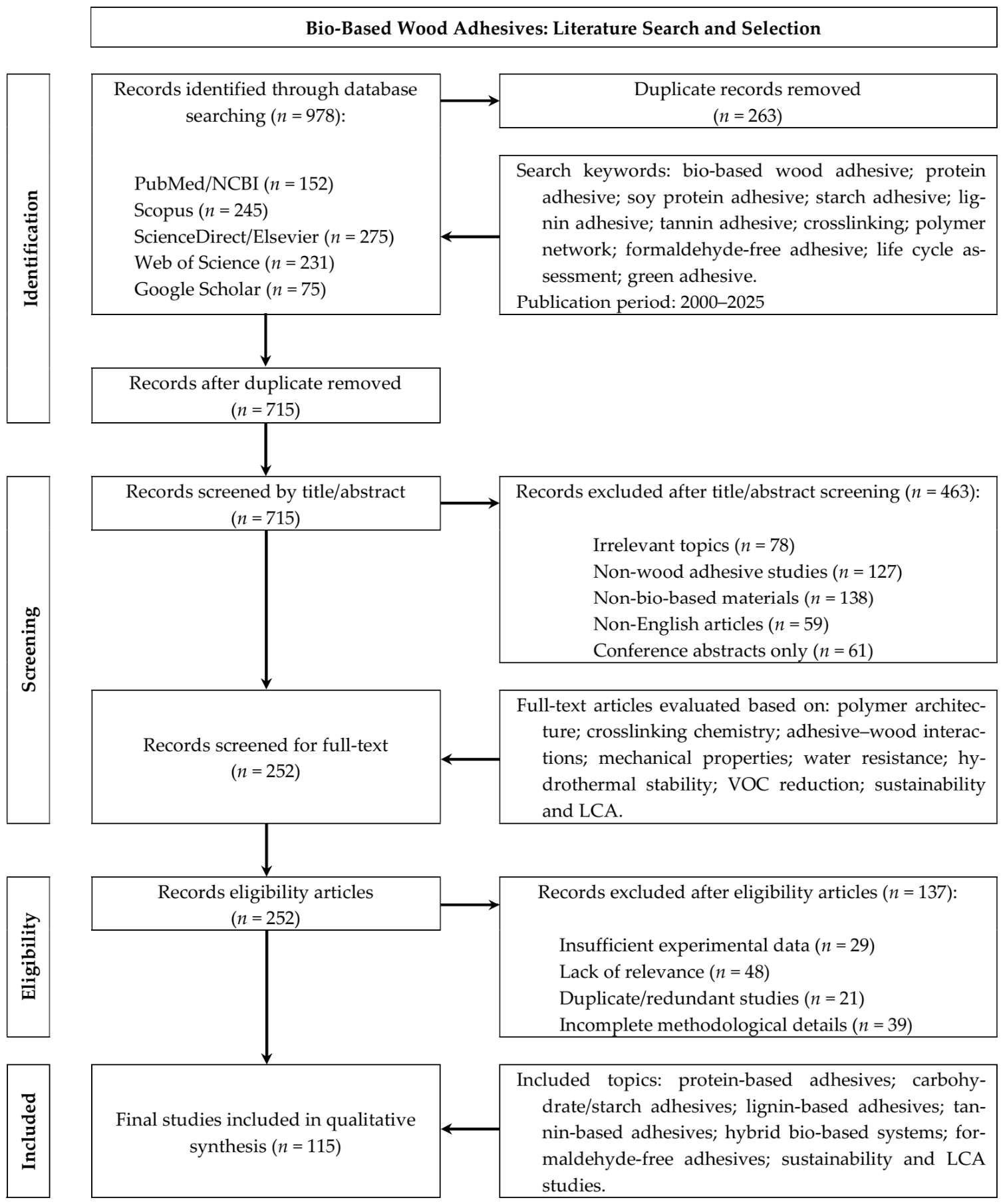
2.1. Identification and Selection of Literature
2.2. Content Mapping and Analysis
3. Bio-Based Adhesives Derived from Natural Polymers
3.1. Proteins
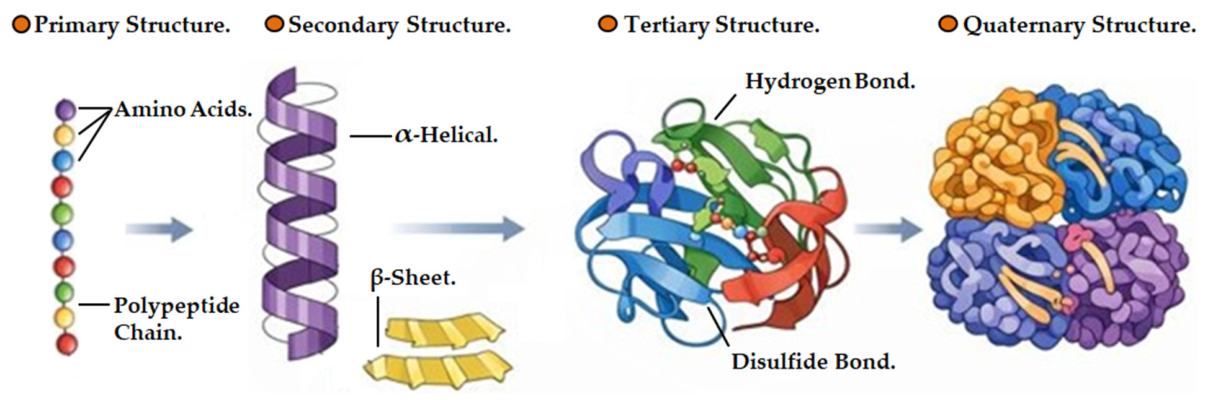
3.1.1. Protein Chemistry
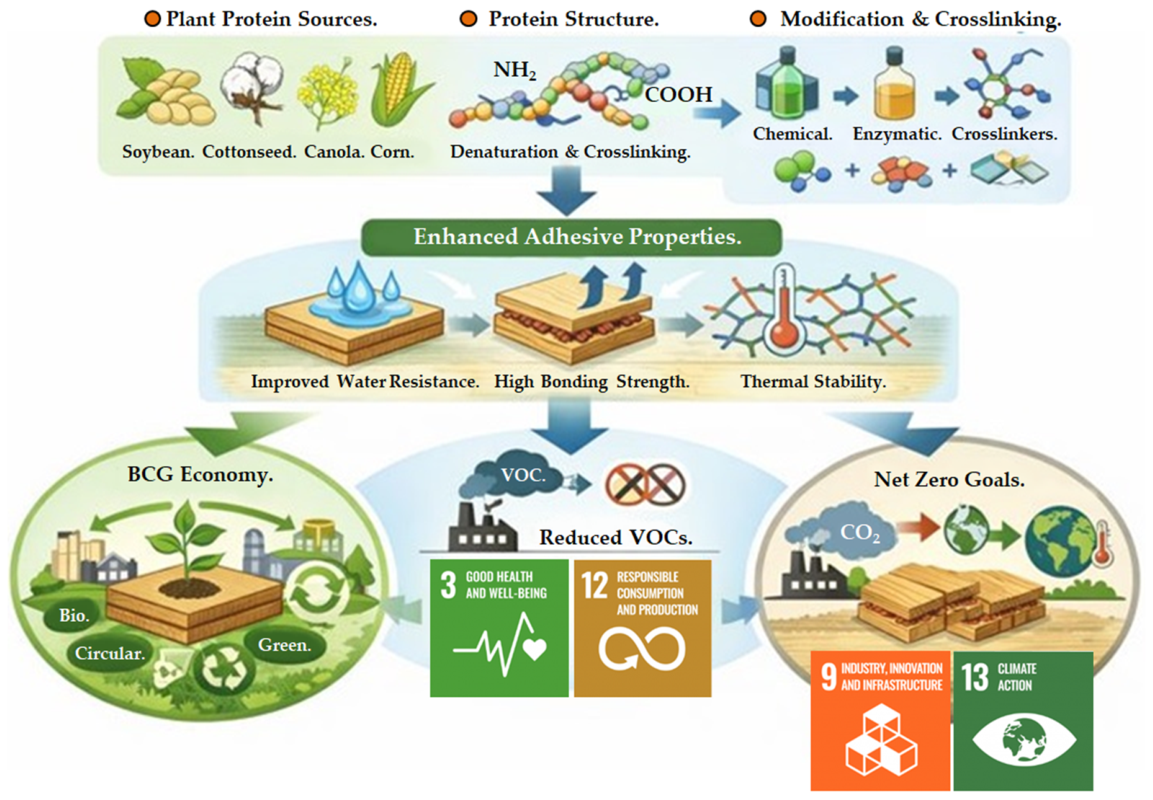
3.1.2. Plant Protein-Based Wood Adhesives
3.1.3. Protein–Carbohydrate-Based Bio-Wood Adhesives
3.1.4. Factors Influencing the Performance and Environmental Impacts of Plant Protein-Based Wood Adhesives
3.1.5. Animal Protein-Based Wood Adhesives: Performance Development and Sustainability Perspectives
3.2. Lignin
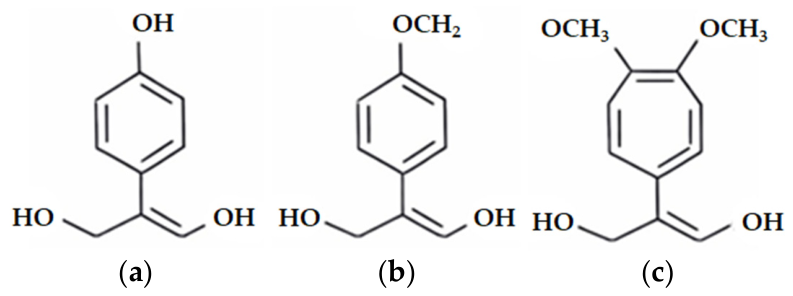
3.2.1. Chemistry of Lignin
3.2.2. Lignin-Based Phenol–Formaldehyde Wood Adhesives
3.2.3. Formaldehyde-Free Lignin-Based Wood Adhesives
3.3. Carbohydrate
3.3.1. Molecular Architecture and Reactive Functionalities of Carbohydrates
3.3.2. Interfacial Adhesion Mechanisms of Cellulose and Nanocellulose
3.3.3. Physicochemical Modification and Network Formation in Starch-Based Adhesives
3.3.4. Hemicellulose Reactivity and Functional Blending Strategies
3.4. Tannins
3.4.1. Molecular Structure and Chemical Reactivity
3.4.2. Thermomechanical Performance and Adhesive Properties
3.4.3. Environmental and Sustainability Implications
3.5. Comparative Structure–Property–Sustainability Relationships of Major Bio-Based Wood Adhesives
3.6. Sustainability and Life Cycle Assessment: A Critical Perspective
4. Properties of Structural Wood Adhesives
5. Potential of Bio-Based Adhesives Within the Bio–Circular–Green (BCG) Economy Framework
6. Conclusions
Supplementary Materials
Author Contributions
Funding
Institutional Review Board Statement
Informed Consent Statement
Data Availability Statement
Acknowledgments
Conflicts of Interest
References
- IPCC. Climate Change 2022: Mitigation of Climate Change; Contribution of Working Group III to the Sixth Assessment Report of the Intergovernmental Panel on Climate Change; Cambridge University Press: Cambridge, UK, 2022. [Google Scholar]
- FAO. Global Forest Resources Assessment 2020: Main Report; FAO Forestry Paper No. 184; Food and Agriculture Organization of United Nations: Rome, Italy, 2020. [Google Scholar]
- Gustavsson, M.; Kreuger, J.; Bundschuh, M.; Backhaus, T. Pesticide Mixtures in the Swedish Streams: Environmental Risks, Contributions of Individual Compounds and Consequences of Single-Substance Oriented Risk Mitigation. Sci. Total Environ. 2017, 598, 973–983. [Google Scholar] [CrossRef] [PubMed]
- Pizzi, A. Wood Products and Green Chemistry. Ann. For. Sci. 2016, 73, 185–203. [Google Scholar] [CrossRef]
- United Nations. The Millennium Development Goals Report 2015; United Nations: New York, NY, USA, 2015. [Google Scholar]
- Pizzi, A.; Mittal, K.L. (Eds.) Wood Adhesives; VSP: Rancho Cordova, CA, USA, 2010. [Google Scholar]
- Frihart, C.R.; Satori, H. Soy Flour Dispersibility and Performance as Wood Adhesive. J. Adhes. Sci. Technol. 2013, 27, 2043–2052. [Google Scholar] [CrossRef]
- Kim, J.K.; Pal, K. Recent Advances in the Processing of Wood-Plastic Composites; Springer: Berlin/Heidelberg, Germany, 2010. [Google Scholar]
- Dunky, M. Adhesives in the Wood Industry. In Handbook of Wood Products and Wood-Based Materials; Wiley-VCH: Weinheim, Germany, 2018; pp. 167–213. [Google Scholar]
- Frihart, C.R. Wood Adhesion and Adhesives. In Handbook of Wood Chemistry and Wood Composites; CRC Press: Boca Raton, FL, USA, 2013; pp. 255–319. [Google Scholar]
- Calvez, I.; Garcia, R.; Koubaa, A.; Landry, V.; Cloutier, A. Recent Advances in bio-Based Adhesives and Formaldehyde-Free Technologies for Wood-Based Panel Manufacturing. Curr. For. Rep. 2024, 10, 386–400. [Google Scholar] [CrossRef] [PubMed]
- Ferdosian, F.; Pan, Z.; Gao, G.; Zhao, B. Bio-Based Adhesives and Evaluation for Wood Composites Application. Polymers 2017, 9, 70. [Google Scholar] [CrossRef] [PubMed]
- European Commission. A New Circular Economy Action Plan for a Cleaner and More Competitive Europe; COM(2020) 98 Final; European Commission: Brussels, Belgium, 2020. [Google Scholar]
- Nelson, D.L.; Cox, M.M. Lehninger Principles of Biochemistry, 7th ed.; Macmillan Higher Education: New York, NY, USA, 2017. [Google Scholar]
- Imberty, A.; Chanzy, H.; Pérez, S.; Bulèon, A.; Tran, V. The Double-Helical Nature of the Crystalline Part of A-Starch. J. Mol. Biol. 1998, 201, 365–378. [Google Scholar] [CrossRef] [PubMed]
- Office of Agricultural Economics. Agricultural Statistics of Thailand 2022; Ministry of Agriculture and Cooperatives: Bangkok, Thailand, 2022.
- Vichit-Vadakan, N.; Vajanapoom, N. Health Impact from Air Pollution in Thailand: Current and Future Challenges. Environ. Health Perspect. 2011, 119, A197–A198. [Google Scholar] [CrossRef] [PubMed]
- Lei, H.; Zhou, X.; Pizzi, A.; Du, G.; Xi, X. Recent Developments in Bioadhesives and Binders. J. Renew. Mater. 2025, 13, 199–249. [Google Scholar] [CrossRef]
- Liu, L.; Oza, S.; Hogan, D.; Perin, J.; Rudan, I.; Lawn, J.E.; Cousens, S.; Mather, C.; Black, R.E. Global, Regional, and National Causes of Child Mortality in 2000–13, with Projections to Inform Post-2015 Priorities: An Updated Systematic Analysis. Lancet 2015, 385, 430–440. [Google Scholar] [CrossRef] [PubMed]
- Gadhave, R.V.; Mahanwar, P.A.; Gadekar, P.T. Study on Various Compositions of Polyvinyl Alcohol and Starch Blends by Cross-Linking with Glyoxal. Open J. Polym. Chem. 2019, 9, 76–85. [Google Scholar] [CrossRef]
- Hemmilä, M.; Adamopoulos, S.; Karlsson, O.; Kumar, A. Development of Sustainable Bio-Adhesives for Engineered Wood Panels—A Review. RSC Adv. 2017, 7, 38604–38630. [Google Scholar] [CrossRef]
- Boerjan, W.; Ralph, J.; Baucher, M. Lignin biosynthesis. Annu. Rev. Plant Biol. 2003, 54, 519–546. [Google Scholar] [CrossRef] [PubMed]
- Thakur, V.K.; Thakur, M.K. Recent Advances in Green Hydrogels from Lignin: A Review. Int. J. Biol. Macromol. 2015, 72, 834–847. [Google Scholar] [CrossRef] [PubMed]
- Morales, A.; Labidi, J.; Gullón, P. Assessment of Green Approaches for the Synthesis of Physically Crosslinked Lignin Hydrogels. J. Ind. Eng. Chem. 2020, 81, 475–487. [Google Scholar] [CrossRef]
- Rico-García, D.; Ruiz-Rubio, L.; Pérez-Alvarez, L.; Hernández-Olmos, S.L.; Guerrero-Ramírez, G.L.; Vilas-Vilela, J.L. Lignin-Based Hydrogels: Synthesis and Applications. Polymers 2020, 12, 81. [Google Scholar] [CrossRef] [PubMed]
- Pickering, K.L.; Efendy, M.A.; Le, T.M. A Review of Recent Developments in Natural Fibre Composites and their Mechanical Performance. Compos. Part A Appl. Sci. Manuf. 2016, 83, 98–112. [Google Scholar] [CrossRef]
- Nuswantoro, N.F.; Lubis, M.A.R.; Juliadmi, D.; Mardawati, E.; Antov, P.; Kristak, L.; Hua, L.S. Bio-Based Adhesives for Orthopedic Applications: Sources, Preparation, Characterization, Challenges, and Future Perspectives. Designs 2022, 6, 96. [Google Scholar] [CrossRef]
- Kwak, H.W.; Eom, J.; Cho, S.Y.; Lee, M.E.; Jin, H.J. High-Toughness Natural Polymer Nonwoven Preforms Inspired by SilkWorm Cocoon Structure. Int. J. Biol. Macromol. 2019, 127, 146–152. [Google Scholar] [CrossRef] [PubMed]
- Yadav, D.; Giri, P.; Das, C. Polymer-Based Biomaterials and their Applications in Tissue Adhesives. J. Adhes. Sci. Technol. 2024, 38, 2019–2046. [Google Scholar] [CrossRef]
- Nasrollahzadeh, M.; Maham, M.; Nezafat, Z.; Shafiei, N. Protein and Polypeptide Biopolymer Chemistry. In Handbook of Biopolymer-Based Metal Nanoparticle Chemistry for Sustainable Applications; Nasrollahzadeh, M., Ed.; Academic Press: Cambridge, MA, USA, 2021; pp. 107–244. [Google Scholar]
- Nagarajan, S.; Radhakrishnan, S.; Kalkura, S.N.; Balme, S.; Miele, P.; Bechelany, M. Overview of Protein-Based Biopolymers for Biomedical Application. Macromol. Chem. Phys. 2019, 220, 1900126. [Google Scholar] [CrossRef]
- Zeringue, C.T. Production of Green Adhesives from Sustainable Proteins Derived from Urban Based Sewage Sludges. Doctoral Dissertation, University of Louisiana at Lafayette, Lafayette, LA, USA, 2023. [Google Scholar]
- Gupta, P.; Nayak, K.K. Characteristics of Protein-Based Biopolymer and its Application. Polym. Eng. Sci. 2015, 55, 485–498. [Google Scholar] [CrossRef]
- Mu, L.; Shi, Y.; Hua, J.; Zhuang, W.; Zhu, J. Engineering Hydrogen Bonding Interaction and Charge Separation in Bio-Polymers for Green Lubrication. J. Phys. Chem. B 2017, 121, 5669–5678. [Google Scholar] [CrossRef] [PubMed]
- Mi, Y.; Sun, Z.; Gao, D.; Bai, Y.; Gao, Z. Positive Impact of Carbohydrate on the Crosslinking, Performance, and Potential Applications of Defatted Soybean Four-Based Adhesive. Int. J. Adhes. Adhes. 2021, 106, 102811. [Google Scholar] [CrossRef]
- Zhang, B.; Zhang, J.; Guo, B.; Liu, C.; Li, H.; Gao, Z. Highly Water-Resistant Soy Protein Adhesives Based on Thermochemical Activation and Multiple Cross-Linking Design. Ind. Crops Prod. 2025, 227, 120810. [Google Scholar] [CrossRef]
- Rathi, S.; Saka, R.; Domb, A.J.; Khan, W. Protein-Based Bioadhesives and Bioglues. Polym. Adv. Technol. 2019, 30, 217–234. [Google Scholar] [CrossRef]
- Kang, H.; Wang, Z.; Wang, Y.; Zhao, S.; Zhang, S.; Li, J. Development of Mainly Plant Protein-Derived Plywood BioadHesives Via Soy Protein Isolate Fiber Self-Reinforced Soybean Meal Composites. Ind. Crops Prod. 2019, 133, 10–17. [Google Scholar] [CrossRef]
- Wang, G.; Liu, N.; Guo, M. Use of Whey Protein as a Natural Polymer for Tissue Adhesive: Preliminary Formulation and Evaluation in Vitro. Polymers 2018, 10, 843. [Google Scholar] [CrossRef]
- Dunky, M. Wood Adhesives Based on Natural Resources: A Critical Review: Part I. Protein-Based Adhesives. Prog. Adhes. Adhes. 2021, 6, 203–336. [Google Scholar] [CrossRef]
- Ashaolu, T.J. Crosslinking Soy Protein: Mechanisms, Functional Modification, Applications in Food, and Future Directions. J. Texture Stud. 2026, 57, e70070. [Google Scholar] [CrossRef]
- Yue, H.; Mai, L.; Xu, C.; Yang, C.; Shuttleworth, P.S.; Cui, Y. Recent Advancement in Bio-Based Adhesives Derived from Plant Proteins for Plywood Application: A Review. Sustain. Chem. Pharm. 2023, 33, 101143. [Google Scholar] [CrossRef]
- Wang, H.; Zhao, S.; Zhang, W.; Zhang, S.; Han, Y. Camellia Meal-Based Adhesive with Synergistic Crosslinking of Physical and Chemical Interaction for Preparing Aldehyde-Free, Anti-Mildew, Water-Resistant Wood-Based Composites. J. Clean. Prod. 2024, 451, 142091. [Google Scholar] [CrossRef]
- Biehl, P.; Zhang, K. Introduction to Advances in Bio-Based Polymers: Chemical Structures and Functional Properties at the Interface. In Green by Design: Harnessing the Power of Bio-Based Polymers at Interfaces; IOP Publishing: Bristol, UK, 2024; pp. 1-1–1-69. [Google Scholar]
- Oh, M.; Ma, Q.; Simsek, S.; Bajwa, D.; Jiang, L. Comparative study of Zein- and Glutenbased Wood Adhesives Containing Cellulose Nanofibers and Crosslinking Agent for Improved Bond Strength. Int. J. Adhes. Adhes. 2019, 92, 44–57. [Google Scholar] [CrossRef]
- Cheng, H.N.; He, Z. Wood Adhesives Containing Proteins and Carbohydrates. In Biobased Wood Adhesives: Preparation. Characterization: And Testing; CRC Press: Boca Raton, FL, USA, 2017; pp. 140–155. [Google Scholar]
- He, Z.Q.; Chapital, D.C.; Cheng, H.N.; Modesto, O.O. Adhesive Properties of Water-Washed Cottonseed Meal on Four Types of Wood. J. Adhes. Sci. Technol. 2016, 30, 2109–2119. [Google Scholar] [CrossRef]
- Lorenz, L.; Birkeland, M.; Daurio, C.; Frihart, C.R. Soy Flour Adhesive Strength Compared with that of Purified Soy Proteins. For. Prod. J. 2015, 65, 26–30. [Google Scholar] [CrossRef]
- Zhang, X.; Li, J.; Ma, C.; Zhang, H.; Liu, K. Biomimetic Structural Proteins: Modular Assembly and High Mechanical Performance. Acc. Chem. Res. 2023, 56, 2664–2675. [Google Scholar] [CrossRef] [PubMed]
- Wang, Z.J.; Gu, Z.B.; Hong, Y.; Cheng, L.; Li, Z.F. Bonding Strength and Water Resistance of Starch-Based Wood Adhesive Improved by Silica Nanoparticles. Carbohydr. Polym. 2011, 86, 72–76. [Google Scholar] [CrossRef]
- Khosravi, S.; Khabbaz, F.; Nordqvist, P.; Johansson, M. Wheat-Gluten-Based Adhesives for Particle Boards: Effect of Crosslinking Agents. Macromol. Mater. Eng. 2014, 299, 116–124. [Google Scholar] [CrossRef]
- He, Z.Q.; Zhang, H.L.; Olk, D.C. Chemical Composition of Defatted Cottonseed and Soy Meal Products. PLoS ONE 2015, 10, e0129933. [Google Scholar] [CrossRef] [PubMed]
- Somord, K.; Tawichai, N.; Soykeabkaew, N. Bio-Based Adhesive from Wheat Gluten. In Proceedings of the 26th Conference on Thai Society for Biotechnology and International Conference, Chiang Rai, Thailand, 15–17 November 2014. [Google Scholar]
- Boruszewski, P.; Borysiuk, P.; Jankowska, A.; Pazik, J. Low-Density Particleboards Modified with Blowing Agents—Characteristic and Properties. Materials 2022, 15, 4528. [Google Scholar] [CrossRef] [PubMed]
- Lou, C.; Di, M. Study on Cross-Linking Agent of a Novel One-Component API Adhesive. J. Adhes. Sci. Technol. 2013, 27, 2340–2351. [Google Scholar] [CrossRef]
- Ali, A.; Russell, J.D. Accelerating the Transition to Wood-Based Circular Bioeconomy: A Literature Review of Current State, Trends, Opportunities, and Priorities for Future Research. Curr. For. Rep. 2025, 11, 23. [Google Scholar] [CrossRef]
- Berne, C.; Marsan-Loyer, C.; Weiss, L.E.; Brun, Y.; Danovitch, D.; Gendron, D.; Ecoffey, S. Sticking to Green: Sustainable Solutions for Next-Generation Microelectronic Packaging with Plant-Derived and Bacterial Adhesives. ACS Sustain. Chem. Eng. 2025, 13, 20331–20348. [Google Scholar] [CrossRef] [PubMed]
- Chen, Y.; Yu, H.; Huo, J.; Tan, X.; Feng, Y. A Review: Synthesis, Application and Modification Research Progress of Melamine–Formaldehyde Resin. Polym. Int. 2025, 75, 277–297. [Google Scholar] [CrossRef]
- Ding, C.; Matharu, A.S. Recent Developments on Biobased Curing Agents: A Review of their Preparation and Use. ACS Sustain. Chem. Eng. 2014, 2, 2217–2236. [Google Scholar] [CrossRef]
- Kan, Y.; Sun, B.; Bai, Y.; Gao, Z. Double-Network Strategy for a Cost-Effective Soybean Meal-Based Adhesive with Required and Stable Water Resistance for Structural Use. Compos. Part B Eng. 2022, 235, 109744. [Google Scholar] [CrossRef]
- Kord Forooshani, P.; Lee, B.P. Recent Approaches in Designing Bioadhesive Materials Inspired by Mussel Adhesive Protein. J. Polym. Sci. Part A Polym. Chem. 2017, 55, 9–33. [Google Scholar] [CrossRef] [PubMed]
- Yuan, C.; Chen, M.S.; Luo, J.; Li, X.N.; Gao, Q.; Li, J.Z. A Novel Water-Based Process Produces Eco-Friendly Bio-Adhesive Made from Green Cross-Linked Soybean Soluble Polysaccharide and Soy Protein. Carbohydr. Polym. 2017, 169, 417–425. [Google Scholar] [CrossRef] [PubMed]
- Jayachandran, B.; Parvin, T.N.; Alam, M.M.; Chanda, K.; Mm, B. Insights on Chemical Crosslinking Strategies for Proteins. Molecules 2022, 27, 8124. [Google Scholar] [CrossRef] [PubMed]
- Lamp, A.; Kaltschmitt, M.; Dethloff, J. Options to Improve the Mechanical Properties of Protein-Based Materials. Molecules 2022, 27, 446. [Google Scholar] [CrossRef] [PubMed]
- Song, P.; Wang, H. High-Performance Polymeric Materials through Hydrogen-Bond Cross-Linking. Adv. Mater. 2020, 32, 1901244. [Google Scholar] [CrossRef] [PubMed]
- Mavila, S.; Eivgi, O.; Berkovich, I.; Lemcoff, N.G. Intramolecular Cross-Linking Methodologies for the Synthesis of Polymer Nanoparticles. Chem. Rev. 2016, 116, 878–961. [Google Scholar] [CrossRef] [PubMed]
- Jafari, A.; Ahmadi Jouybari, T.; Rostaminasab, G.; Seifi, Z.; Abdoli, P.; Rezakhani, L. Bioglue Based on Natural Polymers: Technological Advances and Prospects in Regeneration. Polym. Bull. 2025, 82, 11477–11511. [Google Scholar] [CrossRef]
- Chaudhari, S.; Chaudhary, M.L.; Gupta, R.K. Green Glue: Harnessing Bio-Derived Polyols for Sustainable Adhesive Solutions. In Bio-Based Polymers: Farm to Industry; Volume 2: Current Trends and Applications; ACS: Washington, DC, USA, 2024; pp. 225–248. [Google Scholar]
- Odega, C.A.; Anguruwa, G.T.; Fakorede, C.O. Bioadhesives-An Environmental Friendly Alternative. Pro Ligno 2021, 17, 51–61. [Google Scholar]
- Oluyemi, G.F.; Afolabi, R.O.; Zamora, S.C.; Li, Y.; McElroy, D. Environmental Impact Assessment of a Plant Cell-Based Bio-Manufacturing Process for Producing Plant Natural Product Ingredients. Sustainability 2024, 16, 8515. [Google Scholar] [CrossRef]
- Thomas, S.; Gopi, S.; Amalraj, A. Biopolymers and Their Industrial Applications: From Plant, Animal, and Marine Sources, to Functional Products; Elsevier: Amsterdam, The Netherlands, 2020. [Google Scholar]
- Chen, N.; Lin, Q.; Rao, J.; Zeng, Q. Water Resistances and Bonding Strengths of Soy-Based Adhesives Containing Different Carbohydrates. Ind. Crops Prod. 2013, 50, 44–49. [Google Scholar] [CrossRef]
- Chen, S.; Shi, S.Q.; Zhou, W.; Li, J. Developments in Bio-Based Soy Protein Adhesives: A Review. Macromol. Mater. Eng. 2022, 307, 2200277. [Google Scholar] [CrossRef]
- Bacigalupe, A.; Escobar, M.M. Soy Protein Adhesives for Particleboard Production–A Review. J. Polym. Environ. 2021, 29, 2033–2045. [Google Scholar] [CrossRef]
- Zhang, Q.; Tang, Y.; Lu, L.; Qiu, X.; Pan, L. Sucrose Transformation: Synthesis and Characterization of Innovative Water-Resistant Wood Adhesives Driven by the Maillard Reaction. J. Adhes. Sci. Technol. 2025, 39, 1267–1285. [Google Scholar] [CrossRef]
- Doost, A.S.; Nasrabadi, M.N.; Wu, J.; A’yun, Q.; Van der Meeren, P. Maillard Conjugation as an Approach to Improve Whey Proteins Functionality: A Review of Conventional and Novel Preparation Techniques. Trends Food Sci. Technol. 2019, 91, 1–11. [Google Scholar] [CrossRef]
- Naik, R.R.; Wang, Y.; Selomulya, C. Improvements of Plant Protein Functionalities by Maillard Conjugation and Maillard Reaction Products. Crit. Rev. Food Sci. Nutr. 2022, 62, 7036–7061. [Google Scholar] [CrossRef] [PubMed]
- Liu, P.; Li, Y.; Gao, L.; Zhou, X.; Ma, P.; Wang, Q. Effect of Different Carbohydrates on the Functional Properties of Black Rice Glutelin (BRG) Modified by the Maillard Reaction. J. Cereal Sci. 2020, 93, 102979. [Google Scholar] [CrossRef]
- Kumar, R.; Liu, D.; Zhang, L. Advances in Proteinous Biomaterials. J. Biobased Mater. Bioenergy 2008, 2, 1–24. [Google Scholar] [CrossRef]
- Fogelström, L.; Khabbaz, F. Green Binders for Wood Adhesives. In Applied Adhesive Bonding in Science and Technology; Özer, H., Ed.; IntechOpen: London, UK, 2018; pp. 49–71. [Google Scholar]
- Rajeevan, A.; Patil, A. Sustainability in Polymer Adhesives. In Navigating Sustainability in Polymer Materials: Principles, Practices, and Future Directions; Thomas, J., Patil, R.S., Eds.; Springer Nature: Cham, Switzerland, 2025; pp. 133–150. [Google Scholar]
- Harris, L. The Development of Bio-Based Adhesives for the Manufacture of Structural-Use Engineered Wood Products. Master’s Thesis, Kansas State University, Manhattan, KS, USA, 2025. [Google Scholar]
- Patel, R.; Chaudhary, M.L.; Gupta, R.K. Recent Advances in Bio-Based Adhesives: Sustainable Materials, Synthesis Strategies, and Emerging Applications. J. Adhes. Sci. Technol. 2025, 40, 1455–1504. [Google Scholar] [CrossRef]
- He, H.; Zhang, P.; Ji, J. Globular Proteins as Functional–Mechanical Materials: A Multiscale Perspective on Design, Processing, and Applications. Mater. Horiz. 2025, 12, 9893–9921. [Google Scholar] [CrossRef] [PubMed]
- Montazerianoliaee, H. Polycatechol-Functionalized Gelatin Bioadhesives for Sutureless Wound Closure. Doctoral Dissertation, University of California, Oakland, CA, USA, 2023. [Google Scholar]
- Paul, S. Gelatin-Methacryloyl-Chitosan (GelMA-CS) Hydrogel: A Novel Orthopaedic Bioadhesive. Doctoral Dissertation, Queensland University of Technology, Brisbane, Australia, 2023. [Google Scholar]
- Bandara, N.P. Nanoengineered and Biomimetic Protein-Derived Adhesives with Improved Adhesion Strength and Water Resistance. Doctoral Dissertation, University of Alberta, Edmonton, AB, Canada, 2017. [Google Scholar]
- Vivekanandhan, S.; Zarrinbakhsh, N.; Misra, M.; Mohanty, A.K. Coproducts of Biofuel Industries in Value-Added Biomaterials uses: A Move Towards a Sustainable Bioeconomy. In Liquid, Gaseous and Solid Biofuels-Conversion Techniques; Fang, Z., Ed.; IntechOpen: London, UK, 2013; pp. 465–500. [Google Scholar]
- Boye, J.I.; Barbana, C. Protein Processing in Food and Bioproduct Manufacturing and Techniques for Analysis. In Food and Industrial Bioproducts and Bioprocessing; Dunford, N.T., Ed.; Wiley-Blackwell: Ames, IA, USA, 2012; pp. 85–114. [Google Scholar]
- Adhikari, B.B.; Appadu, P.; Chae, M.; Bressler, D.C. Protein-based wood adhesives current trends of preparation and application. In Bio-Based Wood Adhesives; He, M.J., Sun, Z.J., Eds.; CRC Press: Boca Raton, FL, USA, 2017; pp. 1–58. [Google Scholar]
- Ma, H.; Zhang, Z.; Wang, Y.; Wang, J.; Chen, H.; Jiang, S.; Han, X. Technology of Lignin Modification: Progress in Specialty and Green Adhesives’ Mechanical Properties. Green Chem. 2025, 27, 13577–13606. [Google Scholar] [CrossRef]
- Laurichesse, S.; Avérous, L. Chemical Modification of Lignins: Towards Biobased Polymers. Prog. Polym. Sci. 2014, 39, 1266–1290. [Google Scholar] [CrossRef]
- Upton, B.M.; Kasko, A.M. Strategies for the Conversion of Lignin to High-Value Polymeric Materials: Review and Perspective. Chem. Rev. 2016, 116, 2275–2306. [Google Scholar] [CrossRef] [PubMed]
- Back, E.L.; Salmén, L. Glass Transitions of Wood Components Hold Implications for Molding and Pulping Processes. Tappi J. 1982, 65, 107–110. [Google Scholar]
- Hubbe, M.A.; Ferrer, A.; Tyagi, P.; Yin, Y.; Salas, C.; Pal, L.; Rojas, O.J. Nanocellulose in thin Films, Coatings, and Plies for Packaging Applications: A Review. BioResources 2017, 12, 2143–2233. [Google Scholar] [CrossRef]
- Hubbe, M.A.; Alén, R.; Paleologou, M.; Kannangara, M.; Kihlman, J. Lignin Recovery from Spent Alkaline Pulping Liquors Using Acidification, Membrane Separation, and Related Processing Steps: A Review. BioResources 2019, 14, 2300–2351. [Google Scholar] [CrossRef]
- Laurichesse, S.; Huillet, C.; Avérous, L. Original Polyols Based on Organosolv Lignin and Fatty Acids: New Bio-Based Building Blocks for Segmented Polyurethane Synthesis. Green Chem. 2014, 16, 3958–3970. [Google Scholar] [CrossRef]
- Gong, X.; Meng, Y.; Lu, J.; Tao, Y.; Cheng, Y.; Wang, H. A Review on Lignin-Based Phenolic Resin Adhesive. Macromol. Chem. Phys. 2022, 223, 2100434. [Google Scholar] [CrossRef]
- Dos Santos, D.J.; Tavares, L.B.; Gouveia, J.R.; Batalha, G.F. Lignin-Based Polyurethane and Epoxy Adhesives: A Short Review. Arch. Mater. Sci. Eng. 2021, 107, 56–63. [Google Scholar] [CrossRef]
- Sarika, P.R.; Nancarrow, P.; Khansaheb, A.; Ibrahim, T. Bio-Based Alternatives to Phenol and Formaldehyde for the Production of Resins. Polymers 2020, 12, 2237. [Google Scholar] [CrossRef] [PubMed]
- Seidi, F.; Liu, Y.; Huang, Y.; Xiao, H.; Crespy, D. Chemistry of Lignin and Condensed Tannins as Aromatic Biopolymers. Chem. Soc. Rev. 2025, 54, 3140–3232. [Google Scholar] [CrossRef] [PubMed]
- Nasrollahzadeh, M.; Nezafat, Z.; Shafiei, N. Lignin Chemistry and Valorization. In Biopolymer-Based Metal Nanoparticle Chemistry for Sustainable Applications: Volume 1: Classification, Properties and Synthesis; Nasrollahzadeh, M., Ed.; Elsevier: Amsterdam, The Netherlands, 2021; pp. 145–188. [Google Scholar]
- Tiz, D.B.; Tofani, G.; Vicente, F.A.; Likozar, B. Chemical Synthesis of Monolignols: Traditional Methods, Recent Advances, and Future Challenges in Sustainable Processes. Antioxidants 2024, 13, 1387. [Google Scholar] [CrossRef] [PubMed]
- Akpan, E.I. Chemistry and structure of lignin. In Sustainable Lignin for Carbon Fibers: Principles, Techniques, and Applications; Springer International Publishing: Cham, Switzerland, 2019; pp. 1–50. [Google Scholar]
- Faruk, O.; Sain, M. (Eds.) Lignin in Polymer Composites; William Andrew: Oxford, UK, 2015. [Google Scholar]
- Li, C.; Zhao, X.; Wang, A.; Huber, G.W.; Zhang, T. Catalytic Transformation of Lignin for the Production of Chemicals and Fuels. Chem. Rev. 2015, 115, 11559–11624. [Google Scholar] [CrossRef] [PubMed]
- Paez, J.; Fatehi, P. Incorporation of Lignin into Adhesives: A Review. Green Chem. 2025, 27, 12499–12537. [Google Scholar] [CrossRef]
- Huo, L.; Lu, Y.; Ding, W.L.; Wang, Y.; Li, X.; He, H. Recent Advances in the Preparation, Properties, and Applications of Lignin-Based Hydrogels and Adhesives. Green Chem. 2025, 27, 1895–1908. [Google Scholar] [CrossRef]
- Gonçalves, D.; Bordado, J.M.; Marques, A.C.; Galhano dos Santos, R. Non-Formaldehyde, Bio-Based Adhesives for Use in Wood-Based Panel Manufacturing Industry—A Review. Polymers 2021, 13, 4086. [Google Scholar] [CrossRef] [PubMed]
- Su, L.; Feng, Y.; Wei, K.; Xu, X.; Liu, R.; Chen, G. Carbohydrate-Based Macromolecular Biomaterials. Chem. Rev. 2021, 121, 10950–11029. [Google Scholar] [CrossRef] [PubMed]
- Wang, J.; Wang, D.; Zhang, Y.; Dong, J. Synthesis and Biopharmaceutical Applications of Sugar-Based Polymers: New Advances and Future Prospects. ACS Biomater. Sci. Eng. 2021, 7, 963–982. [Google Scholar] [CrossRef] [PubMed]
- Di, X.; Liang, X.; Shen, C.; Pei, Y.; Wu, B.; He, Z. Carbohydrates Used in Polymeric Systems for Drug Delivery: From Structures to Applications. Pharmaceutics 2022, 14, 739. [Google Scholar] [CrossRef] [PubMed]
- Datta, S.; Bhattacharya, S. Multifarious Facets of Sugar-Derived Molecular Gels: Molecular Features, Mechanisms of Self-Assembly and Emerging Applications. Chem. Soc. Rev. 2015, 44, 5596–5637. [Google Scholar] [CrossRef] [PubMed]
- Khowala, S.; Verma, D.; Banik, S.P. Biomolecules: (Introduction, Structure & Function); Indian Institute of Chemical Biology: Kolkata, India, 2008; pp. 3–92. [Google Scholar]
- del Valle Raydan, N. Development of New Adhesives Based on Keratin Extracted from Duck Feathers for the Production of Composite Materials. Doctoral Dissertation, Université de Pau et des Pays de l’Adour, Pau, France, 2024. [Google Scholar]
- Heise, K.; Kontturi, E.; Allahverdiyeva, Y.; Tammelin, T.; Linder, M.B.; Nonappa; Ikkala, O. Nanocellulose: Recent Fundamental Advances and Emerging Biological and Biomimicking Applications. Adv. Mater. 2021, 33, 2004349. [Google Scholar] [CrossRef] [PubMed]
- Dufresne, A. Nanocellulose Processing Properties and Potential Applications. Curr. For. Rep. 2019, 5, 76–89. [Google Scholar] [CrossRef]
- Ganji, F.; Mirzagoli, M.; Tayebi, L. Injectable Hydrogels for Bone Regeneration: Mechanical Reinforcement Strategies Using Nanoparticles and Nanofibers. ADMET DMPK 2026, 14, 3037. [Google Scholar] [CrossRef] [PubMed]
- Siró, I.; Plackett, D. Microfibrillated Cellulose and New Nanocomposite Materials: A Review. Cellulose 2010, 17, 459–494. [Google Scholar] [CrossRef]
- Dastidar, T.G.; Netravali, A.N. Improving Resin and Film Forming Properties of Native Starches by Chemical and Physical Modification. J. Biobased Mater. Bioenergy 2012, 6, 1–24. [Google Scholar] [CrossRef]
- Qamruzzaman, M.; Ahmed, F.; Mondal, M.I.H. An Overview on Starch-Based Sustainable Hydrogels: Potential Applications and Aspects. J. Polym. Environ. 2022, 30, 19–50. [Google Scholar] [CrossRef]
- Arias, A.; Feijoo, G.; Moreira, M.T. Evaluation of Starch as an Environmental-Friendly Bioresource for the Development of Wood Bioadhesives. Molecules 2021, 26, 4526. [Google Scholar] [CrossRef] [PubMed]
- Popa, V.I.; Spiridon, I. Hemicelluloses: Structure and Properties. In Polysaccharides: Structural Diversity and Functional Versatility; Dumitriu, S., Ed.; Marcel Dekker: New York, NY, USA, 1998; pp. 297–358. [Google Scholar]
- Martins, J.R.; Abe, M.M.; Brienzo, M. Chemical modification strategies for developing functionalized hemicellulose: Advanced applications of modified hemicellulose. In Hemicellulose Biorefinery: A Sustainable Solution for Value Addition to Bio-Based Products and Bioenergy; Brienzo, M., Ed.; Springer Nature: Singapore, 2022; pp. 171–205. [Google Scholar]
- Ballesteros, L.F.; Michelin, M.; Vicente, A.A.; Teixeira, J.A.; Cerqueira, M.Â. Lignocellulosic Materials and Their Use in Bio-Based Packaging; Springer International Publishing: Cham, Switzerland, 2018. [Google Scholar]
- Dhawale, P.V.; Vineeth, S.K.; Gadhave, R.V.; Jabeen Fatima, M.J.; Supekar, M.V.; Thakur, V.K.; Raghavan, P. Tannin as a Renewable Raw Material for Adhesive Applications: A Review. Mater. Adv. 2022, 3, 3365–3388. [Google Scholar] [CrossRef]
- Vera, M.; Urbano, B.F. Tannin Polymerization: An Overview. Polym. Chem. 2021, 12, 4272–4290. [Google Scholar] [CrossRef]
- Oktay, S.; Pizzi, A.; Köken, N.; Bengü, B. Tannin-Based Wood Panel Adhesives. Int. J. Adhes. Adhes. 2024, 130, 103621. [Google Scholar] [CrossRef]
- Braghiroli, F.L.; Amaral-Labat, G.; Boss, A.F.N.; Lacoste, C.; Pizzi, A. Tannin Gels and their Carbon Derivatives: A Review. Biomolecules 2019, 9, 587. [Google Scholar] [CrossRef] [PubMed]
- Böhm, R.; Hauptmann, M.; Pizzi, A.; Friedrich, C.; Laborie, M.P. The Chemical, Kinetic and Mechanical Characterization of Tannin-Based Adhesives with Different Crosslinking Systems. Int. J. Adhes. Adhes. 2016, 68, 1–8. [Google Scholar] [CrossRef]
- Pizzi, A.; Papadopoulos, A.N.; Policardi, F. Wood Composites and their Polymer Binders. Polymers 2020, 12, 1115. [Google Scholar] [CrossRef] [PubMed]
- Arias, A.; González-García, S.; González-Rodríguez, S.; Feijoo, G.; Moreira, M.T. Cradle-To-Gate Life Cycle Assessment of Bio-Adhesives for the Wood Panel Industry. A Comparison with Petrochemical Alternatives. Sci. Total Environ. 2020, 738, 140357. [Google Scholar] [CrossRef] [PubMed]
- Yang, M.; Rosentrater, K.A. Cradle-To-Gate Life Cycle Assessment of Structural Bio-Adhesives Derived from Glycerol. Int. J. Life Cycle Assess. 2021, 26, 799–806. [Google Scholar] [CrossRef]
- Egas, D.; Azarkamand, S.; Casals, C.; Ponsá, S.; Llenas, L.; Colón, J. Life Cycle Assessment of Bio-Based Fertilizers Production Systems: Where are We and Where should We be Heading? Int. J. Life Cycle Assess. 2023, 28, 626–650. [Google Scholar] [CrossRef]
- Wilson, J.B. Life-Cycle Inventory of Formaldehyde-Based Resins Used in Wood Composites in Terms of Resources, Emissions, Energy and Carbon. Wood Fiber Sci. 2010, 42, 125–143. [Google Scholar]
- Yang, M.; Rosentrater, K.A. Life Cycle Assessment of Urea-Formaldehyde Adhesive and Phenol-Formaldehyde Adhesives. Environ. Process. 2020, 7, 553–561. [Google Scholar] [CrossRef]
- Ahire, J.P.; Mousavi-Avval, S.H.; Rajendran, N.; Bergman, R.; Runge, T.; Jiang, C.; Hu, J. Techno-Economic and Life Cycle Analyses of Bio-Adhesives Production from Isolated Soy Protein and Kraft Lignin. J. Clean. Prod. 2024, 447, 141474. [Google Scholar] [CrossRef]
- Hermansson, F.; Janssen, M.; Svanström, M. Prospective Study of Lignin-Based and Recycled Carbon Fibers in Composites through Meta-Analysis of Life Cycle Assessments. J. Clean. Prod. 2019, 223, 946–956. [Google Scholar] [CrossRef]
- Maulana, S.; Wibowo, E.S.; Mardawati, E.; Iswanto, A.H.; Papadopoulos, A.; Lubis, M.A.R. Eco-Friendly and High-Performance Bio-Polyurethane Adhesives from Vegetable Oils: A Review. Polymers 2024, 16, 1613. [Google Scholar] [CrossRef] [PubMed]
- Santos, L.d.L.C.d.; Silva, J.B.M.; Neves, L.S.; Renato, N.d.S.; Moltó, J.; Conesa, J.A.; Borges, A.C. Life Cycle Assessment of a Vegetable Tannin-Based Agent Production for Waters Treatment. Water 2024, 16, 1007. [Google Scholar] [CrossRef]
- Heinrich, L.A. Future Opportunities for Bio-Based Adhesives–Advantages Beyond Renewability. Green Chem. 2019, 21, 1866–1888. [Google Scholar] [CrossRef]
- Zhao, D.; Li, Z.; Zhang, Y.; Fu, P. The Role of Lignin in Adhesives for Lignin-Based Formaldehyde-Based Resins: A Review. Biomass Convers. Biorefin. 2025, 15, 16307–16341. [Google Scholar] [CrossRef]



| Protein Sources | Origin/ Availability | Modification Strategy | Key Performance Improvements | Sustainability Contribution |
|---|---|---|---|---|
| Soybean protein | Major agricultural crop; abundant | Chemical/enzymatic modification; epoxy, MF, pMDI cross-linking | Improved water resistance, thermal stability, and bonding strength | Reduces petrochemical resin use; supports SDGs 3, 12 |
| Cottonseed protein | Non-food agricultural by-product | Acid treatment; small-molecule additives | Enhanced dry and wet shear strength | Valorization of toxic by-products; circular bio-economy |
| Camelina protein | Oilseed processing residue | PAE cross-linking | Increased wet strength and reduced protein solubility | Waste utilization; low-carbon material pathway |
| Pea protein | Food-grade crop; renewable | Additives and cross-linkers | Comparable dry/wet strength to soy protein | Renewable alternative protein source |
| Jatropha protein | Biodiesel industry by-product | Alkaline treatment; polymer blending | Improved viscosity, penetration, and shear strength | Bioenergy residue valorization |
| Canola protein | Oilseed crop residue | Surfactants; graft polymerization | Enhanced adhesion, rheology, and water resistance | Circular use of oilseed biomass |
| Zein (corn) | Corn processing by-product | Dispersants and cross-linkers | Improved cohesion and moisture tolerance | Food industry waste valorization |
| Wheat gluten | Starch industry by-product | Cross-linking and plasticization | Increased flexibility and reduced swelling | Sustainable agro-industrial material |
| Adhesive Type | Chemical Characteristics | Bonding/Crosslinking Mechanisms | Curing Behavior | Interfacial Adhesion |
|---|---|---|---|---|
| Protein-based adhesives (soy, cottonseed, blood protein, gelatin) | Amino, carboxyl, hydroxyl, sulfhydryl groups; polypeptide structure | Hydrogen bonding, covalent crosslinking, Maillard reactions, epoxy or aldehyde coupling | Heat-induced unfolding and network formation | Strong interaction with cellulose and lignin via polar groups |
| Carbohydrate-based adhesives (starch, cellulose, hemicellulose, chitosan) | Hydroxyl-rich polysaccharide chains | Hydrogen bonding, gelatinization, esterification, etherification, graft polymerization | Thermal gelatinization and chemical curing | Good surface wetting due to hydrophilicity |
| Lignin-based adhesives | Aromatic phenolic polymer with methoxy and hydroxyl groups | Phenolic condensation, aldehyde crosslinking, thermosetting network formation | Slower curing due to steric hindrance and low reactivity | Strong aromatic interactions with lignocellulosic surfaces |
| Tannin-based adhesives | Polyphenolic flavonoid structures with high phenolic hydroxyl density | Self-condensation, aldehyde-assisted polymerization | Rapid curing and high crosslink density | Strong adhesion via aromatic and hydrogen bonding interactions |
| Hybrid bio-based adhesives (protein–carbohydrate, lignin–modified, tannin hybrids) | Multiple complementary reactive functionalities | Interpenetrating polymer networks, synergistic covalent and hydrogen bonding | Tailorable curing kinetics and network topology | Enhanced interfacial compatibility and stress transfer |
| Adhesive Type | Dry Bond Strength | Wet Bond Strength | Durability Limitations | Environmental Profile | Industrial Readiness |
|---|---|---|---|---|---|
| Protein-based adhesives (soy, cottonseed, blood protein, gelatin) | High | Moderate to low unless modified | Moisture sensitivity, hydrothermal instability, biodegradation | Renewable, low VOC, low fossil carbon content | Medium–High |
| Carbohydrate-based adhesives (starch, cellulose, hemicellulose, chitosan) | Moderate–High | Moderate | Water absorption, dimensional instability, microbial susceptibility | Highly renewable and biodegradable | Medium |
| Lignin-based adhesives | High | High | Heterogeneity, limited reactivity, curing inconsistency | Reduced fossil phenol demand and lower carbon footprint | Medium–High |
| Tannin-based adhesives | High | High | High viscosity, storage instability, raw material variability | Low formaldehyde emission, renewable aromatic resource | High |
| Hybrid bio-based adhesives (protein–carbohydrate, lignin–modified, tannin hybrids) | Very high | High | Processing complexity and formulation optimization challenges | Lowest GWP and VOC potential among bio-based systems | Emerging–High |
| Governing Factor | Key Characteristics/ Mechanisms | Impact on Adhesive Performance |
|---|---|---|
| Reactive functional group density | High concentration of amino, hydroxyl, and phenolic groups |
|
| Crosslink density and network topology | Dense three-dimensional polymer networks |
|
| Hydrophilic–hydrophobic balance | Optimization of moisture-sensitive and moisture-resistant elements |
|
| Polymer compatibility and interfacial interactions | Synergistic effects in hybrid systems |
|
| Sustainability metrics | High bio-based carbon content with lower hazardous emissions |
|
| Adhesive System | System Boundary | GWP (kg CO2-eq/kg) | Key Sustainability Drivers | Reference |
|---|---|---|---|---|
| Urea-Formaldehyde (UF) | Cradle-to-Gate | 1.10–1.80 | Fossil fuel extraction, high energy for formaldehyde synthesis. | [135] |
| Phenol-Formaldehyde (PF) | Cradle-to-Gate | 2.10–2.65 | Intensive aromatic processing, significant environmental toxicity. | [136] |
| Soy Protein (Isolated) | Cradle-to-Gate | 1.95–2.40 | High energy in protein extraction; high agricultural inputs (fertilizer). | [137] |
| Lignin-modified PF | Cradle-to-Gate | 1.35–1.60 | Substitution of phenol reduces GWP but depends on lignin purity. | [138] |
| Bio-Polyurethane (Vegetable oil) | Cradle-to-Gate | 0.85–1.20 | Biogenic carbon sequestration; lower process energy. | [139] |
| Tannin-based (Mimosa) | Cradle-to-Gate | 1.45–1.70 | Extraction energy and chemical modifiers (e.g., hexamine). | [140] |
| Performance Factors | Structure–Performance Trends |
|---|---|
| Dry shear strength |
|
| Wet shear strength and delamination resistance |
|
| Viscosity and processability |
|
| Thermal stability |
|
| VOC emissions and sustainability |
|
| Industrial readiness |
|
| Adhesive System | Chemical Functionality | Dry Shear Strength | Wet Shear Strength | Delamination Resistance | Wood Failure | Viscosity | Pot Life | Curing Temperature | Pressing Time | Thermal Stability | VOC Emission | Major Advantages | Major Limitations | Industrial Readiness |
|---|---|---|---|---|---|---|---|---|---|---|---|---|---|---|
| (MPa) | (MPa) | (%) | (°C) | (min) | ||||||||||
| Soy Protein Adhesive | Amino, carboxyl, hydroxyl groups | 1.5–3.5 | 0.5–1.8 | Moderate | 40–85 | High | Moderate | 110–160 | 4–10 | Moderate | Very low | Renewable, formaldehyde-free, strong dry adhesion | Moisture sensitivity, microbial susceptibility | Pilot to commercial |
| Cottonseed Protein Adhesive | Protein functional groups | 1.2–3.0 | 0.4–1.5 | Moderate | 35–80 | Moderate–high | Moderate | 120–170 | 5–12 | Moderate | Very low | Agricultural by-product utilization | Limited wet durability | Pilot scale |
| Blood/Gelatin Protein Adhesive | Peptide and amide groups | 1.5–3.2 | 0.5–1.4 | Moderate | 40–75 | Moderate | Short | 110–150 | 5–10 | Moderate | Very low | Strong interfacial interactions | Thermal instability, biodegradation | Limited |
| Starch-Based Adhesive | Hydroxyl-rich polysaccharides | 1.0–3.0 | 0.2–1.2 | Low–moderate | 30–70 | High | Short | 100–150 | 3–8 | Low–moderate | Very low | Low cost, biodegradable | High hydrophilicity | Commercial (interior grade) |
| Cellulose/Hemicellulose Adhesive | Hydroxyl and ether groups | 1.2–2.8 | 0.3–1.0 | Low–moderate | 30–65 | High | Moderate | 120–180 | 5–12 | Moderate | Very low | Abundant biomass source | Slow curing, moisture sensitivity | Emerging |
| Lignin-Based Adhesive | Phenolic aromatic structures | 2.0–4.5 | 1.0–2.5 | Good | 60–90 | Moderate | Long | 140–200 | 5–15 | High | Low | High thermal stability, phenol substitution | Lower reactivity than phenol | Commercial blending |
| Tannin-Based Adhesive | Polyphenolic flavonoid structures | 2.5–5.0 | 1.5–3.0 | Good–excellent | 70–95 | Moderate | Moderate | 120–180 | 4–10 | High | Low | Fast condensation, low formaldehyde | Limited raw material consistency | Commercial niche |
| Hybrid Protein–Carbohydrate Adhesive | Hydrogen bonding + covalent crosslinking | 2.5–4.5 | 1.2–2.8 | Good | 65–95 | Moderate–high | Moderate | 120–180 | 4–10 | Moderate–high | Very low | Improved network density and wet strength | Complex formulation optimization | Emerging commercial |
| Hybrid Lignin–Protein Adhesive | Phenolic–protein crosslinked network | 2.8–5.0 | 1.5–3.2 | Good–excellent | 70–95 | Moderate | Moderate | 130–190 | 5–12 | High | Low | Enhanced water resistance and strength | Variable lignin chemistry | Emerging |
| UF (Urea–Formaldehyde) | Amino thermoset resin | 3.0–5.5 | 0.5–1.5 | Poor–moderate | 70–100 | Low | Long | 100–130 | 2–5 | Moderate | High | Low cost, rapid curing | Formaldehyde emission, low moisture durability | Fully commercial |
| MUF (Melamine–Urea–Formaldehyde) | Amino thermoset with melamine | 3.5–6.0 | 1.5–3.5 | Good | 80–100 | Low–moderate | Moderate | 110–150 | 3–6 | High | Moderate | Improved moisture resistance | Still formaldehyde-based | Fully commercial |
| PF (Phenol–Formaldehyde) | Phenolic thermoset resin | 4.0–6.5 | 3.0–5.0 | Excellent | 90–100 | Moderate | Long | 140–180 | 5–15 | Very high | Moderate | Excellent durability and weather resistance | Dark color, higher energy consumption | Fully commercial |
| pMDI | Isocyanate functionality | 5.0–8.0 | 4.0–7.0 | Excellent | 90–100 | Low | Moderate | 80–140 | 2–6 | Very high | Very low | Highest bonding performance | Toxicity and handling concerns | Fully commercial |
Disclaimer/Publisher’s Note: The statements, opinions and data contained in all publications are solely those of the individual author(s) and contributor(s) and not of MDPI and/or the editor(s). MDPI and/or the editor(s) disclaim responsibility for any injury to people or property resulting from any ideas, methods, instructions or products referred to in the content. |
© 2026 by the authors. Licensee MDPI, Basel, Switzerland. This article is an open access article distributed under the terms and conditions of the Creative Commons Attribution (CC BY) license.
Share and Cite
Dangwilailux, P.; Rachsiriwatcharabul, N.; Lakachaiworakun, P.; Eakvanich, V.; Wattana, W.; Kalasee, W. Bio-Based Wood Adhesives: Current Advances in Polymer Architecture and Structure–Property–Sustainability Integration. Polymers 2026, 18, 1689. https://doi.org/10.3390/polym18141689
Dangwilailux P, Rachsiriwatcharabul N, Lakachaiworakun P, Eakvanich V, Wattana W, Kalasee W. Bio-Based Wood Adhesives: Current Advances in Polymer Architecture and Structure–Property–Sustainability Integration. Polymers. 2026; 18(14):1689. https://doi.org/10.3390/polym18141689
Chicago/Turabian StyleDangwilailux, Panya, Natworapol Rachsiriwatcharabul, Putipong Lakachaiworakun, Visit Eakvanich, Wassachol Wattana, and Wachara Kalasee. 2026. "Bio-Based Wood Adhesives: Current Advances in Polymer Architecture and Structure–Property–Sustainability Integration" Polymers 18, no. 14: 1689. https://doi.org/10.3390/polym18141689
APA StyleDangwilailux, P., Rachsiriwatcharabul, N., Lakachaiworakun, P., Eakvanich, V., Wattana, W., & Kalasee, W. (2026). Bio-Based Wood Adhesives: Current Advances in Polymer Architecture and Structure–Property–Sustainability Integration. Polymers, 18(14), 1689. https://doi.org/10.3390/polym18141689