1. Introduction
In recent years, polymers have been regularly used as modifiers to modify asphalt binders [
1,
2] to mitigate several leading causes of asphalt mixtures distress that occur over the life of pavements [
3,
4,
5,
6]. Using polymers in the modification of asphalt binders and mixtures has the ability to enhance the quality of pavements, which results in safer road structures and to reduced maintenance costs [
7,
8]. However, using polymers in the modification of asphalt binders must not result in extreme hardness at low temperatures or high viscosity at elevated temperatures. The use of polymers to modify asphalt mixtures is a promising approach for improving their performance, which will increase the service lifetime of the pavements even though roads are subject to increasing traffic volumes [
9,
10,
11,
12]. Modification of asphalt mixtures using polymers demonstrated improved resistance to rutting and fatigue damage, temperature susceptibility, and stripping. Additionally, base asphalt binder is less viscous compared to modified asphalt binder. During the modification process, polymers blended with asphalt binders can enhance the resistance to asphalt distress at low temperatures without the modified asphalt becoming too brittle or too viscous at medium to high mixing temperatures. Iskender et al. [
13], evaluated the stripping and rutting problems associated with asphalt mixtures by utilizing an SBS polymer and a fatty amine to modify asphalt mixtures. It was found that polymer-modified asphalt mixtures had reduced susceptibility to moisture compared to base asphalt mixtures. SBS-Kraton MD243, SBS-Kraton D1101, and EVAtane 2805 were used to modify asphalt binders (PG 58-34) and investigate the viscoelastic and mechanical properties of asphalt mixtures. The results of Marshall stability and flow values indicated that the SBS-modified asphalt mixtures had the maximum stability, while asphalt mixtures modified with EVA showed the lowest flow values. Furthermore, the asphalt mixtures modified with SBS were noted to have the highest elasticity, whereas those modified with EVA had the lowest values according to the stiffness index [
14]. Moghaddam et al. [
15] assessed the permanent deformation and the physical characteristics of base and modified asphalt mixtures with Polyethylene Terephthalate (PET) using the dynamic creep test at various temperatures and stress levels. The results obtained from their study showed that waste PET has a favorable influence on asphalt mixtures. The study that the permanent deformation resistance of samples modified with PET was enhanced in comparison with the base mixtures. Brovelli et al. [
16], investigated the rutting resistance using two types of polymers, namely; low-density polyethylene (LDPE) and ethyl vinyl acetate (EVA). The concentrations of both additives were 3, 6, and 9% by weight of the asphalt binder. The rutting test results indicated that increasing the content of both polymers resulted in a substantial reduction in rutting depth. Furthermore, fatigue resistance was strongly improved.
Although polymer modification generally improves base binder properties, asphalt pavements remain highly susceptible to structural degradation throughout their service life due to the combined effects of continuous traffic loading and environmental exposure [
17,
18,
19]. A primary cause of pavement distress is the progressive aging of the asphalt binder, a phenomenon that fundamentally alters the material’s rheological and chemical characteristics [
20]. Aging typically manifests in two stages: volatilization of light components during construction (short-term aging) and continuous thermo-oxidative reactions in the field (long-term aging). Short-term aging alone has been shown to significantly impact the low-temperature cracking resistance of asphalt mixtures [
21]. At the microstructural level, oxidative aging accelerates the conversion of aromatics to asphaltenes, modifying the nanoscale relaxation spectra and drastically increasing binder stiffness [
22]. This chemical hardening process is further exacerbated by external environmental stressors, including prolonged exposure to ultraviolet radiation and moisture damage driven by precipitation or acid rain conditions [
23,
24].
To counter these complex degradation mechanisms, diverse polymer modifiers and plastic waste derivatives, such as polyethylene terephthalate (PET), have previously been incorporated to improve creep recovery, reduce temperature sensitivity, and enhance overall rutting performance [
15,
25,
26]. The functional efficiency of these polymer-modified binders (PMBs) was strongly influenced by the polymer concentration and the integrity of the resulting microstructural network [
27]. However, introducing polymeric compounds complicates the aging dynamics of the asphalt matrix. Studies evaluating both elastomeric and plastomeric modifiers reveal varying degrees of chemical shifts and rheological deterioration post-aging [
28]. Styrene-butadiene-styrene (SBS), despite its widespread adoption, undergoes severe polymer chain scission under continuous oxidative stress [
29,
30]. The unsaturated butadiene segments within the SBS structure are inherently vulnerable to thermal and oxidative breakdown, necessitating the addition of antioxidants to delay degradation [
31]. Consequently, mixtures modified with conventional polymers such as SBS and LDPE may experience significant performance deterioration when subjected to sever climatic conditions or combined aging and moisture conditioning [
32,
33]. The recognized vulnerabilities of traditional polymers have driven recent pavement engineering research toward the exploration of advanced alternative materials, including graphene-enhanced polymeric compounds and novel thermodynamic cooling materials, to preserve pavement durability [
34,
35].
Despite the development of various additives aimed at mitigating PMB degradation, there remains a critical need for binder modifiers possessing intrinsic chemical resistance to thermo-oxidative aging. Acrylonitrile Styrene Acrylate (ASA) presents a highly viable alternative. Distinct from conventional elastomers, ASA features a saturated acrylate rubber backbone that fundamentally resists the oxidative chain scission responsible for the failure of unsaturated polymers like SBS. While current literature extensively documents the aging mechanisms of standard PMBs, the rheological behavior and mechanical resilience of ASA-modified asphalt mixtures under prolonged aging conditions have not been systematically quantified. Therefore, this study aims to evaluate the performance of ASA polymer-modified asphalt mixtures under simulated unaged, short-term, and long-term aging conditions. By investigating the physical and morphological properties of the ASA-modified binder alongside the mechanical performance, focusing on permanent deformation and fatigue resistance of the resulting mixtures, this research seeks to determine the viability of ASA as a robust, age-resistant modifier for sustainable pavement infrastructure. Although various polymers have been widely investigated for asphalt mixture modification, limited studies have focused on the use of ASA as a modifier in asphalt mixtures. There is still insufficient understanding of how different ASA contents influence the performance characteristics of asphalt mixtures. Furthermore, previous studies have mainly concentrated on traditional polymers such as SBS and EVA, while the potential of ASA as an alternative modifier remains underexplored. Therefore, this study aims to evaluate the effect of incorporating 3, 5, and 7% ASA by weight of binder on the properties and performance of asphalt mixtures.
4. Results
4.1. Viscosity at 135 °C
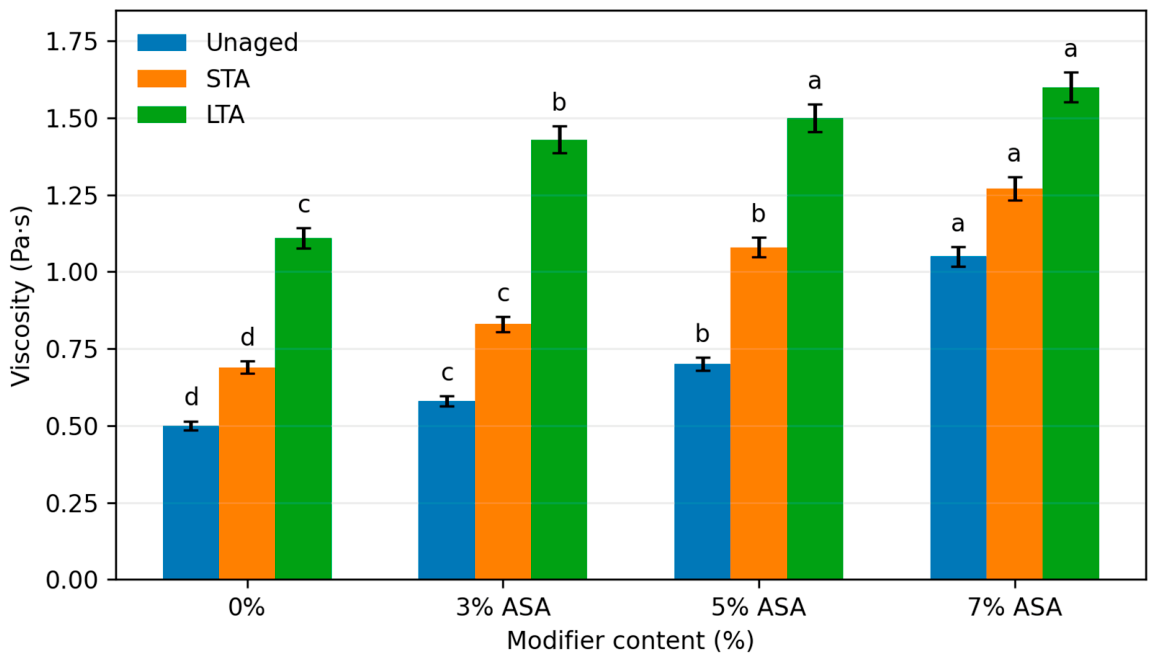
The viscosity of asphalt binder at elevated temperatures is considered one of the essential properties for selecting the working temperatures, as it represents the asphalt’s ability to pass through an asphalt plant. The viscosity of the base asphalt binder and ASA-modified asphalt binders is presented in
Figure 3. The results indicate that the base asphalt binder has the lowest viscosity value compared with the asphalt binders modified with ASA polymer. Additionally, among the modified asphalt binders, it was observed that higher concentrations of modifiers produced higher viscosity values.
The statistical comparison confirmed that viscosity was significantly affected by ASA content under unaged, STA, and LTA conditions (ANOVA,
p < 0.001 for all conditions). The 7% ASA binder showed the highest viscosity, whereas 5% ASA provided a substantial viscosity increase while remaining more workable than 7% ASA. Therefore,
Figure 3 supports 5% ASA as the practical optimum when performance improvement and mixing/compaction workability are considered together.
The statistical summary
Table 4 reports the mean viscosity values, standard deviations, coefficient of variation, and Tukey grouping for each ASA content under unaged, STA, and LTA conditions. The ANOVA
Table 5 confirms that ASA content significantly affected viscosity under all aging conditions (
p < 0.001). Although 7% ASA produced the highest viscosity, this is not necessarily beneficial because excessive viscosity may reduce workability during mixing and compaction. Therefore, the table supports the selection of 5% ASA as the practical optimum because it improves binder stiffness while avoiding the higher workability risk associated with 7% ASA.
Moreover,
Table 6 presents the viscosity-aging index. The viscosity values increased under aging conditions, while the aging index decreased as the concentration of ASA polymer increased. According to SHRP conditions, the viscosity value must not be more than 3 Pa·s at 135 °C to ensure that the asphalt mixtures can be pumped. In general, all asphalt blends satisfied the SHRP specification requirements, regardless of the conditions.
4.2. Morphology of ASA Polymer
The compatibility between polymers and asphalt binder is a critical issue for polymer-modified asphalt binder [
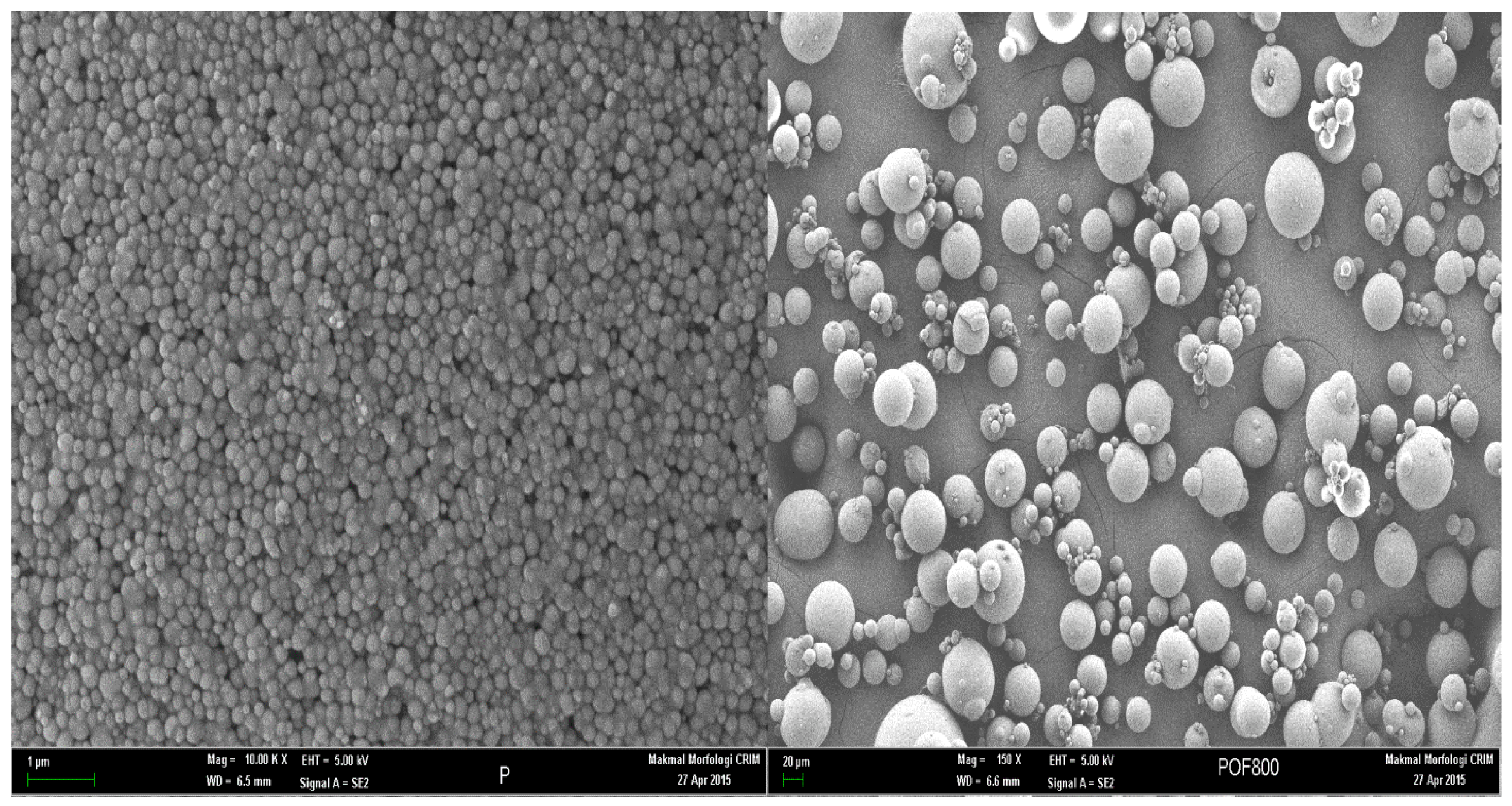
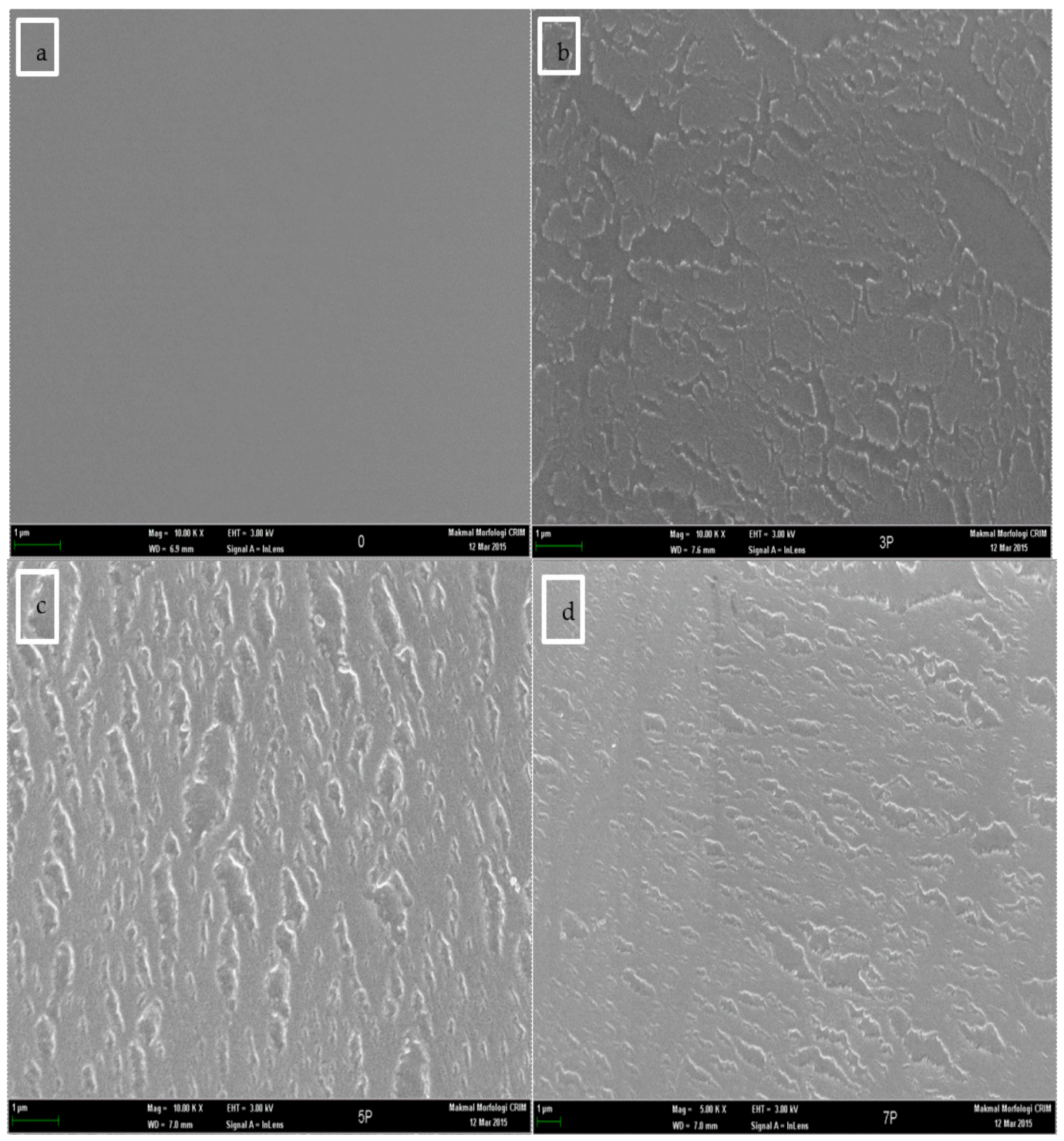
44]. Therefore, the morphology of ASA-modified asphalt binder was evaluated using Field Emission Scanning Electron Microscopy (FE-SEM) to determine the fineness and distribution of the polymer within the asphalt binder matrix.
Figure 4 shows that an increase in ASA polymer concentration has a remarkable effect on the compatibility of modified asphalt binders, as the storage stability results indicate that ASA polymer can be stably incorporated up to 5%. It can be observed from
Figure 4 that the wrinkled surfaces depict the entanglement between ASA polymer particles and asphalt matrix, while the particles are also uniformly distributed, which indicates that the asphalt binder may exhibit good performance. A uniform and regular distribution within a continuous asphalt phase helps to prevent agglomeration among polymer particles and phase separation between the polymer and bitumen.
4.3. Resilient Modulus Test
Permanent pavement deformation has a significant impact on the performance and service life of asphalt pavements. Permanent deformation does not simply reduce the service life of the pavement but can also affect vehicle handle, which can be risky for road users [
45]. The factors affecting the depth and rate of permanent deformation are the traffic volume and loading, tire pressure, temperature, aggregate and mix properties, the thickness of asphalt mixtures, and the type of asphalt binder. Additionally, the main contributing factors are high temperatures and traffic loads [
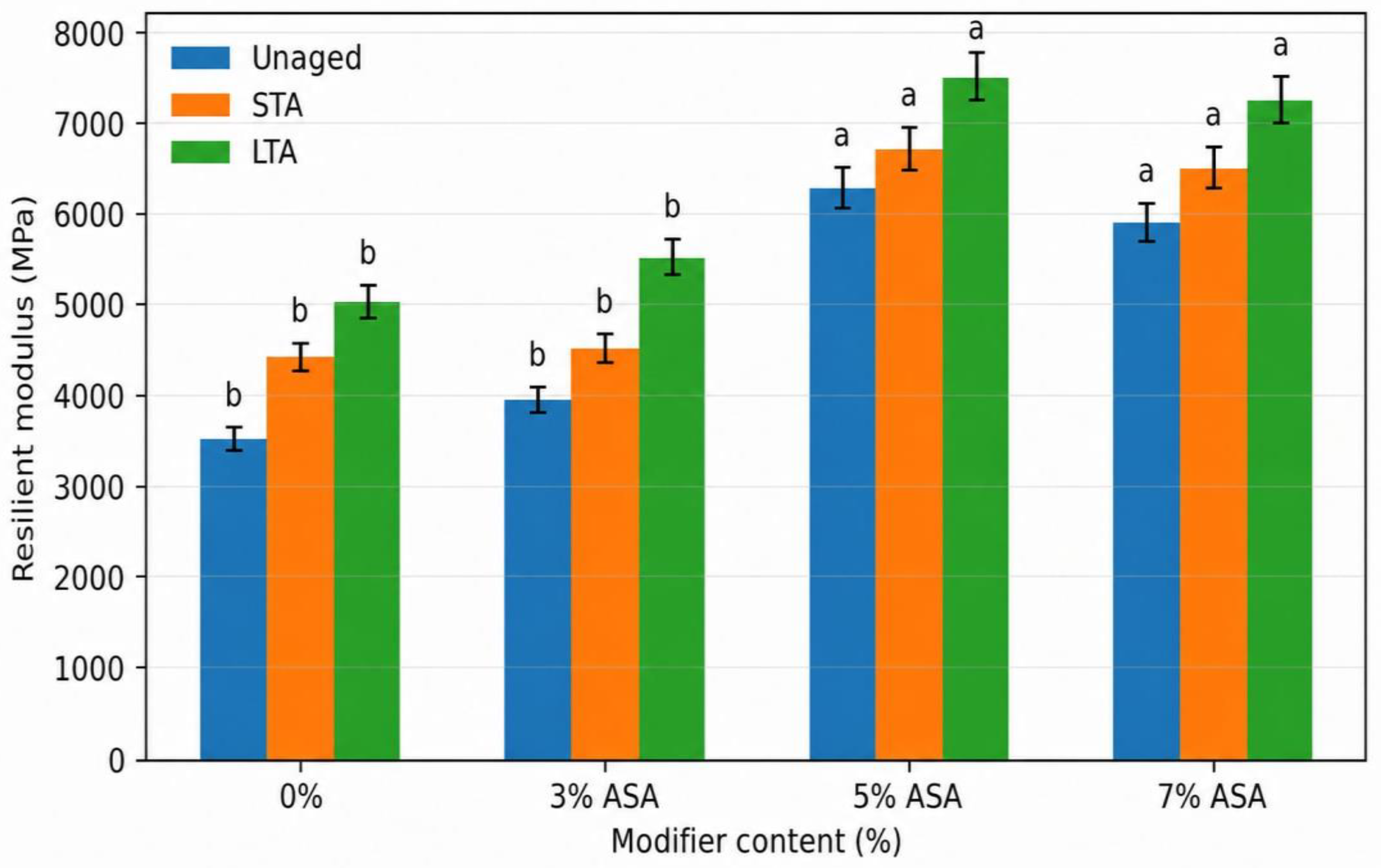
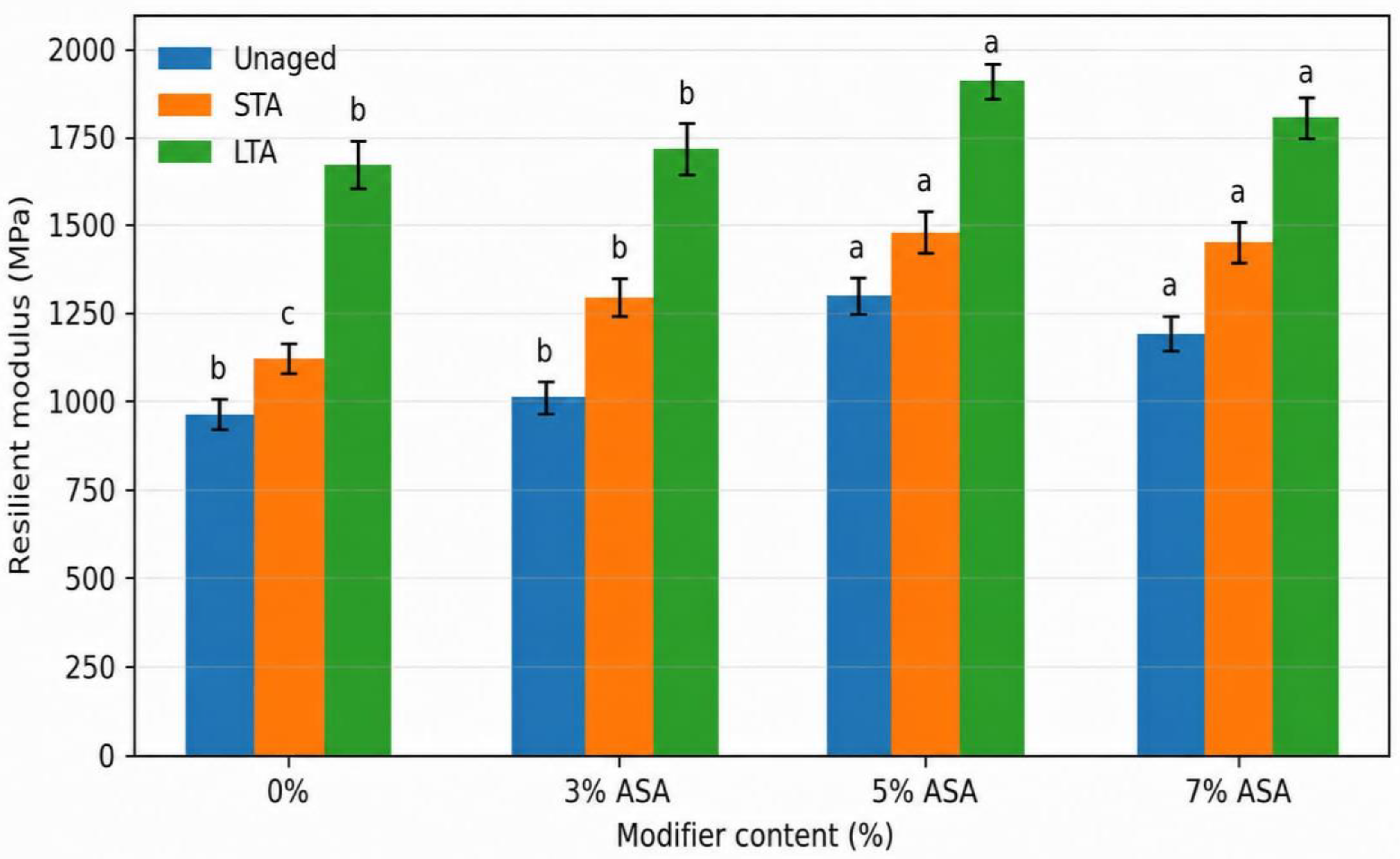
46]. The blend of the materials (asphalt, aggregates, and polymer) results in improvements in the rutting resistance. Moreover, the increasing the ASA polymer content resulted in a reduction in the deformation at elevated temperatures (50 °C). As shown in
Figure 5 and
Figure 6, it was observed that 5% ASA produced the best resistance in terms of the resistance rutting performance, whereas the base asphalt mixtures showed the lowest performance among the mixtures. The use of ASA polymer to modify the base asphalt mixtures is significantly more effective than the use of the base asphalt mixture alone. The improvement in rutting resistance of the ASA-modified mixtures is attributed to the modification of viscoelastic behavior of the binder at high temperatures. It is probable that the elastic recovery and stiffness of the binder system were improved with the addition of ASA polymer, which reduced the tendency of asphalt mixtures to undergo viscous flow and permanent shear deformation under repeated loading. The 5% ASA shows better performance, which indicates that this modifier concentration has reached the best balance between stiffness enhancement and structural stability in the asphalt matrix. However, high polymer content can negatively affect the homogeneity and compatibility of the binders, which may limit the effectiveness of stress distribution in the mixture. Furthermore, the reduction in permanent deformation at 50 °C indicates that the ASA modification reduced the temperature susceptibility of asphalt binder, enabling the mixture to maintain its load-bearing capacity and structural integrity under severe thermal and traffic loading conditions. These results are consistent with those reported in previous studies in which SBS and CRM were used to modify asphalt mixtures [
47].
Bars show mean ± SD values from
n = 3 replicates (
Figure 5). Different lowercase letters indicate significant differences among ASA contents within the same aging condition according to Tukey’s HSD test (
p < 0.05).
At 25 °C, ASA content significantly affected the resilient modulus under all aging conditions (ANOVA, p < 0.001). The 5% ASA mixture achieved the highest mean modulus in the unaged, STA, and LTA conditions. Although 7% ASA was statistically close to 5% ASA in some cases, its mean values were lower, indicating that increasing ASA beyond 5% did not provide additional stiffness benefit.
The statistical summary
Table 7 shows the resilient modulus at 25 °C for each ASA content and aging condition. The mean ± SD values provide the basis for the error bars, while the Tukey letters identify statistical groupings among mixtures. The ANOVA
Table 8 shows significant differences among ASA contents (
p < 0.001). The 5% ASA mixture had the highest resilient modulus in the unaged, STA, and LTA conditions. Although 7% ASA was statistically close to 5% ASA in some cases, 5% ASA provides the better overall choice because it achieves the highest stiffness response with lower viscosity than 7% ASA.
In
Figure 6, bars show mean ± SD values from
n = 3 replicates. Different lowercase letters indicate significant differences among ASA contents within the same aging condition according to Tukey’s HSD test (
p < 0.05).
At 40 °C, the effect of ASA content on resilient modulus was statistically significant for unaged (p < 0.001), STA (p < 0.001), and LTA (p = 0.0095) mixtures. The 5% ASA mixture produced the highest mean modulus under all aging conditions, while 7% ASA remained close but lower. This result further supports 5% ASA as the optimum content at elevated temperature.
The statistical summary
Table 9 presents the resilient modulus at 40 °C, which is important for evaluating mixture performance at elevated temperature. The ANOVA
Table 10 shows results indicate that ASA content significantly influenced the resilient modulus under unaged, STA, and LTA conditions. The 5% ASA mixture generally produced the highest modulus, while 7% ASA remained close but did not provide a consistent additional benefit. This supports the conclusion that increasing ASA beyond 5% does not necessarily improve high-temperature stiffness and may compromise workability.
These effects indicate that using ASA polymer as a modifier produces asphalt mixtures with higher toughness and load-bearing capacity. As a result, the resilient modulus was evaluated under two aging conditions: short-term (STA) and long-term (LTA). The aging index was calculated to assess the impact of aging on the modified asphalt mixtures. For all mixtures, regardless of temperature, the aging index value is expected to increase with aging. Due to the influence of temperature on the softening point of the asphalt binder, the aging index is highly temperature-dependent.
Table 11 and
Table 12 present the aging index of the modified asphalt mixtures. It was observed that increasing the modifier content reduced the aging index, indicating that the ASA polymer has the ability to resist and delay aging effects. Moreover, the mixture containing 5% ASA showed the lowest aging response among all the asphalt mixtures.
4.4. Dynamic Creep
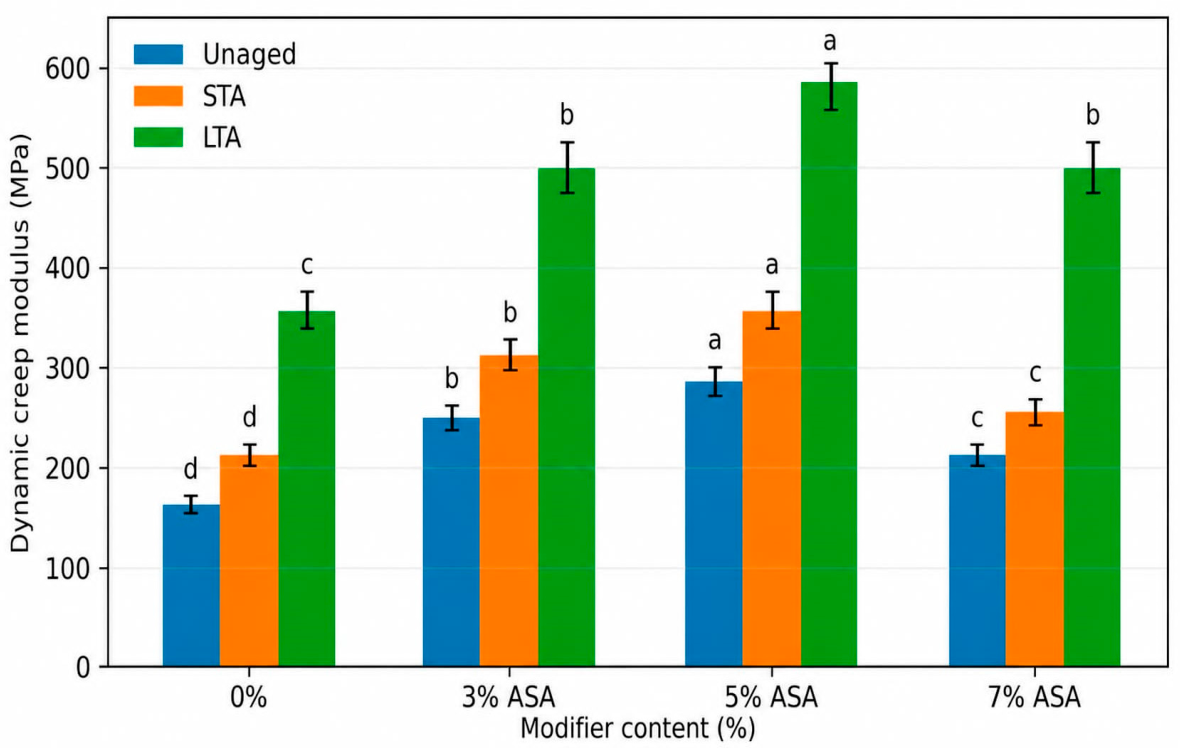
Applying a load to the surface of asphalt mixtures causes deformation; however, most of the deformation is recovered once the load is removed due to the viscoelastic properties of the material. Nonetheless, a small amount of non-recoverable viscous deformation remains within the mixtures. Moreover, when multiple load cycles are applied, the accumulation of these minor deformations results in permanent deformation on the surface of the asphalt mixtures. The effects of the dynamic creep modulus of the modified and base asphalt mixture are presented in
Figure 7. It was found that with an increase in the modifier concentration, the stiffness of the mixtures improved up to 5% ASA. The mixture with 5% ASA showed better resistance to rutting (higher stiffness) among the mixtures, whereas the base asphalt mixtures were observed to have the lowest resistance to deformation (lower stiffness). The mixture containing 7% ASA showed a decrease in stiffness compared with 5% ASA, which may be due to the phase segregation between the asphalt and ASA polymer, leading to weakness in the asphalt mixture. This test was also used to evaluate the STA and LTA aging conditions of the base and modified asphalt mixtures.
Figure 8 illustrates that the irreversible deformation of the modified asphalt mixtures decreased as the stiffness of the asphalt mixture increased after STA and LTA. In other words, temperature dependence of permanent deformation in modified mixture samples was considerably reduced compared with the base asphalt samples. The observed improvement in dynamic creep performance indicates that the ASA modification shifted the viscoelastic balance of the asphalt binder toward a more elastic response under cyclic loading. This behavior restricts the flow of binder and enhances the strain recovery after load removal, thus decreasing the buildup of plastic strain. The better performance at 5% ASA indicates that this dosage had formed a more robust polymer–binder network that could enhance stress transfer within the asphalt matrix. However, the reduction in stiffness at 7% ASA could be an indication of reduced compatibility and non-uniform dispersion of polymers, which may undermine the continuity of the binder phase and adversely affect the efficiency of load distribution. Furthermore, the reduced sensitivity of the modified mixtures to the STA and LTA aging indicated that the modification of ASA improved the thermo-oxidative stability of the binder, and thus, maintained the mechanical properties of the asphalt mixture under long-term aging and high-temperature conditions.
Bars in
Figure 7, show mean ± SD values from
n = 3 replicates. Different lowercase letters indicate significant differences among ASA contents within the same aging condition according to Tukey’s HSD test (
p < 0.05).
Dynamic creep modulus differed significantly among ASA contents for all aging conditions (ANOVA, p < 0.001). The 5% ASA mixture gave the highest creep modulus in the unaged, STA, and LTA states, indicating the best resistance to accumulated permanent deformation. The lower response of 7% ASA suggests that excessive polymer content did not further improve the polymer-binder network.
The statistical summary
Table 13 and ANOVA
Table 14 demonstrate that dynamic creep modulus was significantly affected by ASA content for all aging conditions (
p < 0.001). The 5% ASA mixture achieved the highest dynamic creep modulus, indicating the strongest resistance to permanent deformation. The 7% ASA mixture improved performance compared with the base mixture, but its lower values compared with 5% ASA suggest that the optimum polymer-binder network was achieved at 5% ASA.
Table 15 compares the changes in the base and ASA polymer-modified samples after STA and LTA using the aging index calculated from the dynamic creep test. When the modifier content increased to 5%, the aging index decreased slightly. This behavior is attributed to the ability of the polymer to delay aging. Higher resistance to aging was observed when the modifier concentration was 5%, whereas the base asphalt mixtures showed higher aging index values under STA and LTA conditions. However, when the polymer content in asphalt mixture exceeded 5%, phase separation occurred between the ASA polymer and asphalt binder. This phenomenon led to increased temperature susceptibility and reduced resistance to rutting and aging at elevated temperatures.
4.5. Wheel Tracking Test Results
Permanent pavement deformation has a dominant effect on the performance and lifecycle of asphalt pavements. Irreversible deformation does not only reduce the service life of the pavement but could also affect vehicle handling, which can pose risks to road users [
45]. The factors affecting the depth and rate of permanent deformation include traffic loading and volume, tire pressure, temperature, aggregate and mixture properties, the thickness of asphalt mixtures, and the type of asphalt binder. Additionally, high temperatures and traffic loads are considered the main contributing factors [
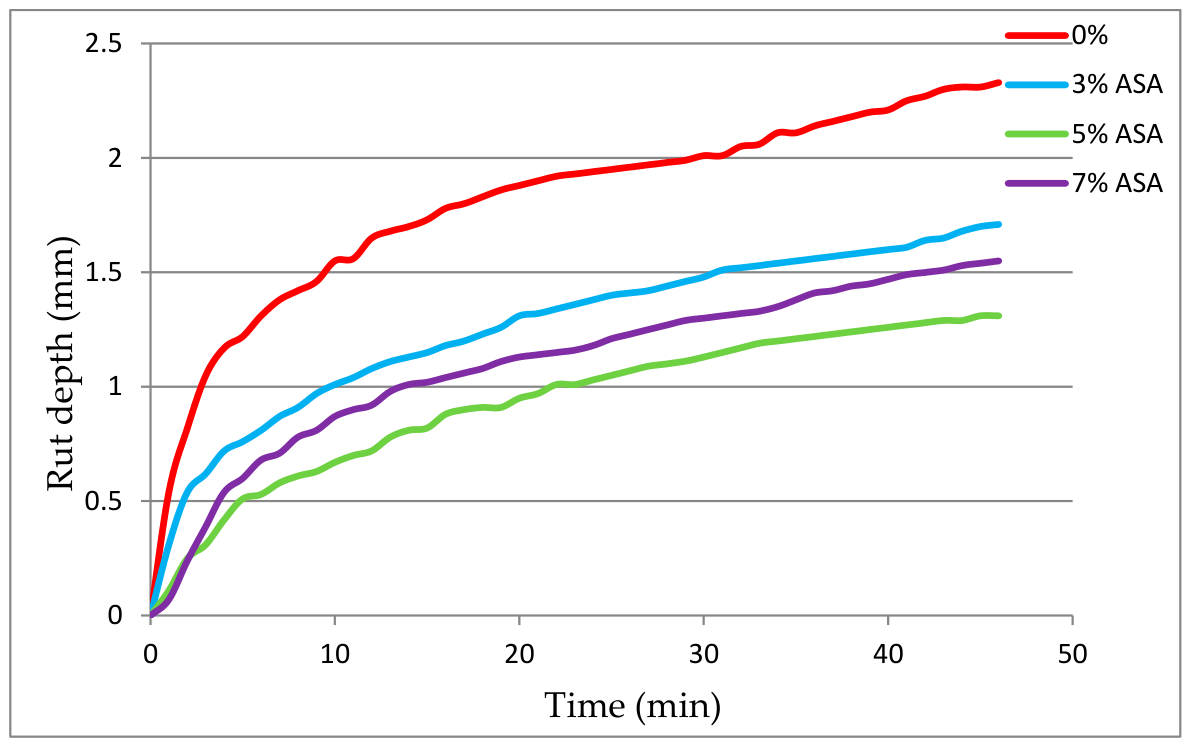
46]. The combination of materials (asphalt, aggregates, and polymer) results in improved resistance to rutting. Moreover, increasing the ASA polymer content reduced permanent deformation at elevated temperatures (50 °C). From
Figure 8, it was observed that the mixture with 5% of the modifier exhibited the highest resistance to rutting performance, whereas the base asphalt mixtures showed the lowest performance among the mixtures. The use of ASA polymer to modify the base asphalt mixture was found to be significantly more effective than the use of base asphalt mixtures alone. Mechanistically, the enhanced viscoelastic response of the binder phase and the consequent reduction in time-dependent strain accumulation under sustained loading can explain the enhanced rutting resistance of ASA-modified asphalt mixtures. The addition of polymeric modifiers changes the rheological balance of the asphalt system by increasing the elastic component and reducing the viscous flow, which is the main cause of permanent deformation at high service temperatures. Such transformation results in better stress redistribution in the mastic and fewer local shear concentrations under repeated wheel loading. Furthermore, the ASA polymer is expected to enhance the internal microstructure of asphalt mastic due to the increased polymer-bitumen interaction and the formation of a more stable three-dimensional network. Such a structure improves the load transfer efficiency between aggregate particles and results in improved aggregate interlock and less particle reorientation under traffic loading. However, high polymer dosage may influence phase compatibility and induce heterogeneity of the binder phase, which could deteriorate the structural continuity and reduce the rutting resistance. Additionally, the reduction in temperature susceptibility demonstrates the enhanced thermo-mechanical stability of the modified mixtures where these mixtures can preserve their stiffness and structural integrity at higher thermal conditions. This behaviour is particularly important in hot climates where asphalt binders are susceptible to softening and rapid deformation. The results generally show that polymer modification improves the macroscopic rutting performance and improves the internal load bearing mechanisms that control the permanent deformation resistance of asphalt mixtures fundamentally. These outcomes are consistent with other findings from other studies in which SBS and CRM were used to modify the asphalt mixtures [
47].
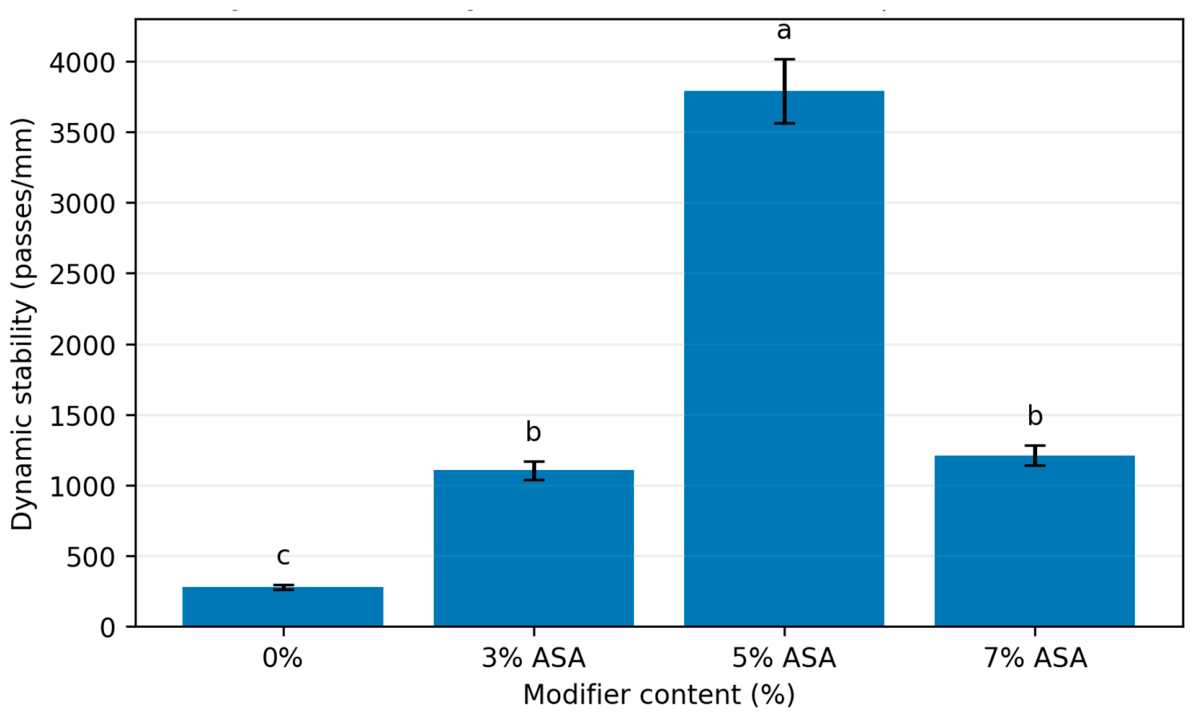
The dynamic stability was calculated from wheel tracking test results. It is expressed as the number of wheel passes per 1 of rut depth during the last 15 min of a wheel-tracking test lasting 1 h. The dynamic stability was calculated according to Japanese standards using Equation (6).
where:
Ds = the dynamic stability (pass/mm);
D2520 = deformation at 2520 passes;
D1890 = deformation at 2520 passes.
The dynamic stability of the base and ASA polymer-modified asphalt mixtures is illustrated in
Figure 9. It was observed that the base asphalt samples had the lowest dynamic stability compared with the modified asphalt mixtures. Moreover, the mixture with 5% ASA showed the highest dynamic stability among the modified asphalt mixtures, indicating that it was greater resistance to permanent deformation. Dynamic stability increased with increasing modifier content up to a concentration of 5%. A dynamic stability value greater than 3000 passes/mm is generally recommended for heavily traffic roads. For the mixture with 5% ASA, the dynamic stability improved by up to 358%.
Bars in
Figure 9, show mean ± SD values from
n = 3 replicates. Different lowercase letters indicate significant differences among ASA contents according to Tukey’s HSD test (
p < 0.05).
The dynamic stability results showed a statistically significant difference among mixtures (ANOVA, p < 0.001). The 5% ASA mixture exhibited the highest dynamic stability and was significantly higher than the base, 3% ASA, and 7% ASA mixtures, confirming that 5% ASA provided the strongest rutting resistance in the wheel tracking evaluation.
The statistical summary
Table 16 shows that 5% ASA produced the highest dynamic stability, while the ANOVA
Table 17 confirms a statistically significant difference among mixtures (
p < 0.001). Because dynamic stability is directly related to rutting resistance, this table provides strong support for selecting 5% ASA as the optimum modifier content. The lower dynamic stability of 7% ASA indicates that adding more ASA did not further improve rutting resistance.
4.6. Moisture Susceptibility Test Results
Stripping is characterized by the loss of adhesion between the asphalt binder and the aggregate surface. While the exact mechanisms driving this phenomenon are complex and not yet fully understood [
48], stripping progressively reduces the pavement’s service life. This degradation ultimately manifests as various surface distresses, including raveling, cracking, corrugation, rutting, and shoving [
49]. To evaluate moisture susceptibility, the Tensile Strength Ratio (TSR) test was conducted in accordance with the AASHTO T283 standard. This test was used to assess whether polymer modification inadvertently increases moisture vulnerability and determines the efficacy of the ASA polymer as a potential anti-stripping agent [
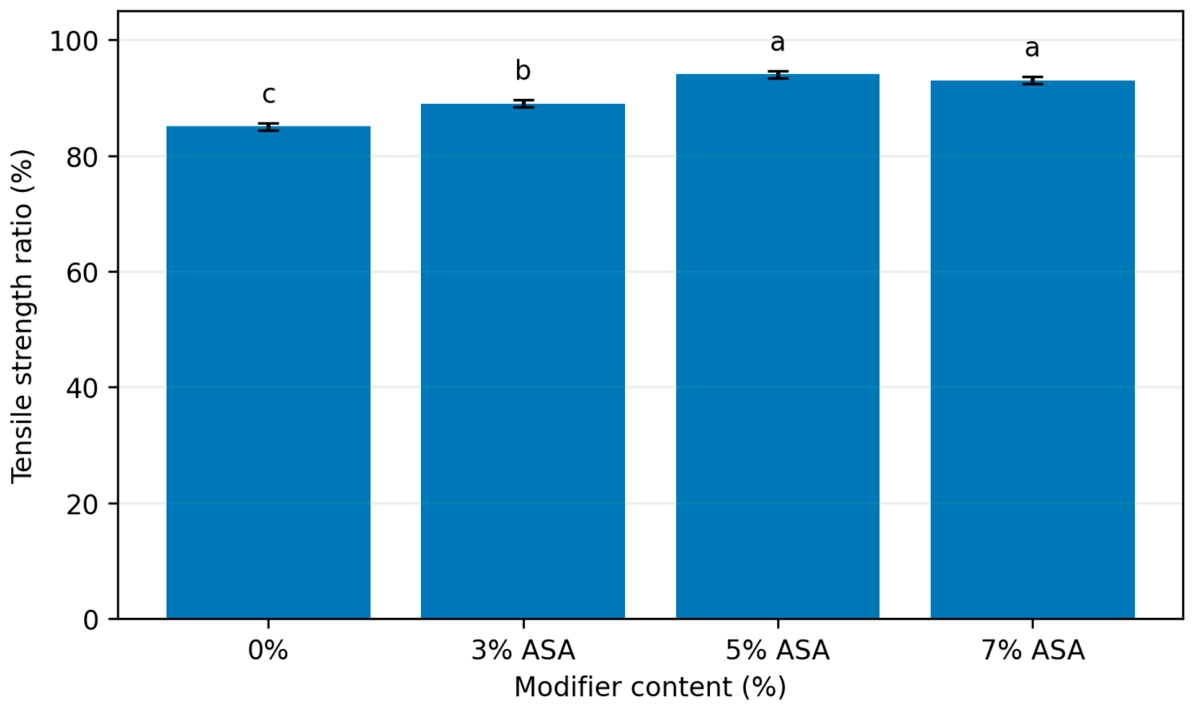
13]. As depicted in
Figure 10, all evaluated asphalt mixture samples—regardless of the modifier concentration—achieved a TSR value exceeding the 80% minimum threshold specified by the AASHTO T283 guidelines [
42]. The base asphalt mixture exhibited a TSR of 85%. The introduction of the ASA polymer significantly enhanced the adhesion between the binder and the aggregates. The modifier effectively coats the aggregate particles, forming a protective barrier that improves overall resistance to moisture-induced damage. Specifically, increasing the ASA polymer content up to 5% exhibited the highest TSR value moisture resistance, mixture containing 5% ASA demonstrating an 11% improvement in TSR compared to the base mix. However, at a higher concentration of 7% ASA, improvement slightly diminished to 9%. These findings align with previous studies on Styrene-Butadiene-Styrene (SBS) and Epoxidized Natural Rubber (ENR) modifiers, which have also reported to reduce the moisture susceptibility of asphalt mixtures. Overall, the polymer-modified mixtures exhibited higher TSR values and enhanced durability compared with the unmodified base asphalt mixture [
50].
In
Figure 10, bars show mean ± SD values from
n = 3 replicates. Different lowercase letters indicate significant differences among ASA contents according to Tukey’s HSD test (
p < 0.05).
The TSR values differed significantly among mixtures (ANOVA, p < 0.001). All ASA-modified mixtures exceeded the 80% TSR acceptance criterion, demonstrating satisfactory moisture resistance. Although 5% ASA and 7% ASA were statistically close, 5% ASA recorded the highest mean TSR while maintaining lower viscosity than 7% ASA; therefore, it offered the best balance between moisture resistance and workability.
Statistical summary
Table 18 presents TSR values for moisture susceptibility, and the ANOVA
Table 19 confirms significant differences among mixtures (
p < 0.001). All ASA-modified mixtures exceeded the 80% TSR acceptance criterion, indicating satisfactory moisture resistance. The 5% ASA mixture produced the highest TSR, while 7% ASA was very close and shared the same Tukey letter, indicating that they may not be statistically different. Therefore, 5% ASA is justified as the optimum because it provides comparable or better moisture resistance while maintaining lower viscosity and better overall workability than 7% ASA.





 ,
,