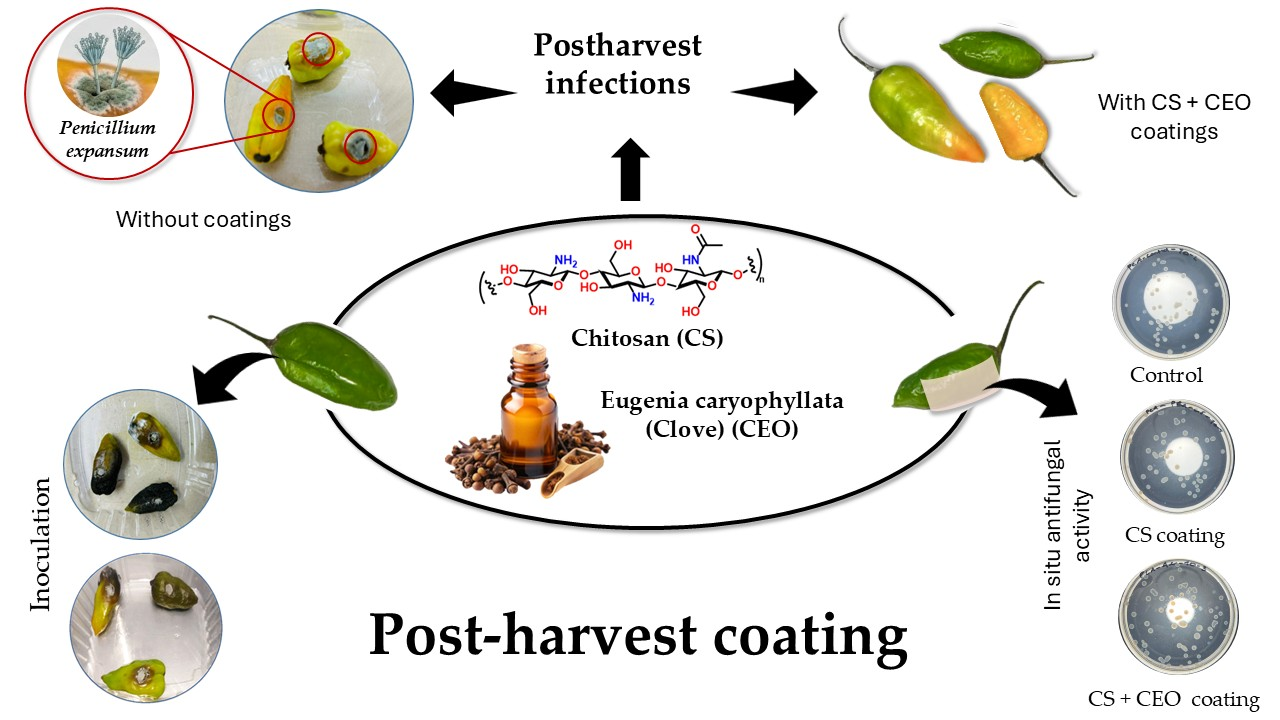
Synergistic Coatings Based on Chitosan and Eugenia caryophyllata Essential Oil to Improve Postharvest Quality of Capsicum chinense

 , , , ,
  and
and 
Abstract
1. Introduction
2. Materials and Methods
2.1. Fruit Samples
2.2. Identification of the Volatile Compounds of Clove Essential Oil (E. caryophyllata, CEO)
2.3. Preparation of Emulsions
2.4. Application of Edible Coatings to the Topito Chili Pepper
2.5. Physicochemical Analysis of Emulsions
2.5.1. Analysis of the Droplet Size of Emulsions
2.5.2. Density Analysis
2.5.3. Viscosity and pH
2.6. Physicochemical Behavior of Coated Topito Chili Peppers
2.6.1. pH
2.6.2. Soluble Solids (SS)
2.6.3. Titratable Acidity
2.6.4. Maturity Index
2.6.5. Weight Loss
2.6.6. Firmness
2.7. In Situ Evaluation of the Antifungal Capacity of the Emulsions on the Mycelial Growth of P. expansum
Fungal Growth Dynamics with the Treatments
2.8. Microbiological Quality of Coatings
2.9. Determination of the Effect of CS Coatings Incorporated with CEO on the Organoleptic Properties of the Topito Chili Peppers (C. chinense)
2.10. Statistical Analysis
3. Results and Discussion
3.1. Identification of the Volatile Compounds of Clove Essential Oil (E. caryophyllata, CEO) by Gas Chromatography Coupled to Mass Spectrometry (GC-MS)
3.2. Physicochemical Characterization of CS Emulsions
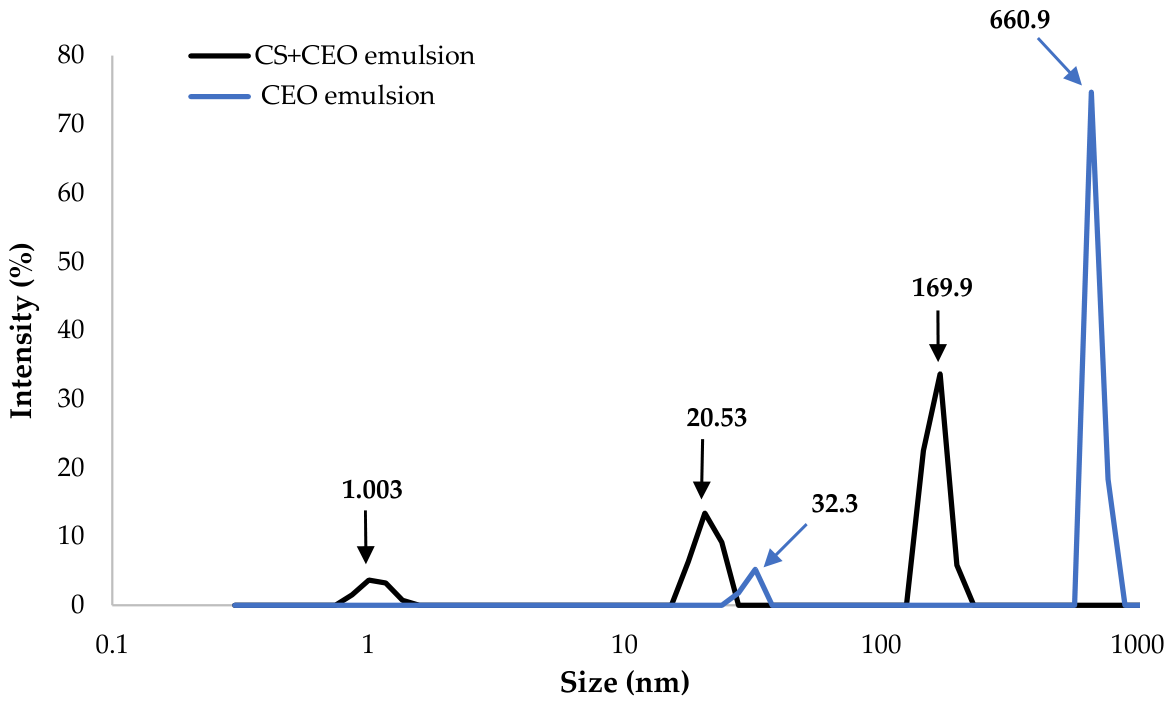
Particle Size of Emulsions
3.3. Physicochemical Behavior of Topito Chili Peppers Coated with CS and CEO
3.3.1. Weight Loss
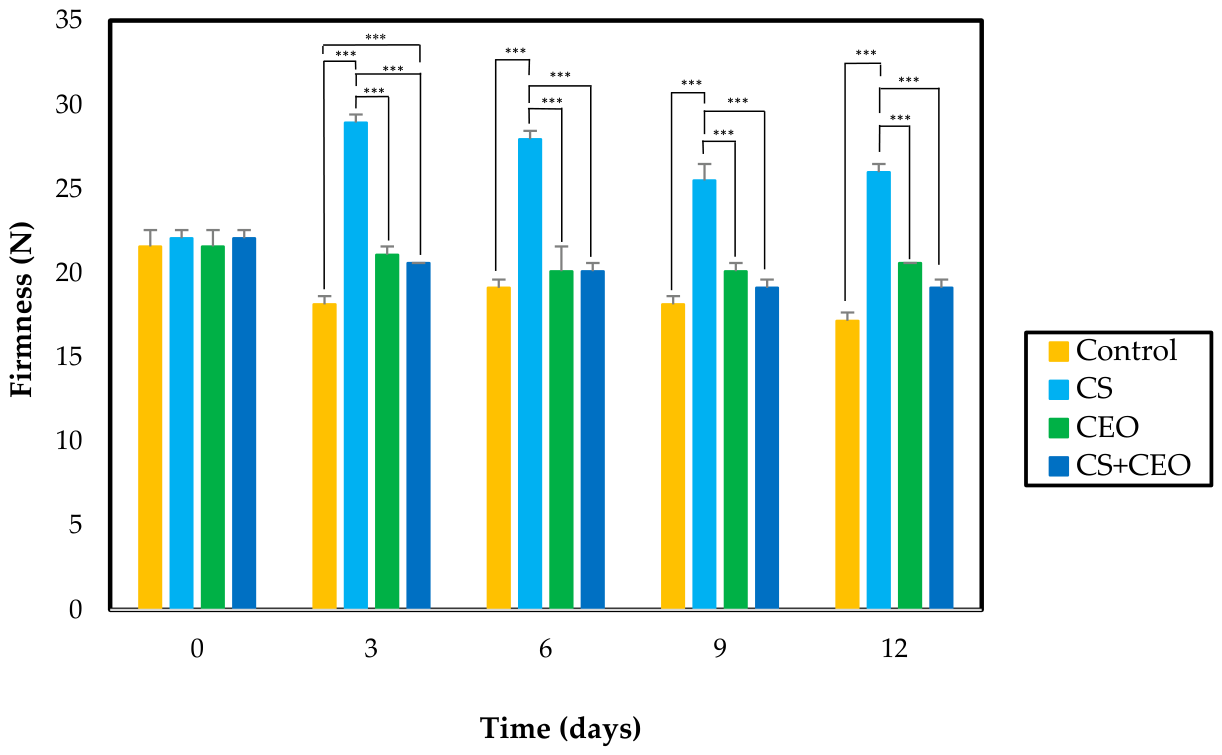
3.3.2. Firmness
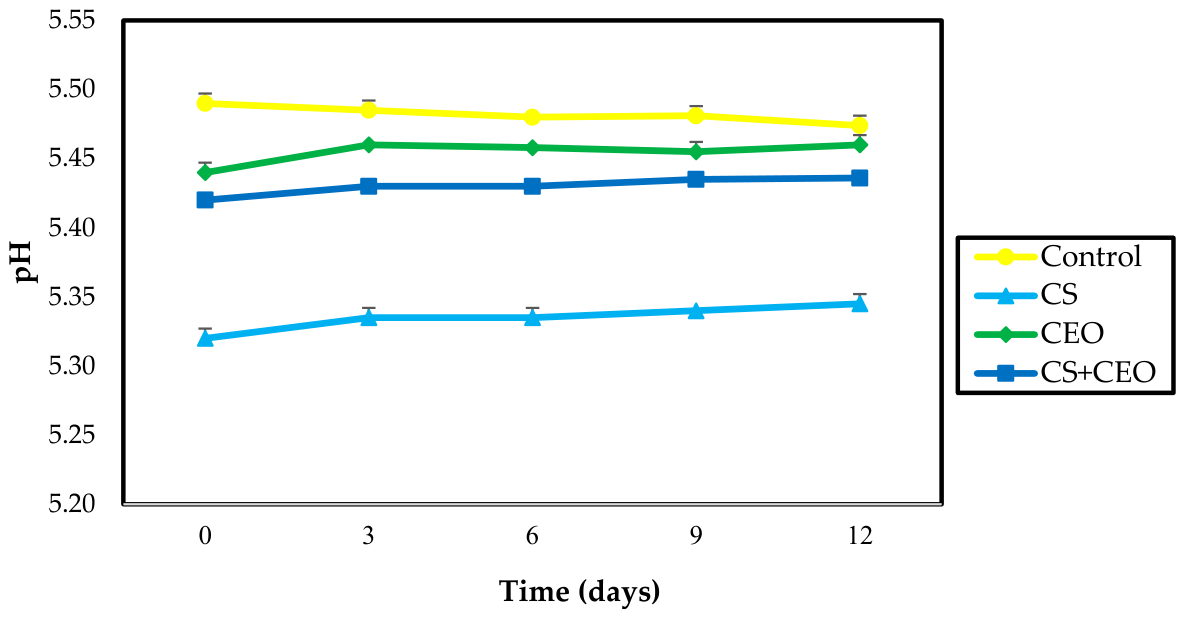
3.3.3. pH of Coated Topito Chili Peppers
3.3.4. Soluble Solids
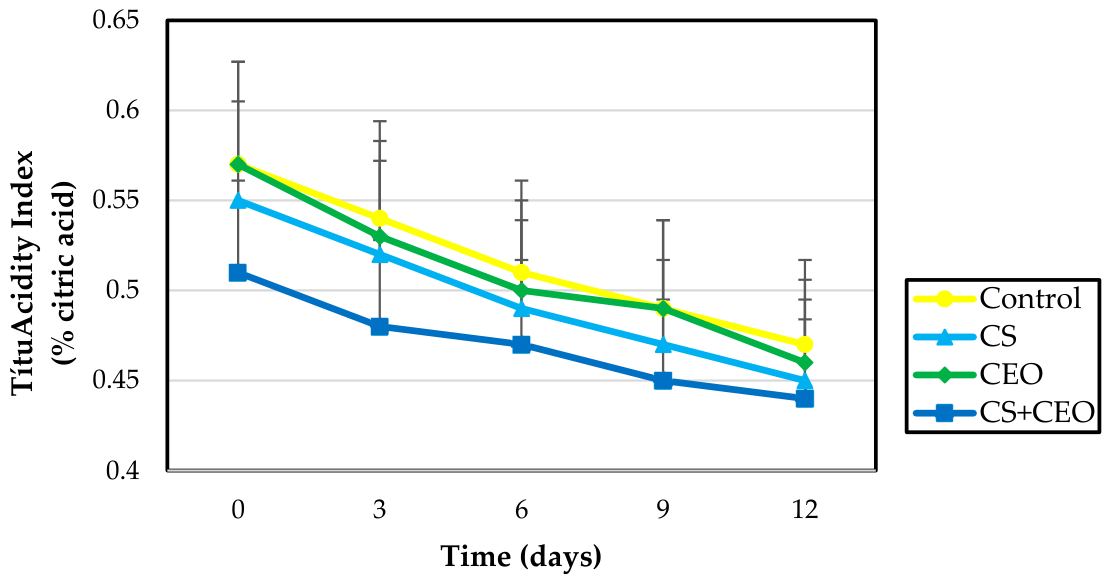
3.3.5. Titratable Acidity
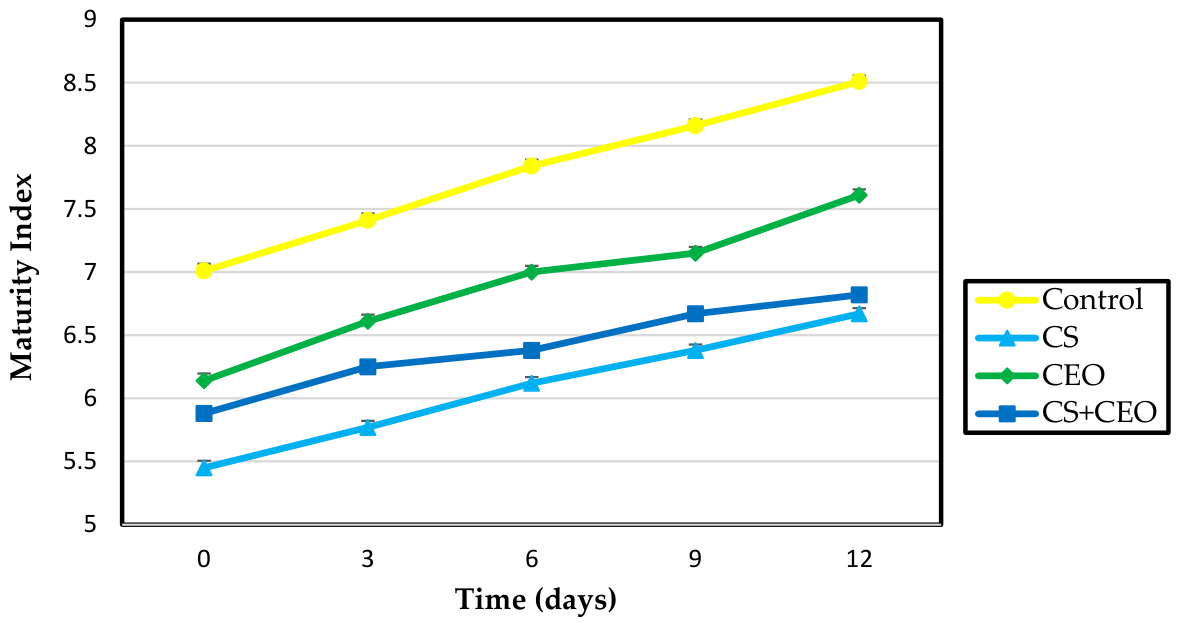
3.3.6. Maturity Index
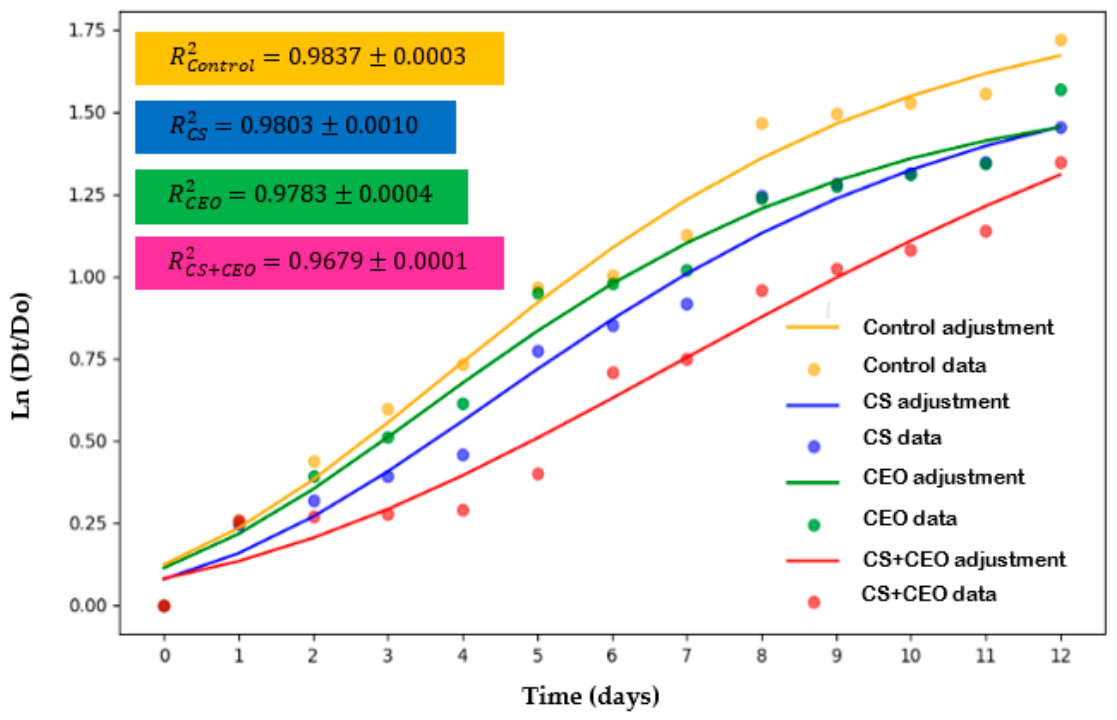
3.4. In Situ Antifungal Activity
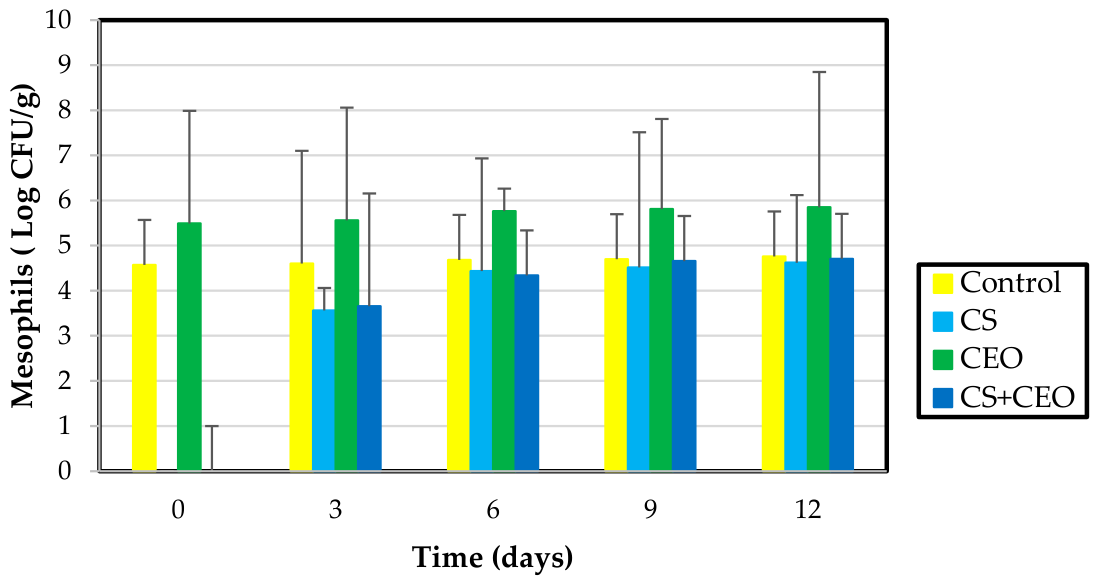
3.5. Microbiological Analyses
3.6. Effect of Coatings on the Sensory Parameters of the Topito Chili Pepper (C. chinense)
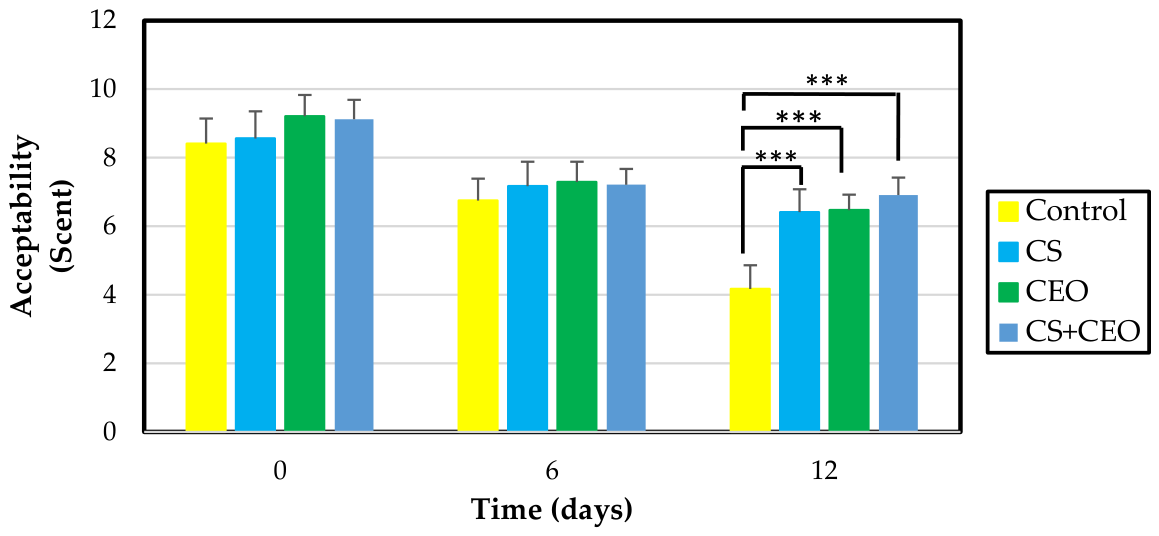
3.6.1. Aroma
3.6.2. Gloss
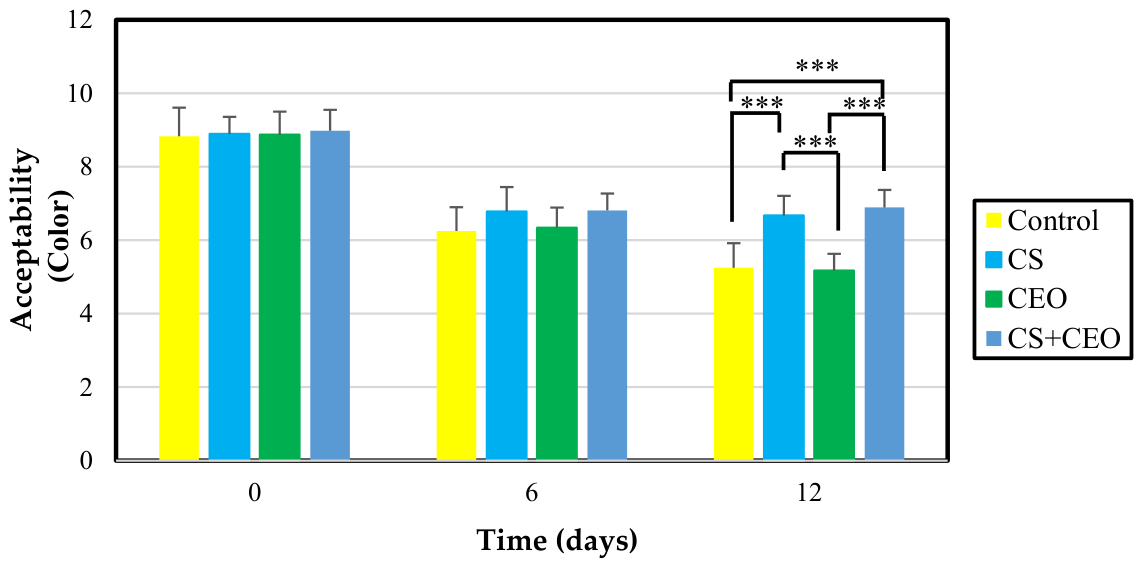
3.6.3. Color
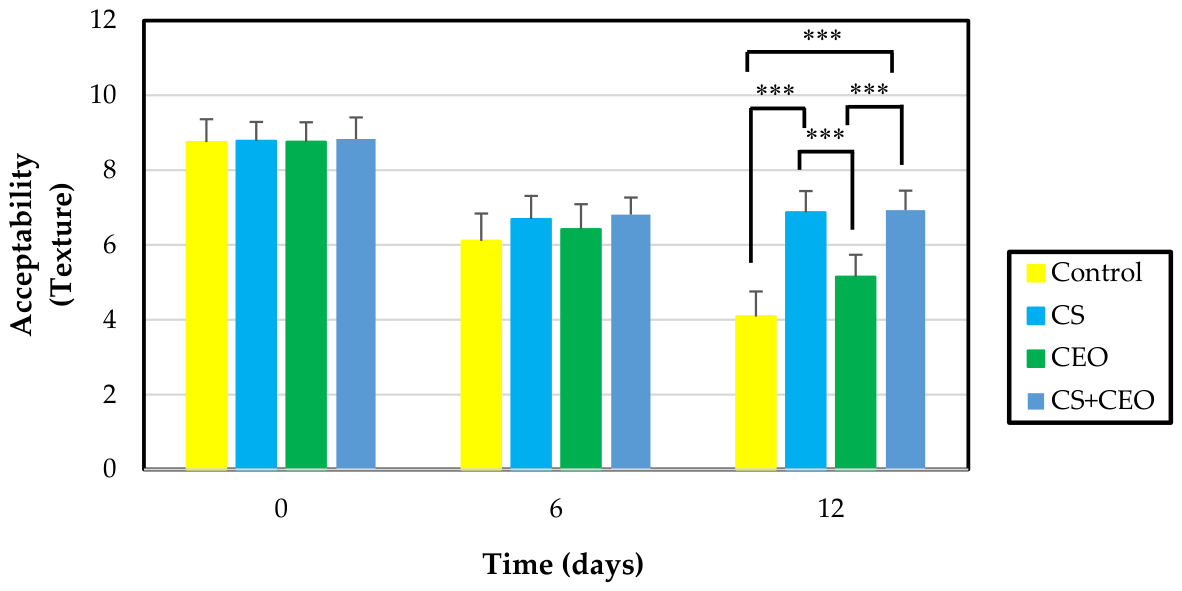
3.6.4. Texture
4. Conclusions
Supplementary Materials
Author Contributions
Funding
Institutional Review Board Statement
Informed Consent Statement
Data Availability Statement
Acknowledgments
Conflicts of Interest
References
- Lim, T.K. Capsicum Chinense BT—Edible Medicinal and Non-Medicinal Plants. In Fruits; Lim, T.K., Ed.; Springer: Dordrecht, The Netherlands, 2013; Volume 6, pp. 205–212. [Google Scholar]
- Perrone, G.; Susca, A. Penicillium Species and Their Associated Mycotoxins BT—Mycotoxigenic Fungi: Methods and Protocols; Moretti, A., Susca, A., Eds.; Springer: New York, NY, USA, 2017; pp. 107–119. [Google Scholar]
- Azad, C.S.; Rautela, P.; Gupta, S.; Singh, R.P. Major Diseases of Chili and Their Management. In Diseases of Fruits and Vegetable Crops; Apple Academic Press: Waretown, NJ, USA, 2020; pp. 353–377. [Google Scholar]
- Zakaria, L. An Overview of Major Penicillium Species Associated with Plant Diseases. J. Fungi 2026, 12, 286. [Google Scholar] [CrossRef] [PubMed]
- Frimpong, G.K.; Adekunle, A.A.; Ogundipe, O.T.; Solanki, M.K.; Sadhasivam, S. Identification and Toxigenic Potential of Fungi Isolated from Capsicum Peppers. Microorganisms 2019, 7, 303. [Google Scholar] [CrossRef] [PubMed]
- Zhu, X.Q.; Liu, D.M.; Hong, Q.C.; Lu, Y.F.; Pei, D.L. First Report of Chili Pepper Fruit Rot Caused by Fusarium Incarnatum in China. Plant Dis. 2021, 105, 3304. [Google Scholar] [CrossRef]
- Baba, V.Y.; Constantino, L.V.; Ivamoto, S.T.; Moreira, A.F.P.; Madeira, T.B.; Nixdorf, S.L.; Rodrigues, R.; Gonçalves, L.S.A. Capsicum-Colletotrichum Interaction: Identification of Resistance Sources and Quantification of Secondary Metabolites in Unripe and Ripe Fruits in Response to Anthracnose Infection. Sci. Hortic. 2019, 246, 469–477. [Google Scholar] [CrossRef]
- Cui, L.; van den Munckhof, M.C.; Bai, Y.; Voorrips, R.E. Resistance to Anthracnose Rot Disease in Capsicum. Agronomy 2023, 13, 1434. [Google Scholar] [CrossRef]
- Palumbo, M.; Attolico, G.; Capozzi, V.; Cozzolino, R.; Corvino, A.; de Chiara, M.L.V.; Pace, B.; Pelosi, S.; Ricci, I.; Romaniello, R.; et al. Emerging Postharvest Technologies to Enhance the Shelf-Life of Fruit and Vegetables: An Overview. Foods 2022, 11, 3925. [Google Scholar] [CrossRef] [PubMed]
- David, C.; Tovar, G.; Delgado-ospina, J.; Paola, D.; Porras, N.; Peralta-ruiz, Y.; Alexander, P.; Iv, J. Colletotrichum Gloesporioides Inhibition In Situ by Chitosan- Ruta Graveolens Essential Oil Coatings: Effect on Microbiological, Physicochemical, and Organoleptic Properties of Guava (Psidium guajava L.) during Room Temperature Storage. Biomolecules 2019, 9, 399. [Google Scholar] [CrossRef] [PubMed]
- Wang, J.; Yuan, Y.; Liu, Y.; Li, X.; Wu, S. Application of Chitosan in Fruit Preservation: A Review. Food Chem. X 2024, 23, 101589. [Google Scholar] [CrossRef] [PubMed]
- Kaur, K.; Kaushal, S.; Rani, R. Chemical Composition, Antioxidant and Antifungal Potential of Clove (Syzygium aromaticum) Essential Oil, Its Major Compound and Its Derivatives. J. Essent. Oil Bear. Plants 2019, 22, 1195–1217. [Google Scholar] [CrossRef]
- Hleba, L.; Hlebová, M.; Charousová, I. In Vitro Evaluation of Synergistic Essential Oils Combination for Enhanced Antifungal Activity against Candida spp. Life 2024, 14, 693. [Google Scholar] [CrossRef] [PubMed]
- Tarhan, İ. A Robust Method for Simultaneous Quantification of Eugenol, Eugenyl Acetate, and β-Caryophyllene in Clove Essential Oil by Vibrational Spectroscopy. Phytochemistry 2021, 191, 112928. [Google Scholar] [CrossRef] [PubMed]
- Muñoz Castellanos, L.; Amaya Olivas, N.; Ayala-Soto, J.; De La O Contreras, C.M.; Zermeño Ortega, M.; Sandoval Salas, F.; Hernández-Ochoa, L. In Vitro and In Vivo Antifungal Activity of Clove (Eugenia caryophyllata) and Pepper (Piper nigrum L.) Essential Oils and Functional Extracts Against Fusarium oxysporum and Aspergillus niger in Tomato (Solanum lycopersicum L.). Int. J. Microbiol. 2020, 2020, 1702037. [Google Scholar] [CrossRef] [PubMed]
- Lopez-Moya, F.; Suarez-Fernandez, M.; Lopez-Llorca, L.V. Molecular Mechanisms of Chitosan Interactions with Fungi and Plants. Int. J. Mol. Sci. 2019, 20, 332. [Google Scholar] [CrossRef] [PubMed]
- Pasqualicchio, M.; Hadjila, C.; Incerti, O.; Cavalluzzi, M.M.; Lentini, G.; Celano, G.; De Angelis, M.; Ippolito, A.; Sanzani, S.M. Active Edible Coatings to Mitigate Postharvest Diseases Causing Waste of Blueberries, Strawberries, and Cherry Tomatoes. Foods 2025, 15, 11. [Google Scholar] [CrossRef] [PubMed]
- Popescu, P.; Palade, L.M.; Popa, E.E.; Cristina, M.; Matei, F.; Popa, M.E.; Mitelut, A.C. Chitosan-Based Edible Coatings Containing Essential Oils to Preserve the Shelf Life and Postharvest Quality Parameters of Organic Strawberries and Apples during Cold Storage. Foods 2022, 11, 3317. [Google Scholar] [CrossRef] [PubMed]
- Xiao, Z.; Ma, X.; Sun, P.; Kang, Y.; Niu, Y.; She, Y.; Zhao, D. Tomato Preservation with Essential Oil Microcapsules—Chitosan Coating. J. Food Meas. Charact. 2024, 18, 5928–5944. [Google Scholar] [CrossRef]
- Processing, R.S.; Rapid, A.; Detection, B. Implication of Sodium Hypochlorite as a Sanitizer in Ready-to-Eat Salad Processing and Advantages of the Use of Alternative Rapid Bacterial Detection Methods. Foods 2023, 12, 3021. [Google Scholar]
- Mishra, V.; Abrol, G.S.; Dubey, N. Chapter 14—Sodium and Calcium Hypochlorite as Postharvest Disinfectants for Fruits and Vegetables. In Postharvest Disinfection of Fruits and Vegetables; Siddiqui, M.W., Ed.; Academic Press: New York, NY, USA, 2018; pp. 253–272. [Google Scholar]
- Ali, A.; Yeoh, W.K.; Forney, C.; Siddiqui, M.W. Advances in Postharvest Technologies to Extend the Storage Life of Minimally Processed Fruits and Vegetables. Crit. Rev. Food Sci. Nutr. 2018, 58, 2632–2649. [Google Scholar] [CrossRef] [PubMed]
- Banach, J.L.; Sampers, I.; Van Haute, S.; Van Der Fels-klerx, H.J.I. Effect of Disinfectants on Preventing the Cross-Contamination of Pathogens in Fresh Produce Washing Water. Int. J. Environ. Res. Public Health 2015, 12, 8658–8677. [Google Scholar] [CrossRef] [PubMed]
- Saxena, J. Application of Electrolysed Water in Post-Harvest Treatment of Fruits and Vegetables. Sustain. Food Technol. 2024, 2, 281–291. [Google Scholar] [CrossRef]
- Castillo, Y.; Brazón, E.A.M.; Peralta-ruiz, Y.; Chaves-lópez, C.; Saurith-coronell, O.; Grande-tovar, C.D. Clove Essential Oil as an Antifungal Agent and Putative Dual-Action Antifungal Mechanism: Experimental Validation and Computational Insights into Orthosteric and Allosteric Modulation of Chitin Synthase I in Penicillium Species. Molecules 2026, 31, 1132. [Google Scholar] [CrossRef] [PubMed]
- Surh, J.; Vladisavljevi Cacute, G.T.; Mun, S.; McClements, D.J. Preparation and Characterization of Water/Oil and Water/Oil/Water Emulsions Containing Biopolymer-Gelled Water Droplets. J. Agric. Food Chem. 2007, 55, 175–184. [Google Scholar] [CrossRef] [PubMed]
- Pandey, V.K.; Srivastava, S.; Ashish; Dash, K.K.; Singh, R.; Dar, A.H.; Singh, T.; Farooqui, A.; Shaikh, A.M.; Kovacs, B. Bioactive Properties of Clove (Syzygium aromaticum) Essential Oil Nanoemulsion: A Comprehensive Review. Heliyon 2024, 10, e22437. [Google Scholar] [CrossRef] [PubMed]
- Bibow, A.; Oleszek, W. Essential Oils as Potential Natural Antioxidants, Antimicrobial, and Antifungal Agents in Active Food Packaging. Antibiotics 2024, 13, 1168. [Google Scholar] [CrossRef] [PubMed]
- Sánchez-González, L.; Pastor, C.; Vargas, M.; Chiralt, A.; González-Martínez, C.; Cháfer, M. Effect of Hydroxypropylmethylcellulose and Chitosan Coatings with and without Bergamot Essential Oil on Quality and Safety of Cold-Stored Grapes. Postharvest Biol. Technol. 2011, 60, 57–63. [Google Scholar] [CrossRef]
- Peralta-Ruiz, Y.; Grande Tovar, C.; Sinning-Mangonez, A.; Bermont, D.; Pérez Cordero, A.; Paparella, A.; Chaves-López, C. Colletotrichum Gloesporioides Inhibition Using Chitosan-Ruta Graveolens L Essential Oil Coatings: Studies in Vitro and in Situ on Carica Papaya Fruit. Int. J. Food Microbiol. 2020, 326, 108649. [Google Scholar] [CrossRef] [PubMed]
- Shirono, K.; Shiro, M.; Tanaka, H.; Ehara, K. Evaluation of “Method Uncertainty” in the Calibration of Piston Pipettes (Micropipettes) Using the Gravimetric Method in Accordance with the Procedure of ISO 8655-6. Accredit. Qual. Assur. 2014, 19, 377–389. [Google Scholar] [CrossRef]
- Alamar, P.D.; Caramês, E.T.S.; Poppi, R.J.; Pallone, J.A.L. Quality Evaluation of Frozen Guava and Yellow Passion Fruit Pulps by NIR Spectroscopy and Chemometrics. Food Res. Int. 2016, 85, 209–214. [Google Scholar] [CrossRef] [PubMed]
- Horwitz, W. AOAC Official Method 942.15. Acidity (Titratable) of Fruit Products. In Official Methods of Analysis of AOAC International; AOAC International: Gaithersburg, MD, USA, 2000. [Google Scholar]
- Kimball, D. The Brix/Acid Ratio BT—Citrus Processing: Quality Control and Technology; Kimball, D., Ed.; Springer: Dordrecht, The Netherlands, 1991; pp. 55–65. [Google Scholar]
- Agudelo-Sánchez, S.; Mosquera-Palacios, Y.; David-Úsuga, D.; Cartagena-Montoya, S.; Duarte-Correa, Y. Effect of Processing Methods on the Postharvest Quality of Cape Gooseberry (Physalis peruviana L.). Horticulturae 2023, 9, 1158. [Google Scholar] [CrossRef]
- Bejaei, M. Converting Apple Textural Parameters Obtained from Penetrometers and Their Relationships with Sensory Attributes. Horticulturae 2022, 8, 269. [Google Scholar] [CrossRef]
- Programme, B. Performance of an Expert Sensory Panel and Instrumental Measures for Assessing Eating Fruit Quality Attributes in a Pear Breeding Programme. Foods 2023, 12, 1426. [Google Scholar] [CrossRef] [PubMed]
- Sbodio, A.O.; Mesquida-Pesci, S.D.; Yip, N.; Alvarez-Rojo, I.; Gutierrez-Baeza, E.; Tay, S.; Bello, P.; Wang, L.; Blanco-Ulate, B. Non-Wounding Contact-Based Inoculation of Fruits with Fungal Pathogens in Postharvest. Plant Methods 2024, 20, 83. [Google Scholar] [CrossRef] [PubMed]
- Zwietering, M.H.; Jongenburger, I.; Rombouts, F.M.; Van’t Riet, K. Modeling of the Bacterial Growth Curve. Appl. Environ. Microbiol. 1990, 56, 1875–1881. [Google Scholar] [CrossRef] [PubMed]
- Salazar-Montoya, O.; Torres-Mart, P.; Duarte-Correa, Y. Evaluation of Different Anti-Browning Treatments on the Quality of Four Colombian Potato Varieties. Horticulturae 2025, 10, 1265. [Google Scholar]
- ISO 11035; Sensory Analysis–Identification and Selection of Descriptors for Establishing a Sensory Profile by a Multidimensional Approach. International Organization for Standardization: Geneva, Switzerland, 1994.
- Owusu-Apenten, R.; Vieira, E. Quality and Sensory Evaluation of Food BT—Elementary Food Science; Owusu-Apenten, R., Vieira, E.R., Eds.; Springer International Publishing: Cham, Switzerland, 2023; pp. 113–125. [Google Scholar]
- Babushok, V.I.; Linstrom, P.J.; Zenkevich, I.G. Retention Indices for Frequently Reported Compounds of Plant Essential Oils. J. Phys. Chem. Ref. Data 2011, 40, 43101. [Google Scholar] [CrossRef]
- Linstrom, P.J.; Mallard, W.G. The NIST Chemistry WebBook: A Chemical Data Resource on the Internet. J. Chem. Eng. Data 2001, 46, 1059–1063. [Google Scholar] [CrossRef]
- Al, E.T.; Mierendorff, H.; Stahl-Biskup, E.; Posthumus, M.A.; Beek, T.A. Van Composition of Commercial Cape Chamomile Oil (Eriocephalus punctulatus). Flavour Fragr. J. 2003, 18, 510–514. [Google Scholar] [CrossRef]
- Raina, V.K.; Srivastava, S.K.; Aggarwal, Ł.K.K.; Ramesh, S.; Kumar, S. Essential Oil Composition of Cinnamomum zeylanicum Blume Leaves from Little Andaman, India. Flavour Fragr. J. 2001, 16, 374–376. [Google Scholar] [CrossRef]
- Arti, M.P.I.M.; Arbot, R.O.M. Volatile Components from Mango (Mangifera indica L.) Cultivars. J. Agric. Food Chem. 2005, 53, 2213–2223. [Google Scholar] [CrossRef] [PubMed]
- Nez, Ä.; Arci, A.N.J.G.; Ari, M. Thymus zygis subsp. Gracilis: Watering Level Effect on Phytomass Production and Essential Oil Quality. J. Agric. Food Chem. 2004, 52, 5418–5424. [Google Scholar] [CrossRef] [PubMed]
- Martínez, K.; Ortiz, M.; Albis, A.; Gilma Gutiérrez Castañeda, C.; Valencia, M.E.; Grande Tovar, C.D. The Effect of Edible Chitosan Coatings Incorporated with Thymus capitatus Essential Oil on the Shelf-Life of Strawberry (Fragaria × Ananassa) during Cold Storage. Biomolecules 2018, 8, 155. [Google Scholar] [CrossRef] [PubMed]
- Ulanowska, M.; Olas, B. Biological Properties and Prospects for the Application of Eugenol—A Review. Int. J. Mol. Sci. 2021, 22, 3671. [Google Scholar] [CrossRef] [PubMed]
- Peralta-Ruiz, Y.; David, C.; Tovar, G.; Sinning-Mangonez, A.; Coronell, E.A.; Marino, M.F.; Chaves-Lopez, C. Reduction of Postharvest Quality Loss and Microbiological Decay of Tomato “Chonto” (Solanum lycopersicum L.) Using Chitosan- E Essential Oil-Based Edible Coatings under Low-Temperature Storage. Polymers 2020, 12, 1822. [Google Scholar] [CrossRef] [PubMed]
- Barra, A. Natural Product Communications Factors Affecting Chemical Variability of Essential Oils: A Review of Recent Developments. Nat. Prod. Commun. 2009, 4, 1934578X0900400827. [Google Scholar] [CrossRef]
- Mugao, L. Factors Influencing Yield, Chemical Composition and Efficacy of Essential Oils. Int. J. Multidiscip. Res. Growth Eval. 2024, 5, 169–178. [Google Scholar] [CrossRef]
- Horison, R.; Sulaiman, F.O.; Alfredo, D.; Wardana, A.A. Physical Characteristics of Nanoemulsion from Chitosan/Nutmeg Seed Oil and Evaluation of Its Coating against Microbial Growth on Strawberry. Food Res. 2019, 3, 821–827. [Google Scholar] [CrossRef] [PubMed]
- Wang, X.-Y.; Heuzey, M.-C. Chitosan-Based Conventional and Pickering Emulsions with Long-Term Stability. Langmuir 2016, 32, 929–936. [Google Scholar] [CrossRef] [PubMed]
- Rodríguez, M.S.; Albertengo, L.A.; Agulló, E. Emulsification Capacity of Chitosan. Carbohydr. Polym. 2002, 48, 271–276. [Google Scholar] [CrossRef]
- Donsì, F.; Ferrari, G. Essential Oil Nanoemulsions as Antimicrobial Agents in Food. J. Biotechnol. 2016, 233, 106–120. [Google Scholar] [CrossRef] [PubMed]
- McClements, D.J. Food Emulsions: Principles, Practices, and Techniques; CRC Press: Boca Raton, FL, USA, 2004. [Google Scholar]
- Sharifi-Rad, J.; Sureda, A.; Tenore, G.C.; Daglia, M.; Sharifi-Rad, M.; Valussi, M.; Tundis, R.; Sharifi-Rad, M.; Loizzo, M.R.; Ademiluyi, A.O. Biological Activities of Essential Oils: From Plant Chemoecology to Traditional Healing Systems. Molecules 2017, 22, 70. [Google Scholar] [CrossRef] [PubMed]
- Kashapov, R.; Lykova, A.; Kashapova, N.; Ziganshina, A.; Sergeeva, T.; Sapunova, A.; Voloshina, A.; Zakharova, L. Nanoencapsulation of Food Bioactives in Supramolecular Assemblies Based on Cyclodextrins and Surfactant. Food Hydrocoll. 2021, 113, 106449. [Google Scholar] [CrossRef]
- Jin, X.; Li, L.; Xu, R.; Liu, Q.; Ding, L.; Pan, Y.; Wang, C.; Hung, W.; Lee, K.; Wang, T. Effects of Thermal Cross-Linking on the Structure and Property of Asymmetric Membrane Prepared from the Polyacrylonitrile. Polymers 2018, 10, 539. [Google Scholar] [CrossRef] [PubMed]
- Ribeiro, A.M.; Estevinho, B.N.; Rocha, F. Preparation and Incorporation of Functional Ingredients in Edible Films and Coatings. Food Bioprocess Technol. 2021, 14, 209–231. [Google Scholar] [CrossRef]
- Kim, H.-J.; Roy, S.; Rhim, J.-W. Gelatin/Agar-Based Color-Indicator Film Integrated with Clitoria Ternatea Flower Anthocyanin and Zinc Oxide Nanoparticles for Monitoring Freshness of Shrimp. Food Hydrocoll. 2022, 124, 107294. [Google Scholar] [CrossRef]
- Anton, N.; Benoit, J.-P.; Saulnier, P. Design and Production of Nanoparticles Formulated from Nano-Emulsion Templates—A Review. J. Control. Release 2008, 128, 185–199. [Google Scholar] [CrossRef] [PubMed]
- Solans, C.; Solé, I. Nano-Emulsions: Formation by Low-Energy Methods. Curr. Opin. Colloid Interface Sci. 2012, 17, 246–254. [Google Scholar] [CrossRef]
- Donsì, F.; Annunziata, M.; Sessa, M.; Ferrari, G. Nanoencapsulation of Essential Oils to Enhance Their Antimicrobial Activity in Foods. LWT-Food Sci. Technol. 2011, 44, 1908–1914. [Google Scholar] [CrossRef]
- Elsabee, M.Z.; Abdou, E.S. Chitosan Based Edible Films and Coatings: A Review. Mater. Sci. Eng. C 2013, 33, 1819–1841. [Google Scholar] [CrossRef] [PubMed]
- Kumar, S.; Mukherjee, A.; Dutta, J. Chitosan Based Nanocomposite Films and Coatings: Emerging Antimicrobial Food Packaging Alternatives. Trends Food Sci. Technol. 2020, 97, 196–209. [Google Scholar] [CrossRef]
- Perdones, A.; Sánchez-González, L.; Chiralt, A.; Vargas, M. Effect of Chitosan–Lemon Essential Oil Coatings on Storage-Keeping Quality of Strawberry. Postharvest Biol. Technol. 2012, 70, 32–41. [Google Scholar] [CrossRef]
- Liu, J.; Tian, S.; Meng, X.; Xu, Y. Effects of Chitosan on Control of Postharvest Diseases and Physiological Responses of Tomato Fruit. Postharvest Biol. Technol. 2007, 44, 300–306. [Google Scholar] [CrossRef]
- Romanazzi, G.; Feliziani, E.; Baños, S.B.; Sivakumar, D. Shelf Life Extension of Fresh Fruit and Vegetables by Chitosan Treatment. Crit. Rev. Food Sci. Nutr. 2017, 57, 579–601. [Google Scholar] [PubMed]
- Xing, Y.; Xu, Q.; Yang, S.X.; Chen, C.; Tang, Y.; Sun, S.; Zhang, L.; Che, Z.; Li, X. Preservation Mechanism of Chitosan-Based Coating with Cinnamon Oil for Fruits Storage Based on Sensor Data. Sensors 2016, 16, 1111. [Google Scholar] [CrossRef] [PubMed]
- Migliori, C.A.; Salvati, L.; Di Cesare, L.F.; Scalzo, R.L.; Parisi, M. Effects of Preharvest Applications of Natural Antimicrobial Products on Tomato Fruit Decay and Quality during Long-Term Storage. Sci. Hortic. 2017, 222, 193–202. [Google Scholar] [CrossRef]
- Grande-Tovar, C.D.; Chaves-Lopez, C.; Viuda-Martos, M.; Serio, A.; Delgado-Ospina, J.; Perez-Alvarez, J.A.; Ospina, N.; La Tora, S.; Palmieri, S.; Paparella, A. Sub-Lethal Concentrations of Colombian Austroeupatorium inulifolium (HBK) Essential Oil and Its Effect on Fungal Growth and the Production of Enzymes. Ind. Crops Prod. 2016, 87, 315–323. [Google Scholar] [CrossRef]
- Rosas-Gallo, A.; Ramírez-Corona, N.; Palou, E.; López-Malo, A. Modeling Penicillium Expansum Growth Response to Thyme Essential Oil at Selected Water Activities and PH Values Using Surface Response Methodology. Procedia Food Sci. 2016, 7, 93–96. [Google Scholar] [CrossRef][Green Version]
- Boonruang, P.; Lerkkasemsan, N. Study of Kinetic Model for Fungal Spore Germination under Dynamic Conditions: Case Study on Germination of Penicillium. Heliyon 2023, 9, e21928. [Google Scholar] [CrossRef] [PubMed]
- Xing, Y.; Xu, Q.; Li, X.; Chen, C.; Ma, L.; Li, S.; Che, Z.; Lin, H. Chitosan-based Coating with Antimicrobial Agents: Preparation, Property, Mechanism, and Application Effectiveness on Fruits and Vegetables. Int. J. Polym. Sci. 2016, 2016, 4851730. [Google Scholar] [CrossRef]
- Khan, A.; Ahmad, A.; Akhtar, F.; Yousuf, S.; Xess, I.; Khan, L.A.; Manzoor, N. Induction of Oxidative Stress as a Possible Mechanism of the Antifungal Action of Three Phenylpropanoids. FEMS Yeast Res. 2011, 11, 114–122. [Google Scholar] [PubMed]
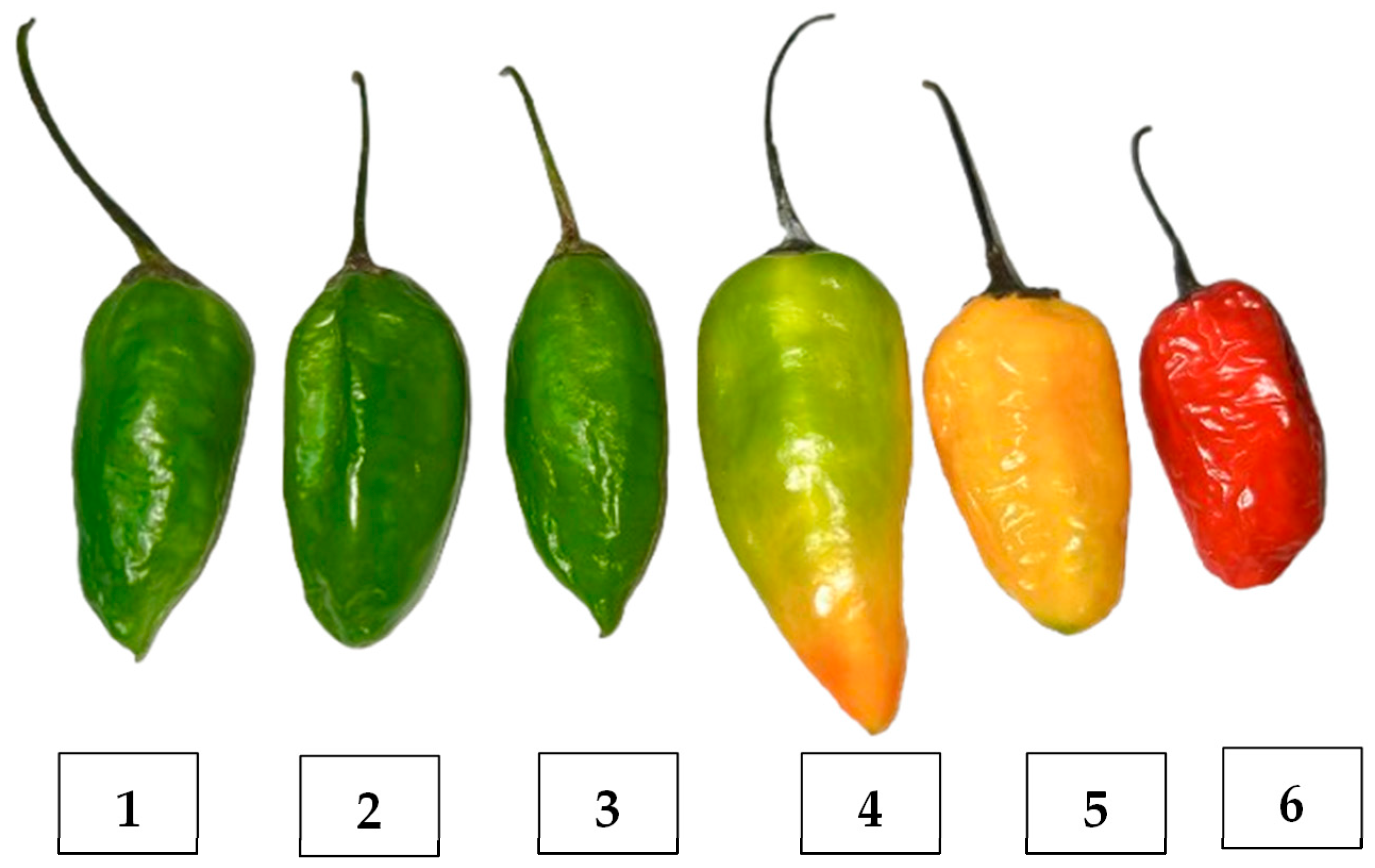

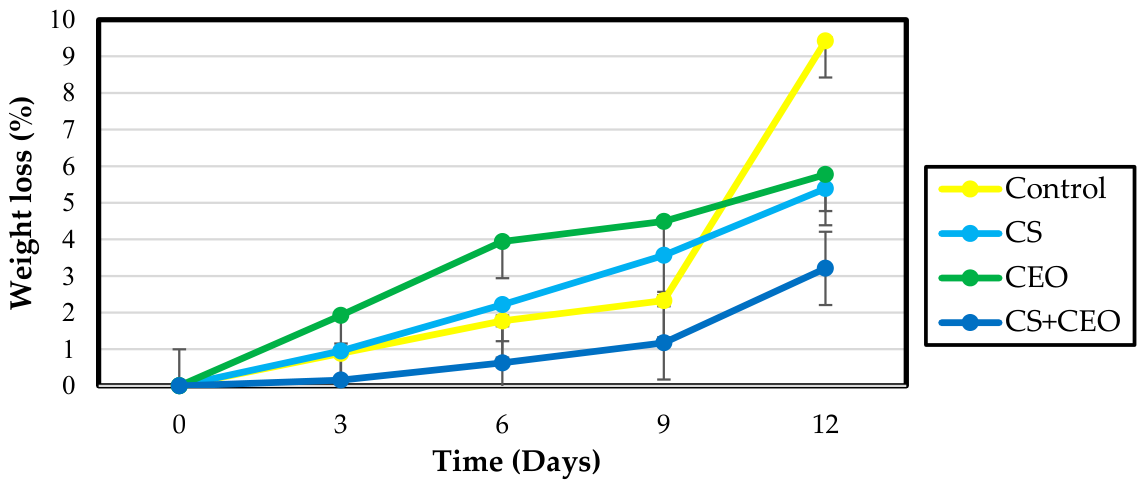


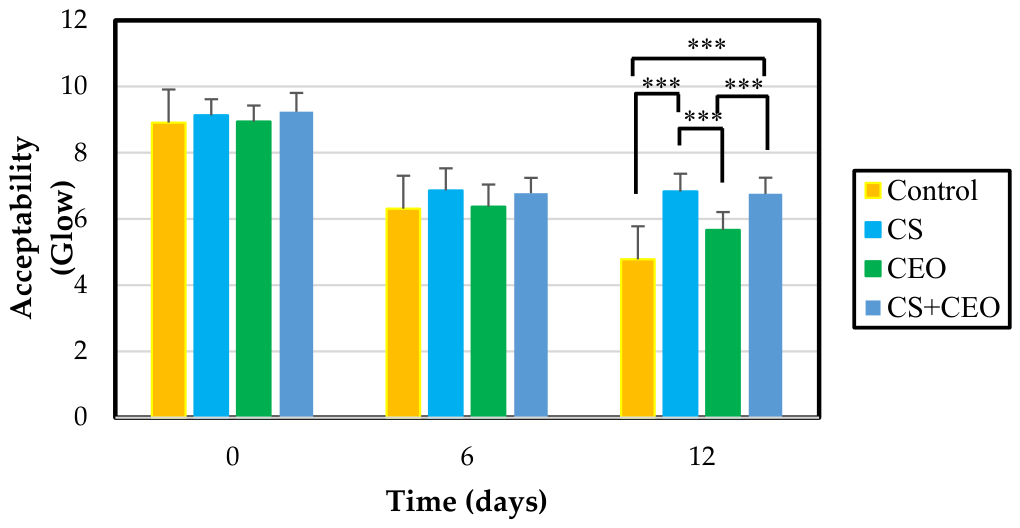



| Chemical Group | Compound | Kovats Index (Experimental) | Kovats Index (Literature) | Retention Times (RT) | Relative Amount (%) |
|---|---|---|---|---|---|
| Esters | Heptanyl-2-acetate | 1038 | 1045 [45] | 20.6 | tr. |
| Eugenyl acetate | 1519 | 1521 [46] | 38.5 | 17.8 | |
| Aromatic ester | Methyl salicylate | 1197 | 1192 [47] | 26.9 | 0.2 |
| Monoterpenes (hydrocarbons) | α-Pinene | 935 | 932 [47] | 16.1 | tr. |
| Δ3 -Careno | 1011 | 1008 [48] | 19.4 | tr. | |
| Ketones | 2-Nonanone | 1091 | 1092 [44] | 22.8 | tr. |
| Oxides | Caryophyllene oxide | 1596 | 1582 [46] | 40.8 | 0.5 |
| Sesquiterpenes (hydrocarbons) | α-Copaene | 1384 | 1374 [47] | 33.8 | 0.1 |
| trans-β-Caryophyllene | 1432 | 1419 [25] | 35.5 | 4.0 | |
| α-humulene | 1468 | 1454 [47] | 36.8 | 0.5 | |
| δ-Cadinene | 1526 | 1522 [44] | 38.7 | 0.1 | |
| 11,11-Dimethyl-4,8-dimethylenebicyl [7.2.0] undecane | 1651 | 1646 [44] | 42.3 | 0.1 | |
| Phenols | Chavicol | 1252 | 1247 [44] | 28.9 | 0.2 |
| Eugenol | 1362 | 1356 [47] | 33.0 | 76.5 | |
| Methyl eugenol | 1400 | 1402 [48] | 34.4 | tr. |
| Treatment | pH | ρ (g/cm3) | Viscosity (cP) |
|---|---|---|---|
| CS | 5.36 ± 0.03 a | 1.0087 ± 0.0003 a | 32.9 ± 0.40 a |
| CEO | 5.42 ± 0.02 b | 1.0043 ± 0.0002 a | 2.75 ± 0.12 b |
| CS+CEO | 5.40 ± 0.03 c | 1.0074 ± 0.0002 a | 32.7 ± 0.26 a |
| Days | Control | CS | CEO | CS+CEO |
|---|---|---|---|---|
| 0 | 4.00 ± 0.00 a | 3.00 ± 0.00 c | 3.50 ± 0.71 a | 3.00 ± 0.00 c |
| 3 | 4.00 ± 0.00 a | 3.00 ± 0.00 c | 3.50 ± 0.71 a | 3.00 ± 0.00 c |
| 6 | 4.00 ± 0.00 a | 3.00 ± 0.00 c | 3.50 ± 0.71 a | 3.00 ± 0.00 c |
| 9 | 4.00 ± 0.00 a | 3.00 ± 0.00 c | 3.50 ± 0.71 a | 3.00 ± 0.00 c |
| 12 | 4.00 ± 0.00 a | 3.00 ± 0.00 c | 3.50 ± 0.71 a | 3.00 ± 0.00 c |
Disclaimer/Publisher’s Note: The statements, opinions and data contained in all publications are solely those of the individual author(s) and contributor(s) and not of MDPI and/or the editor(s). MDPI and/or the editor(s) disclaim responsibility for any injury to people or property resulting from any ideas, methods, instructions or products referred to in the content. |
© 2026 by the authors. Licensee MDPI, Basel, Switzerland. This article is an open access article distributed under the terms and conditions of the Creative Commons Attribution (CC BY) license.
Share and Cite
Reyes Pérez, F.D.; Peralta-Ruiz, Y.; Carrascal-Hernández, D.C.; Delgado-Ospina, J.; Chaves-López, C.; Grande-Tovar, C.D. Synergistic Coatings Based on Chitosan and Eugenia caryophyllata Essential Oil to Improve Postharvest Quality of Capsicum chinense. Polymers 2026, 18, 1552. https://doi.org/10.3390/polym18121552
Reyes Pérez FD, Peralta-Ruiz Y, Carrascal-Hernández DC, Delgado-Ospina J, Chaves-López C, Grande-Tovar CD. Synergistic Coatings Based on Chitosan and Eugenia caryophyllata Essential Oil to Improve Postharvest Quality of Capsicum chinense. Polymers. 2026; 18(12):1552. https://doi.org/10.3390/polym18121552
Chicago/Turabian StyleReyes Pérez, Fanor David, Yeimmy Peralta-Ruiz, Domingo César Carrascal-Hernández, Johannes Delgado-Ospina, Clemencia Chaves-López, and Carlos David Grande-Tovar. 2026. "Synergistic Coatings Based on Chitosan and Eugenia caryophyllata Essential Oil to Improve Postharvest Quality of Capsicum chinense" Polymers 18, no. 12: 1552. https://doi.org/10.3390/polym18121552
APA StyleReyes Pérez, F. D., Peralta-Ruiz, Y., Carrascal-Hernández, D. C., Delgado-Ospina, J., Chaves-López, C., & Grande-Tovar, C. D. (2026). Synergistic Coatings Based on Chitosan and Eugenia caryophyllata Essential Oil to Improve Postharvest Quality of Capsicum chinense. Polymers, 18(12), 1552. https://doi.org/10.3390/polym18121552