Article

Toughening, Reinforcing, and Reprocessing of Epoxy Resin with Hyperbranched Polymer Containing Disulfide and Imine Dual Dynamic Covalent Bonds

Key Laboratory of Specially Functional Polymeric Materials and Related Technology (Ministry of Education), School of Materials Science and Engineering, East China University of Science and Technology, Shanghai 200237, China
*
Author to whom correspondence should be addressed.
Polymers 2026, 18(12), 1418; https://doi.org/10.3390/polym18121418
Submission received: 2 May 2026 / Revised: 28 May 2026 / Accepted: 4 June 2026 / Published: 6 June 2026
(This article belongs to the Section Circular and Green Sustainable Polymer Science)

Abstract

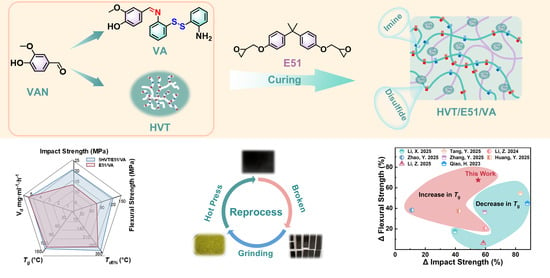
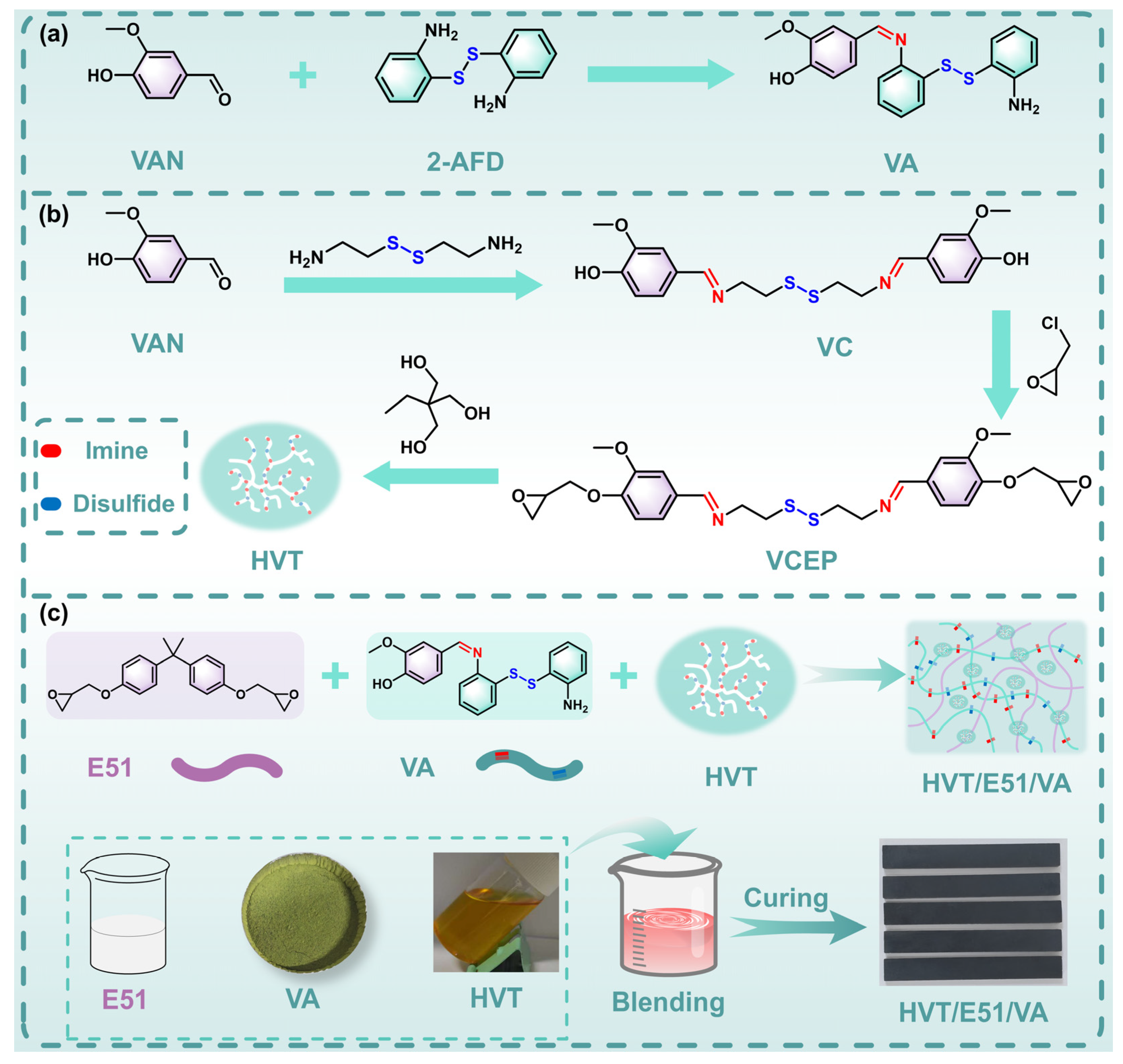
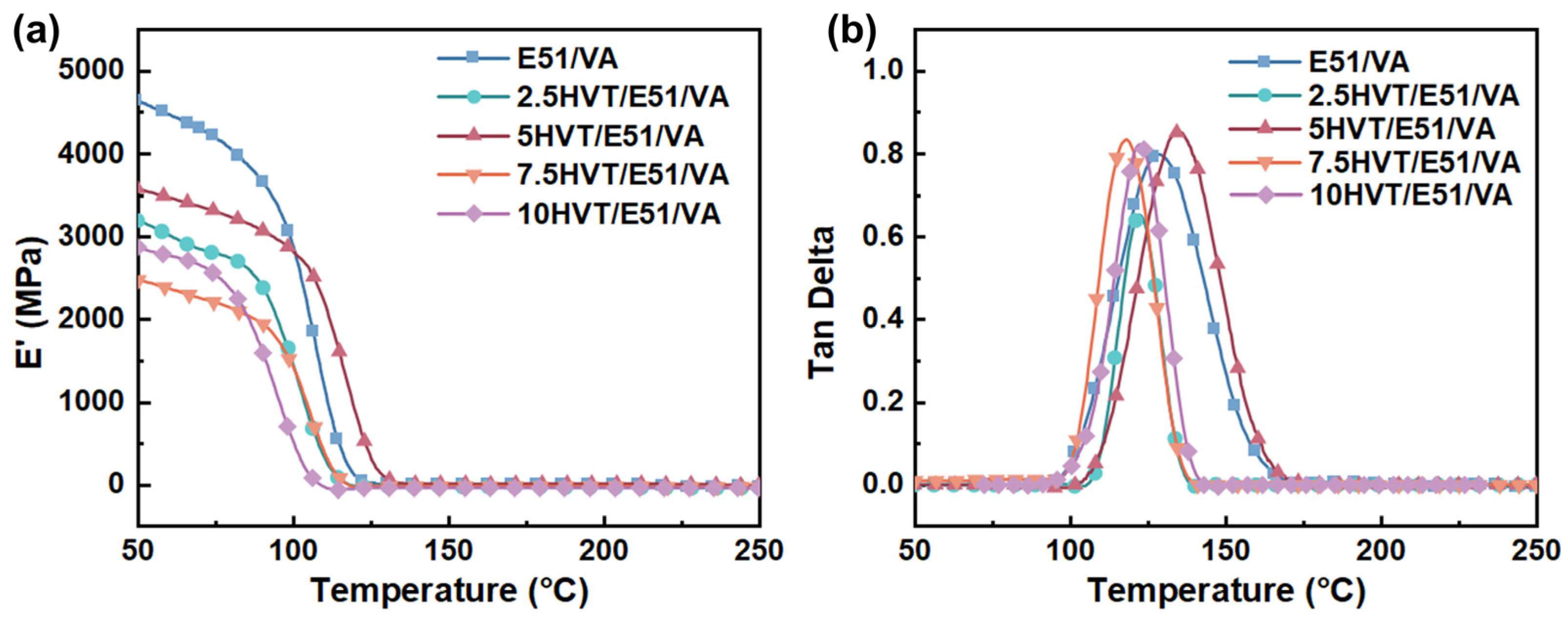
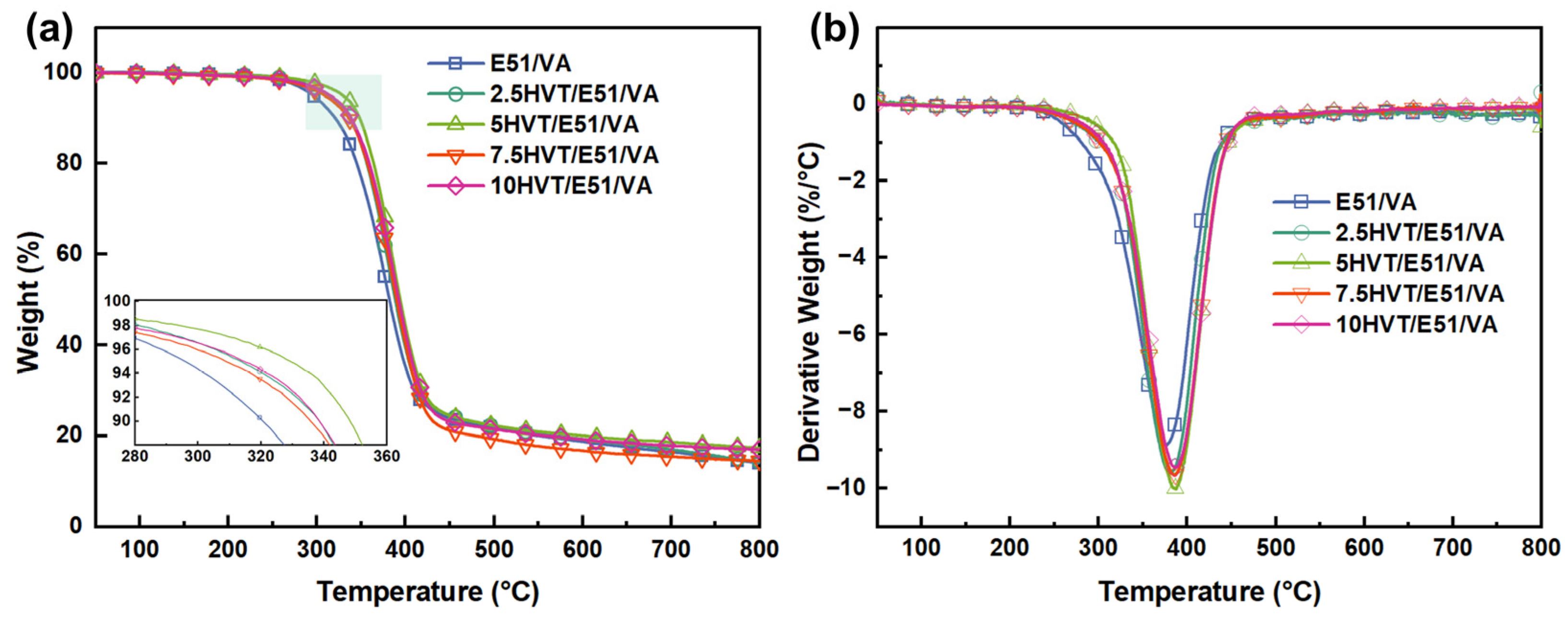
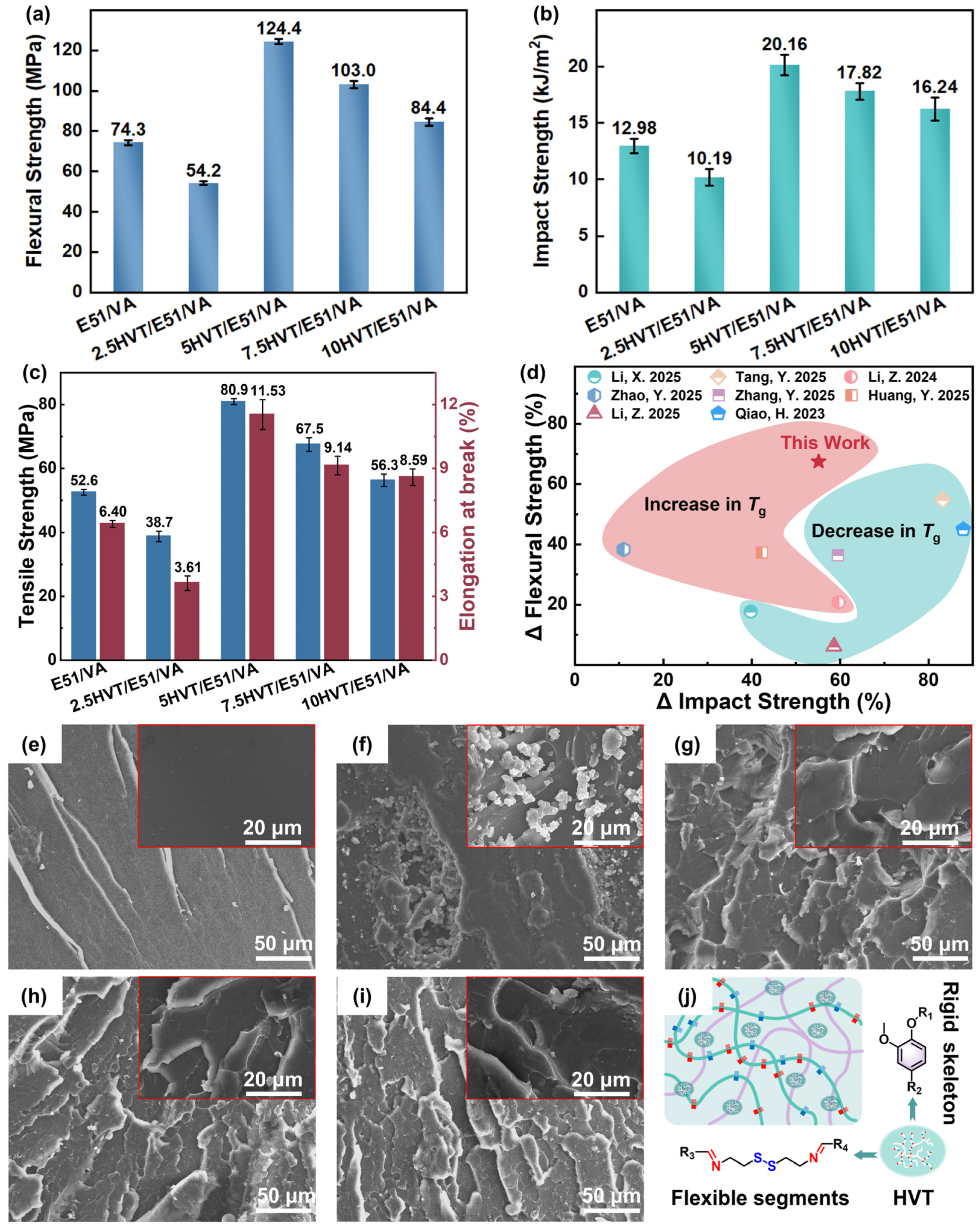
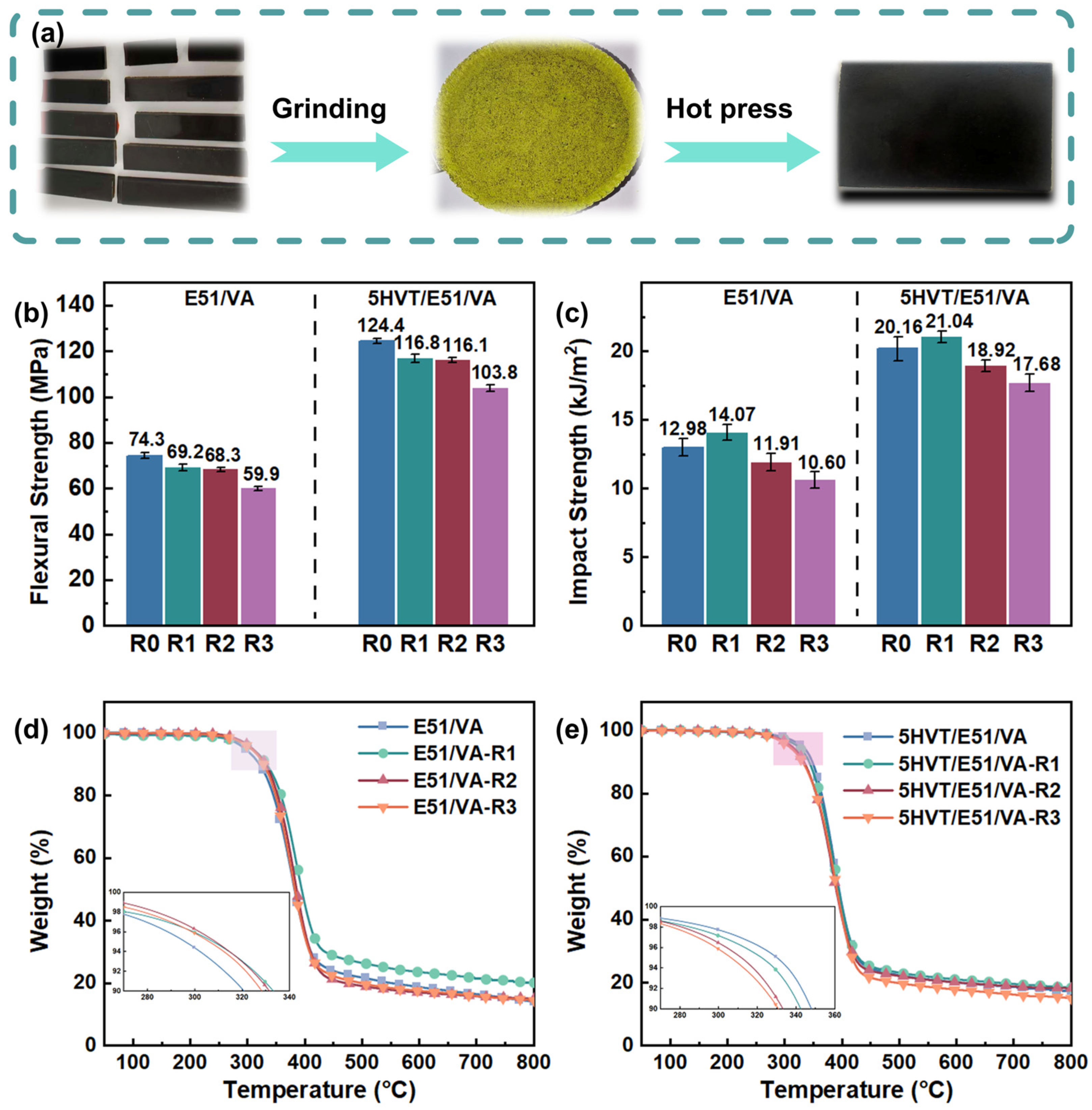
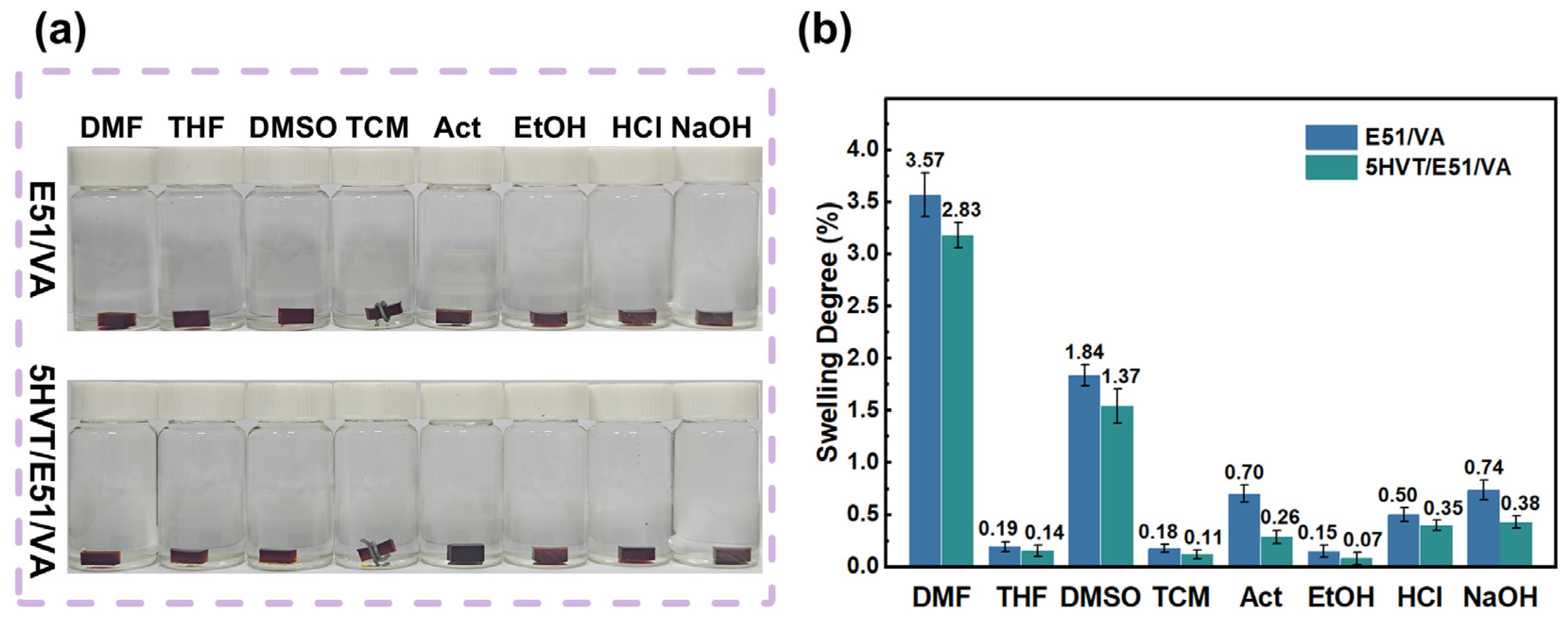
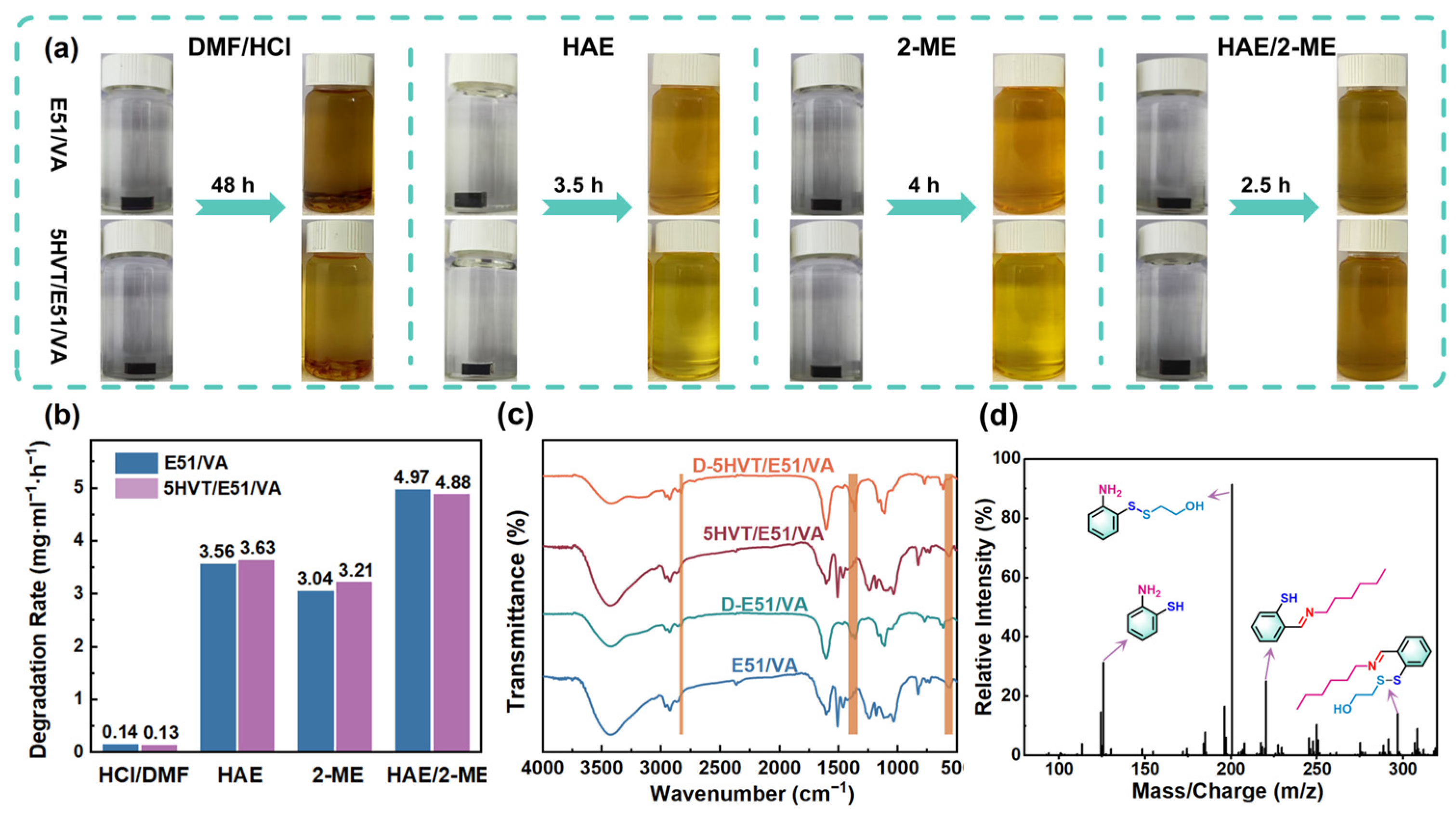
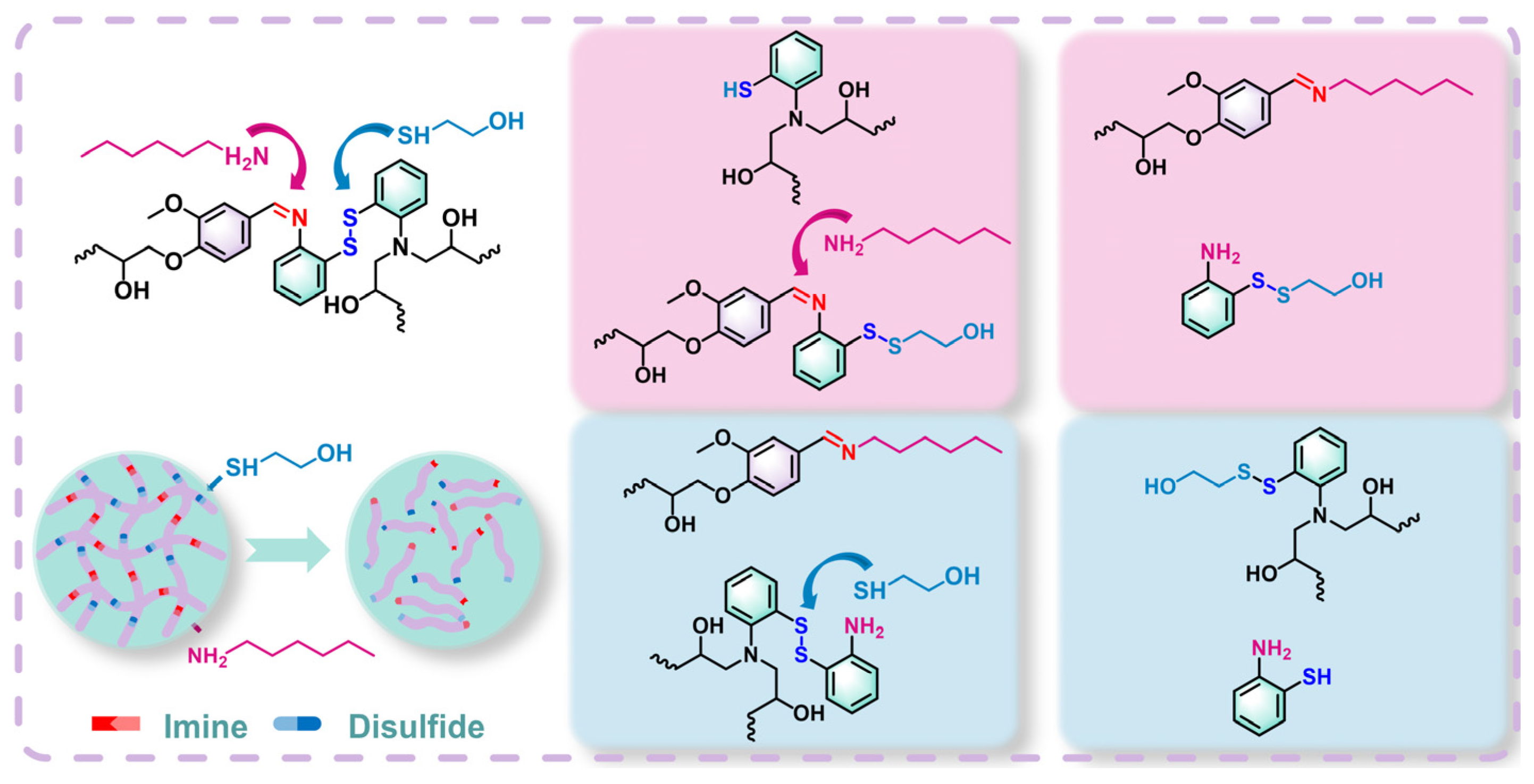
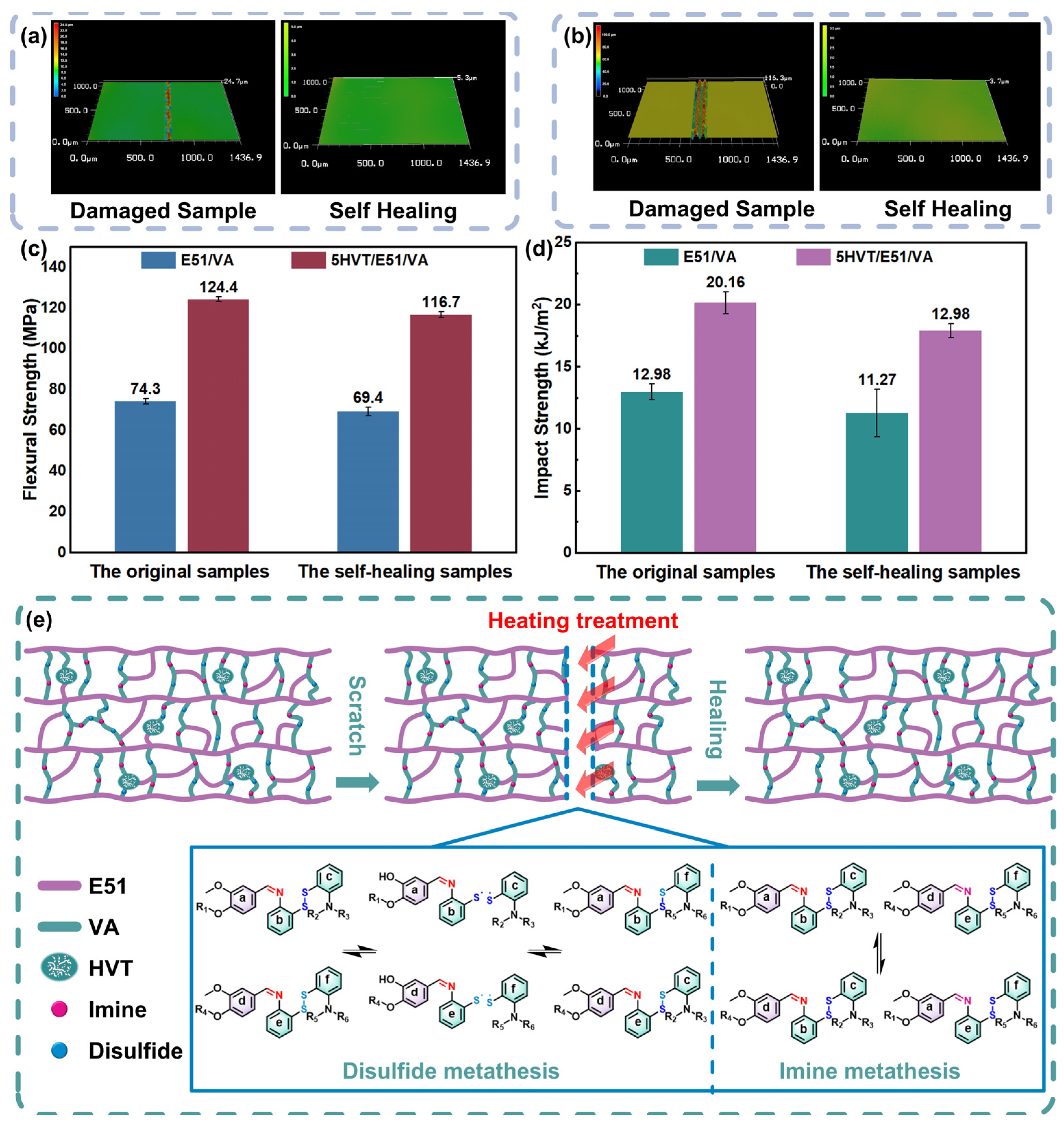
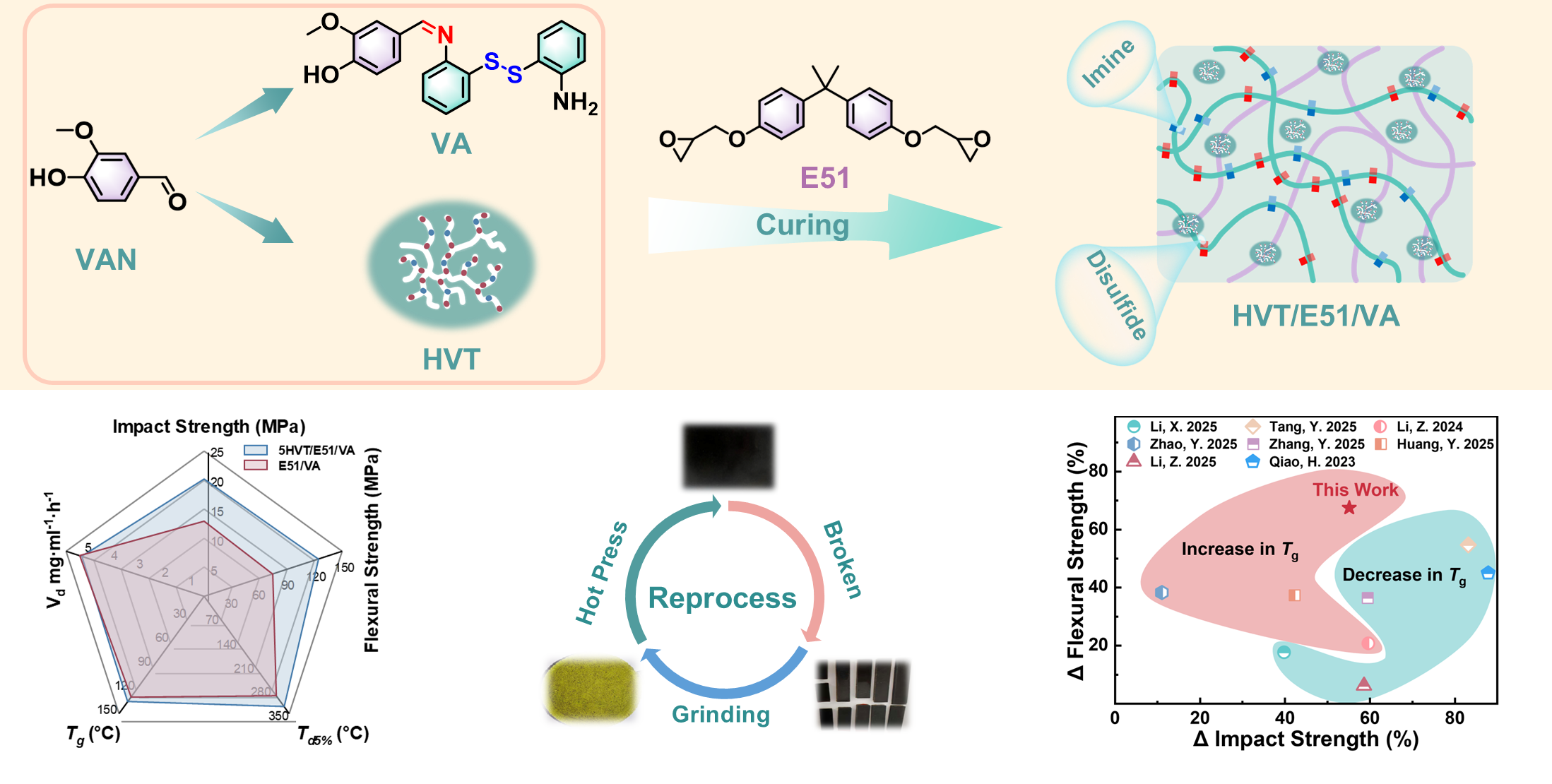
Epoxy resins are extensively utilized in various fields for their excellent comprehensive performance. However, the inherent brittleness and lack of reprocessing ability greatly limit their sustainability. In order to obtain reprocess ability in epoxy resin with superior mechanical properties and thermal stability, a curing agent (VA) and a hyperbranched epoxy toughening agent (HVT) containing disulfide and imine bonds have been synthesized from vanillin. Owing to the distinctive topological structure and abundant epoxy terminal groups of HVT, the modified epoxy resin (5HVT/E51/VA) exhibits high toughness, enhanced mechanical strength, and favorable thermal stability. When compared to the properties of the unmodified resin, the impact and flexural strength of 5HVT/E51/VA are increased by 55.32% and 71.63%, respectively. Its glass transition temperature (Tg) and 5% weight loss temperature (Td5%) are also enhanced by 4.74% and 11.33%, respectively. Moreover, the resins are highly stable in most solvents, but can be completely degraded in hexylamine/2-mercaptoethanol (HAE/2-ME) solution within 2.5 h. The resin also displays notable scratch-healing capability, and the healing efficiencies reach above 85%. Even after three reprocessing cycles, their strength retention rate exceeds 80%, suggesting excellent sustainability potential. This research provides a sustainable method for preparing high-performance epoxy resins, suggesting their potential applications in self-healing and reprocessable composites.
Keywords: hyperbranched polymers; toughening; reinforcing; dual dynamic bonds; reprocessing hyperbranched polymers; toughening; reinforcing; dual dynamic bonds; reprocessing
Graphical Abstract